Evening walk.

A local evening walk back to local woodland where we spent a lot of time in lockdown when we were only allowed out to exercise. Our exercise was not jogging up and down the road but walking down the road and exercising by monitoring the local nature. Exercising the brain as well as the body.

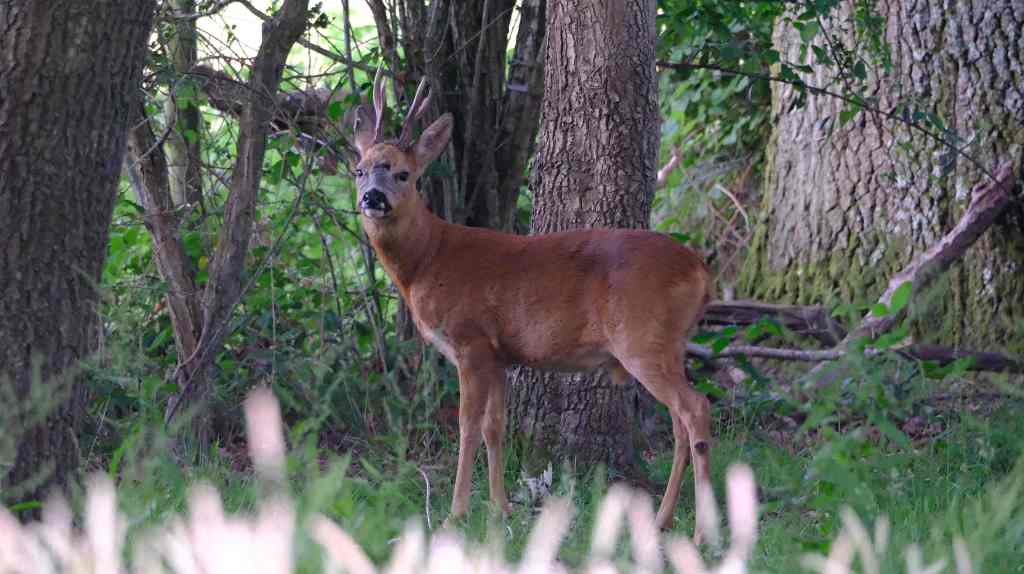
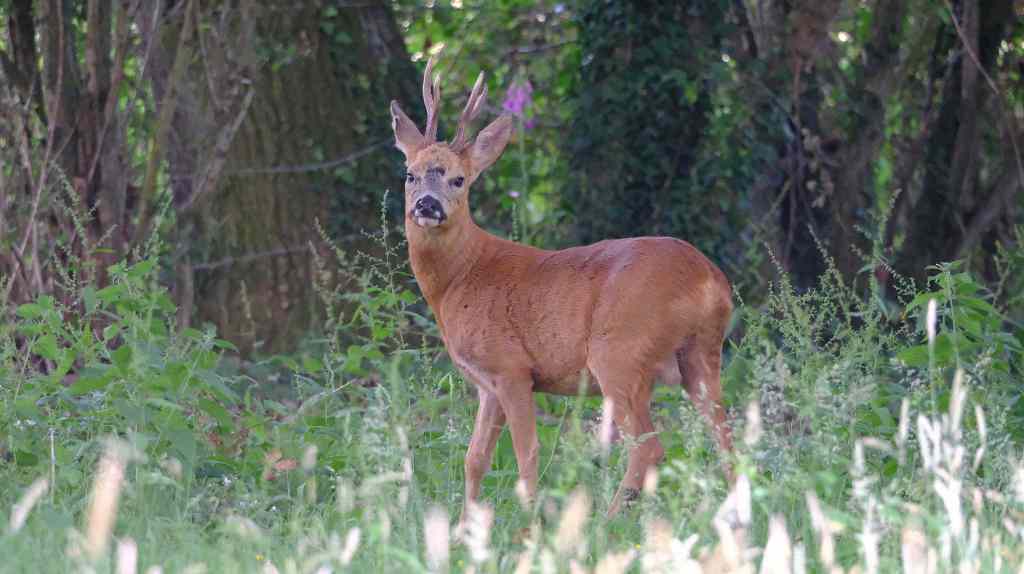
A local Roebuck.
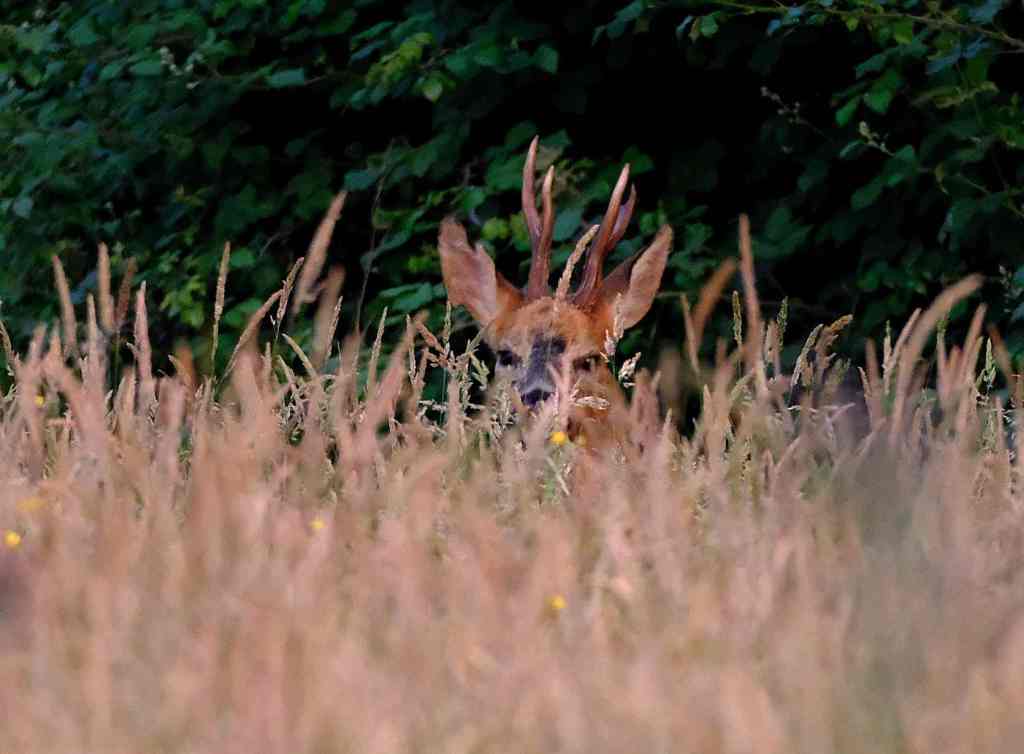
I am not sure if we spotted him 1st or if he spotted us 1st but I think he was the winner! This good buck is an animal we regularly see and we are sure he is the alpha male in the local woodland.

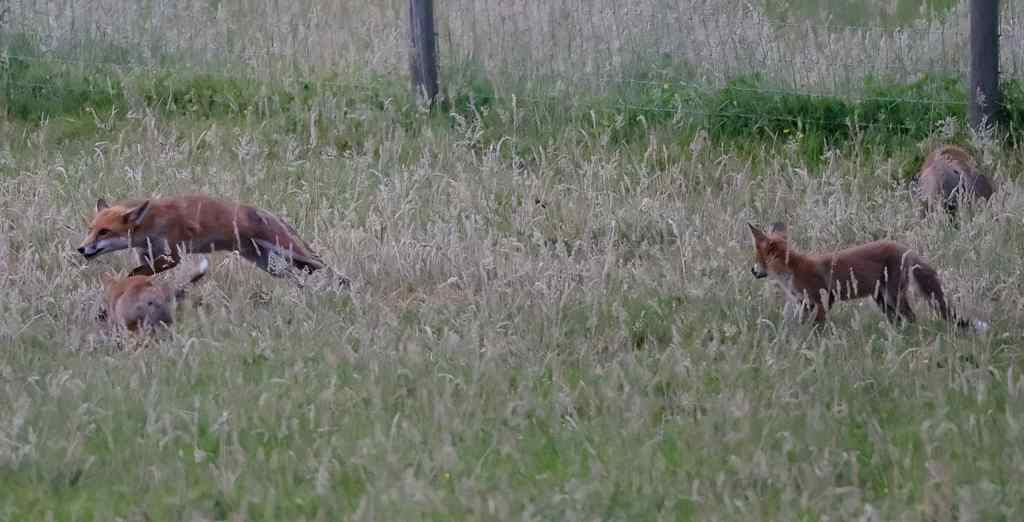
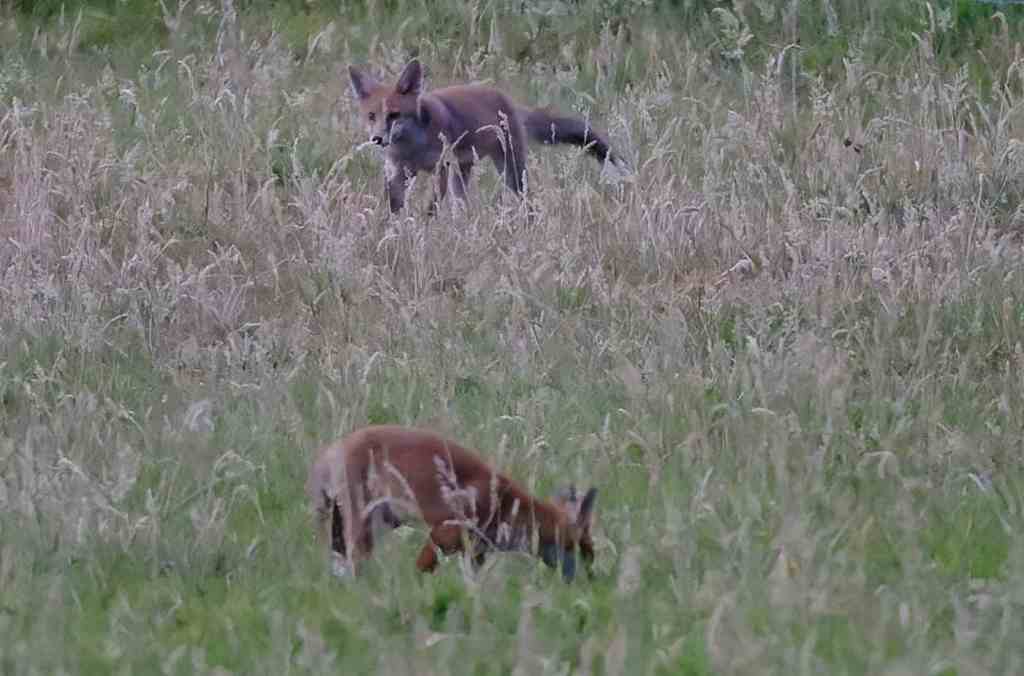
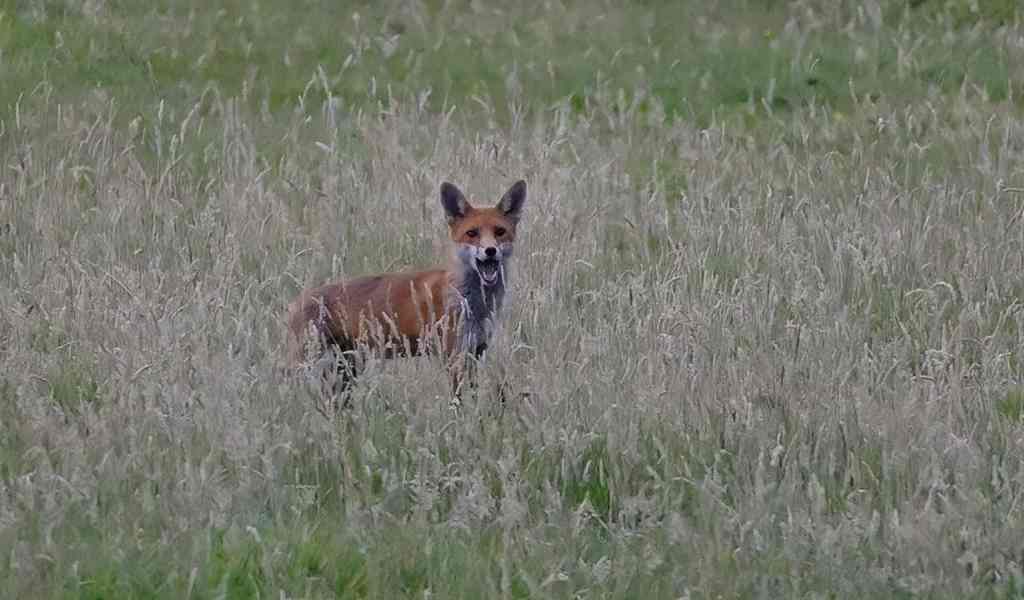
Far off across a field a family of foxes, playing in the evening sun in the open 6 cubs with mum. We watched them playing for 10 minutes Mum had spotted us quickly and kept an eye on us while the cubs played. When it was time to go she barked telling them it was time to go – and off they ran into the woods.
Family matters

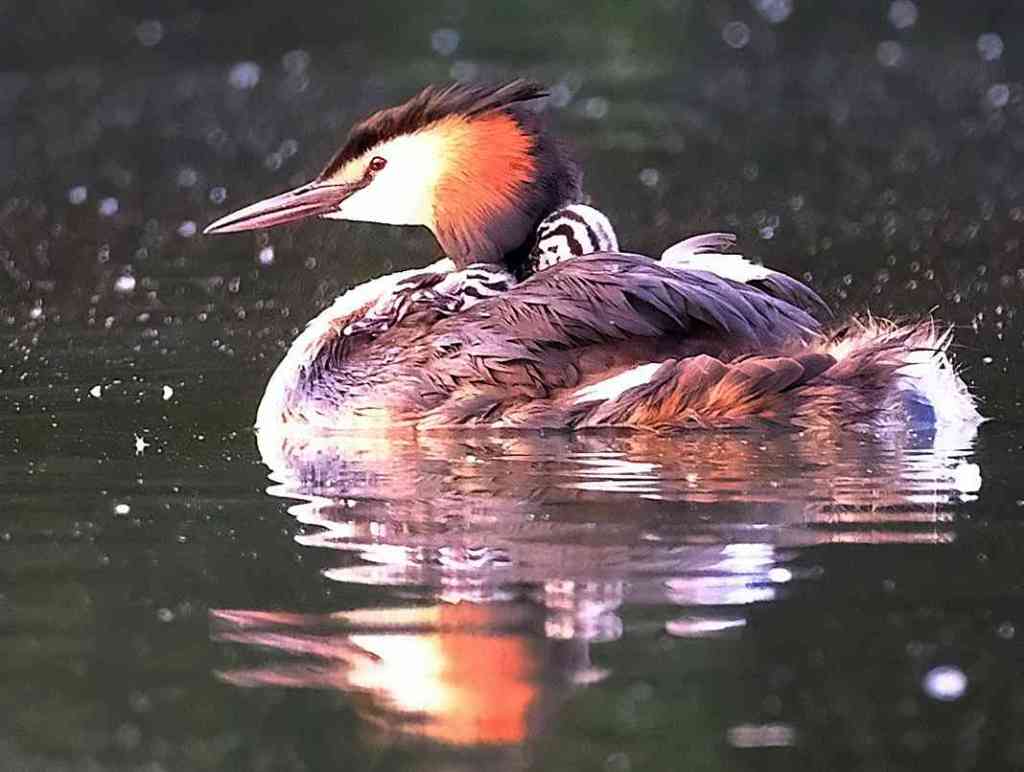
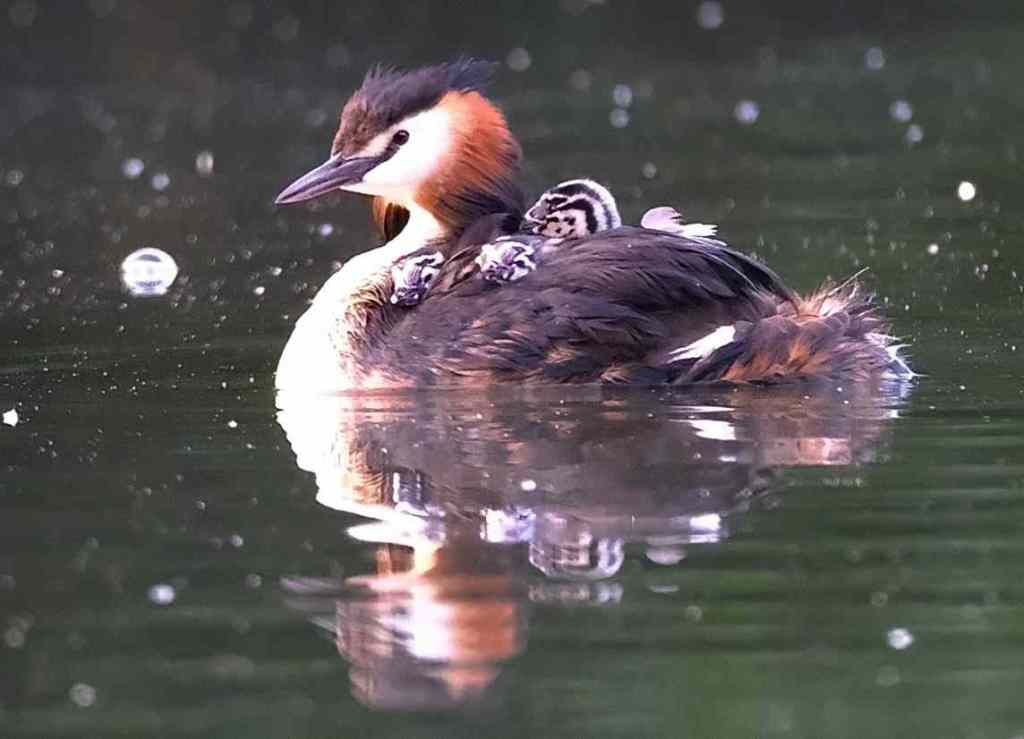
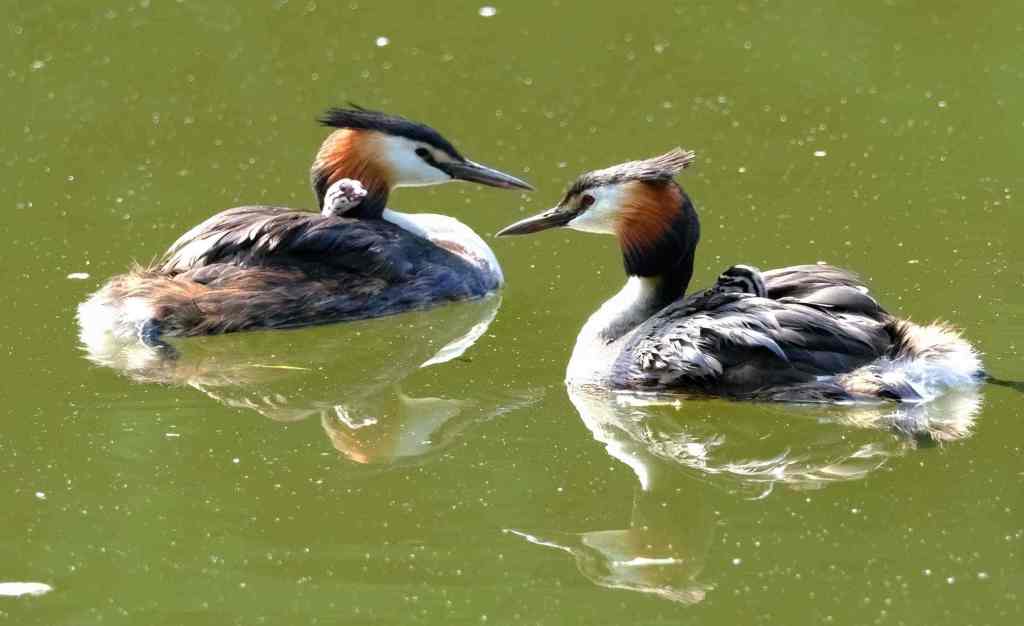
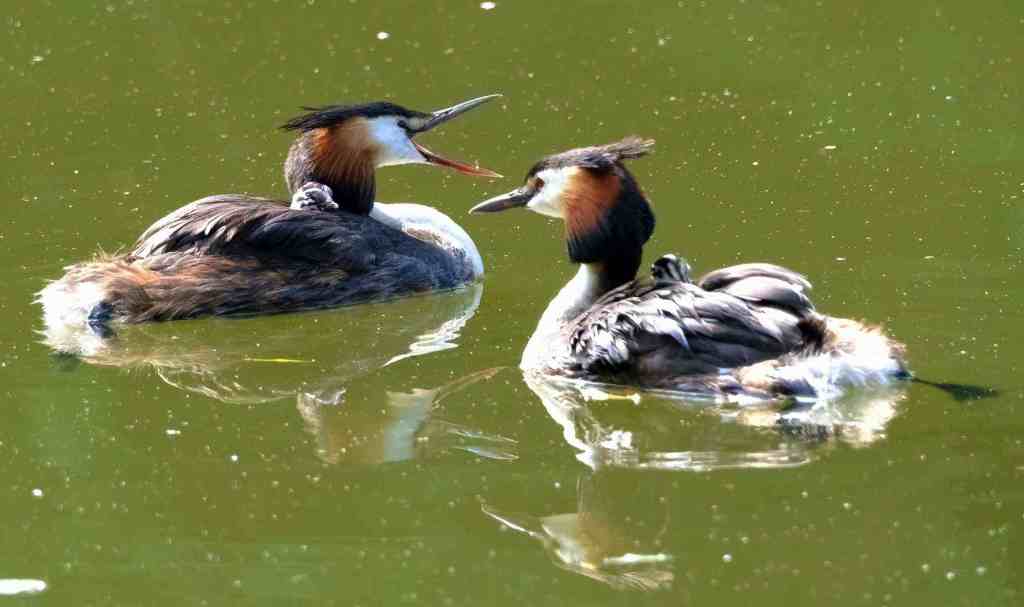
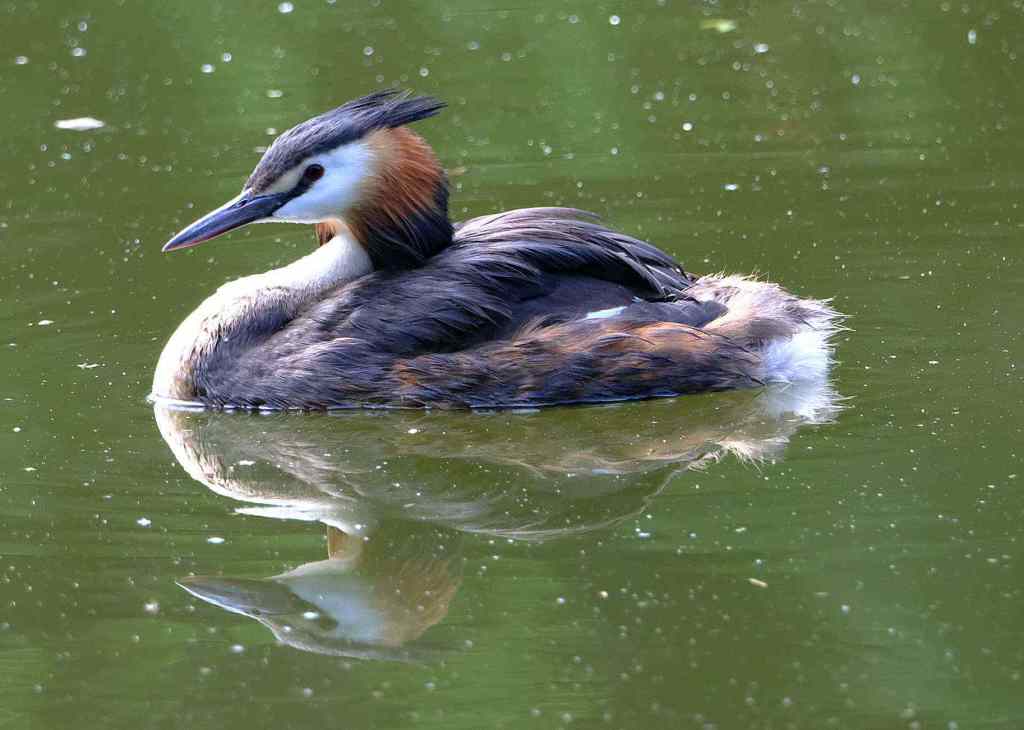
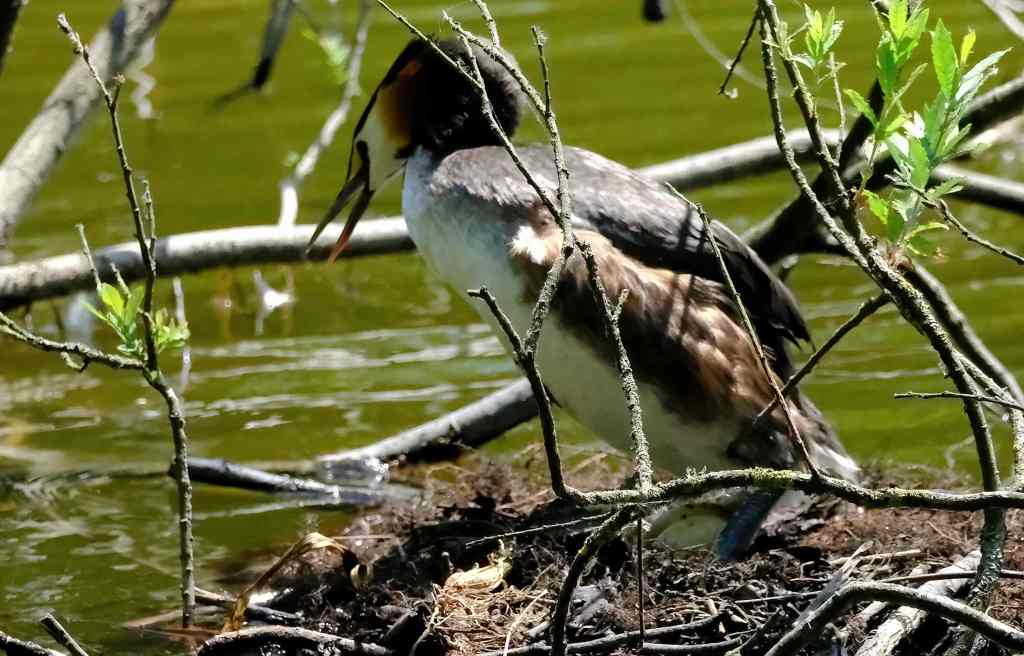
By 05.30hrrs this morning we were watching the Great Crested Grebe family.

Both parents work together to support the chicks.
Grebe regularly eats its own feathers, which form a plug in their stomach, this acts as a filter, holding fish bones until they can be digested; the parents also feed feathers to their chicks you can see this in the video.

The video film is filmed in slow motion – it is fairly long but it does show some interesting parental behaviour.

Changing fortunes.

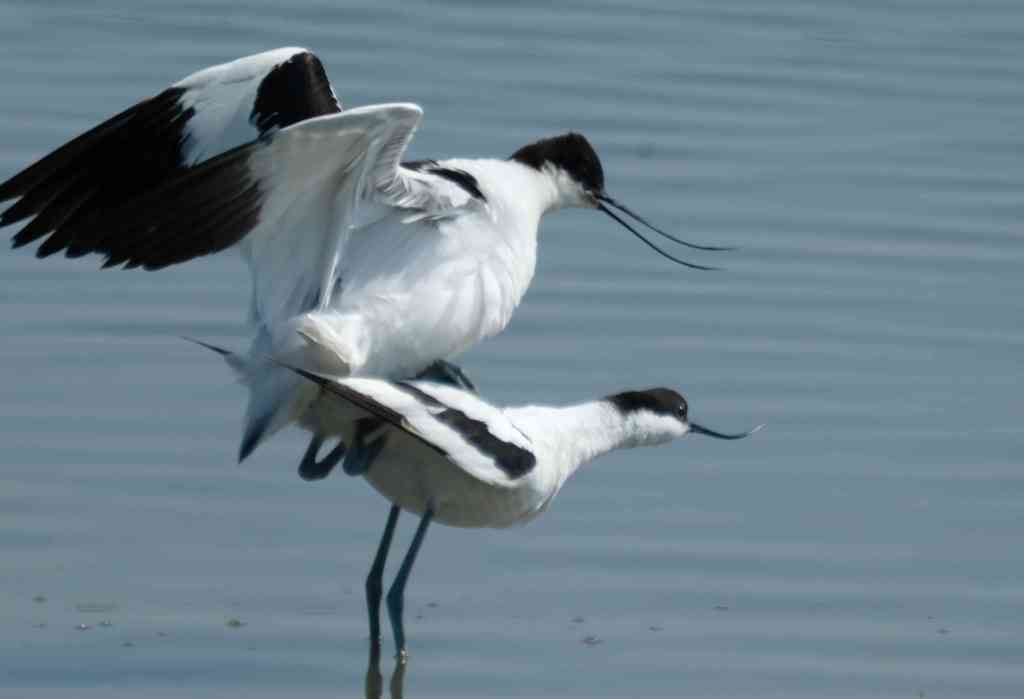
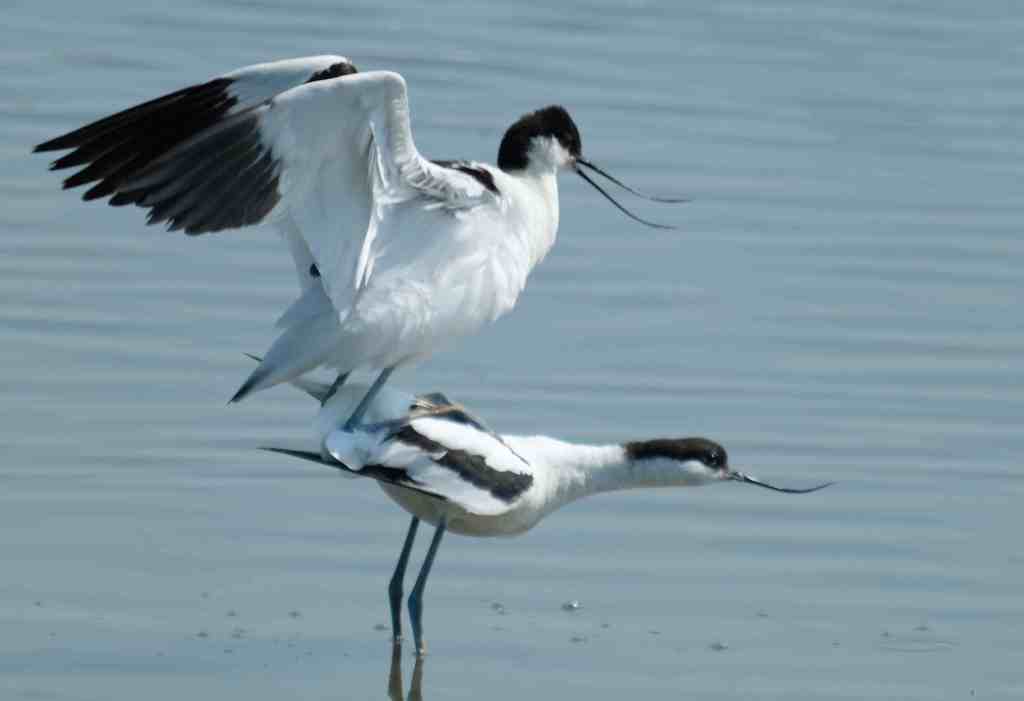
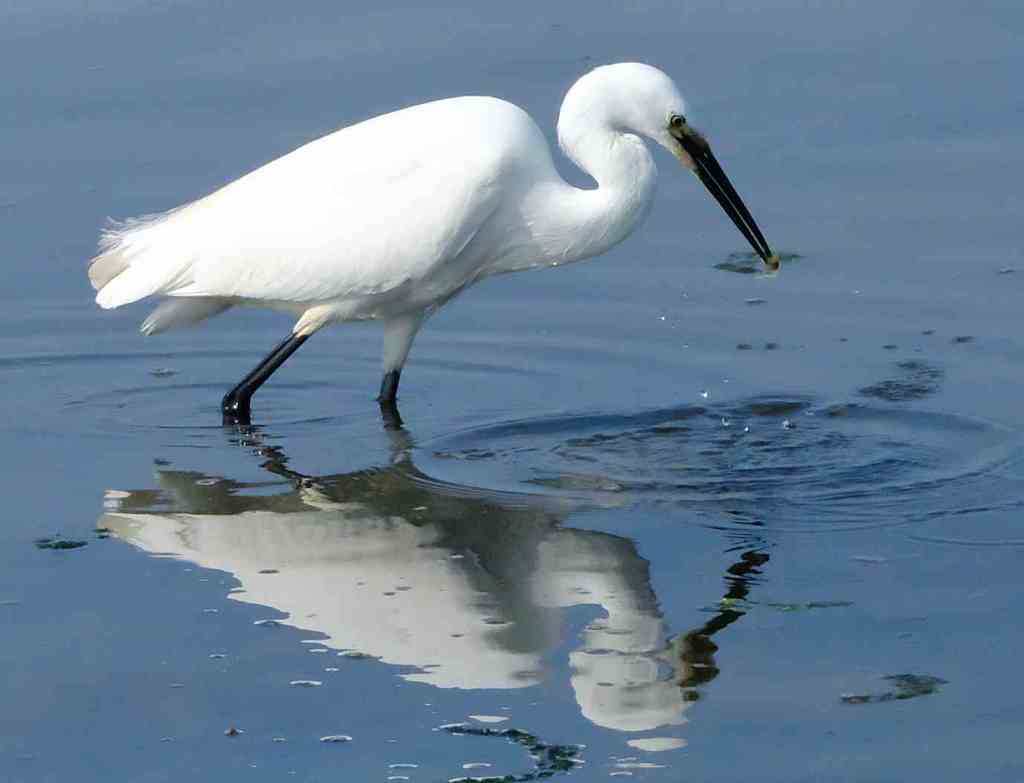
Bird flu (avian influenza) has devastated the Black-headed gull colony at Titchfield Haven National Nature Reserve this year. My estimate is gull numbers are reduced by some 75%. The Common Terns failed to arrive in any numbers. Larger Gull – such as Herring Gulls, Great and Lesser Black-backed Gulls number are fewer. So this has given Avocets space to build their nests and without predators, the Avocet chicks get a head start.

A pair of Avocets mate.

Humbug!

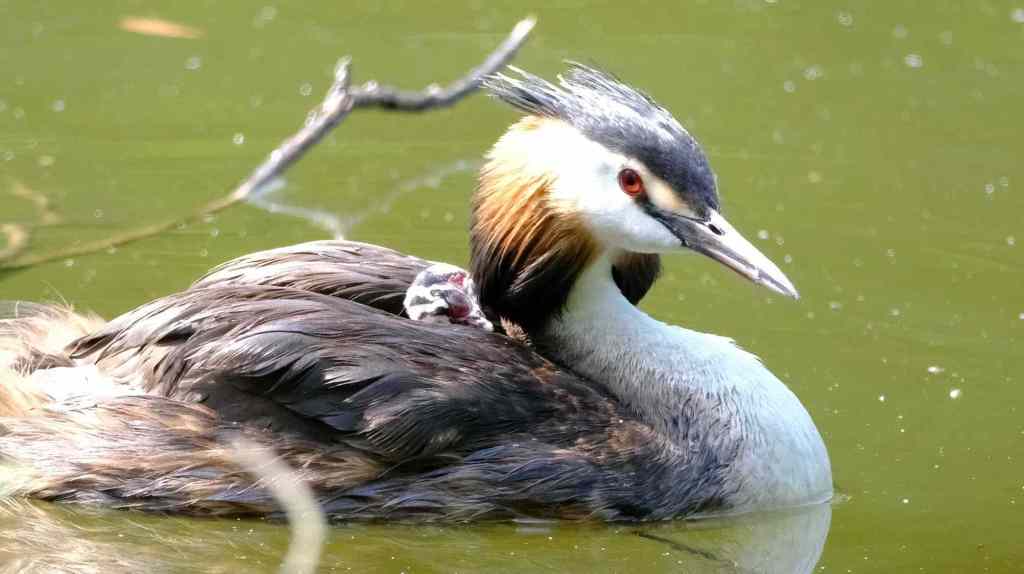
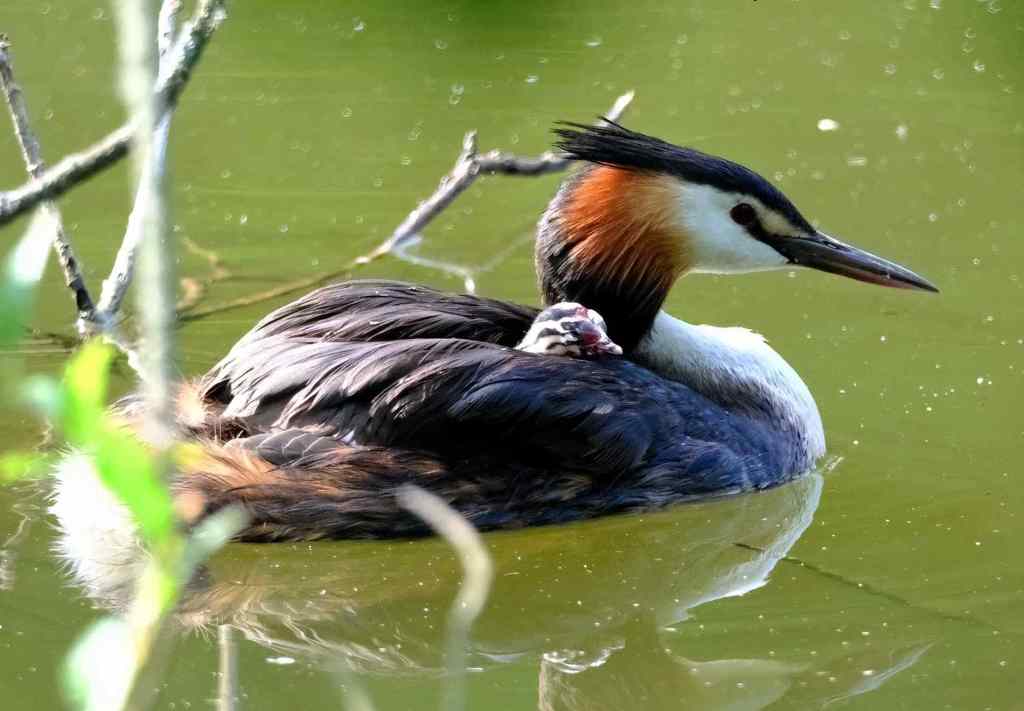
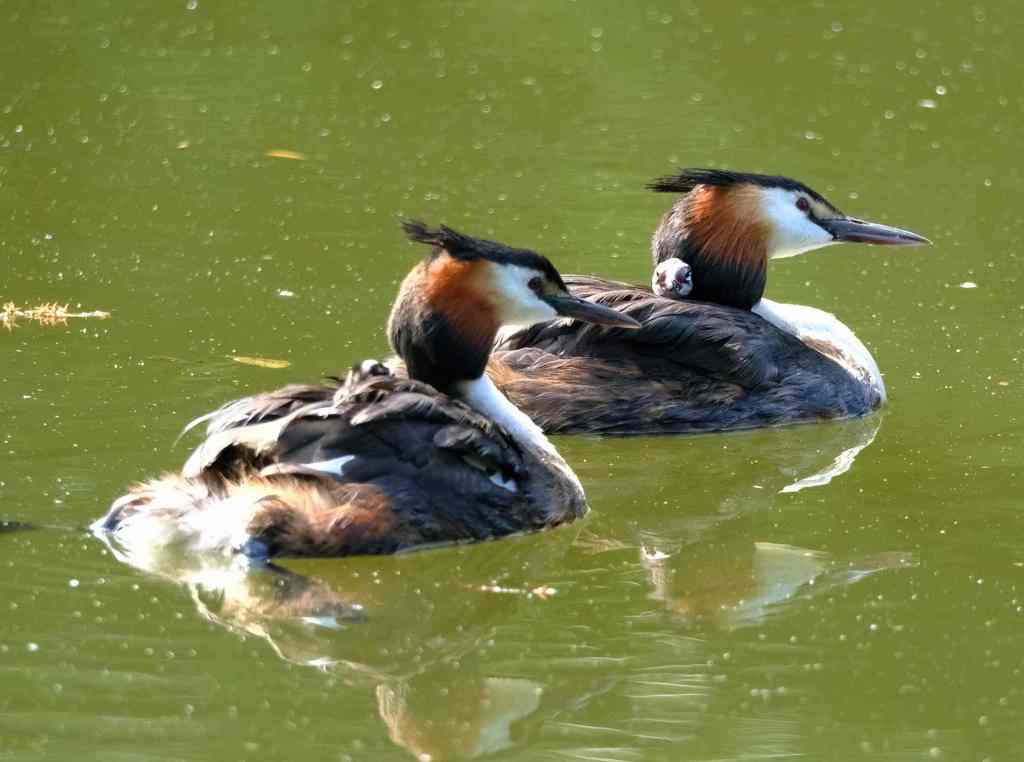
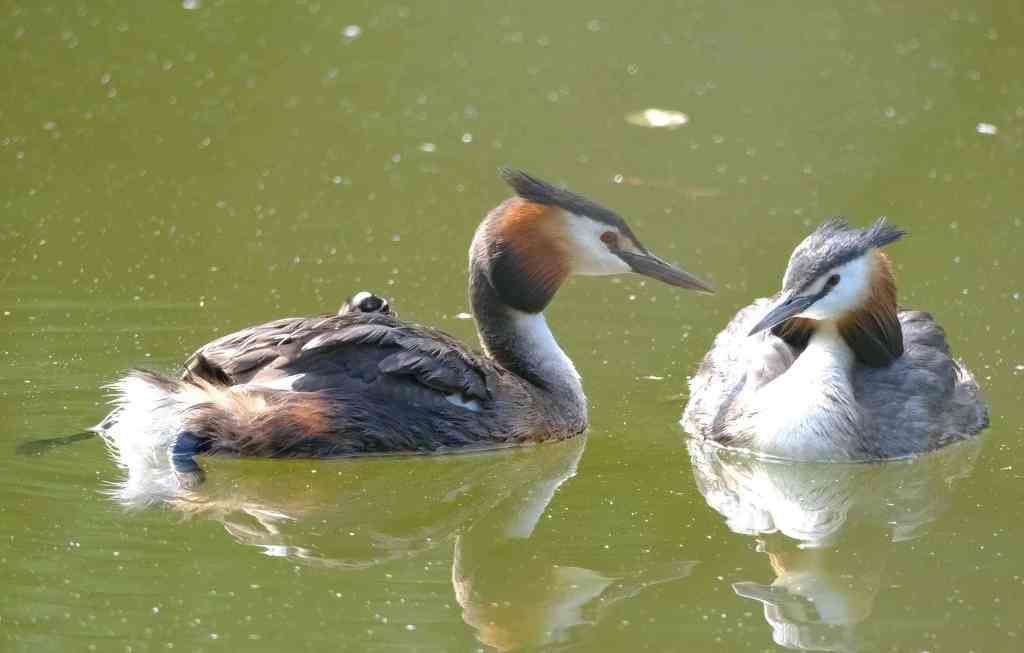
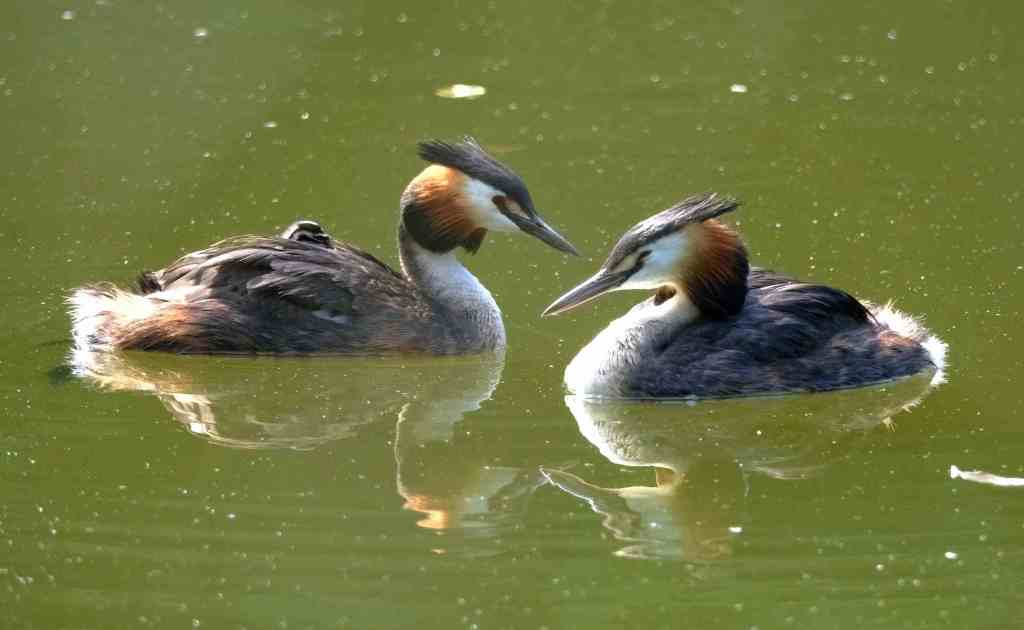
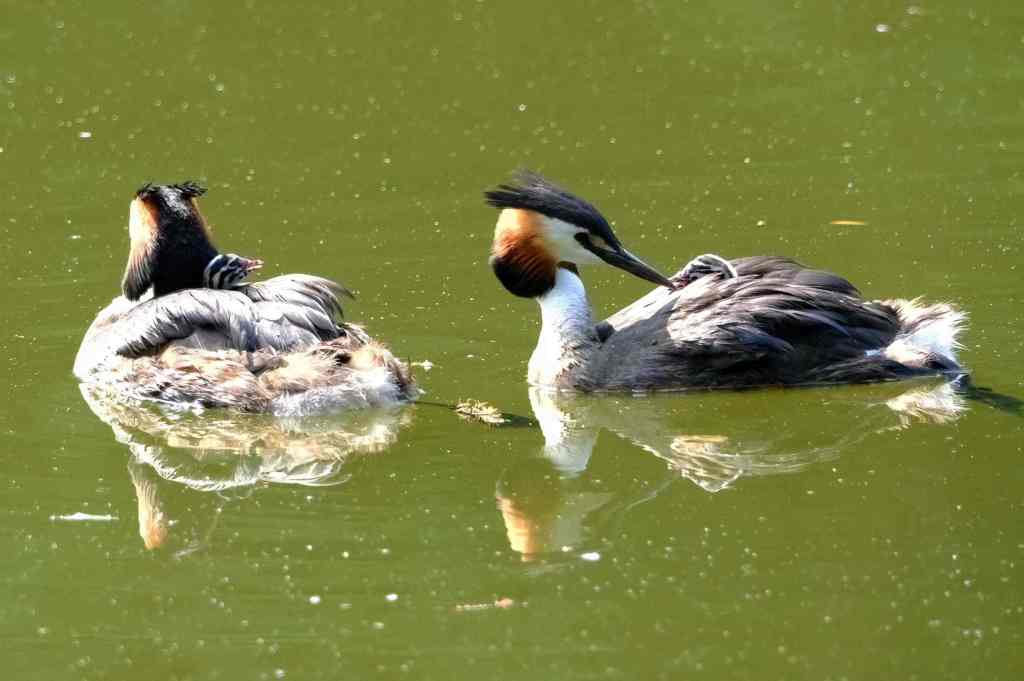
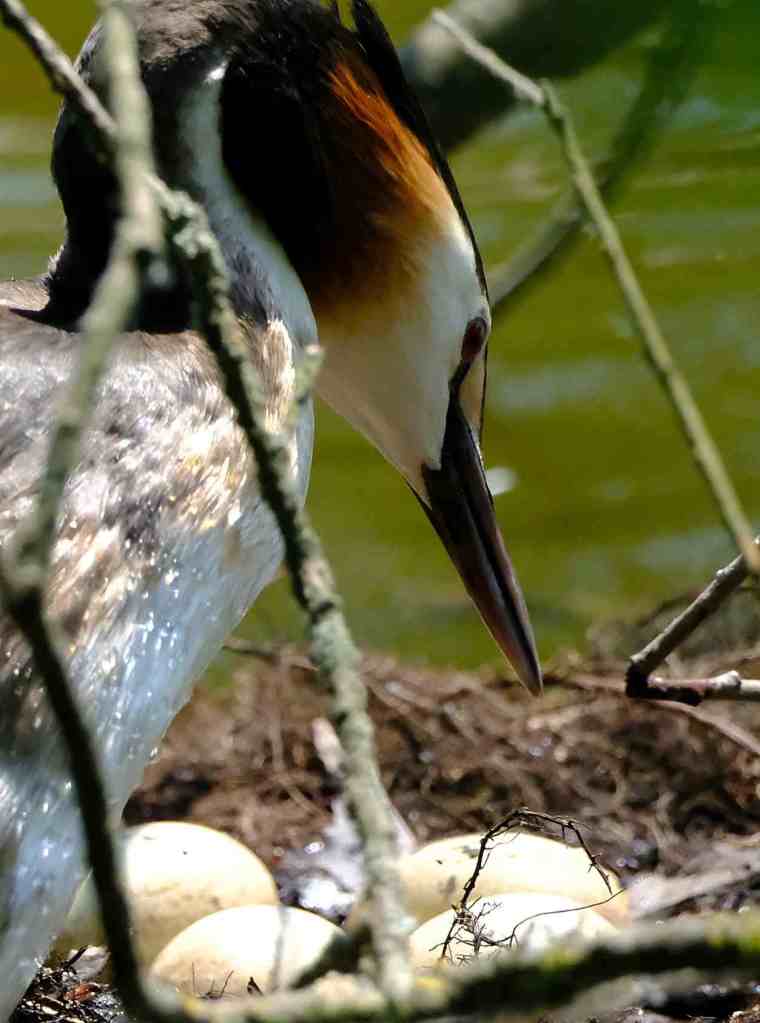
Further to my last post about our local Great Crested Grebes with views of the birds’ eggs.

Counting down the time we first saw birds sitting to the time the eggs should have hatched we returned to take a look this morning. The eggs hatch after 27 to 29 days. The young are cared for and fed by both parents. Young grebes are capable of swimming and diving almost at hatching. We were not disappointed and very young birds which look like little humbugs! – were riding on the backs of the parent birds safely under their wings occasionally, popping their heads up to take a look at their world.

Turning her eggs.

A visit to observe the Great Crested Grebe to see if her eggs had hatched. She was still sitting on them they had not. However, we were lucky that she decided to get off the nest turn around and get back on – and then slowly turn the eggs before sitting back down on them. Her wait continues.

Incubation begins as soon as the first egg is laid. The eggs hatch after 27 to 29 days. The young are cared for and fed by both parents. Young grebes are capable of swimming and diving almost at hatching. Our nest has 4 eggs.

Animals of the Forest.

Some animals of the New Forest. (and some other observations).

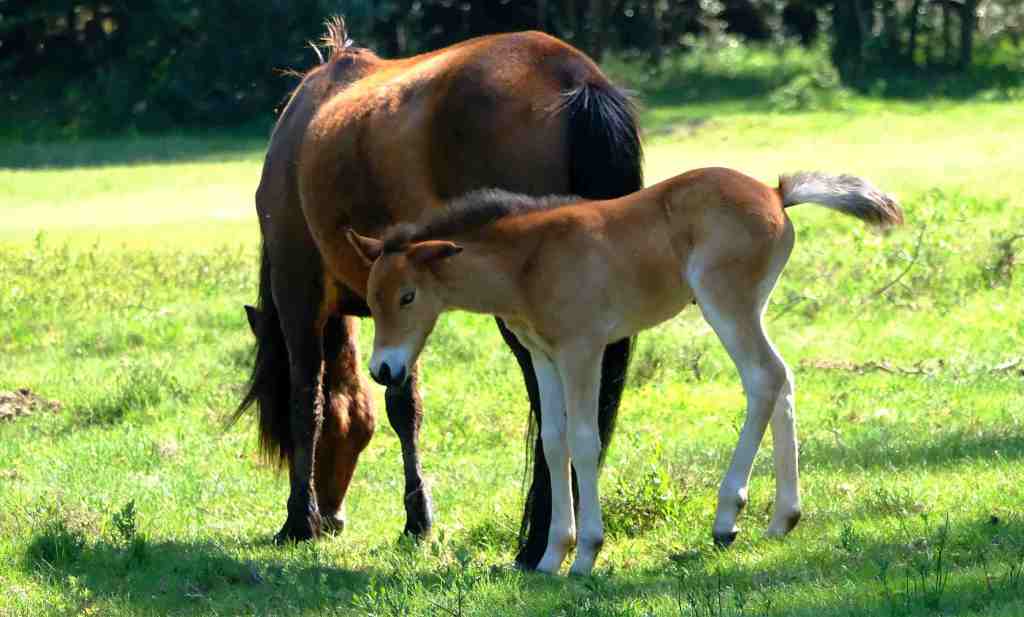
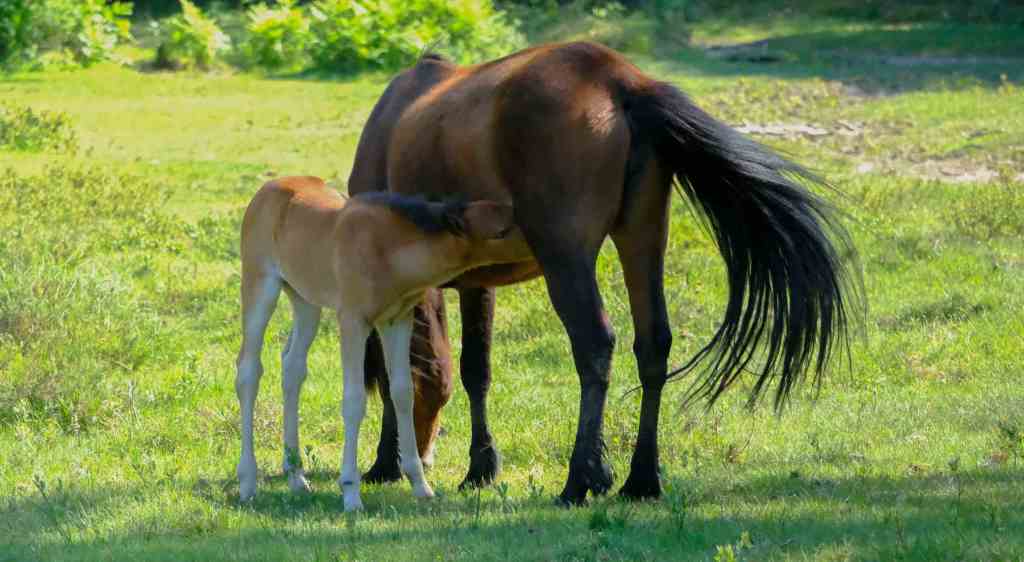
Cattle & Ponies roam the forest they are owned by local people called “commoners” they have the right to graze their animals on the open Forest throughout the year (part of the year in the case of pigs). Agisters police the system of this grazing system in the forest, these agisters supervise the welfare of the stock, ensure that stock pounds are in good order, and attend to road traffic accidents involving stock. They take action should commoners’ animals be in poor condition.

Deer are wild animals in the forest and can be observed if you know when and where to look. They are best approched up wind and under cover.

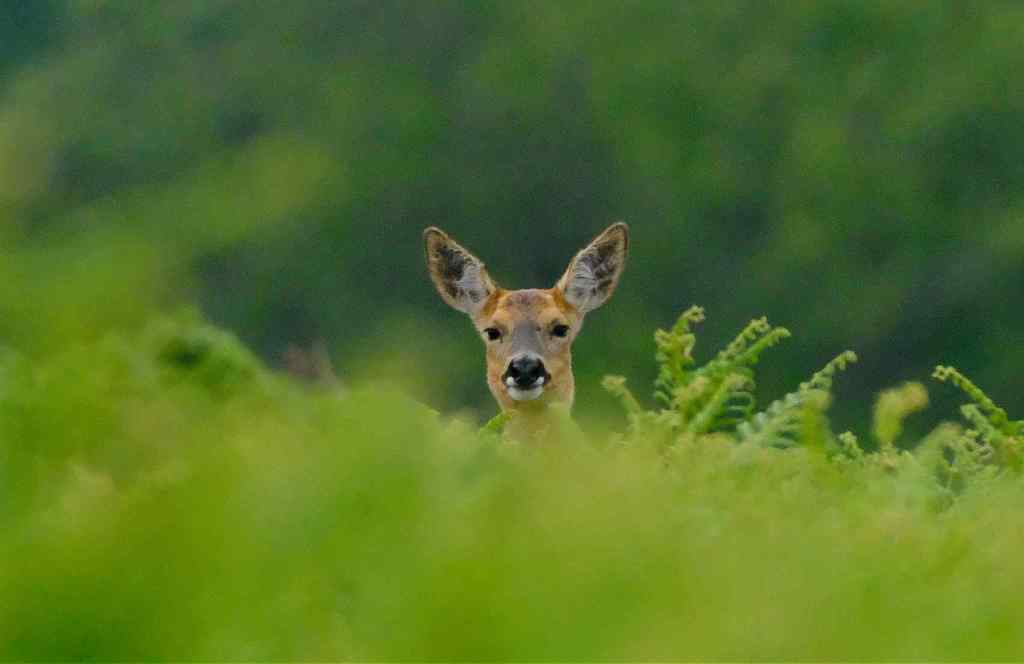
Roe Dear doe, Roe have very large ears and move them to tune into who is approaching!

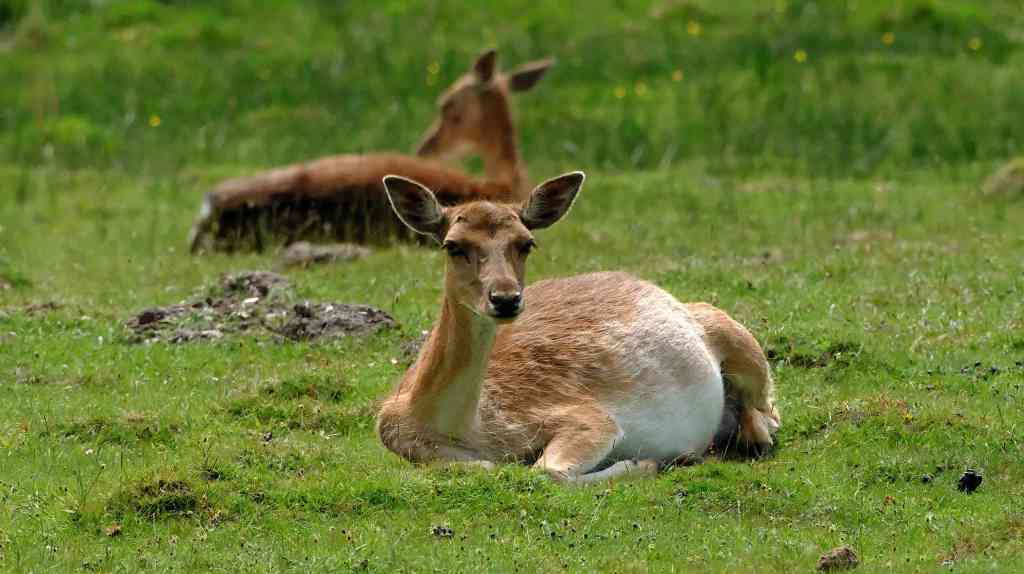
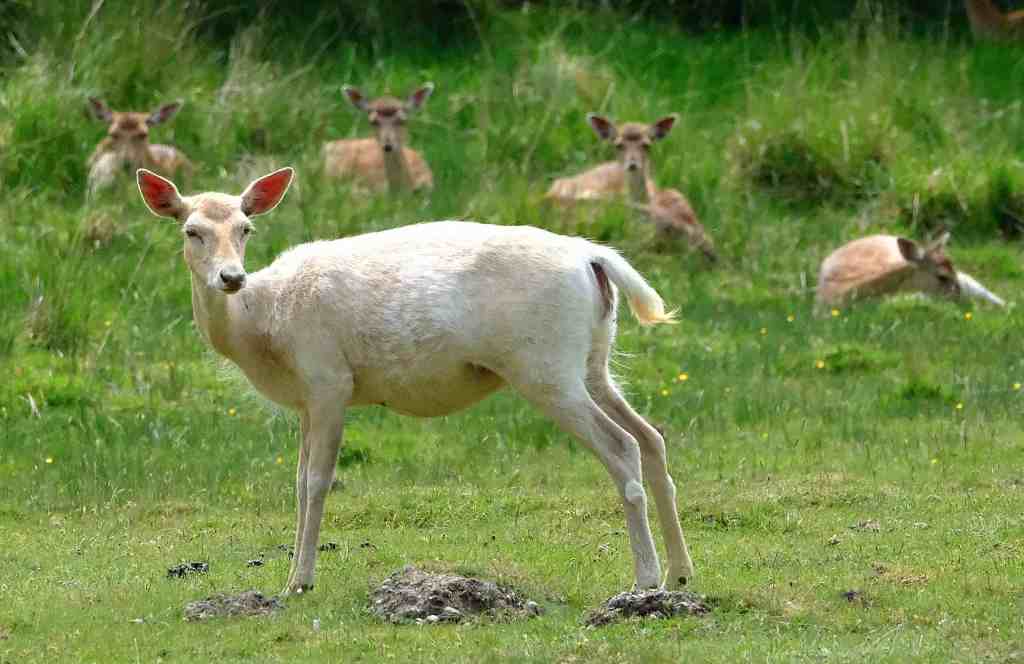
The Fallow Deer is probably the most seen deer in the forest their numbers are managed by the forestry commission – Originally introduced by William the Conqueror King of England after he proclaimed a “New Forest ” a royal hunting forest which was recorded in the Domesday Book.

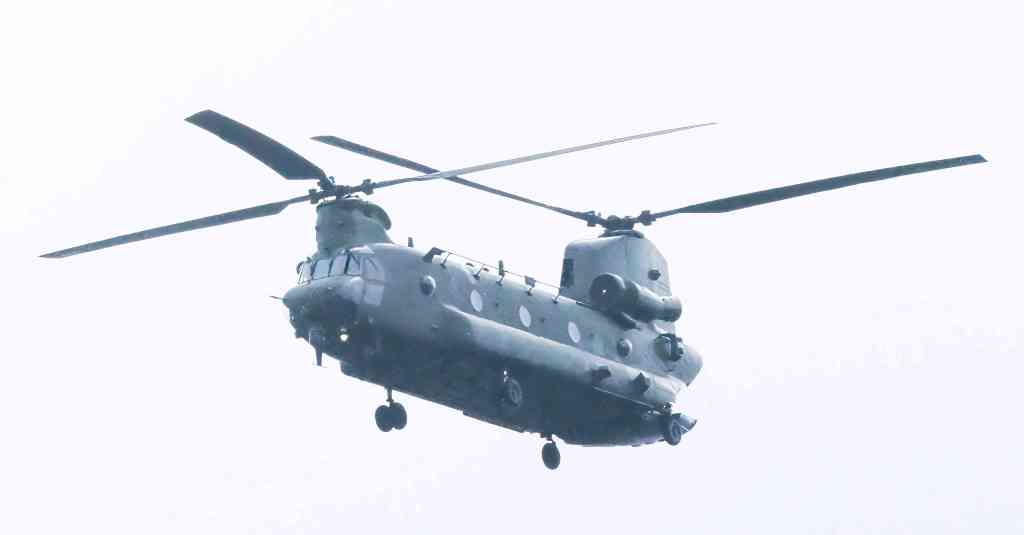
Quiet broken by RAF Boeing CH-47 Chinook helicopter.

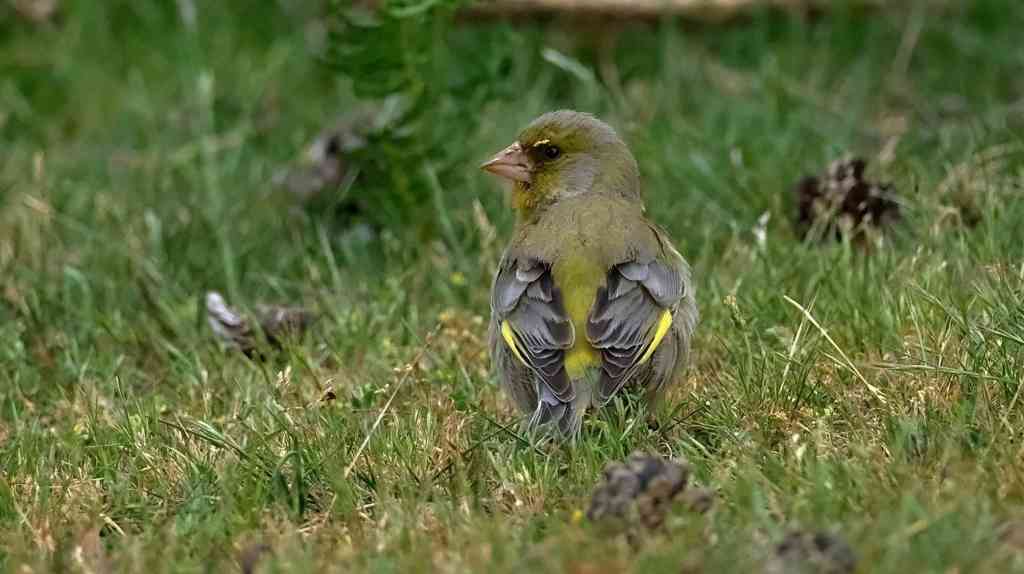
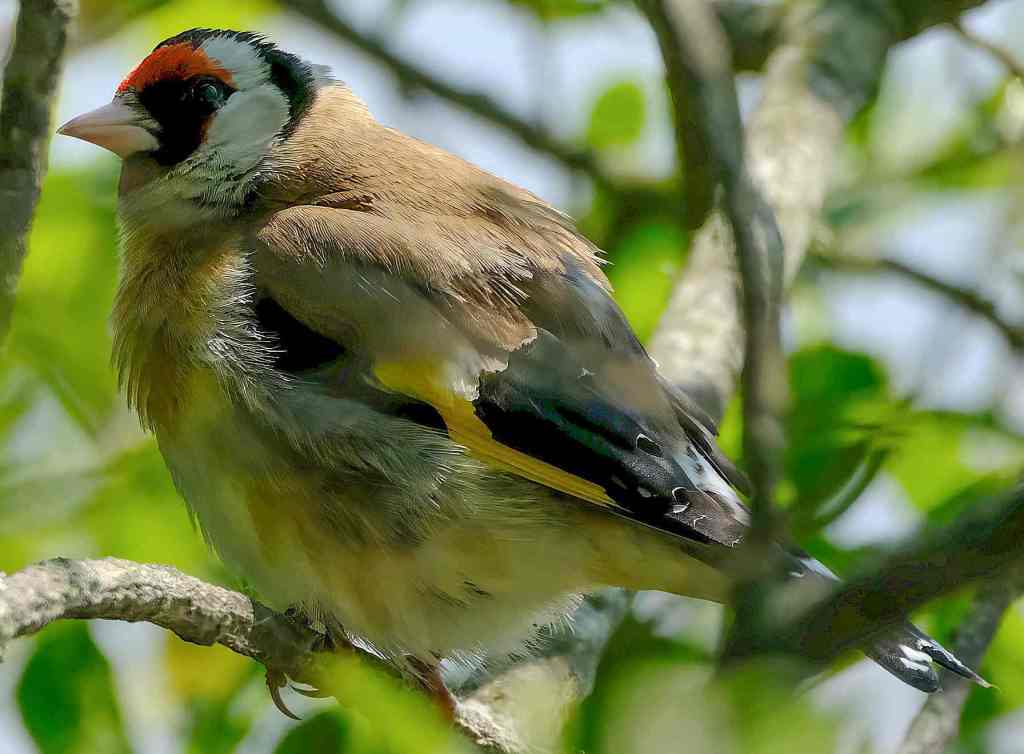
Greenfinch ground feeding on grass seeds.