Leucistic Carrion Crow, Southampton Common. Leucism in birds is a genetic disorder whereby the pigment cells are unevenly distributed, resulting in patches of feathers looking paler, bleached looking or showing white.
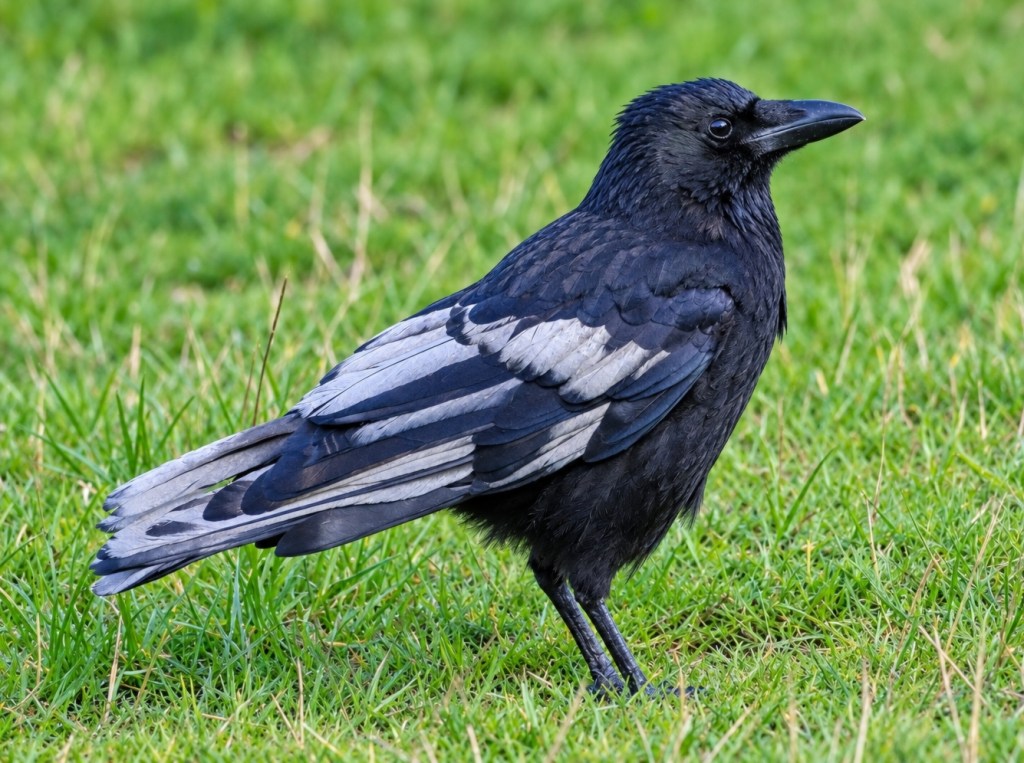
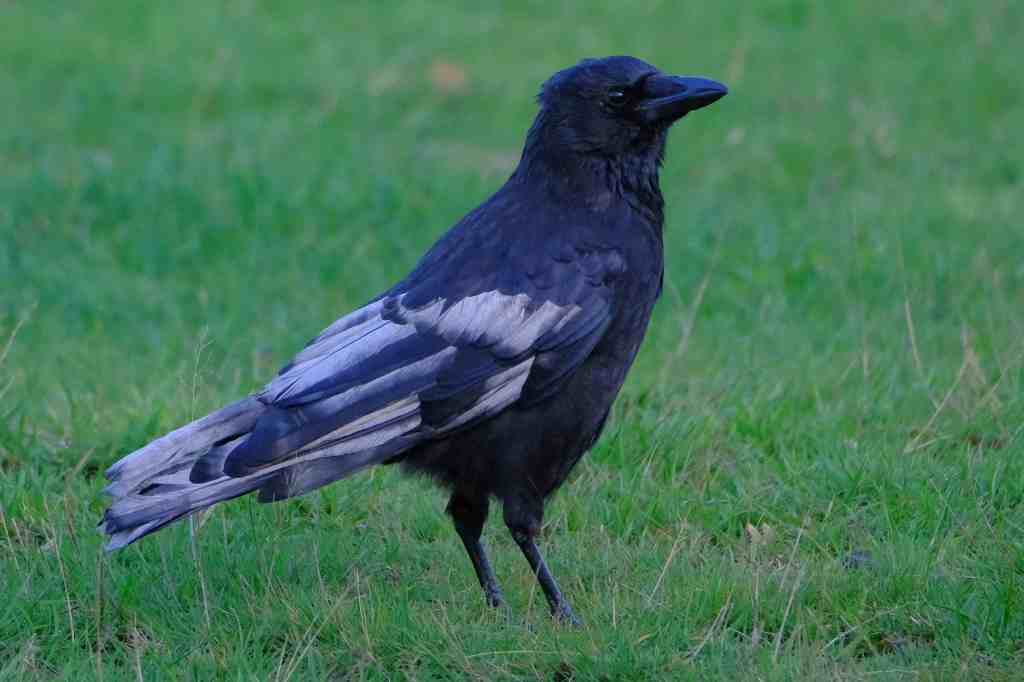
Leucistic Carrion Crow, Southampton Common. Leucism in birds is a genetic disorder whereby the pigment cells are unevenly distributed, resulting in patches of feathers looking paler, bleached looking or showing white.
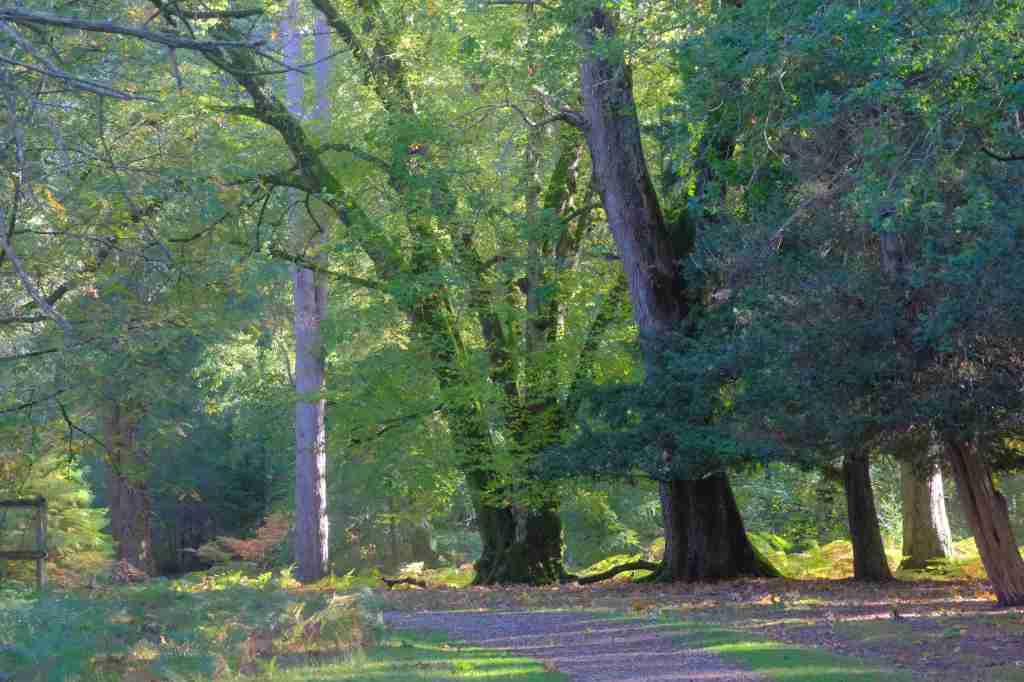
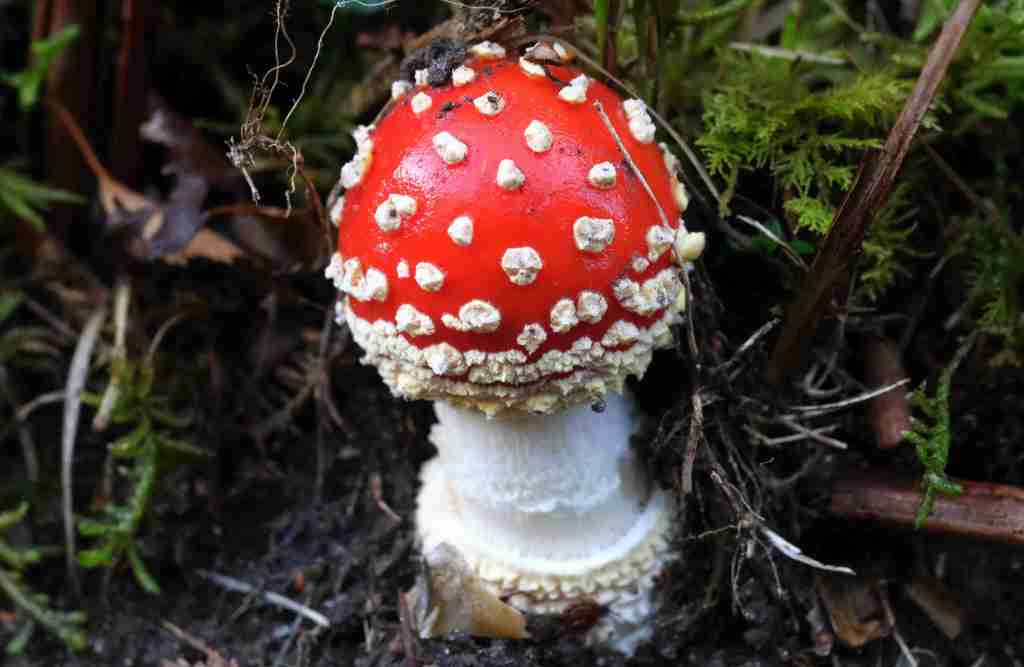
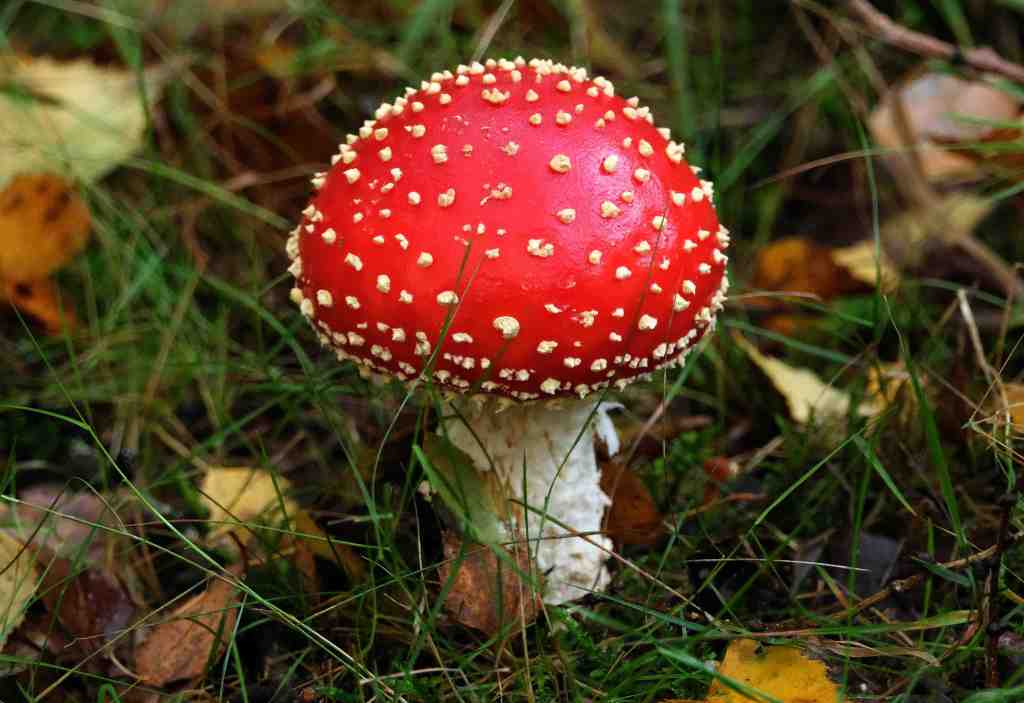
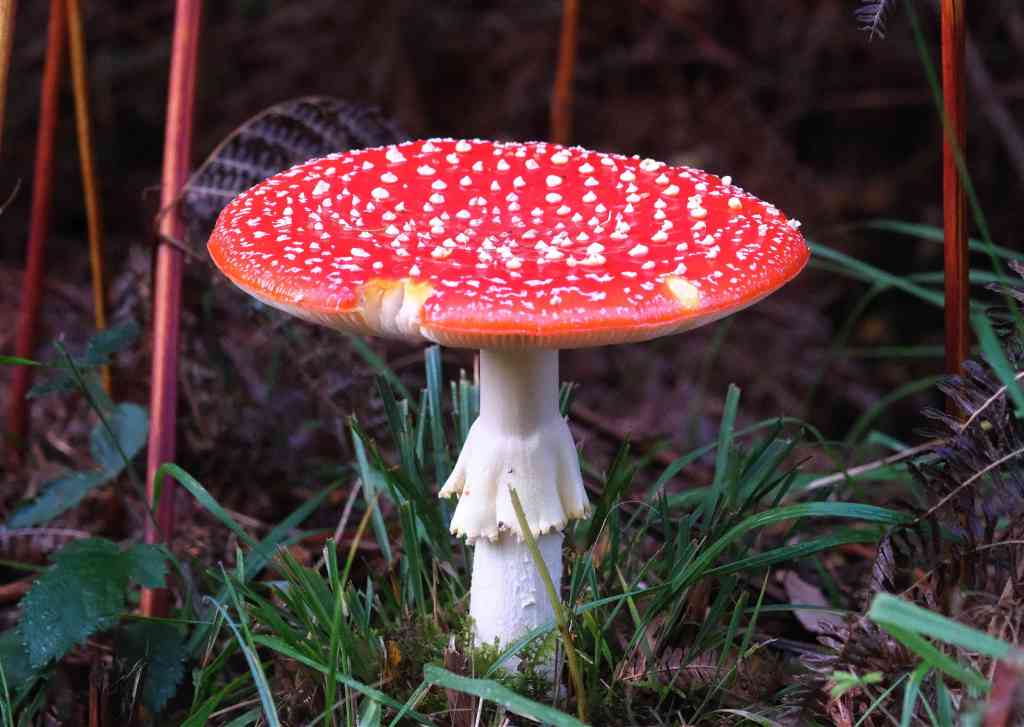
It is that time of year when the forest floor has a splash of red.
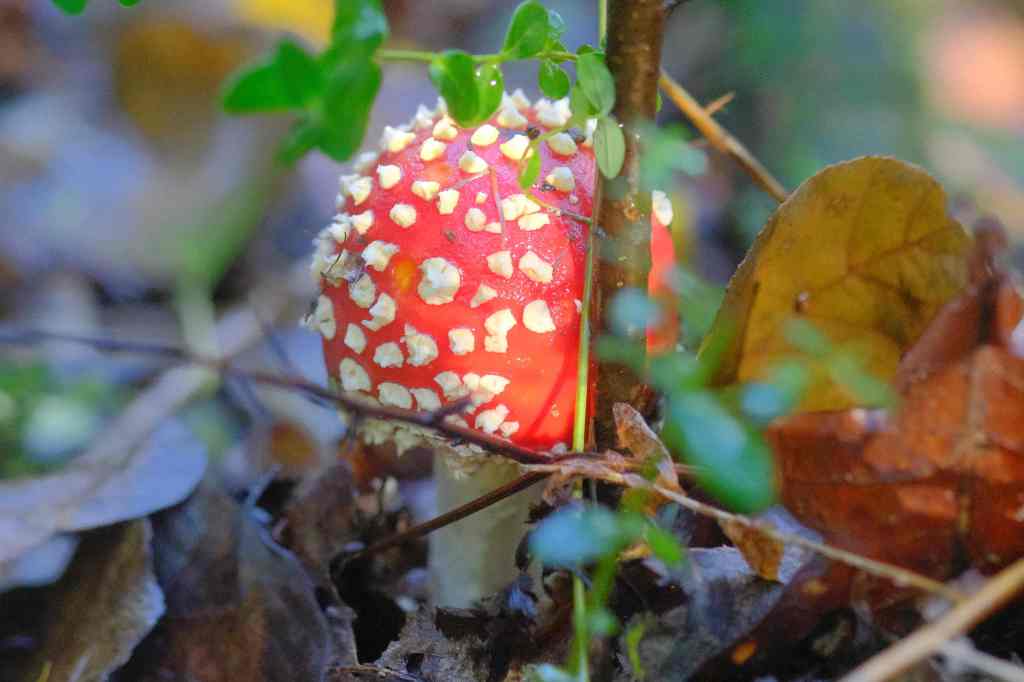
Amanita muscaria, commonly known as the fly agaric, is a basidiomycete fungus of the genus Amanita.
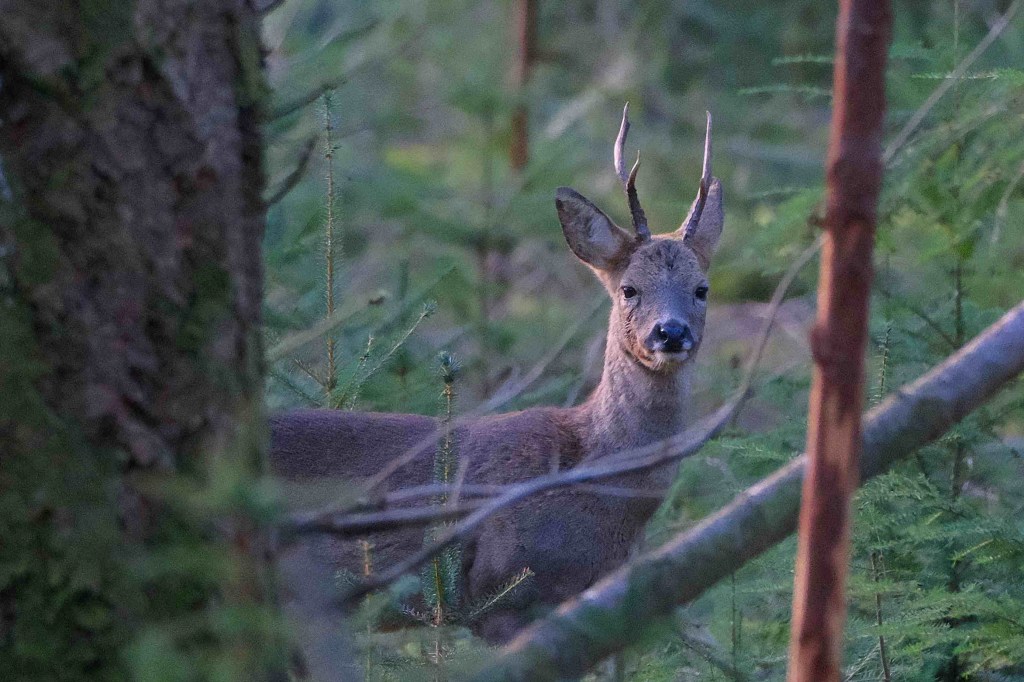
Roe Buck.
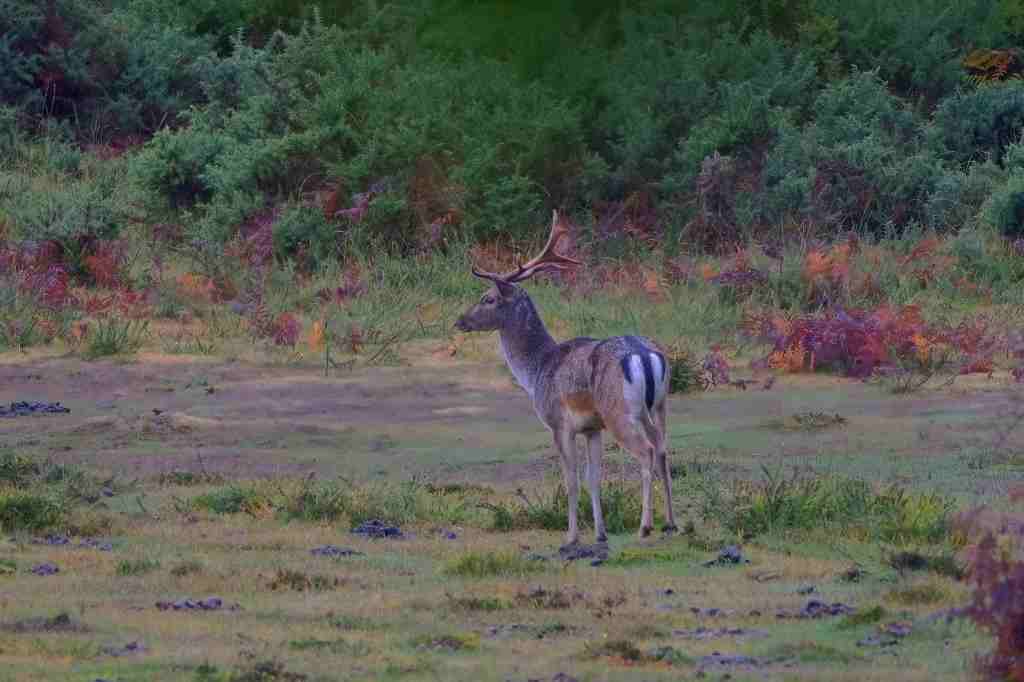
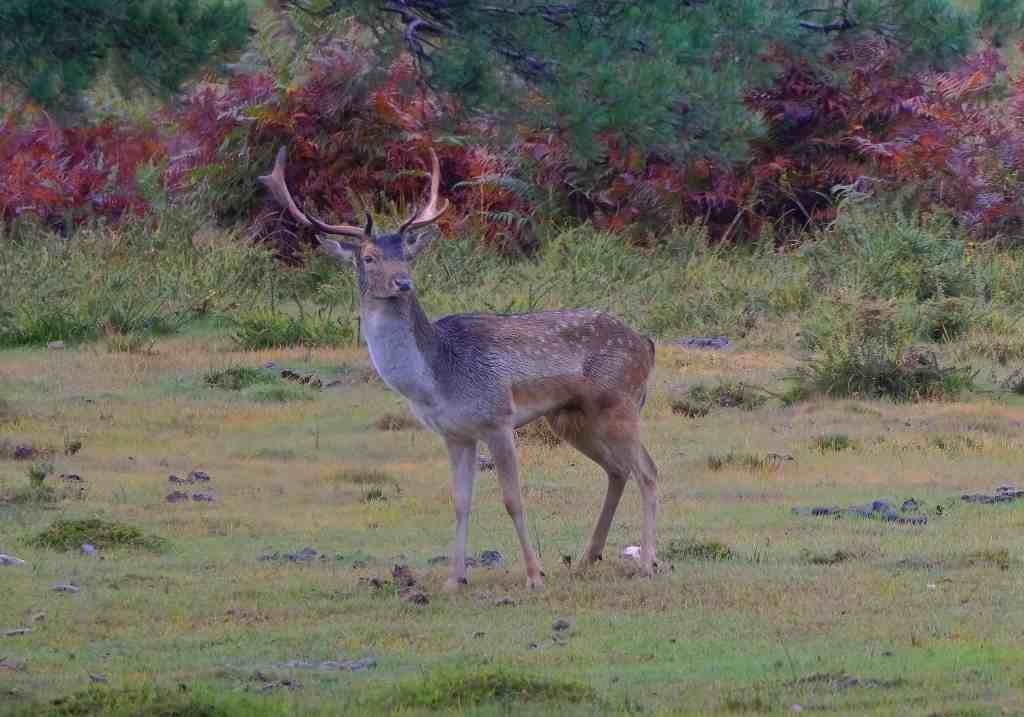
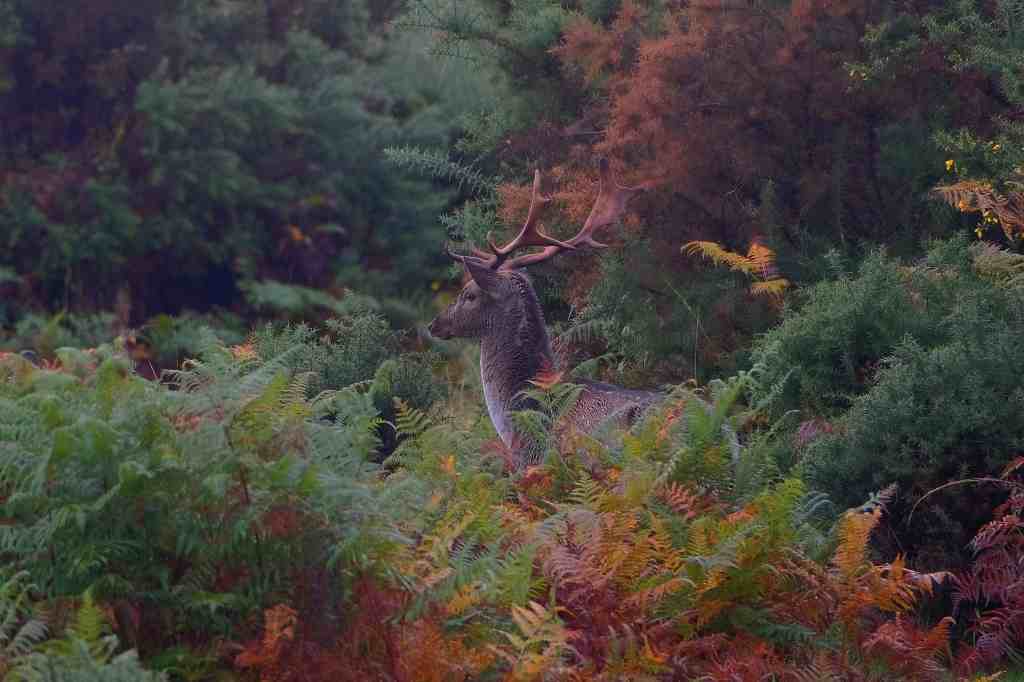
Large mammals in the New Forest. Fallow Deer and New Forest ponies.
Fallow Deer “Buck”.
New Forest Ponies – Many visitors to the National Park still get very close to the forest ponies; they do not realise they are wild!
It is illegal and a fineable offence to feed a New Forest Pony.
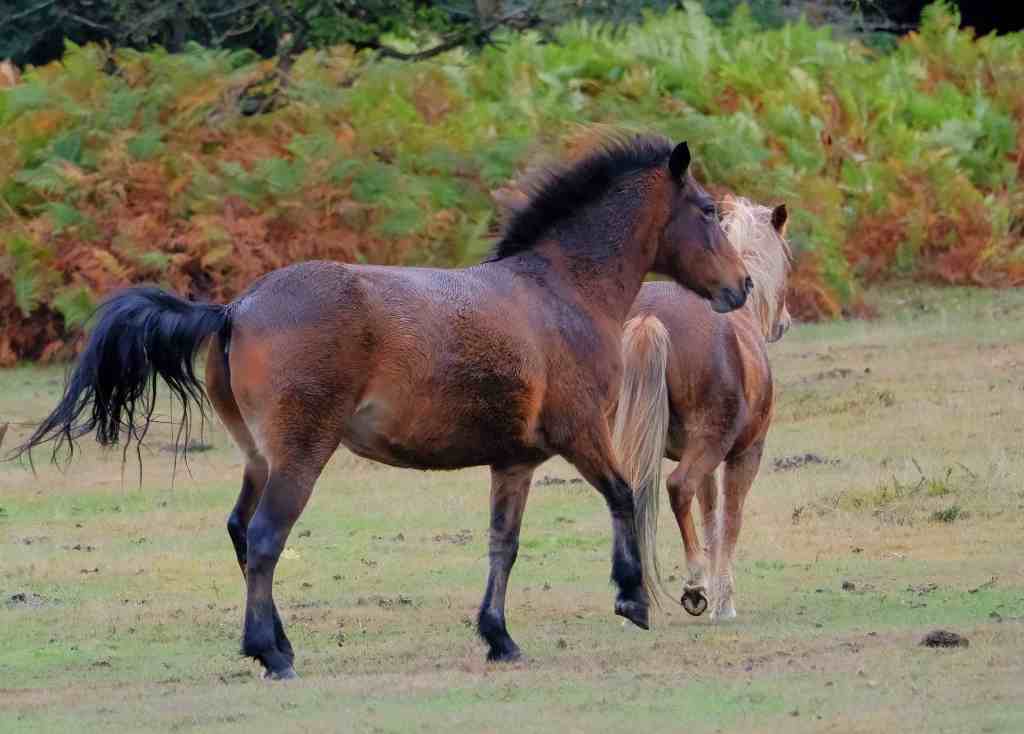
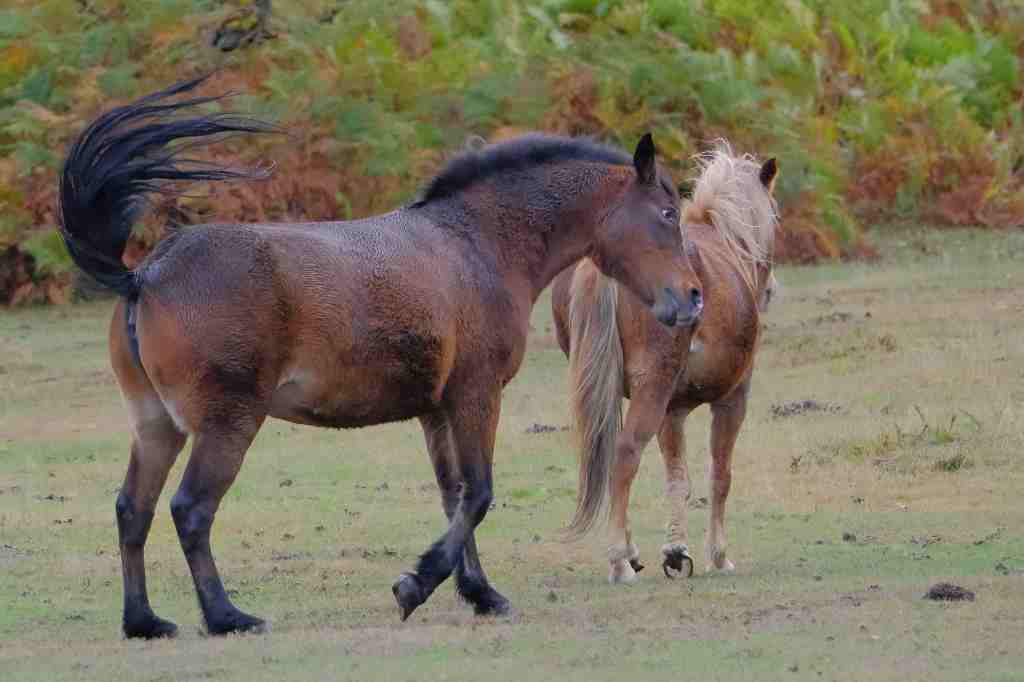
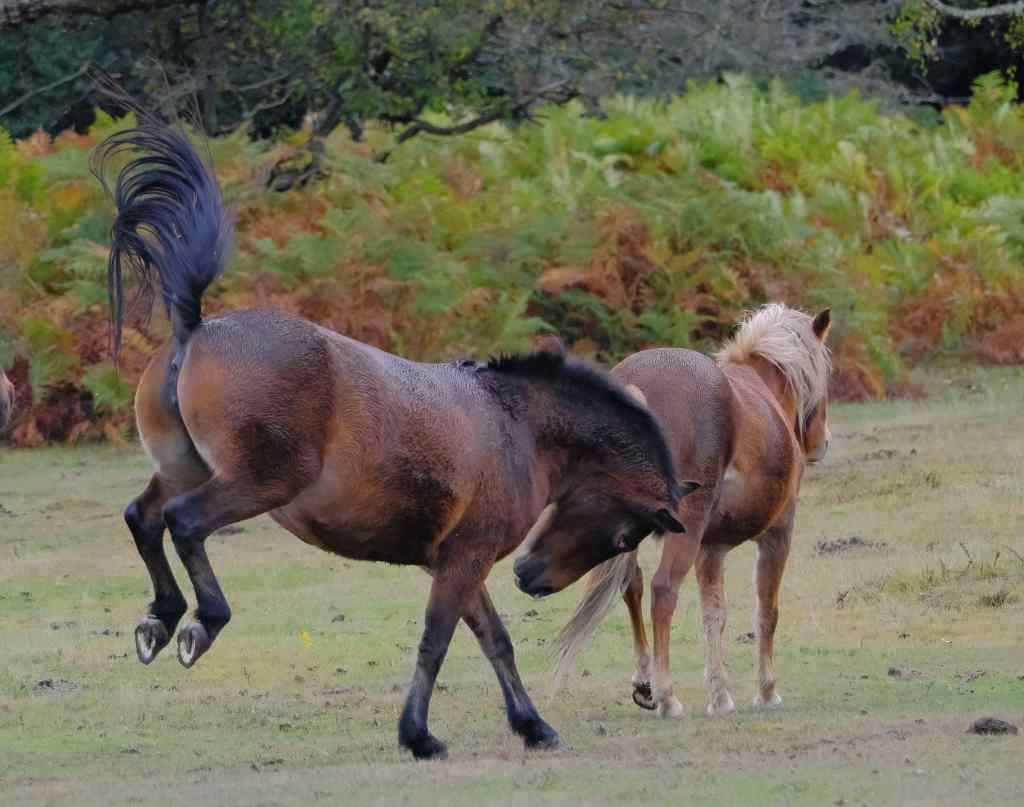
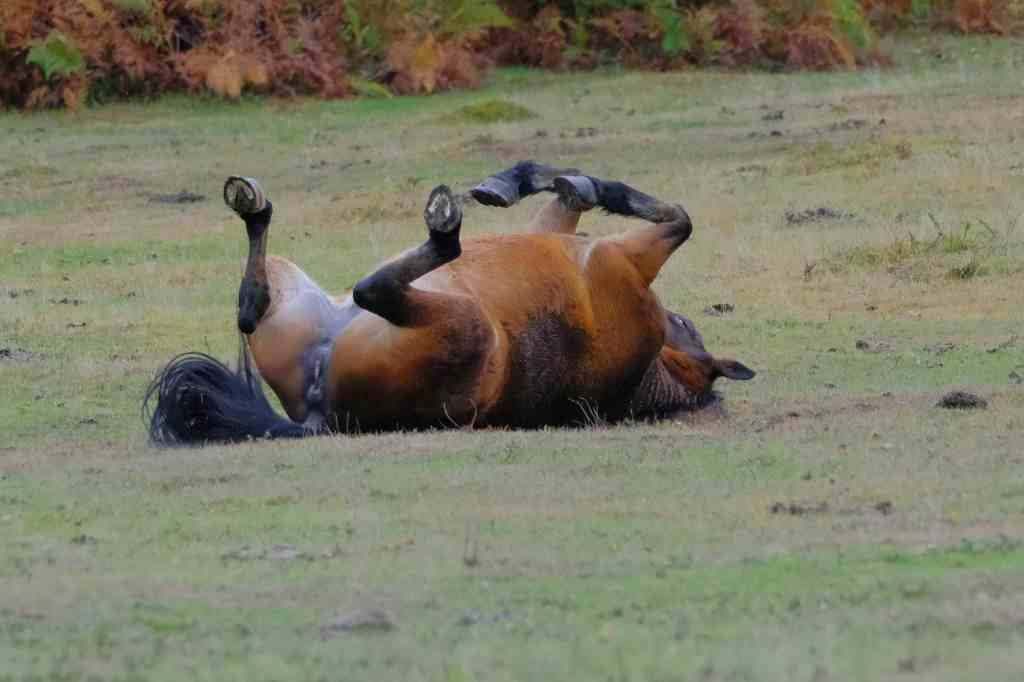
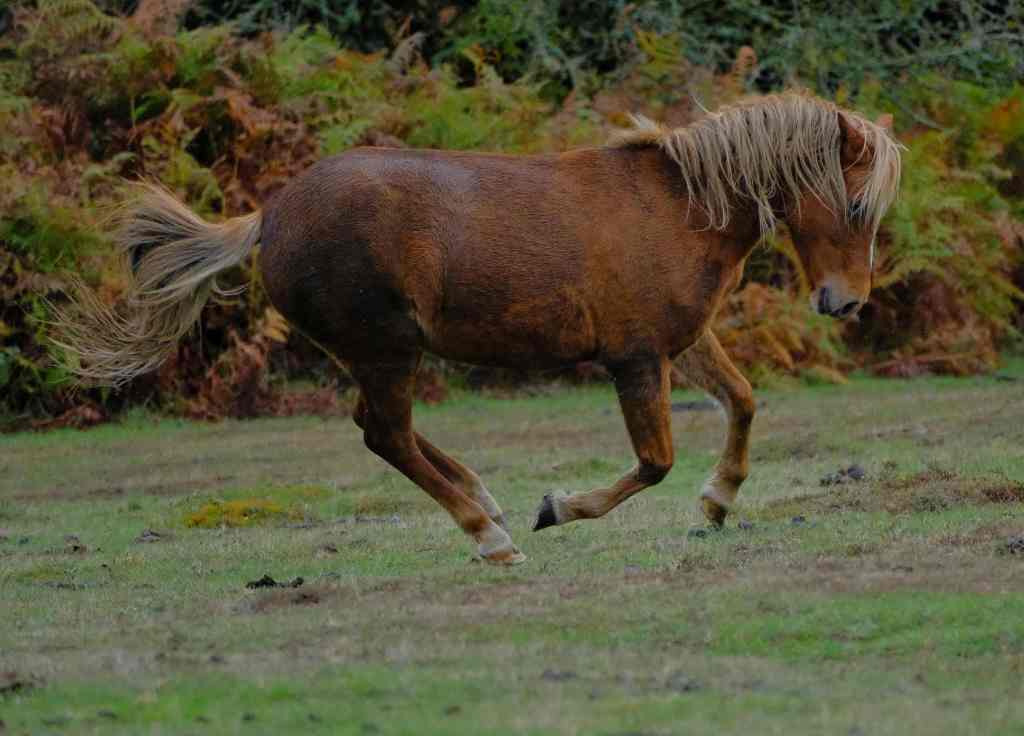
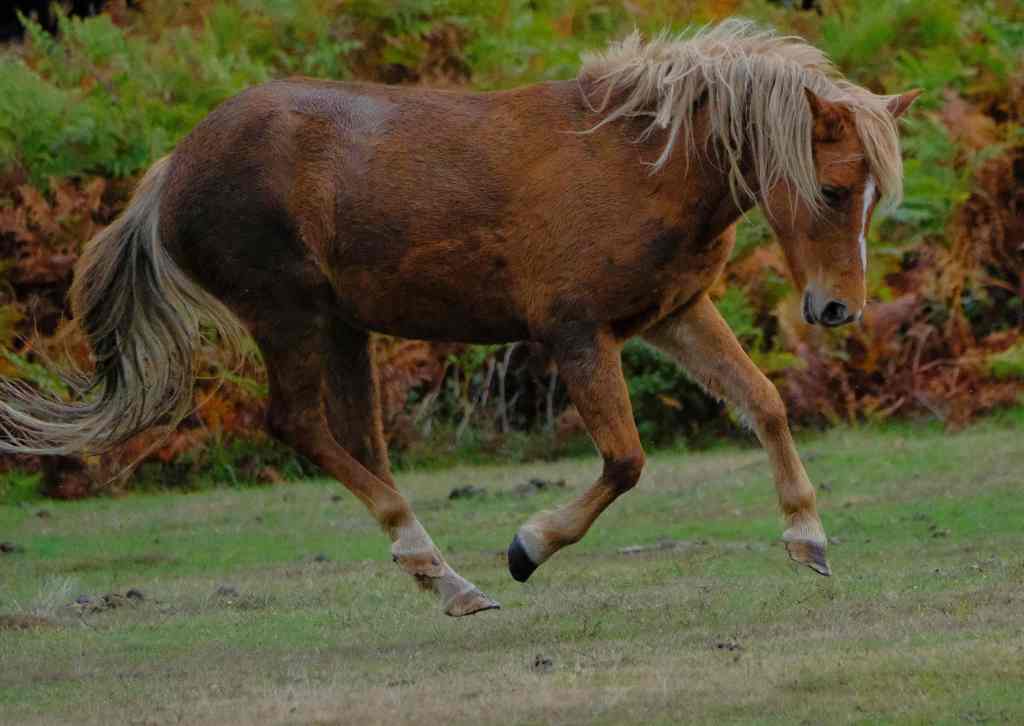
5 mile circular walk across open heathland this morning
Stonechat.
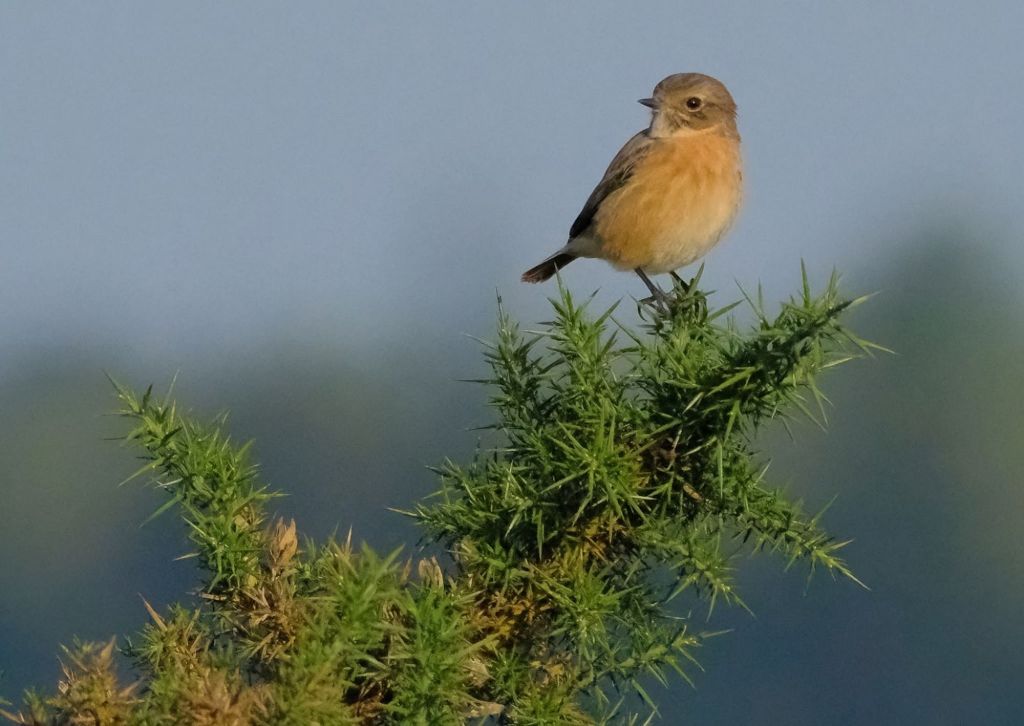
Dartford Warblers.
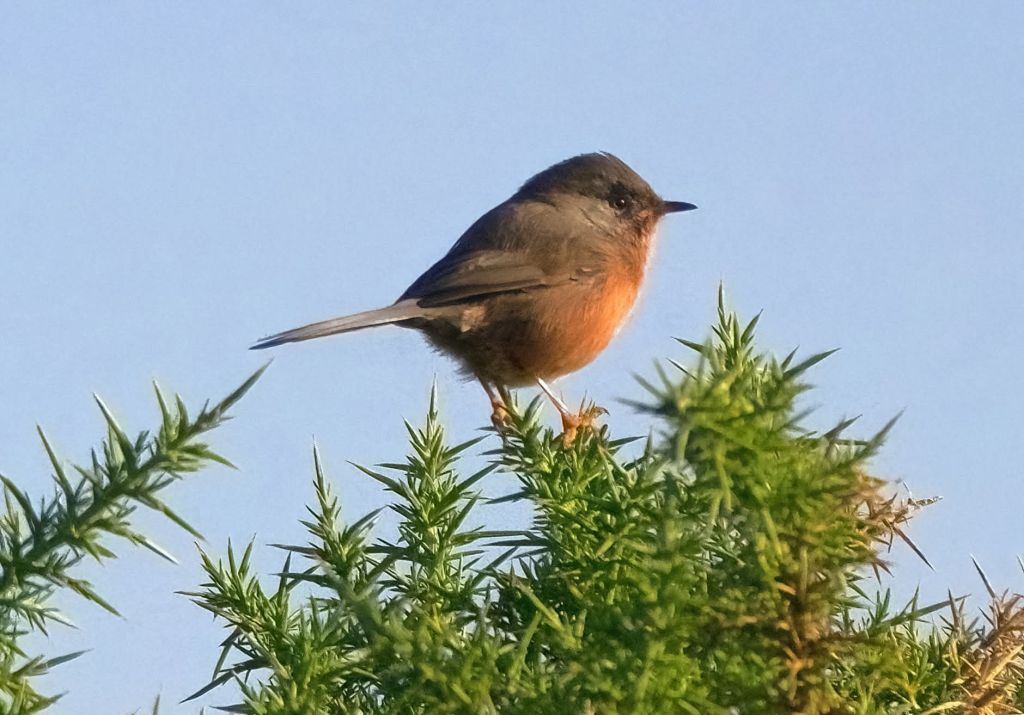
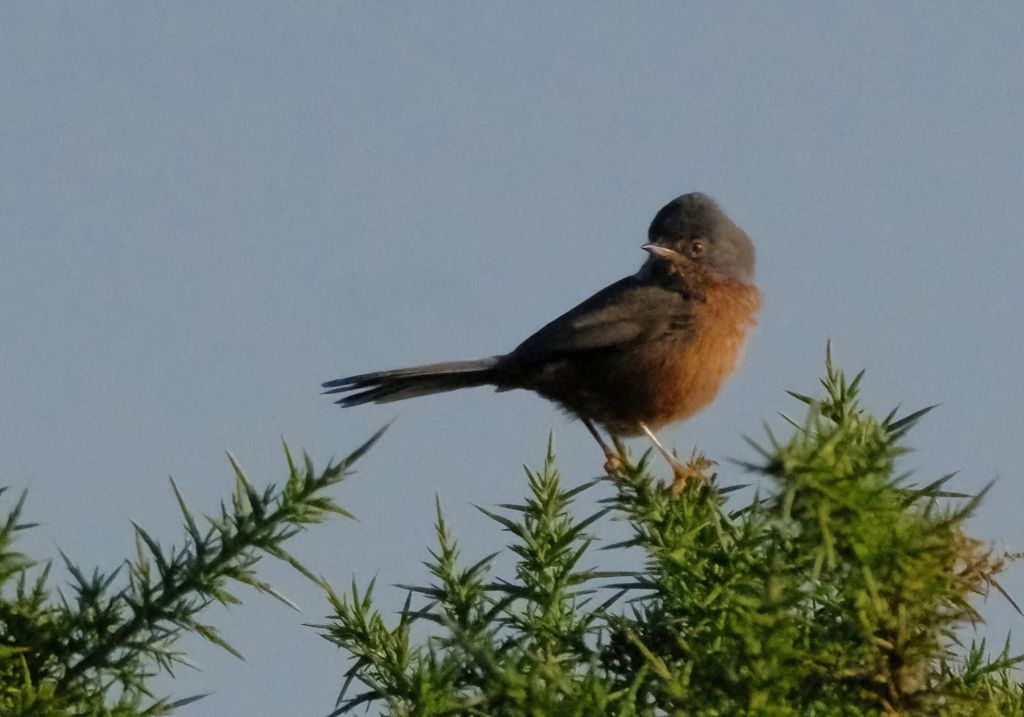
When I was a teenager Dartford Warblers were one of those birds that was on my wish list and it seemed the place to see them was the RSPB reserve at Arne in Dorset a few visits there never gave me a sighting of these attractive little birds. Roll forwards 50 years and a regular spot in the New Forest for me.
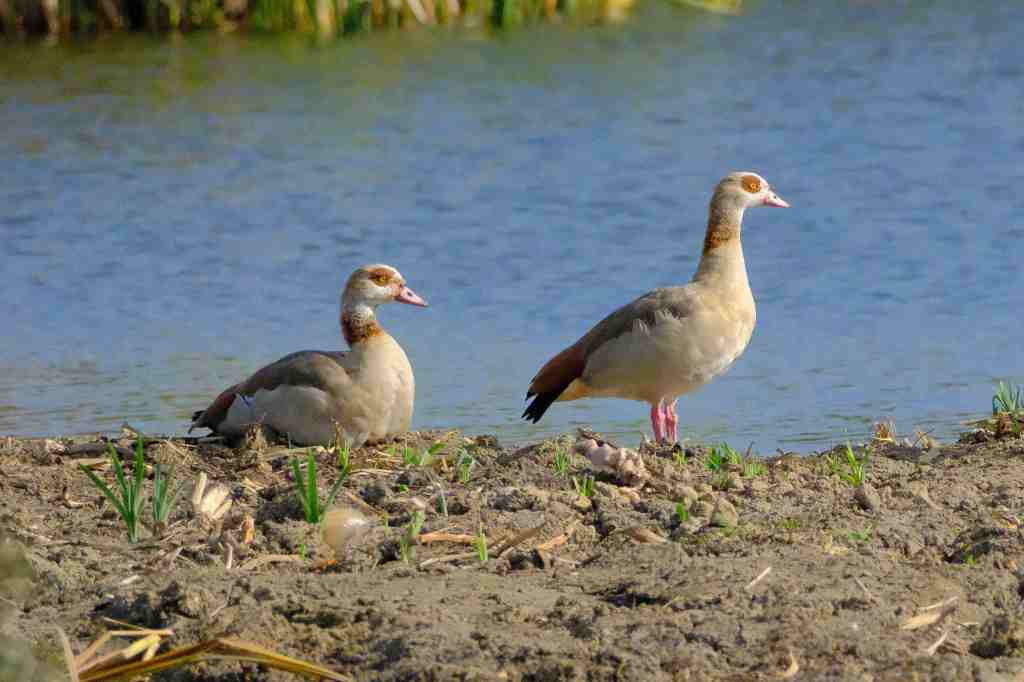
07:00 hrs along the Hamble, Bursledon, near Southampton.
Egyptian geese aren’t true geese; they’re members of the shelduck family. They are naturally found in Africa. They were introduced from Africa as ornamental birds for country estates and private water collections in the 17th century
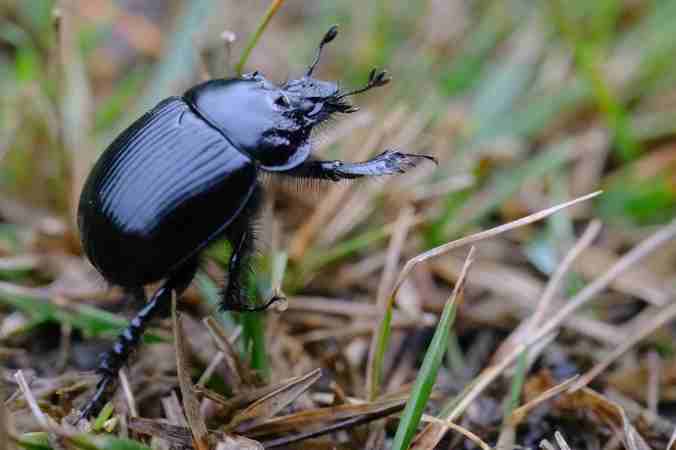
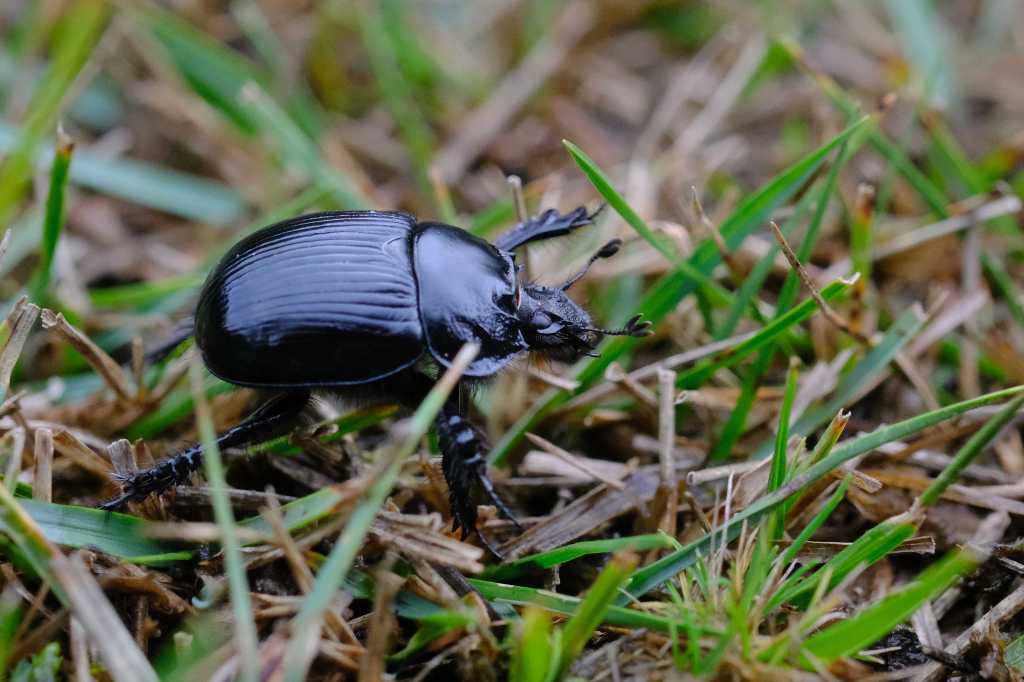
Common Dumble Dor Beetle, New Forest.
A large, heavily built beetle; it is one of the eight species of dor beetle found in the UK.
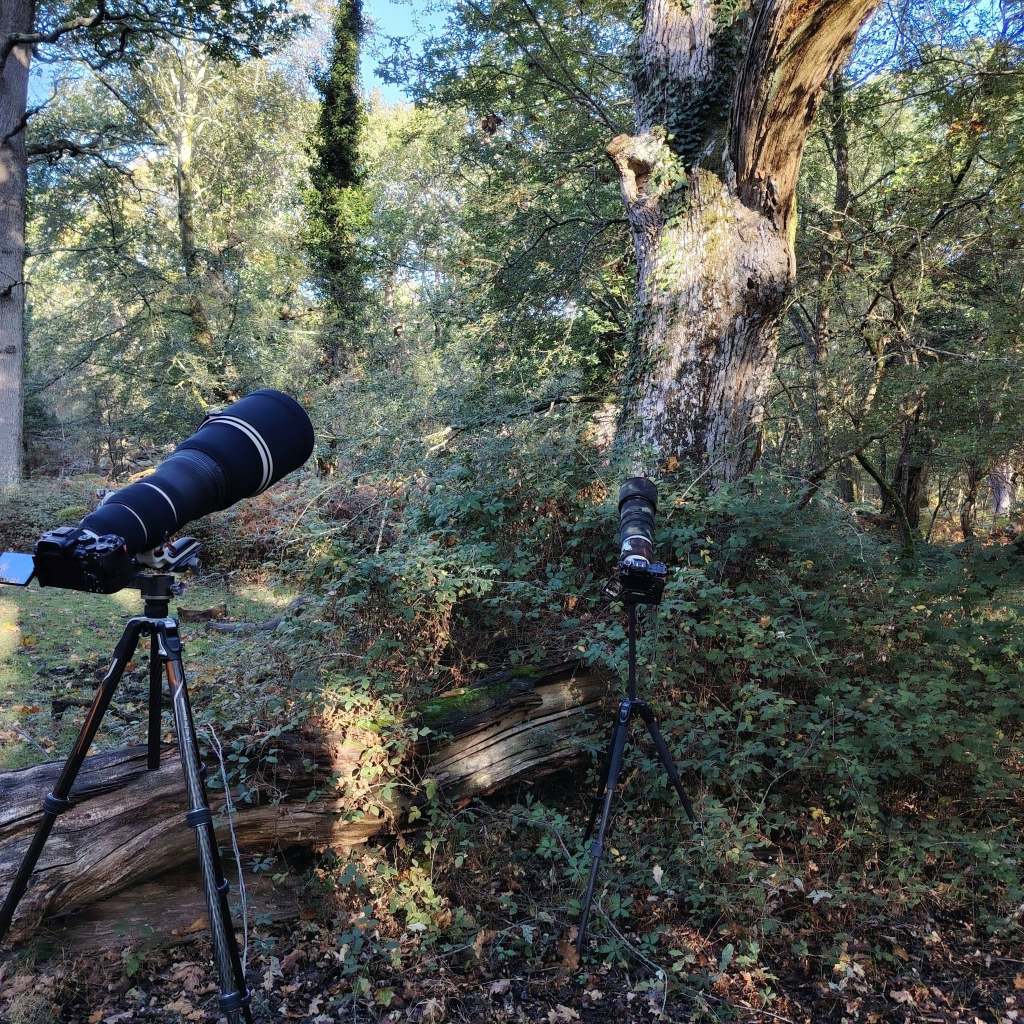
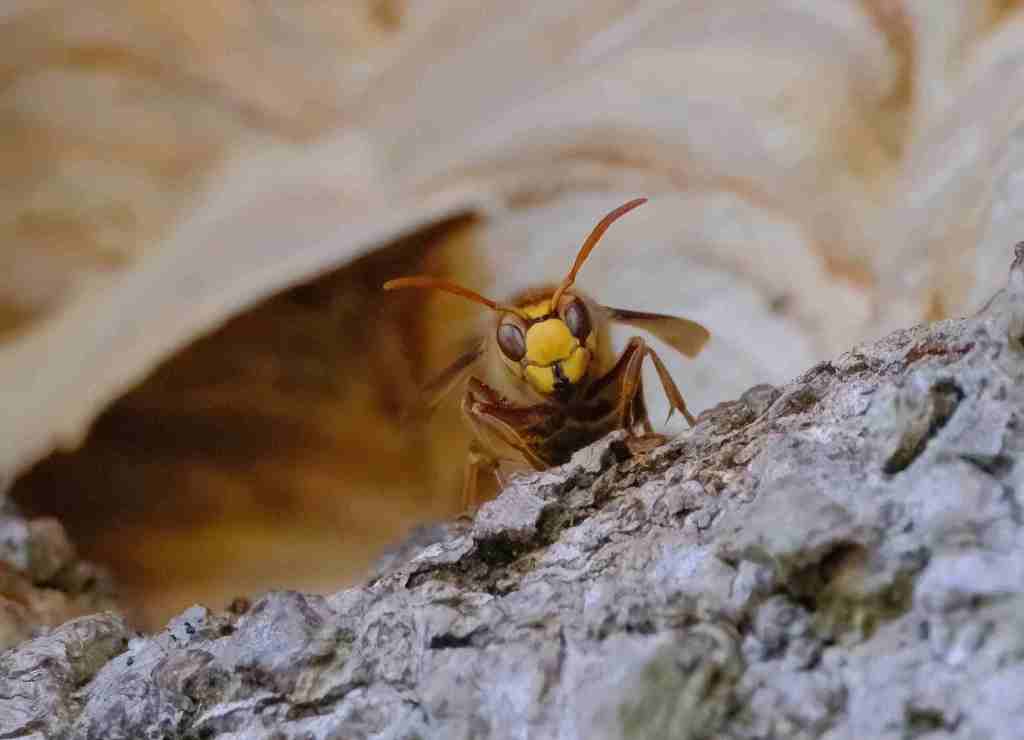
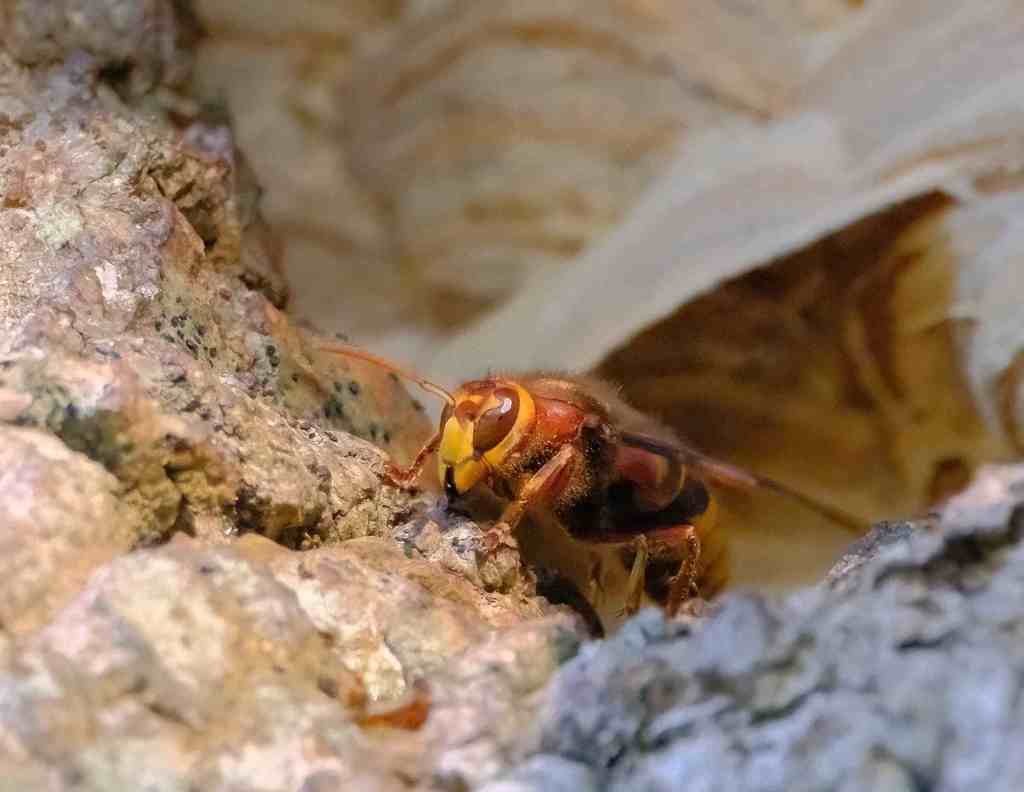
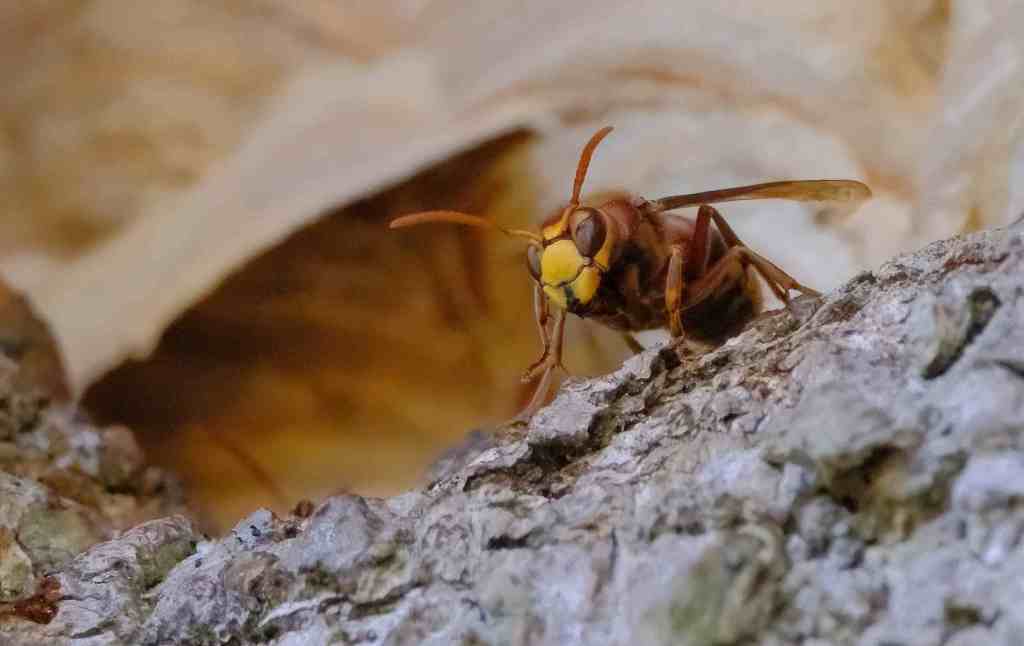
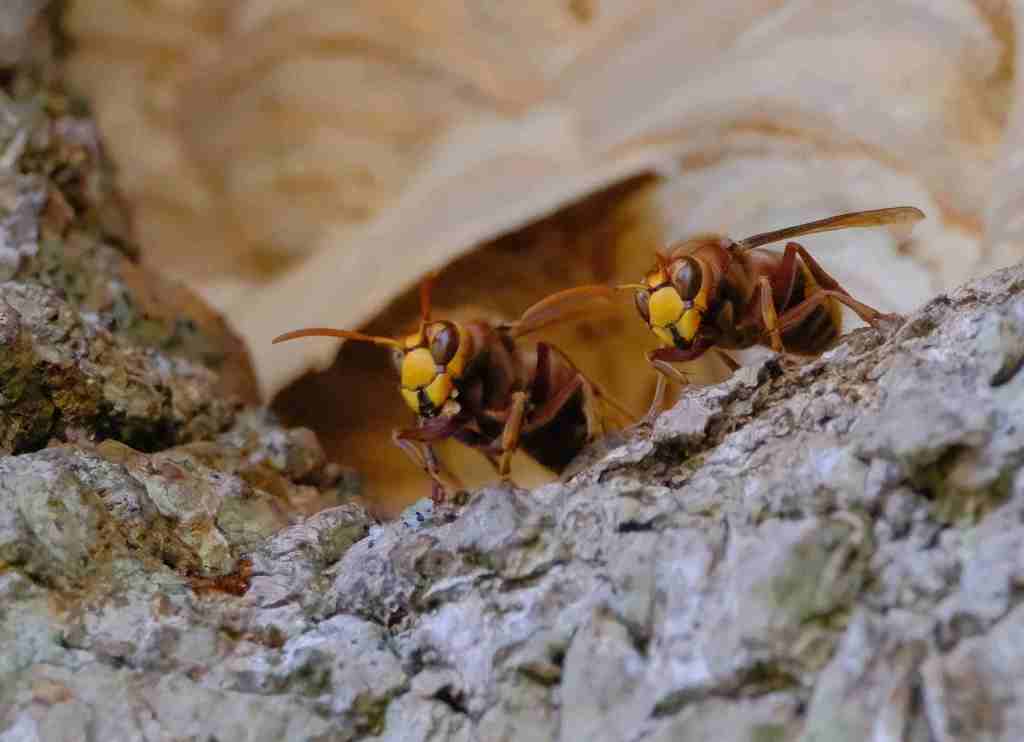
On our Monday walk looking for fungi in the New Forest, we came across a hornet’s nest and returned today with tripods to get better pictures of these interesting insects.
Despite their size and loud buzz, European hornets are placid and non-aggressive; they rarely sting unless the nest site is directly threatened. They feed on invertebrates, nectar, sap, and windfall fruit. They will bring back the invertebrates to their nests to feed their larvae.
Workers grow up to 25mm and queens can reach 35mm long, making them significantly larger than common wasps.
It is important not to confuse our native European hornet with the invasive non-native Asian Hornet, which is reportable; their nests are destroyed they are a threat to honey bees.
First of the month, and a walk in the New Forest: fungi are starting to show not sure how the season will be given the dry conditions through the summer only time will tell.
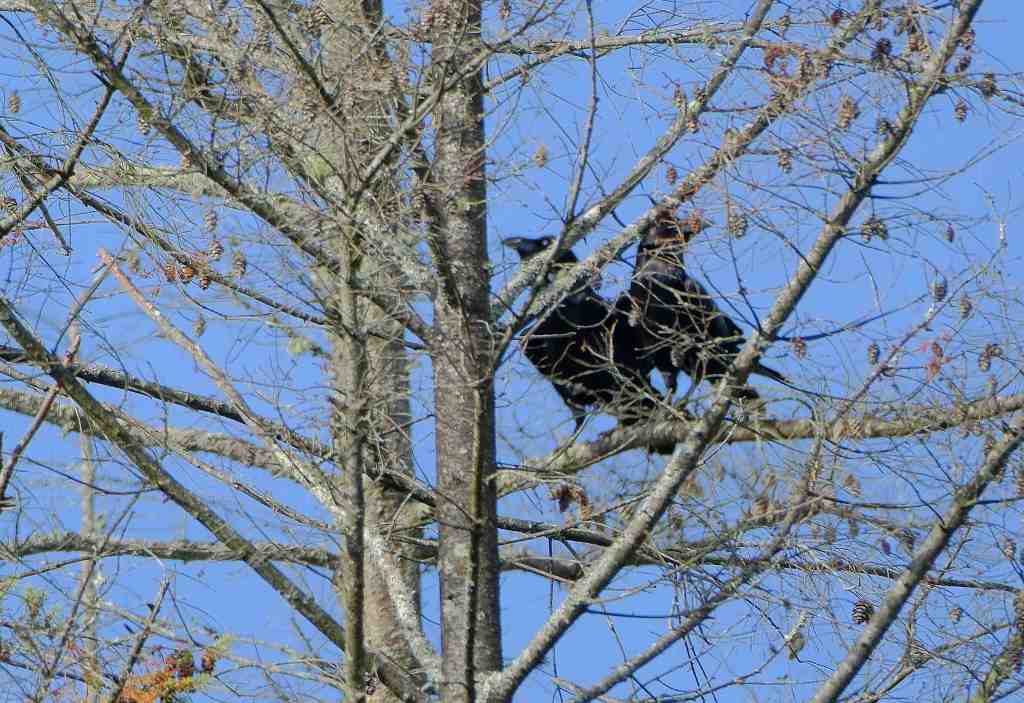
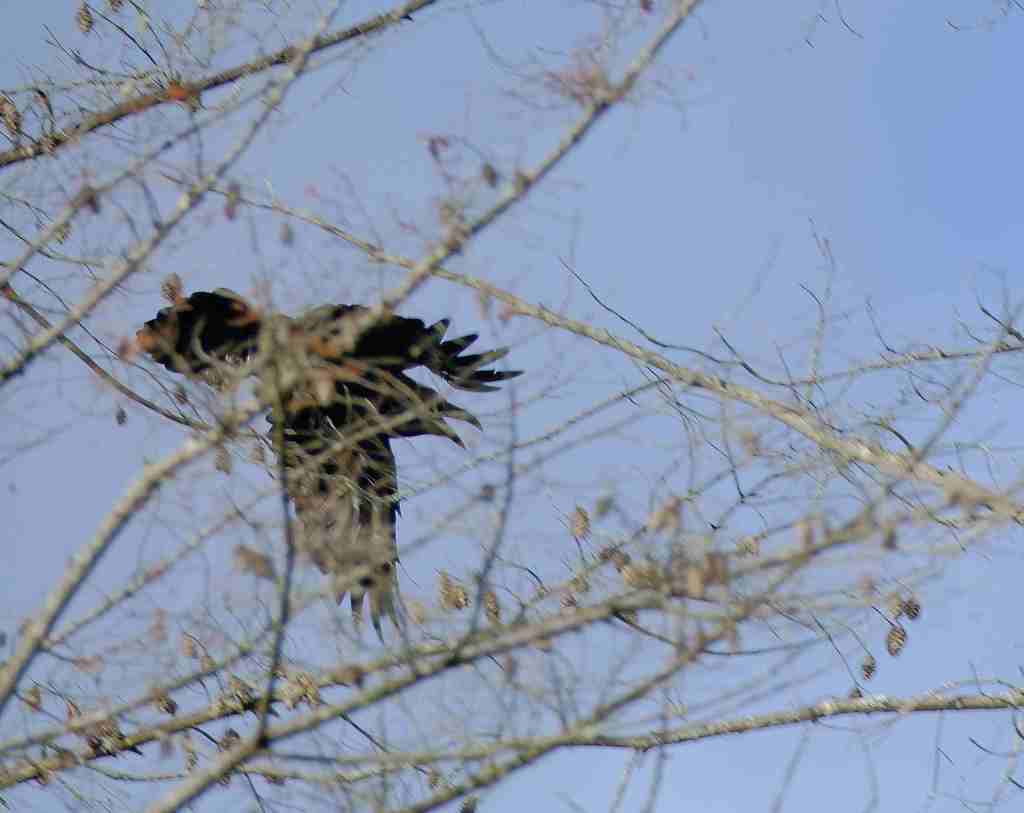
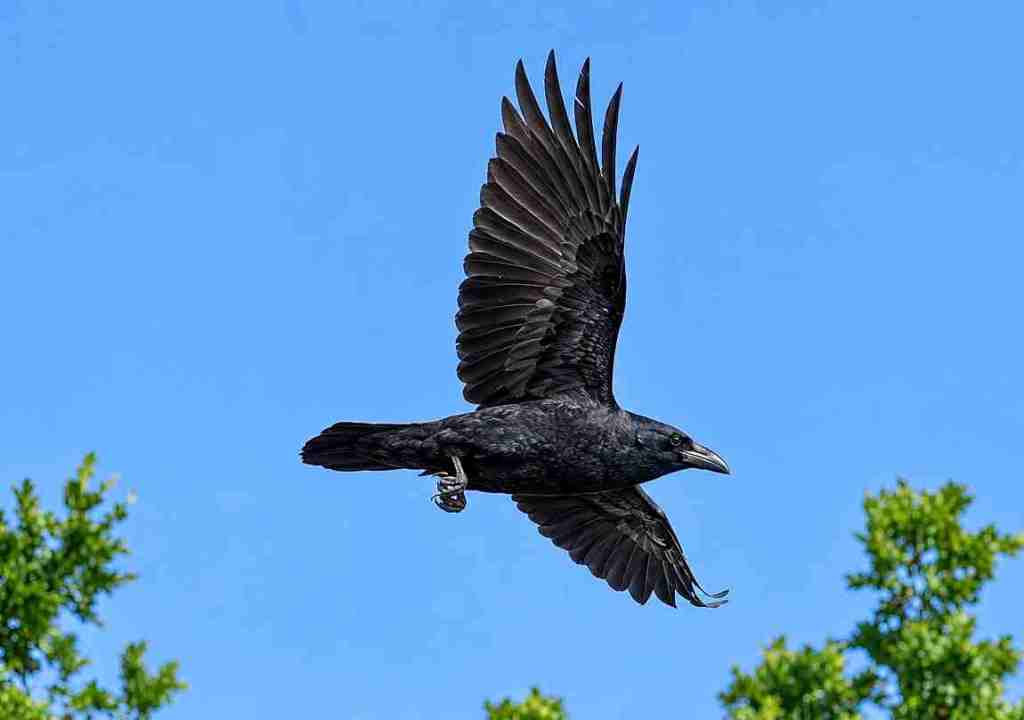
We had 6 Ravens flying over our heads as we were on our walk today. Ravens are our largest corvid; they’re often seen in pairs, but particularly in the winter, young birds can come together to roost in big groups. Ravens are mostly carrion eaters, but they will eat insects and hunt small live prey.
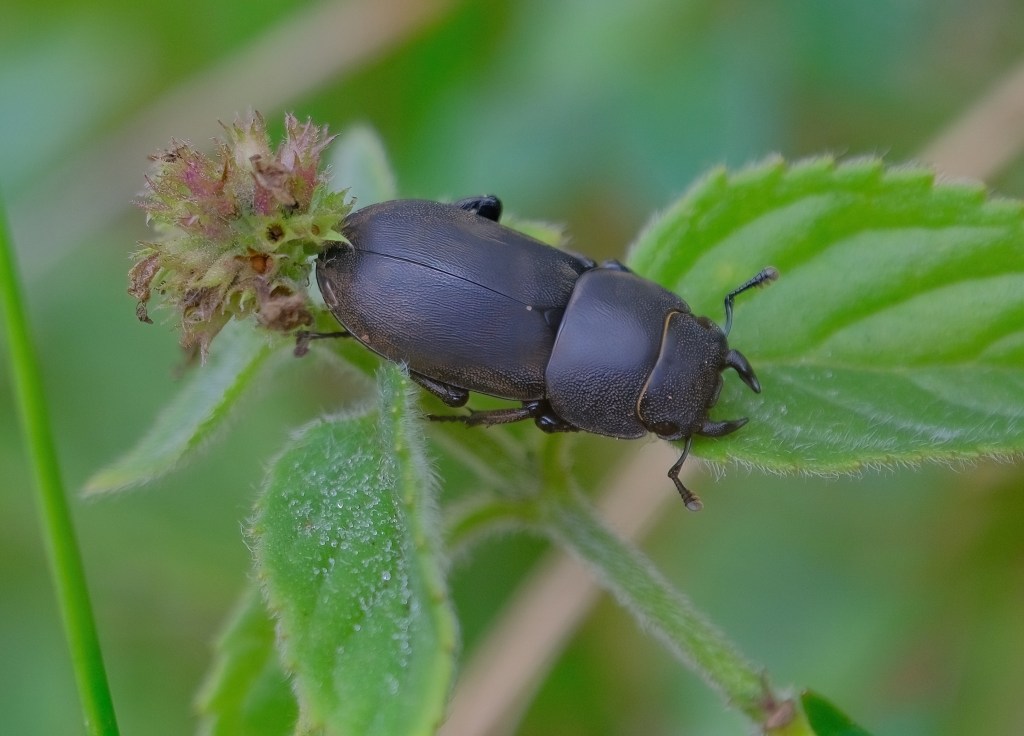
Another interesting spot was a Lesser Stag Beetle.
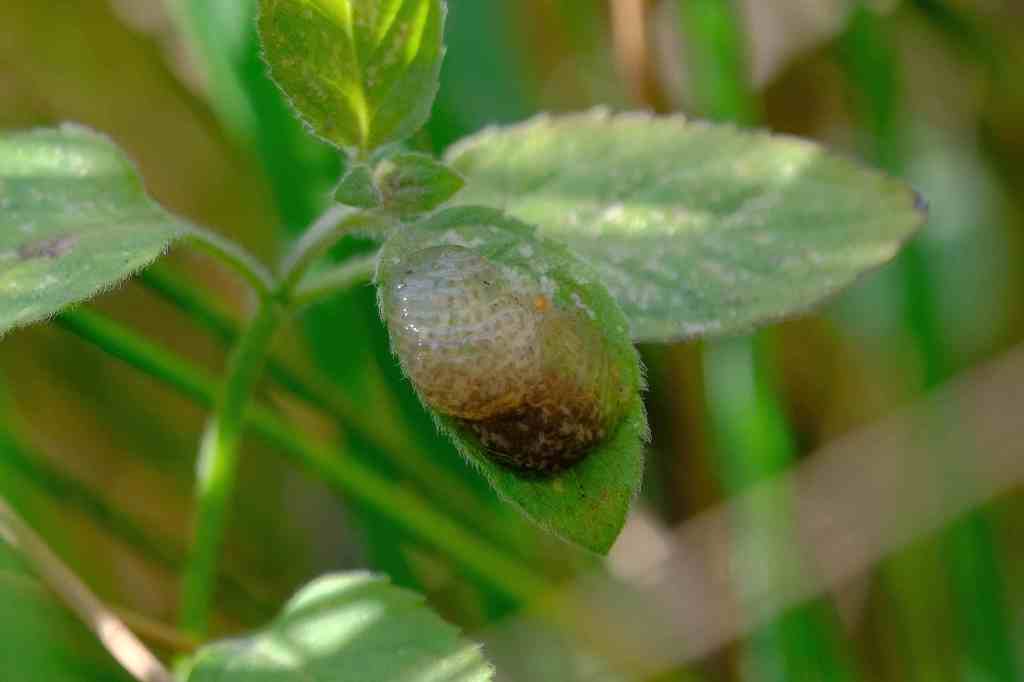
and some Caddisfly eggs.
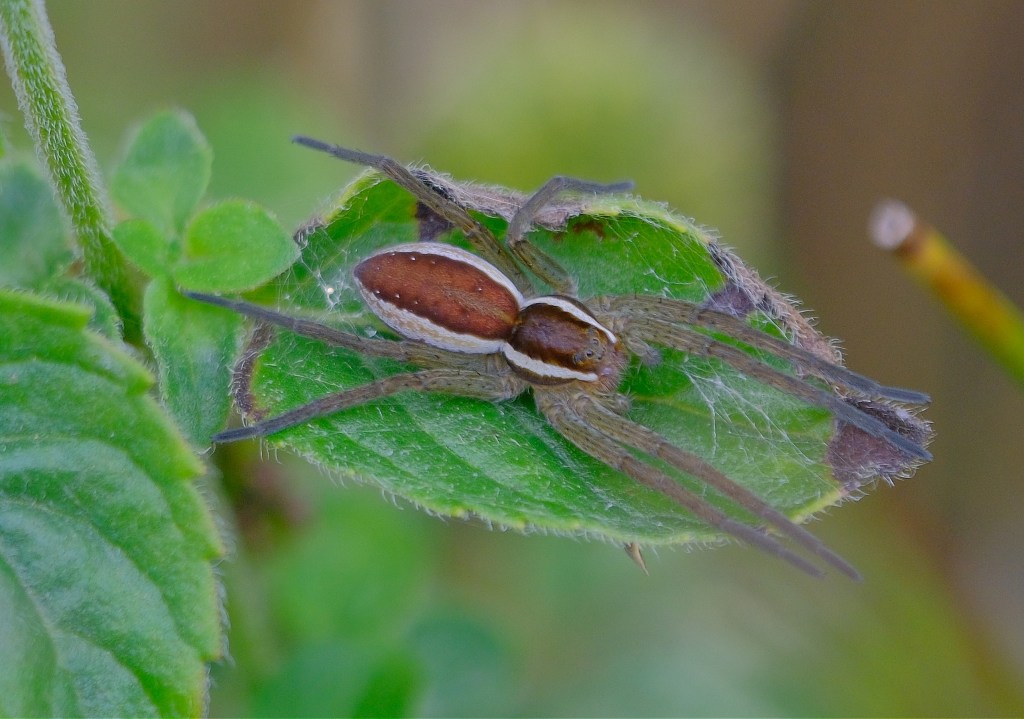
Just one Raft Spider seen.