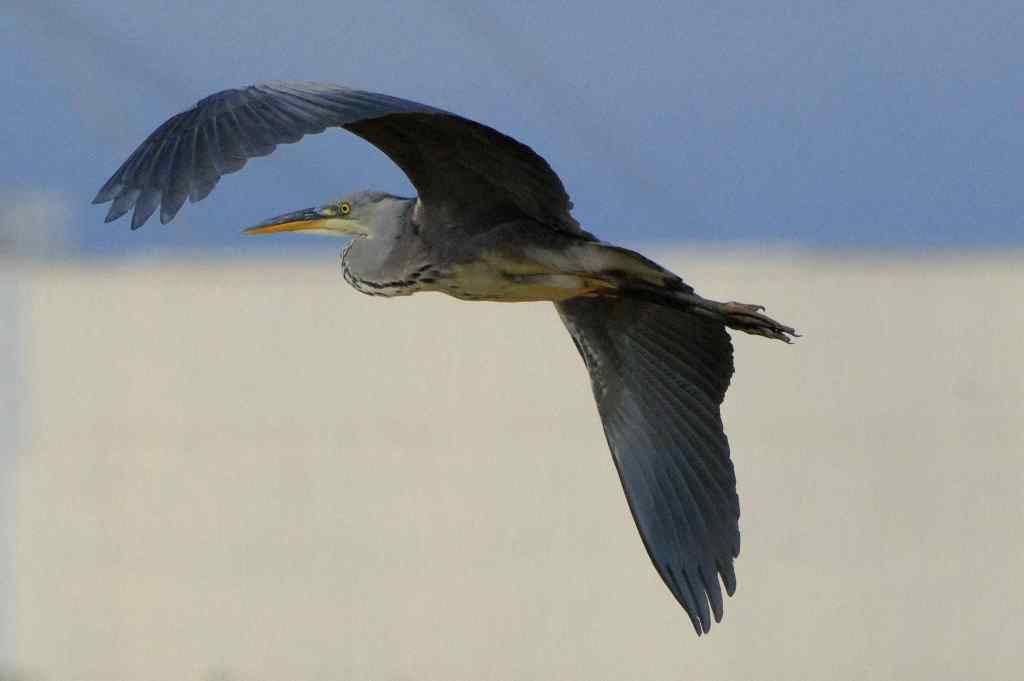
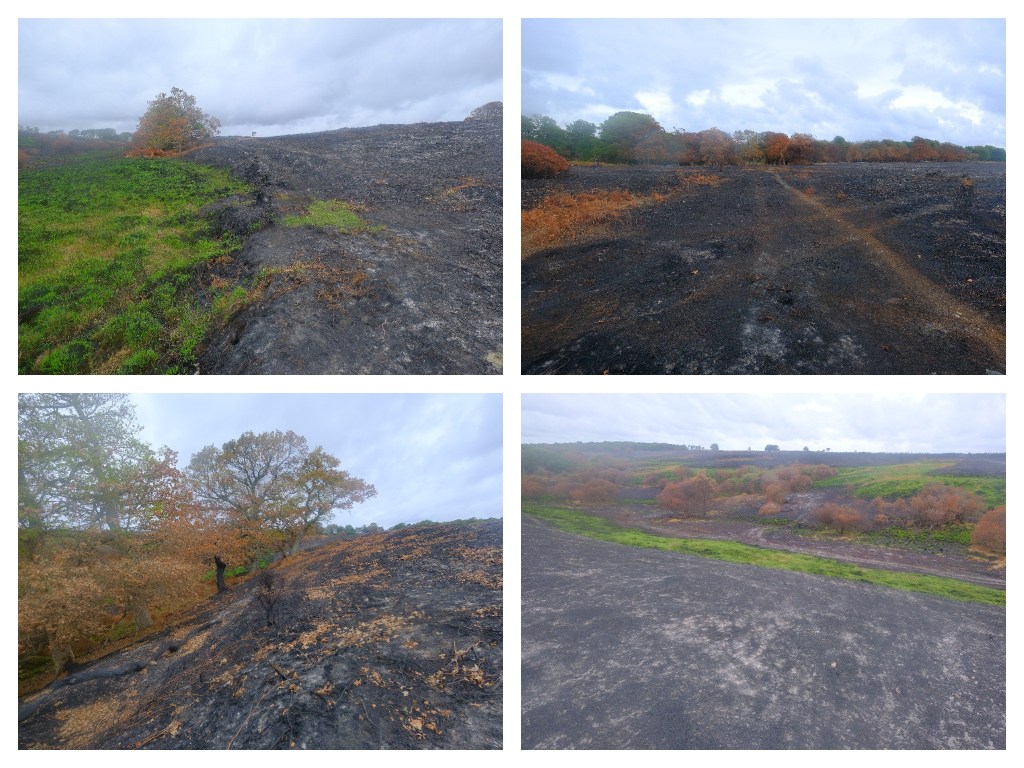
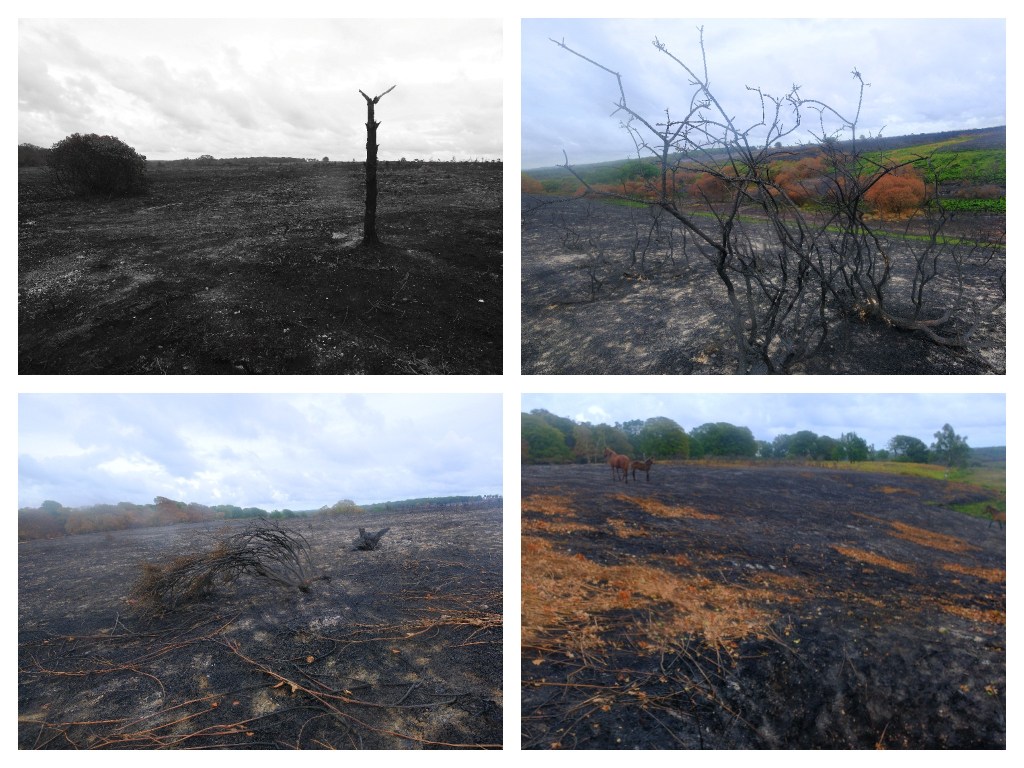
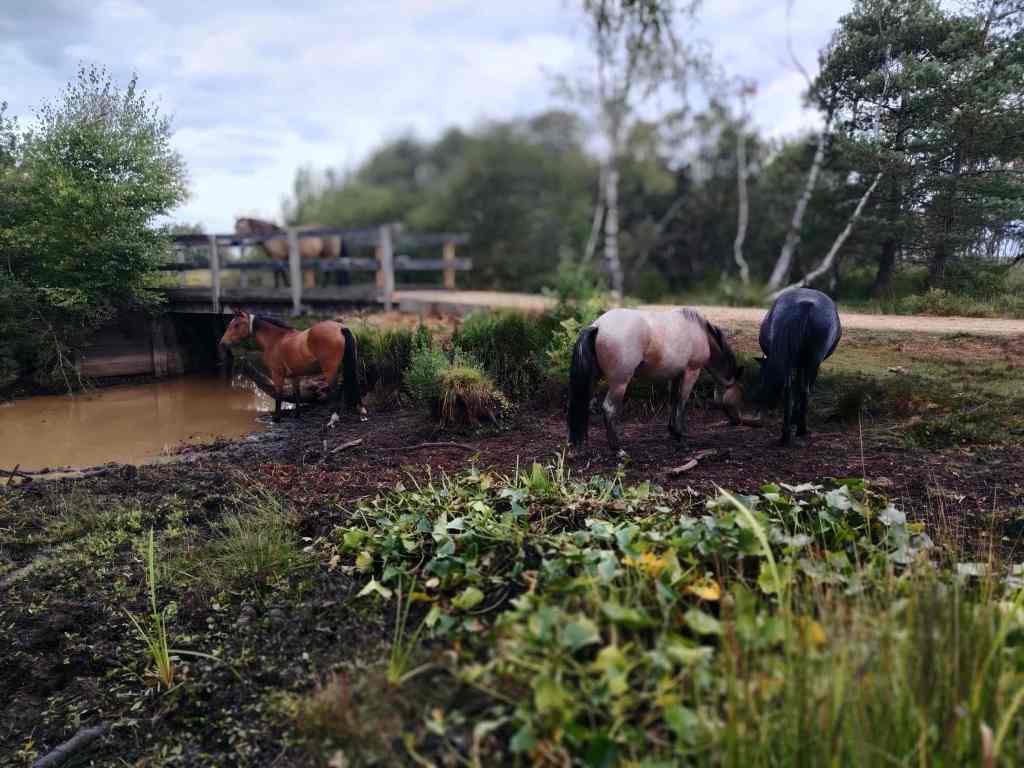
Today we walked into an area of the New Forest where we regularly walk about a six-mile circular walk. We know the area and its wildlife well. This time, it was heartbreaking to see the fire damage and total destruction to part of the walk.
On the 9th August 2026, a van caught fire on the A31 dual carriageway where it crosses Heathland close to Ringwood in the New Forest. Fueled by prolonged severe heatwave and drought conditions across the UK, the vehicle fire rapidly spread into the surrounding national park. 23 drivers had to abandon their cars as the fire spread. The wildfire damaged more than 100 hectares (247 acres). The fire was declared a major incident, and firefighters fought the blaze, even pumping water across the forest from a lake 5 miles away in special pipes they had to lay. The road was closed for 2 weeks. The emergency response was stood down on 23rd August.
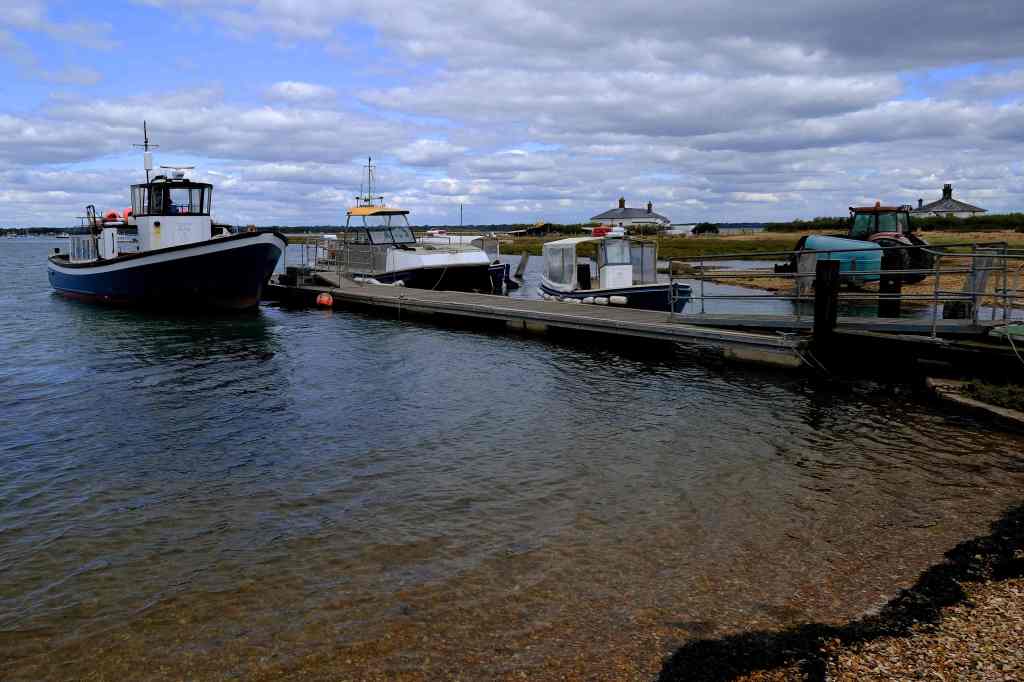
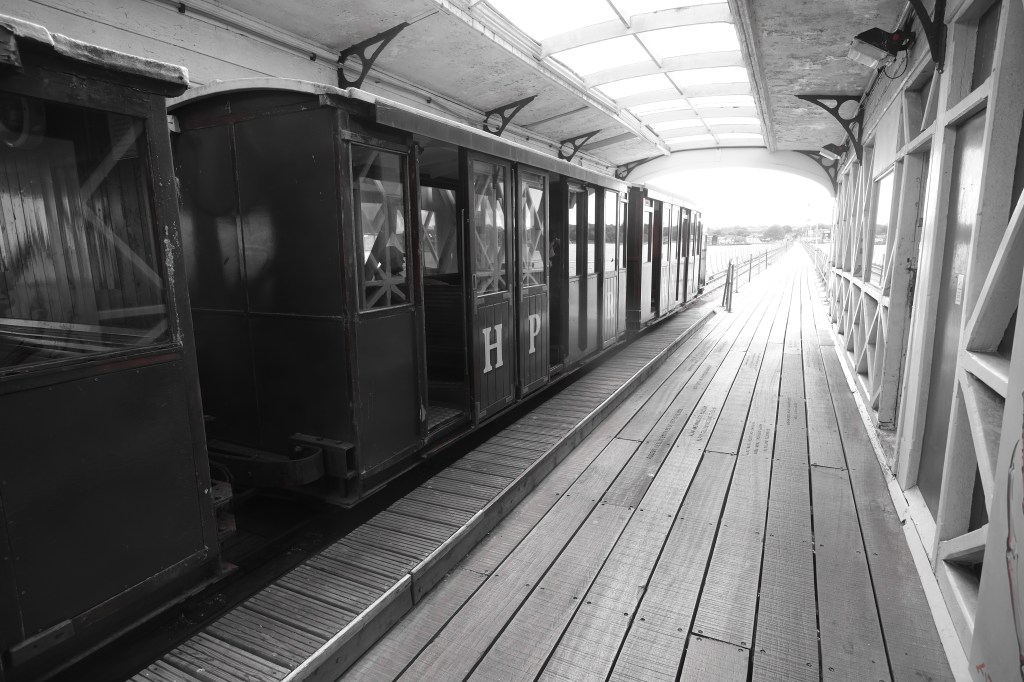
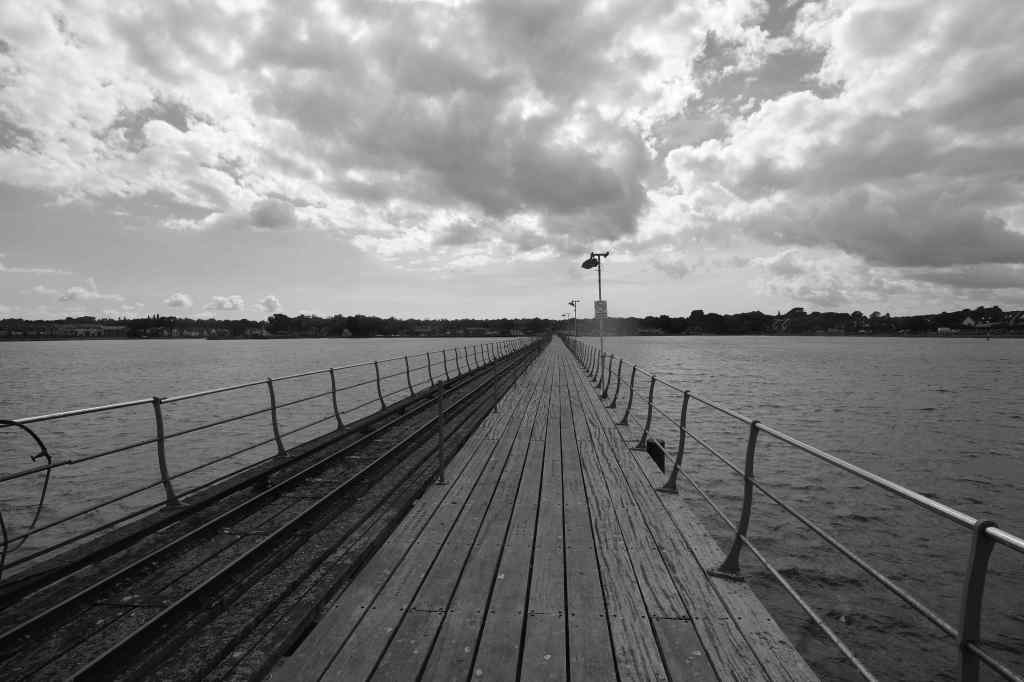
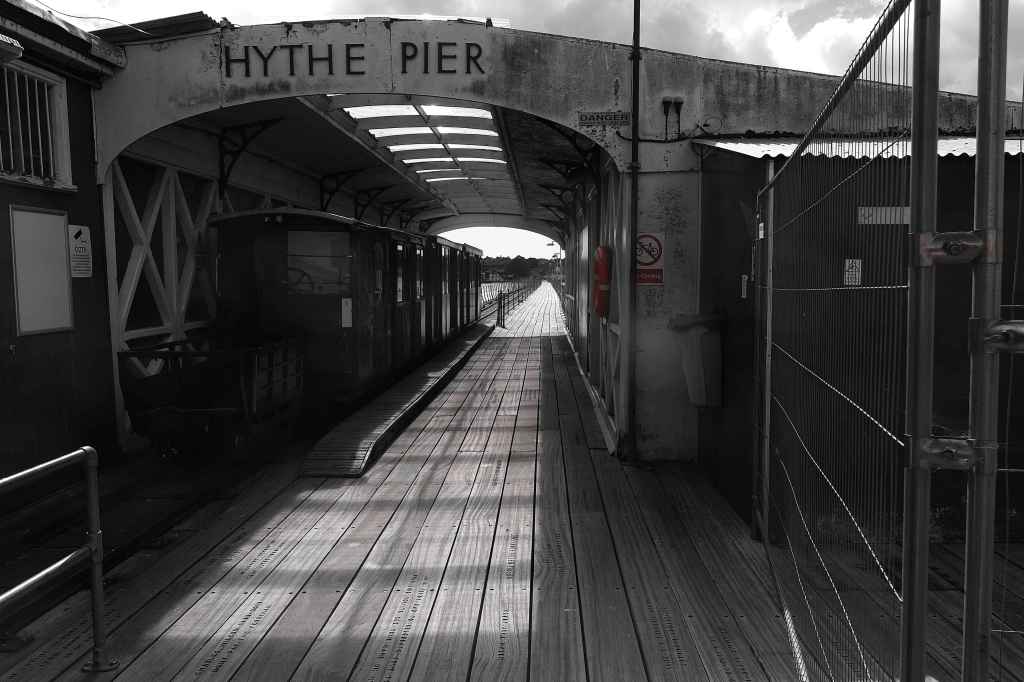
Hythe Pier stretches 700 yards from the centre of Hythe to the deep water channel of Southampton Water. It is the 7th-longest pier in the UK. It carries a pedestrian walkway on its northern side and the Hythe Pier Railway on its southern side.
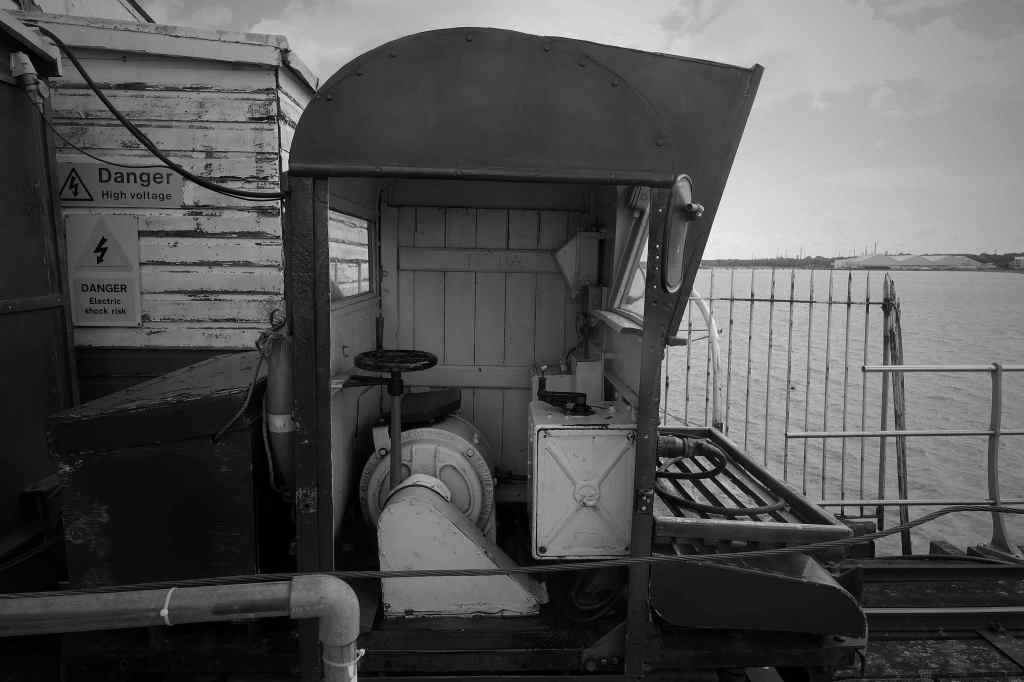
The railway is the oldest continuously operating public pier passenger train in the world. The narrow gauge trains date from WWI, now electric but originally battery powered, they were used in a mustard gas factory.
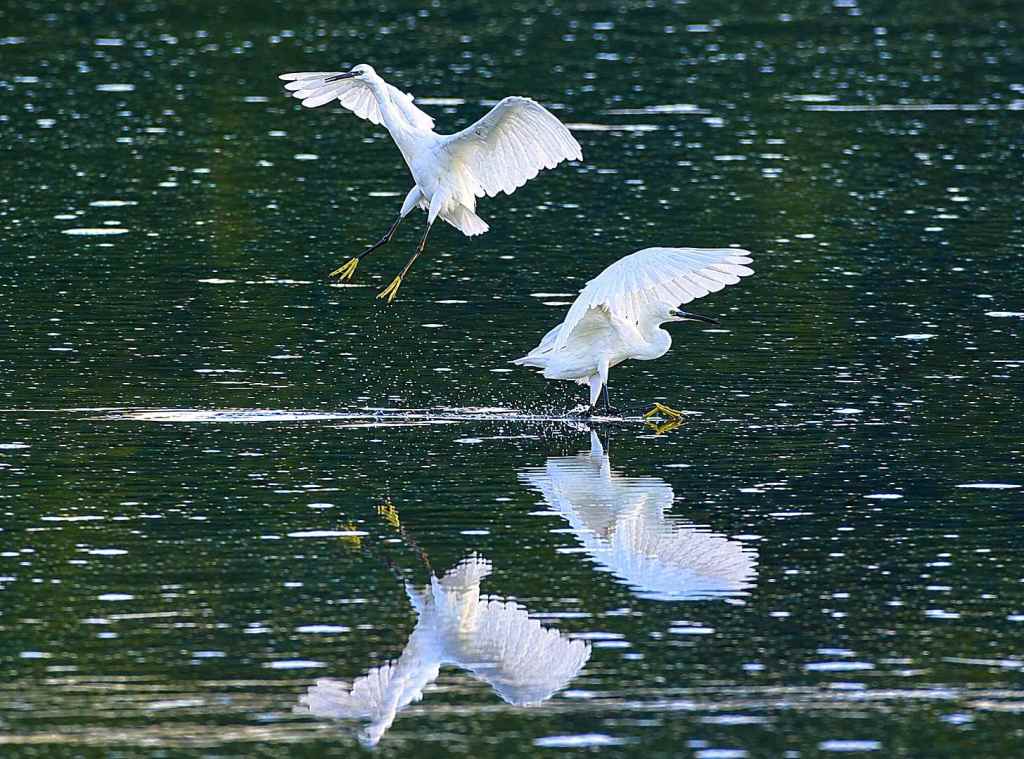
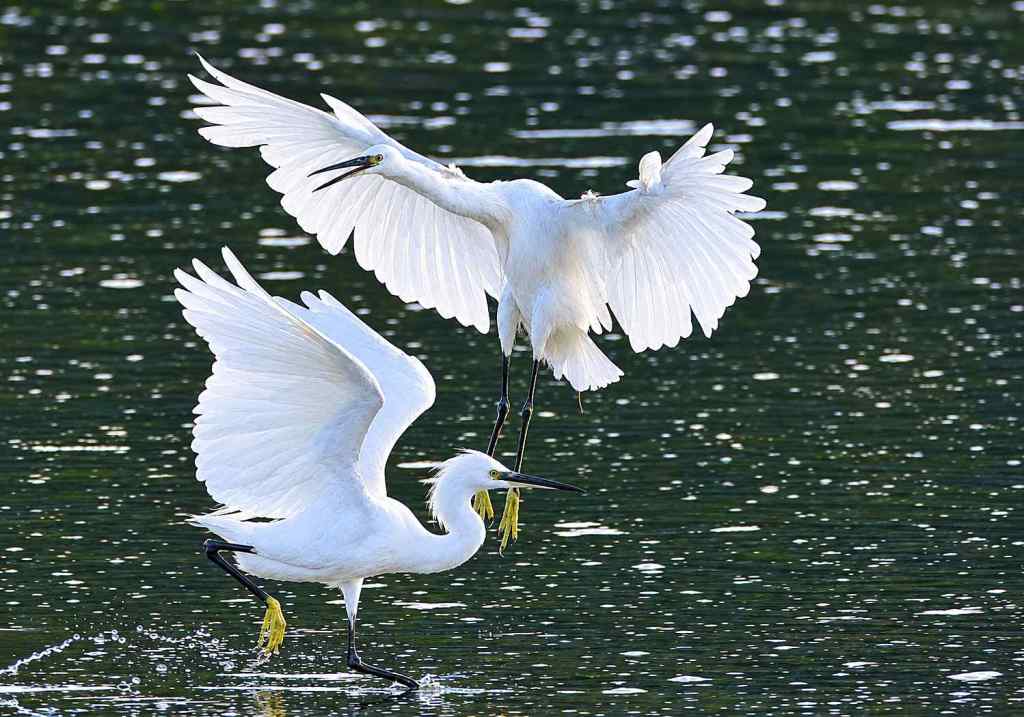
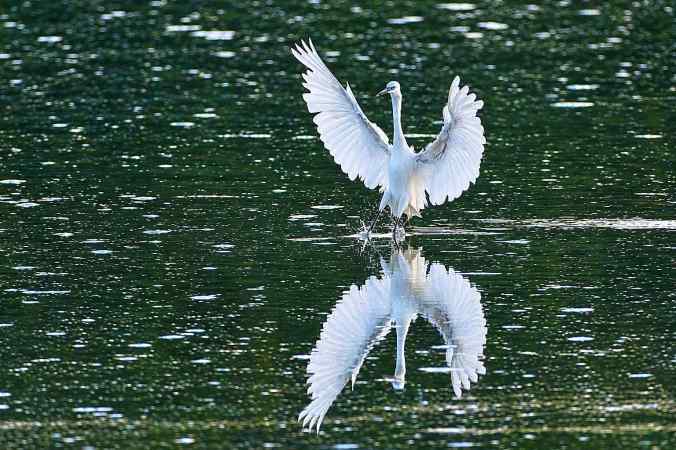
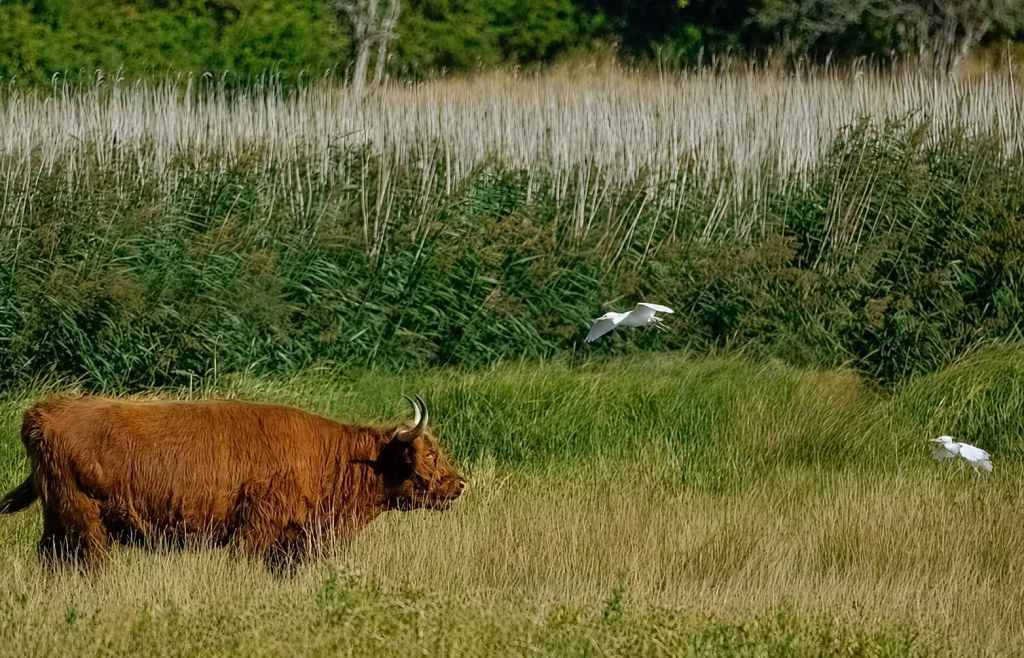
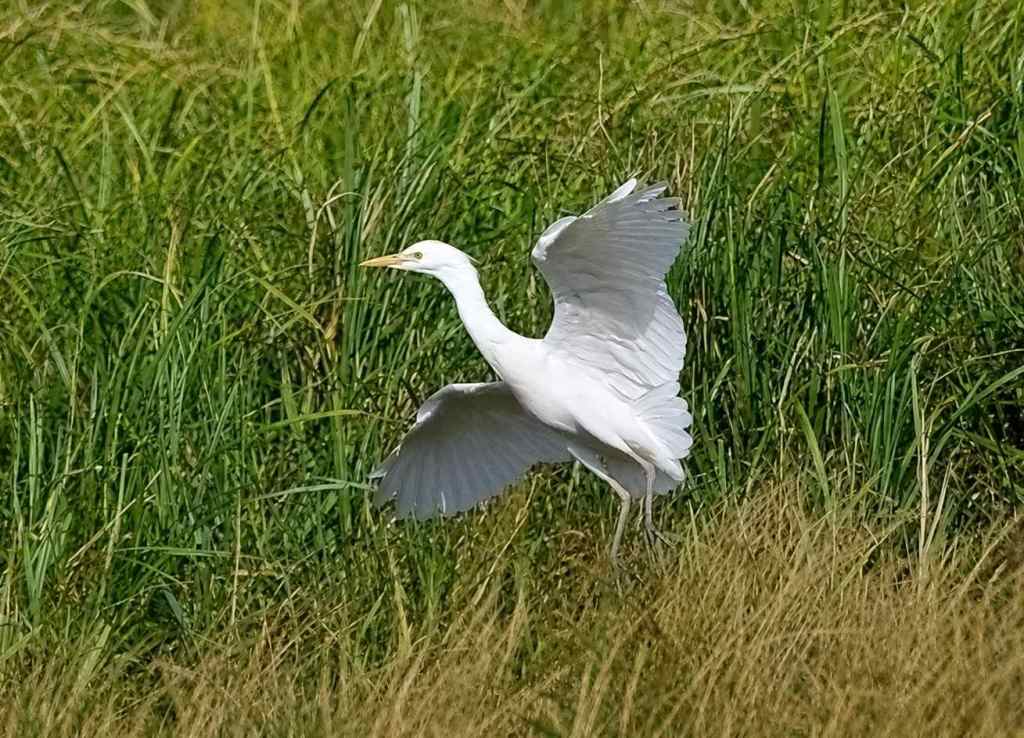
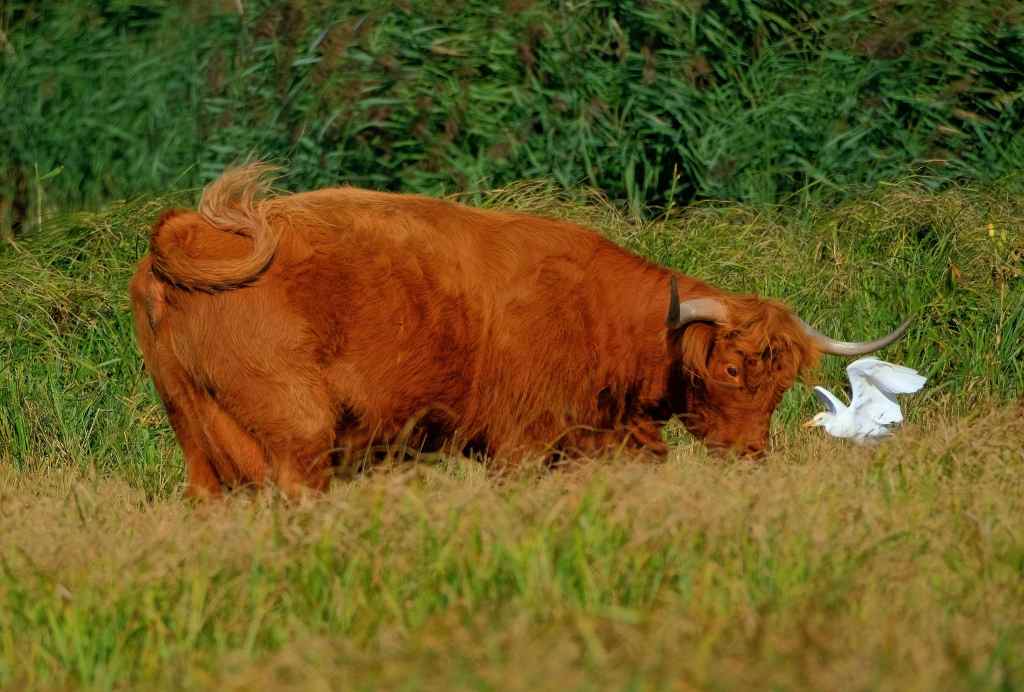
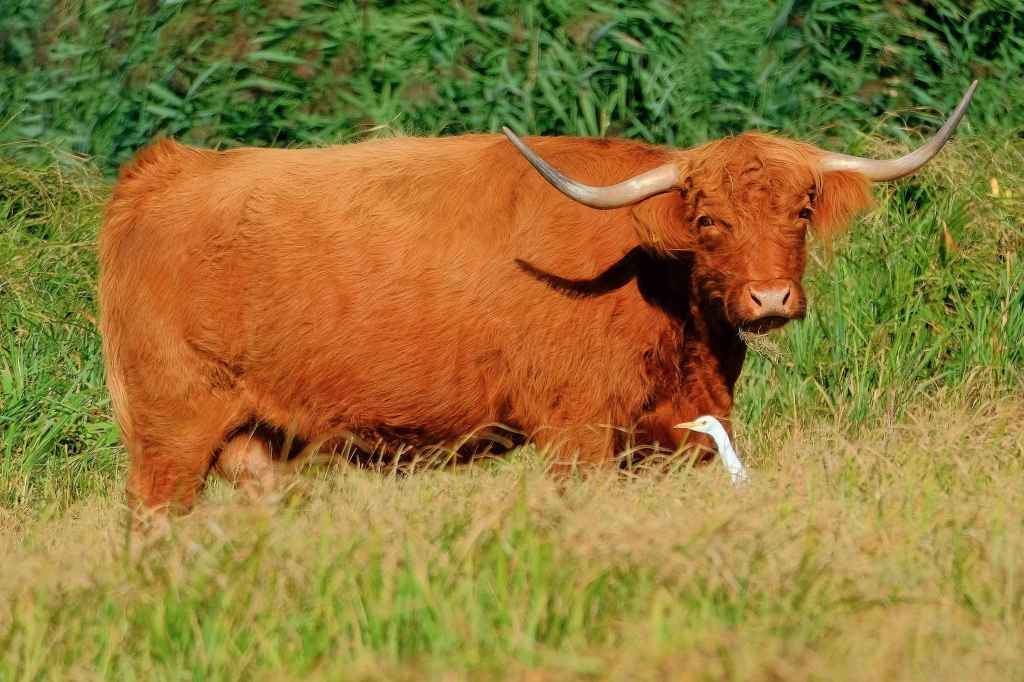
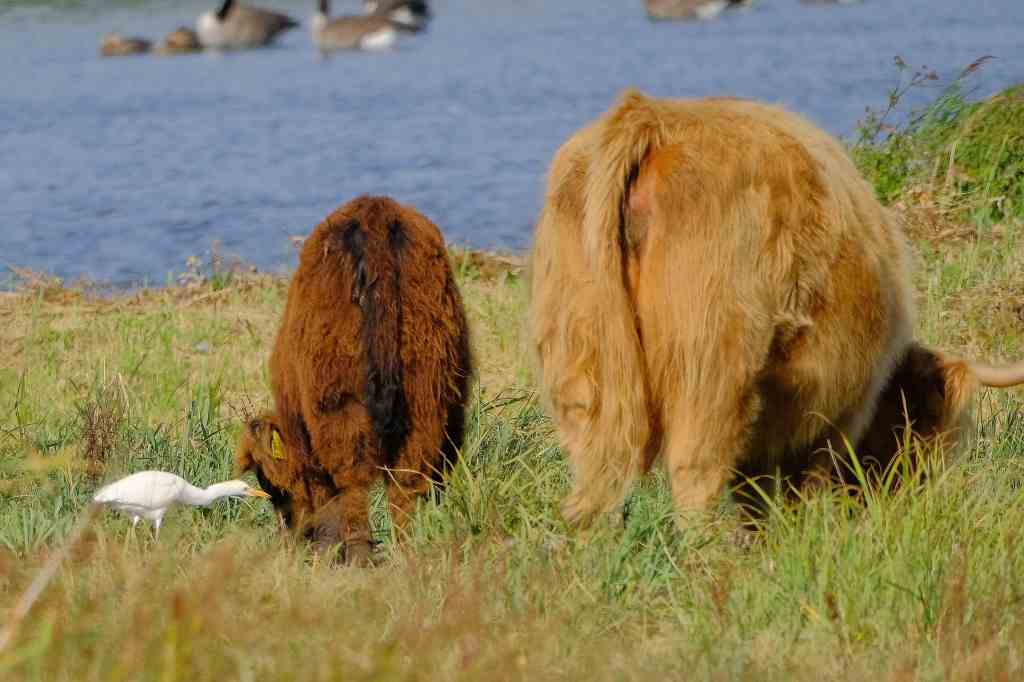
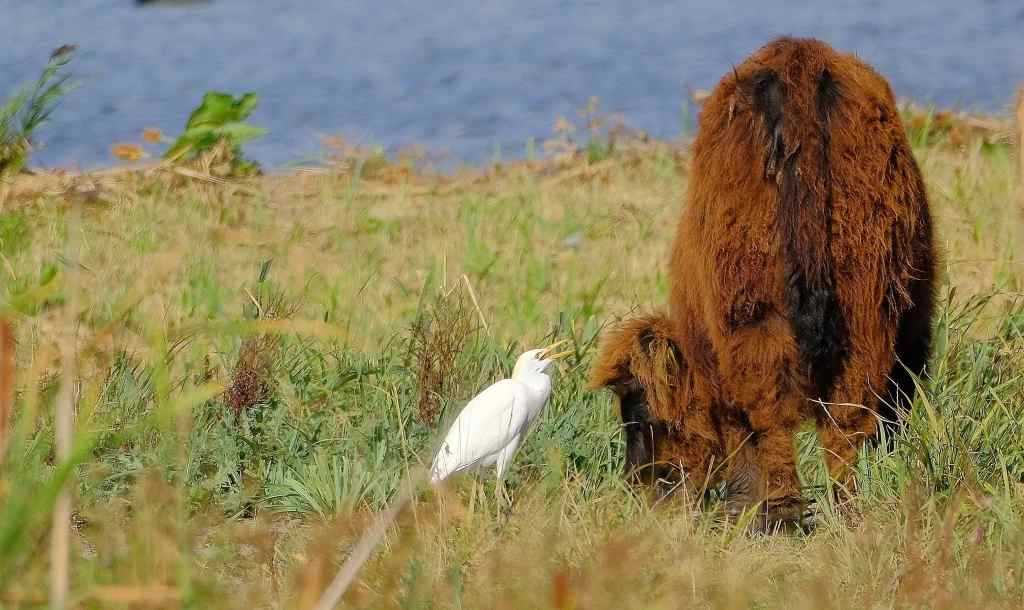
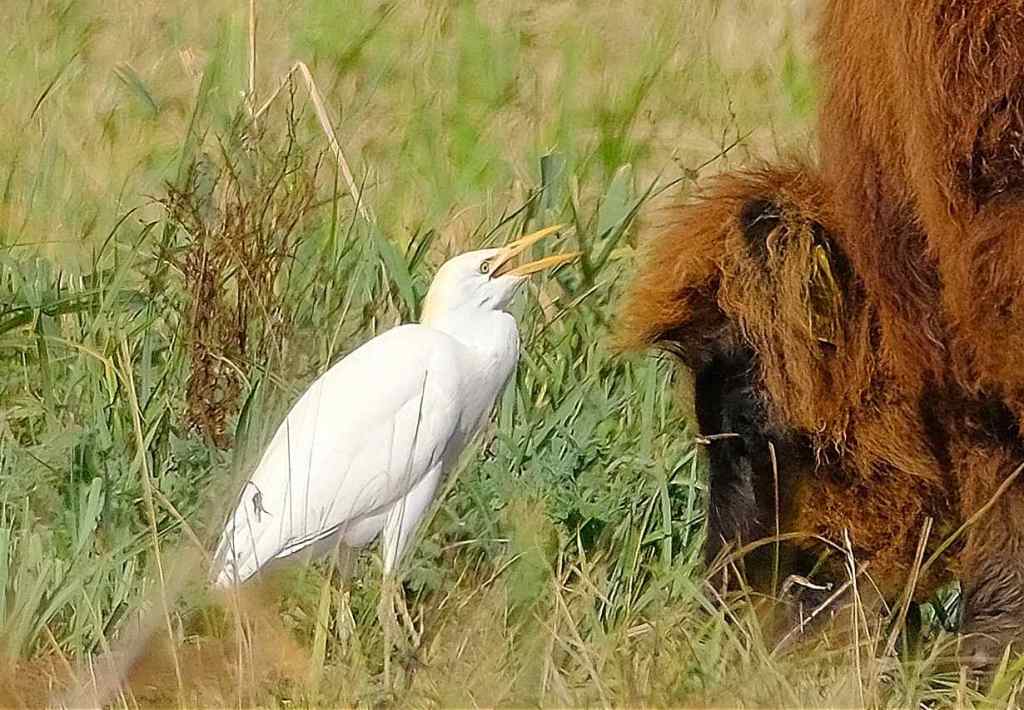
Cattle Egret numbers in the UK are rising. These small white herons are mostly found in southern England and Wales. They often spend time close to livestock like sheep and cows and grab the insects and worms their hooves disturb. While watching Highland Cows in Titchfield Haven Nature Reserve, true to their name, 4 of these birds flew in to feed.
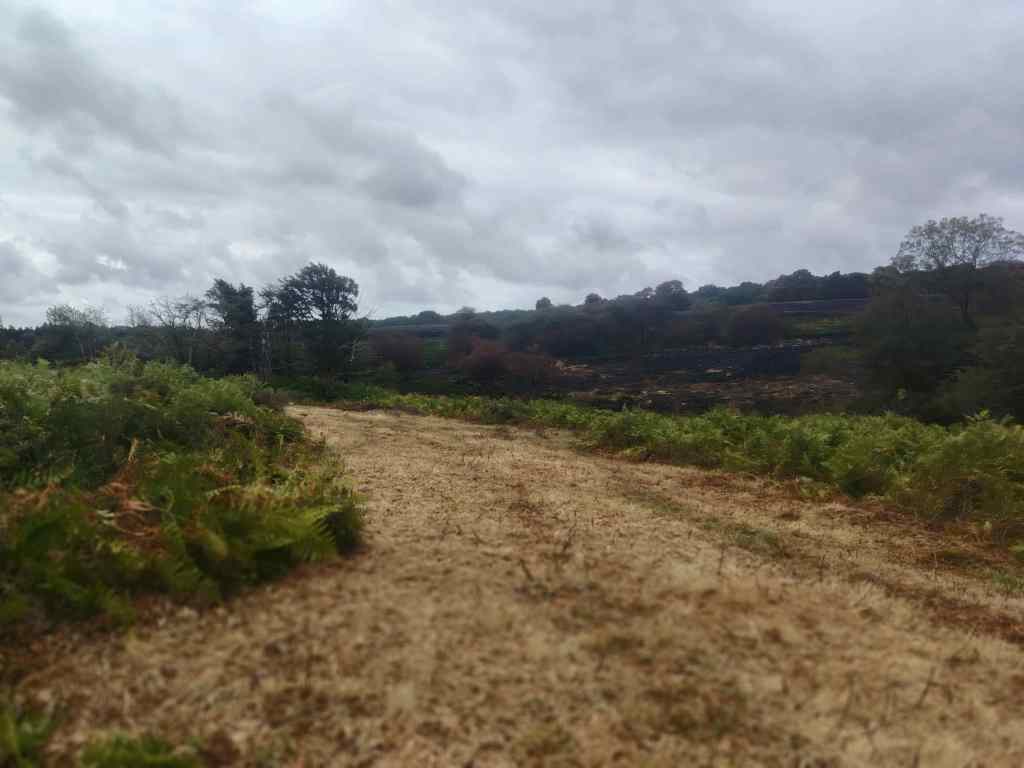
Back into the New Forest after a 10-day gap due to the large wildfire, which closed the A31, the main road crossing the forest. Although other parts were accessible, we chose to stay away, as many of the smaller roads were gridlocked with diverted traffic.
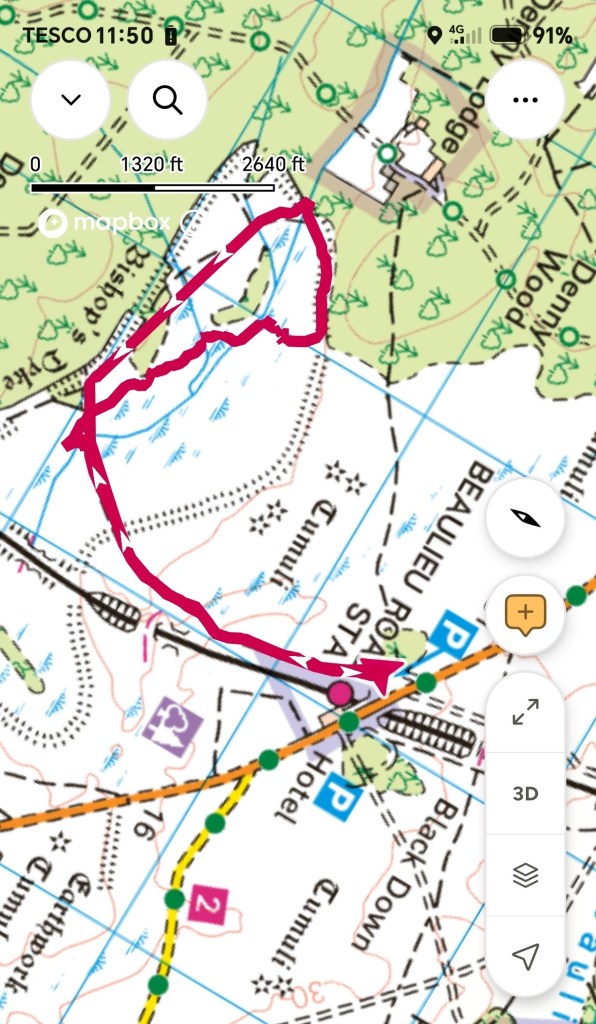
Today’s walk.
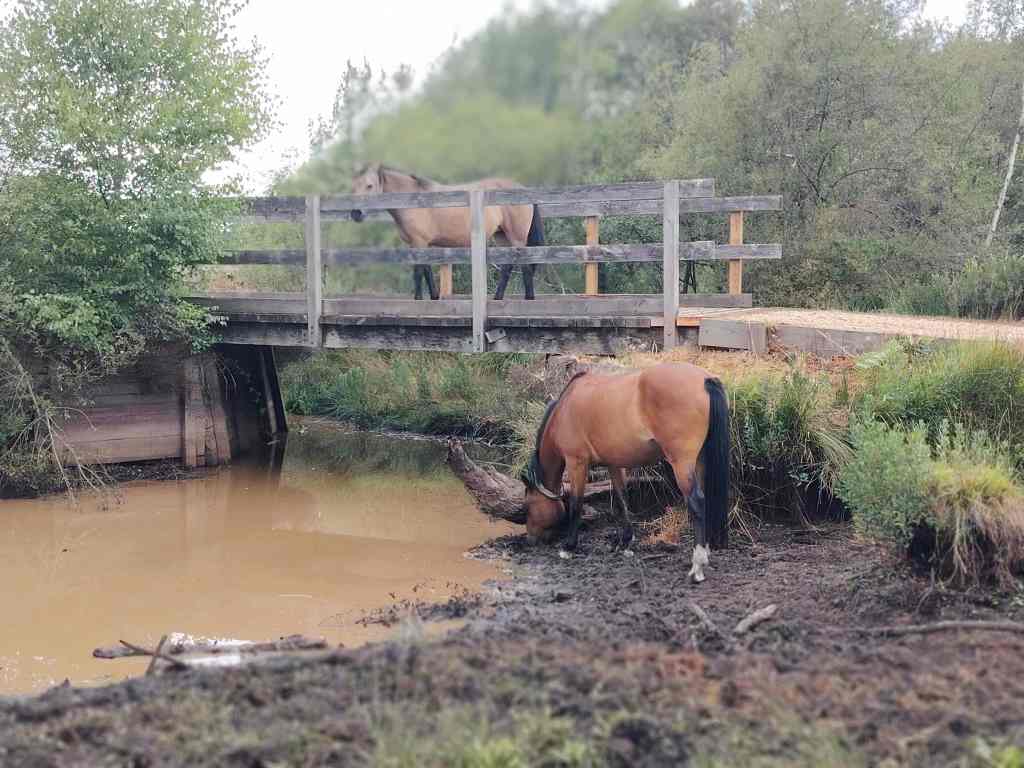
about 4 miles through some fairly boggy ground. Some of which would be impassable if we had not had a drought.
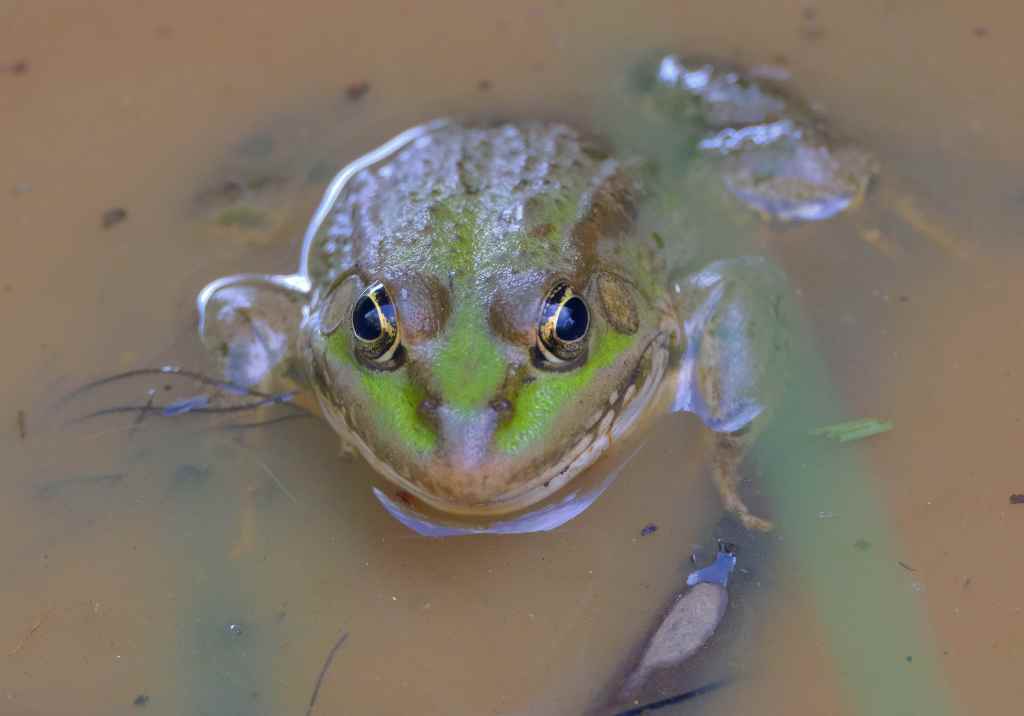
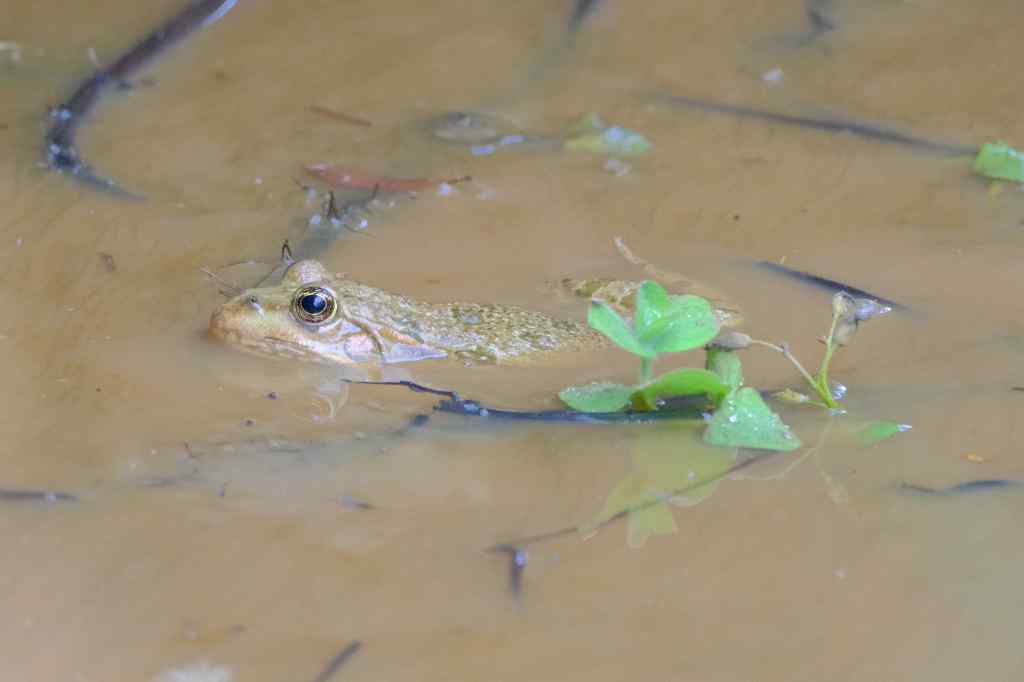
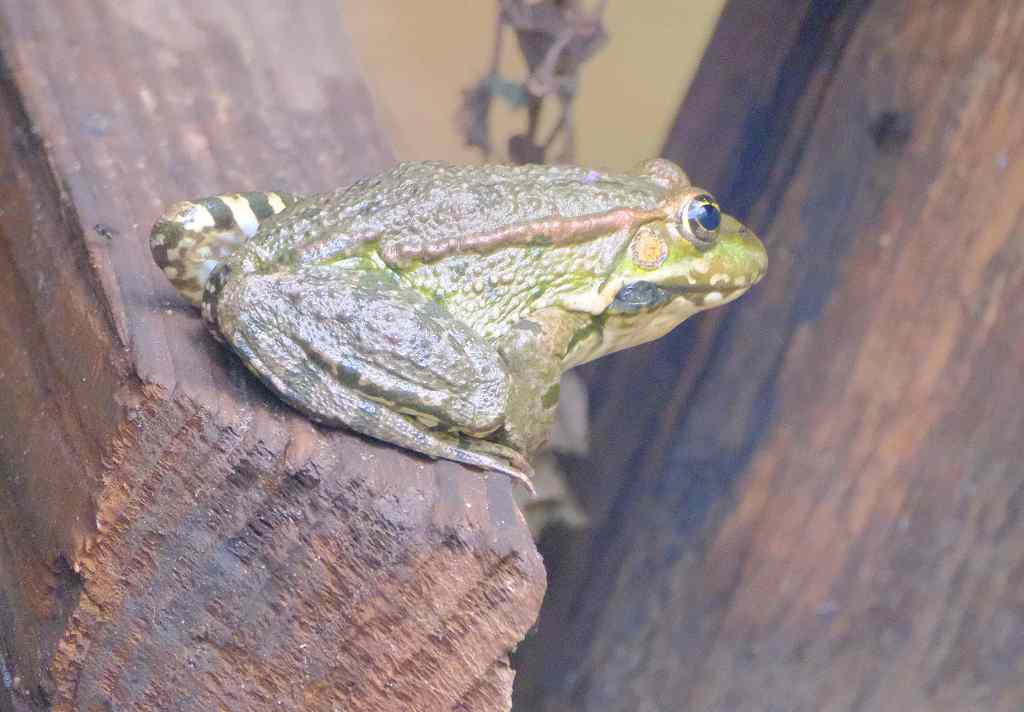
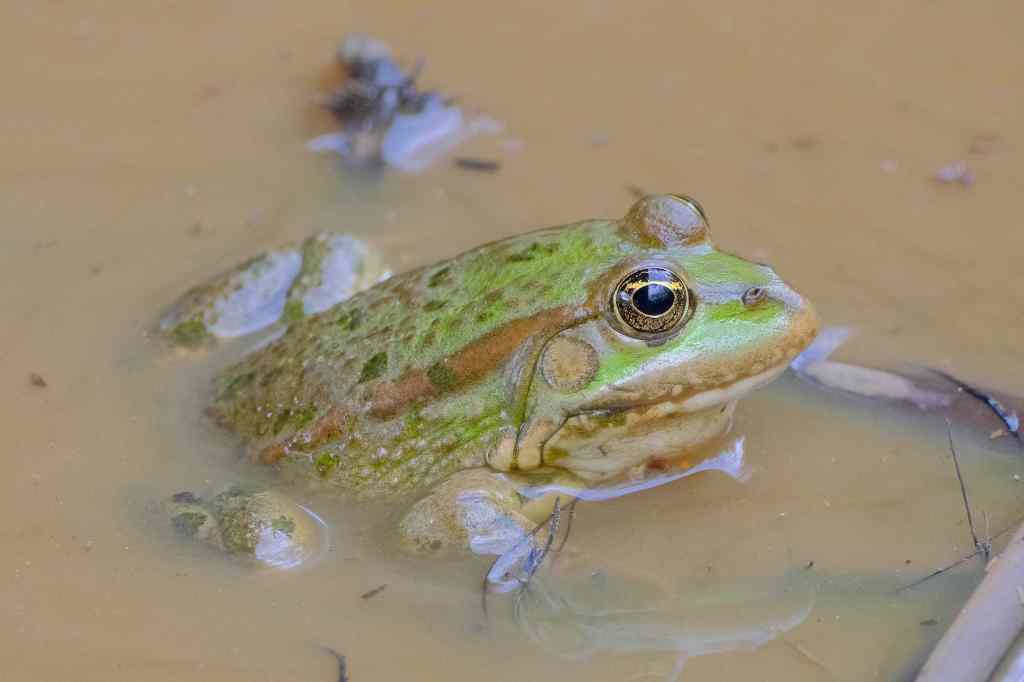
Marsh frogs.
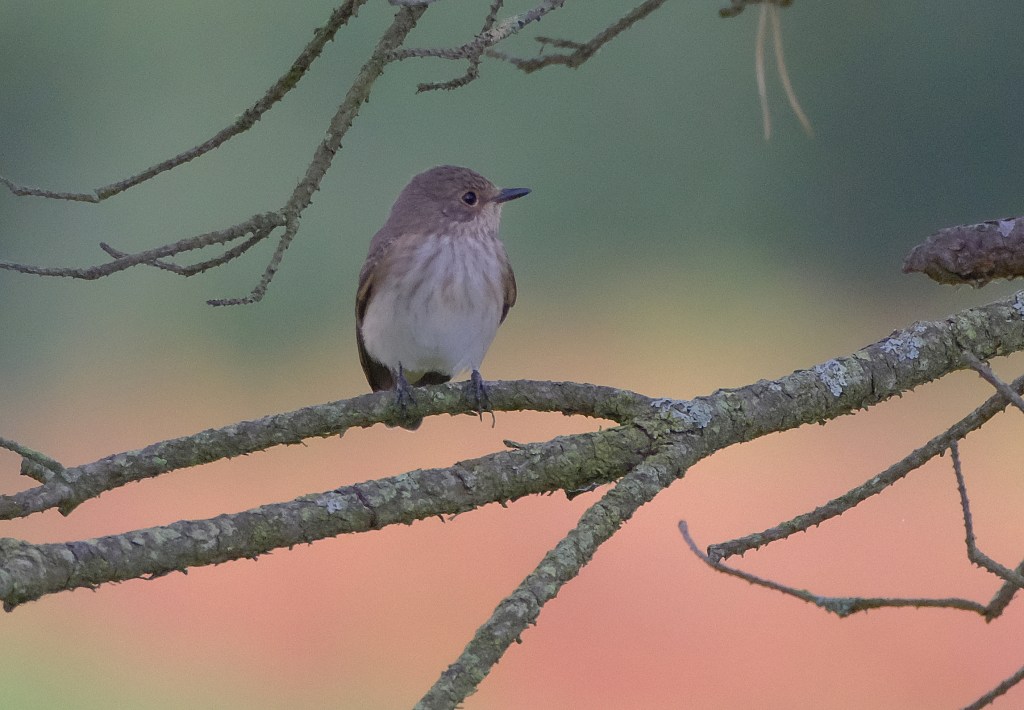
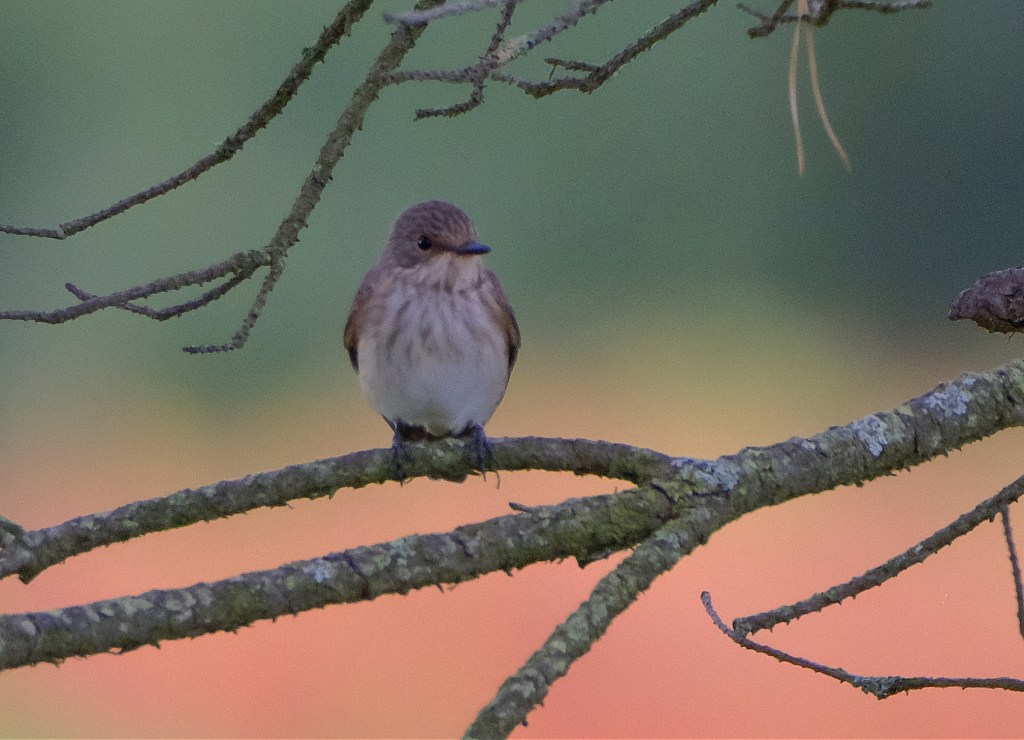
Spotted flycatcher.
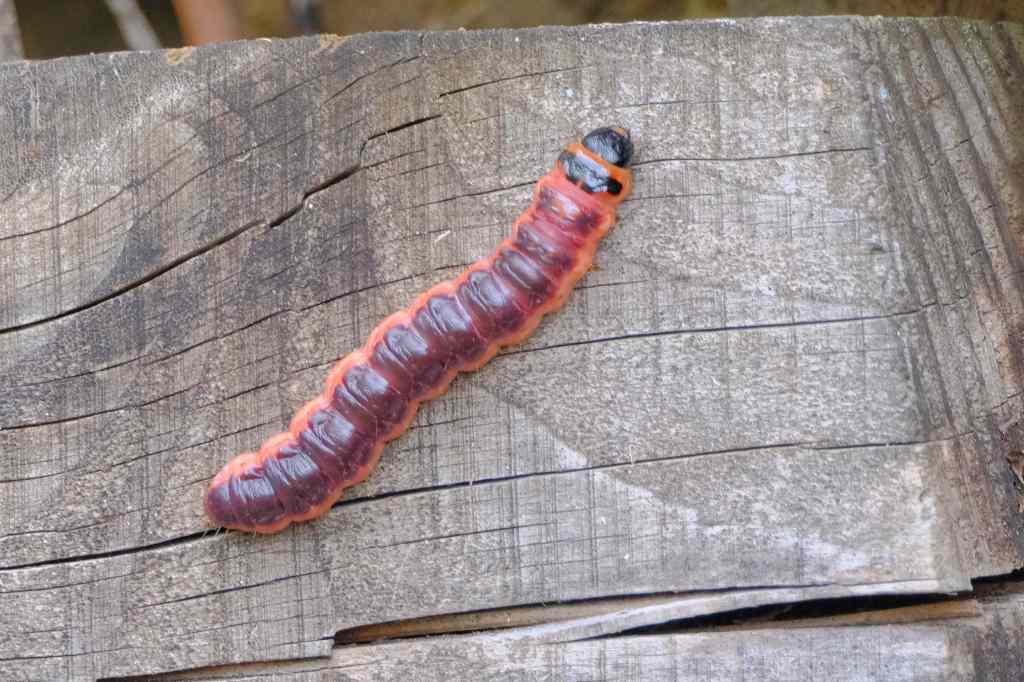
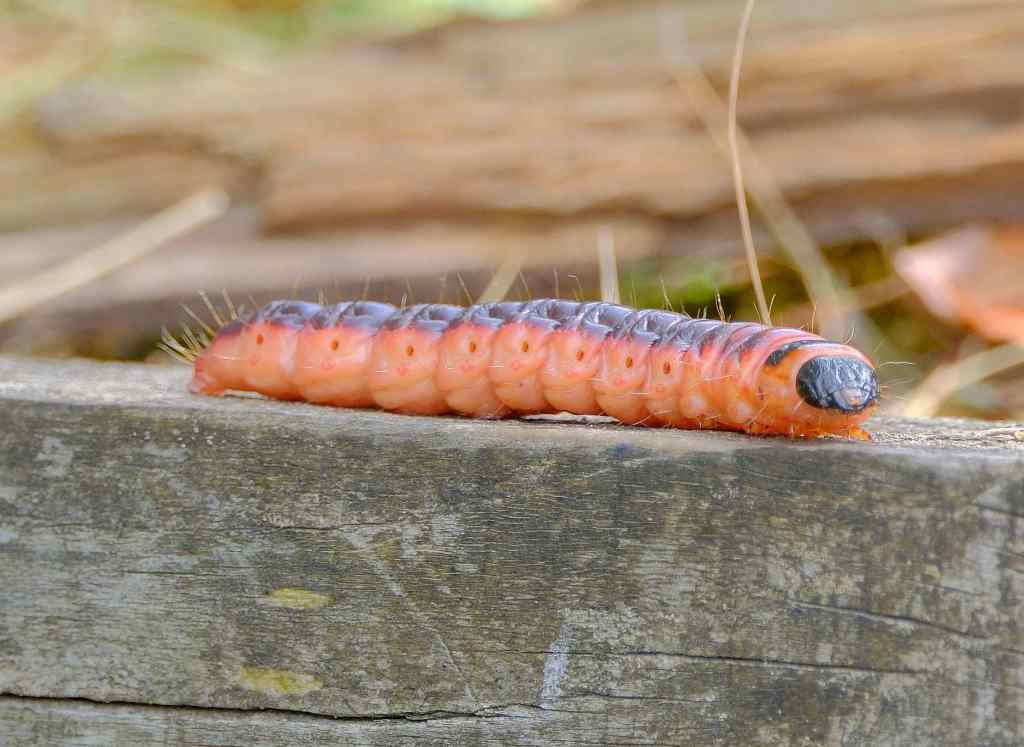
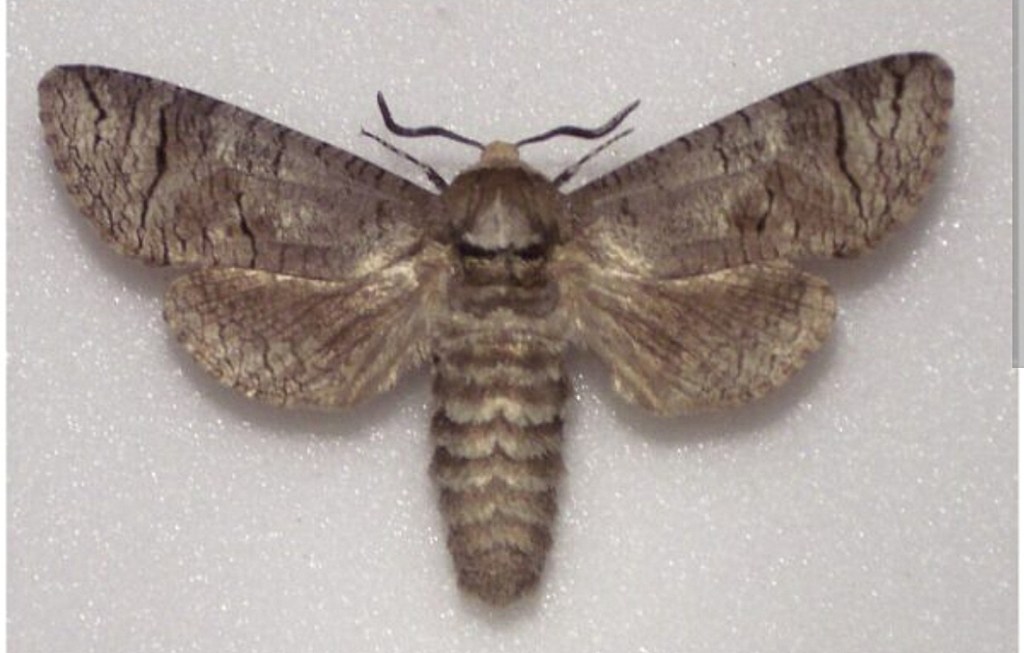
A first for me today, a Goat Moth caterpillar.
)As an adult, the moth cannot feed. The caterpillars live inside the trunks of a variety of broad-leaved trees, feeding on the wood. They overwinter three or four times as larvae and a final time as pupae. The caterpillar can grow to 10 cm (about 4 inches), and the moth has a wingspan of up to 9.5cm (about 3 1/2 inches).