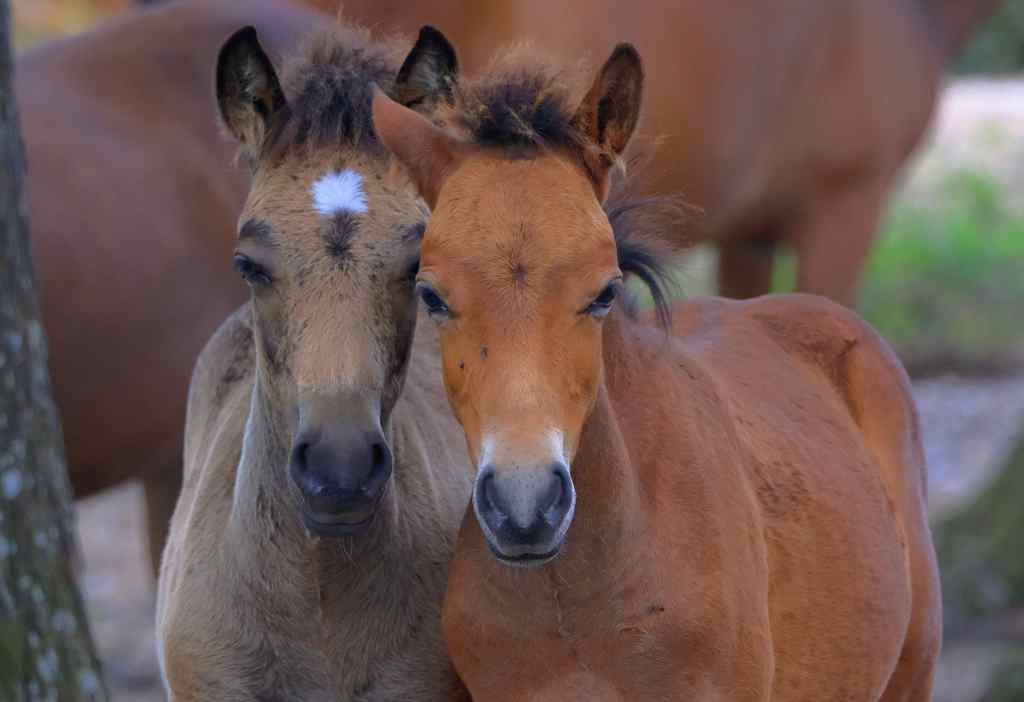
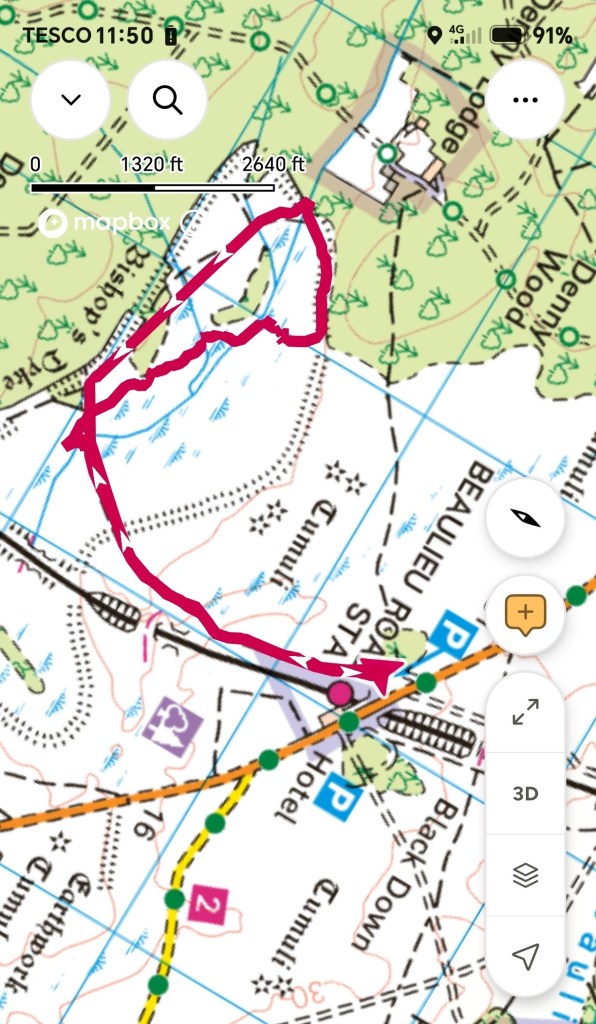
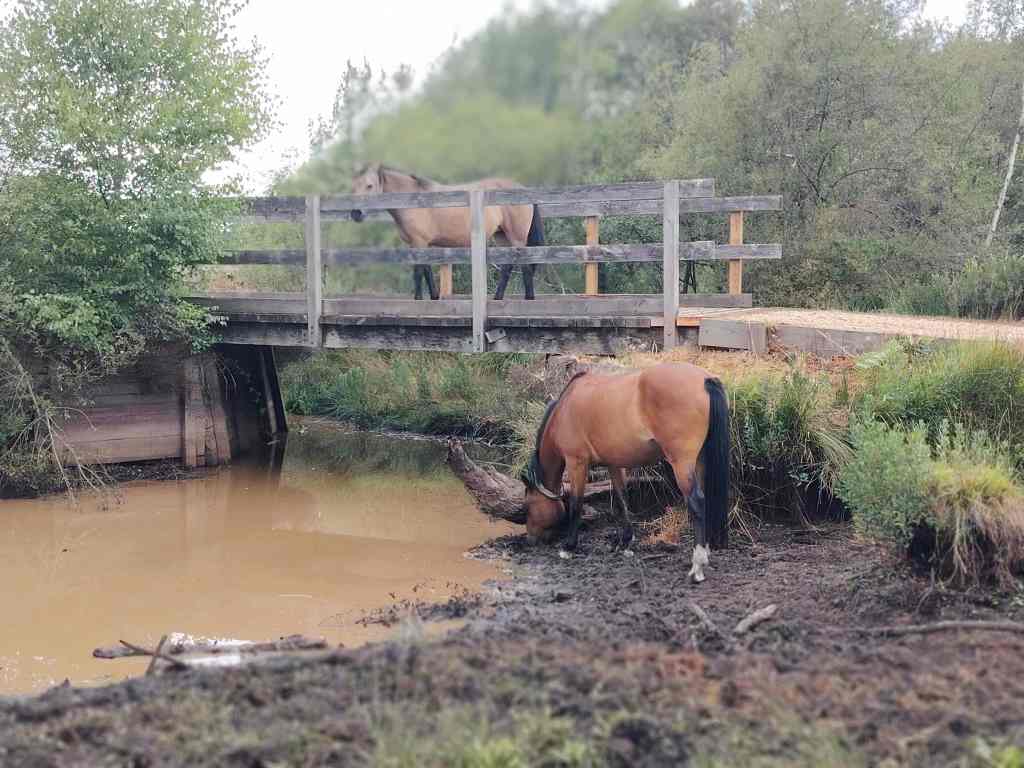
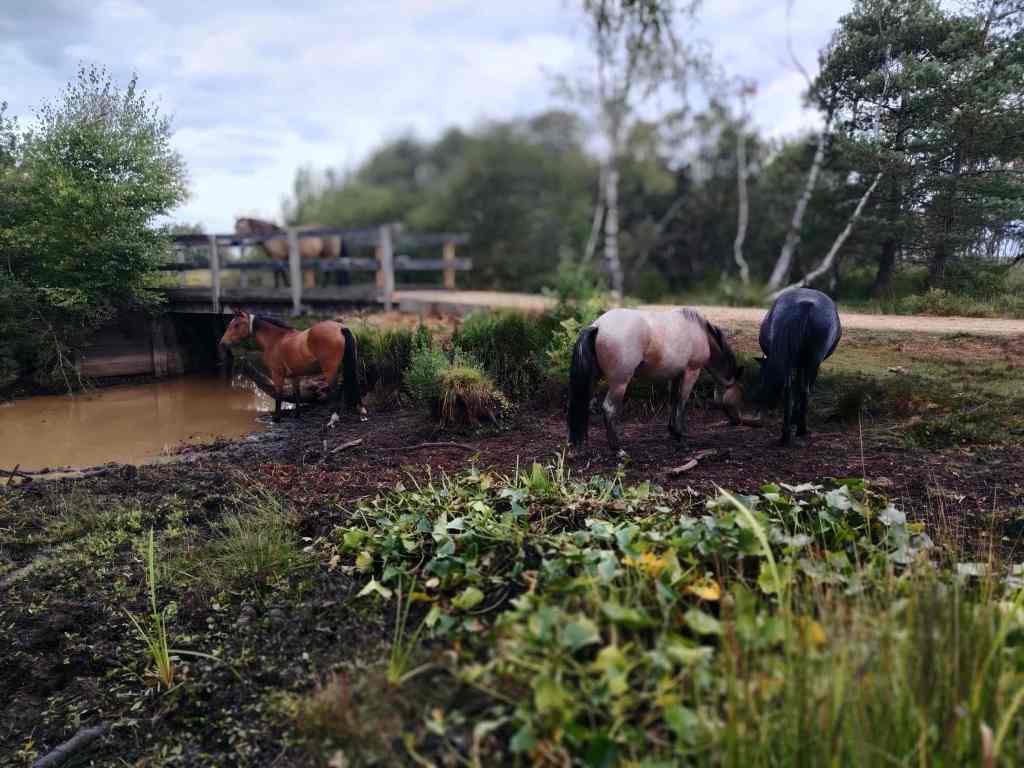
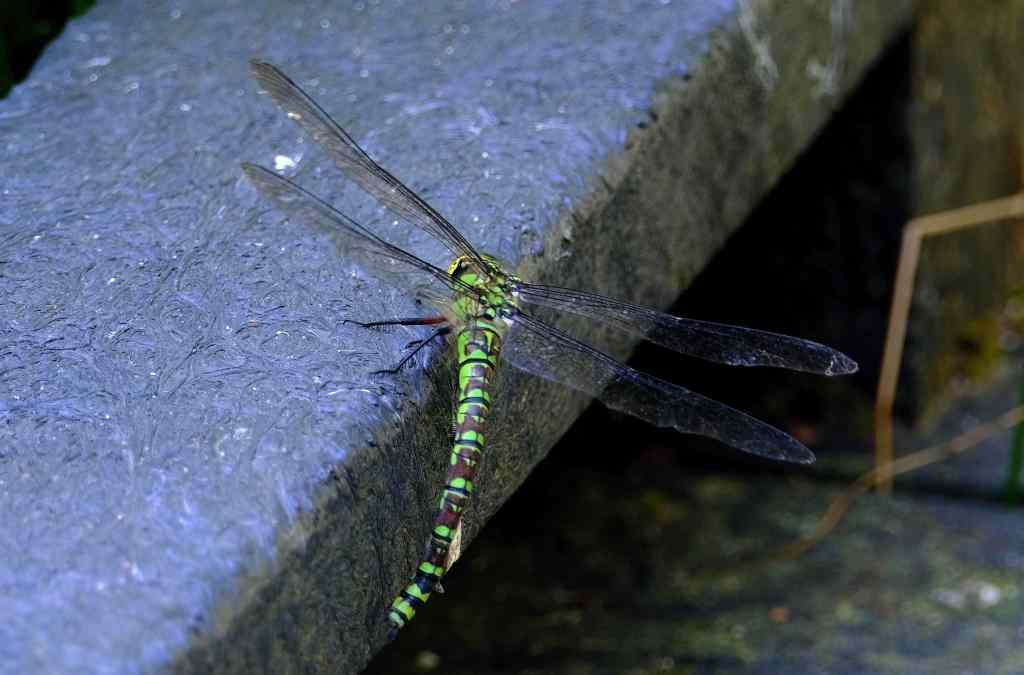
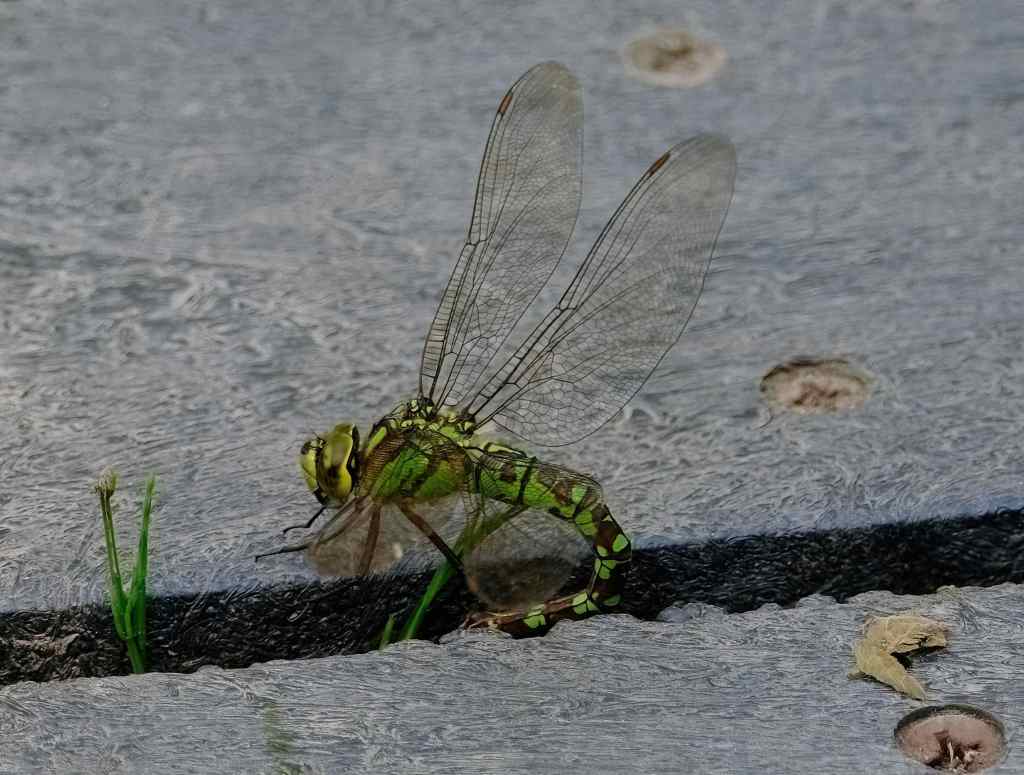
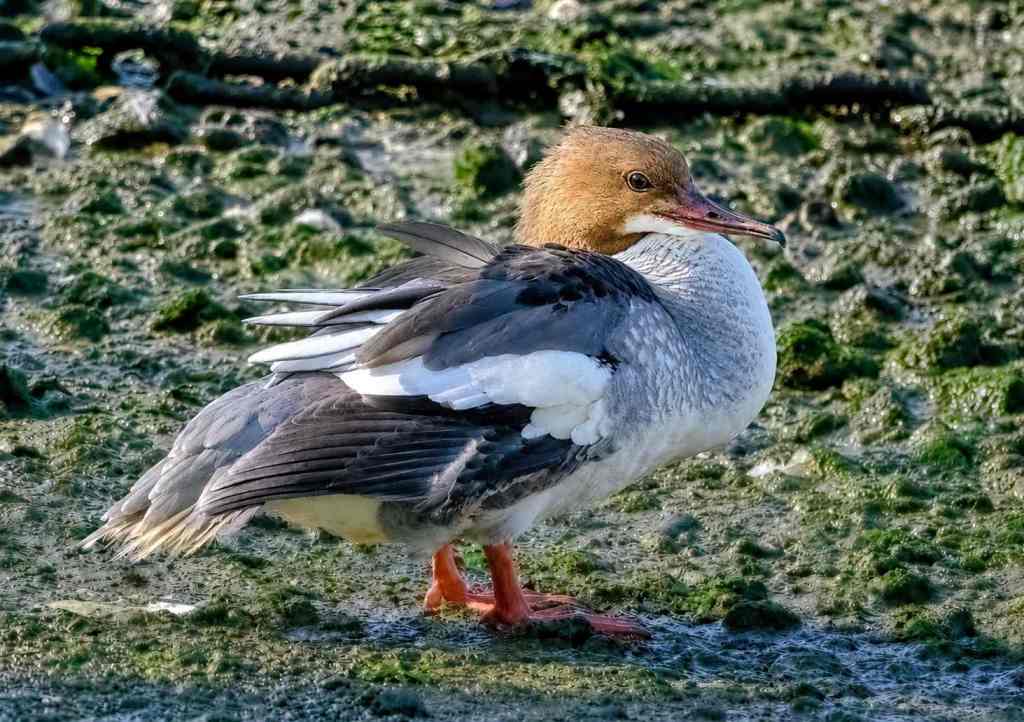
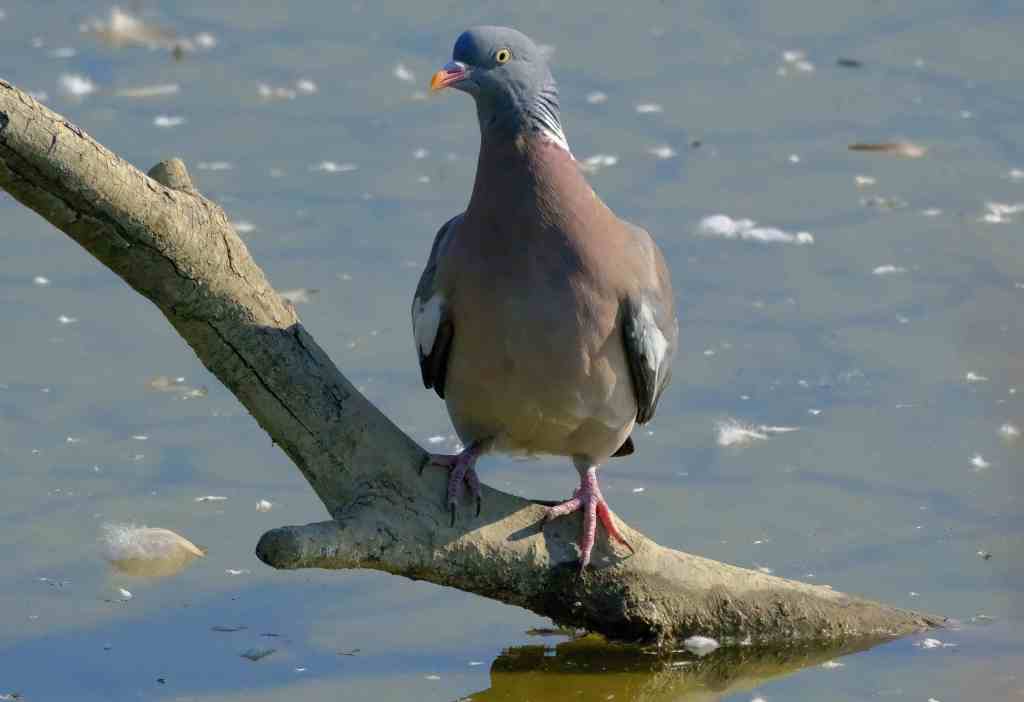
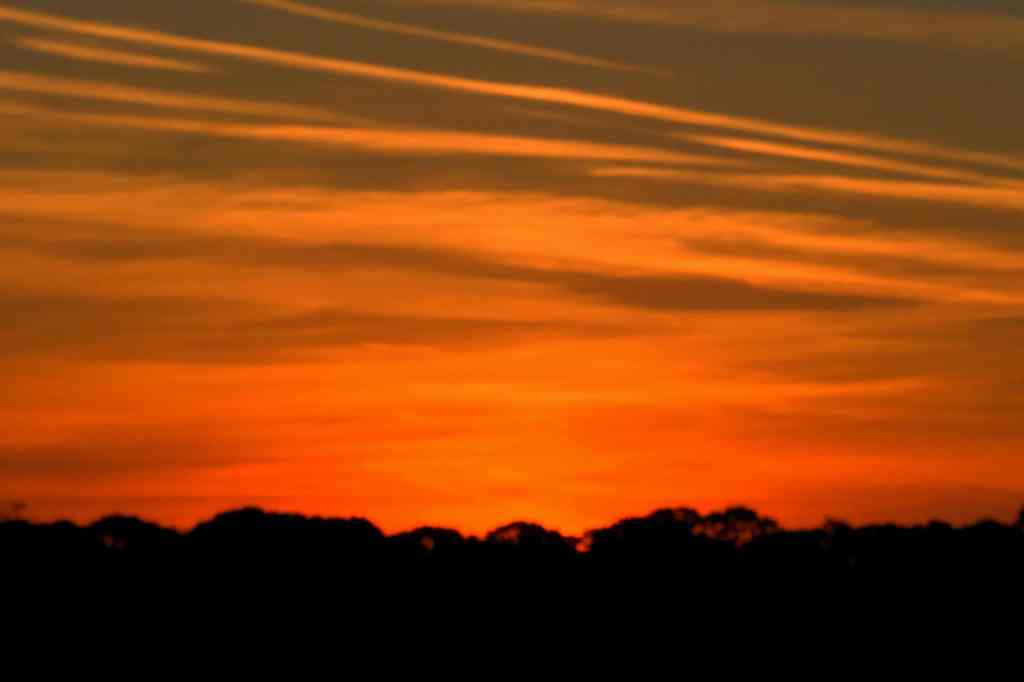
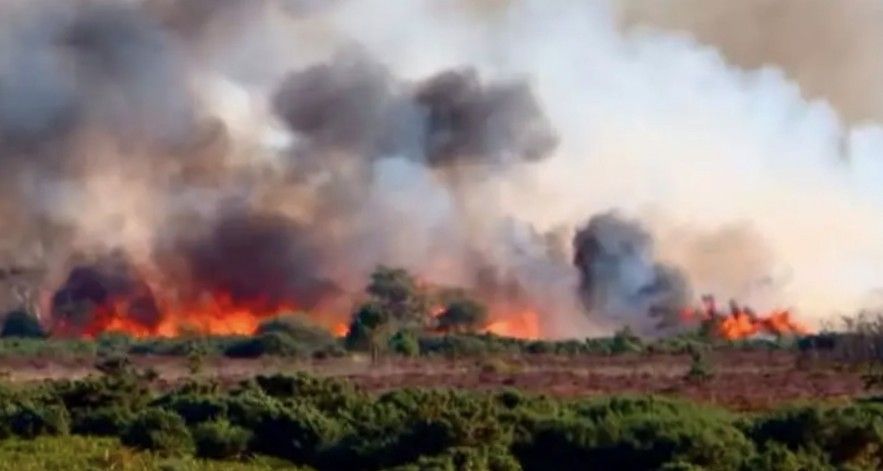
Since yesterday there was a large fire on heathland in the New Forest where we walked last week. Major Roads closed through the forest.100 hectares burning.

Hovertravel is the world’s longest-running commercial hovercraft service and is the only scheduled passenger hovercraft service in Europe. The service runs across the Solent between Southsea, Portsmouth and Ryde, on the Isle of Wight.
I have never traveled on a Hovercraft until today. Hovertravel has been running a few trips from Lee on the Solent, so I booked a 10-minute trip across the Solent.
Current craft operated are Griffon Hoverwork 12000TD
The Hovercraft began its life in 1955 when inventor Sir Christopher Cockerell tested out his idea for a floating/flying craft by putting a cat food tin inside a coffee tin. To test his ‘hover’ theory, the inventor then blew a jet of air through the gap between the two tins to create a cushion of air, and the Hovercraft was born.


New Forest.


Little Egrets on the Hamble River near Warsash.


Has it gone too far? In the “old days,” you could tweak your pictures in the darkroom. Then came digital, and I used Photoshop to edit my pictures – crop and adjust exposure, etc.
Today, on a long walk in the New Forest, we spooked a Fallow Deer doe with her fawn. They hopped out of the dense Bracken stop and had a good look at us before heading back into the undergrowth.
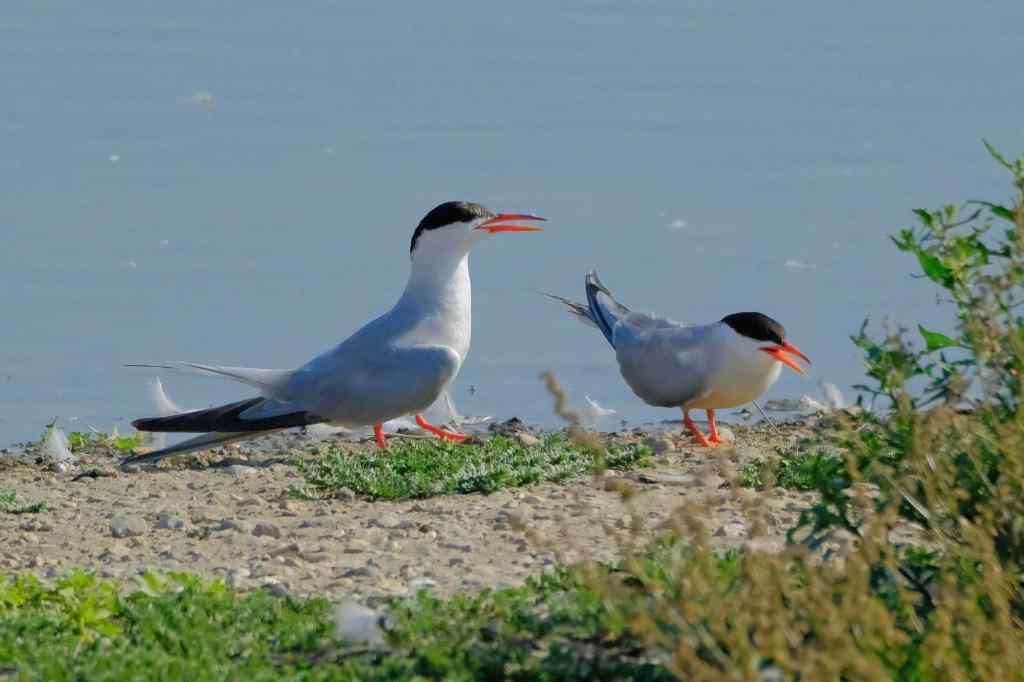

I took a series of pictures, but the deer were obscured in the foreground by the undergrowth.
Now with A1-supported photo editing, you can go further. I ran one of my pictures through a trial editing package.
I asked it to sharpen, de-noise, and remove the foliage from one of my pictures. This is the result, but I have to ask: is this acceptable, or is it a step too far in wildlife photography?

My first Wasp Spiders I have seen for a while.
Today made up for it, and I saw a good number. The female wasp spider has yellow, black and white stripes, just like a common wasp. Its legs are also striped. The male is smaller and pale brown.
The 1st picture shows a female spider with a grasshopper wrapped up, ready to be eaten.

This time, an underside view with prey.

Mating is a dangerous game for males; they wait at the edge of the web until the female has moulted into a mature form, then take advantage of her jaws being soft and nip into mate. However, many males still get eaten during this time. (The male is smaller and pale brown.) The next pictures shows that this female has killed another and will be eating her, something I have not seen before.


Some smaller meals.


Footnote.
Theories About the Zig-Zag Pattern
Warning for large animals: The thick white silk makes the web easy to see so that passing birds, deer, or humans notice it and do not crash into it.(think this is a bit of a non-starter!)
Attracting prey: The silk reflects ultraviolet light in a way that might mimic flowers and lure hungry insects closer.
Camouflage: The design may break up the spider’s outline or hide its body from sharp-eyed predators.
A long-held misconception: People once thought the pattern added physical strength to hold up the web, but researchers found that the silk is too loosely attached to provide stability.
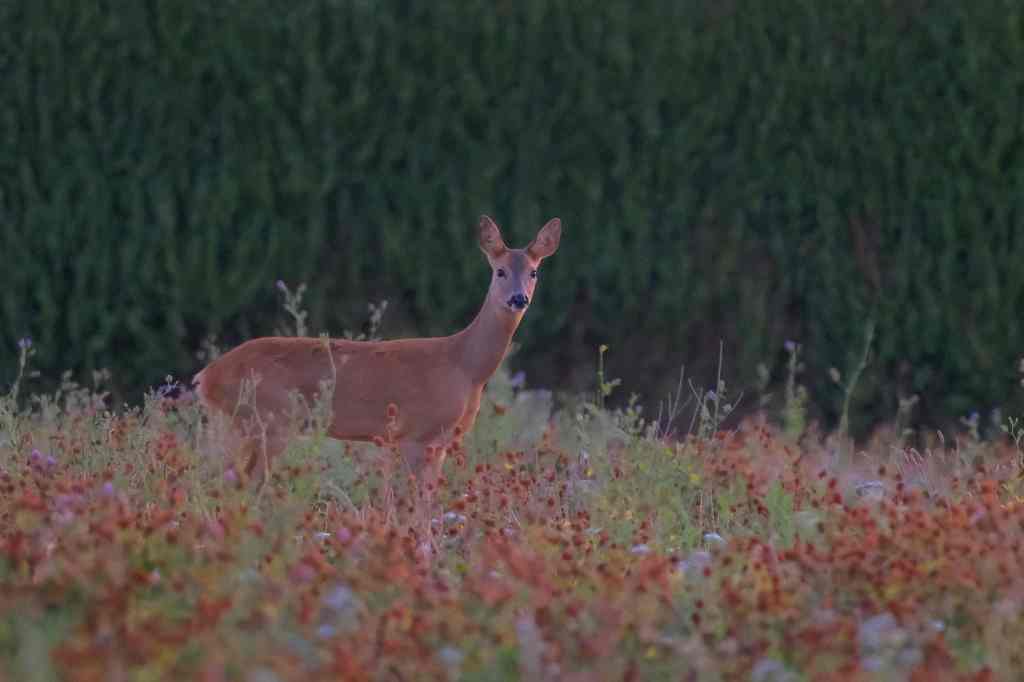
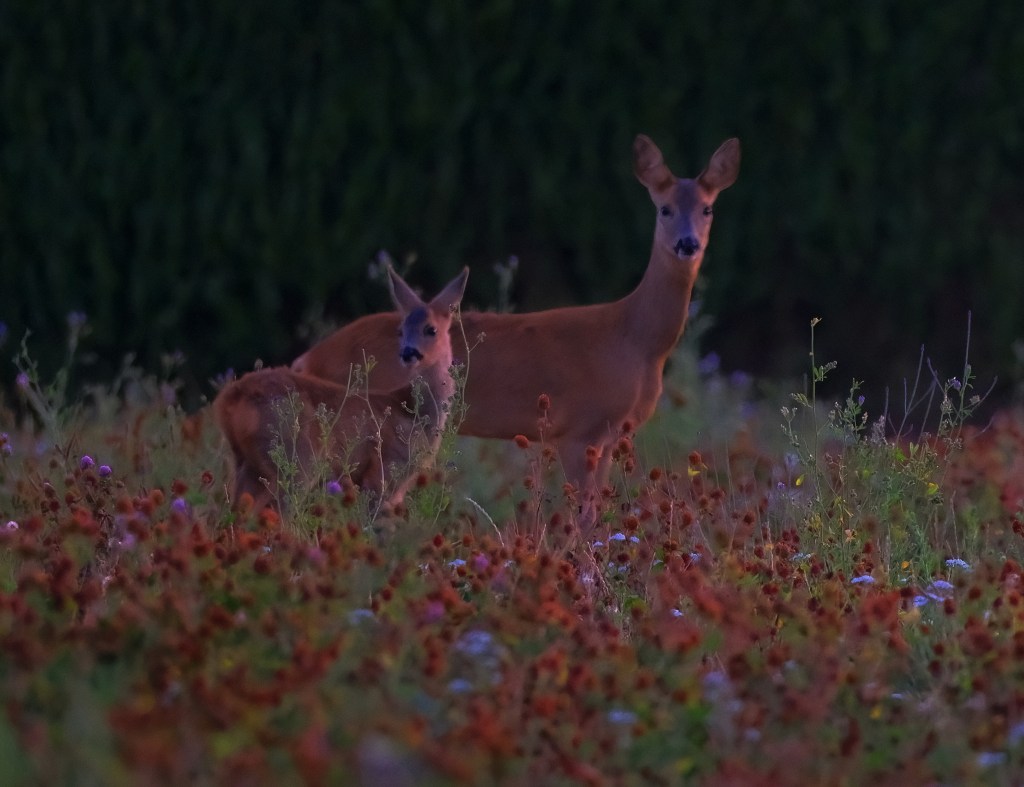
Last week I posted some Fallow Deer pictures from the New Forest today some more deer this time Roe Deer.


New Forest.