The Siskin is a small, finch it has a distinctly forked tail and a long narrow bill. The male as pictured here has a streaky yellow-green body and a black crown and bib. There are yellow patches on the wings and tail.
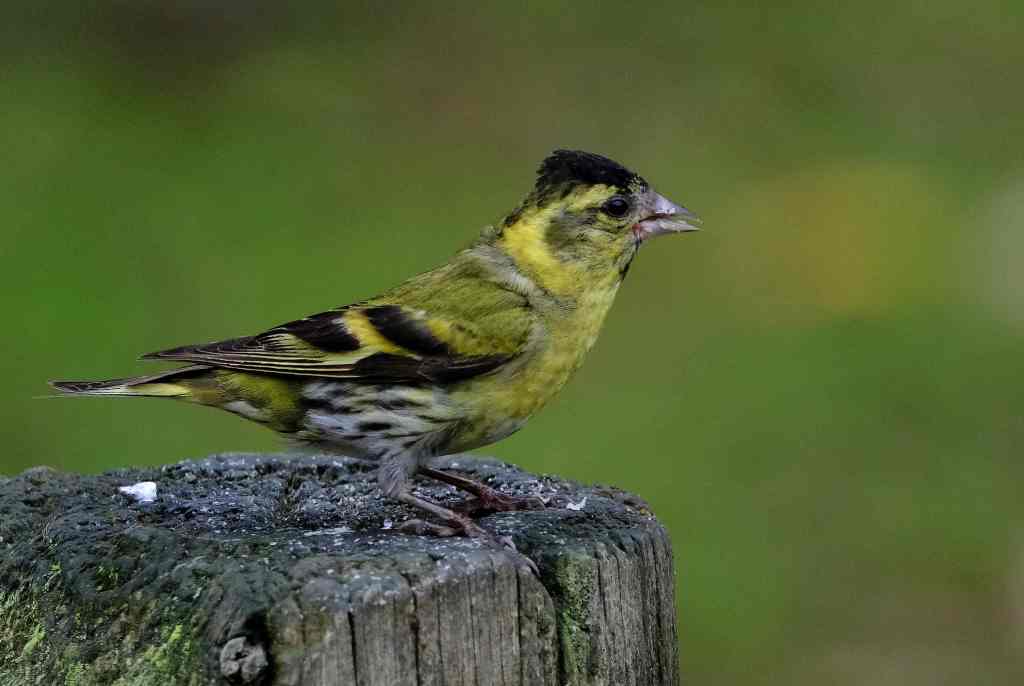
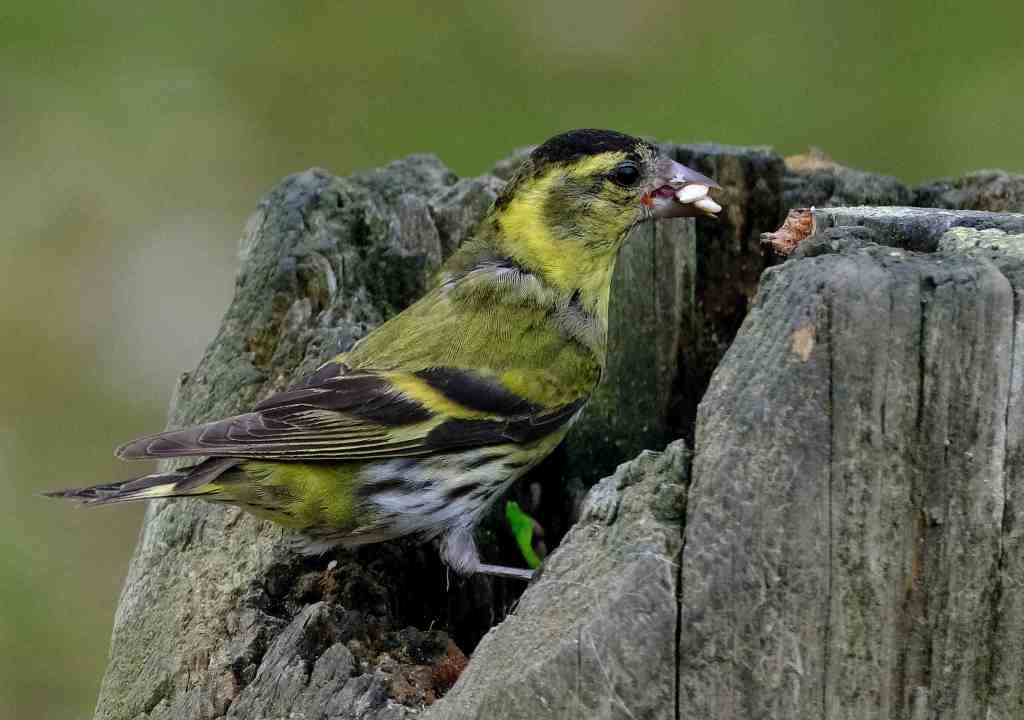

The Siskin is a small, finch it has a distinctly forked tail and a long narrow bill. The male as pictured here has a streaky yellow-green body and a black crown and bib. There are yellow patches on the wings and tail.
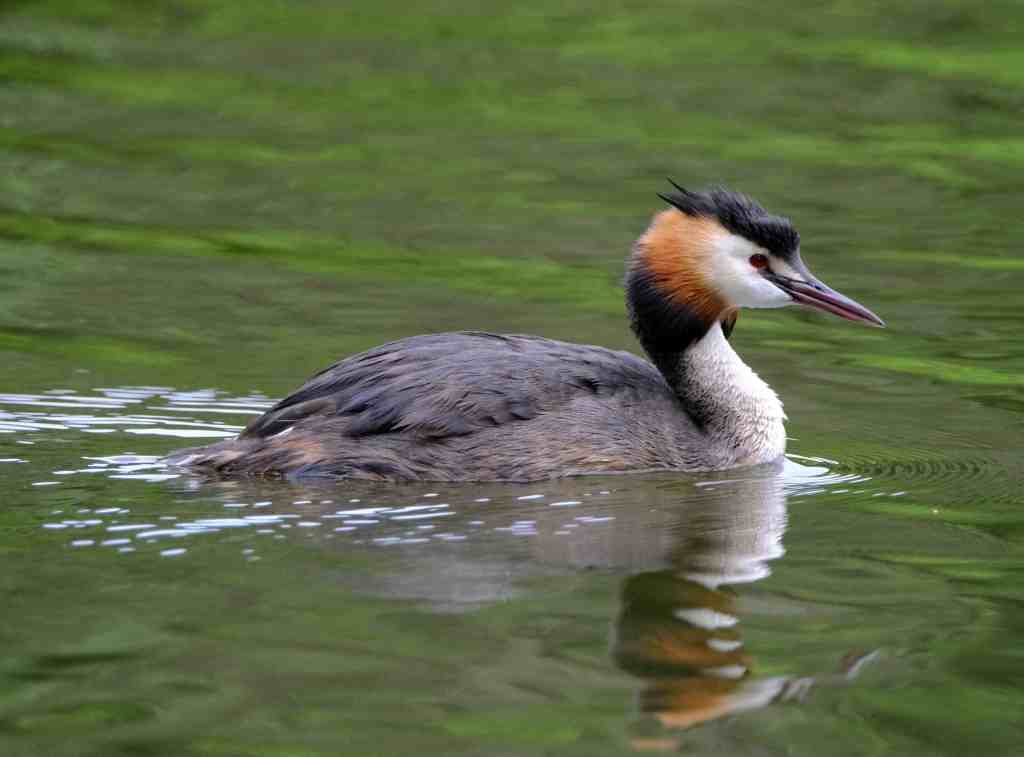
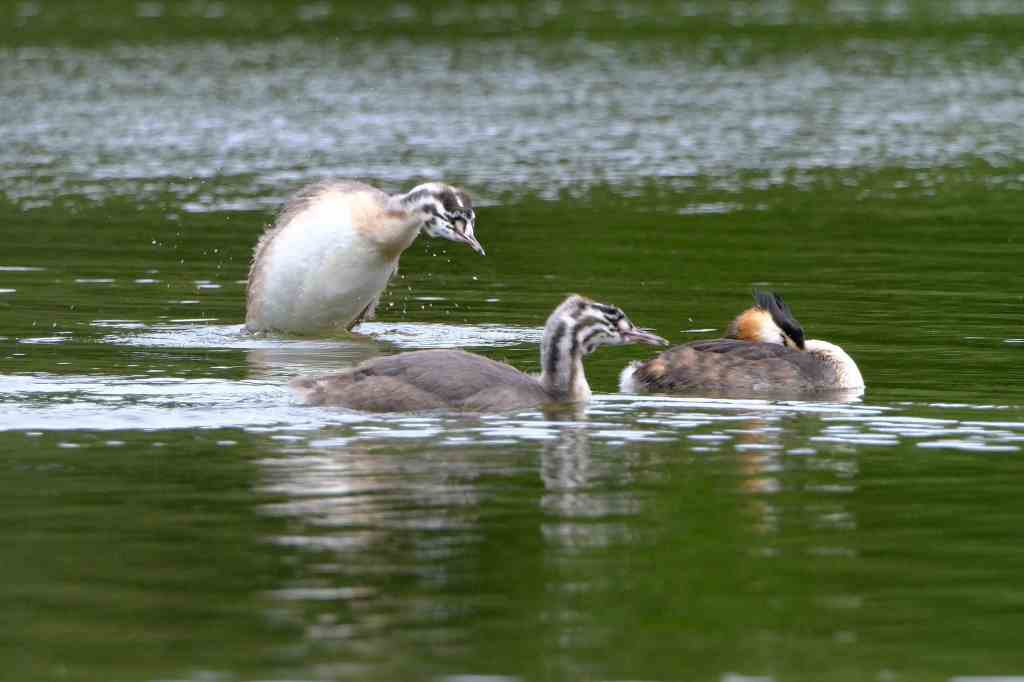
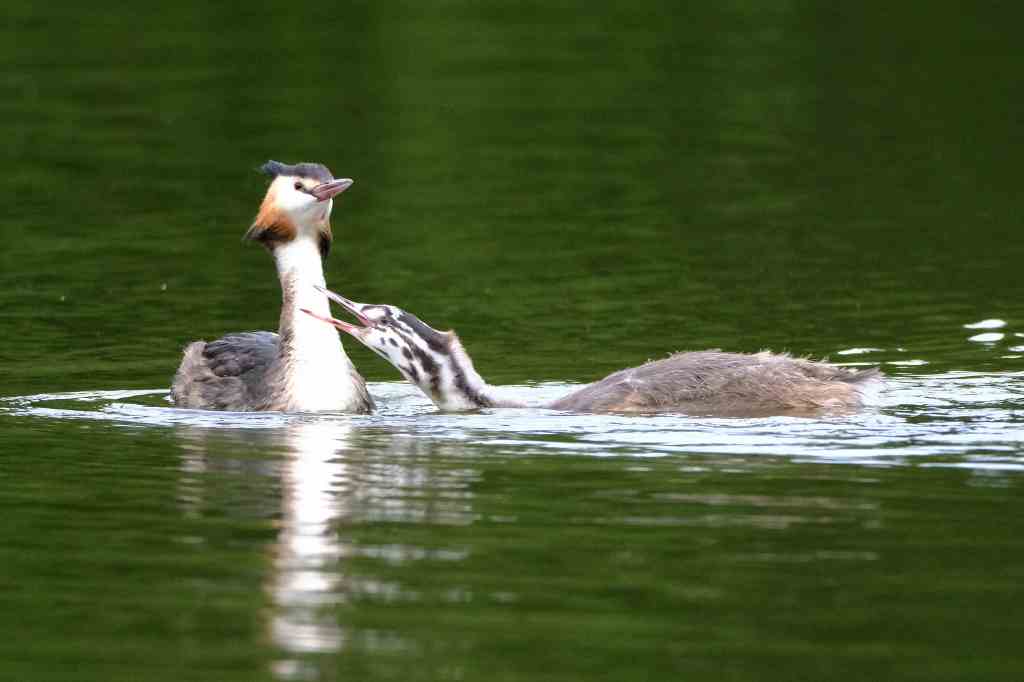
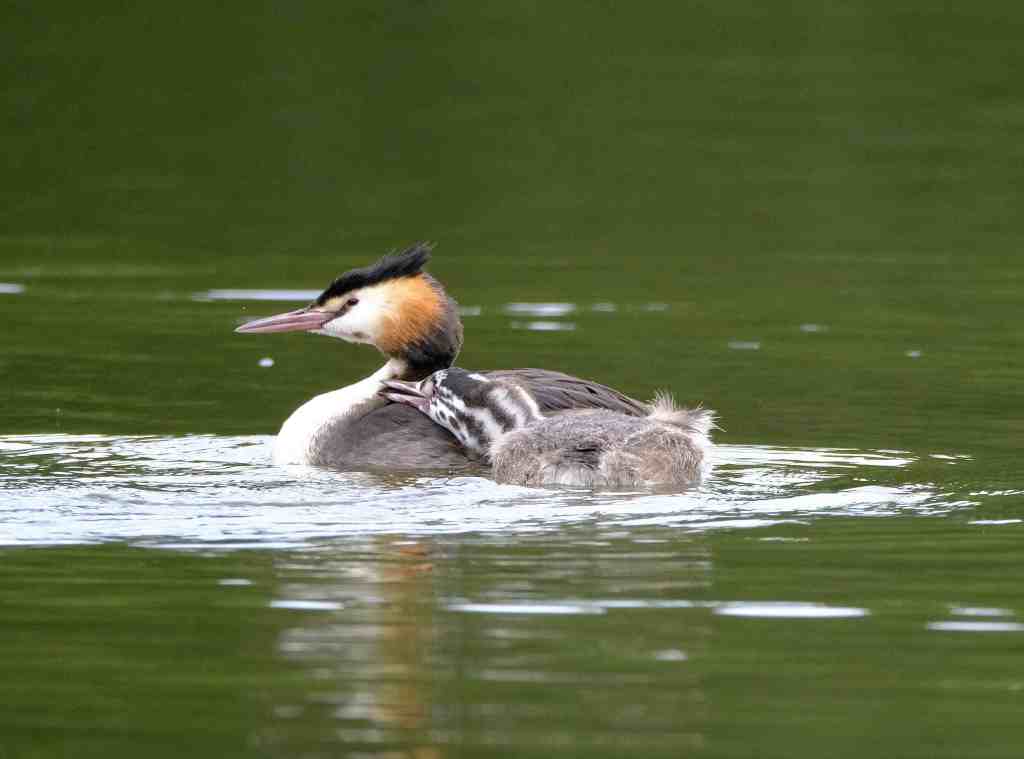
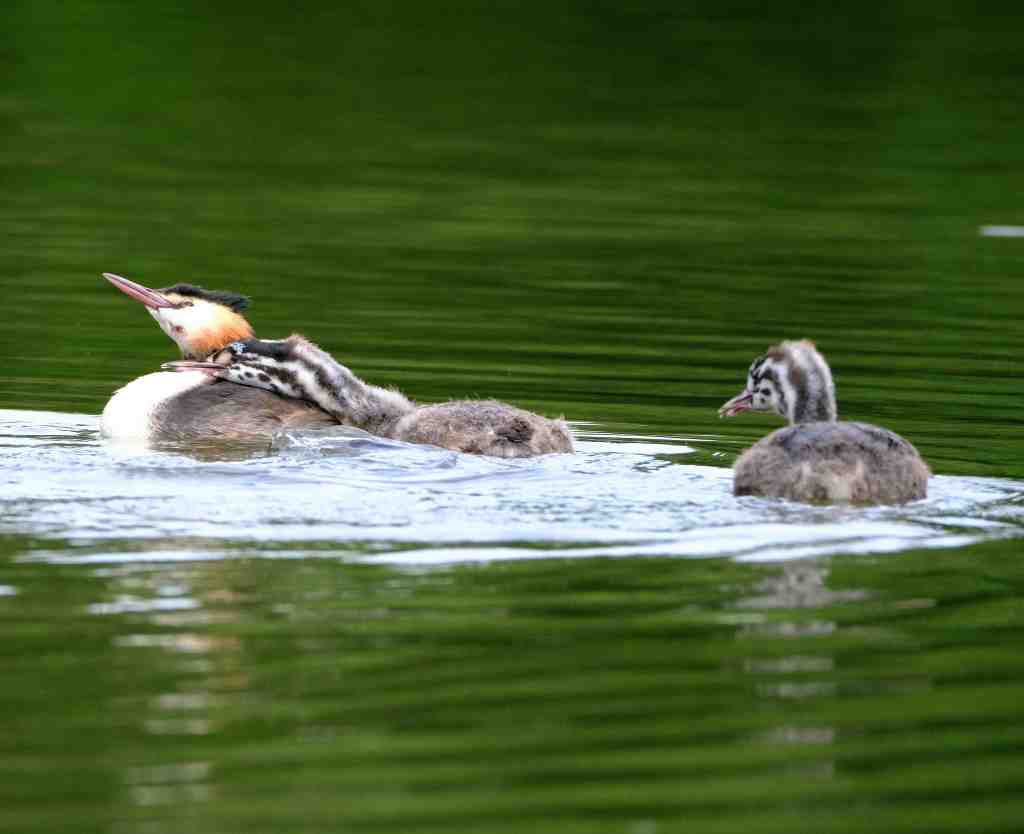
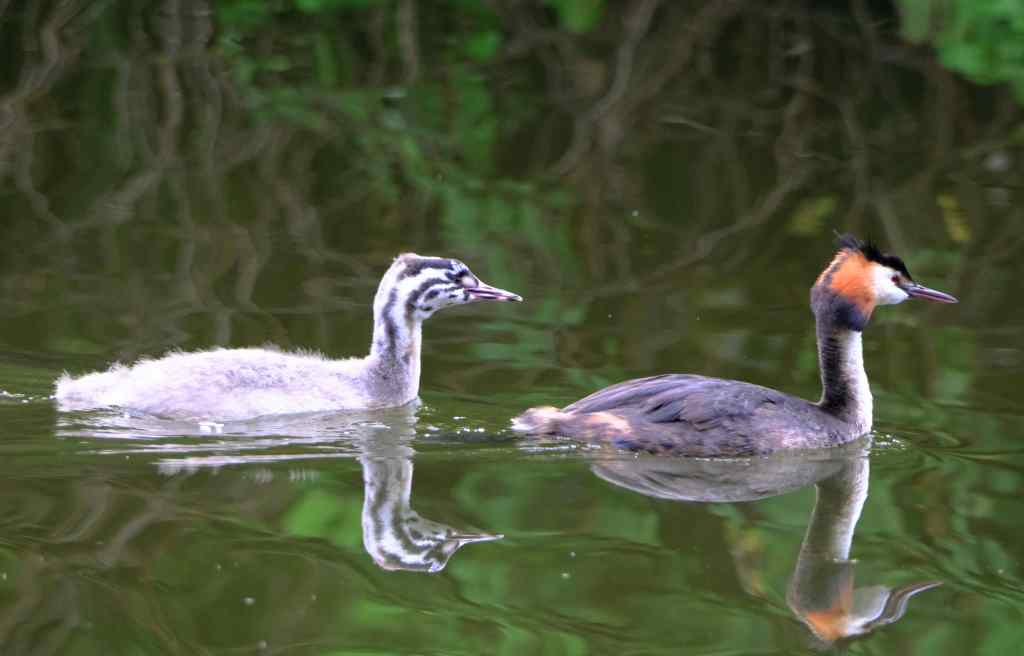
An update on past posts following the Great Crested Grebes family on a local lake. The chicks are growing well and all four have survived. They remain close to their parents but are fishing independently. The group comes together but a lot of the time 2 chicks stay with each parent bird.
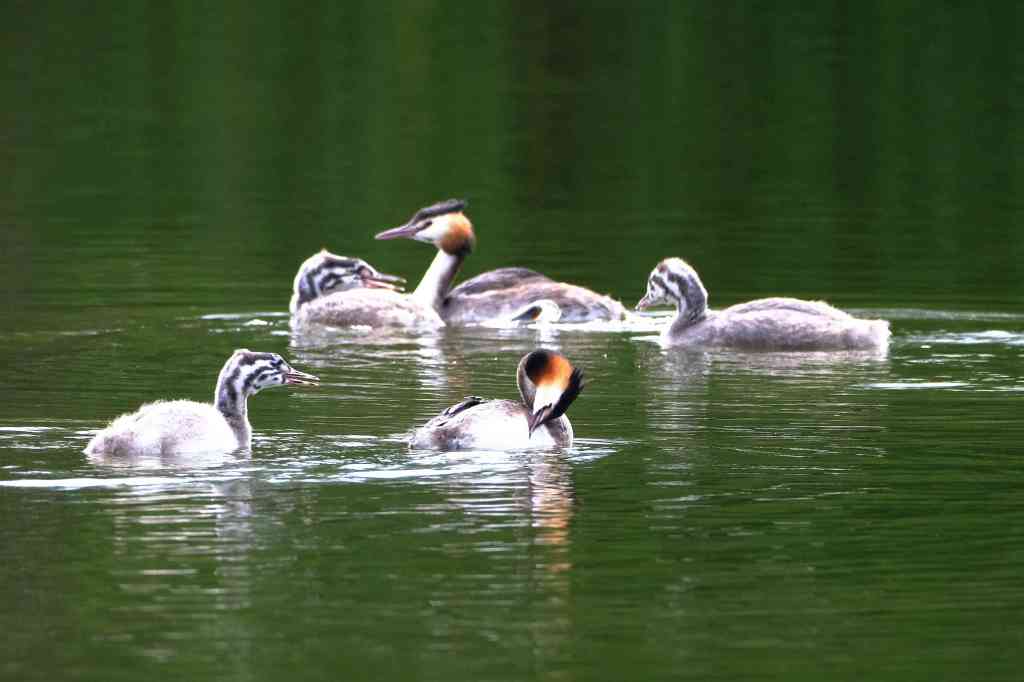
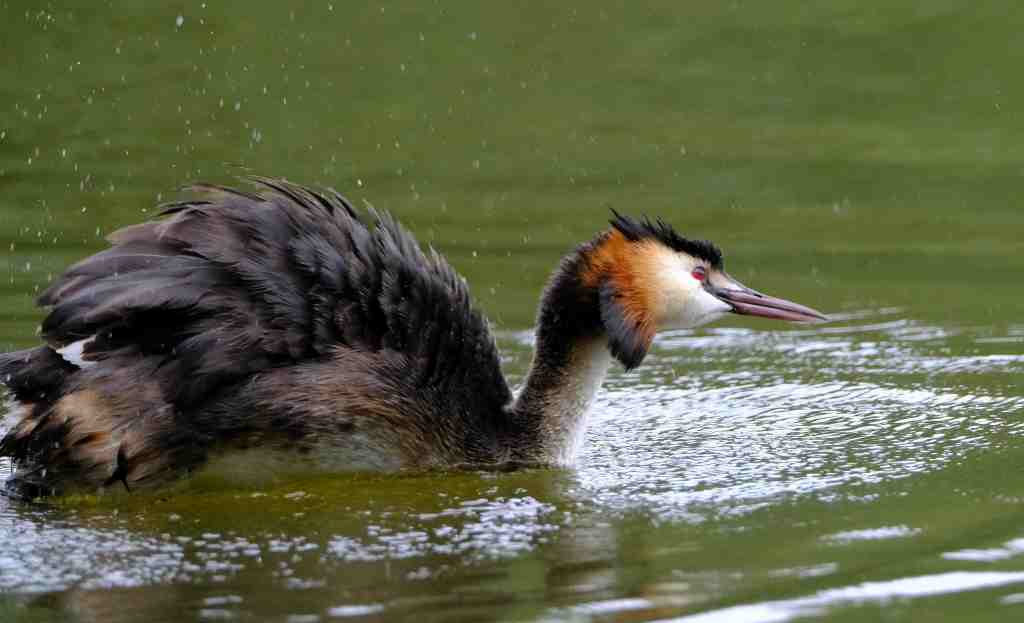
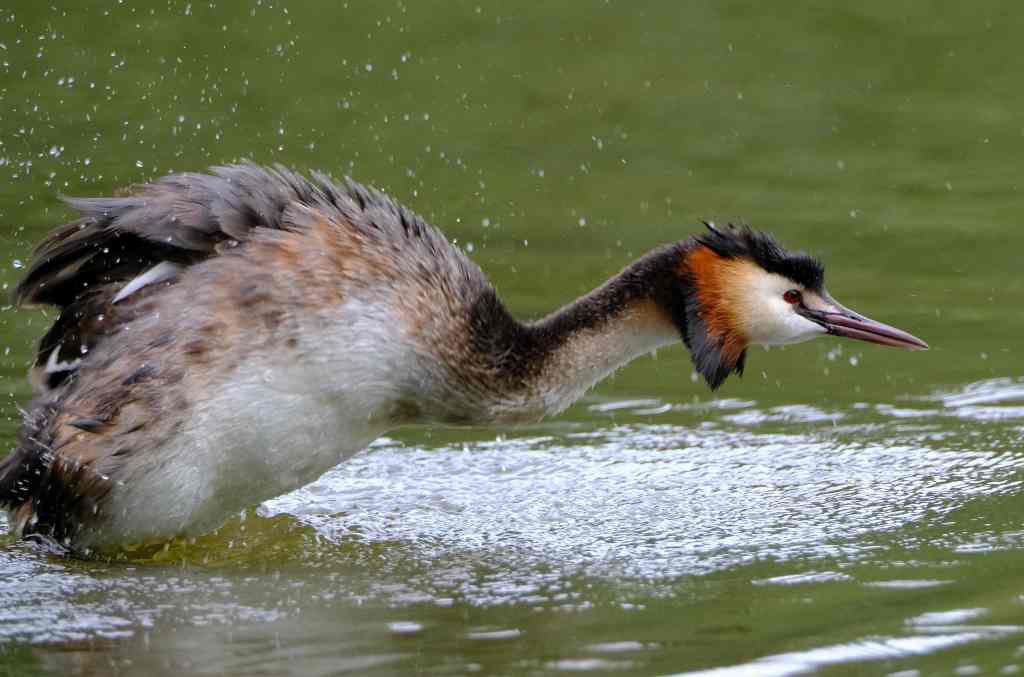

The chicks are about the same size as the adult birds but remain in their humbug juvenile plumage.




#Wordless Wednesday

Interesting and excited to see a Water Vole today. The water vole is under serious threat from habitat loss and predation by the American mink. Many 1000’s of mink were released by animal rights activists from fur farms in the 1990s mink are an efficient killing machine of our native species, especially Water Voles. Earlier in the year, I was speaking to a water bailiff on the river Itchen where I was looking for Voles which I had seen there as a child. He said they had not been on that stretch of river for some years. They had culled over 30 mink last year. Water Voles look similar to the brown rat but with a blunt nose, small ears and furry tail. This animal ran into the hide where we were sitting this morning at Titchfield Haven Nature Reserve, and hesitated before realising he had made an error – exiting via the door he had just come in!


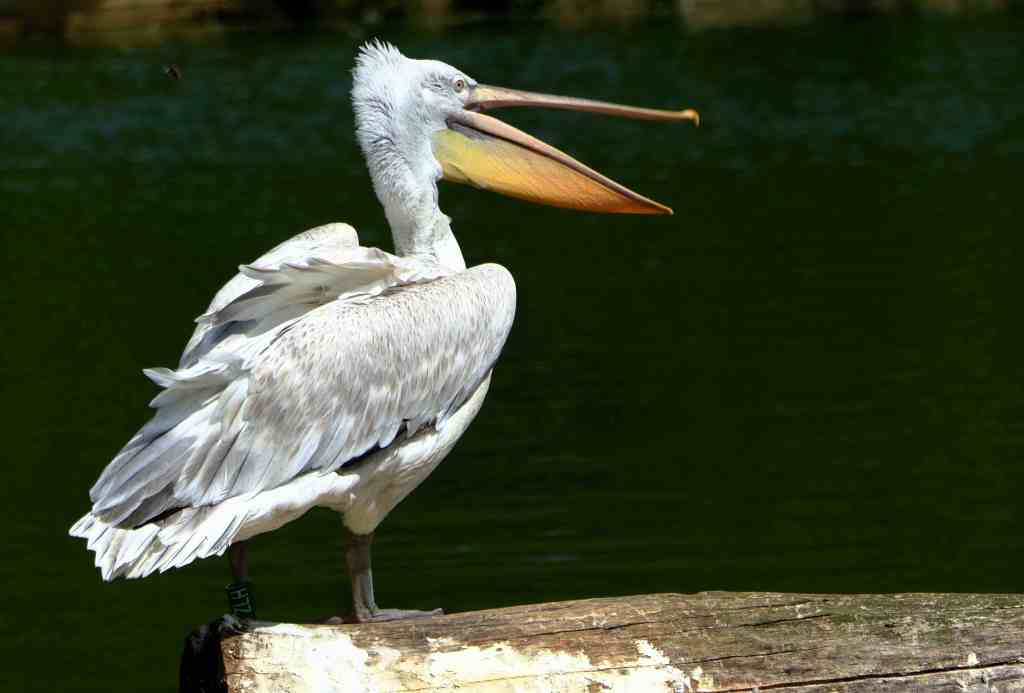
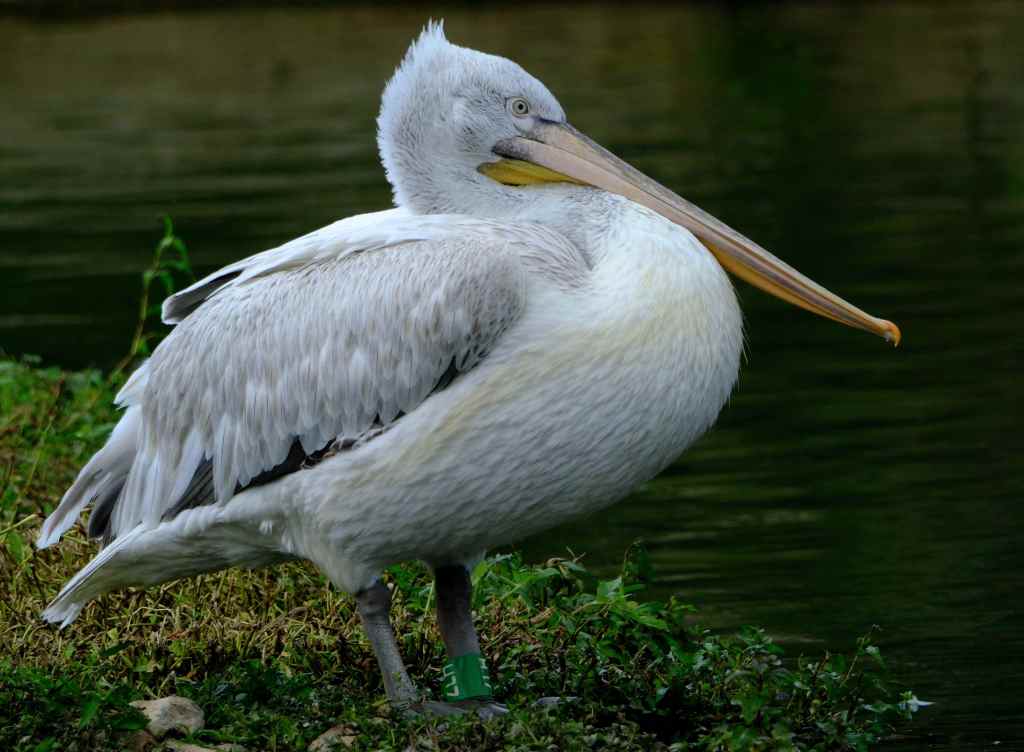
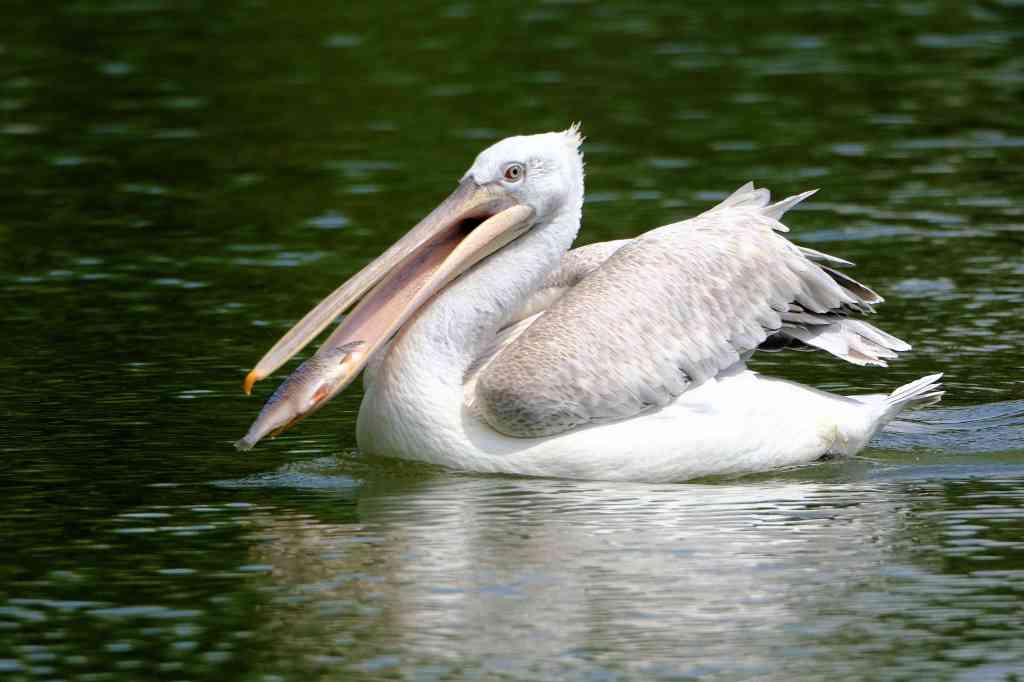
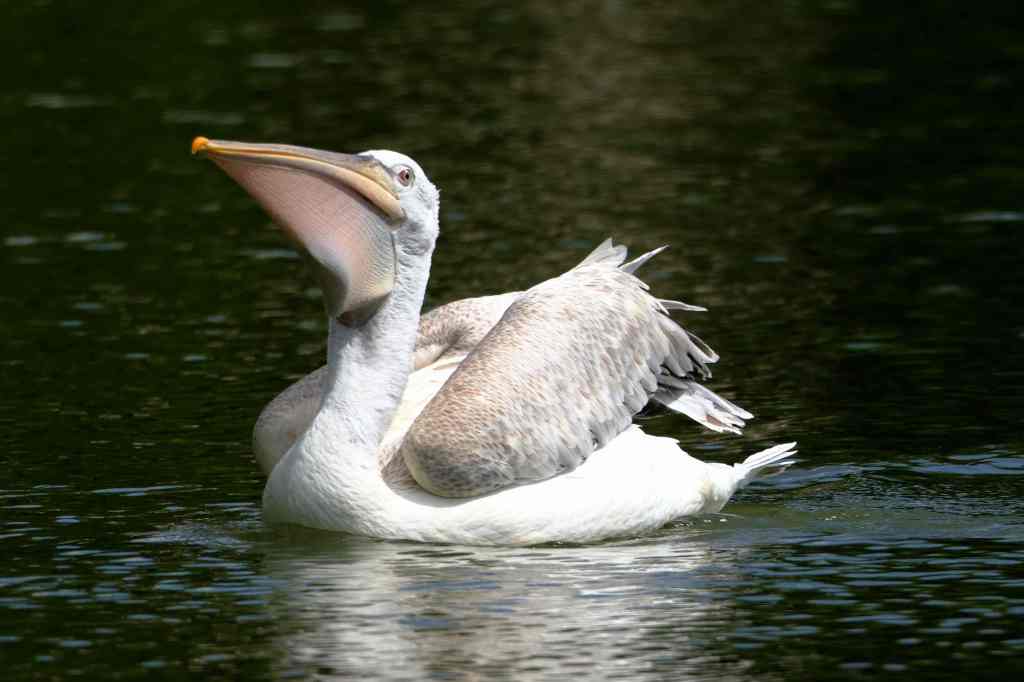
Fossil and archaeological records show that the Dalmatian Pelican bred in Britain until medieval times other references say they were lost to Britain earlier and they were hunted to extinction during the Roman occupation, almost 2,000 years ago. they are now an extremely rare visitor from southeast Europe and an occasional escapee from waterbird collections. There are some thoughts of a reintroduction programme of Dalmation Pelicans to the UK.
I see posts on WP of Pelicans on jetties in the US. I always love those views. Today I visited the WWT centre at Arundel where they have these 2 birds in their collection of waterbirds.


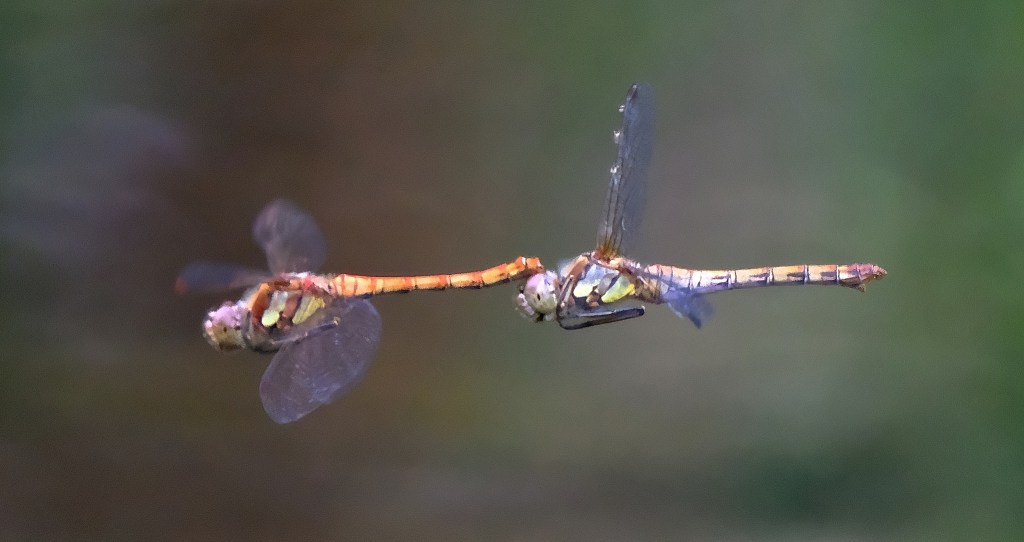
Common Darters mating.

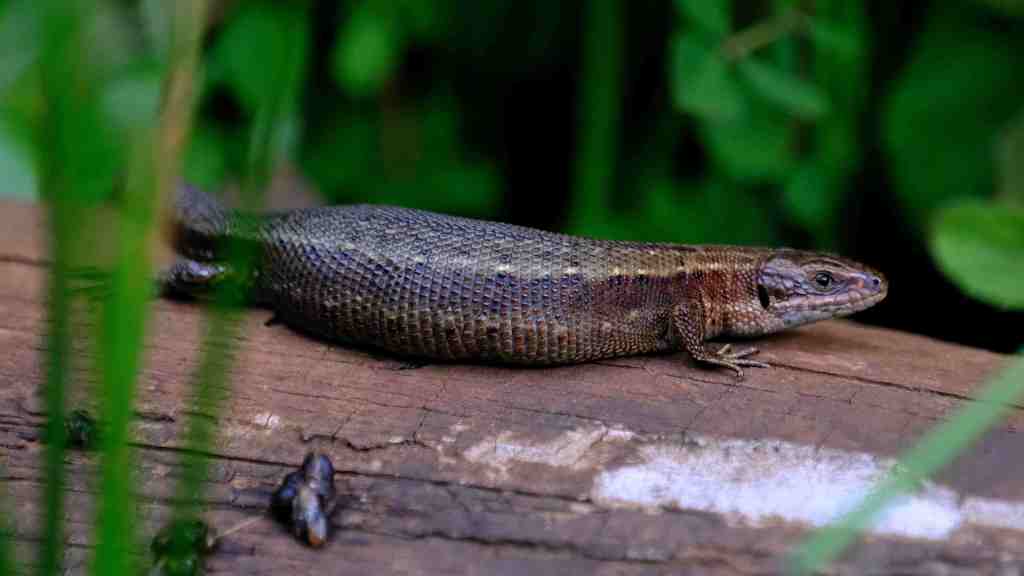
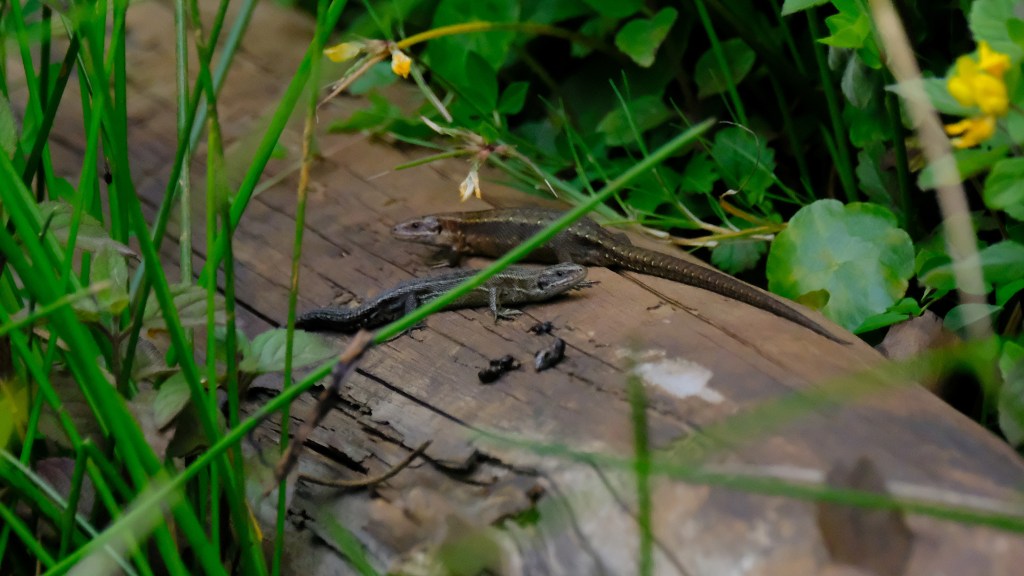
After spotting a Common Lizard last week we returned to the same area of the New Forest. We spotted another 3 today – one a female was heavily pregnant – as I said in last week’s post Common Lizard is unusual among reptiles as it incubates its eggs inside its body and ‘gives birth’ to live young rather than laying eggs. Adults emerge from hibernation in spring, mating in April and May, and producing three to eleven young in July.

After warming their bodies by basking in the sun Common Lizards feed on small invertebrates such as flies, spiders and snails. They hunt during the day using sight and scent.



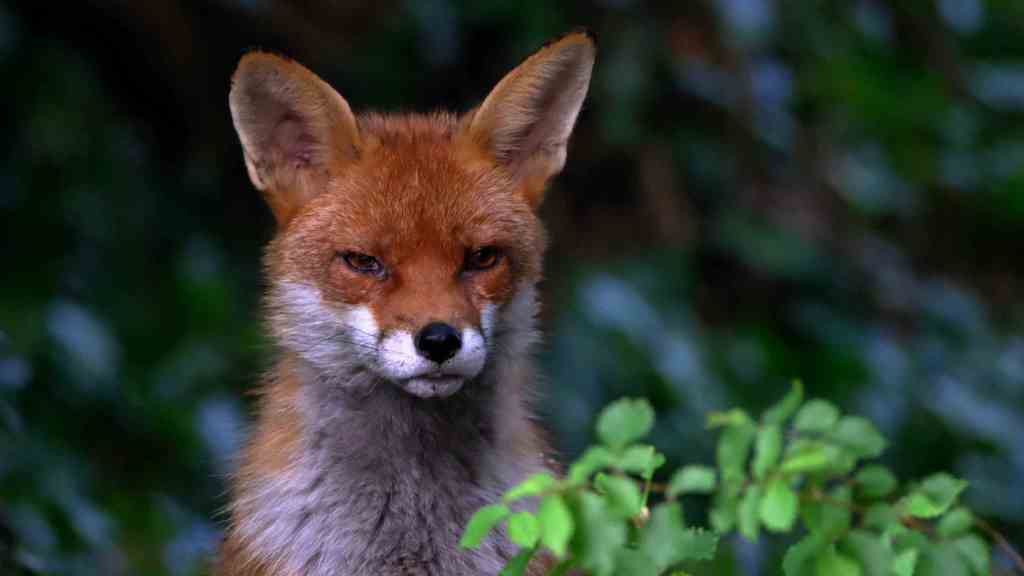
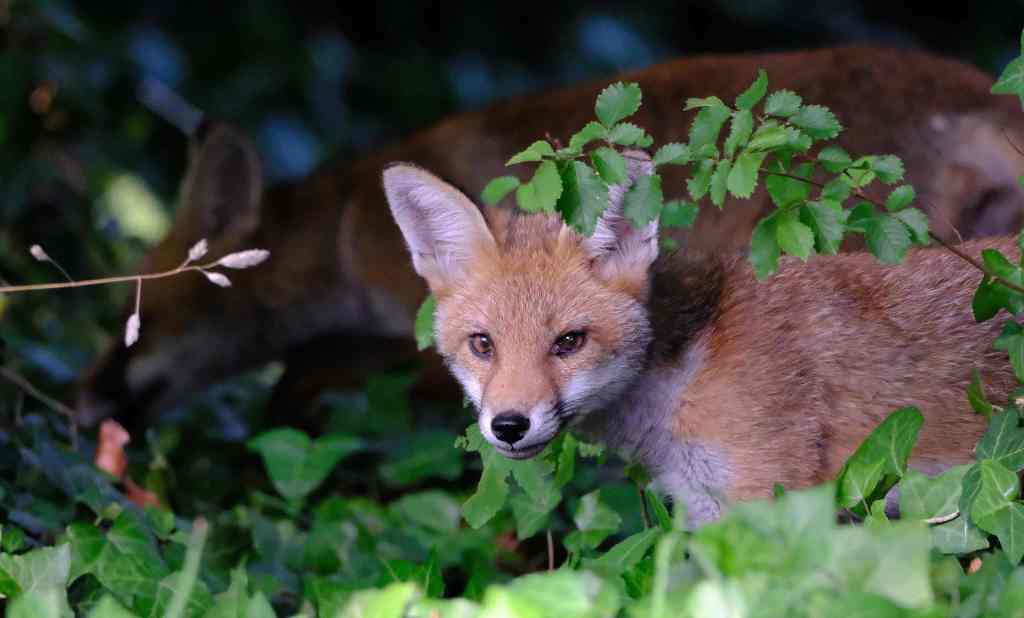
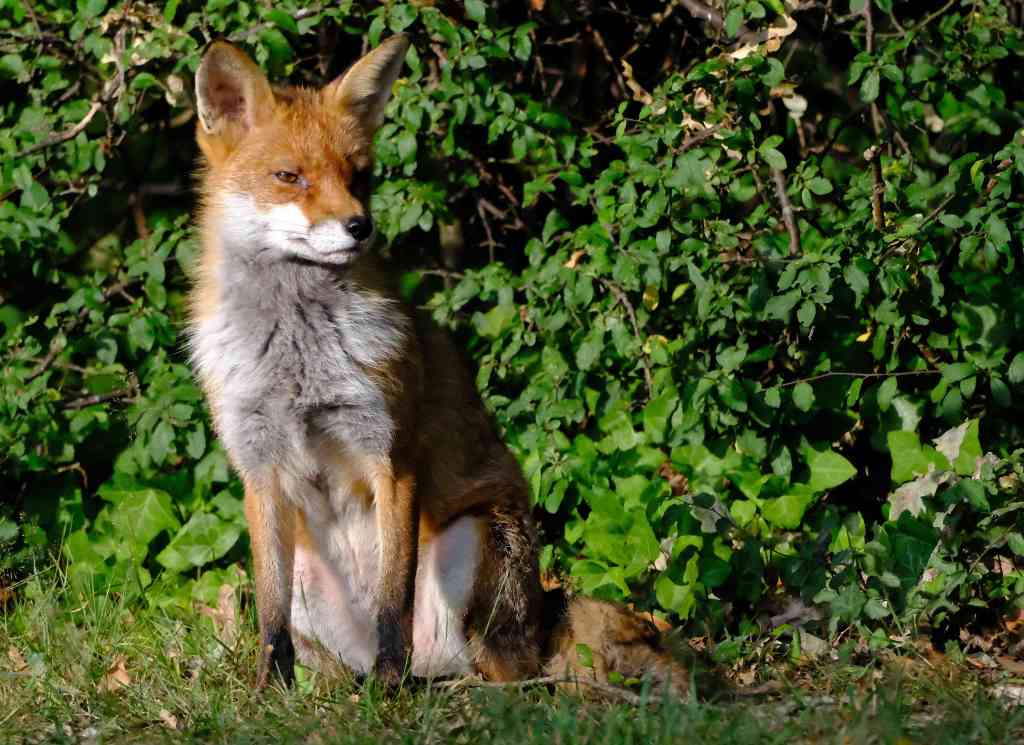
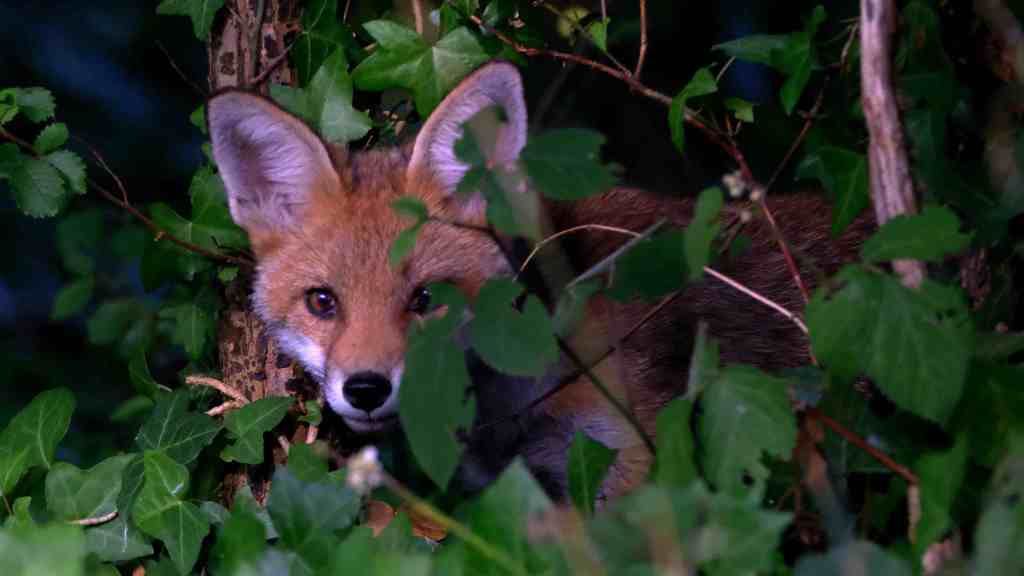
Some more Fox pictures. The Red Fox is the only wild member of the dog family found in the UK.




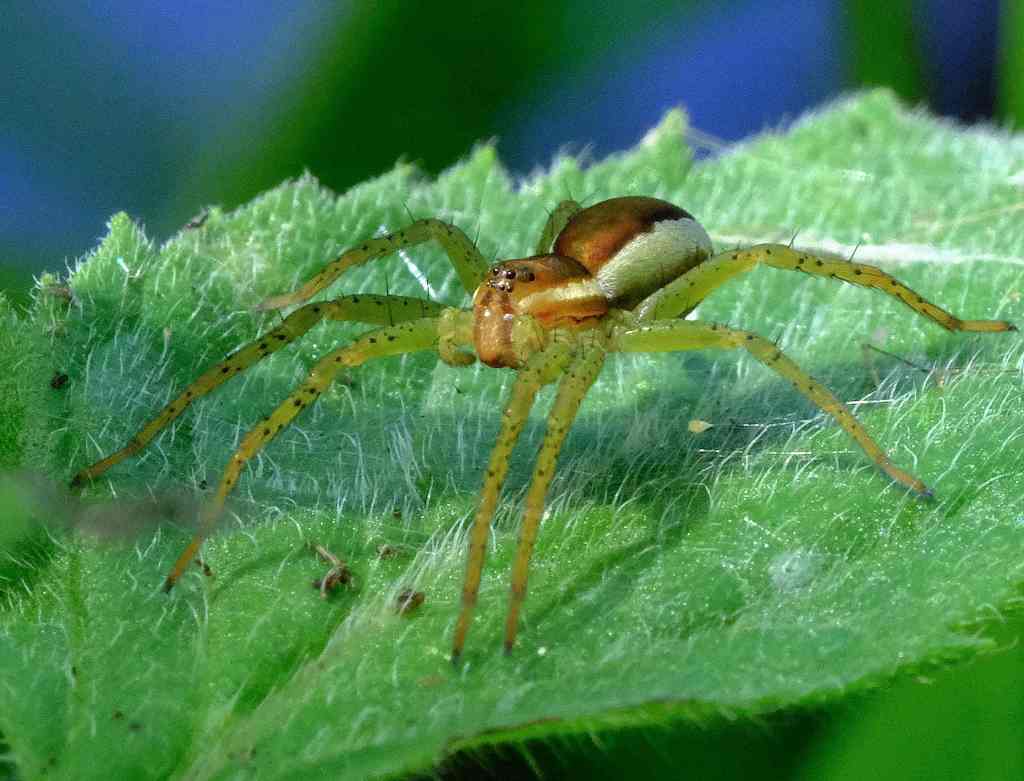
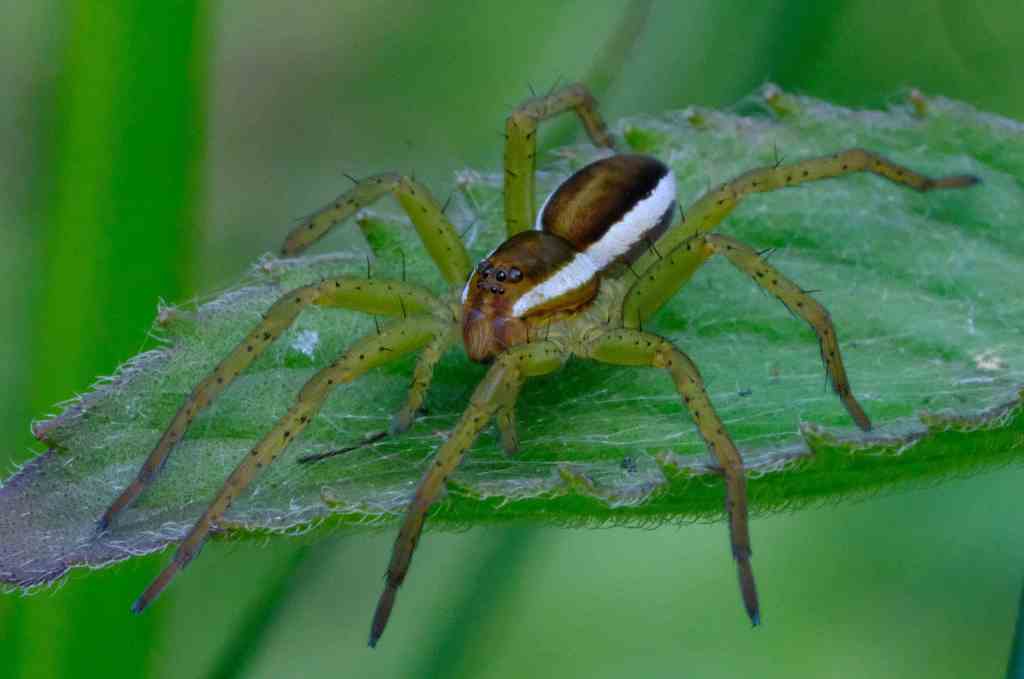
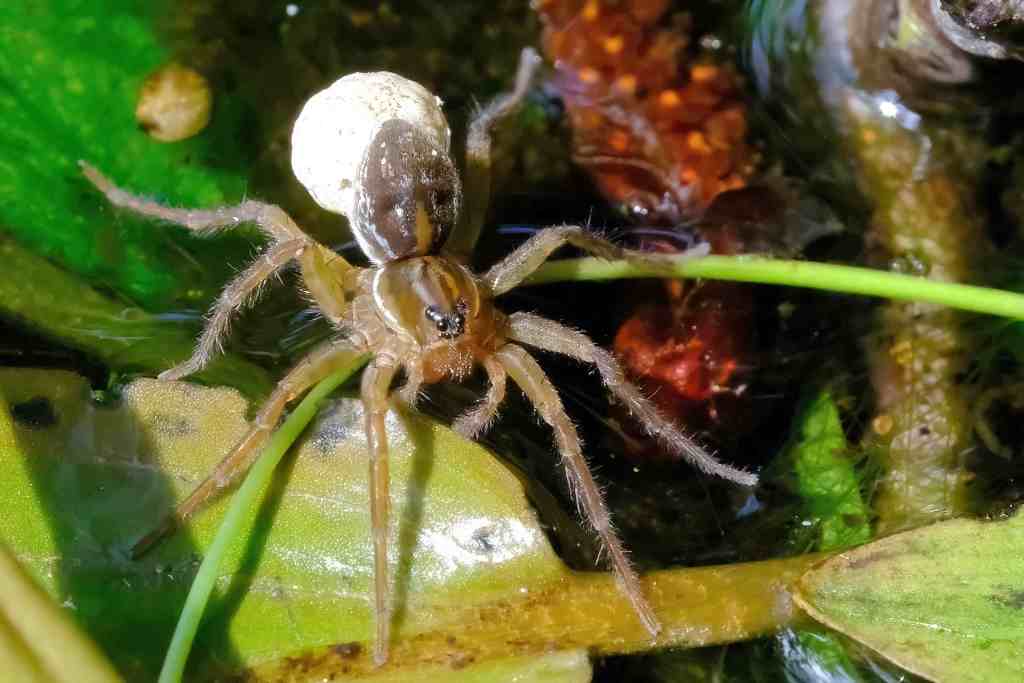
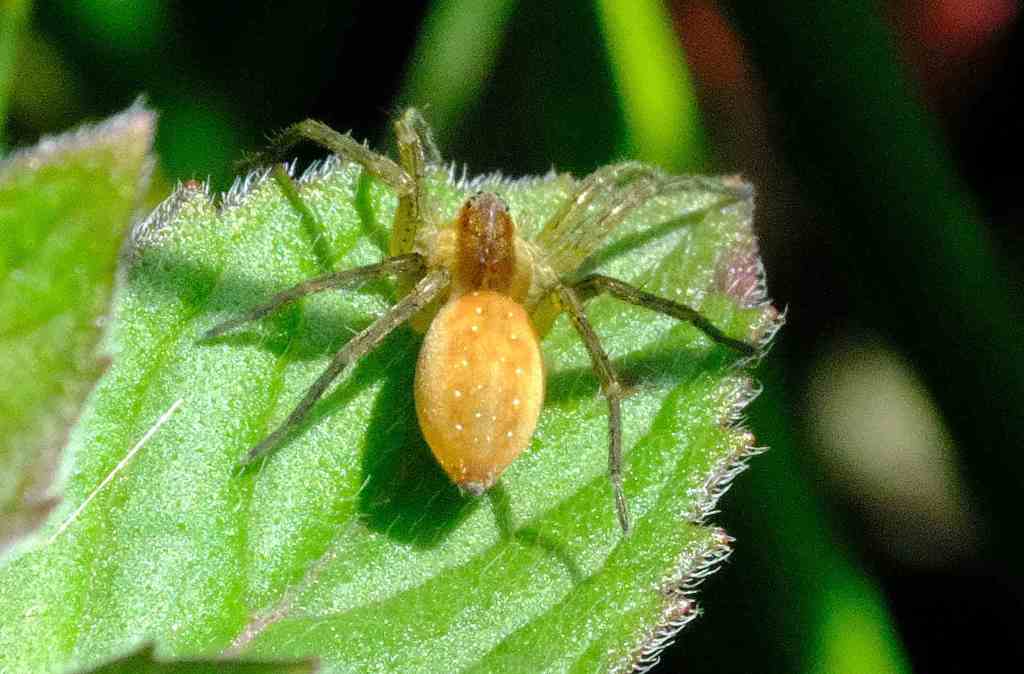
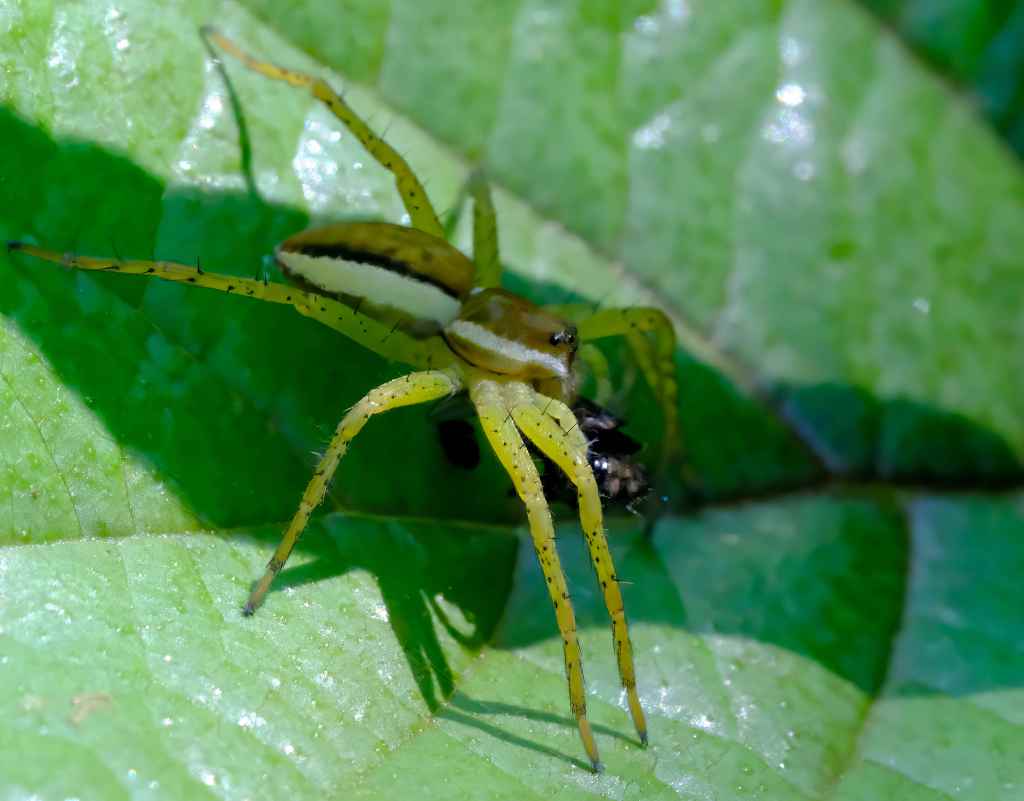
Further to my previous post which included Raft Spiders I revisited the New Forest stream where we found several of these interesting arachnids. We found 7 Raft Spiders today including a juvenile spider and a female with an egg sac.
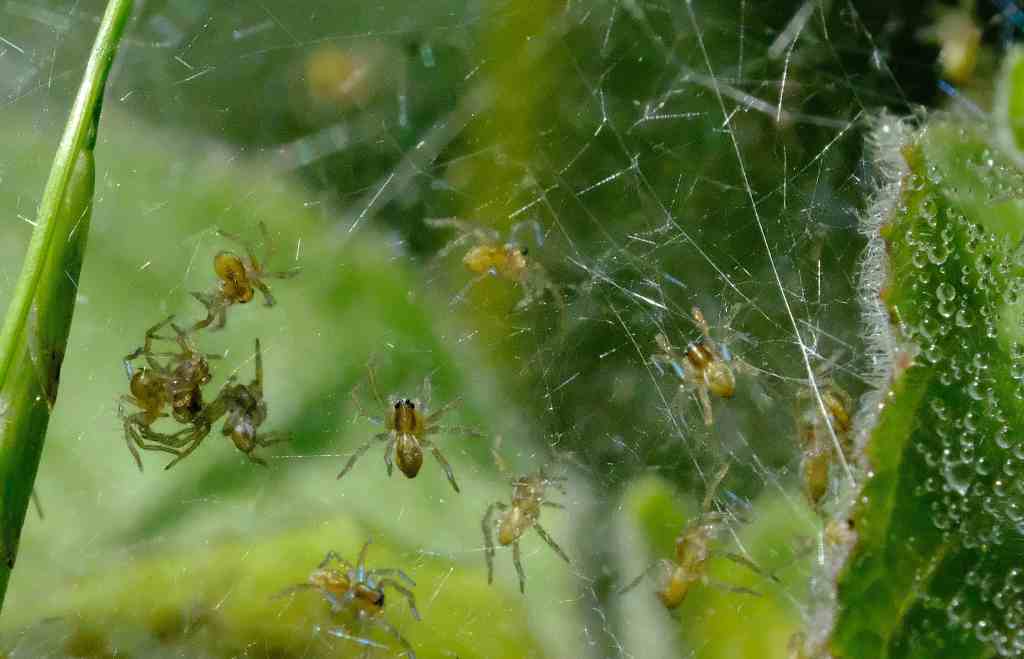
Raft Spiders will carry their egg sac around for some time before creating a nursery web for their spiderlings. (Last time we found a nursery web.)
These large spiders will sit at the edge of the water, or on floating vegetation, with their front legs resting on the water’s surface in order to feel for the vibrations of potential prey, they chase out onto the water to catch their prey, ranging from tadpoles or small fish. They will also swim underwater.
Below. Adult female with egg sac.
Below. nursery web with tiny spiderlings.
Below. Juvenile Raft Spider is now independent of the nursery web.
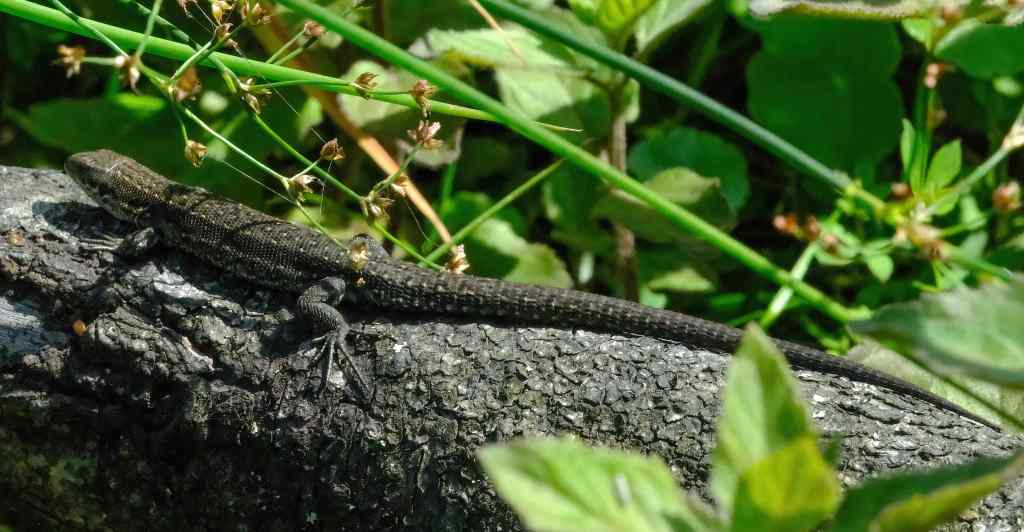
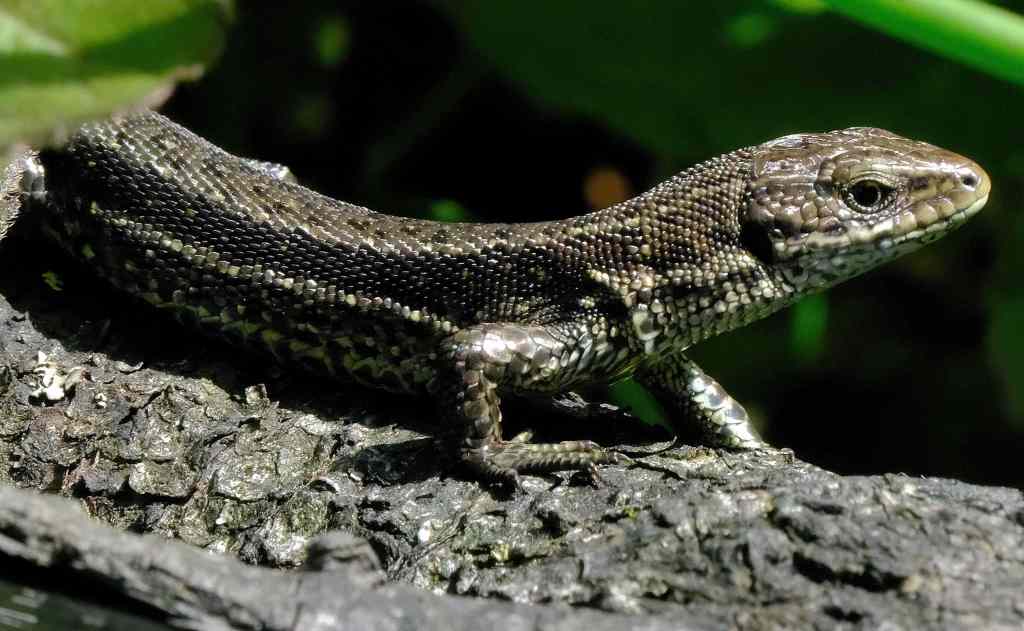
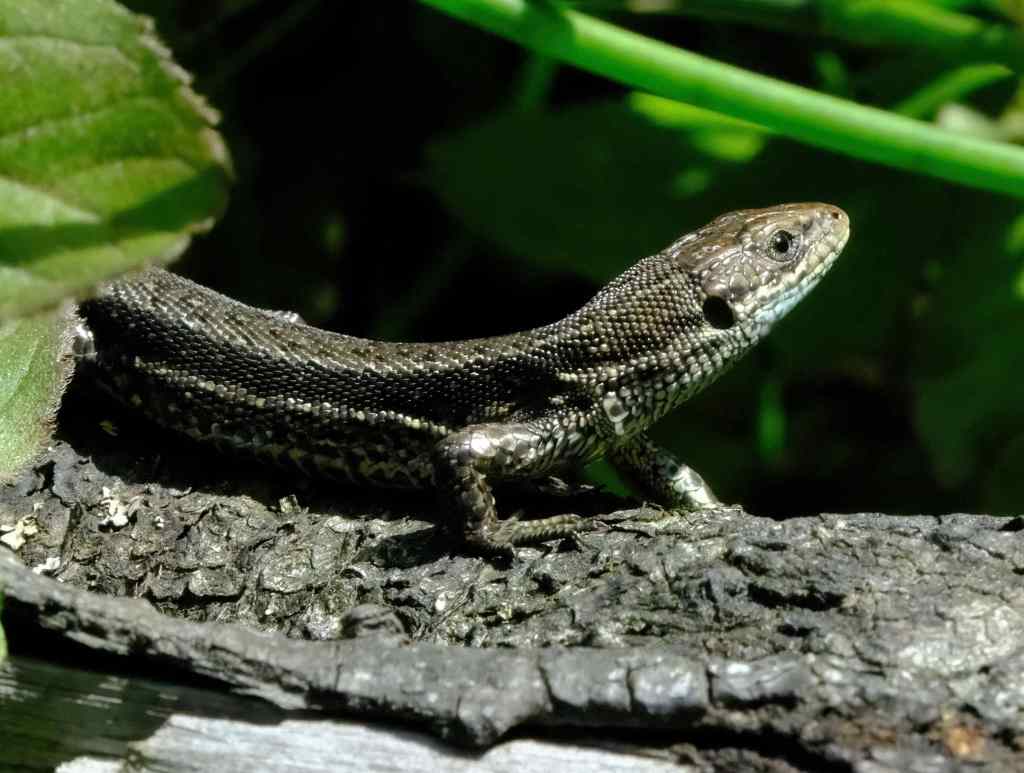
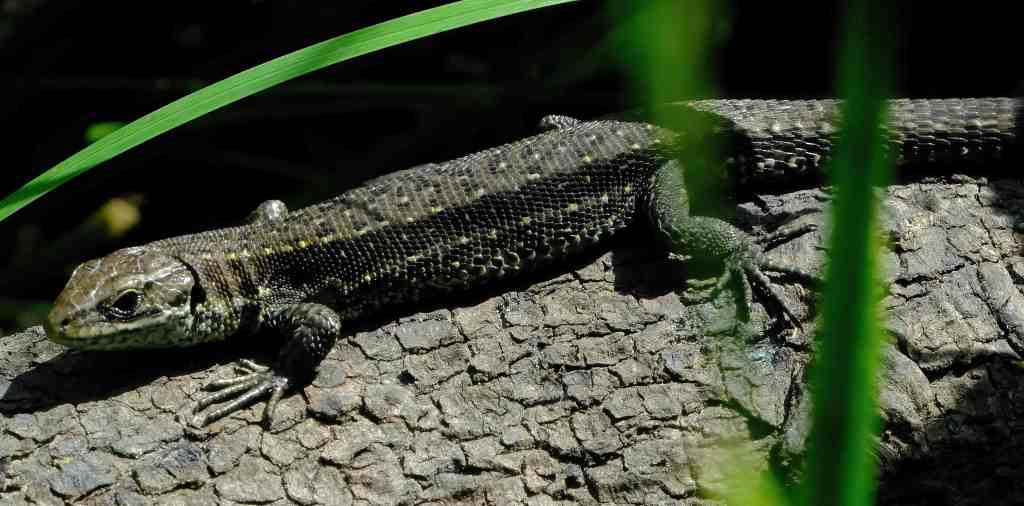
Common Lizards are found in many UK habitats, including heathland, moorland, woodland and grassland, they like basking in the sun. The common lizard is also known as the Viviparous lizard. They are unusual among reptiles as they incubate their eggs inside their body and ‘gives birth’ to live young rather than laying eggs.
We spotted this Lizard in the New Forest enjoying the sun on a fallen branch which spanned a small stream.

 Continued Reflections from my World.