Red Admiral.


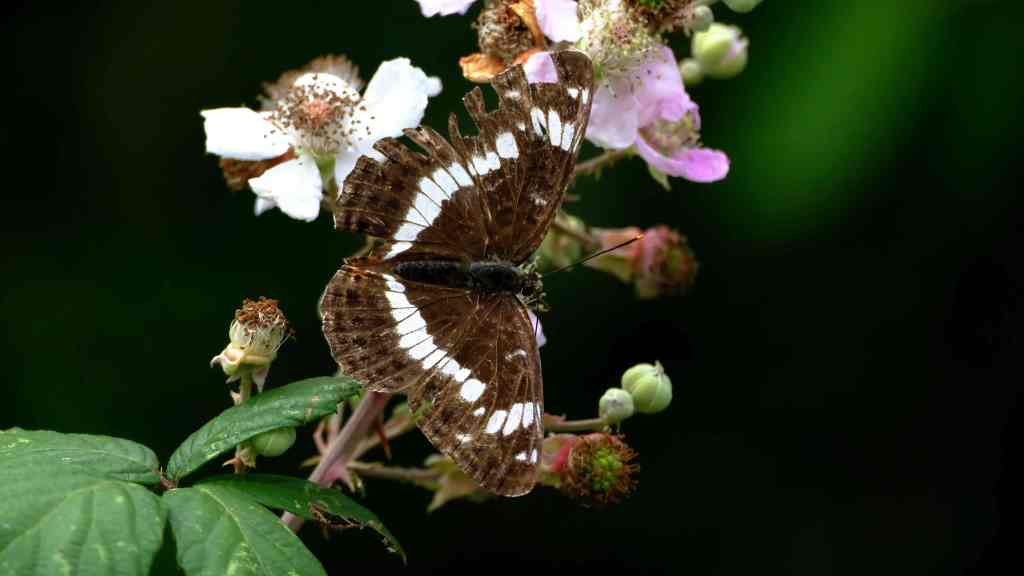
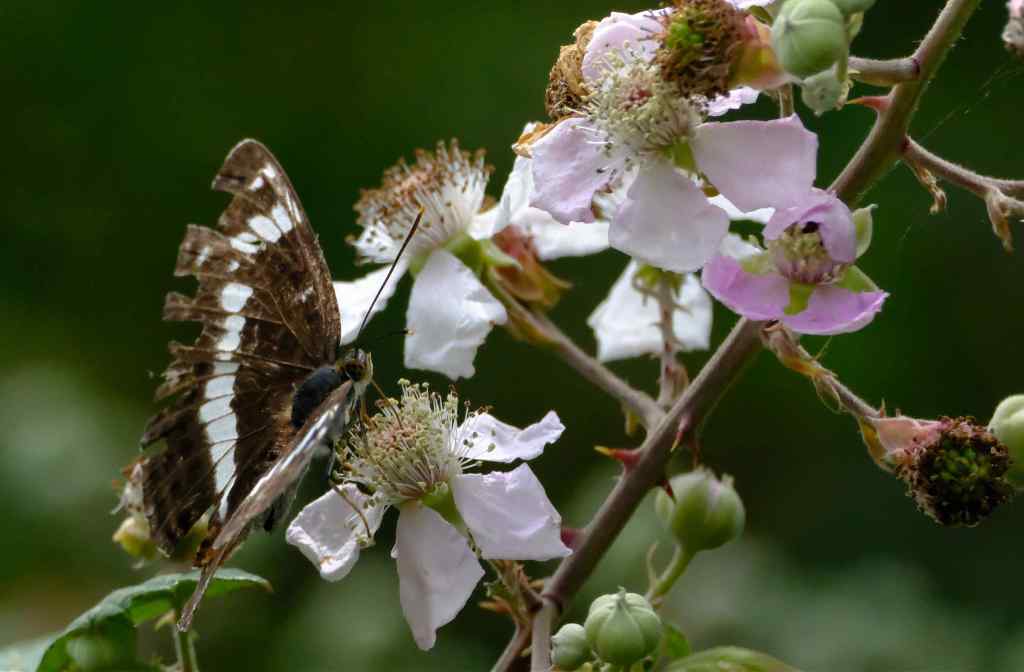
A first for me yesterday was this White Admiral. This Butterfly was a bit tatty but I was very pleased to see it
Red Admiral.
A first for me yesterday was this White Admiral. This Butterfly was a bit tatty but I was very pleased to see it
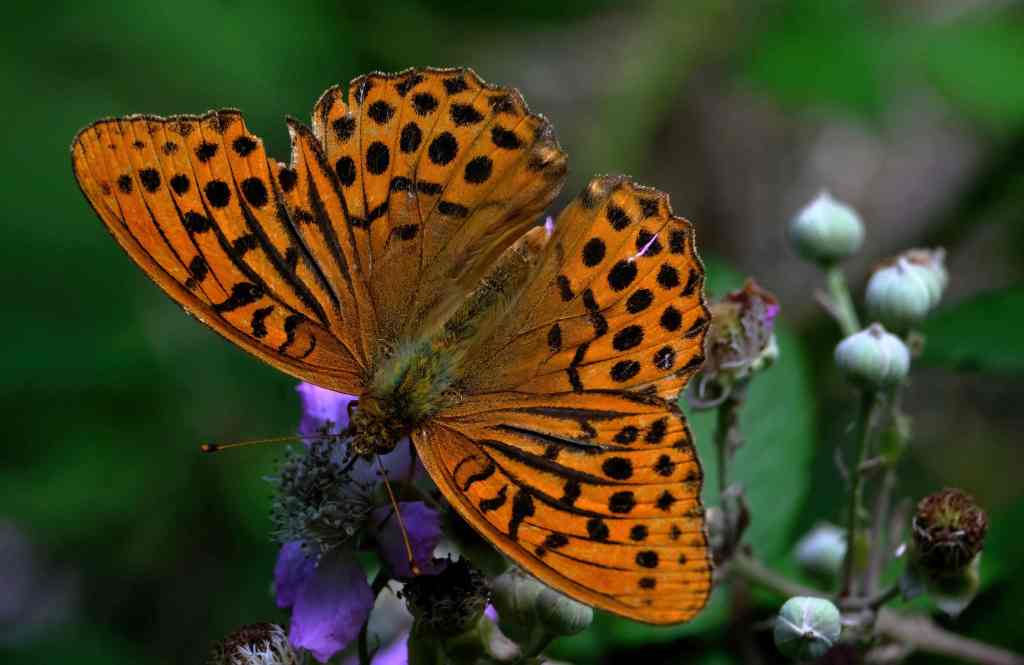
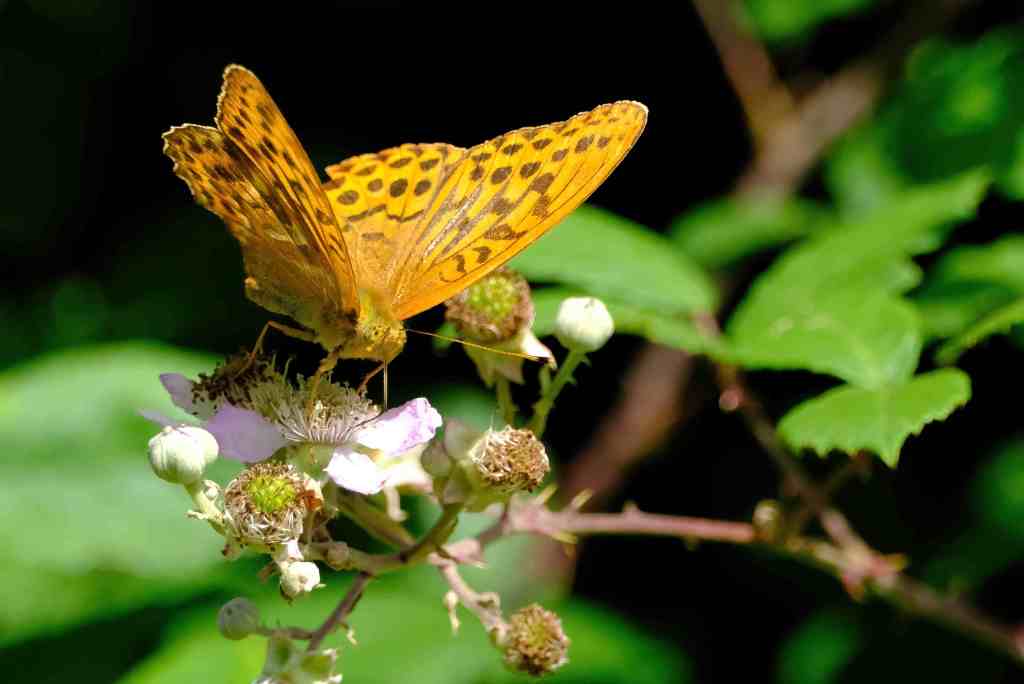
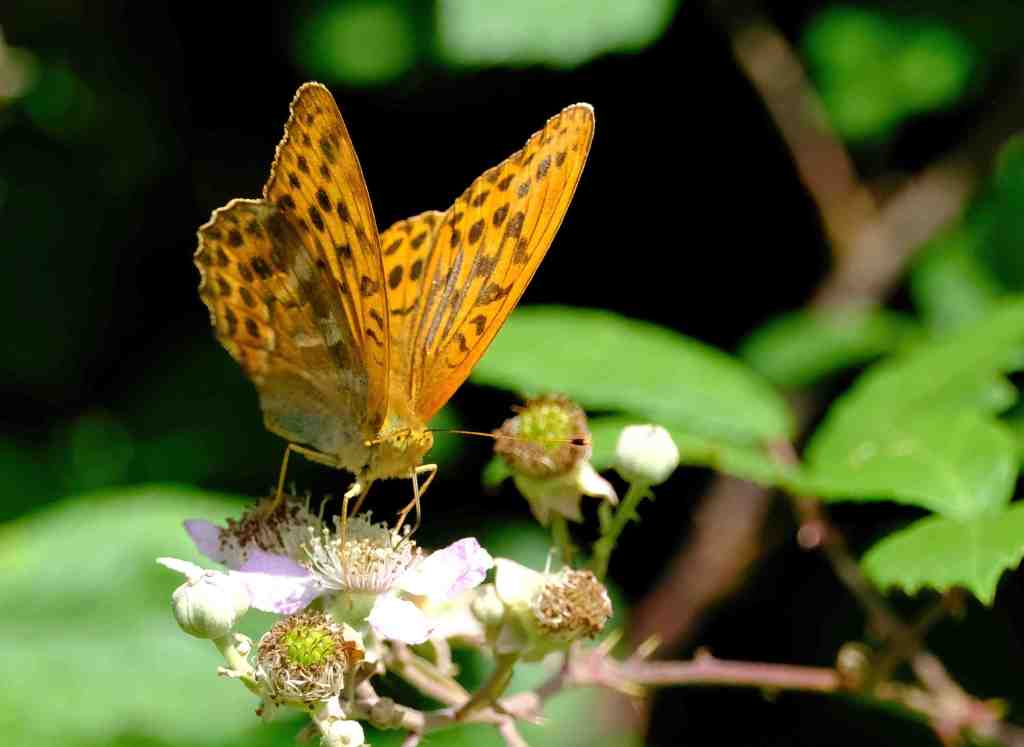
Silver Washed Fritillary in the New Forest. The largest British Fritillary. The Female has a wing span of up to 88mm. A group of 4 were on the wing.


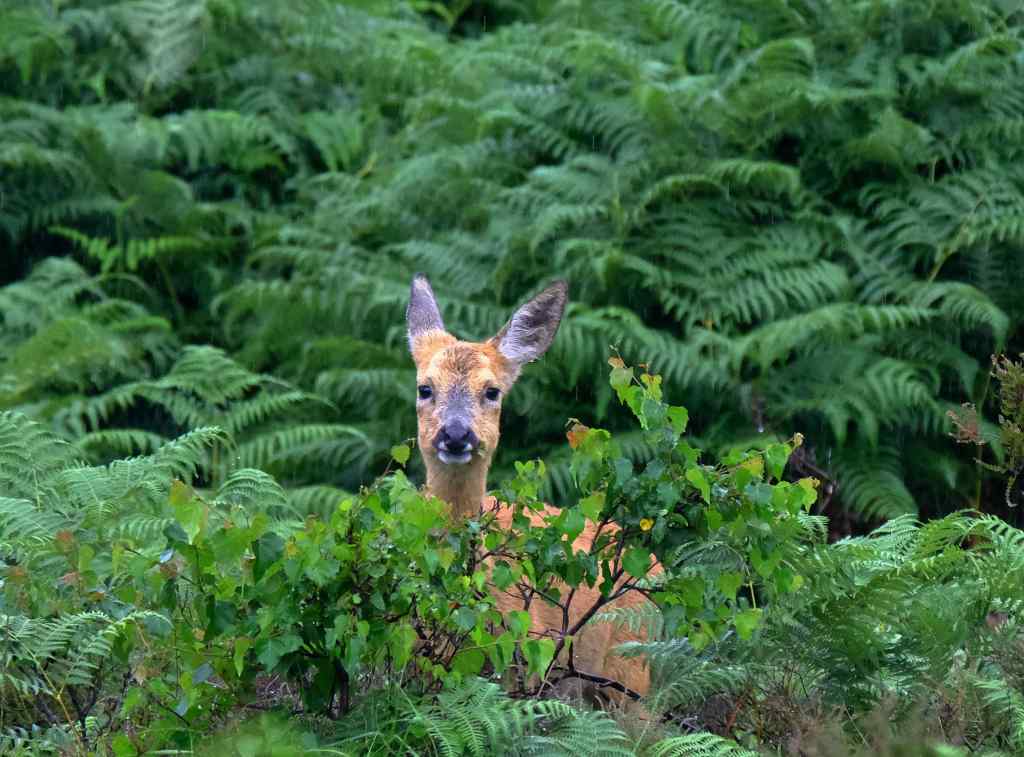
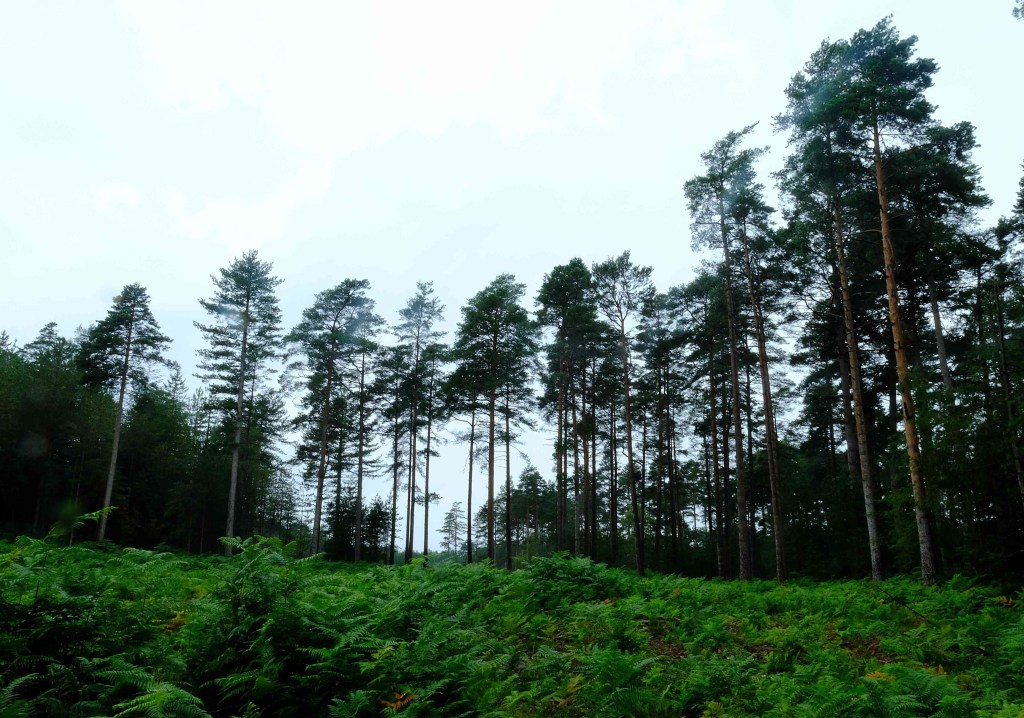
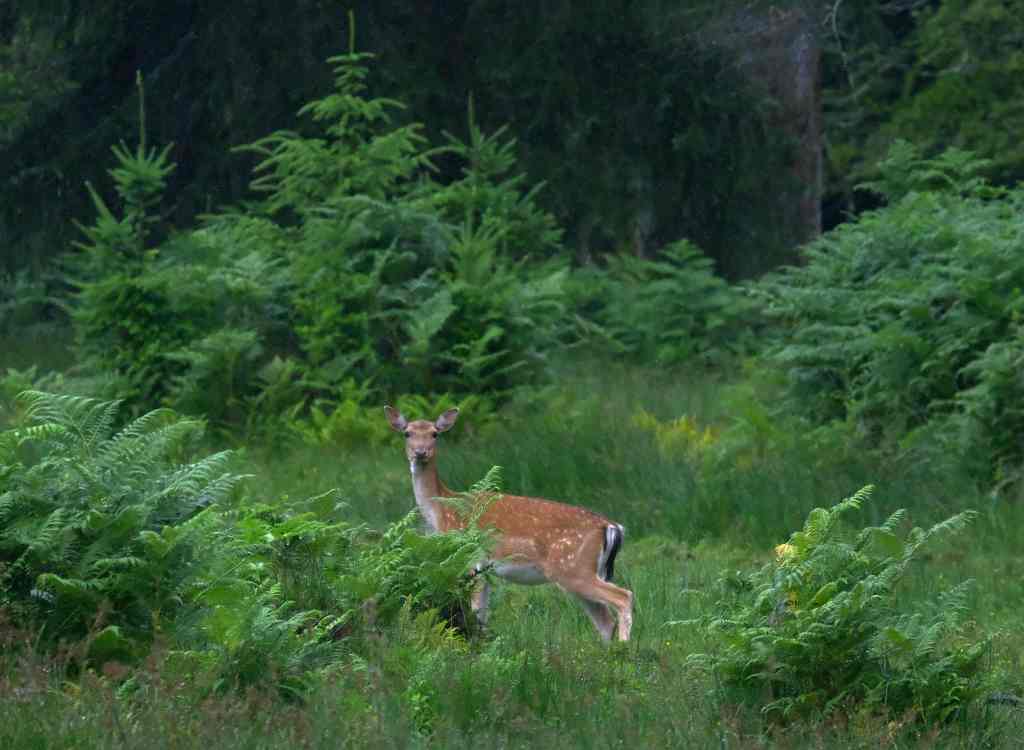
A walk in heavy rain in the New Forest today but despite poor conditions plenty of deer about.



#Wordless Wednesday.


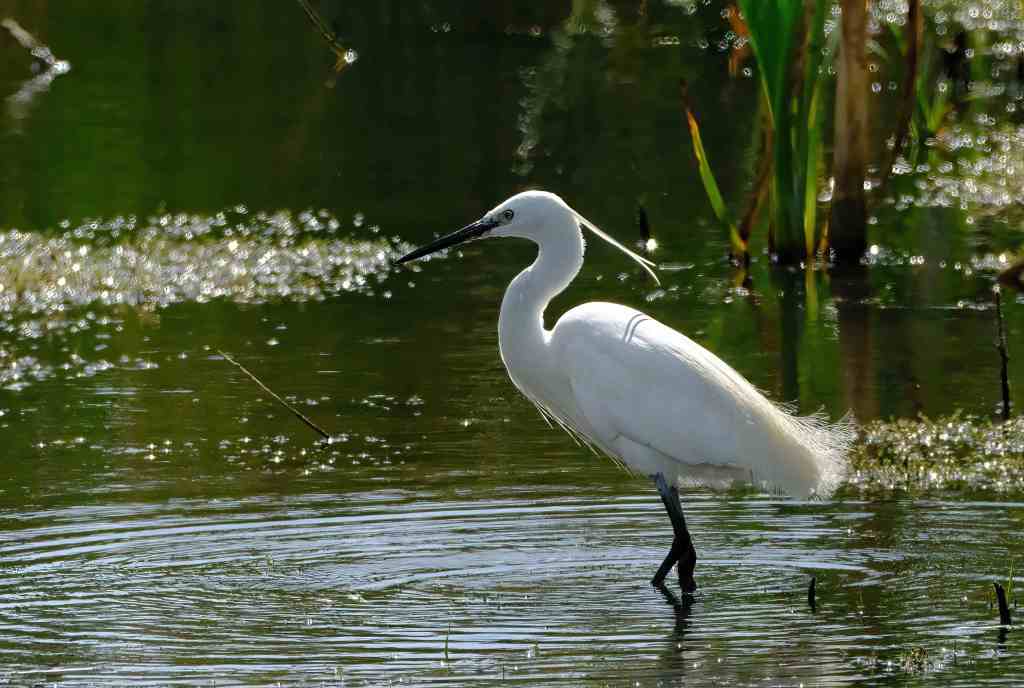
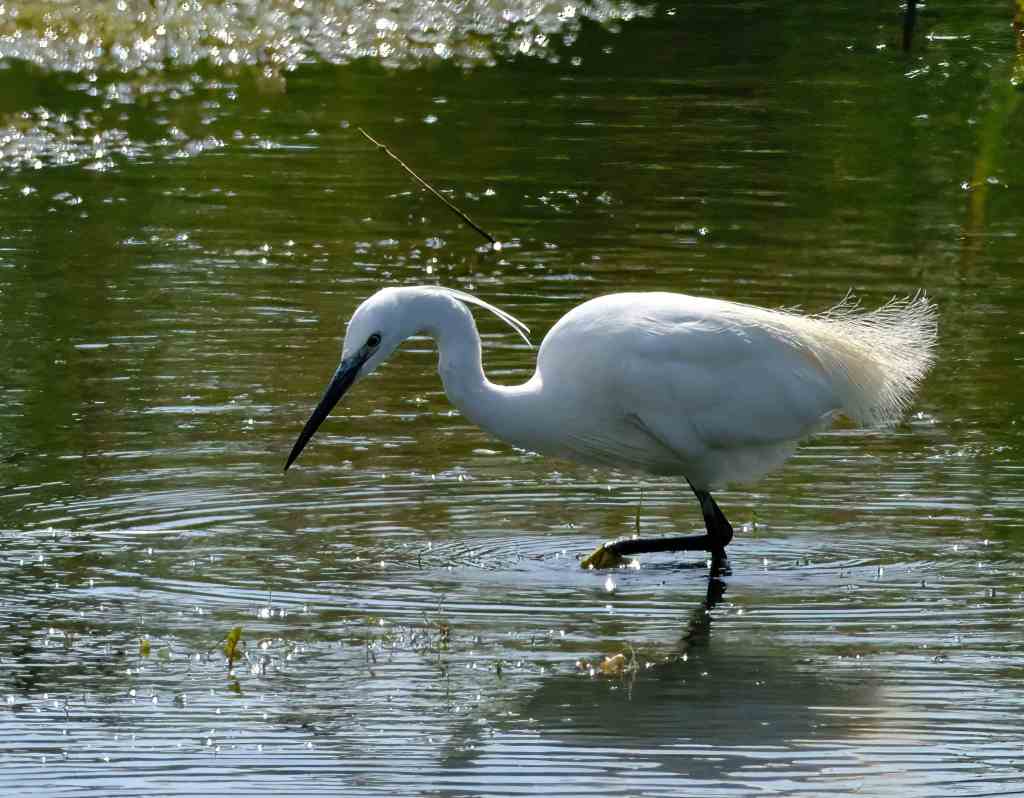
Interesting watching a Little Egret catching dragonflies at Titchfield Haven Nature Reserve. A large dragonfly is more of a small fish. Something I have not observed before – I was able to capture some of the hunting on video which I filmed in slow motion.

It is that time of year when insects are abundant and for my last couple of walks, I have dusted off my Macro lens and tried to record some of the little things I have spotted.
A first for me was some Raft Spiders. (Dolomedes fimbriatus). I had hoped to find some this year. These large spiders will sit at the edge of the water, or on floating vegetation, with their front legs resting on the water’s surface in order to feel for the vibrations of potential prey. Using the surface tension of the water, they chase out onto the water to catch their prey, They will even eat tadpoles or small fish. Raft spiders will also swim underwater.
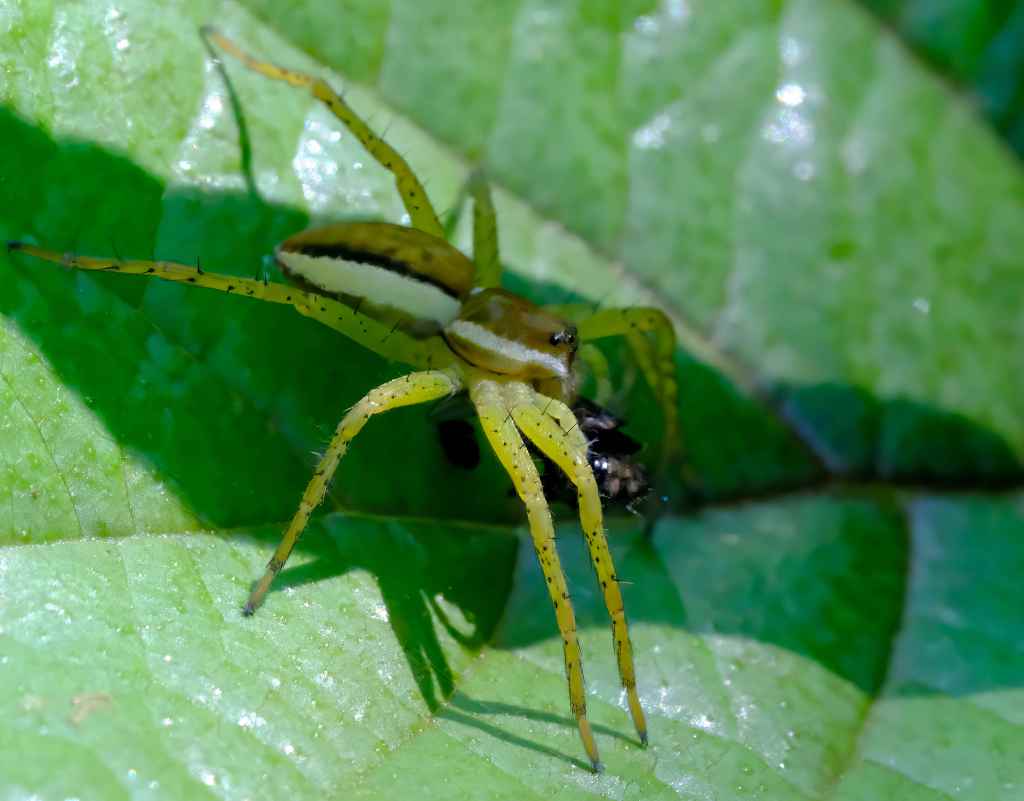
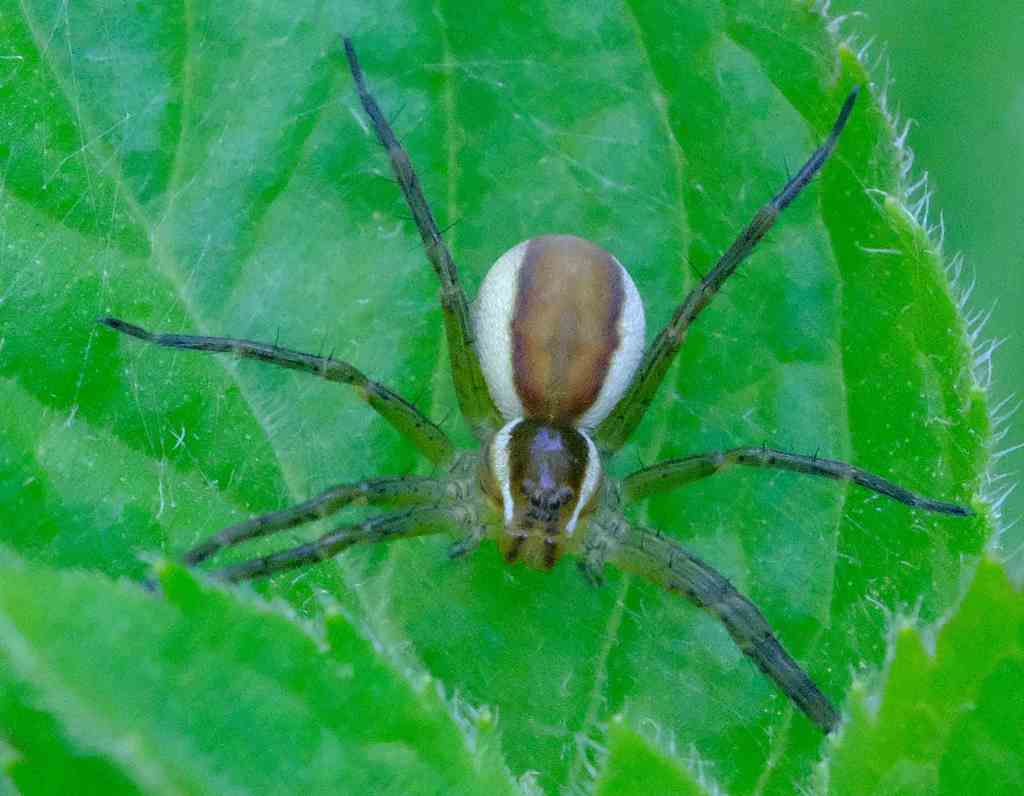
Raft Spiders will carry their egg sac around for a period of time before creating a nursery web for their spiderlings.
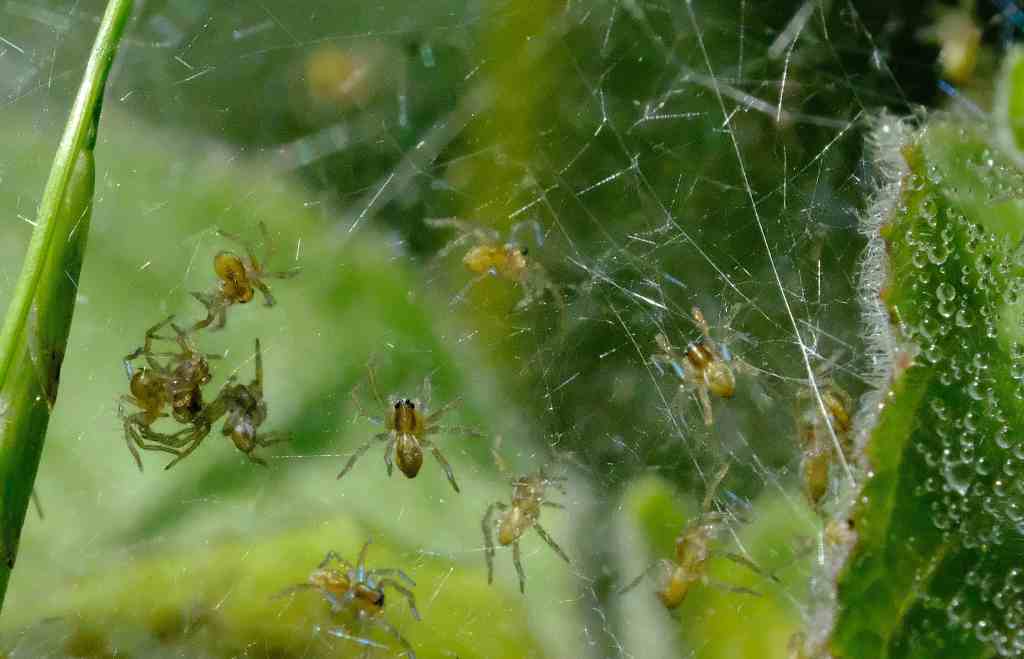
Another spider also spotted was this one from the Pirata species, commonly known as Otter spiders. These spiders carry their young on their back.

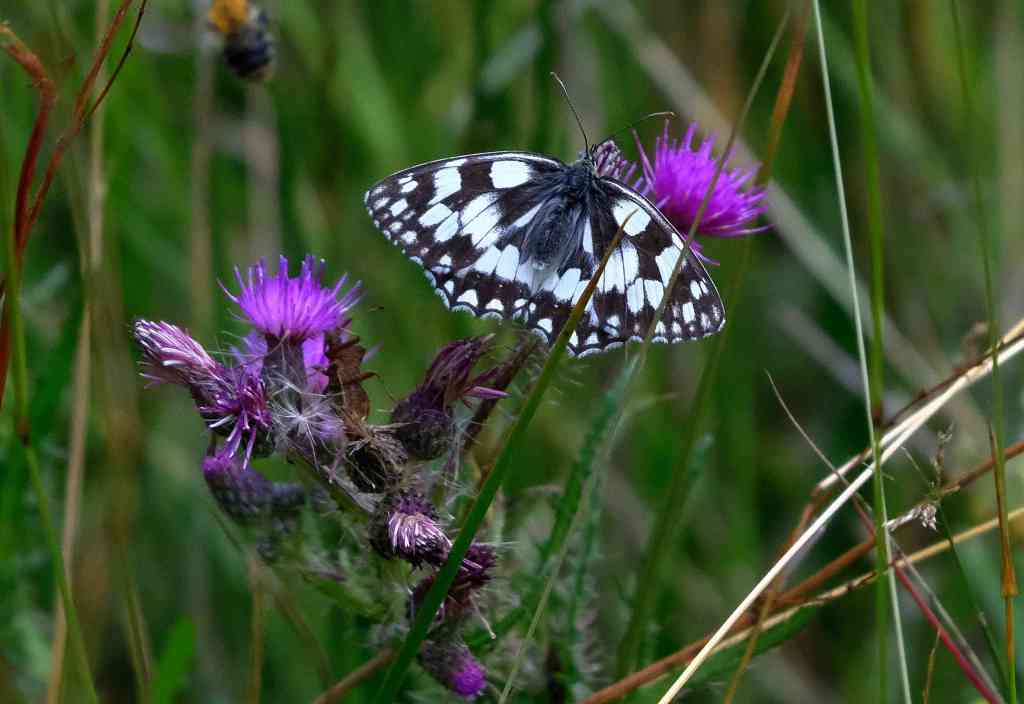
Marbled White Butterfly. (Melanargia galathea).


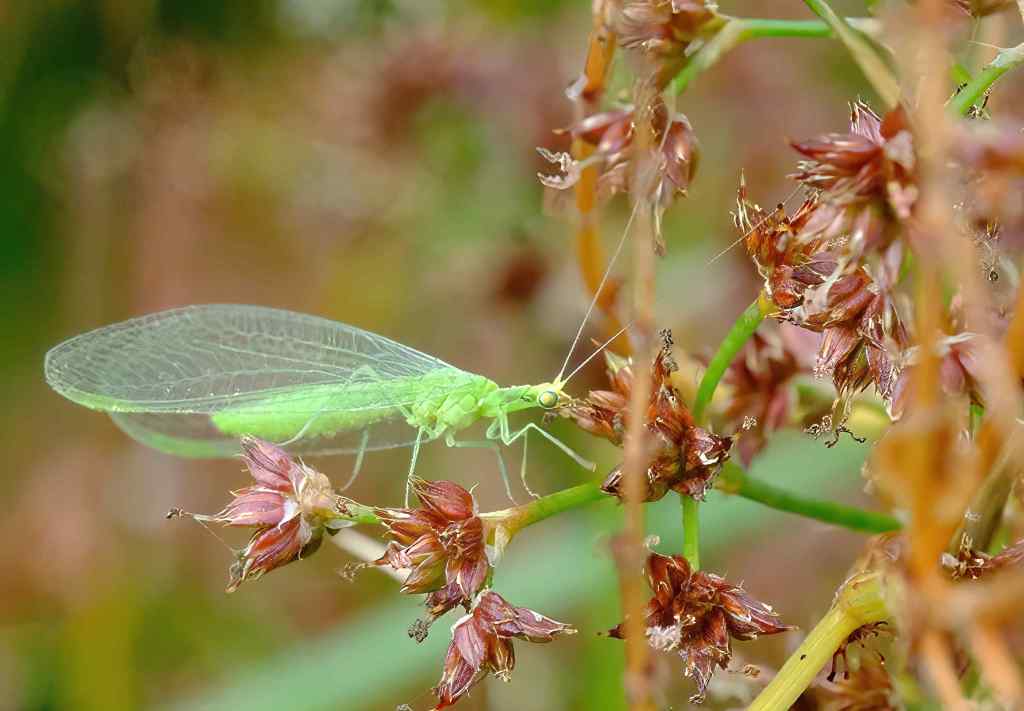
Common Green Lacewing.
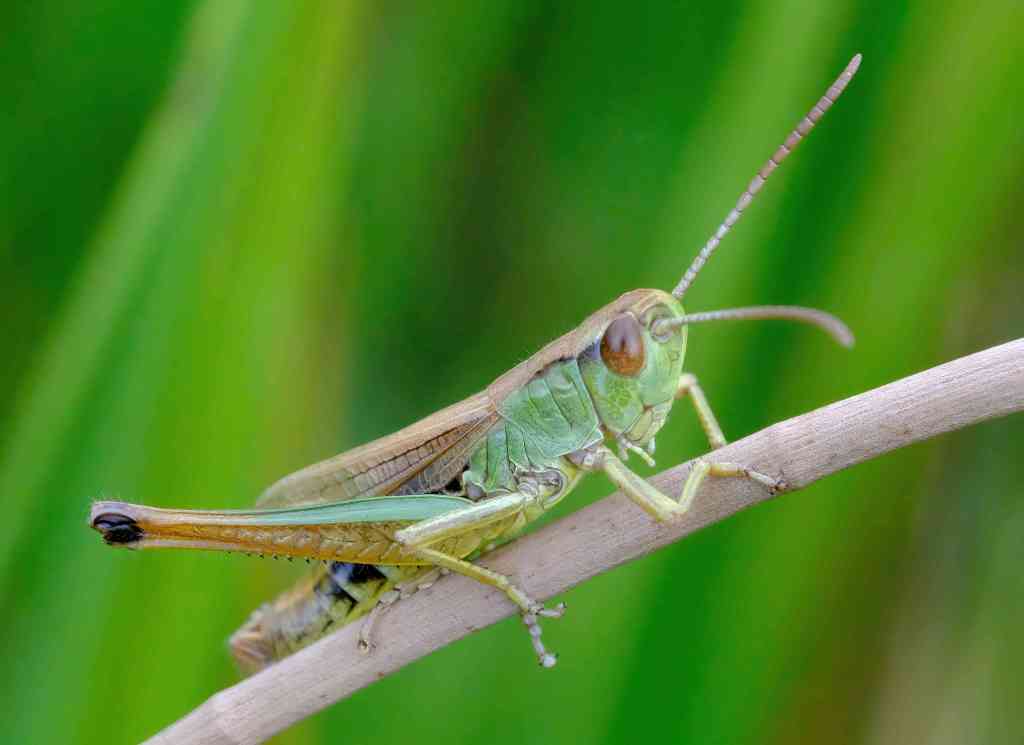
Grasshoppers.


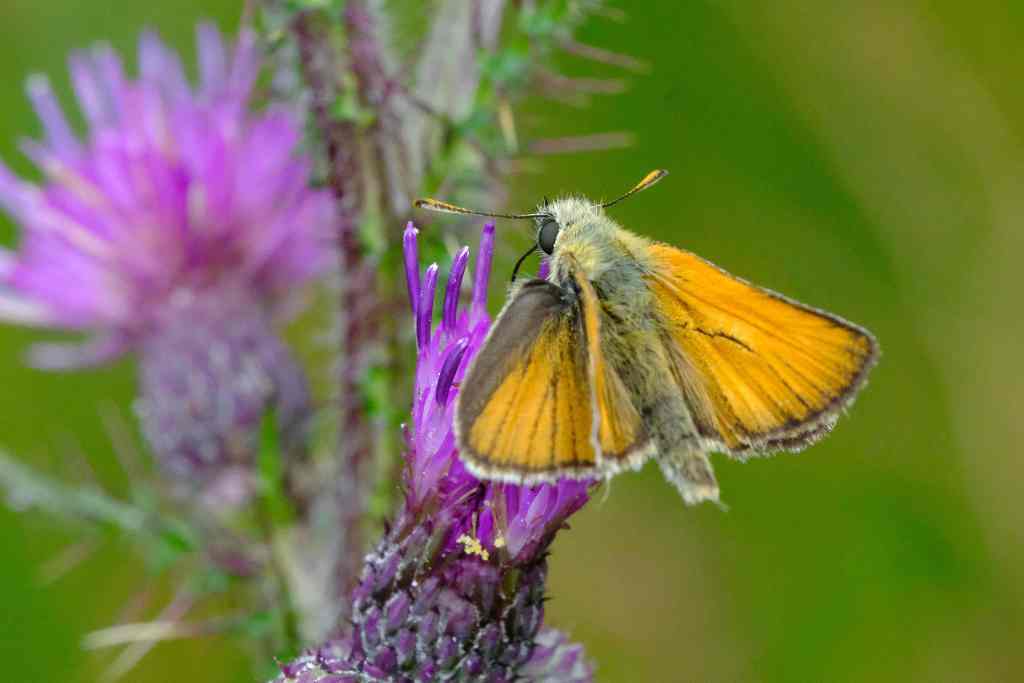
Small Skipper (Thymelicus sylvestris).

Cinnabar moth caterpillars


Peacock Moth (Macaria notata)

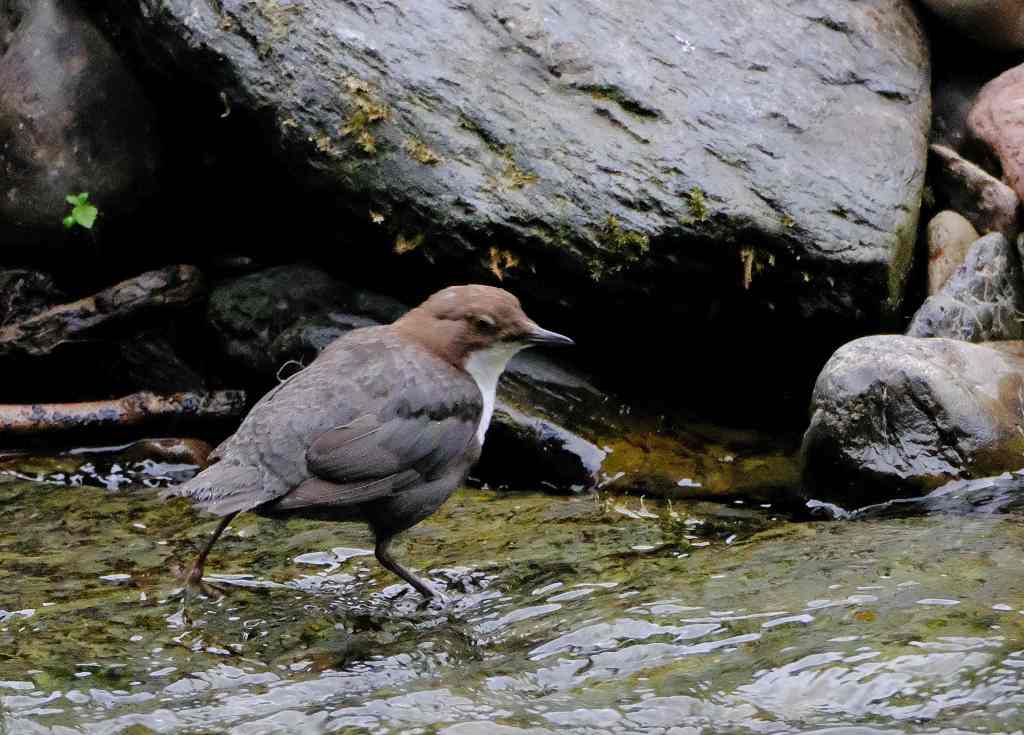
Some extra pictures of Dippers on the River Lyn Somerset.
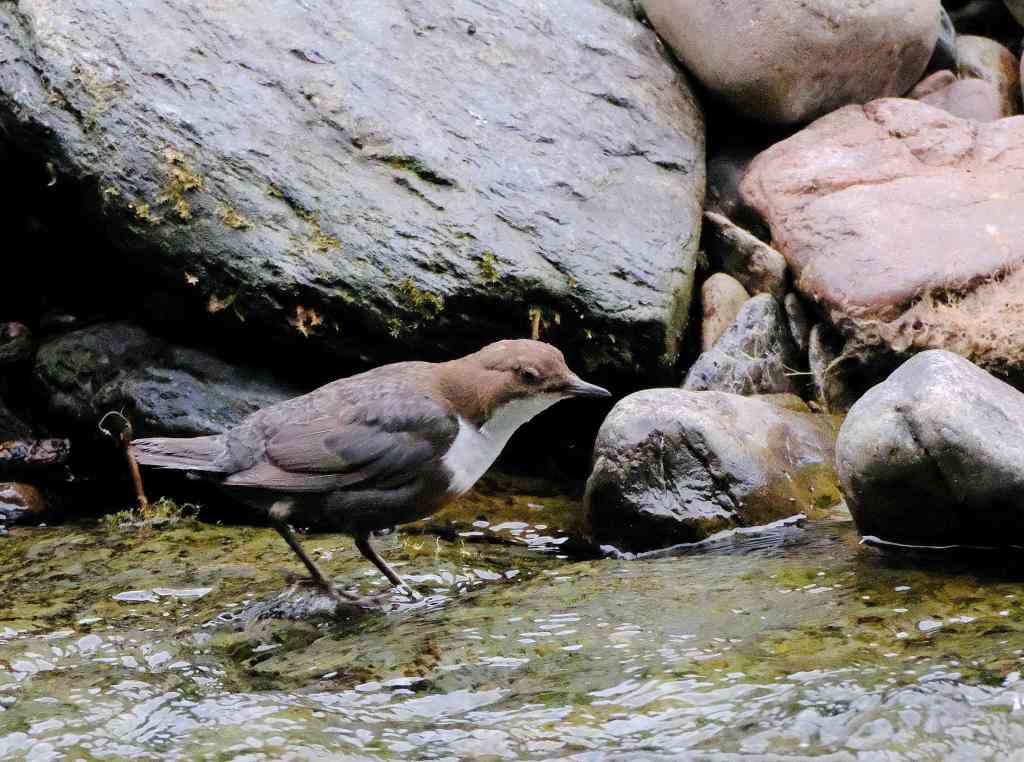


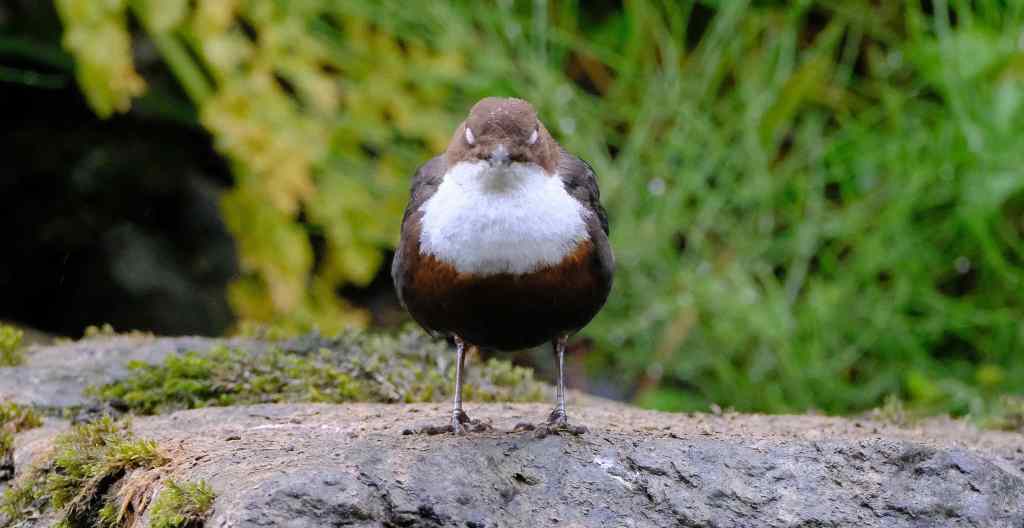
Dippers have a NIctitating Eye Membrane, an extra eyelid to help them see underwater and protect their eyes They also have white surfaces to the eyelids, conspicuous when the eyes are blinking. (see picture below).

#Wordless Wednesday.



A walk from Lynmouth up the river towards Watersmeet.

We have been away for a few days on Exmoor in the campervan. An objective of our trip was to see if I could find some Dippers. Dippers are a short-tailed, plump birds found on fast-flowing rivers and streams. When perched on a rock it habitually bobs up and down and frequently cocks its tail. They can be seen bobbing up and down on a stone in the fast-flowing river. They feed on underwater insects by walking straight into, and under, the water.
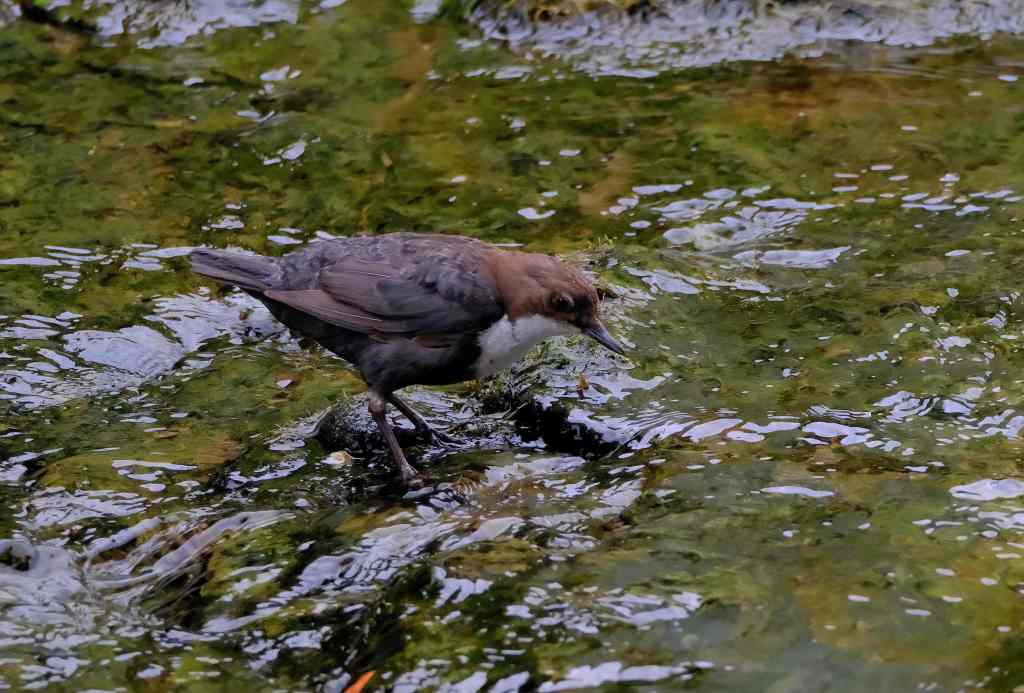

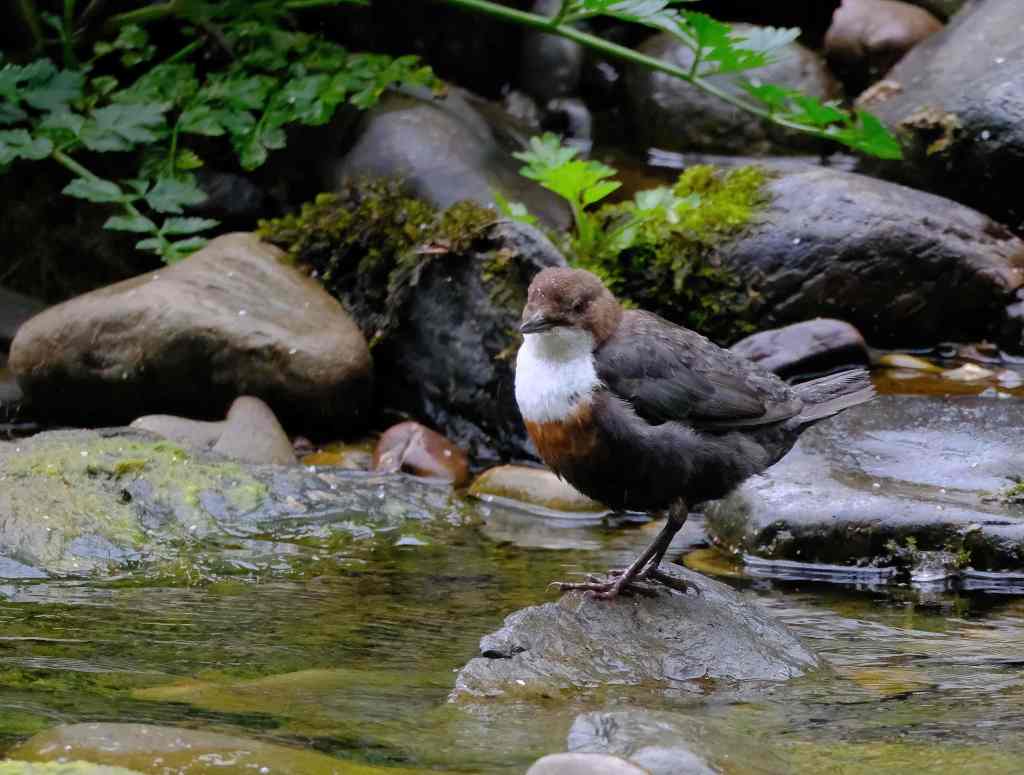
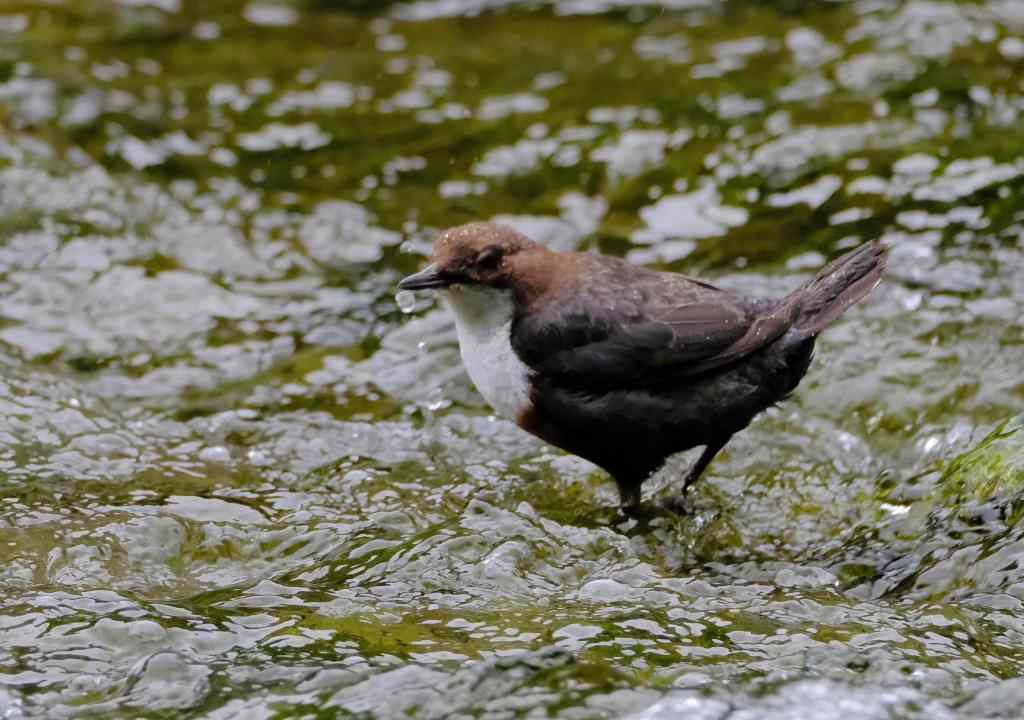
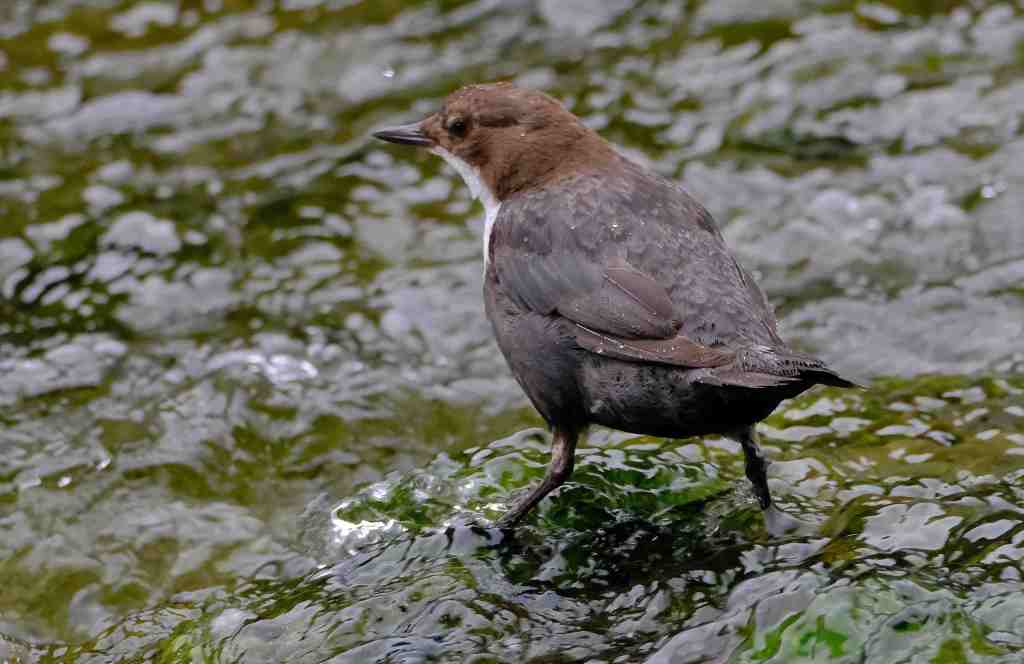
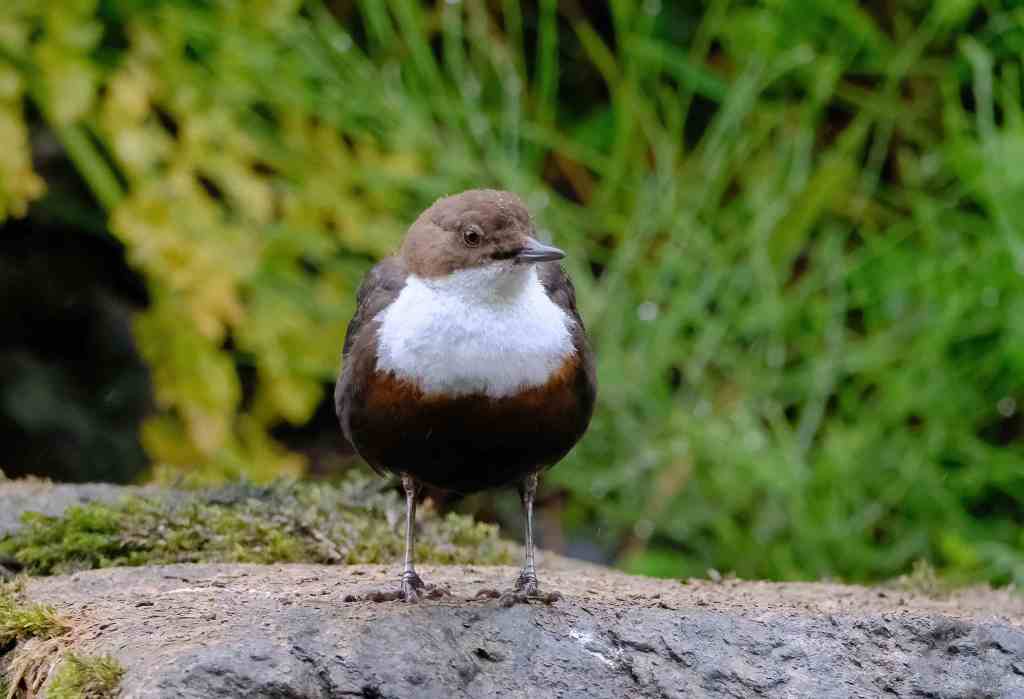

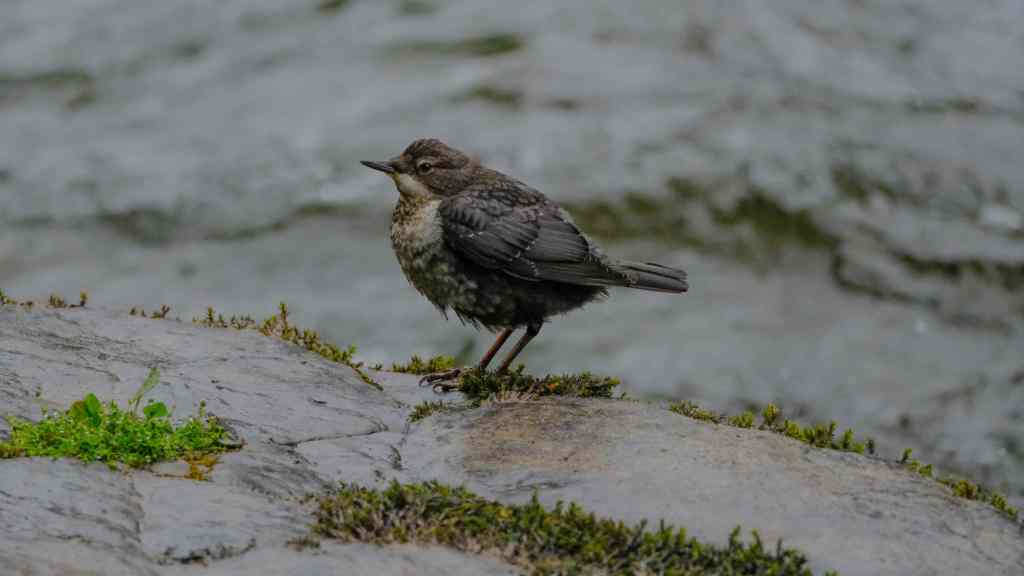
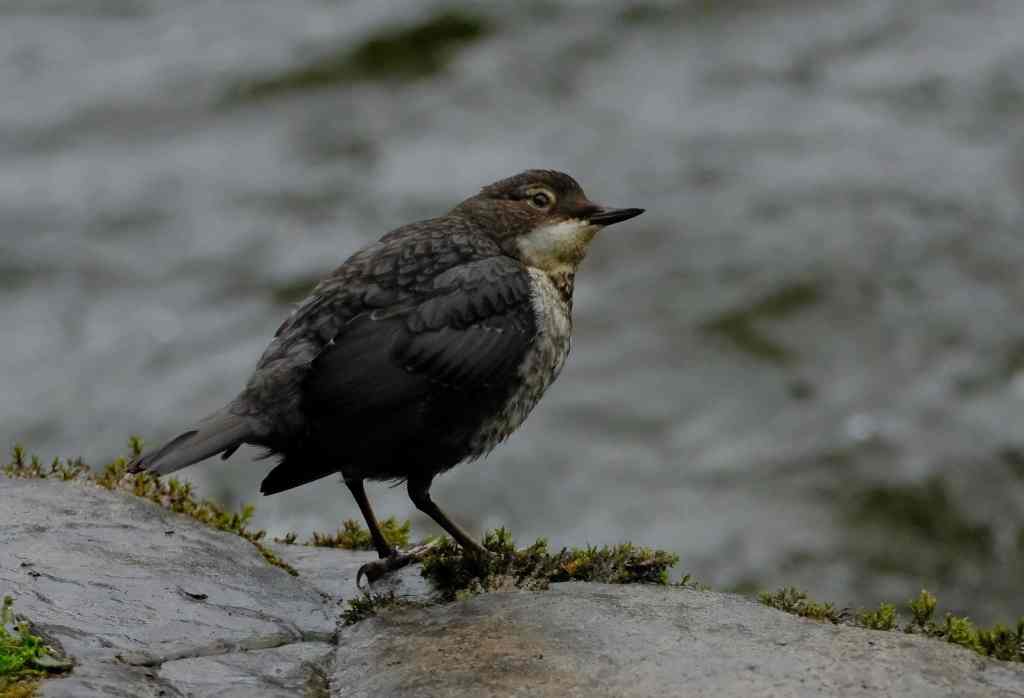
As well as several adult birds I also saw a juvenile bird.

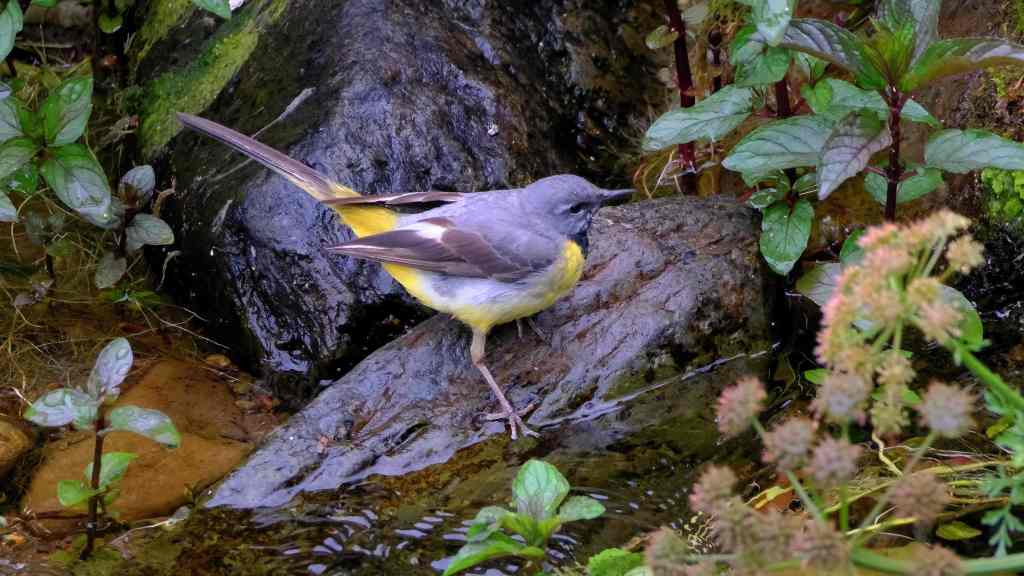
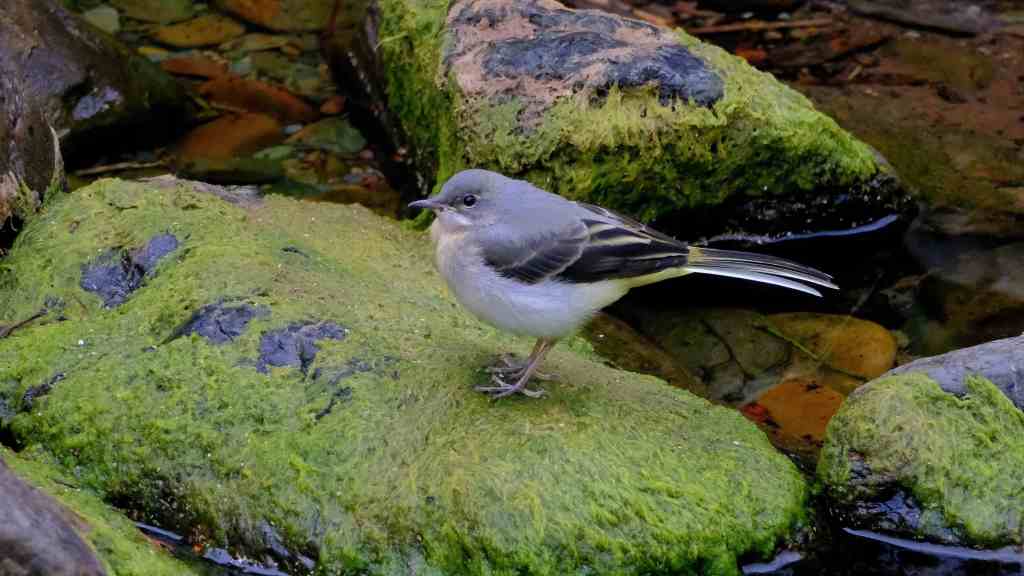
There was also a family of Grey Wagtails on the river walk.

 Continued Reflections from my World.