Pair of mating Common Darter dragonflies at Titchfield Haven
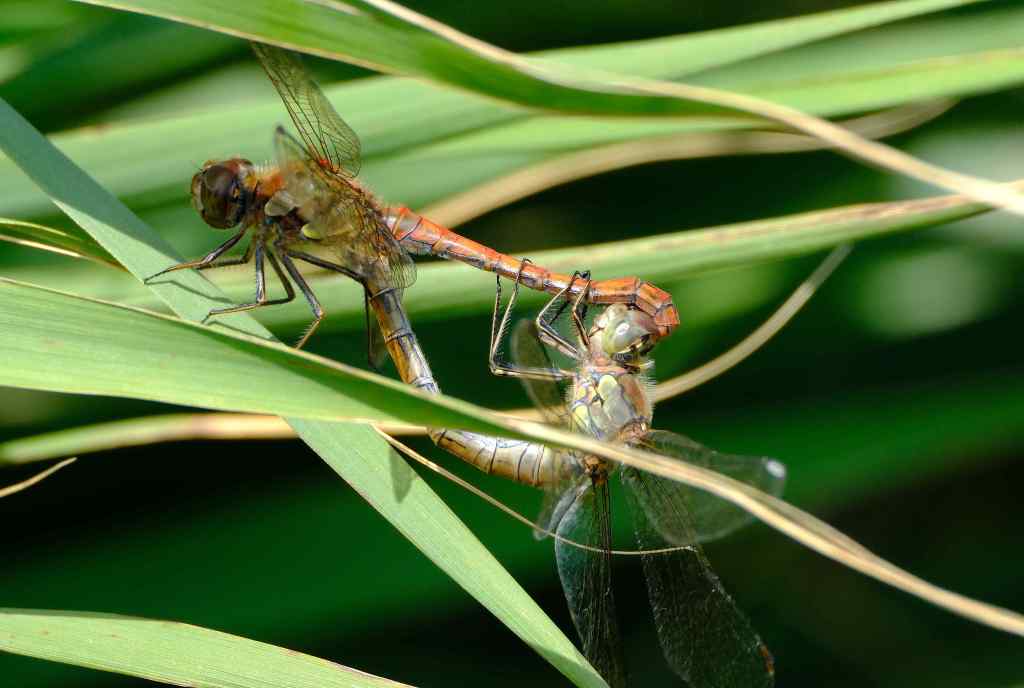

Pair of mating Common Darter dragonflies at Titchfield Haven
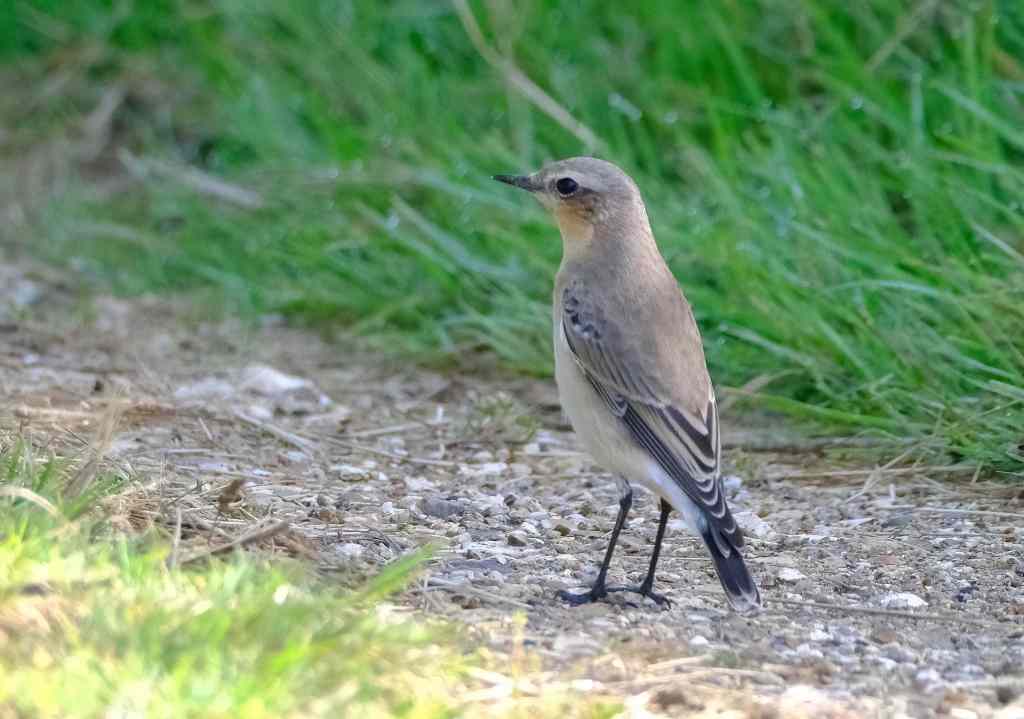
Around this time of year on our local beaches Wheatears start to appear. This bird was near Meon Shore this morning at Titchfield Haven. It will have bred in the north of the UK and is on passage back to central Africa for the winter.


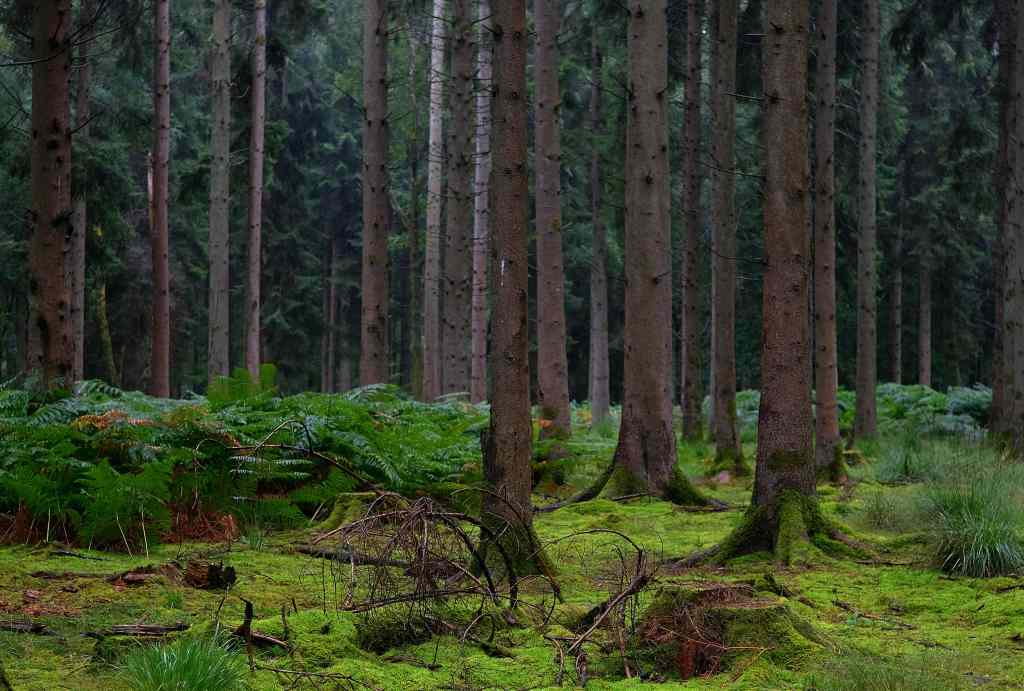
Rhinefield House was once a private country mansion in the heart of the New Forest. Today it is a hotel. The house was built in the 1880s with a huge garden and ornamental ponds. Many non-native trees were planted along the track leading to the house. Dwellings were on the site since the New Forest was first proclaimed by William the Conqueror in about 1097.
Trees that can be seen include giant redwoods and Douglas firs. In fact, the two tallest trees of the New Forest are here, a pair of redwoods standing on each side of an open grassy ride.


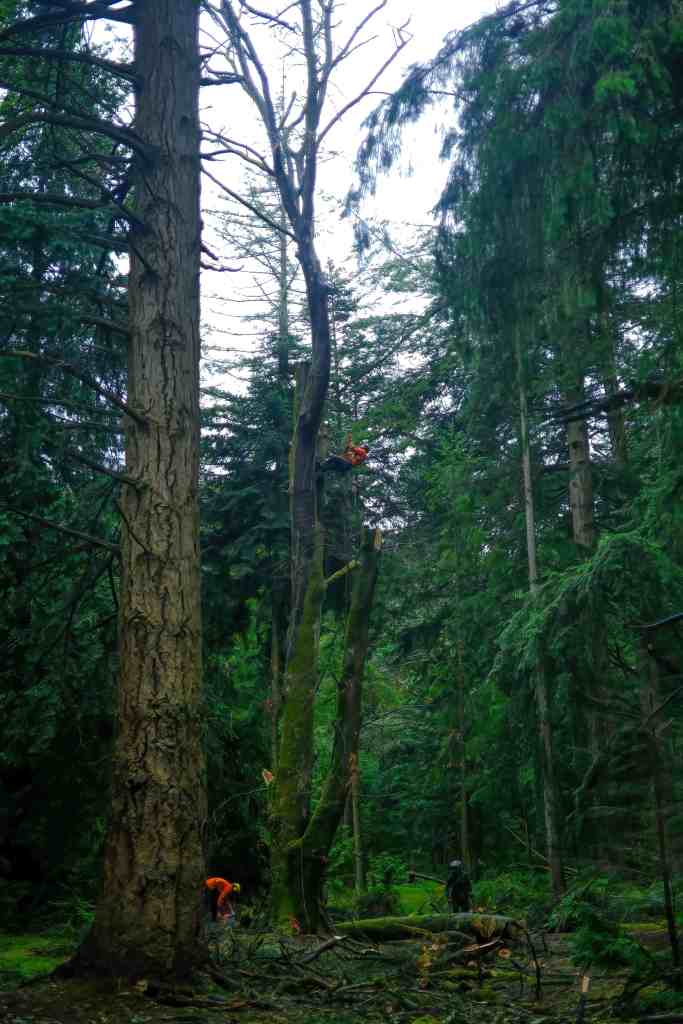
After a walk around a local lake, I thought I would practise filming a local radio-controlled sailing club where sailing their model yachts. This hobby looks to be a relaxing pastime with no noise to disturb others or the wildlife in the Park.
Another study of Raft Spiders (Dolomedes fimbriatus) (& a post). The adult male Raft Spider is 9 -16mm & the female a larger 13-22mm. They are found in wet lowlands and heaths & upland mires. Widespread in Southern England on wet heaths & scattered colonies throughout the rest of Britain. We have found a stream in the New Forest where they seem abundant. Here they seem to favour wild mint growing on the edge of the small stream where they wait for a passing meal – dropping down to walk on the water’s surface to catch their prey.
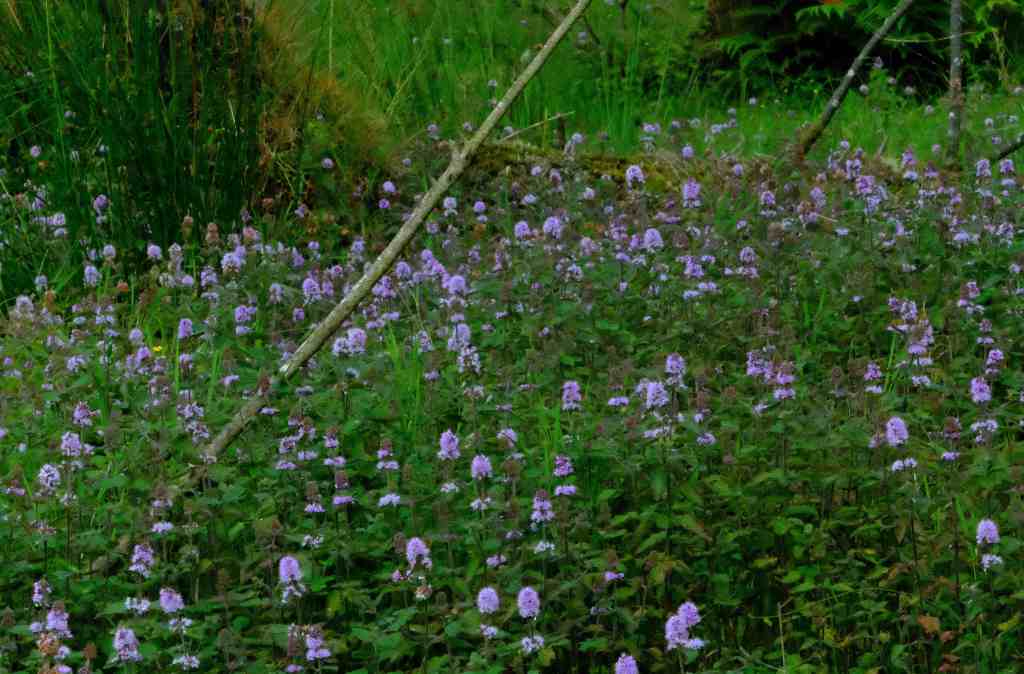
Wild mint bed in the New Forest.

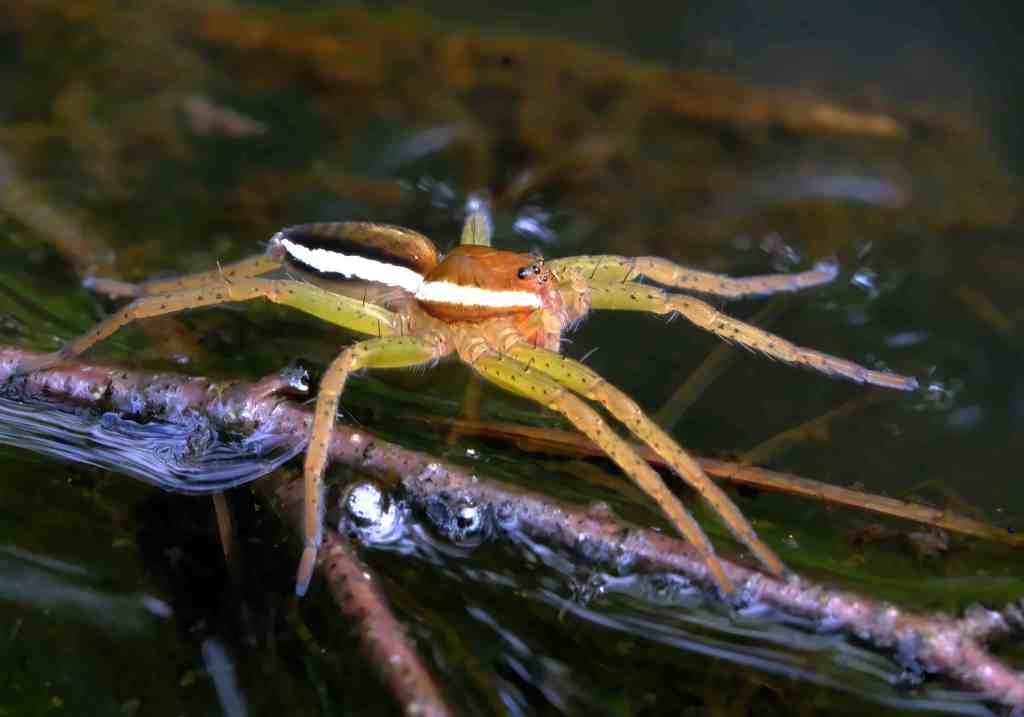
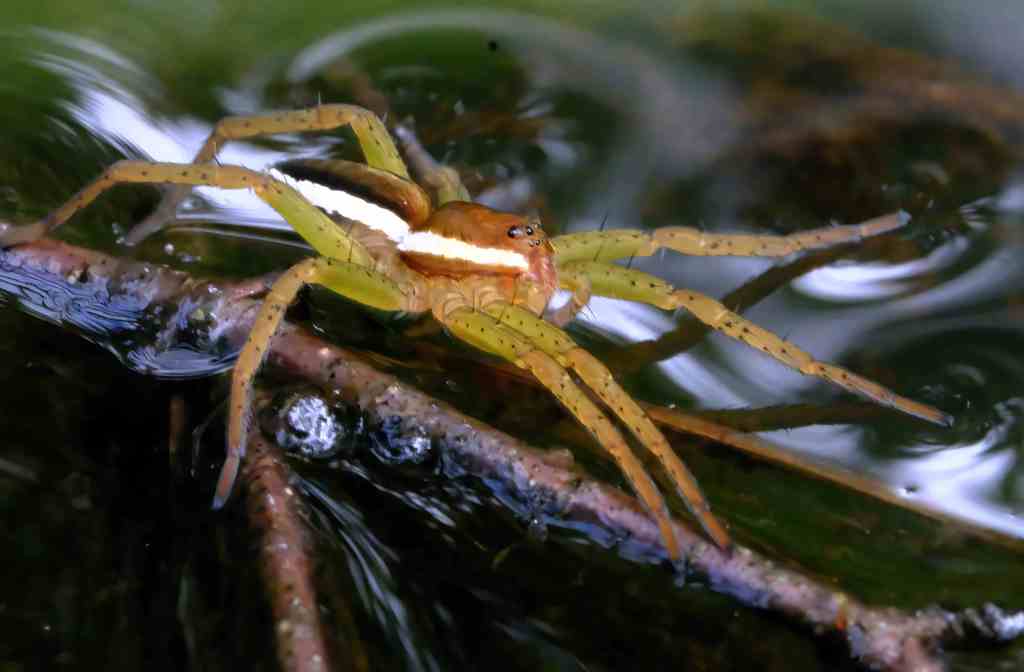
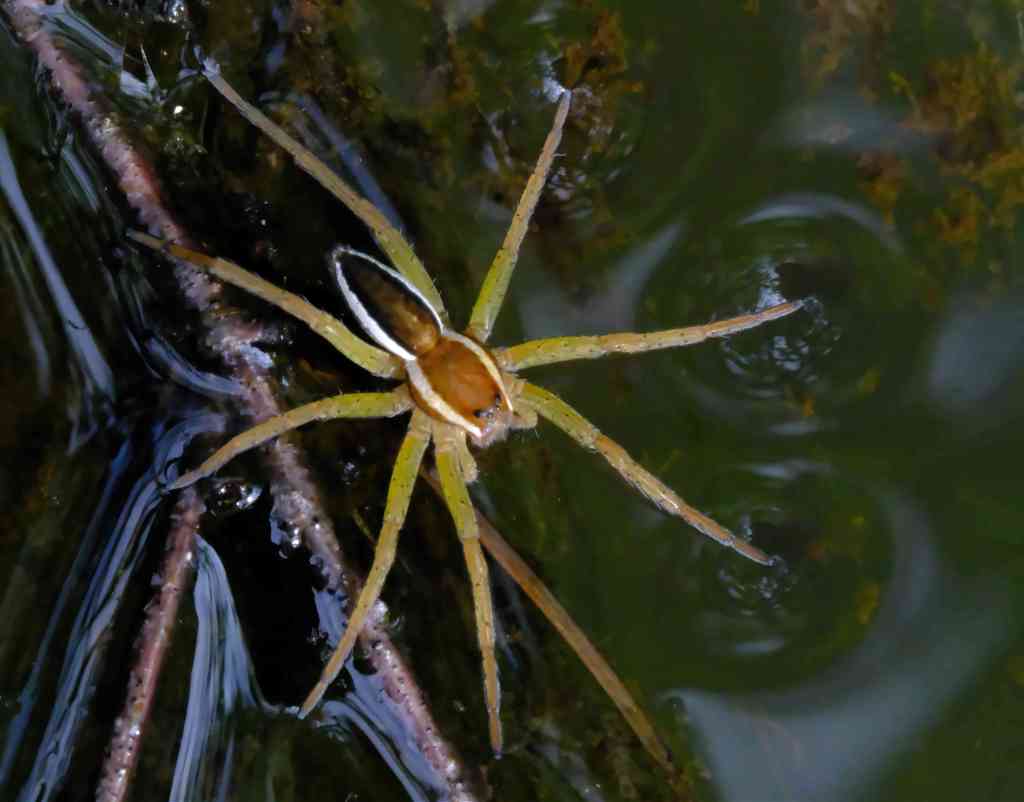
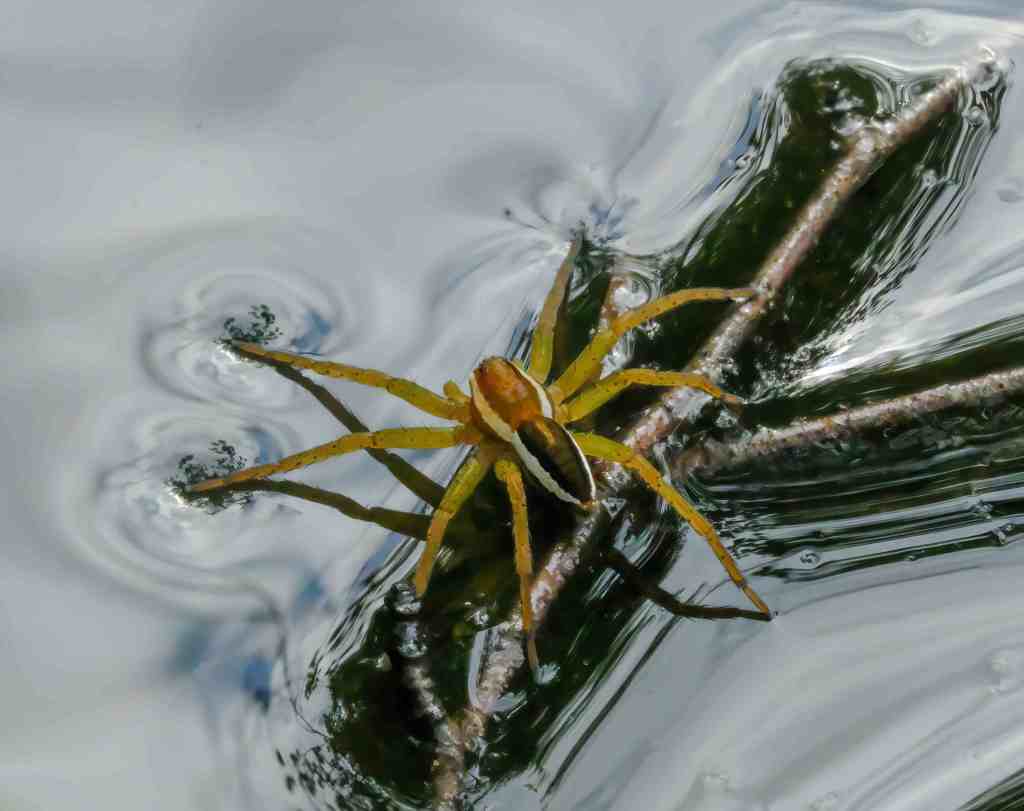
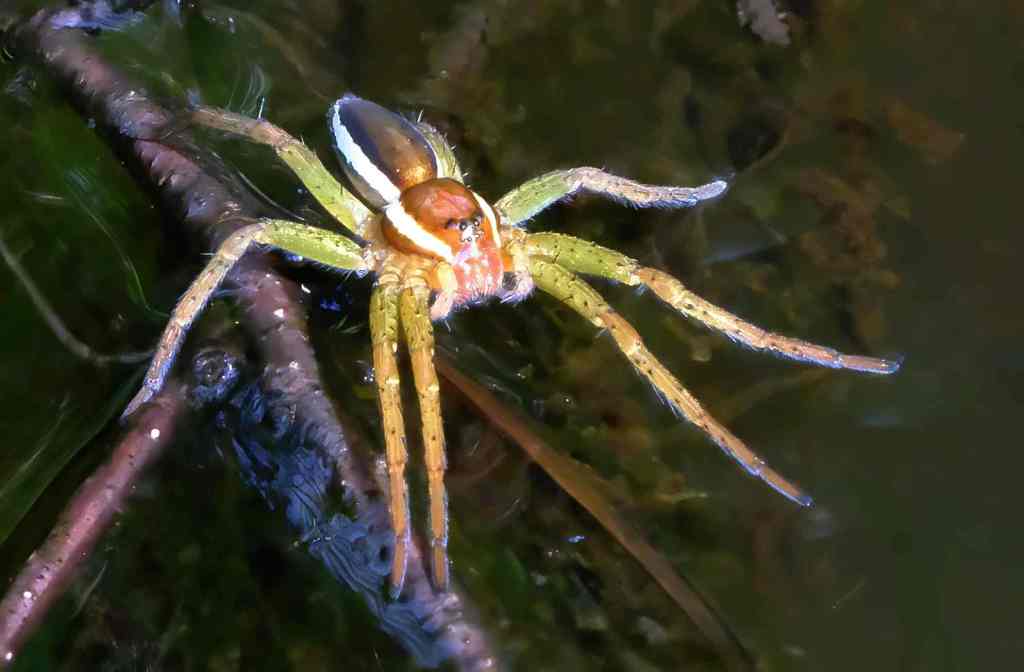
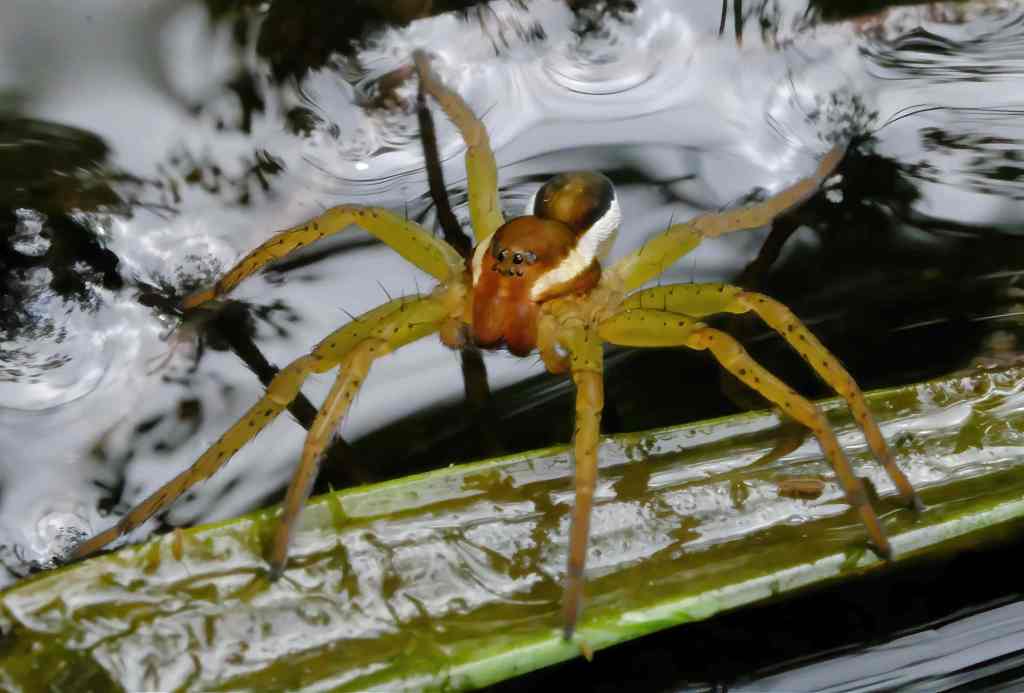
#Wordless Wednesday.


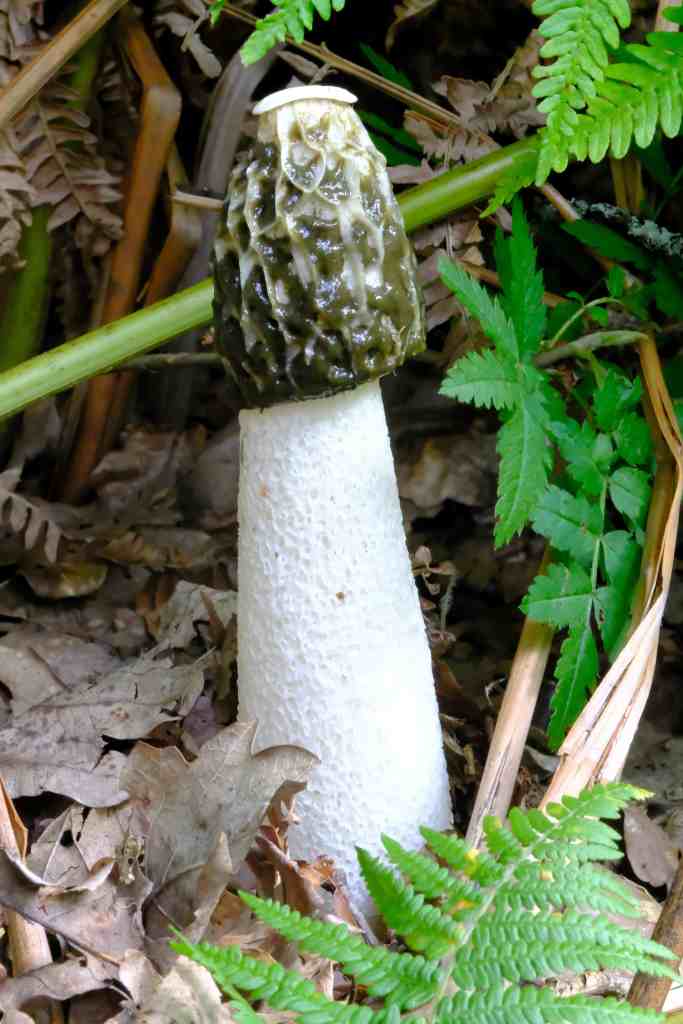
The Stinkhorn is a fungus that can grow up to 25cm tall and resembles a phallus when they fully emerge from an egg-like structure which contains the immature fruiting body. The young cap oozes gleba a spore-bearing smelly sticky gel. The smell of rotting flesh fills the air which attracts the flies and other insects which then carry off the fungus’s spores.
It is said Victorians were so embarrassed by the look of a Stinkhorn that they would attack them with sticks to stop any impressionable young ladies from seeing such a thing.

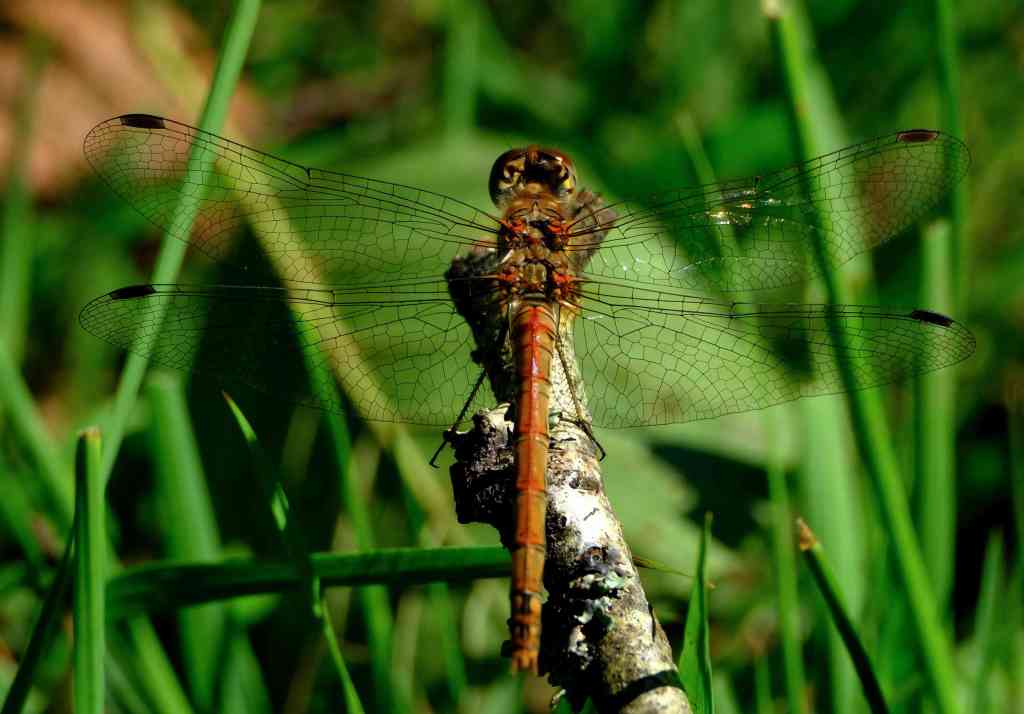
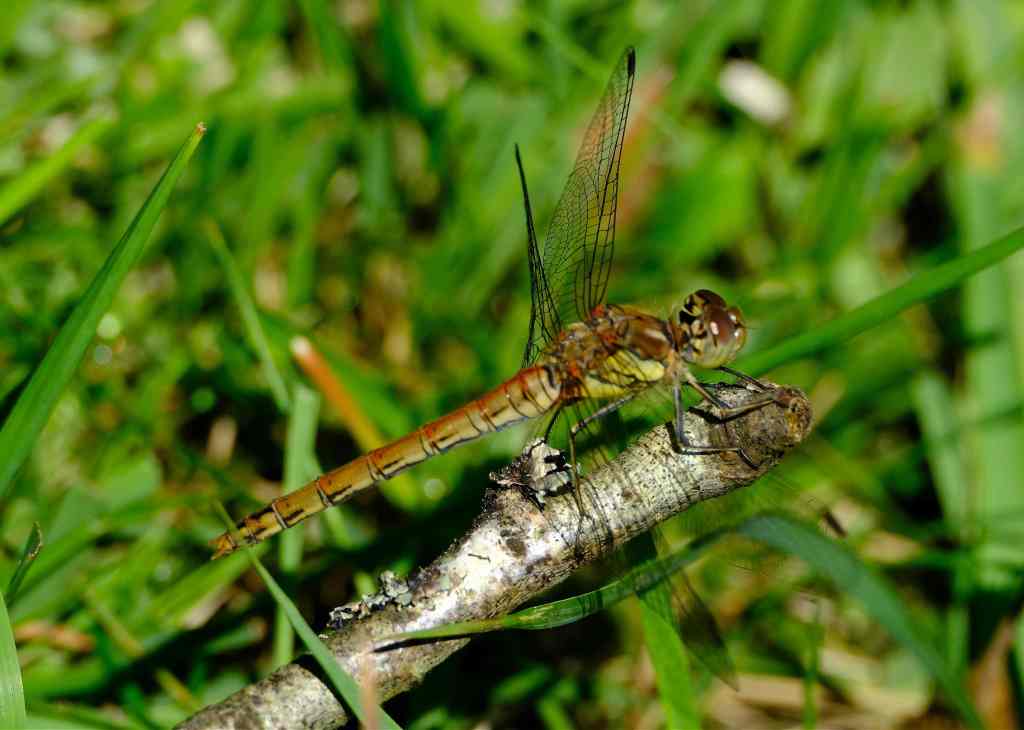
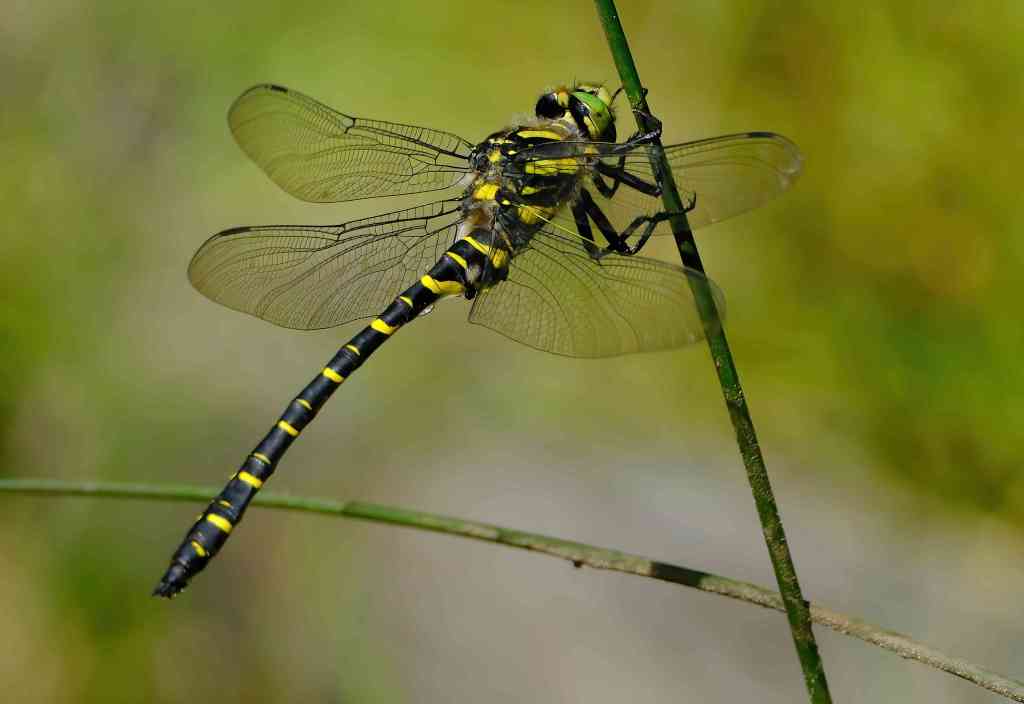
Some Dragonflies and Damselflies spotted in the New Forest today.
The “Common Darter” is a smaller Dragonfly. The male is orange-red but becomes brown with age. Females (and juvenile males) are yellowish to light brown. I believe this one is a male.
A “Golden-ringed dragonfly” is a very large,and handsome dragonfly, they are on the wing from May to September.

“Beautiful demoiselle” damselfly the metallic blue males have solid dark blue wings.
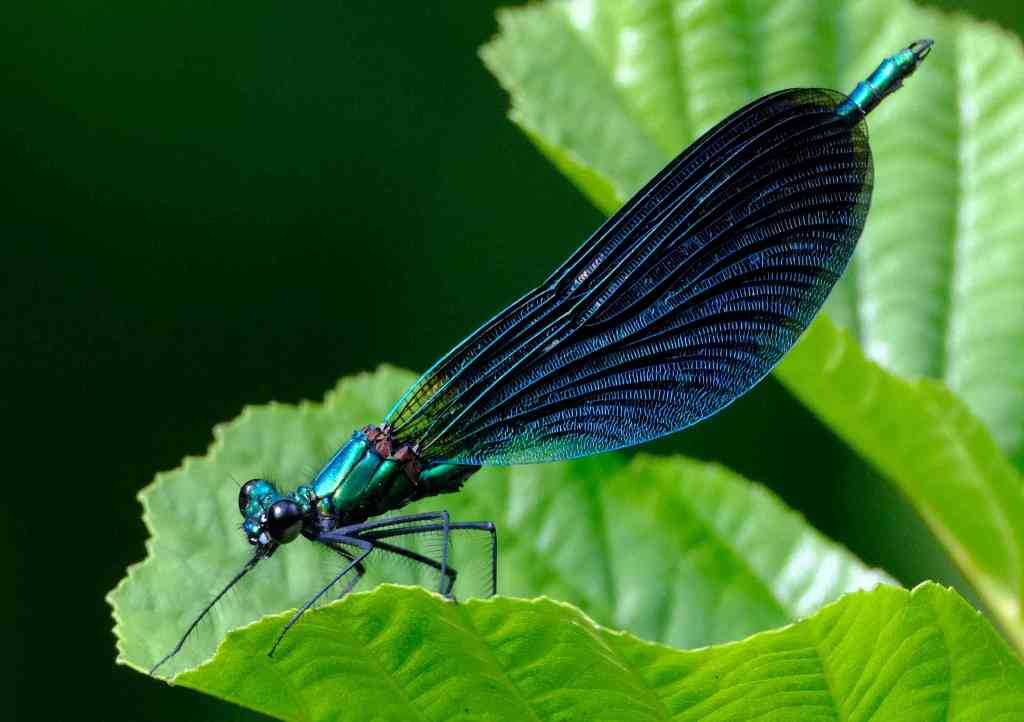

The damselfly below had landed in the stream.

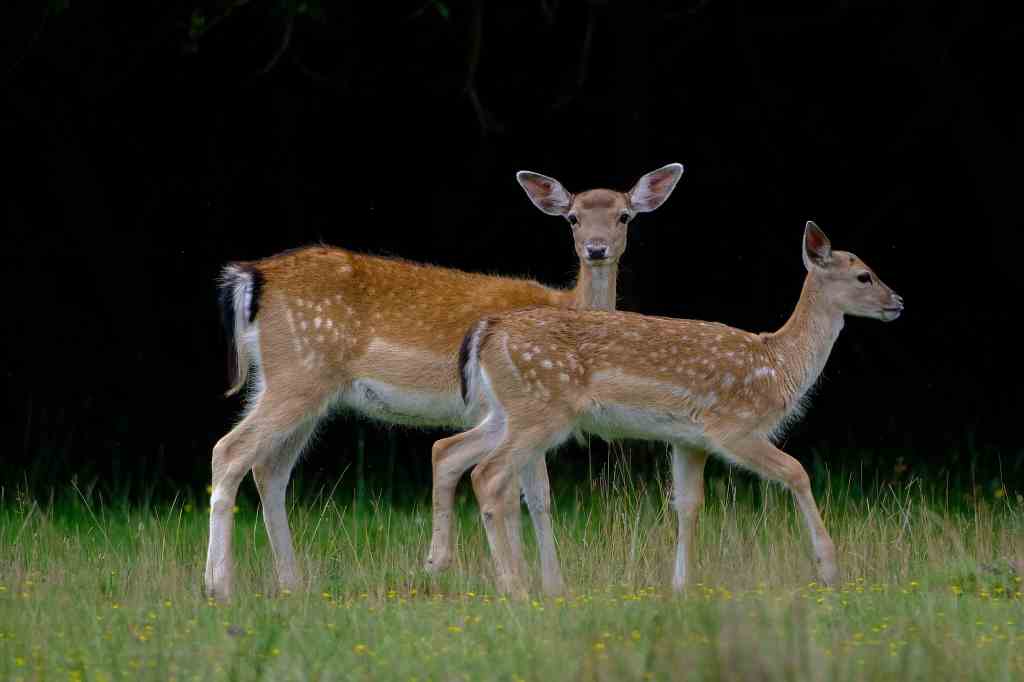
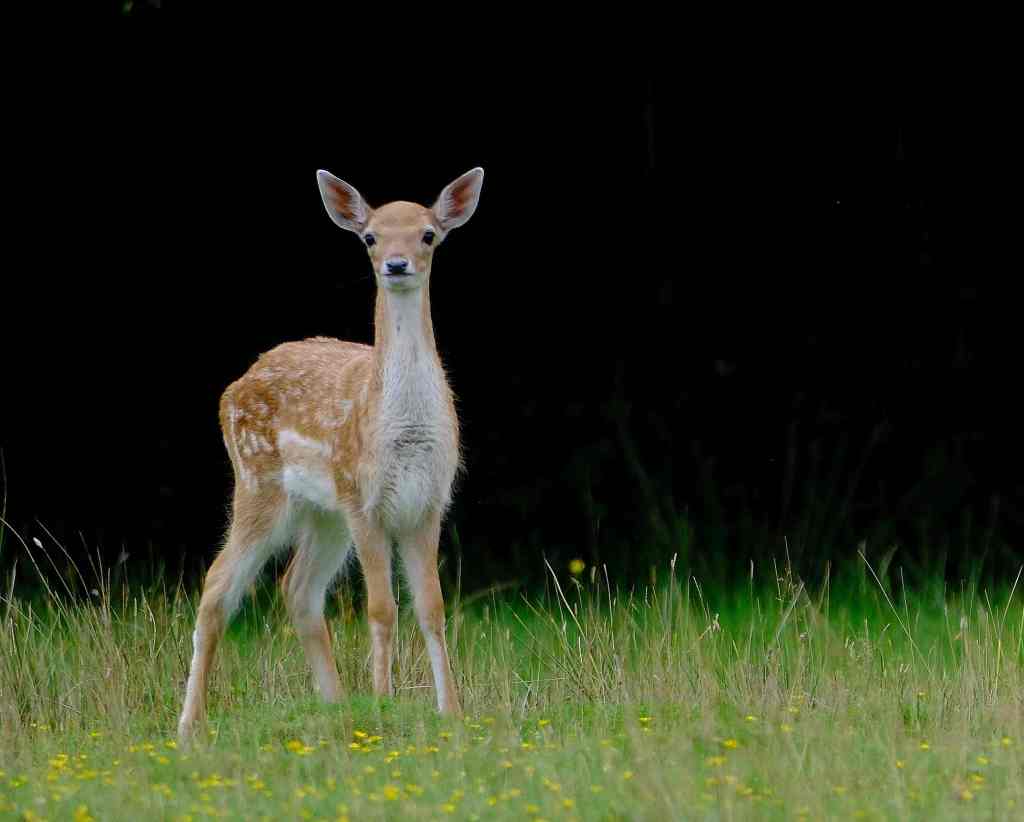
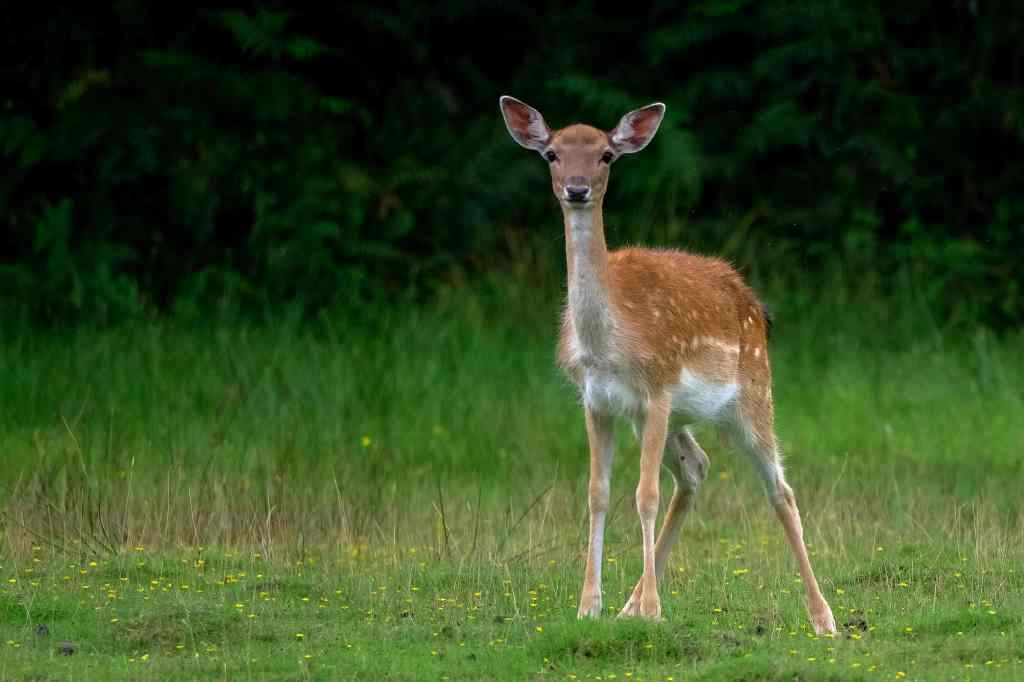
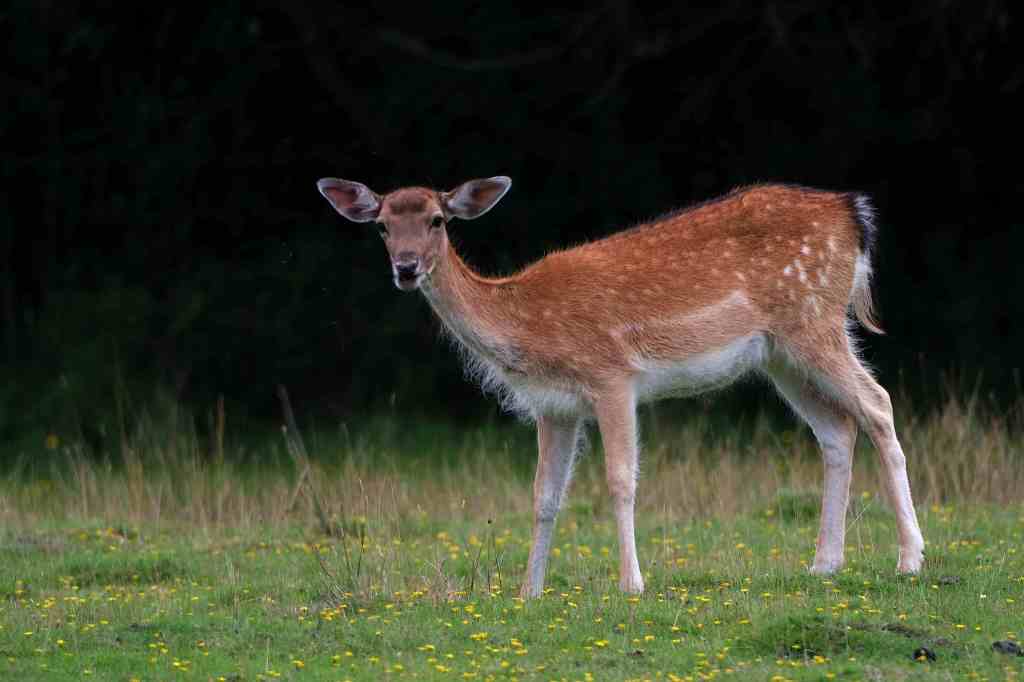
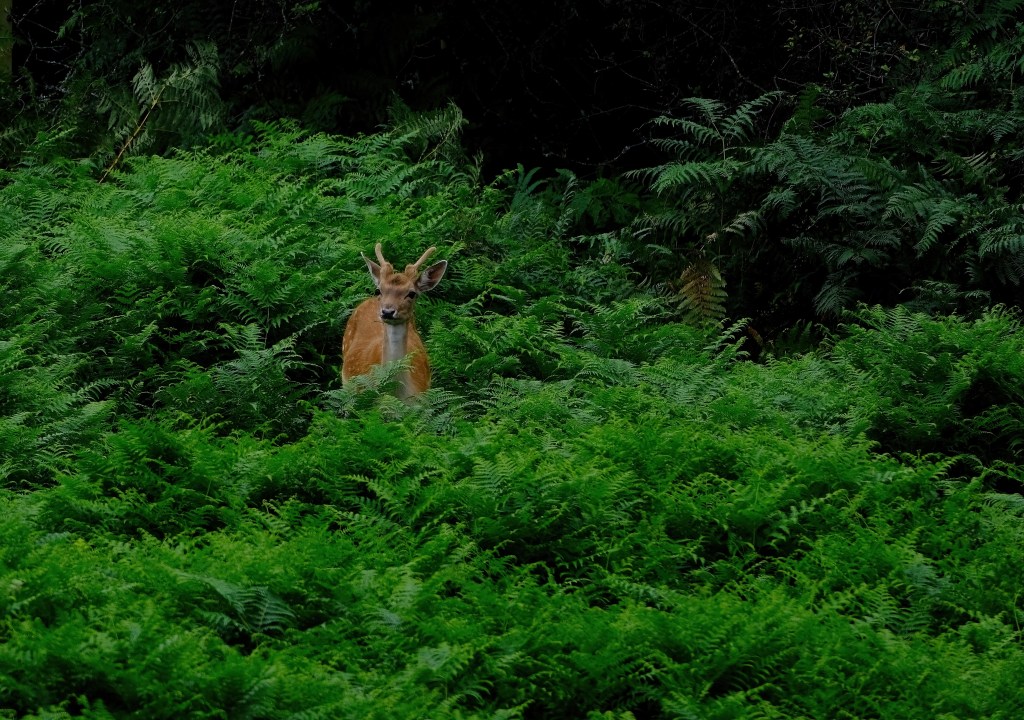
Fallow deer New Forest.

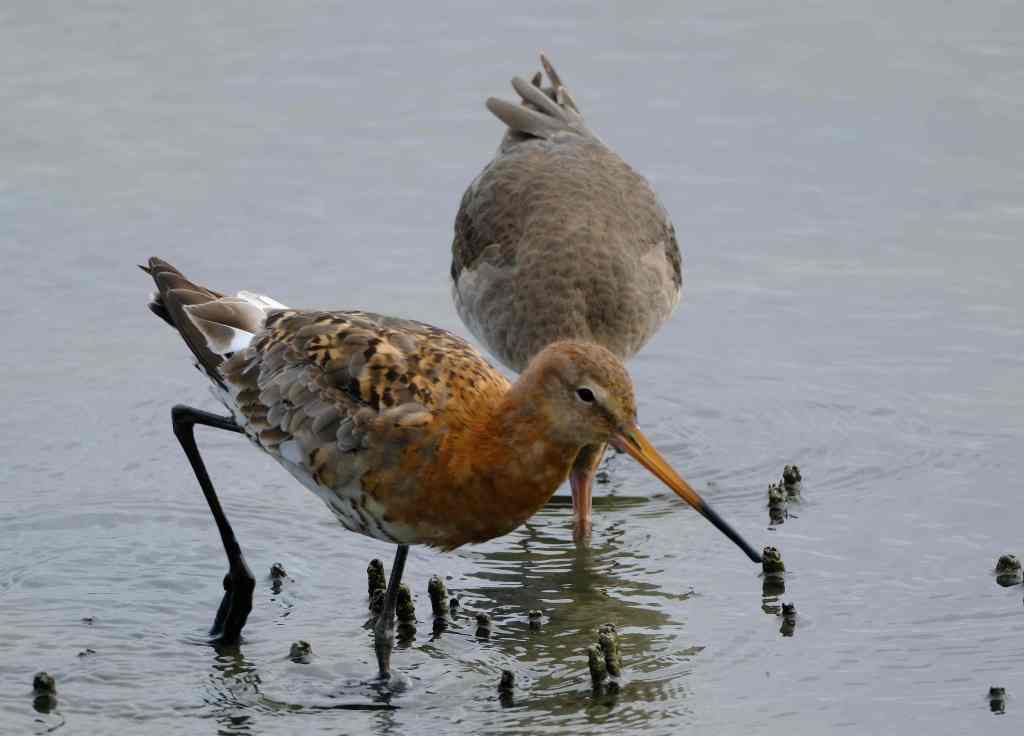
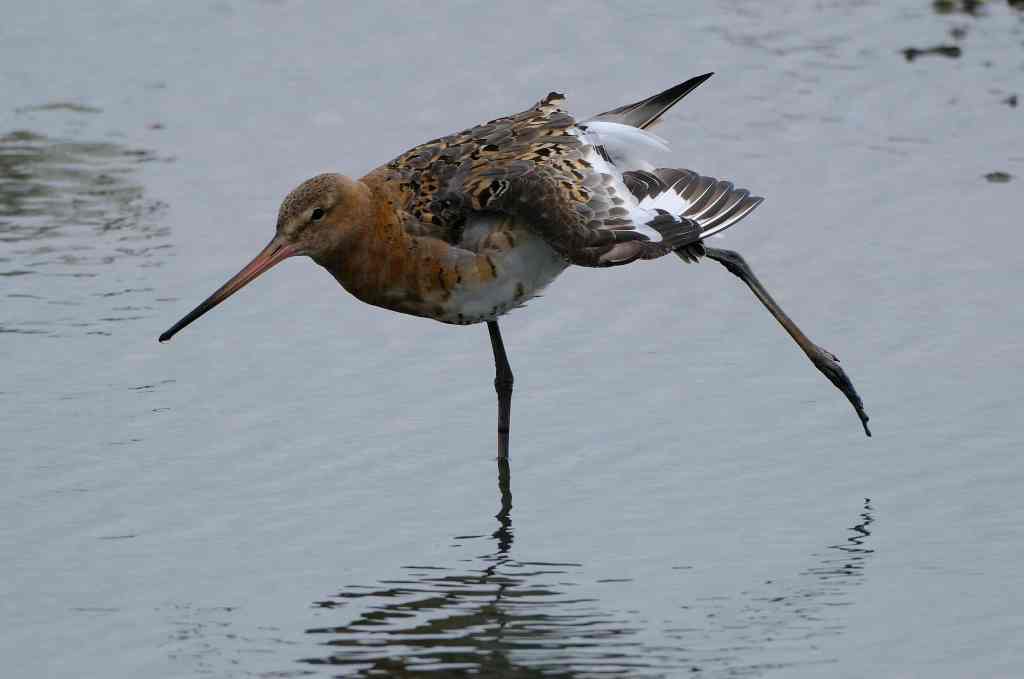
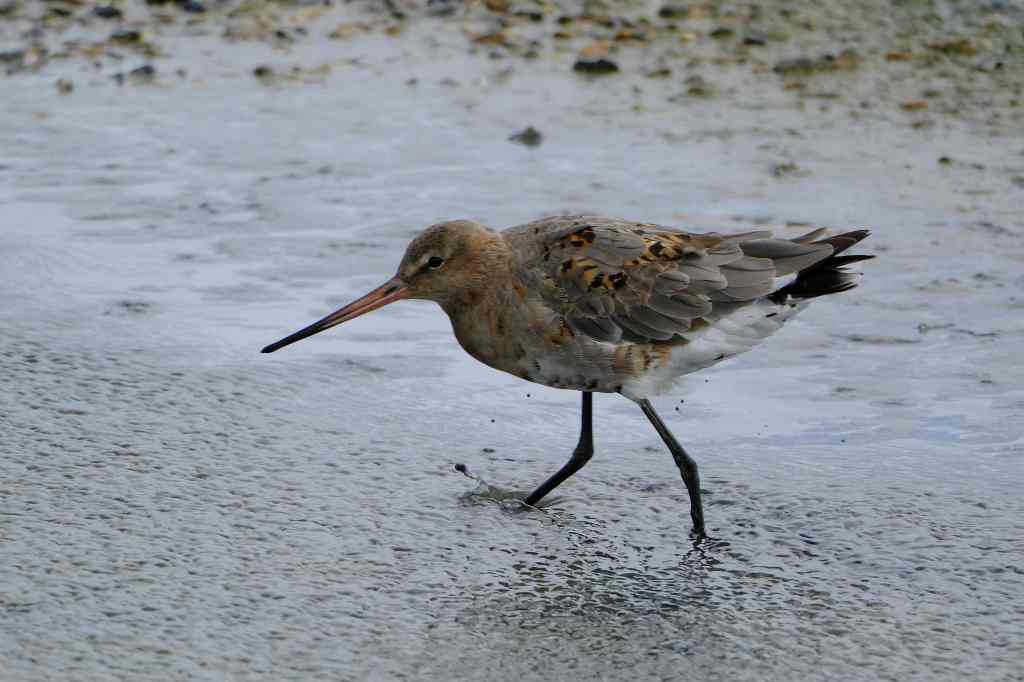
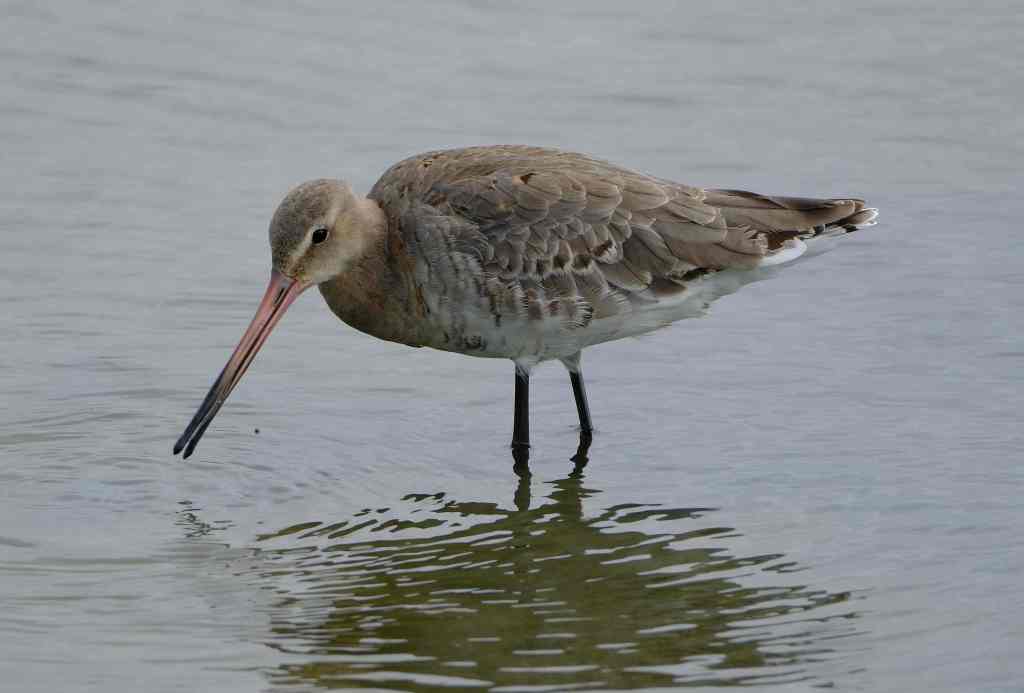
Black-tailed Godwits at Tichfield Haven.



 Continued Reflections from my World.