Garden Spider (Araneus diadematus) with packed lunch and ready to go.

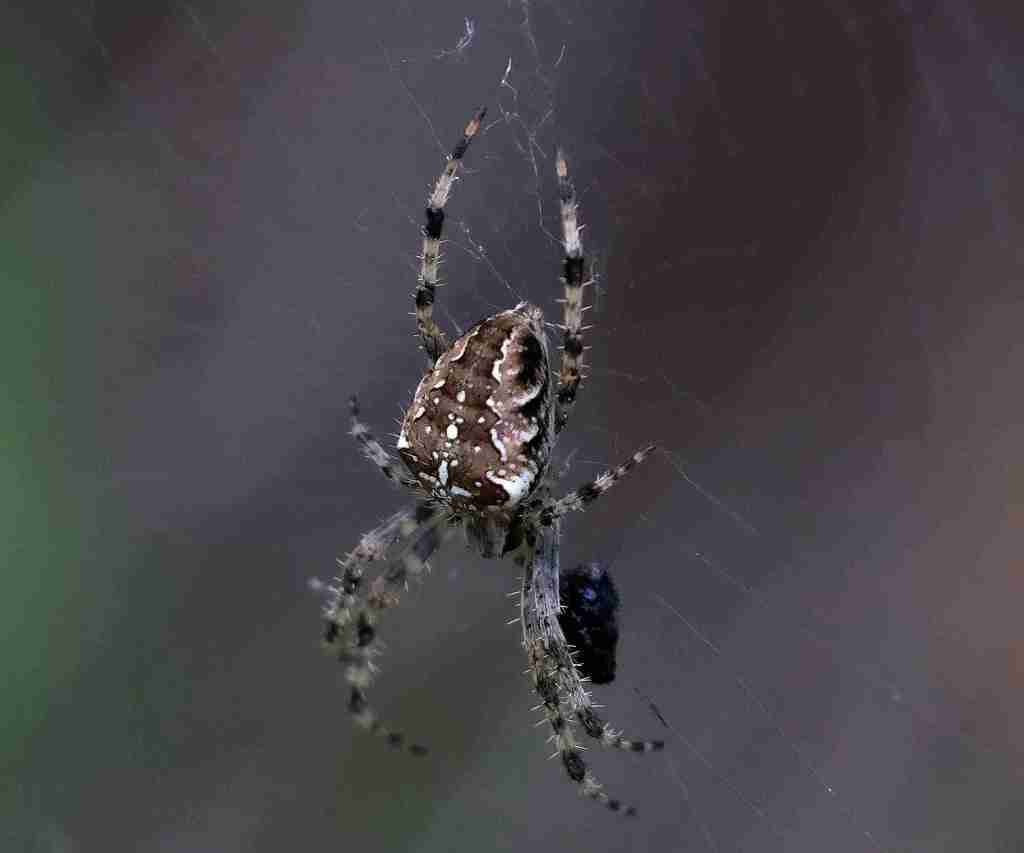

Garden Spider (Araneus diadematus) with packed lunch and ready to go.
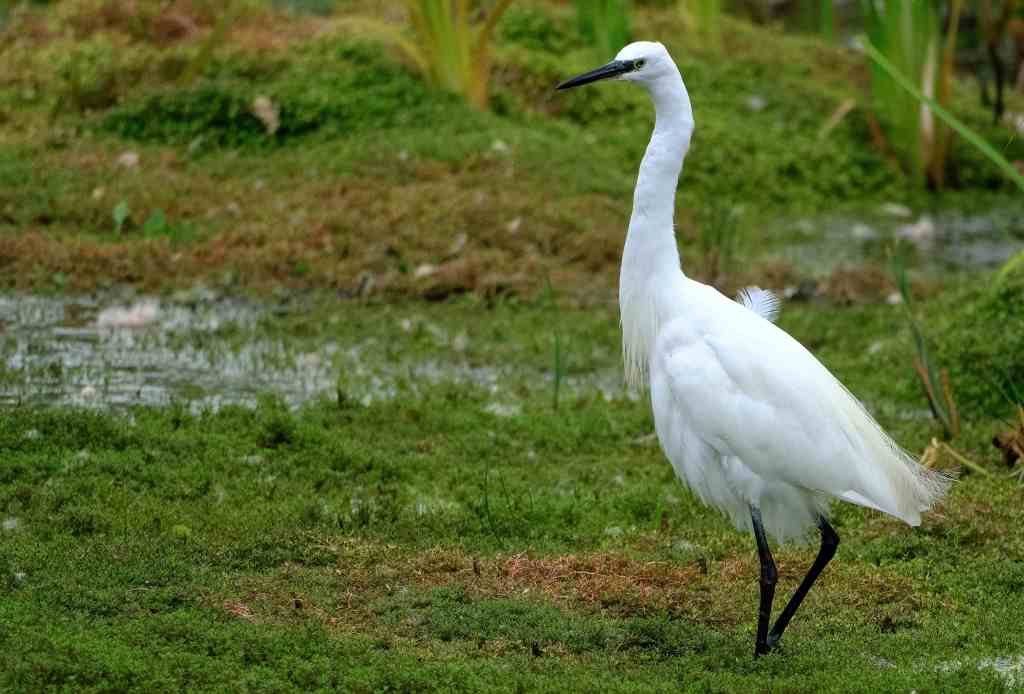
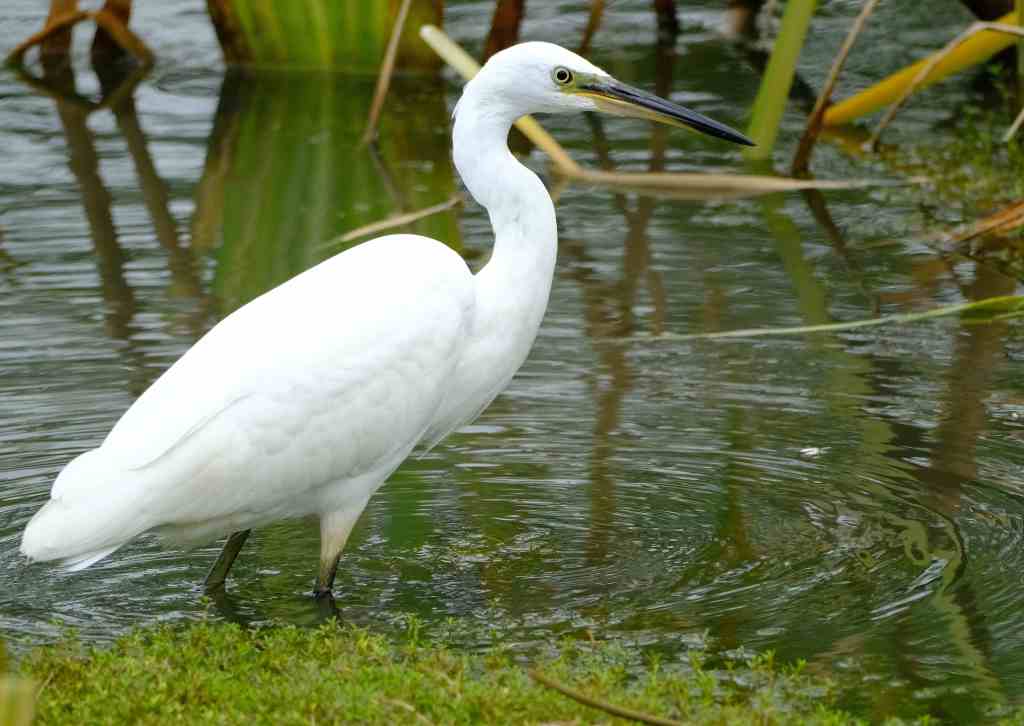
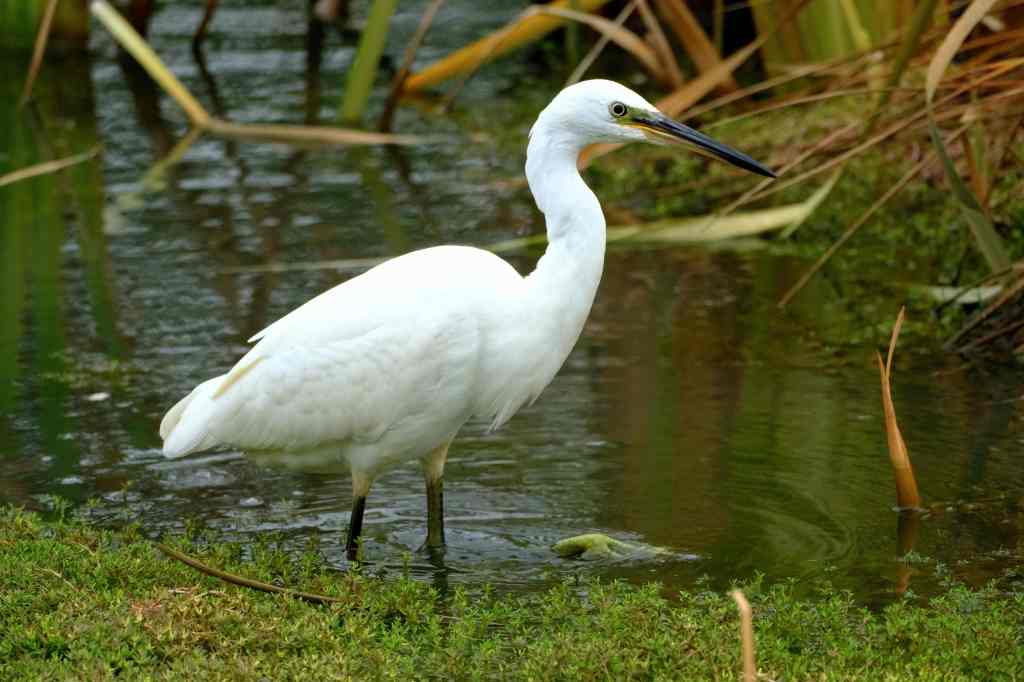
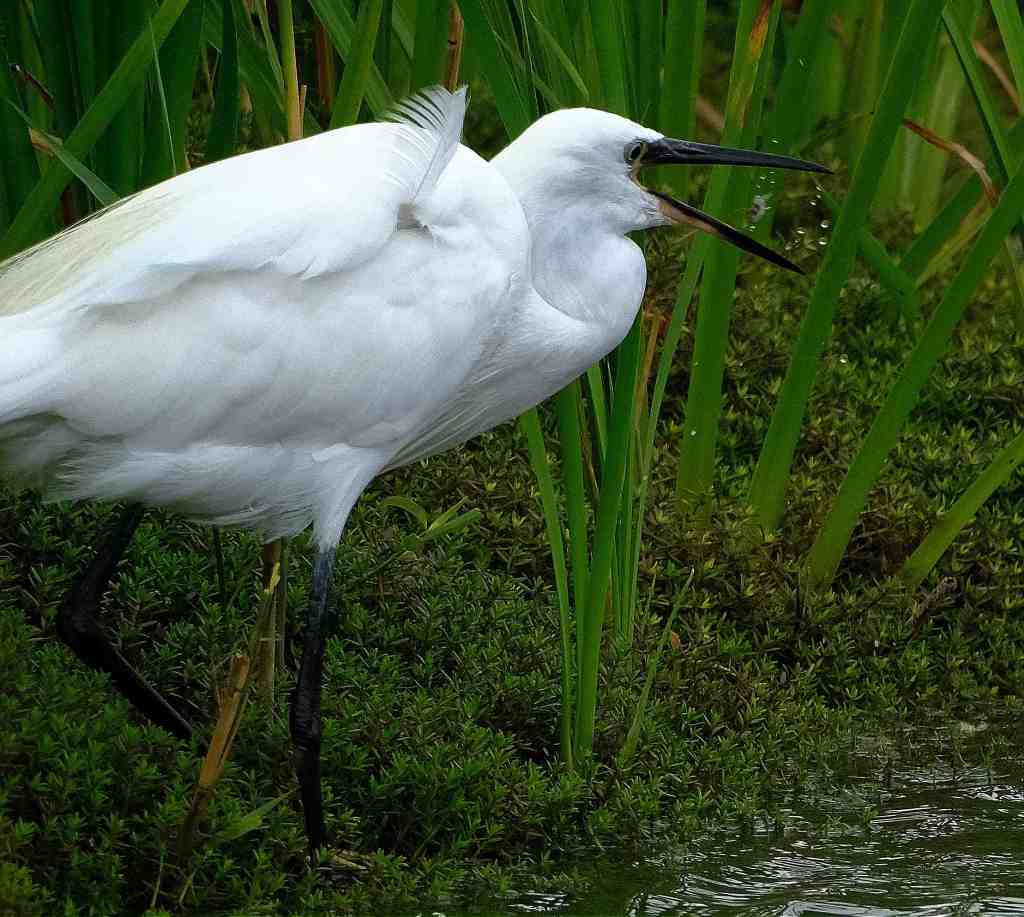
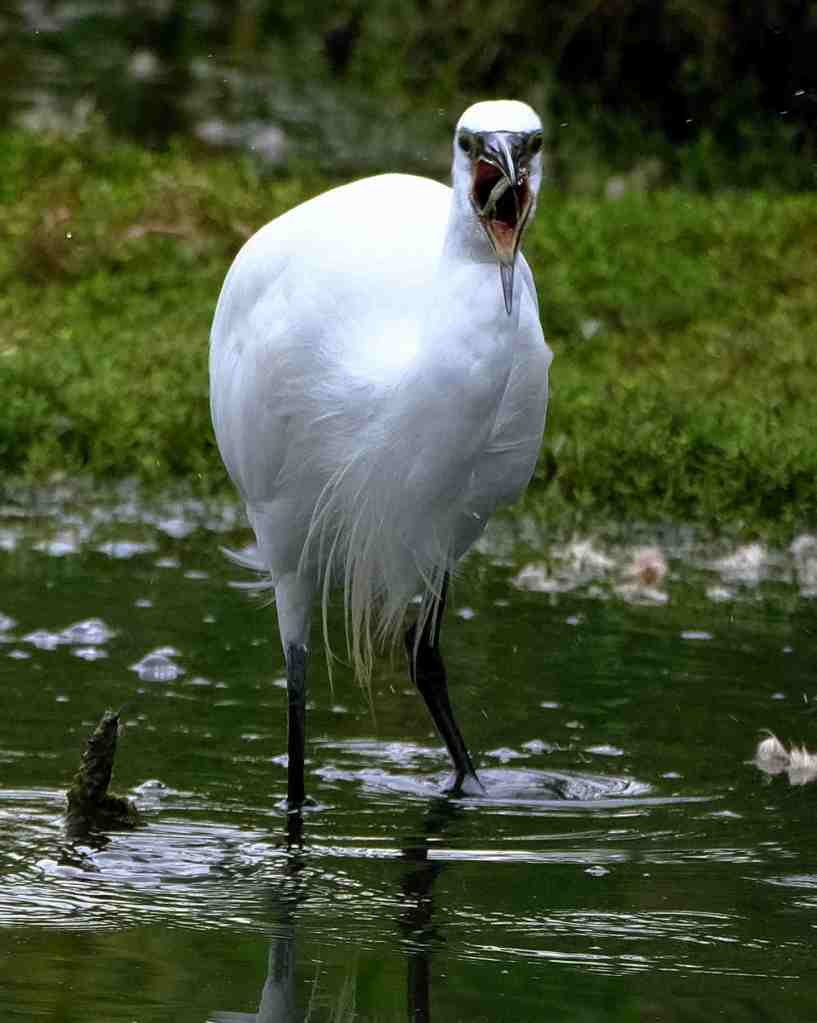
After my post last week of a Great White Egret. Todays post is a Little Egret.
UK breeding:1,100+ pairs
UK wintering:11,500 birds

A walk from Cadnams Pool uphill to Fritham Plain and Hiscock Hill in the New Forest.
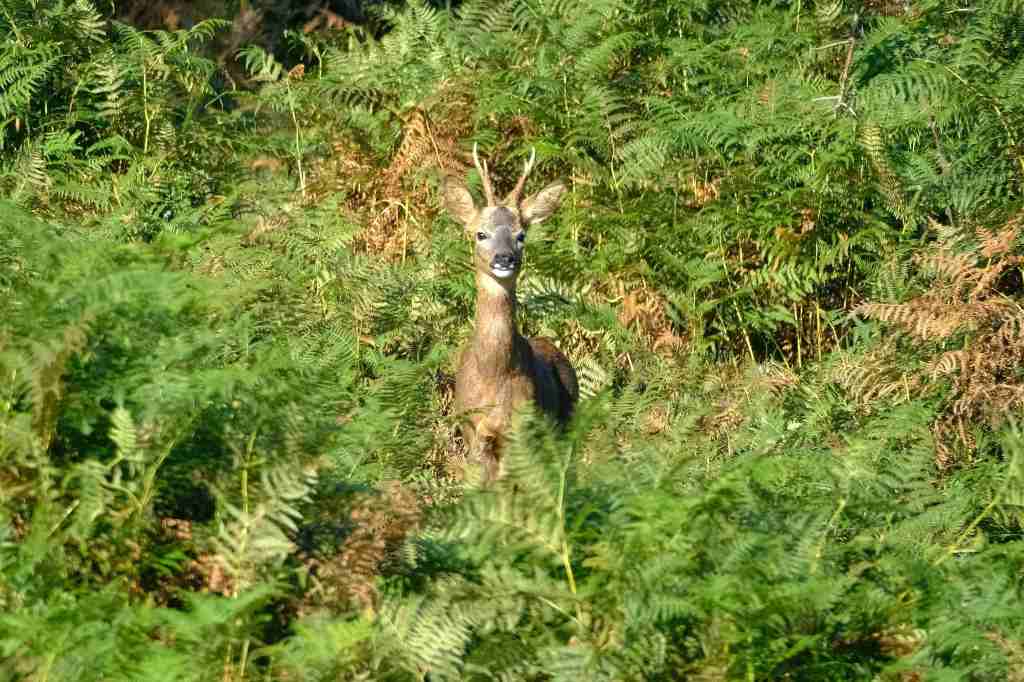
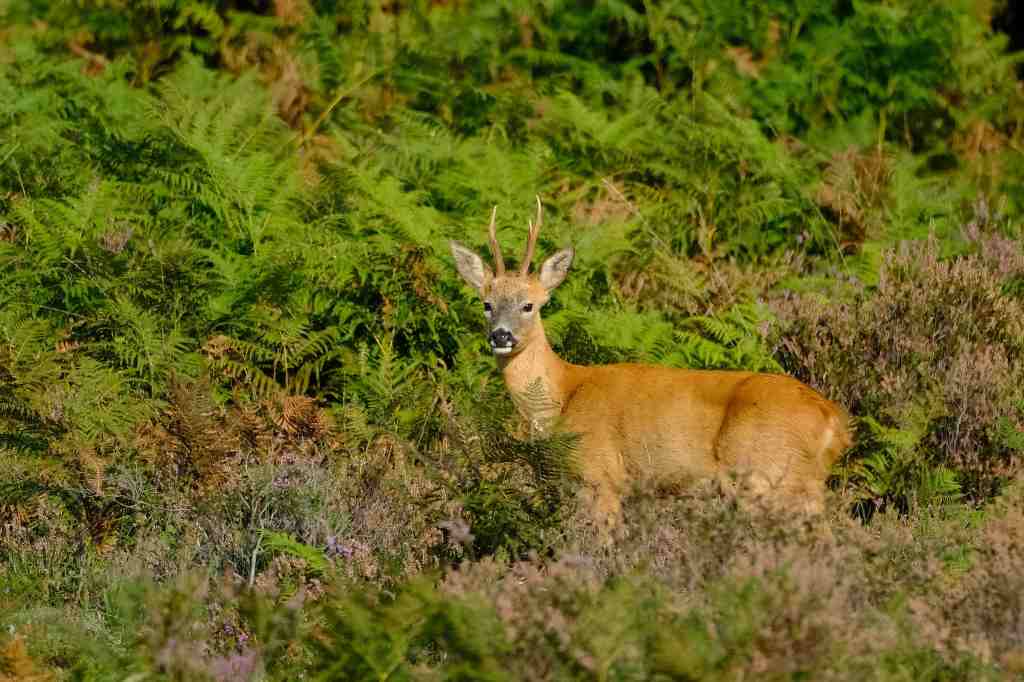
Most of the deer I spot have spotted me before I have spotted them! A good-looking Roebuck in the Bracken.

Further up the hill, we came across a Fallow Buck who was looking in really good condition and would be a formidable animal in the coming rut.


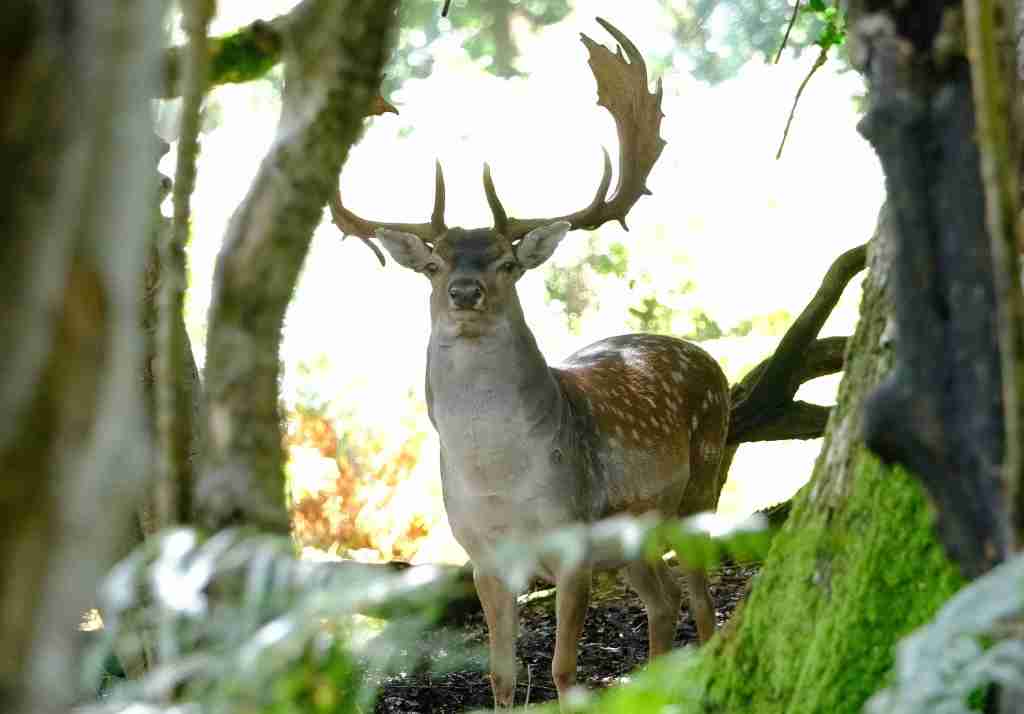
The Roe deer is a native deer to the UK where the larger Fallow deer was introduced by the Romans and then reintroduced in the 11th century, they were kept in parks as their populations increased they became an important source of venison on aristocratic tables. By the 15th century, many parks fell into disrepair and these medieval escapee deer are the foundation of the wild population in Britain today.
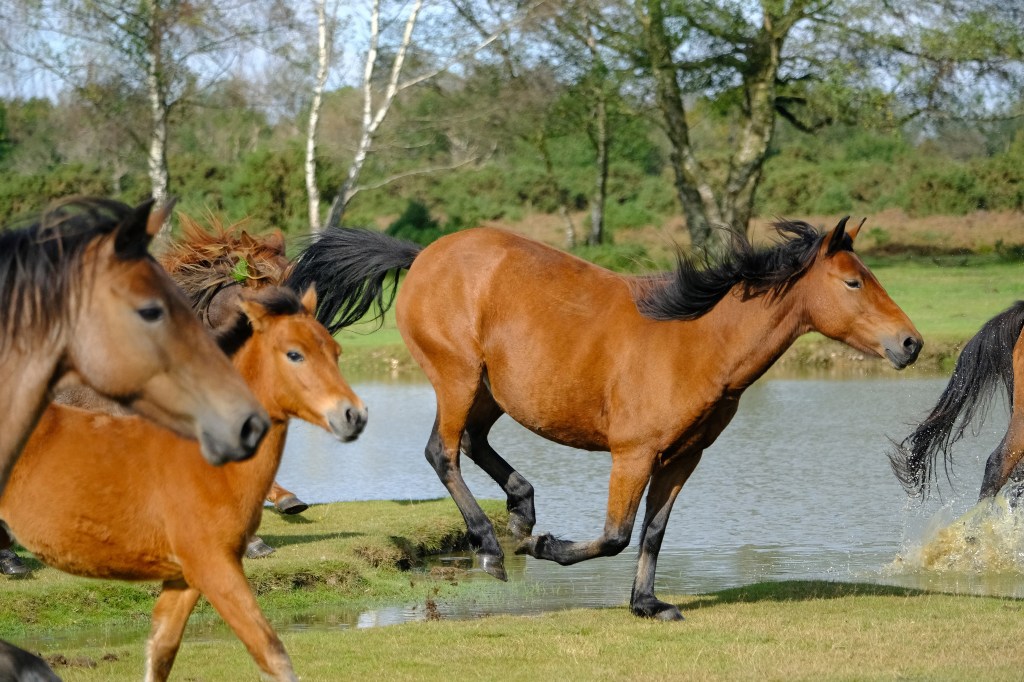
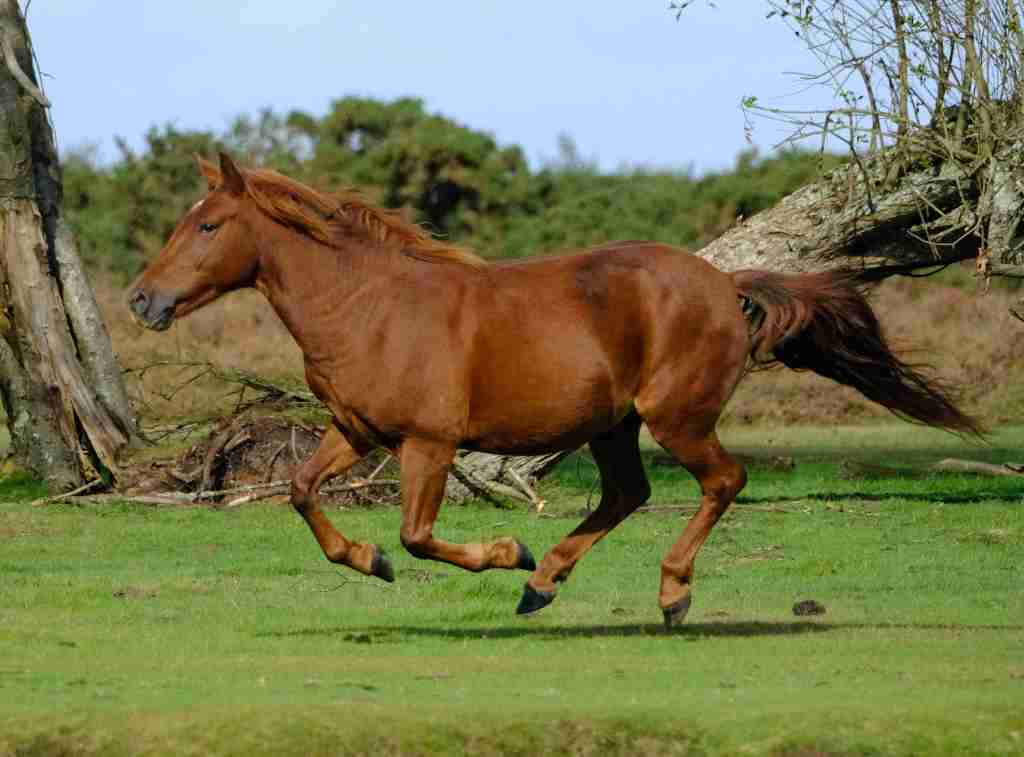
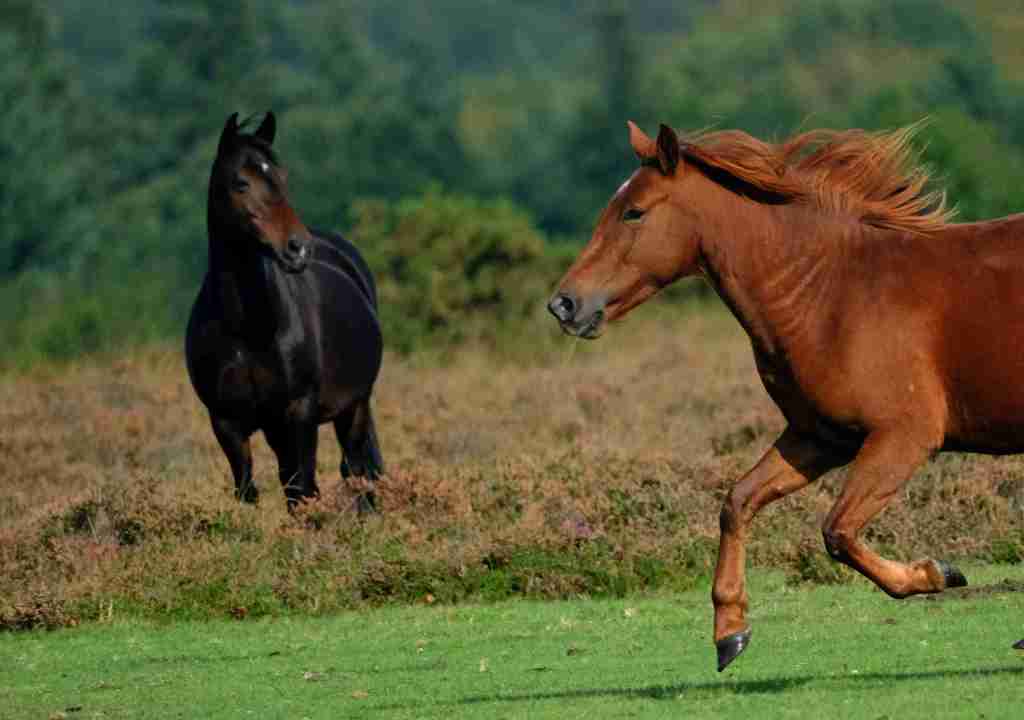
Passing New Forest Ponies. When a large herd gallop towards you at full speed and you are on an open plain there are not many places to hide.
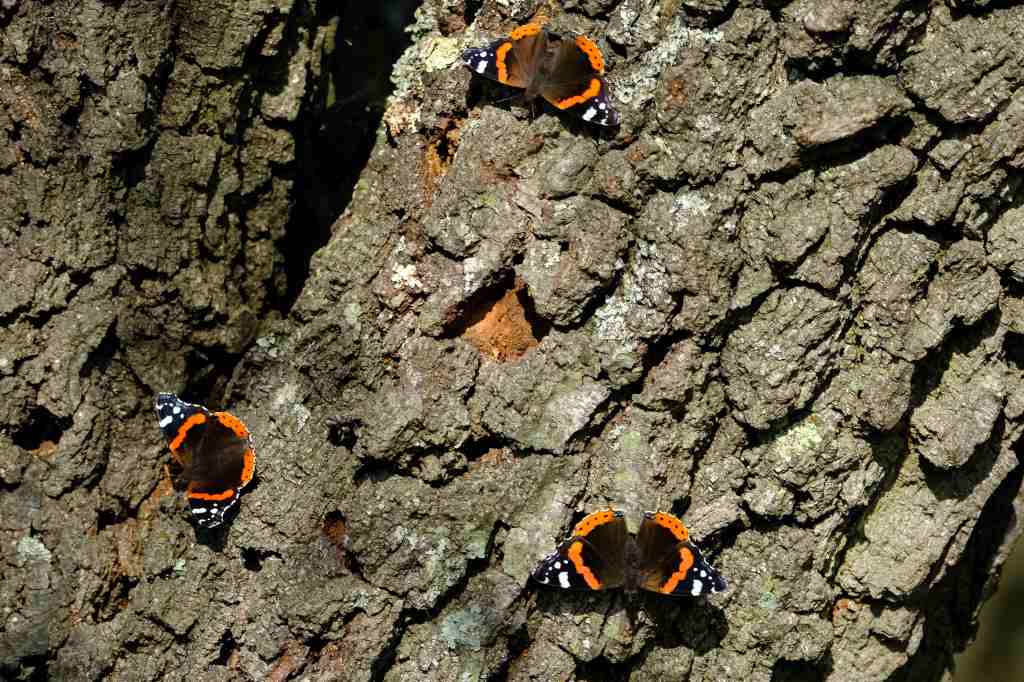
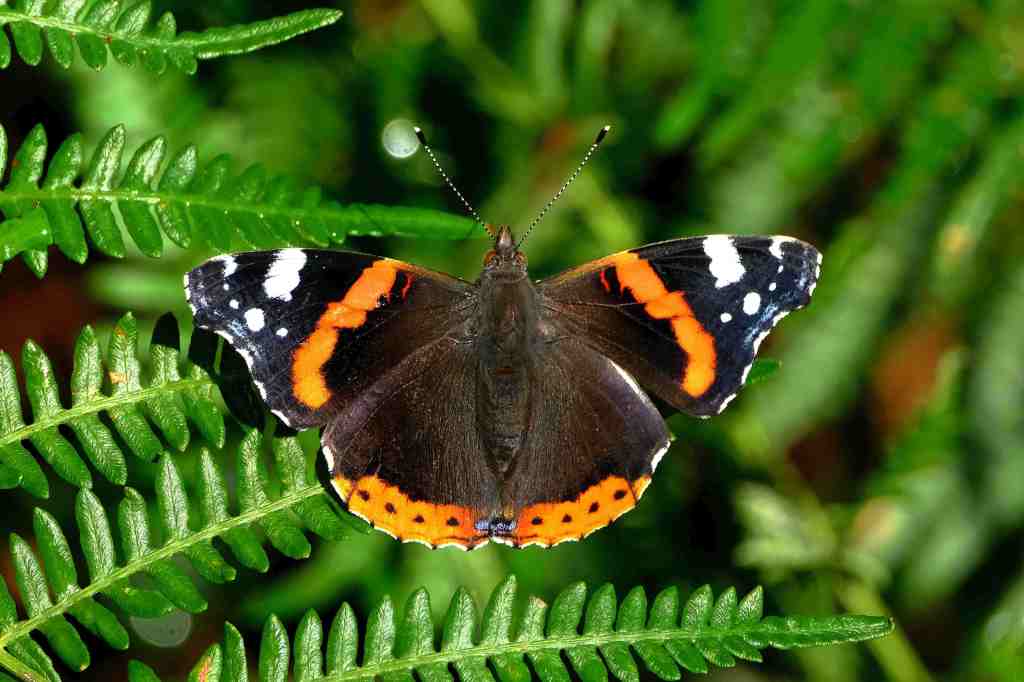
Red Admirals enjoying the late summer sun. They were first described by Carl Linnaeus in his 1758 book. They were then known as the Red Admirable.

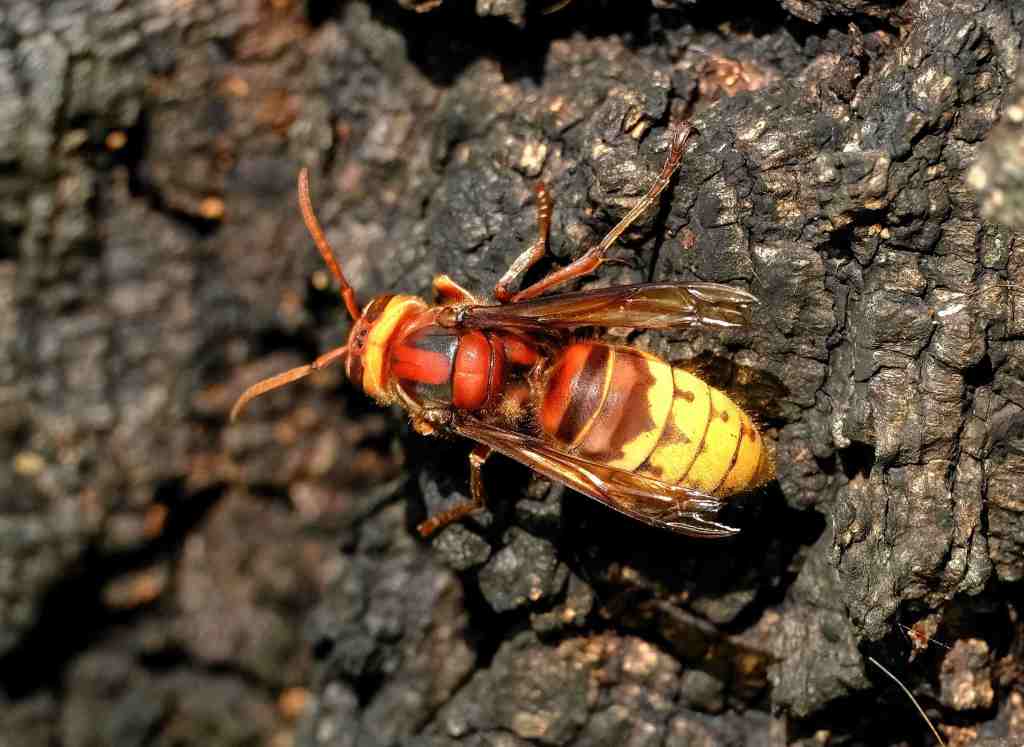
A good number of European Hornets were on a Silver Birch tree taking sap.

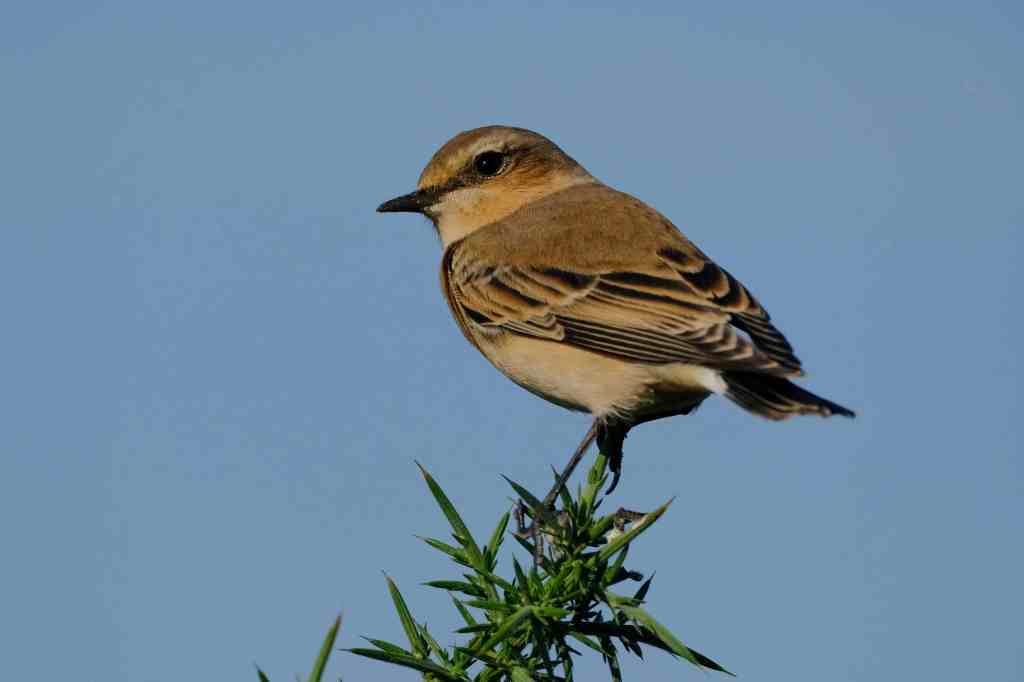
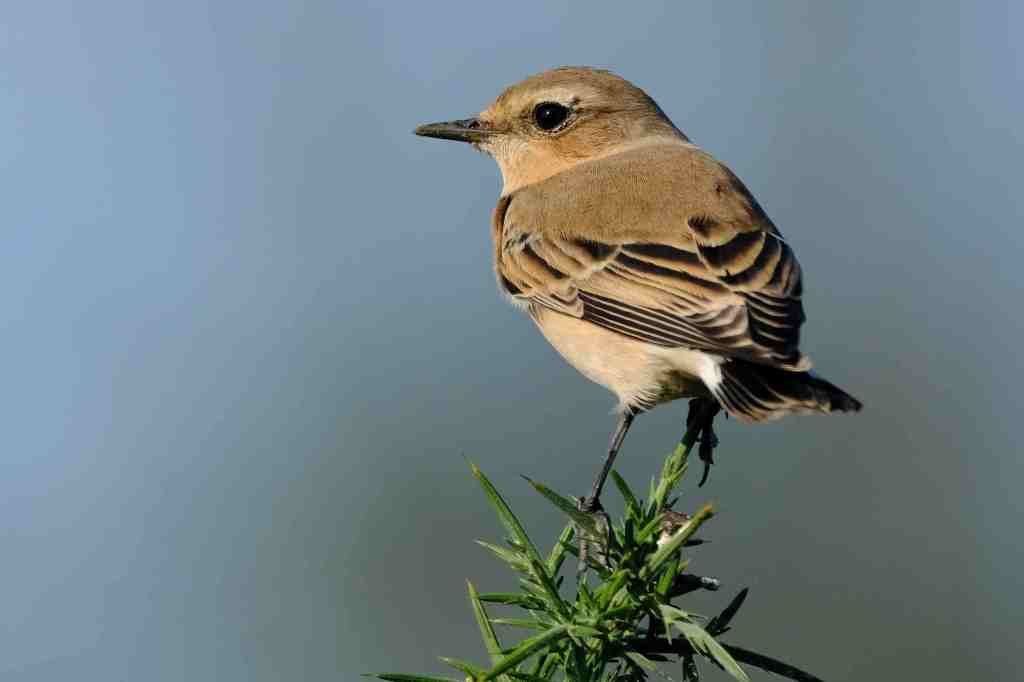
A Wheatear this female bird was probably a juvenile as it allowed a close approach.

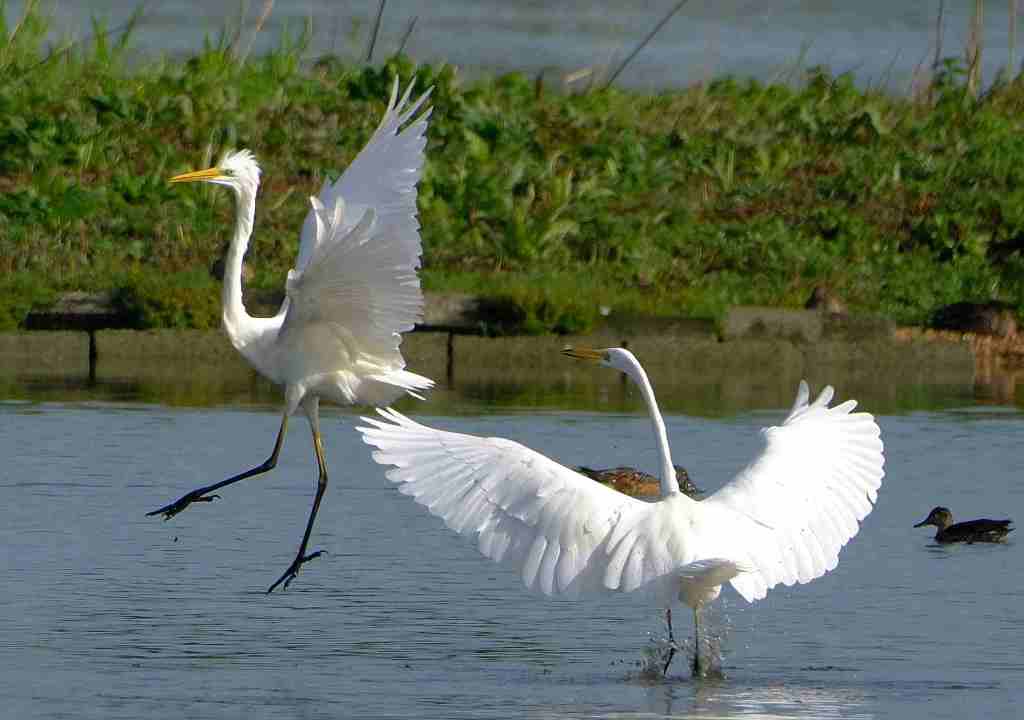
Some more Great White Egret pictures from this morning at Titchfield Haven National Nature Reserve 4 birds were spotted by one of the warden 1st thing – we spotted 3 individuals. There were also a number of Little Egrets and several Grey Herons. (you can see these in some of the pictures and YouTube film which gives size comparisons).

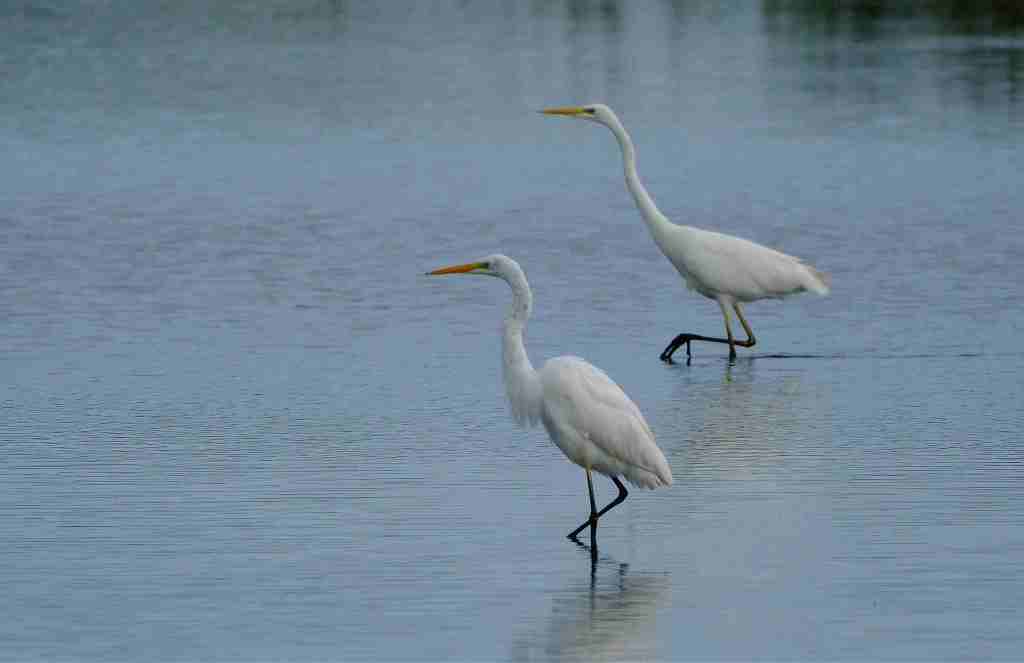
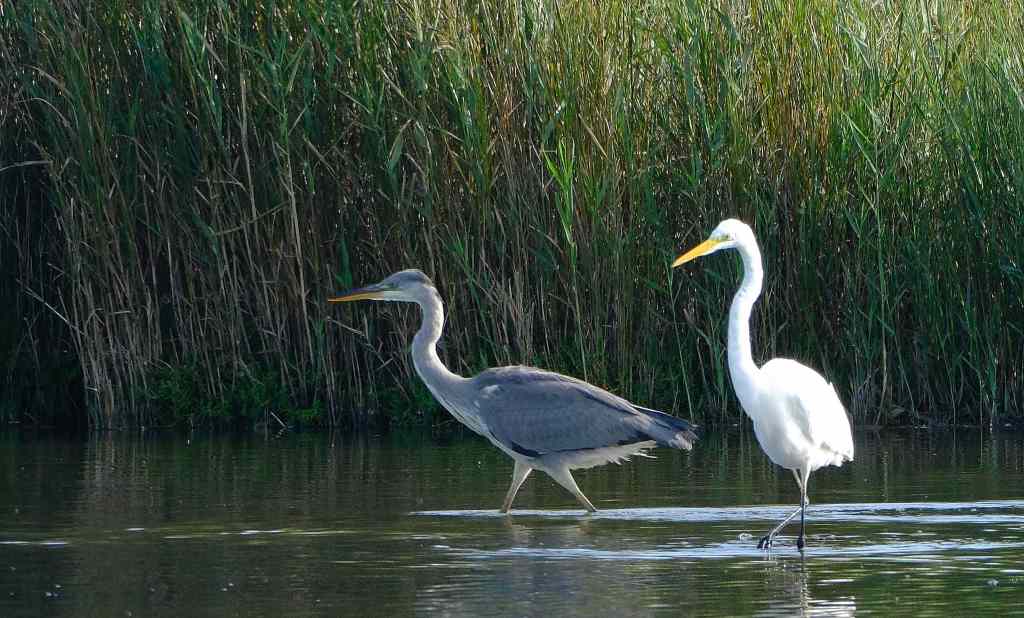
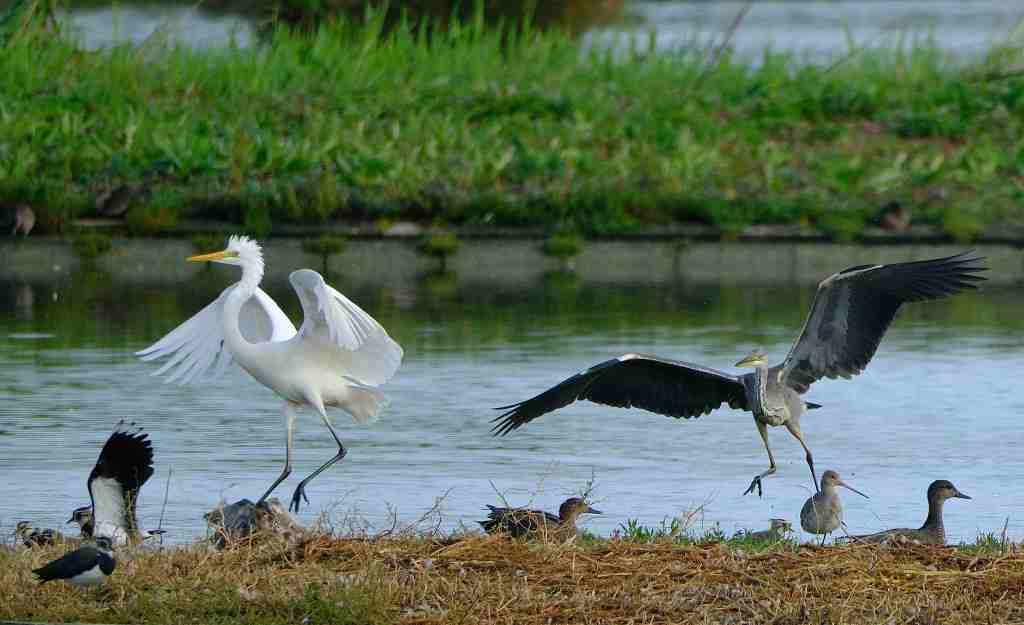


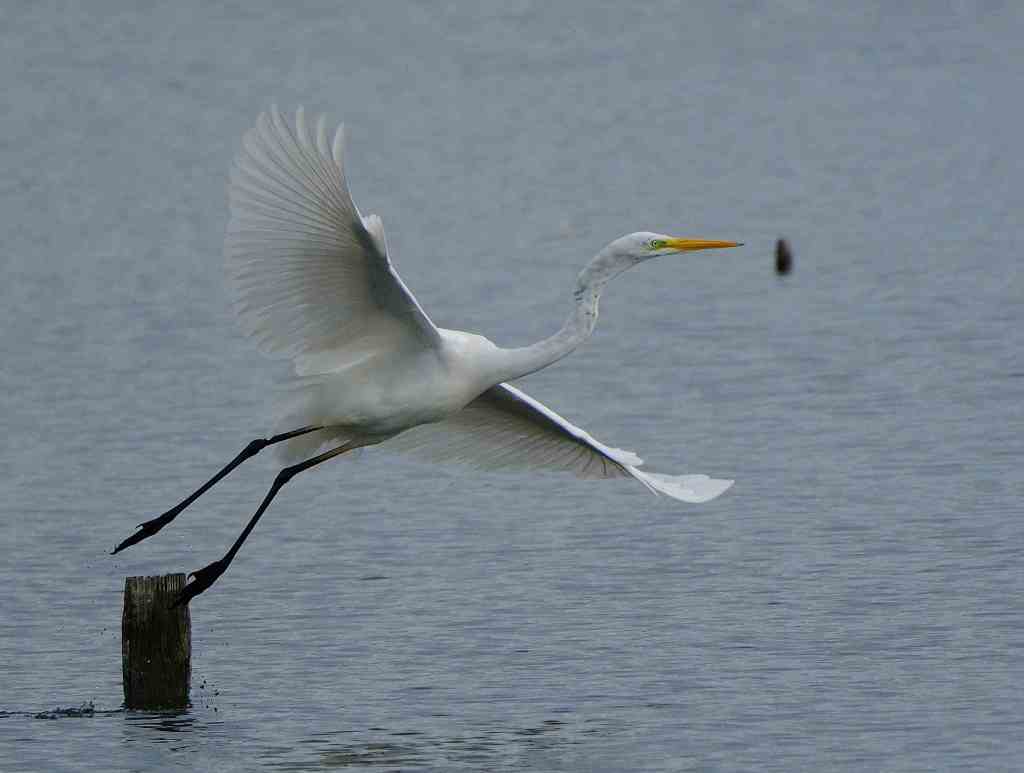

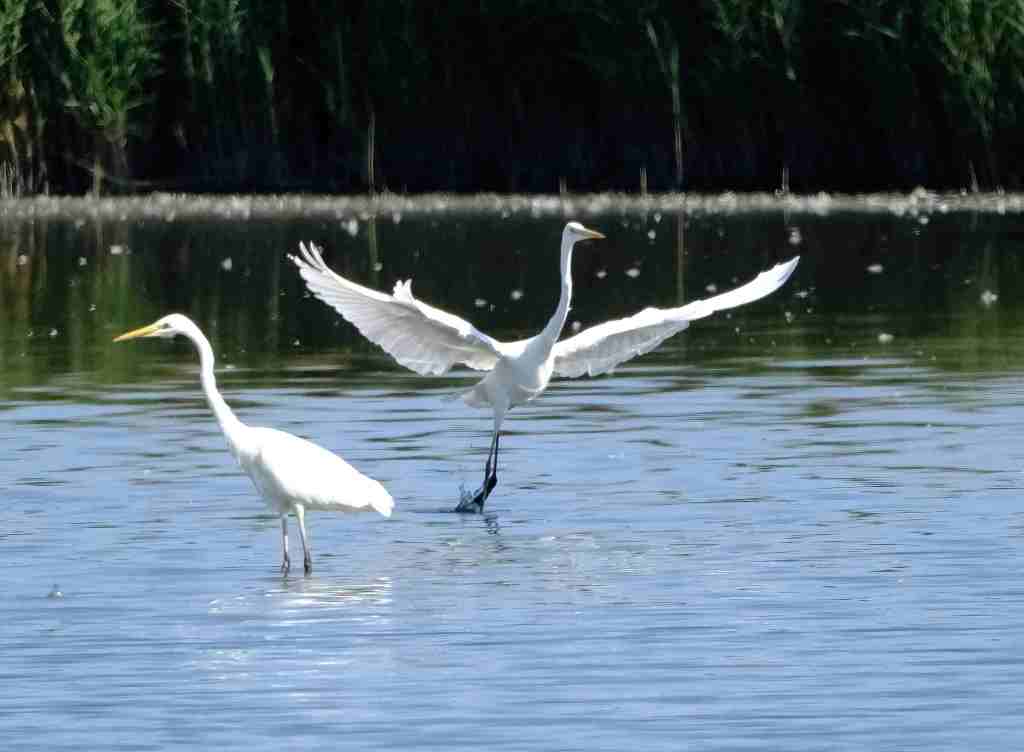
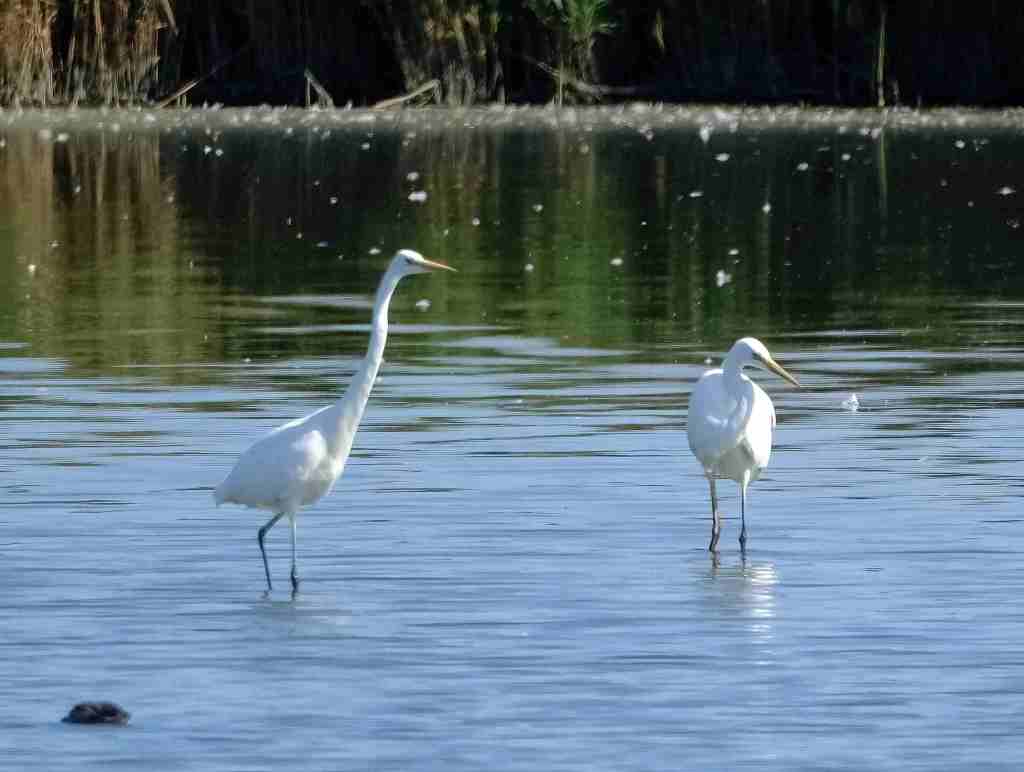
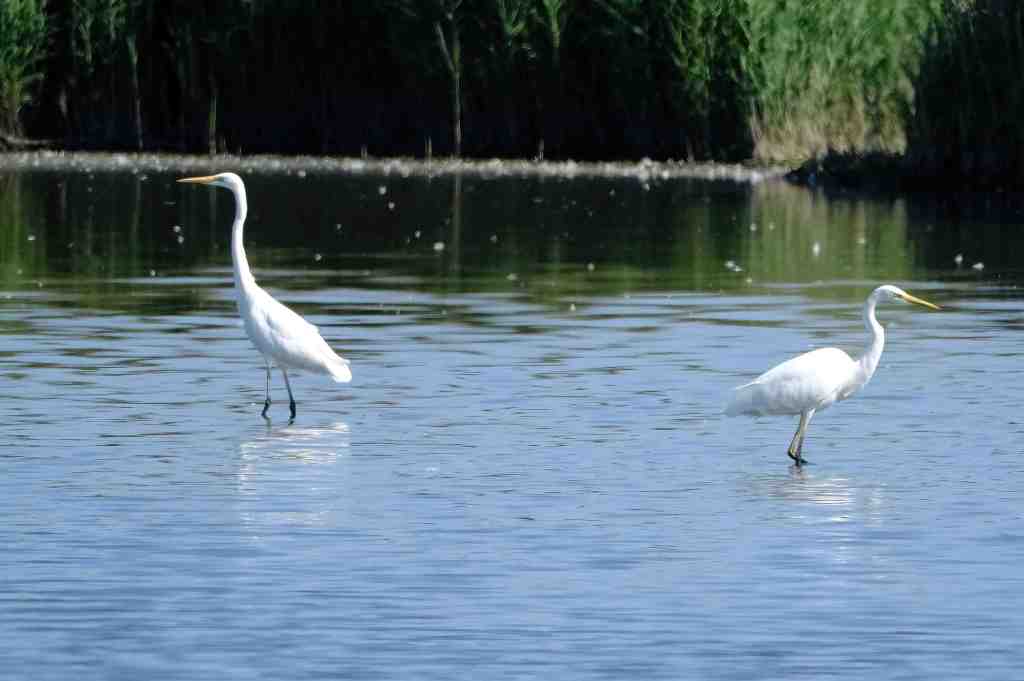
It was nice to see two Great White Egrets at Tichfield Haven on Thursday. Although they were on the far side of the reserve I was able to get some pictures, they are large birds about the same size as a Grey Heron.
UK breeding:8-12 pairs
UK wintering:72 birds


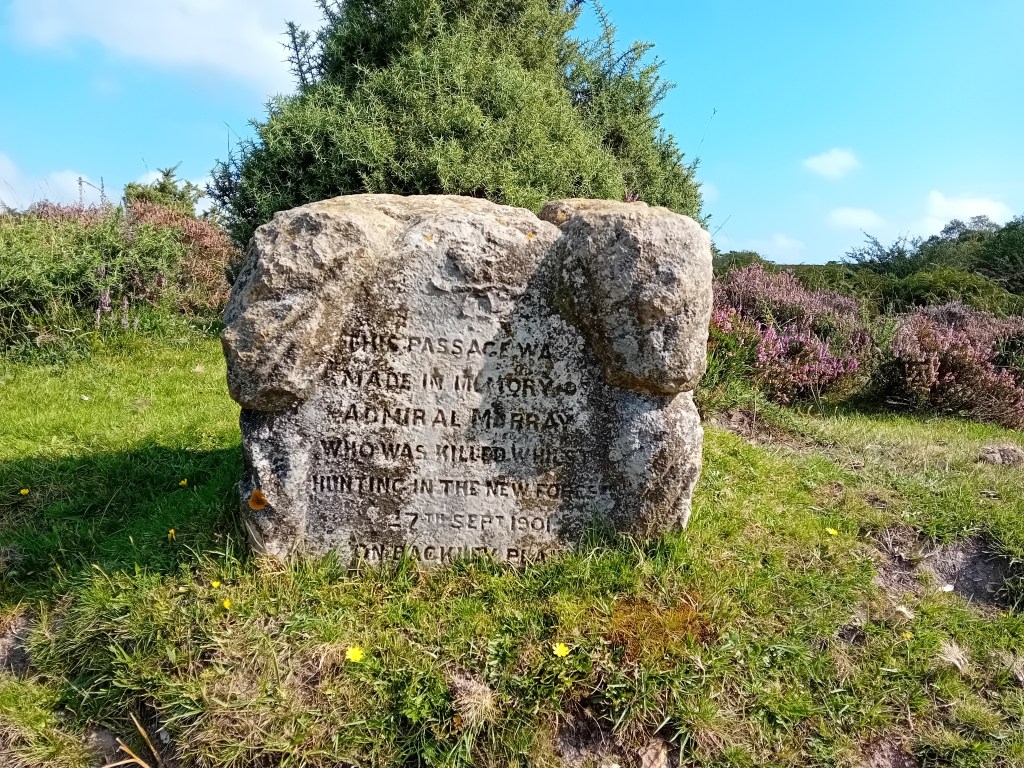
Murray’s passage in the New Forest is a safe crossing across a boggy valley of Backley Plain – It is named after Admiral Murray who, in 1901, was killed whilst out hunting on 17th September 1901. The construction of the passage was paid for by monies donated to his memory. It is commemorated on a nearby engraved stone.
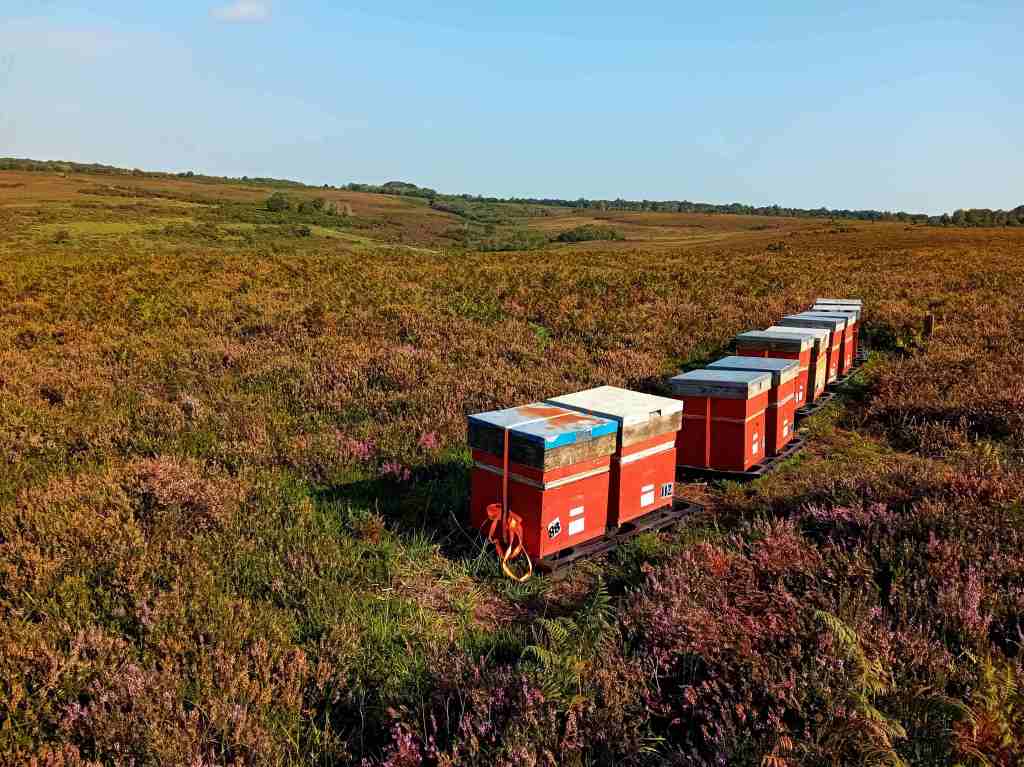
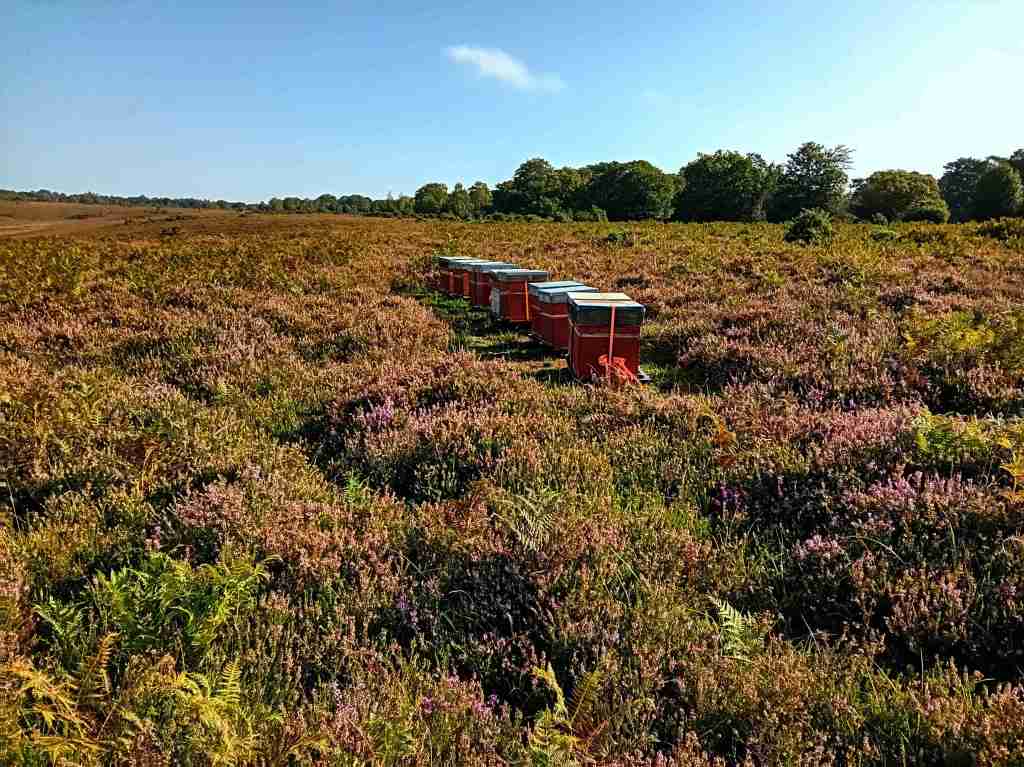
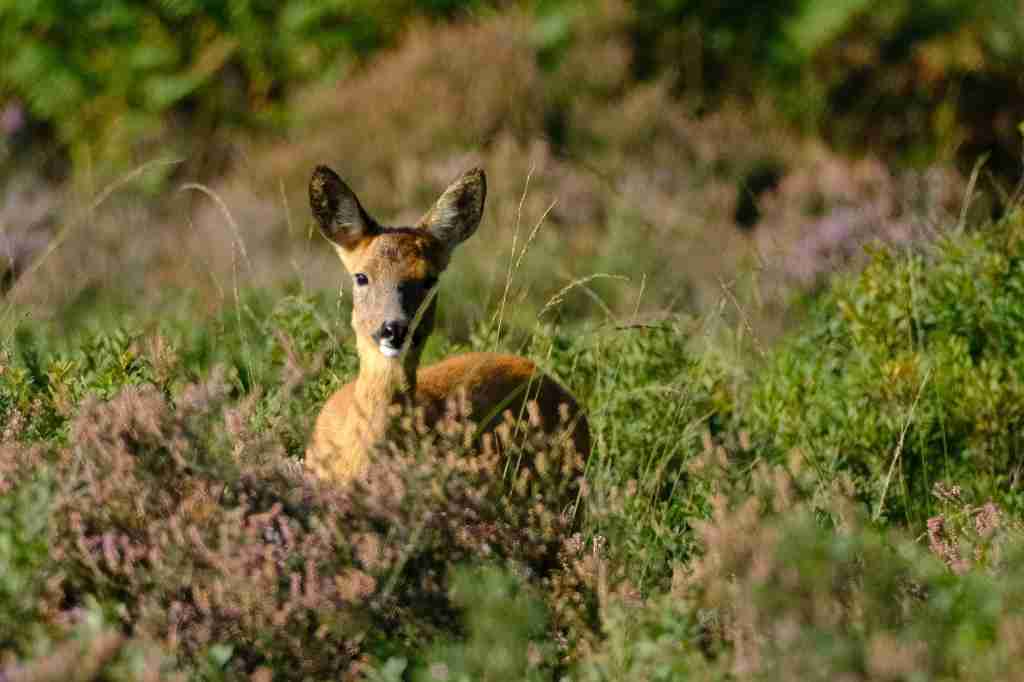
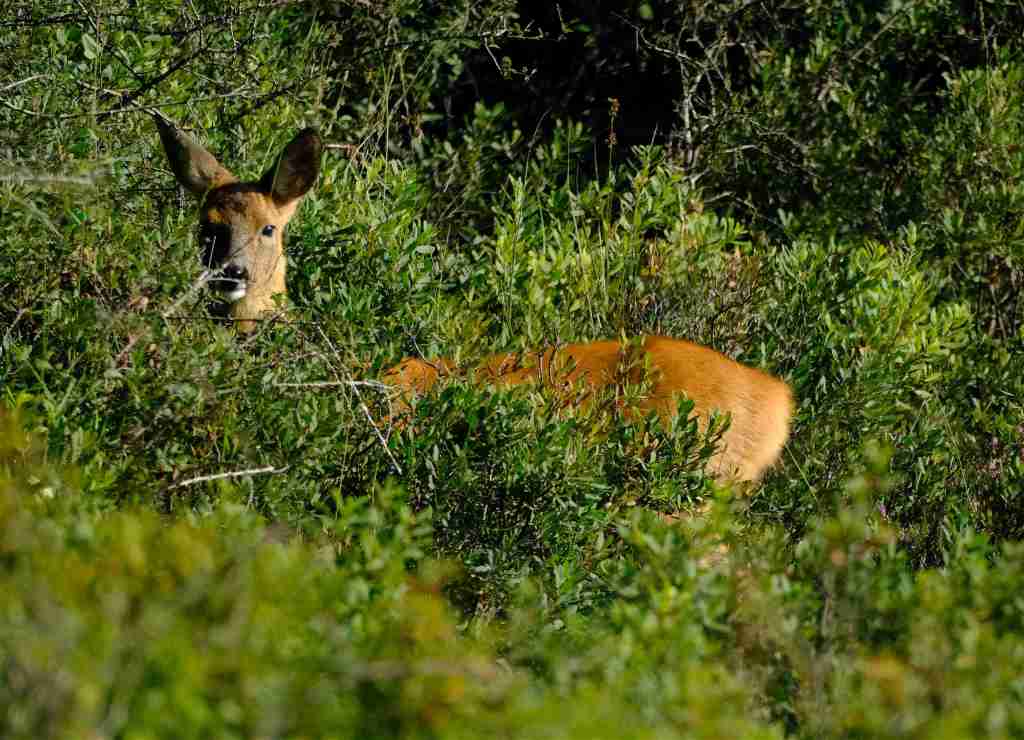
Roe Deer and Beekeeping on Backley Plain.
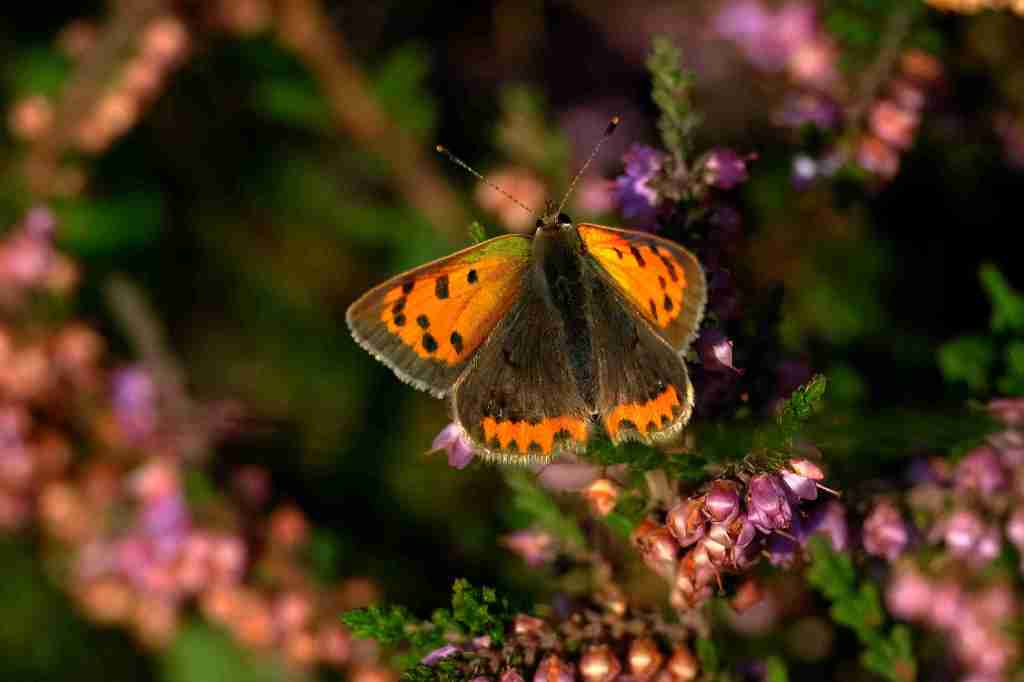
Small Copper Butterfly.
The “hovercraft” is a word and an invention that Christopher Cockerell patented in 1954 after working for Marconi, where he helped with work on early radar. Aware of the Normandy landings on D-Day he thought about how to get troops ashore and up a beach he came up with the “hovercraft”. By 1955, he had a working prototype and pursued a patent for his creation, he obtained a patent in 1956.
In that year, he demonstrated his prototype craft, which used air blown out of the bottom of the craft under pressure, to British authorities and showed that it was possible to enable such a vehicle to glide easily over water and land, even mud and marshes.
Saunders-Roe here on the Solent on The Isle of Wight built the SR-N1 which was launched on June 11, 1959, and later that year crossed the English Channel from Dover, England to Calais, France. Although only used for one public service from Portsmouth and Isle of Wight now in the UK they are a regular sight on The Solent.
A visit to our local Hovercraft Museum last year in my post below.
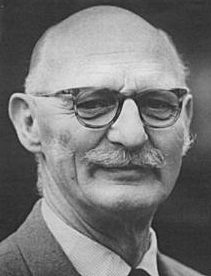
Sir Christopher Cockerell lived from the 1960 in village of Hythe on Southampton Water. I met him in 1980’s . A Blue Plaque to commemorate Sir Christopher Cockerell and the Grove building, the home of hovercraft development way put up in Hythe in 2022.
Hovercraft filmed on the Solent yesterday.



#WordlessWednesday
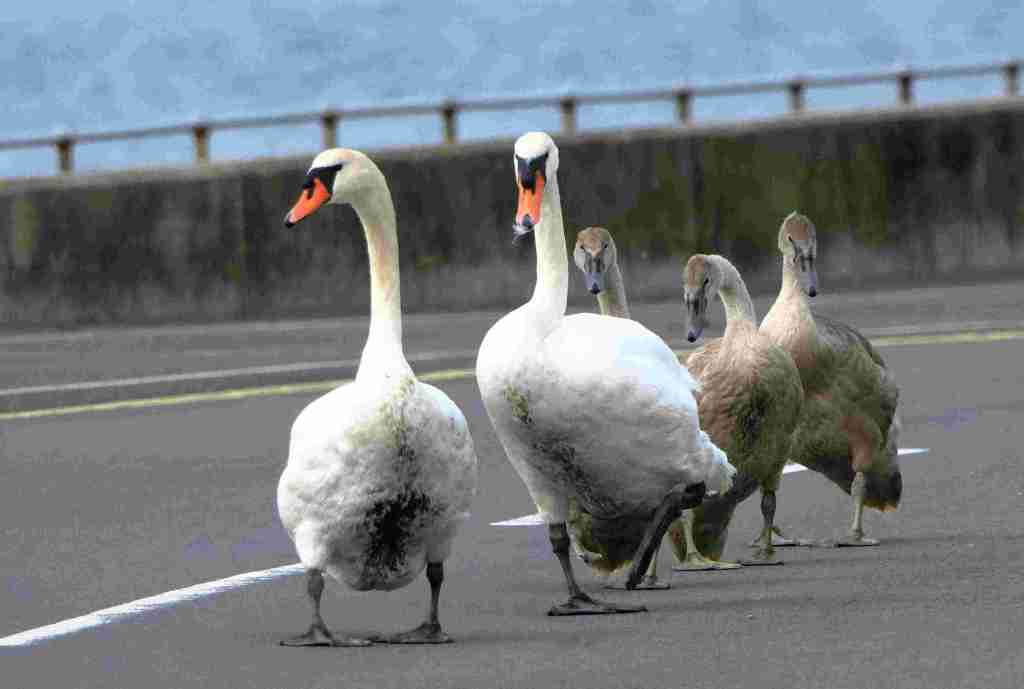
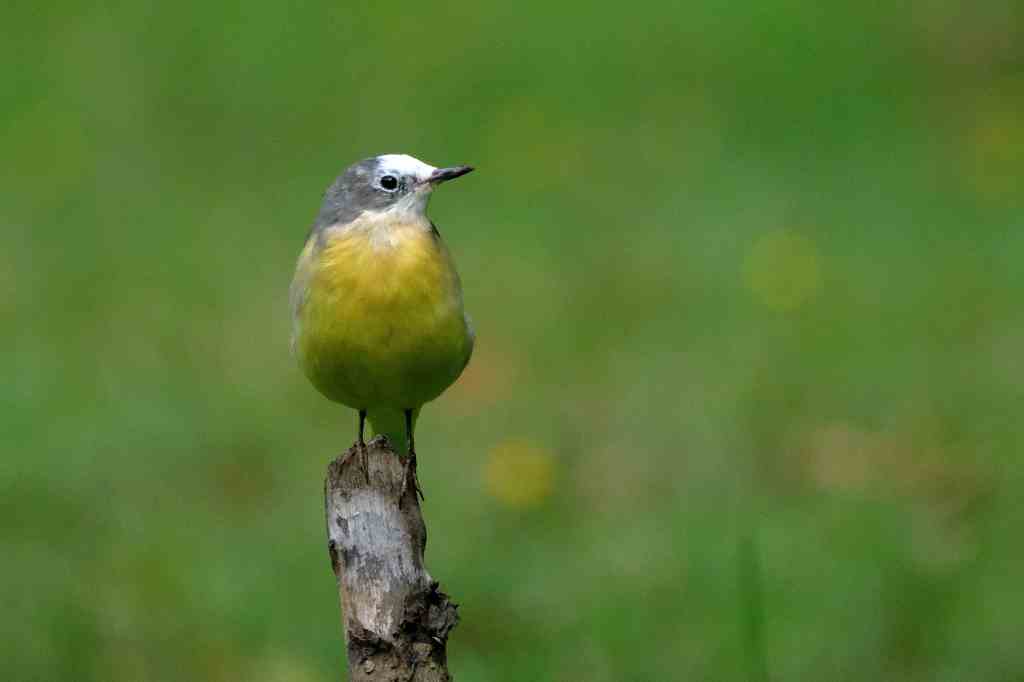
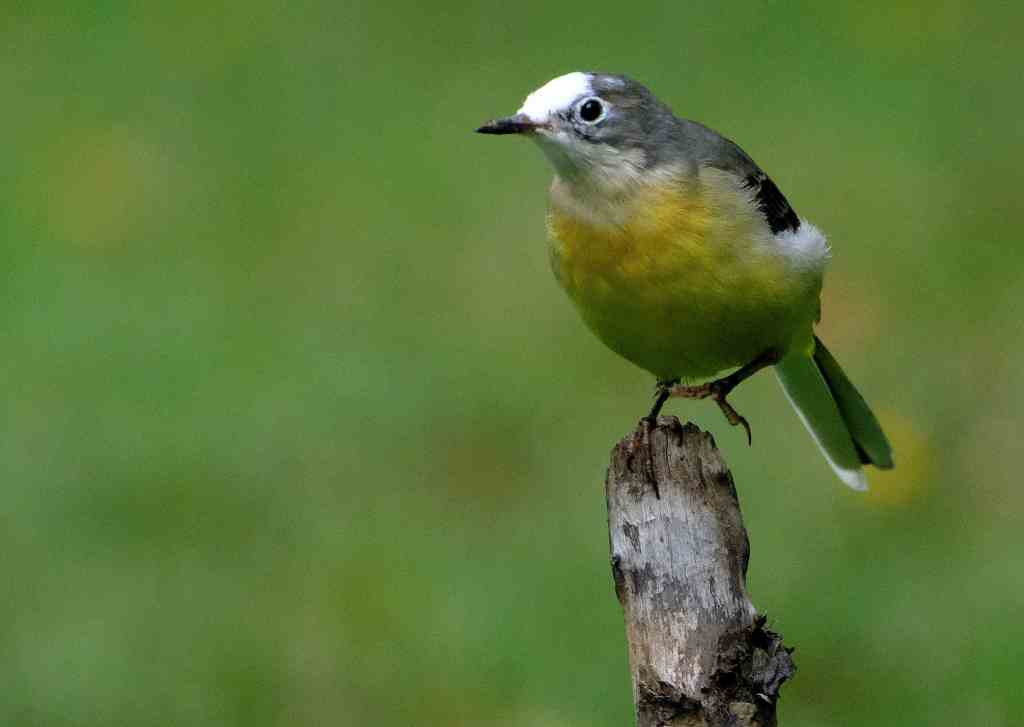
Leucistic birds have affected plumage which lacks the melanin pigment due to the cells responsible for melanin production being absent. This results in white feathers, unless the normal plumage colour also comprises carotenoids, these remain unaffected by the condition.
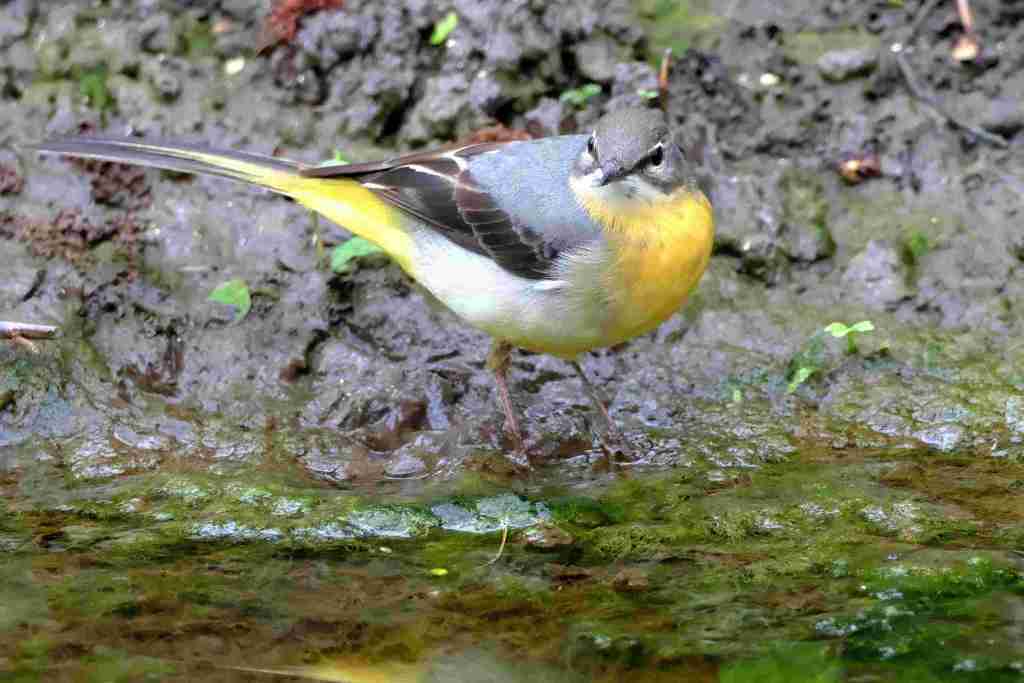
Below is a Grey Wagtail I photographed and posted earlier in the year.
Today in the New Forest we spotted A Grey Wagtail with a Leucistic head cap.
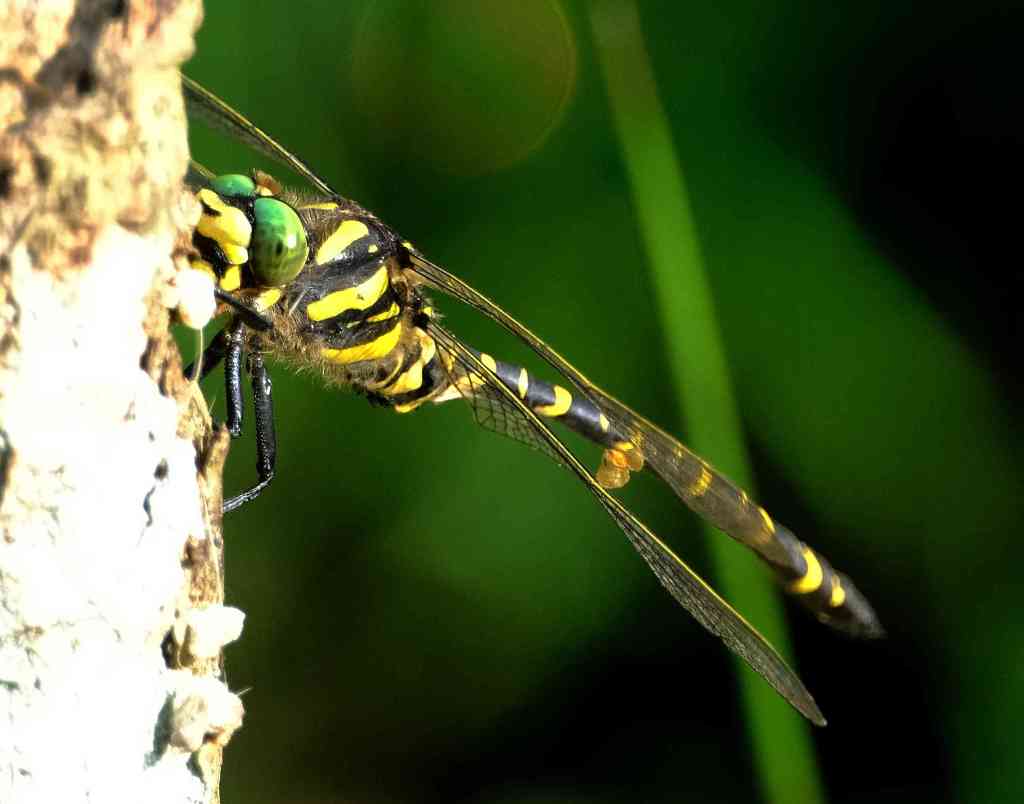
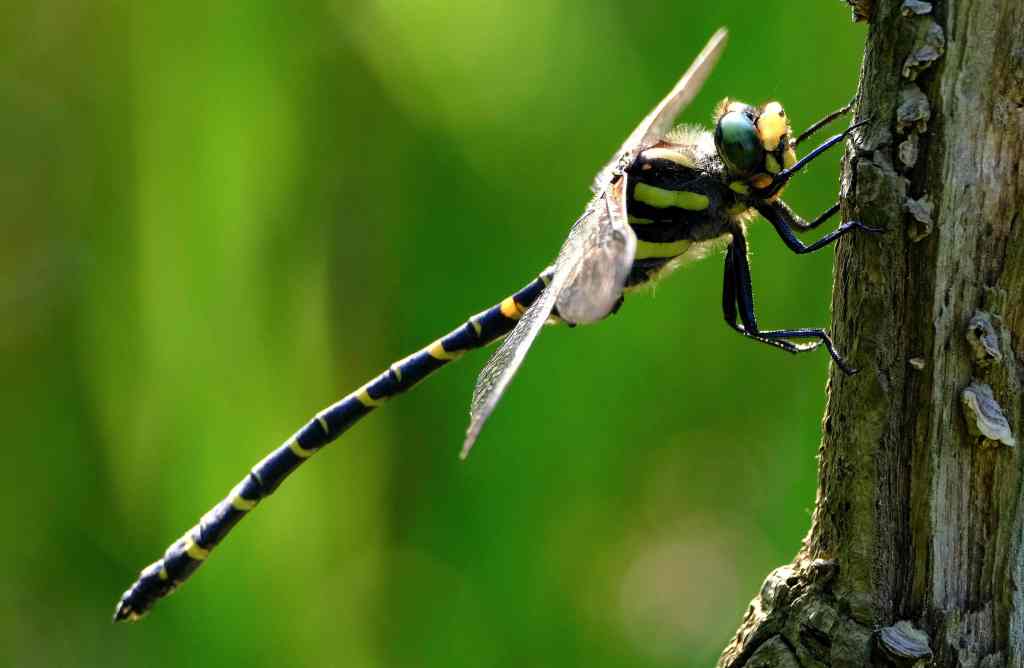
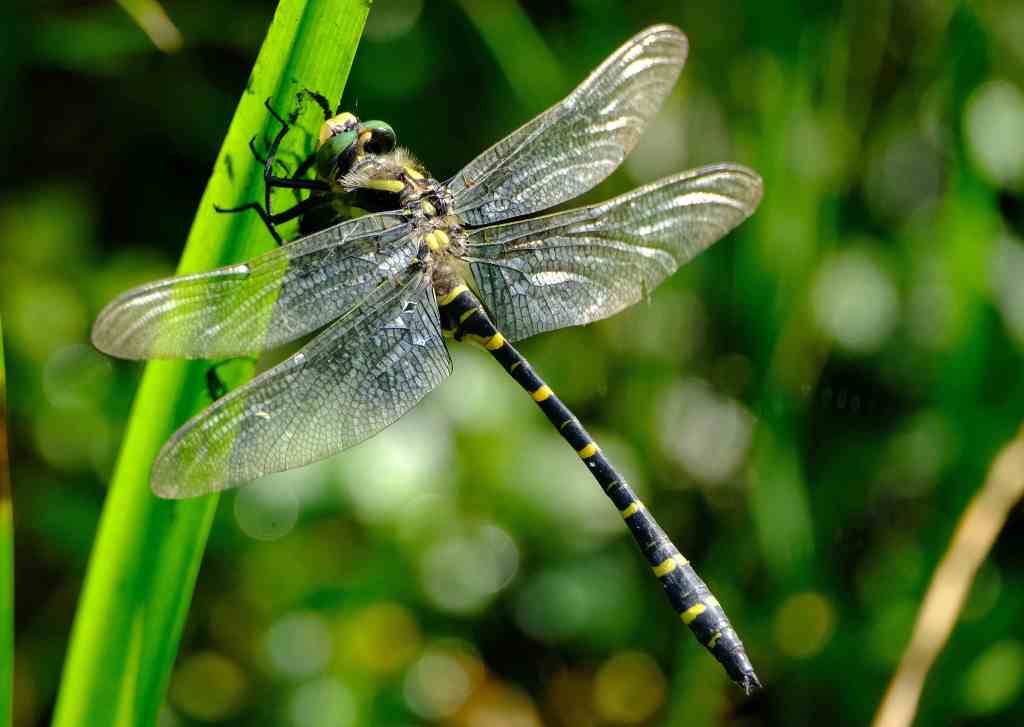
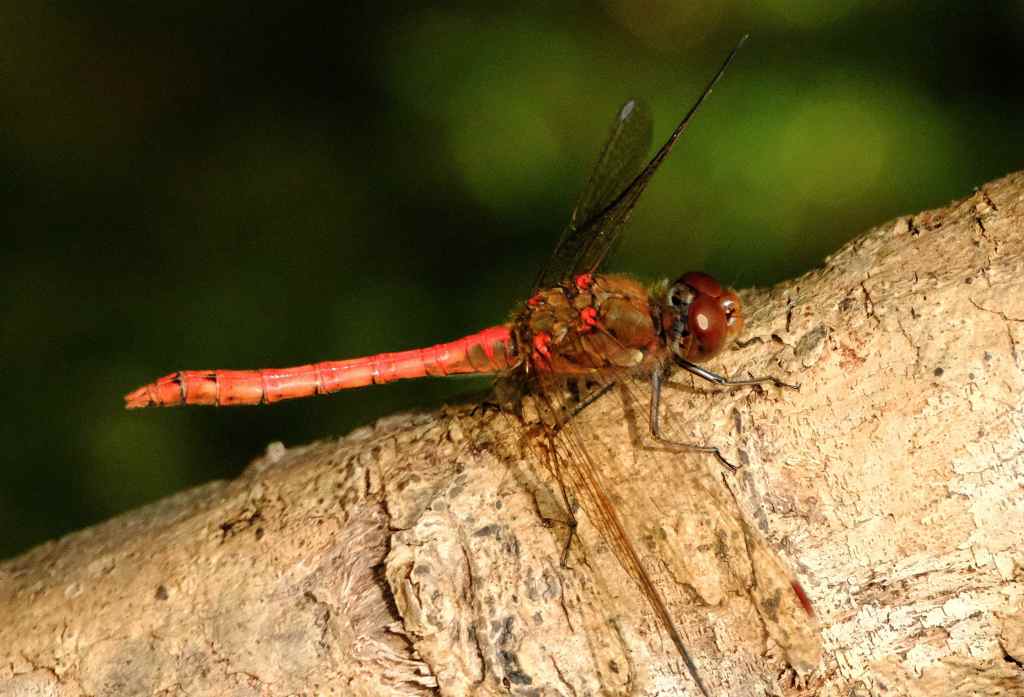
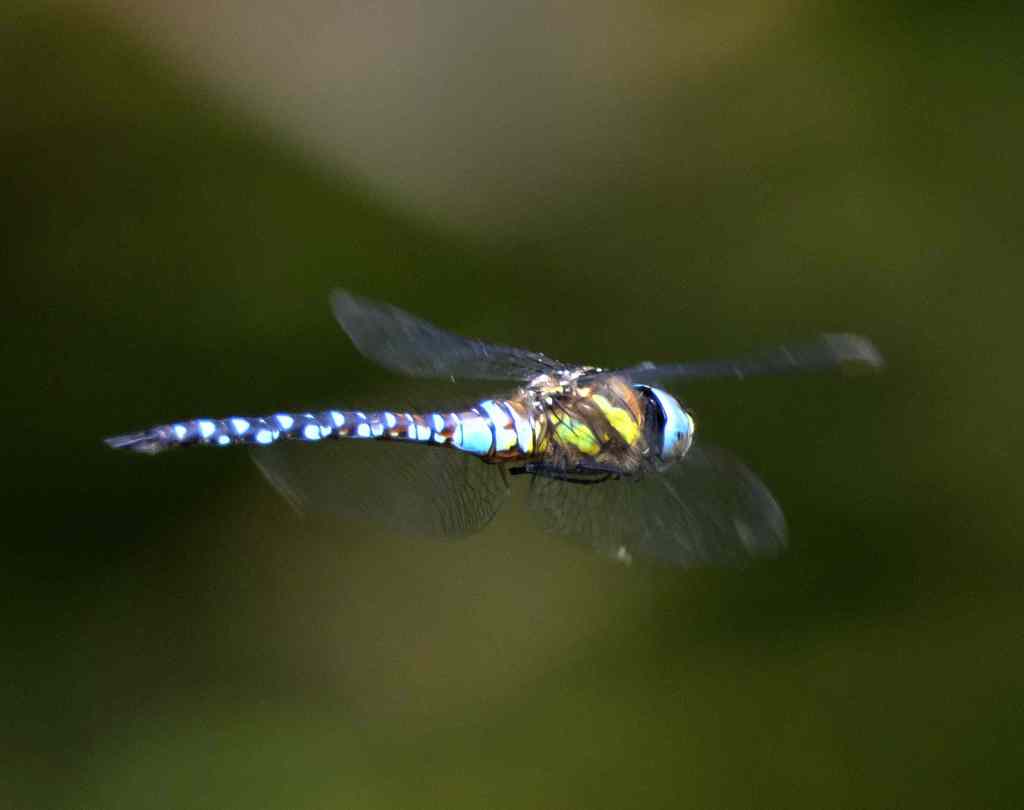
With the recent hot spell, Dragonflies have been abundant during the week.
Picture heavy post of some of the best – all spotted in Hampshire.





 Continued Reflections from my World.