11,11.
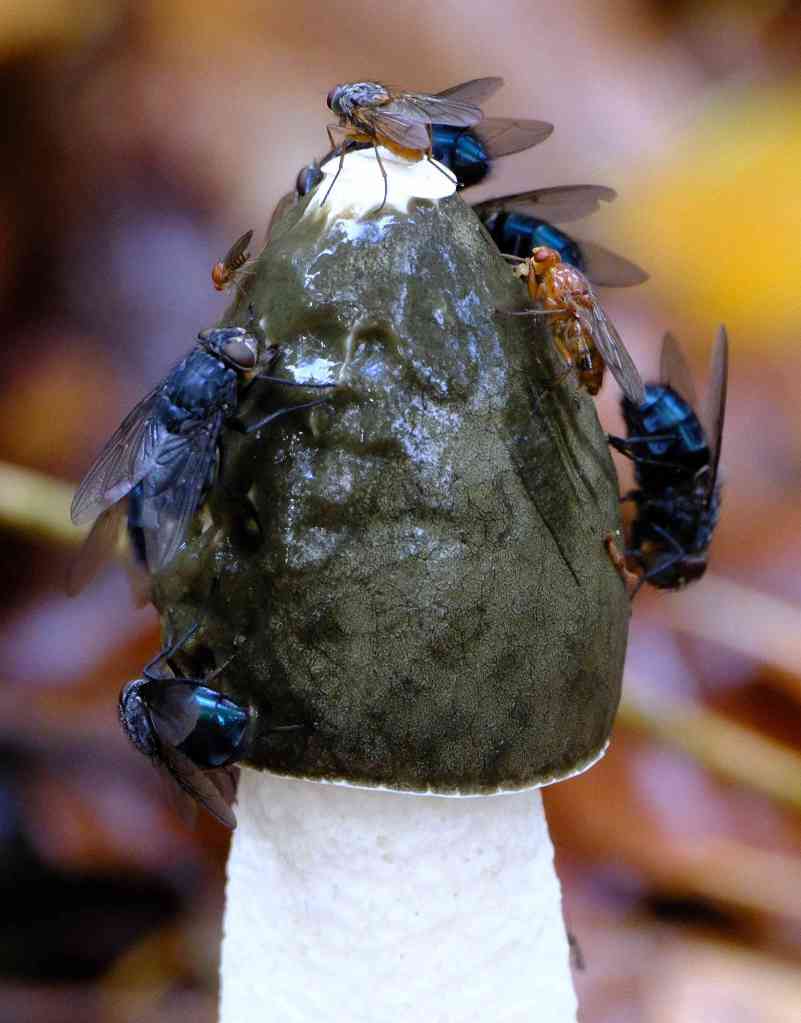
Common Stinkhorn.

The appearance of a stinkhorn is very distinctive: they have a phallic, white, stem structure, with a brown, bell-shaped head.
You smell it before you see it – when you smell it you just follow your nose. The unmistakable and strong stench has been likened to rotting flesh from a dead carcass. The spores of this fungus are contained within the slime that covers its cap. Flies are attracted to the offensive- smell, and sticking to their feet the spores are spread.



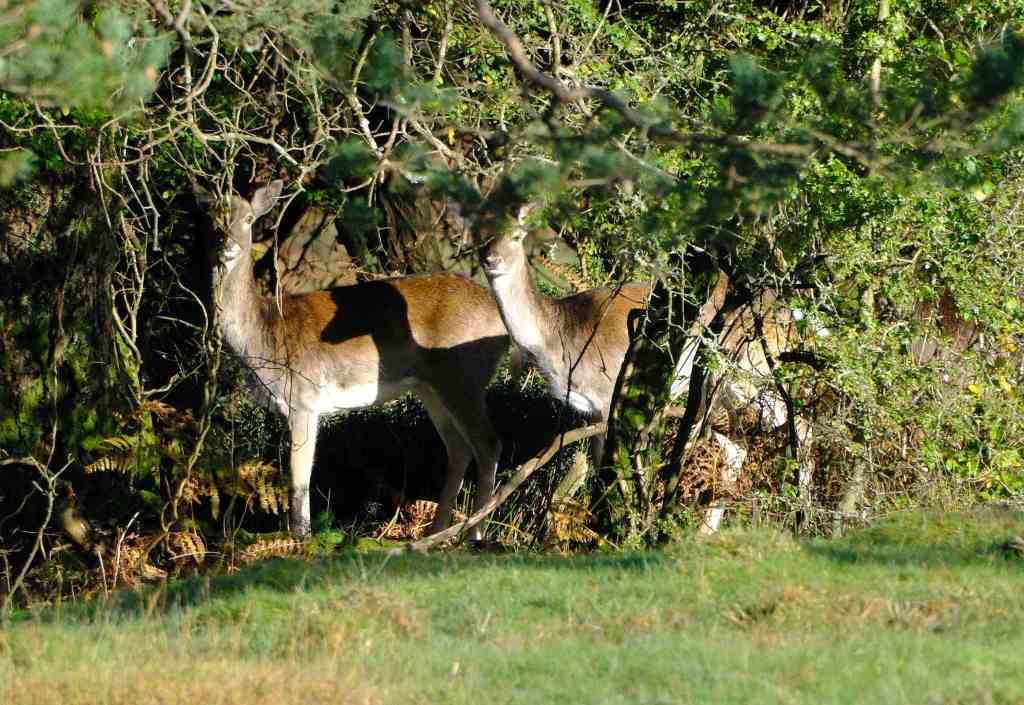
A Few Fallow Deer.


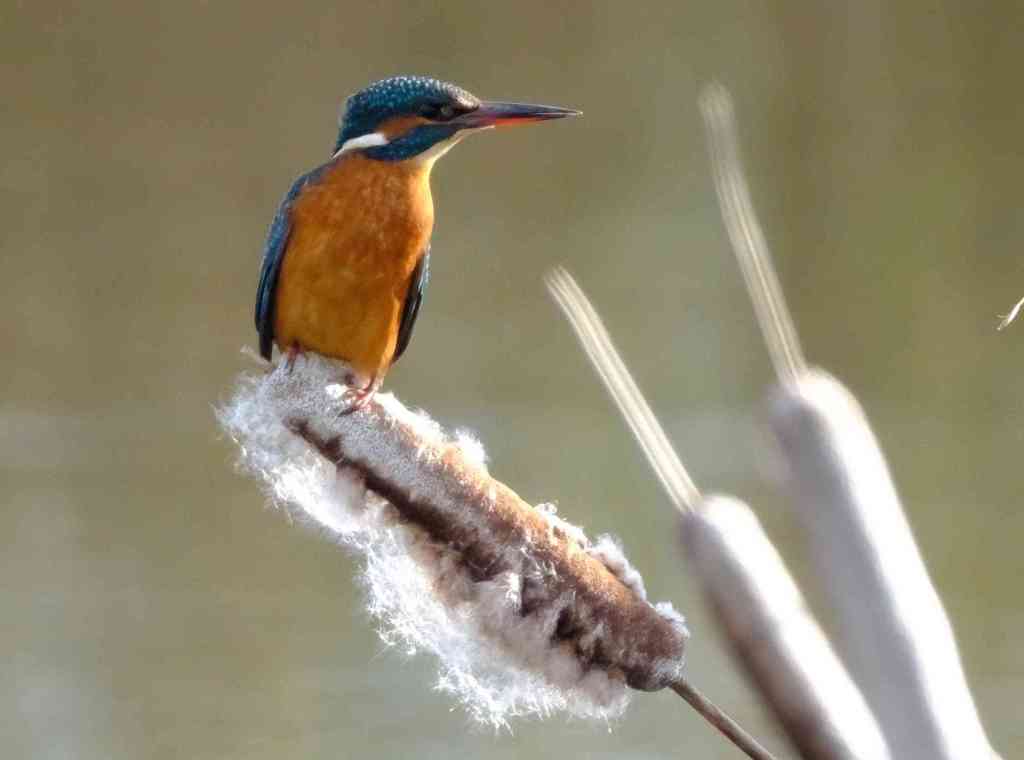
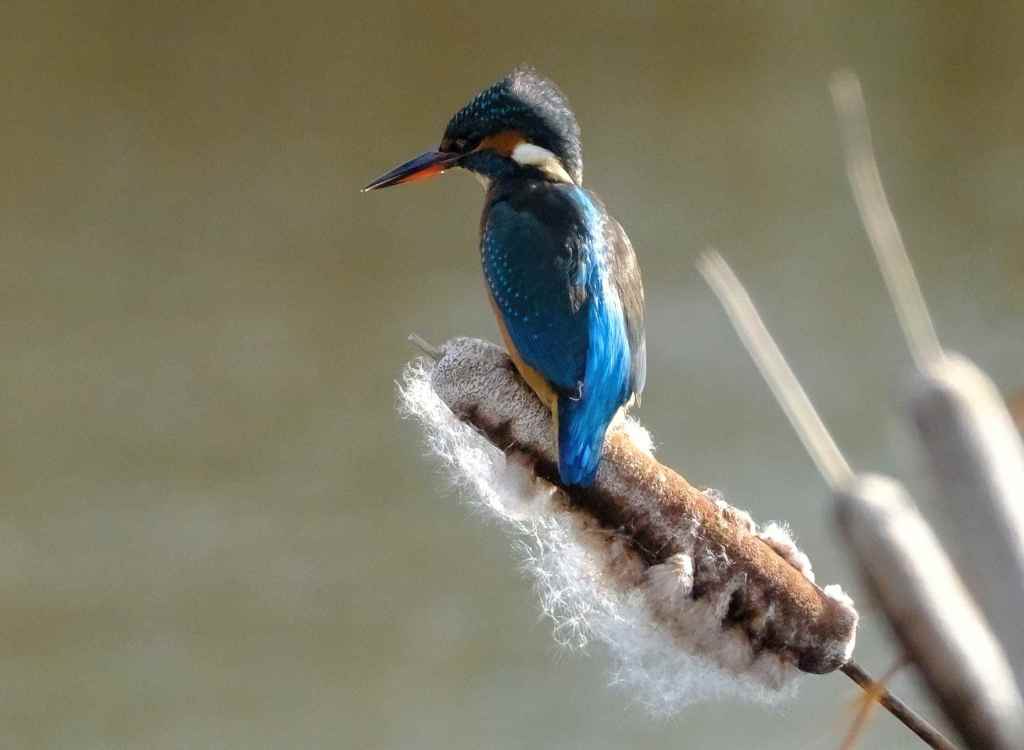
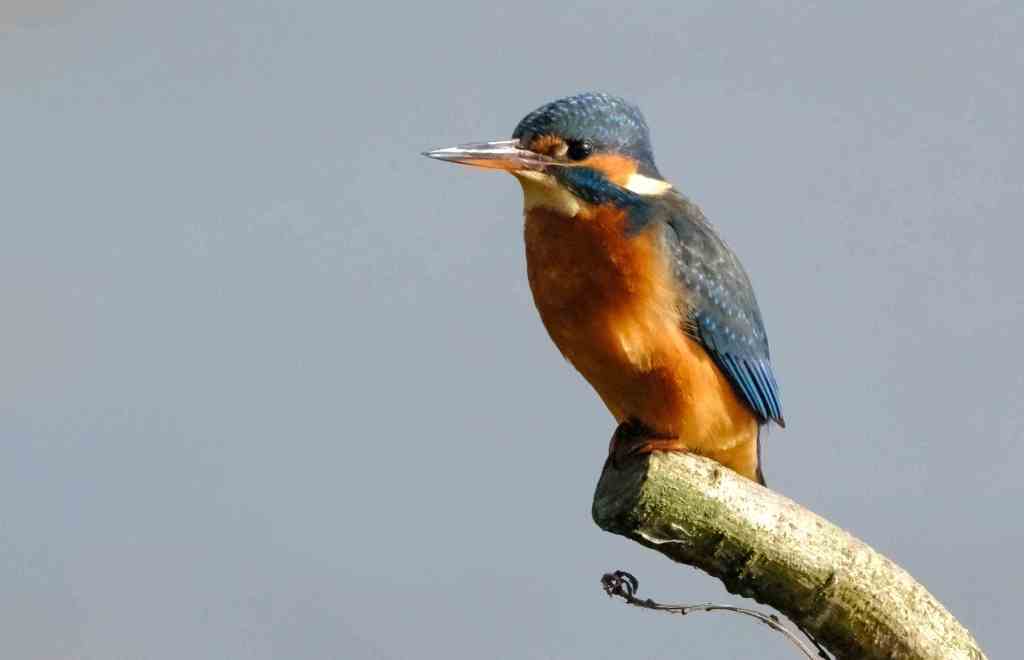
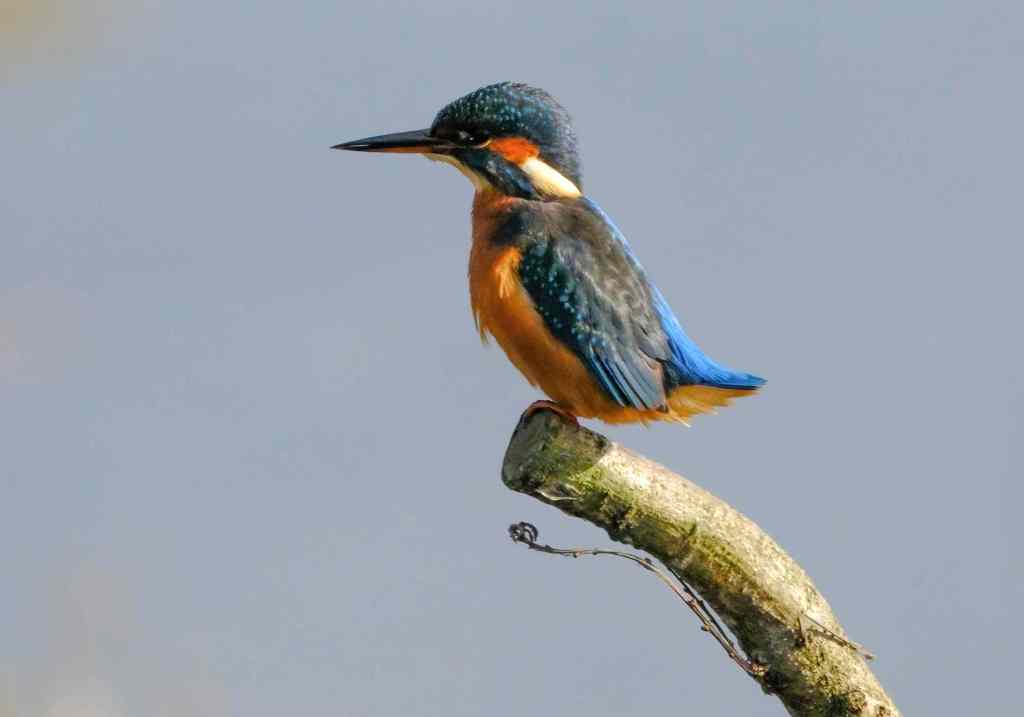
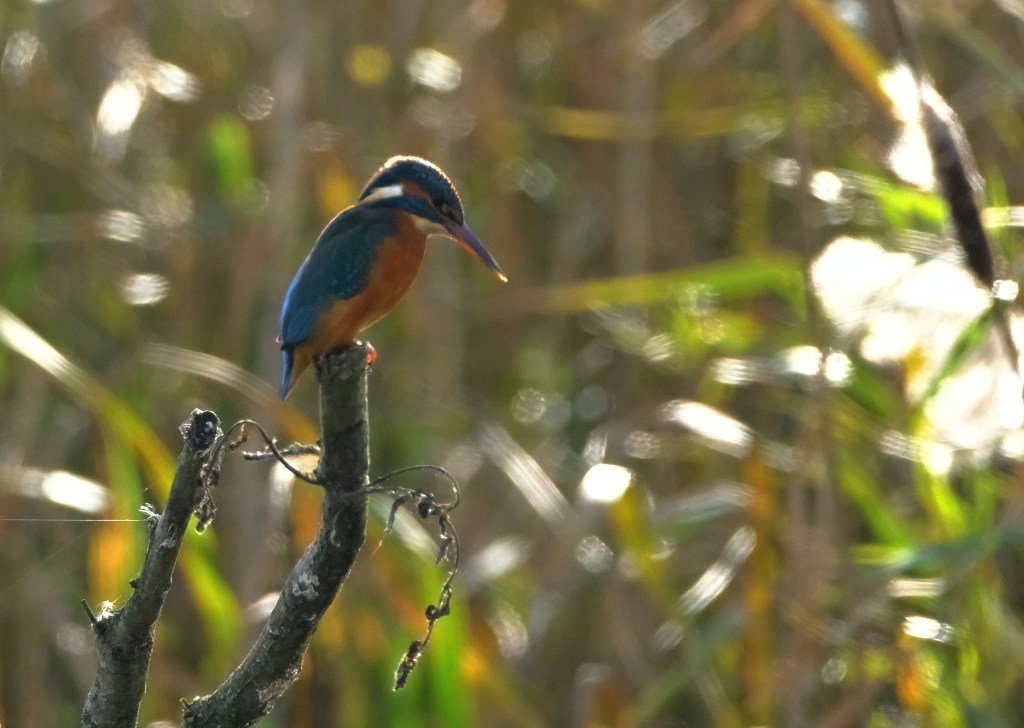
All year I have seen distant glimpses of blue or orange of a Kingfisher flyby on my many walks with the odd picture. However, today, this bird did us proud and perched to fish near where I could watch her fairly closely.


New Forest views.
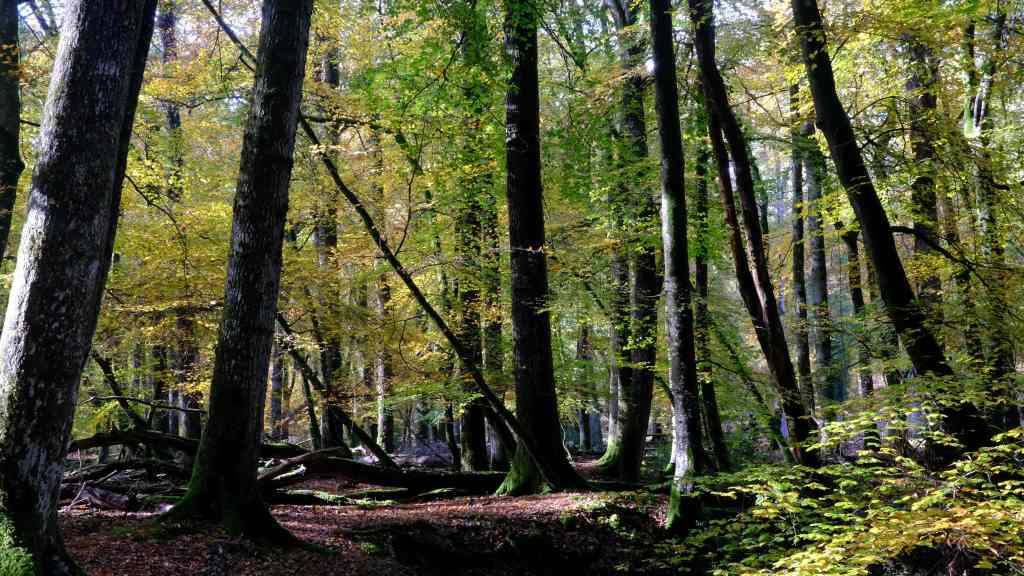
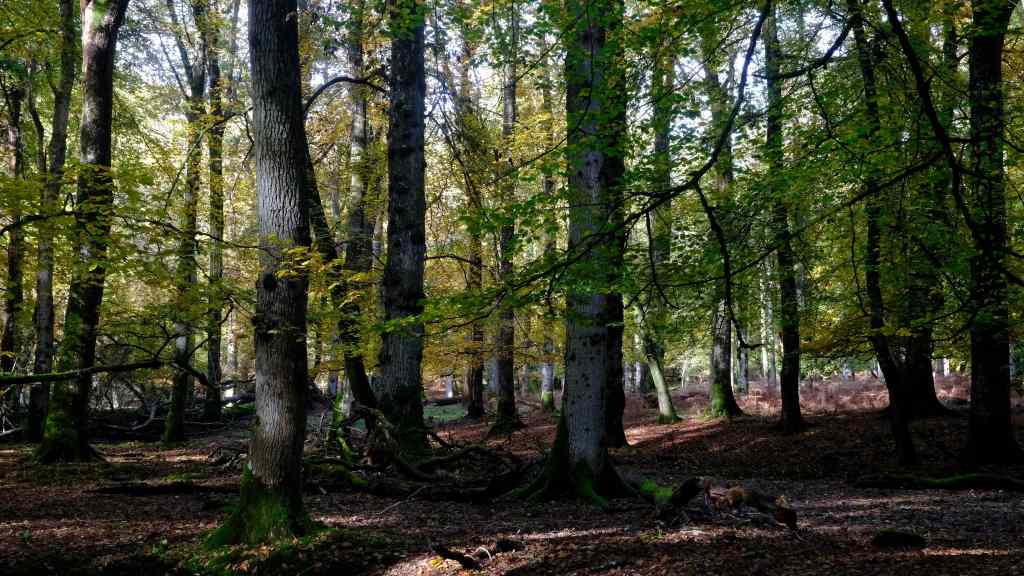
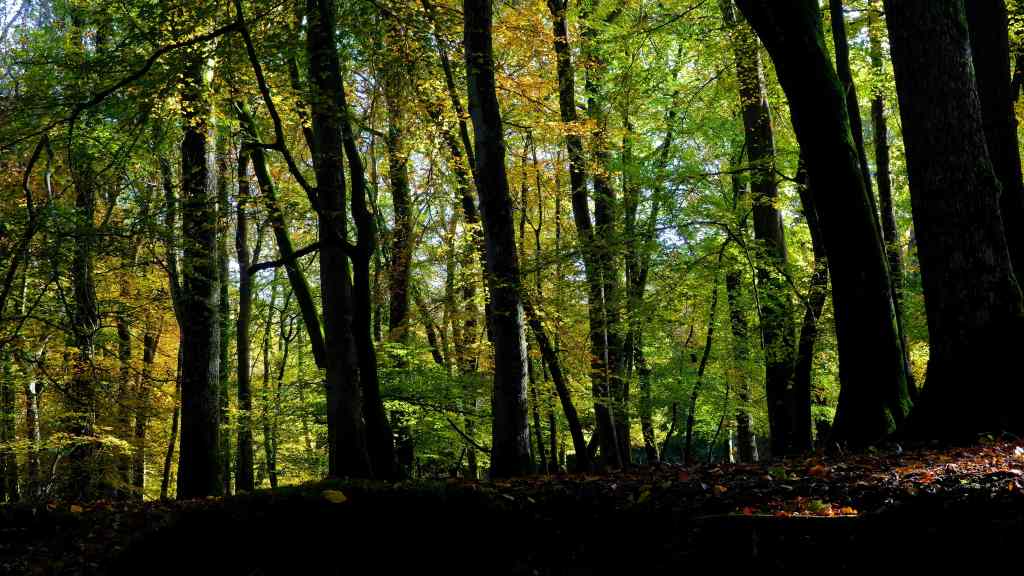
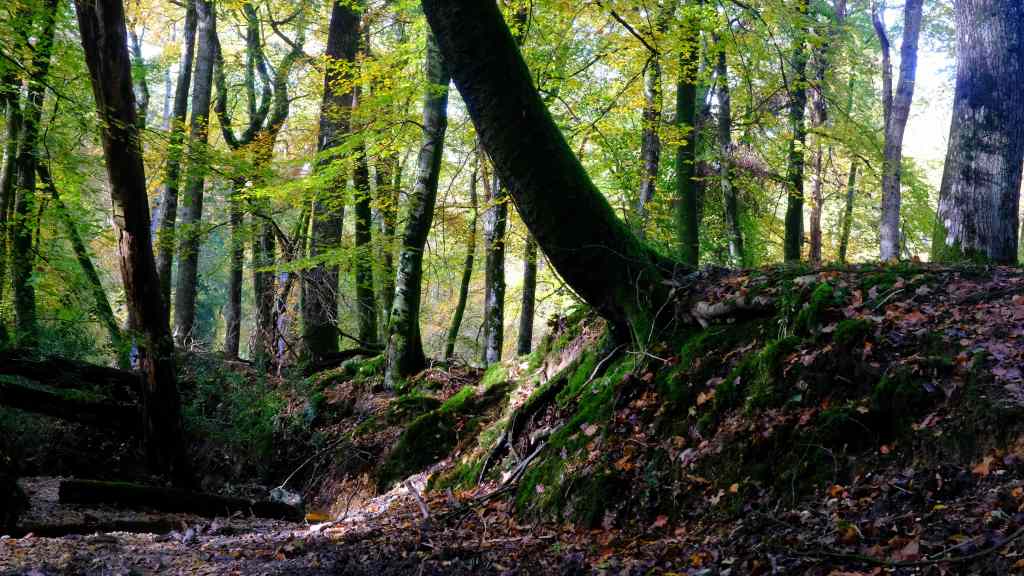
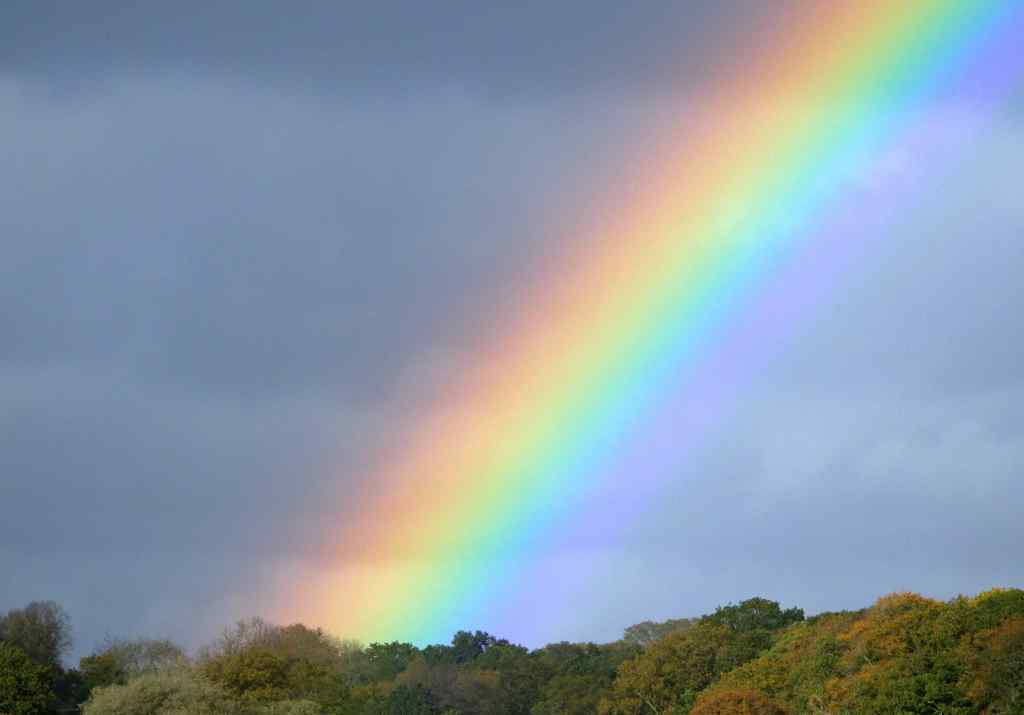
The storm passed through without incident over Southampton but our coast got a bashing.
So with the calm a few hours back in the New Forest.

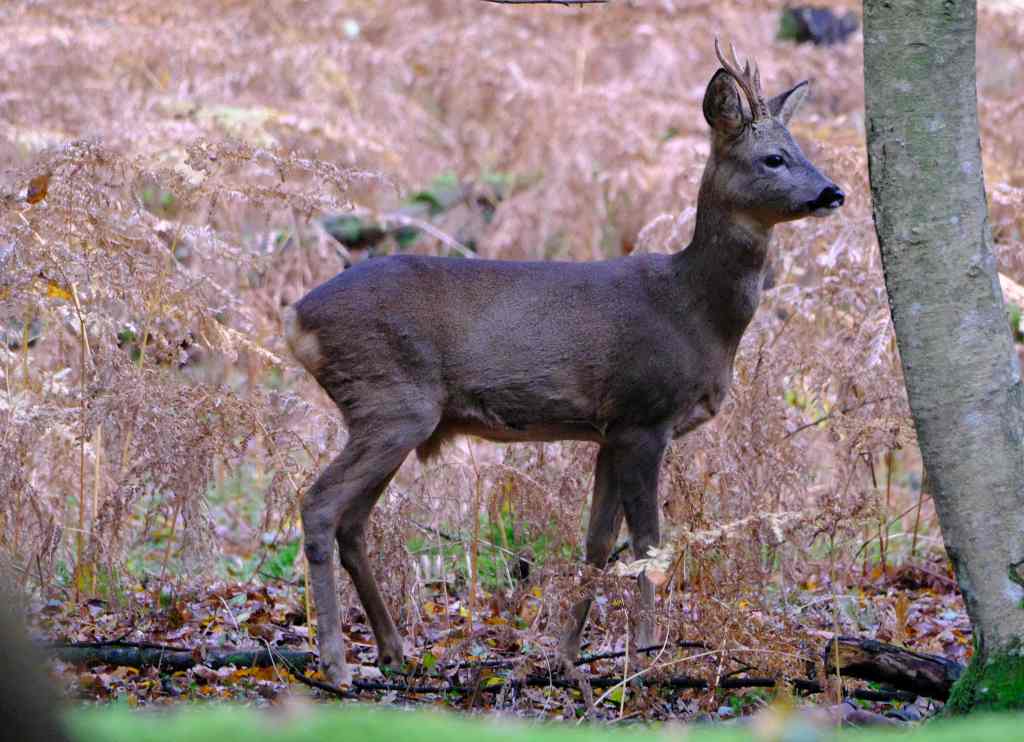
A good-looking Roebuck.

And a small heard of young Fallow Deer.

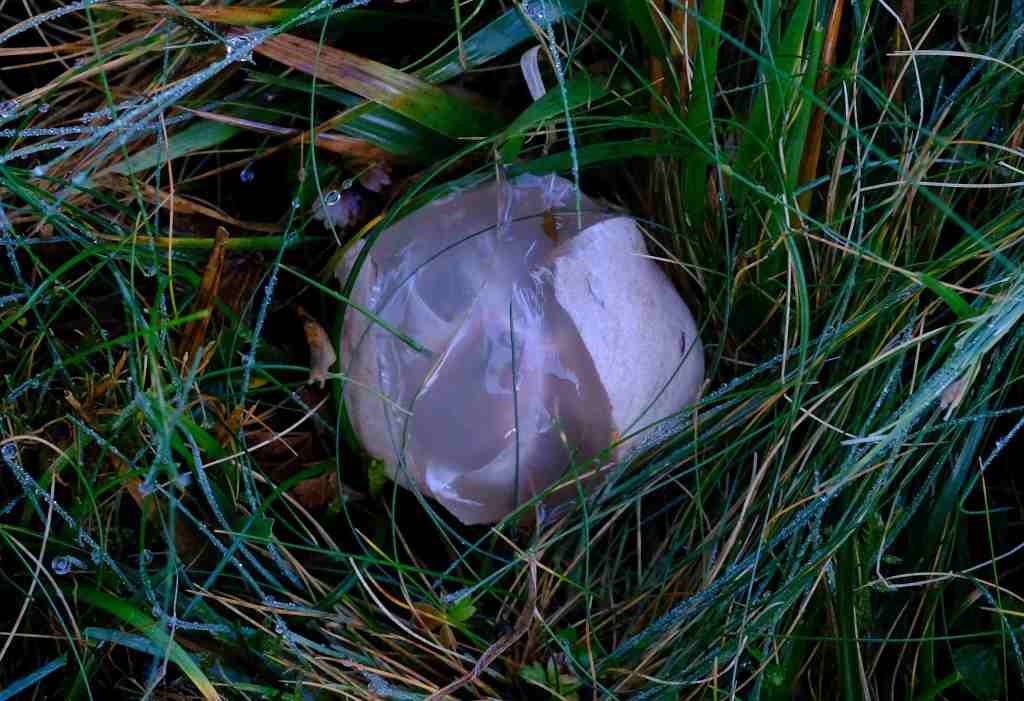
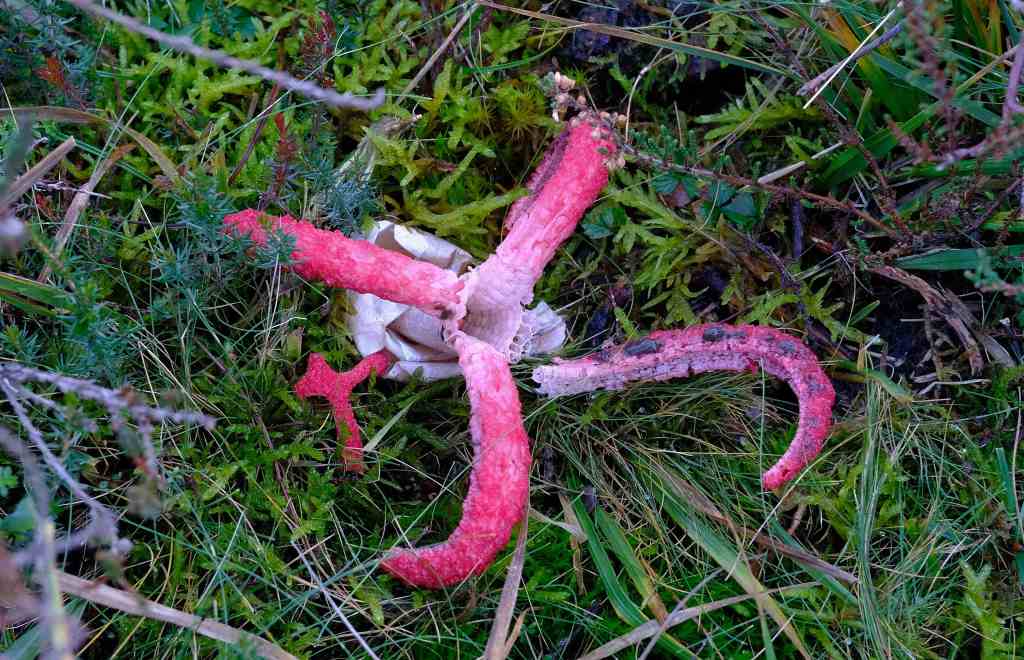
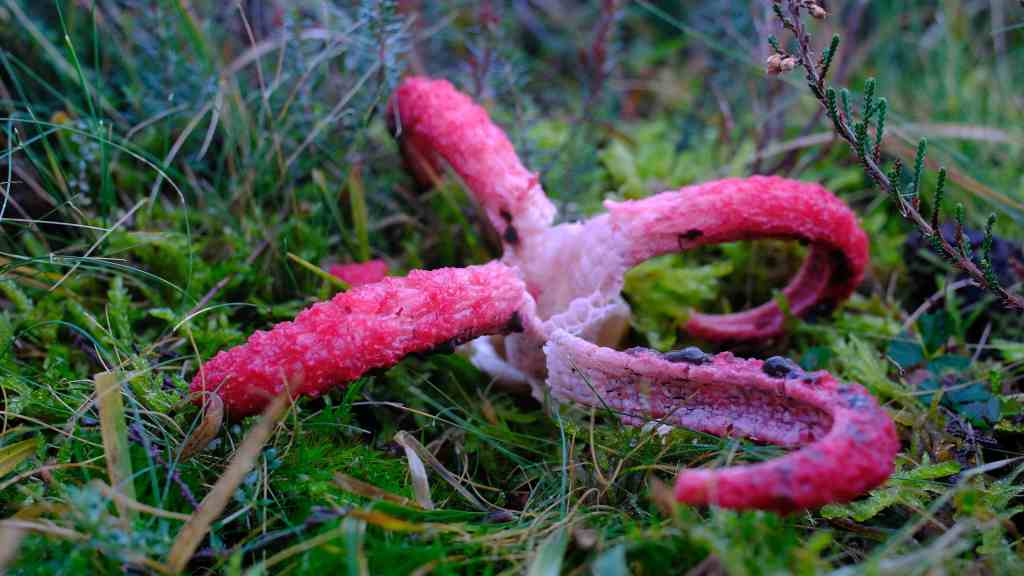
I wanted to take another look at the Devil’s Fingers fungus to see if any more of the eggs had erupted. There were about 10 eggs last week but only one had “hatched”. Normally fungi develop quickly so I thought more would have been showing – perhaps the cold wet weather had slowed down their development, so I will try again next week to see if there is more movement.

Storn Ciarán is set to hit the UK this evening an amber weather warning has been issued which means ‘danger to life’ there are warnings for “very strong winds”. Coastal regions could be lashed by 90-mile winds with possible flying debris, blown-off roofs and power cuts expected across the country. Heavy rain with flooding in front of the storm is predicted
With this in mind, I decided to cancel tomorrow’s planned New Forest walk.
Between this morning’s showers and using the hides for cover, we spent a few hours at Titchfield Haven Nature Reserve and on Meon Shore.
Many duck numbers are increasing here on the South Coast as wintering birds start to arrive.
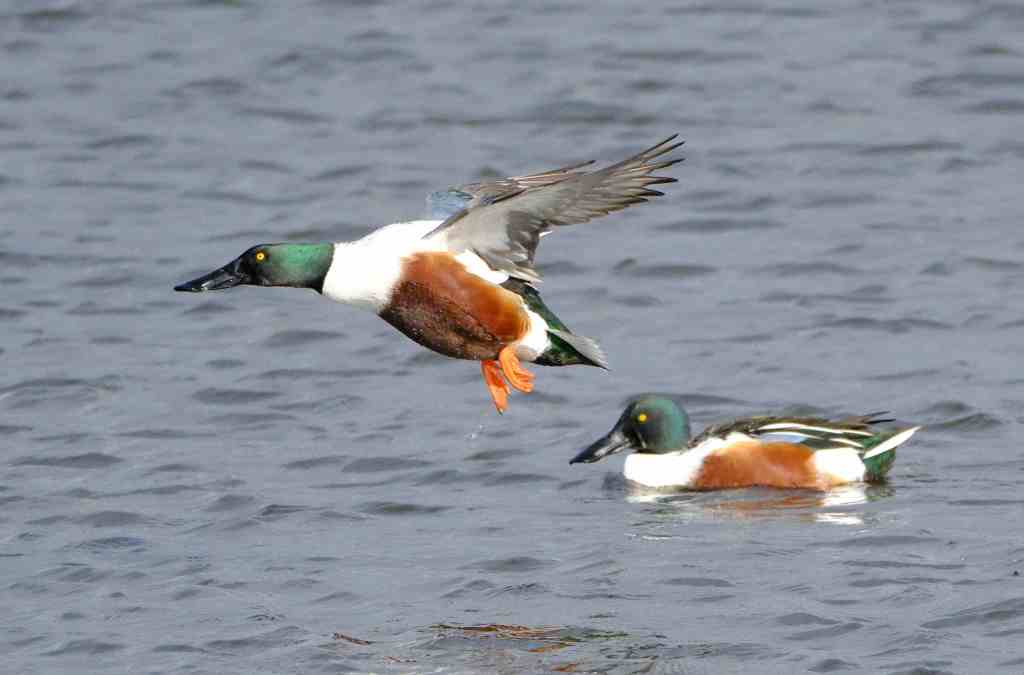
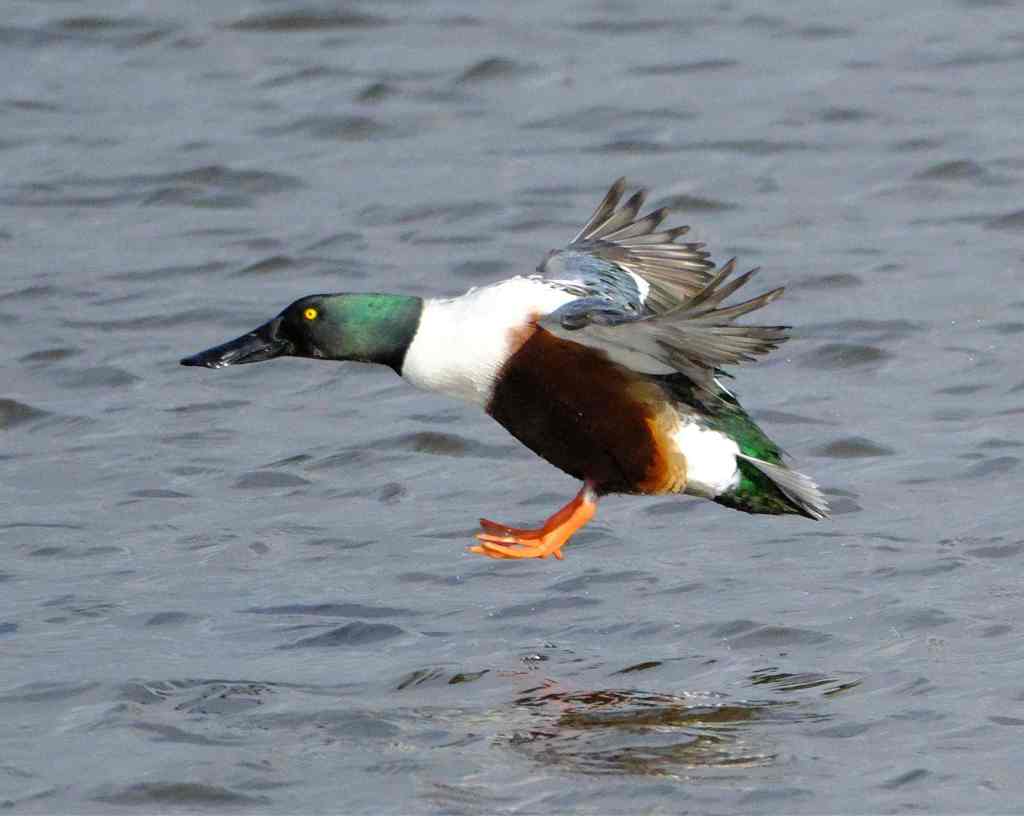
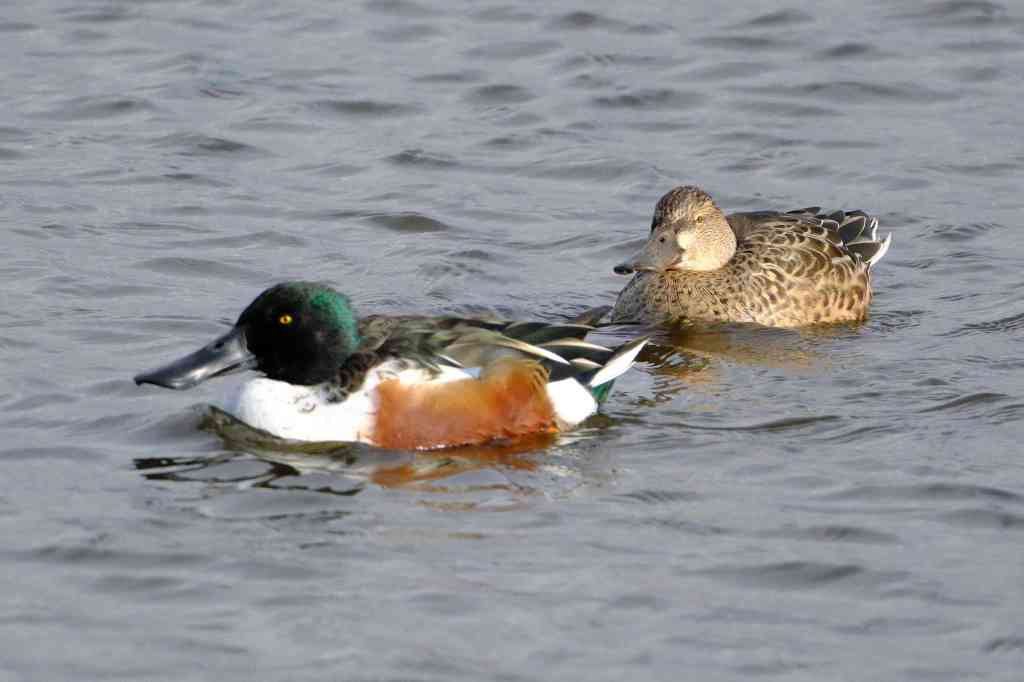
The Northern Shoveler, known simply in the UK as the Shoveler, is a widespread duck. This duck has a large ‘spade-like’ bill. The male is brightly coloured and the female is light brown in colour.
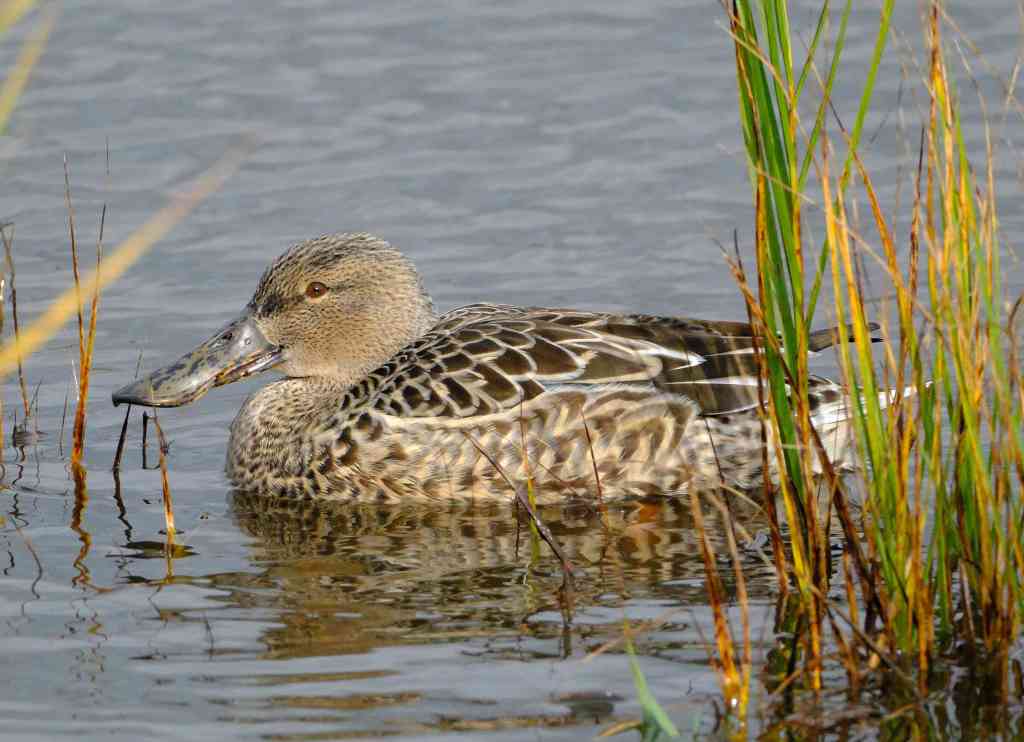

Another dabbling duck is the Gadwall. Only a small number of Gadwall nest in the UK, but large numbers winter here.
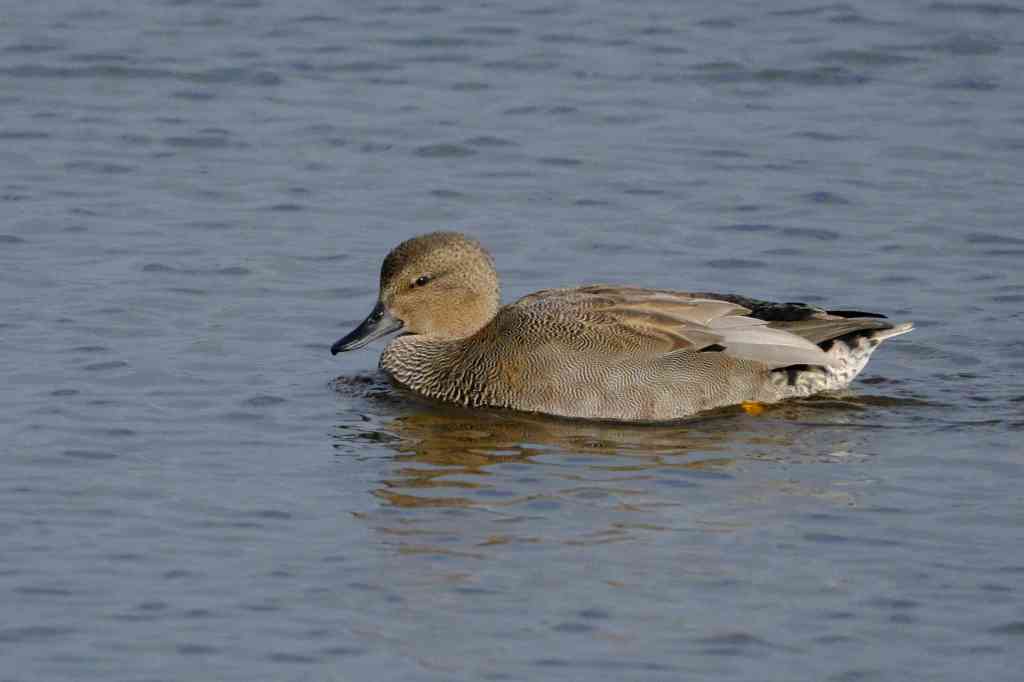
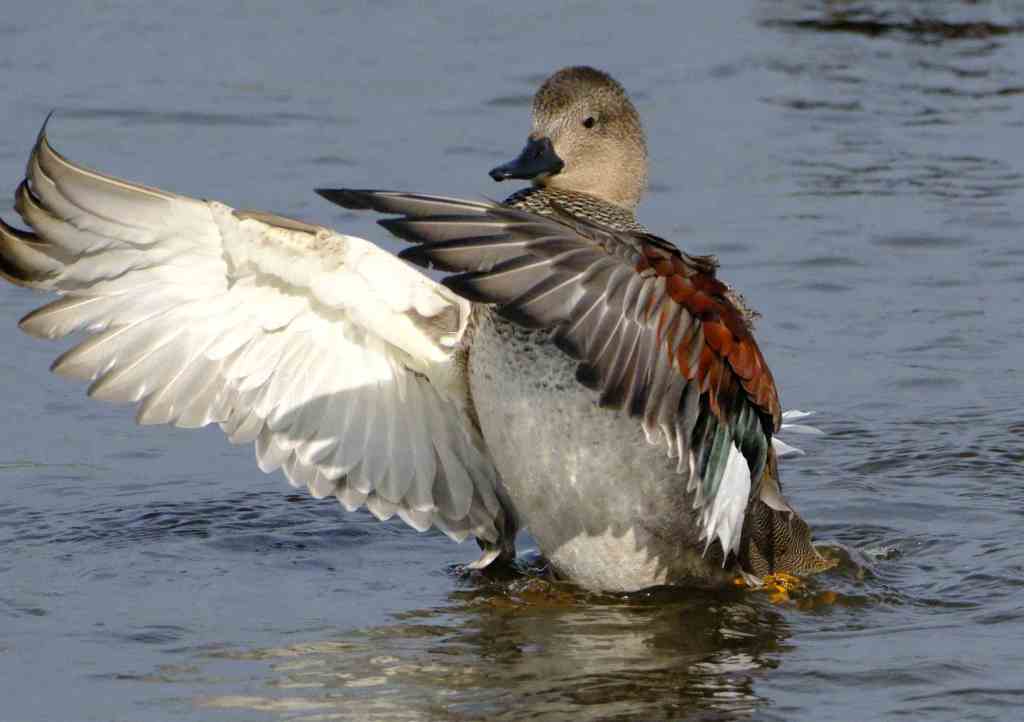
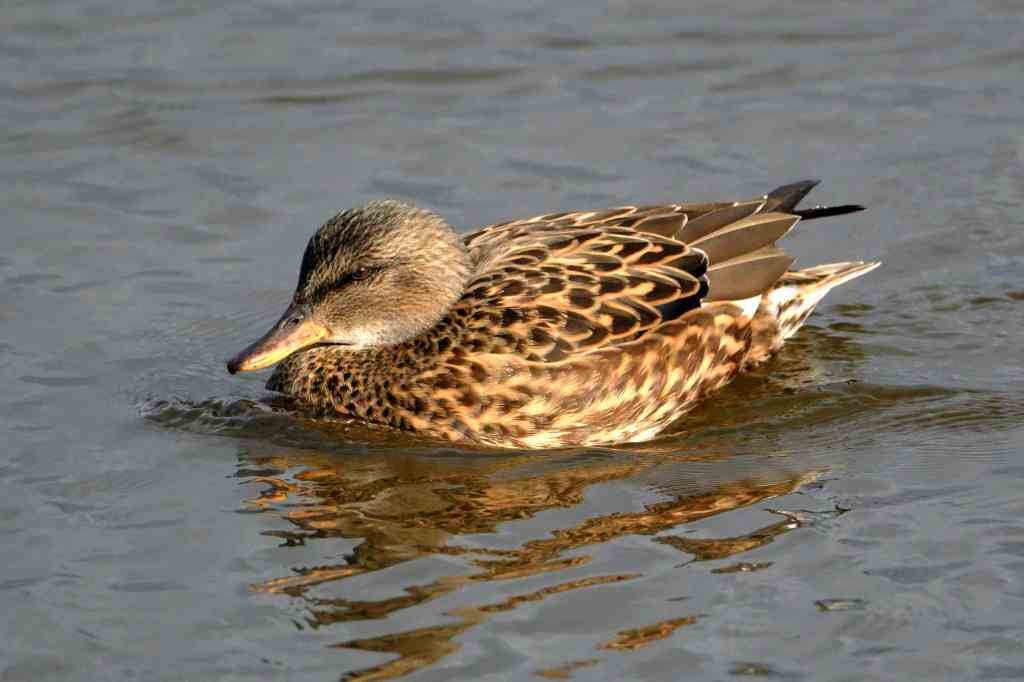
The Teal is a pretty small duck. The UK is home to a significant percentage of the north-west European wintering population.
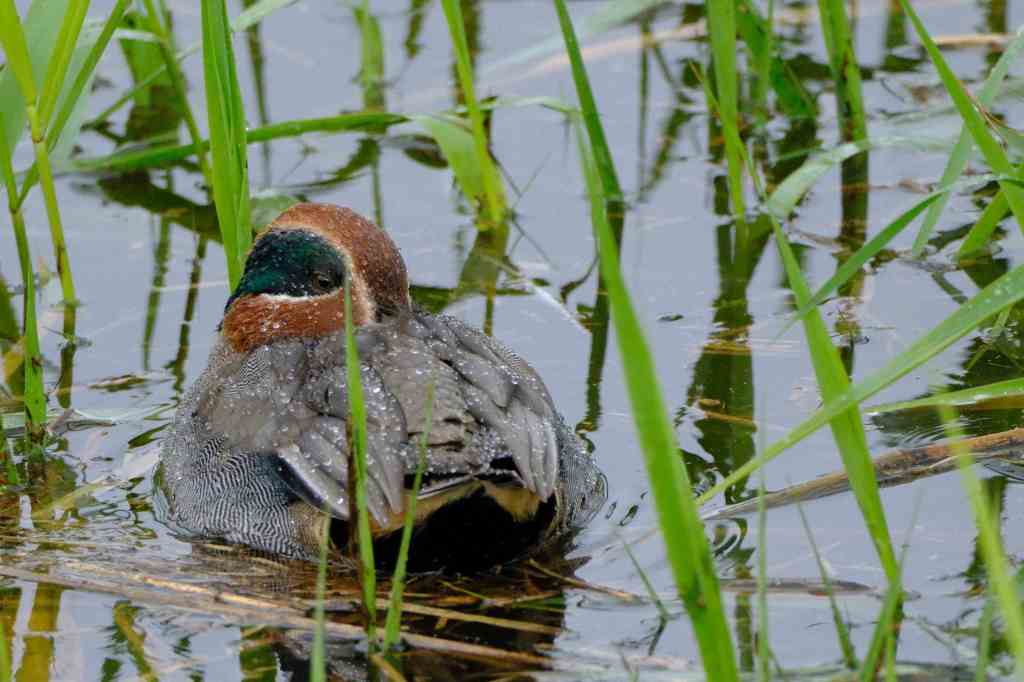
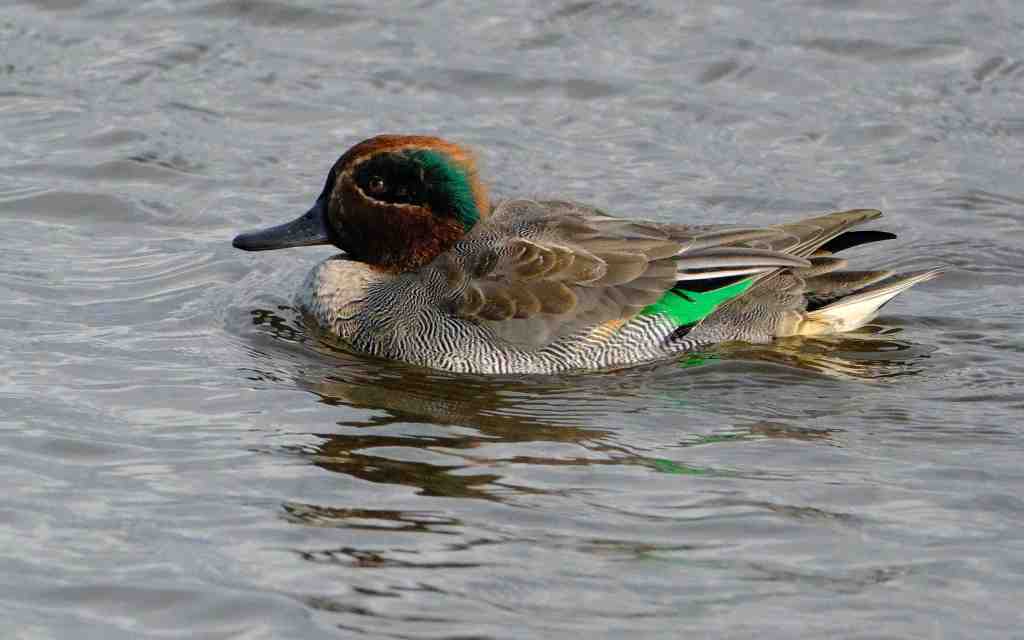
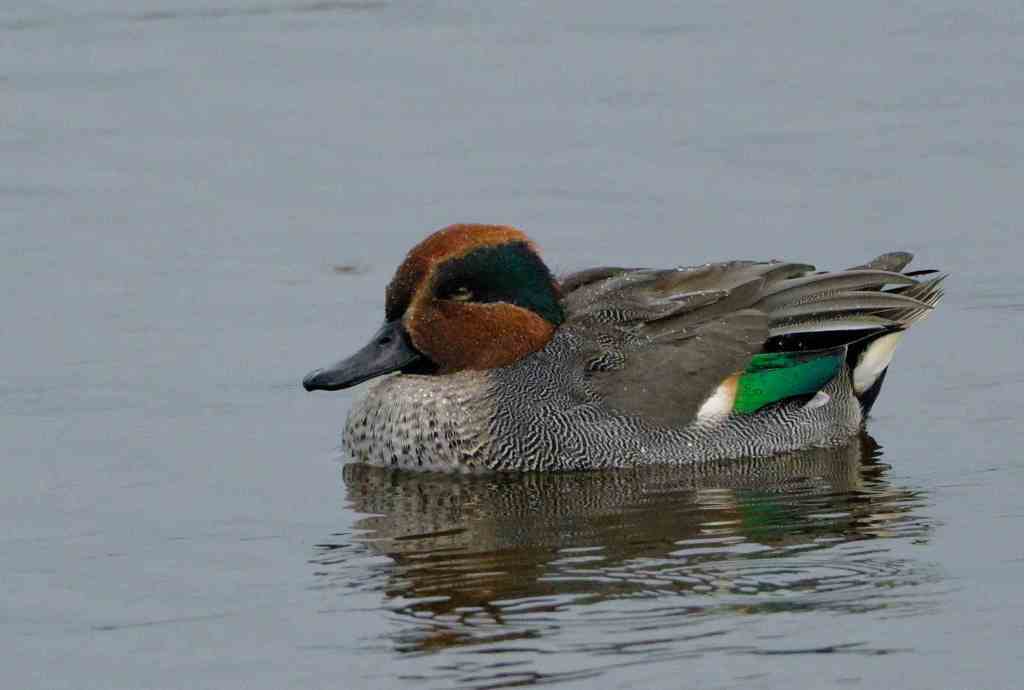
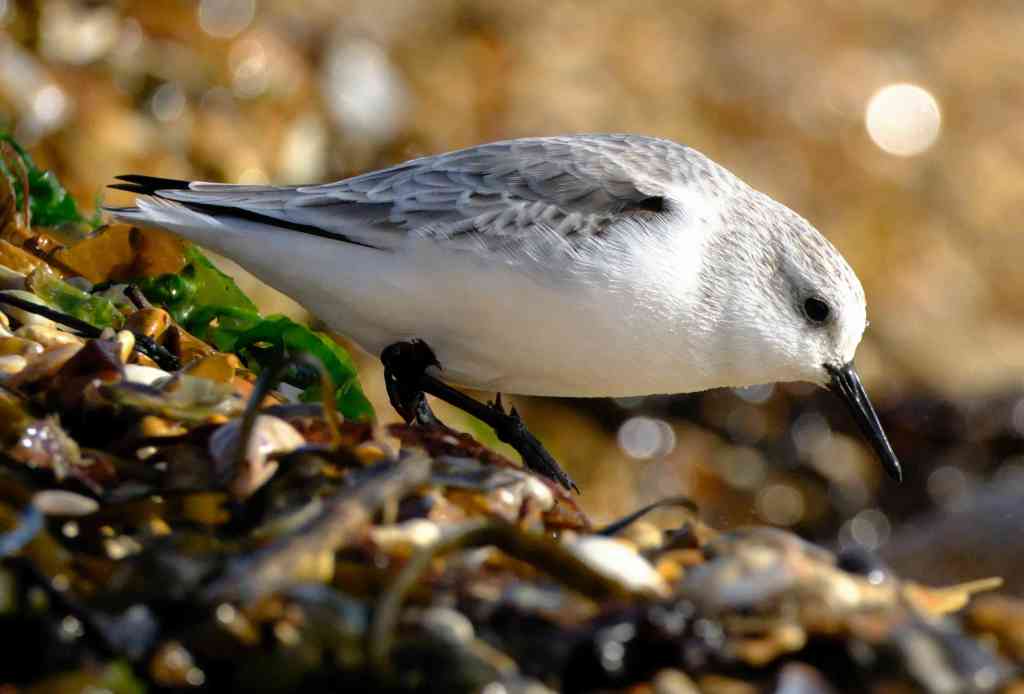
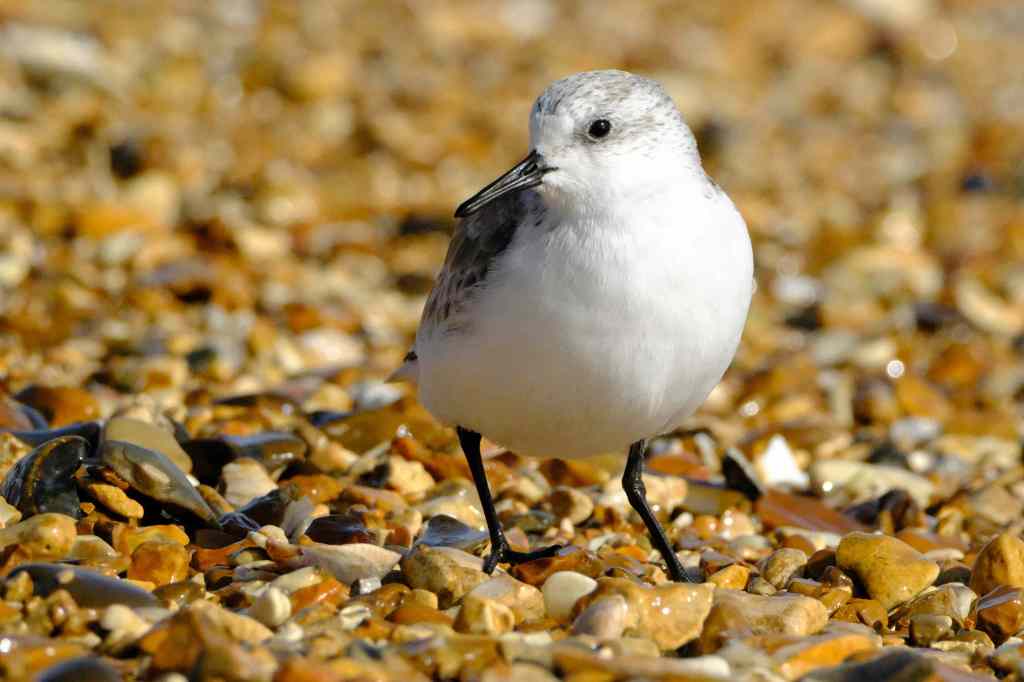
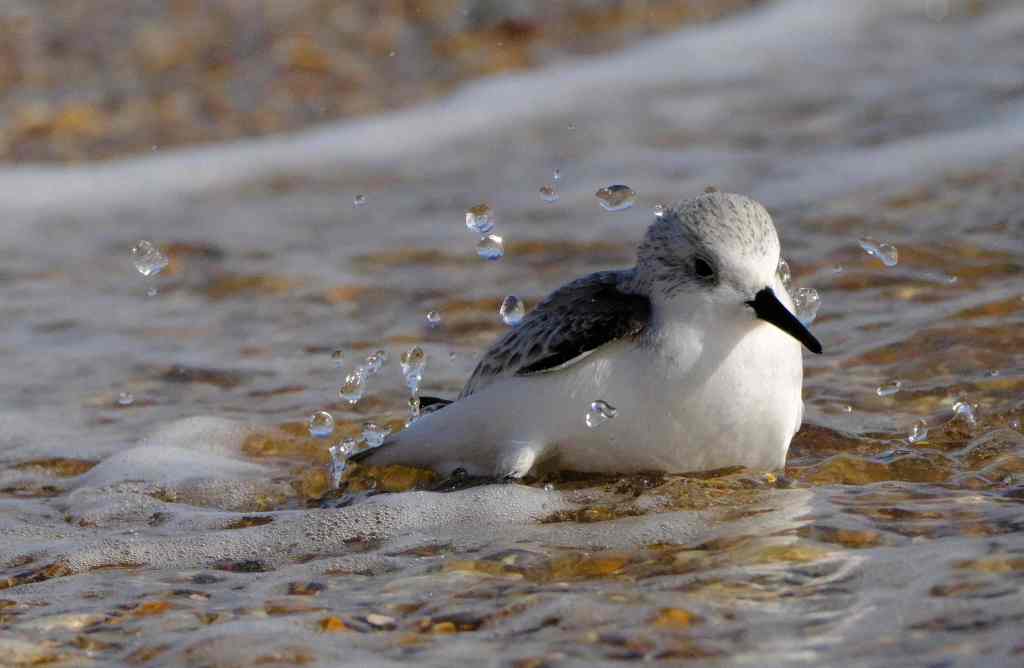
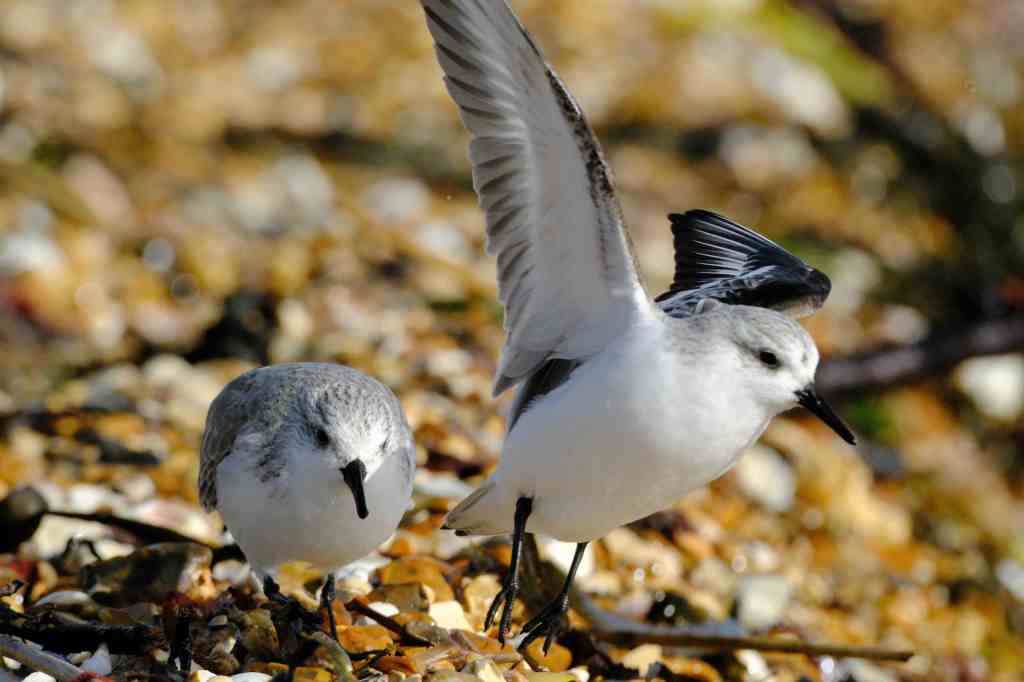
On the shore, Sanderlings have also arrived from their Northern breeding grounds.

 Continued Reflections from my World.