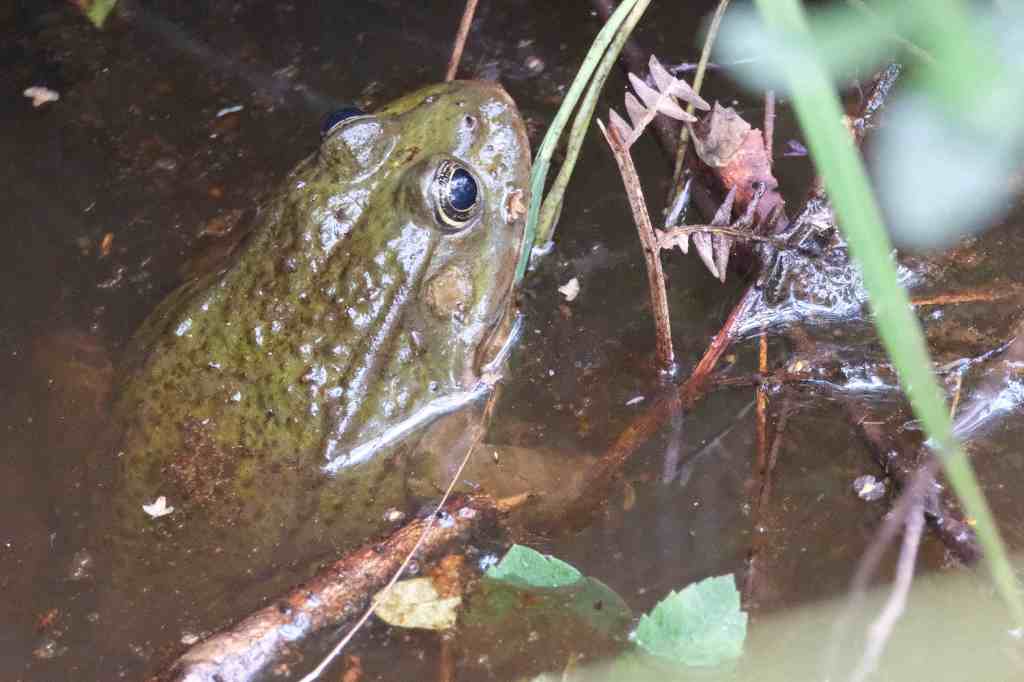
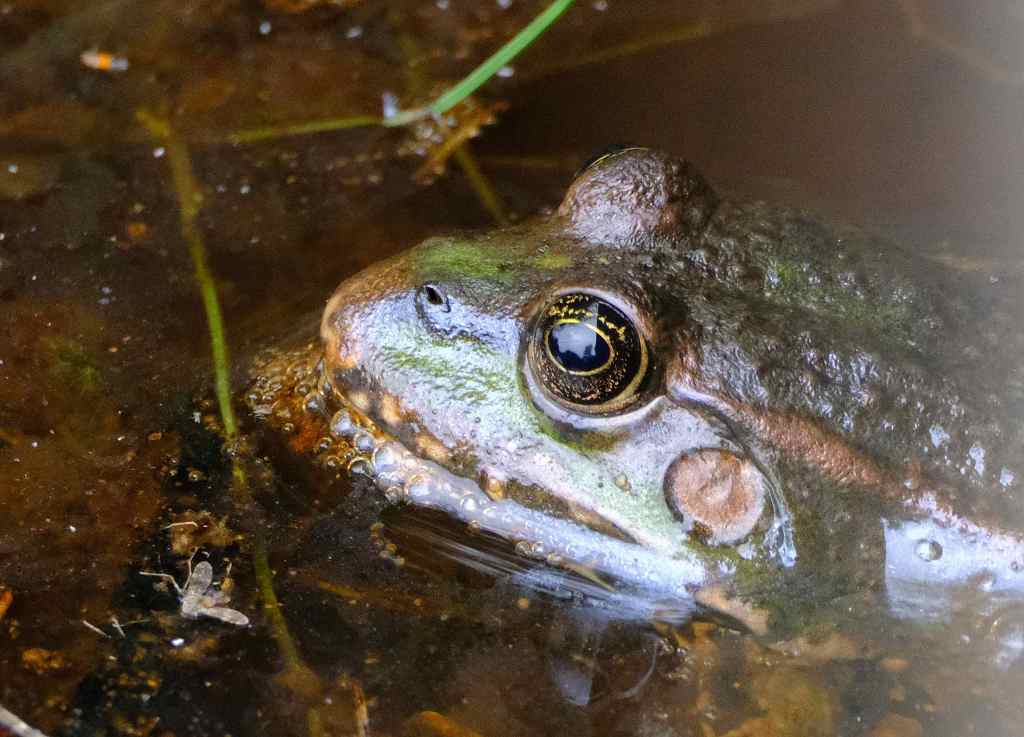
Yesterday I spotted a common frog I thought I would post a picture of a marsh frog I photographed last week to give a comparison of these two frogs, {common top picture}


Yesterday I spotted a common frog I thought I would post a picture of a marsh frog I photographed last week to give a comparison of these two frogs, {common top picture}
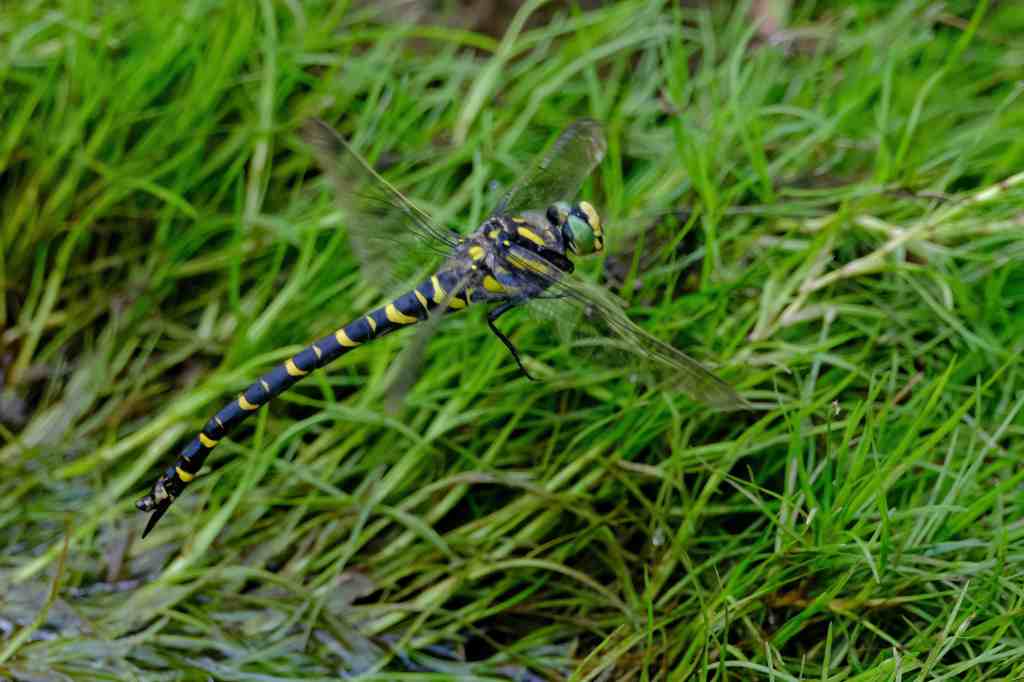
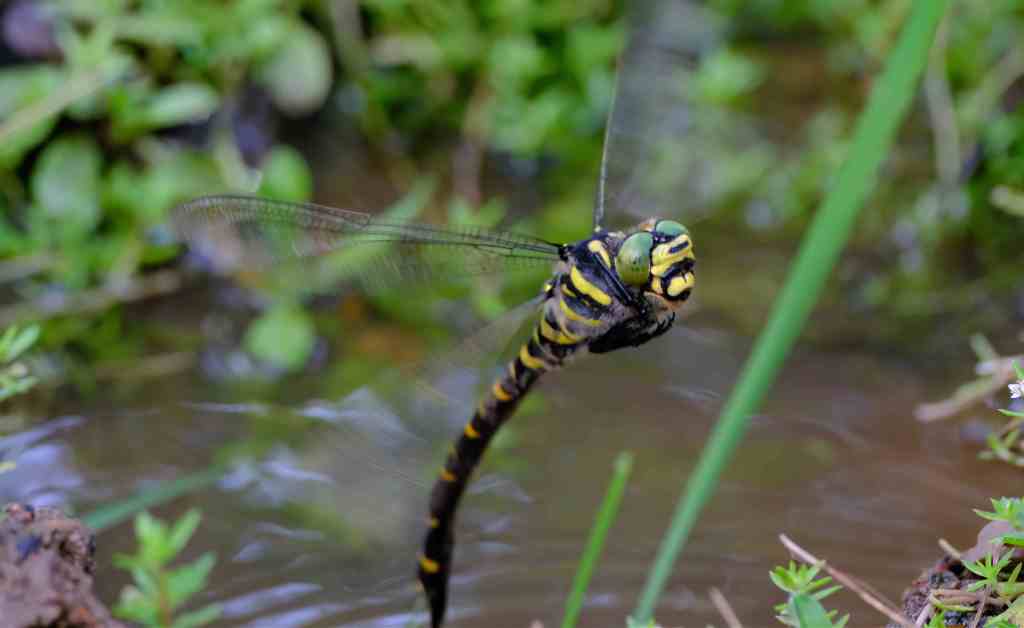
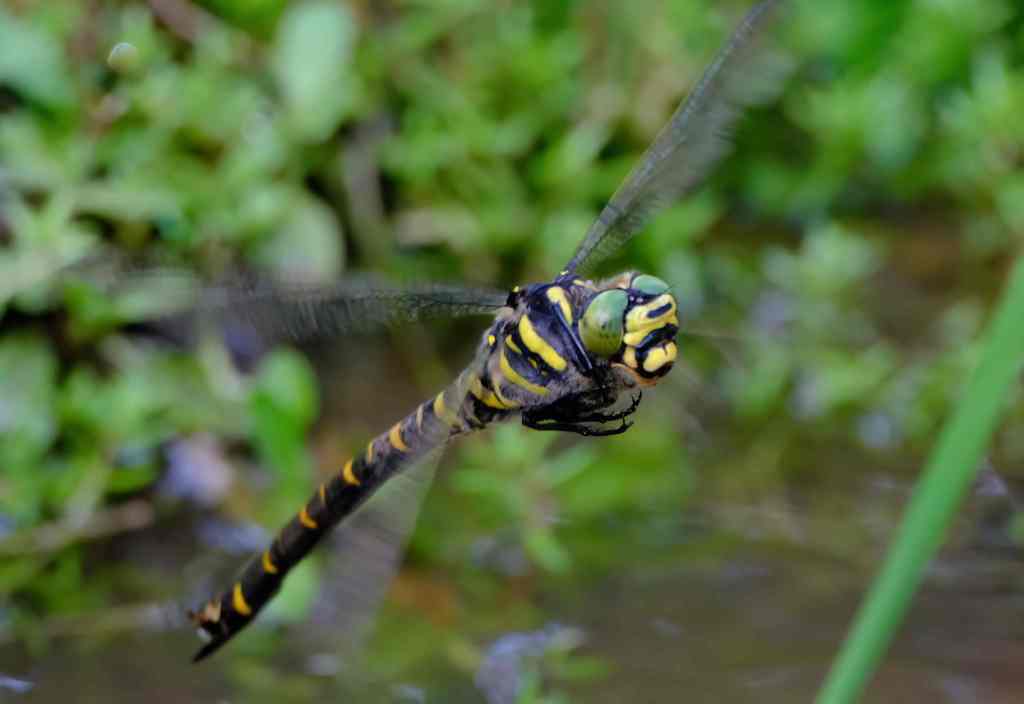
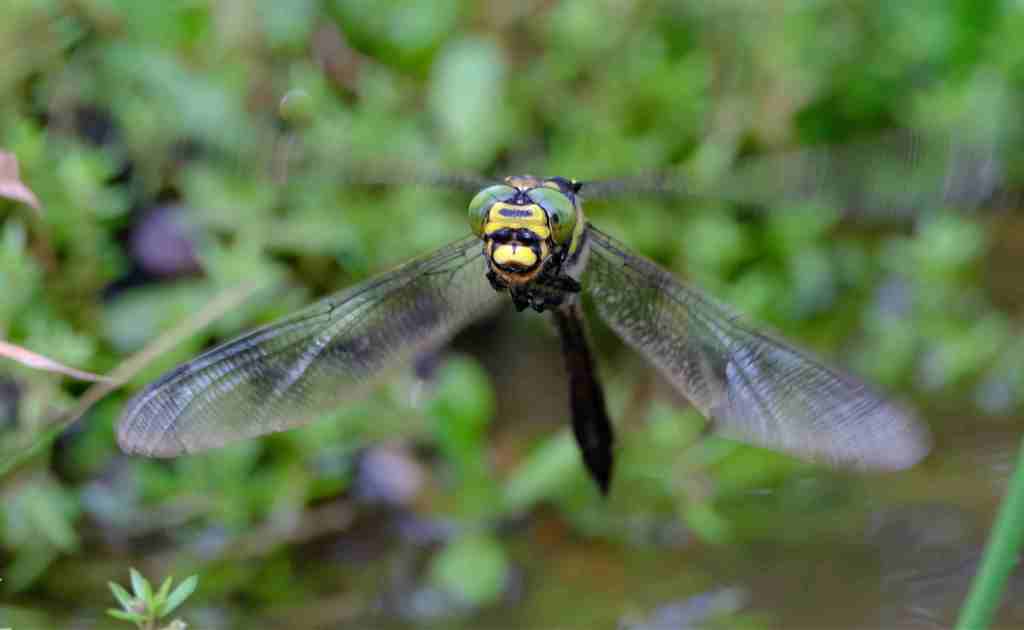
This morning, a walk along a New Forest Stream with a good population of Golden Ringed Dragonflies. Many were “dipping” {depositing eggs into the stream}.


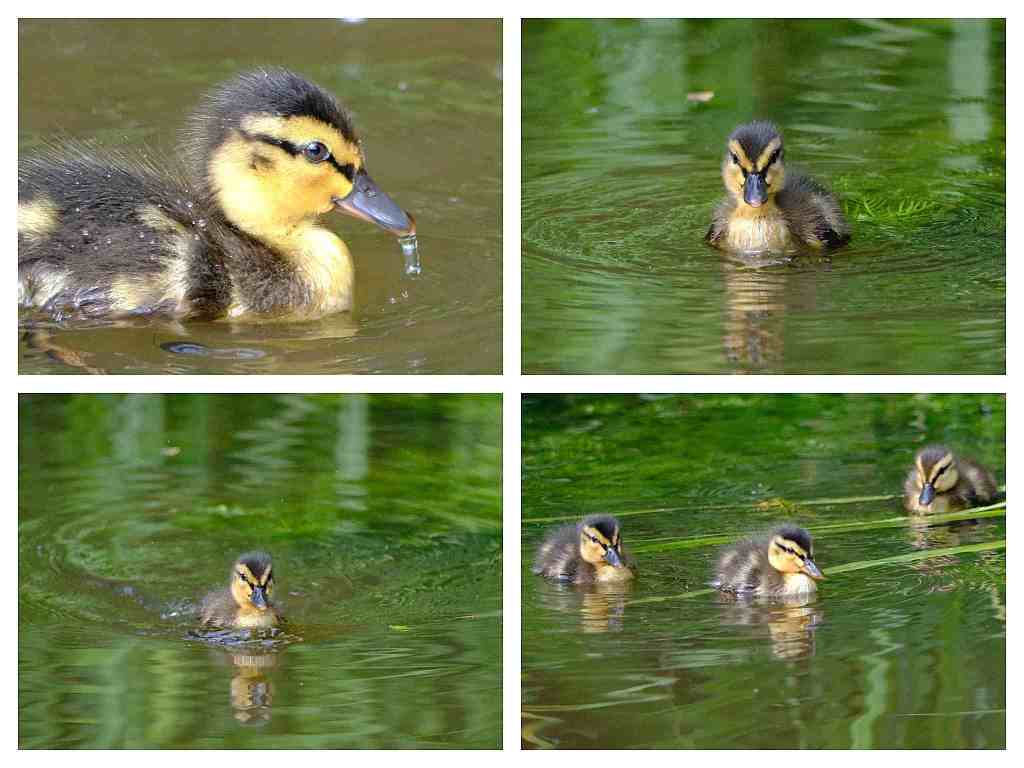
A late brood. Mallard Ducklings.

Black Swans were first brought to the UK in 1791 from Australia they became popular in zoos and private collections. Some birds escaped into the wild and have bred successfully, though the population remains small. For years there have been small numbers on the River Itchen at St Deny’s Southampton. They are an easy spot between Cobdon Bridge and Wood Mill from Riverside Park.


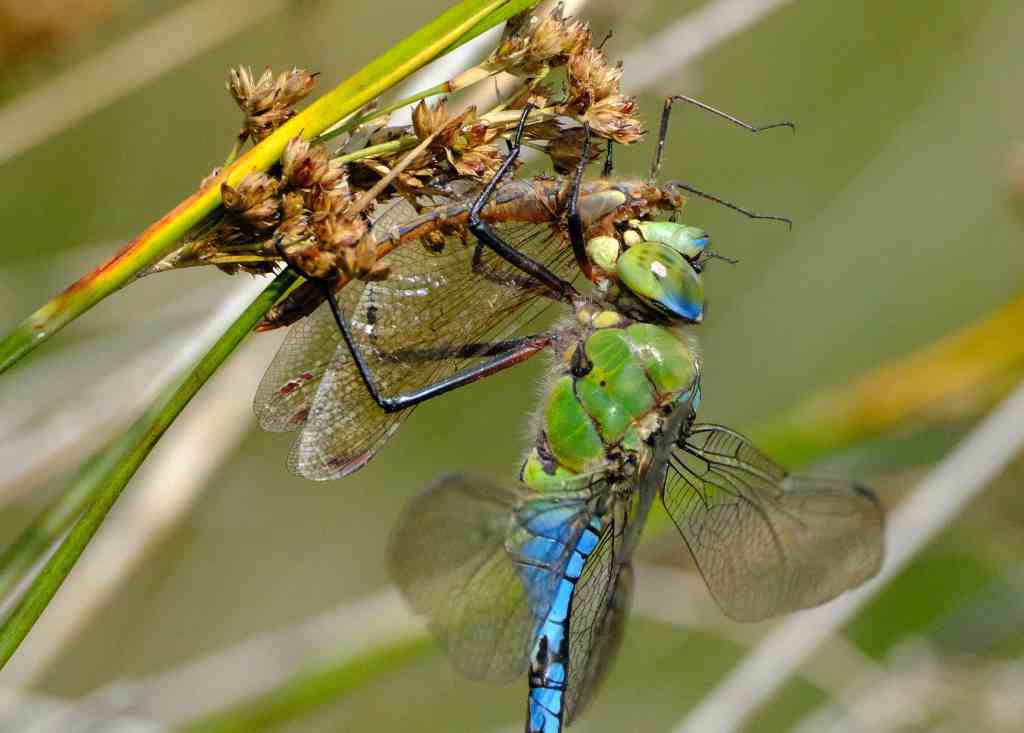
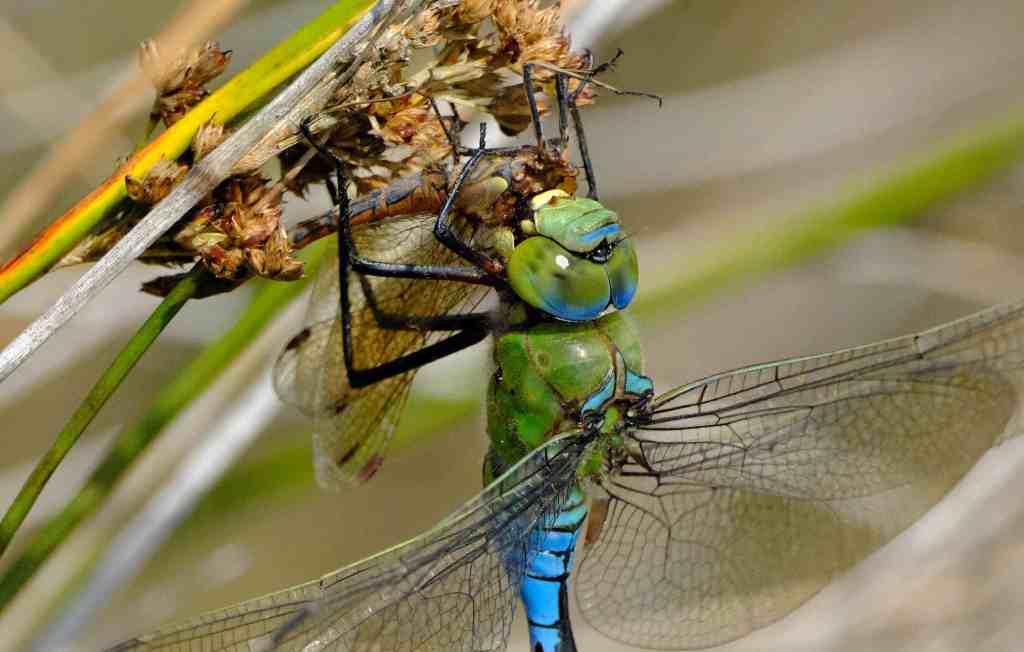
Watching Dragonflies today reminded me of the 1969 film The Battle of Britain with those airmen engaged in aerial combat in the blue sky over Southern England. There were no Spitfire flights over the Solent today. In flight, combat was taking place, an “Emperor Dragonfly” was on the hunt on the wing chasing and then catching a smaller dragonfly a “Common Darter”. Taking it to a nearby perching stick first killing it by removing its head then eating the contents of the darter’s insides Nature is both cruel and fascinating at the same time. I have witnessed this hunting and killing before of wasps and bees but this was the first dragonfly catching another dragonfly observation for me.





The Raft Spider. Dolomedes fimbriatus


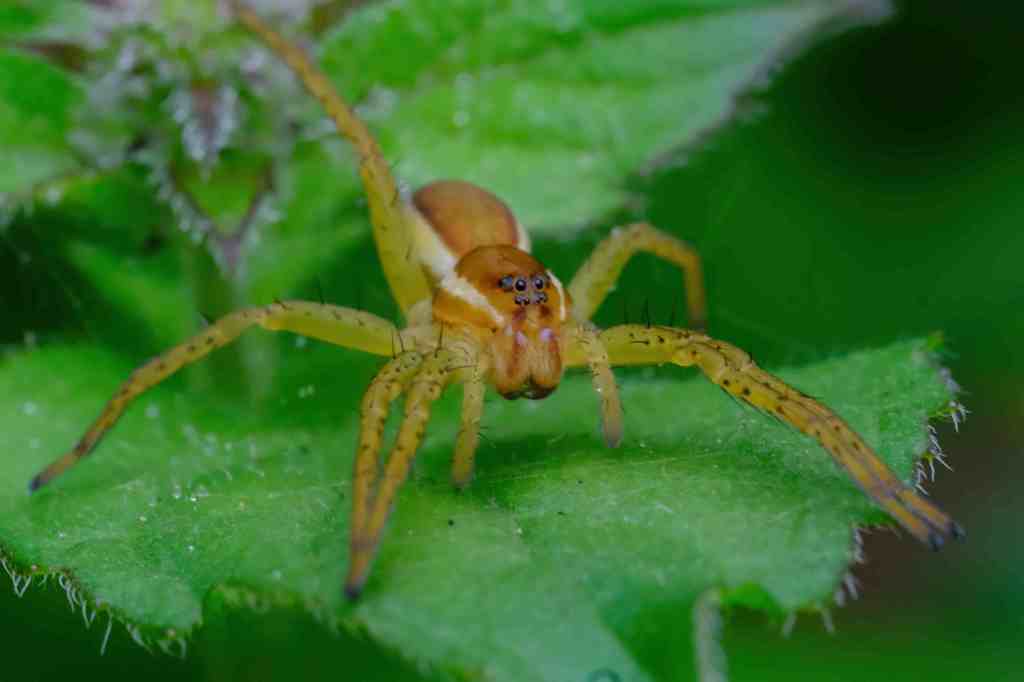

A hours quite walk with nature.


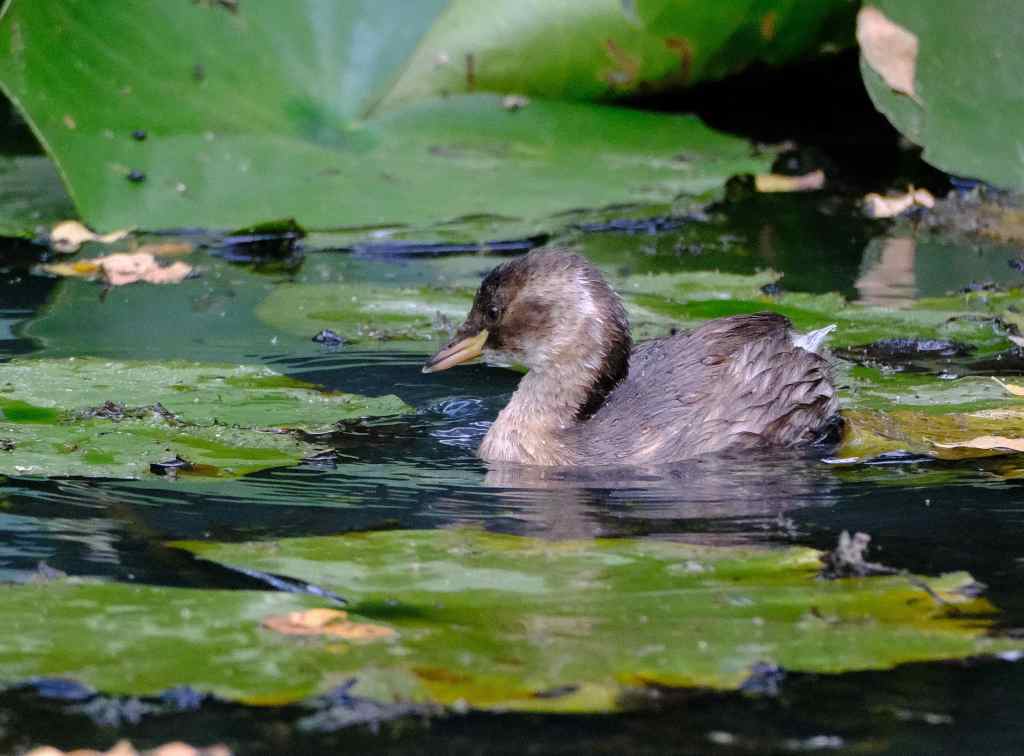

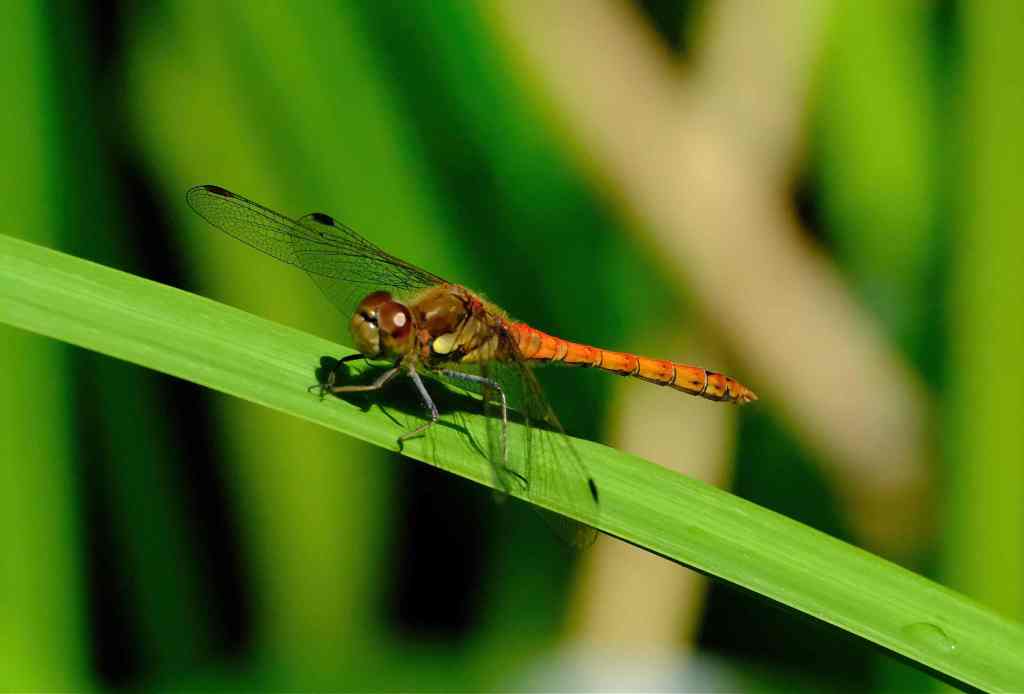
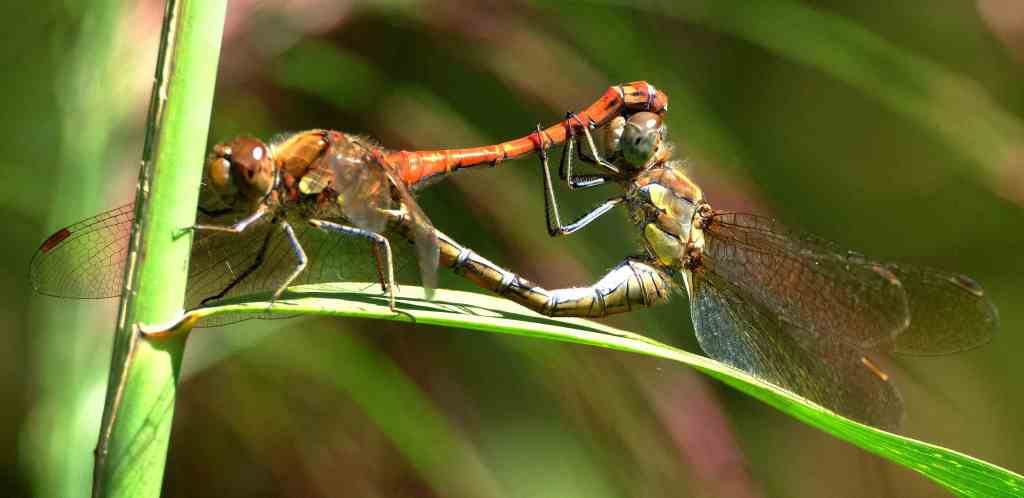
Today’s Dragons of the air from Titchfield haven.




Marsh frogs were regularly imported into the UK from the late nineteenth century and were introduced to the Walland Marsh in Kent in 1935, from Hungary. They originate from the eastern half of Europe into western Asia. There are established populations in the UK, which are now predominantly found in south-east England, with populations in other areas in the south are far west as Devon. Following seeing some in “captivity” in The New Forest Reptile Centre I wanted to see some in the wild as there was said to be an established population in the forest.
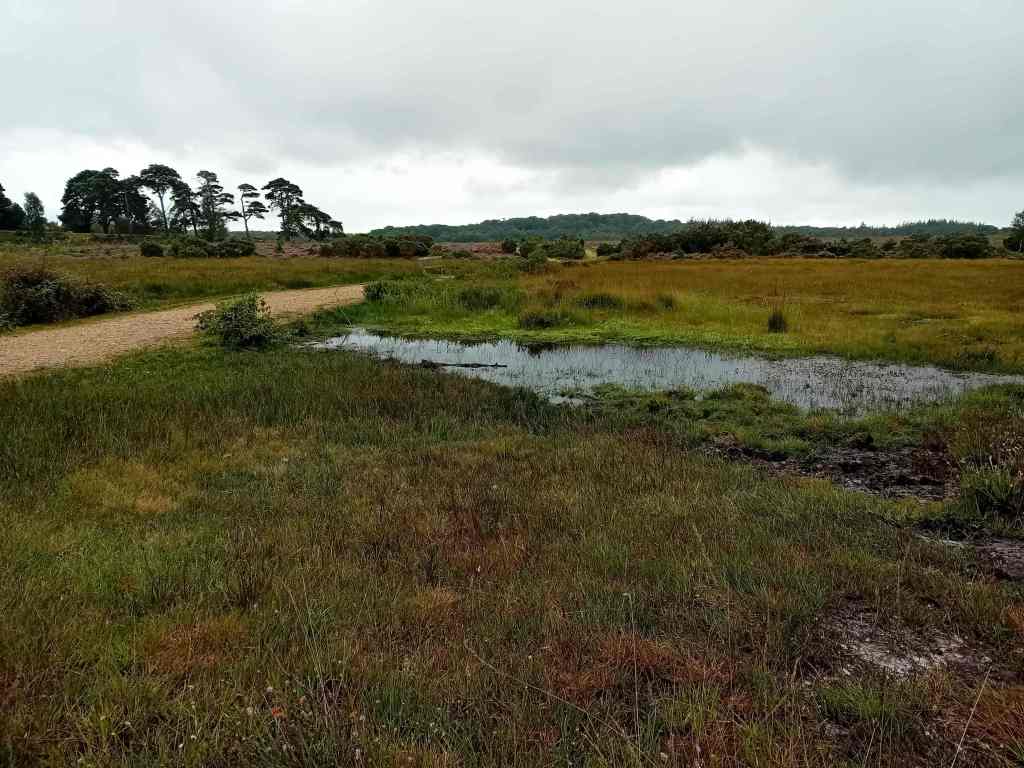
On a tip-off with my brother we last year looked at marshland southwest of the national park near Lymington. After unsuccessful trips, we tried again this year and spotted one solitary Marsh Frog last week. Yesterday we returned to look closer and were lucky to spot at least 6.

Some information on how to spot a Marsh Frog


Schedule 9 of the Wildlife and Countryside Act, makes it illegal to distribute or allow the release of Marsh Frogs into the wild.
 Continued Reflections from my World.