Marsh frogs were regularly imported into the UK from the late nineteenth century and were introduced to the Walland Marsh in Kent in 1935, from Hungary. They originate from the eastern half of Europe into western Asia. There are established populations in the UK, which are now predominantly found in south-east England, with populations in other areas in the south are far west as Devon. Following seeing some in “captivity” in The New Forest Reptile Centre I wanted to see some in the wild as there was said to be an established population in the forest.
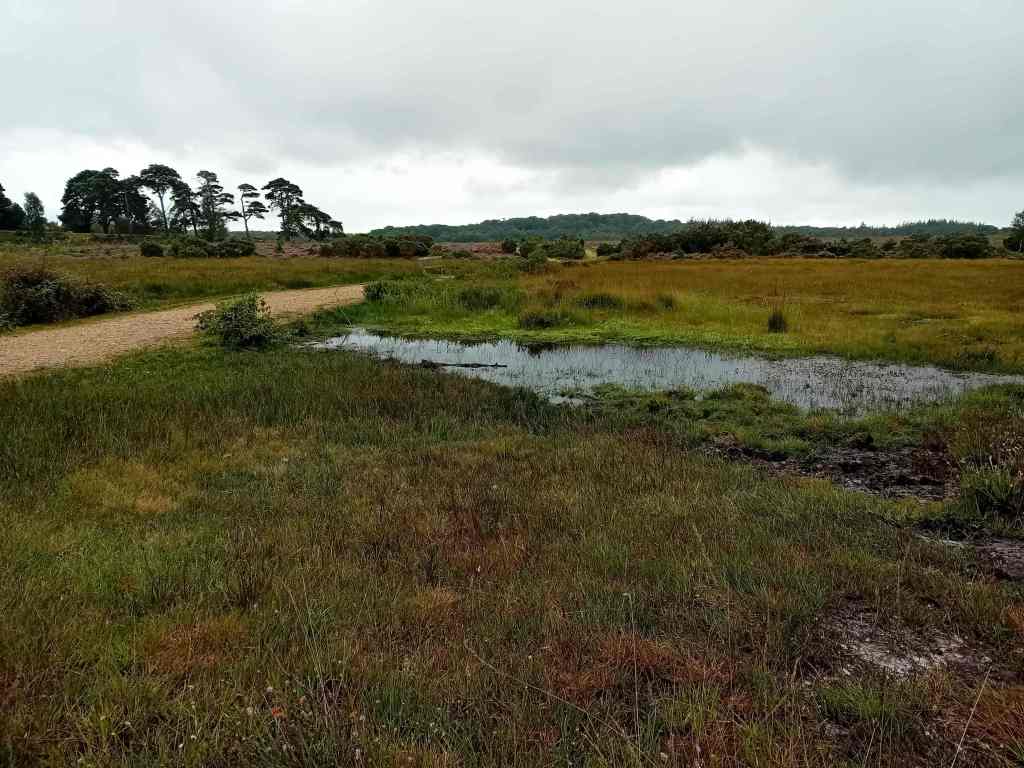
On a tip-off with my brother we last year looked at marshland southwest of the national park near Lymington. After unsuccessful trips, we tried again this year and spotted one solitary Marsh Frog last week. Yesterday we returned to look closer and were lucky to spot at least 6.

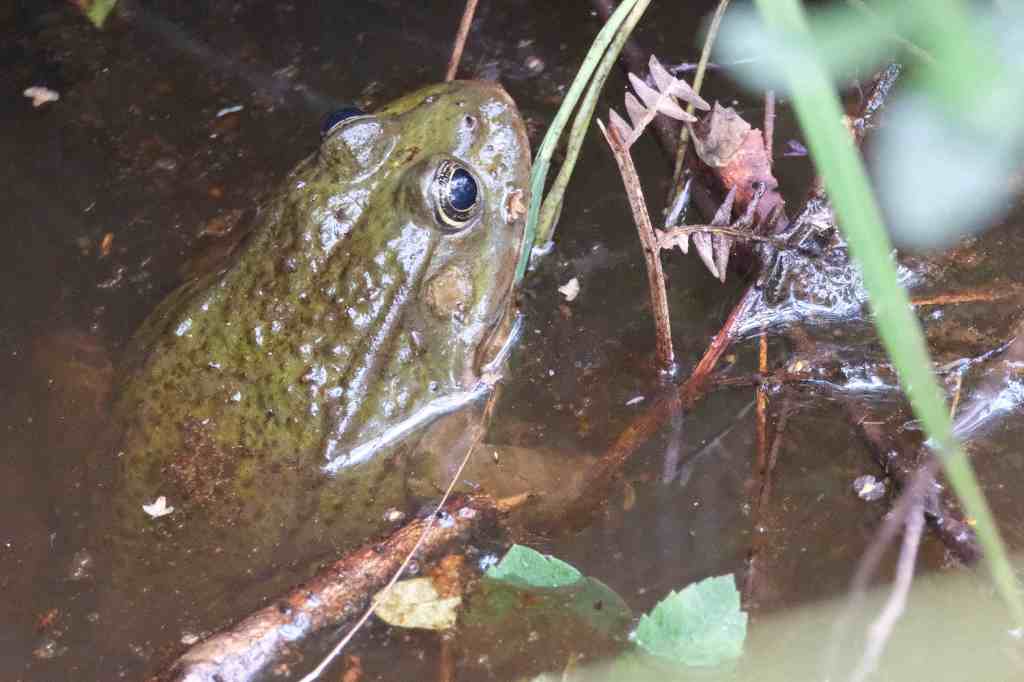
Some information on how to spot a Marsh Frog
- The colour is from brown to green with dark green blotches.
- Size of the females can be up to 13cm in length, and the males are normally smaller.
- Pronounced snout with a wide gape.
- Eyes are closer together than our native Common Frogs.
- There are two parallel skin folds on the back.
- The male has two dark grey vocal sacks, one on each side of the mouth.
- The skin is warty and granular.{like on a Toad}
- They can be noisy with a quacking or laughing sound more so in early summer.
- They prefer to stay in or close to water.

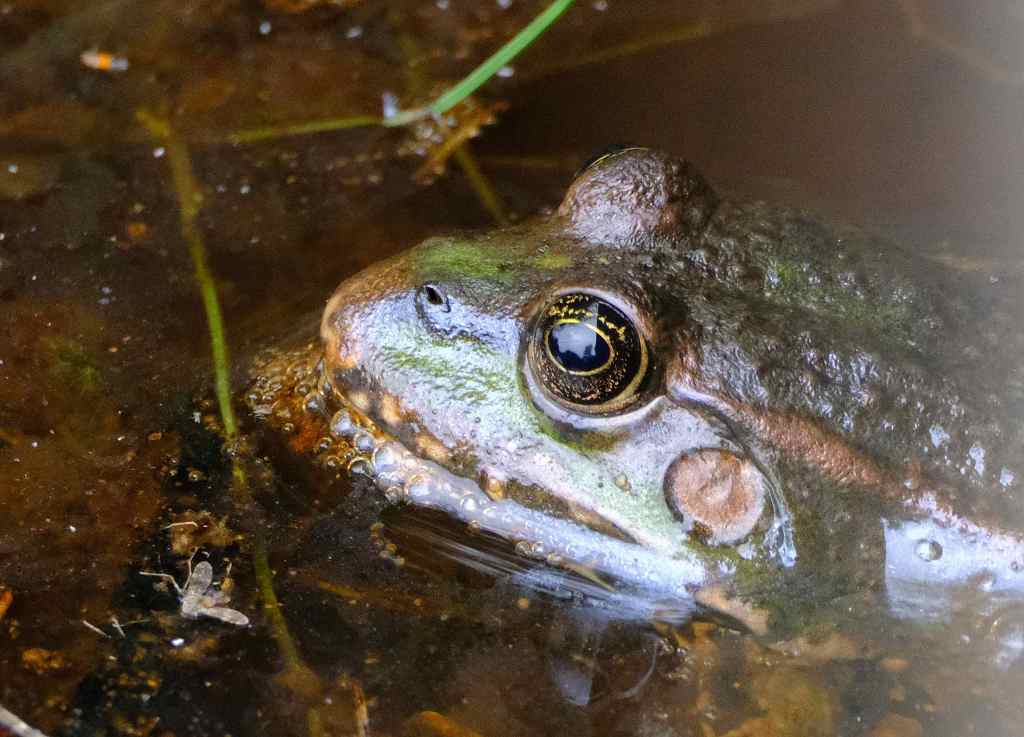


Schedule 9 of the Wildlife and Countryside Act, makes it illegal to distribute or allow the release of Marsh Frogs into the wild.
 Continued Reflections from my World.