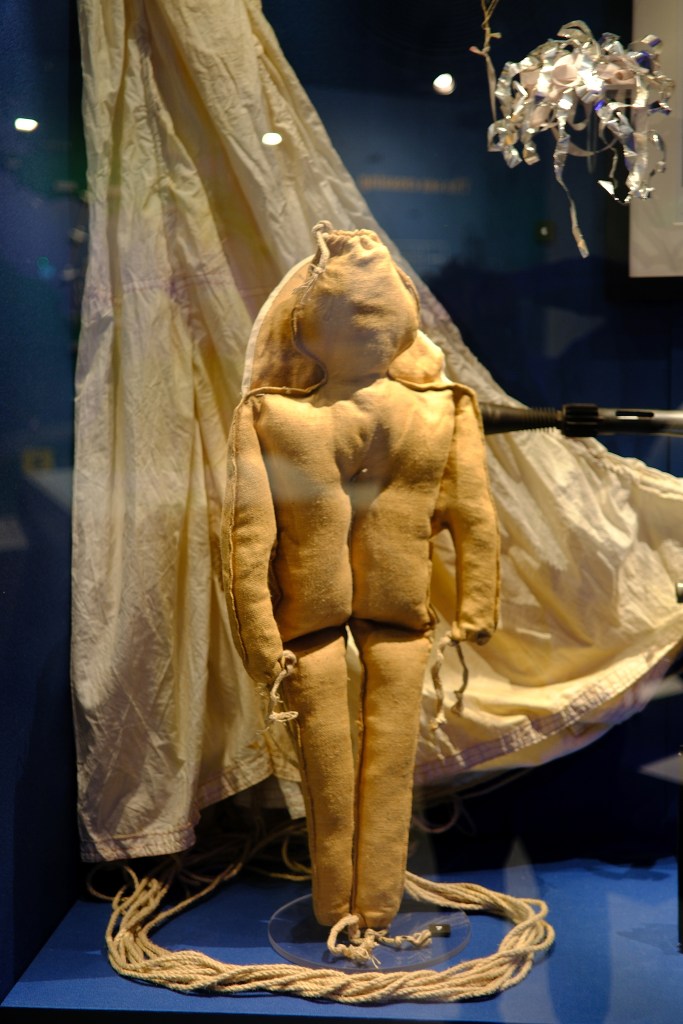
Rupert.

WW2 British D-Day Deception Decoy Paratrooper Dummy, these dummies were produced for the decoy operation, known as Operation Titanic part of the larger operation for the deception of the D-Day landings. The Allied forces dropped hundreds of these sacking dummies across parts of France on the 5th / 6th of June 1944 to deceive the Germans to move their forces away from the actual invasion force on the Normandy drop zones. Although these dummies are much smaller than a person when at a height they did fool the German forces, they were packed with an incendiary which would ignite them when they hit the ground, in the hope of destroying the evidence of the decoy from the Germans. These dummies were given the nickname ‘Rupert’s’.
Beer Caves.

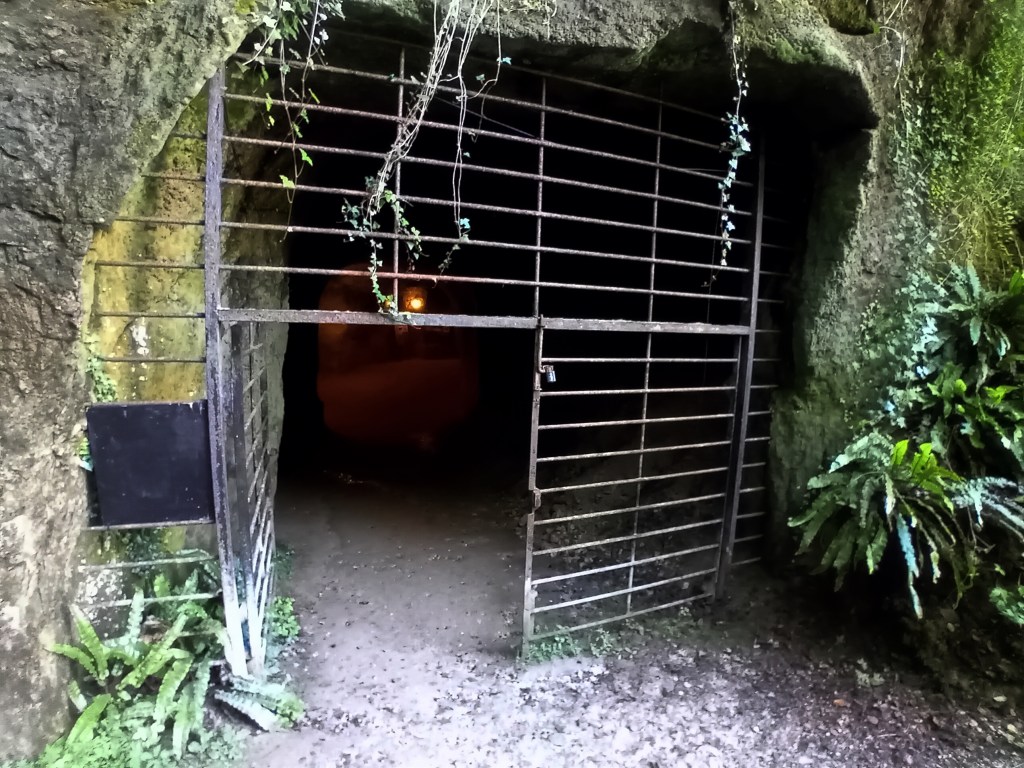
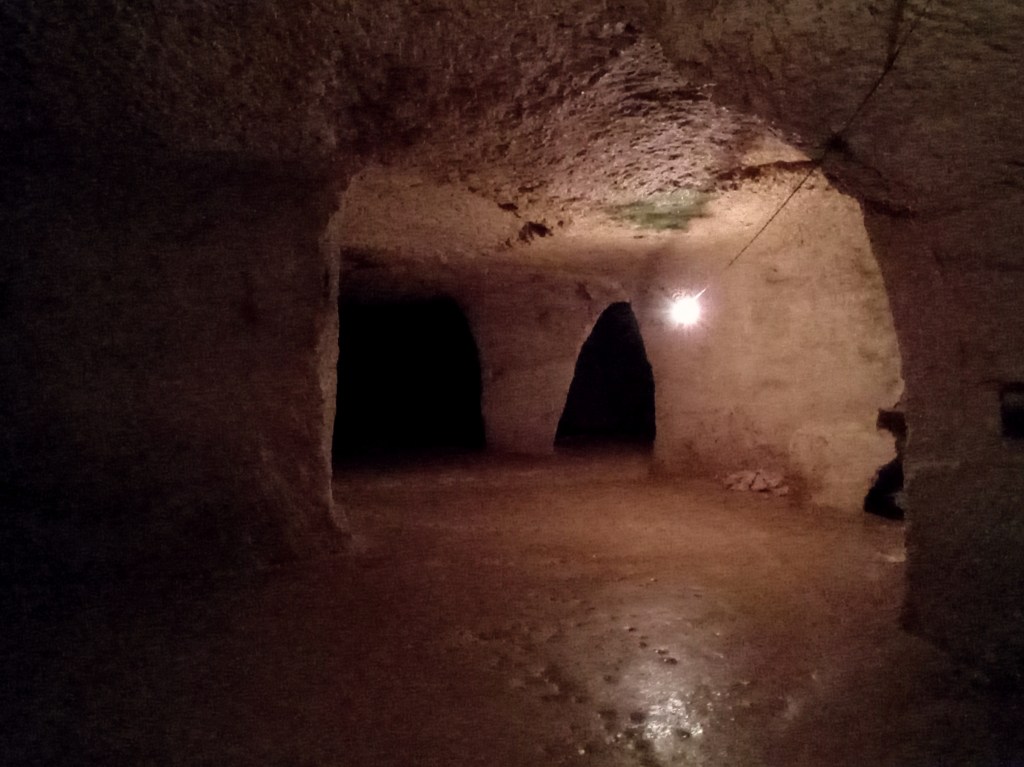
Beer Quarry Caves are a man-made underground complex located a mile west of the village of Beer, Devon. The tunnels resulted from 2,000 years of quarrying Beer stone, which was particularly favoured for the cathedral and church features such as door and window surrounds because of its colour and workability for carving. Stone from the quarry was used to construct several of Southern England’s ancient cathedrals and other important buildings, as well as many town and village churches and some buildings in the United States. Extraction was particularly intense during the Middle Ages the quarry closed in the 1920s.

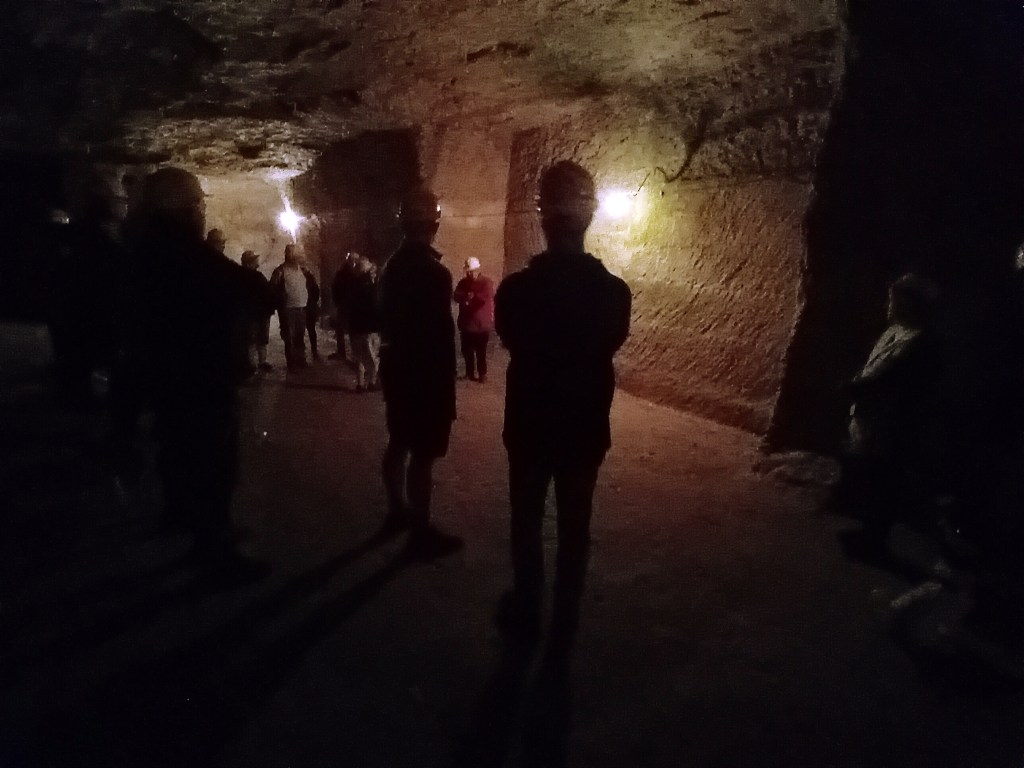
Today you can visit the caves on an hour-long underground tour through the vast man-made complex of underground caverns There are large halls with vaulted roofs and pillars of Beer Stone which have been likened to a vast underground cathedral.

D-Day Museum.

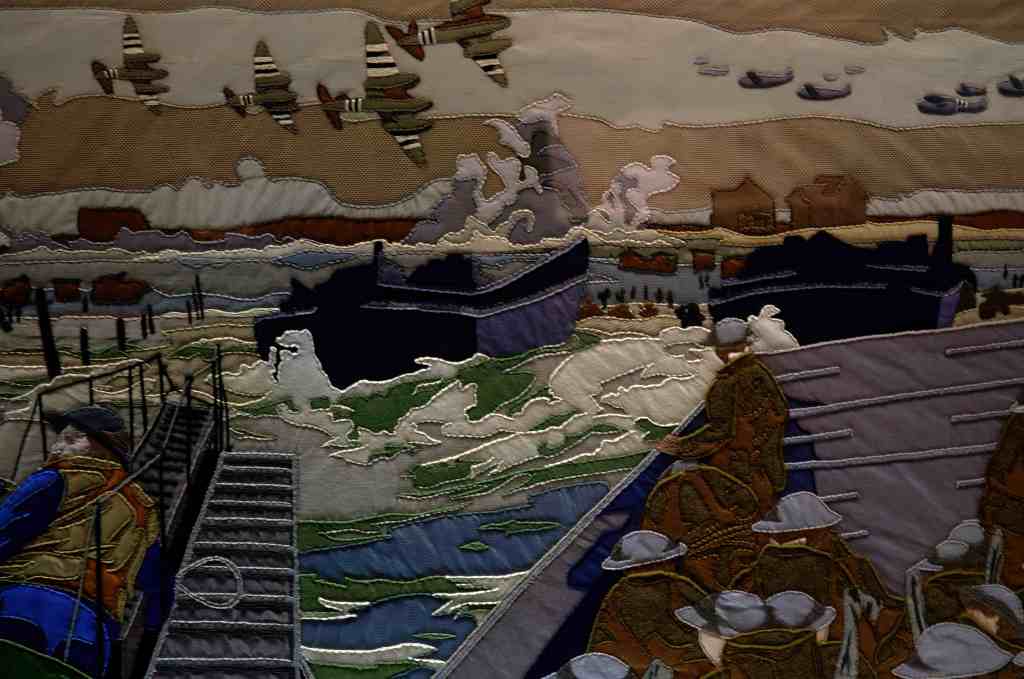
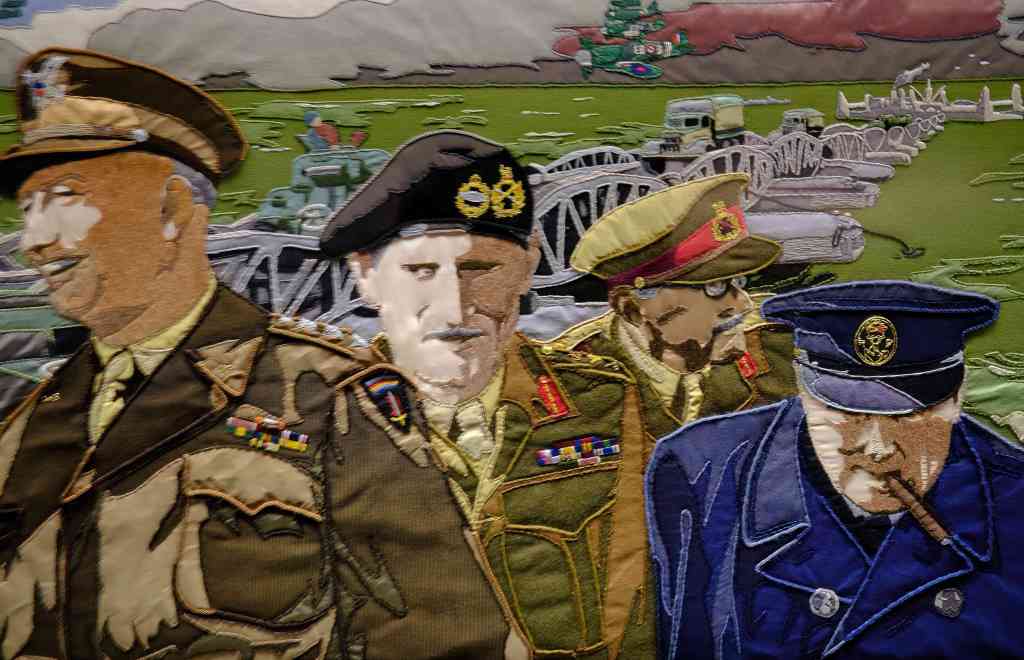
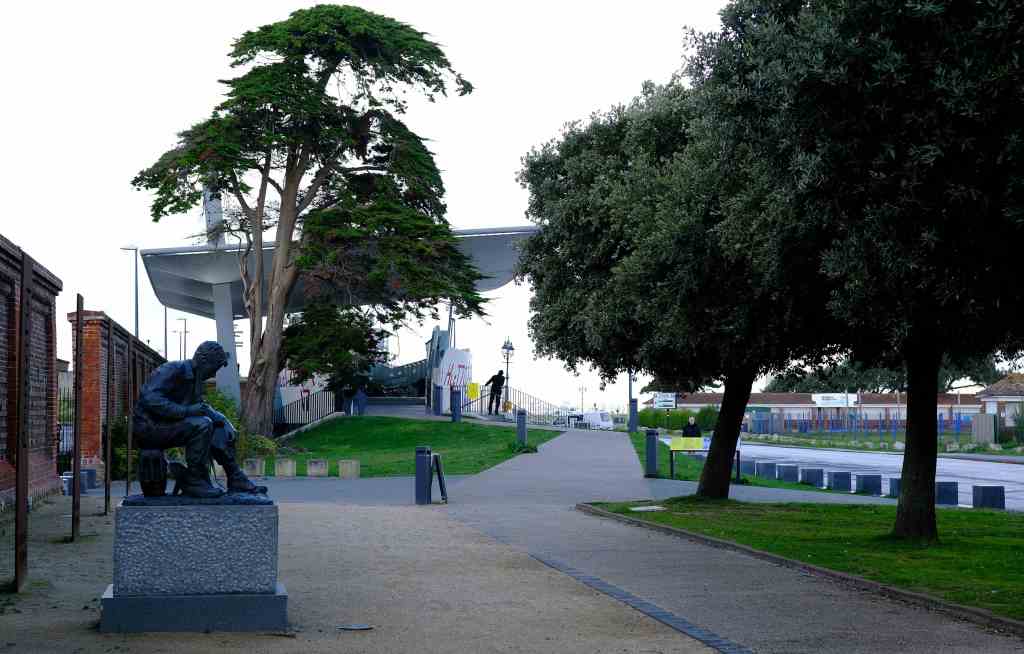
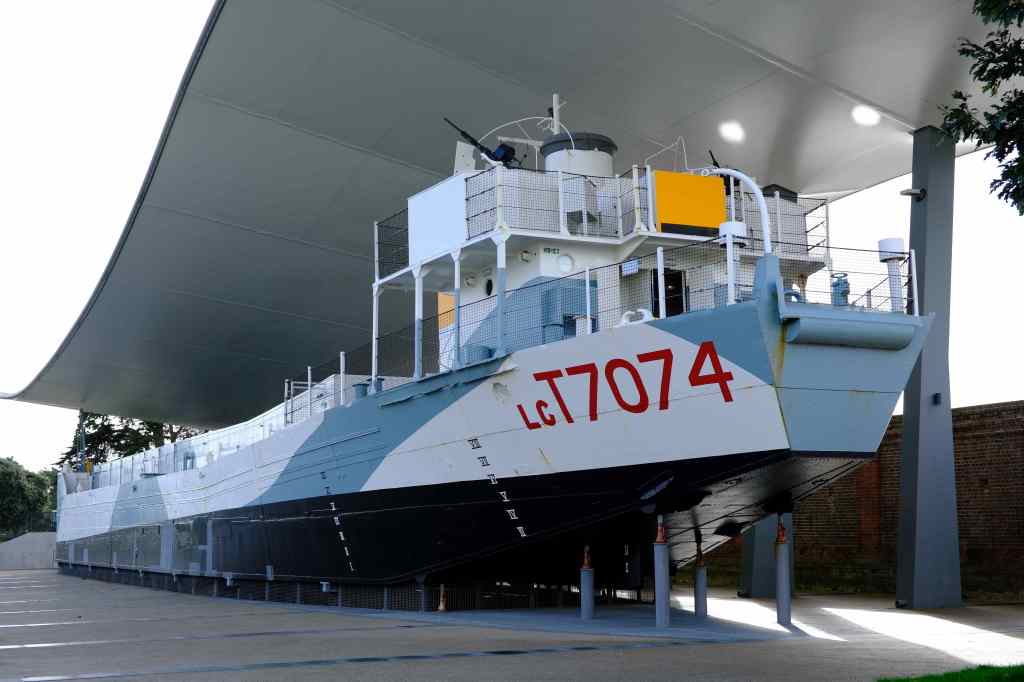
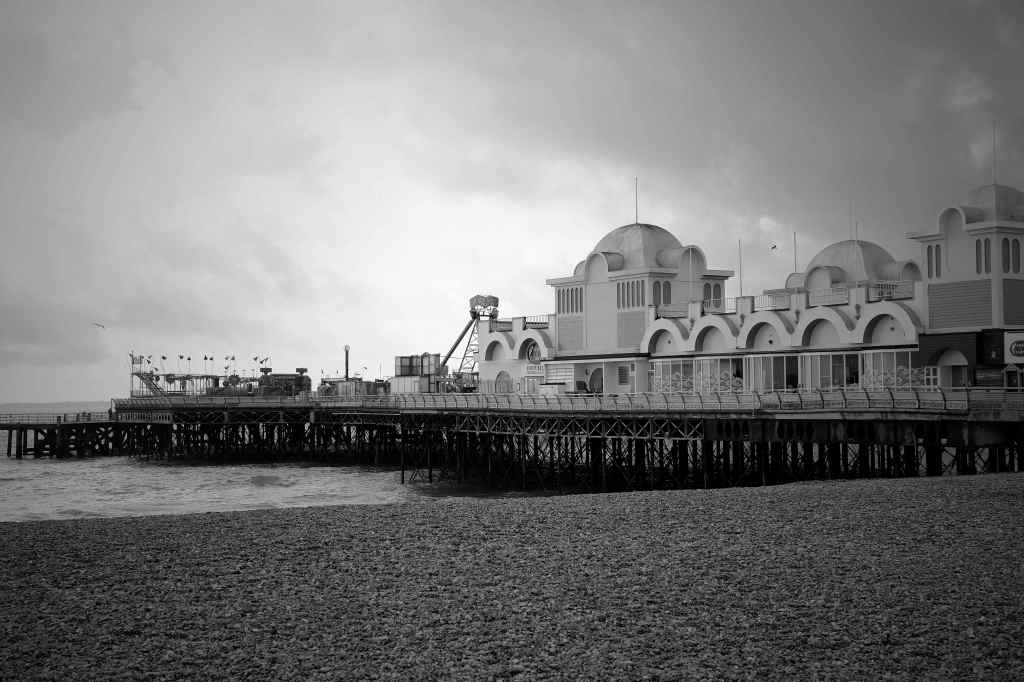
A visit to Southsea near Portsmouth allowed me to visit the D-Day museum. Within the museum is The Overlord Embroidery, which was commissioned in 1968 by Lord Dulverton. It is 83 metres long and made up of 34 panels, all hand-stitched.

T

Operation Overlord was the codename for the Battle of Normandy, the Allied operation that launched the successful liberation of German-occupied Western Europe during World War II. The operation started with the run-up to D-Day on 6 June 1944 with the landings (Operation Neptune). A 1,200-plane airborne assault preceded an amphibious assault involving more than 5,000 vessels. Nearly 160,000 troops crossed the English Channel on 6 June, and more than two million Allied troops were in France by the end of August.

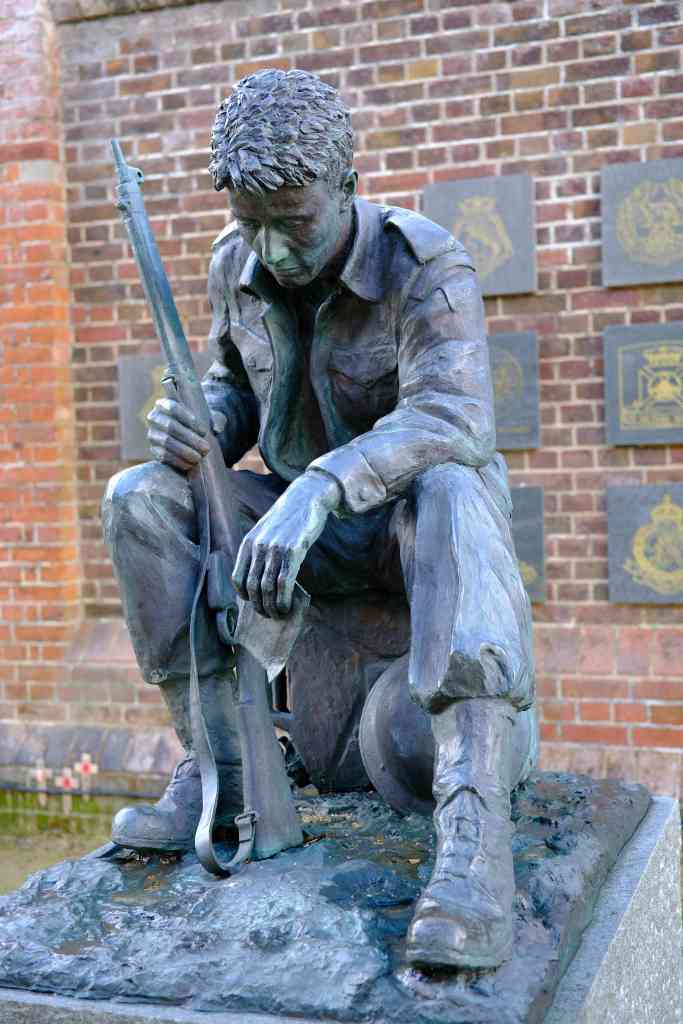
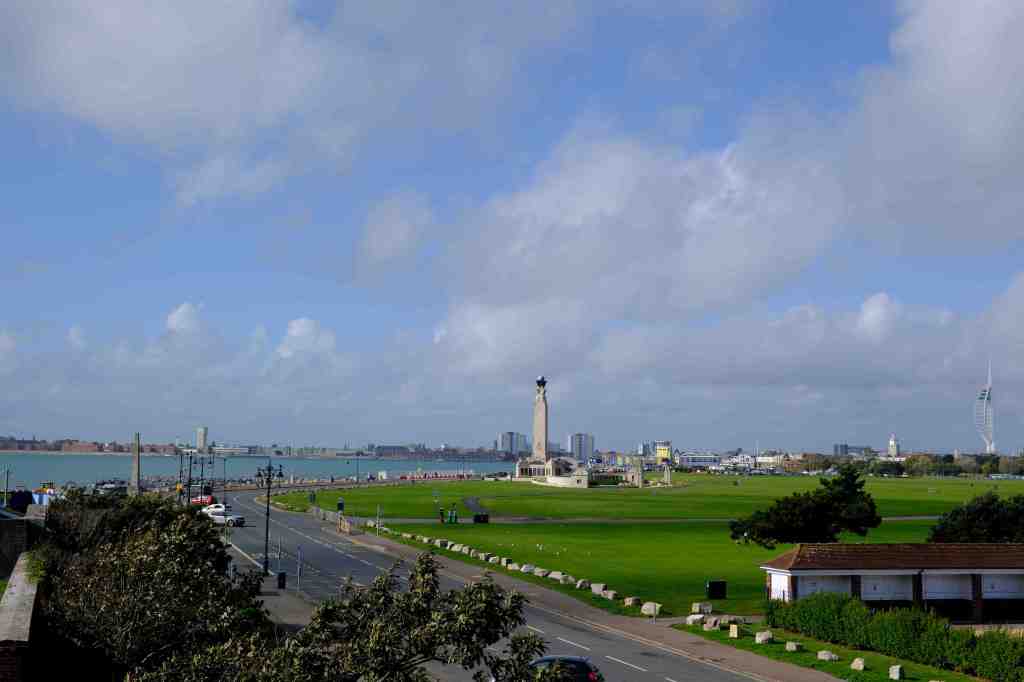
Royal Navy War Memorial Southsea Parade.