The Four-spotted chaser dragonflies seen here at Titchfield Haven Nature Reserve are easily recognised. Each wing has two dark spots on the leading edge. These spots give this species its name.
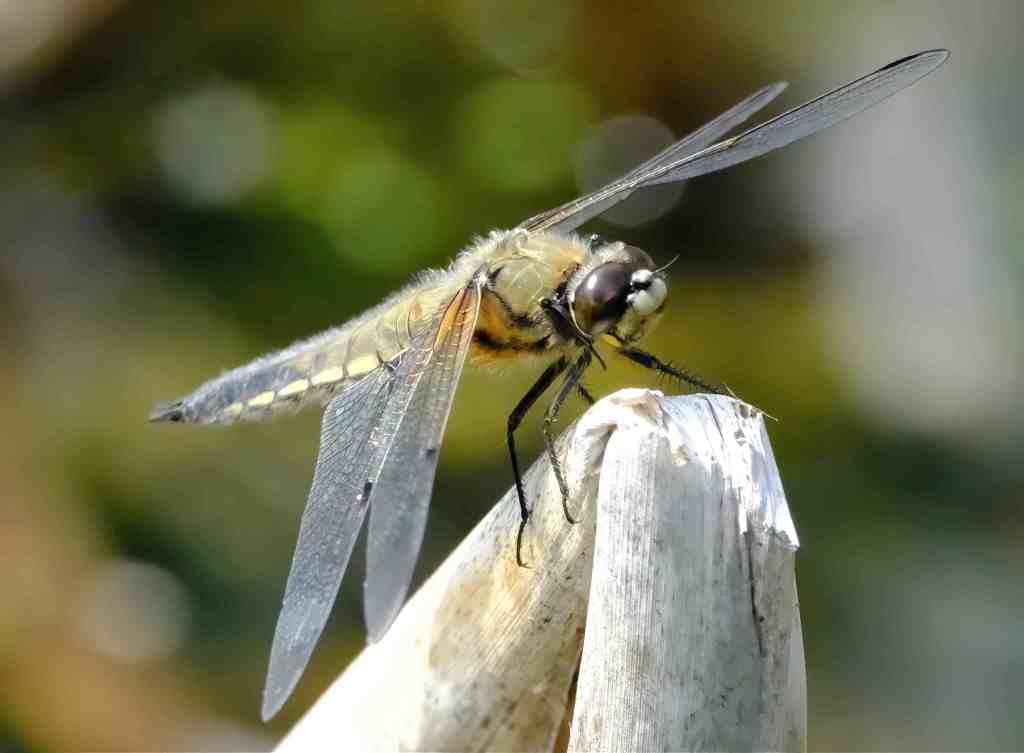
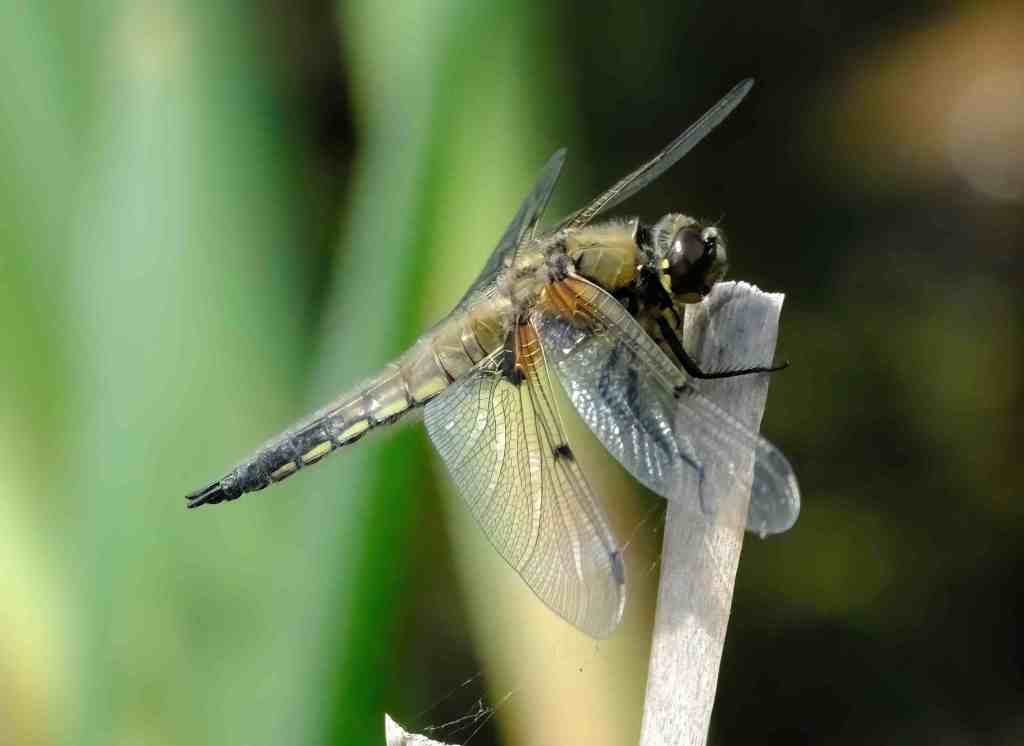
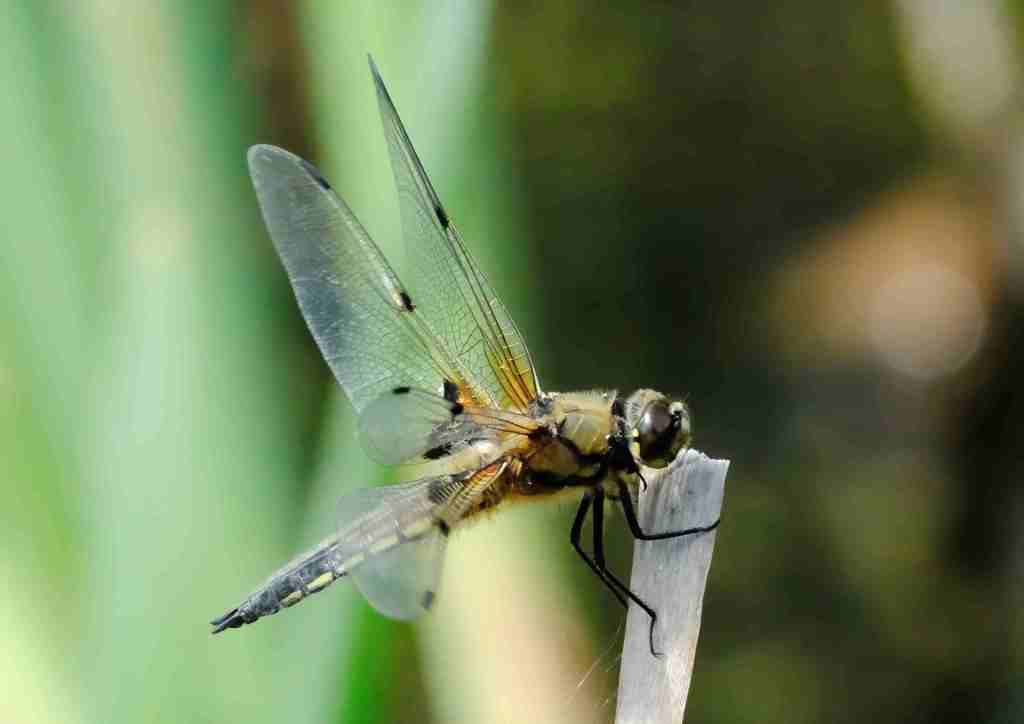


The Four-spotted chaser dragonflies seen here at Titchfield Haven Nature Reserve are easily recognised. Each wing has two dark spots on the leading edge. These spots give this species its name.
Kestrel hunting by the Beach at Titchfield Haven.
One of the few books I had to read at school.
A Kestrel for a Knave is a novel by English author Barry Hines, published in 1968. The book is set in an unspecified mining town in Northern England. It follows Billy Casper, a young working-class boy troubled at home and at school. He finds and trains a kestrel, whom he names “Kes”. It was made into a film directed by Ken Loach and produced by Tony Garnett,
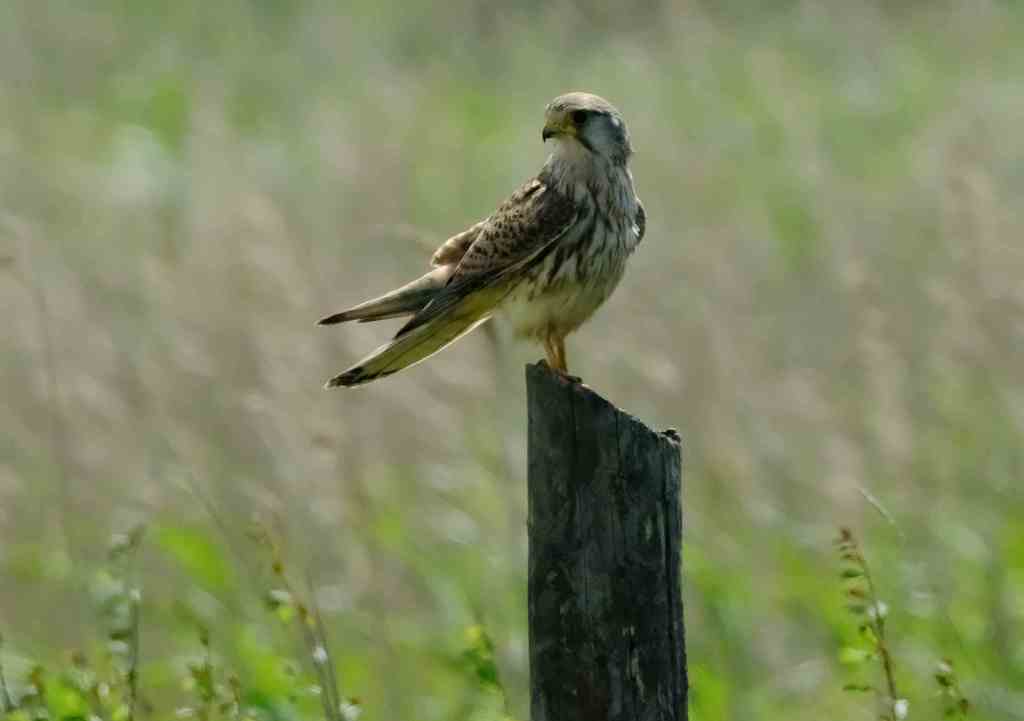


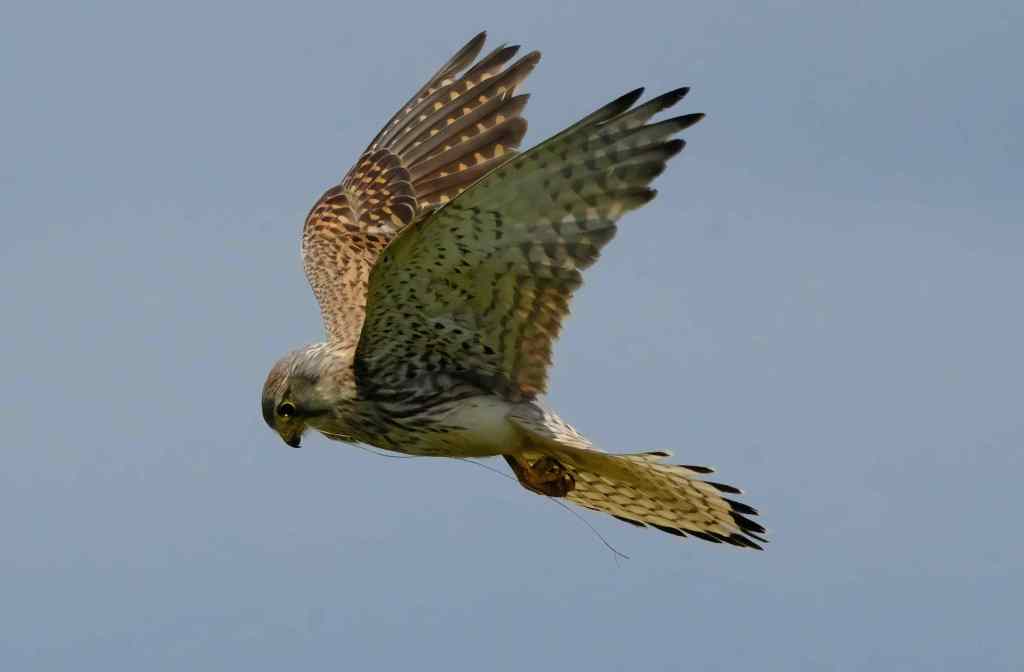
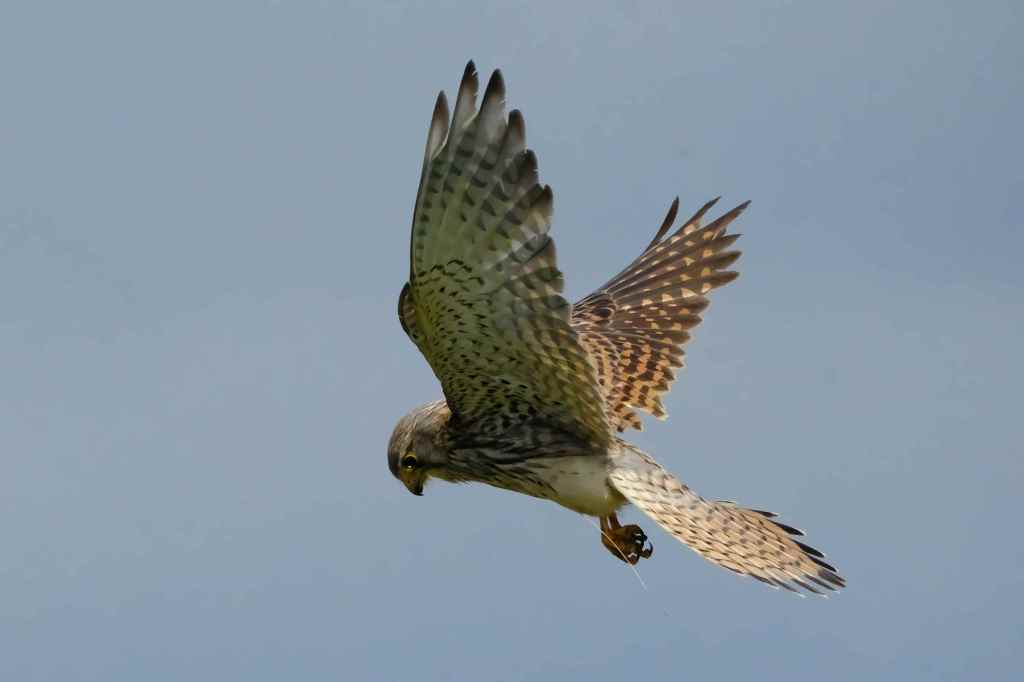

Wordless Wednesday.


On another walk this morning, orchids were abundant in the Heathland.

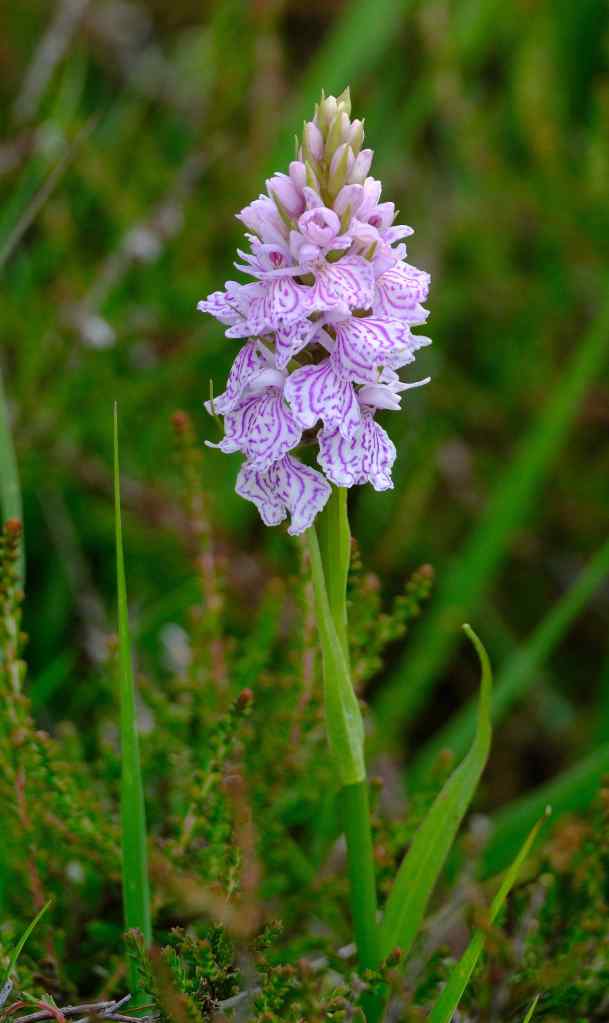

I believe these are Common Spotted Orchids.
The Meadow Pipit is a small, brown, and streaky bird; they look very much like a small song thrush.

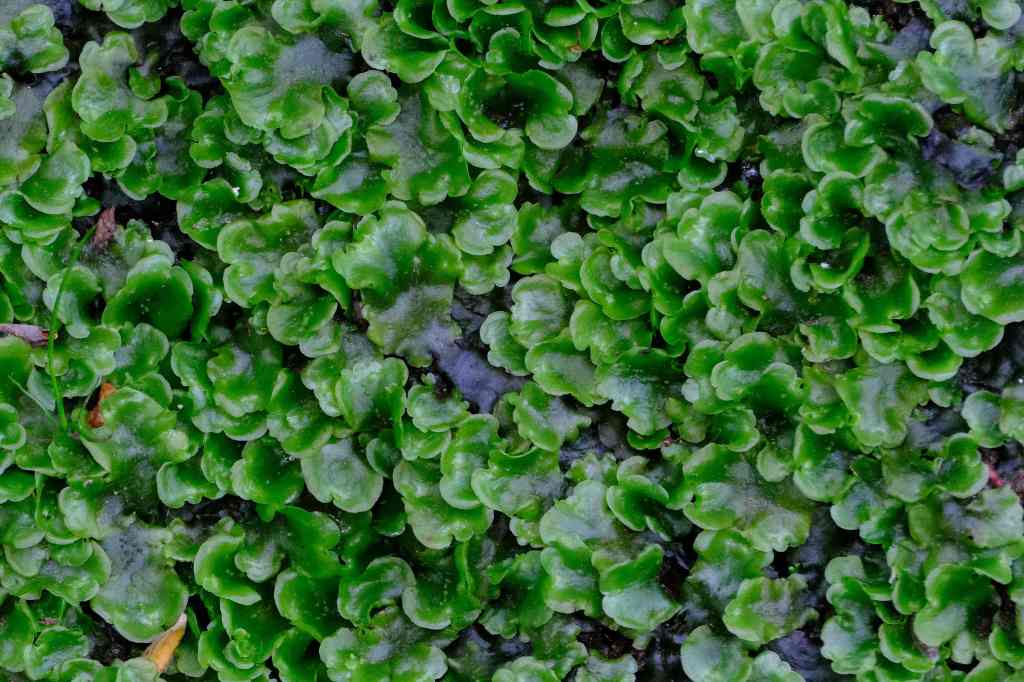
Liverworts are small flowerless plants with leaf-like lobes called a thallus. There were large numbers growing along the stream we walked along.
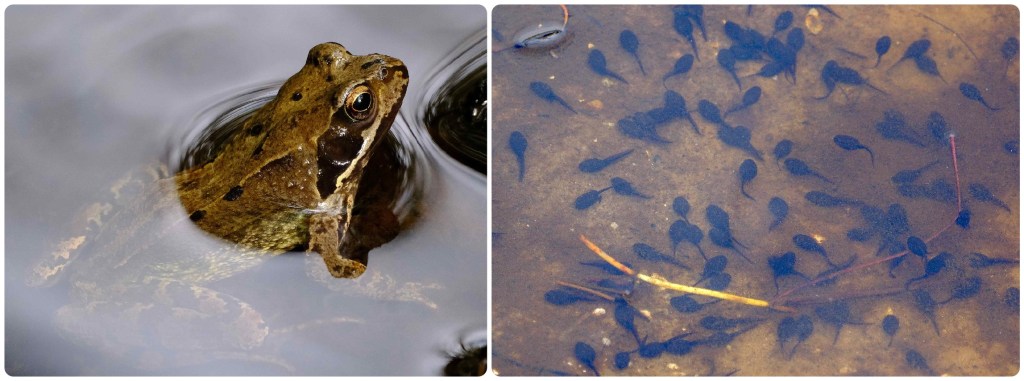
Common Frog and tadpoles
Male Reed Bunting.

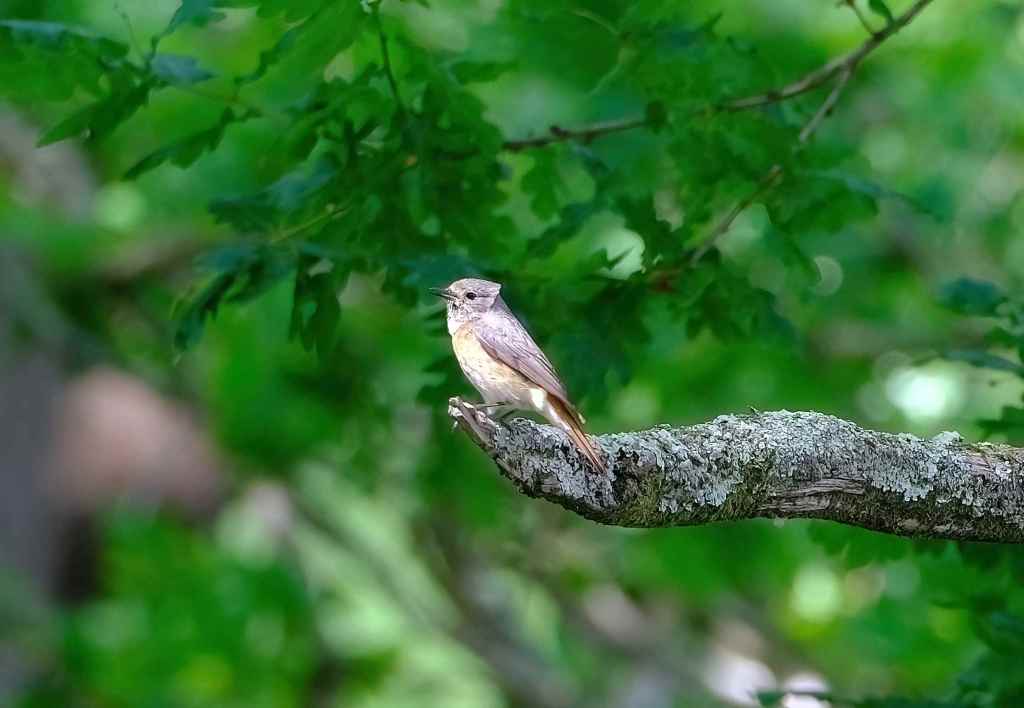
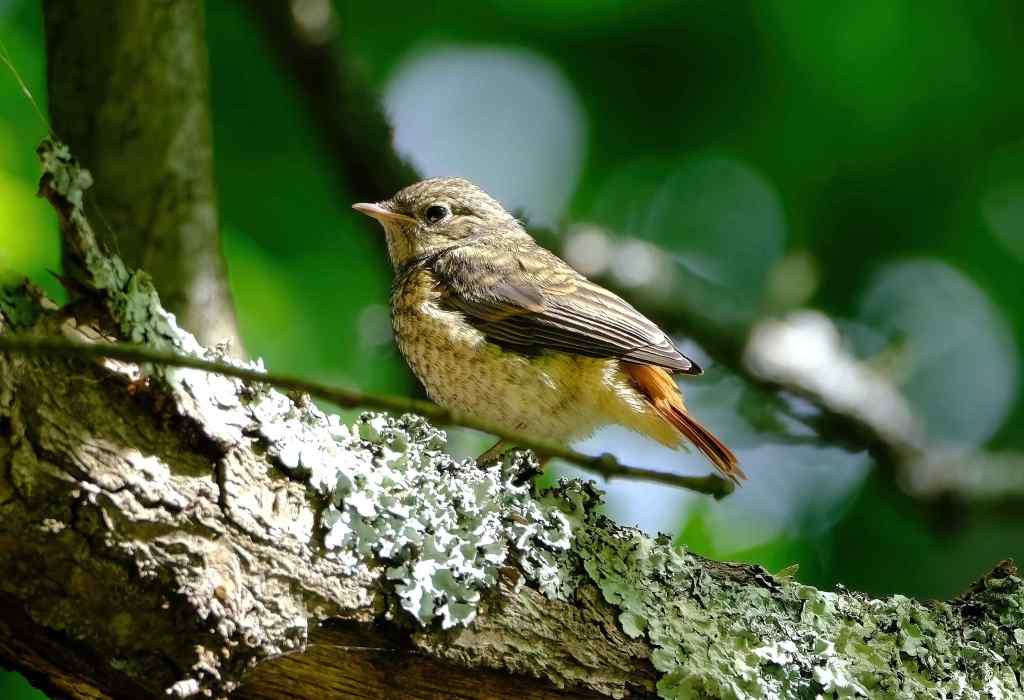
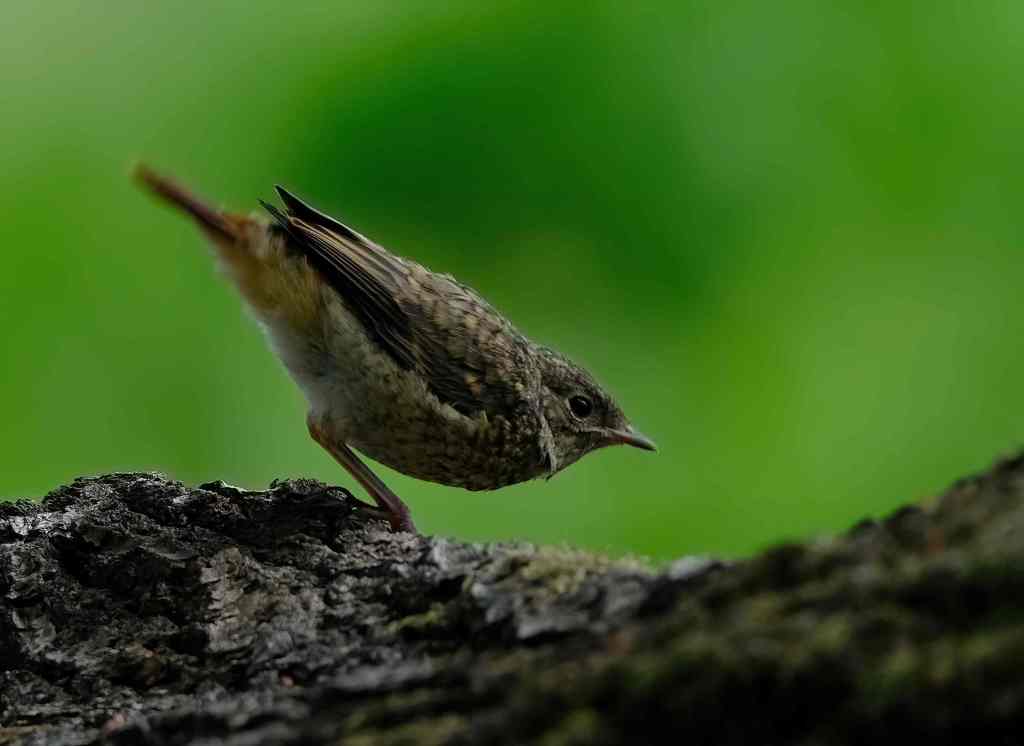
The main highlight of the walk was a family of Redstart.
1st pictures are the male bird, followed by the female, then finally the juvenile.





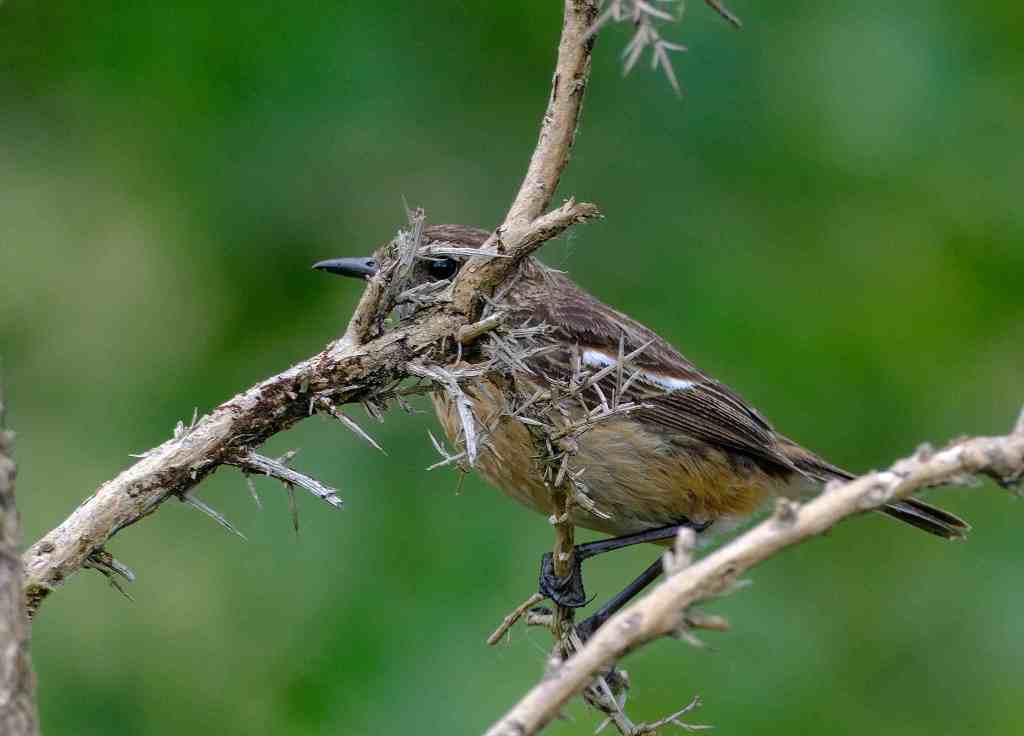
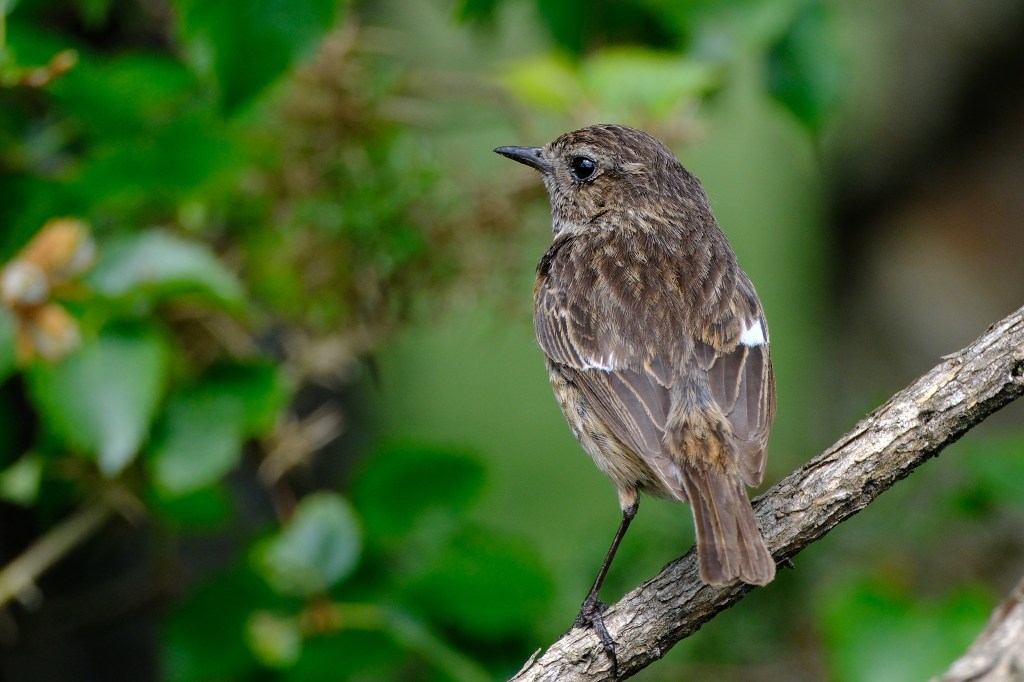
A Female Stonechat in the New Forest this morning. Looking at the photographs, you can see how well these birds blend into their environment. A cuckoo can be heard calling in the background of my YouTube post.



Distant Cuckoo.

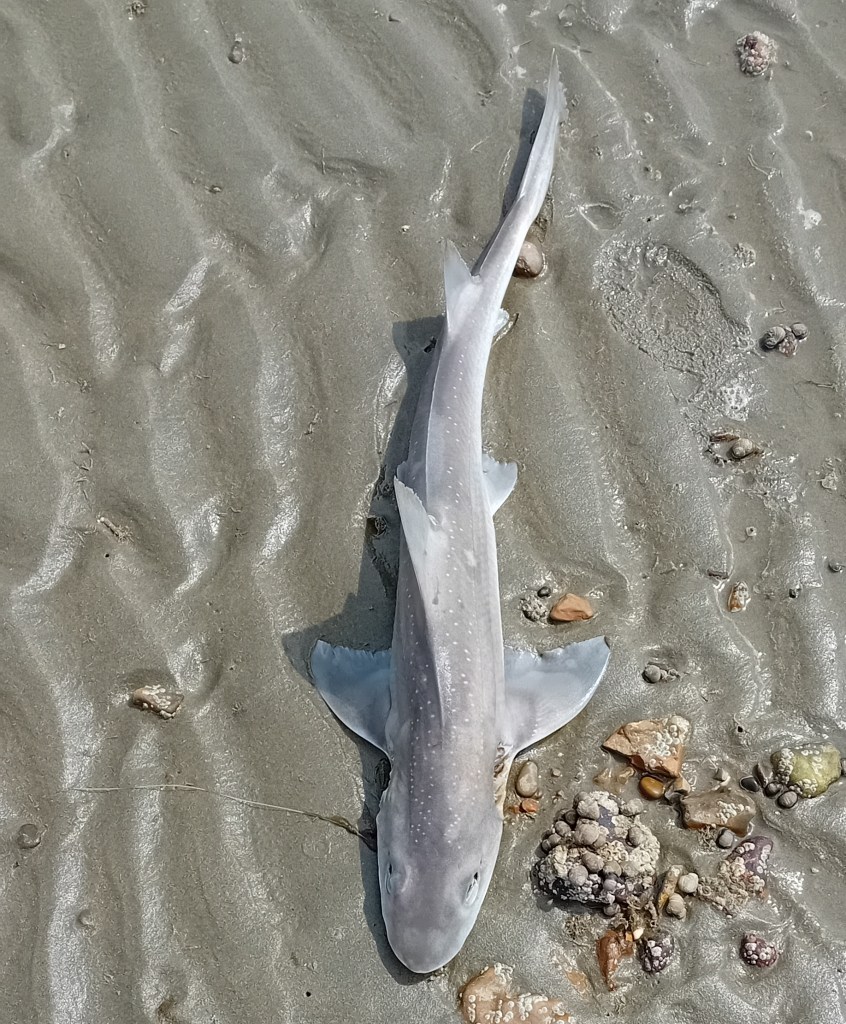
A dead 3-foot shark on the beach – A Smooth Hound, also known as Grumpy Shark and a Smut. Listed as vulnerable by the International Union for Conservation of Nature. Sadly, fishing killed this fish. It was held in the water by 4 lead weights and 30 feet of broken fishing line.
Fishing line is a major hazard on our local beaches, especially to waders and Swans.


Video views.
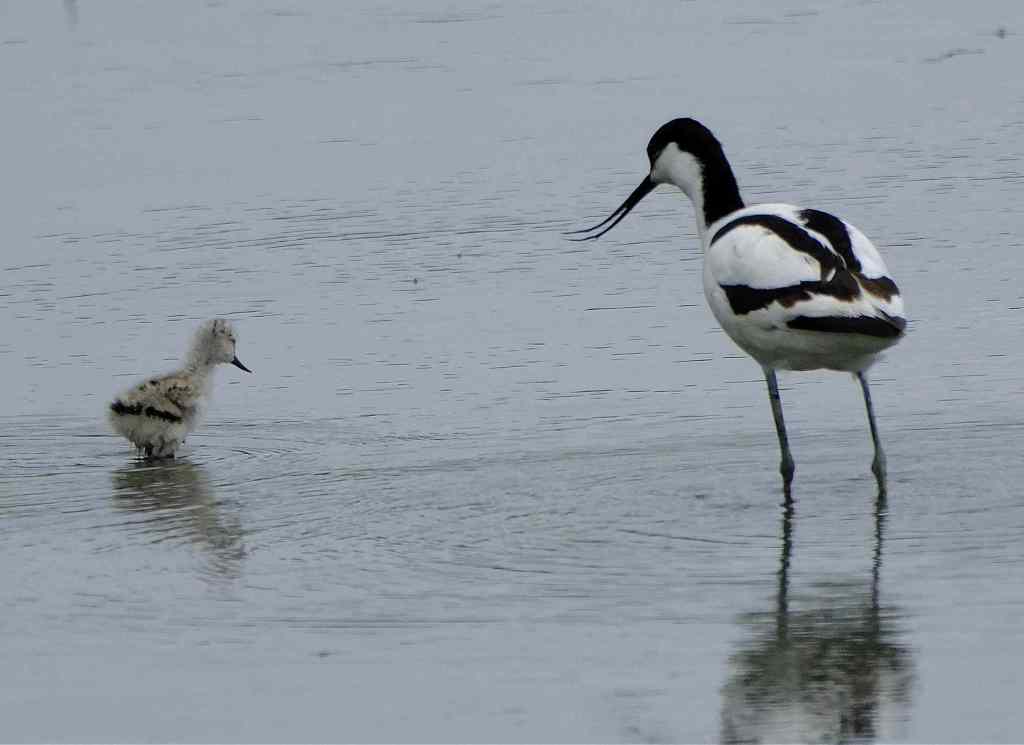
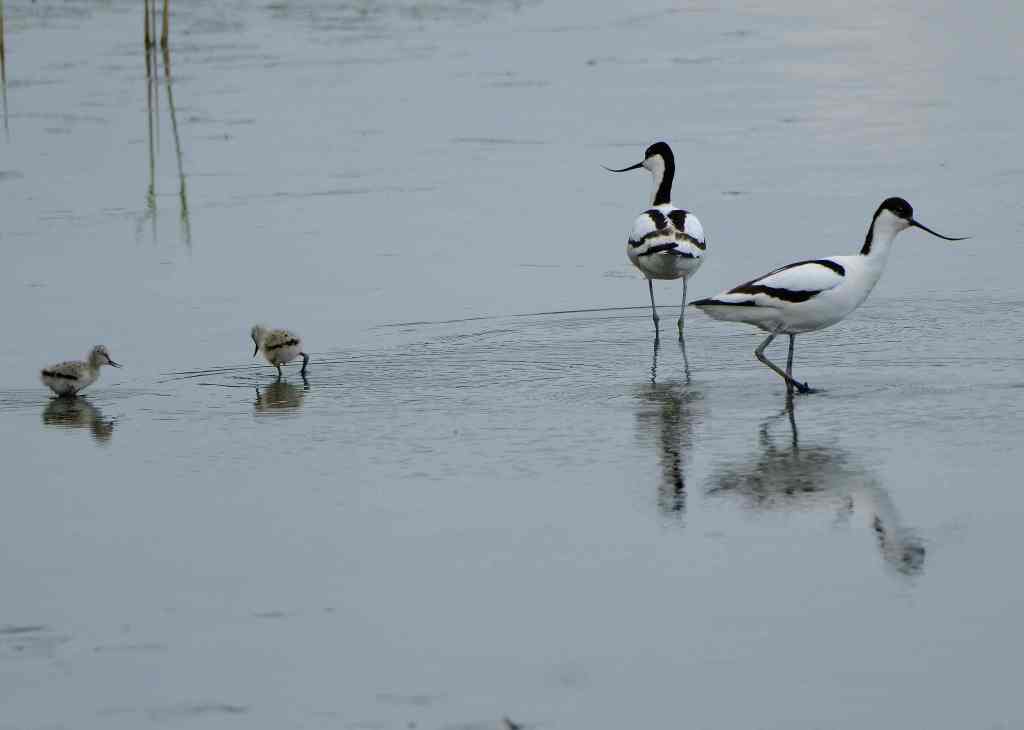
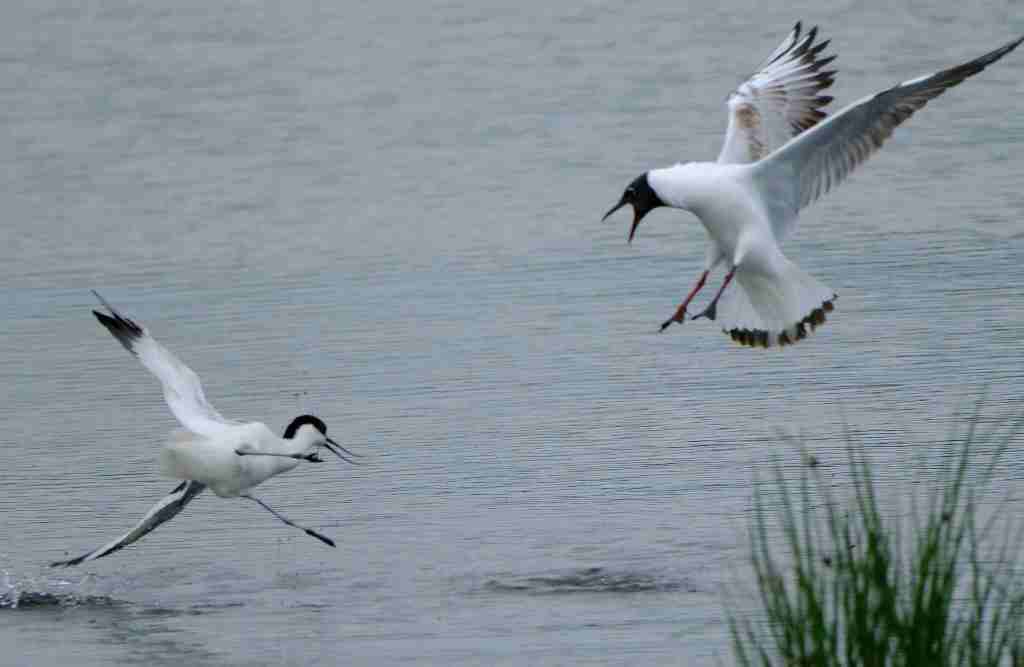
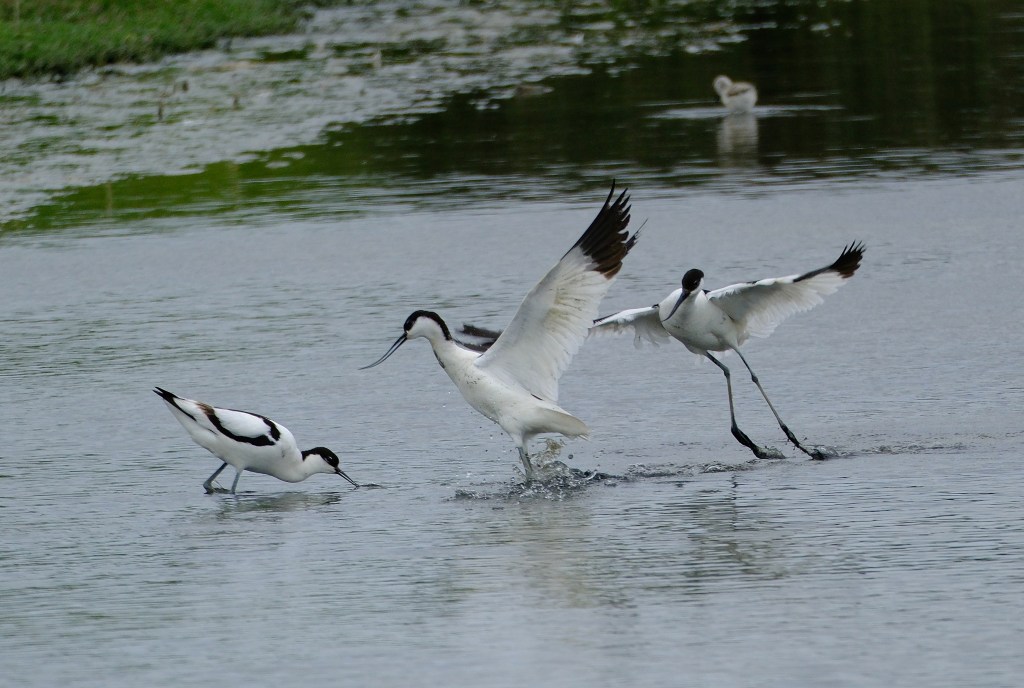
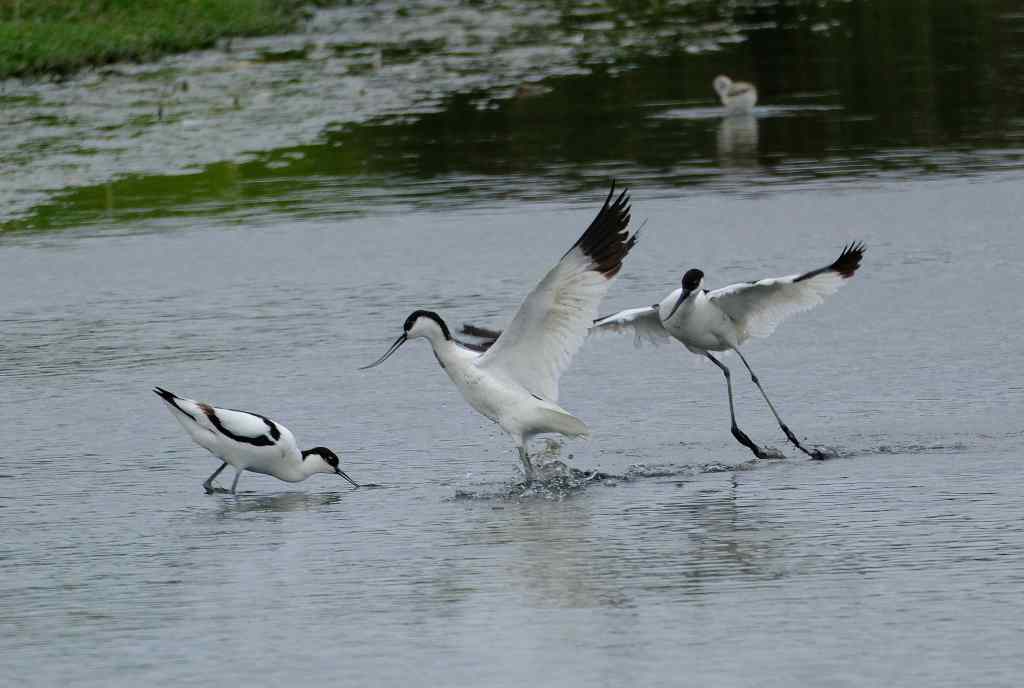
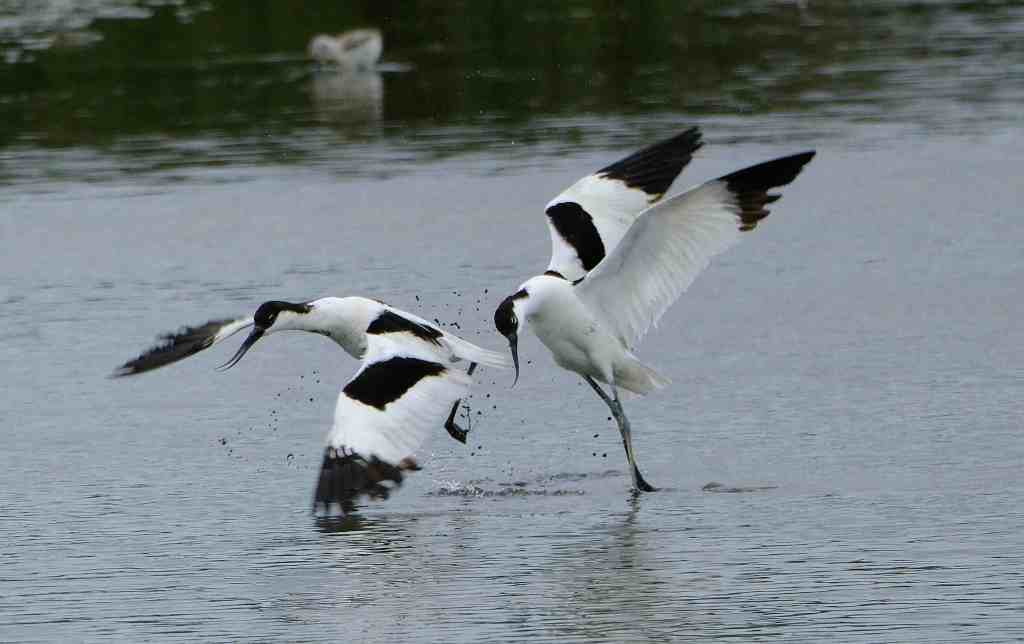
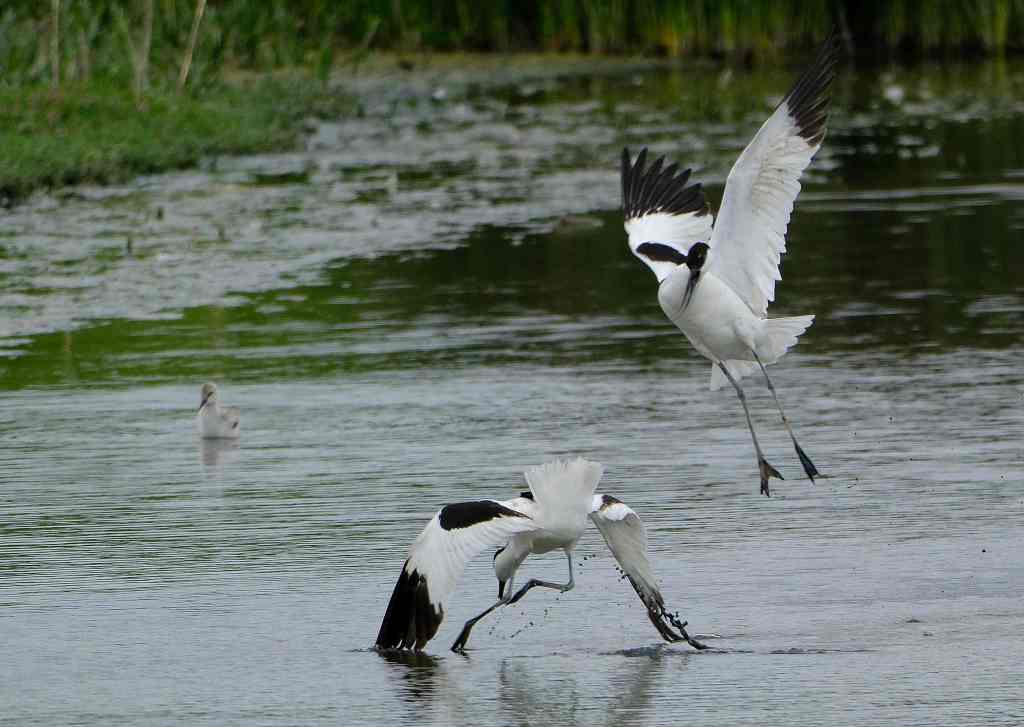
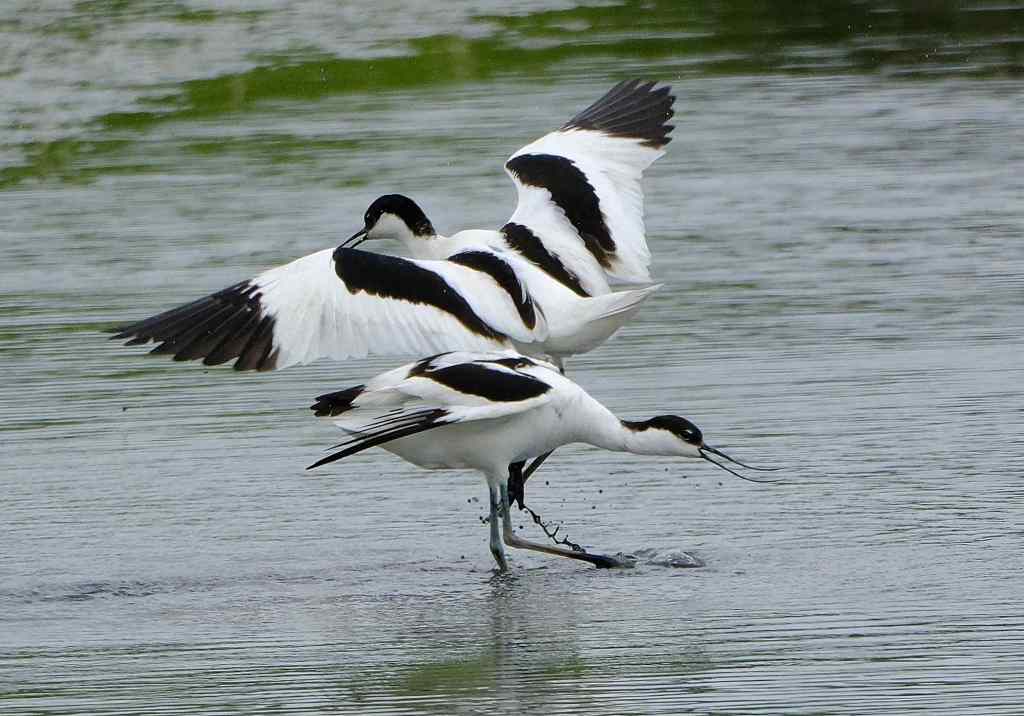
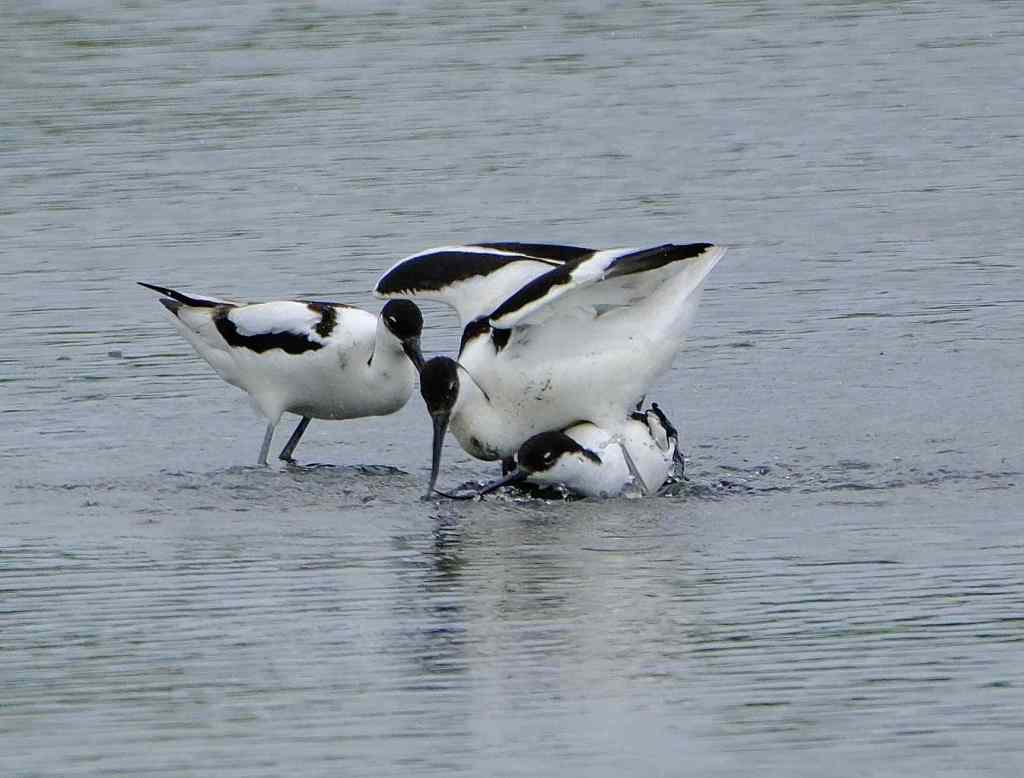
Avocet families at Titchfield Haven National Nature Reserve. Parent birds chase off anything that gets too close to their chicks, including other Avocets. Yet, the chicks wander far from mum and dad. This makes them fairly easy targets for predators like large gulls and Marsh Harriers.



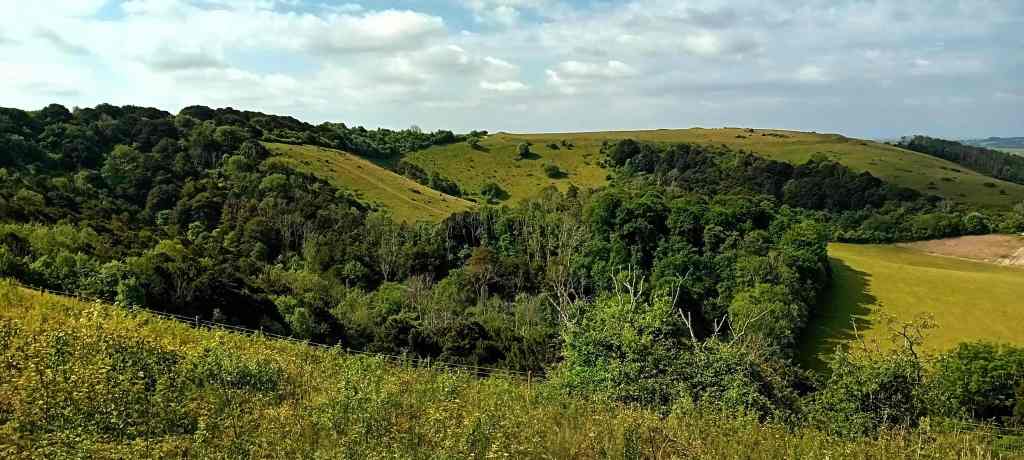
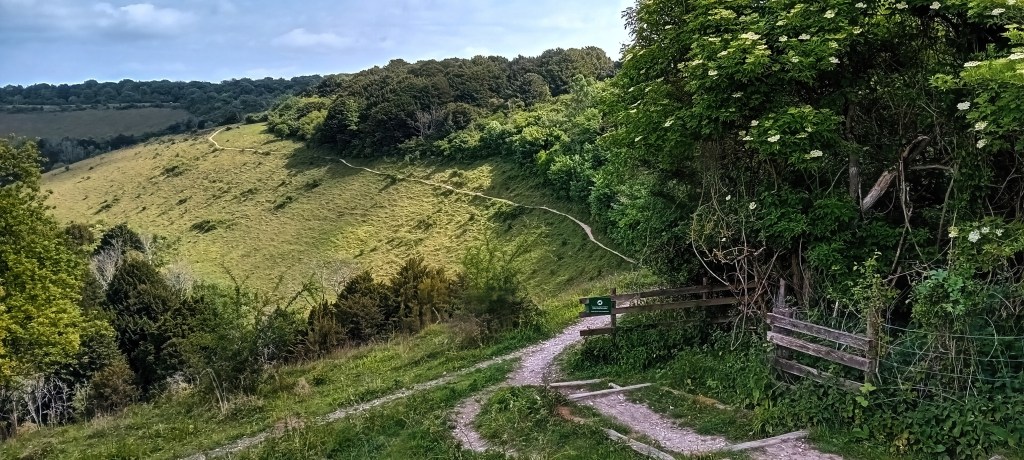
An uphill walk around a local nature reserve on Thursday morning
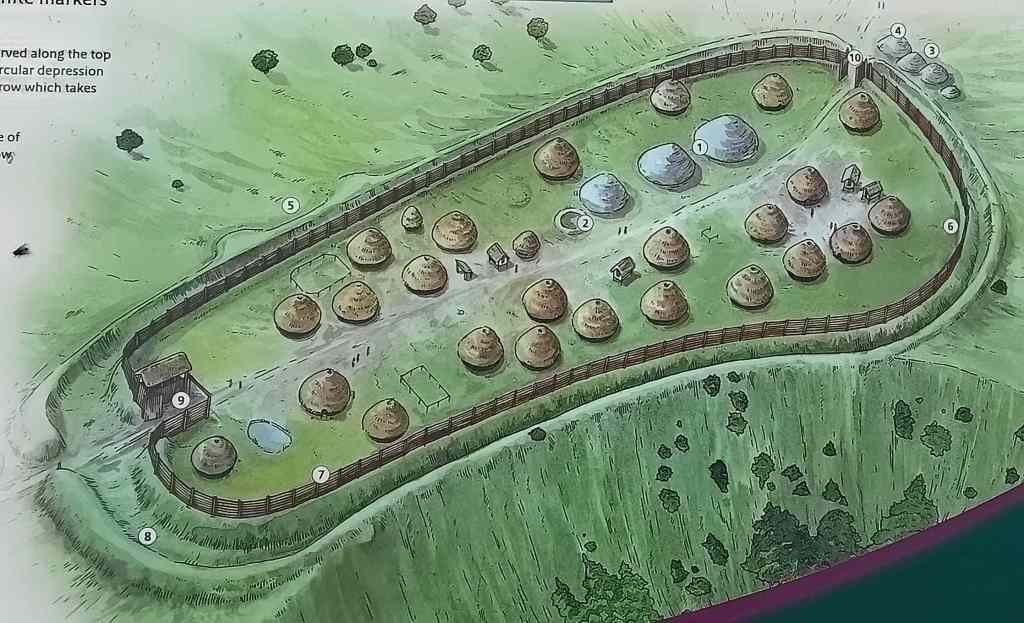
Old Winchester Hill is a 164-acre Site of Special Scientific Interest in Hampshire. Part of it is a scheduled monument. On the summit of the hill is an Iron Age hill fort. Within the hill fort, Bronze Age barrows dating between 2100 and 750 BC can be found. The fort itself was probably built in the Early or early–Middle Iron Age, 600–300 BC.

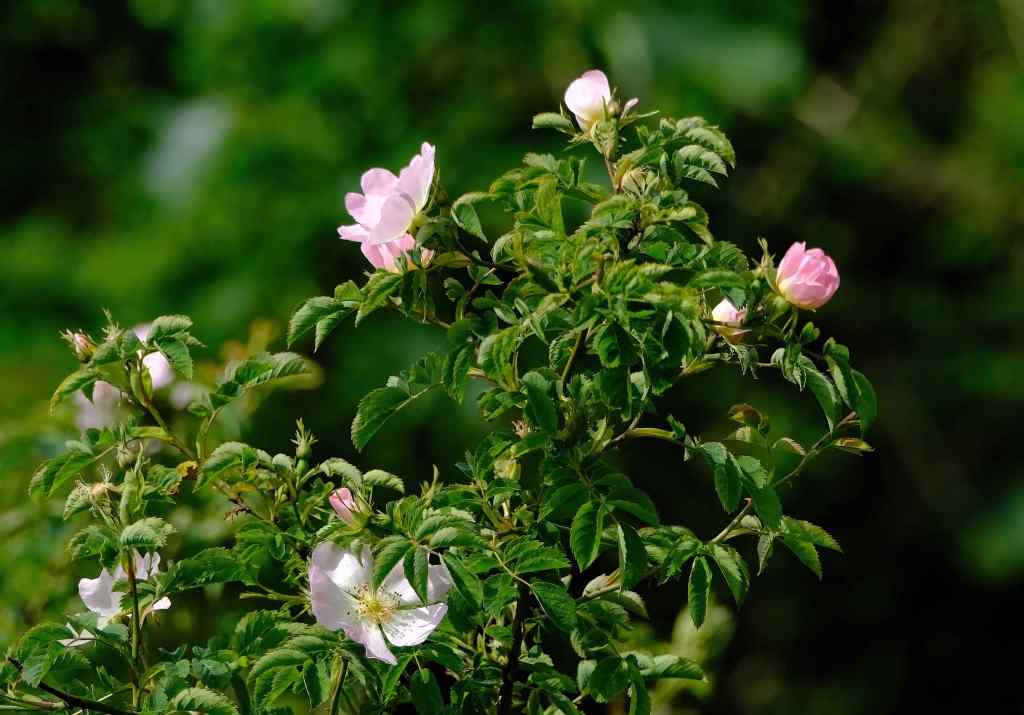
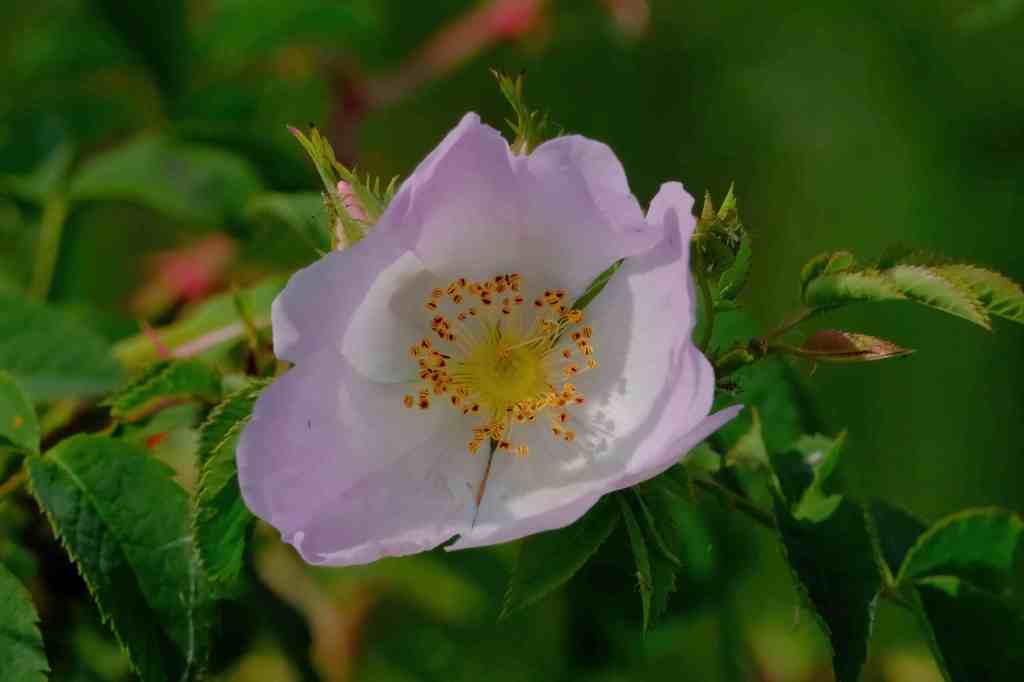
Dog Roses.

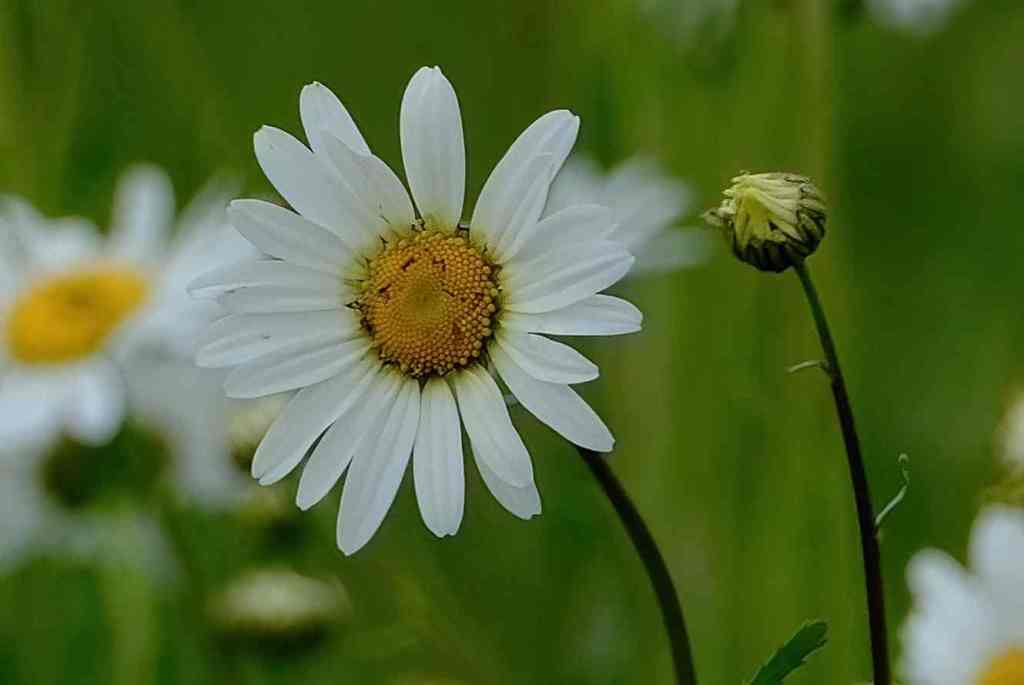
Ox-eye daisies.


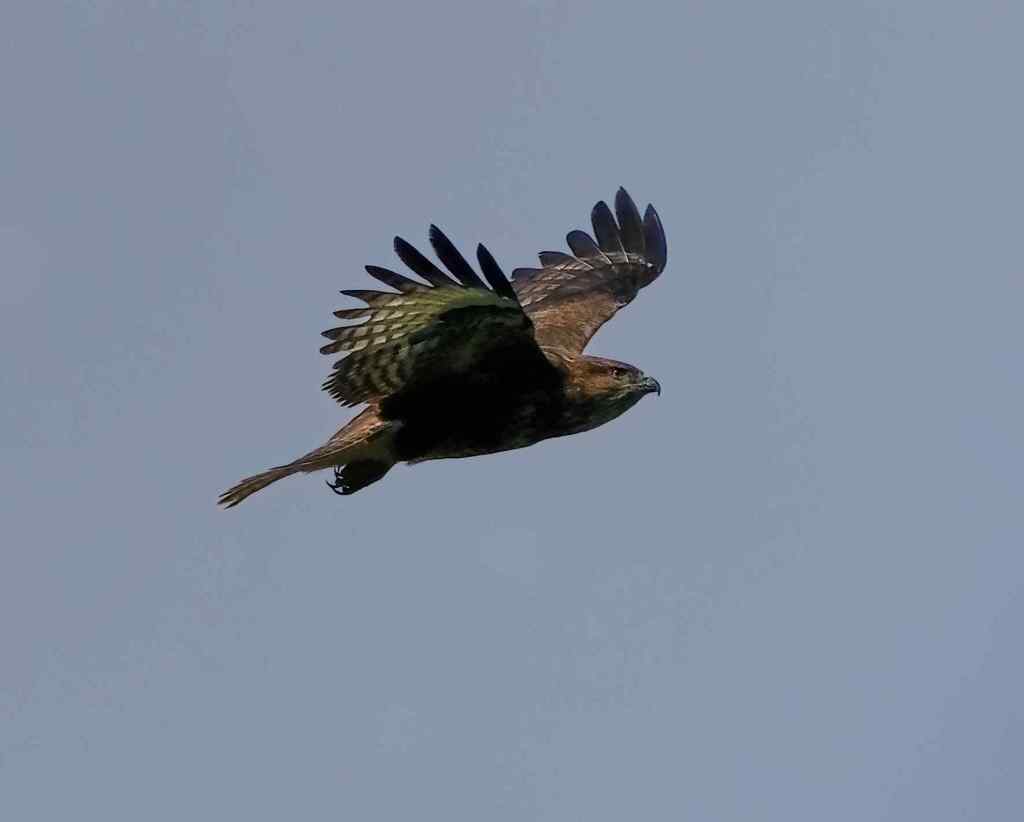
Buzzard.
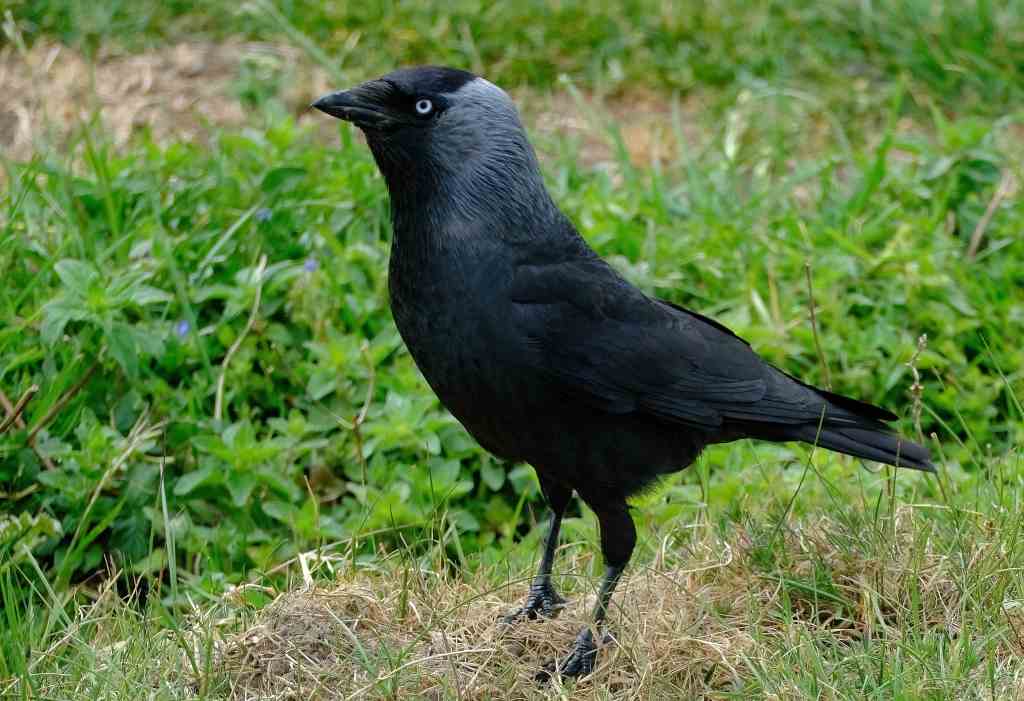
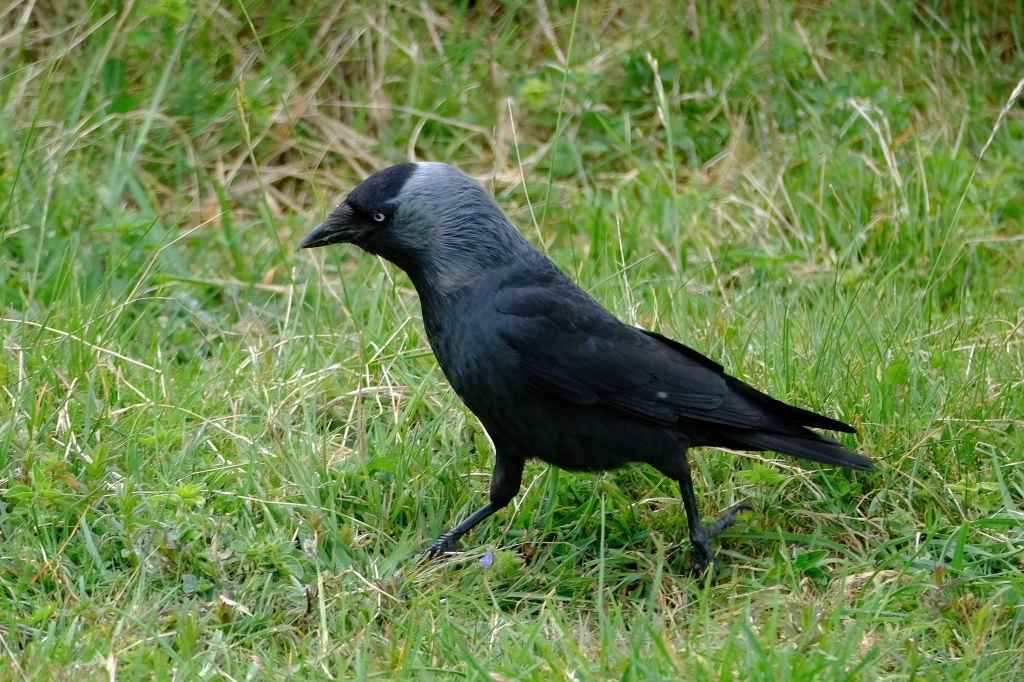
Jackdaw.
Air Ambulance passing over I think they were using the hill fort as a reference on their route


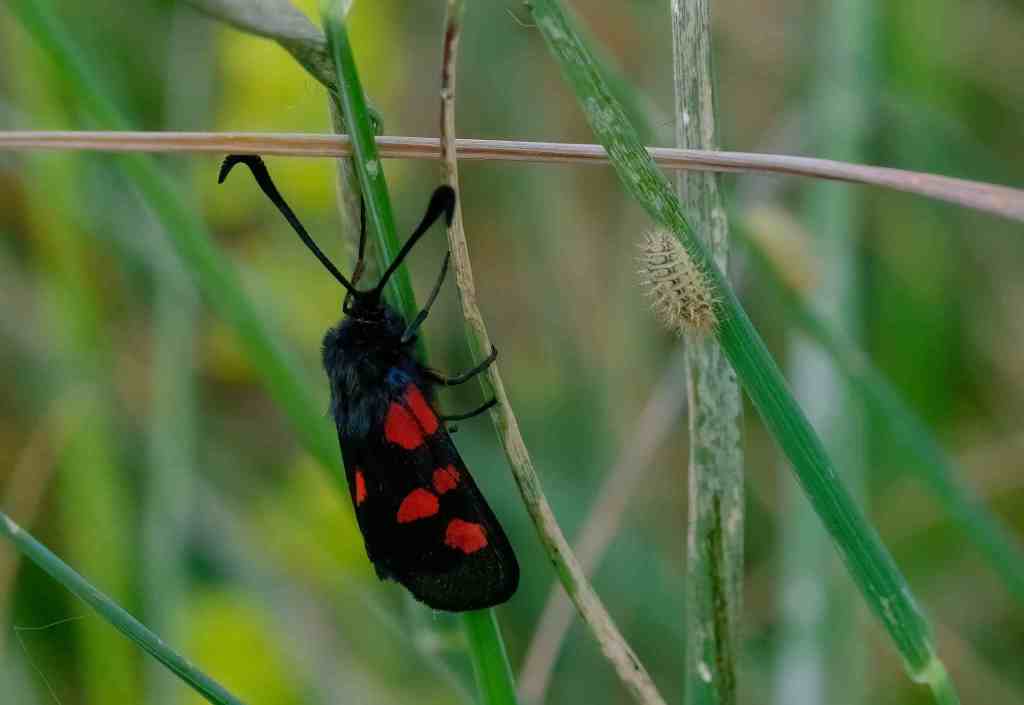
Not many Butterflies were spotted while on the hill. Only one distant Blue Butterfly and a couple of Six-spot burnet moths were seen. They’re a day flying moth.
Watching the video with sound up is best.
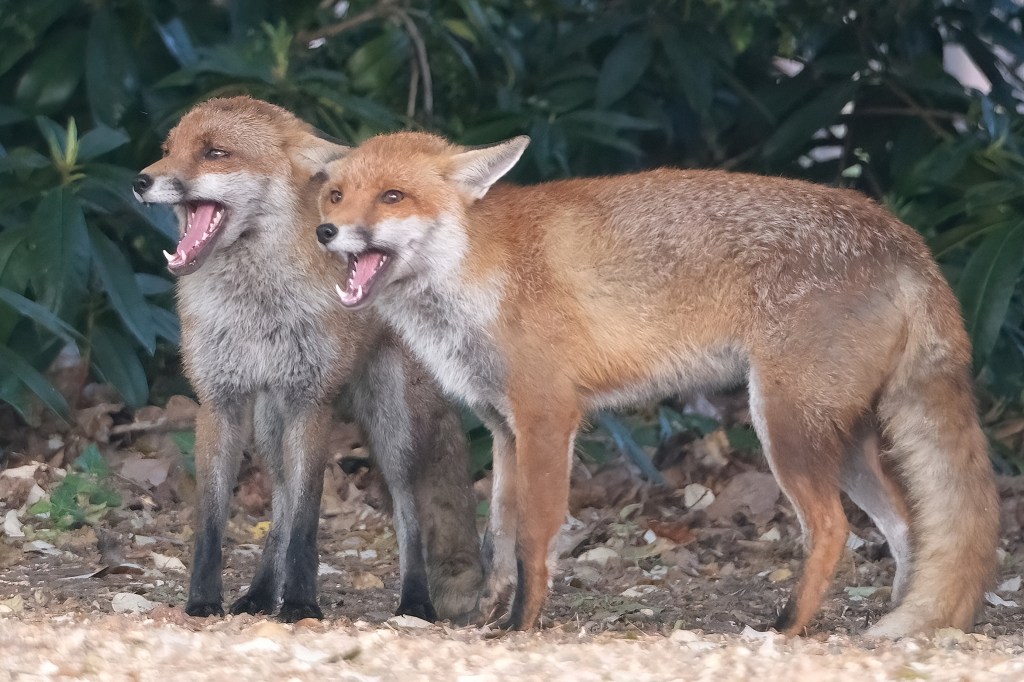
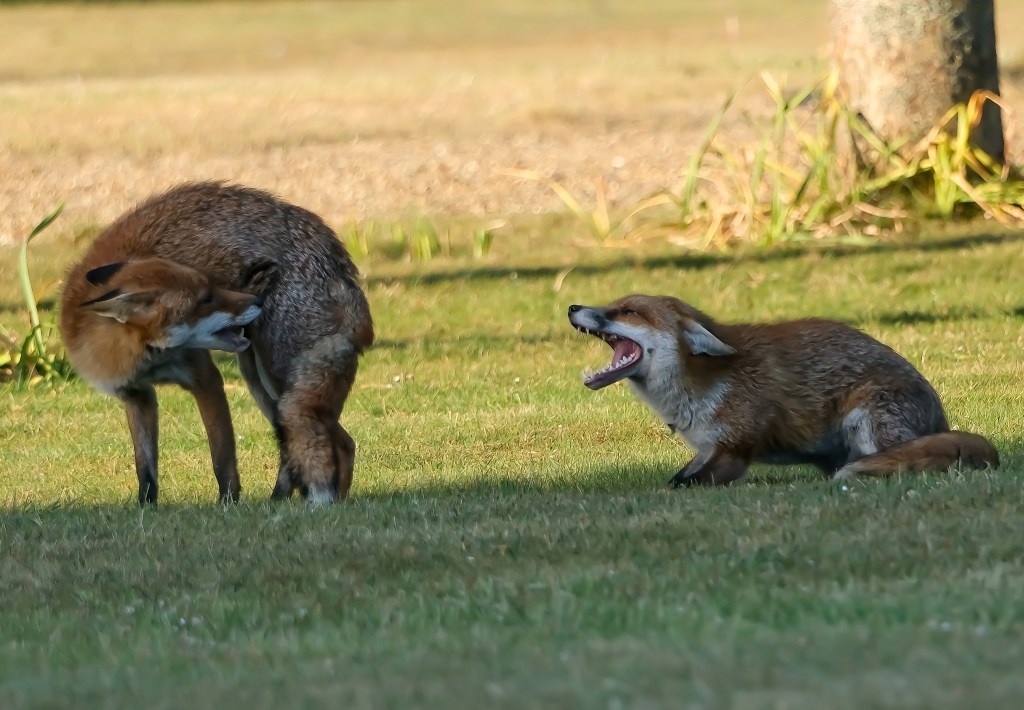
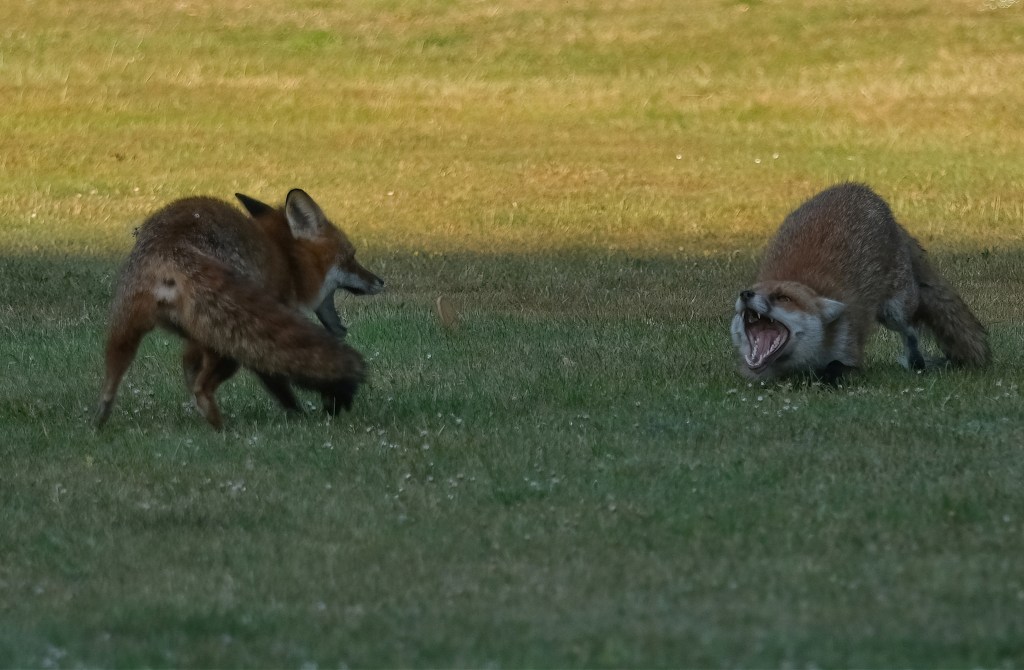
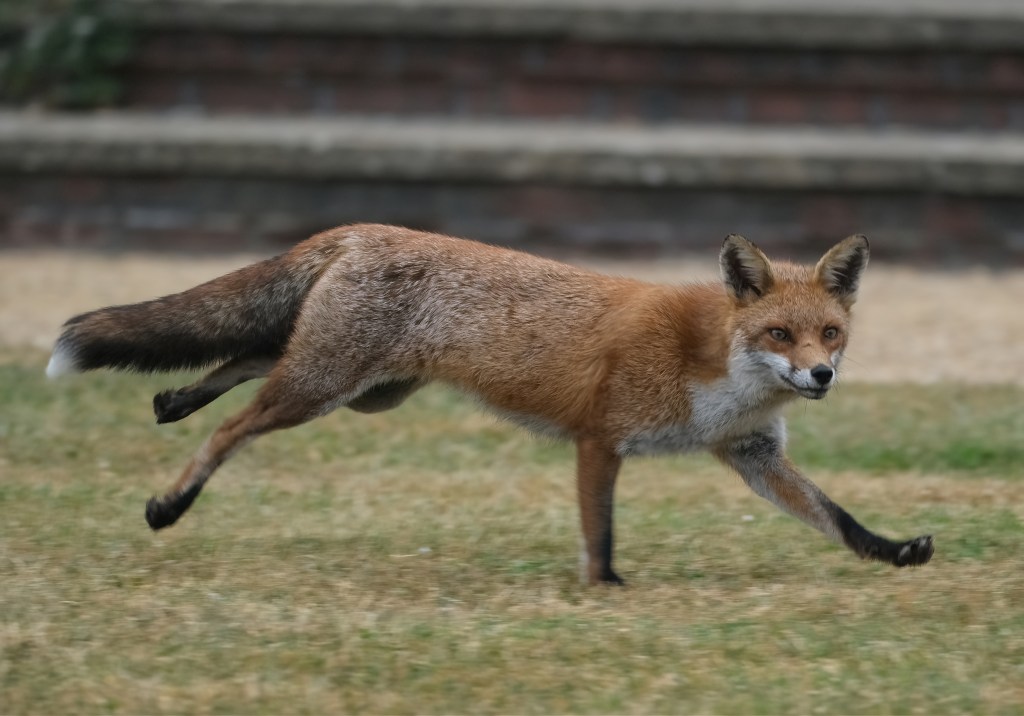
Scrapping foxes: sitting on a lawn with a pack of foxes circling you is rather nerve-racking!



 Continued Reflections from my World.