Holly Hill.

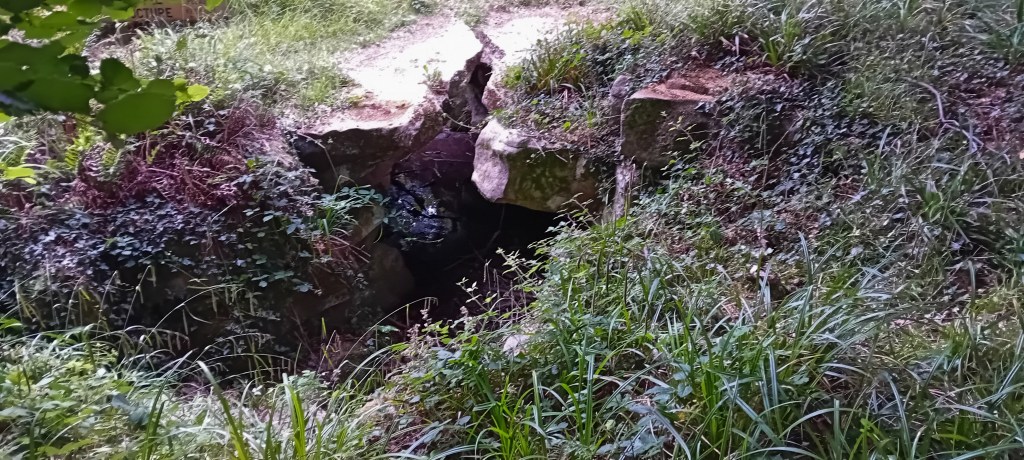
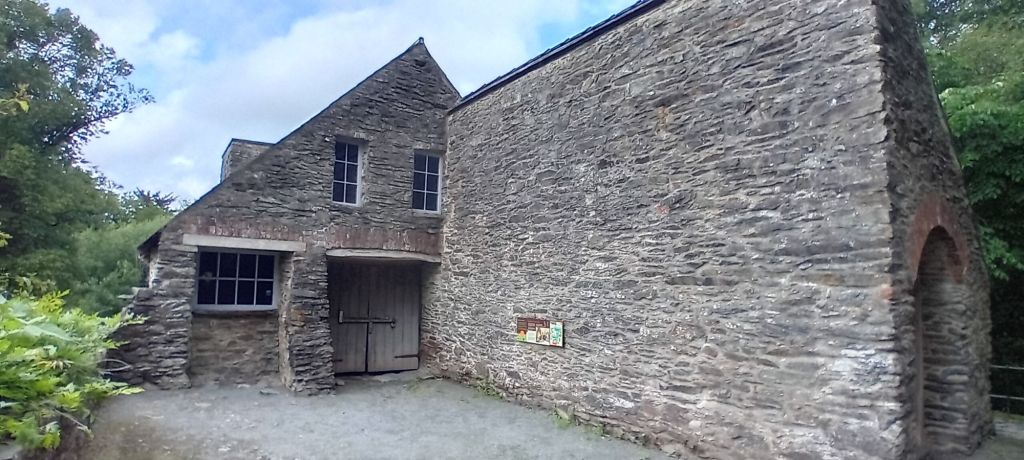
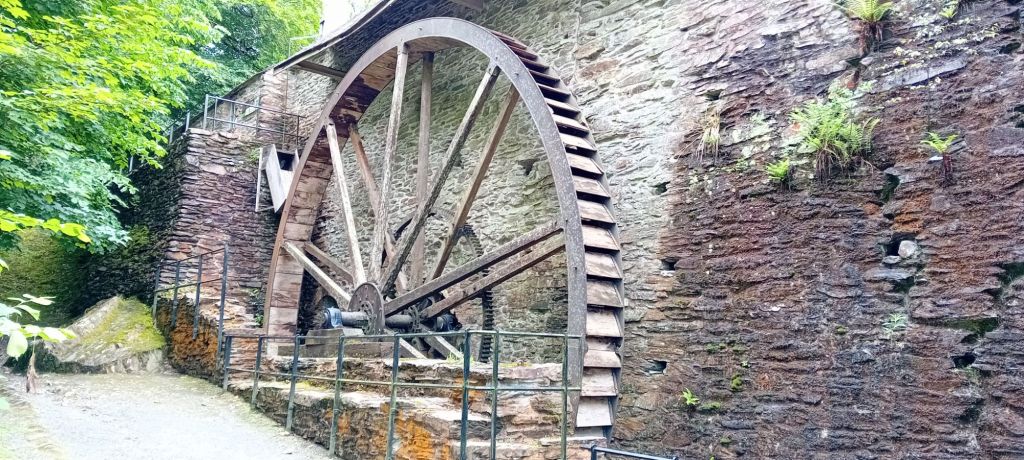
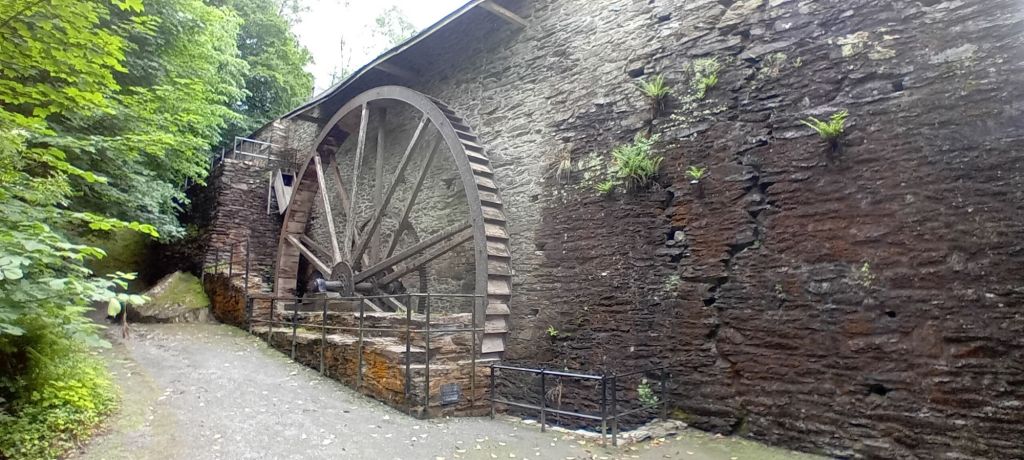
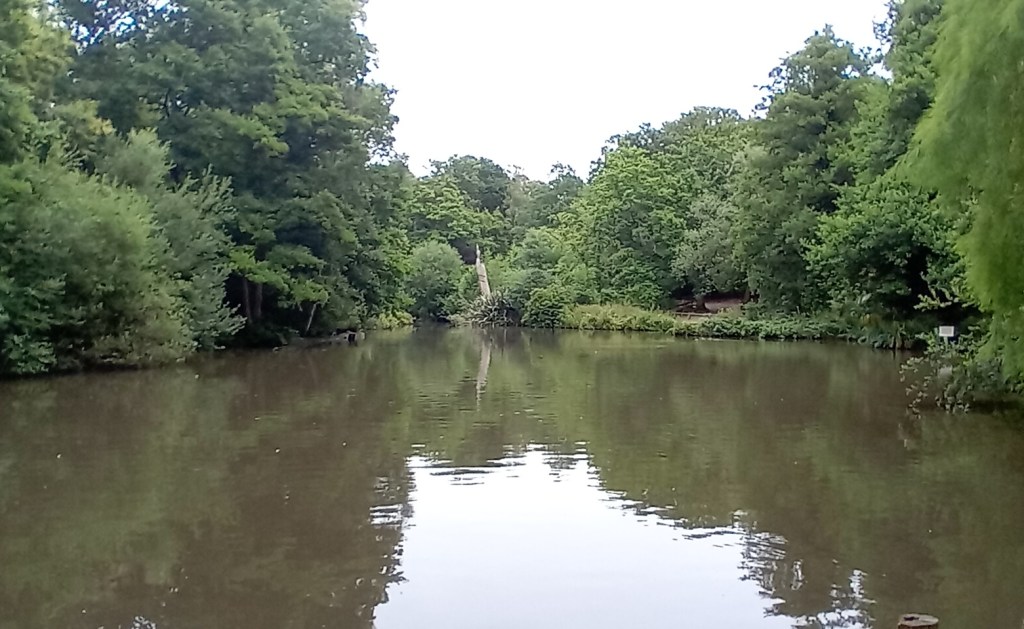
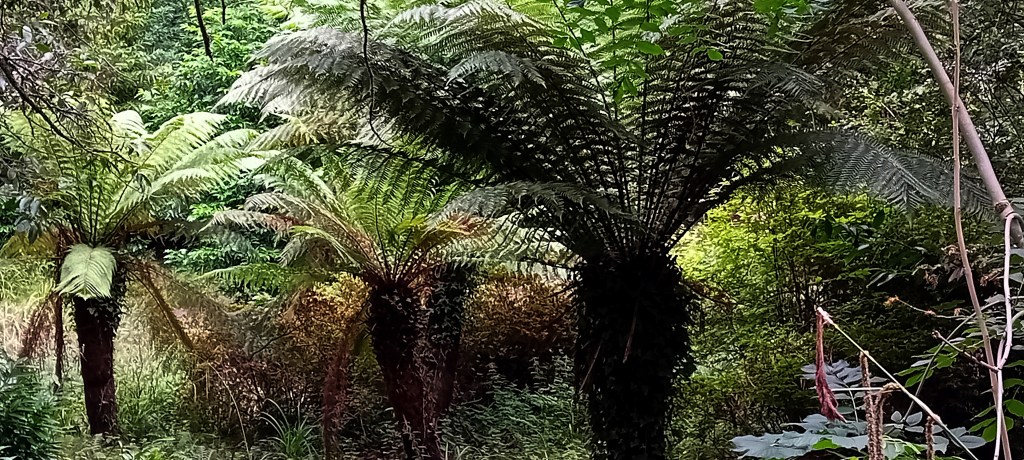
Holly Hill Park is situated on the eastern banks of the River Hamble, north of Warsash. The land is now owned by the council but was once the gardens of a long-lost mansion. As part of this, the mansion the grounds were landscaped, the stream was dammed to form a large lake and further damming was done to create a series of terraced lakes within the valley, rocky outcrops, cascades, and a grotto were made by Pulham Company. They made artificial rocky outcrops with their ‘Pulhamite’ mixture of Portland stone and cement poured over rubble, and individually moulded into shape. {date around 1870} A sunken garden was added in 1936 on the site of a large glasshouse. The building suffered from neglect and was eventually demolished. Fareham Borough Council purchased Holly Hill in 1954.
Alone.

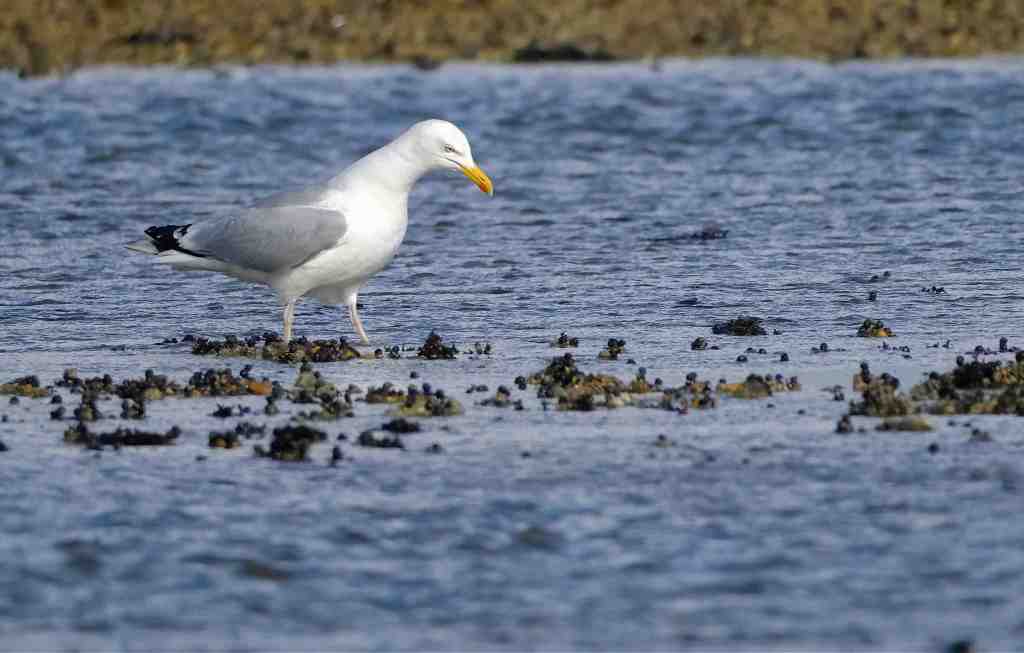
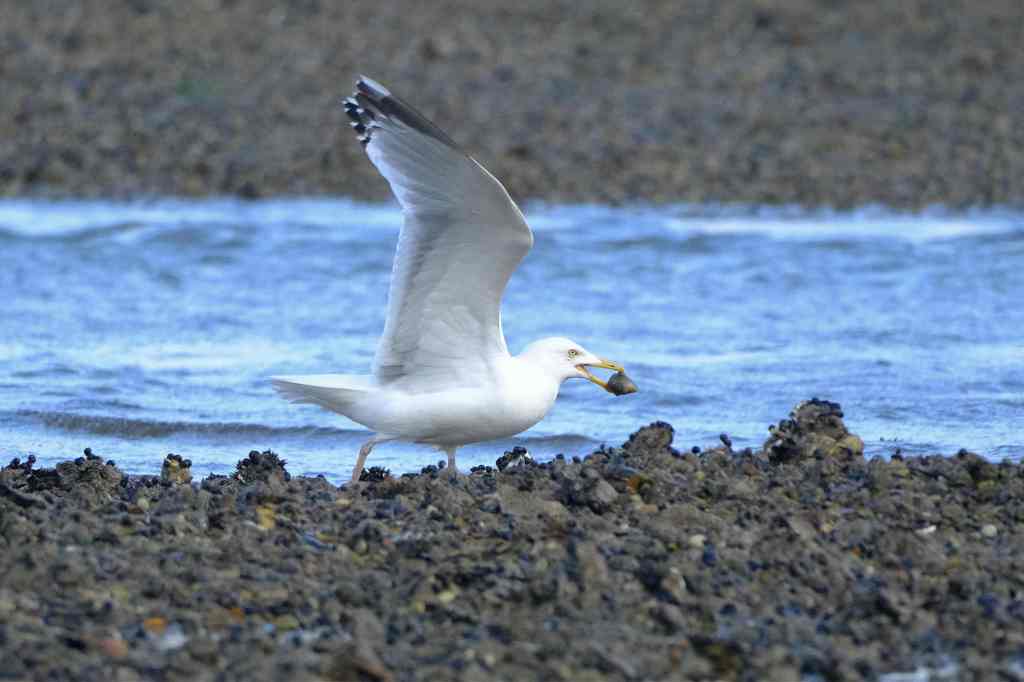
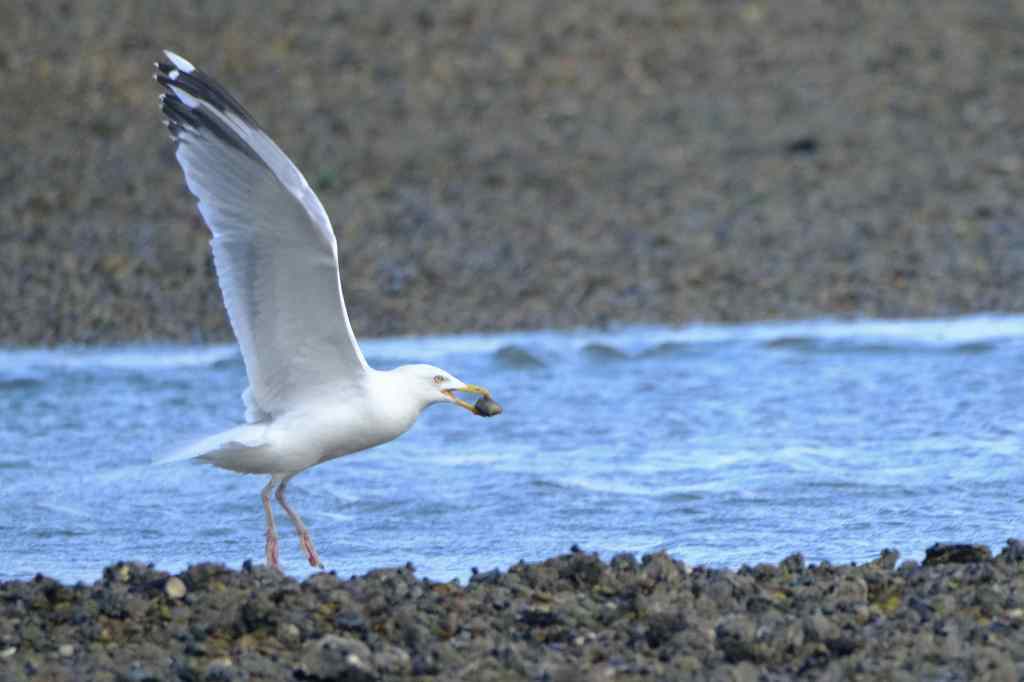
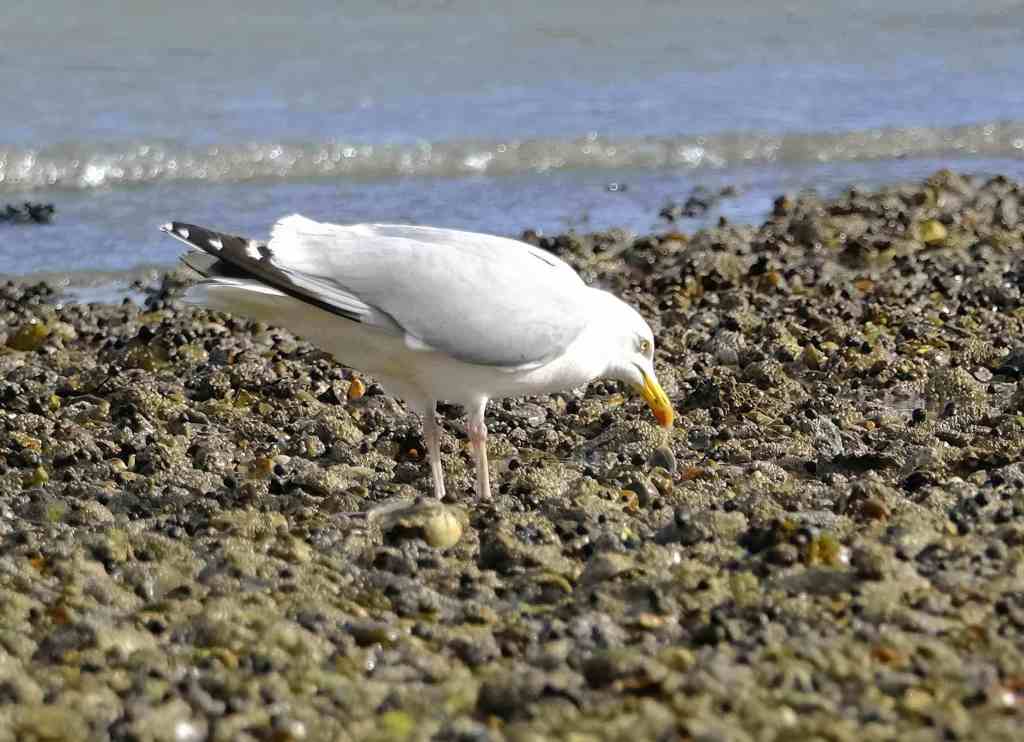
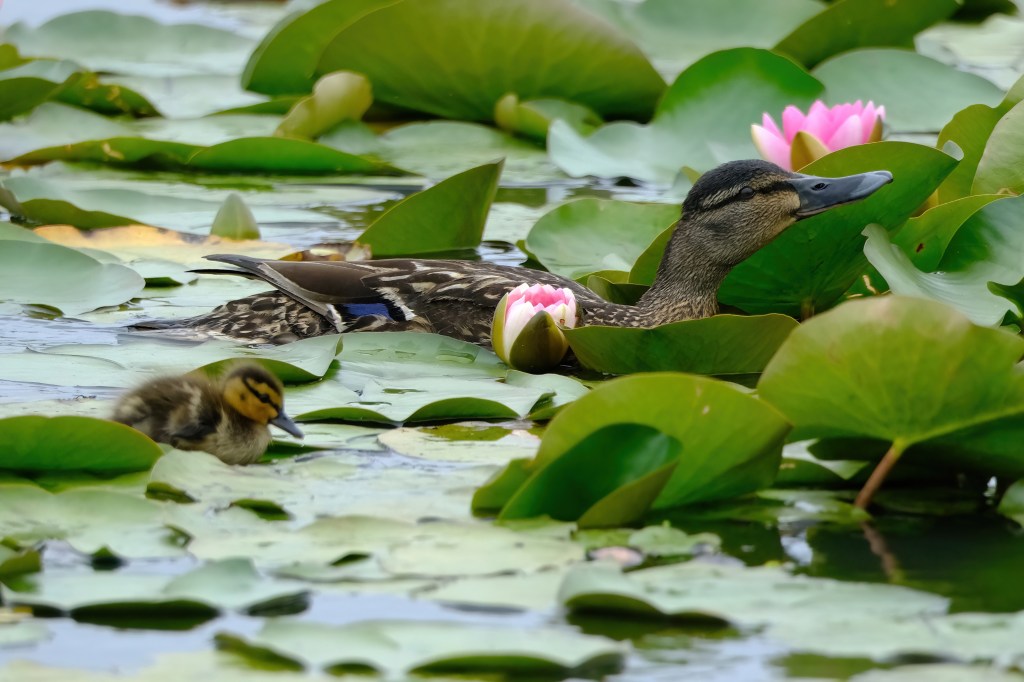
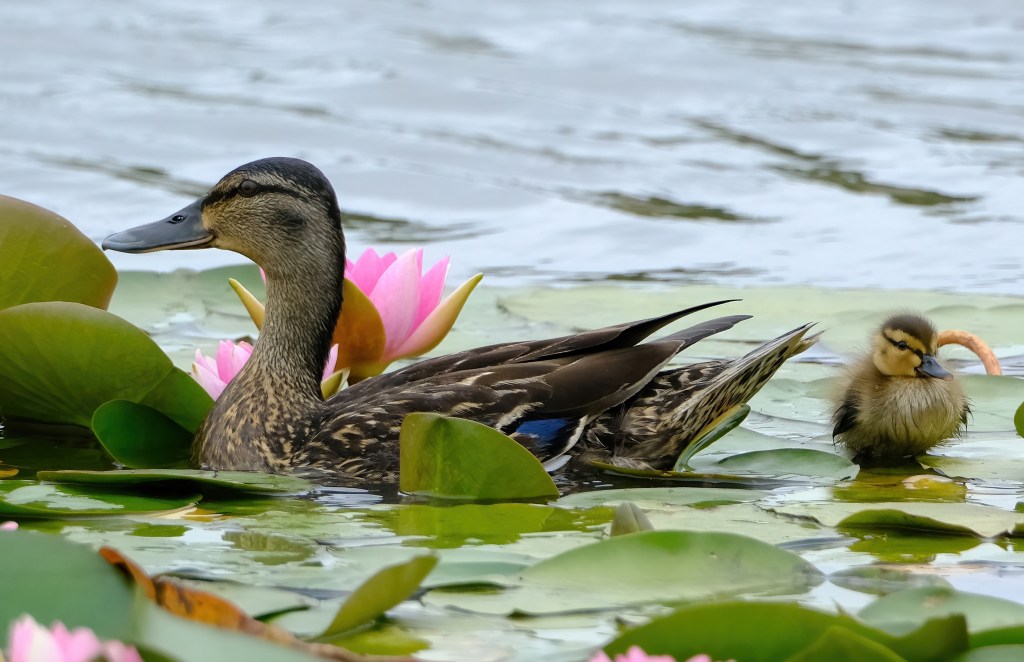
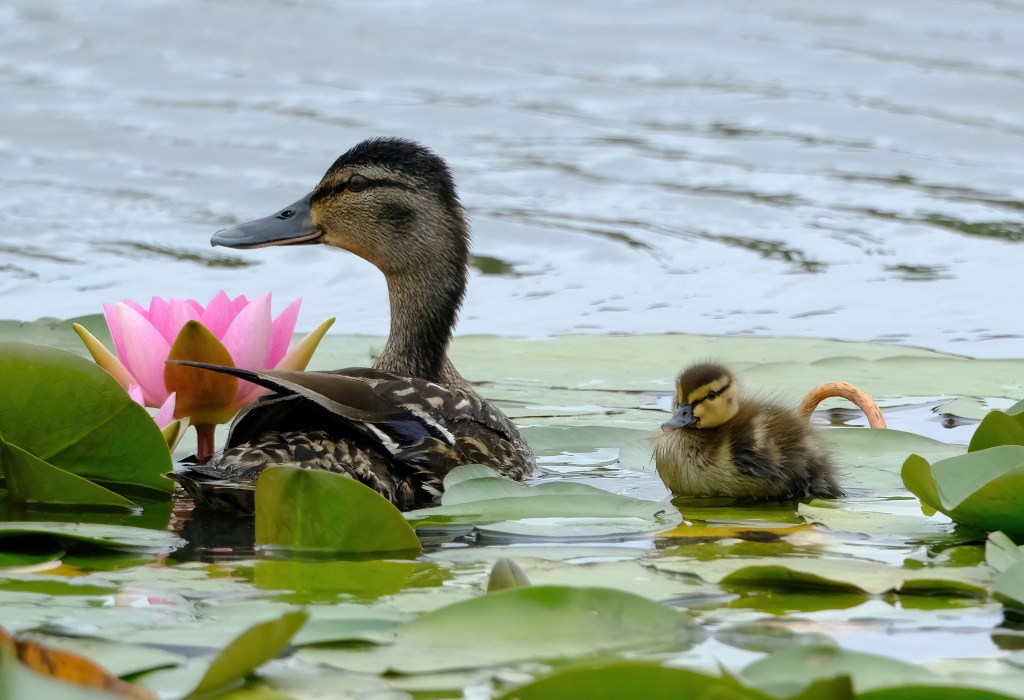
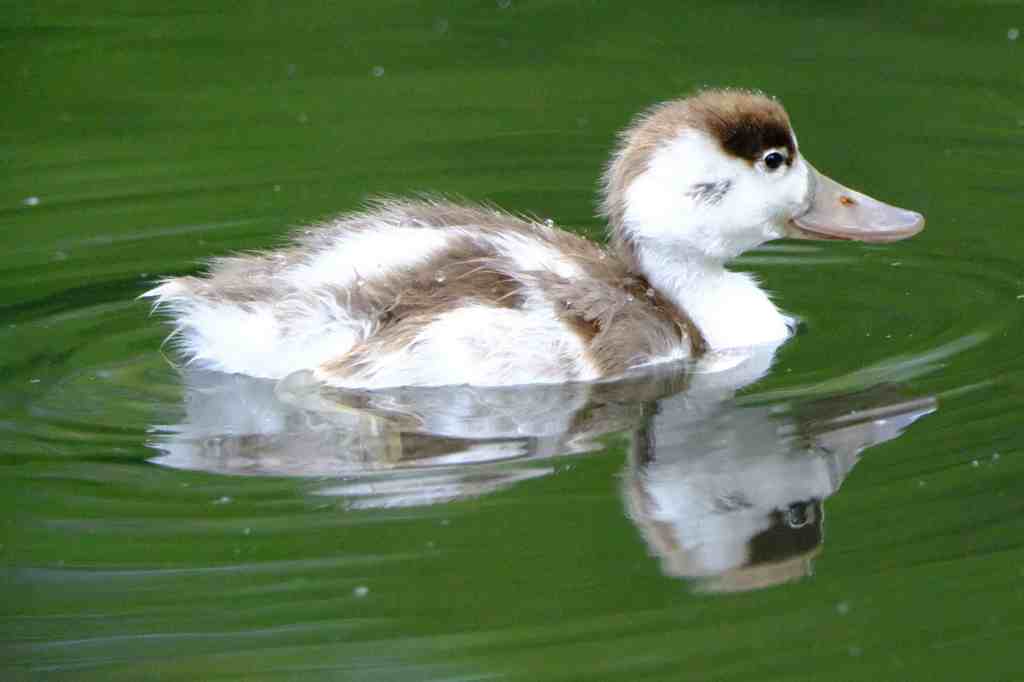
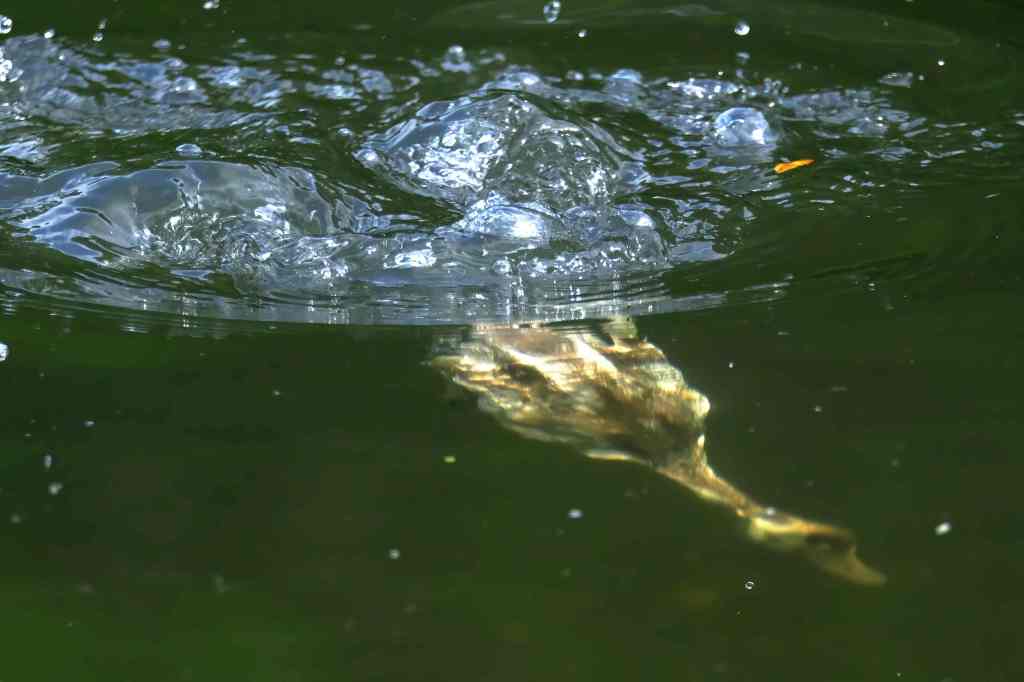
I watched a commotion: a mother duck flying at a Herring Gull. It was sad to see her give up, and the gull fly off with a duckling in its mouth. Walking the other side of the pond, I found her again with only one lone duckling trying to keep it in the water lilies for safety.

New Forest ponies taking a drink.

Magpie

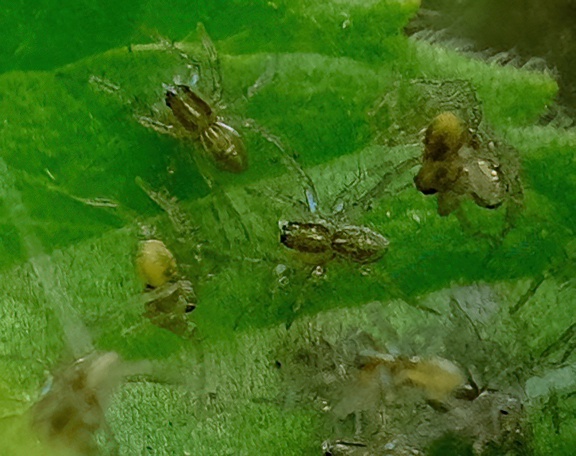
Spiders nest.

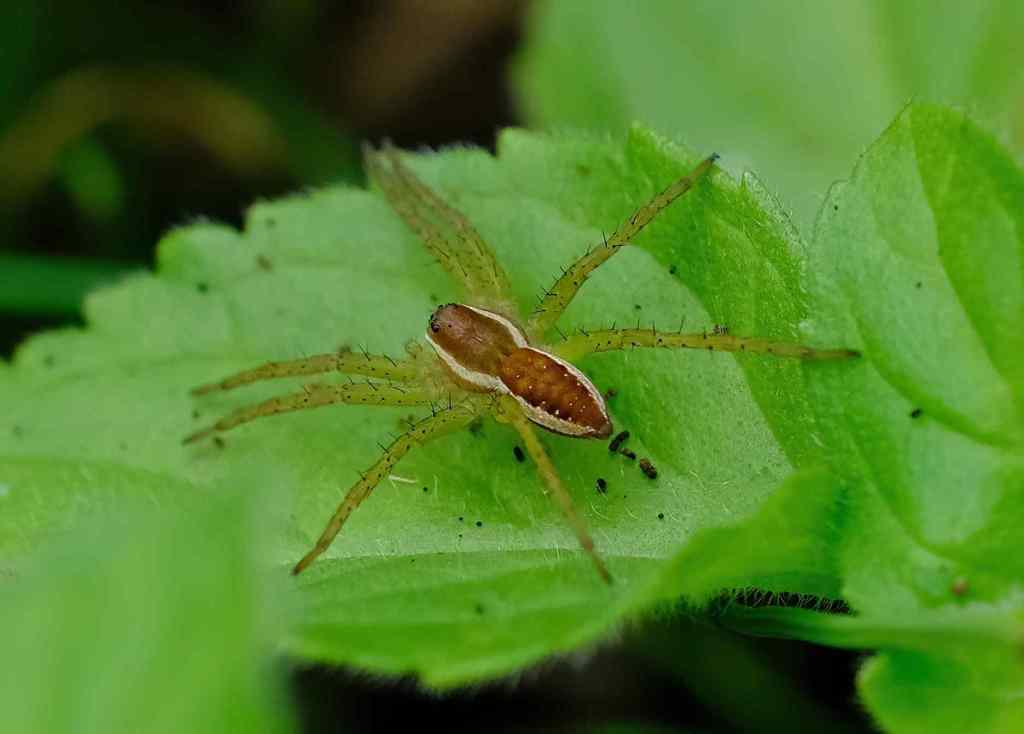
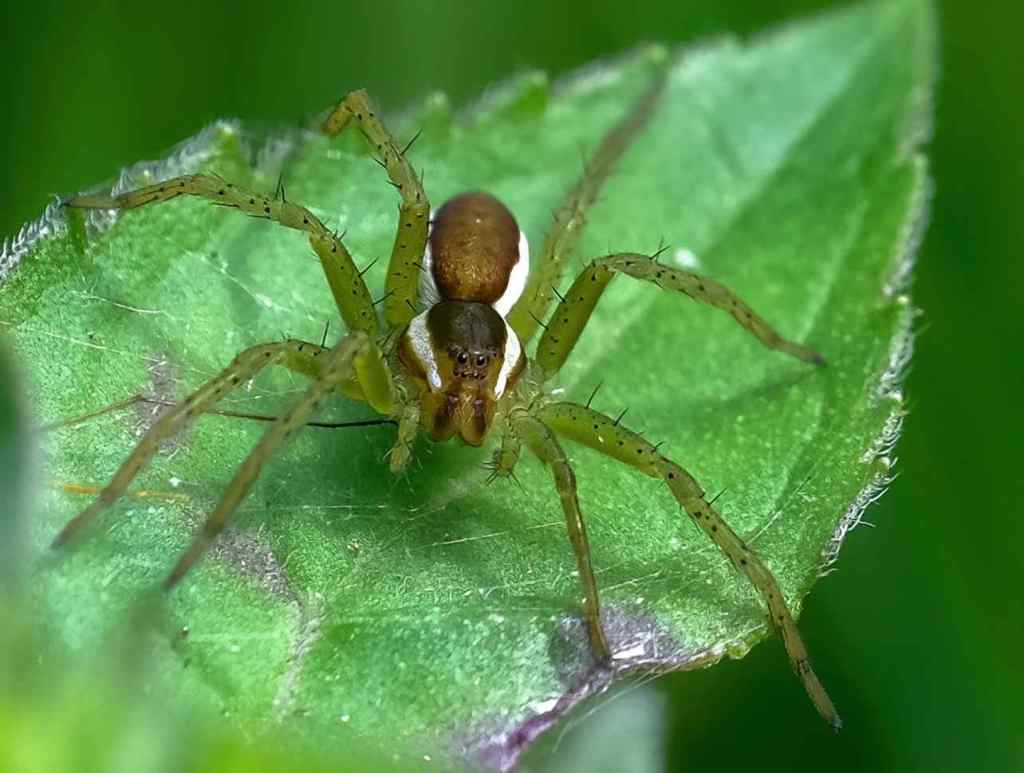
Looking for Raft Spiders again in the New Forest, we found a good population in the usual place. Some 16 adult spiders along the stream were viewed. along with several nests which were full of baby spiders. The spider in the 1st picture was eating a “Daddy Longlegs”.

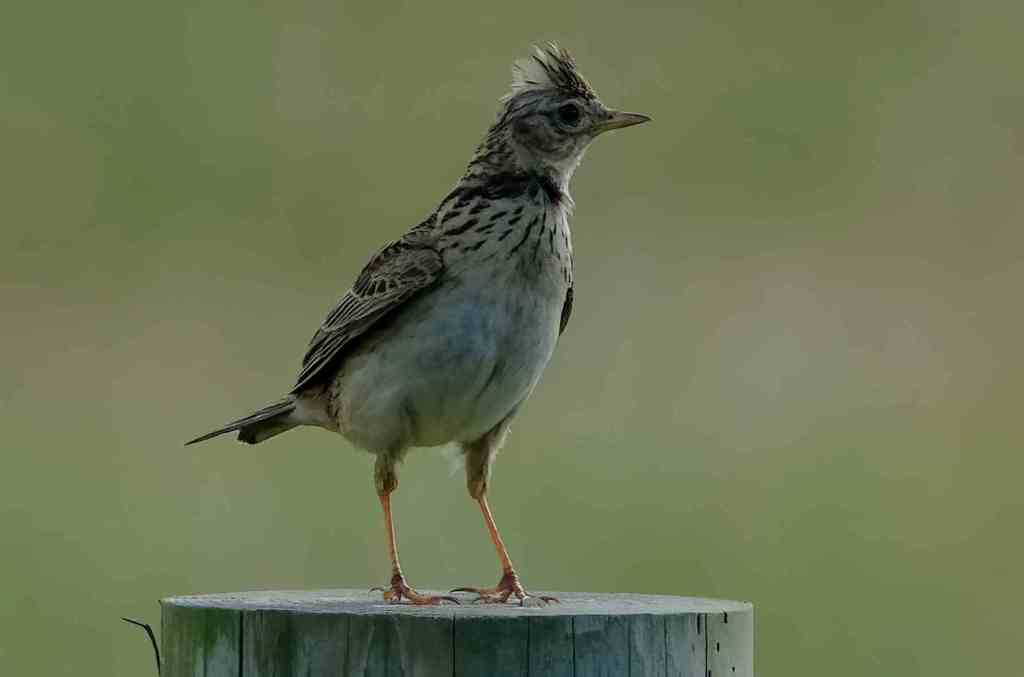
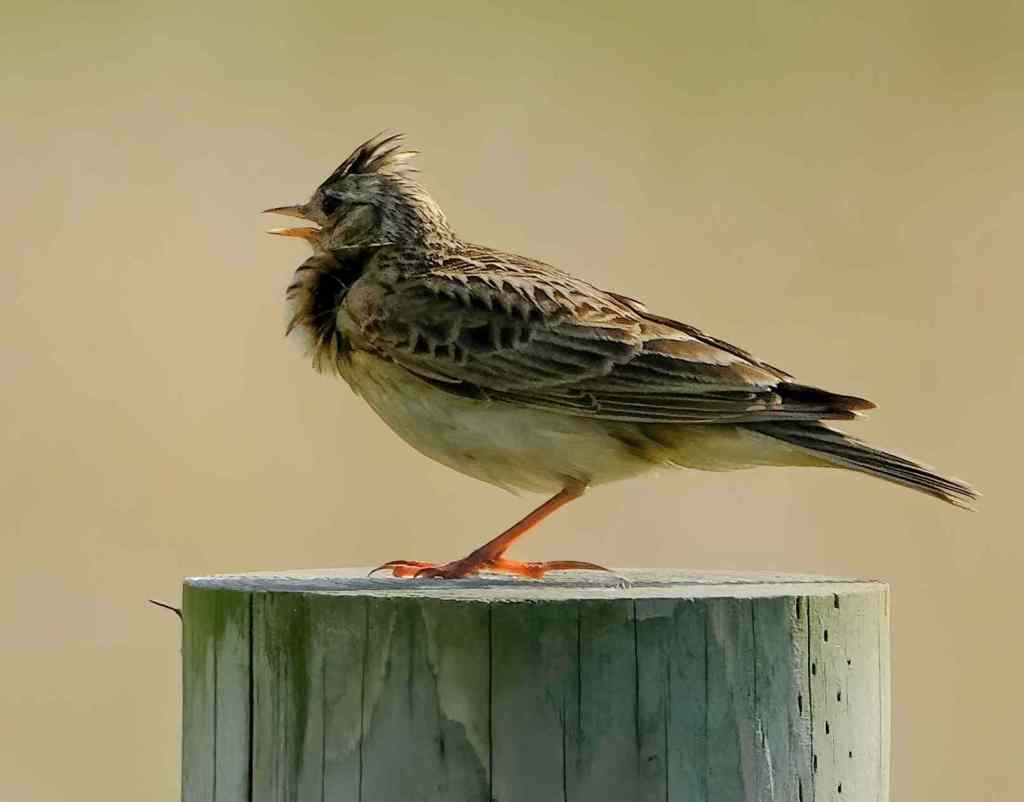
Skylark.

Male skylarks will rise almost vertically from grassland, salt marshes and moorland. They hover effortlessly, singing from a great height. Normally, a speck in the sky, but a treat to hear. This bird was keeping its feet on the ground, singing like mad.

UK Conservation status: Red

Ruff.

I got to see several male Ruff at Slimbridge Wetland Centre yesterday. There is a small breeding population of ruff in the UK. The Ruff is a large Sandpiper; they get their name from the large ruff of feathers around the males’ neck when in breeding plumage. The colour of the ruff can be white, black or buff. I have seen a few of these birds in non-breeding plumage at the marshes locally to me in Lymington. These birds were fairly plain-looking waders – pale fawn-brown all over, with a paler belly.