
Peacock Butterfly caterpillars on nettles. Something so black becomes something colourful!


Peacock Butterfly caterpillars on nettles. Something so black becomes something colourful!
Wordless Wednesday


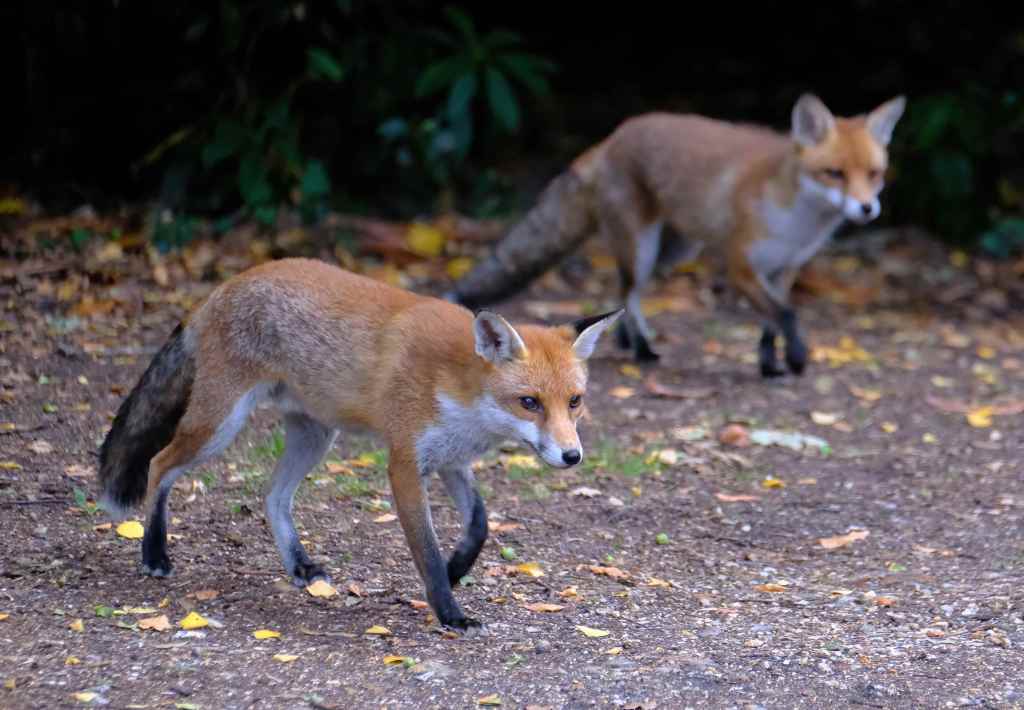
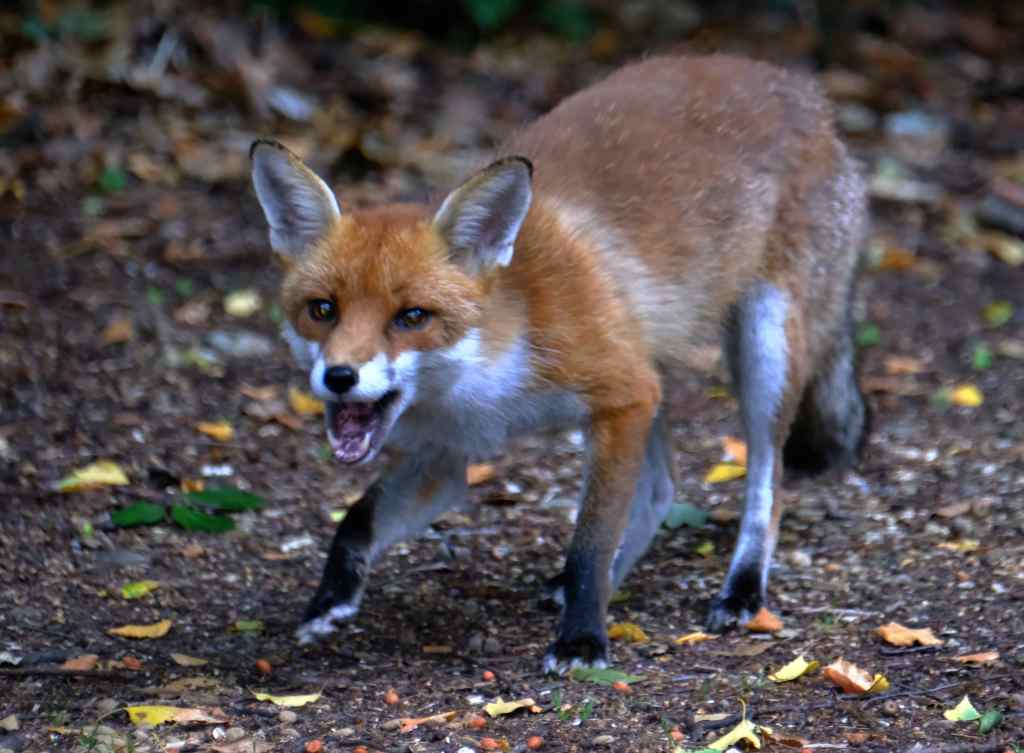
Early morning foxes, photography heavy post.





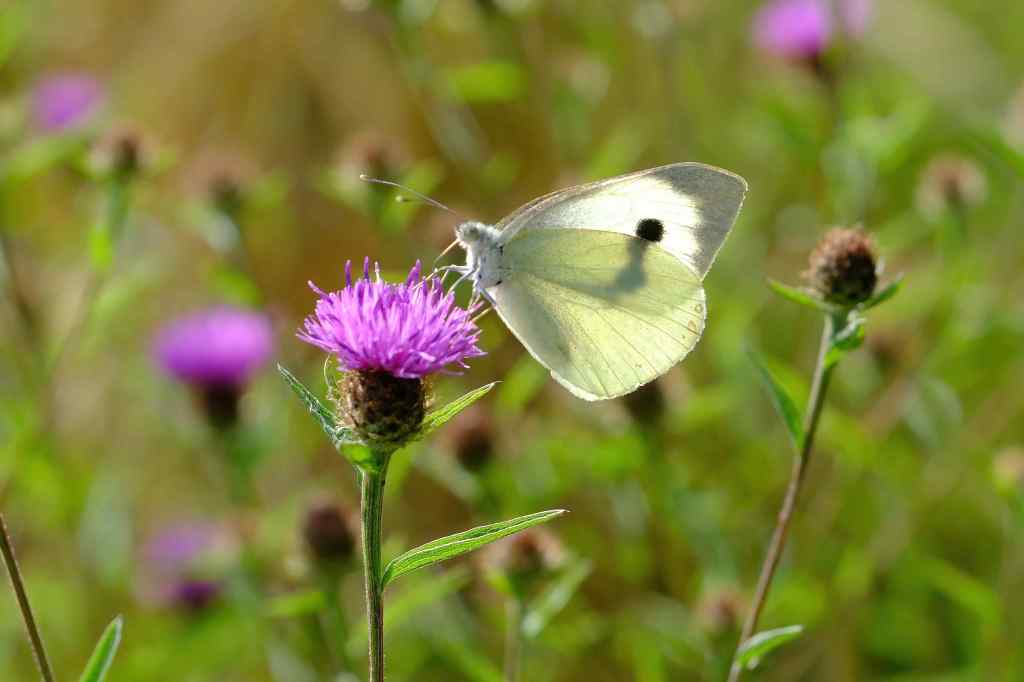
It seems to be a good year for white butterflies.


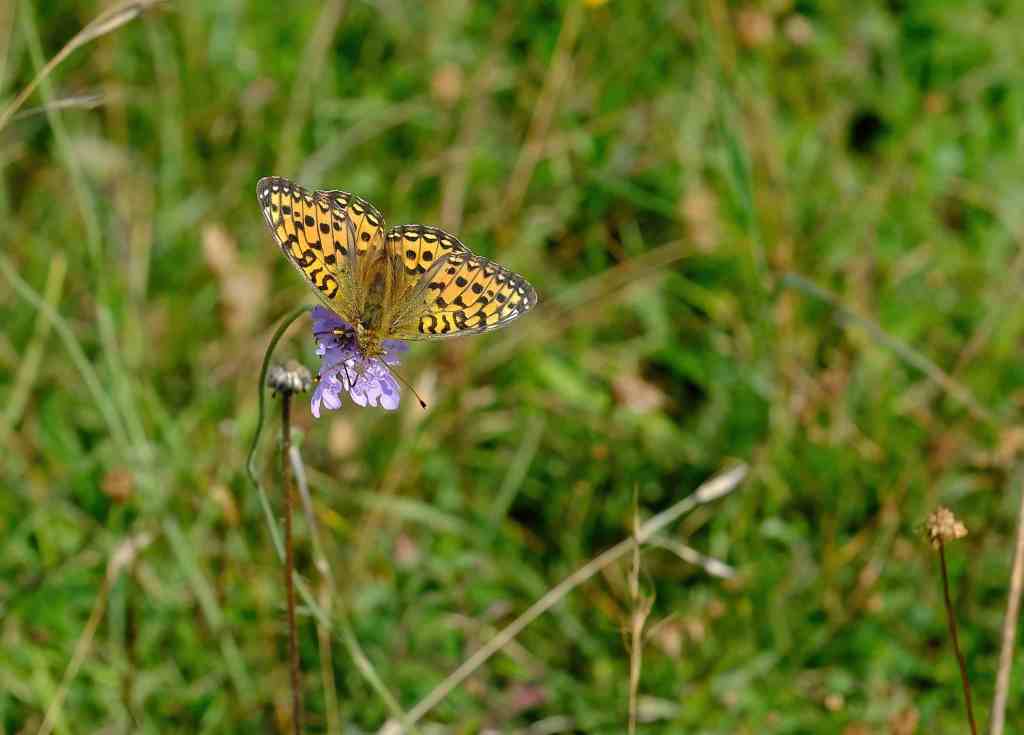
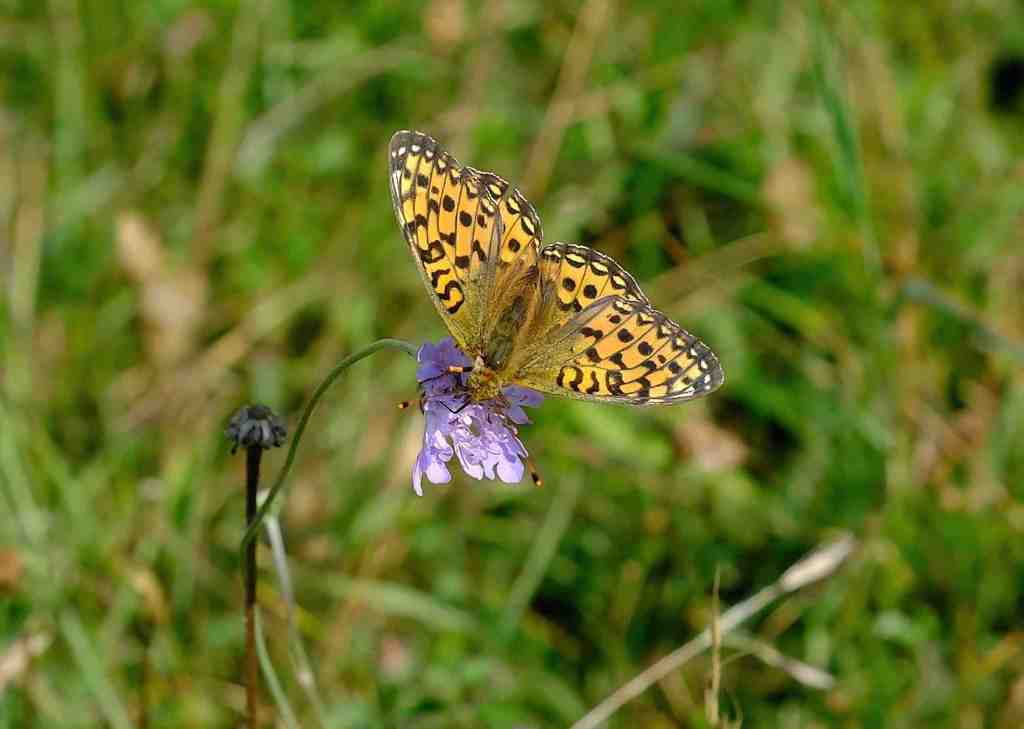
Dark Green Fritillary. Old Winchester Hill.

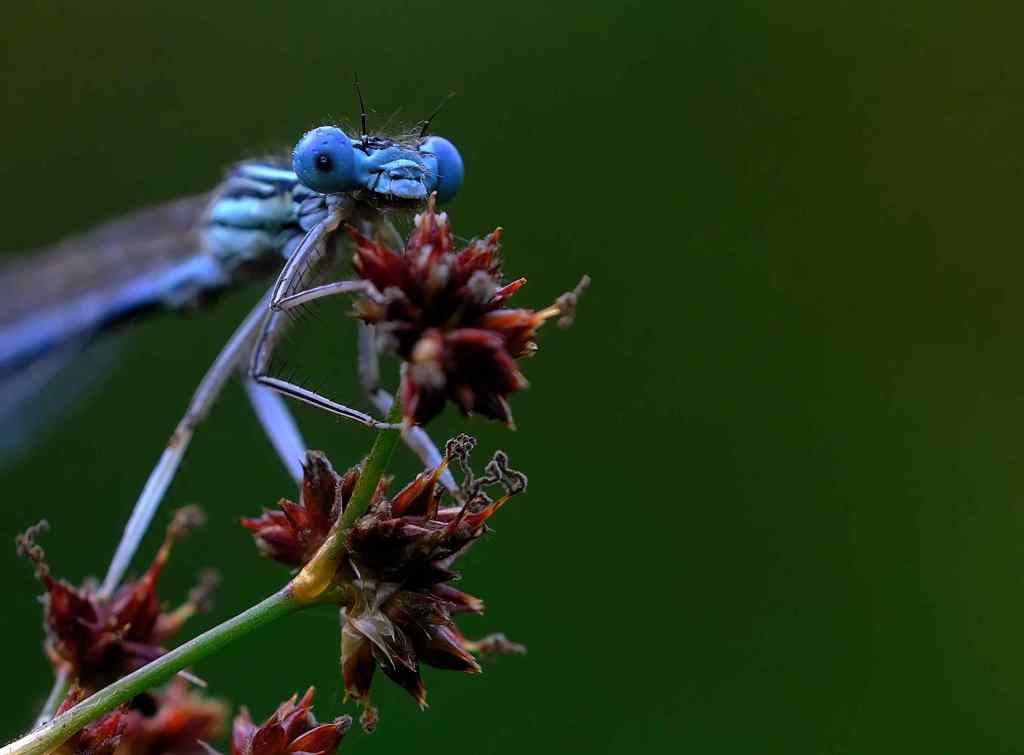
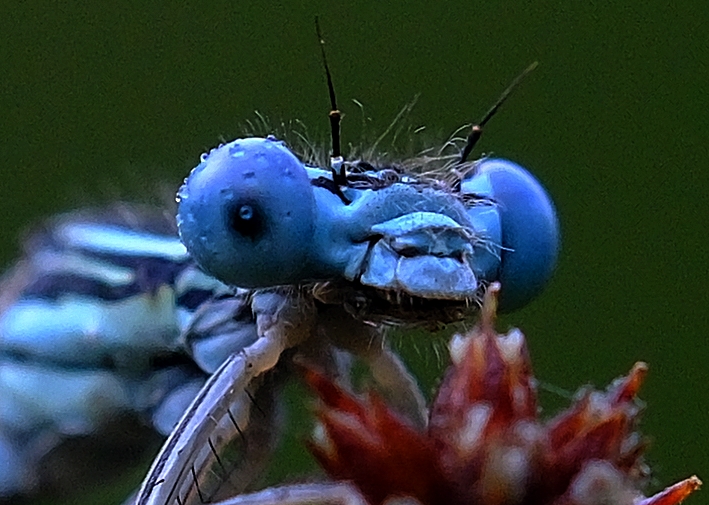
A new damselfly for us, we spotted this White-legged Damselfly in the New Forest on Wednesday. They are mainly found along slow-flowing, lowland streams and rivers, sometimes on canals or ponds.
They differ from our other blue damselflies sporting white legs.


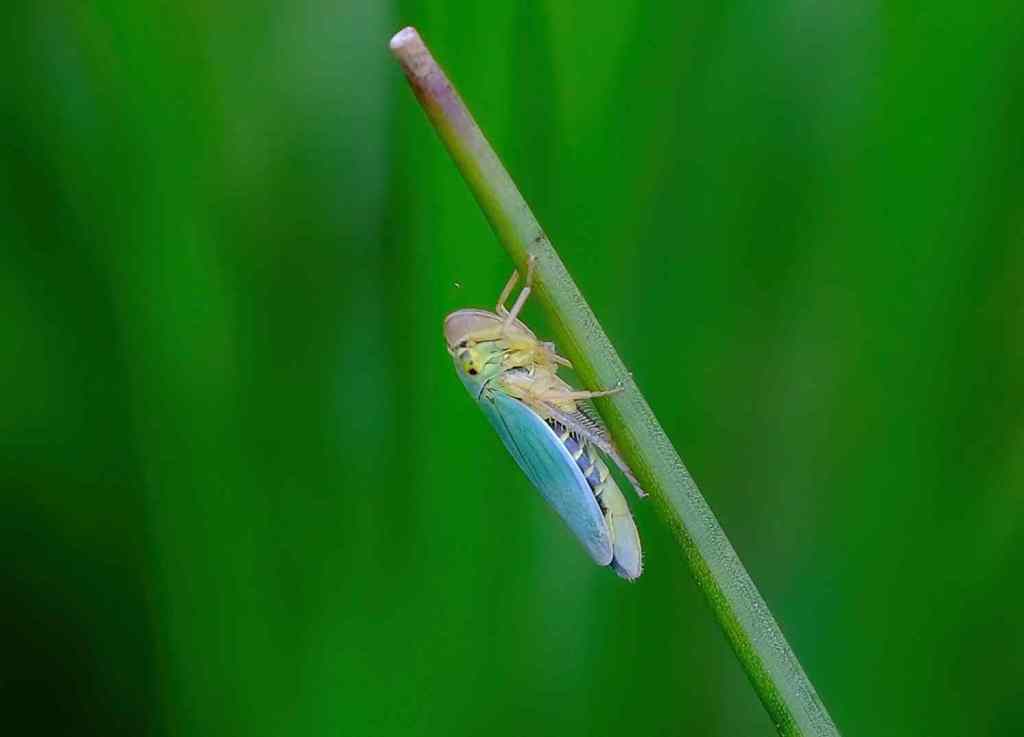
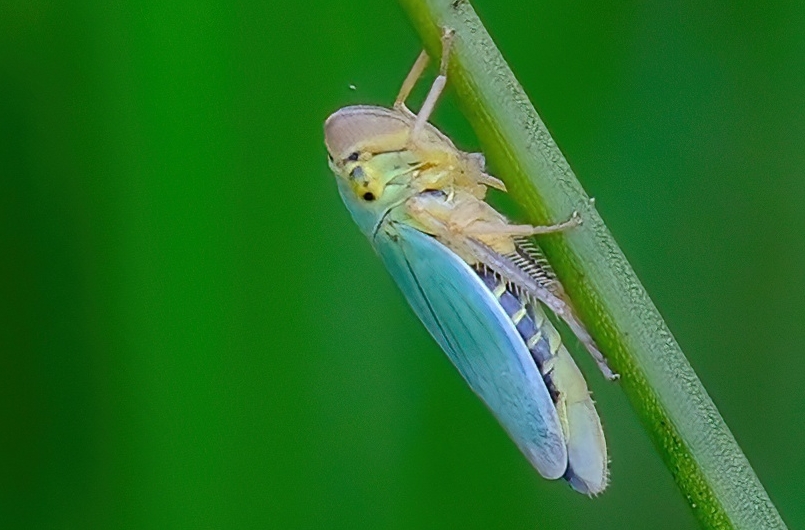
Leafhoppers are small, sap-sucking insects that feed on leaves and stems. Nearly 300 species have been recorded in the UK. This leafhopper, I believe, is a Cicadella viridis. It is more commonly known as a Green Leafhopper, Size 6-8mm

#Wordless Wednesday
A 1st for me, a Lulworth Skipper, they are one of the smallest of the UK’s butterflies. It has a very restricted range in the extreme south of Dorset, where it can be found in good numbers along a stretch of coast centred on the village of Lulworth, where the species was first discovered in 1832.
My picture is of a female, near Winspit. Females can be distinguished from other skippers by the pale orange ‘sun-ray’ markings on their forewings, whereas the males have darker-brown, almost olive coloured wings .
They can be seen from early June to mid-August.

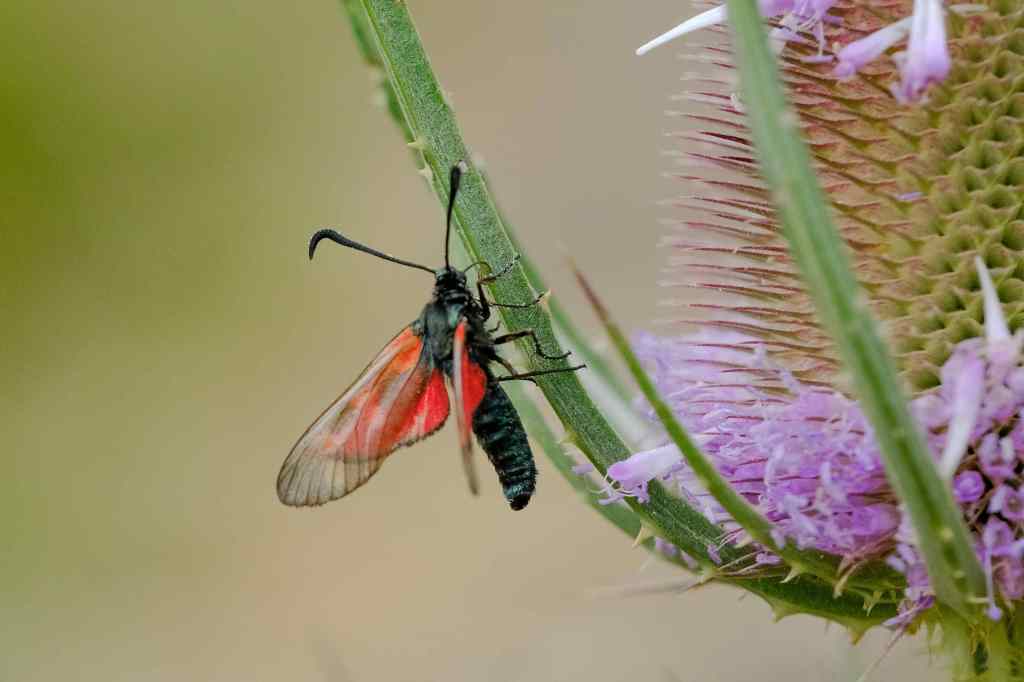
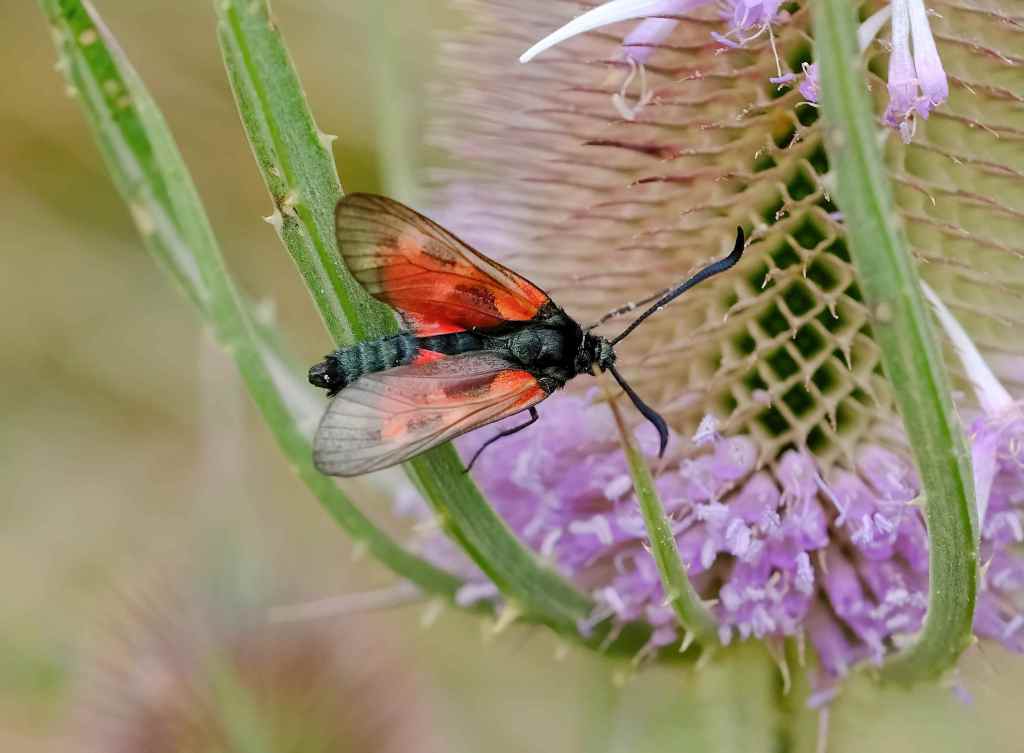
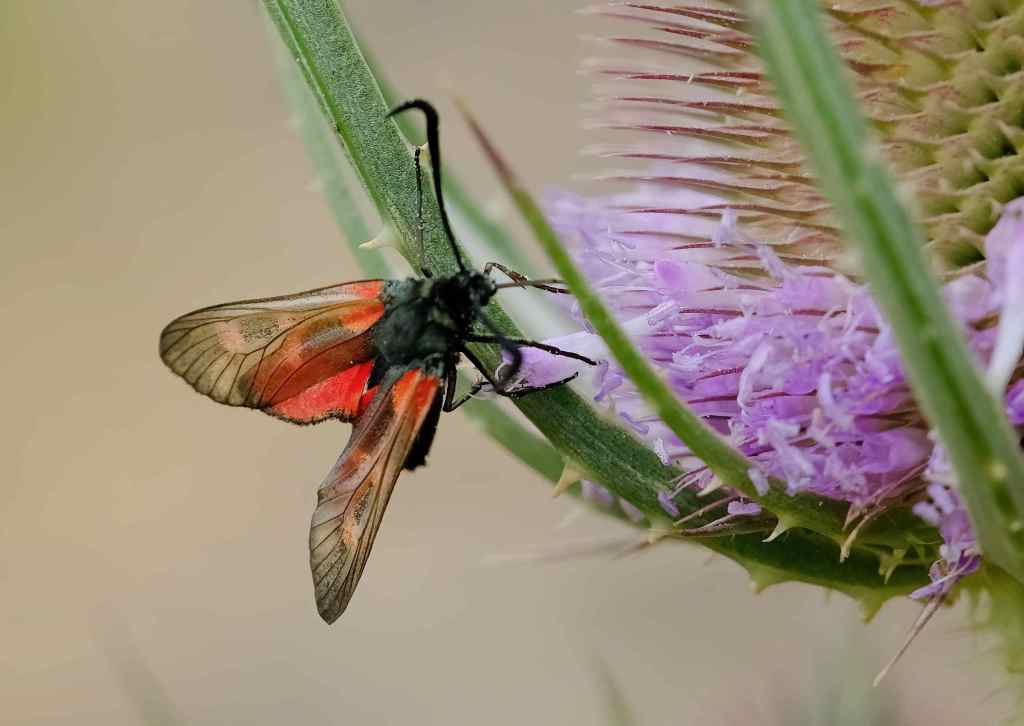
On the coastal path near Dancing Ledge in Dorset, I spotted this rather faded Six-spot Burnet Moth feeding on a teasel flower. These moths are day-flying moths.


 Continued Reflections from my World.