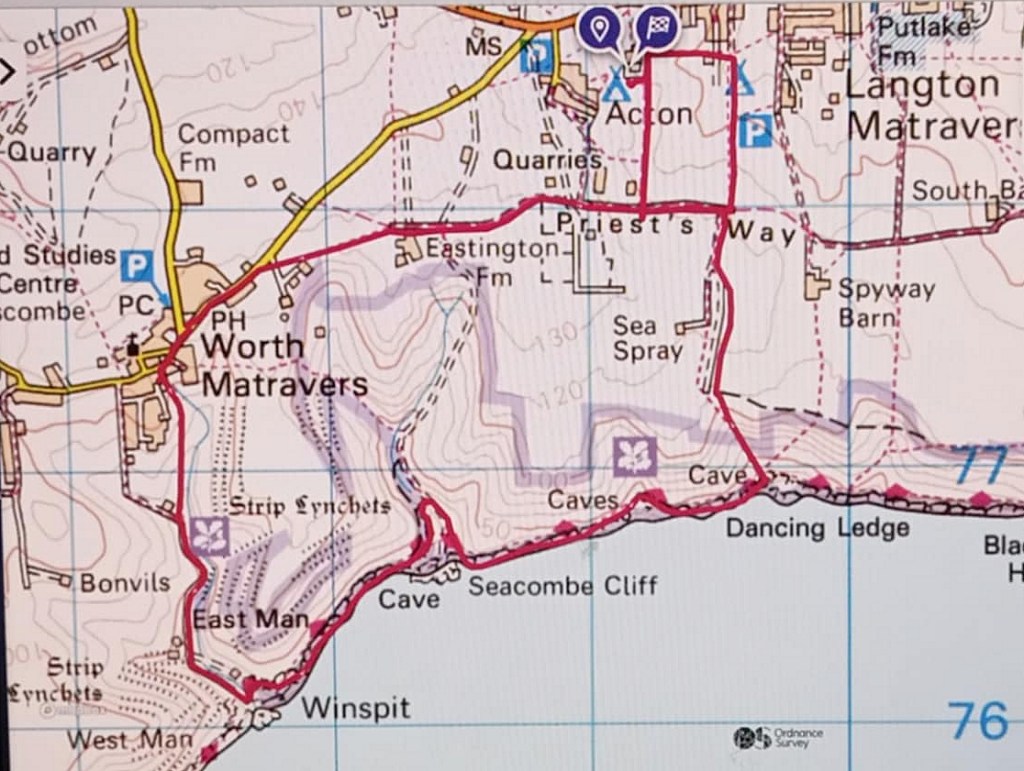
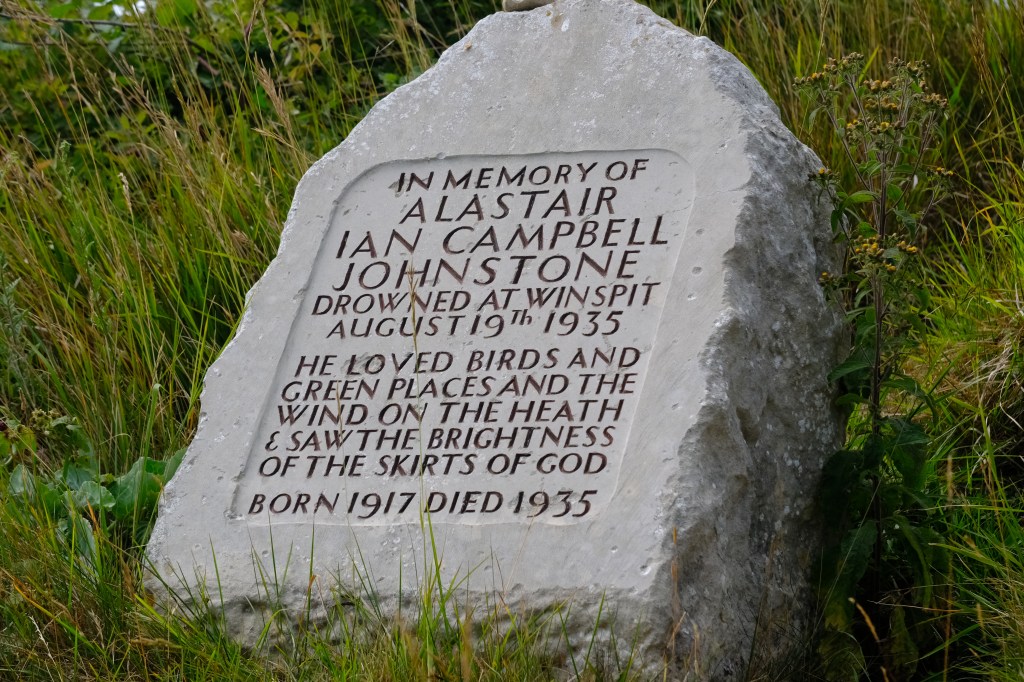
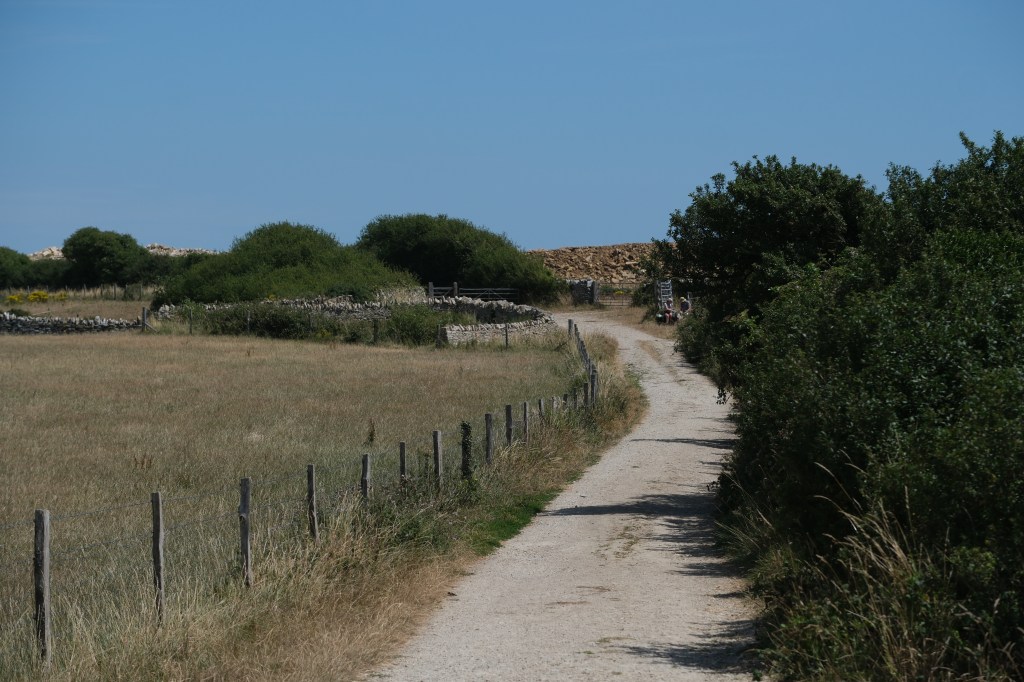
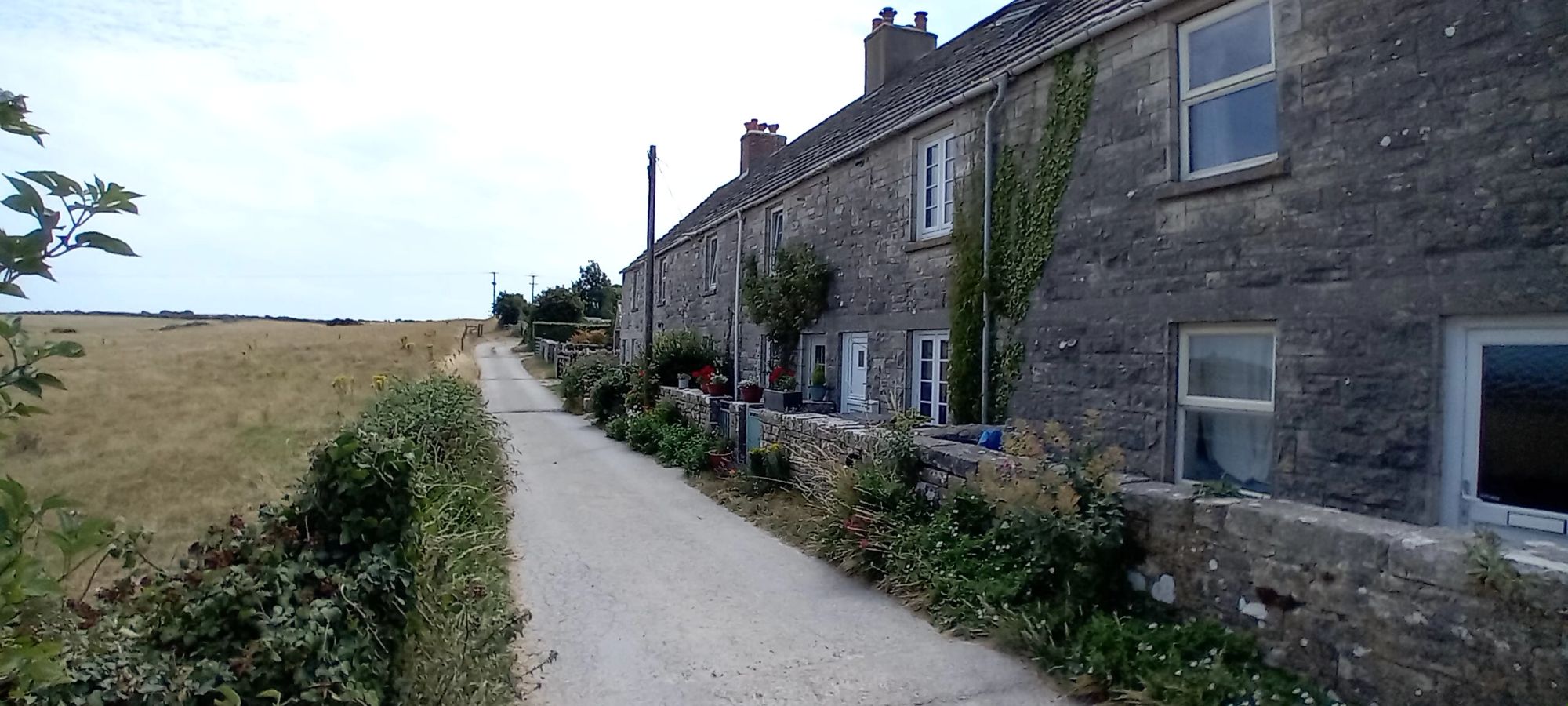
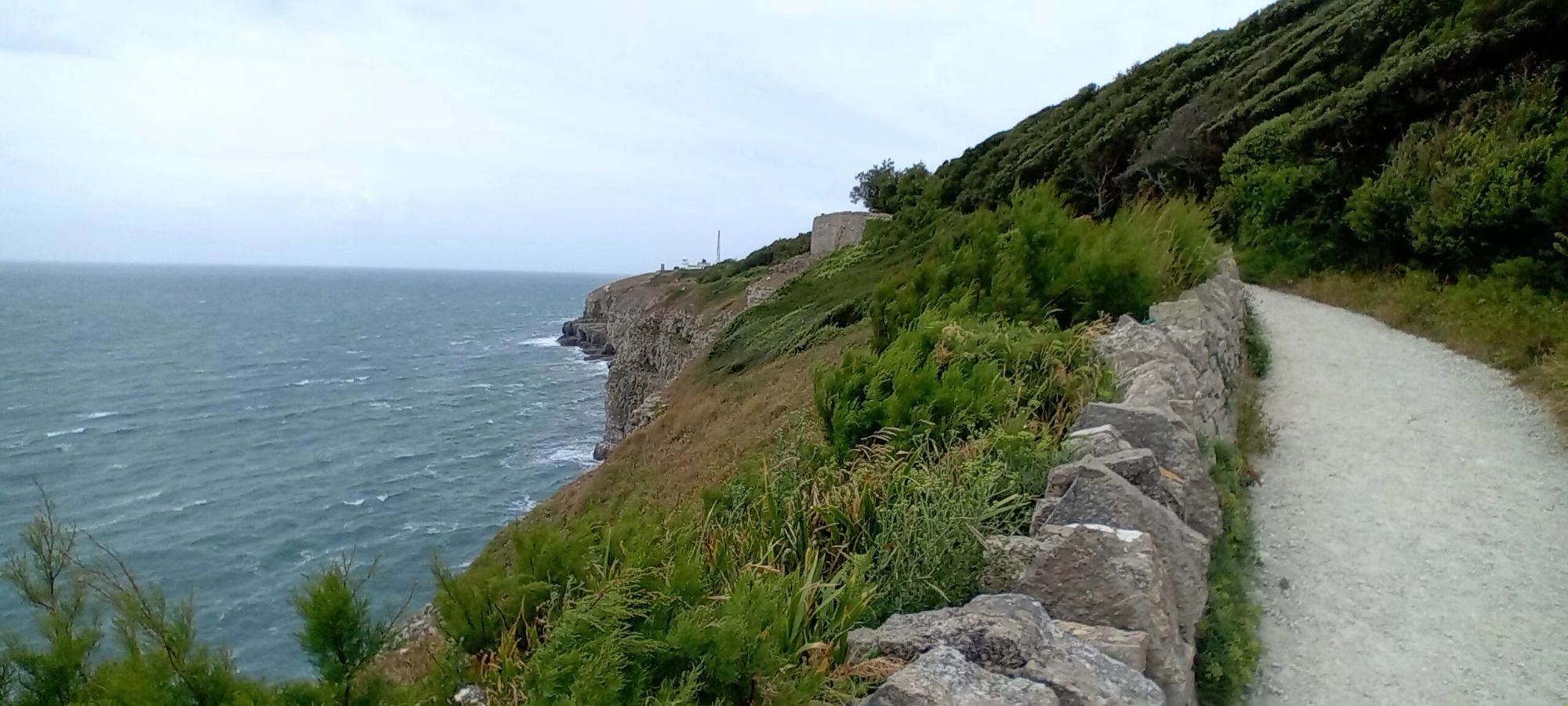
On Wednesday, our walk was a circular route of approximately 7 miles, starting from our campsite at Acton Fields, and then heading down to the coast at Dancing Ledge, along the coast to Winspit. The coast in Purbeck is dotted with quarries and caves, a legacy of the stone-cutting industry. Then back inland “uphill” to Worth Matraver and along the Priests Way back to the van.
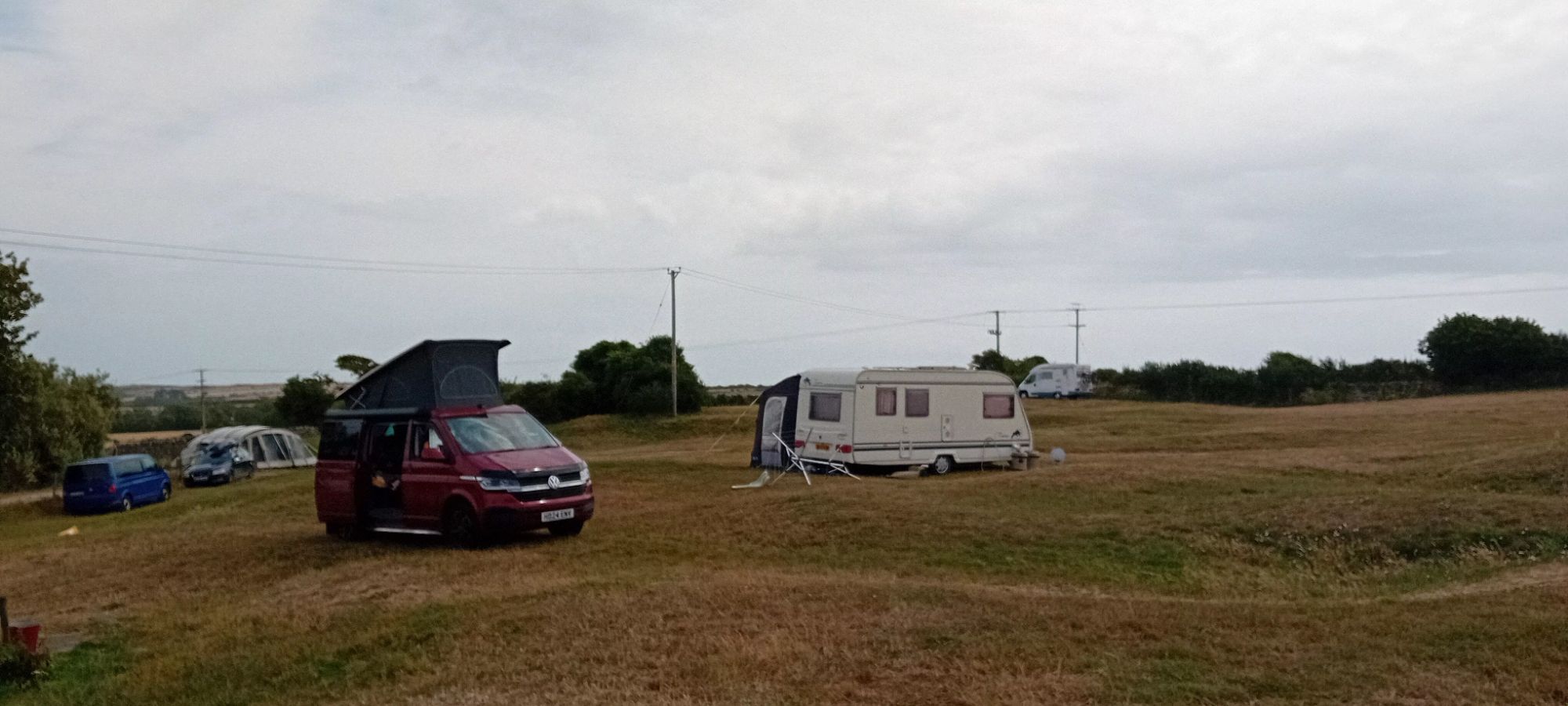
A couple of nights camping in the van at Acton fields campsite near Swanage Dorset. A chance to explore the coastal path near Worth Matraves about a miles walk from the campsite. The last time I was at Acton fields I broke my shoulder when I fell at Kimmeridge Bay!
The Common Blue is one of the most common damselflies in the UK.
The Male is blue and black with a button-shaped mark on the segment below the wing base. The female is less colourful – she is dull green /light yellow with a thistle-shaped mark below the wing base and black bands.
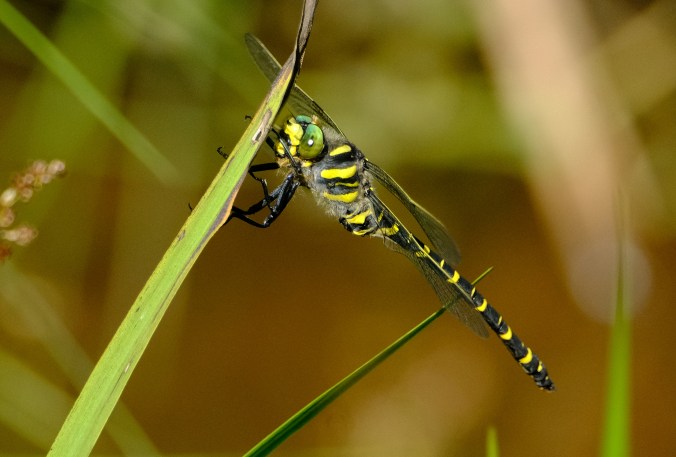
A master of flight, and a fairly commonly spotted dragonfly along many of the small streams at this time of year. Appearance – striking black body with distinctive yellow bands. Green eyes.
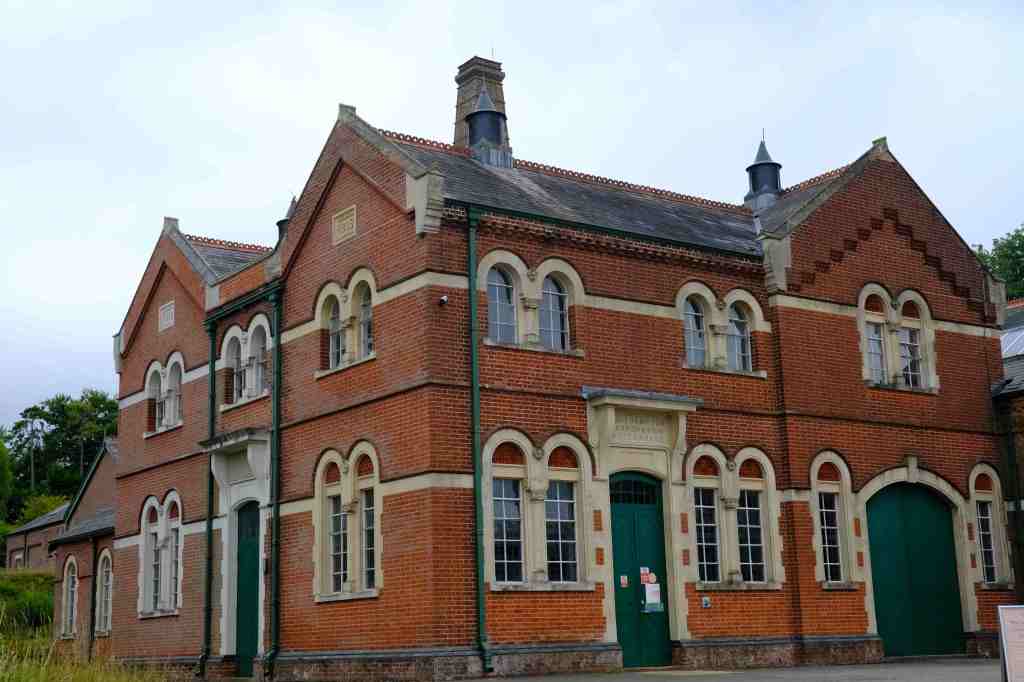
An open day visit to Twyford Waterworks near Winchester was worth a visit this morning. I had not visited the works since the pandemic, so it was nice to go there again.
The Chalk bedrock under the site acts as a giant sponge, storing rainwater. Wells are sunk into these aquifers, and water is pumped into the underground reservoirs. The site remains in the ownership of Southern Water, and their modern pumps under the site still takes 15 megalitres of water per day, which is put into the public supply. The old part of the site is a Scheduled Ancient Monument and is run by a trust.
The original wells were sunk in 1898, with the steam pumps installed in 1900.
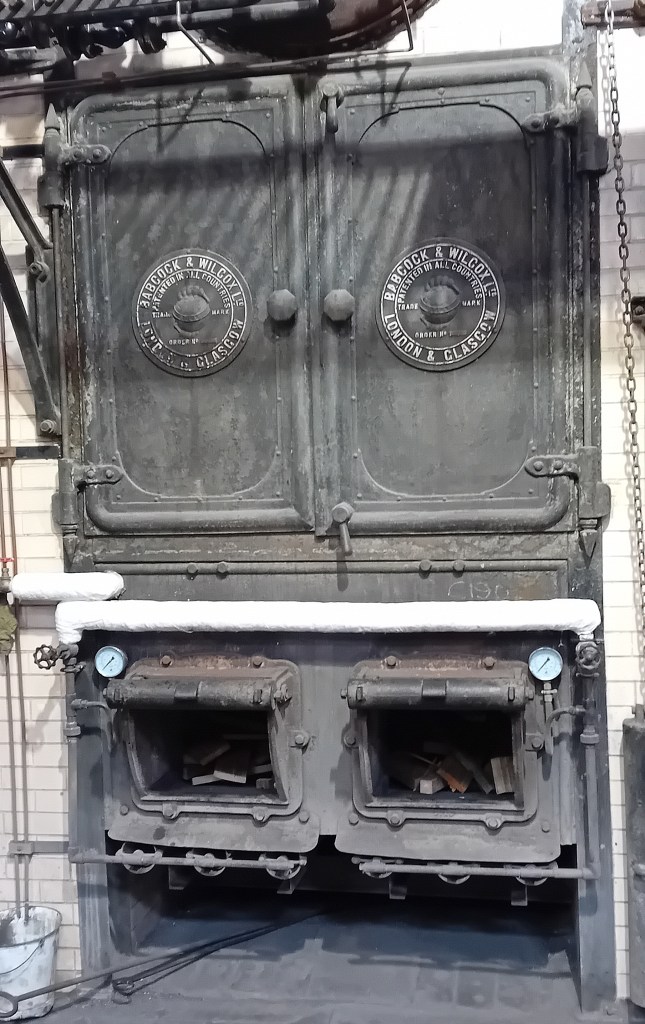
One of the 3 Badcock and Wilcox boilers for the steam engines.
Later 1930s Diesel pumping engine. (One of 3).
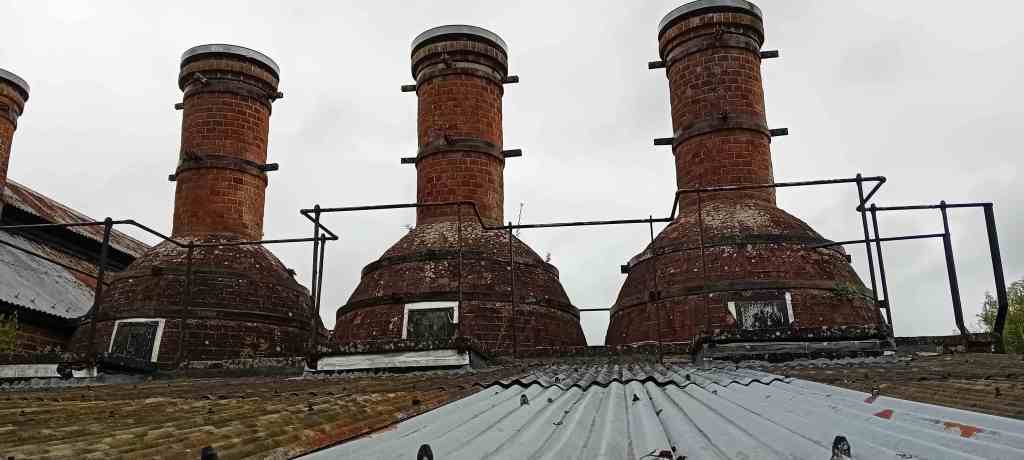
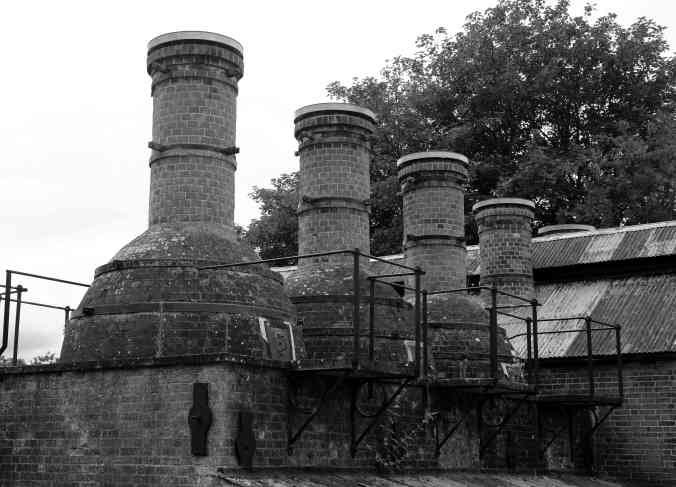
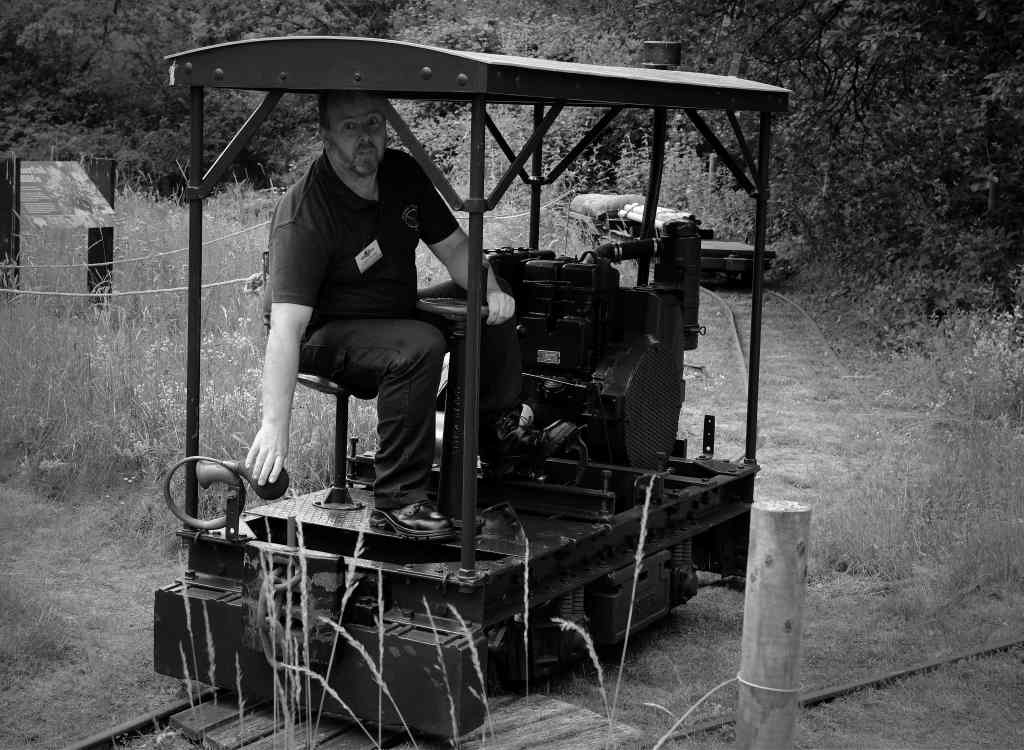
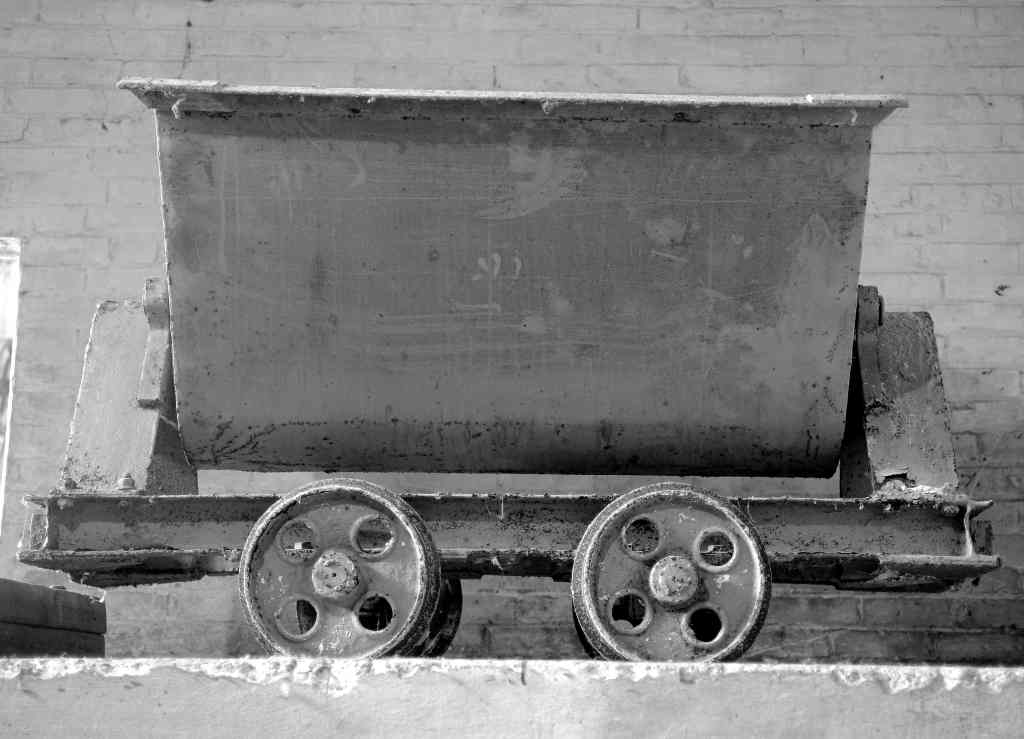
As part of the process, the water was softened, and the site had its own lime kilns. Three extra kilns were added in the 1930s to the original two. Chalk was moved to them from a quarry on a small railway.
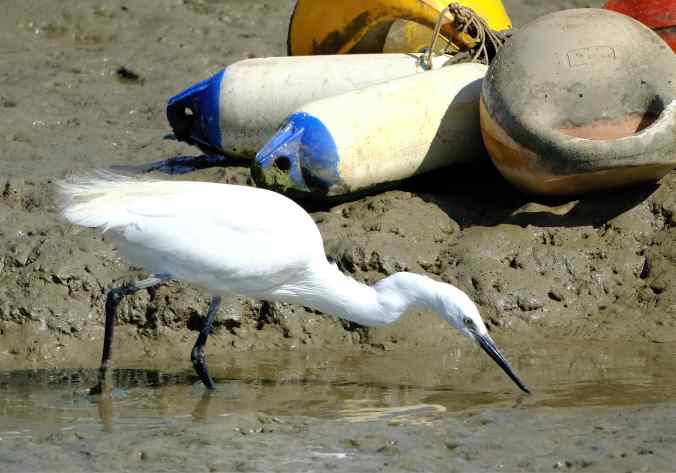
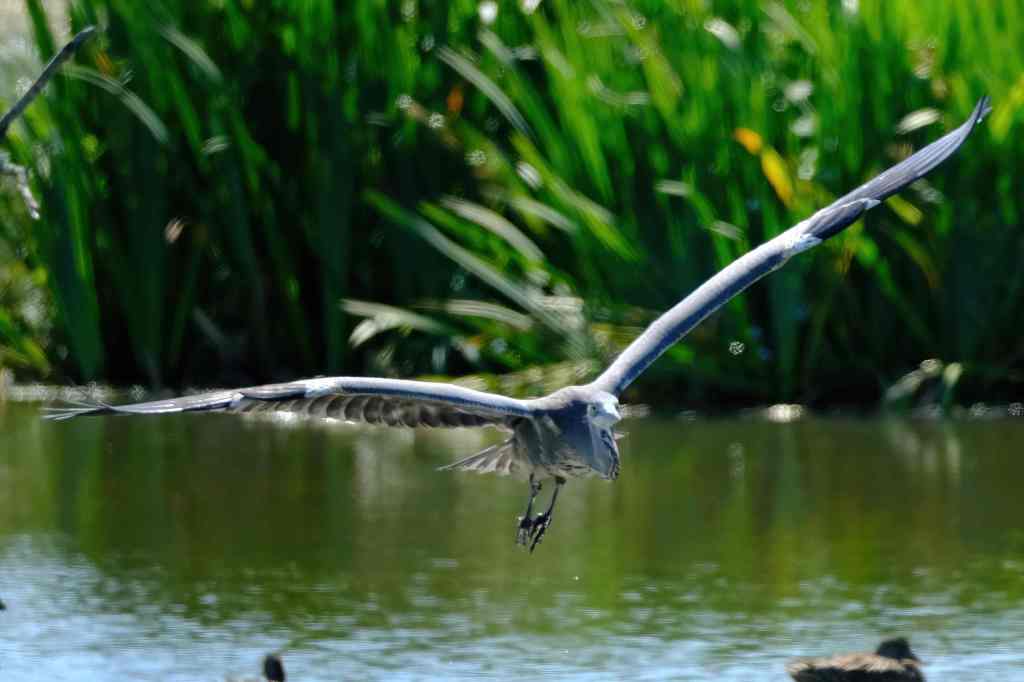
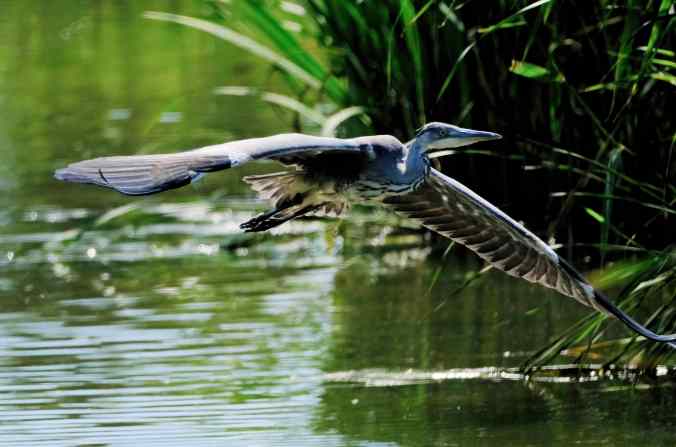
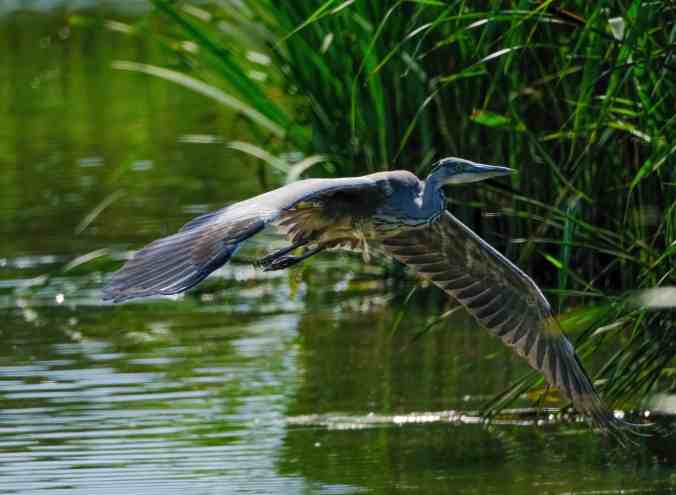
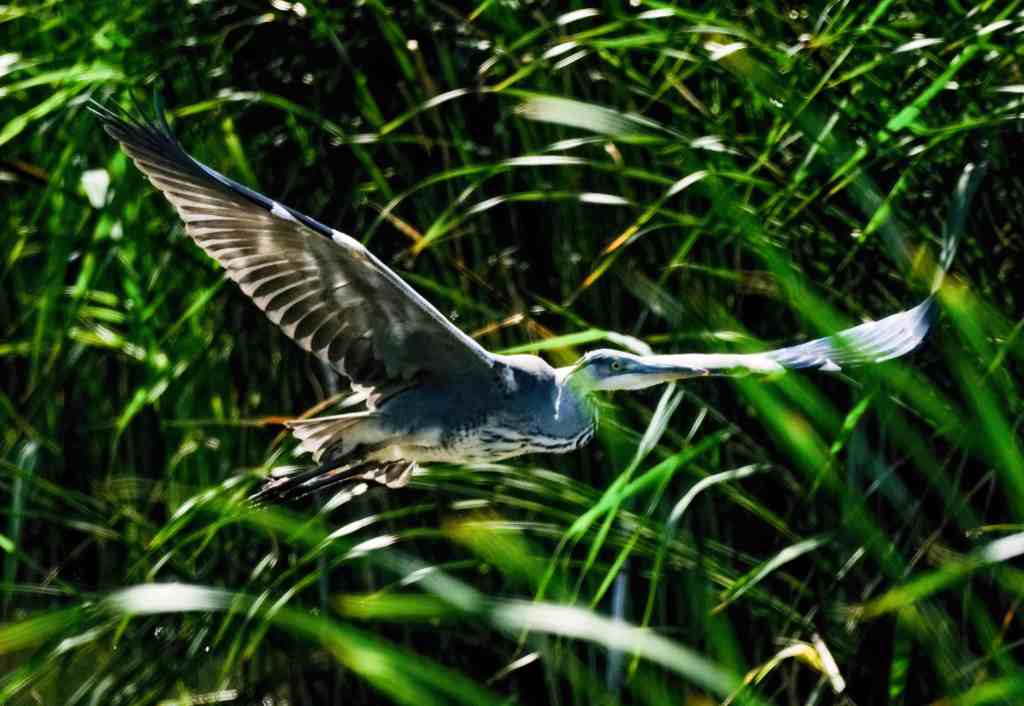
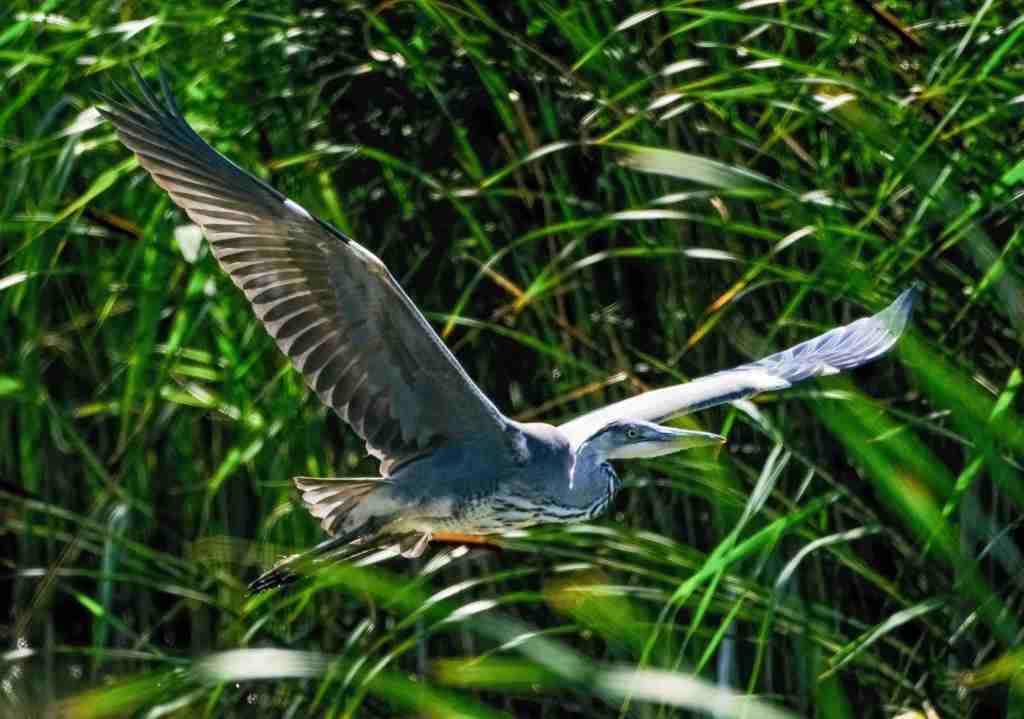
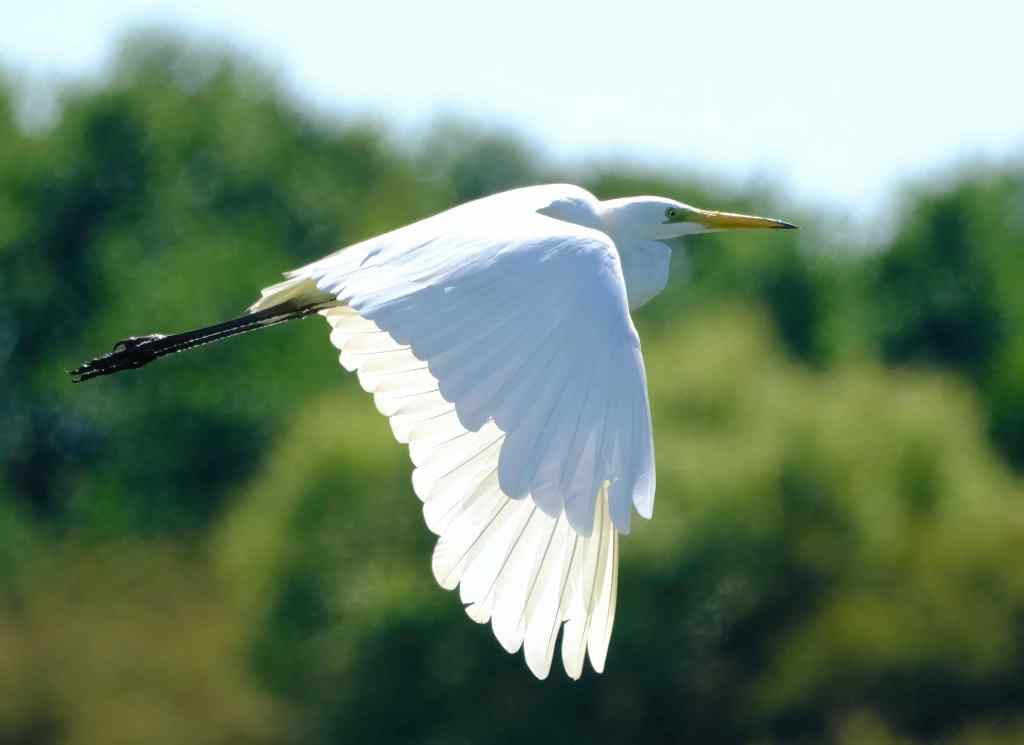
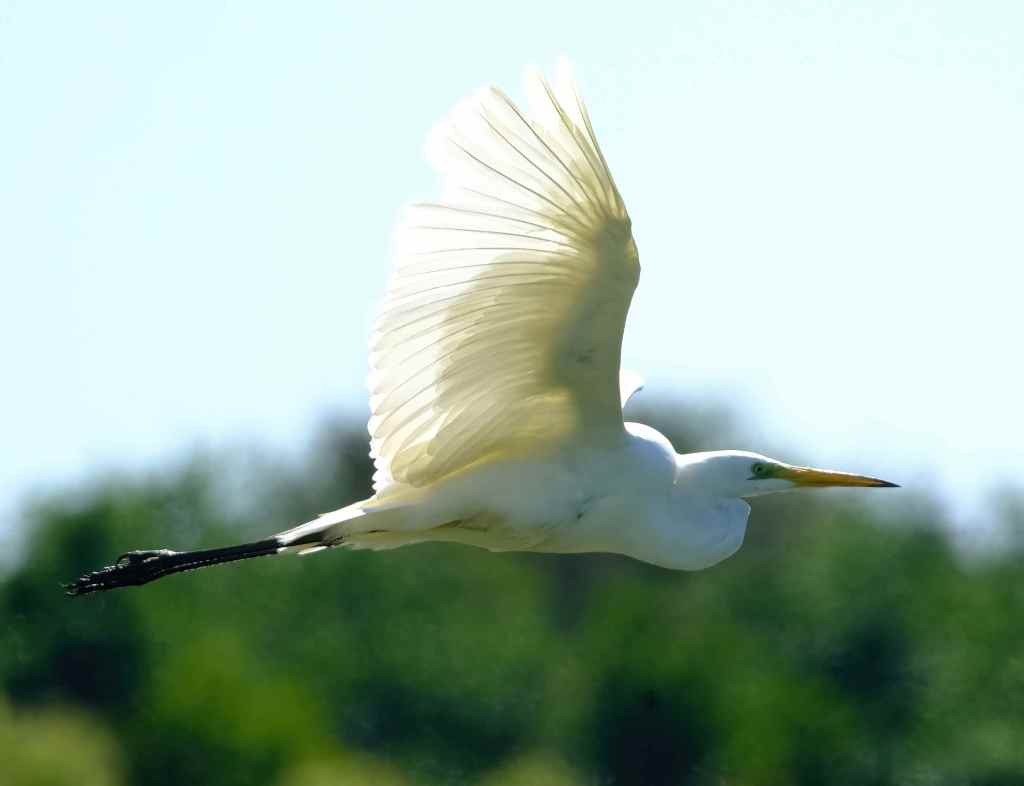
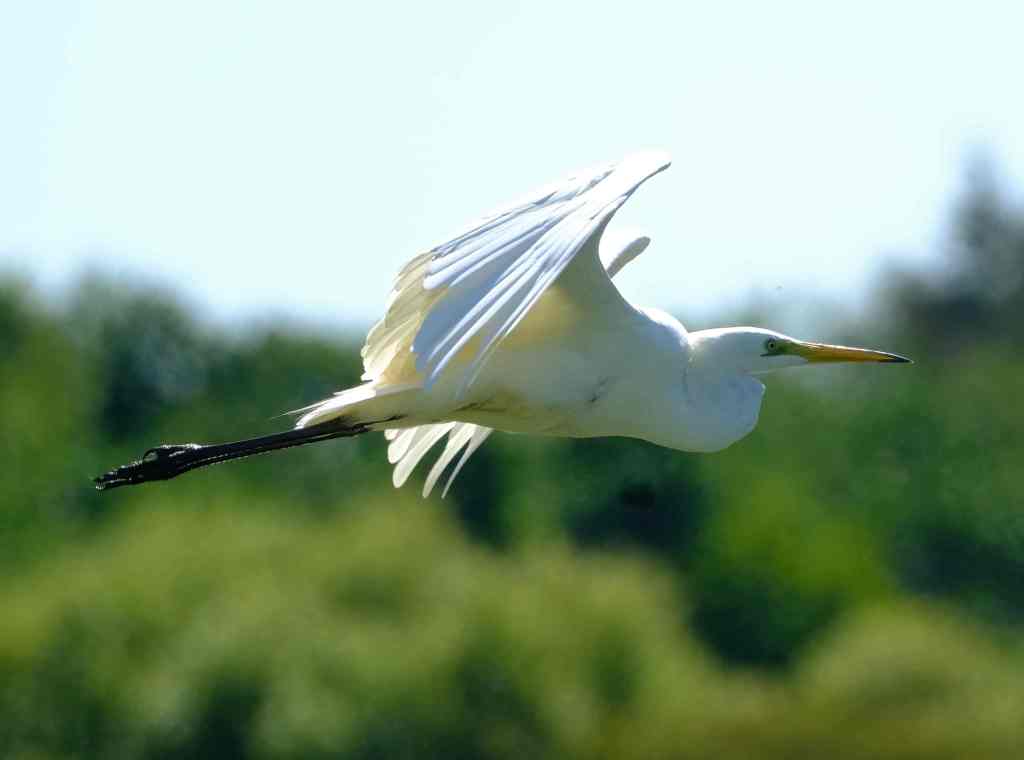
Grey Heron and Great White Egret in competition for the same fishing spot and airspace at Titchfield Haven; after a bit of argy-bargy, they flew off in different directions.































 Continued Reflections from my World.