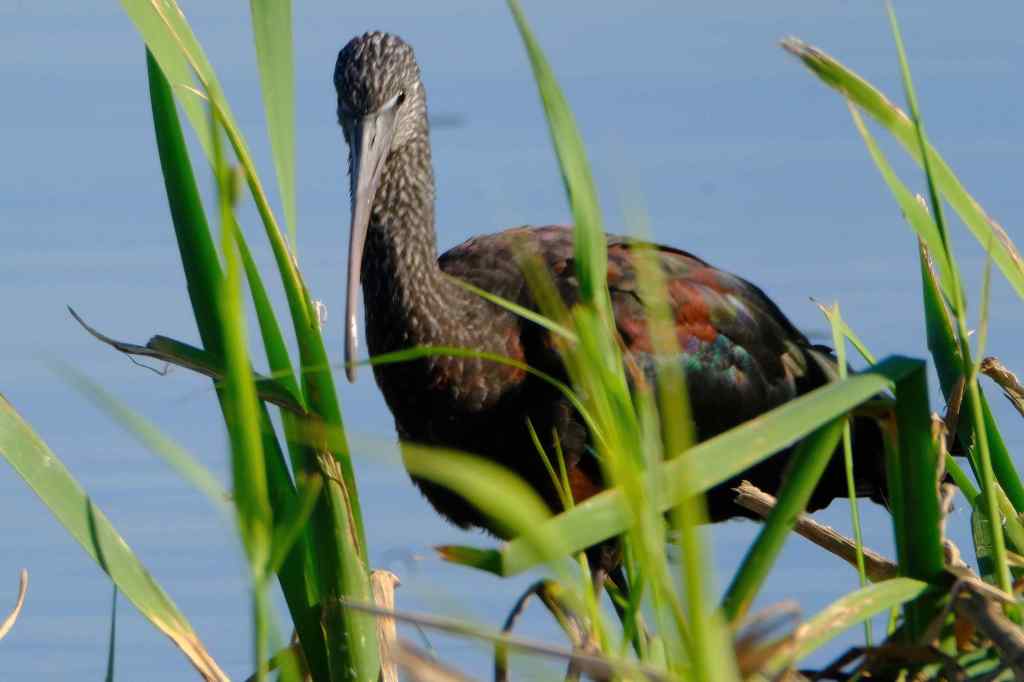
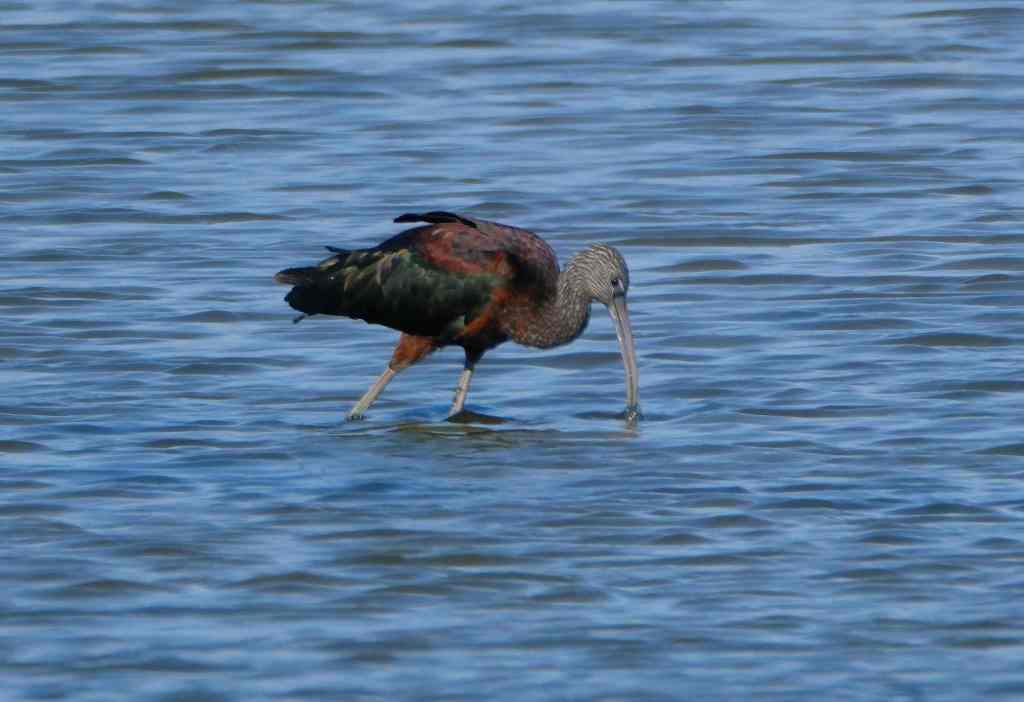
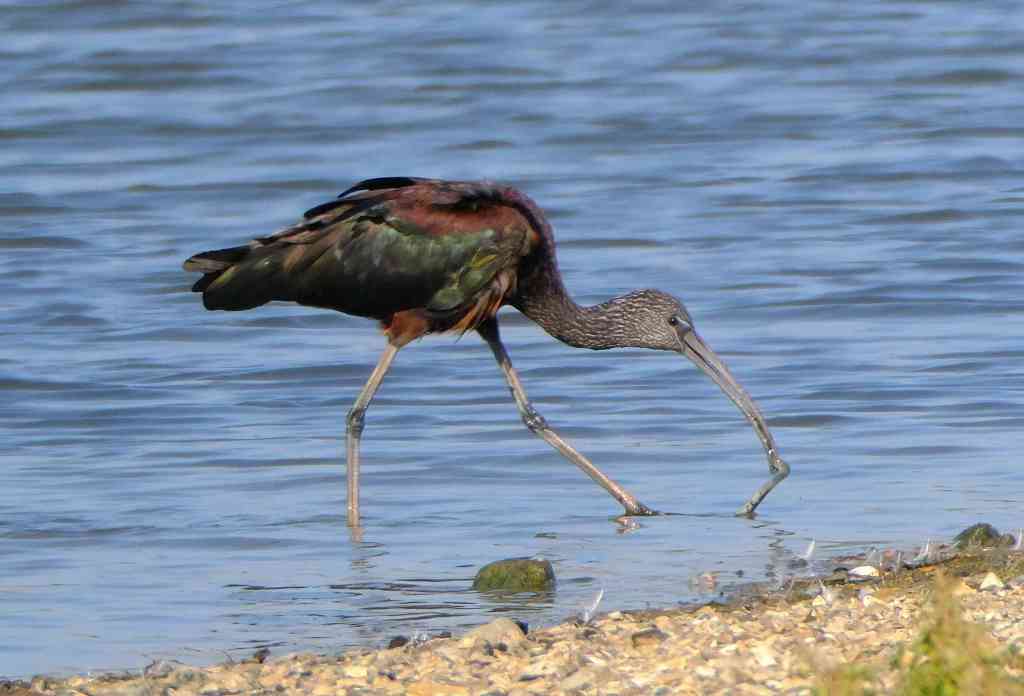
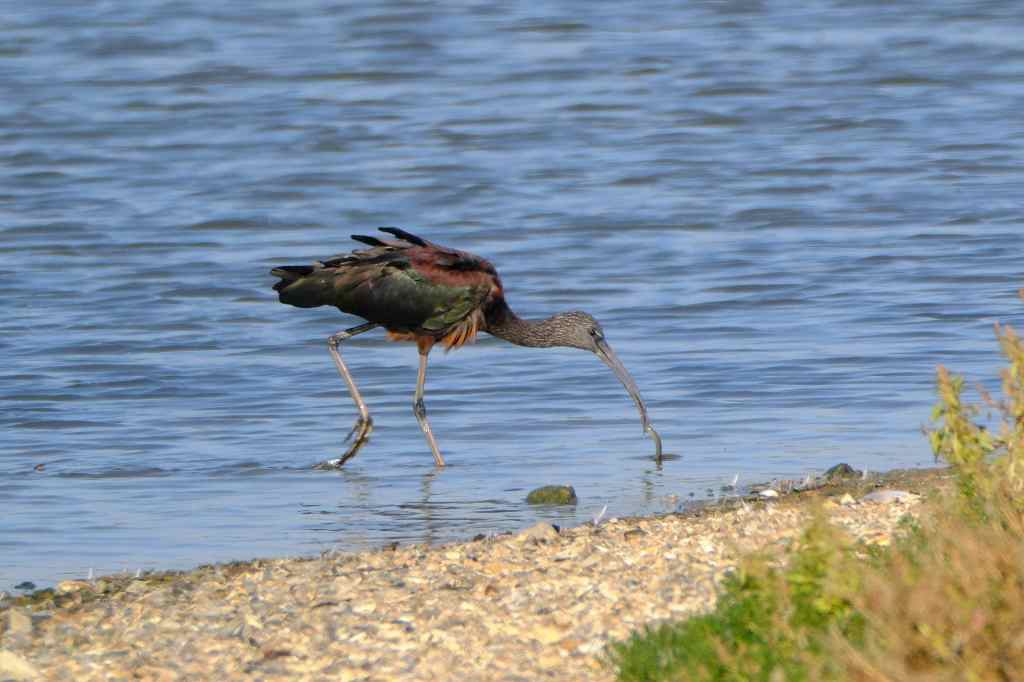
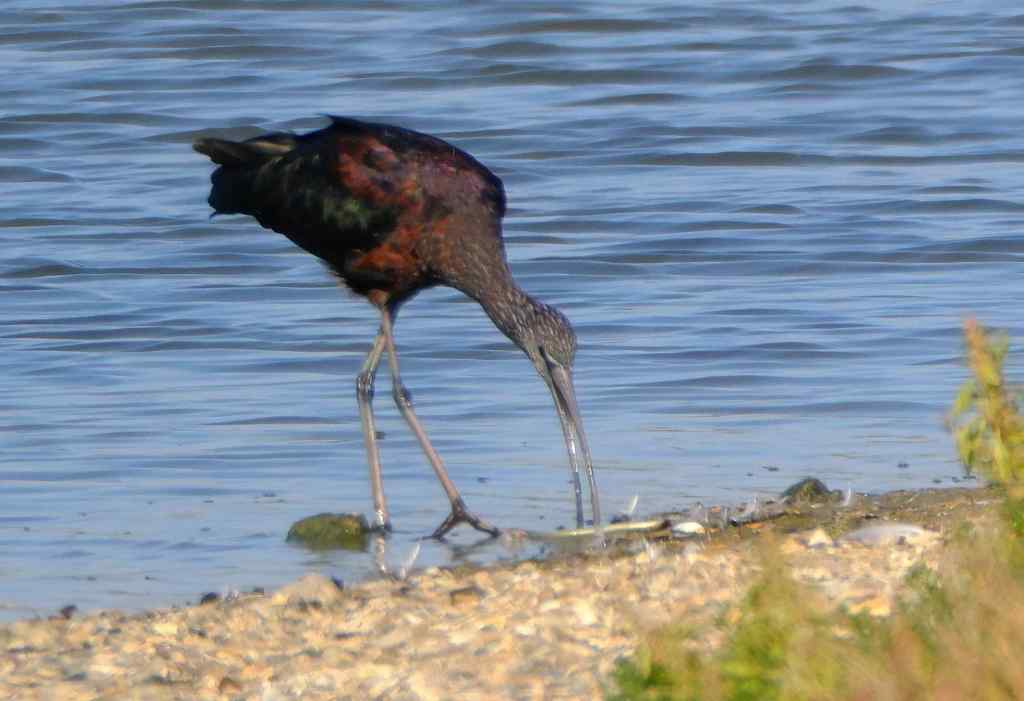
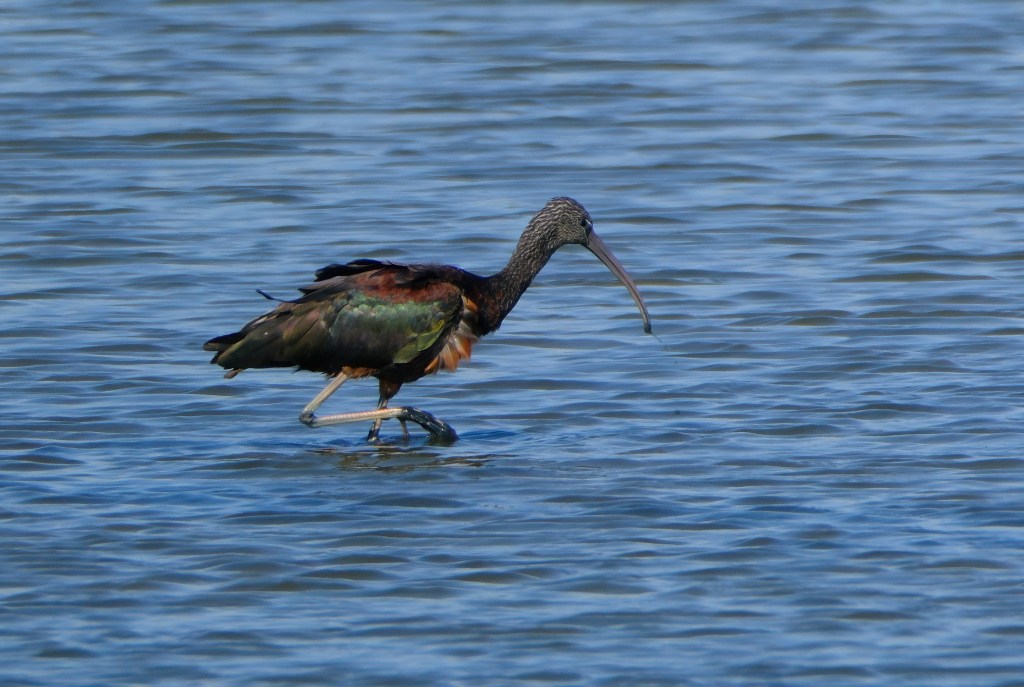
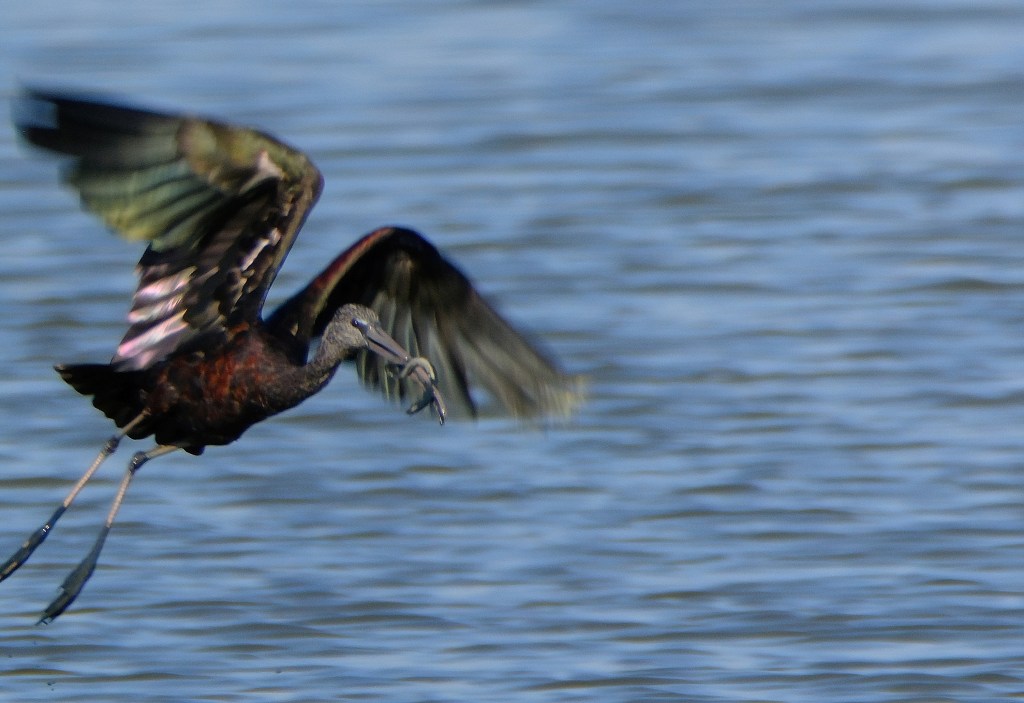
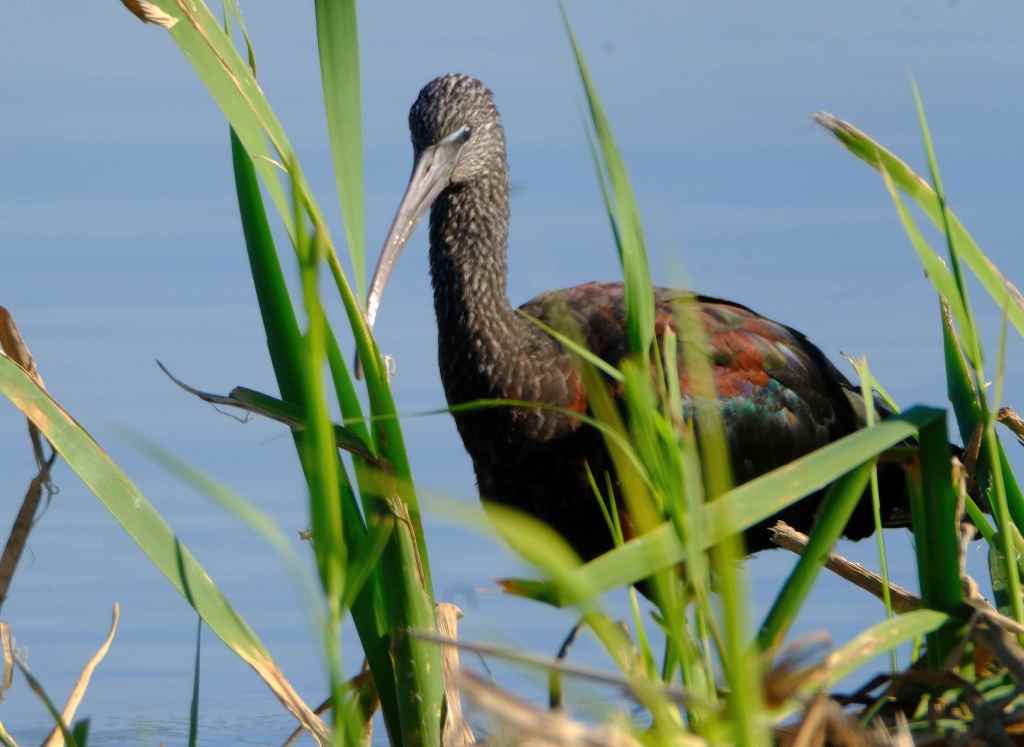
Glossy Ibis.

I have been seeing one or two Glossy Ibis at Titchfield Haven Nature Reserve for a couple of weeks. Today, I was able to get some pictures as they came closer to where I was watching from.

Looking at reports on the news and online, there has been a huge influx of Glossy Ibis across Britain and Ireland, with large flocks appearing across a wide area.

The arrival breaks all modern records for the species, which has been increasing across Western Europe in recent years. They bred in Britain for the first time in 2022.

In early September, a minimum of 605 Ibis were recorded across Britain and Ireland.
Sunday.

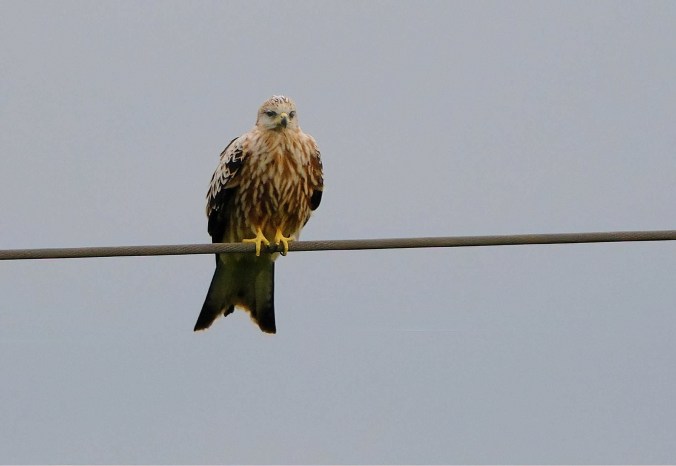
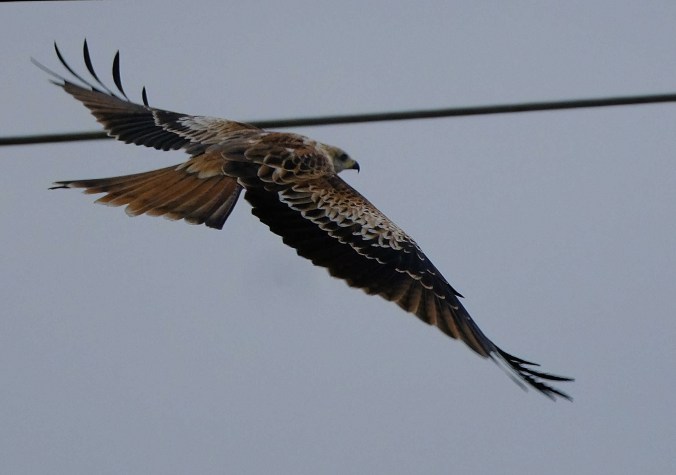
An early morning start to look for Barn Owls, but no luck this time. This area had been a good place in the past, but not this week. A good number of Red Kites were taking advantage of the views from the high electricity cables.

Look down.

The fungi season has started, and now every walk I look down as well as up!

Amanita muscaria, commonly known as the fly agaric, is always a thrill to see, adding colour to the woodland floor.

Warrior.

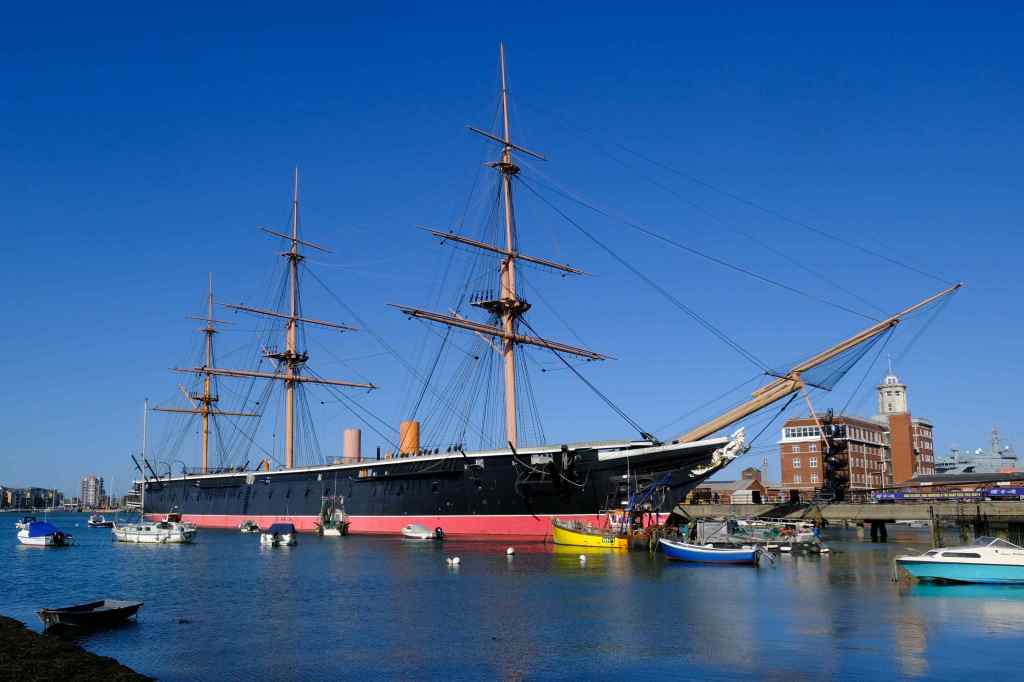
I 1st remember seeing HMS Warrior as a hulk from the bridge at Pembroke Dock in Wales. That was back in the 1970s. She was towed there on 13 March 1929, where she served as a floating oil jetty. For the next fifty years, the ship lay just offshore from an oil depot at Llanion Cove. In August 1979, Warrior began her 800-mile journey to a temporary home in the Coal Dock at Hartlepool, where the £9 million restoration project, largely funded by the Manifold Trust, commenced.

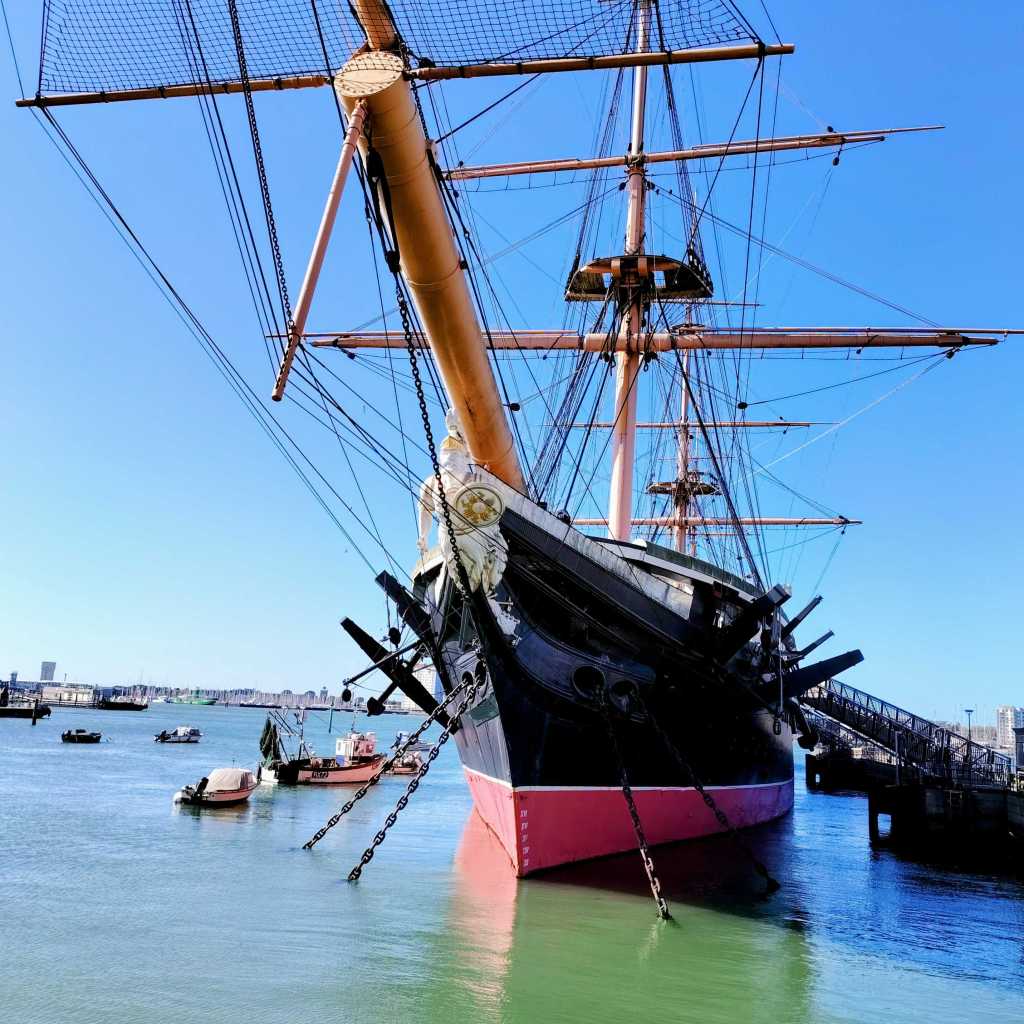
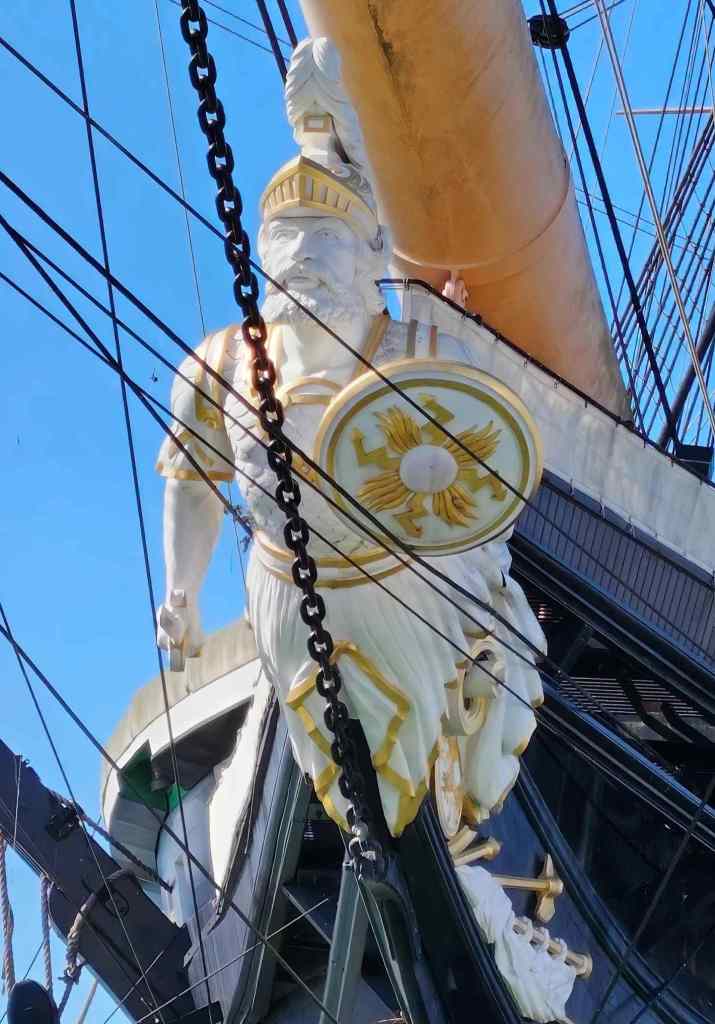
Launched in 1860, HMS Warrior was Britain’s first iron-hulled, armoured battleship. She was the pride of Queen Victoria’s fleet and the largest and fastest ship of her time

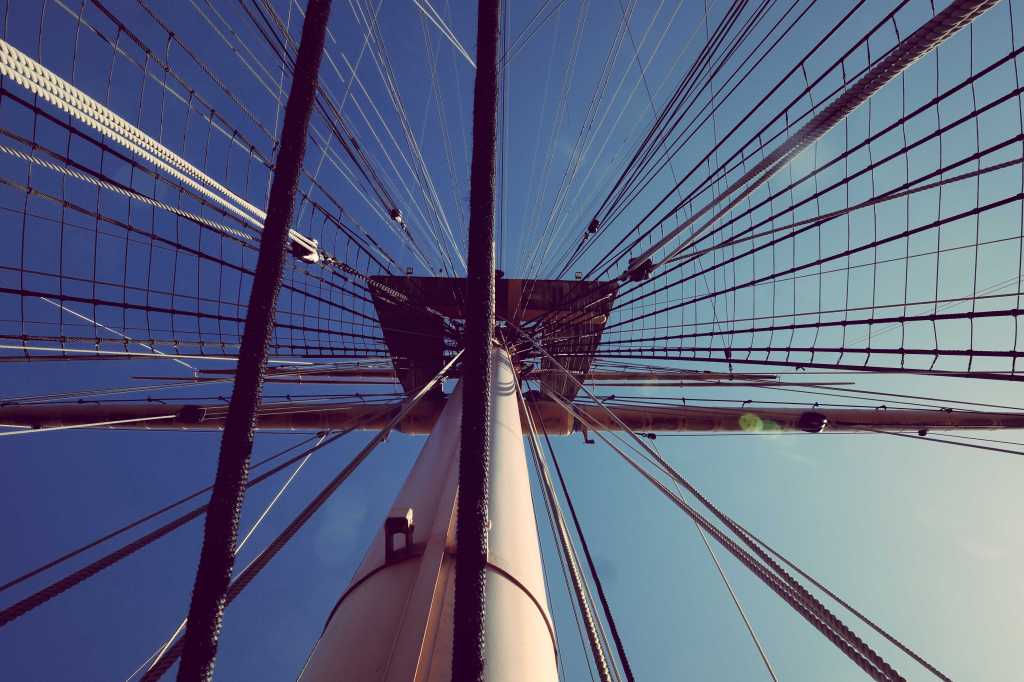
This innovative ship signalled a significant evolution in the Royal Navy, being powered by steam and marking the first departure from traditional wooden ships.

Today, she is open to the public at Portsmouth Historic Dockyard.

HMS Warrior is a real mix between modern and old.

Boats, Dog Walkers, Joggers & Birdwatchers.

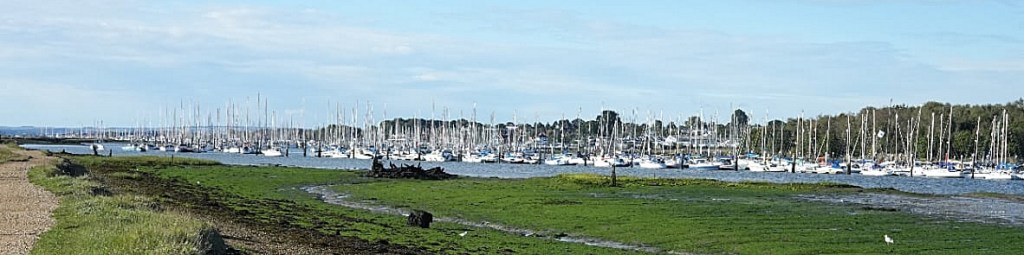
A Sunday morning walk up the Hamble River from Warsash, with the tide coming in, and some good views of waders.

The well-made-up footpath is a Sunday morning favourite for many from Joggers, walkers, dog walkers and cyclists. The cafe in the boat yard at each end of the walk does a good trade in cakes and coffees. As the tide comes in, many waders move closer to the path and seem not too bothered by the people hurrying along the path. For bird watches, this gives us a chance to get some close views of birds that may normally be far off on the tide line.

Curlew. The Curlew is the largest European wading bird, found on estuaries in winter and moors in summer. 

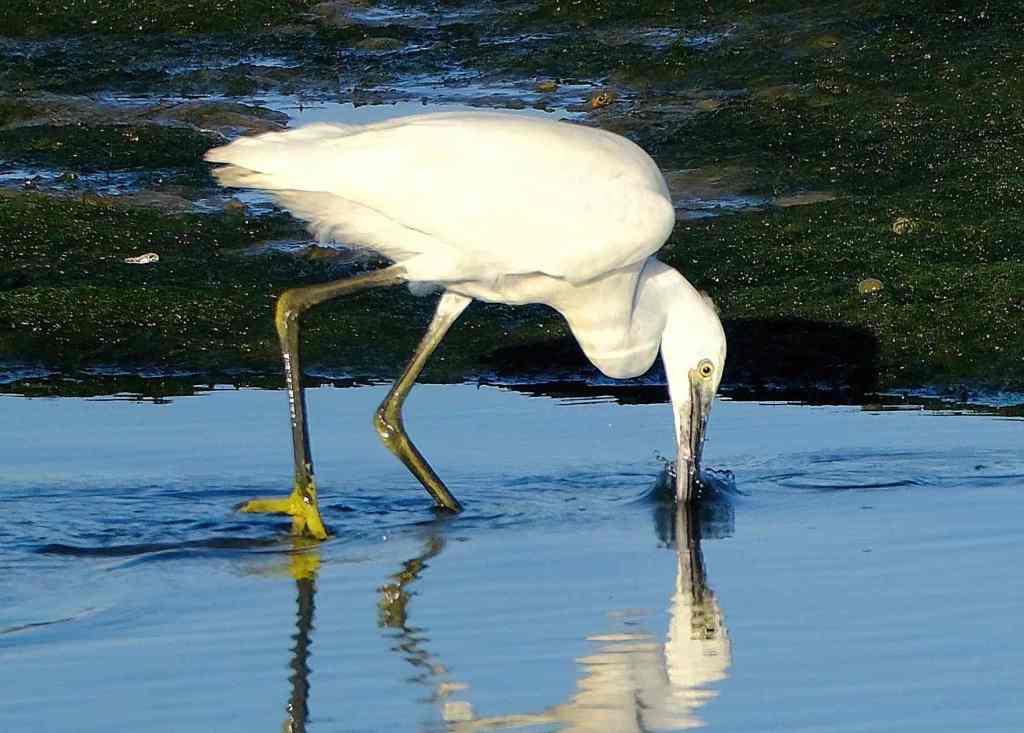
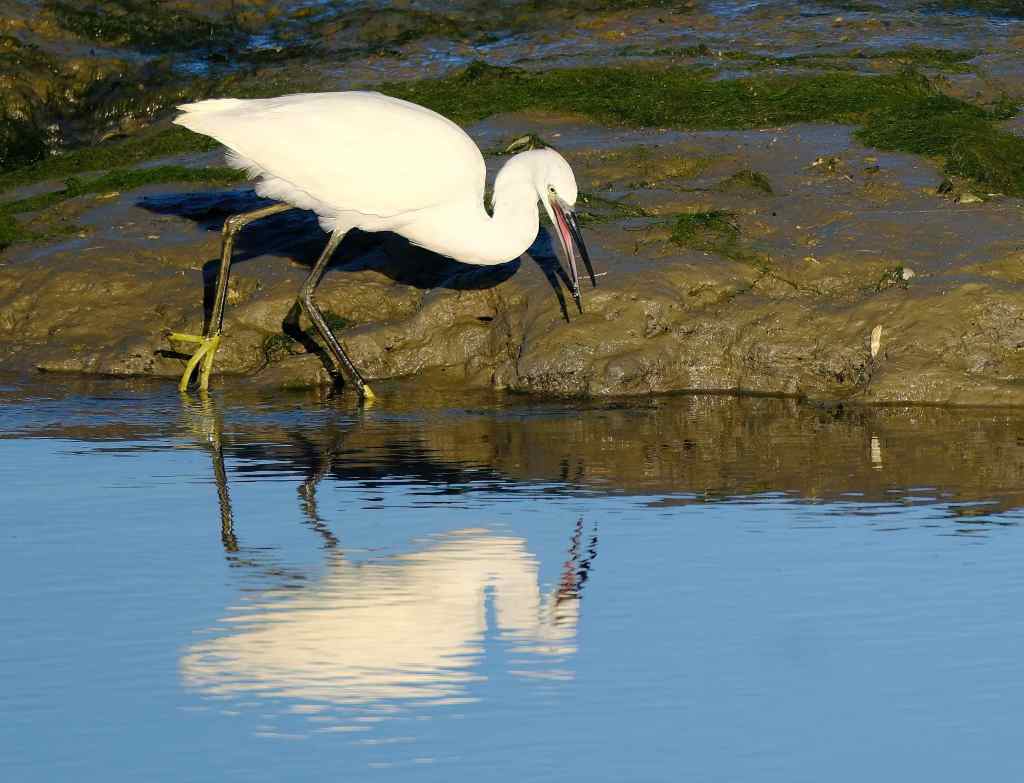
Little Egret. 5 or so Little Egrets were along our walk today, a bird 1st recorded in the UK in 1989. Today, over 600 pairs breed and 4500 winter here. I still recall when they were a rare sight.

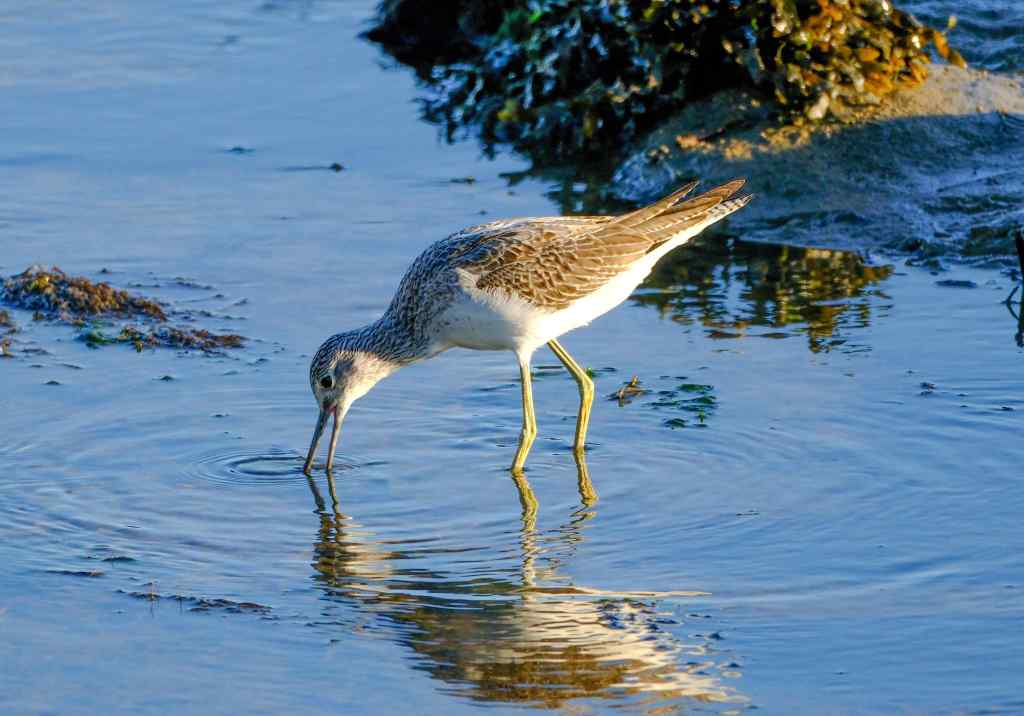
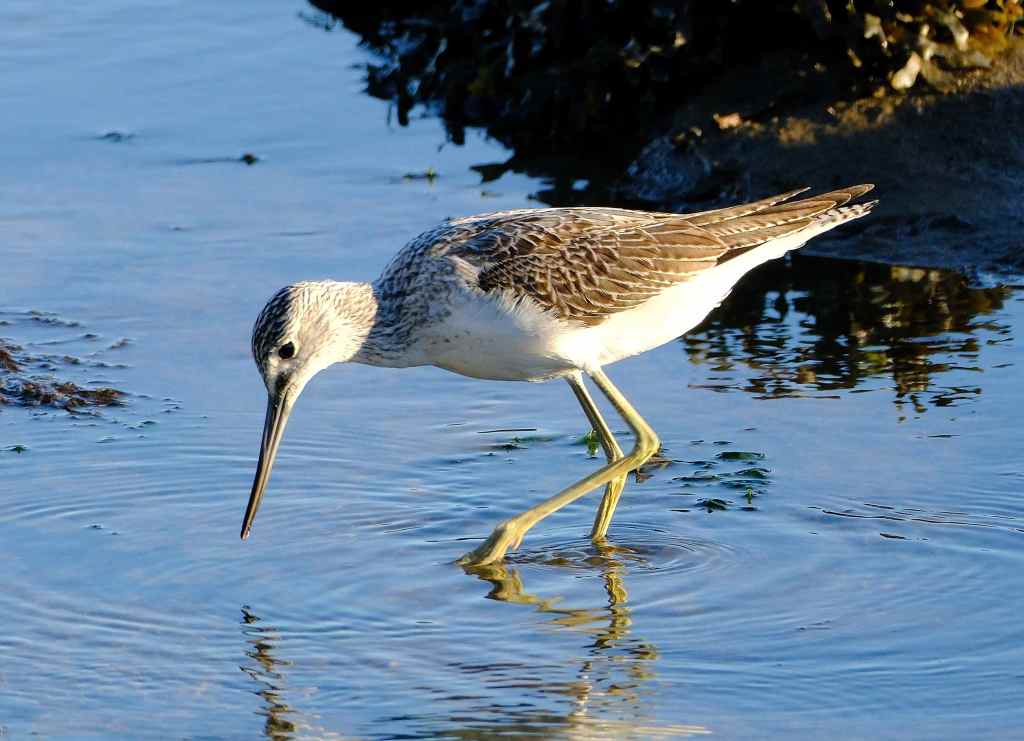
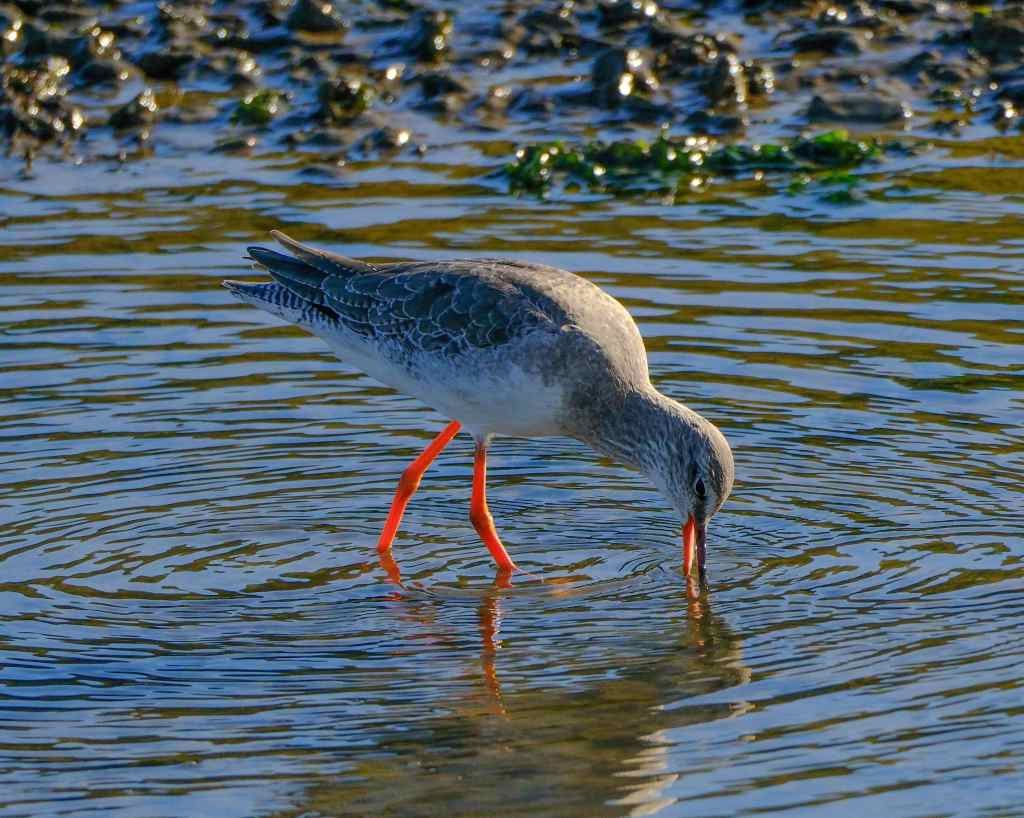
A Greenshank with a Spotted Redshank in winter plumage, fishing for small invertebrates.

Cormorants drying their wings.- As their wings are less waterproof than other waterbirds, they are often seen drying their wings.