Month: September 2025
Another boat trip.
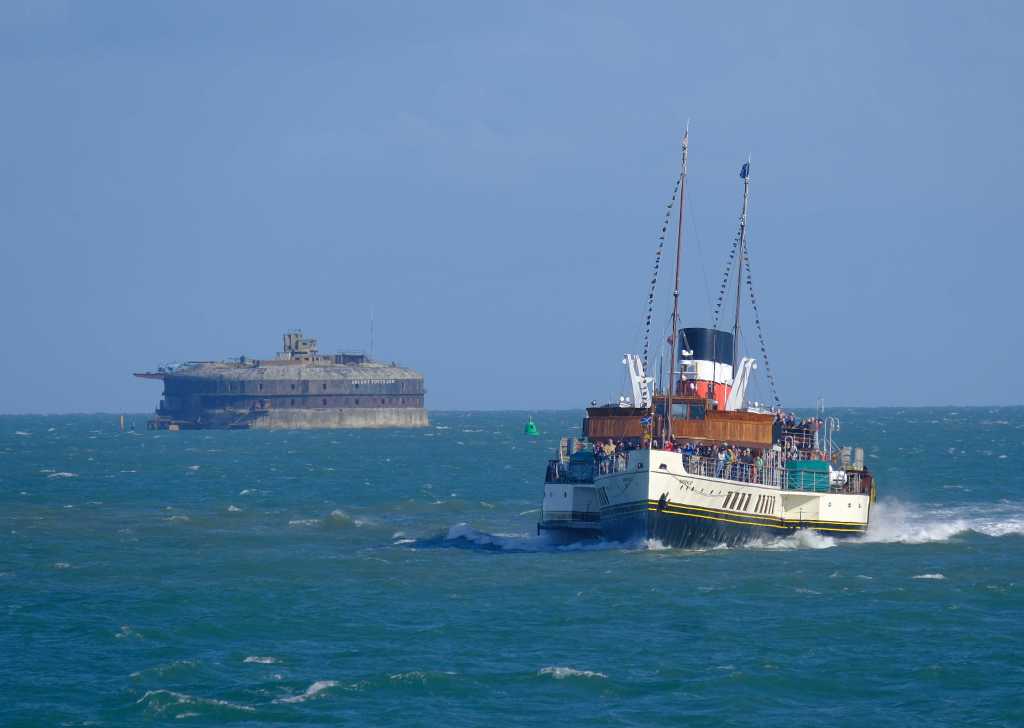
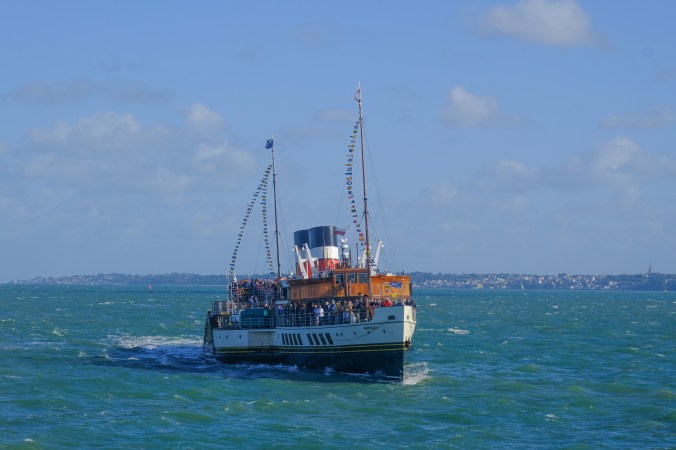
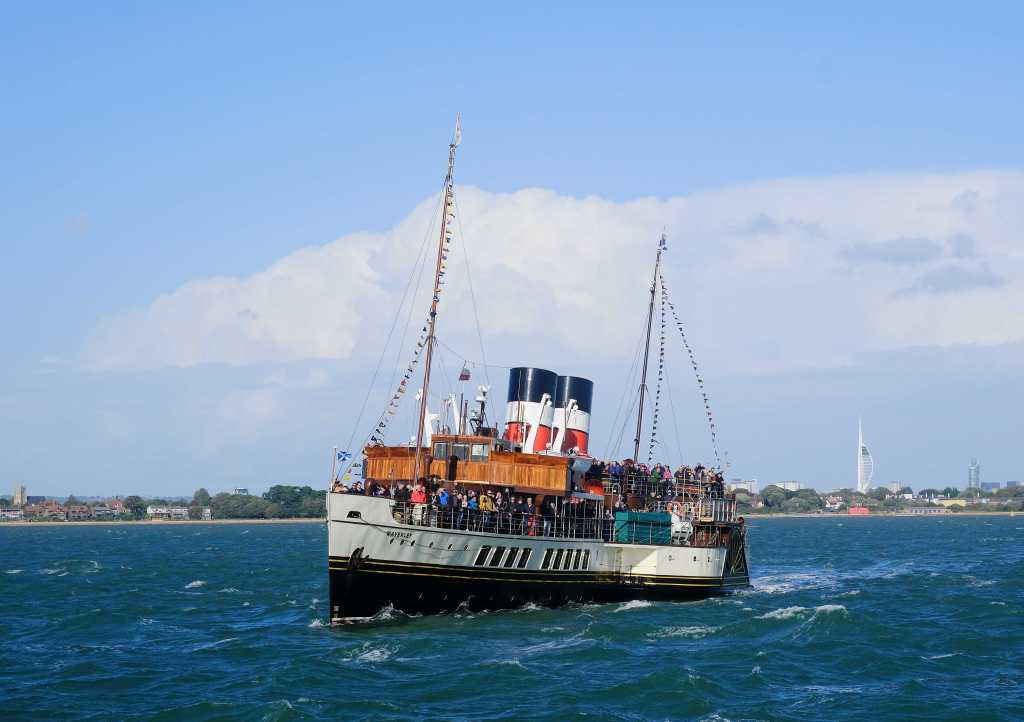
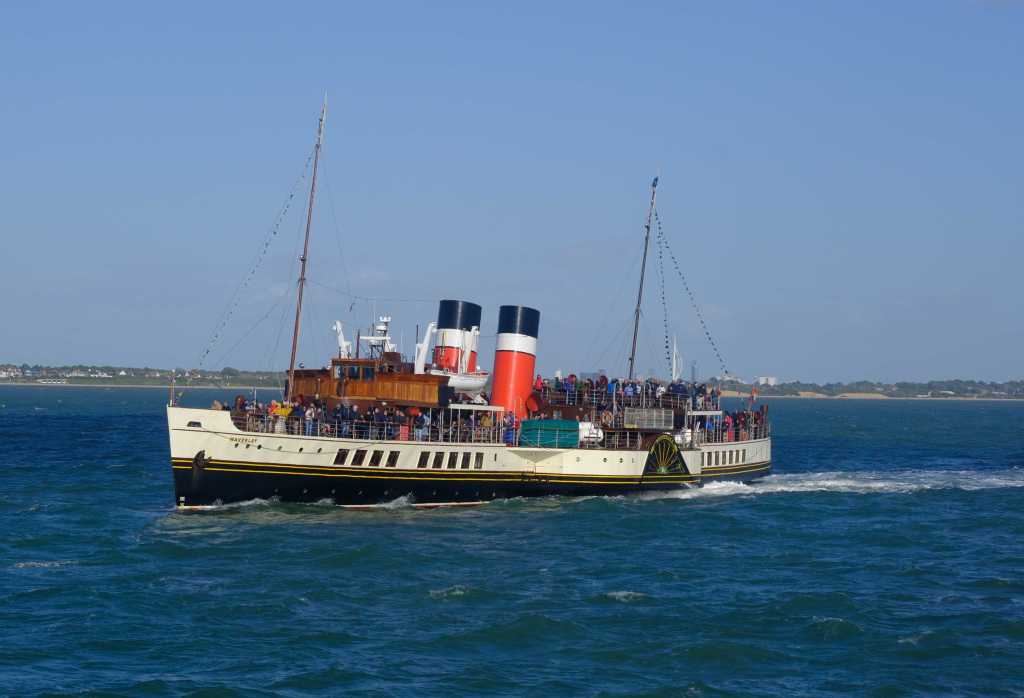
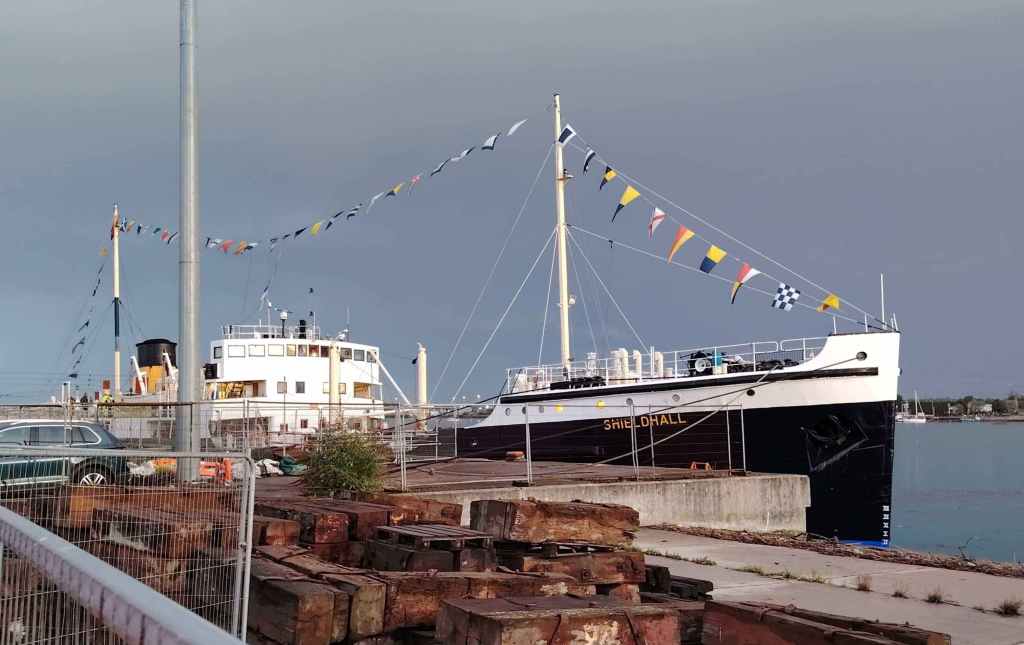
Back in the Spring, we booked a trip on the SS Shieldhall yesterday, the weather held, and the promised rain held off. We had a 7-hour trip – 2025 is set to be a special year for Shieldhall, built in 1955, as she celebrates her 70th birthday. SS Shieldhall is the largest working steamship in Britain. The trip was down Southampton Water and into the Solent. We met up with the historic Paddle Steamer Waverley just off the Isle of Wight. PS Waverley was built in 1946 and is the last seagoing passenger-carrying paddle steamer in the world. She is also steam-powered. Both ships are on the National Historic Fleet Register. In the past, I have sailed on both these ships, but it is always a treat to step back in time and travel at a slower pace.
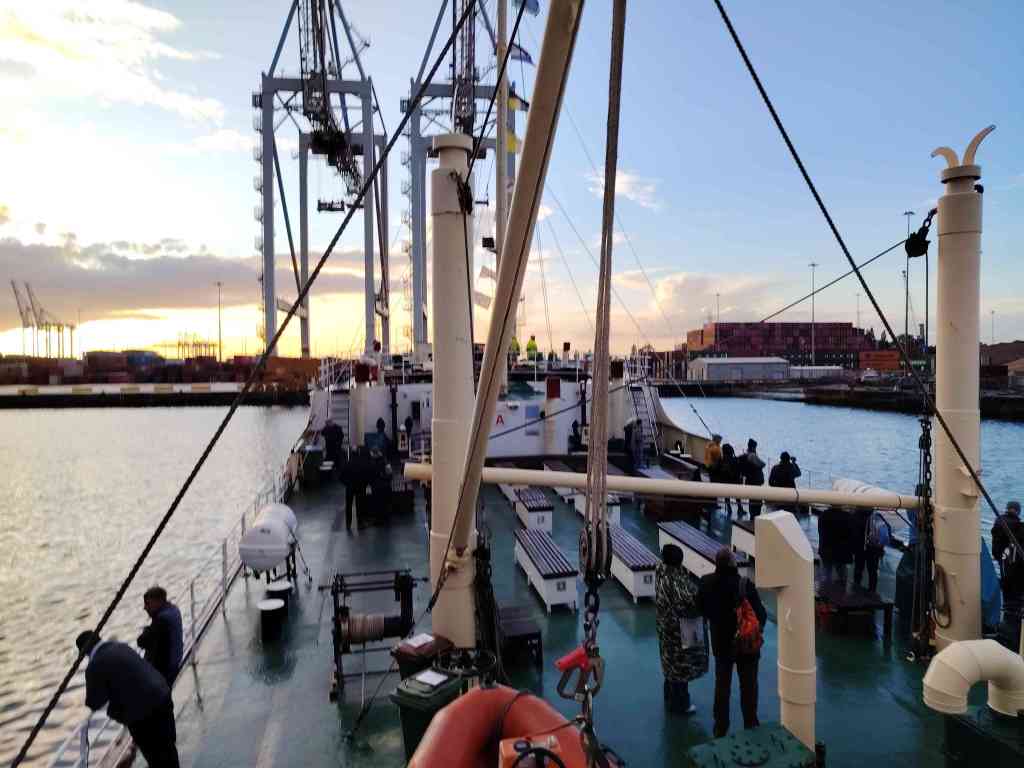
Part 1: Leaving Southampton Docks and heading down Southampton Water.
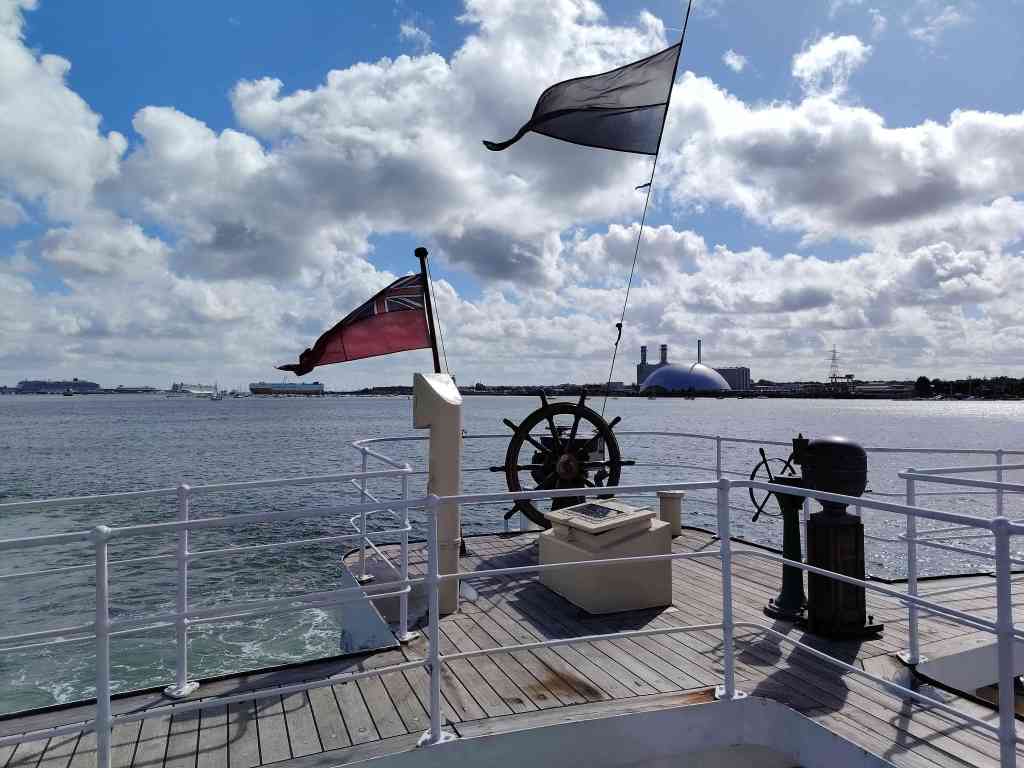
Leaving 110 Berth, Southampton Docks. View of the emergency steering gear.
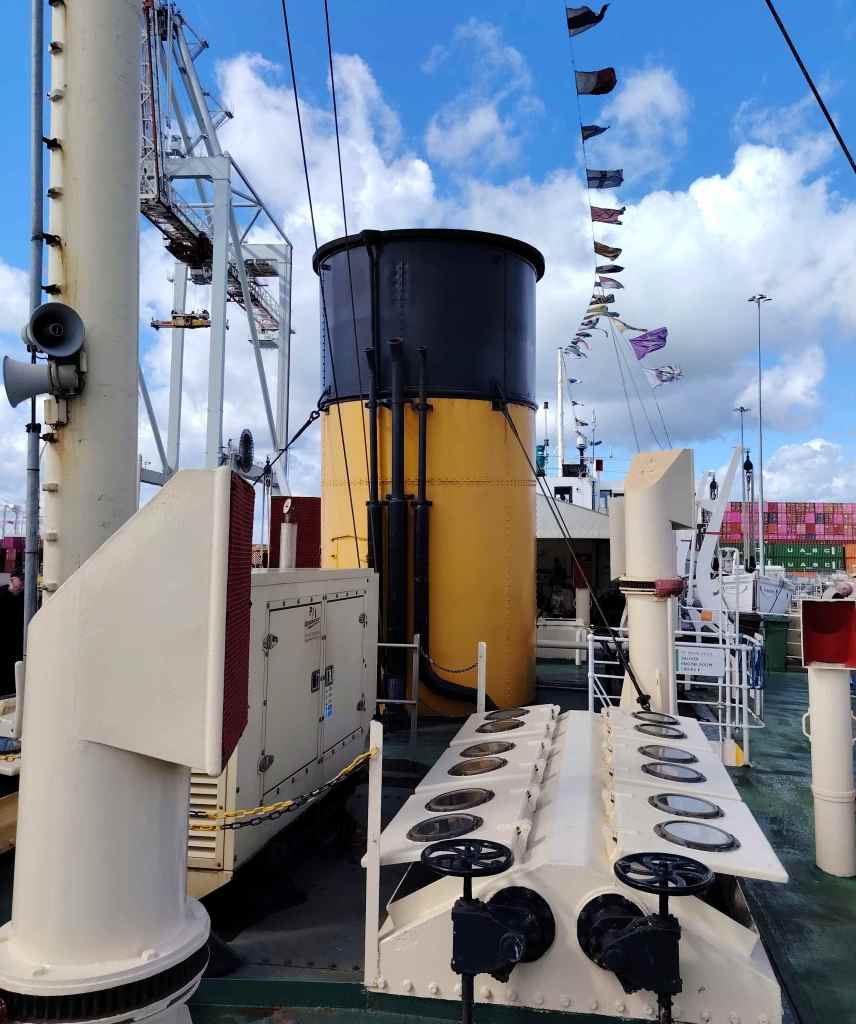

Passing shipping in Southampton Water. Container Ship and Isle of Wight Ferry.
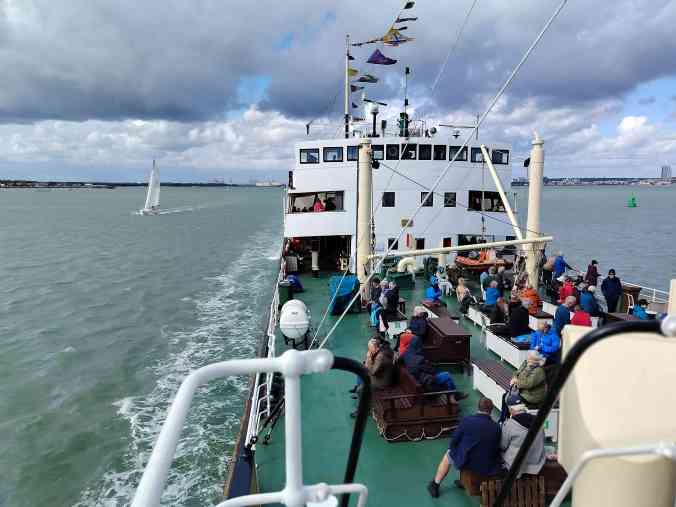
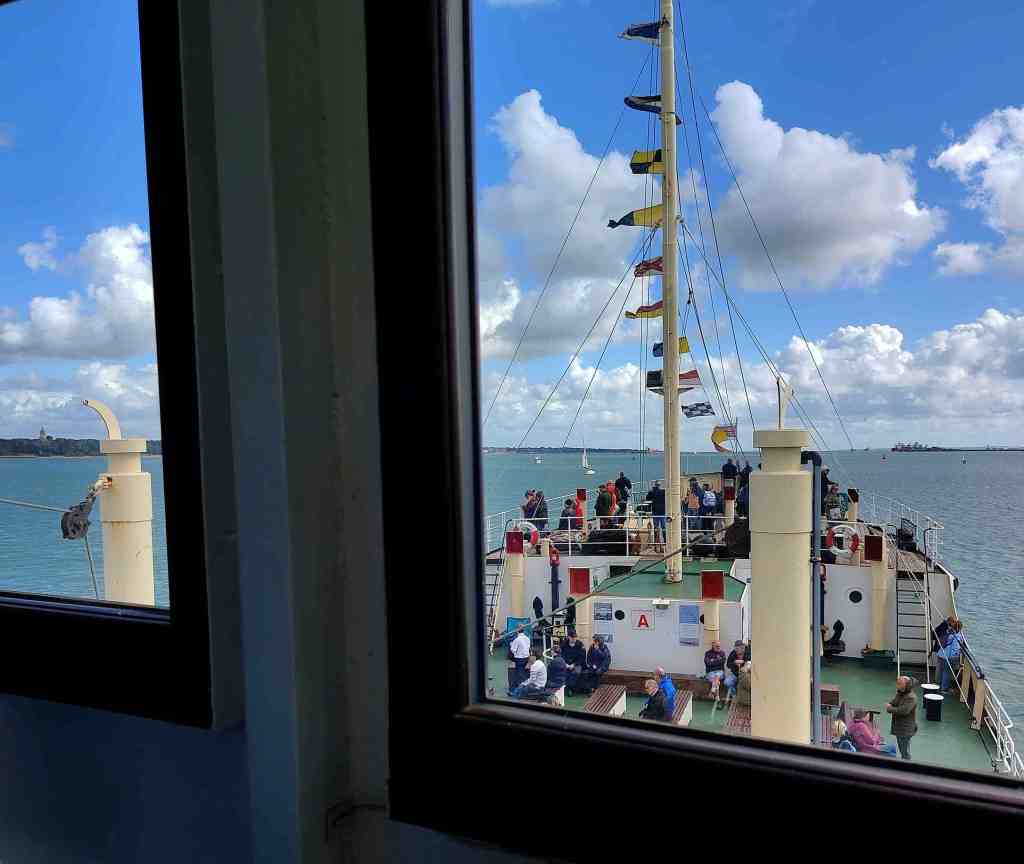
The Bridge.


Engine room.

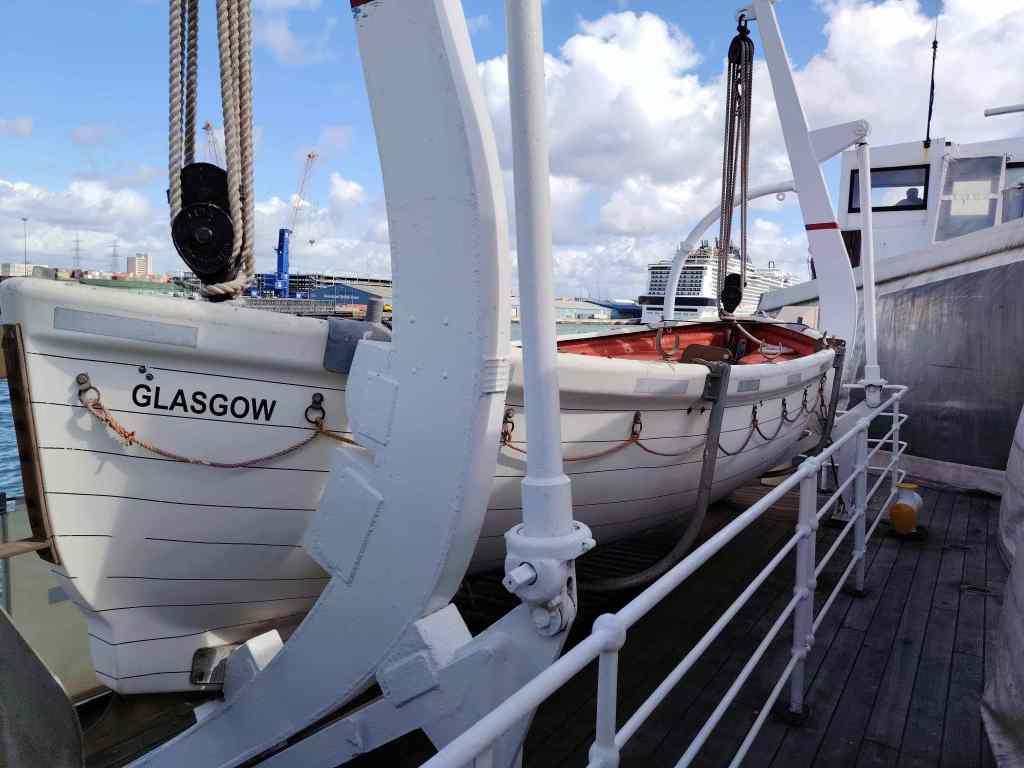
Lifeboat.

Part 2: Meeting Paddle Steamer Waverley.



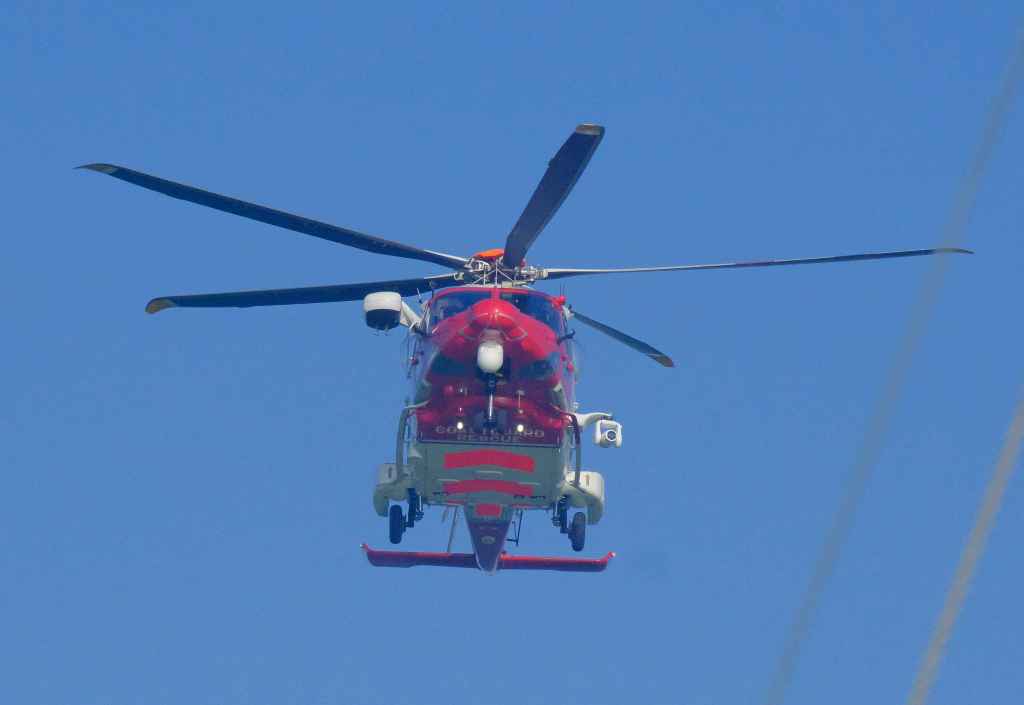
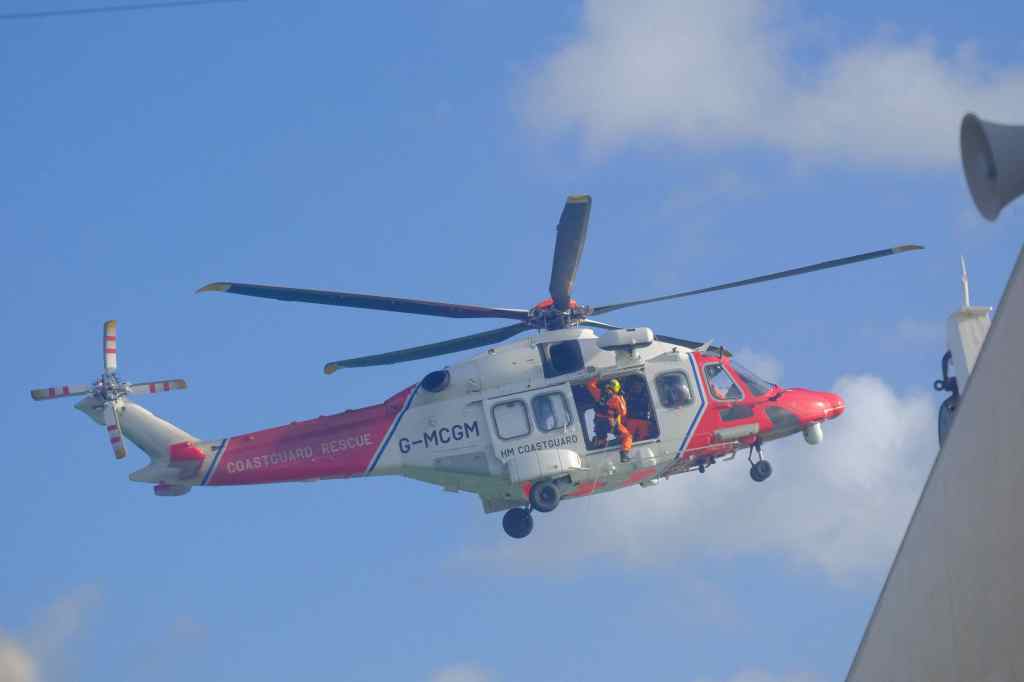
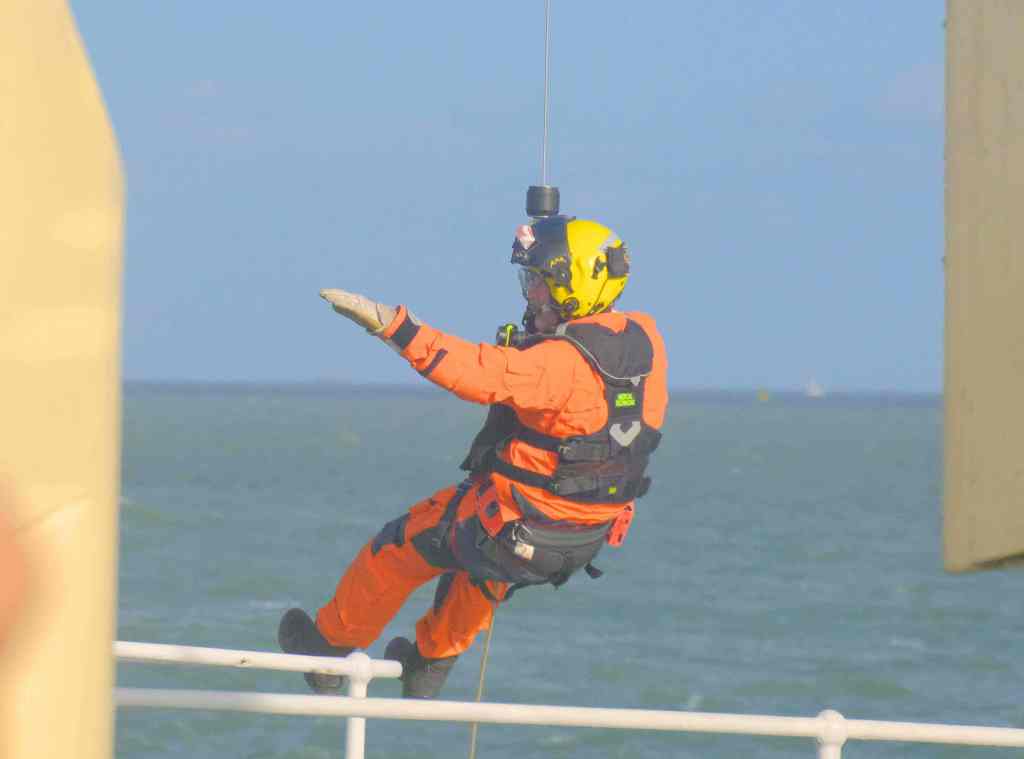
Part 3: A Visit from the Coastguard.
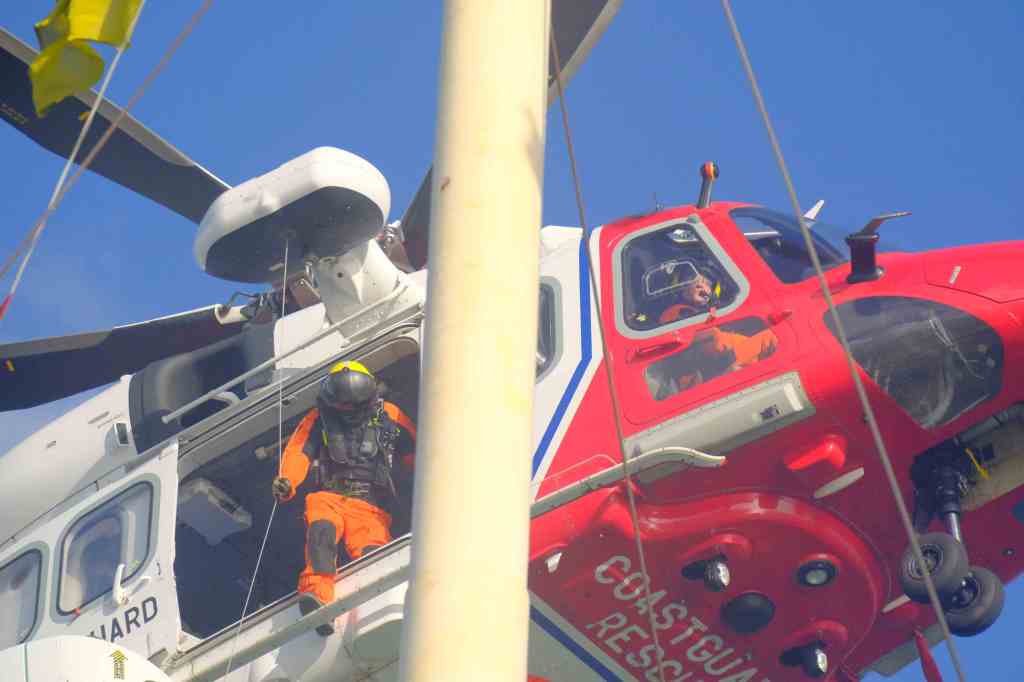
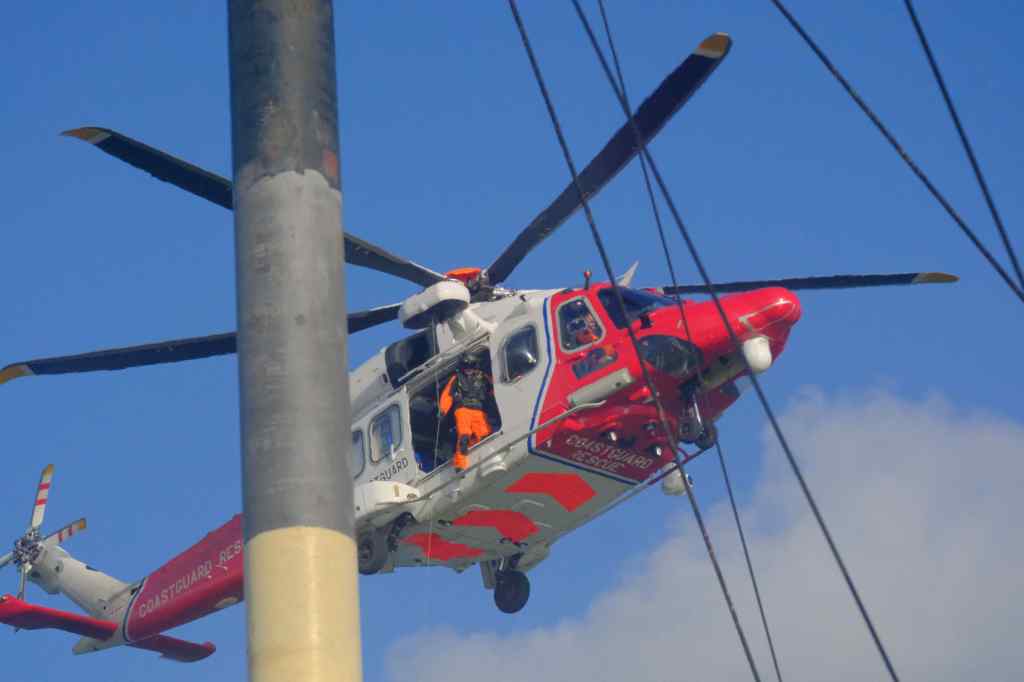
The Team on the Shieldhall have a good rapport with Solent Coastguard and undertakes exercises with them. We were lucky to have an exercise with the Solent Coastguard helicopter. The unit, currently operates two Leonardo AW189 helicopters and is staffed and maintained by Bristow Helicopters Ltd under contract with the Maritime and Coastguard Agency. These aircraft are available 24/7 to respond to coastal and maritime emergencies, often working with lifeboat crews and other emergency services. They operate from their base at Lee on Solent.
You must respect both the skill of the aircrew in putting a winchman on the deck of a moving ship with all the wires and superstructure.



Part 4: Return to port.
After a great trip, once the helicopter departed, we sailed back to Southampton. In the last hour of the trip, the weather broke, and heavy rain came in. We arrived in port at approximately 1900 hours.

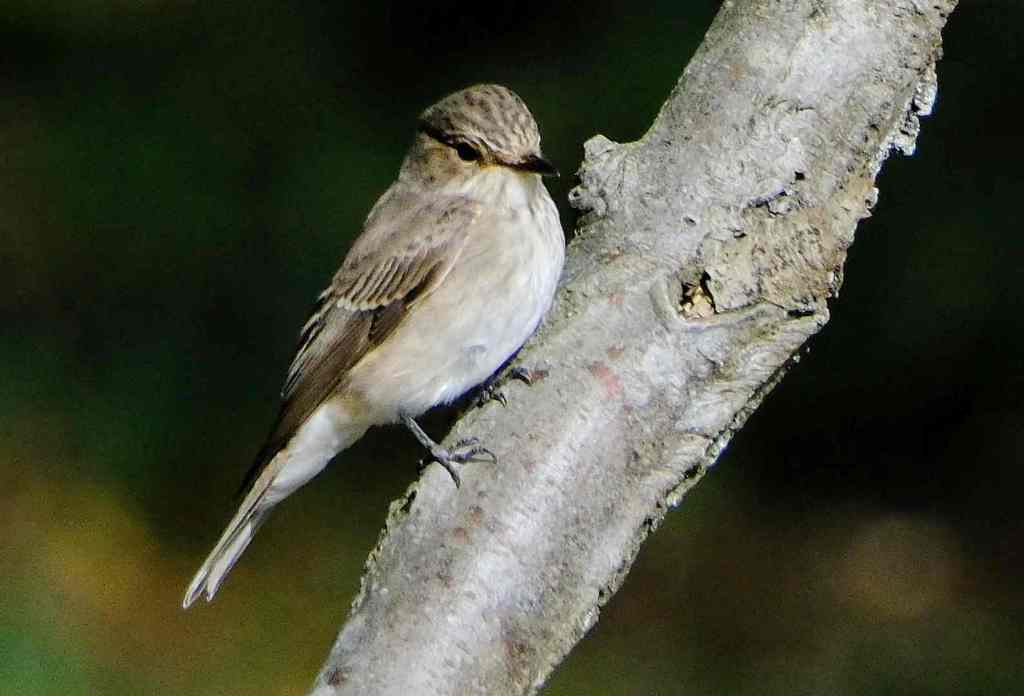
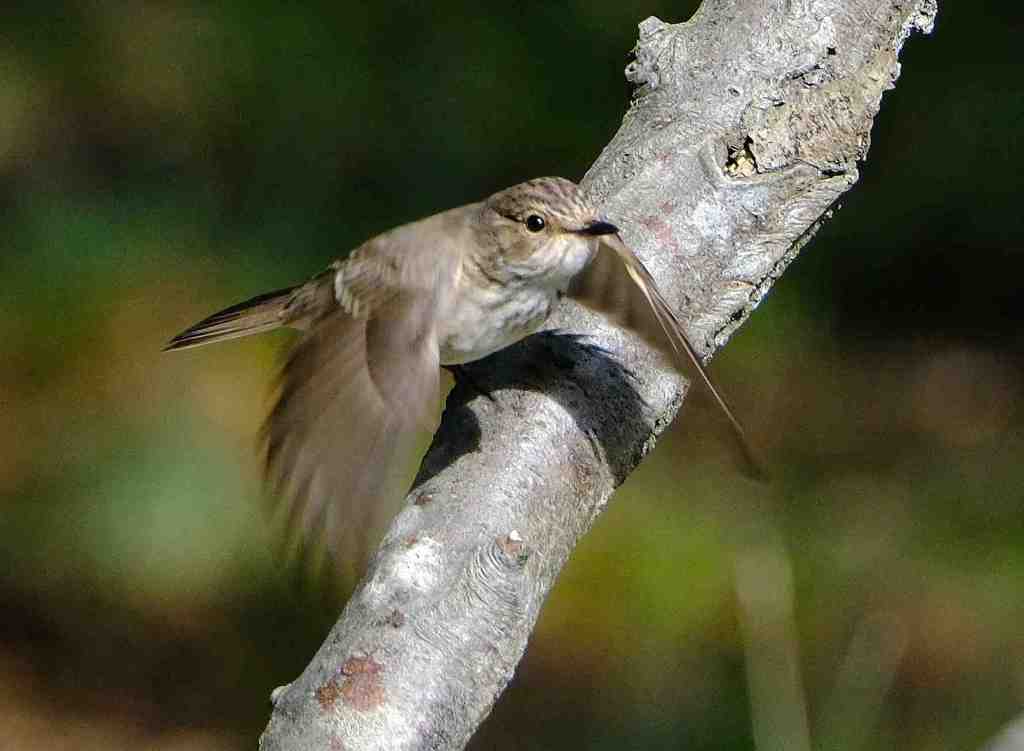
Flycatcher.
This year has been the best year I can remember for Spotted Flycatchers in the New Forest. Almost on every walk, I see at least one. I think this year, the number of young birds that have fledged has helped boost the numbers on several occasions. I have seen family groups of at least 6
birds.



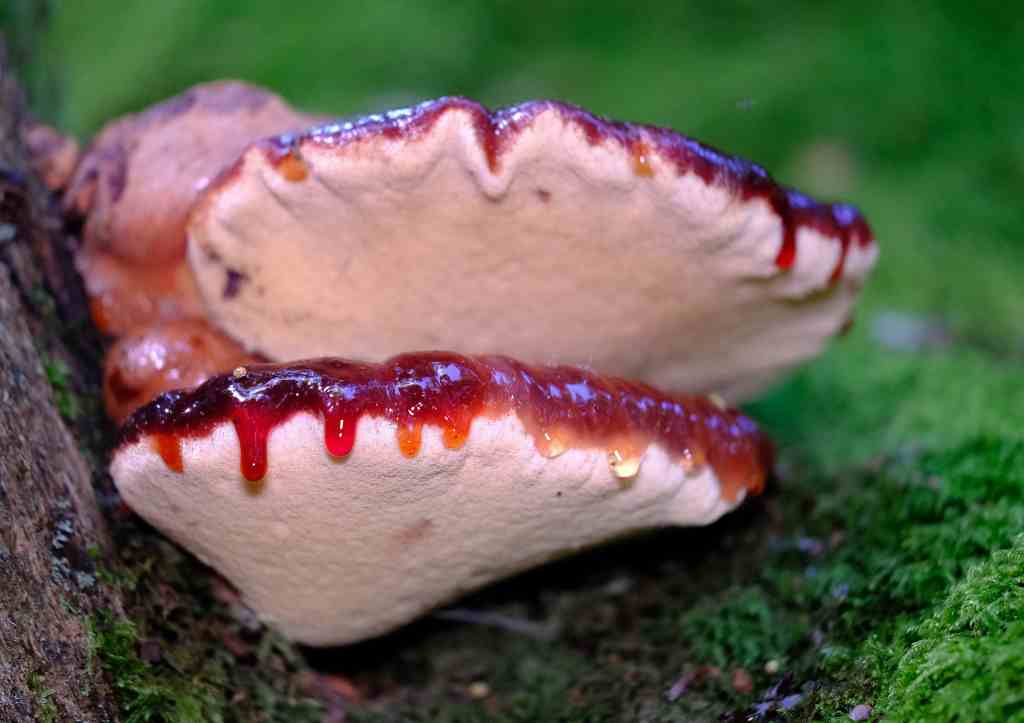
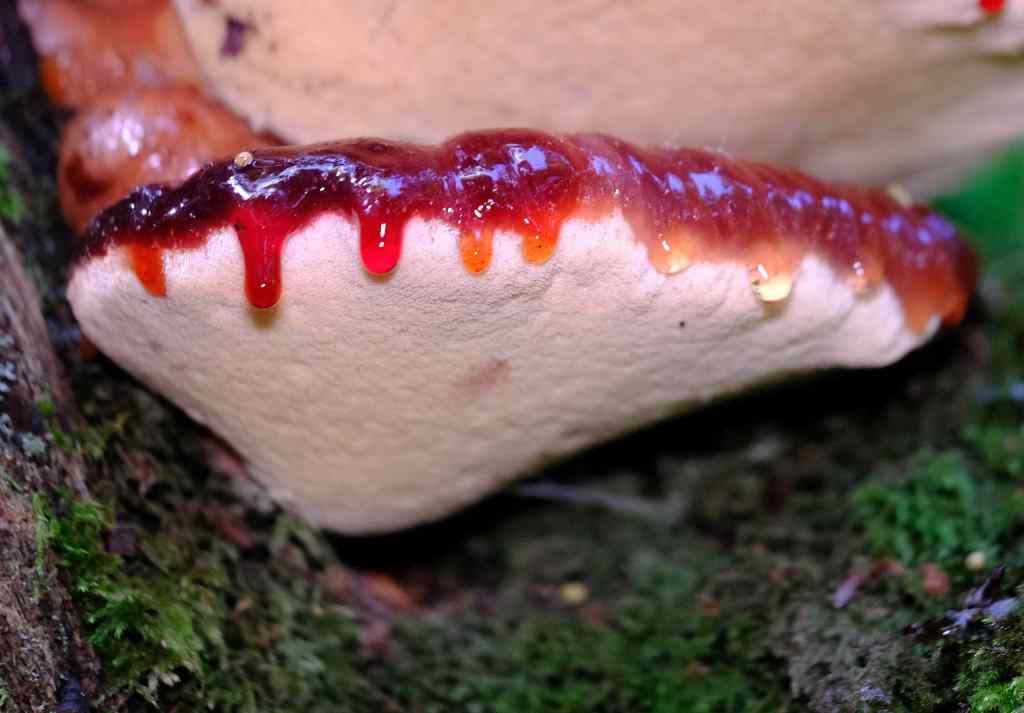
Beefsteak Fungus.
Fistulina hepatica
Another common name for this parasitic bracket is the Ox Tongue fungus. If you cut through the flesh, it does look like a slice of prime beef; however taste is said to be not as good as the appearance. They grow on broadleaved trees, especially oaks and sweet chestnuts, from late summer into autumn.


Garden Macro(2)
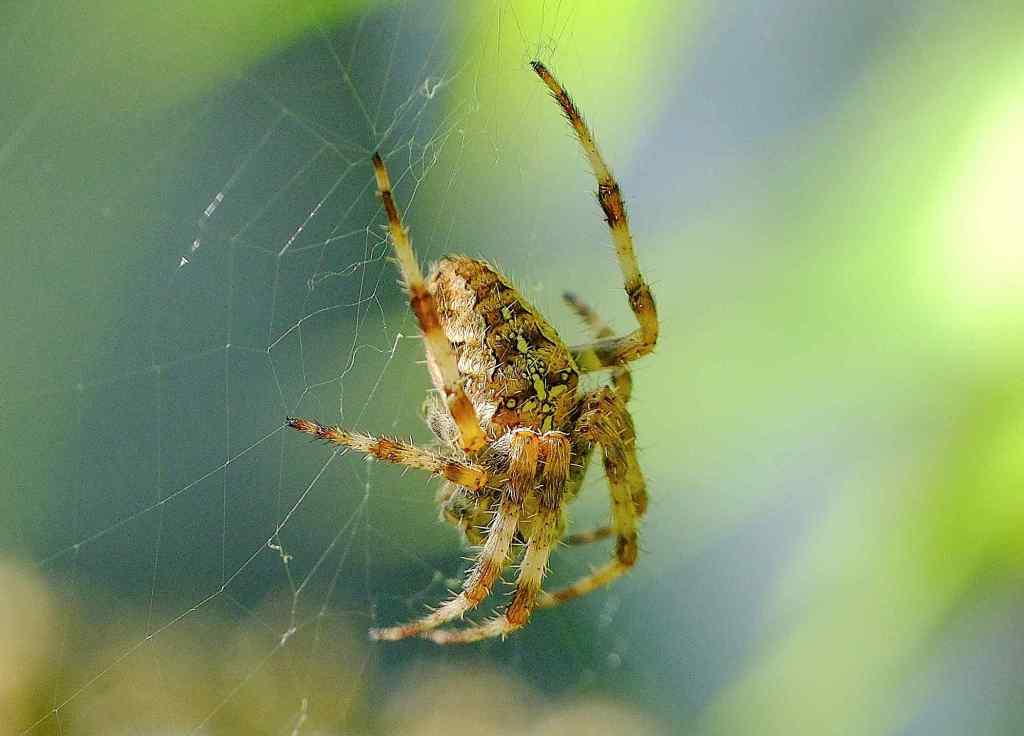
Garden Spider.
Garden spiders are the most common orb-web spiders in the UK. I start seeing small ones in our garden in late summer as the season moves into autumn, the spiders mature, and by late autumn, they are at their largest (approximately 13cm). Orb webs are spiral wheel-shaped webs.

Garden Macro.(1)
Wasps.
Many people only see the pest in wasps. However, like bees, they are important pollinators and pest controllers. They live in large colonies in gaps in houses and trees. Their nests are built of ‘paper’, which is formed by the queen chewing up wood. feed on food like nectar, rotten fruit, whilst their young are fed on small insects, which are often pests. They come into conflict with humans as they are attracted to our food tables, both inside and out.

Hide in a hide!
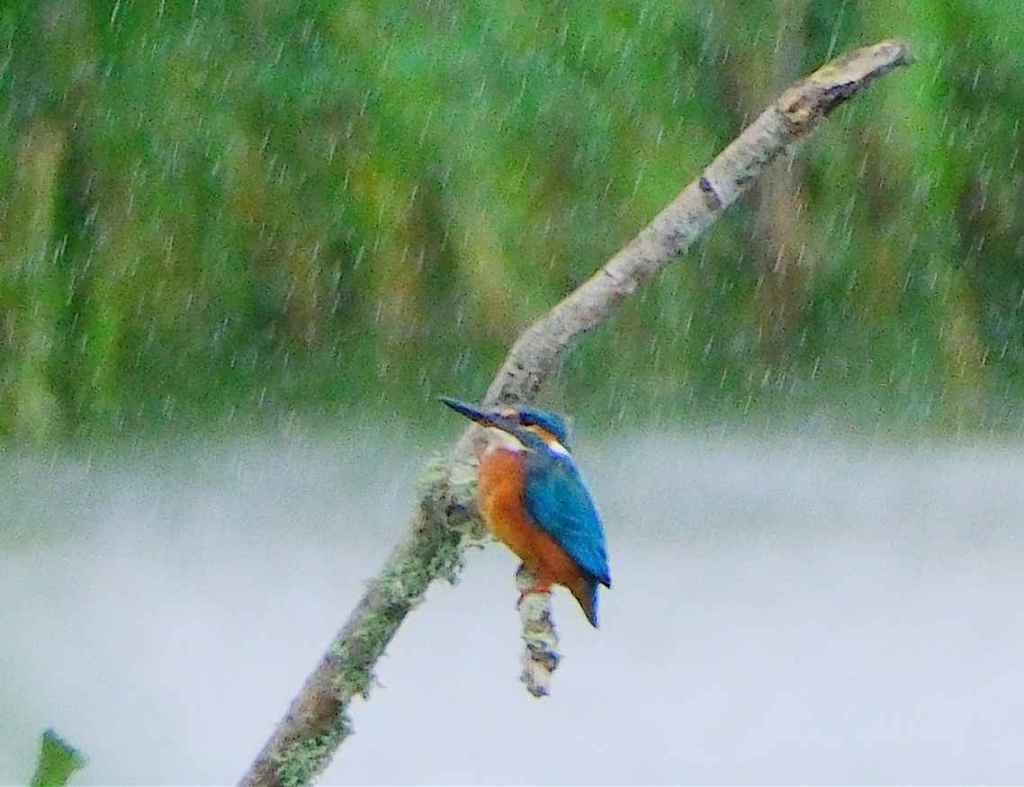
Heavy rain continues, and the forecast predicts ongoing showers most of the day, so the advantage at Titchfield Haven is that you can dodge the showers and keep dry in the bird hides.
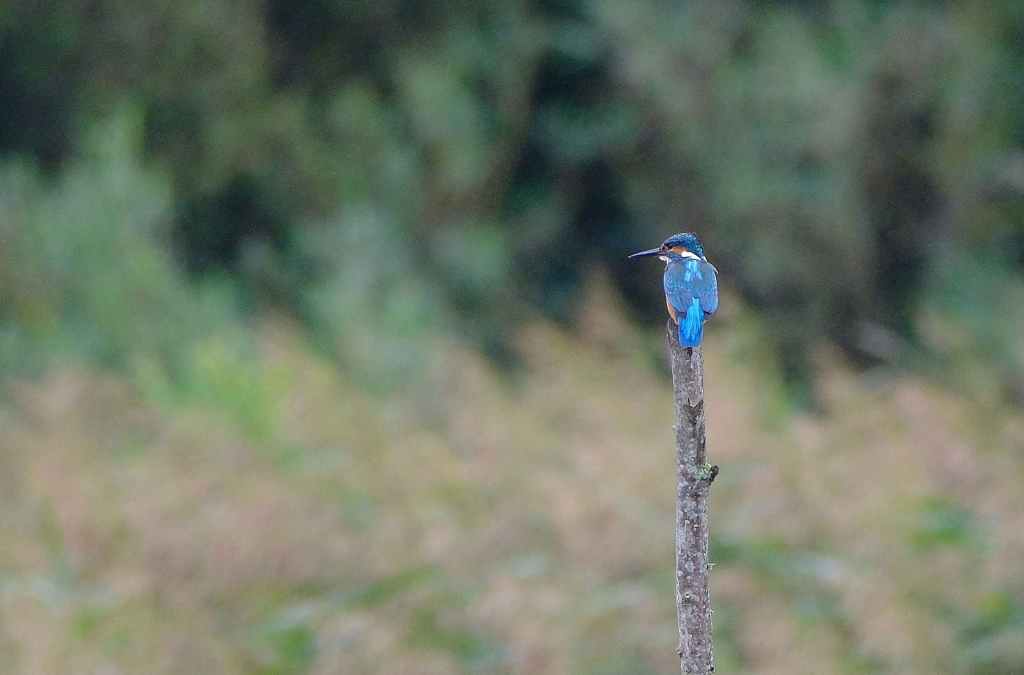
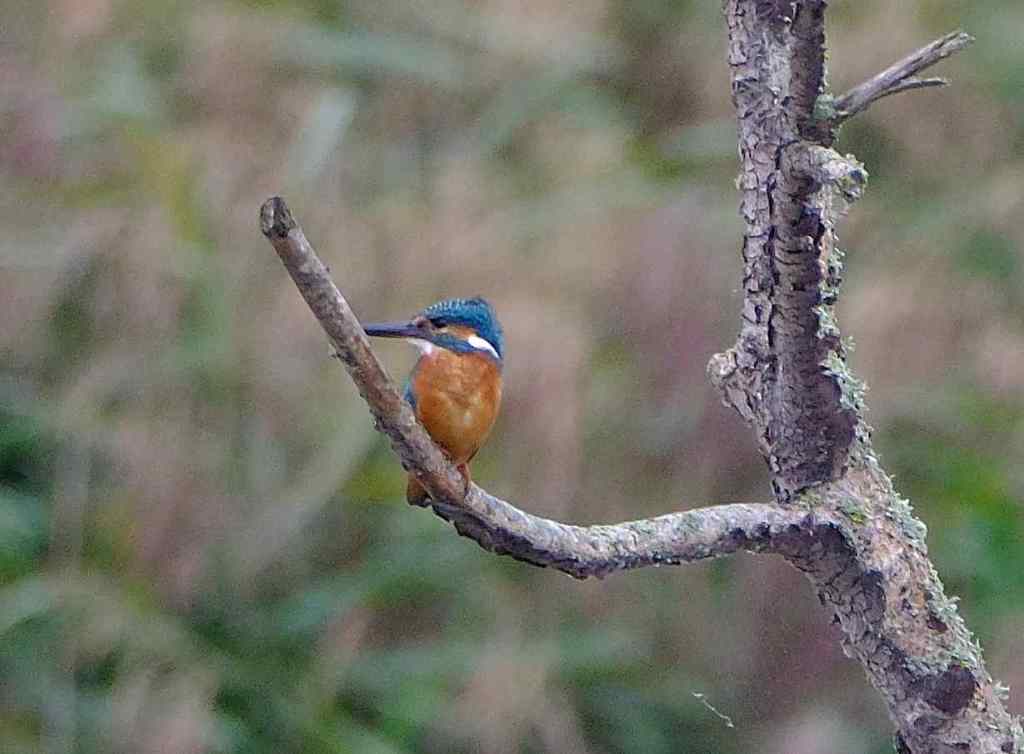
Finally spotted a Kingfisher, although some 60 metres away, they have been avoiding me for the past couple of months.

Another first for me and a rare sighting in the UK. A very distant Grey Phalarope.

An Arctic-breeding wader that sometimes arrives on UK coasts after storms. Under 200 birds are seen each year.
I also saw a Ruff, one of two that are at the Haven at the moment, now in their winter plumage; they are still a good-looking wader.
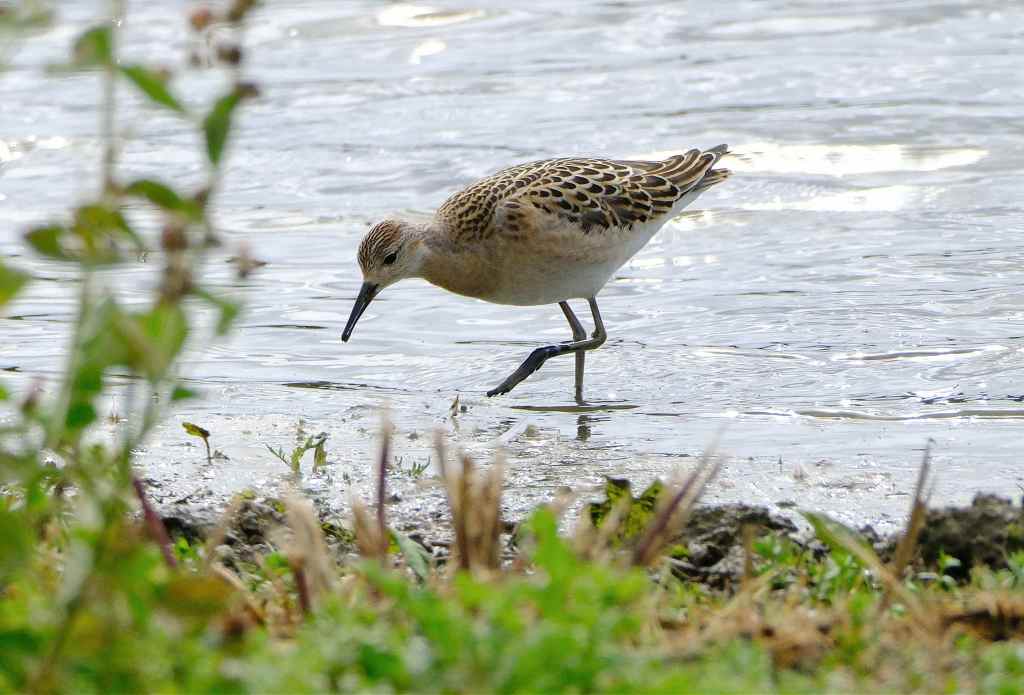


Below is a post showing the Ruff in summer plumage.https://skylid.travel.blog/2025/06/17/ruff/
Ruff’s are a member of the sandpiper family – some Common Sandpiper were also at the Haven this morning.


Small things.

Today I decided to leave the long lens at home and take a macro lens on our walk, following a stream on the lookout for bugs.
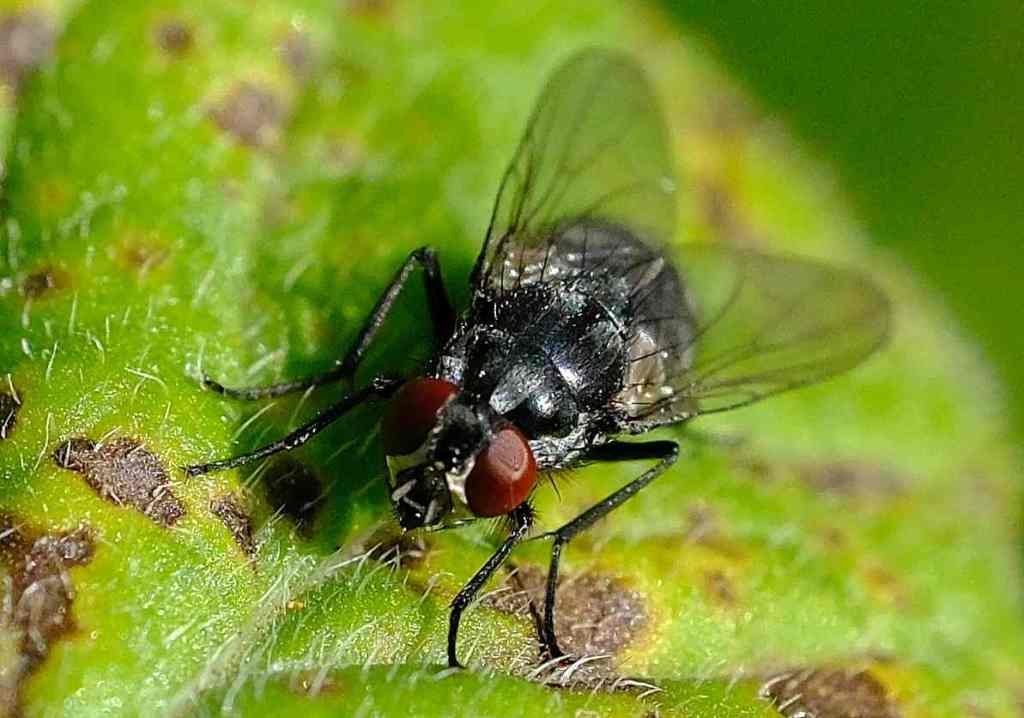
Housefly.

Honey Bee.


Mint Beetle.
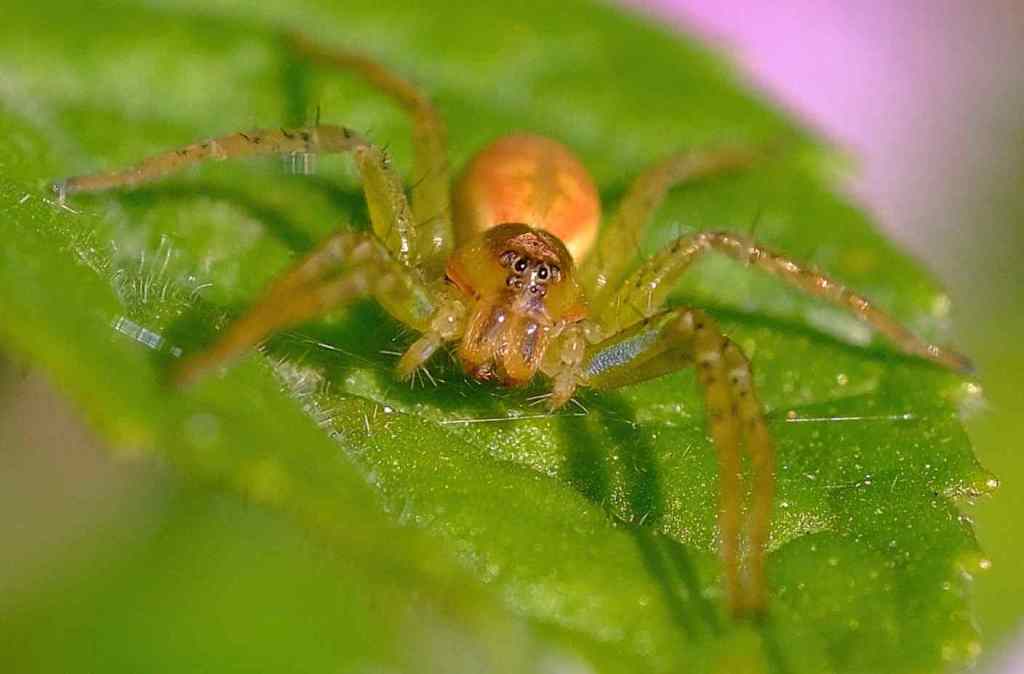

Raft Spider.

 Continued Reflections from my World.