This Water Rail is making a dash from cover in the reeds. Although they are usually secretive, they are often heard but rarely seen. Today. I was lucky to see this bird break cover.
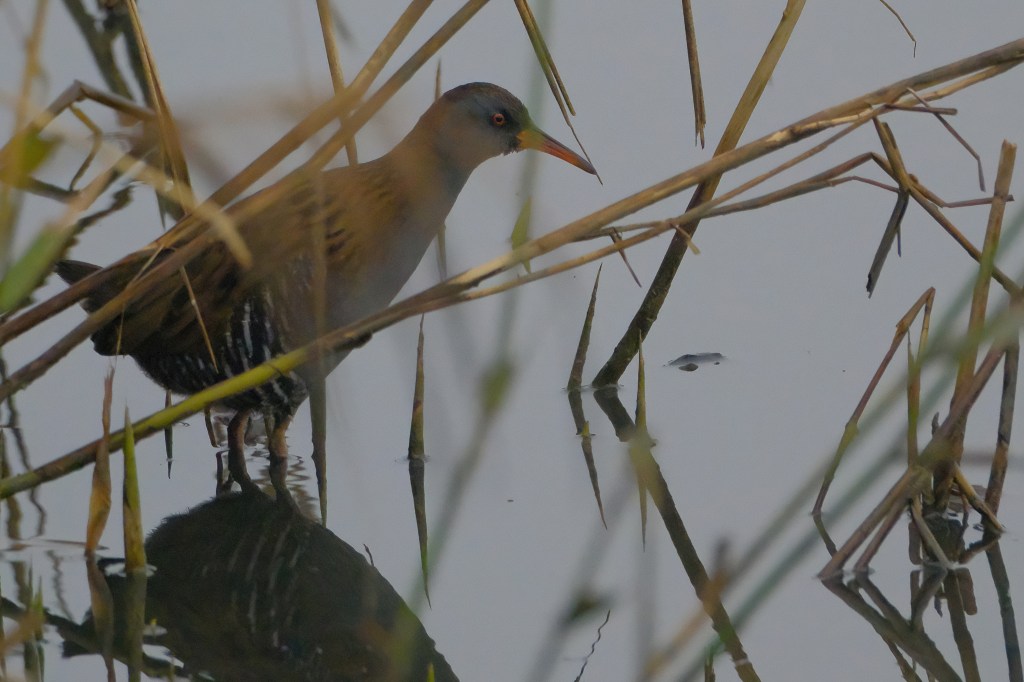
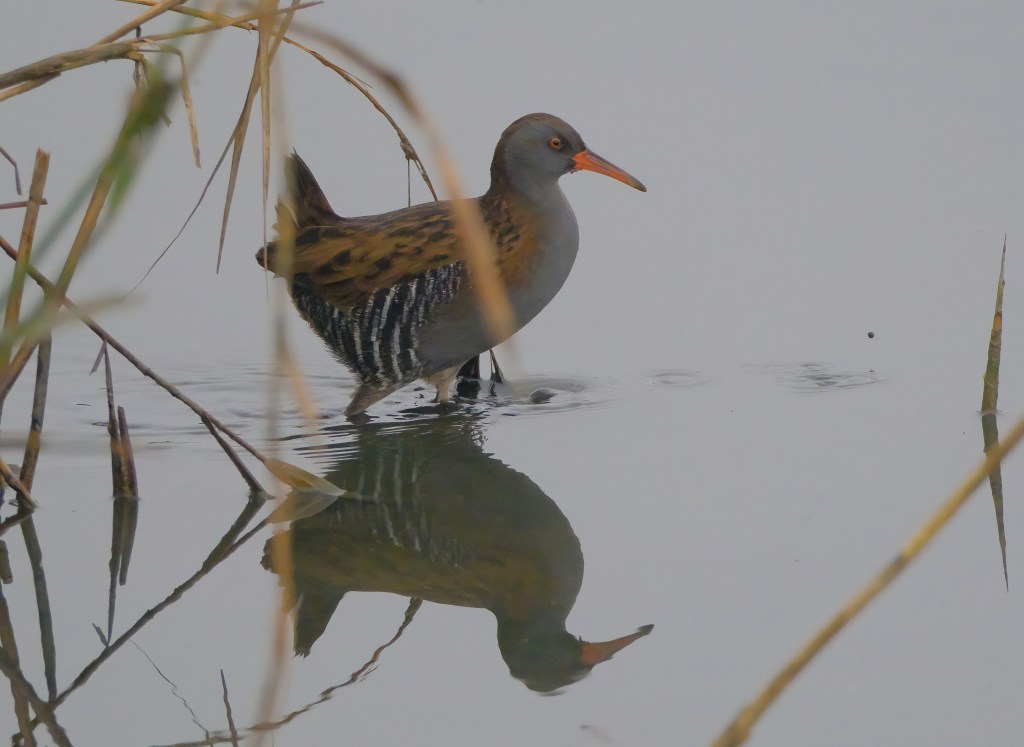
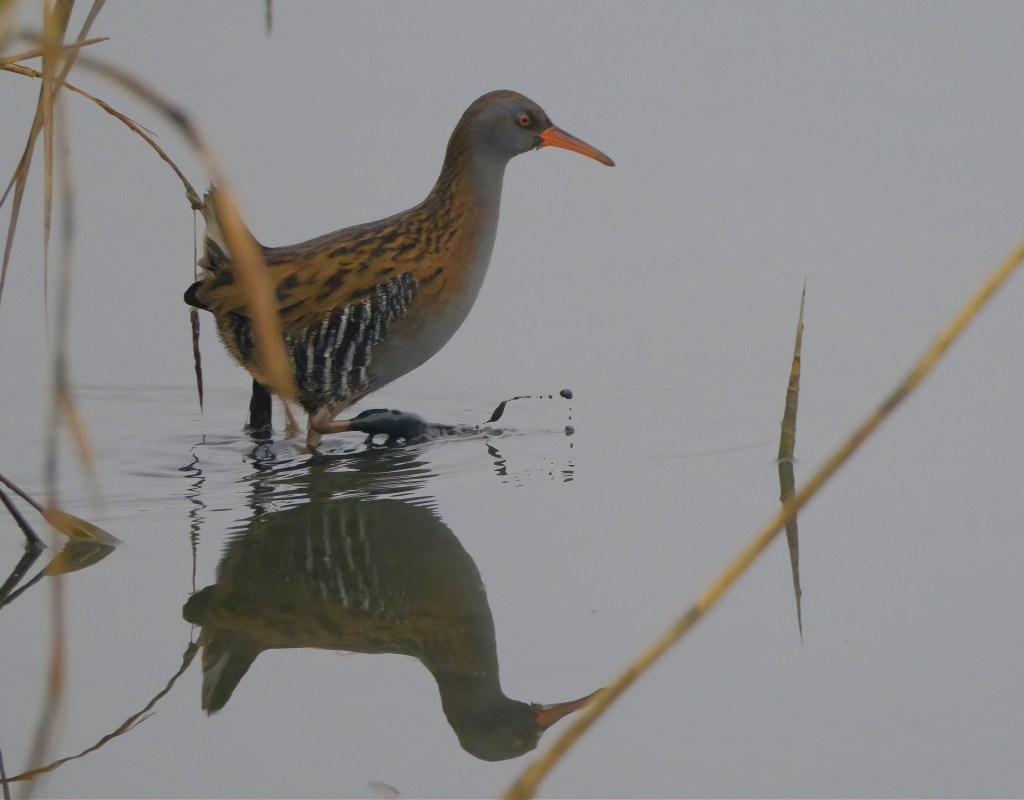

This Water Rail is making a dash from cover in the reeds. Although they are usually secretive, they are often heard but rarely seen. Today. I was lucky to see this bird break cover.
Still photos taken from trail camera footage.

Some more Badger trail camera footage from The New Forest. This demonstrates good interaction between up to three animals. They seem to be playing; if the rolling around was in anger, I am sure that with their strong jaws and claws, there would be injuries. Our trail cameras are often knocked over, you can see how!

Badgers are the UK’s largest land predator and are one of the most well-known British species. They are famed for their black and white stripes and sturdy bodies, using their strong front paws to dig for food and to perfect their burrows, called ‘setts’.
Length: 75-100cm
Tail: 15cm
Weight: 8-12kg
Average lifespan: 5-8 years
Badgers are protected in the UK under the Protection of Badgers Act, 1992, and the Wildlife and Countryside Act, 1981.


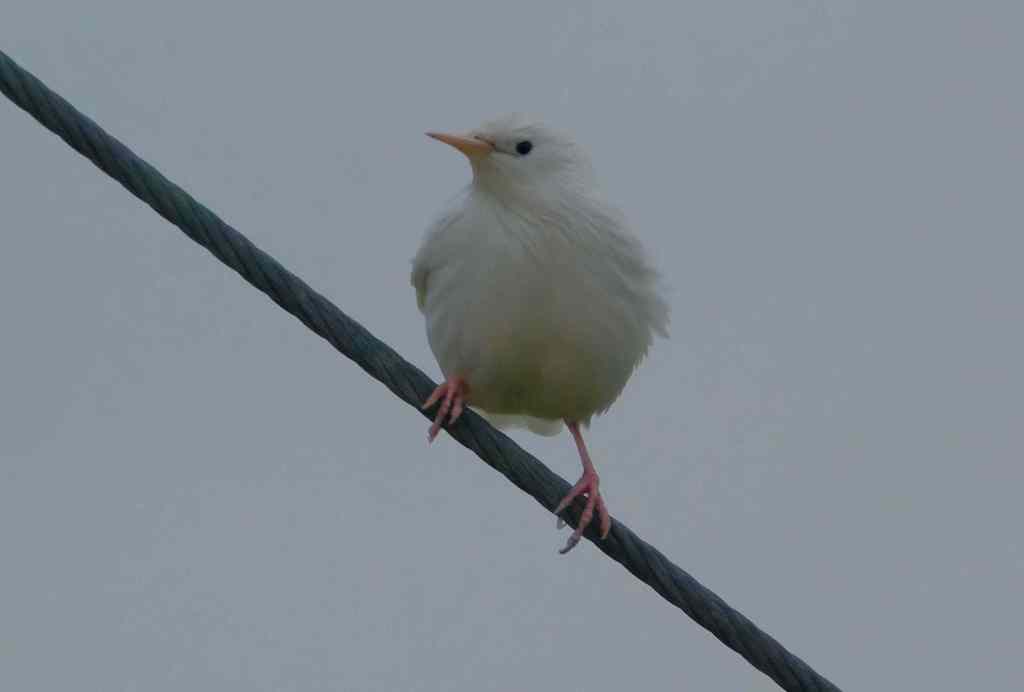
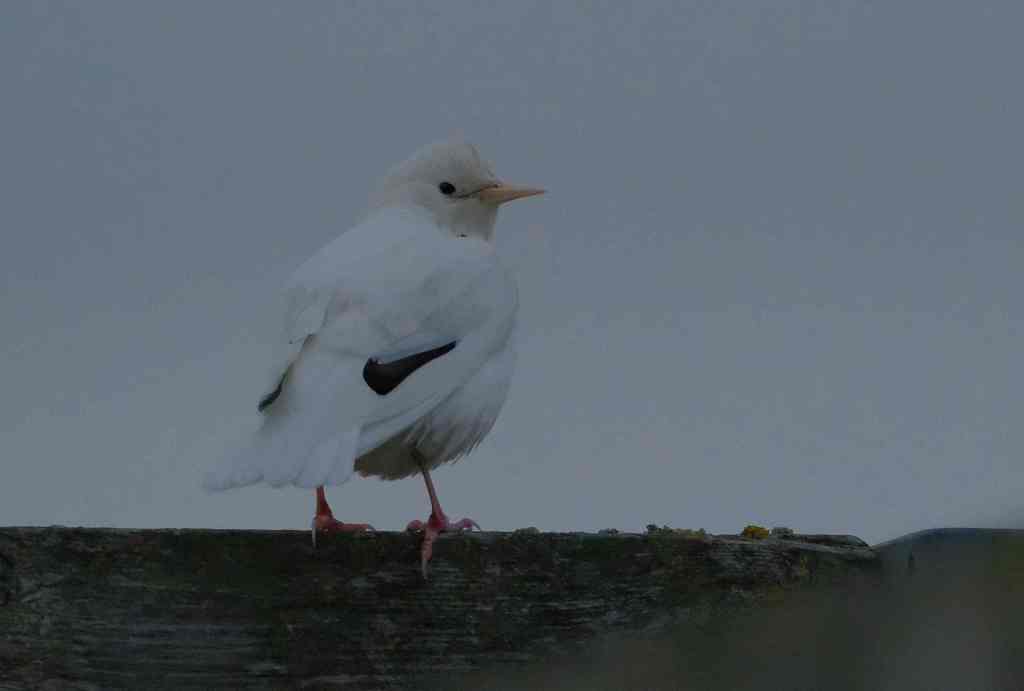
“Leucism in birds is a genetic mutation that results in a total or partial reduction of colour in a bird’s plumage. This intriguing phenomenon occurs because pigments are deposited only in the feathers of birds, leading to a striking appearance that can vary widely among species. The affected feathers may appear white, pale, or mottled, depending on the extent of the gene’s influence. Interestingly, while the feathers show this alteration, other parts of the bird’s body, including the beak, legs, and skin, maintain their normal colouration.”
I spotted this white Starling while out for a walk on Calshot Spit




As winter approaches, the number of Sanderlings increase on Meon Shore. This is because the small number of resident birds increased with migratory birds from their breeding grounds in the Arctic Circle arriving.
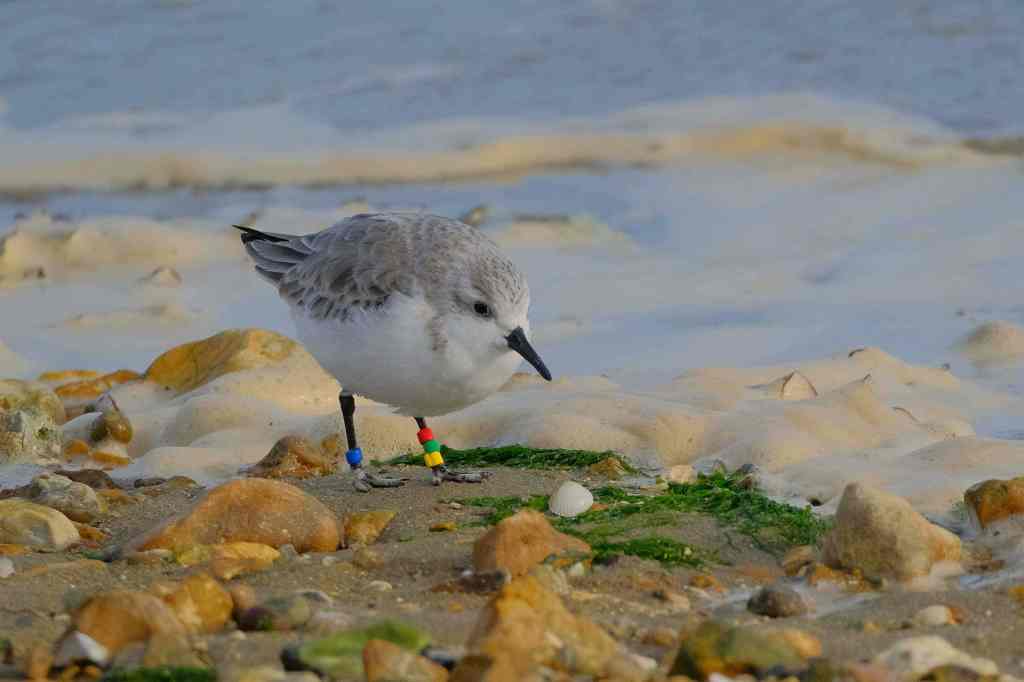


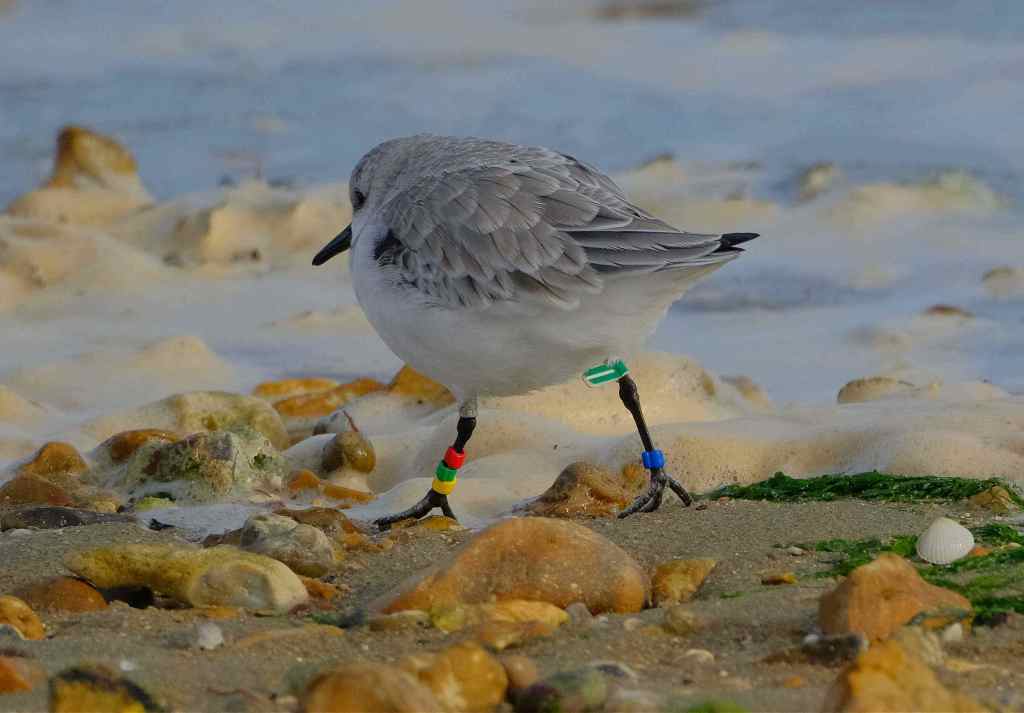
This ringed bird
This ringed bird has been on the beach for a few weeks. Ringed as an adult bird on a nest in NE Greenland on nesting grounds in summer 2025. I am always amazed at how a bird weighing just 60 grams makes this journey each year, then returns to their breeding grounds in the spring.
In the book The Wind in the Willows, Mr Badger is one of Rat, Toad, and later Mole’s good friends. He’s a wealthy older gentleman who lives in the heart of the Wild Wood, in an extensive underground home. Our Badger sett is in the heart of the New Forest, with many entrances to their subterranean home.
Badgers are our largest land predator, feeding on small mammals, birds’ eggs, worms, fruit and plants.
Our trail cameras picked up some good footage of the Badger last week.
Last week, with my brother, we placed trail cameras again at one of the Badger set we have been watching in the New Forest. Some night footage of a Wood Mouse.

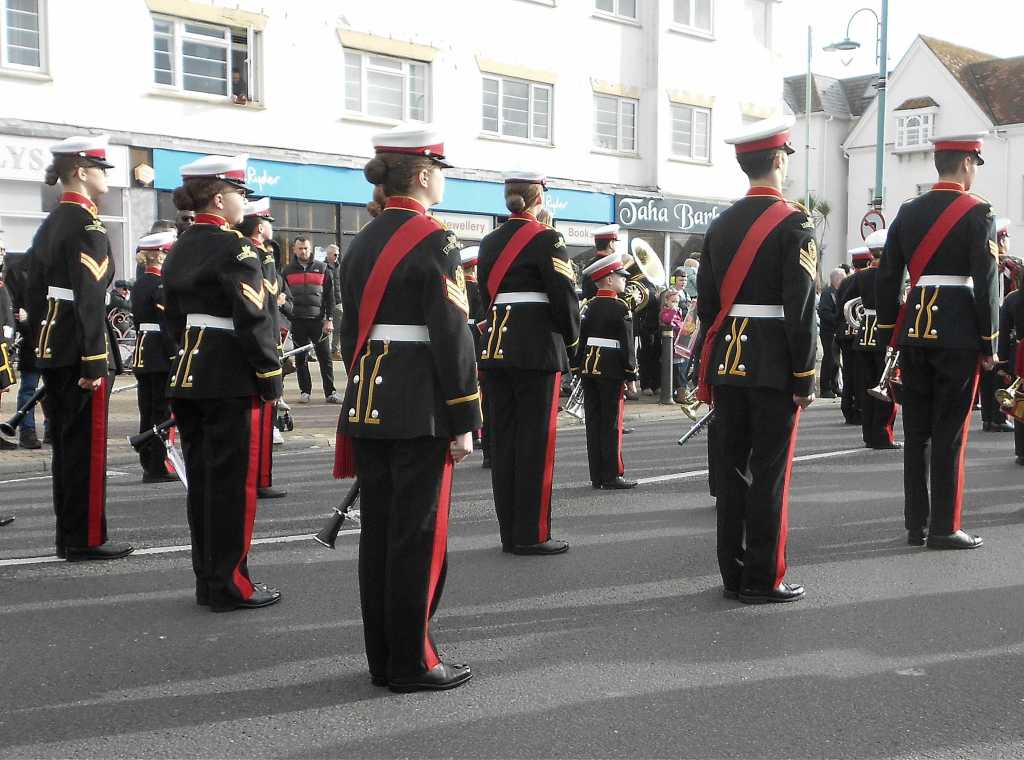
“They shall grow not old, as we that are left grow old: Age shall not weary them, nor the years condemn. At the going down of the sun and in the morning We will remember them.”


Over the past few weeks, the number of Ringed Plovers resting on the spit at Meon Shore has been increasing. This post is concentrating on this small wader.
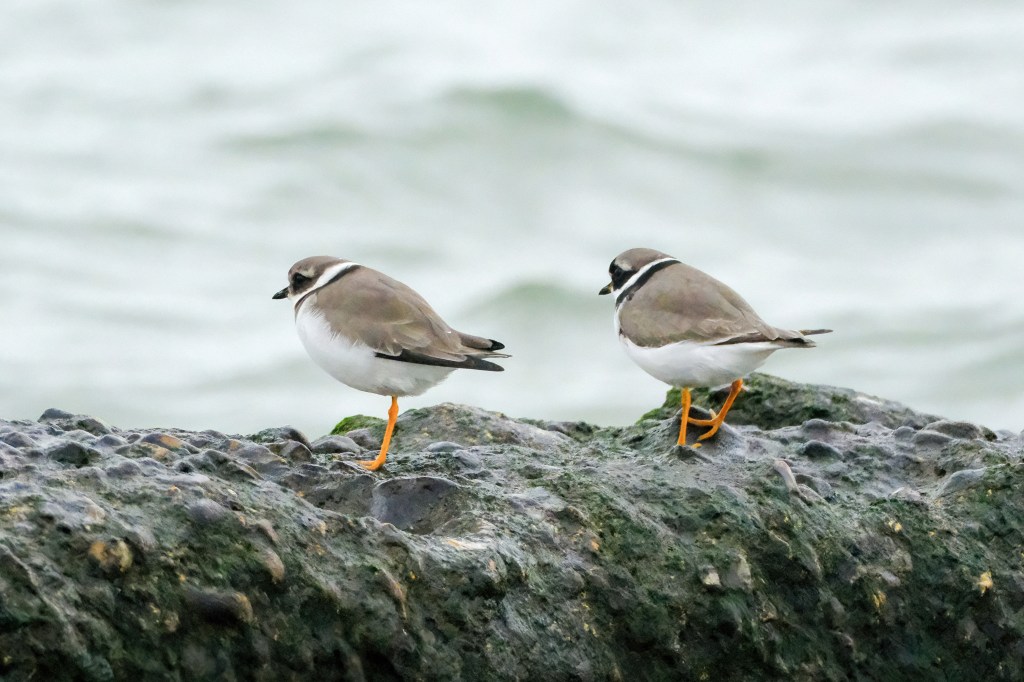
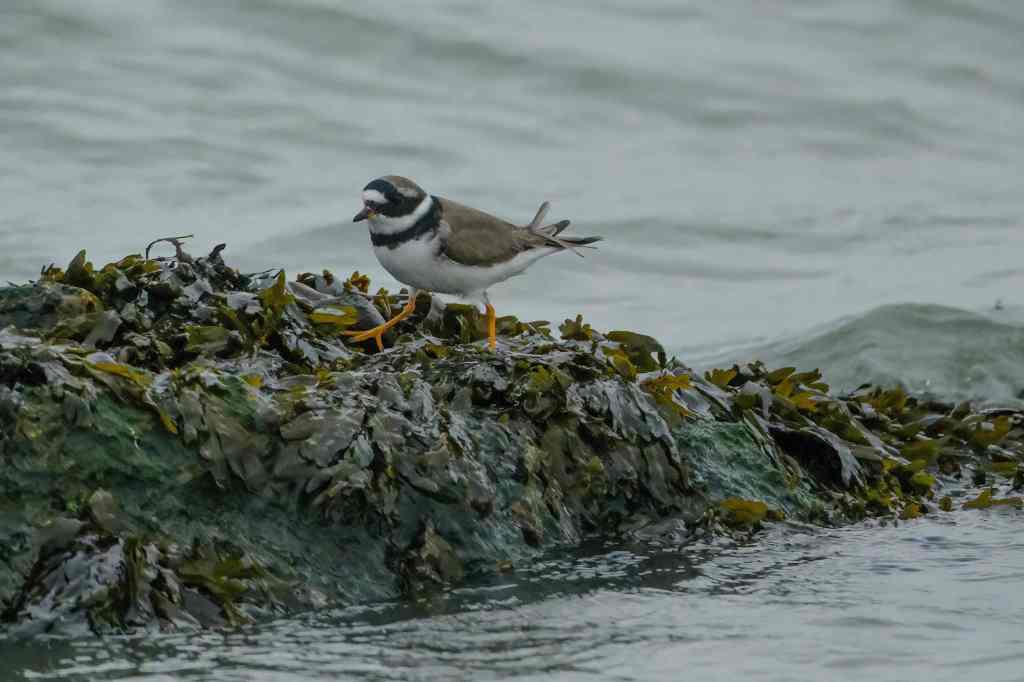
Ringed plovers are described as small and dumpy wading birds with orange legs and a black and white head and breast pattern. They can be seen foraging for small invertebrates and crustaceans in a characteristic “stand and watch, run, peck” pattern.
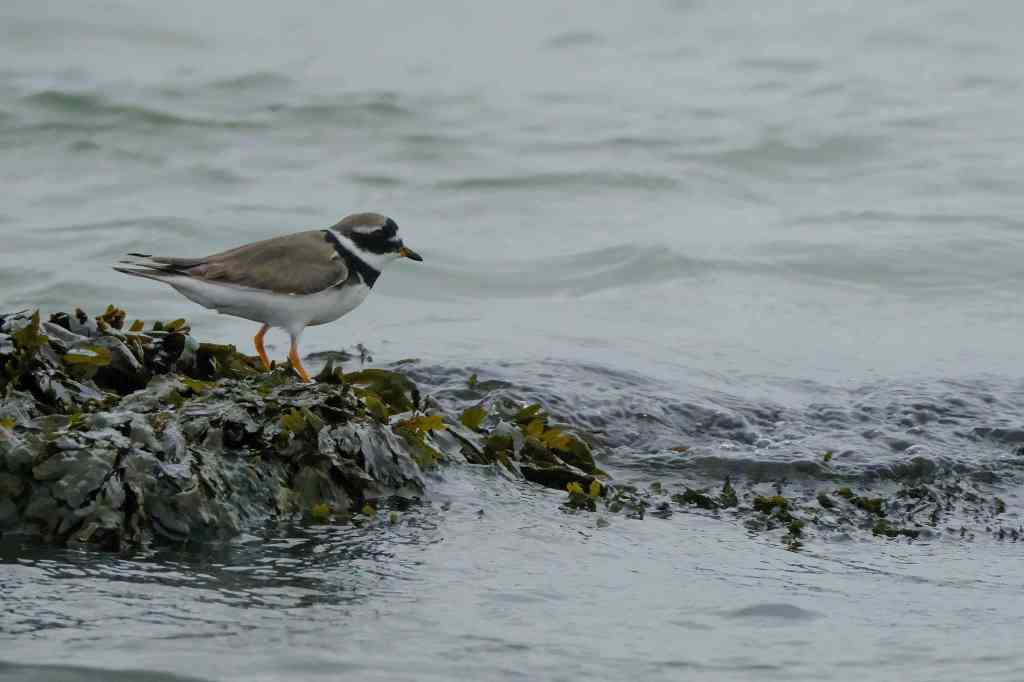
UK numbers ; breeding birds 5,450+ pairs; wintering 42,500 birds

The birds group up beach and will fly together in small flocks.
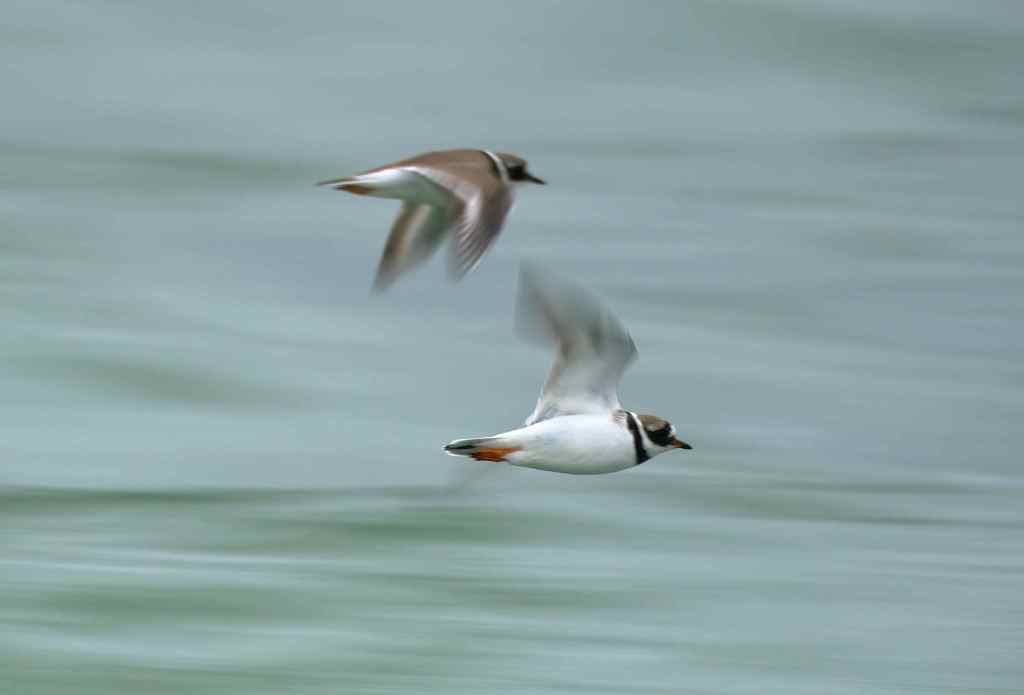
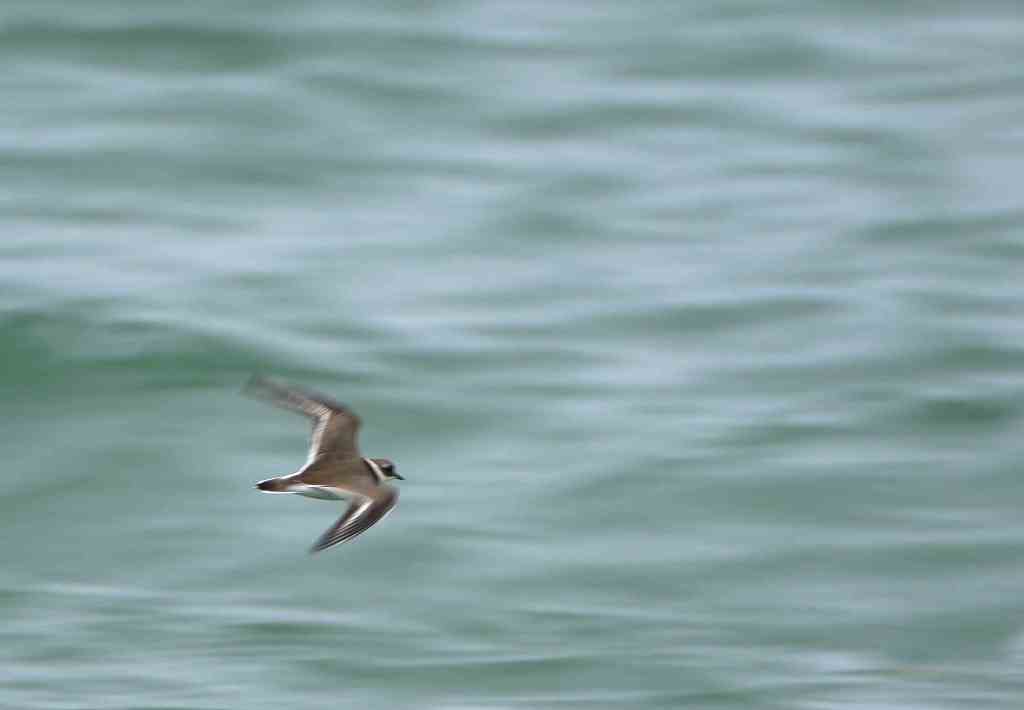
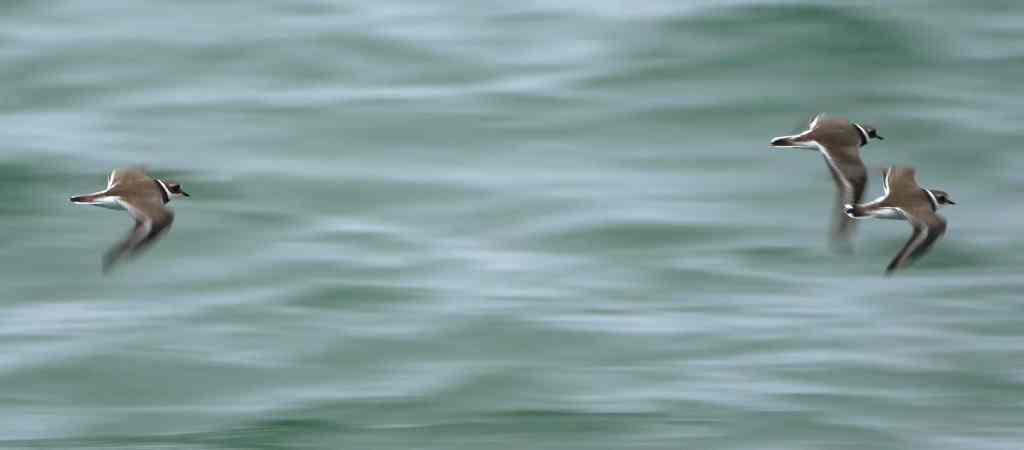

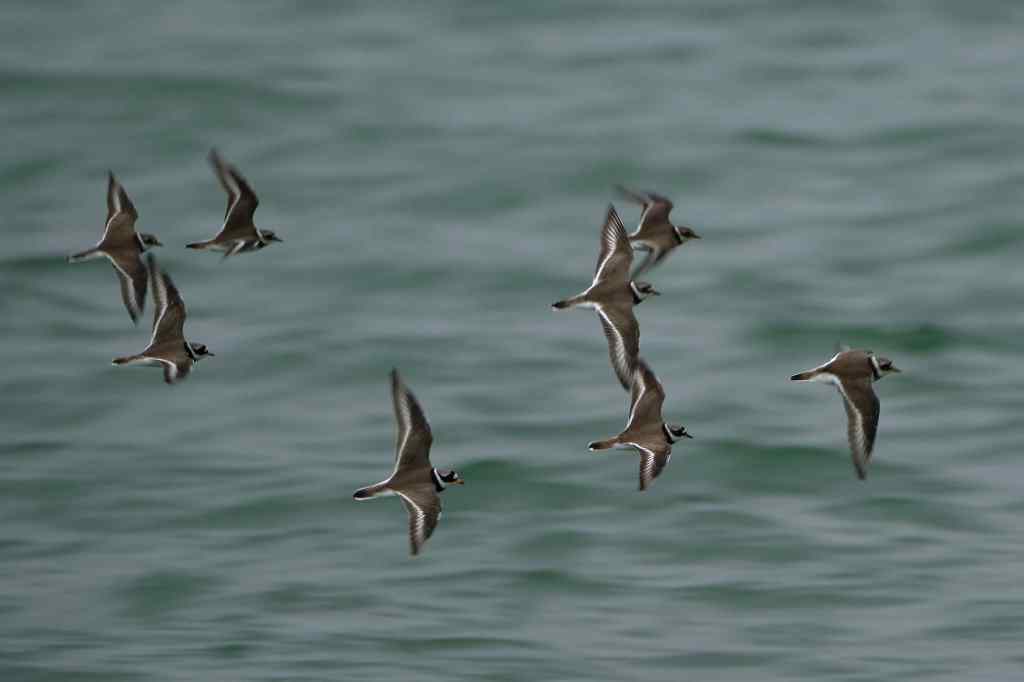
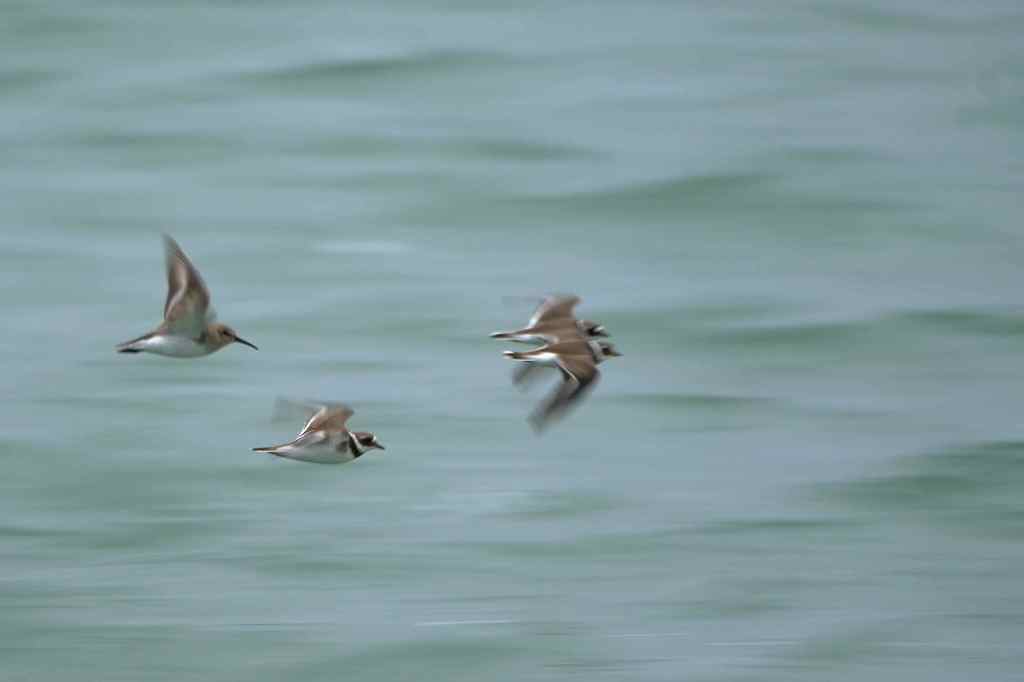
Note in the last picture, a Dunlin has tagged on!
Last week, I decided to charge up the batteries on my trail cameras and head deep into the New Forest to hide one near a location where we had found a Badger set last year. It is always a risk that someone will steal my camera if they come across it. I lost one camera in the local woodland during lockdown. The New Forest is a public National Park, so camera loss is always a risk.
Upon collecting the camera, it had captured a passing Badger. So yesterday, with my brother, we set up 4 cameras around where the badgers may pass. We aim to pick them up next week, so a further post will follow if we successfully capture any images.
 Continued Reflections from my World.