Month: January 2026
Good Morning.
Grey Heron waking for the day ahead!
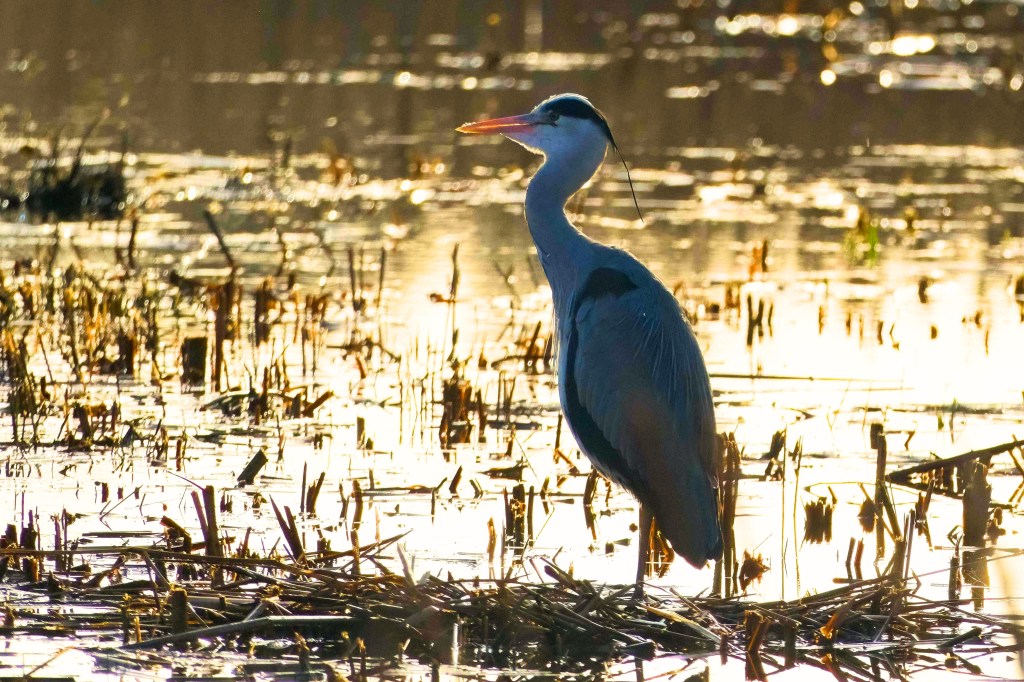
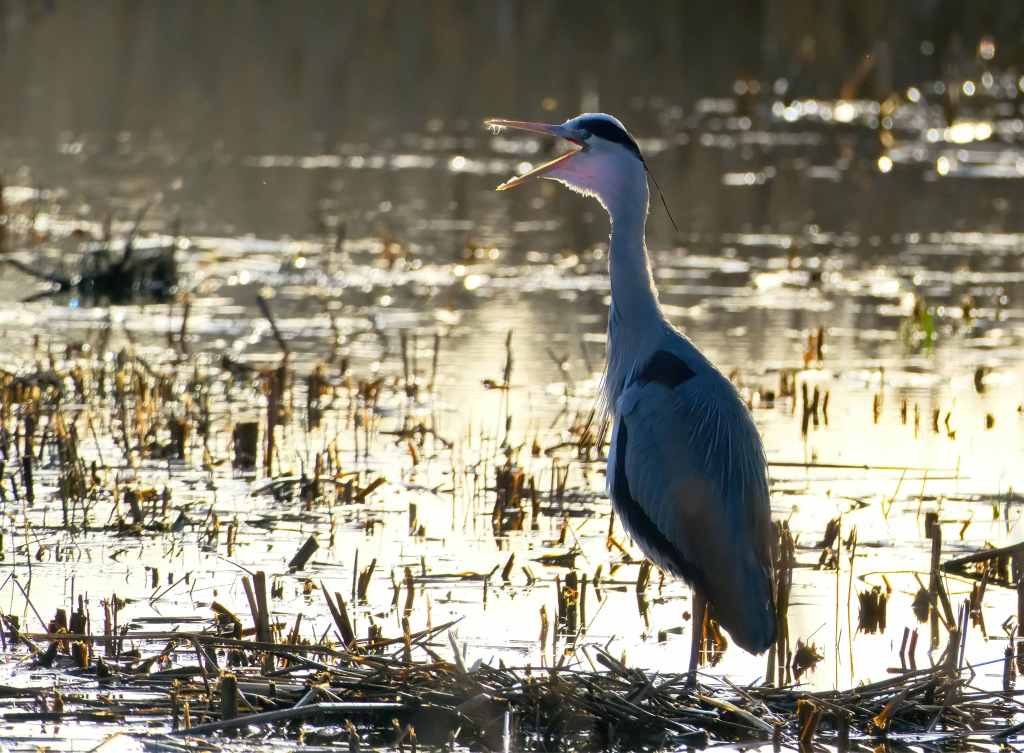
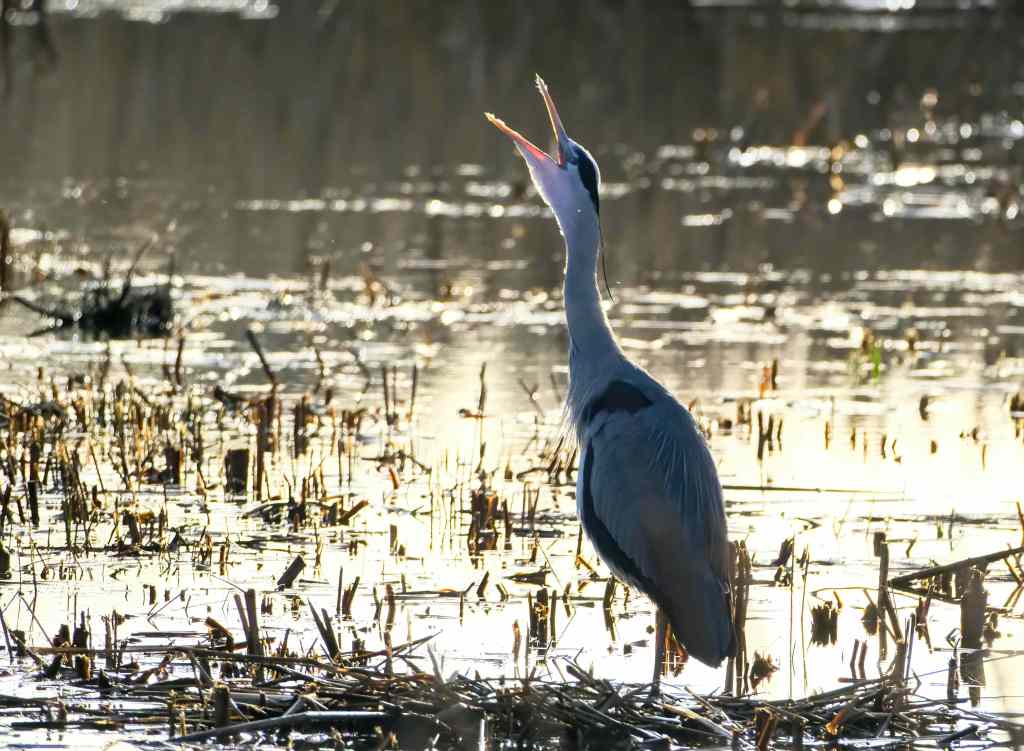
Signs of a life.
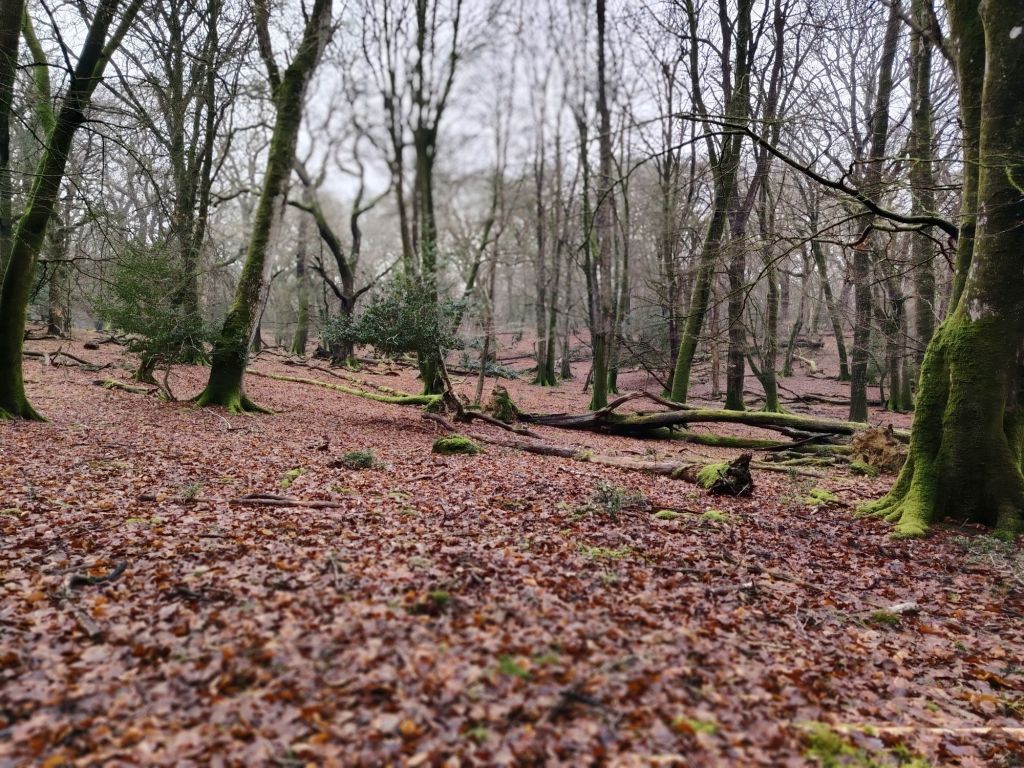
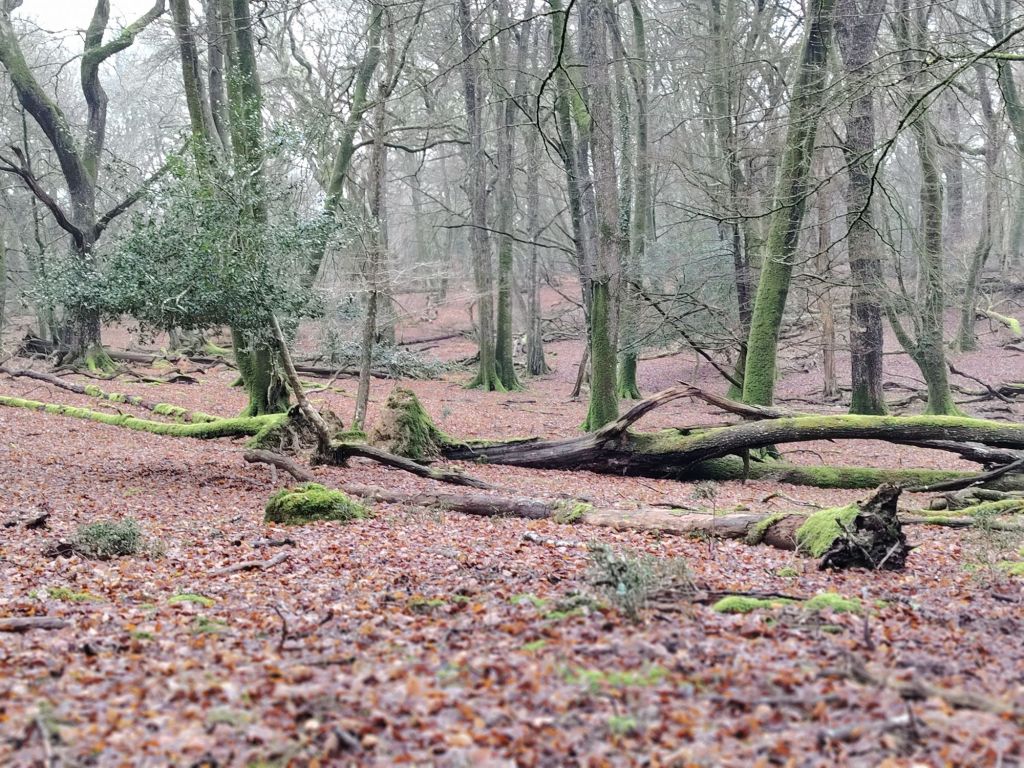
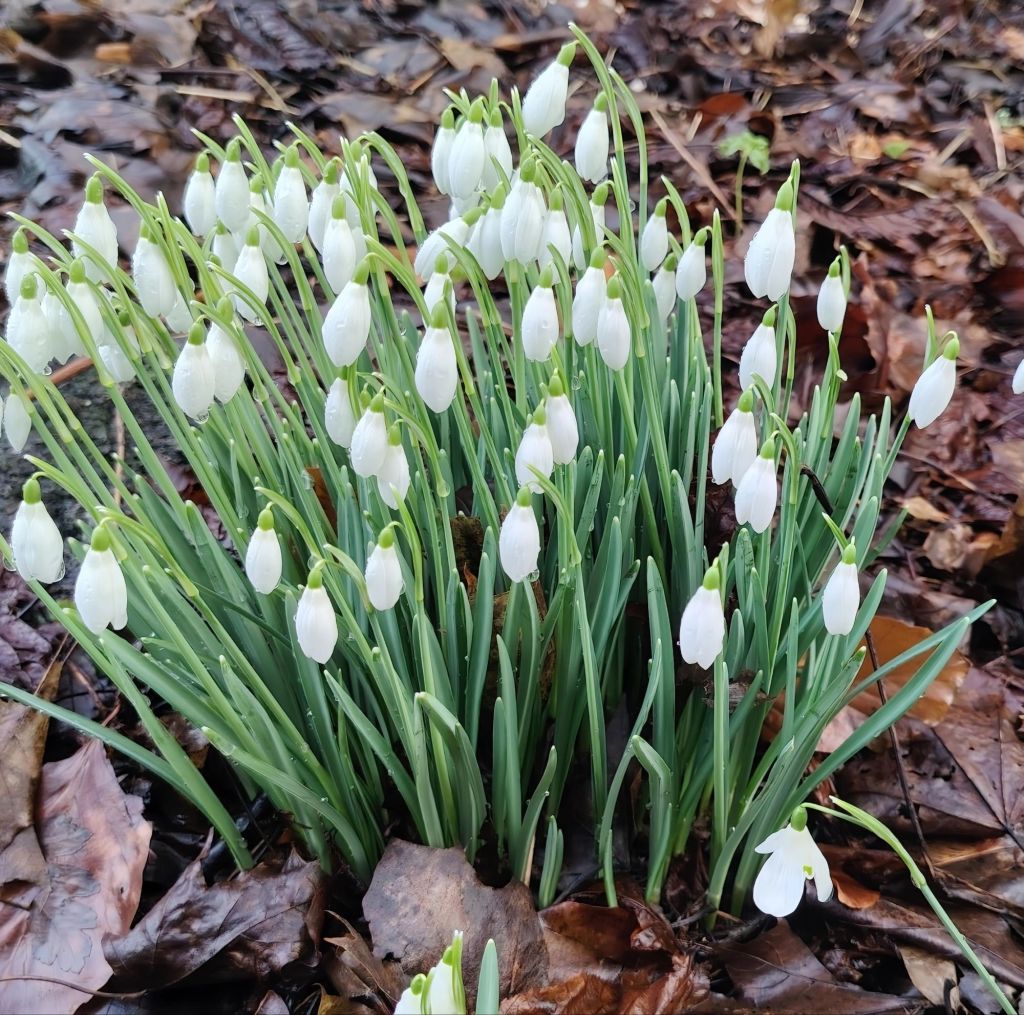
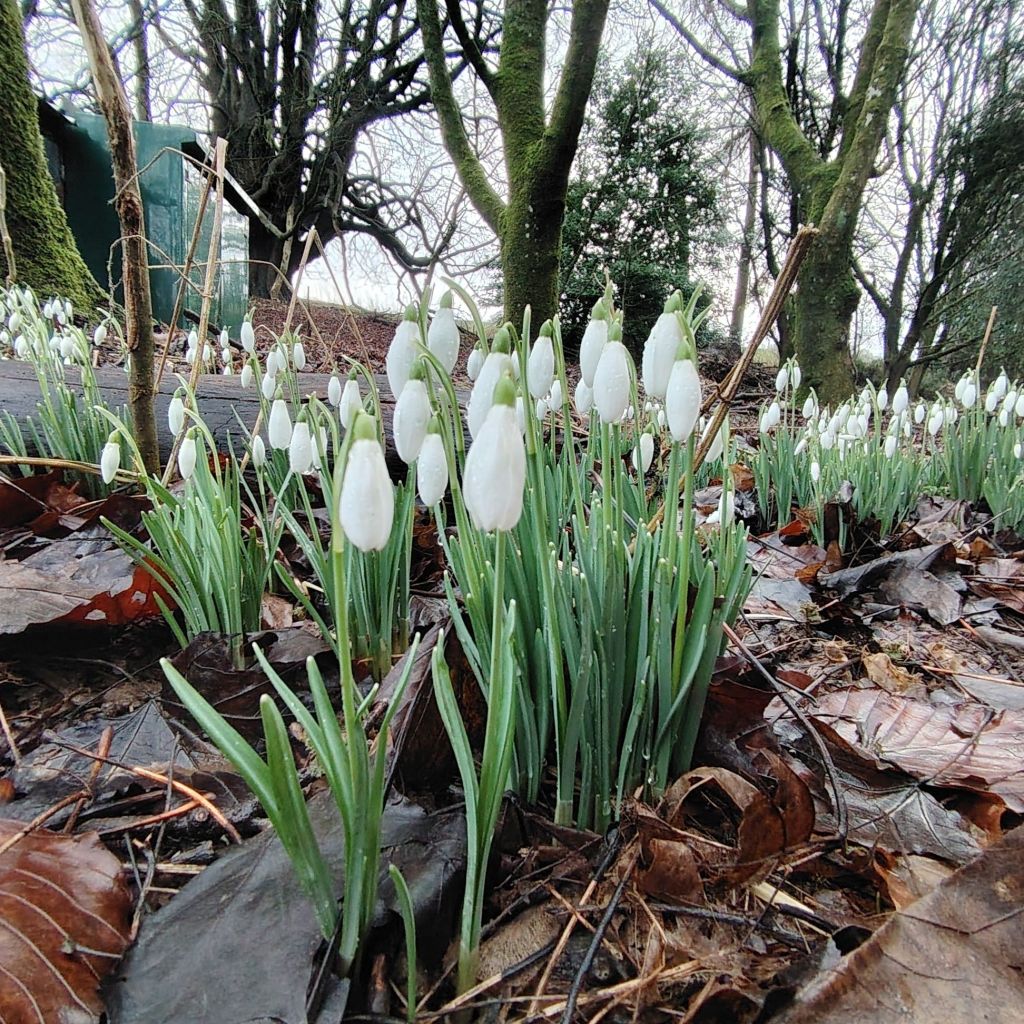
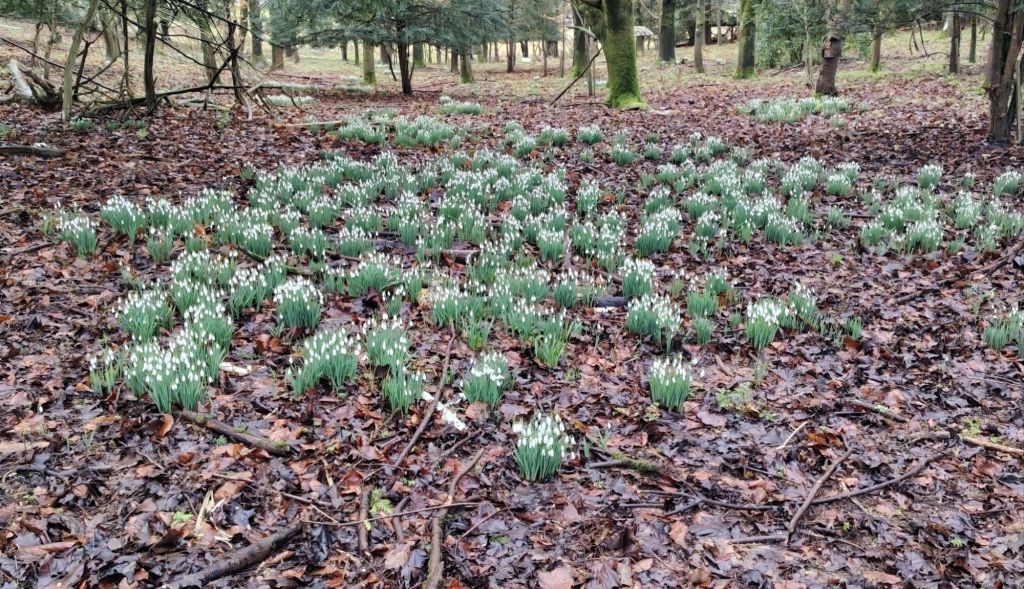
This time of year with long dark days of cold, damp and very wet weather little signs of the coming of a new season are starting to show.
Snowdrops are a welcome sight.
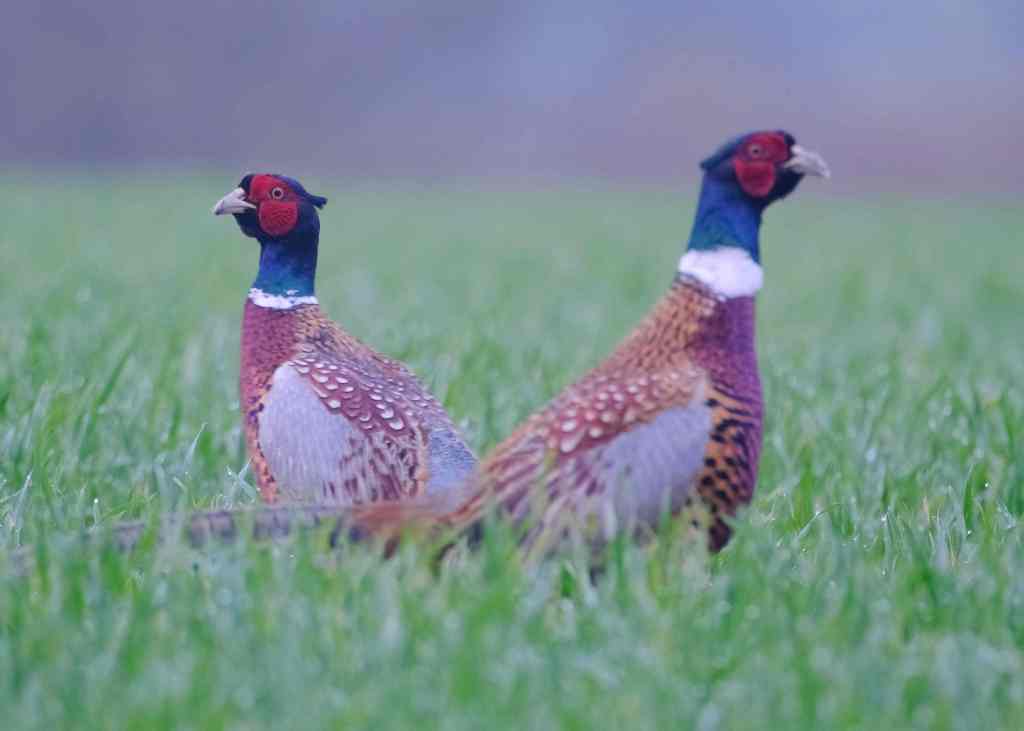
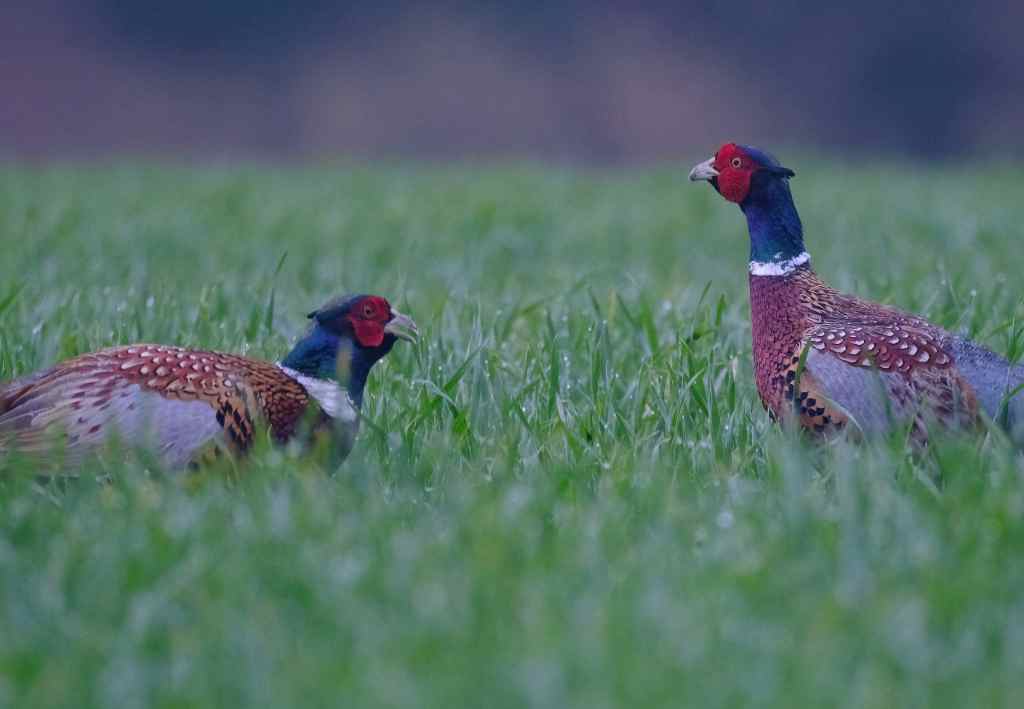
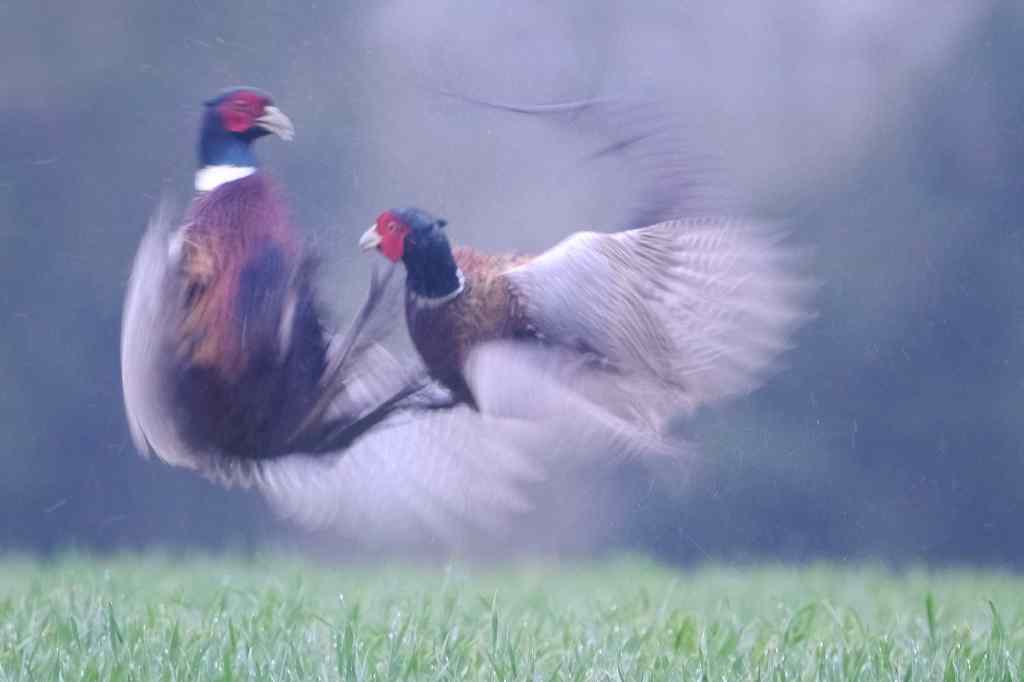
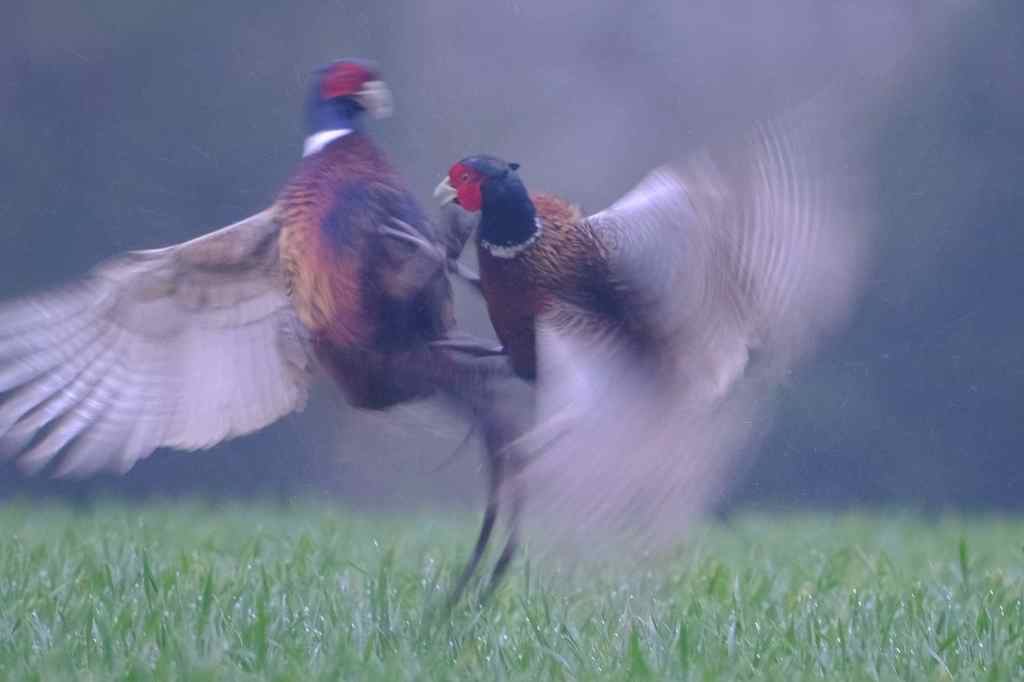
Pheasants.
Two Male {cock} Pheasants squaring up to each other on the South Downs.
Resting place.
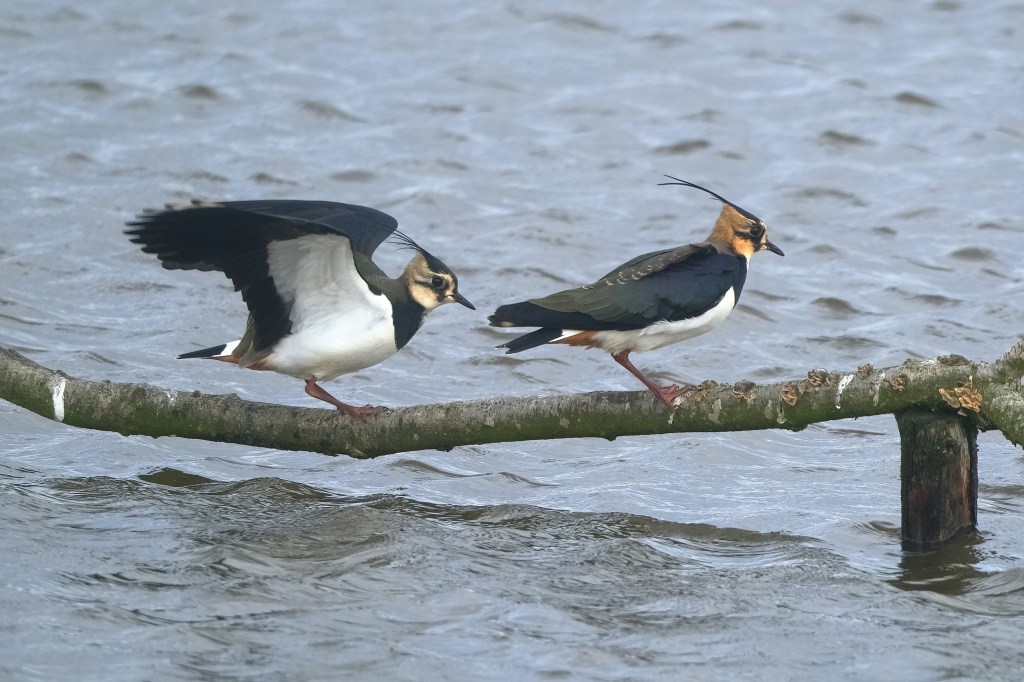
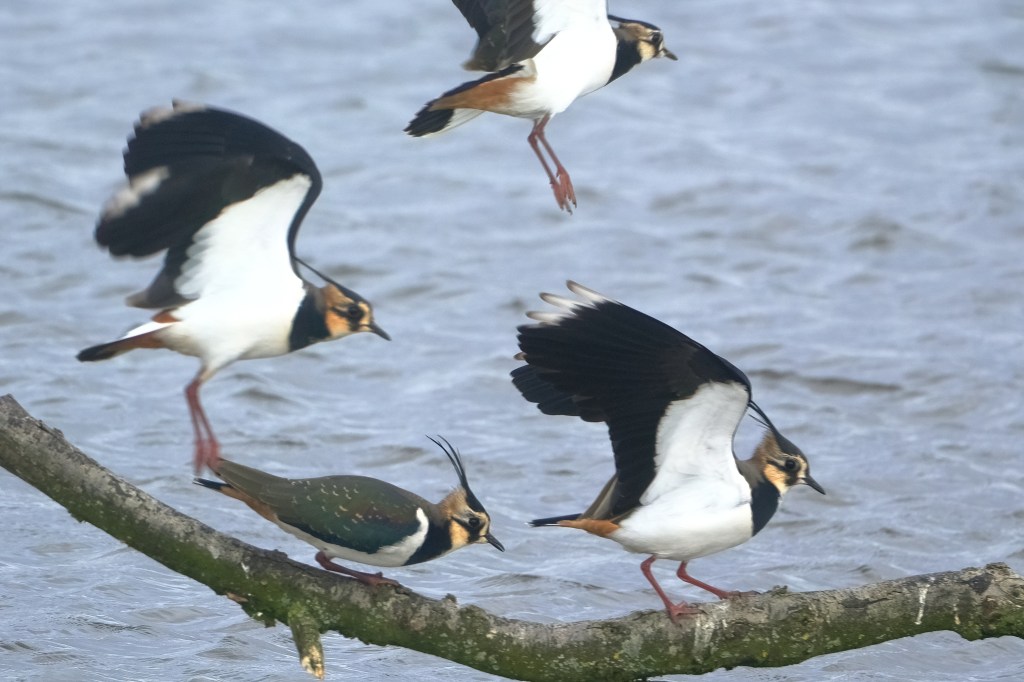
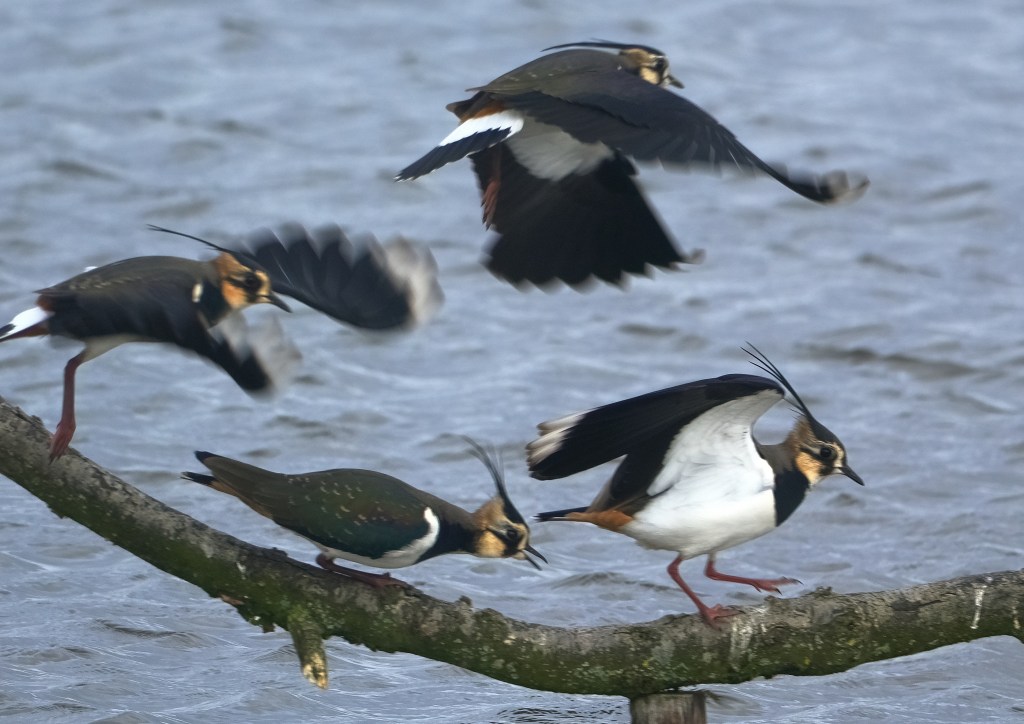
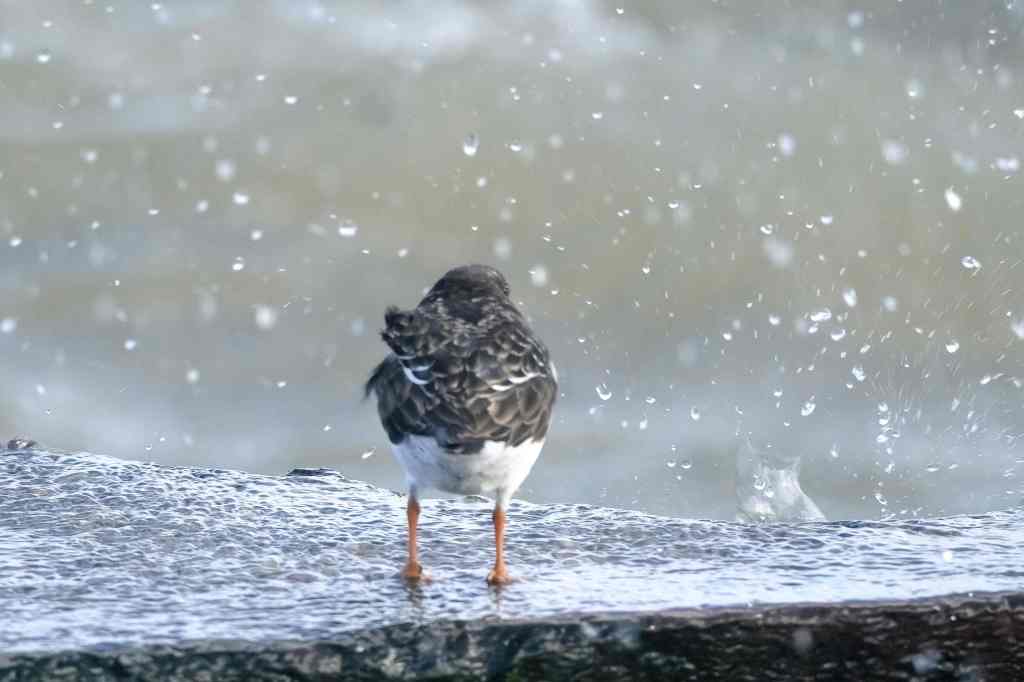
The tide was exceptionally high yesterday, with strong winds in the Solent, so the water in Titchfield Haven was also very high, flooding many of the small islands where the birds roost.
These Lapwings were competing for a place on these wooden posts.
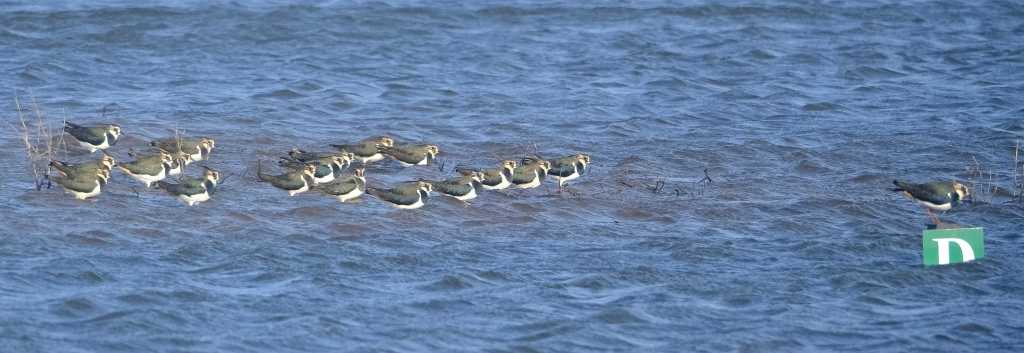
Island D is missing!
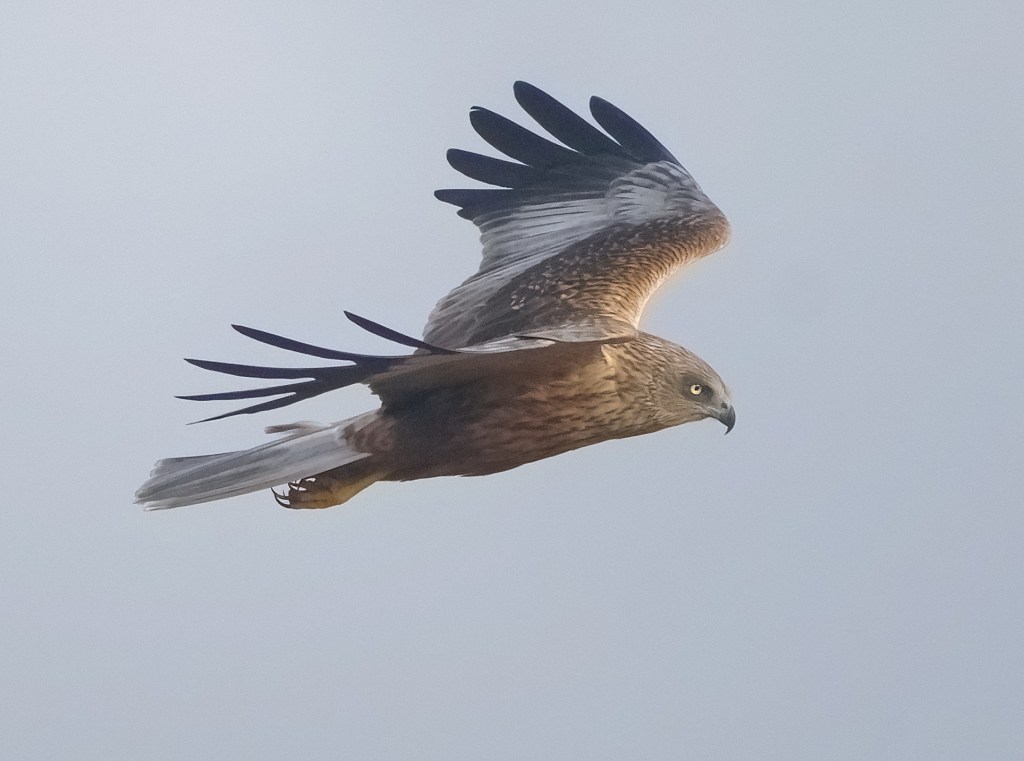
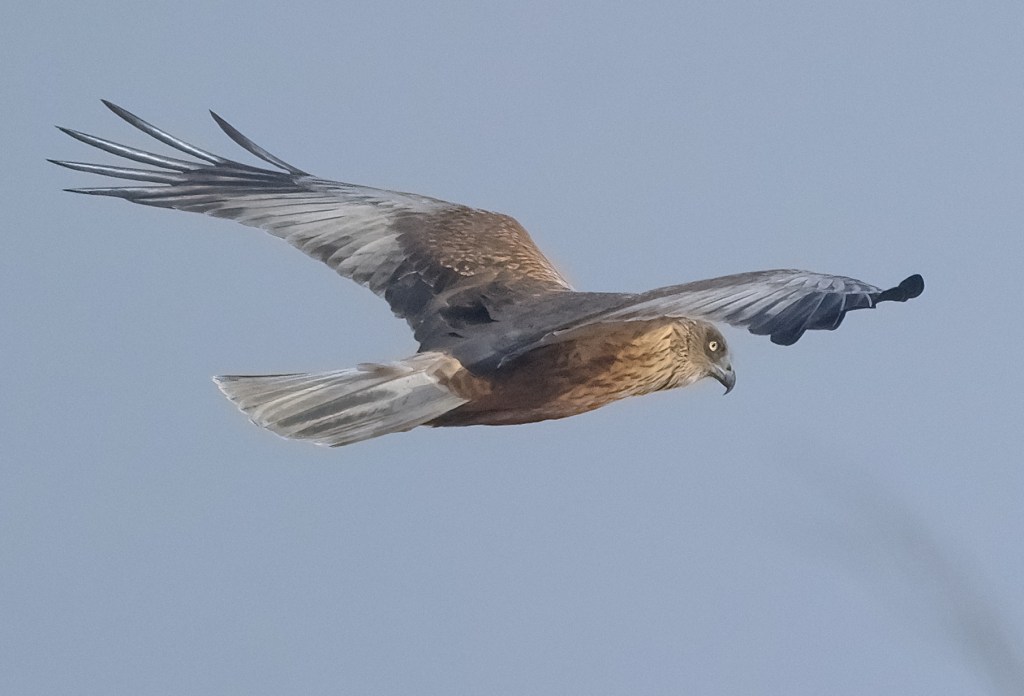
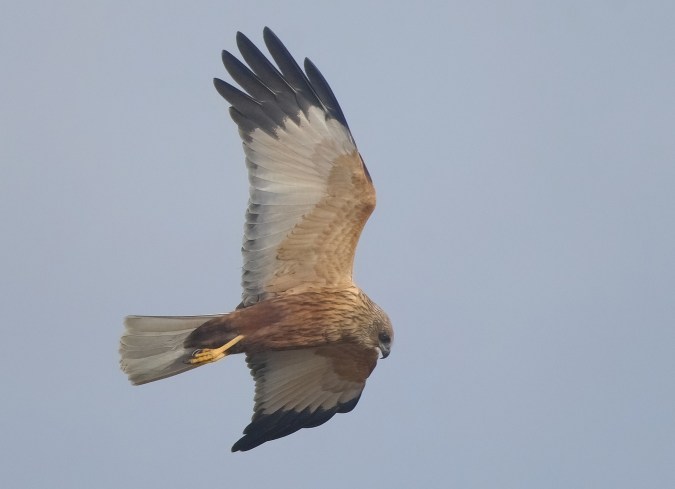
Marsh Harrier.
Stormy.
Statues.
Celebration of Freedom installation, Portsmouth Historic Dockyard, from 9 January – May 2026.
These are cut from sheets of metal; they are flat holes cut to make the faces, etc




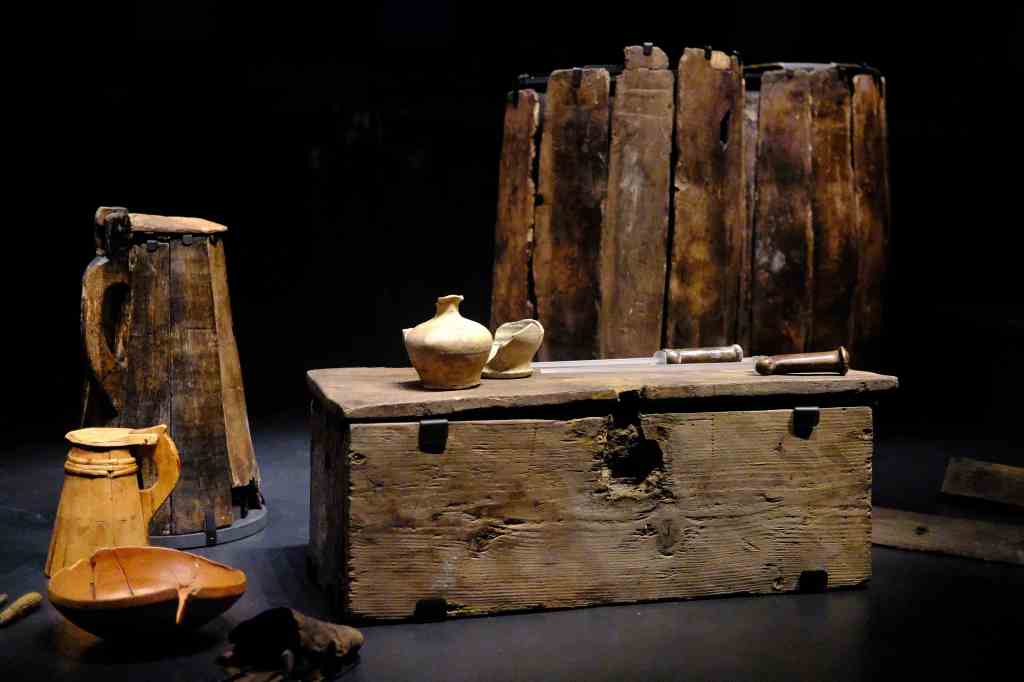
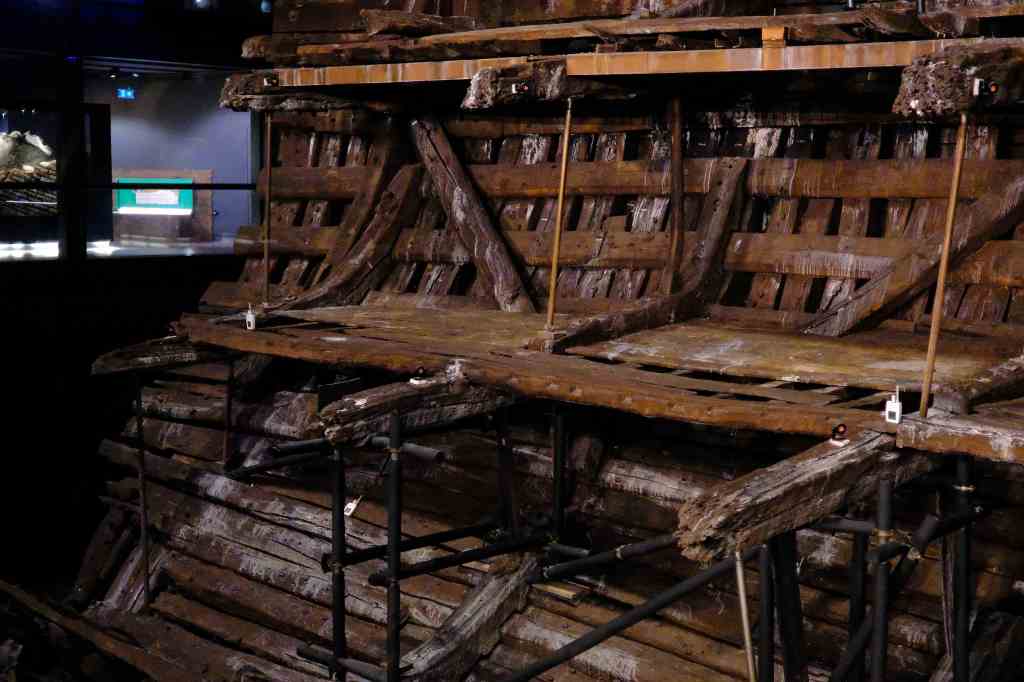
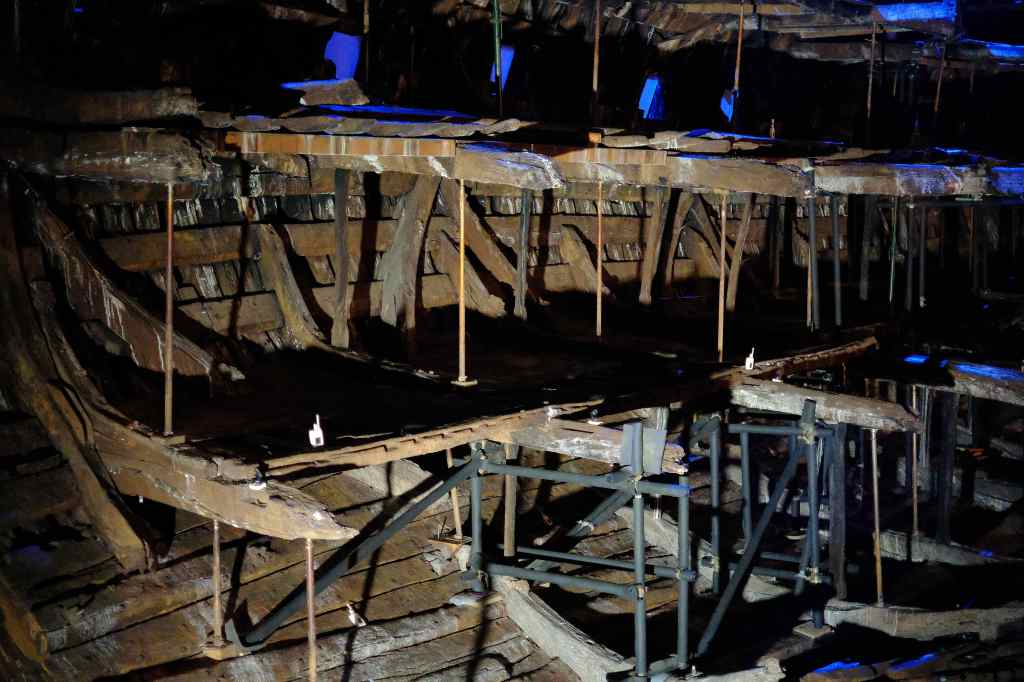
Recovered from the Deep.

The Mary Rose was Henry VIII, flagship, built in 1511. She famously sank in the Solent in 1545 in full view of Southsea Castle. She took most of her crew of 500 souls with her. She was rediscovered in 1971 and raised in 1982. The part of the wreck that had become buried in the silt survived, and thousands of recovered Tudor artefacts, including personal items and weapons, were recovered.
In 1982, at the age of 22, I watched the raising operation of the Mary Rose live on TV with my grandfather. I remember his comment at the time. “What a waste of money to get a load of firewood off the seabed”!
The museum in Portsmouth Dockyard demonstrates that the salvage of the Mary Rose was a unique opportunity to snapshot into Tudor history. Over 19000 artefacts, along with the remains of the ship and crew, were recovered from the wreck site.
Archaeologists recovered 137 whole longbows and 172 part bows. There were also 3,500 arrows. Before the recovery of the Mary Rose, there were just 5 surviving longbows from medieval England known to exist.
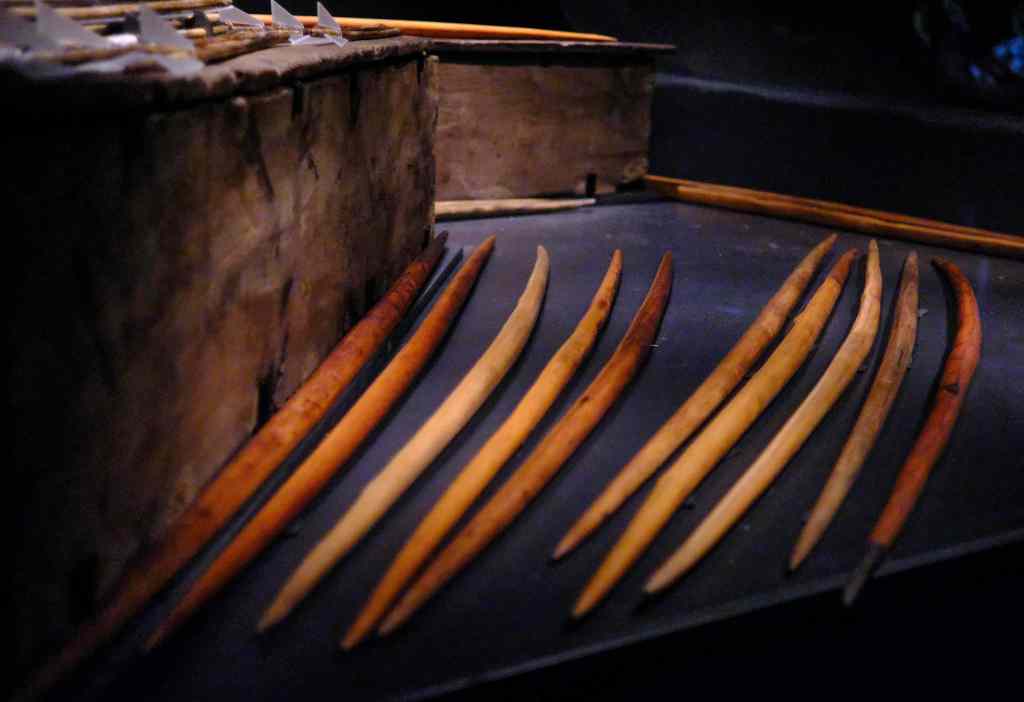
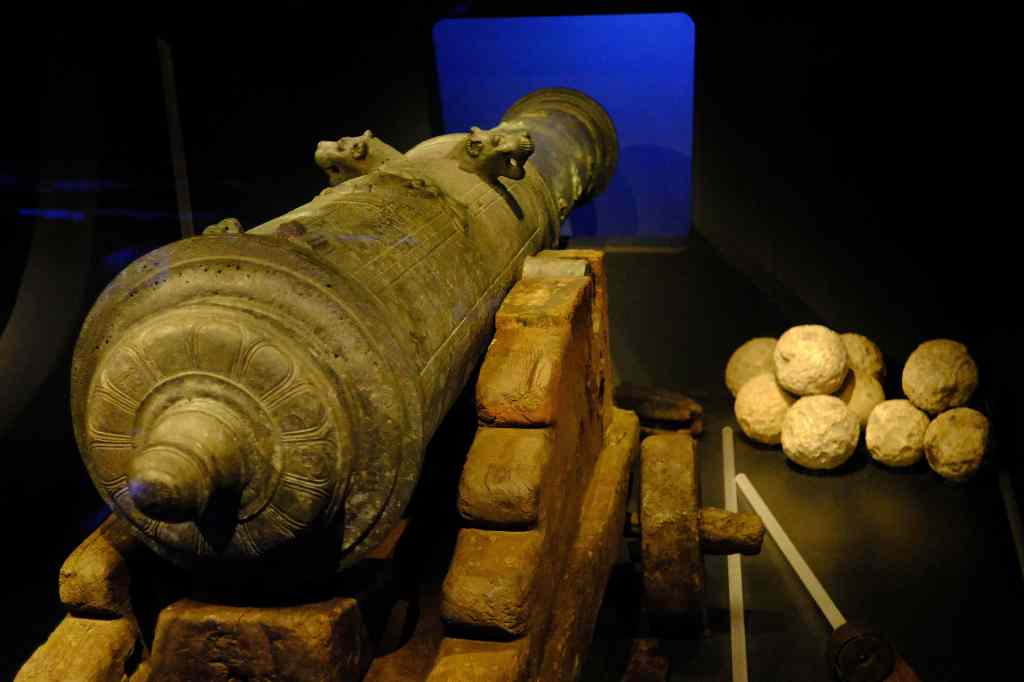
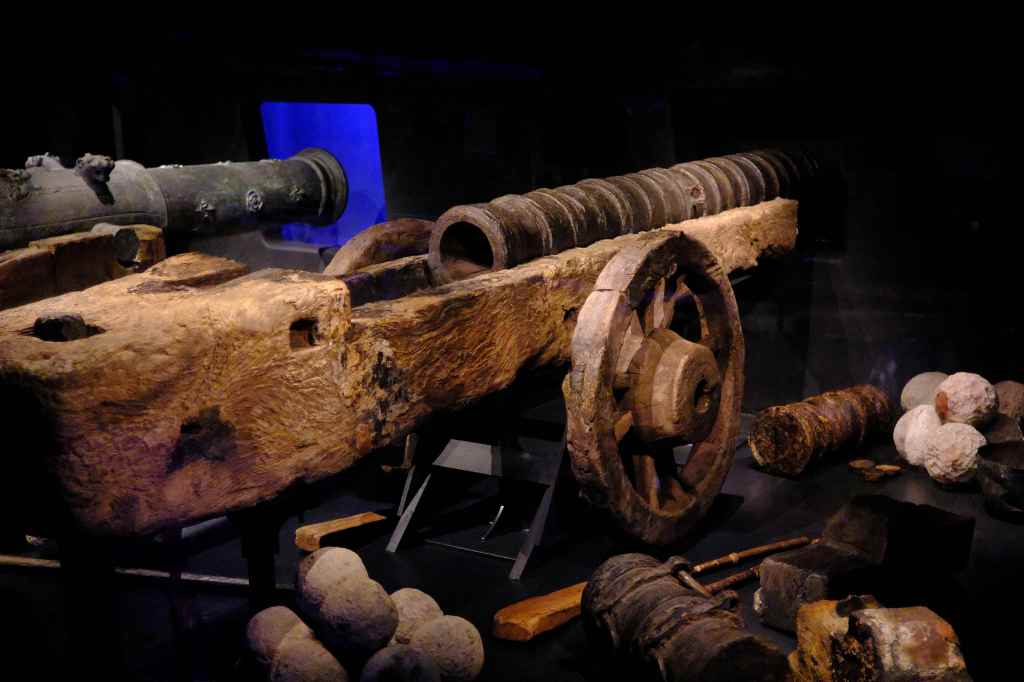
link to the Museum,
Worming.
The Curlew is one of my favourite waders. I never tire of watching these large waders, whether on our coast in winter or on the moors during their nesting season. Not only are they a pleasure to see, but their call over the mashes is also a joy to hear. Just one picture today, and a video – something I have not captured before, a Curlew catching a Ragworm.

 Continued Reflections from my World.