I was lucky to capture these images of this fox hunting this morning

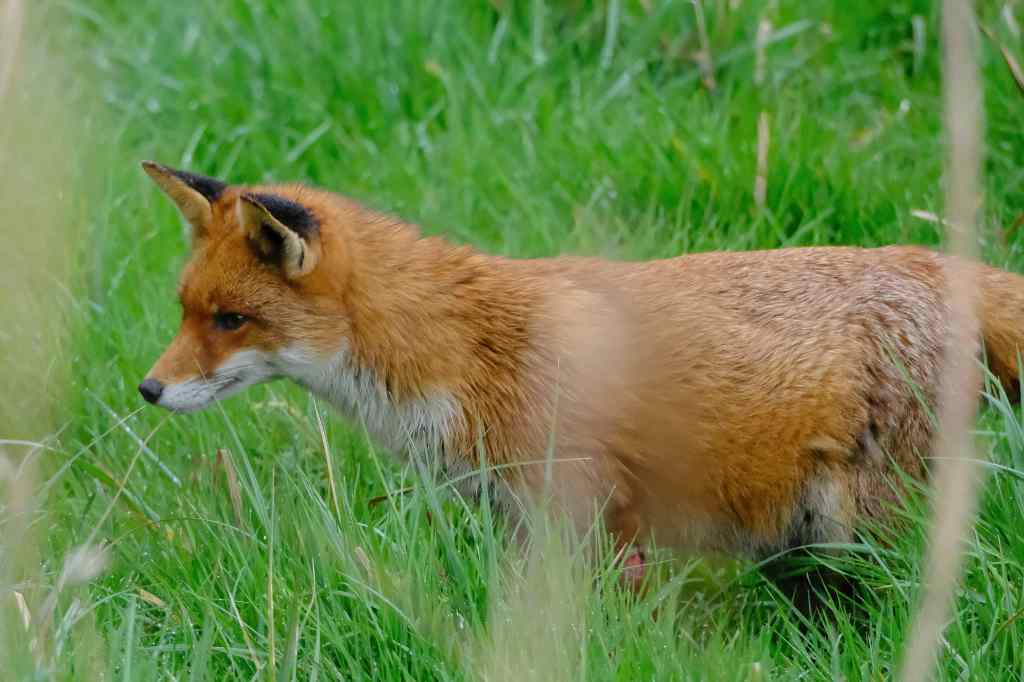

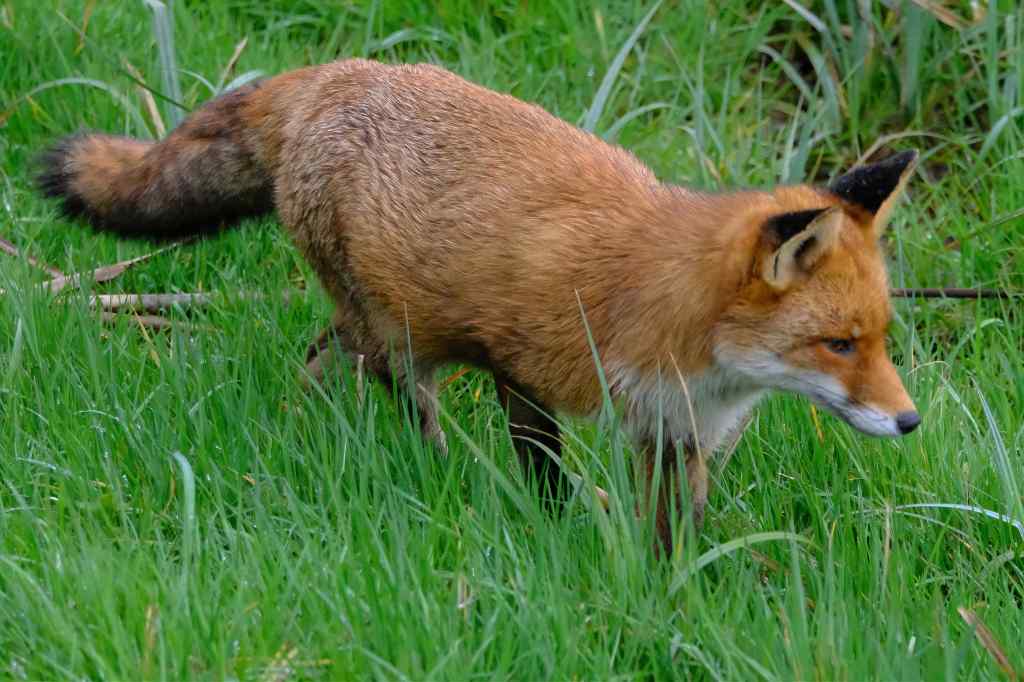
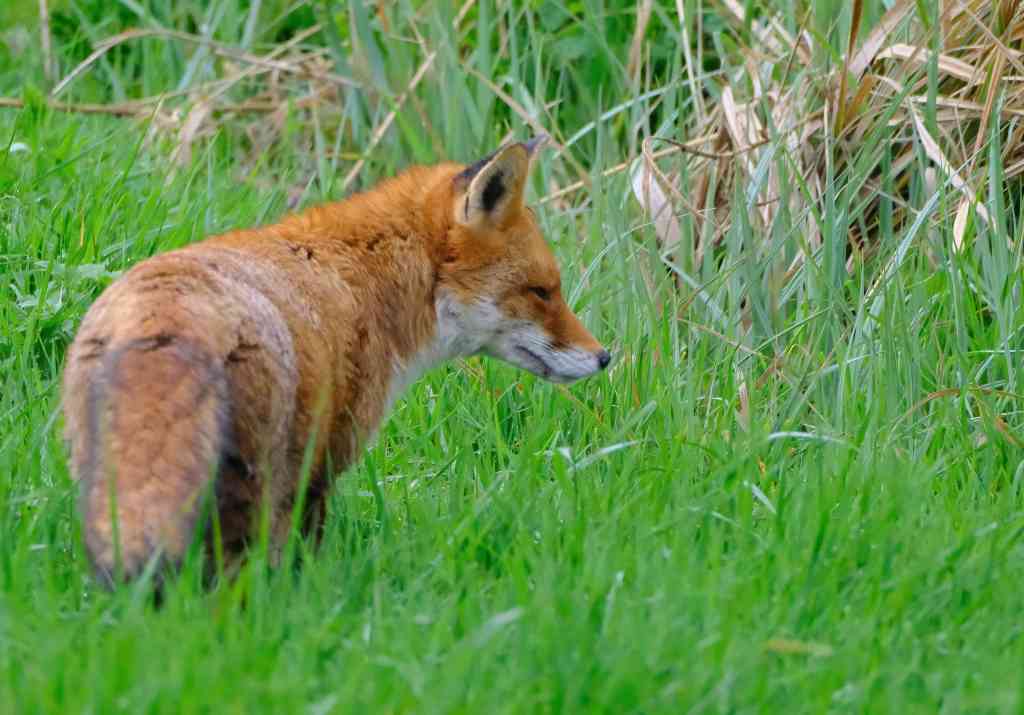
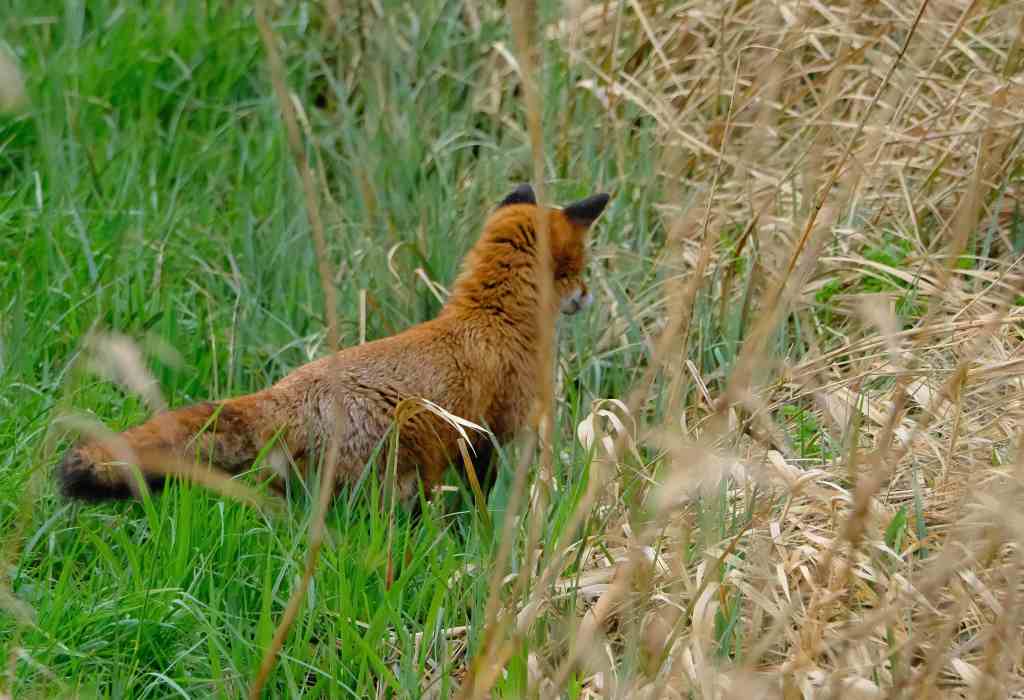
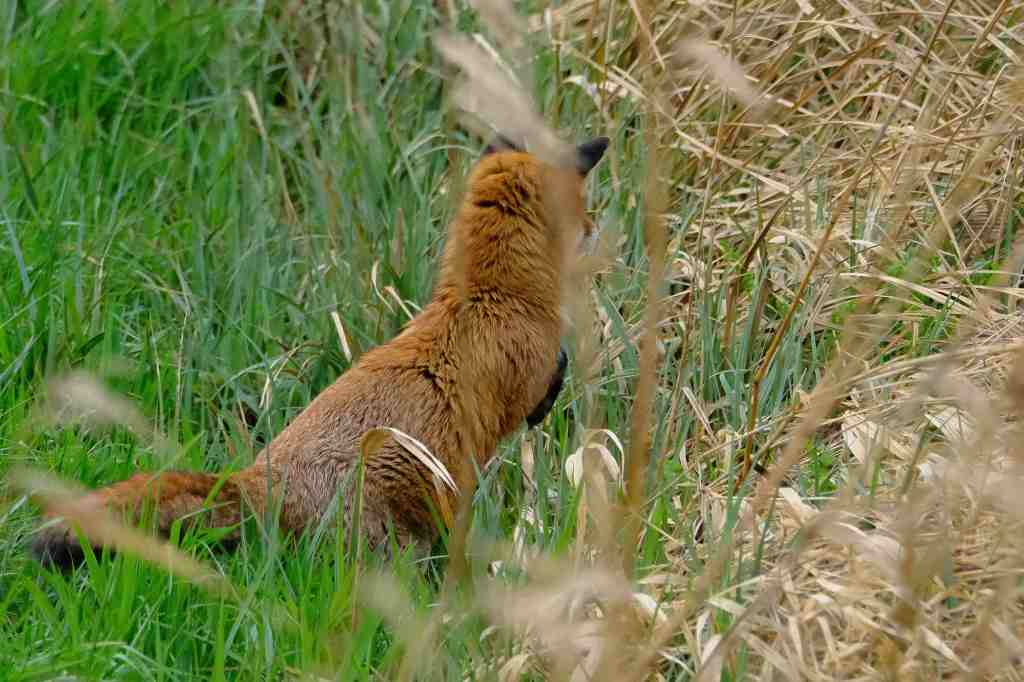
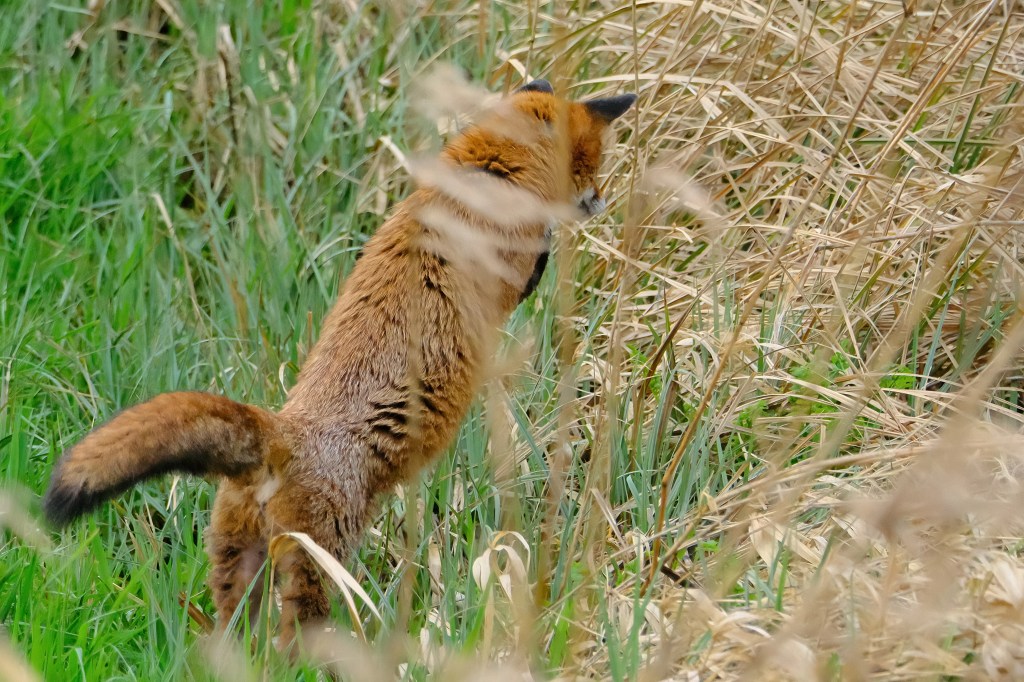
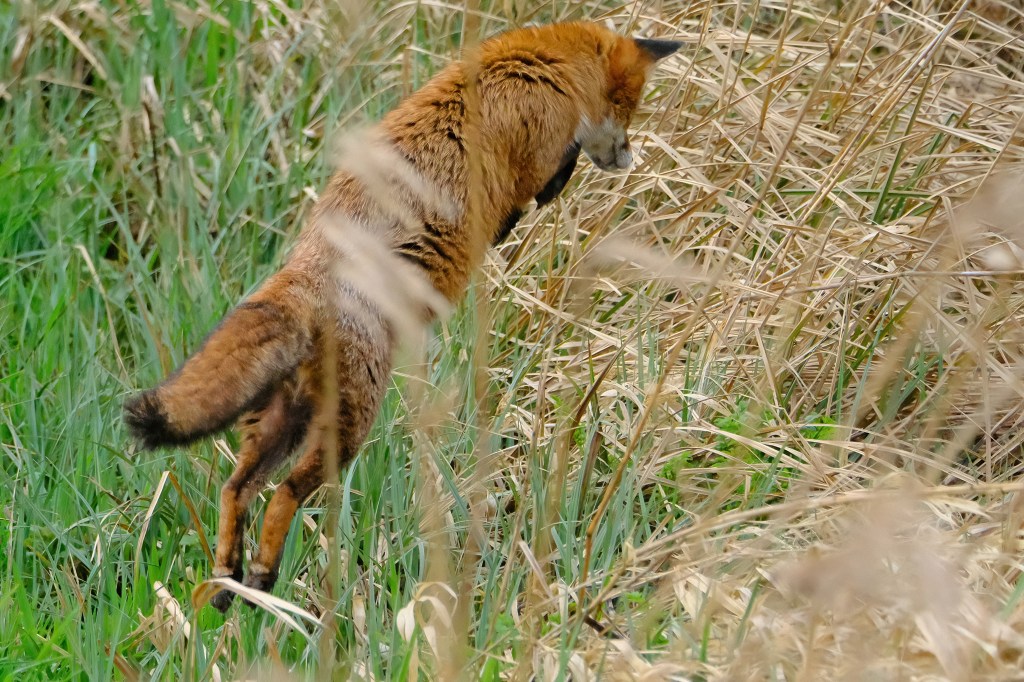
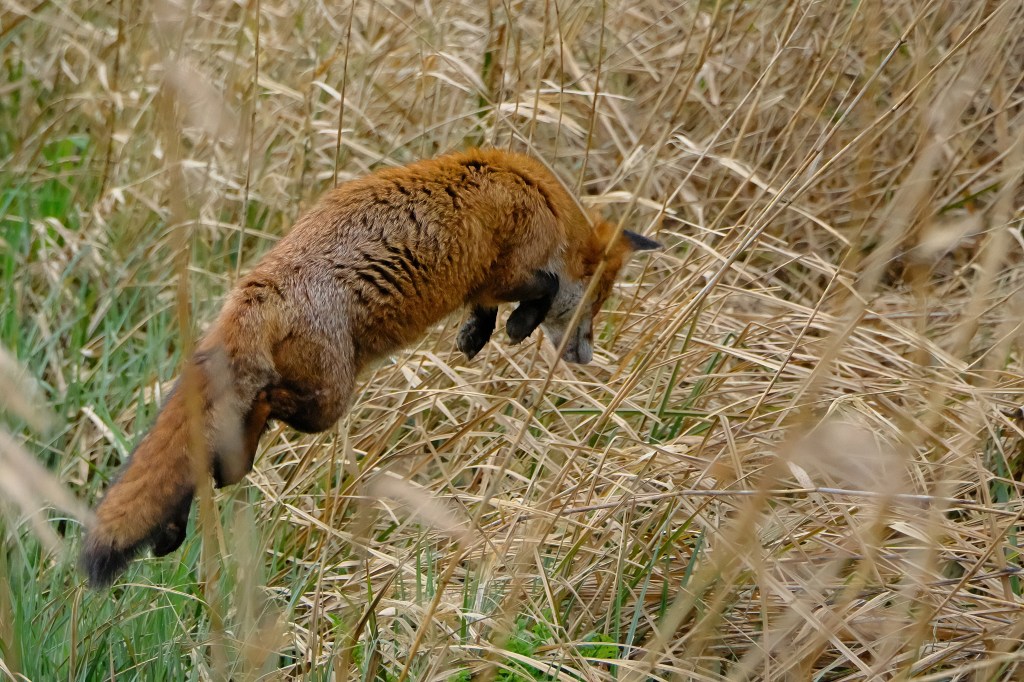
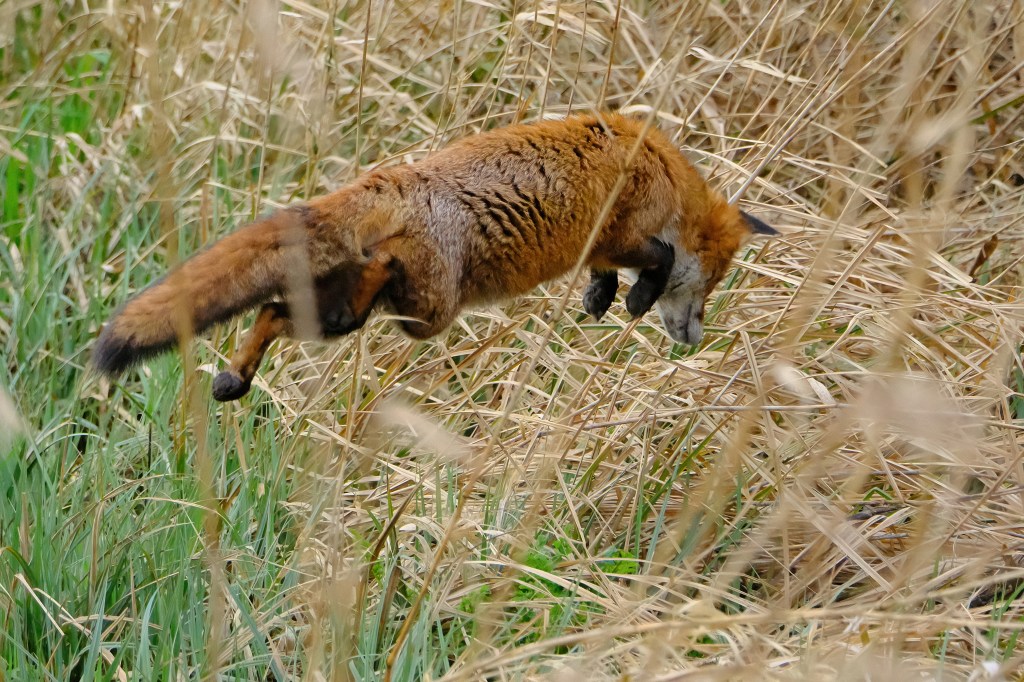
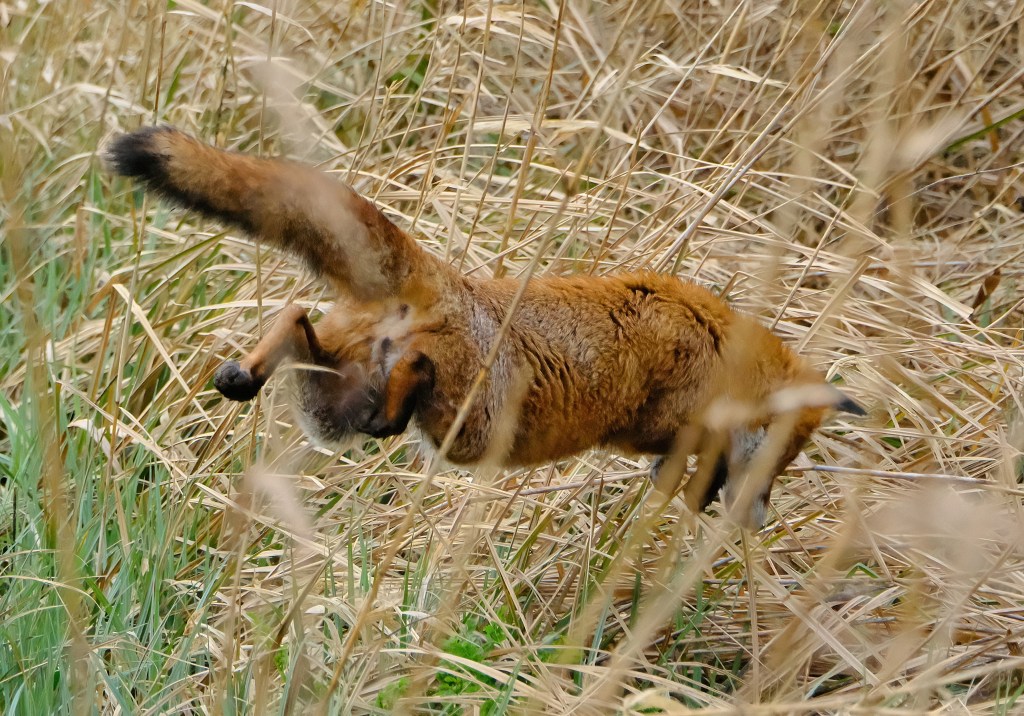
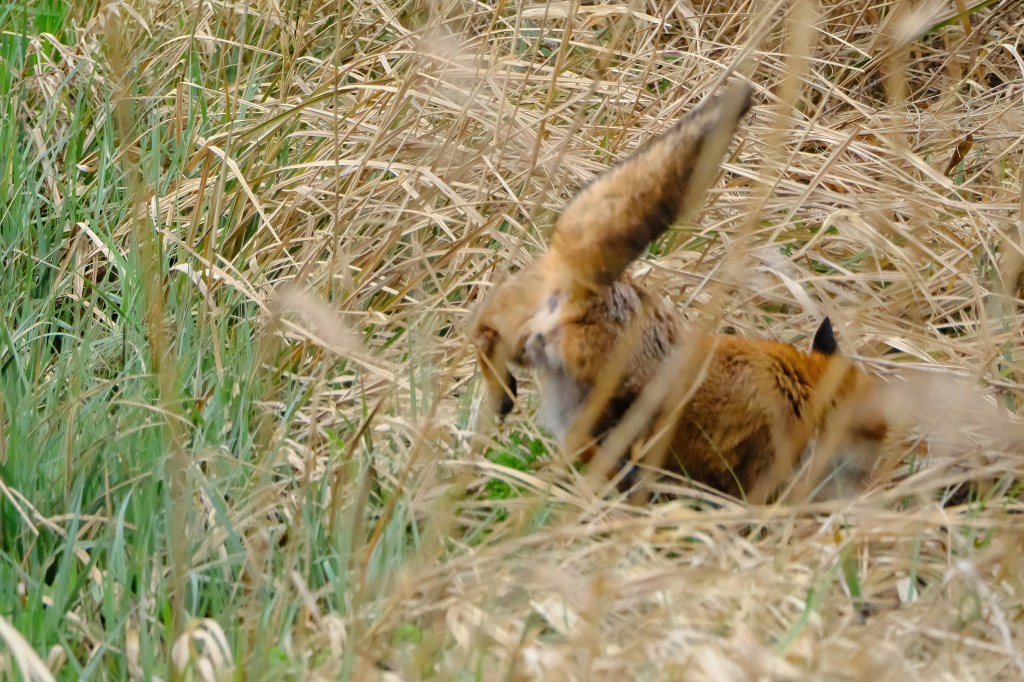
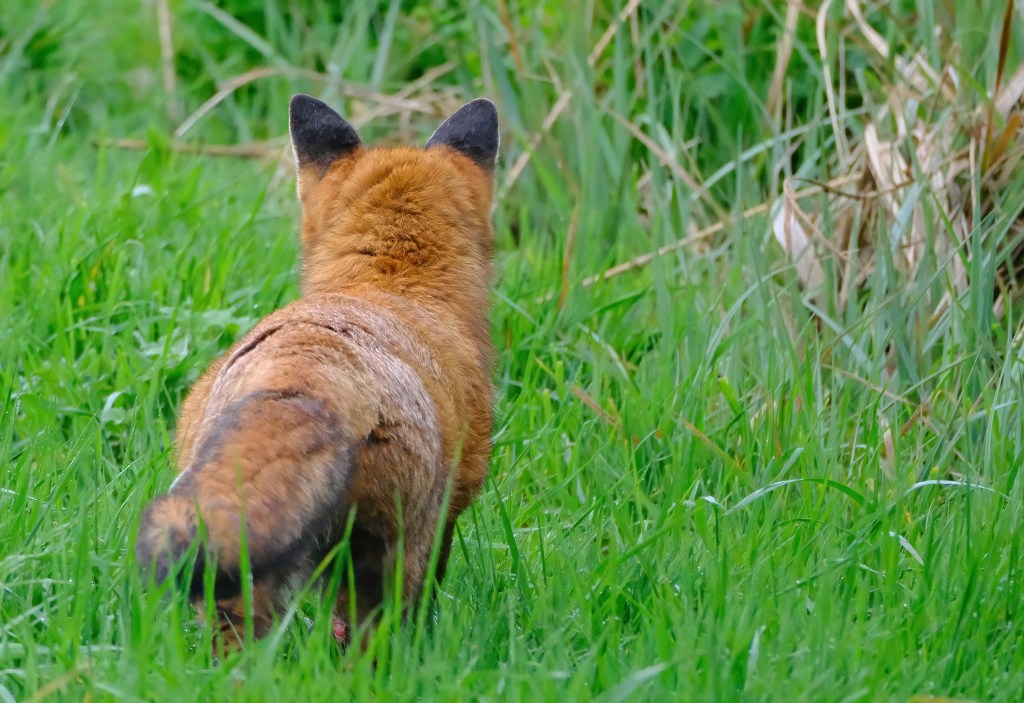
I was lucky to capture these images of this fox hunting this morning
With the first blue sky for a couple of weeks, it was nice to take a walk and get some photos without grey skies.
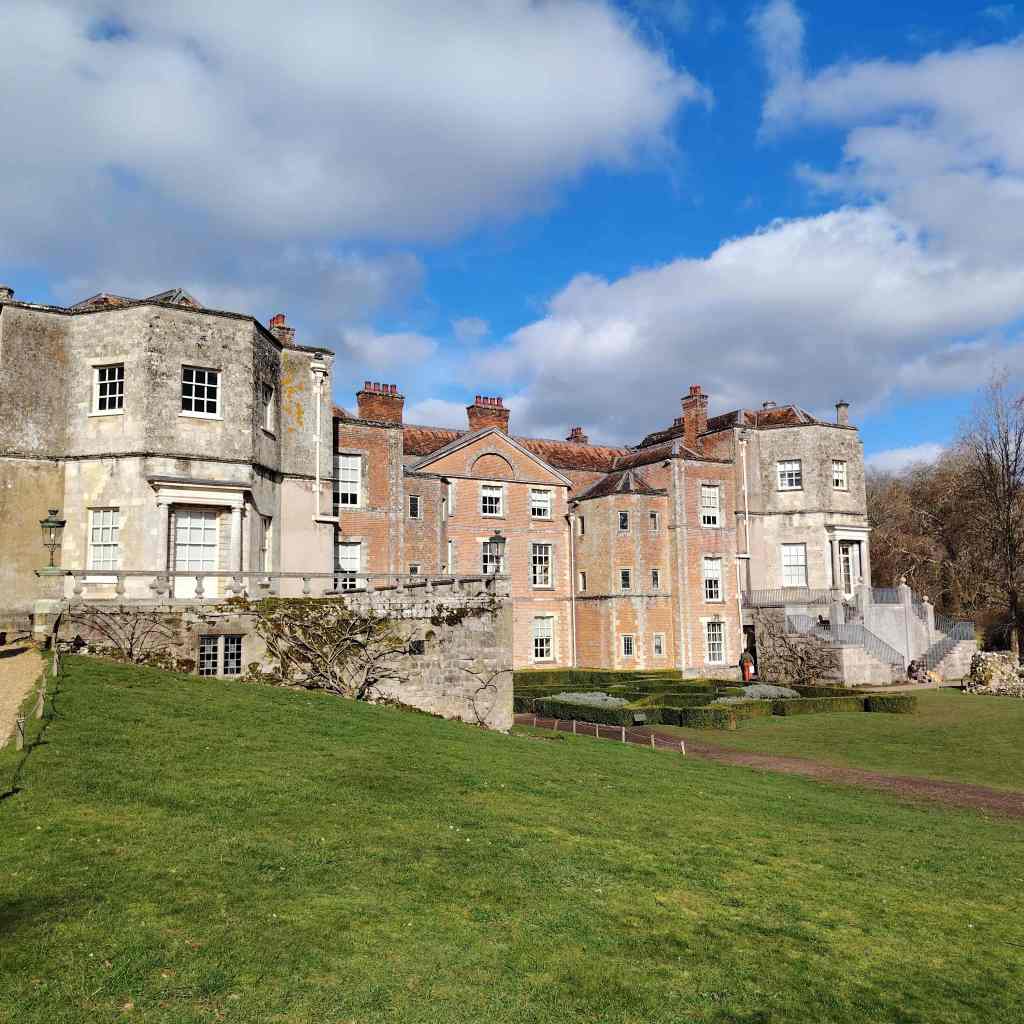
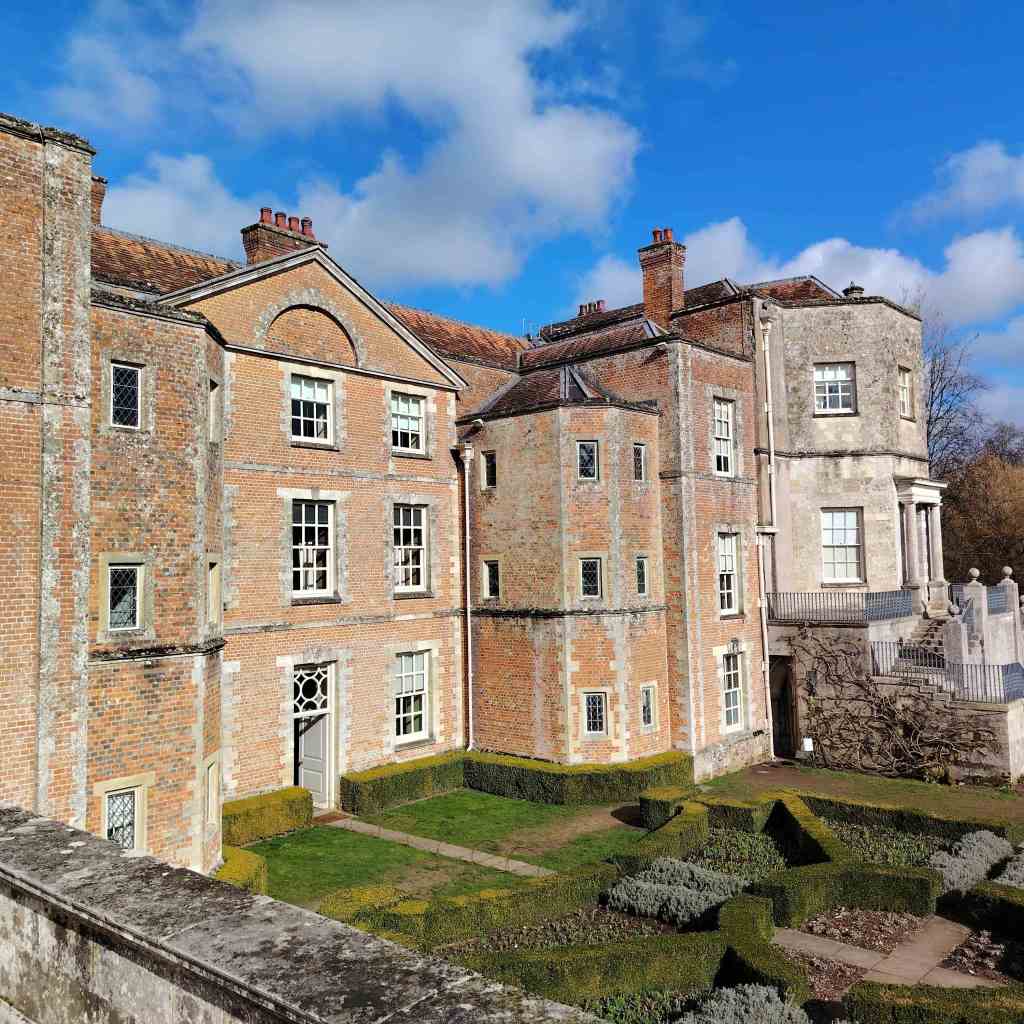
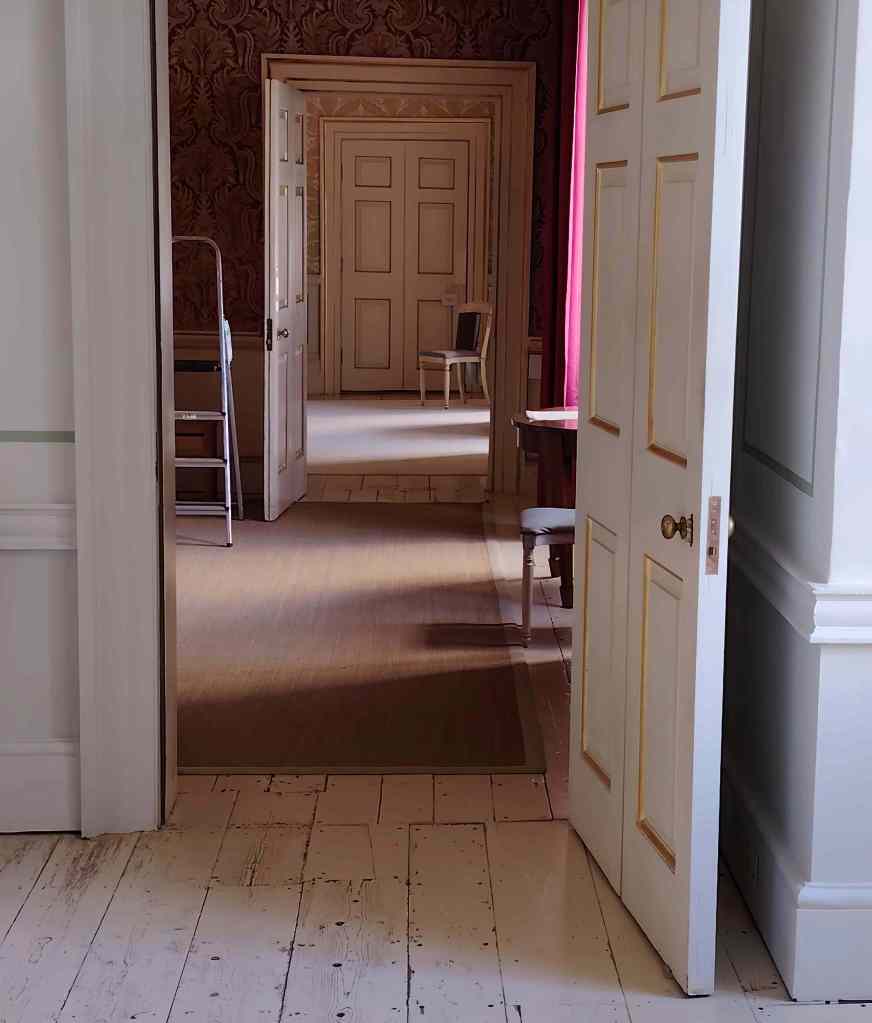
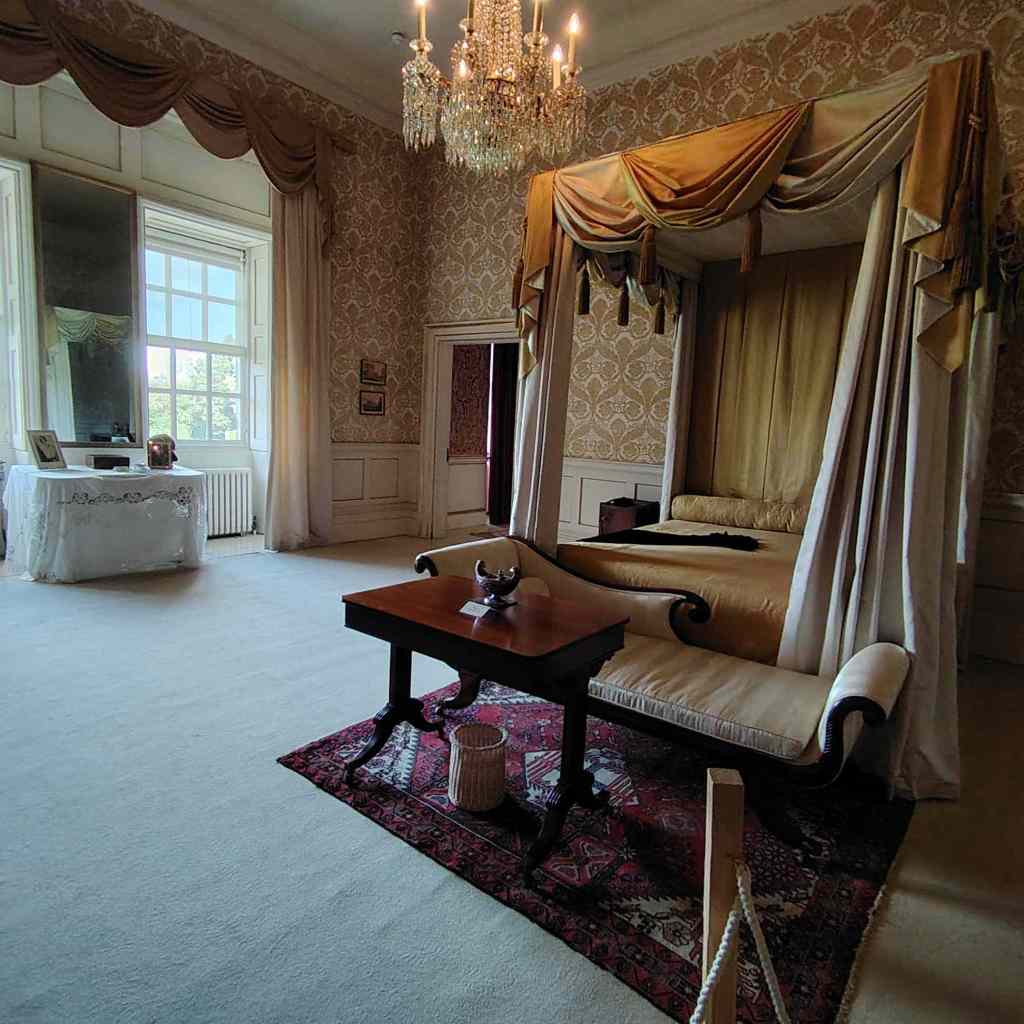
Mottisfont Abbey is a historical priory and country estate in Hampshire, now operated by the National Trust. The site features a historic house museum with changing art exhibitions, the abbey has a rich history that dates back to the 12th century, initially founded as a house for Augustinian canons. Over the centuries, it has transitioned from a monastic building to a country house, particularly during the 18th century when it was remodelled in the Gothic Revival style. The abbey is now recognised not only for its architecture but also for its beautiful gardens, which showcase a collection of old and rare roses, drawing visitors from around the world to experience its tranquil beauty and historical significance.
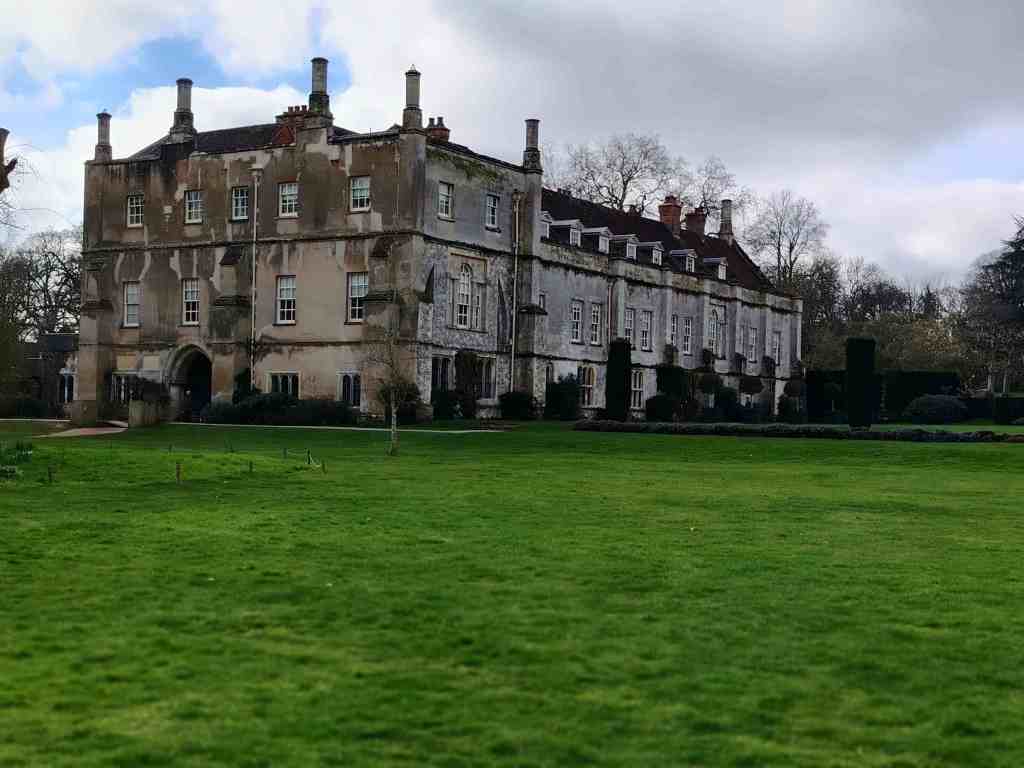
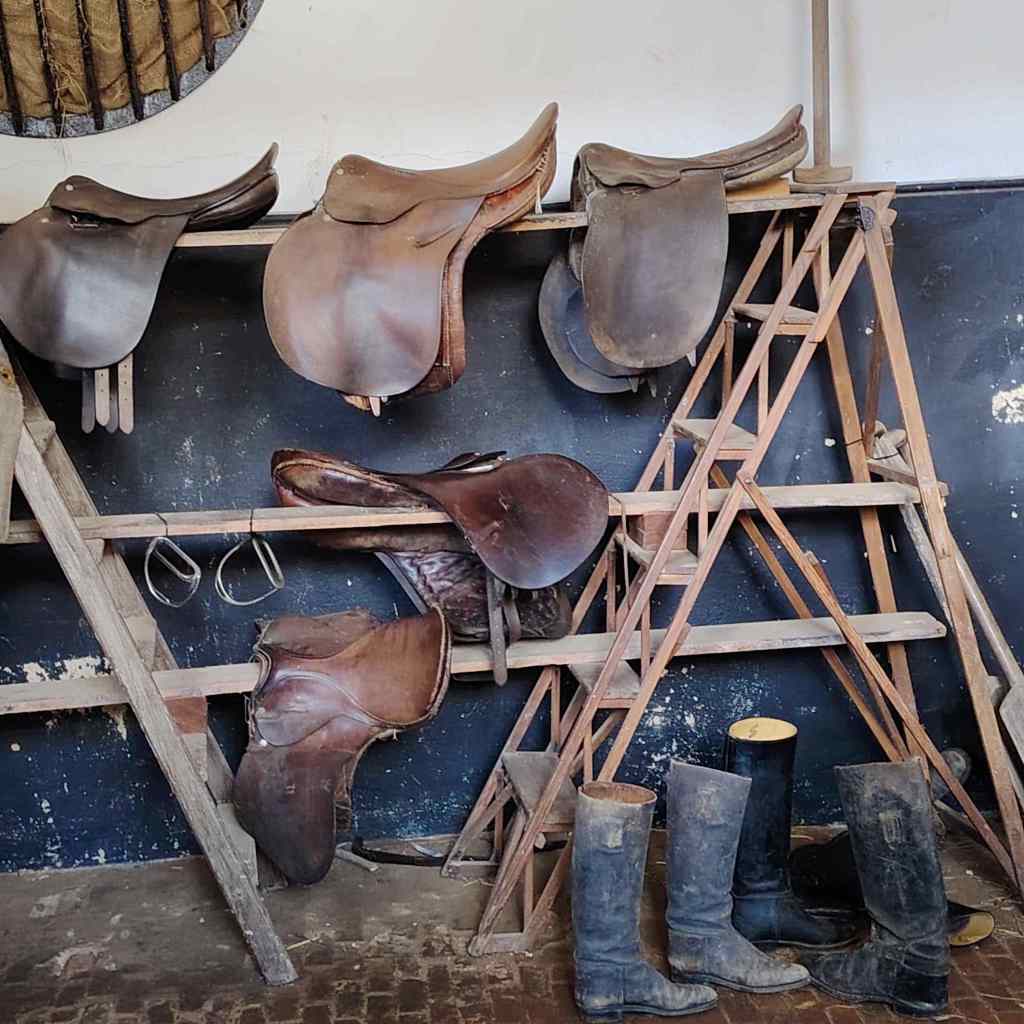
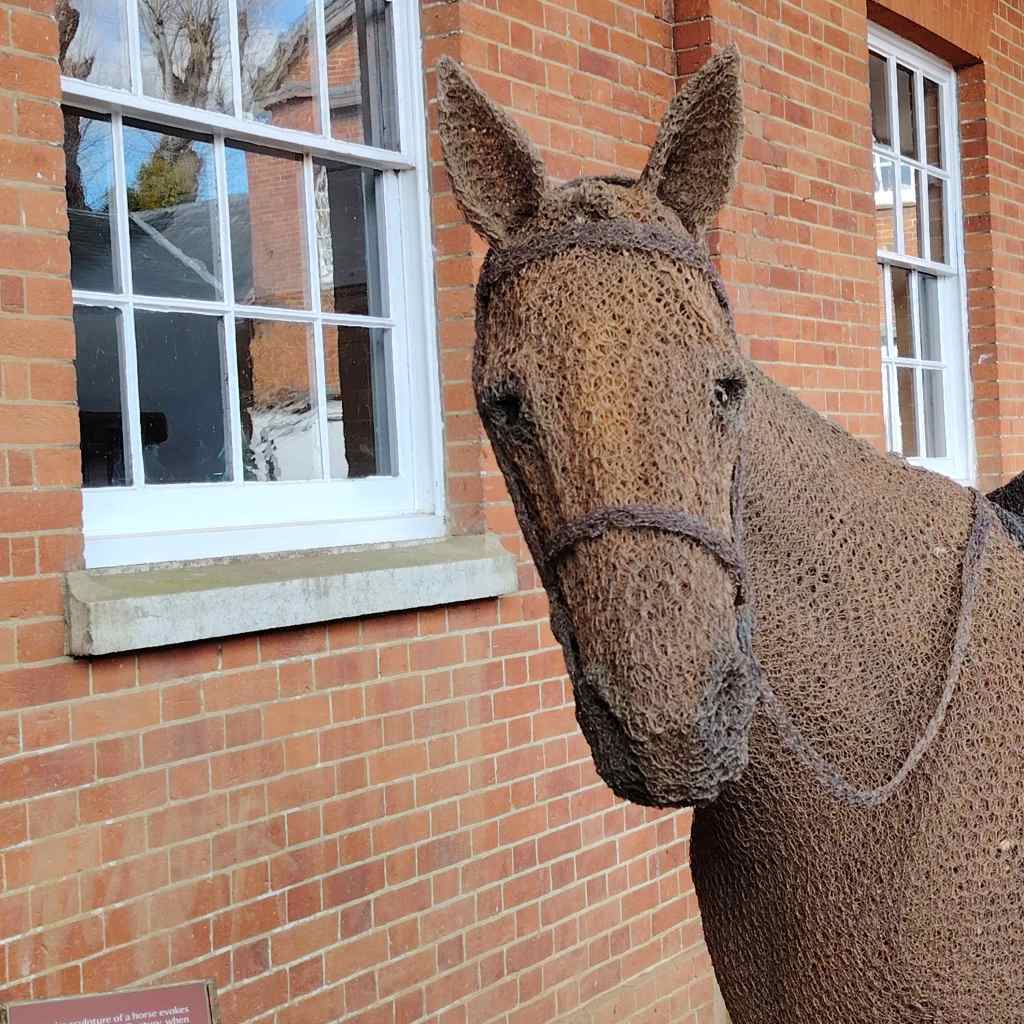
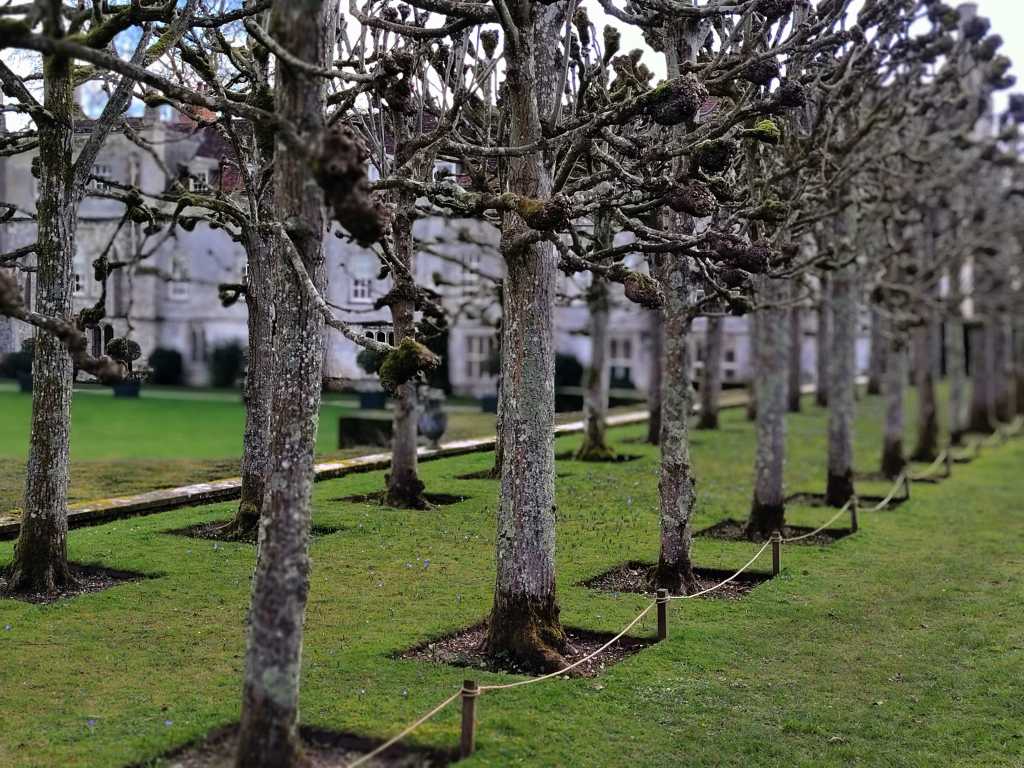
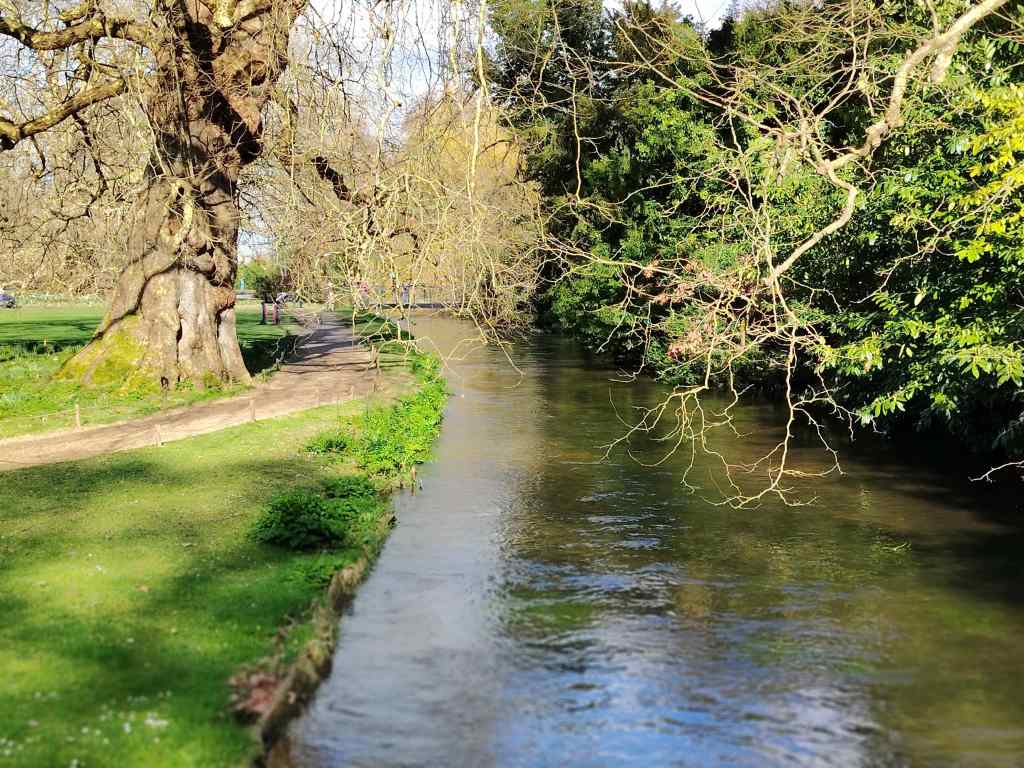
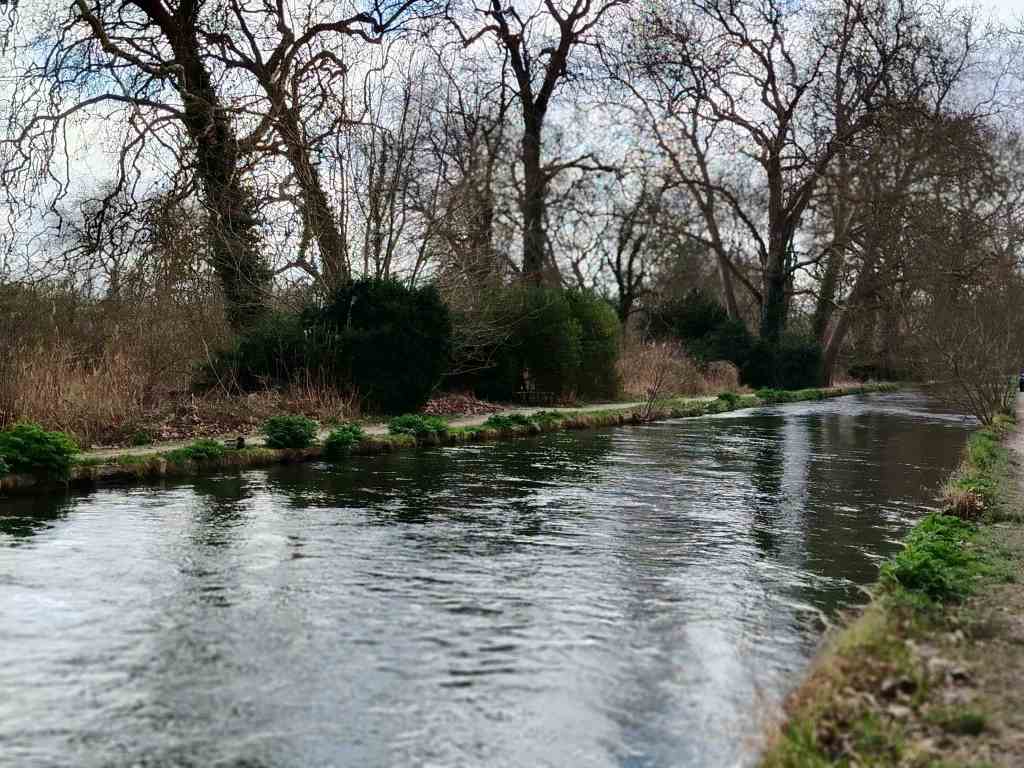
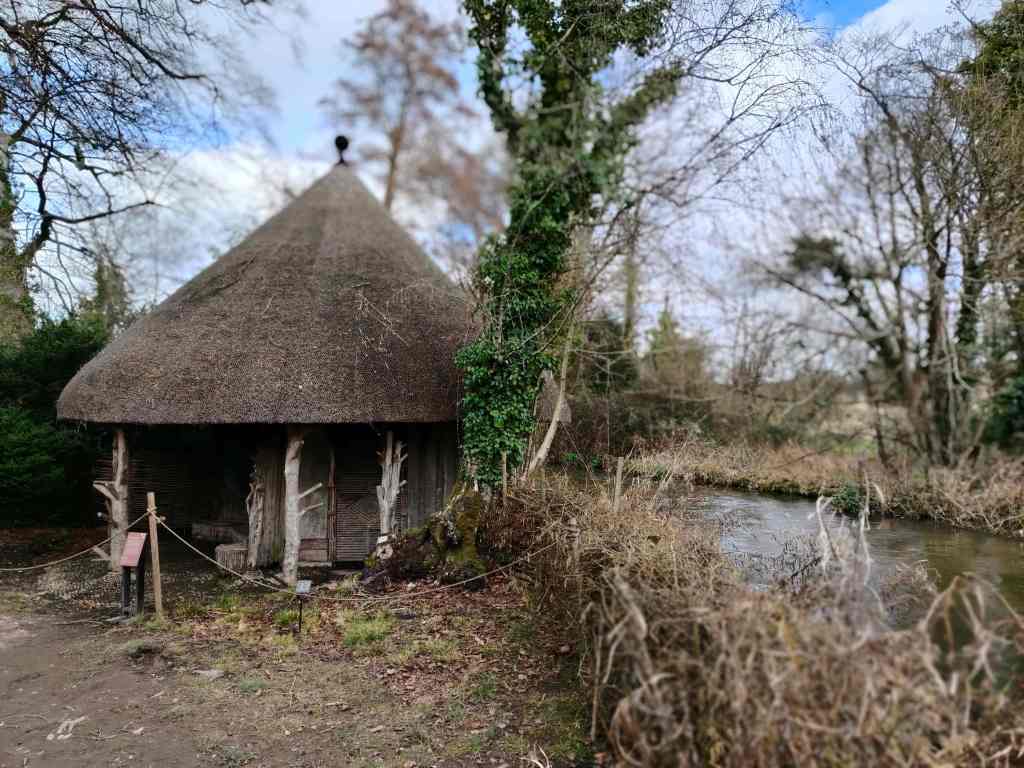
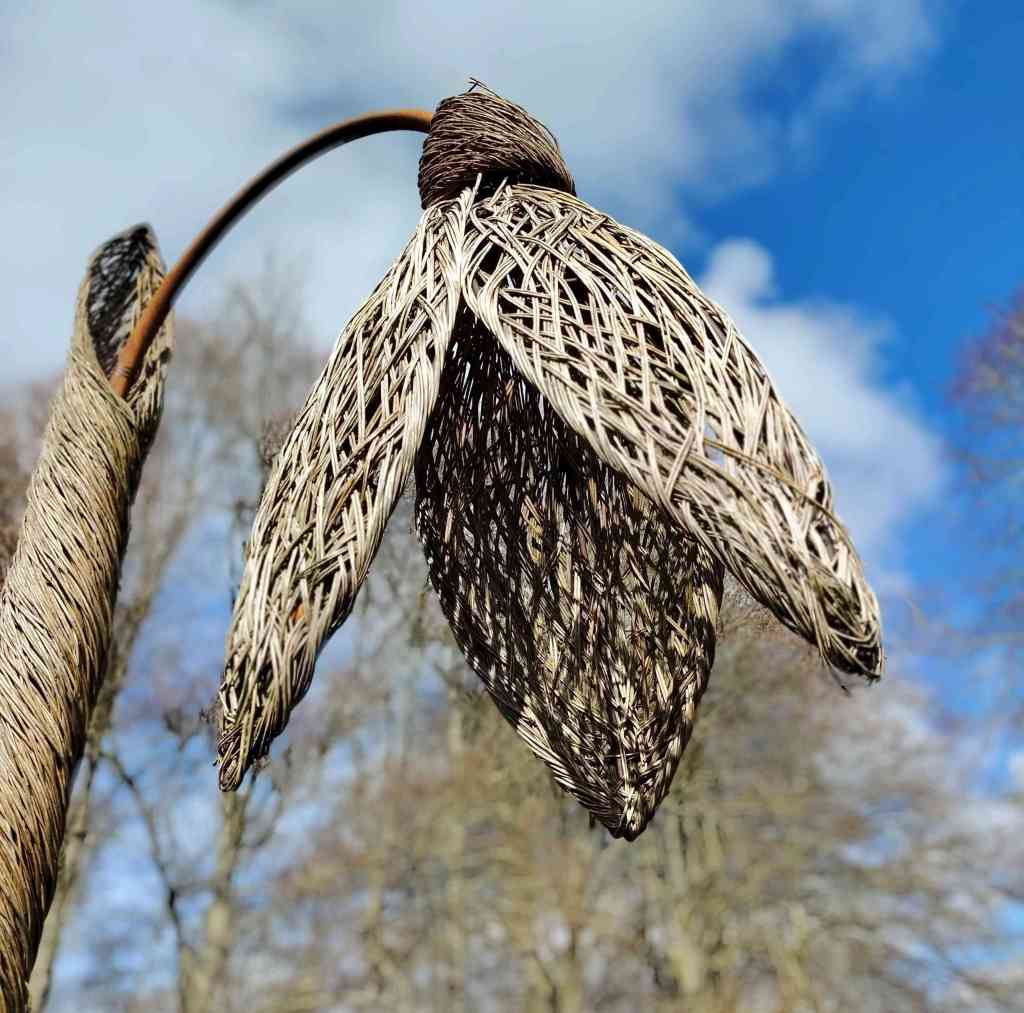
Two paintings from the current Town and Country: A Journey Through the Seasons are part of the current art exhibition at Mottisfont. These two were my favourites.

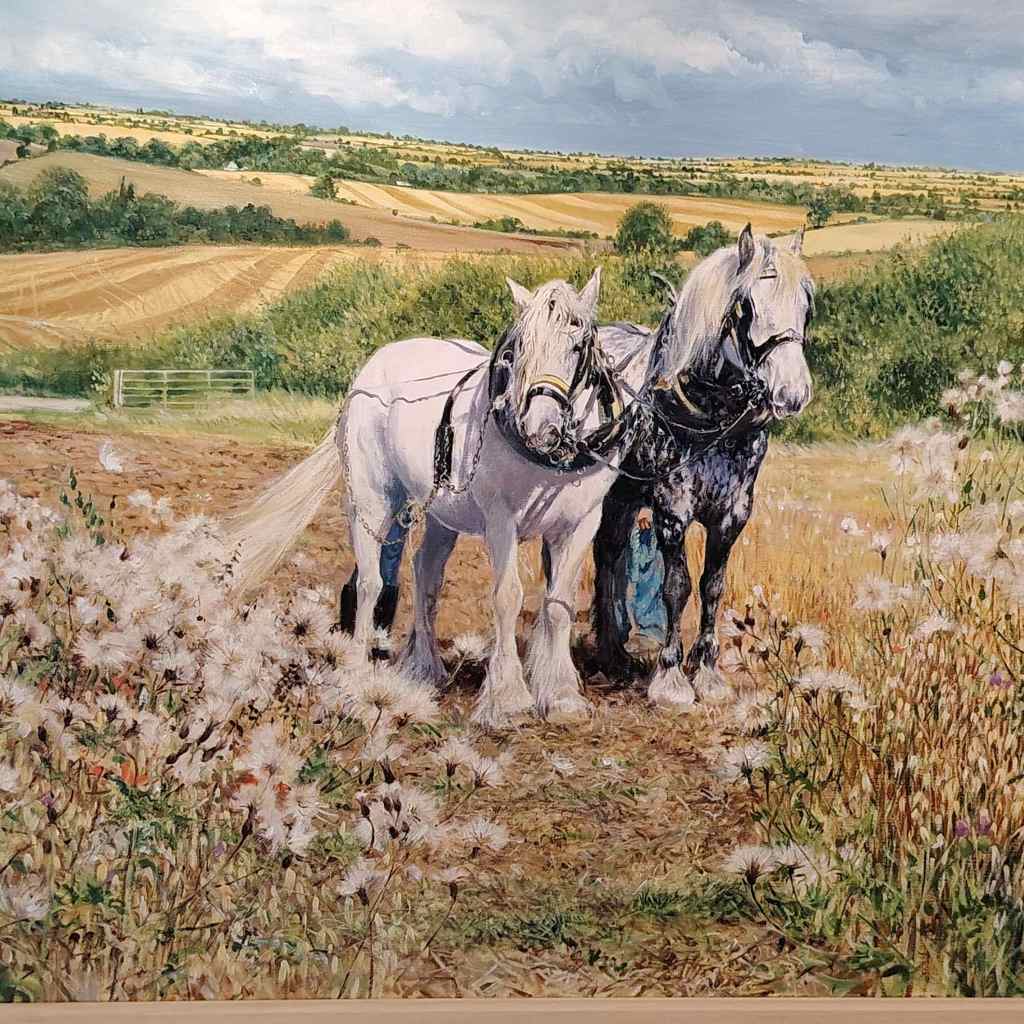
Both by Lesley Fortherby.
Tichborne Village in Hampshire stands on the Itchen as it passes on its way from Cheriton to Winchester.
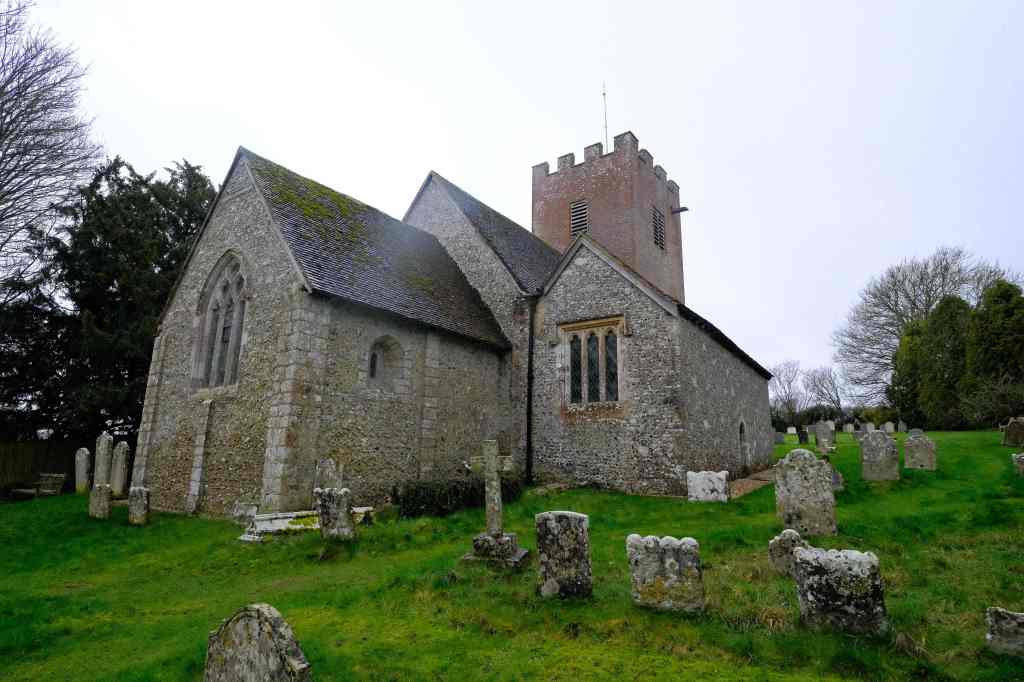
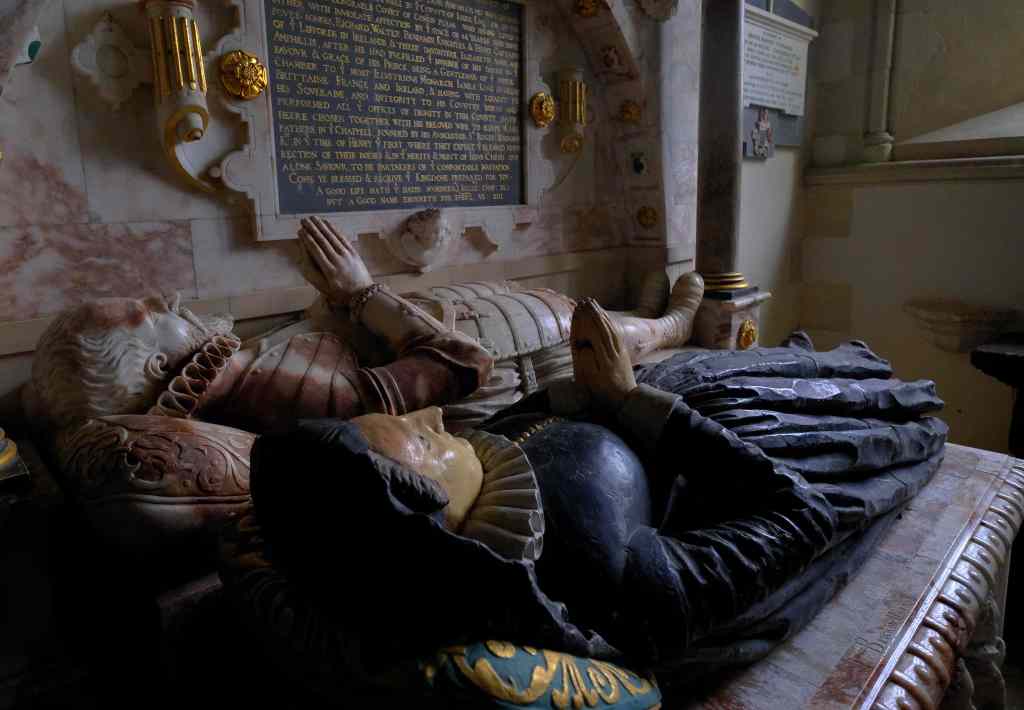
St Andrew’s Church, standing on a small hill, is a Grade I listed building and was founded in the mid 11th Century. It was likely the church for the larger area known as the Manor of Cheriton. The Tichborne family, who had held their estate since at least 1135, came to be closely associated with St Andrew’s and carried out significant additions to it in the early 14th century.
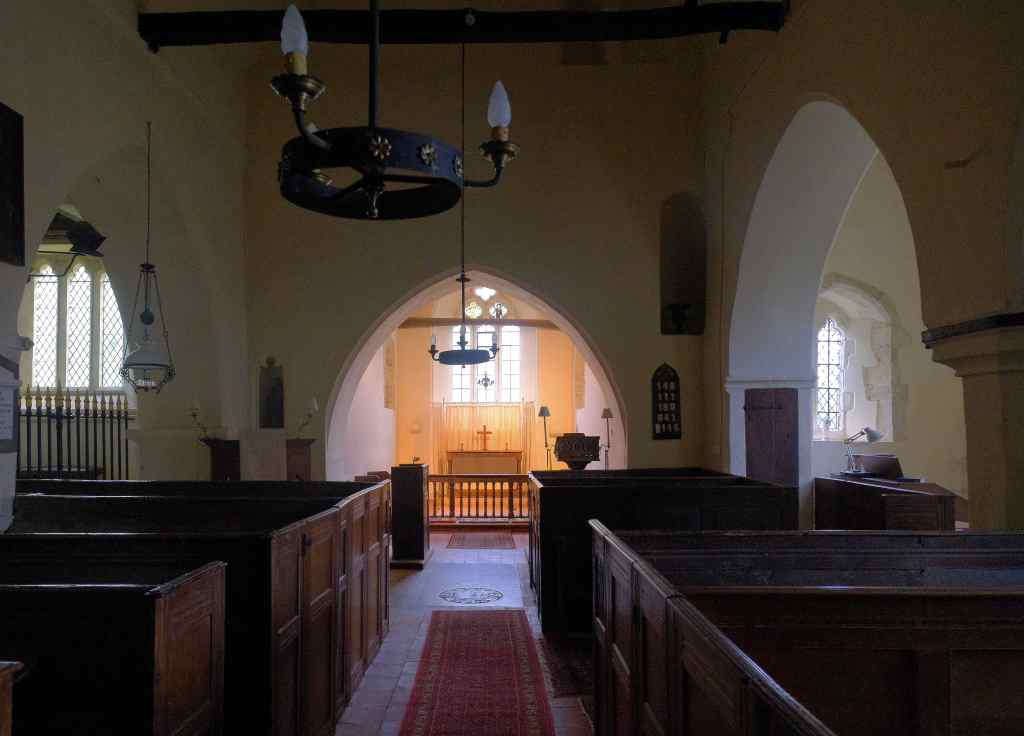
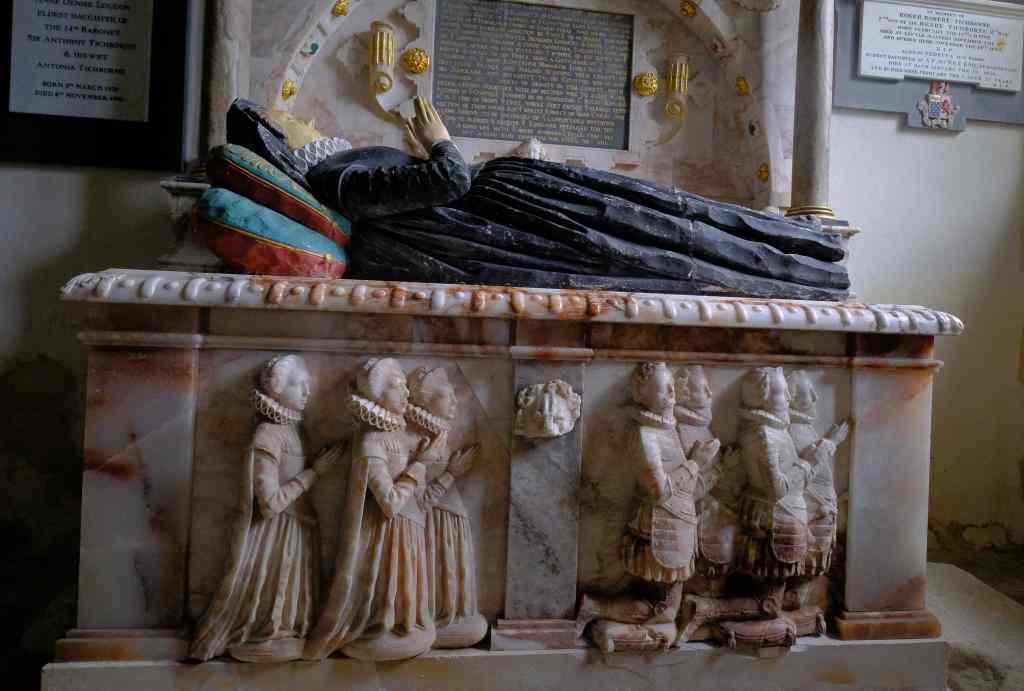
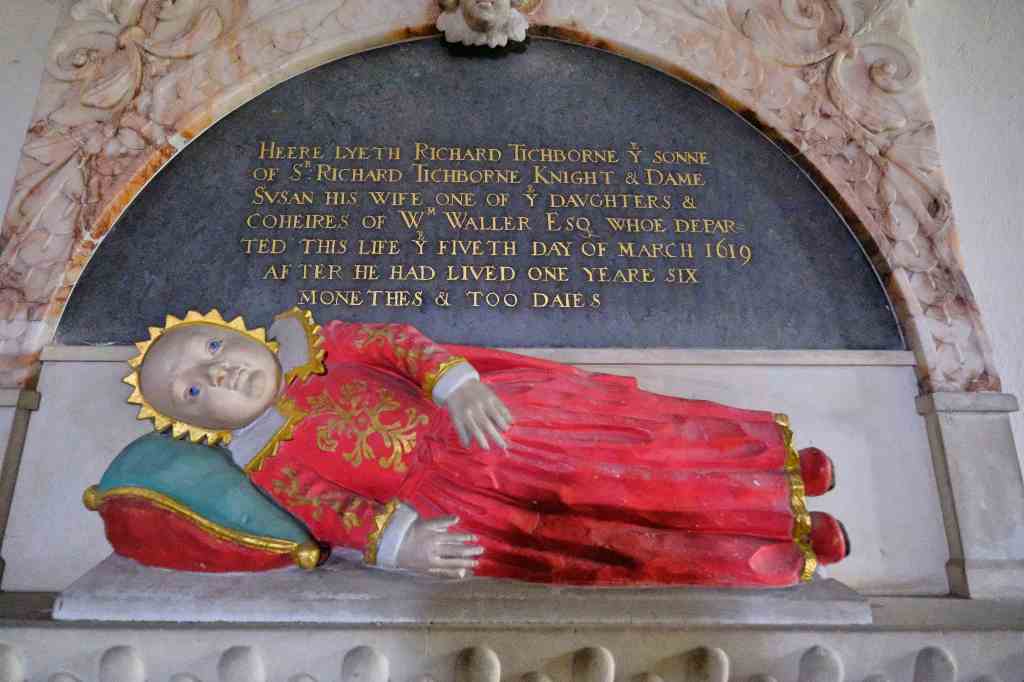
The inside of the church has several monuments to the Tichborne family. These are very grand for a parish church.


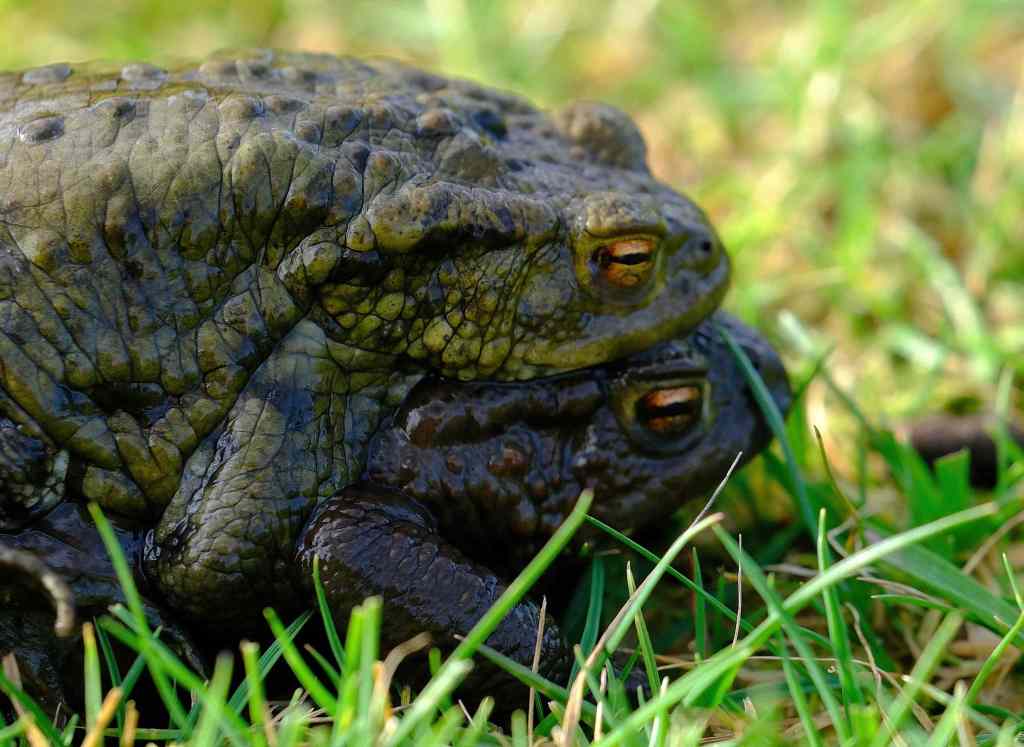
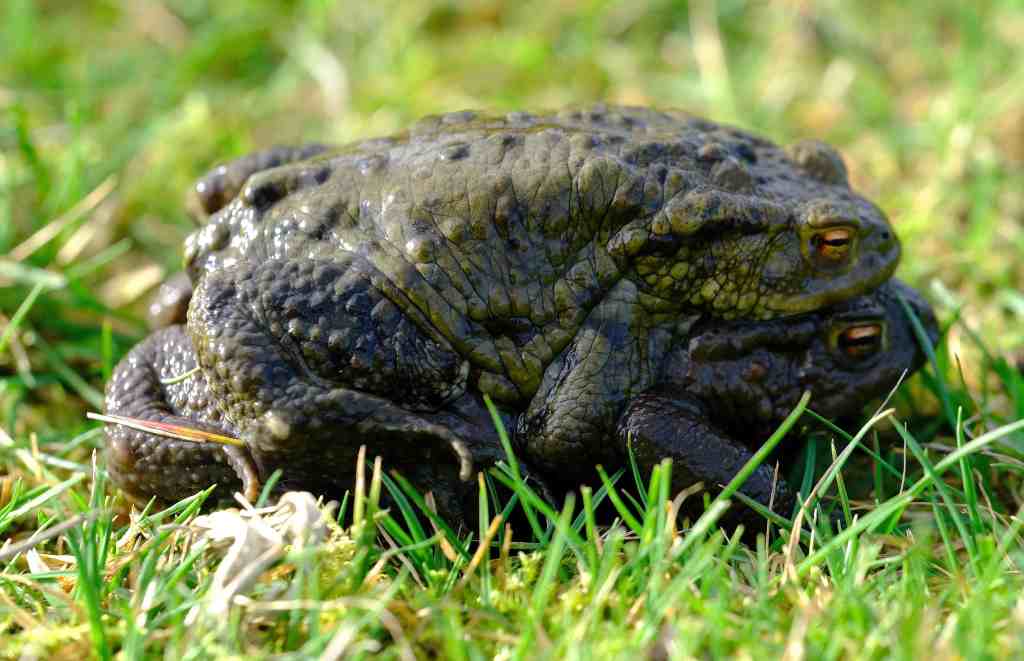
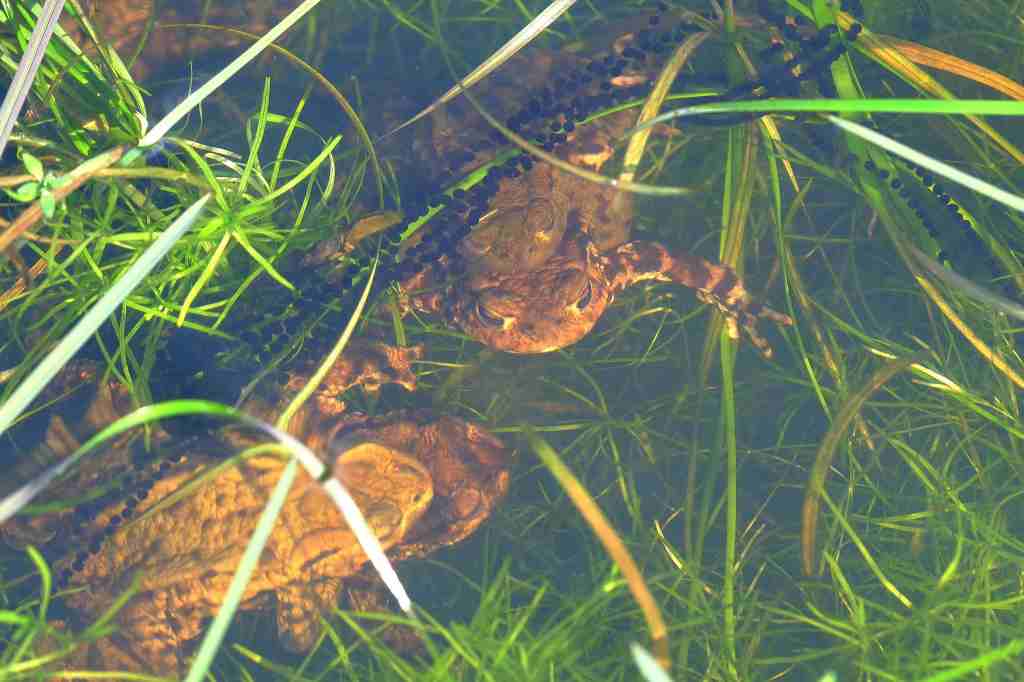
A short film showing the difference between Toad and Frog spawn. {Recorded in the New Forest this week.
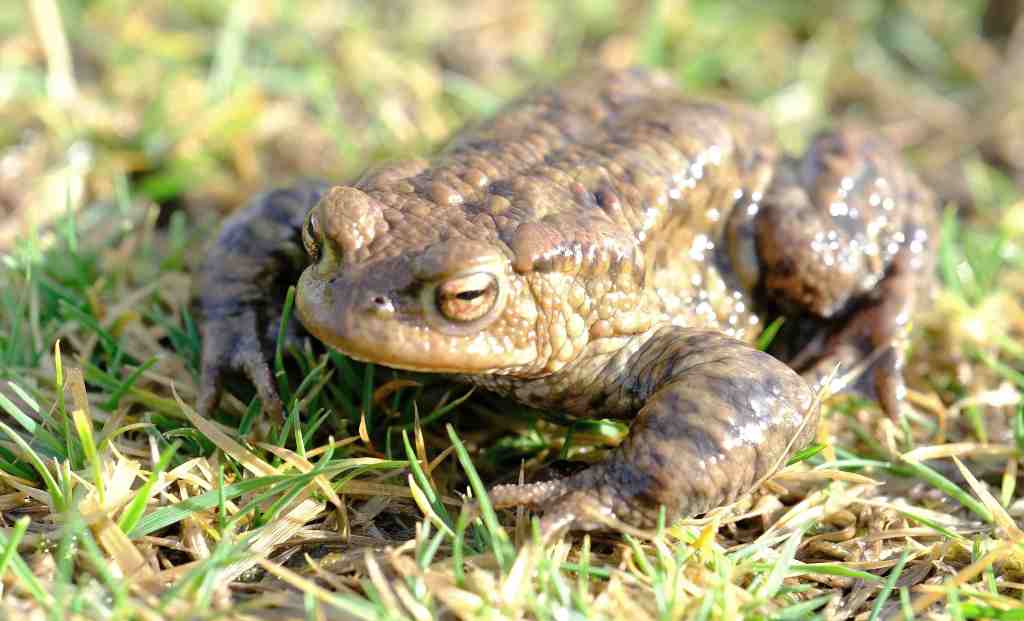
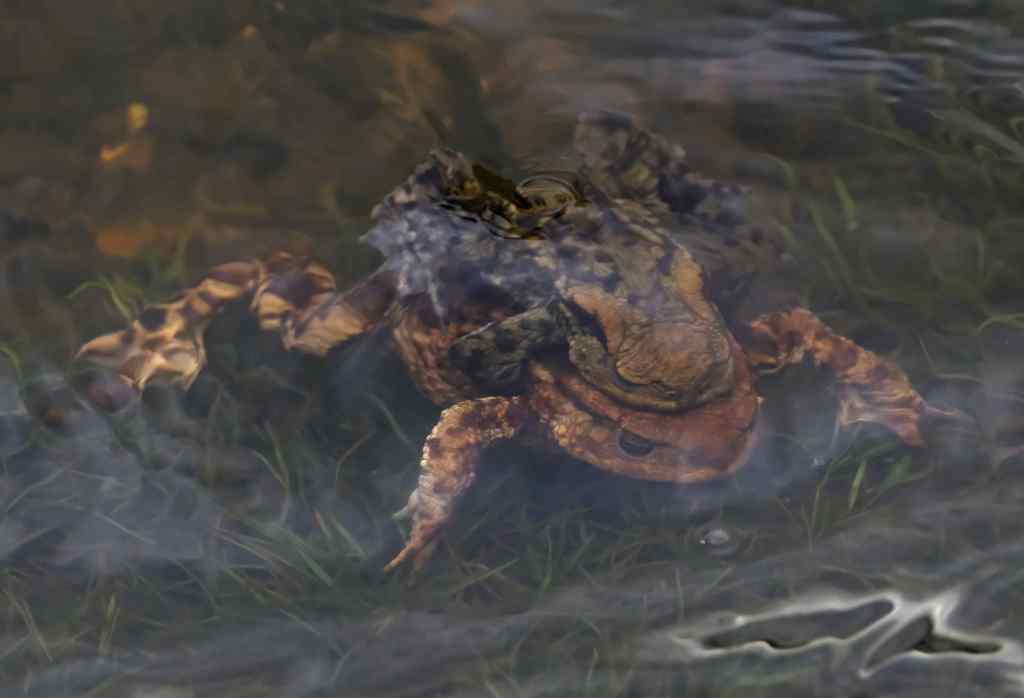
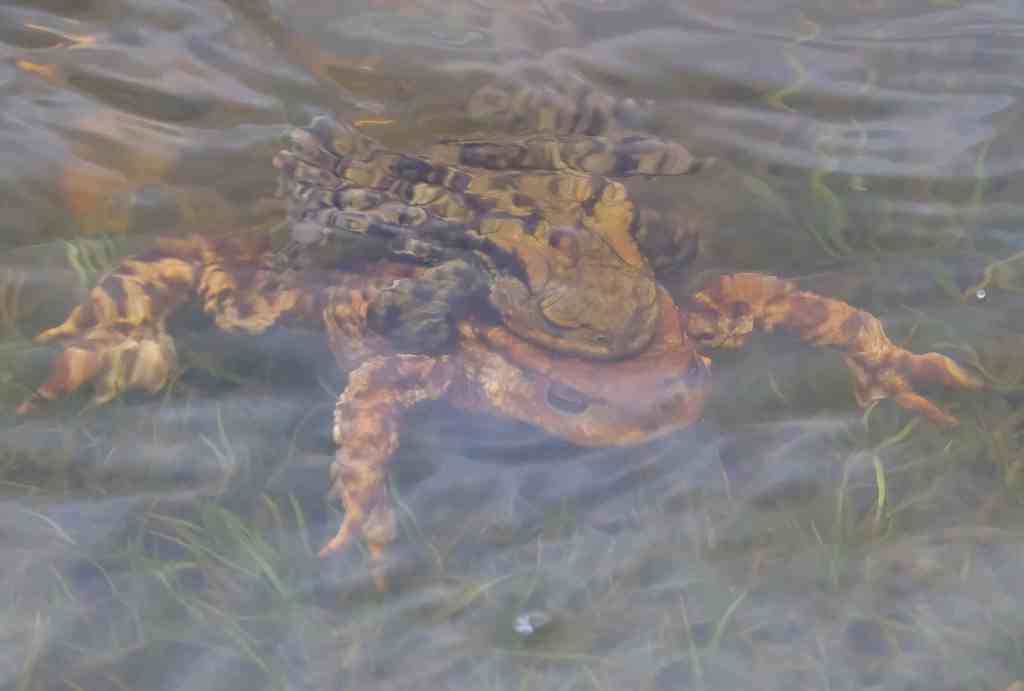
Toads are returning to their breeding ponds in the New Forest.
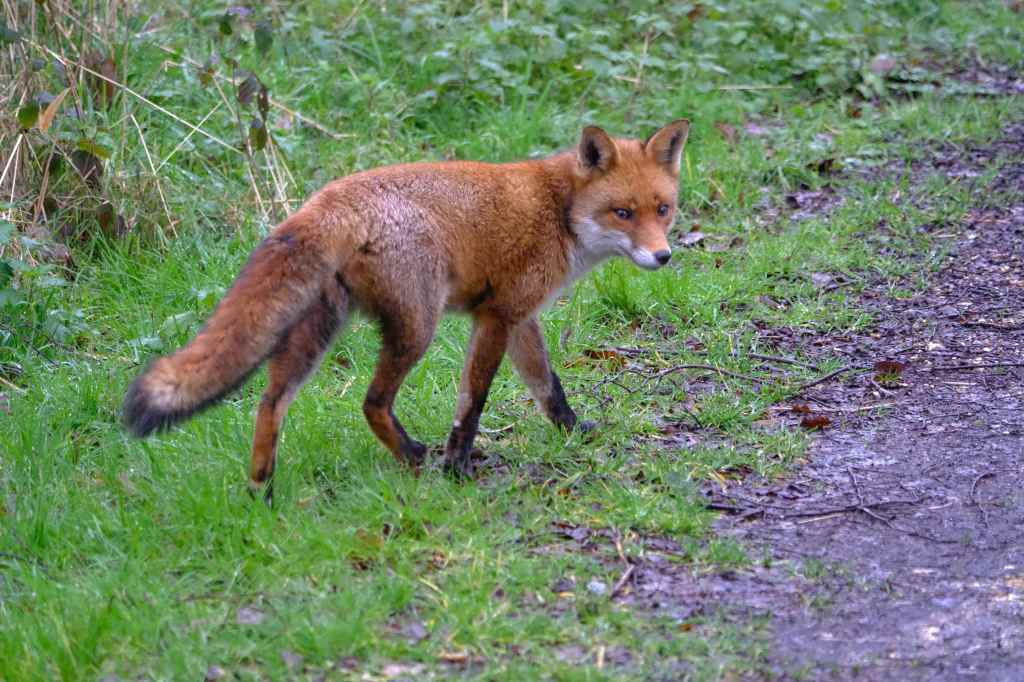
Close encounter of the fox kind. A photo-heavy post of a nice condition young fox while walking in the rain at Titchfield Haven Nature Reserve yesterday. Always nice to see, and even better when they just wander past when you stand still.
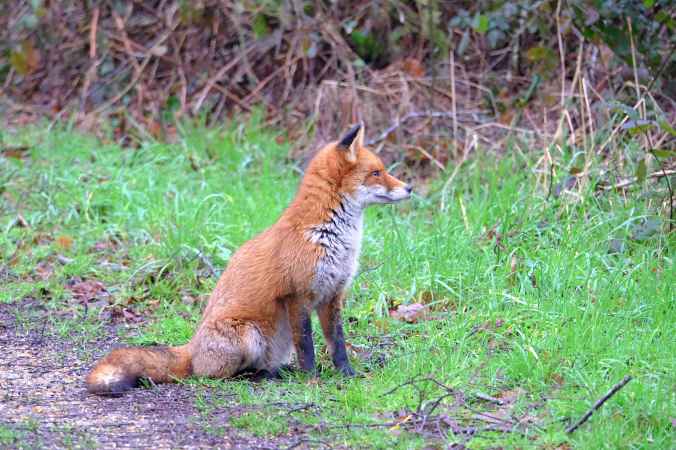
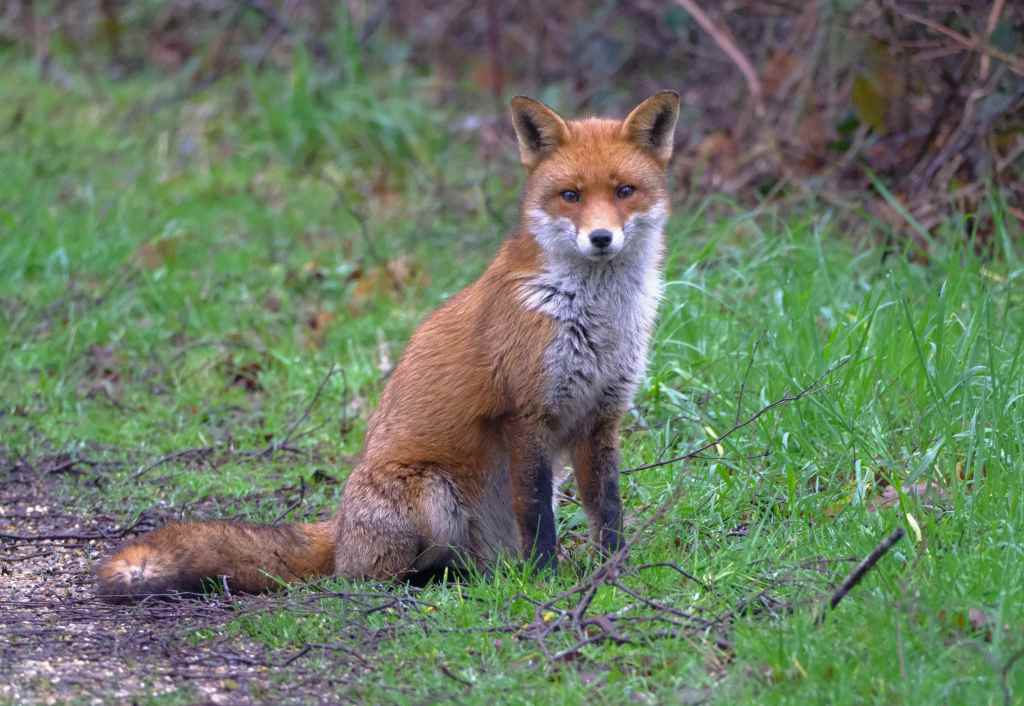

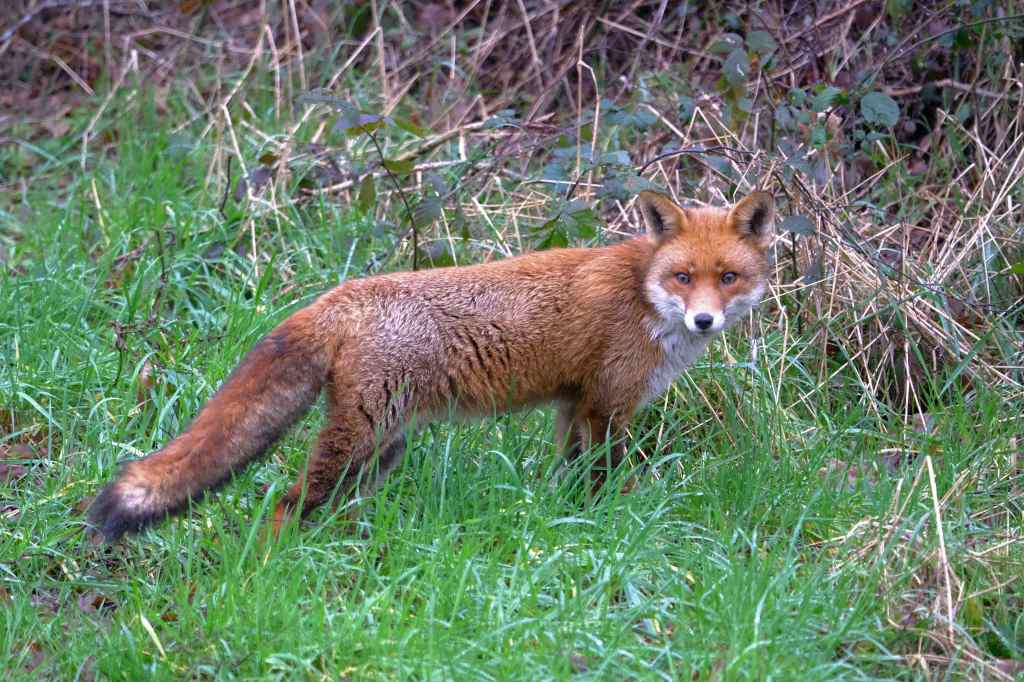
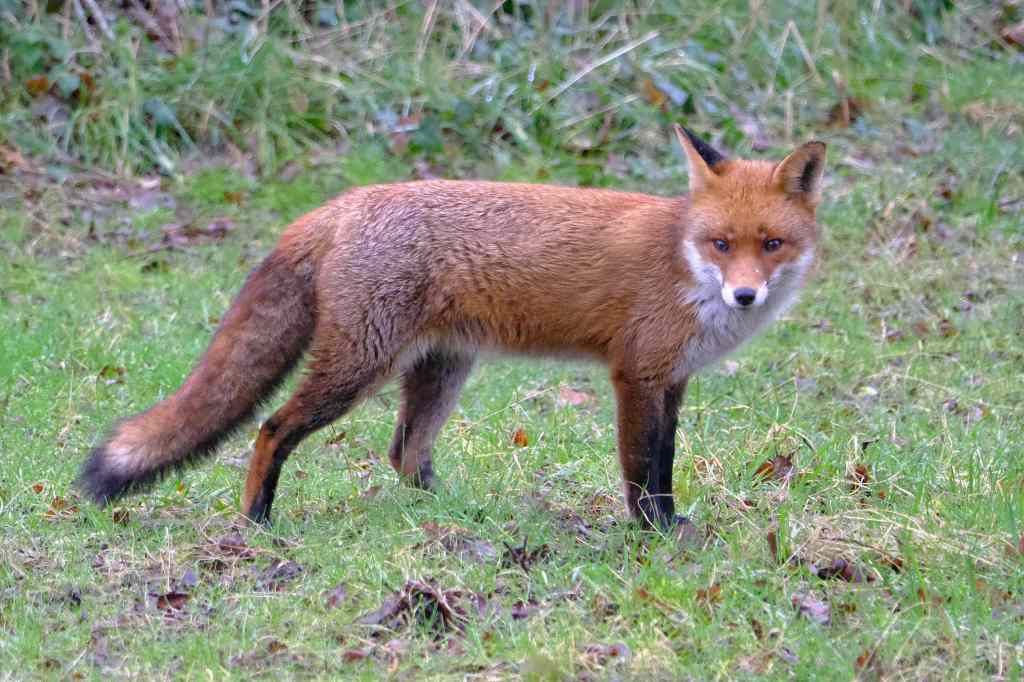
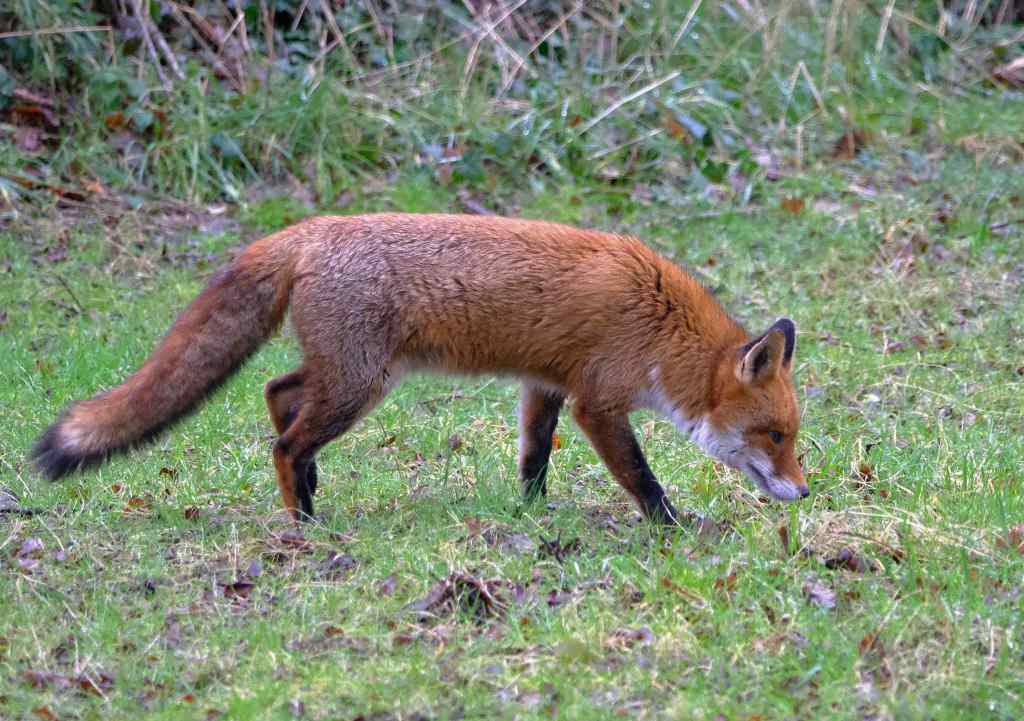
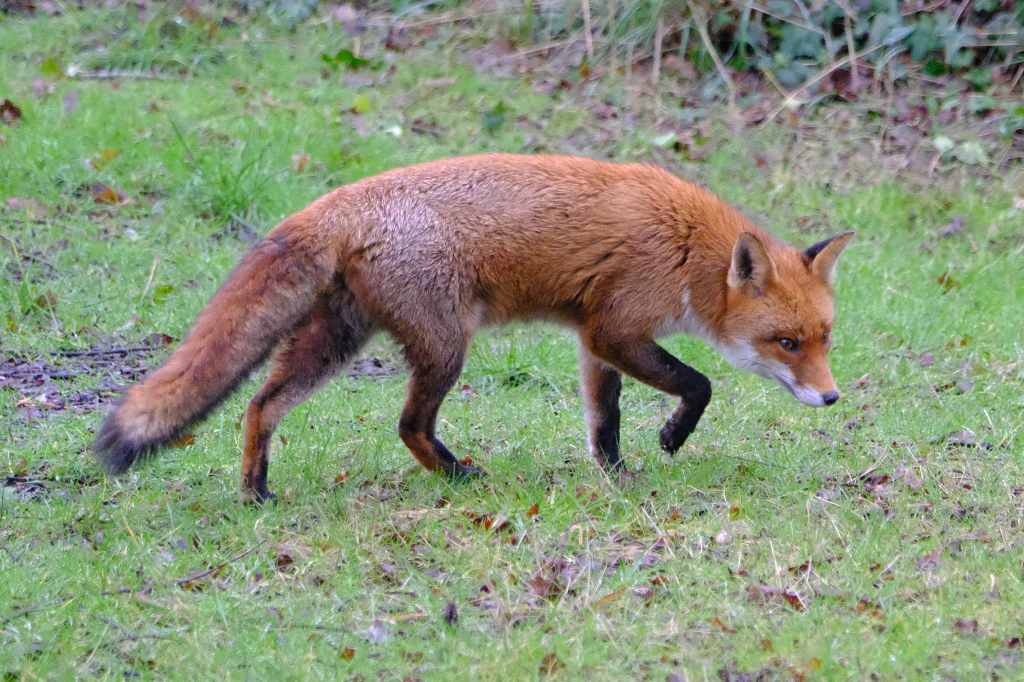
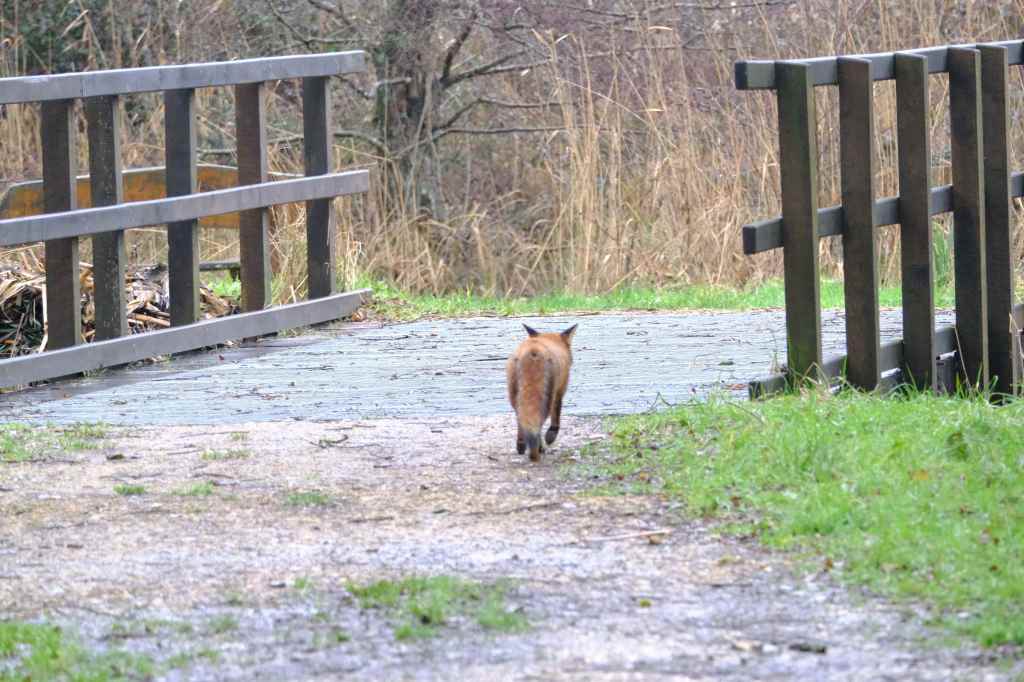
off she goes!
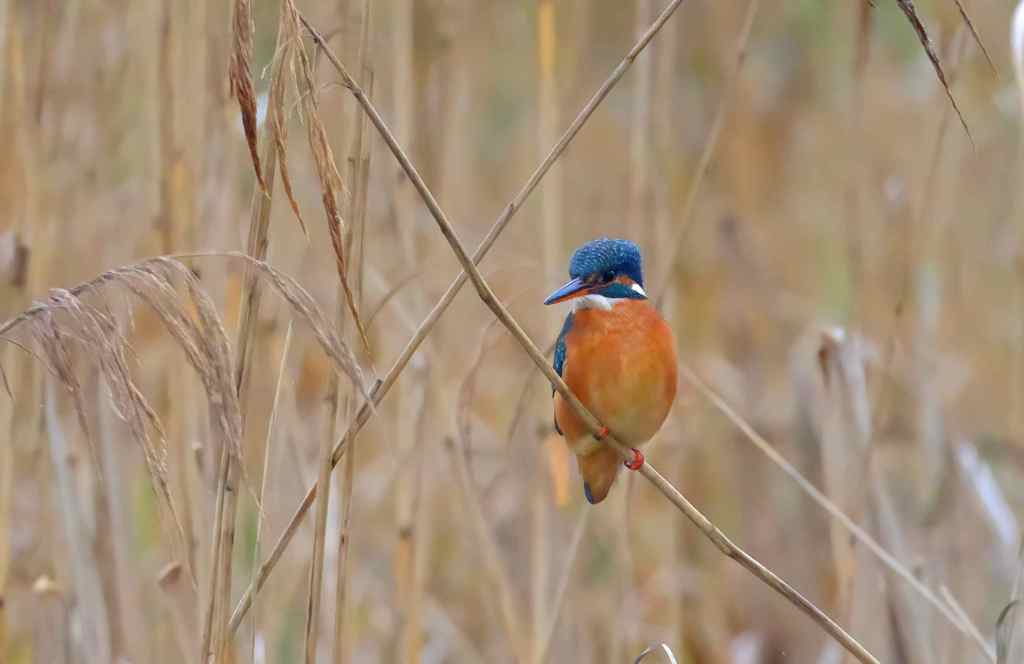
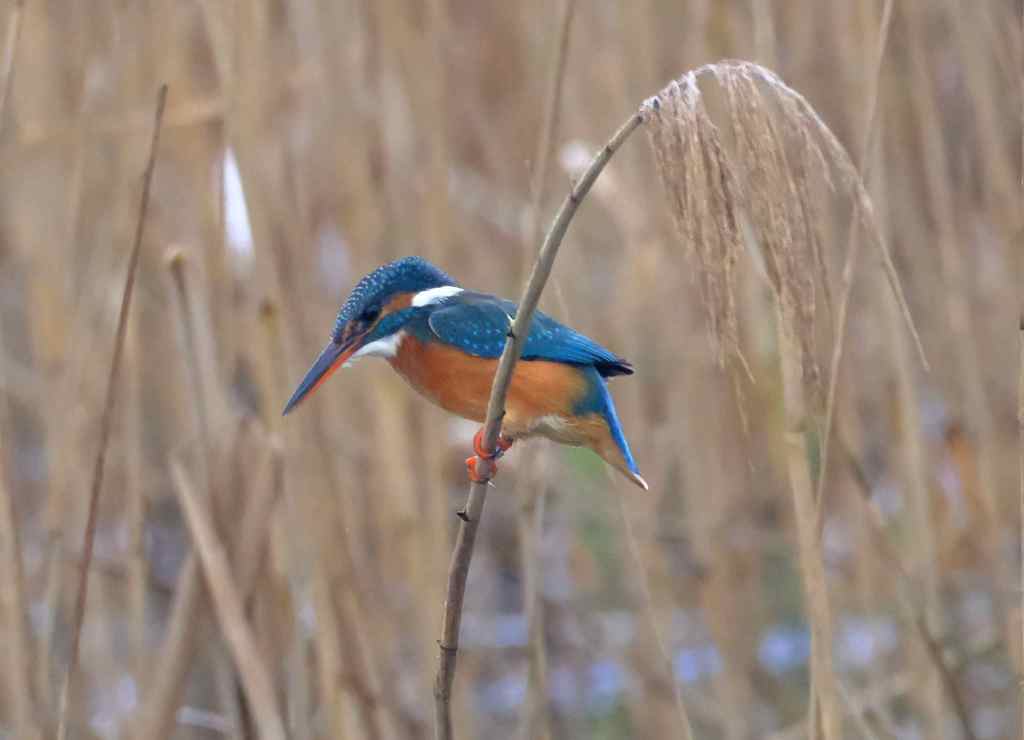
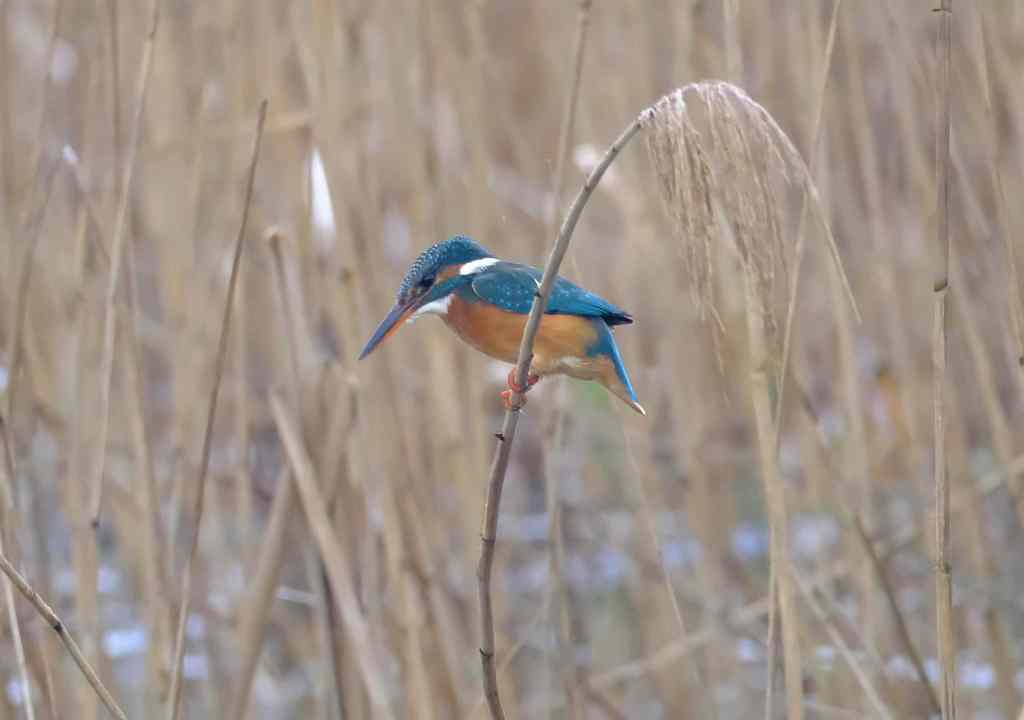
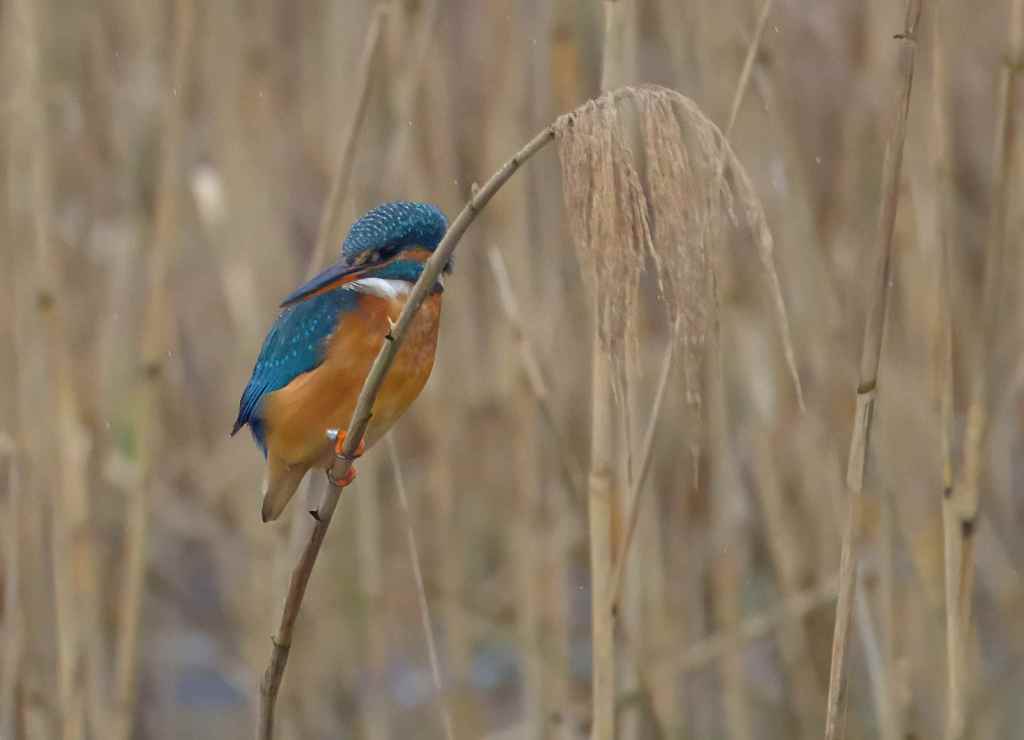
A female Kingfisher at Titchfield Haven this morning. I find it amazing how some birds can balance on very flexible perches.
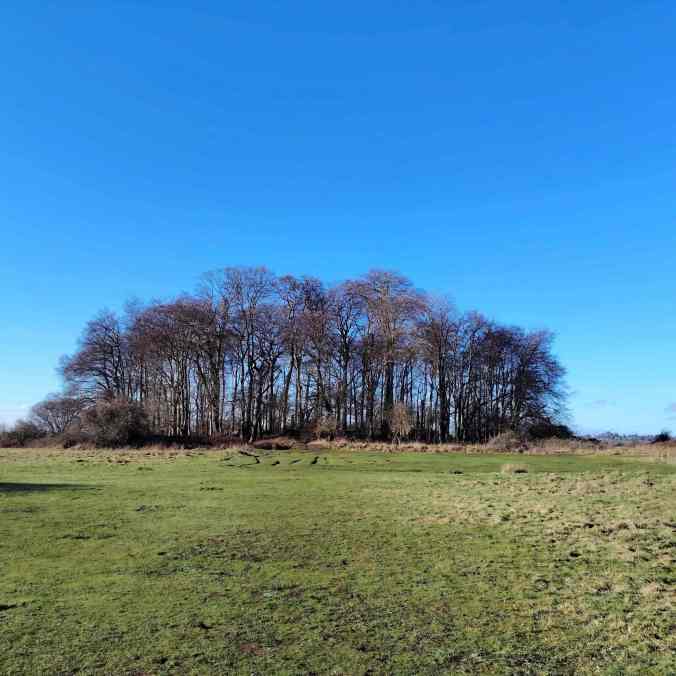
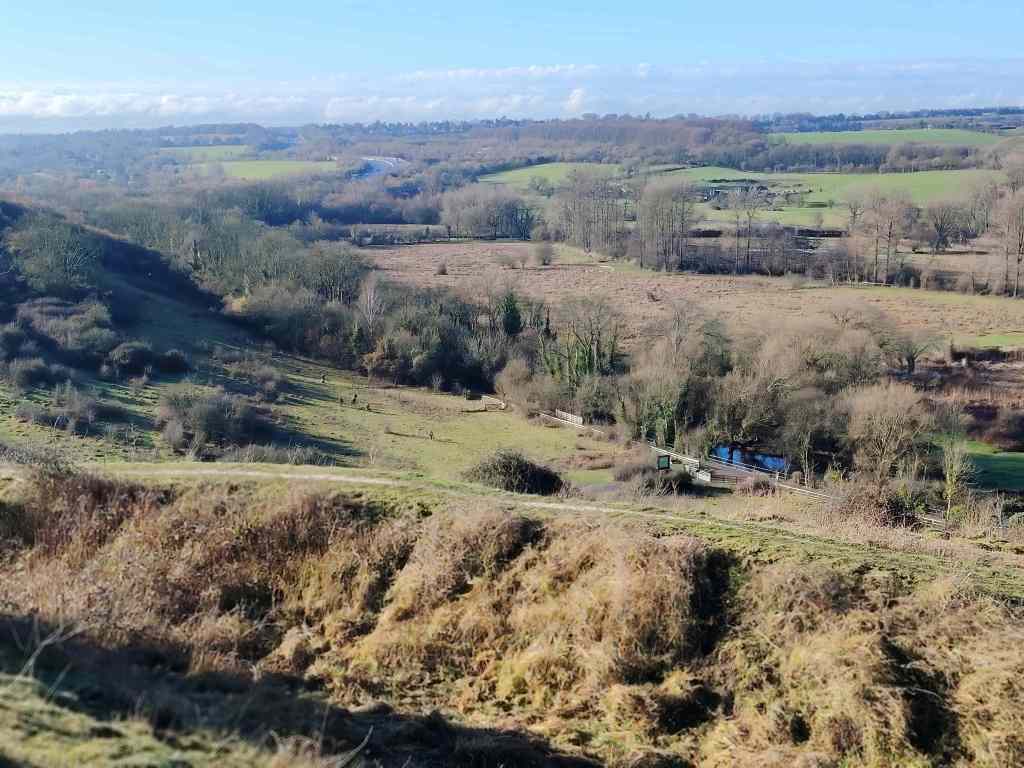
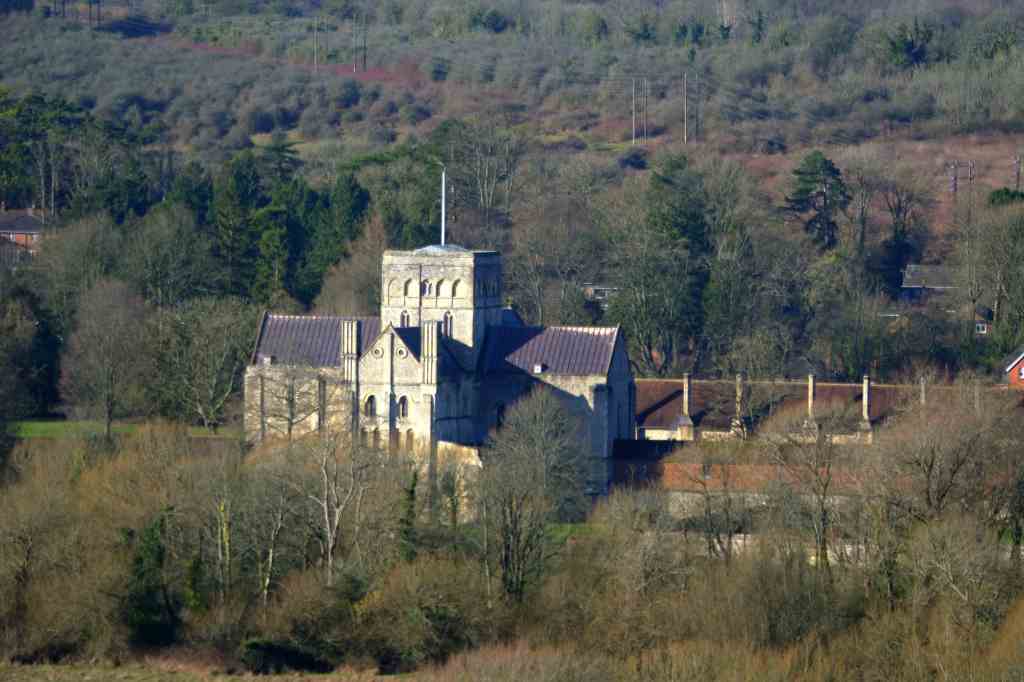
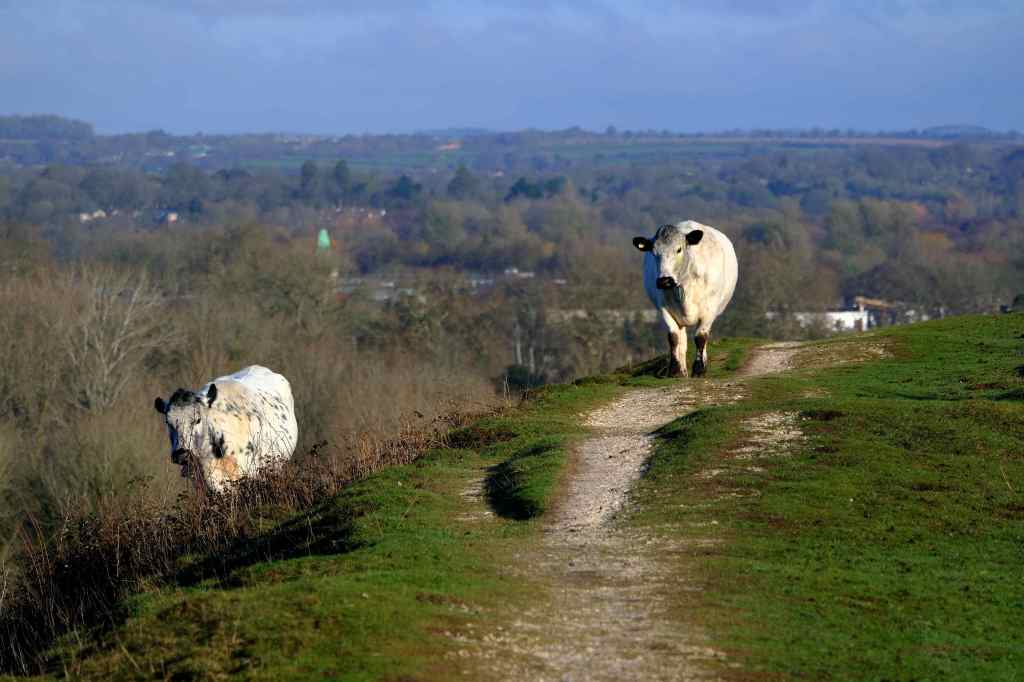
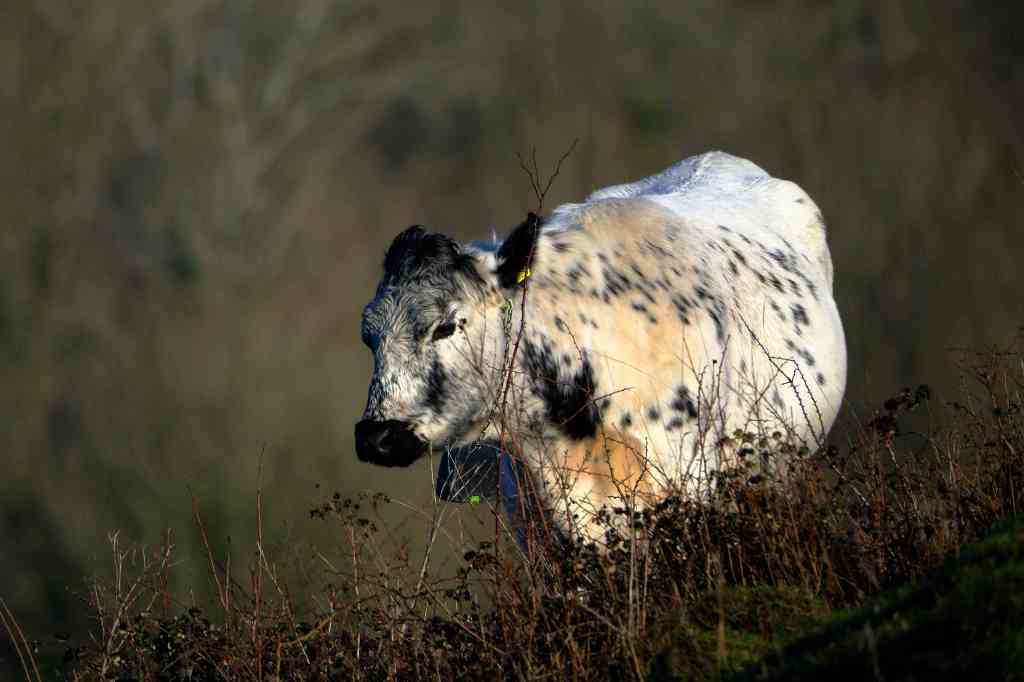
St Catherine’s Hill, Winchester, is a 58-hectare chalk grassland. It is a nature reserve managed by Hampshire & Isle of Wight Wildlife Trust. There are ramparts of the Iron Age hill fort cut into the 70m high hill, buried ruins of the Norman chapel that gives the site its name and several rectangular burial mounds along Plague Pit Valley, which mark the location of mass graves. It offers views over Winchester, the Itchen Valley and the surrounding countryside. As part of the management of the chalk grassland, cattle are used to help prevent scrub from building up.

 Continued Reflections from my World.