Return.

After Thursday’s visit to Swanick Lakes, we returned today for a longer walk. The site is 36 hectares. 
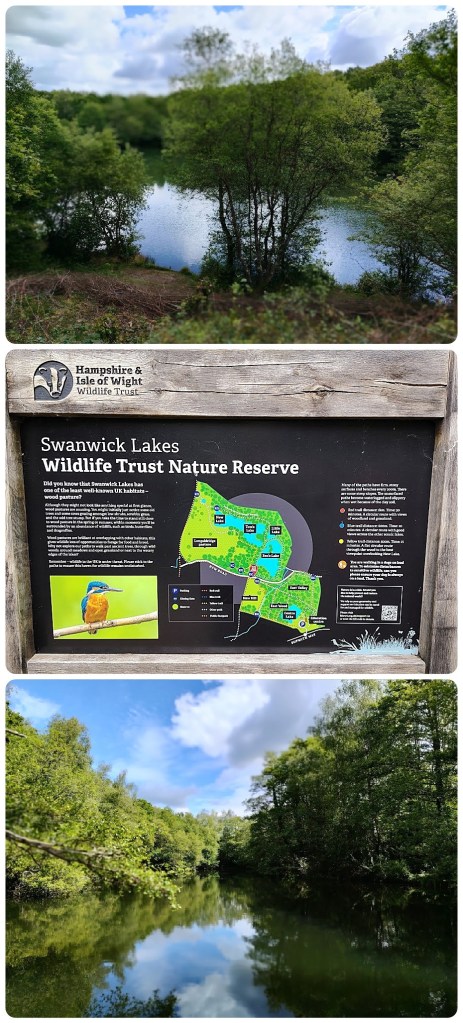
Clay has been extracted in the area since the late 19th century, with the first pit dug on the site in 1948. When extraction finished in 1974, woodland developed over much of the reserve.

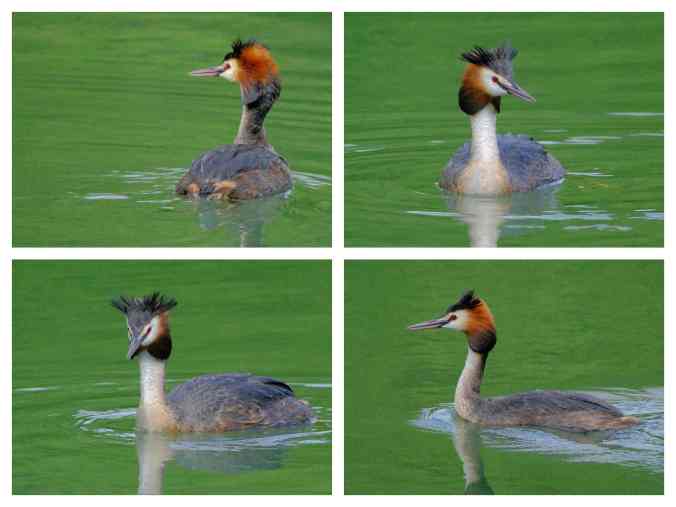
I filmed a Great Crested Grebe on a lake. The interesting part was when the bird spotted an insect, likely a dragonfly, and caught it, which I had never seen before. It was also nice to film how the bird lowers its crest before diving.
Lake side.

A short visit to Swanwick Lanes this afternoon, Swanwick Lakes, once clay pits for a Burseldon Brickworks, now a mixture of woodland, lakes and meadows. A nature reserve managed by Hampshire & Isle of Wight Wildlife Trust since 1991.

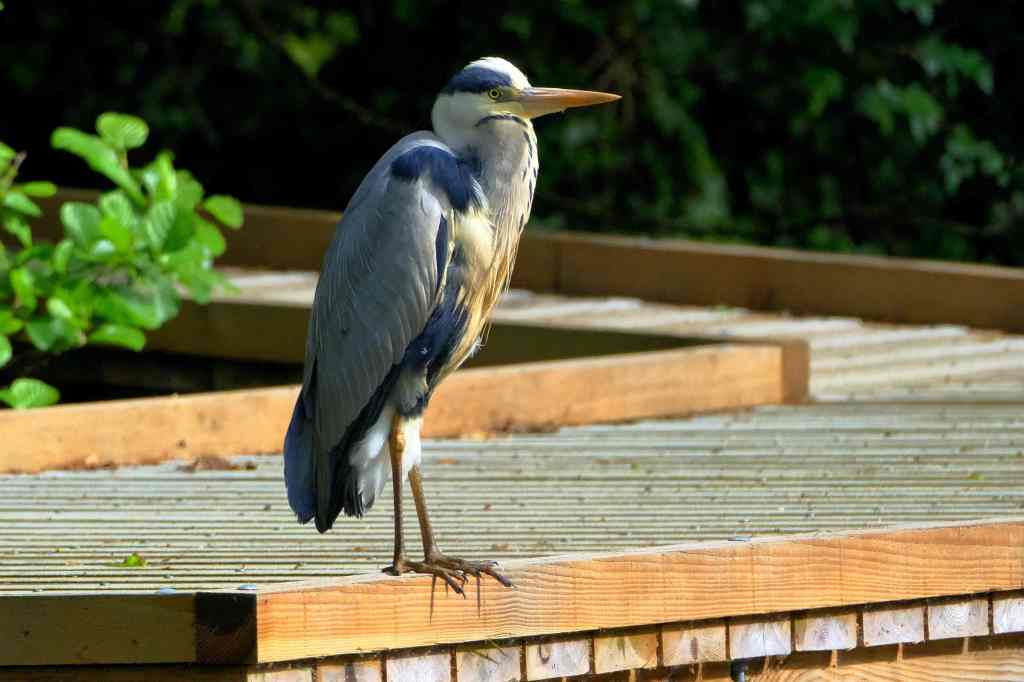
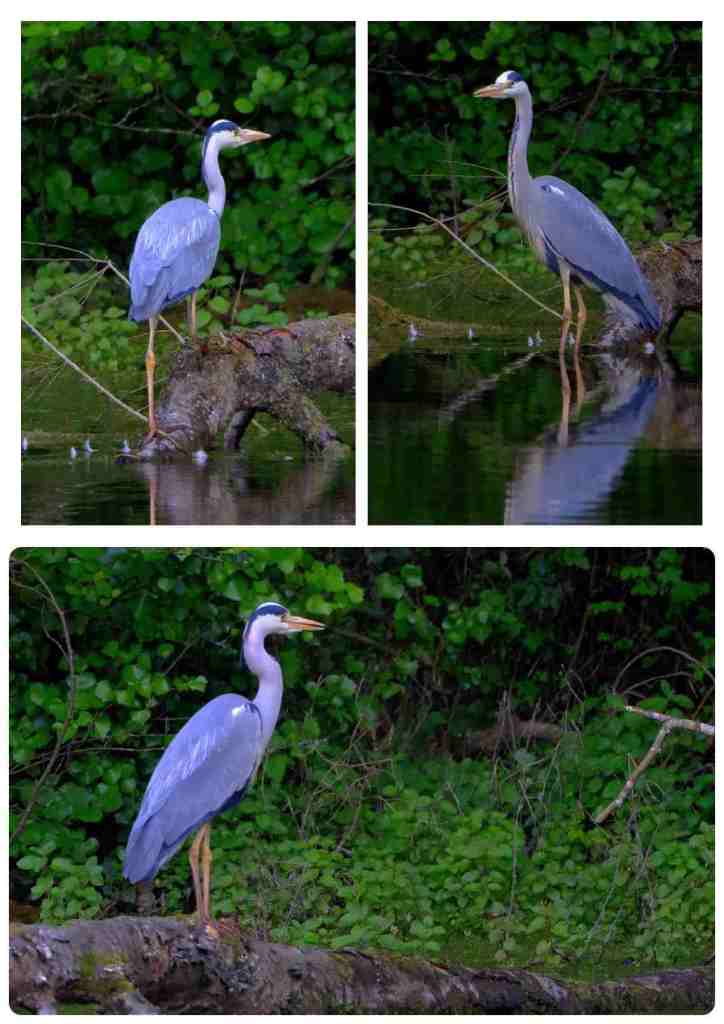
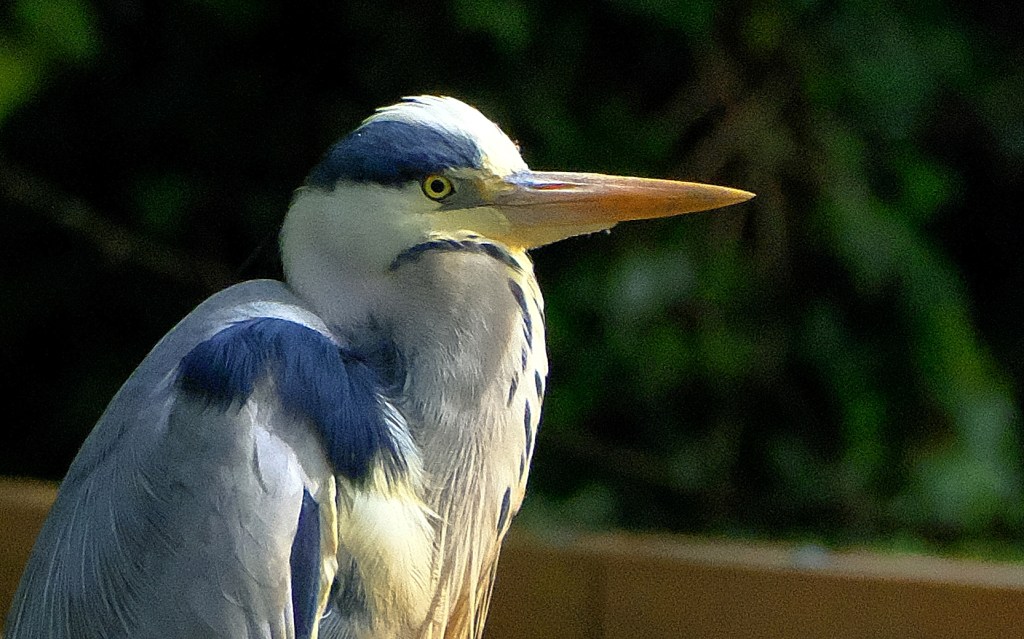
Grey Heron.

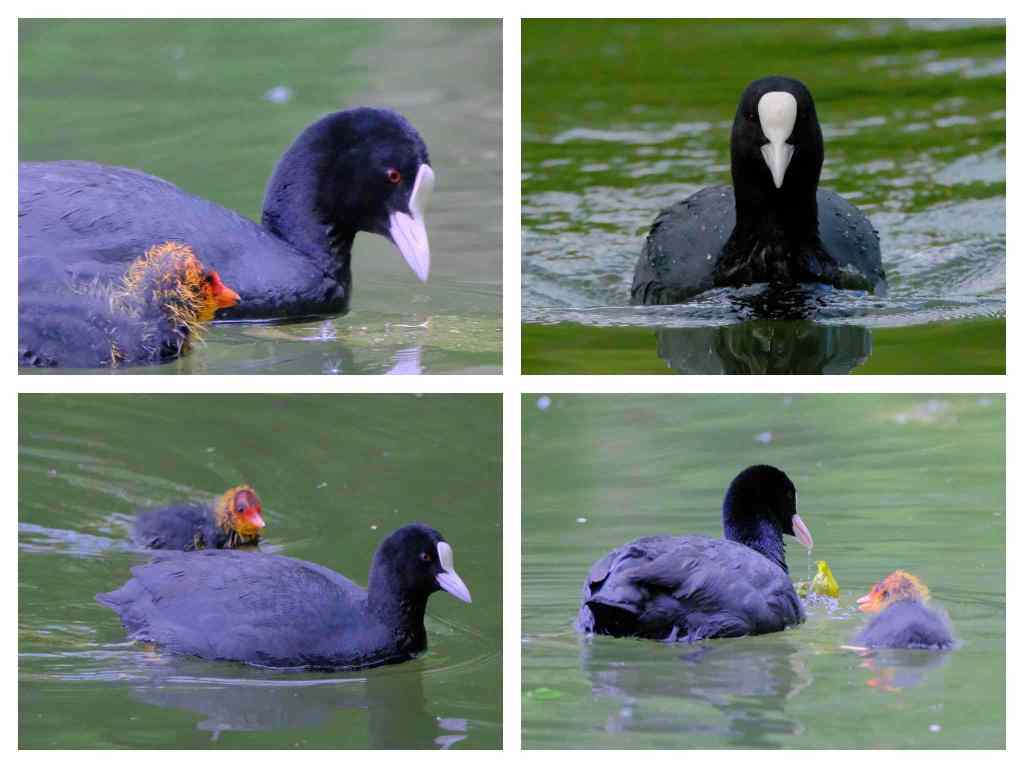
Coot.

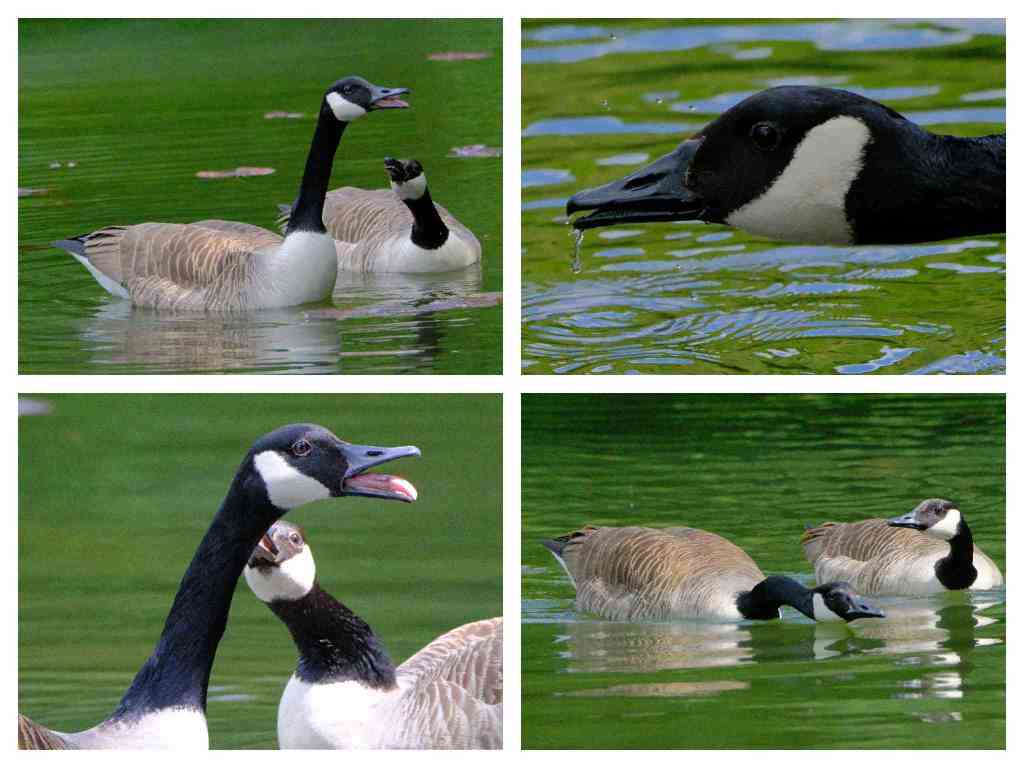
Canada Goose.

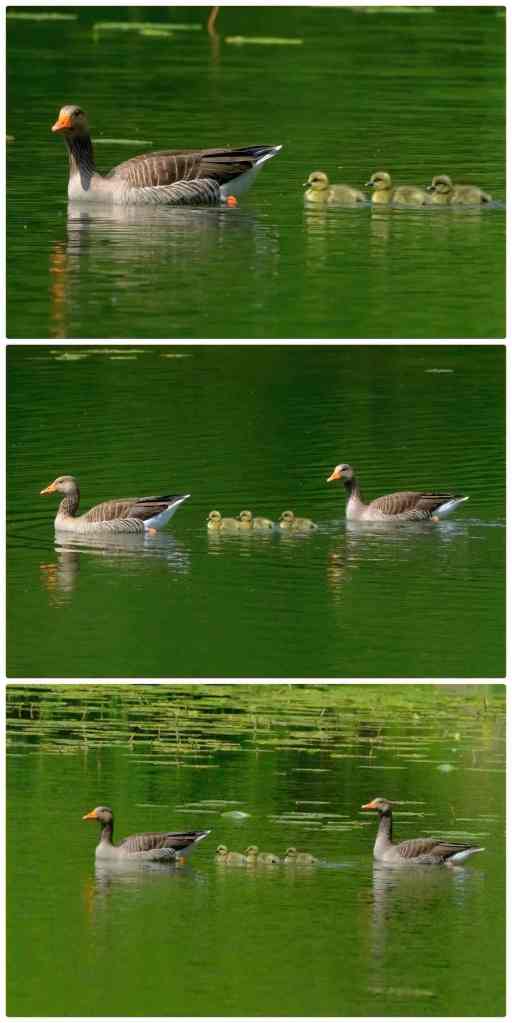
Greylag.
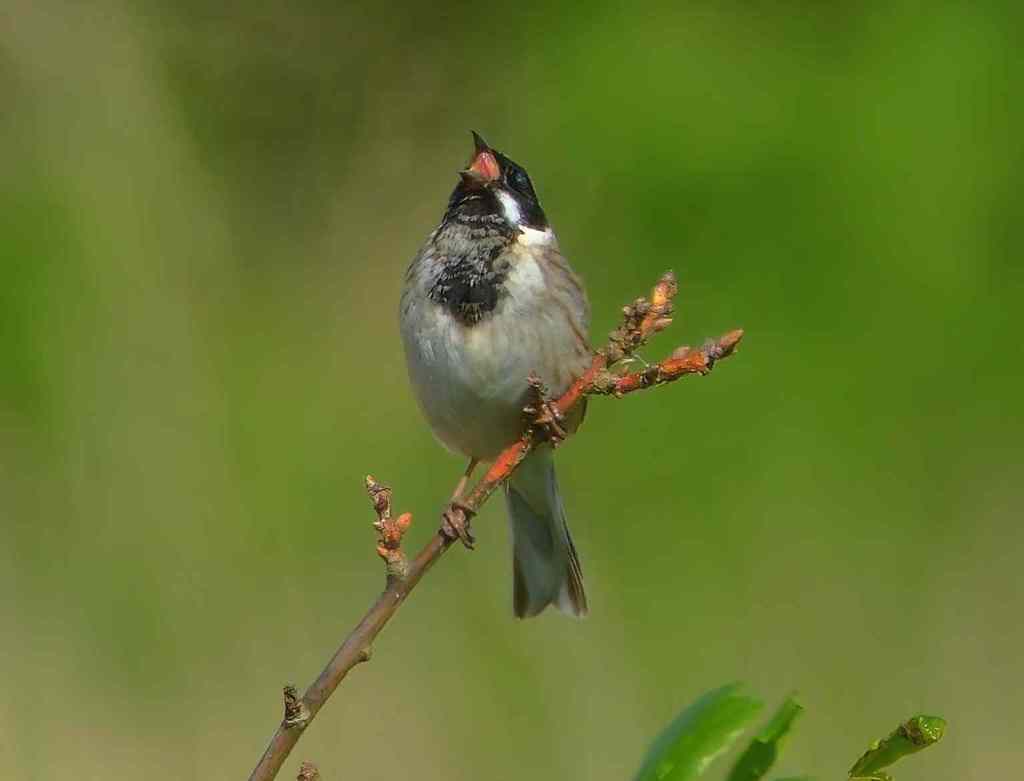
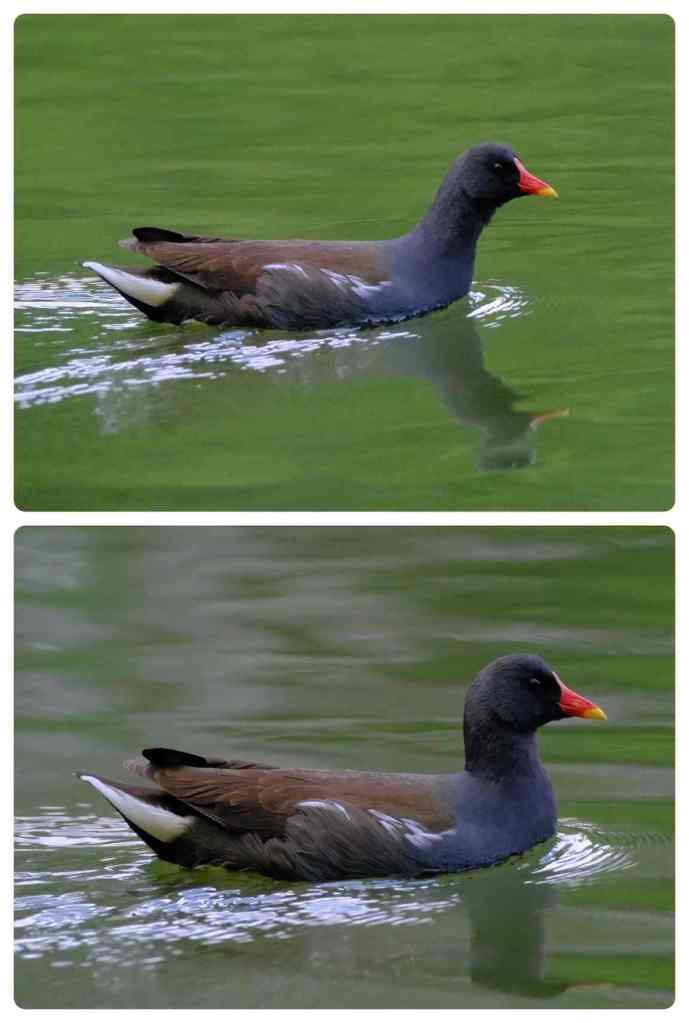
Moorhen.

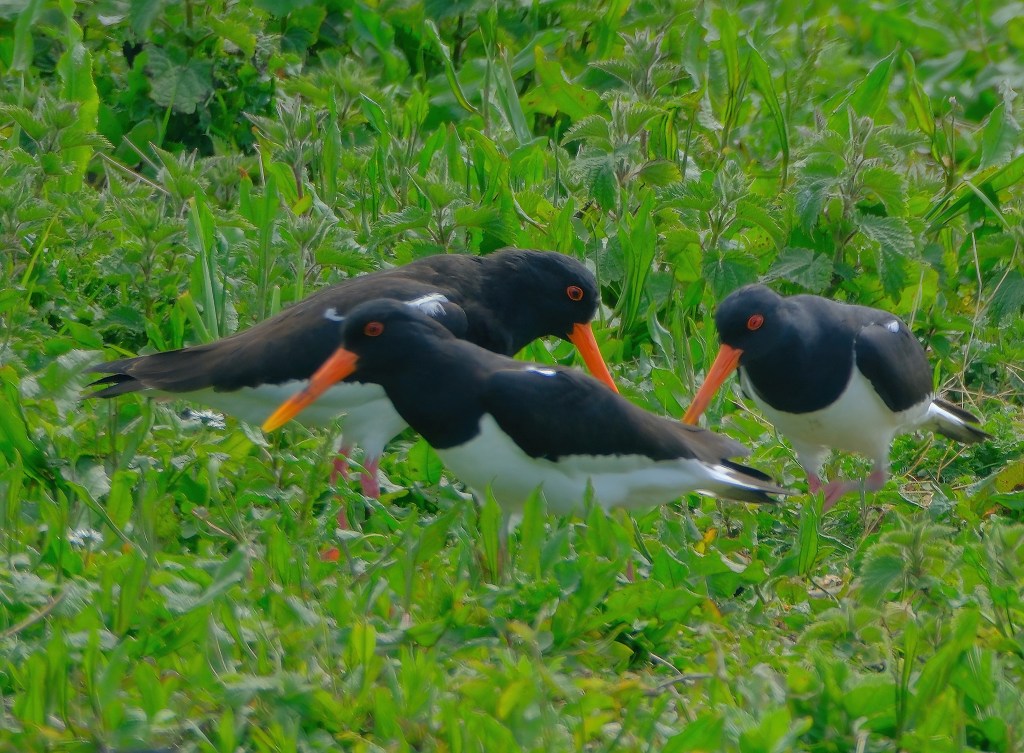
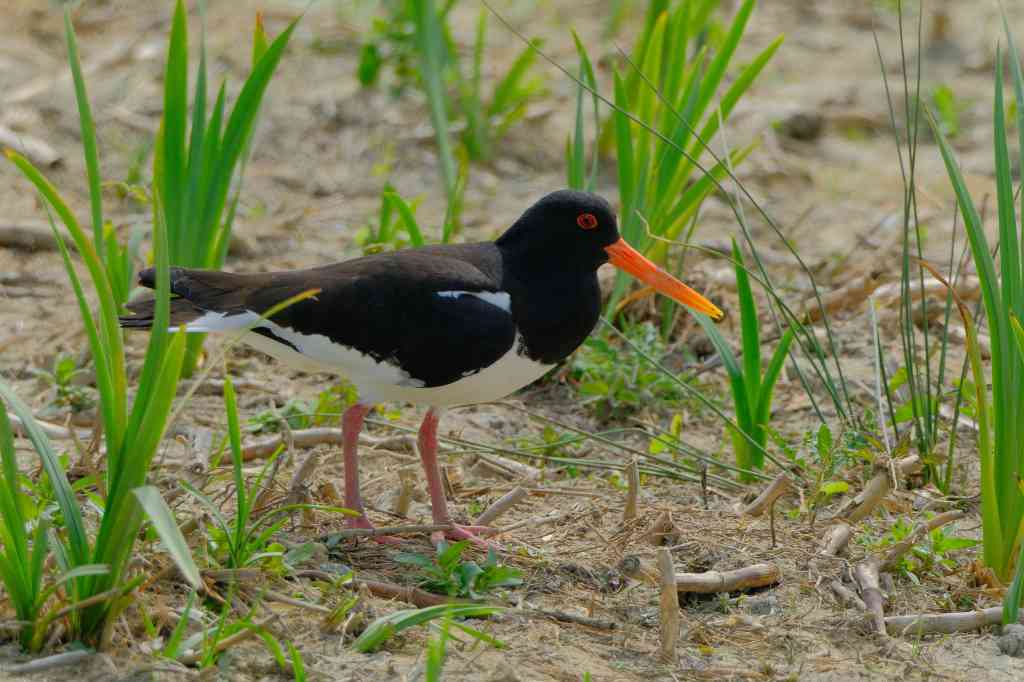
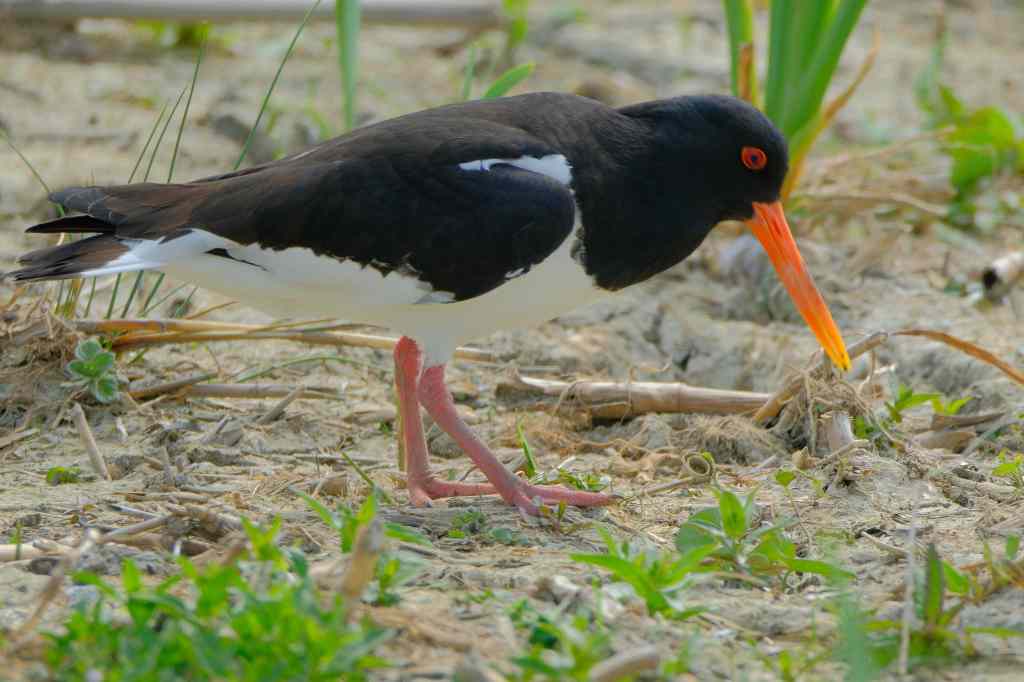
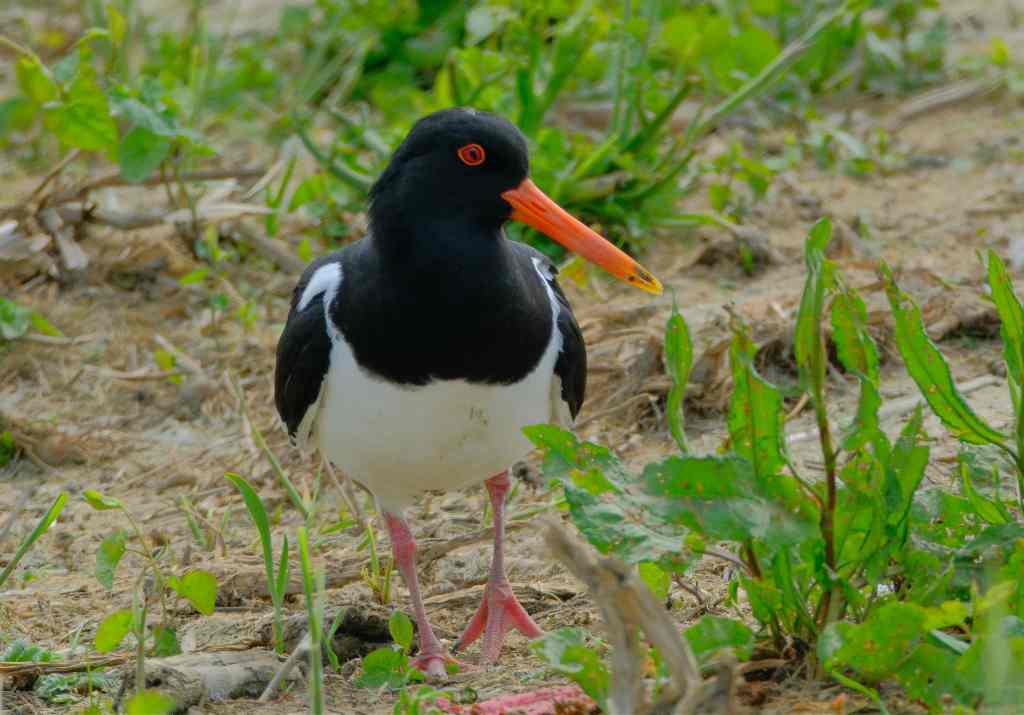
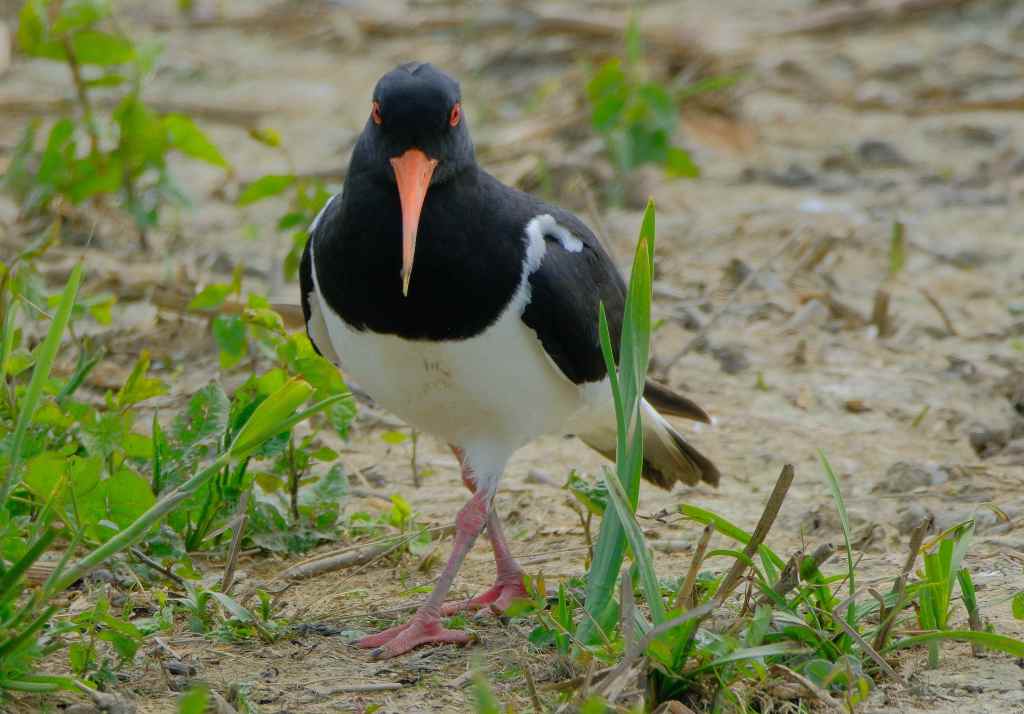
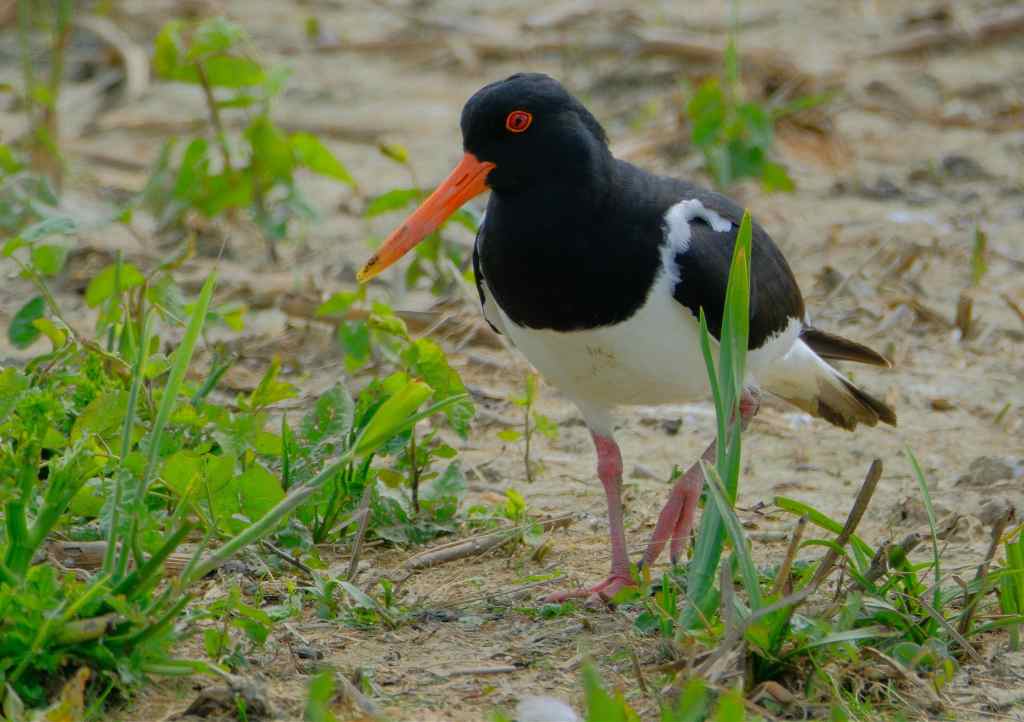
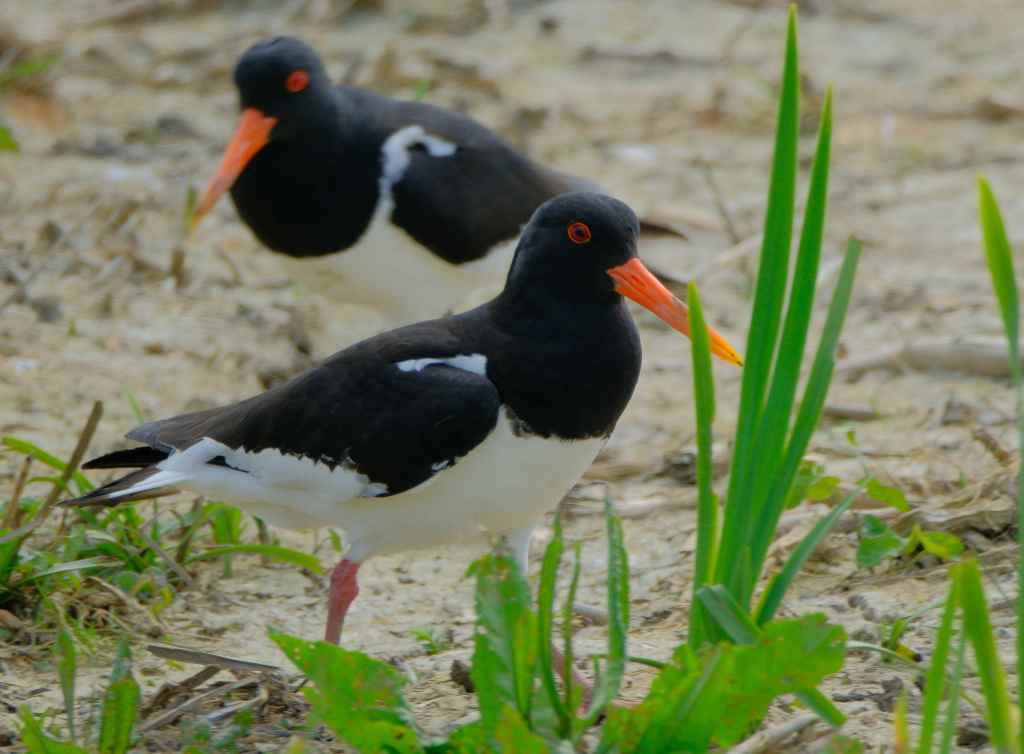
Oystercatchers.

Oystercatchers are a fascinating group of waders forming the family Haematopodidae, which has a single genus, Haematopus. These striking birds are renowned for their long, colourful bills and distinctive black-and-white plumage, which makes them easily recognisable. They inhabit a variety of coastal environments, from sandy beaches to rocky shores, and can be found on coasts worldwide, {apart from the polar regions and some tropical regions of Africa and South East Asia.} Oystercatchers’ feeding habits are primarily molluscs, such as oysters and clams, which they expertly pry open with their specialised bills. Their social behaviour often includes foraging in groups, and during breeding season, they exhibit strong territorial instincts, defending their nests against intruders while also participating in elaborate courtship displays to attract mates. These birds were in Titchfield Haven Nature Reserve this morning.