Month: July 2026
Wasp Spiders.
My first Wasp Spiders I have seen for a while.
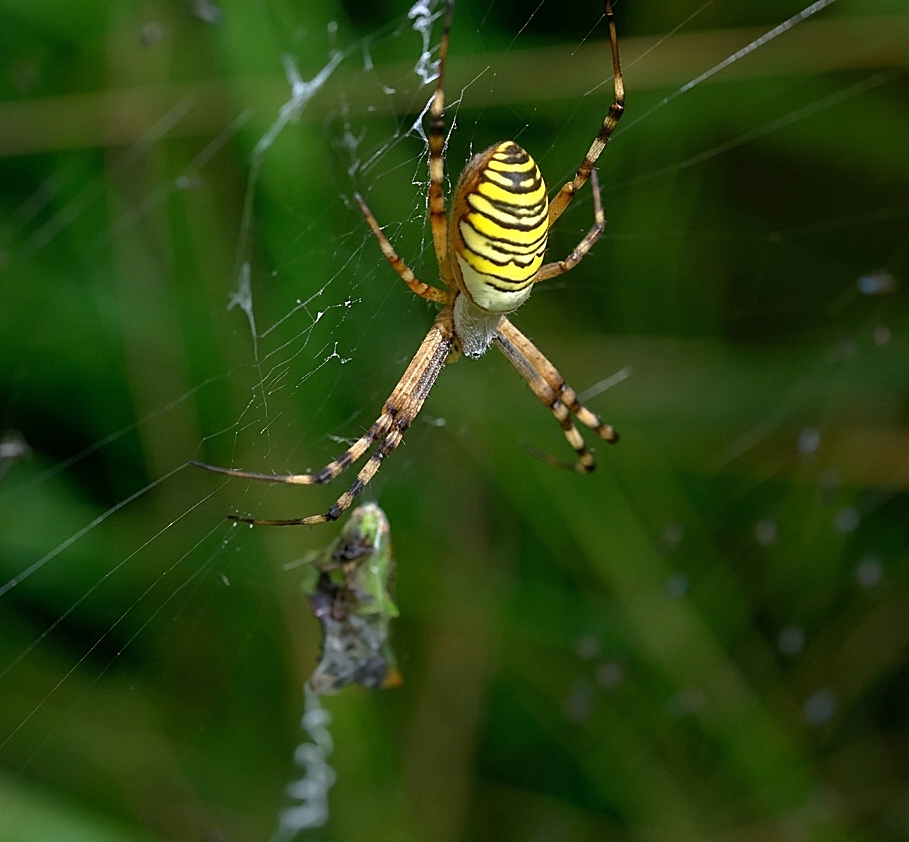
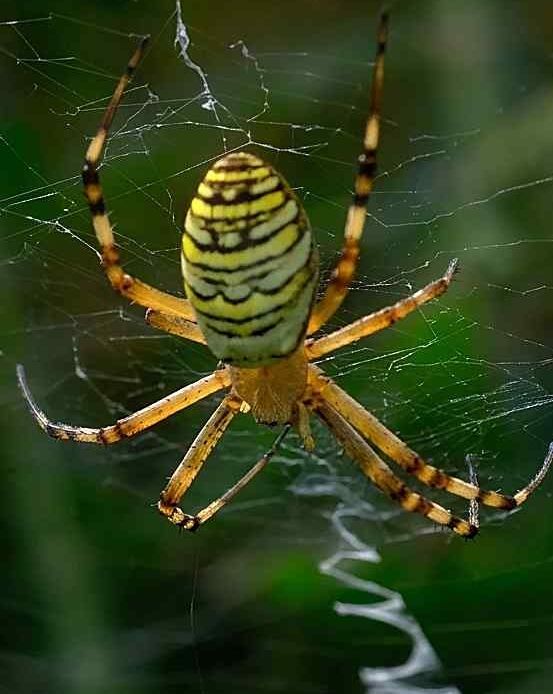
Today made up for it, and I saw a good number. The female wasp spider has yellow, black and white stripes, just like a common wasp. Its legs are also striped. The male is smaller and pale brown.
The 1st picture shows a female spider with a grasshopper wrapped up, ready to be eaten.
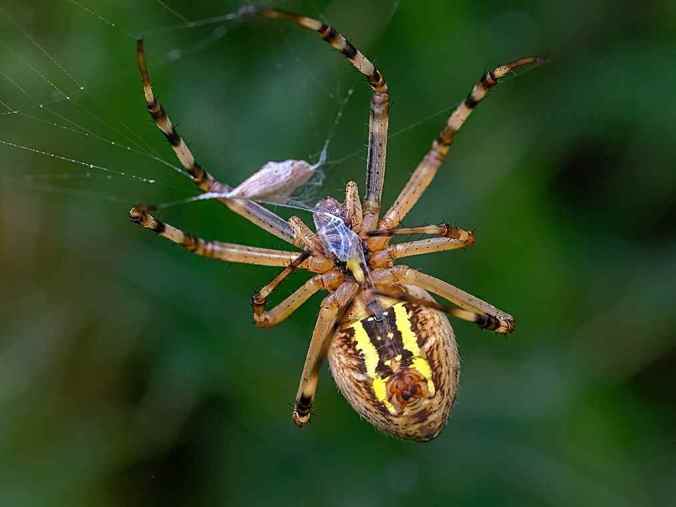
This time, an underside view with prey.
Mating is a dangerous game for males; they wait at the edge of the web until the female has moulted into a mature form, then take advantage of her jaws being soft and nip into mate. However, many males still get eaten during this time. (The male is smaller and pale brown.) The next pictures shows that this female has killed another and will be eating her, something I have not seen before.
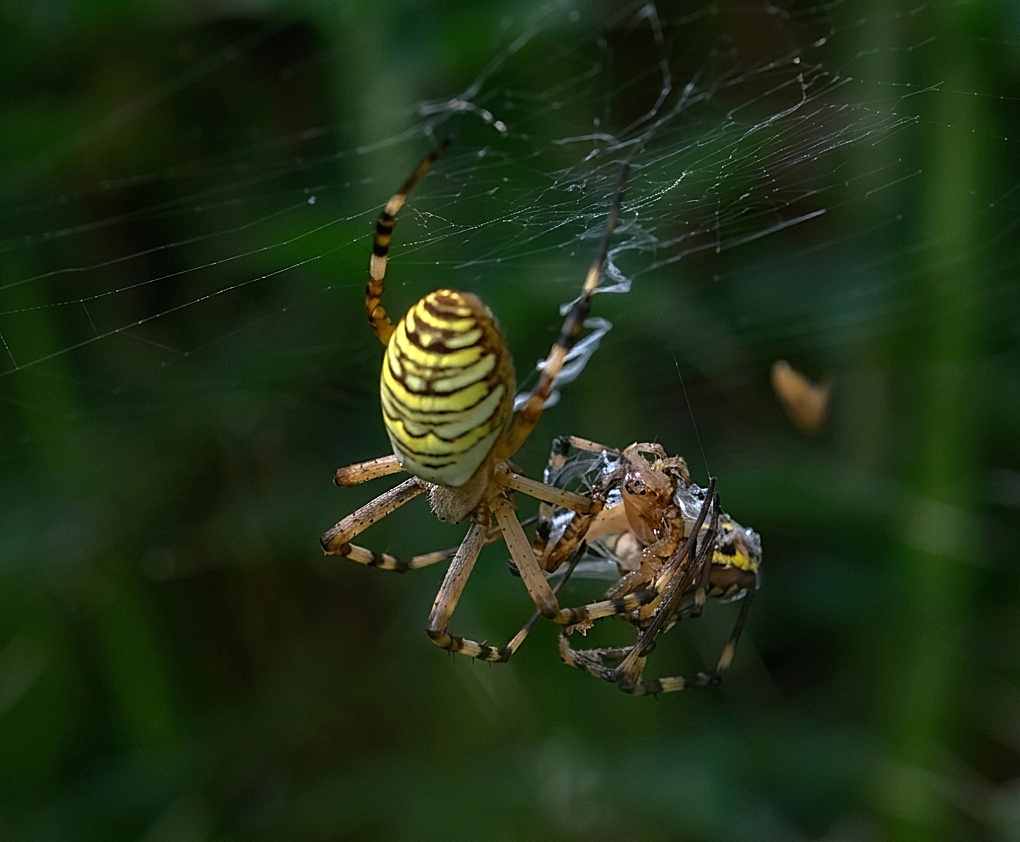
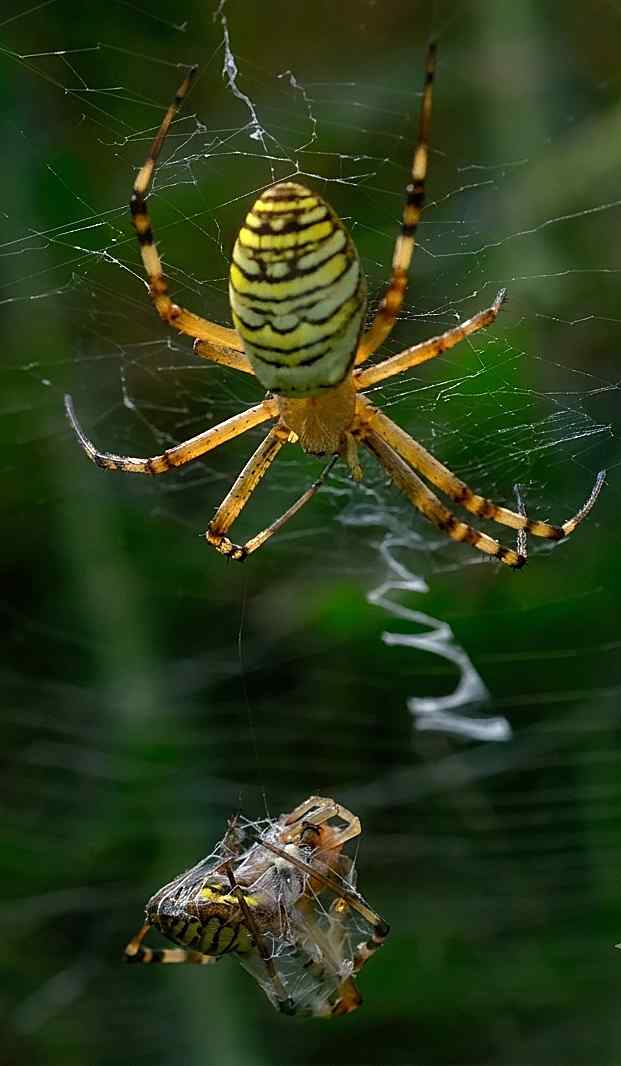
Some smaller meals.
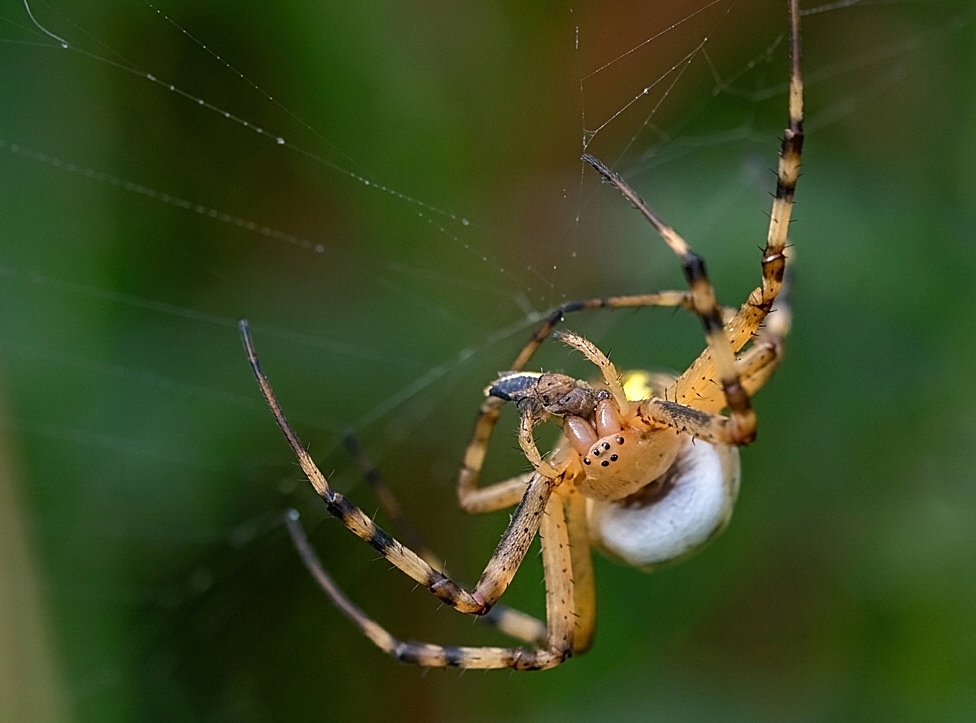
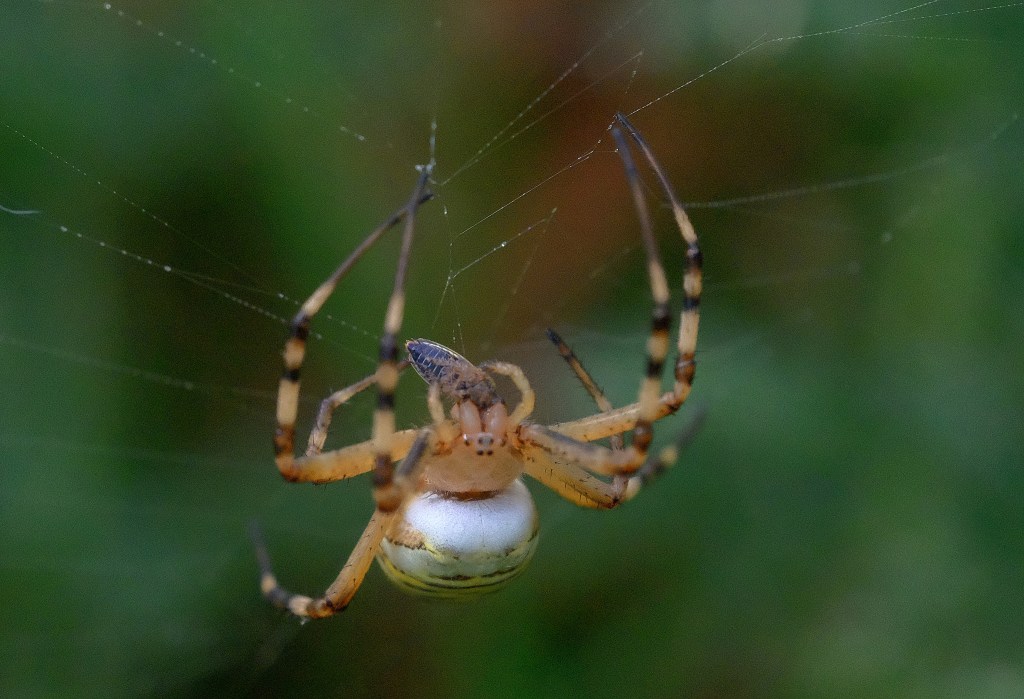
Footnote.
Theories About the Zig-Zag Pattern
Warning for large animals: The thick white silk makes the web easy to see so that passing birds, deer, or humans notice it and do not crash into it.(think this is a bit of a non-starter!)
Attracting prey: The silk reflects ultraviolet light in a way that might mimic flowers and lure hungry insects closer.
Camouflage: The design may break up the spider’s outline or hide its body from sharp-eyed predators.
A long-held misconception: People once thought the pattern added physical strength to hold up the web, but researchers found that the silk is too loosely attached to provide stability.
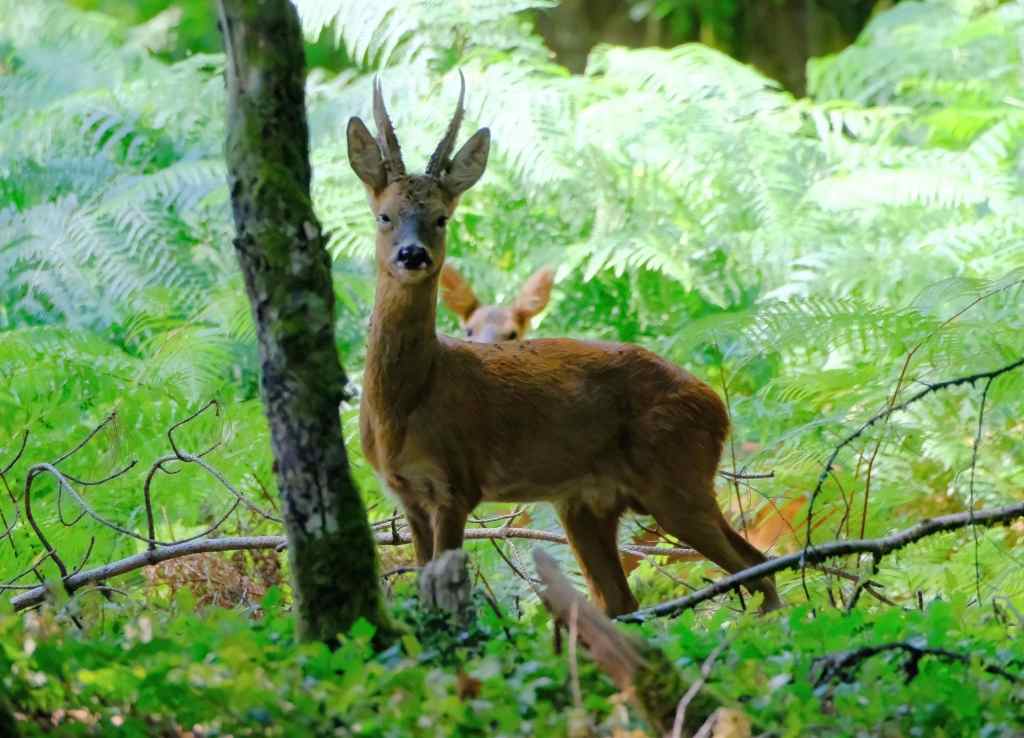
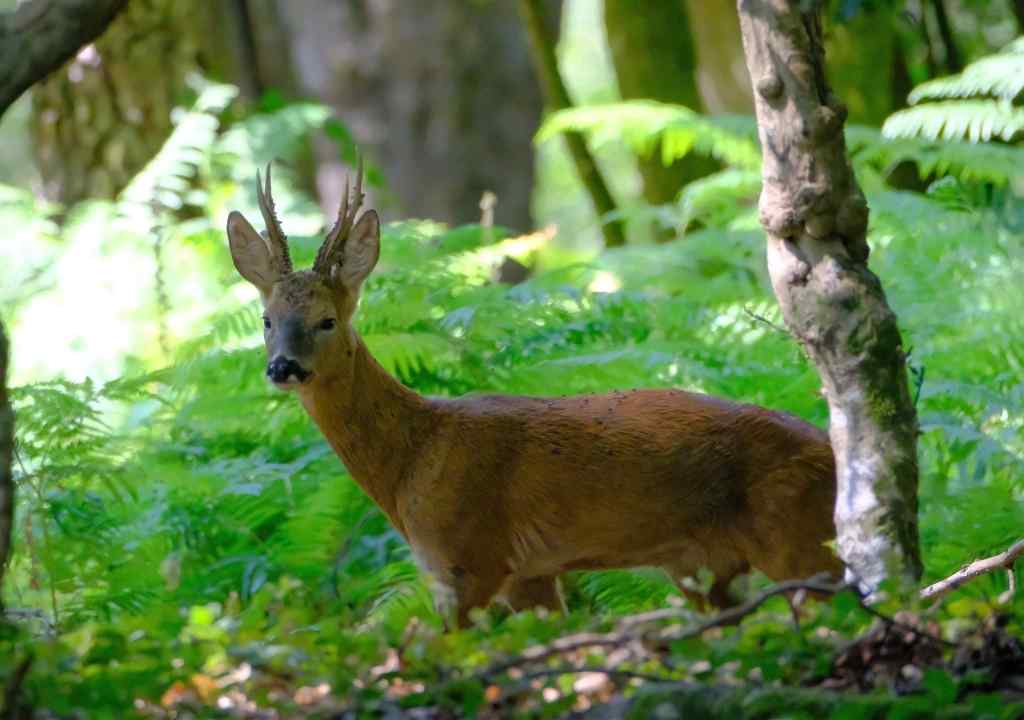
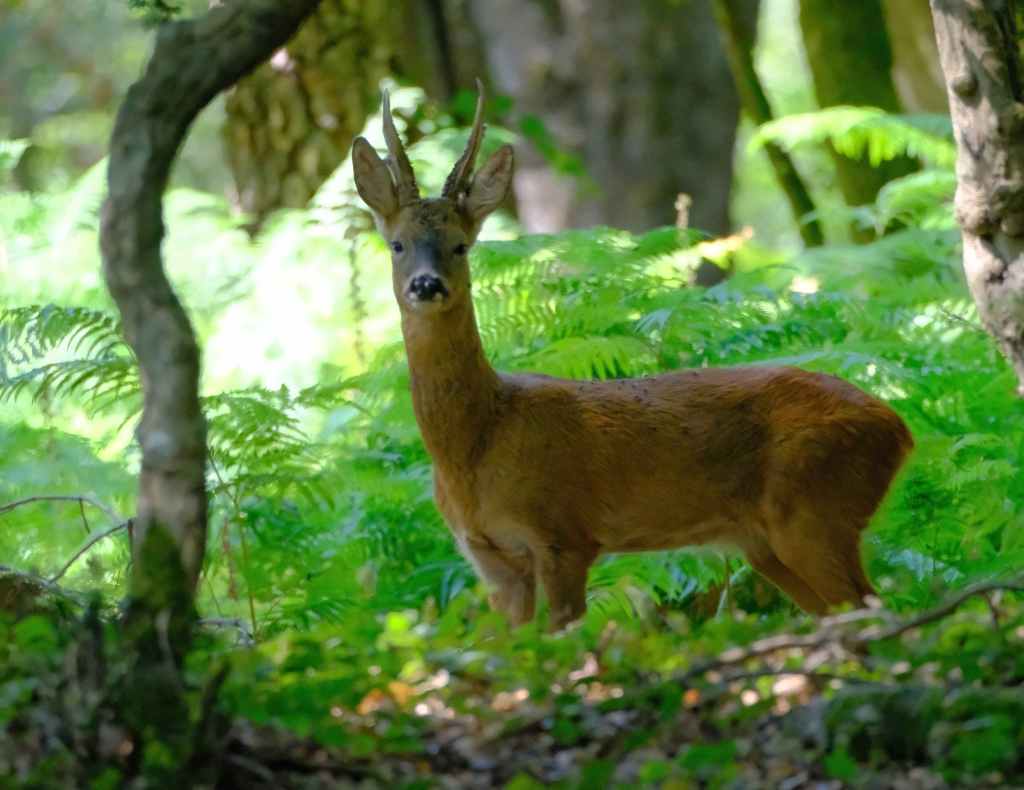
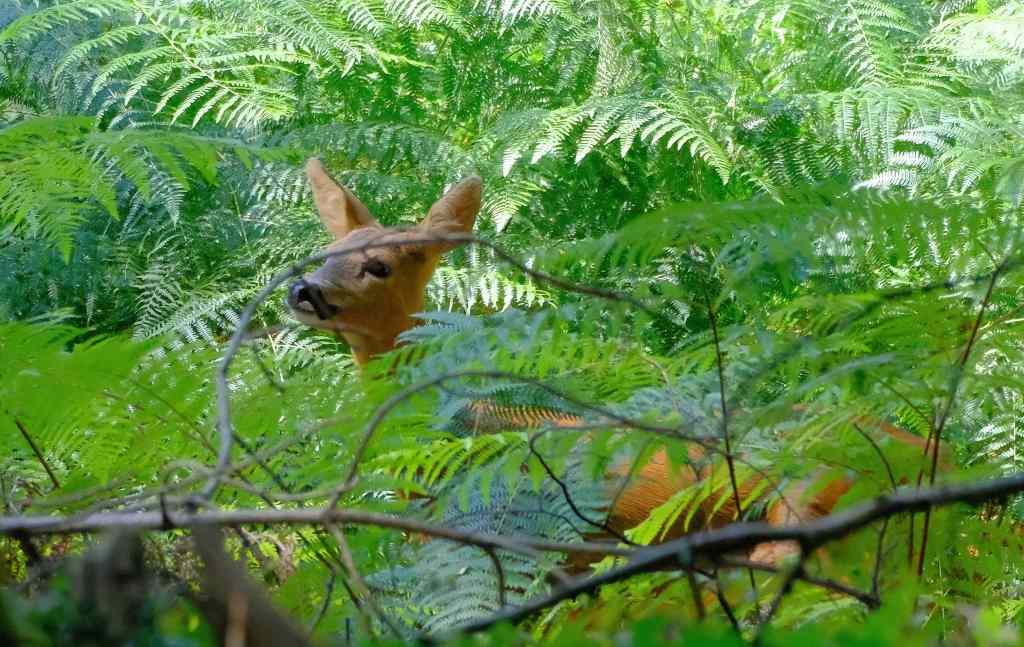
Roe Deer.
Last week I posted some Fallow Deer pictures from the New Forest today some more deer this time Roe Deer.
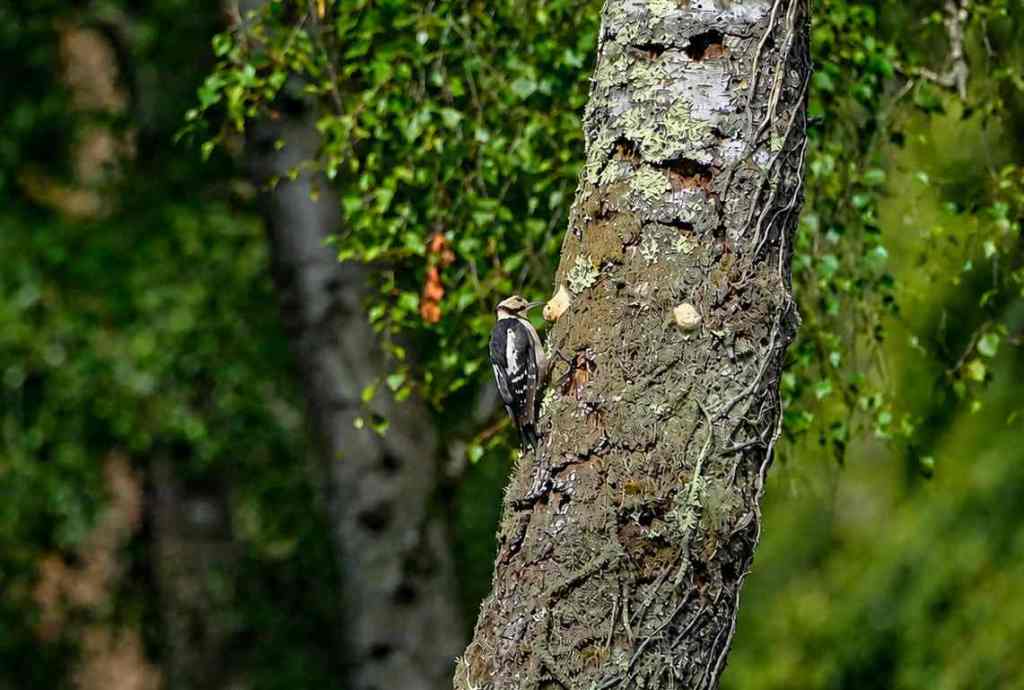
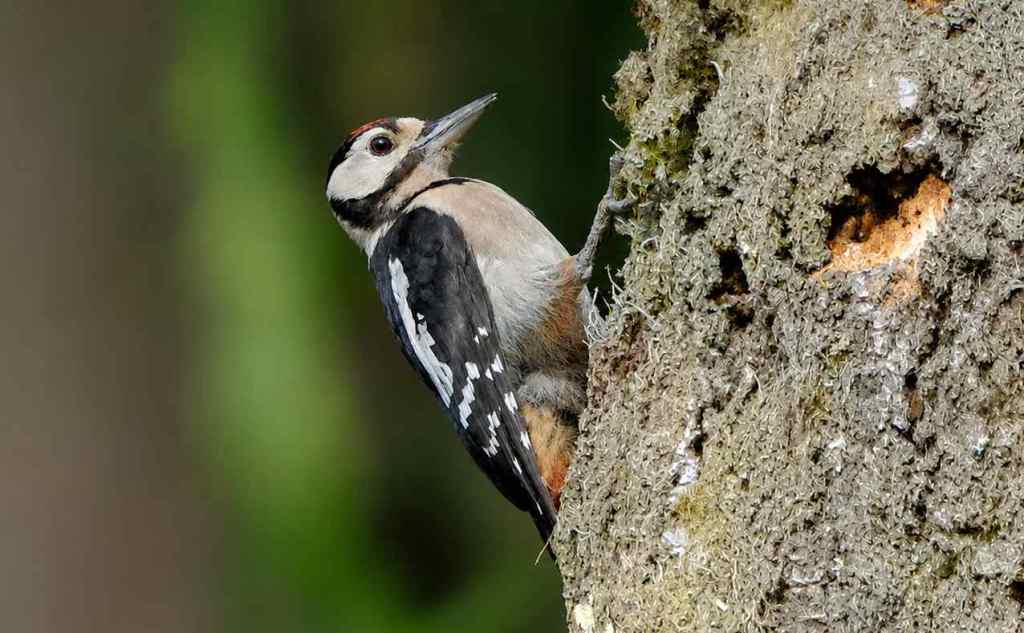
Great Spotted Woodpecker.
New Forest.
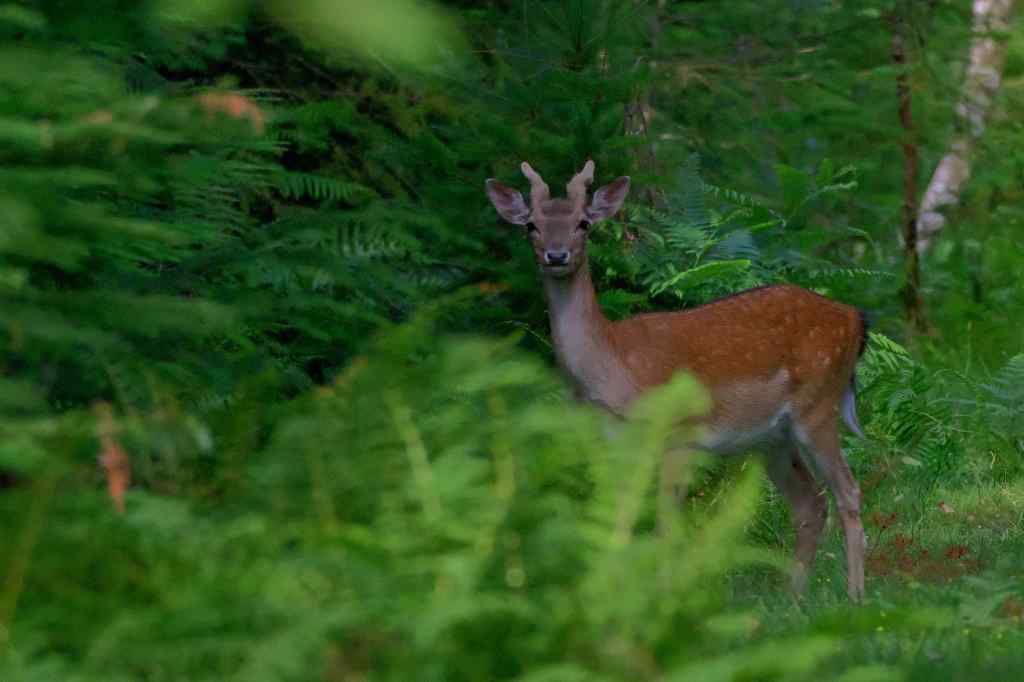
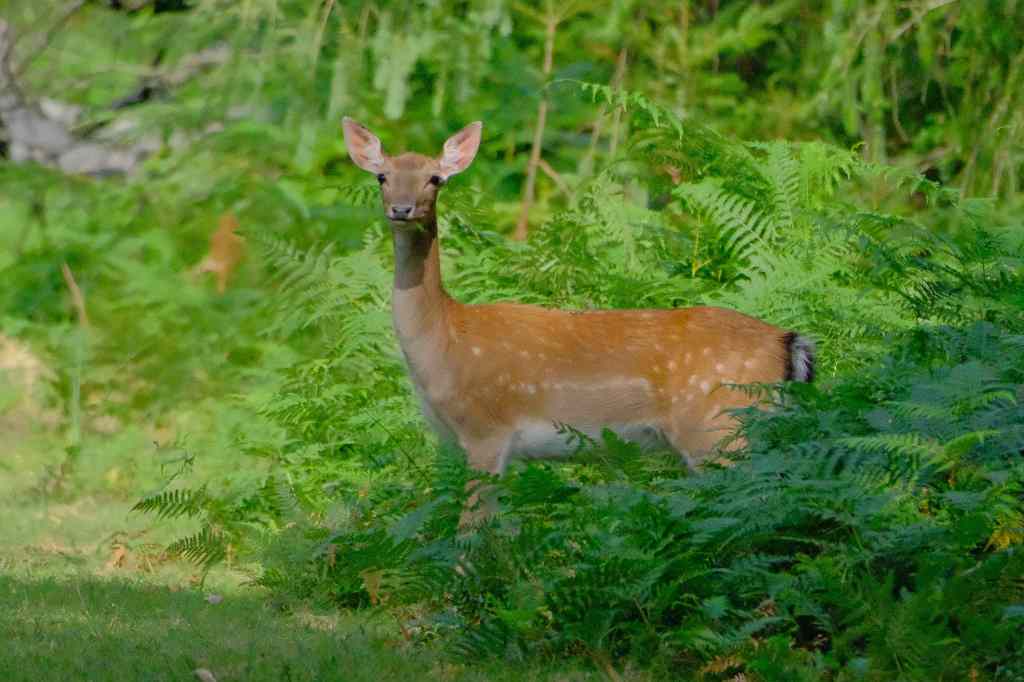
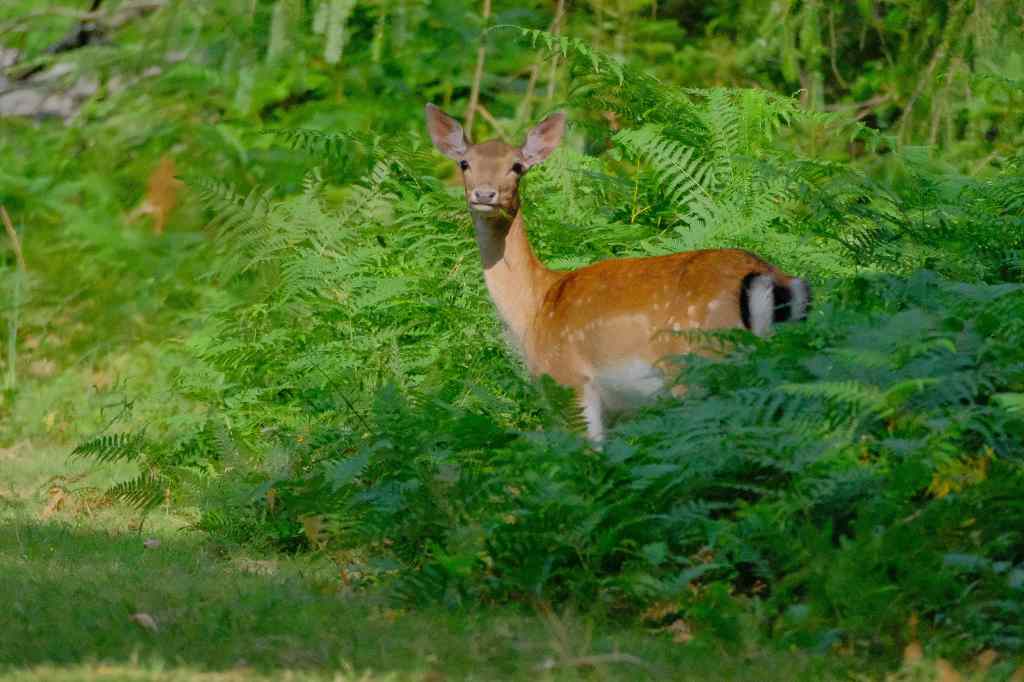
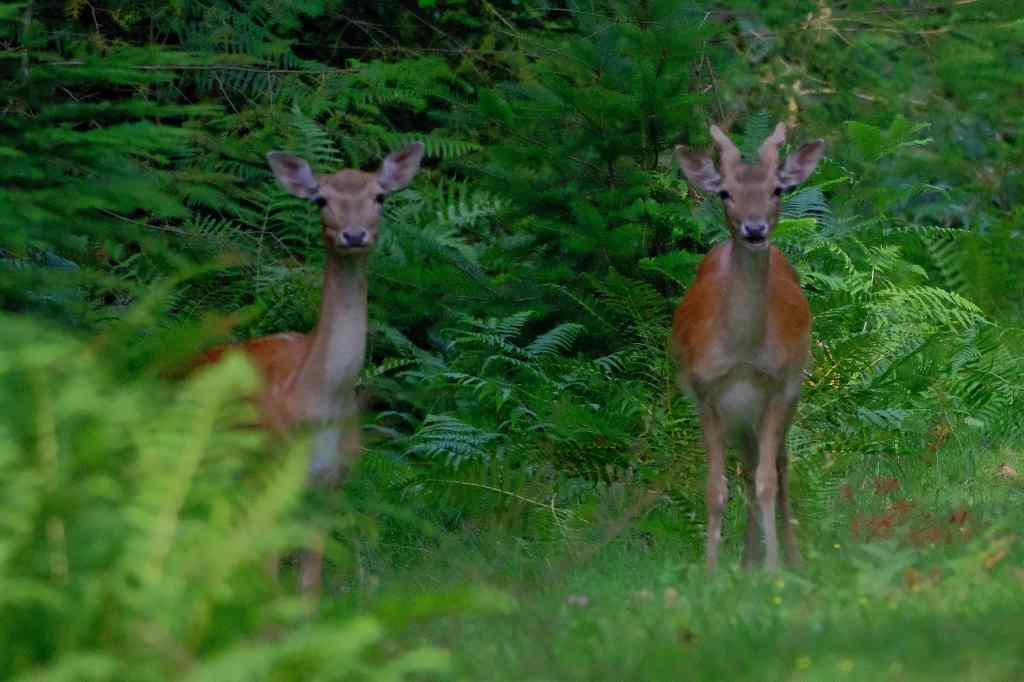
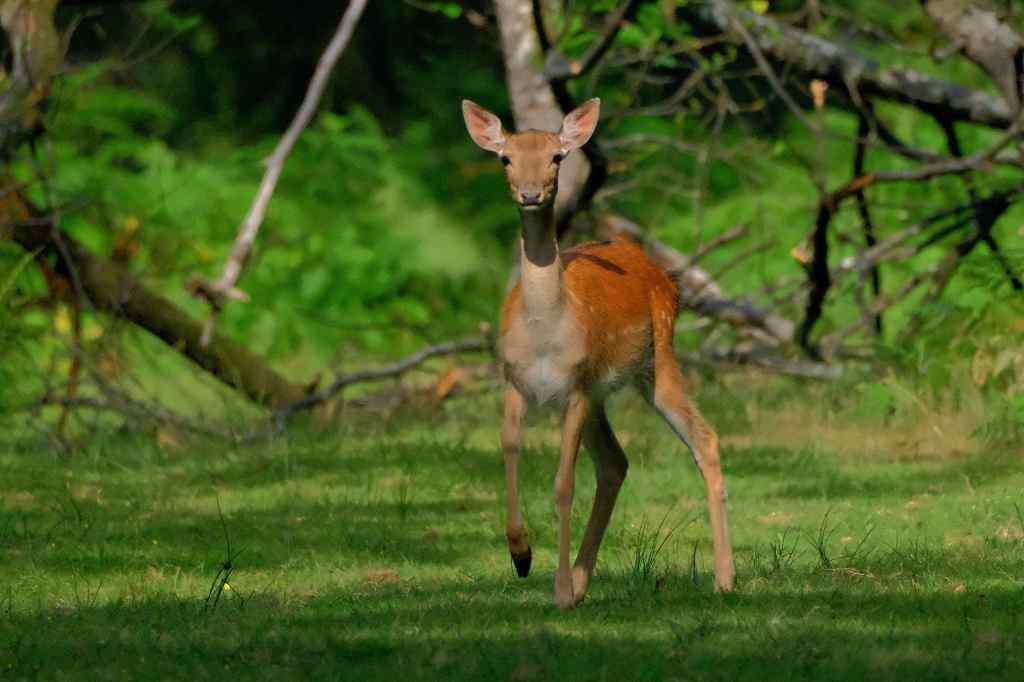
Fallow Deer.
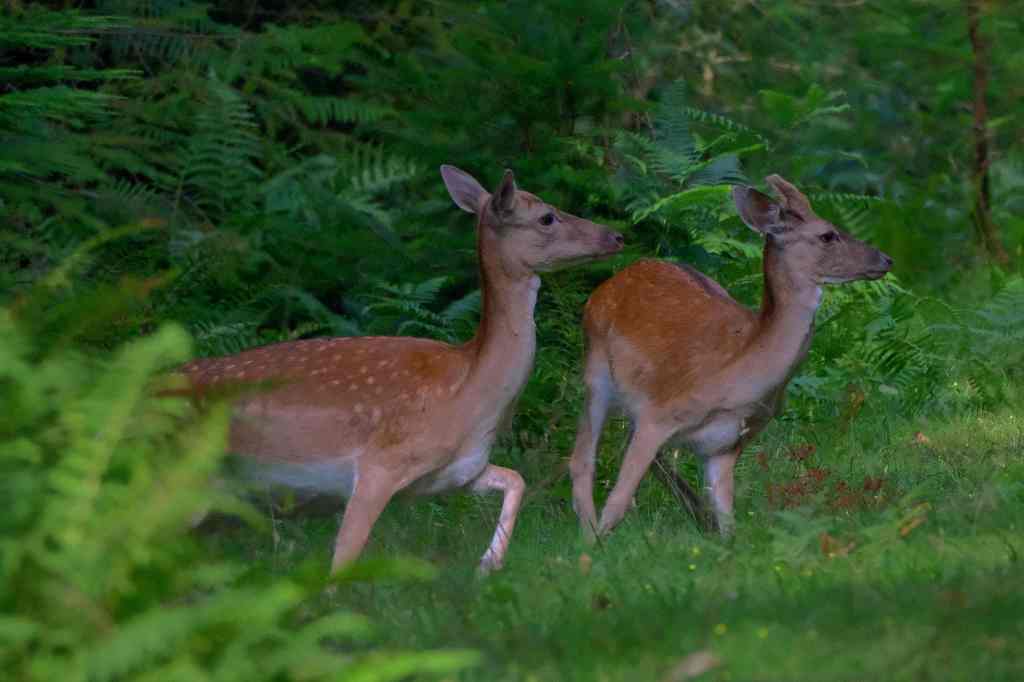
Fallow deer are looking good in the New Forest at this time despite the drought conditions.
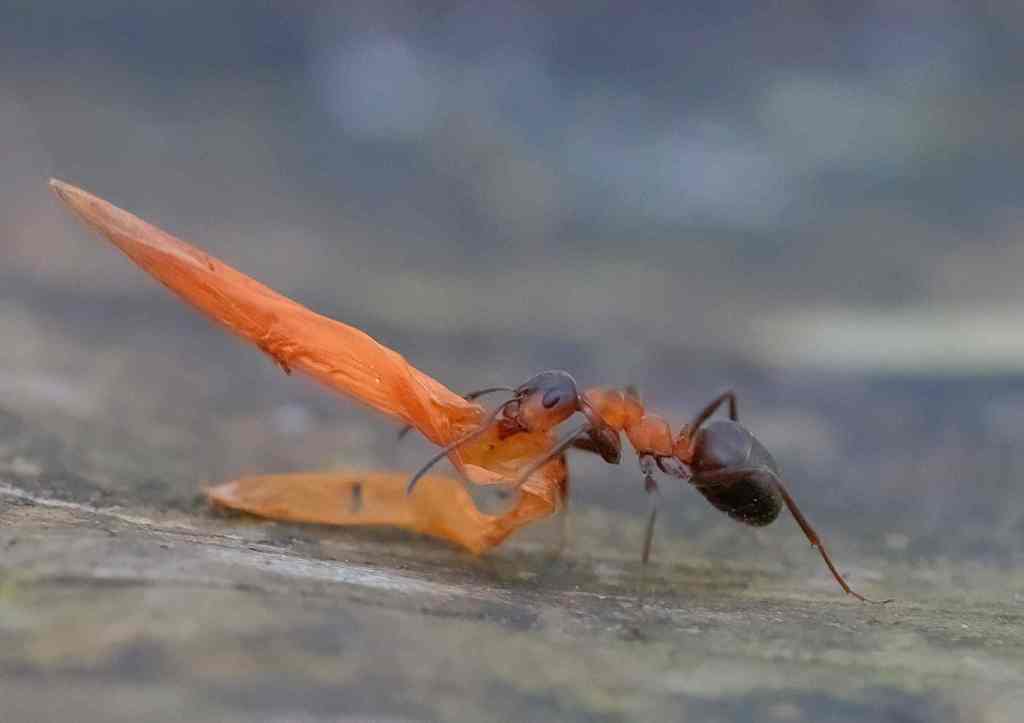
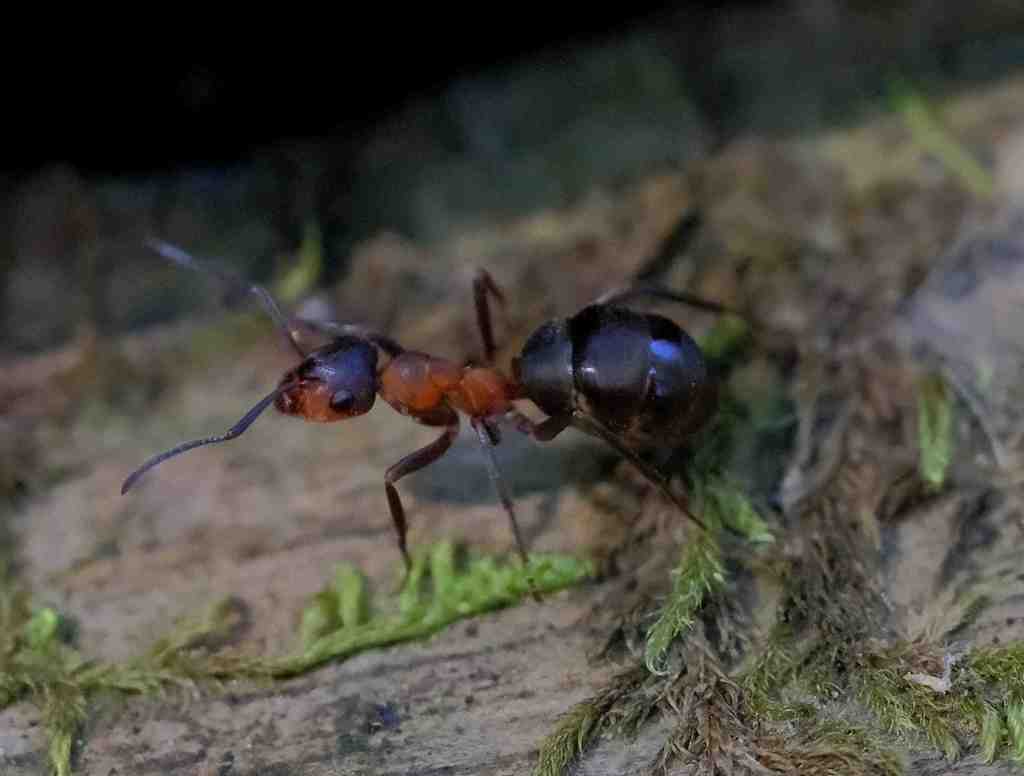
Wood Ants.
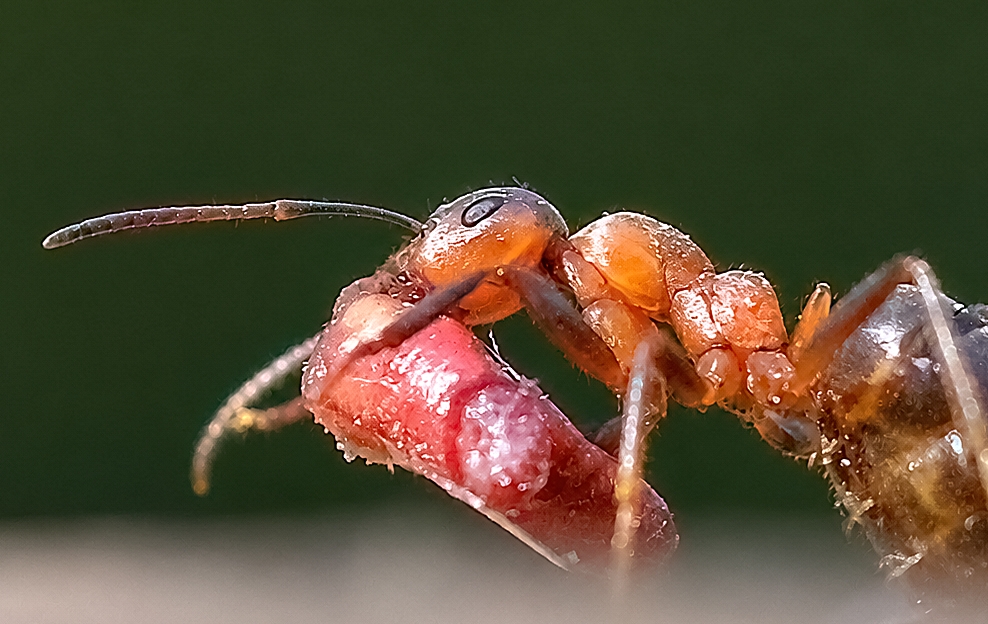
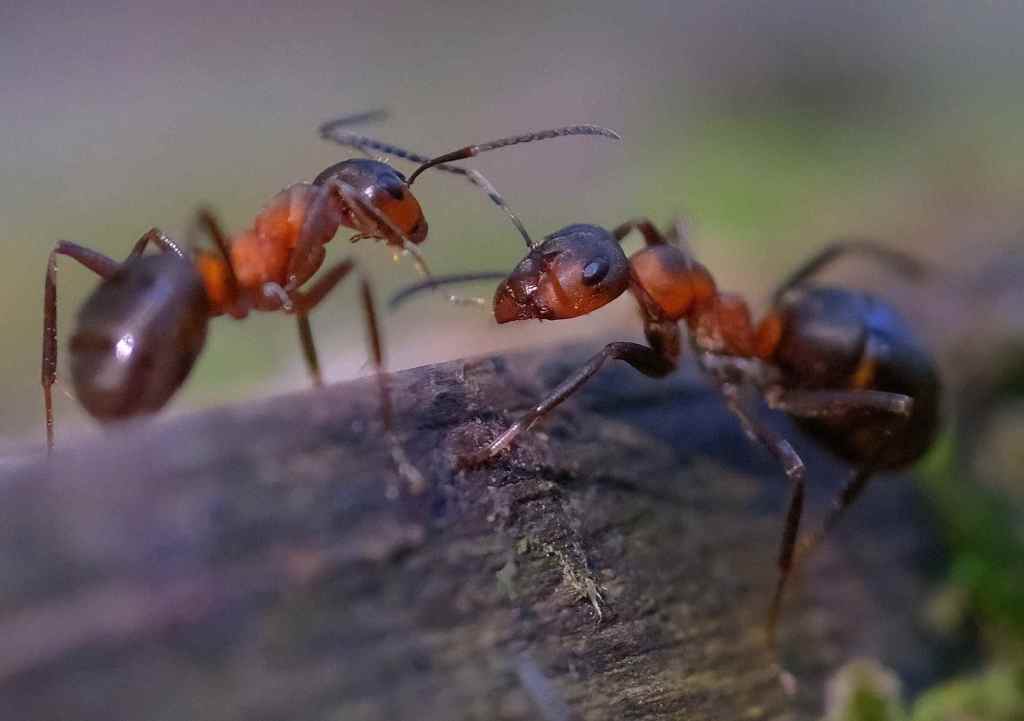
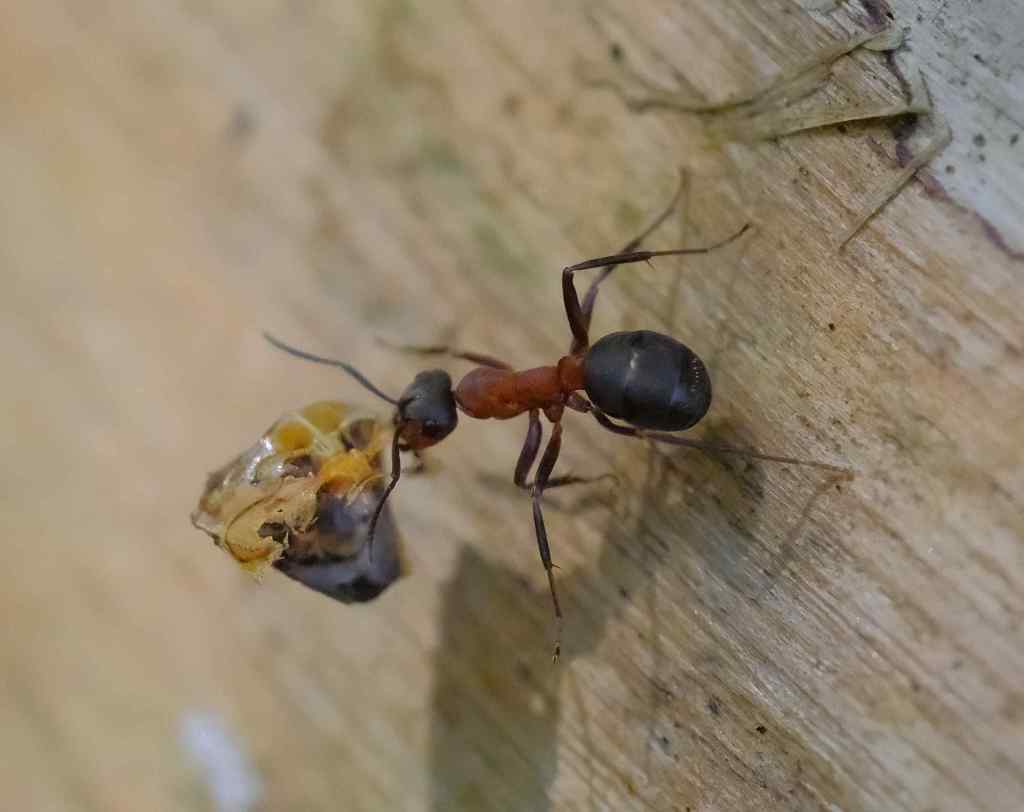
The southern wood ant is the UK’s largest ant species, with workers reaching up to 10mm in length and queens growing even larger at 12mm. These ants are easily identifiable by their distinctive reddish-brown colour and a contrasting black head and abdomen.
Wood ants are known for their formidable large mandibles, which they use effectively for foraging and defence of their nests. When threatened, they have a unique defence mechanism that involves spraying formic acid at potential predators. This acid not only acts as a deterrent but also serves to communicate alarm signals to other members of their colony.
They live in large colonies, which can number in the thousands, and exhibit complex social interactions that help maintain the health and functionality of their community.


River bird walk.
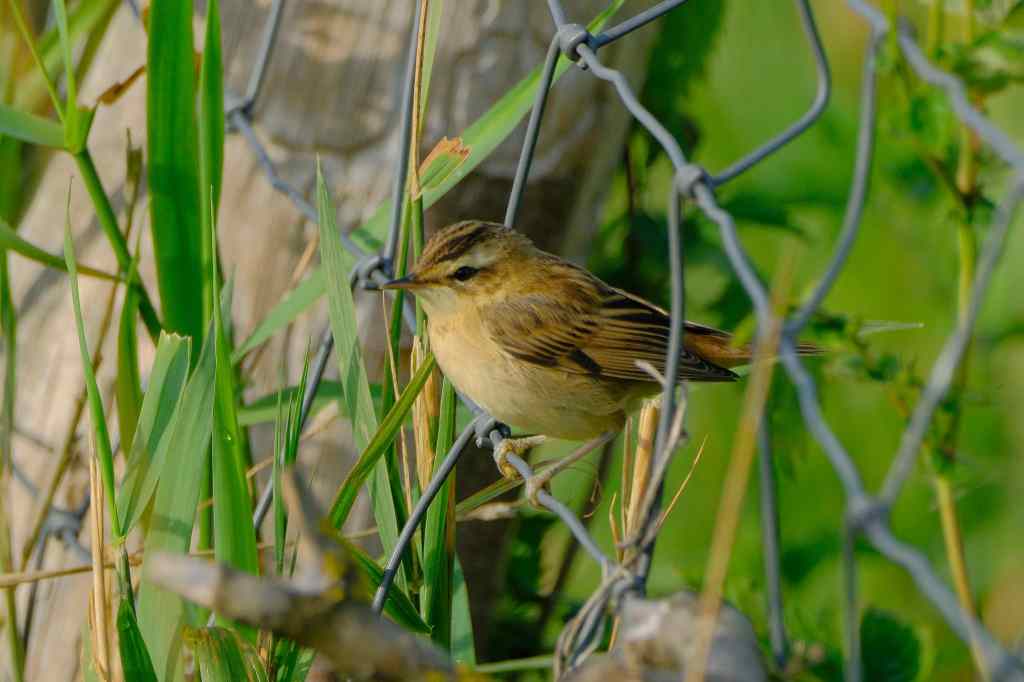
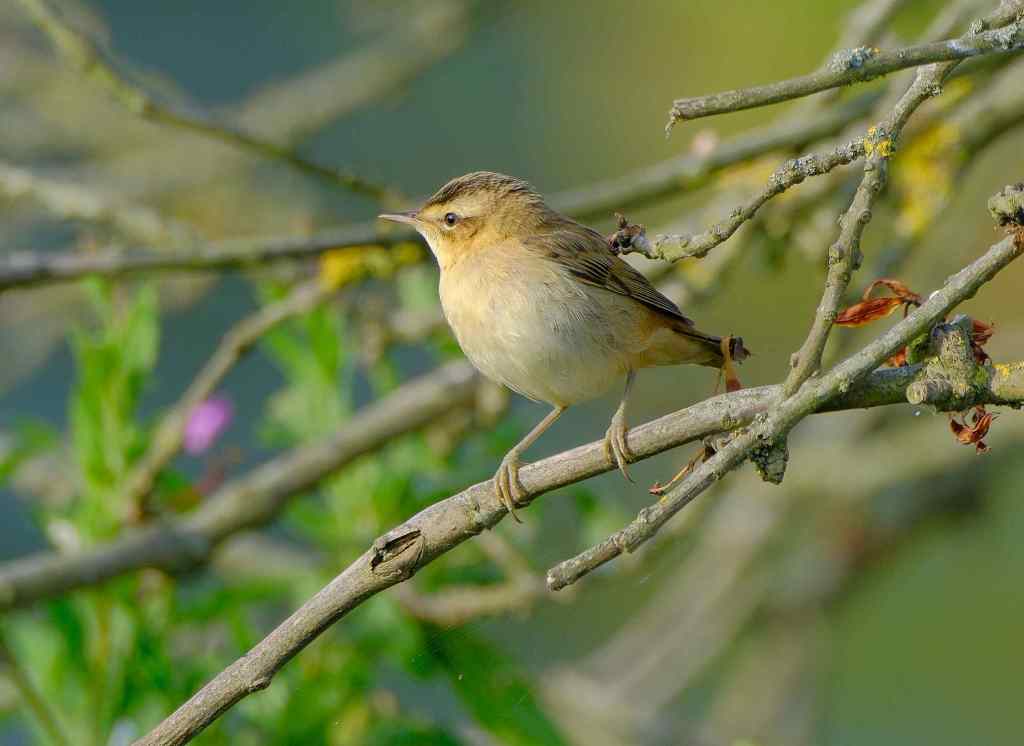
Birds from this morning’s walk along the River Itchen and Itchen Navigation near Winchester.
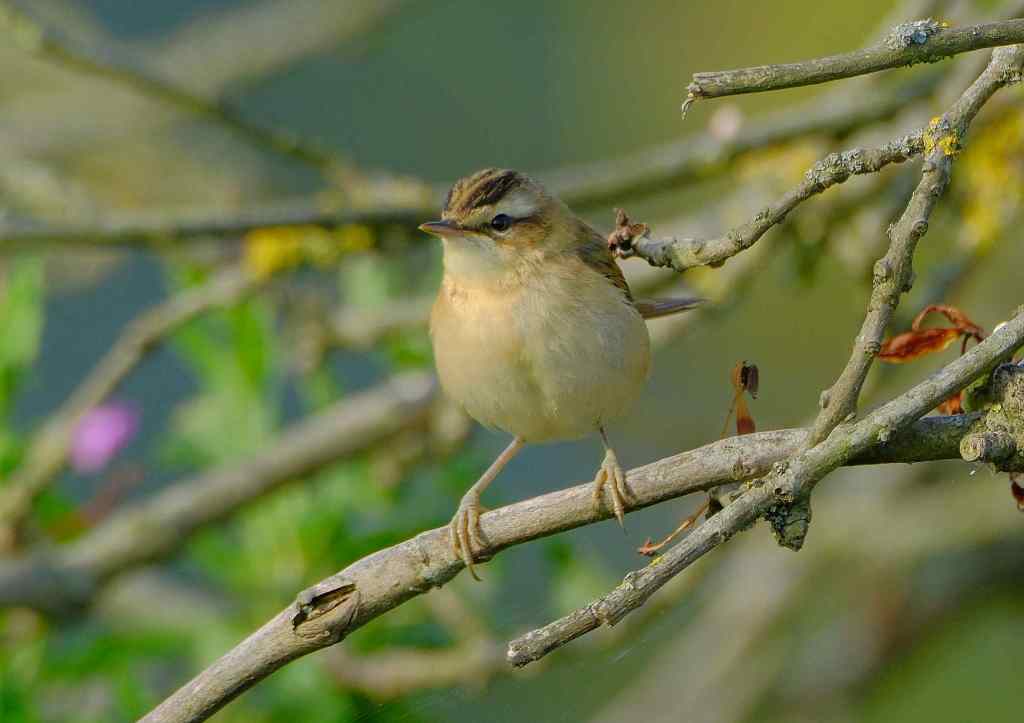
Sedge Warbler.
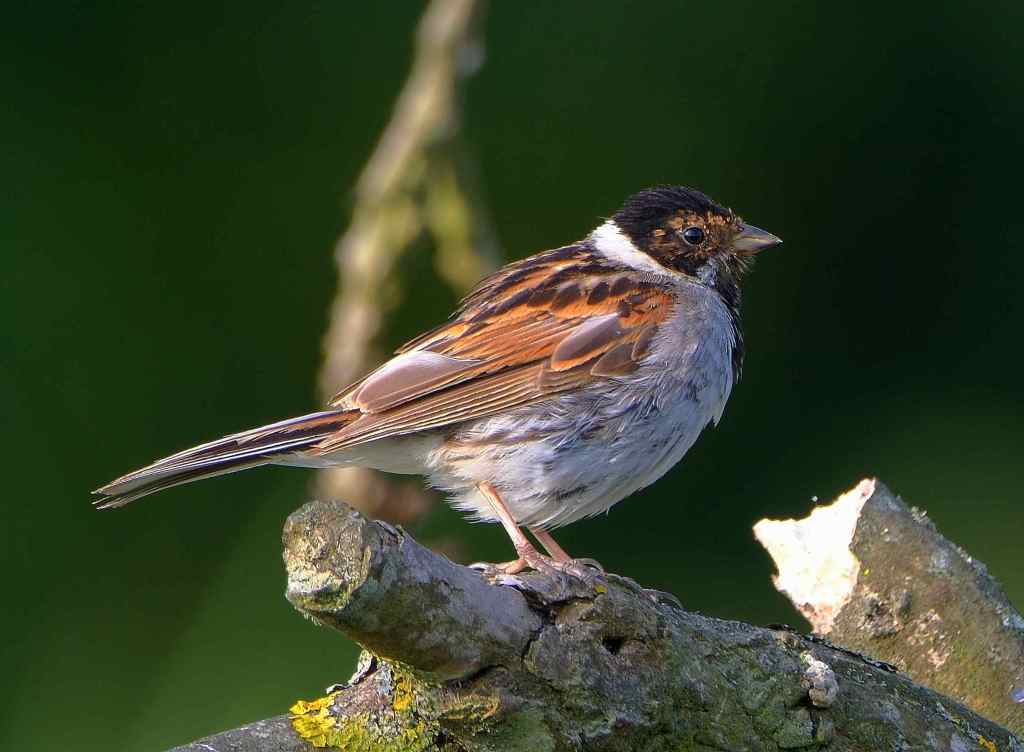
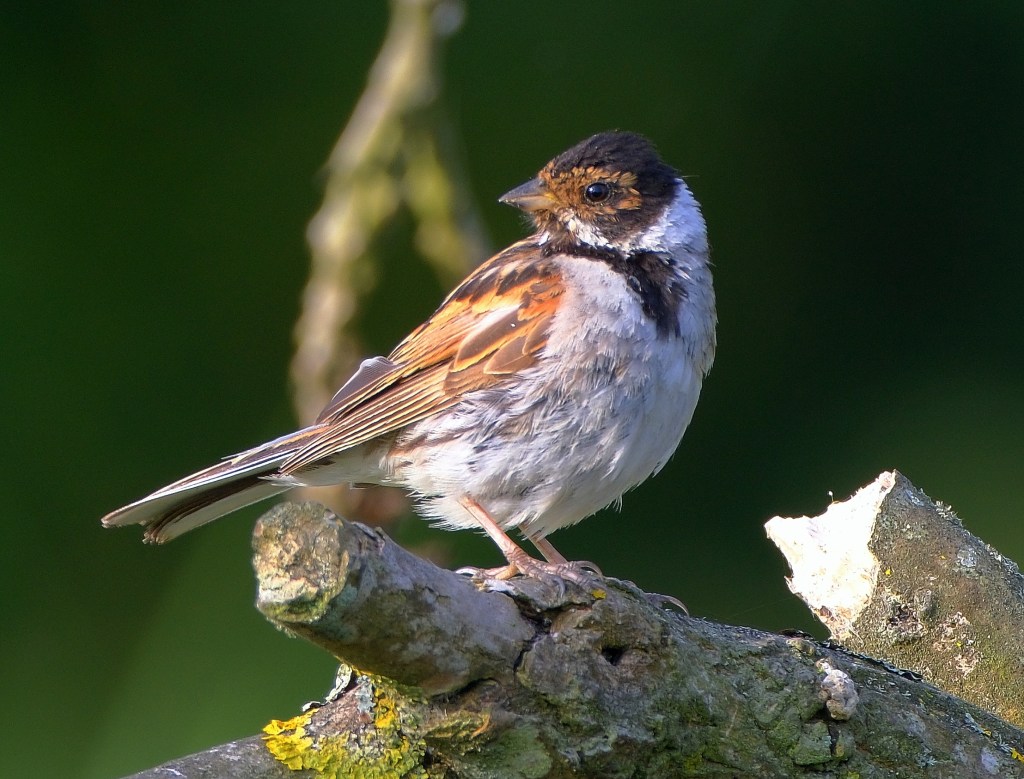
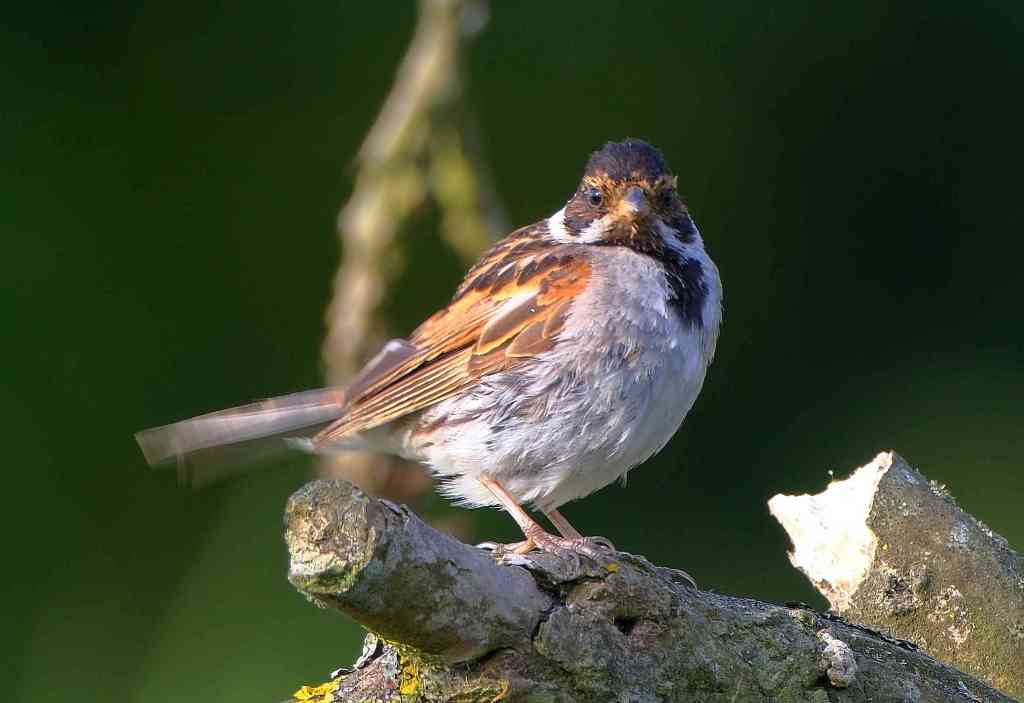
Reed Bunting. (male)
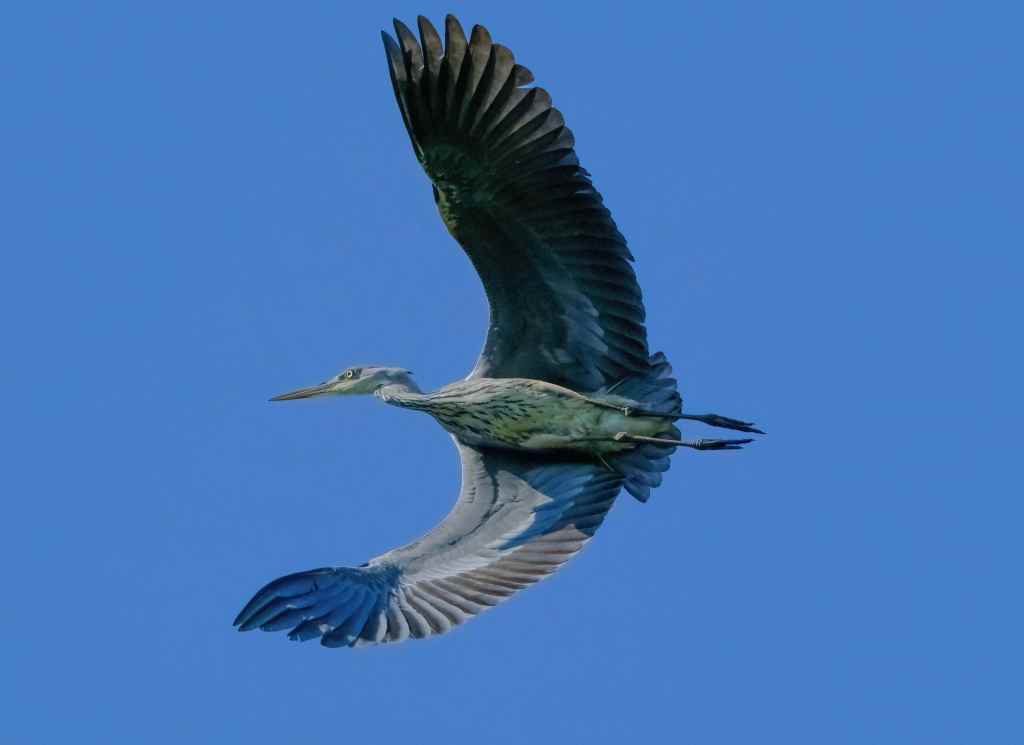
Grey Heron.
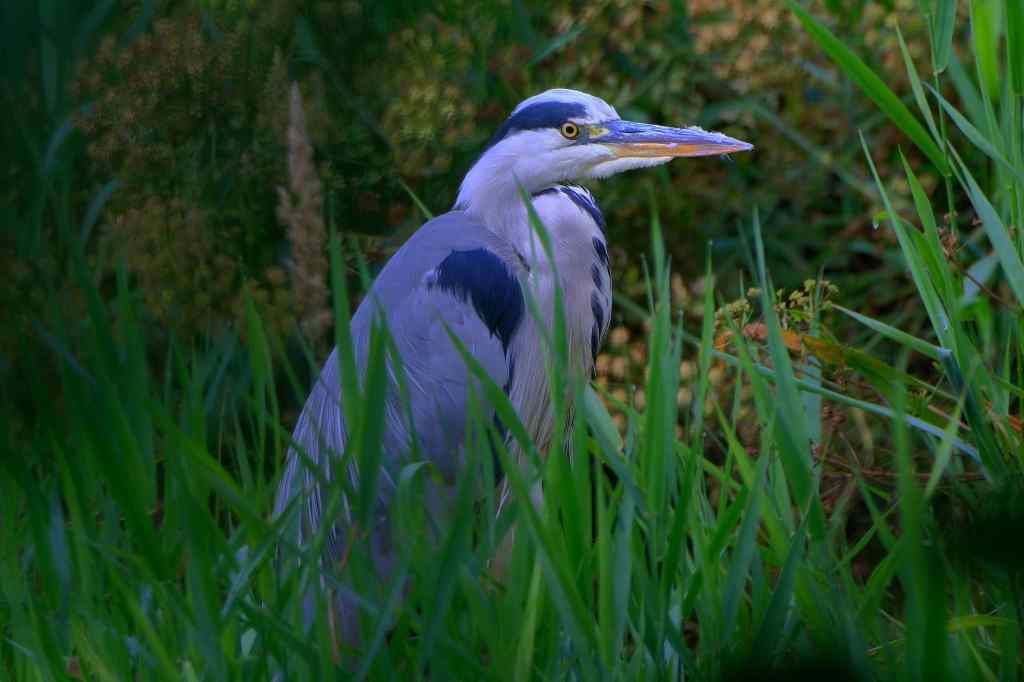
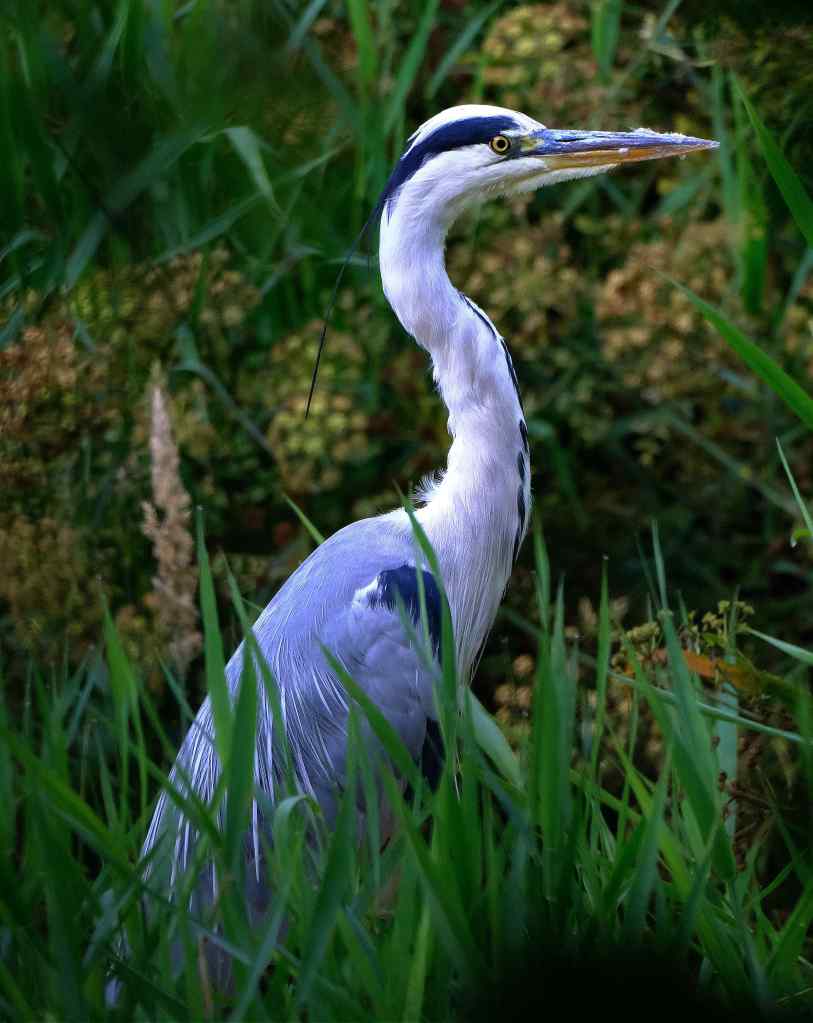
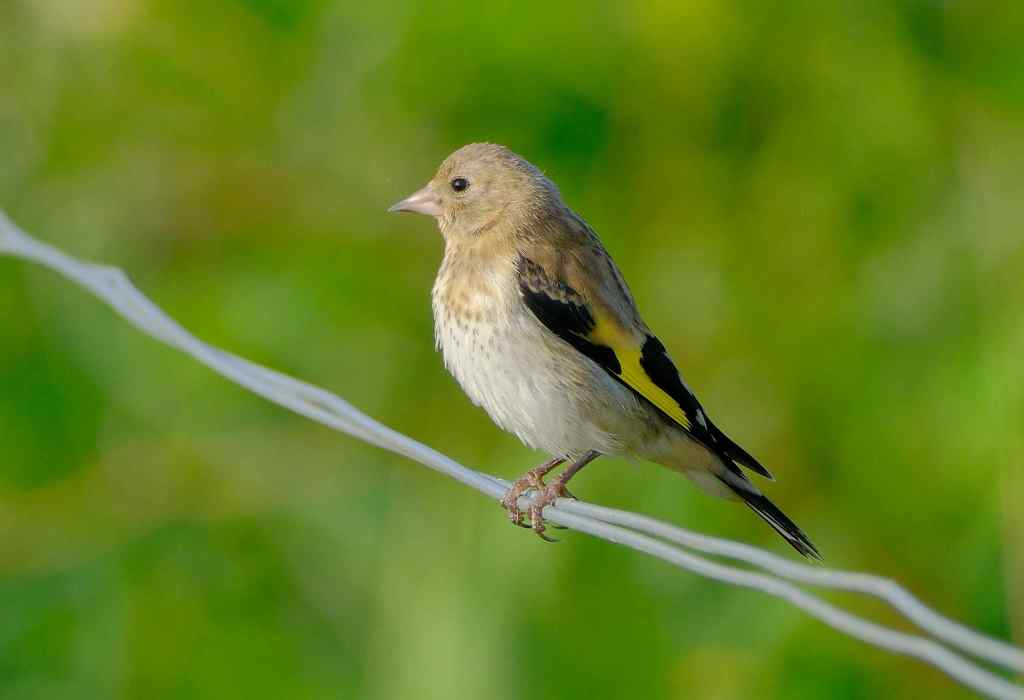
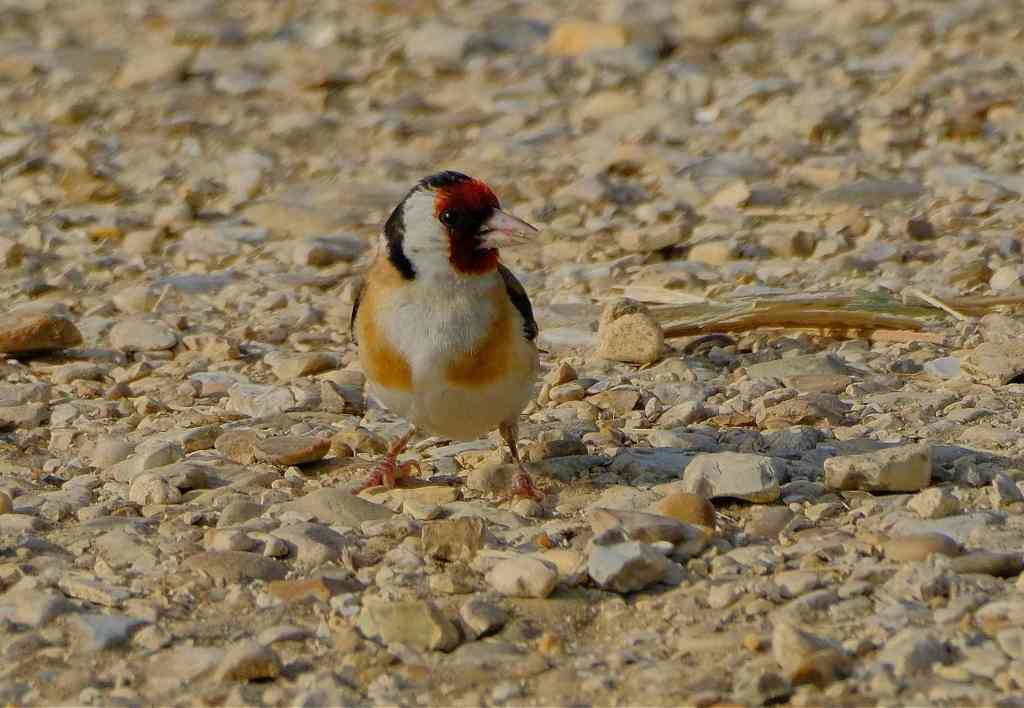
Goldfinch. (juv)
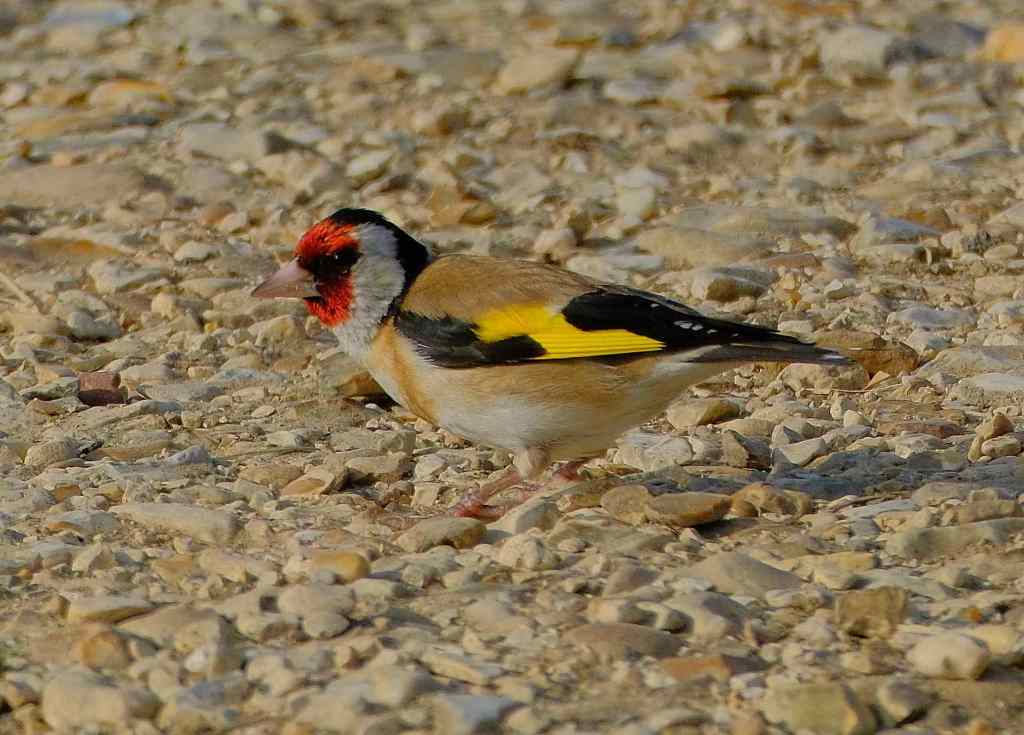
Goldfinch.
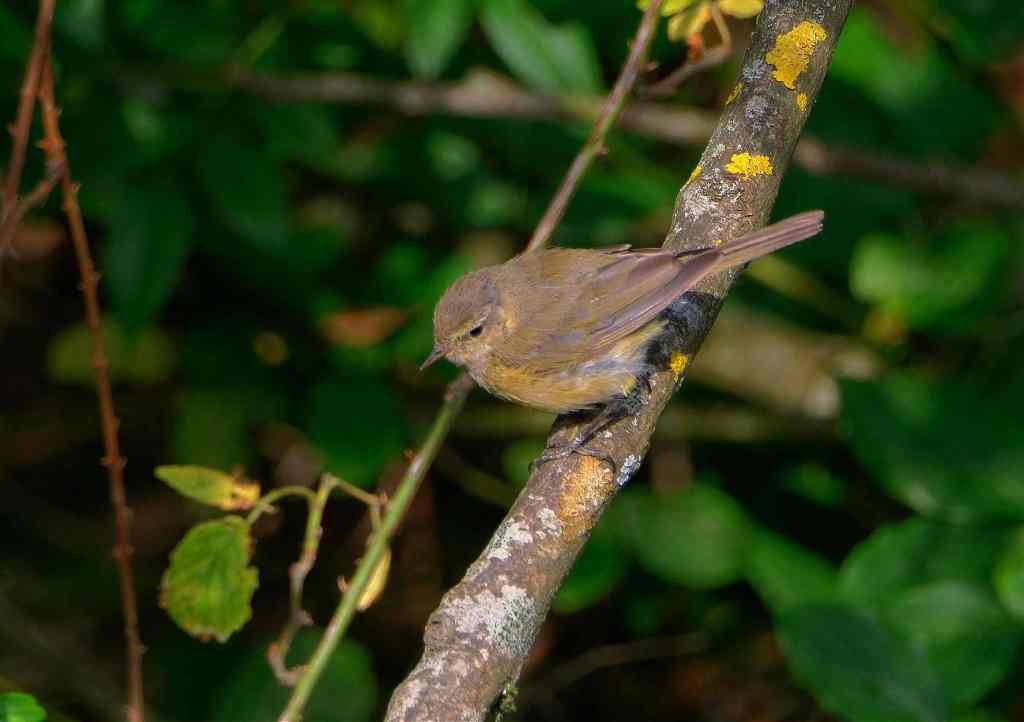
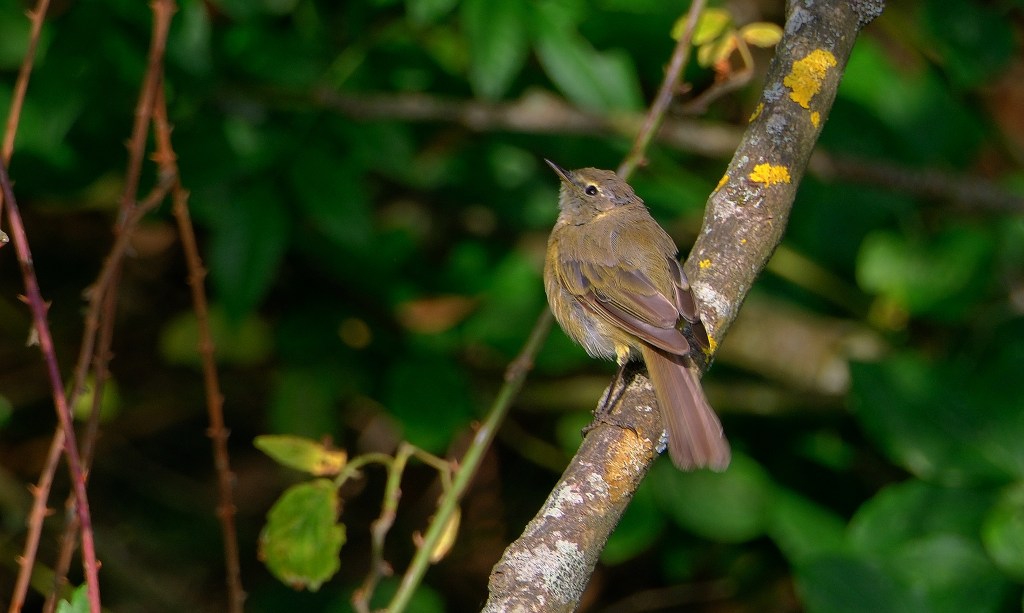
Chiffchaff.
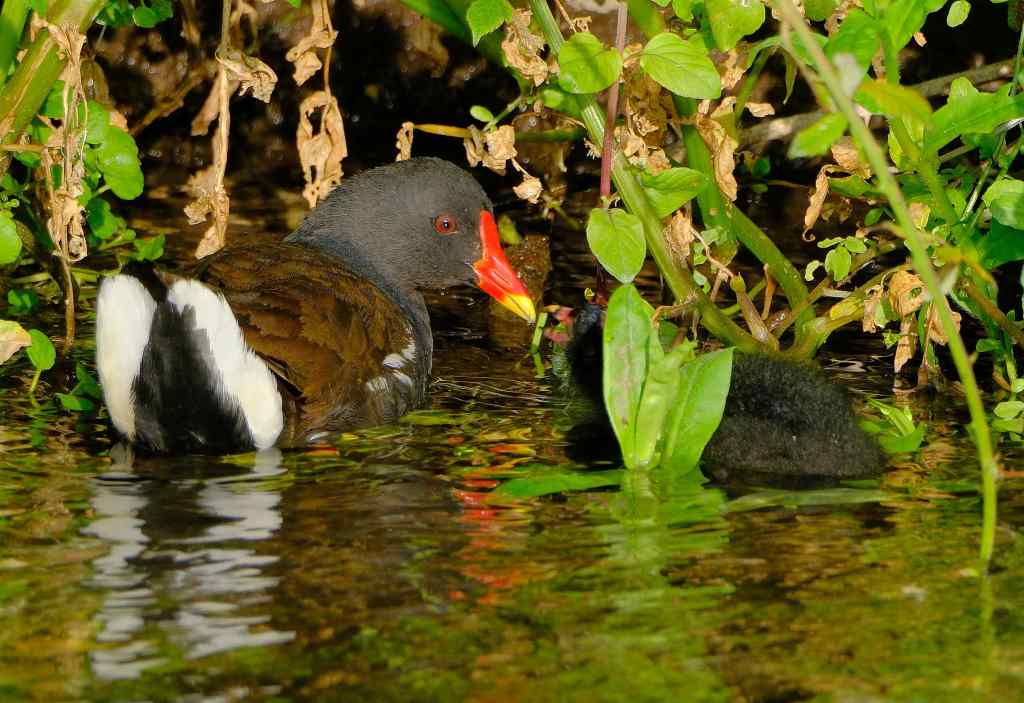
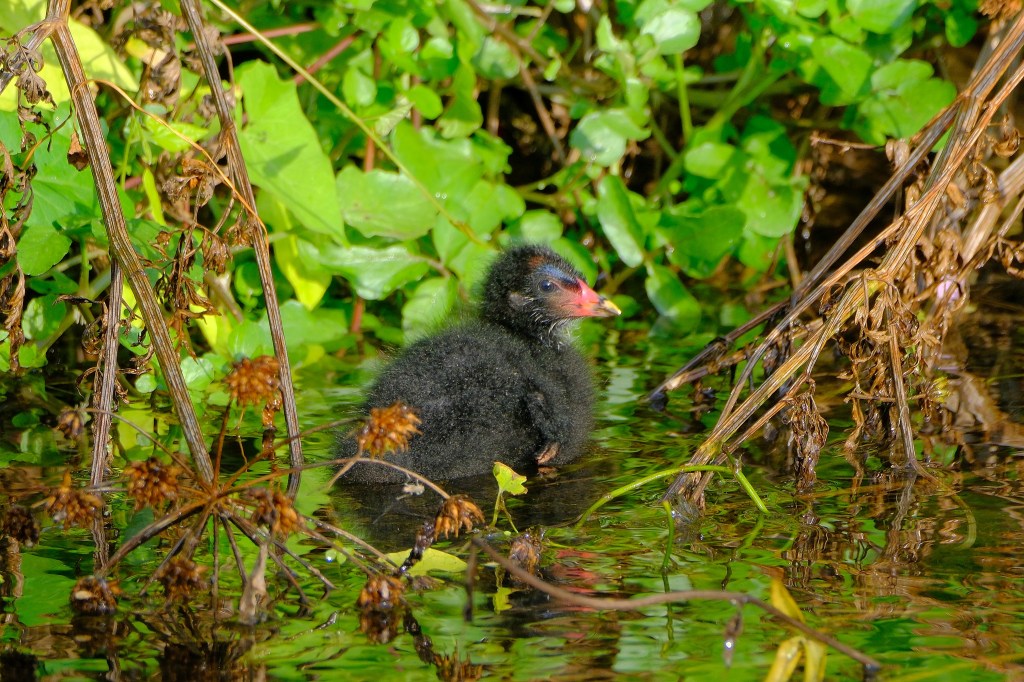
Moorhen.
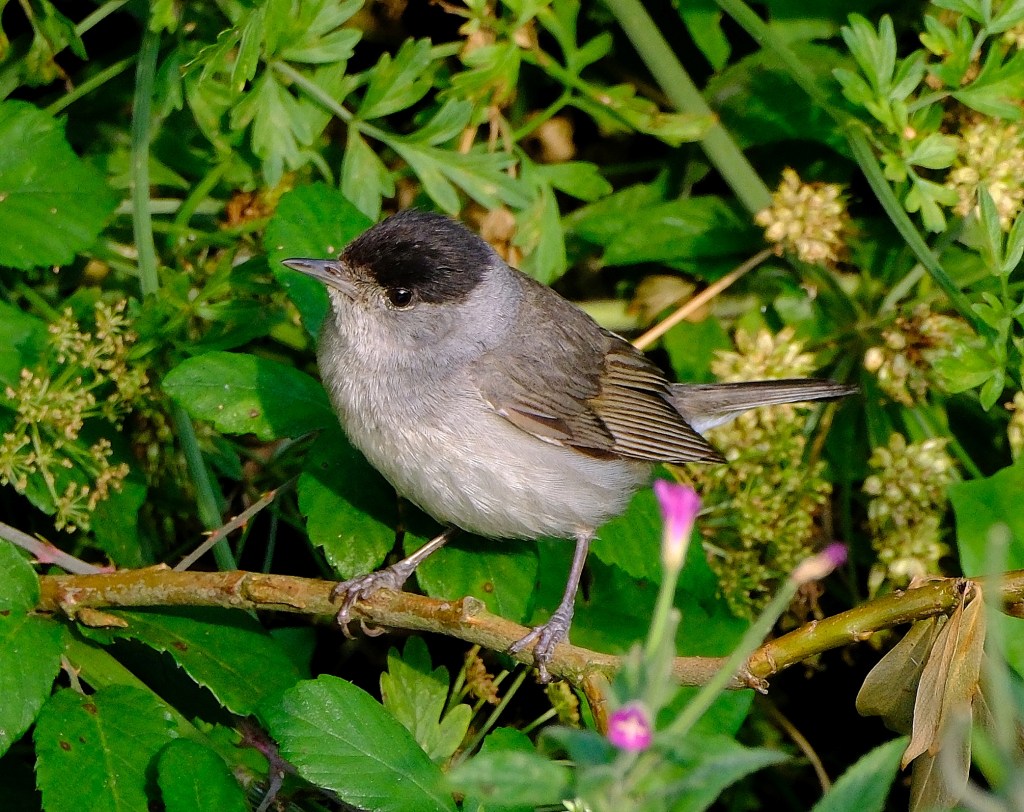
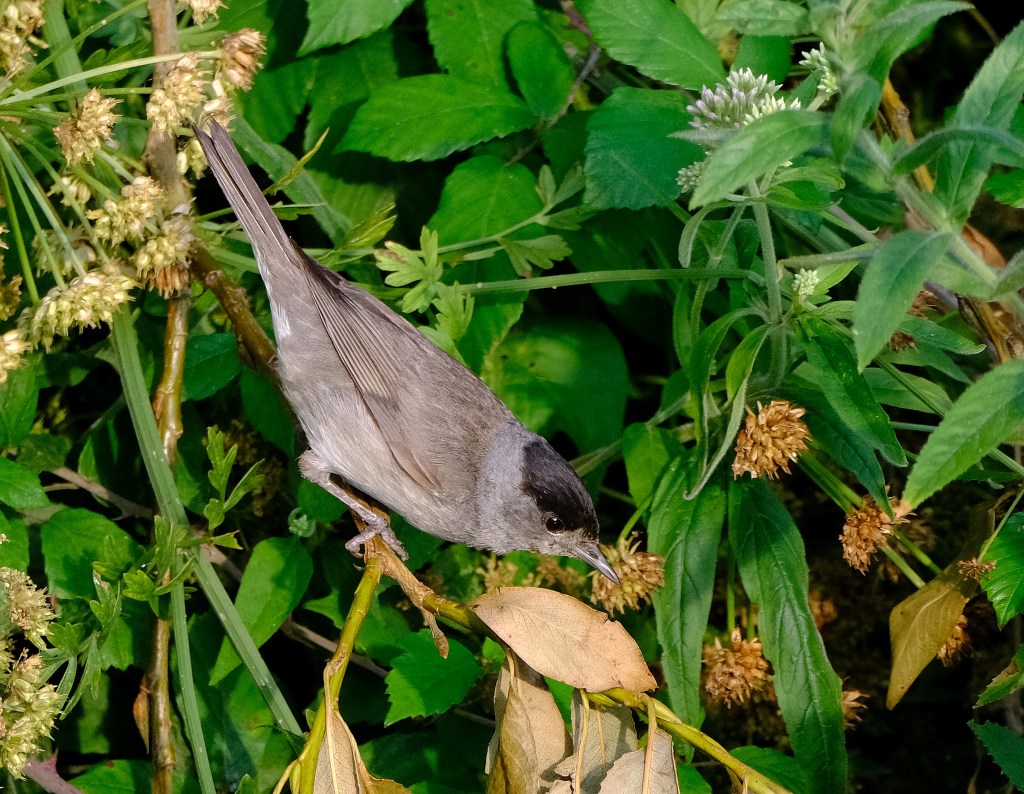
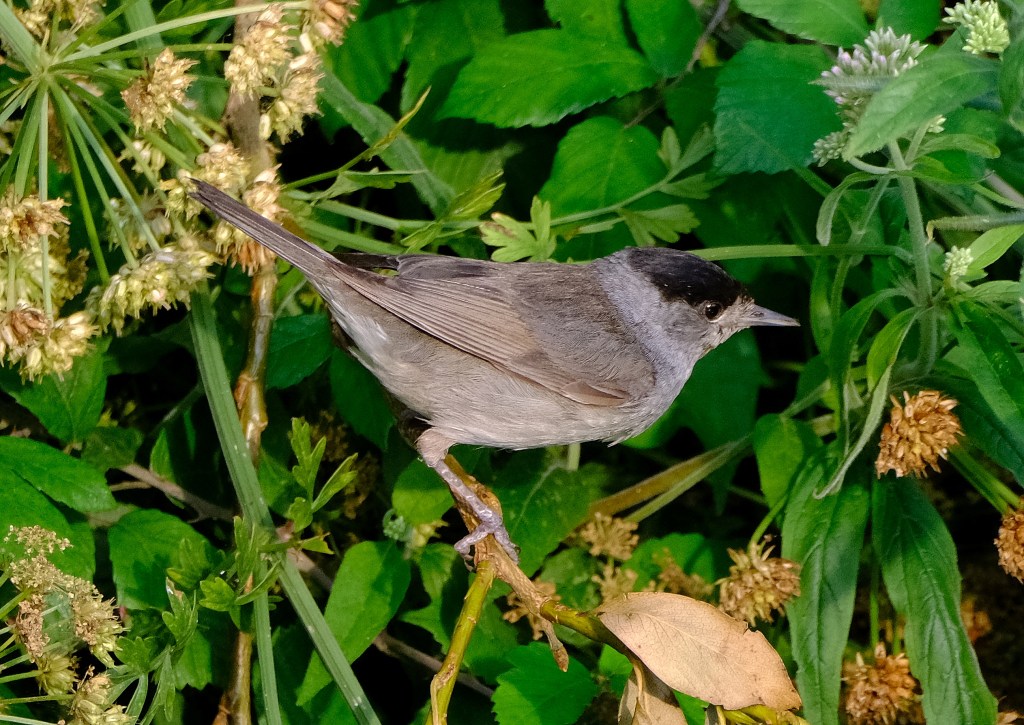
Blackcap (male).
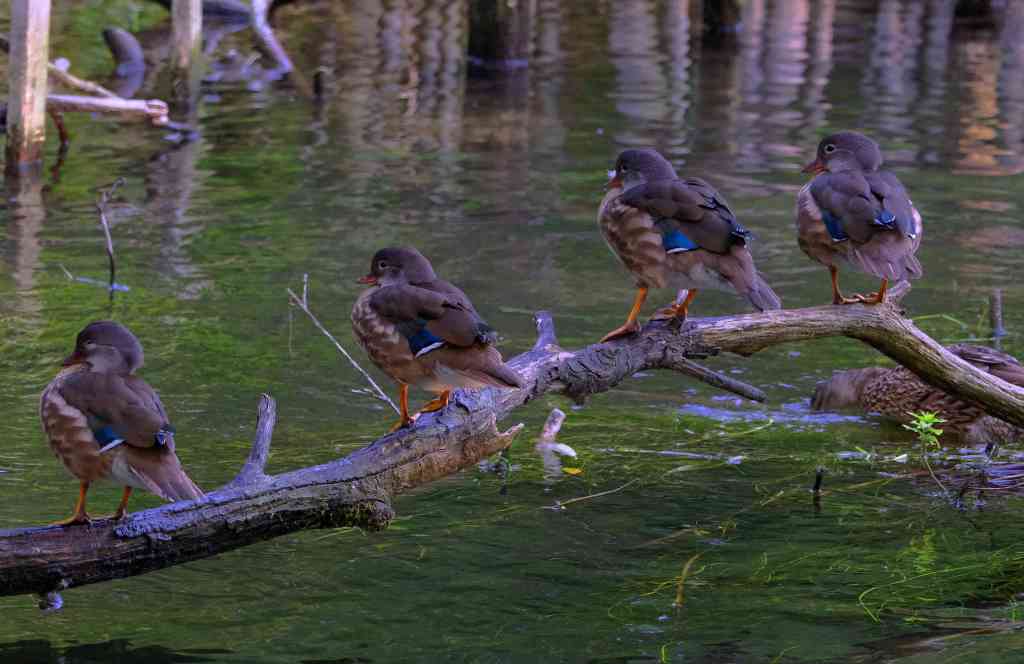
Manderin Ducks. (juv)
Ratty!
Ratty is the nickname of the Water Vole character in Kenneth Grahame’s classic 1908 novel, The Wind in the Willows.
Water voles are one of the UK’s most endangered mammals. A common sight in my childhood, their numbers have plummeted by over 90% since the 1960s. Due to habitat loss and predation by invasive American mink, many of which were deliberately released by animal rights activists. They are classified as endangered on the UK’s Red Lists
The water vole has chestnut-brown fur, a blunt, rounded nose, small ears, and a furry tail. It is much bigger than other vole species.
Water voles are primarily herbivorous rodents that consume waterside plants, including reeds, roots, grasses, and fallen fruit. Because their plant-based diet is low in nutrients, they must eat about 80% of their body weight every day,
A 0600hrs start this morning along the River Itchen and the old Navigation near Winchester paid off, as we spotted a Water Vole. Pictures were a bit difficult as he was into the morning sun.


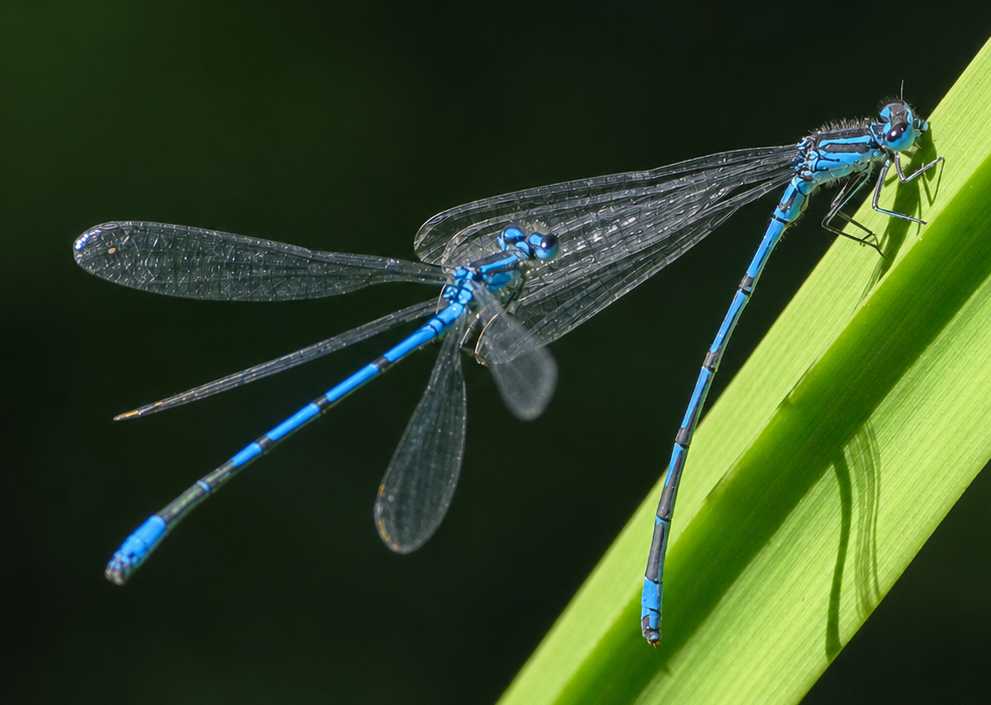
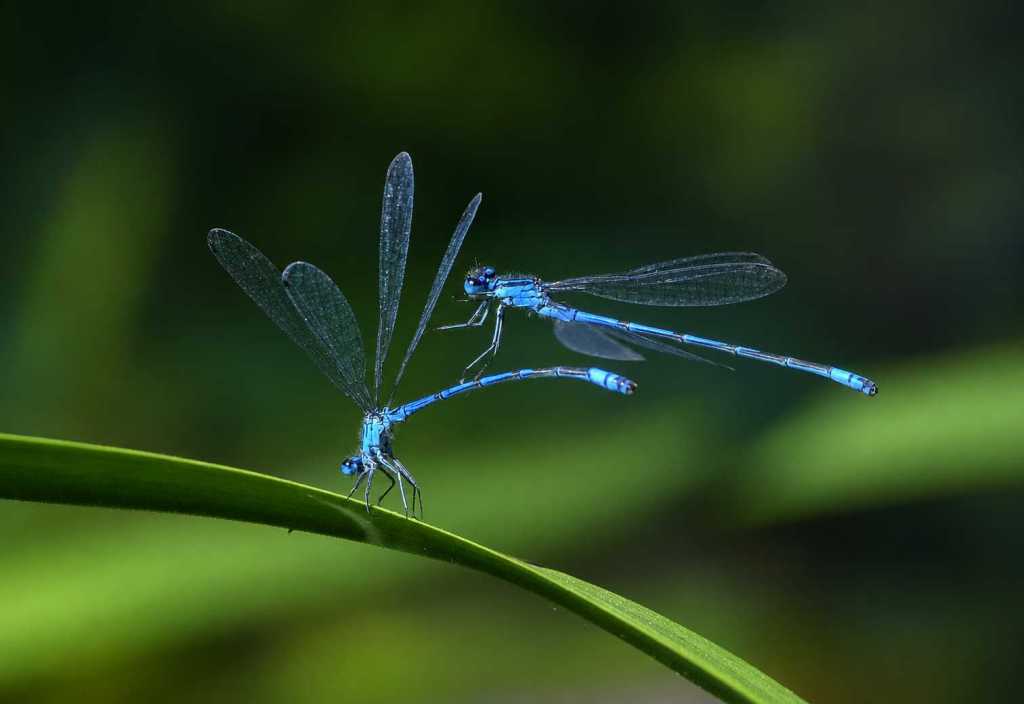
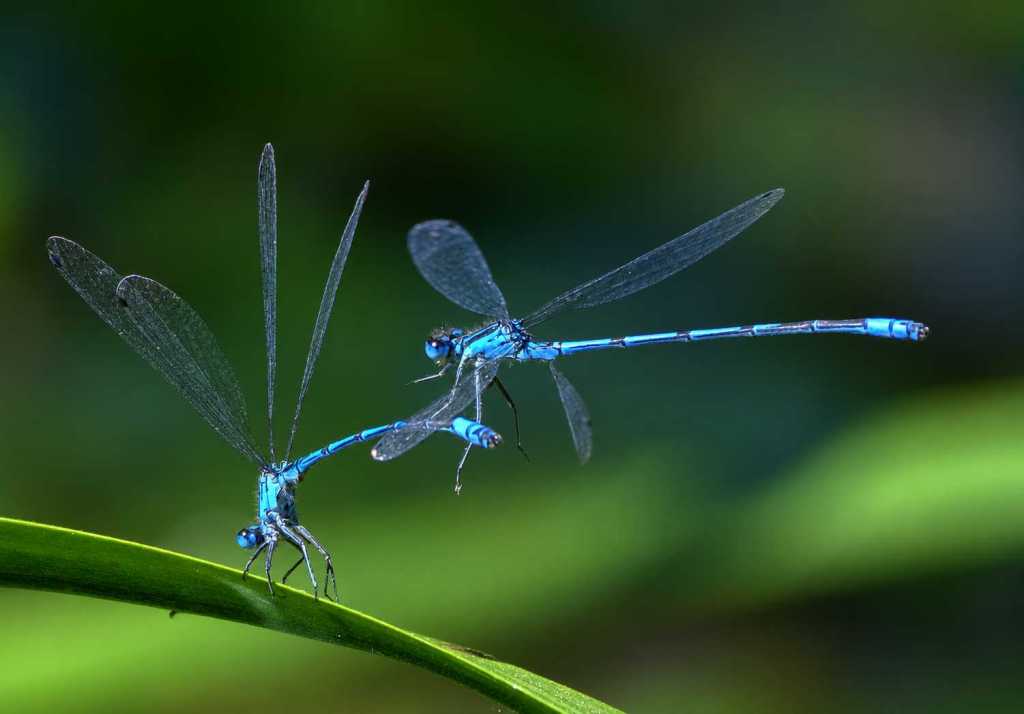
Azure damselflies.
I think these are Azure damselflies. Many were flying this morning at Titchfield Haven Nature Reserve, but bird spotting is not so good at the moment, as the season is between the winter visitors and the summer nesting.


High Flyer.
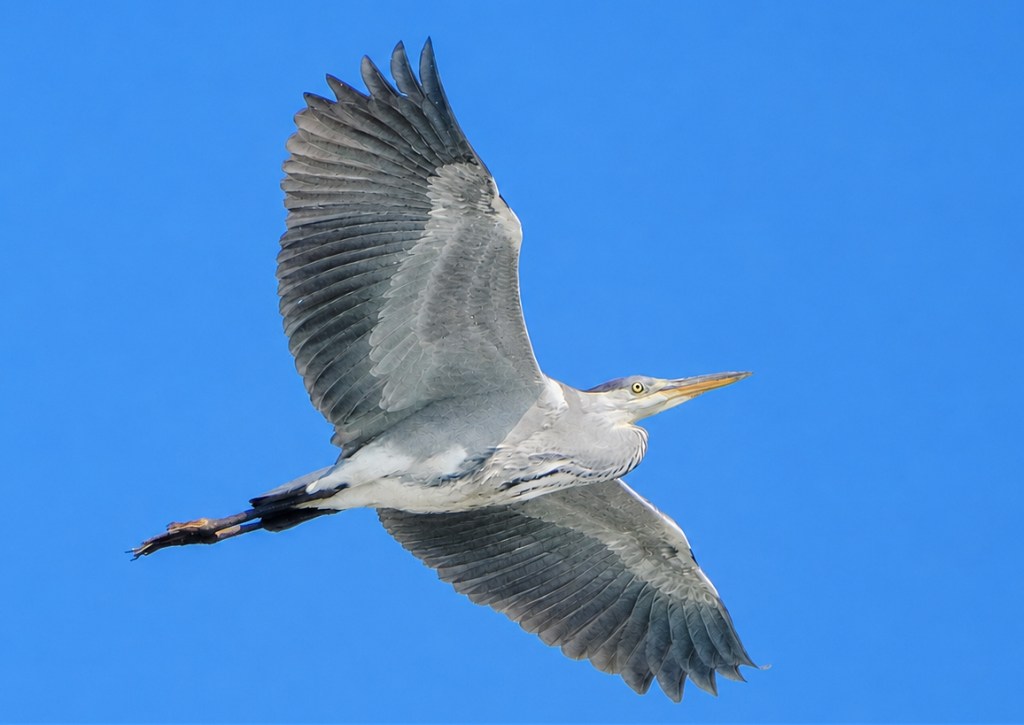
Grey Heron flying high in the New Forest.