Grey Heron Titchfield Haven.


Grey Heron Titchfield Haven.
Wordless Wednesday.


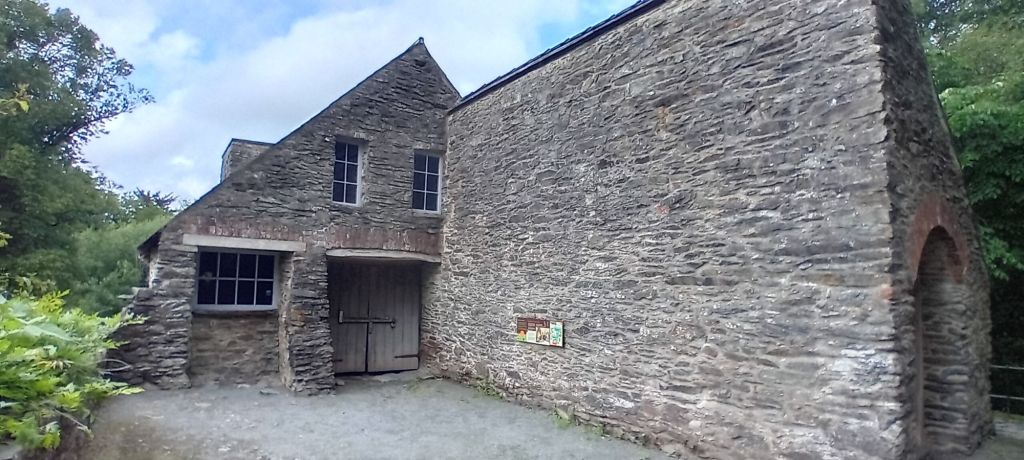


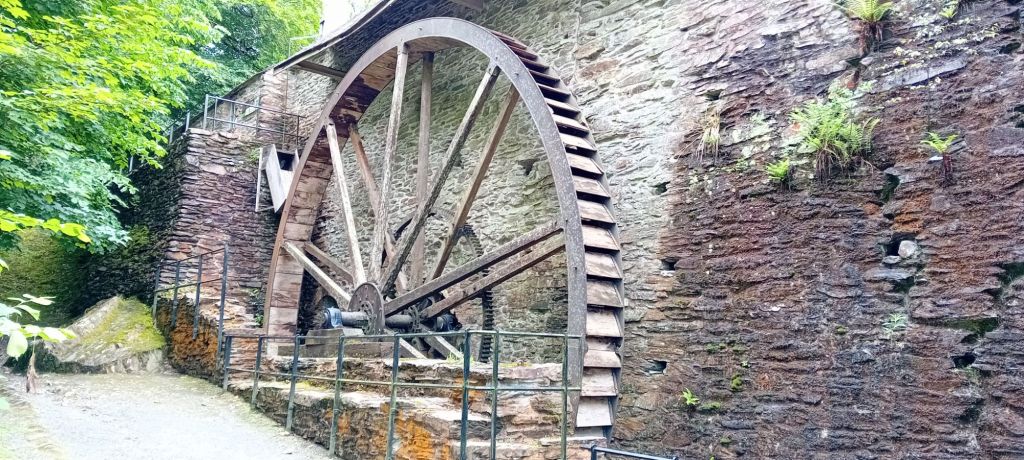
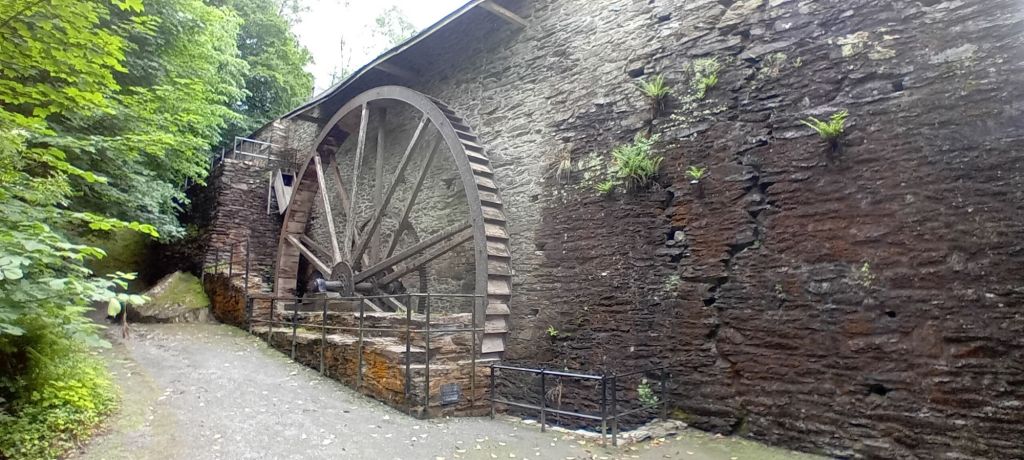

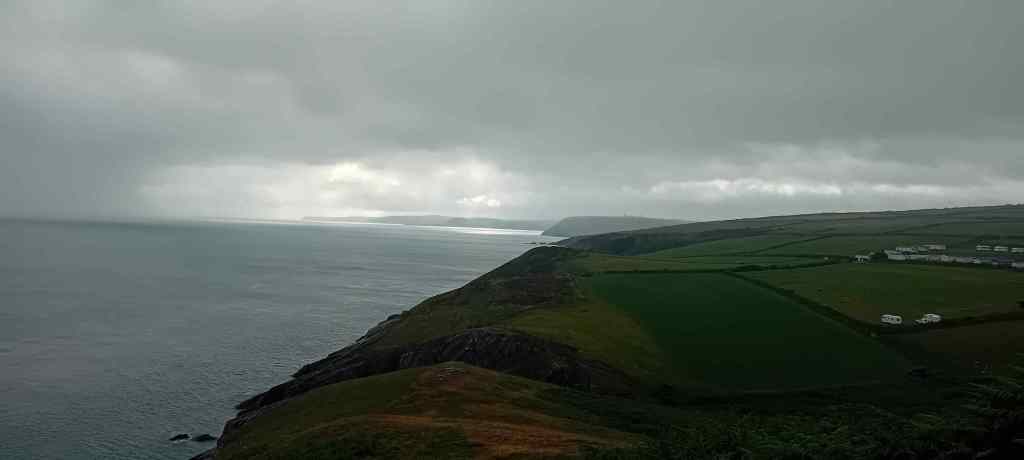
A few photographs of birds spotted along the coast while on our Pembrokeshire trip.
Herring Gull.


Oystercatcher.

Linnet.
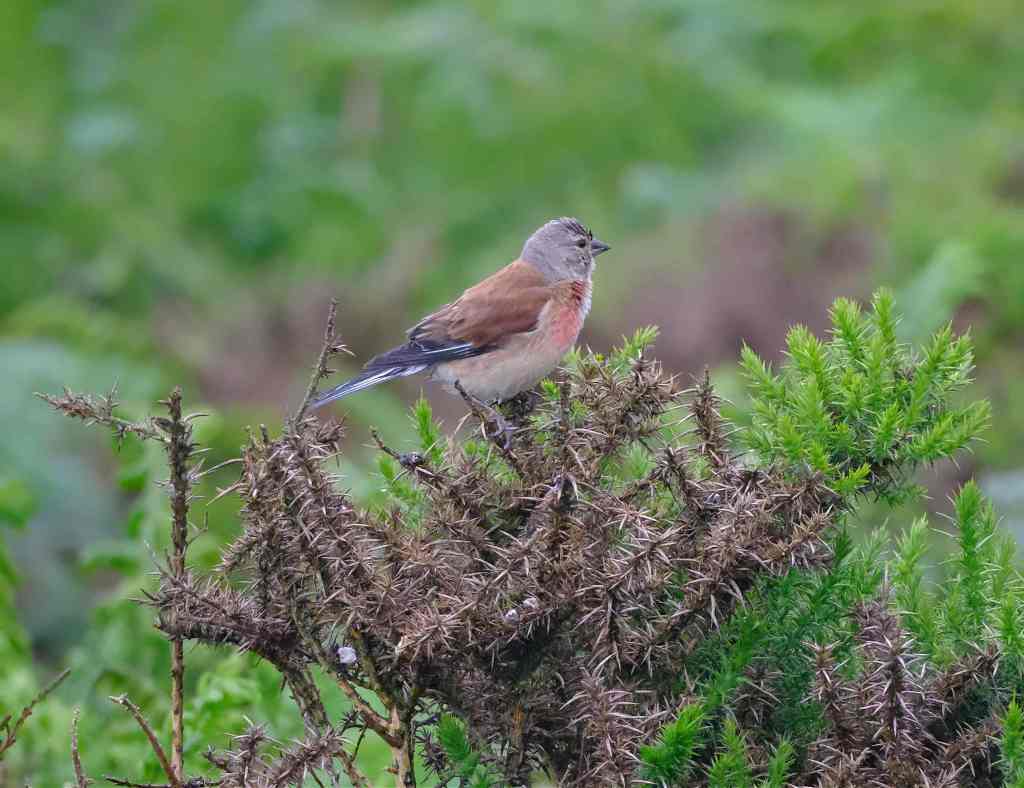

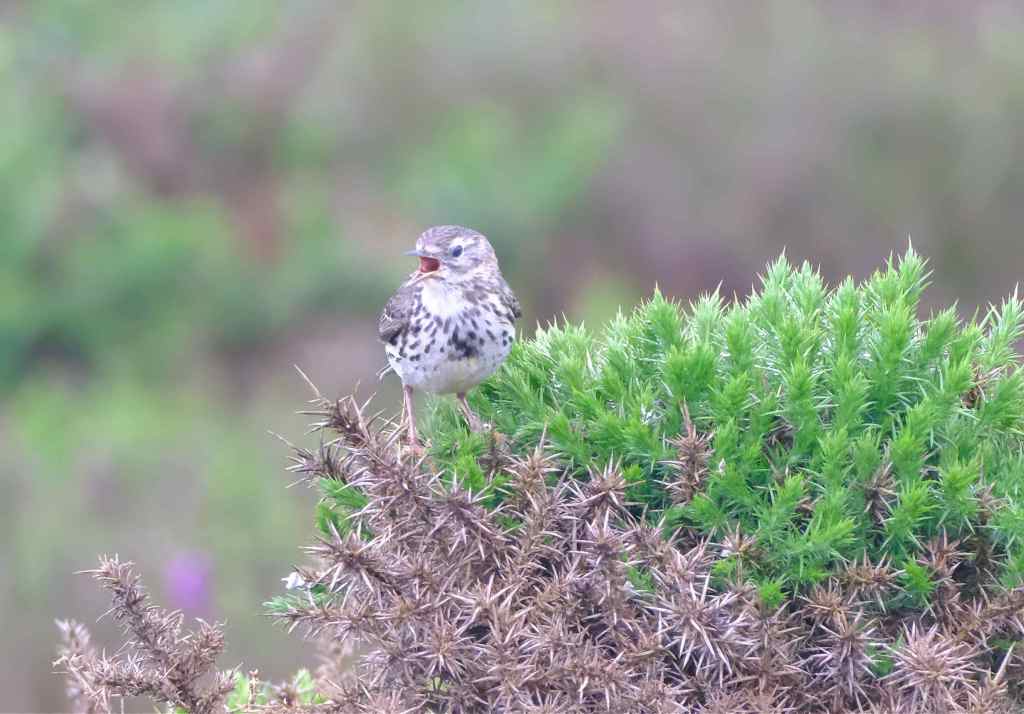
Pipit.

I got to see several male Ruff at Slimbridge Wetland Centre yesterday. There is a small breeding population of ruff in the UK. The Ruff is a large Sandpiper; they get their name from the large ruff of feathers around the males’ neck when in breeding plumage. The colour of the ruff can be white, black or buff. I have seen a few of these birds in non-breeding plumage at the marshes locally to me in Lymington. These birds were fairly plain-looking waders – pale fawn-brown all over, with a paler belly.


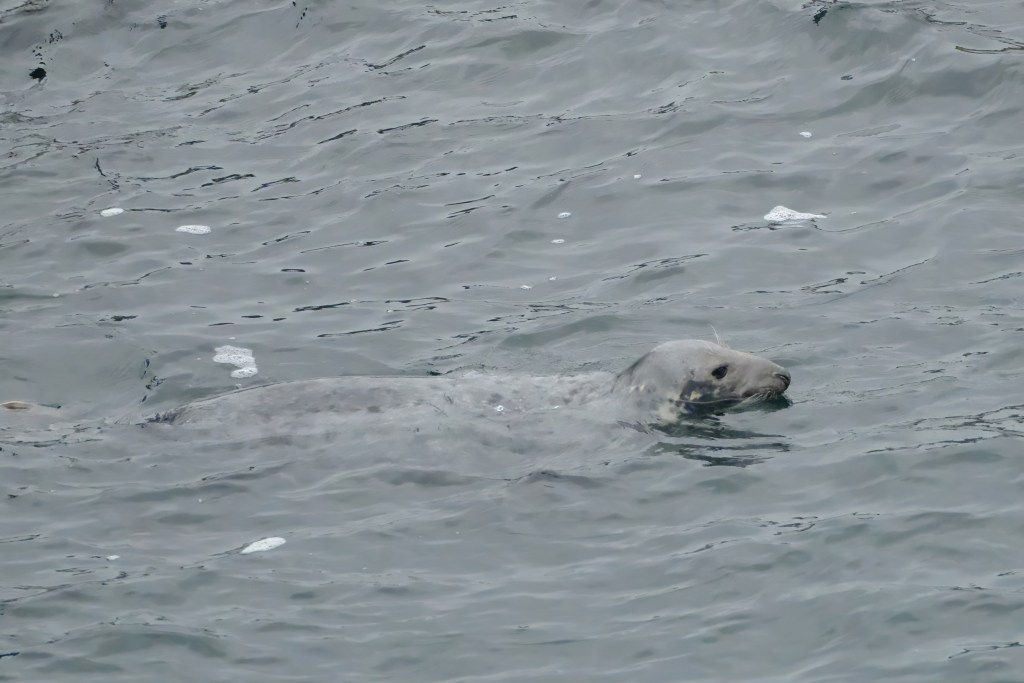
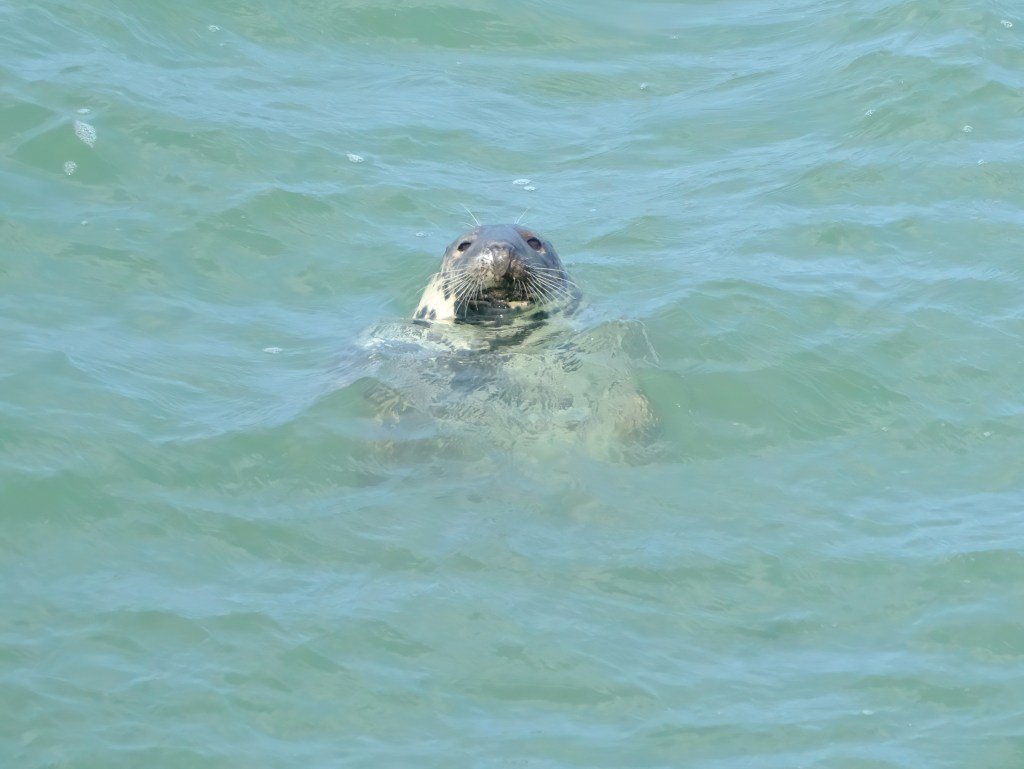
Seals Strumble Head Wales.






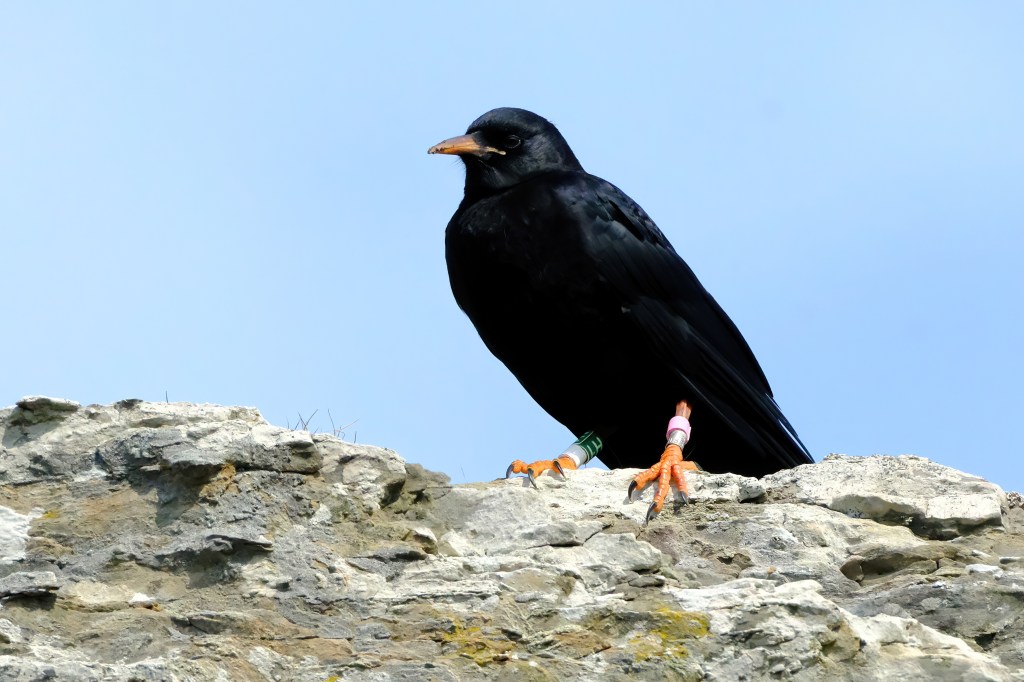
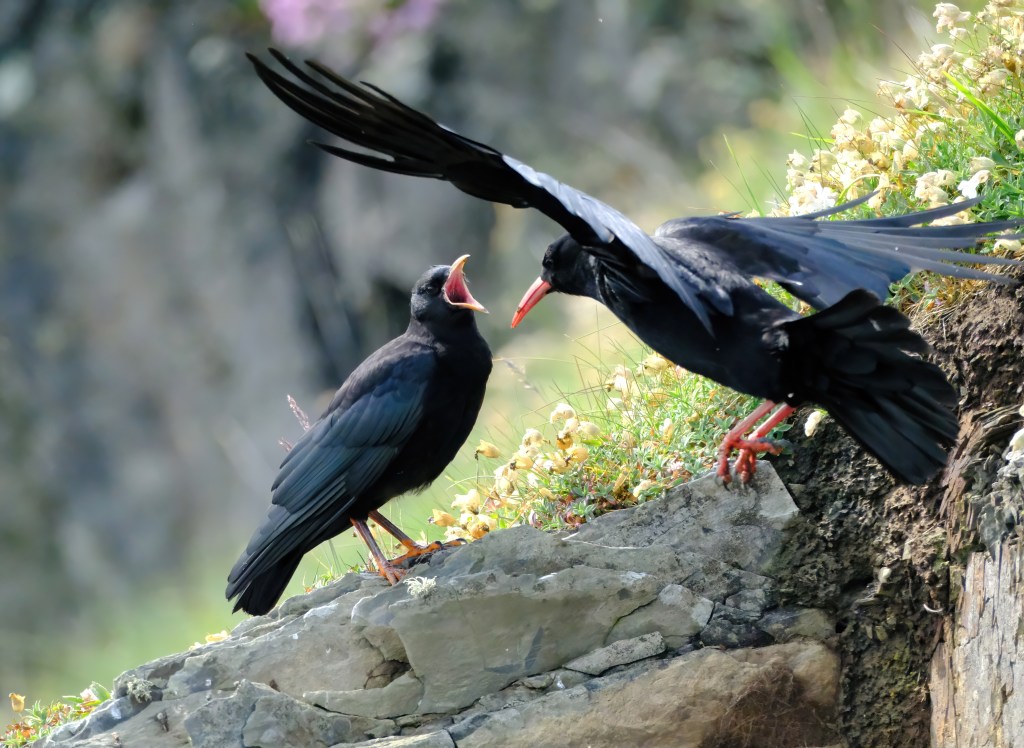
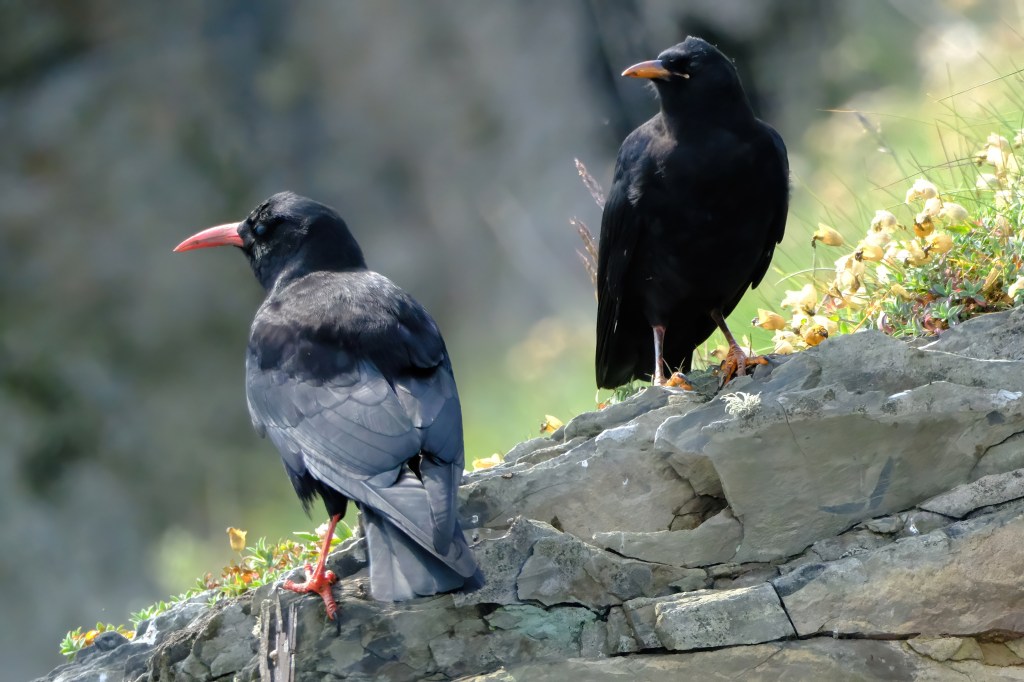
I visited an area in Pembrokeshire, Wales, on our camping trip where, several years before, I had seen Choughs. On a few miles of rugged coastline, I was lucky to see about 15 birds. This included two family groups – both had two parent birds and at least 3 juvenile birds in their group. One set of chicks had been ringed.
Unfortunately, the weather was very wet with high winds, so getting photographs was challenging.
The Chough—pronounced ‘chuff’— is a member of the crow family, but unlike any crow, it has an orange bill and legs. It is found only on the west of the British Isles. It’s a master aerobatics with dramatic aerial displays of diving and swooping. These birds are rare, with only 500 breeding pairs in the UK and the Isle of Man. They are Schedule 1 species.
They feed on short grassland and coastal heathland, where they probe the ground with their long bill for insects, such as leatherjackets and beetle larvae. Nests are in crevices and fissures, on rock ledges and cliff faces.. The female lays three to five eggs, and both parents help to raise the chicks.
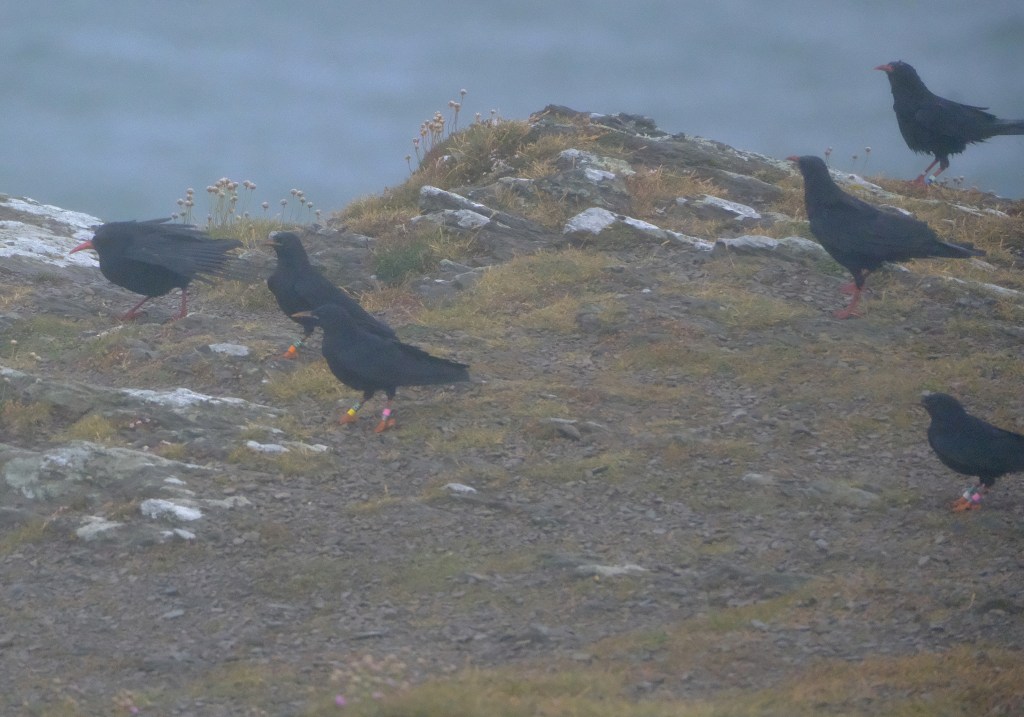

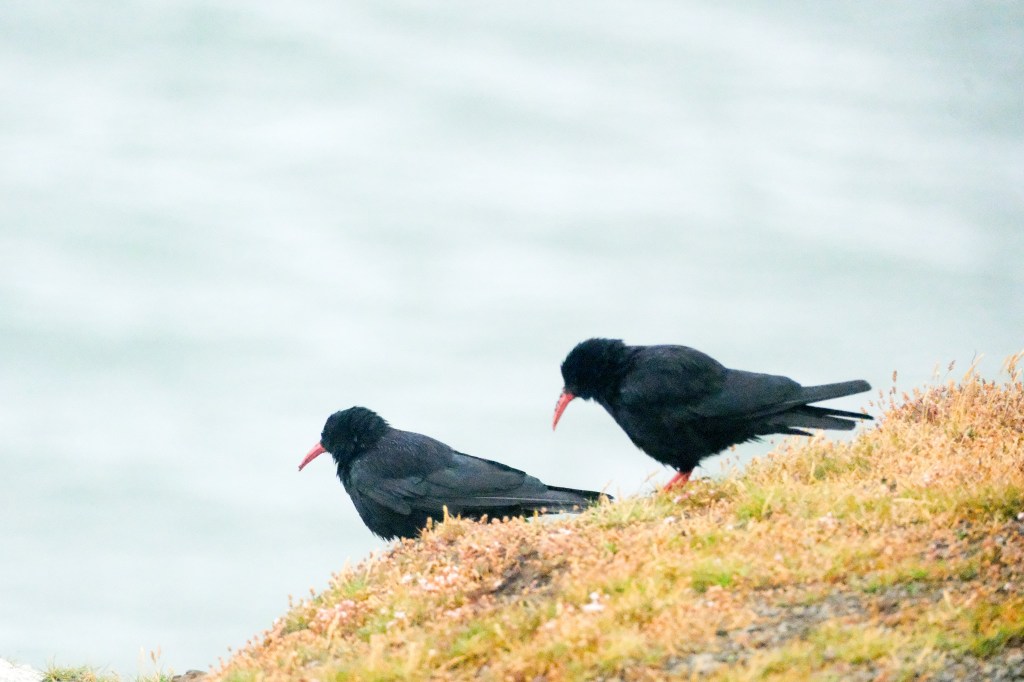
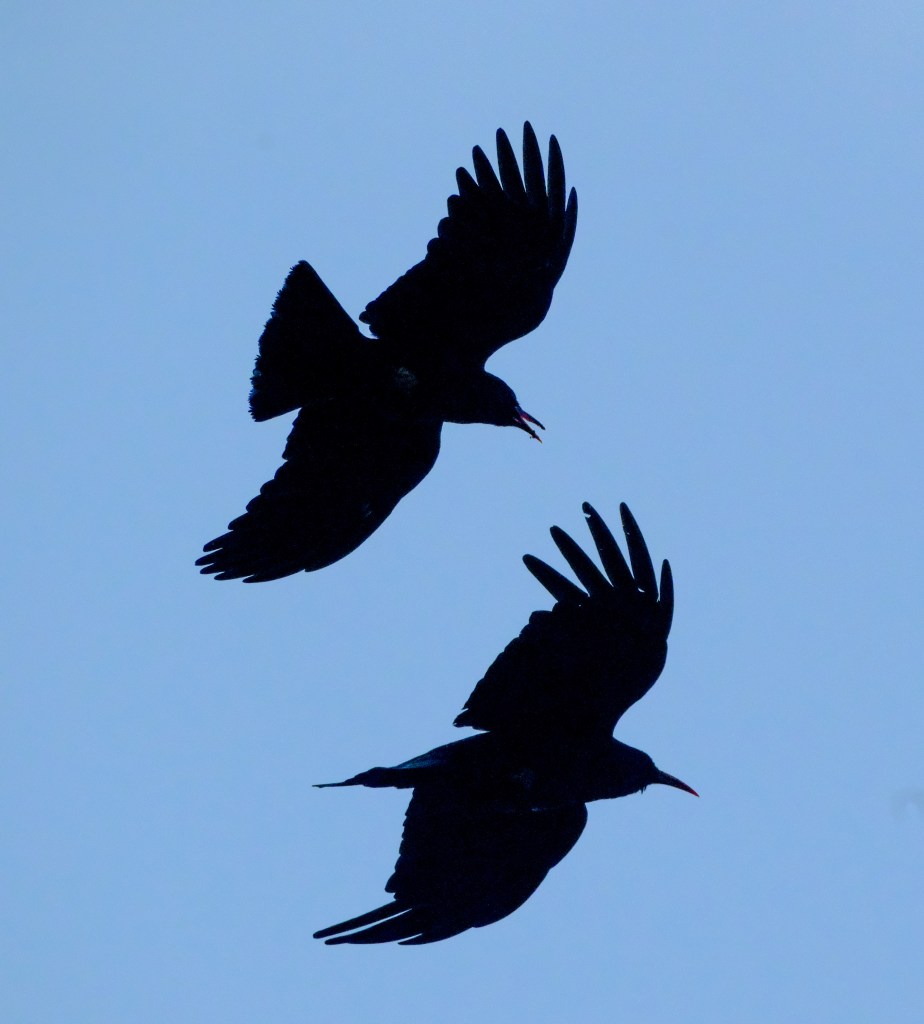
Later in the morning the weather improved so did the light so my pictures improved.

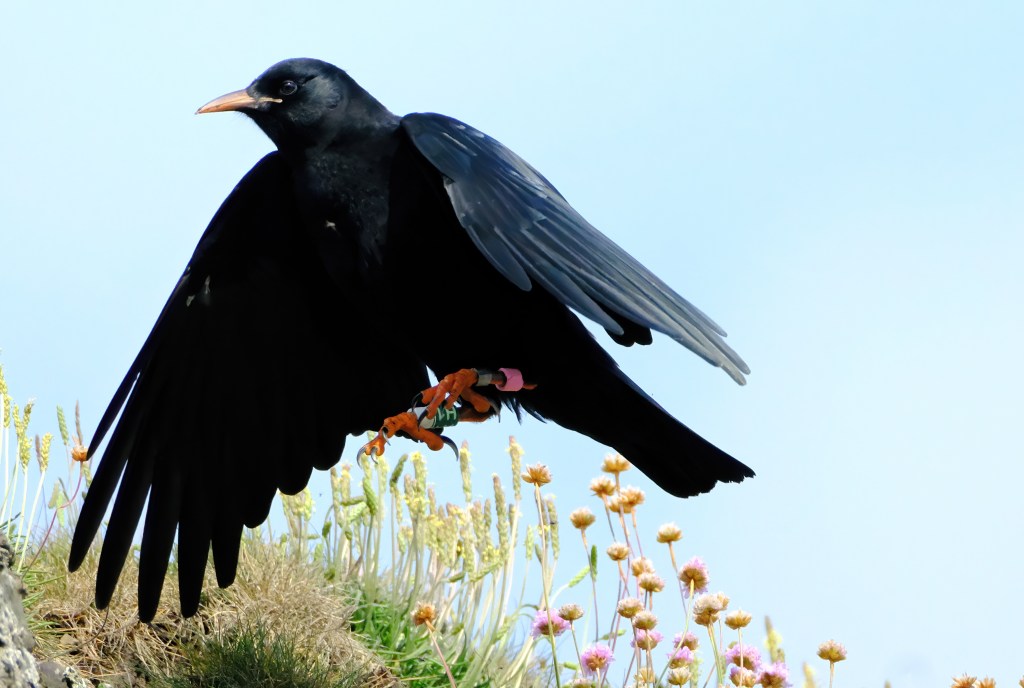
Below is a juvenile bird (ringed), note the paler bill.



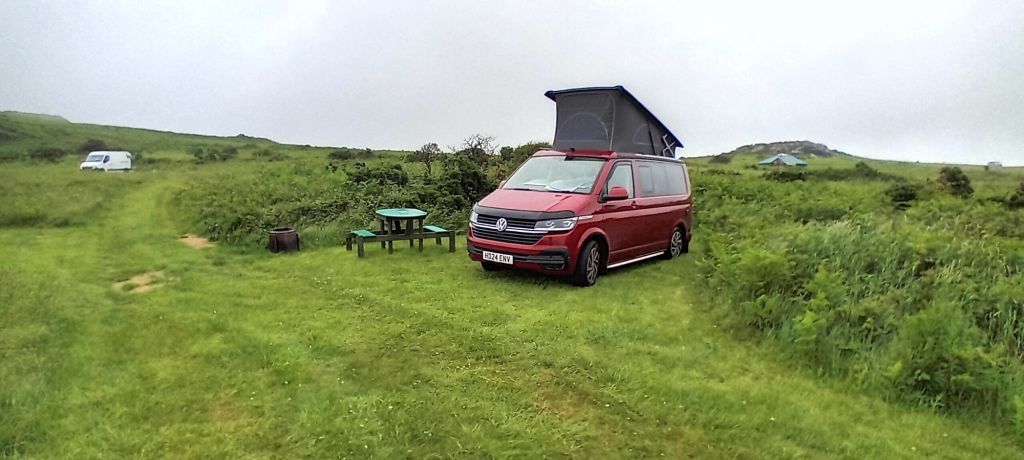
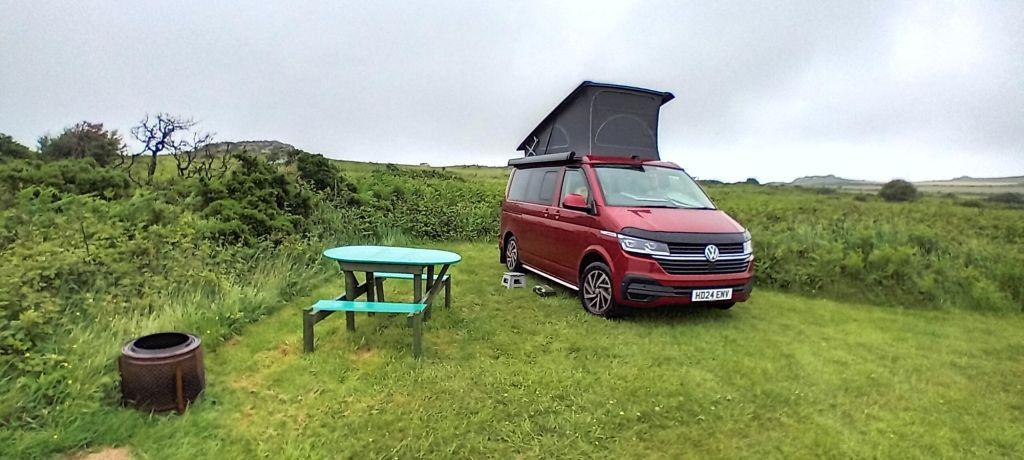
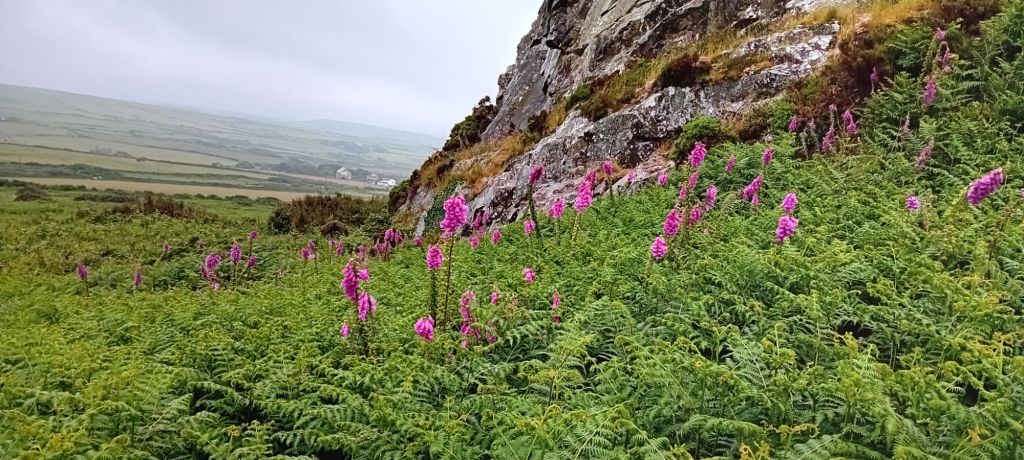
I’ve been away since last week, touring in West Wales. Poor or no wifi, so no posts. It rains a lot in Wales! Some good coastal nature spotting to follow. Posted from a smartphone.

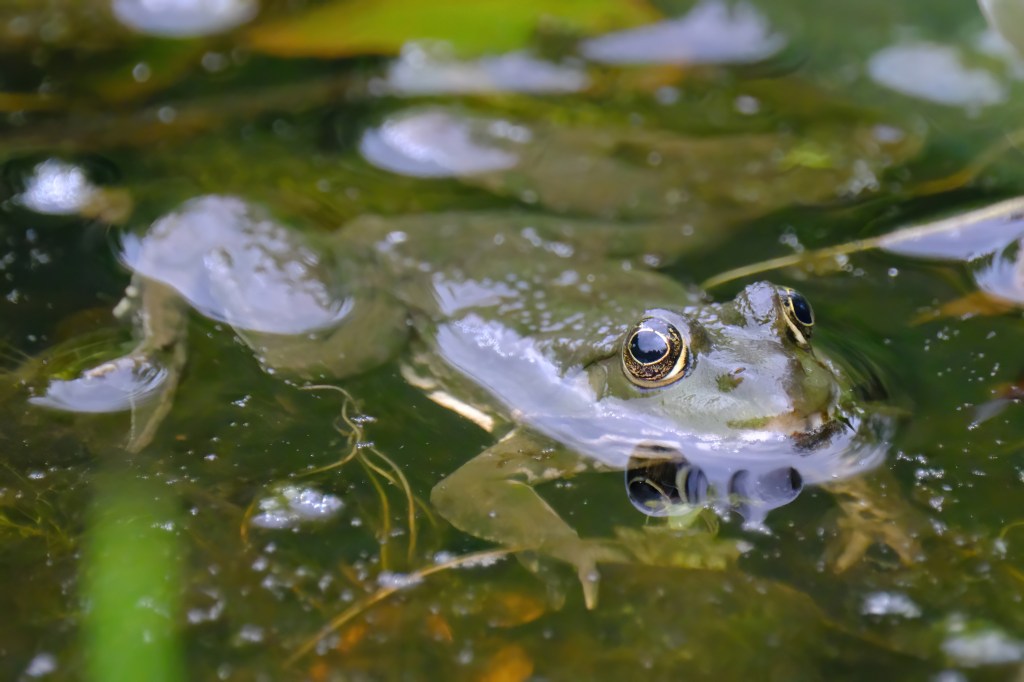
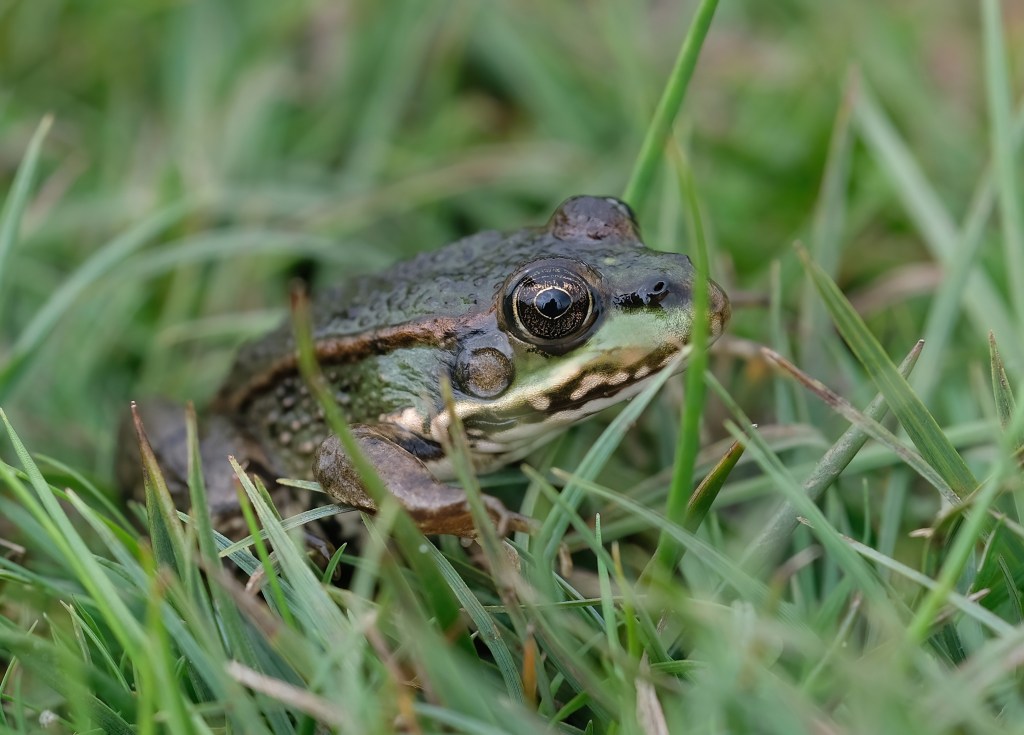
In the UK, the most well-known amphibian is the common frog. It is a regular visitor to garden ponds across the country, and it hibernates in pond mud or under log piles.

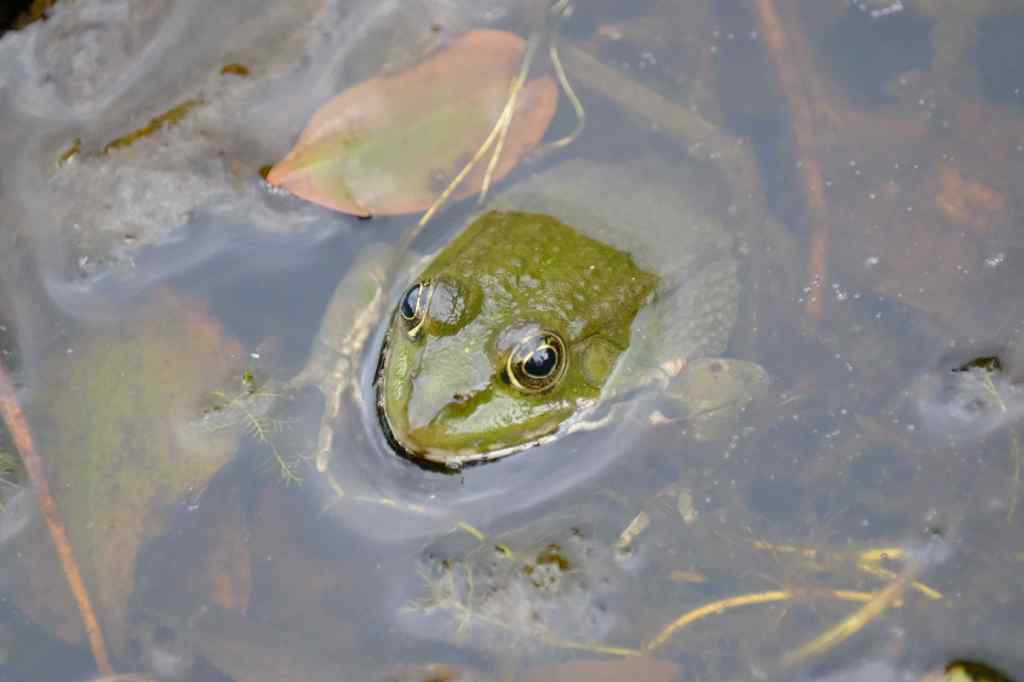
The marsh frog, a non-native species, was introduced to the UK in the 1930s, with populations establishing in Kent and spreading to other parts of southern England. While most common in the southeast, isolated populations have been recorded further north. Unlike our native frogs, they never stray too far from water. They either are in it, or sat close to it. They are alert and wary as you approach, they will launch themselves into and plop into the water. Last August, we watched a New Forest population.

Today we returned the the same area and spotted them again.

Without (much) hesitation, and with a weather forecast giving a bright Sunday morning until around lunchtime, when my brother suggested a 04:30 hrs start to see if we could spot the Barn Owl we had spotted on the South Downs a few weeks earlier, it was a “go”!
As we left for the half-hour drive, it was already getting light. However, a noticeable chill was in the air, so I opted for a fleece over a waterproof jacket.
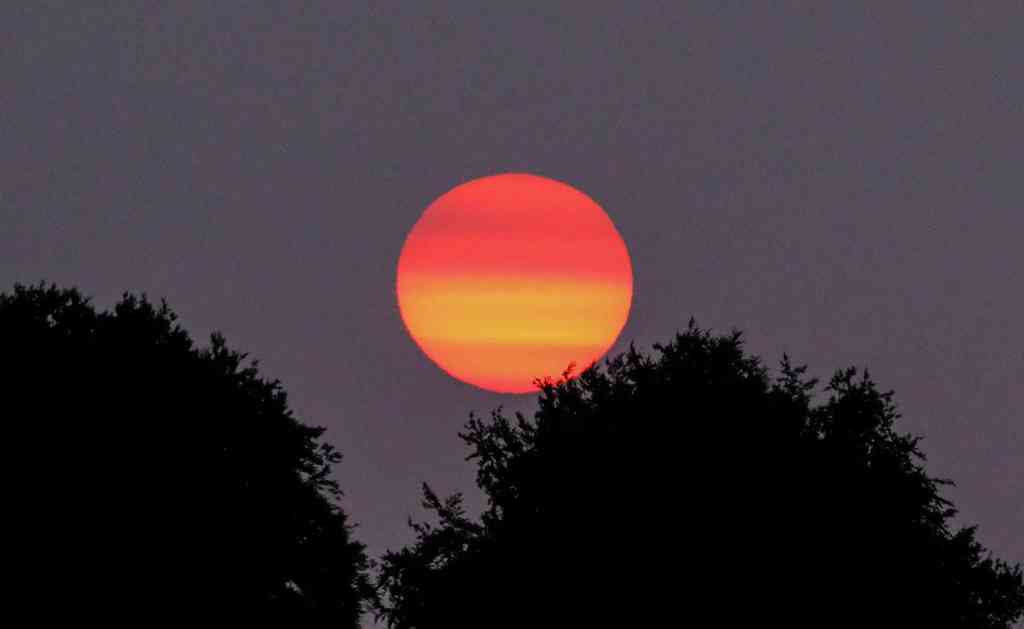

25 years ago, the Government were stating they were going to bury the electricity cables in places of natural beauty such as national parks, well it never happened and we are told more pylons will be needed to link solar farms to the national grid as they are too expensive to go underground. I see WordPress now has an AI section, so I asked it to generate a picture of Pylons at Stonehenge! {NB-1st and last time I will post a A1 picture}

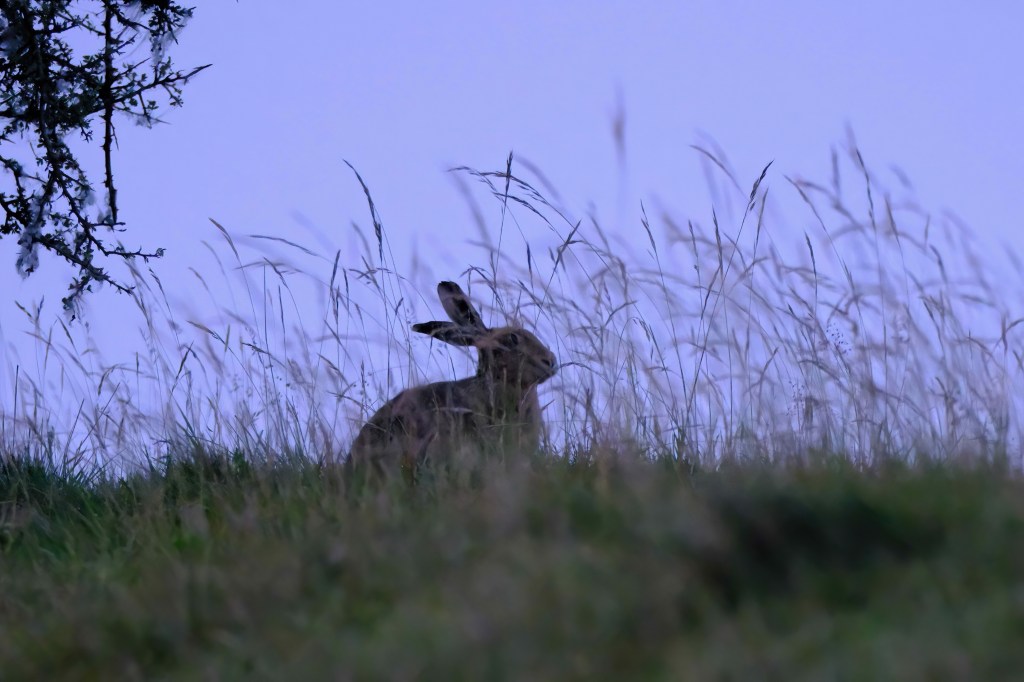
Sadly, no Barn Owl was out morning hunting, but good numbers of Brown Hares were about.
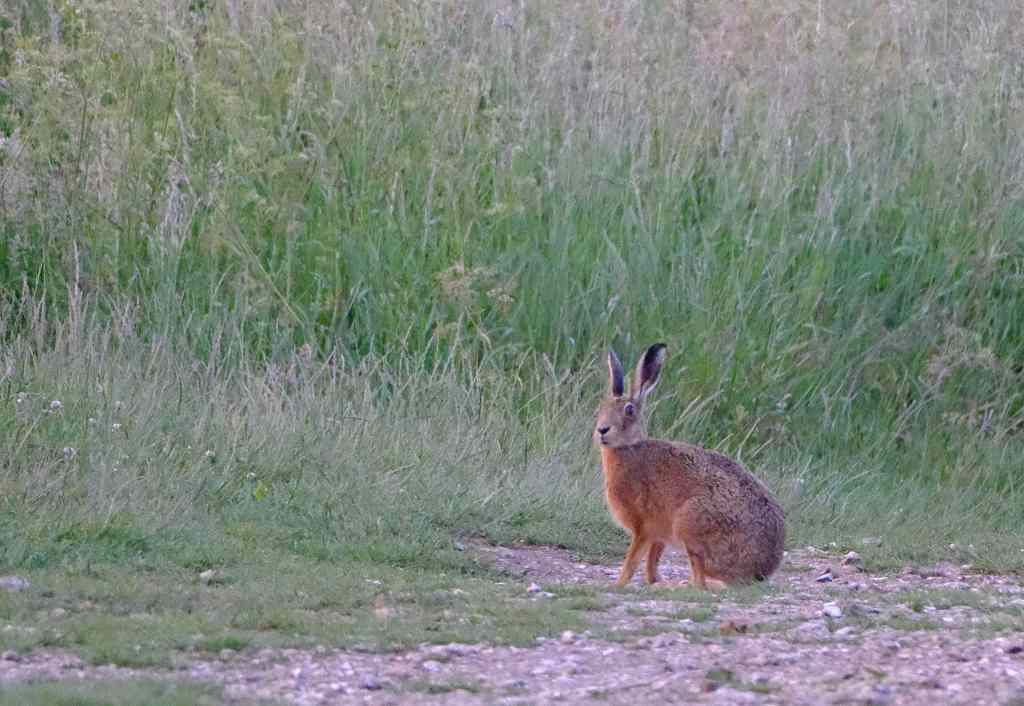
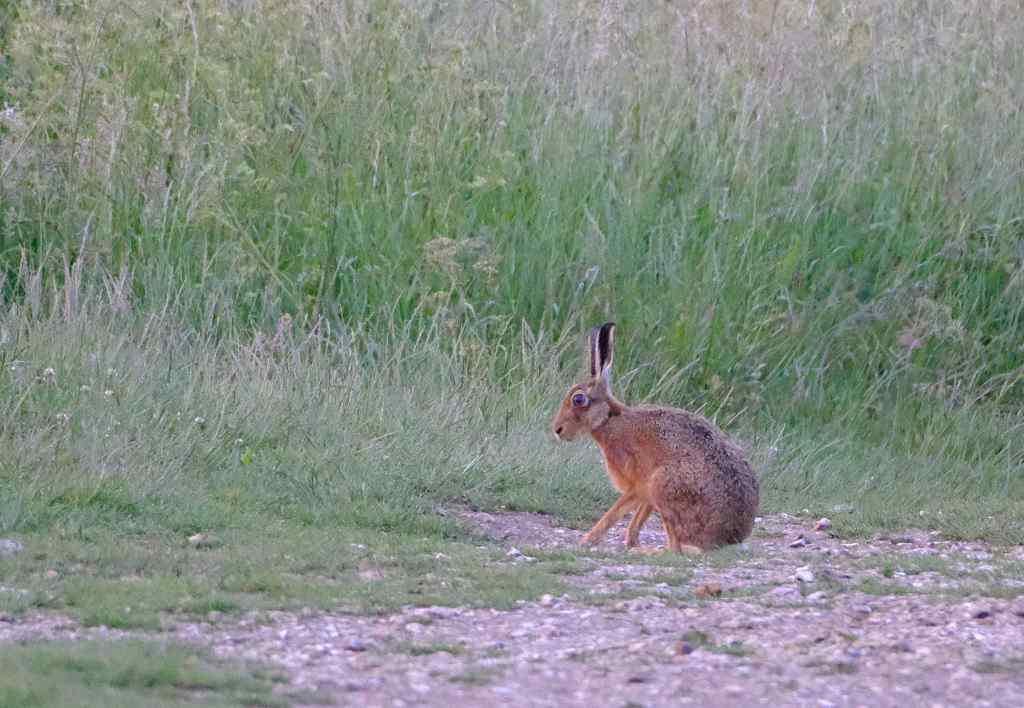


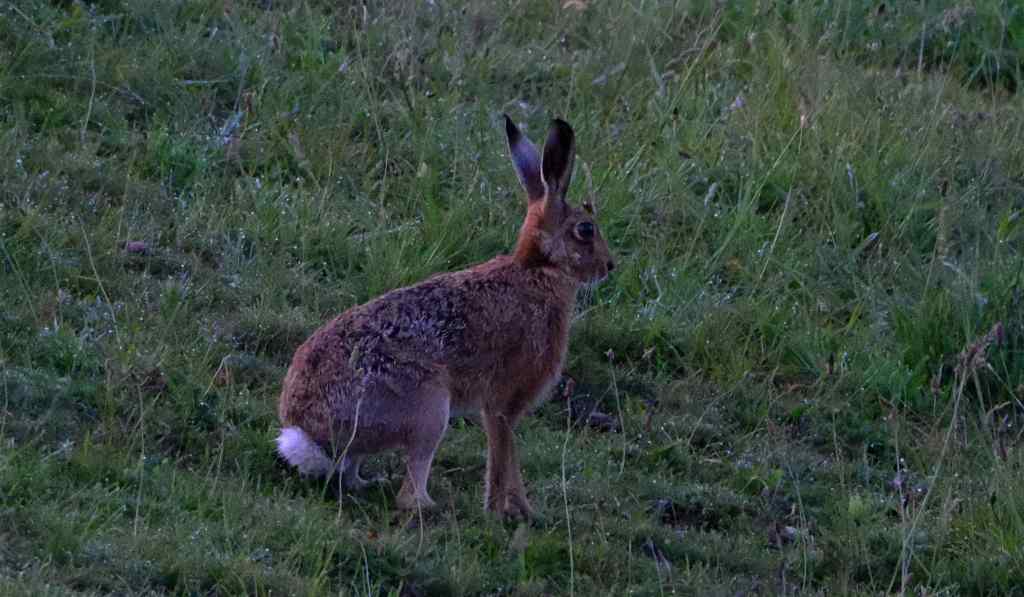
The next hare was a Rabbit!

Turning to head back, rain clouds were heading in. All the crows just landed, sadly, I missed them in the air as it was a great sight with that sky.

With a few rather interested in us, Hereford Cattle, we took a wide detour off the footpath close to farm buildings.
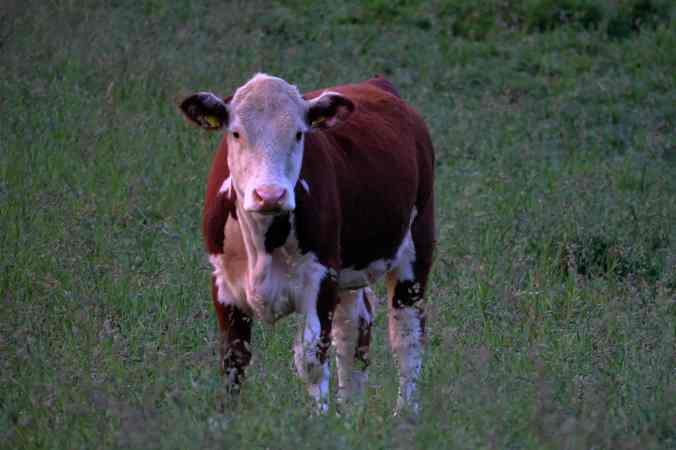
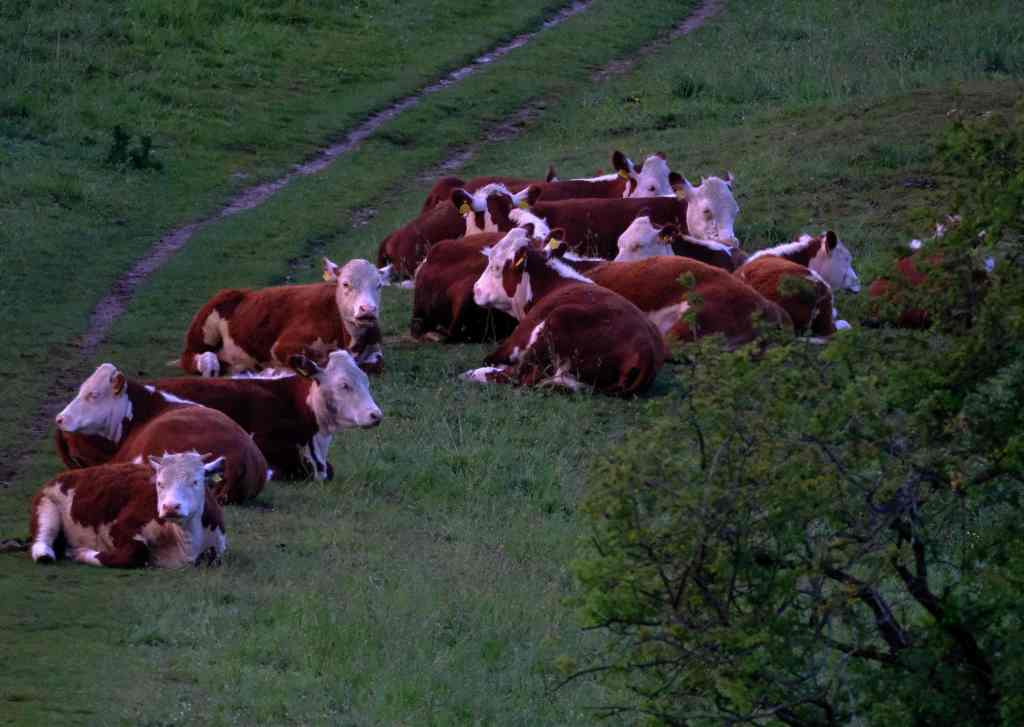
This allowed us the opportunity to look into the barn where we had seen the Owl in flight previously.
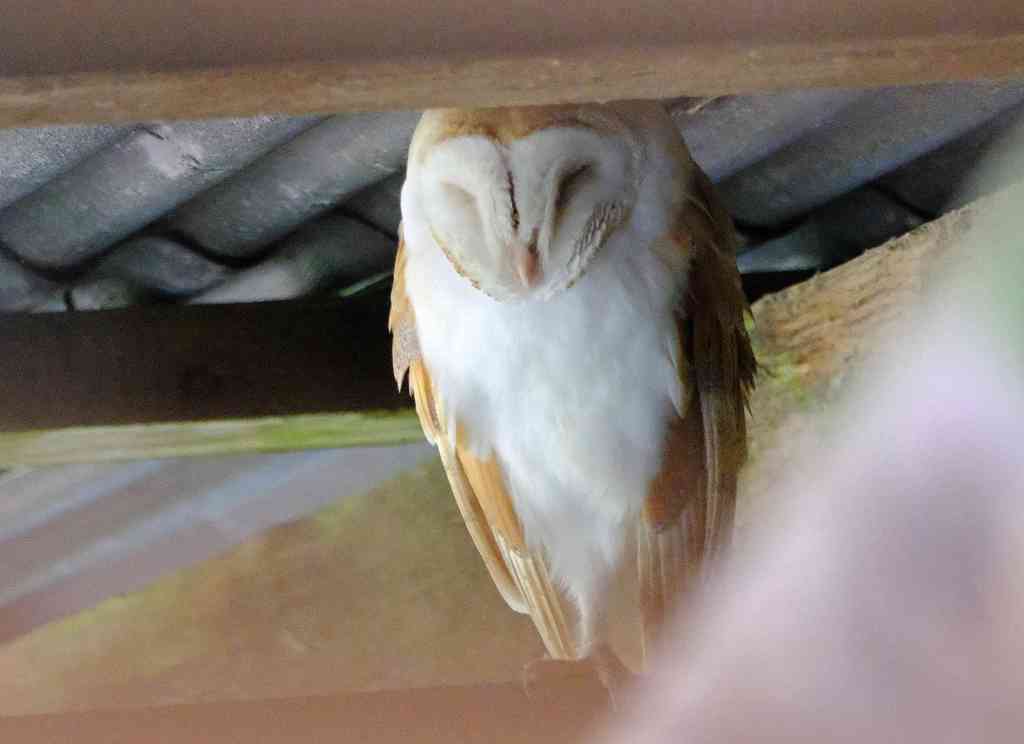
Looking through a hole in the barn wall (marked with a yellow arrow) was the Barn Owl on the other side, fast asleep. Obviously, despite our early start, it was not early enough!


I spotted these dragonflies and damselflies in the New Forest on yesterday’s walk.


Keeled Skimmer (female)

Keeled Skimmer (male)

Large Red Damselfly.(mating Pair).

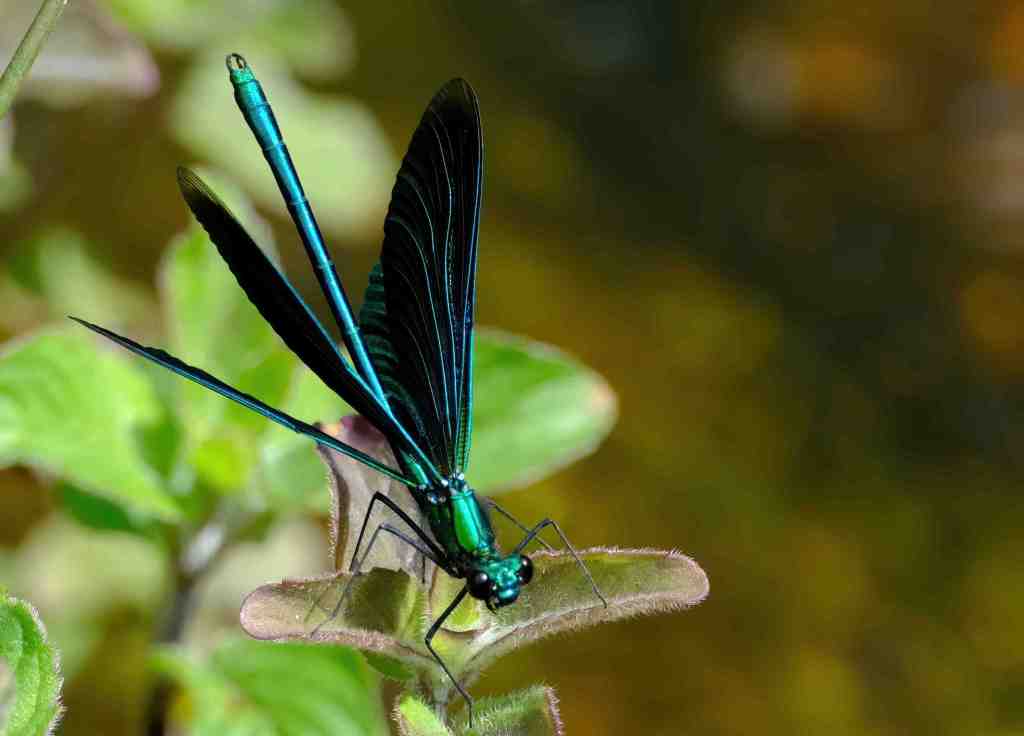
Beautiful demoiselle Damselfly.
 Continued Reflections from my World.