Up at dawn for a walk along a footpath part of the South Downs Way this morning. Delighted to see a Barn Owl hunting in the morning light.
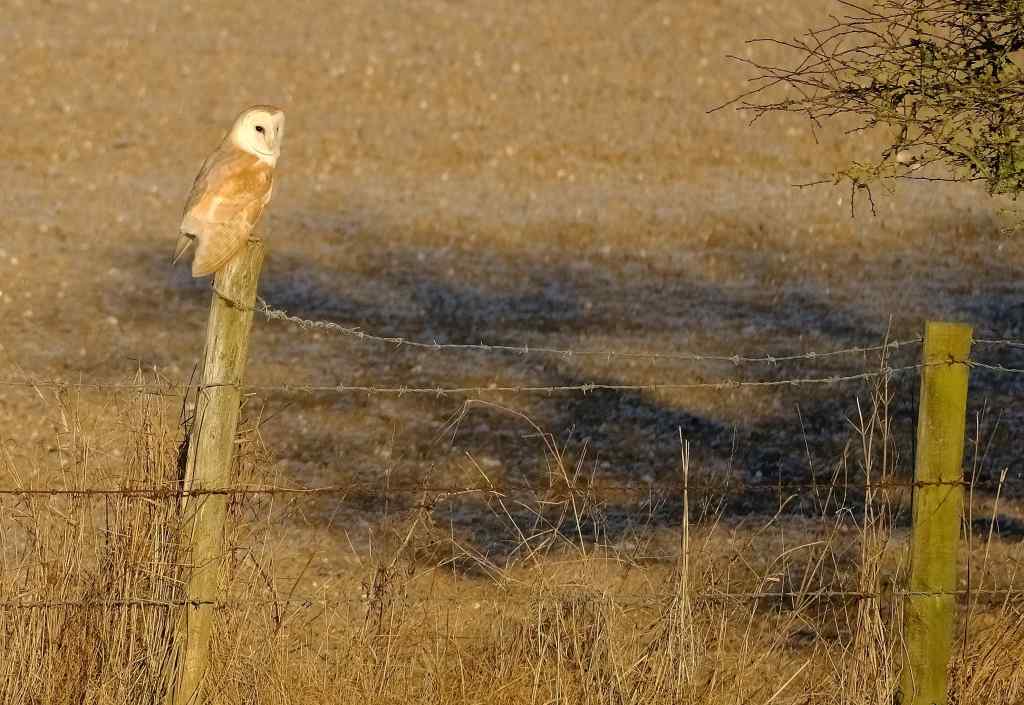


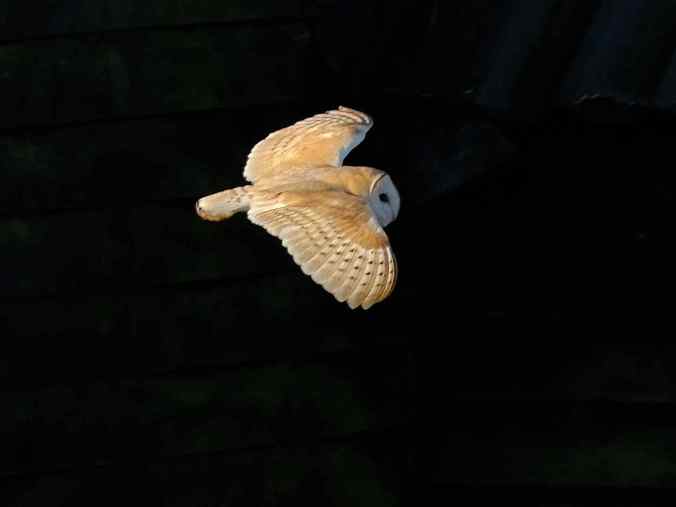
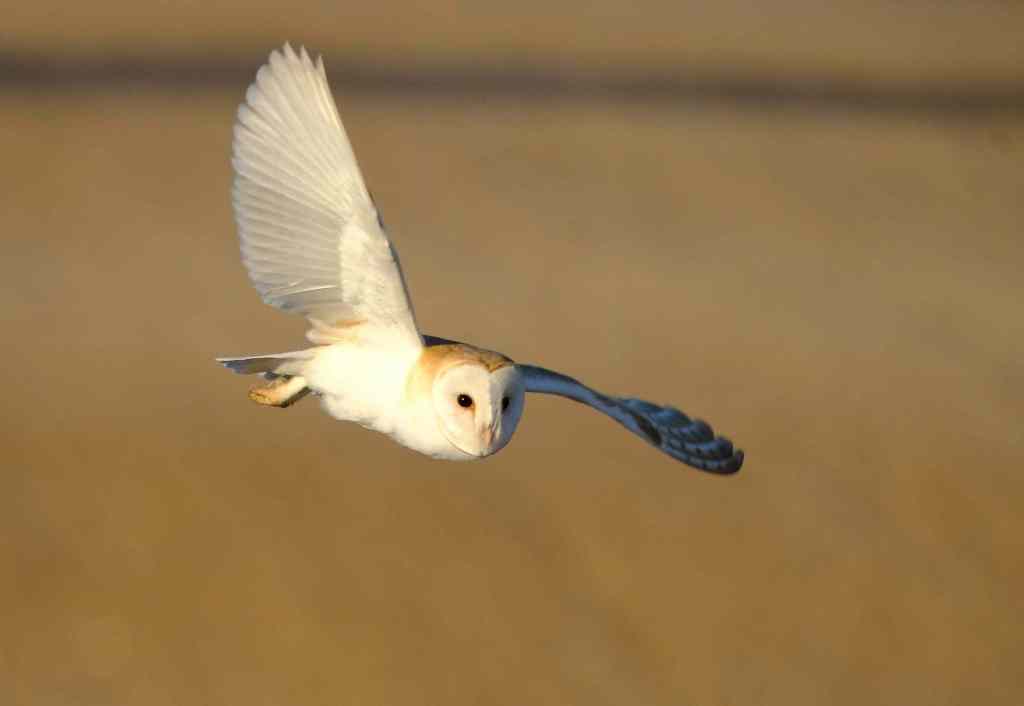


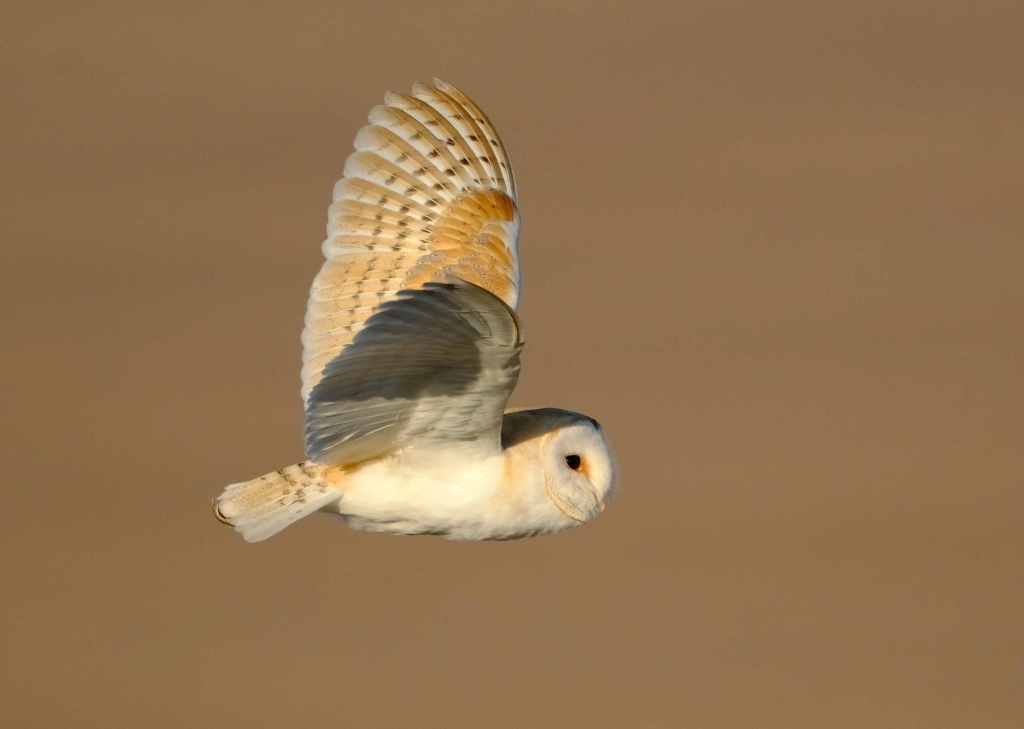
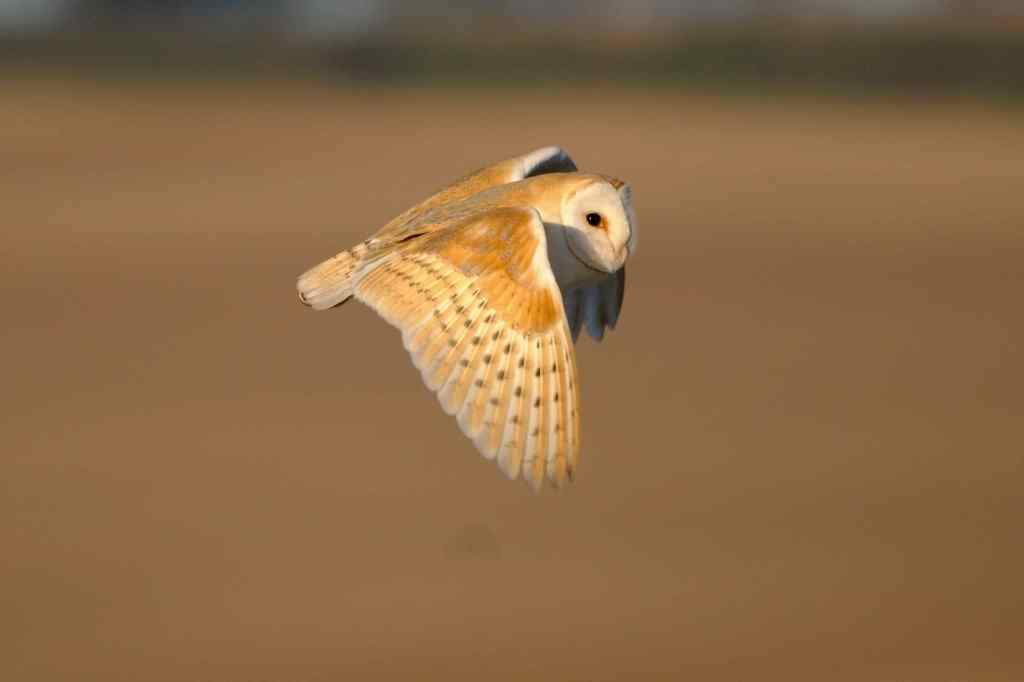

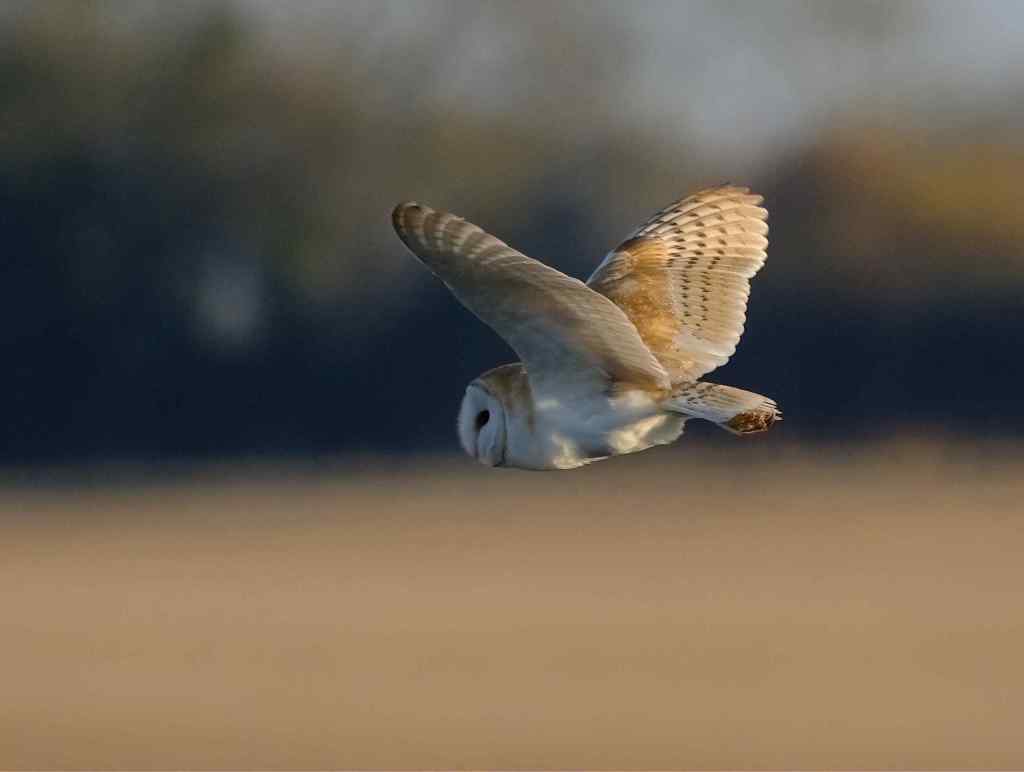
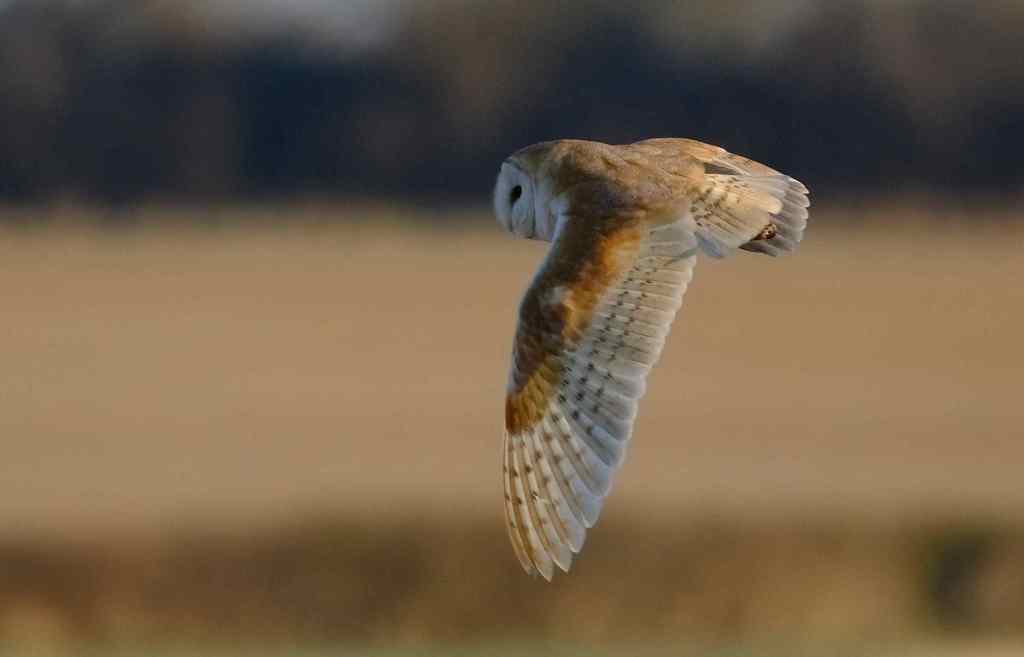

Up at dawn for a walk along a footpath part of the South Downs Way this morning. Delighted to see a Barn Owl hunting in the morning light.
Early morning walk on the South Downs Way near Winchester. Some short clips.
Video link

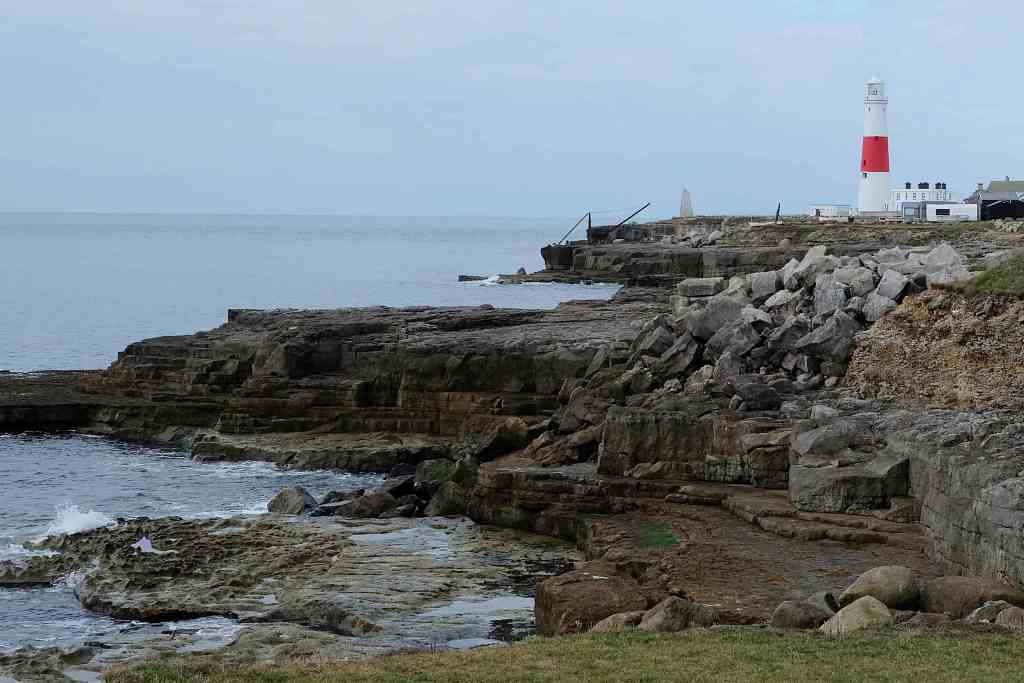
Over time, three lighthouses have been built on Portland Bill headland. The original two short lighthouses were built in 1716. They worked together as a pair, and had coal-fired lights, and were said to be unreliable. They were replaced in 1906 by the current red and white striped one. All three lighthouses are still standing.
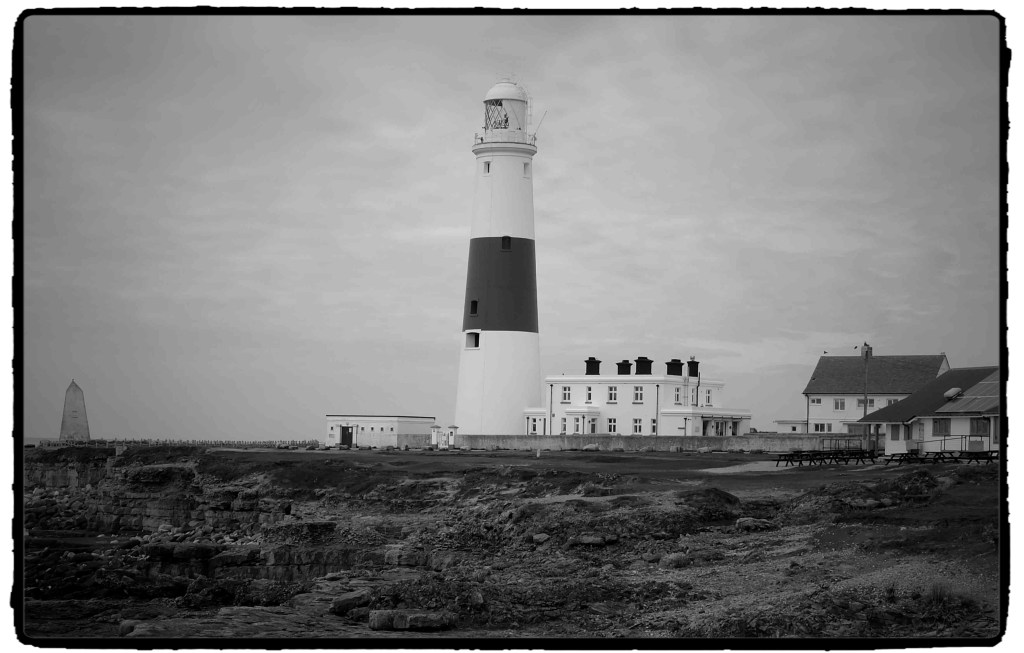
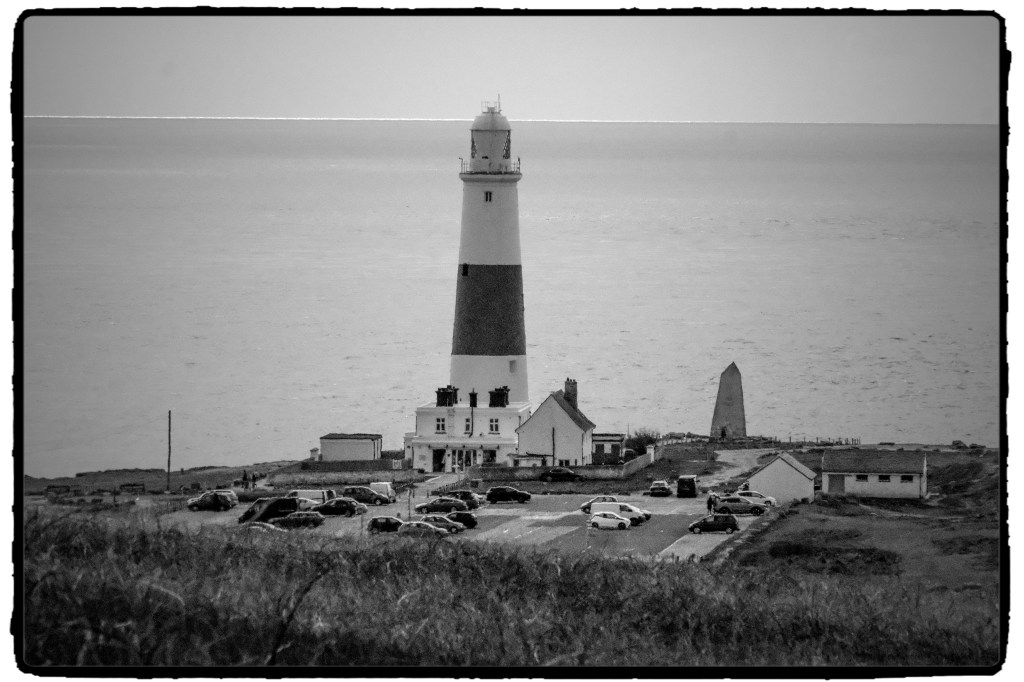

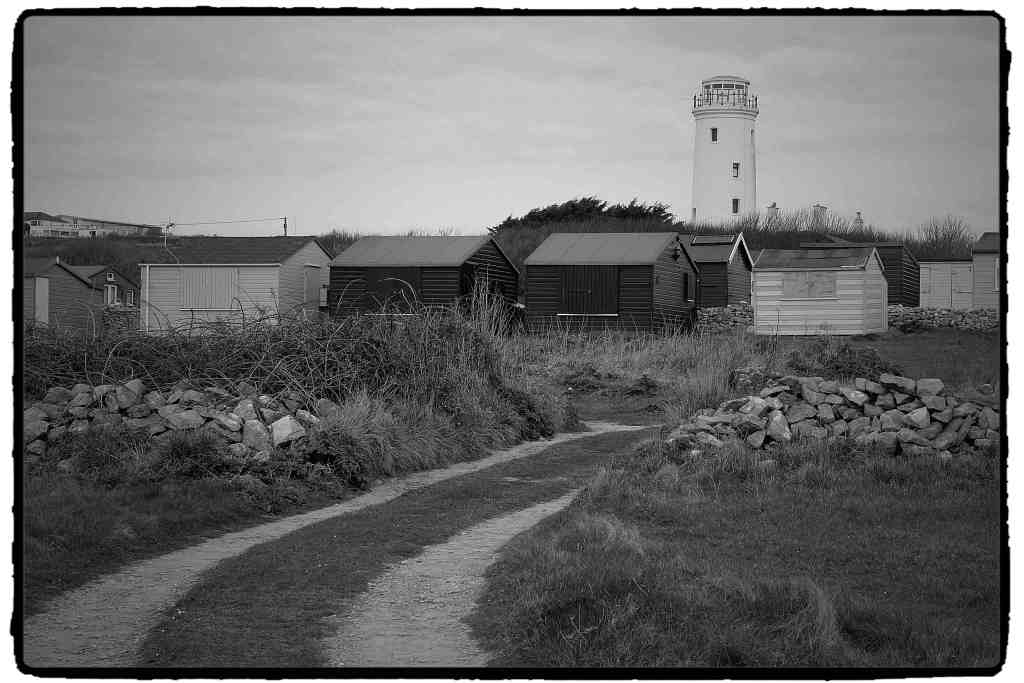
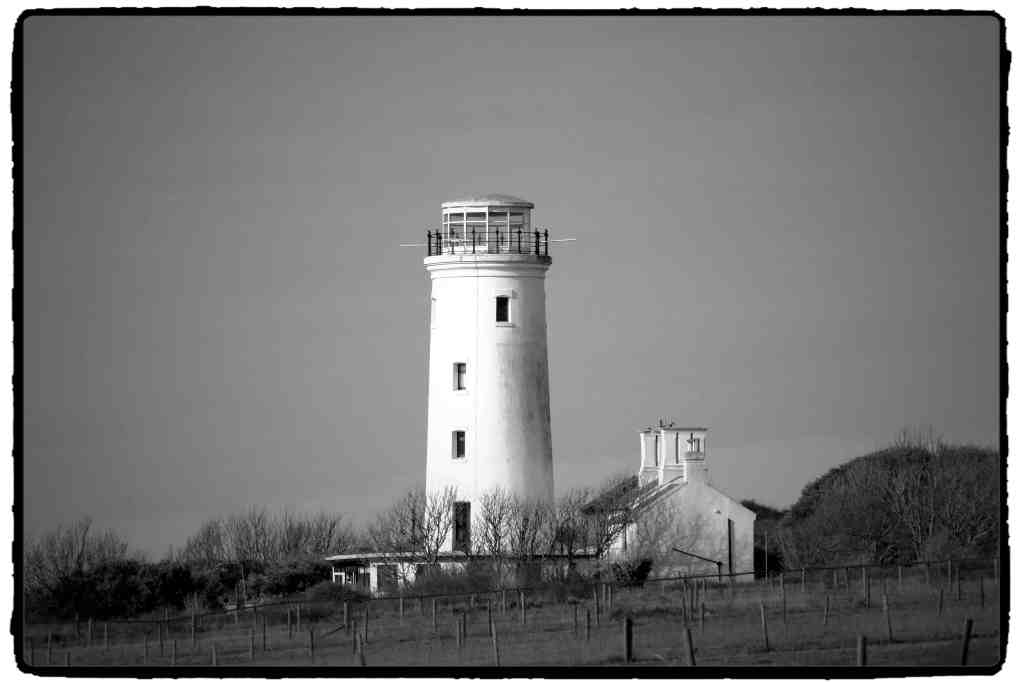
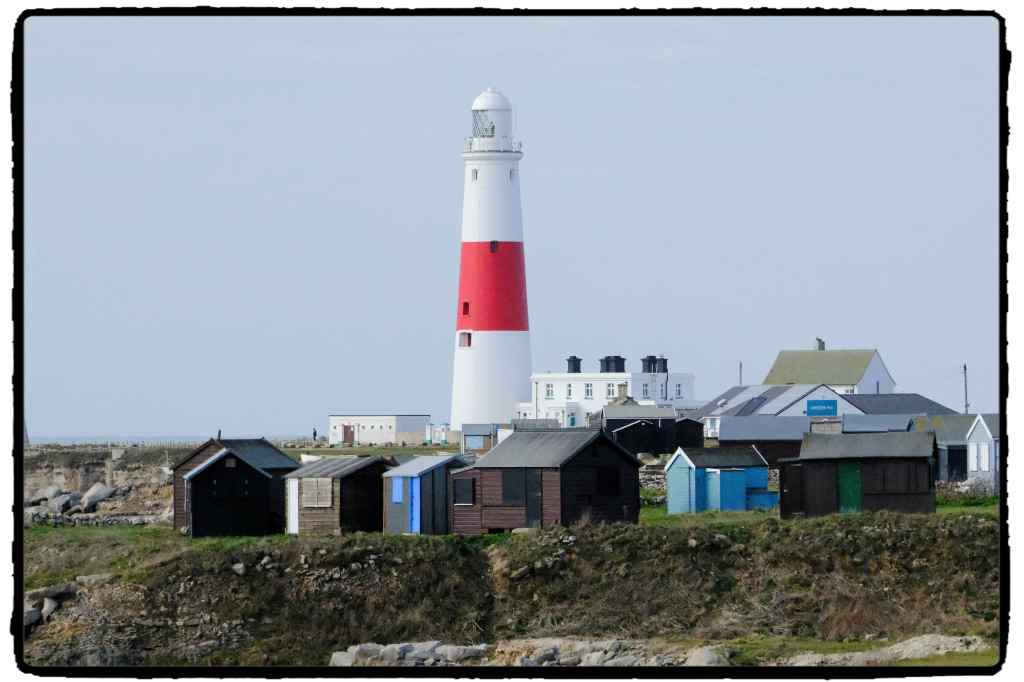
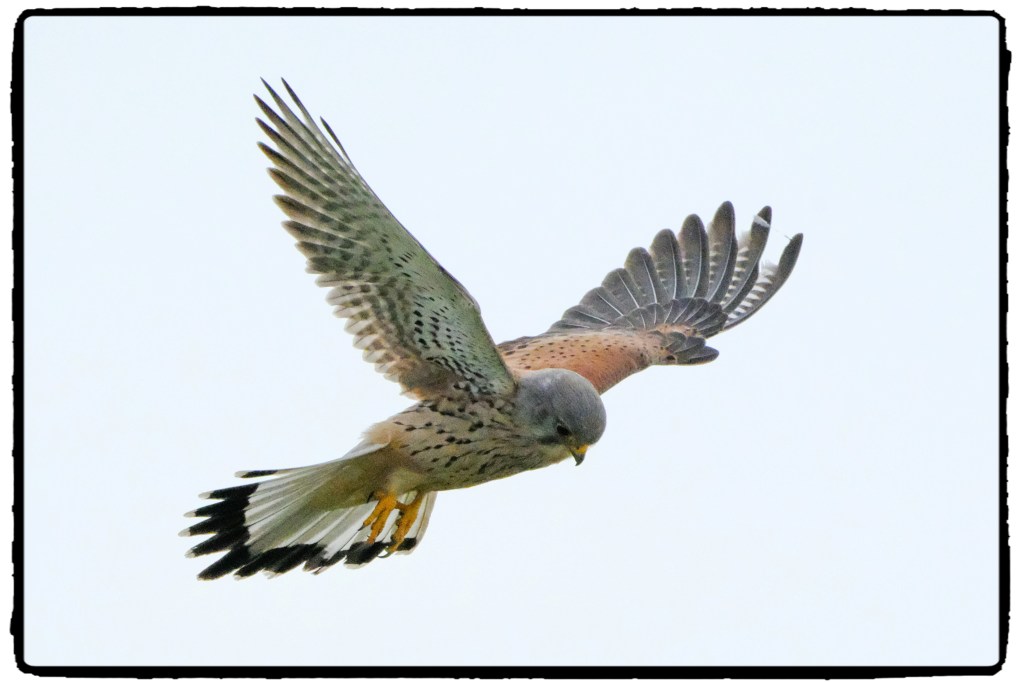
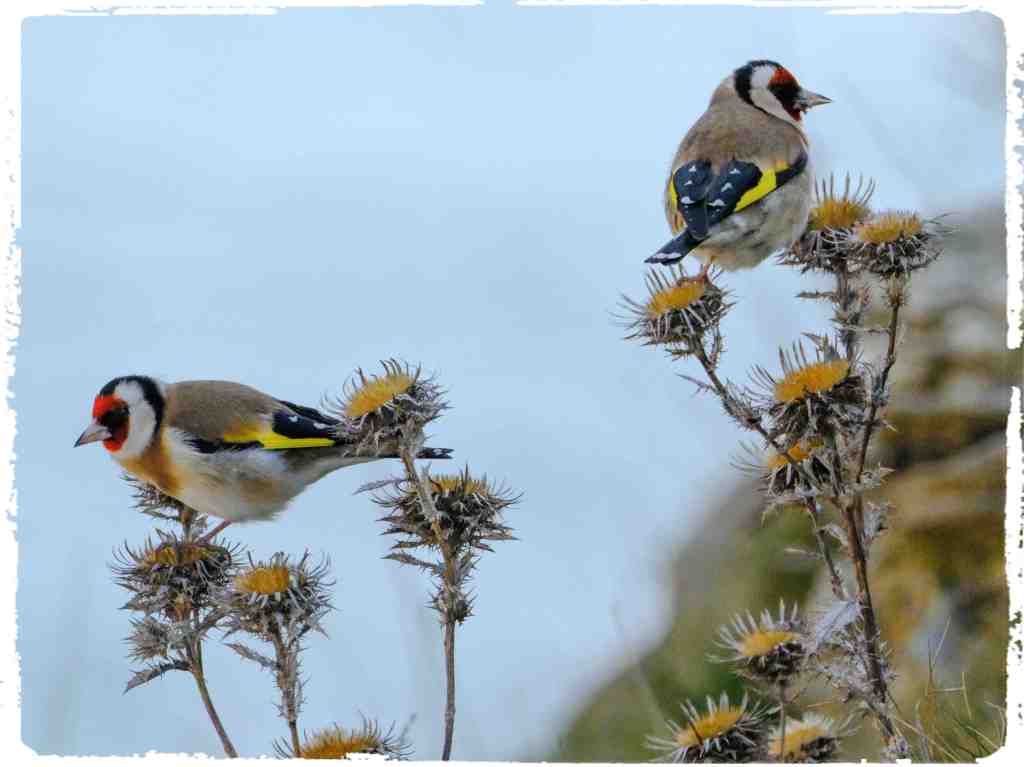
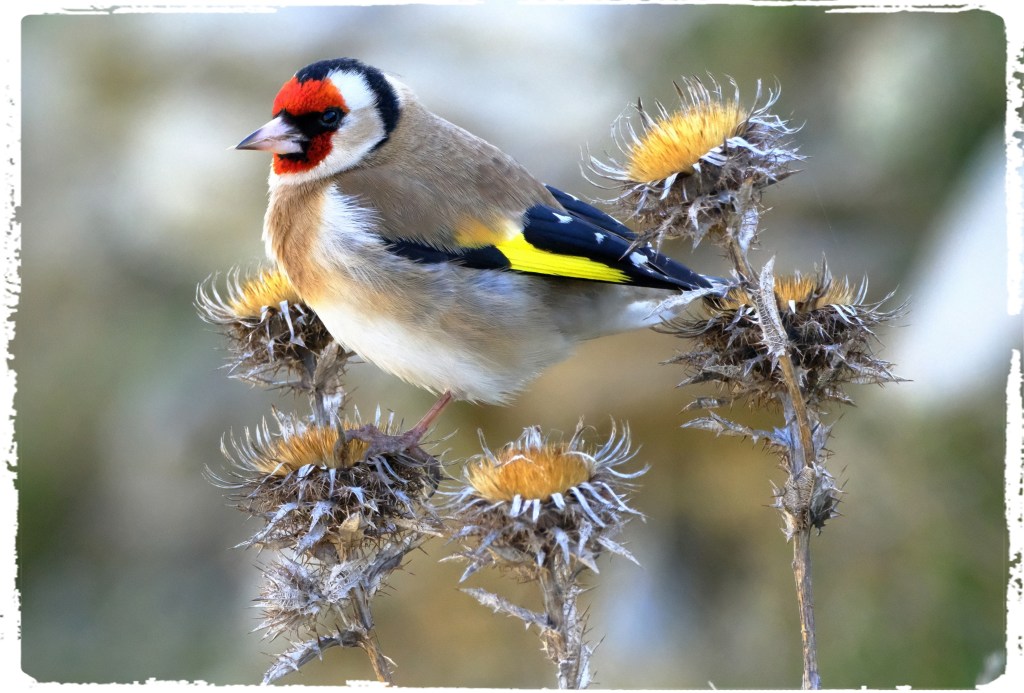


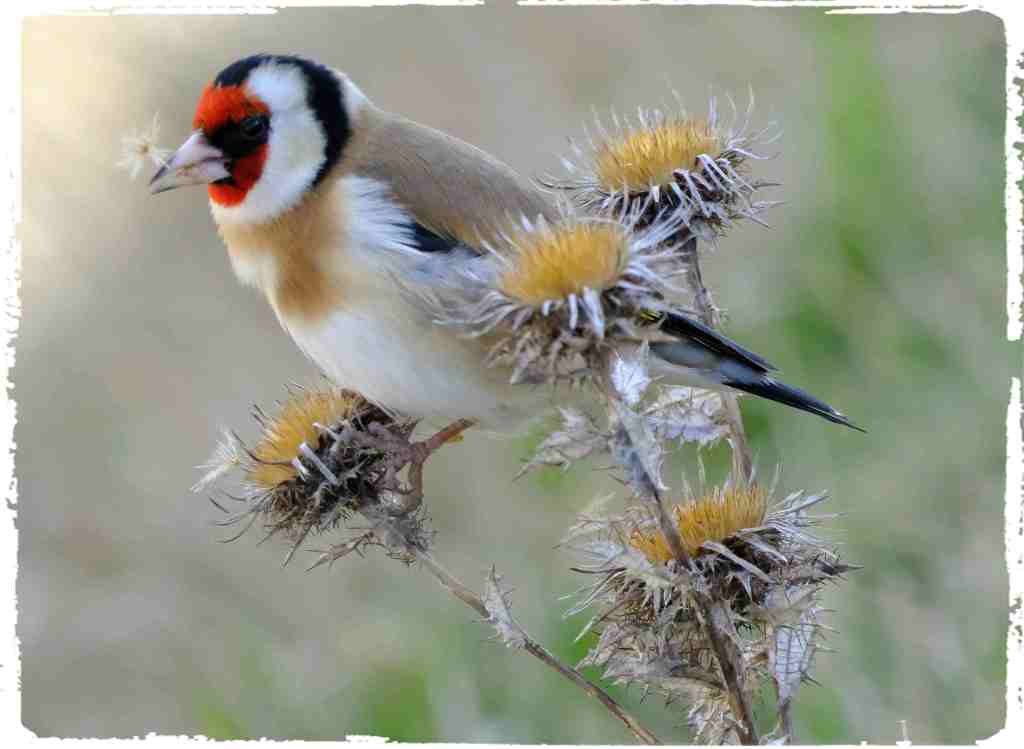

Our 1st Camper Van Trip of 2025 was just a couple of hours’ drive from home. It gave us a return visit to the Dorset Coast around Portland Bill.

Hive Beach is, made up of shingle, surrounded by striking sandstone cliffs. It forms part of the larger Chesil Beach. It is part of the Jurassic Coast World Heritage Site. It is also the largest shingle ridge in the world. Burton Cliff offers one of the finest examples of the distinctive geology of this Bridport Sands area. The cliffs glow bright gold in the sunlight.

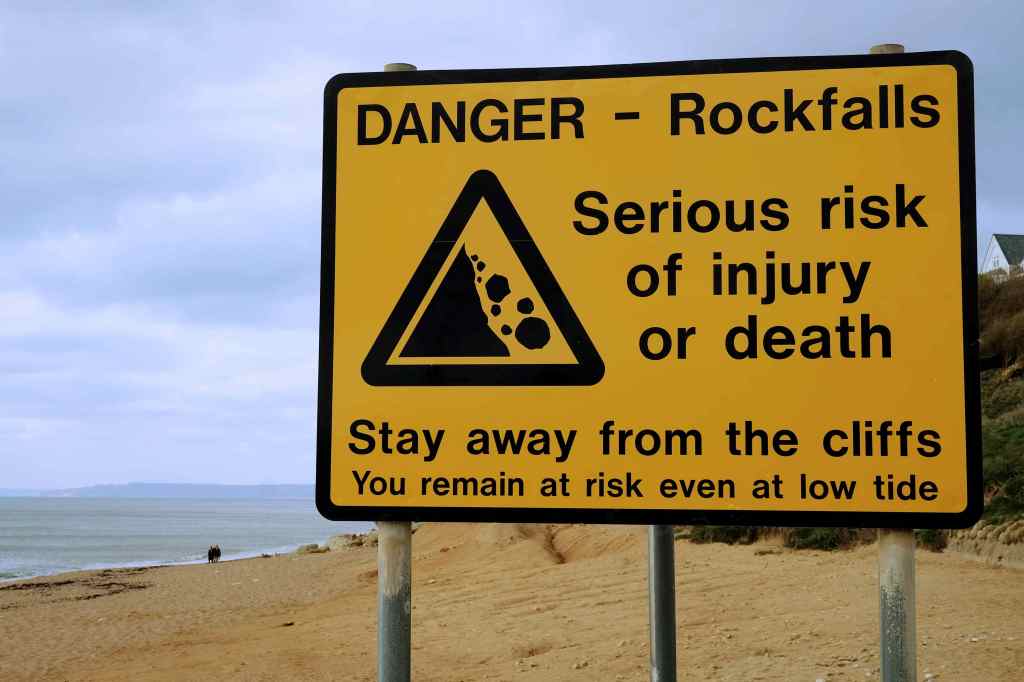


Chesil Bank looking towards the Isle of Portland and Portland Bill.

The Hardy Monument stands on a hill above the village of Portesham. It has uninterrupted views across the Dorset countryside. It was built in 1844 to honor Vice-Admiral Sir Thomas Masterman Hardy. He was the Flag Captain of HMS Victory at the Battle of Trafalgar. Lord Nelson died in his arms, saying the immortal words ‘Kiss me Hardy’.

The Isle of Portland is an island linked to the mainland by the Chesil bank. It is 6 kilometers long and 2.7 kilometers wide. The southern tip is known as Portland Bill. It lies 8 kilometers south of the resort of Weymouth. This location forms the southernmost point of the county of Dorset.
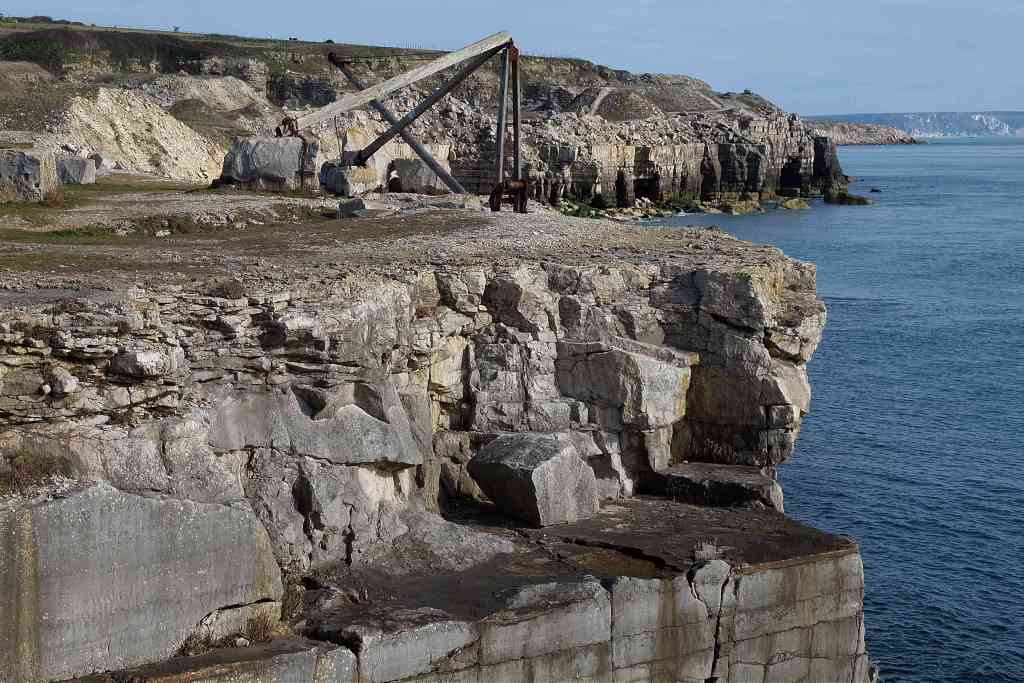
Portland stone is a limestone geological formation. It dates to the Tithonian age of the Late Jurassic period. It is quarried on the Isle of Portland. The quarries are cut in beds of white-grey limestone. It has been used extensively as a building stone throughout the British Isles. It is notably used in major public buildings in London, like St Paul’s Cathedral and Buckingham Palace. Portland stone has been exported to many countries. For example, it is used at the United Nations headquarters in New York City.
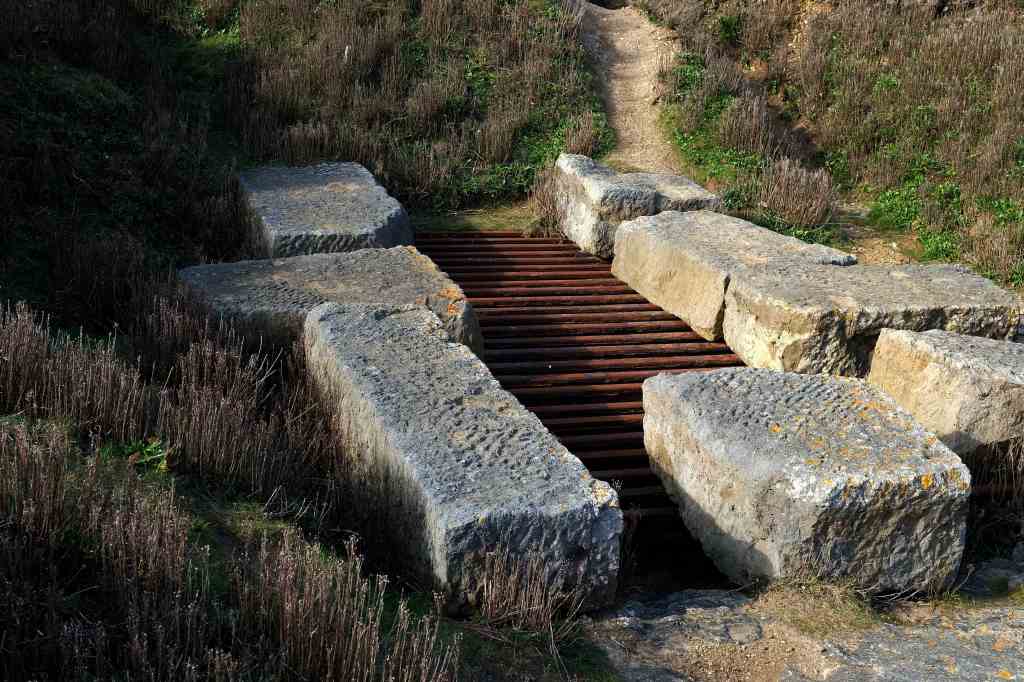
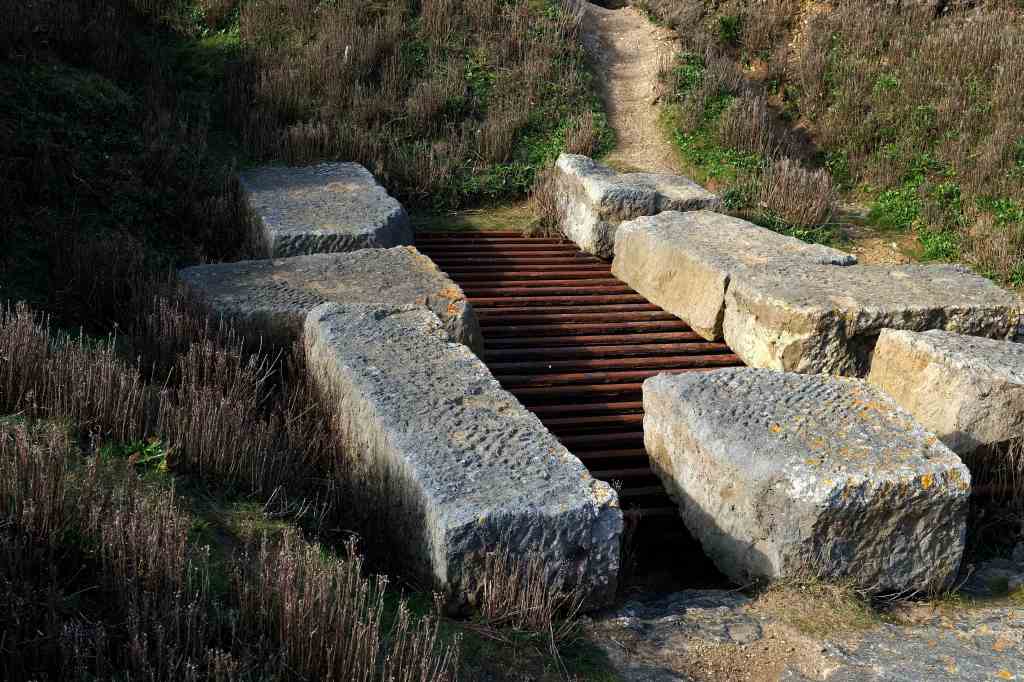
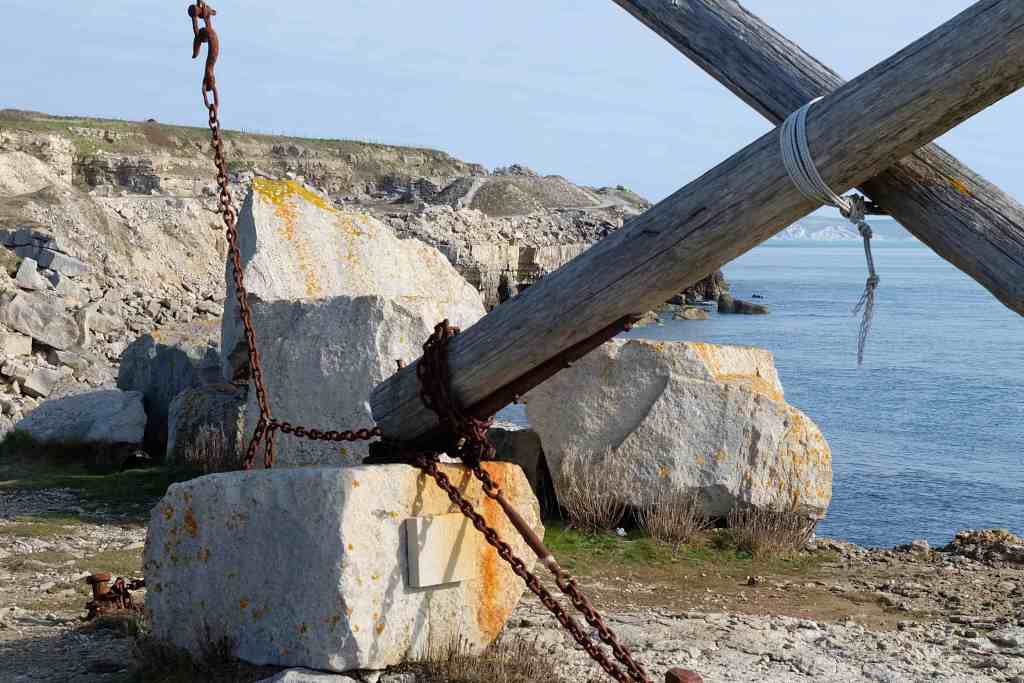
Portland’s quarries are interesting places to explore. They are full of tunnels and gullies. Many tramways and cranes can be found as you walk the area.




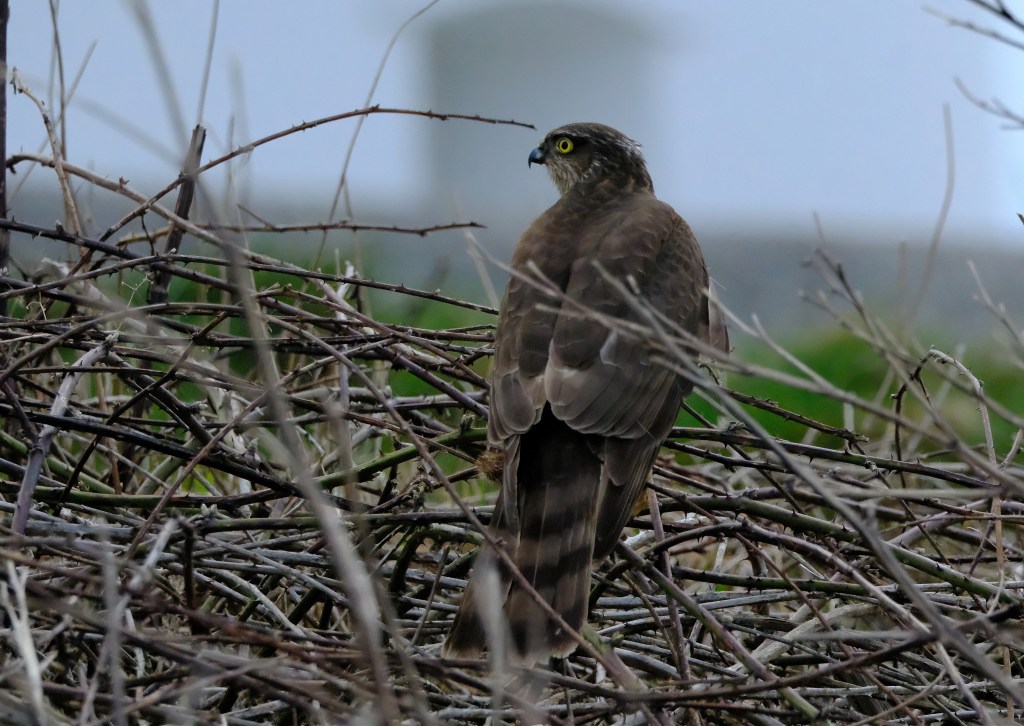
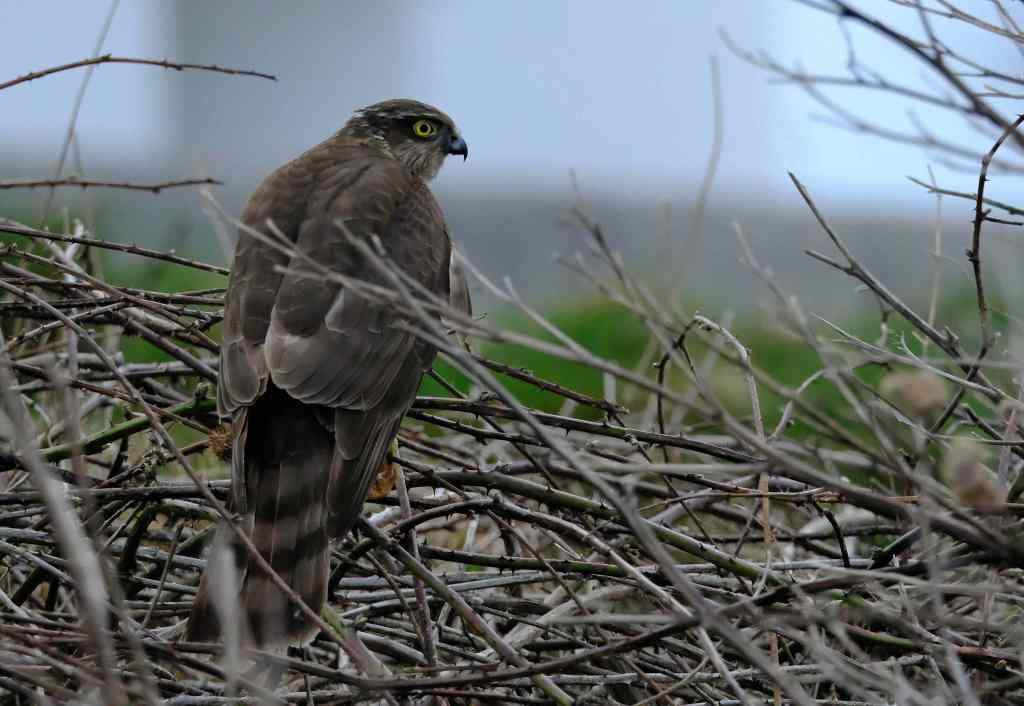
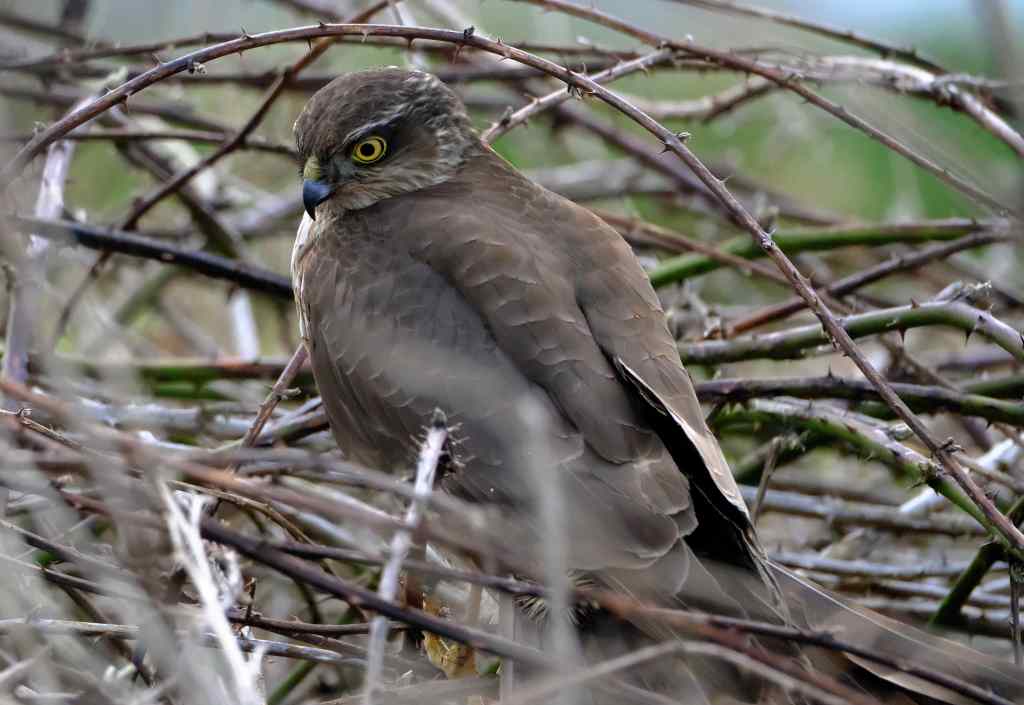
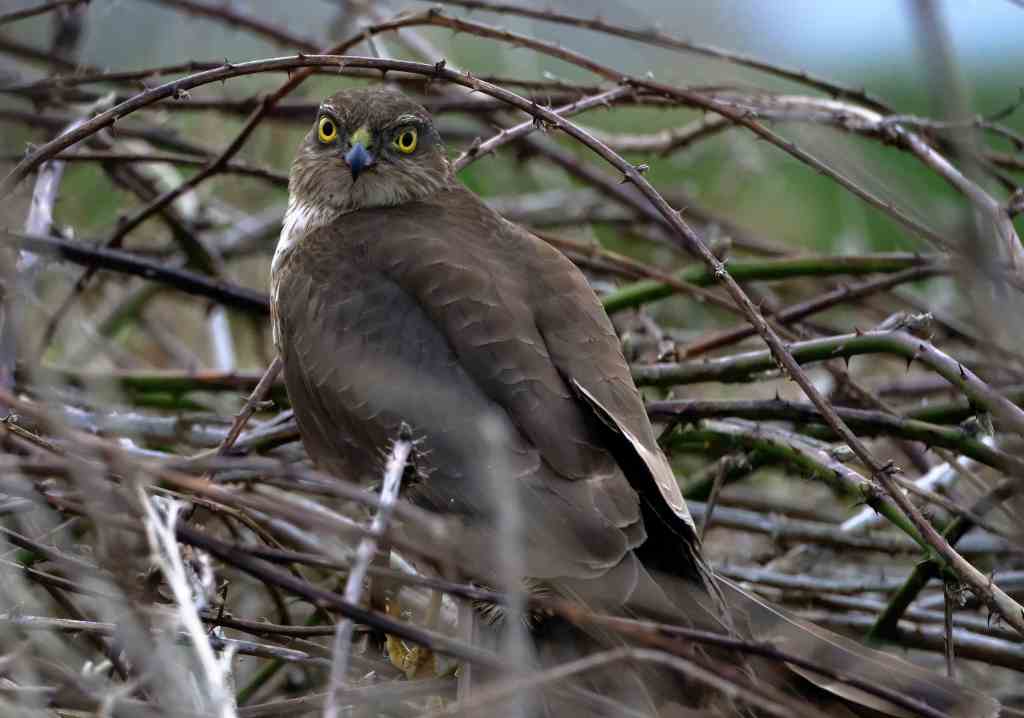
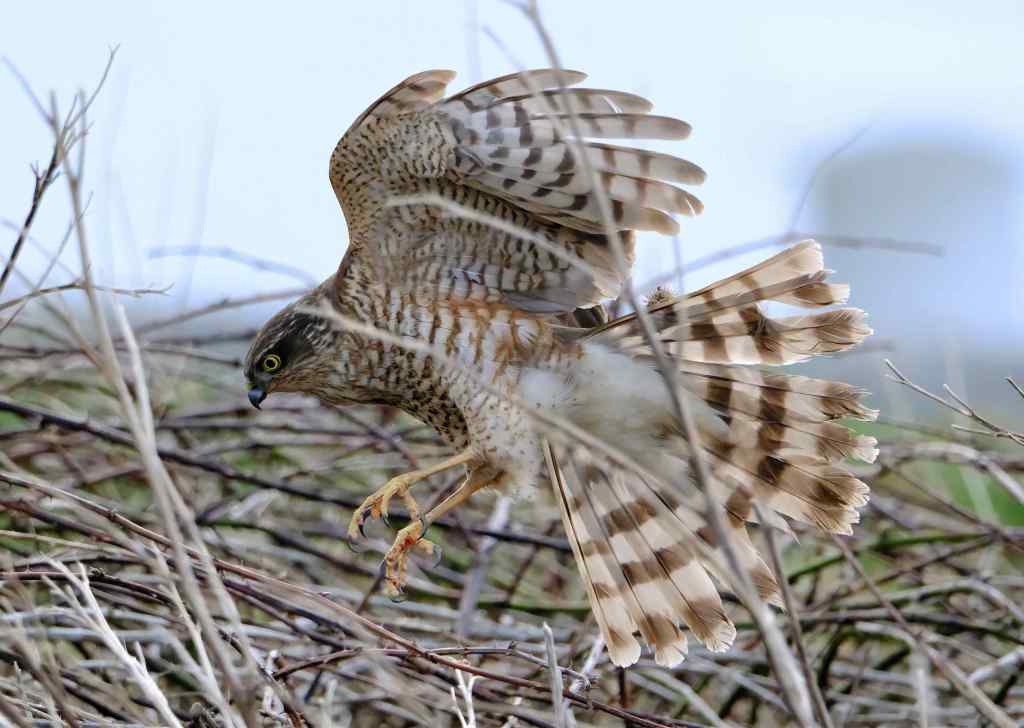
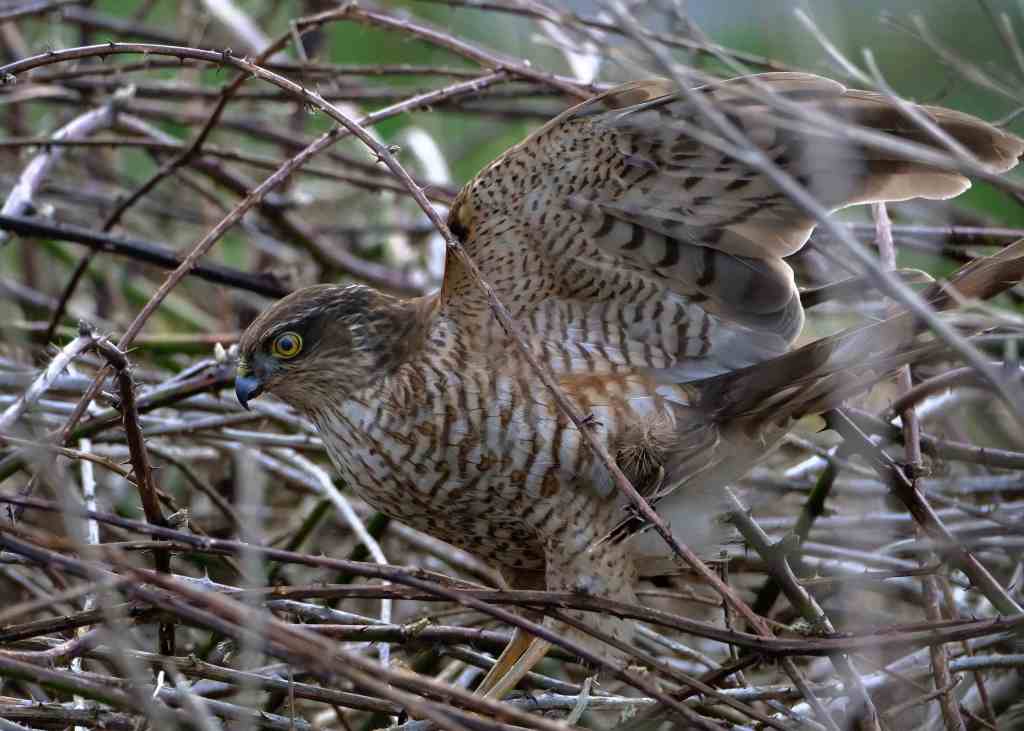
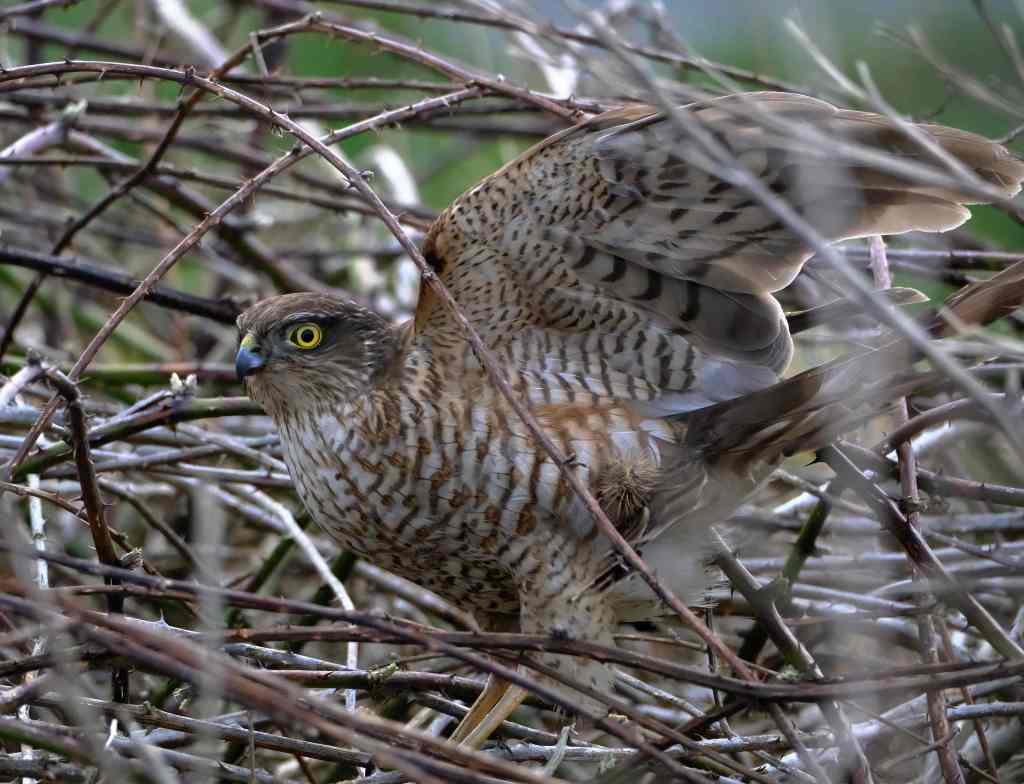
A few days away on the Dorset Coast in our Camper van. The best spot of the holiday was Female Sparrowhawk. This bird had caught another bird, probably a Starling. It had landed in a bush to eat it, but the Starling escaped into the bush. She was unhappy and spent a few minutes trying to find it before flying off. Sparrowhawks are small birds of prey; they are fairly common in the UK. Adapted for hunting birds in confined spaces such as woodlands or gardens. Adult Male Sparrowhawks have a bluish-grey back and wings and rusty-brown stripes on their chest and belly. Females have brown backs and wings and brown stripes underneath. Sparrowhawks have bright yellow eyes, yellow legs and feet. The Female is larger than Males (as with all birds of prey).

Cormorant.


Hamble River.

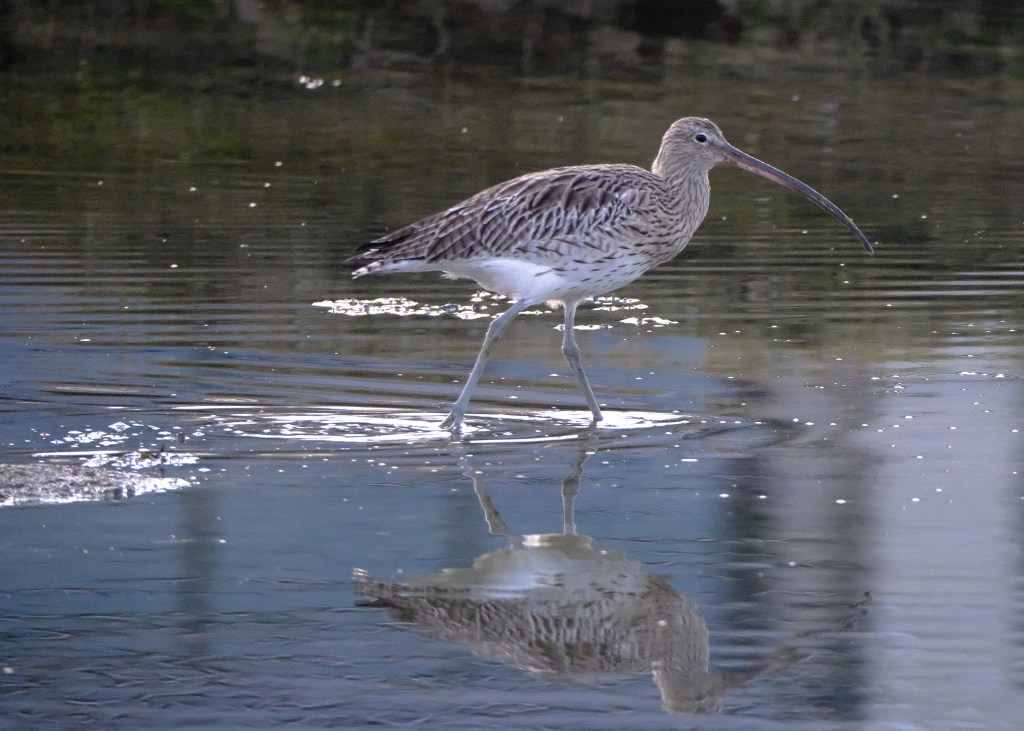


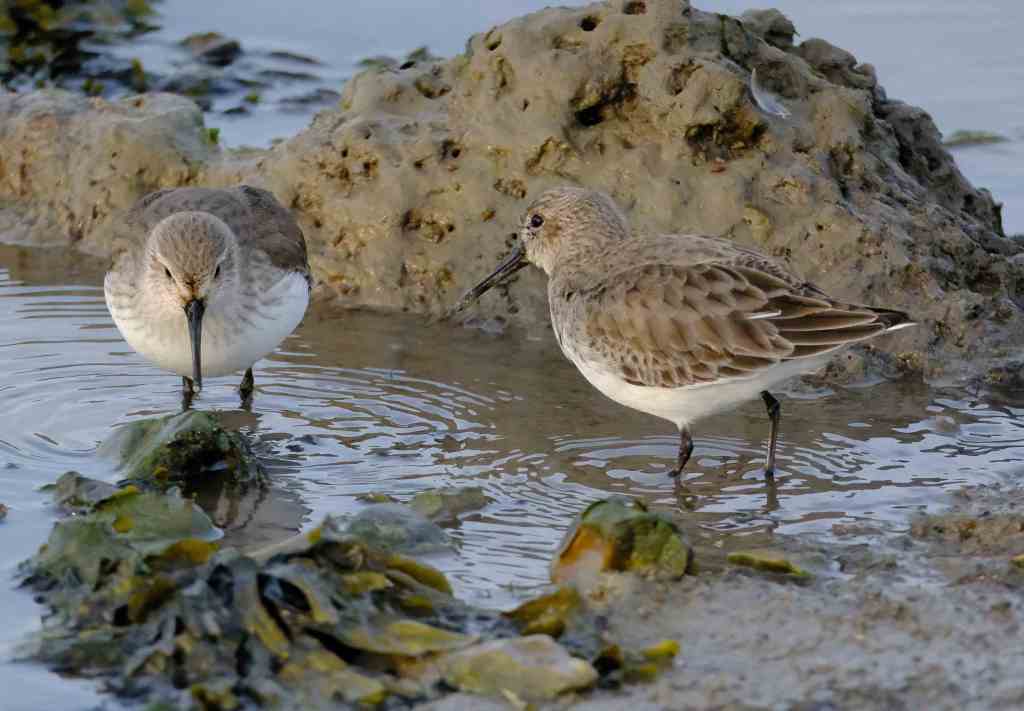
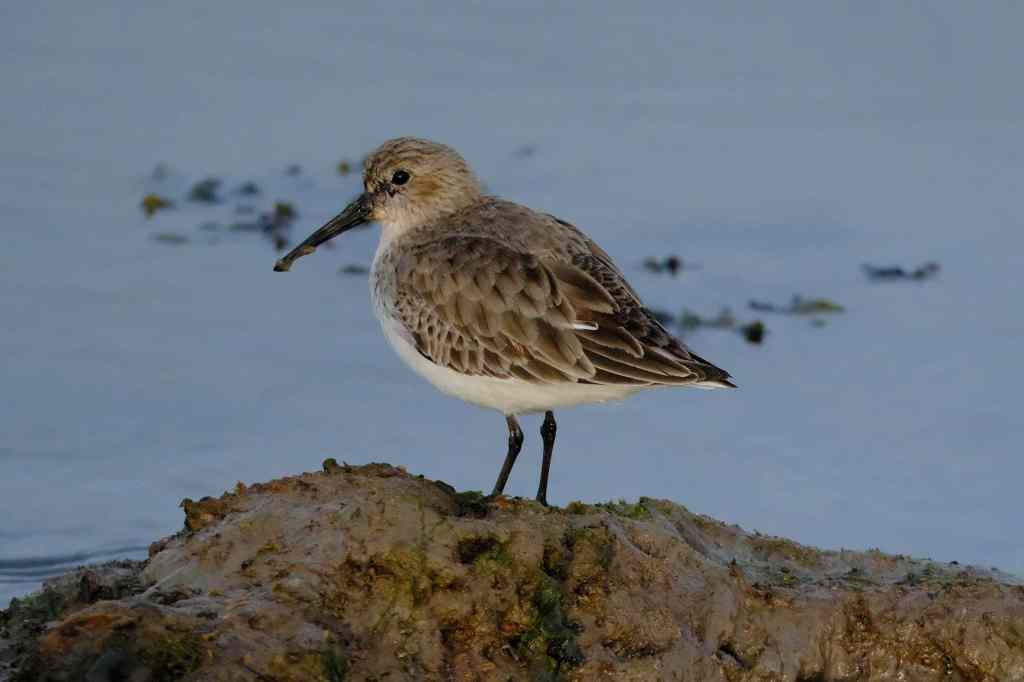
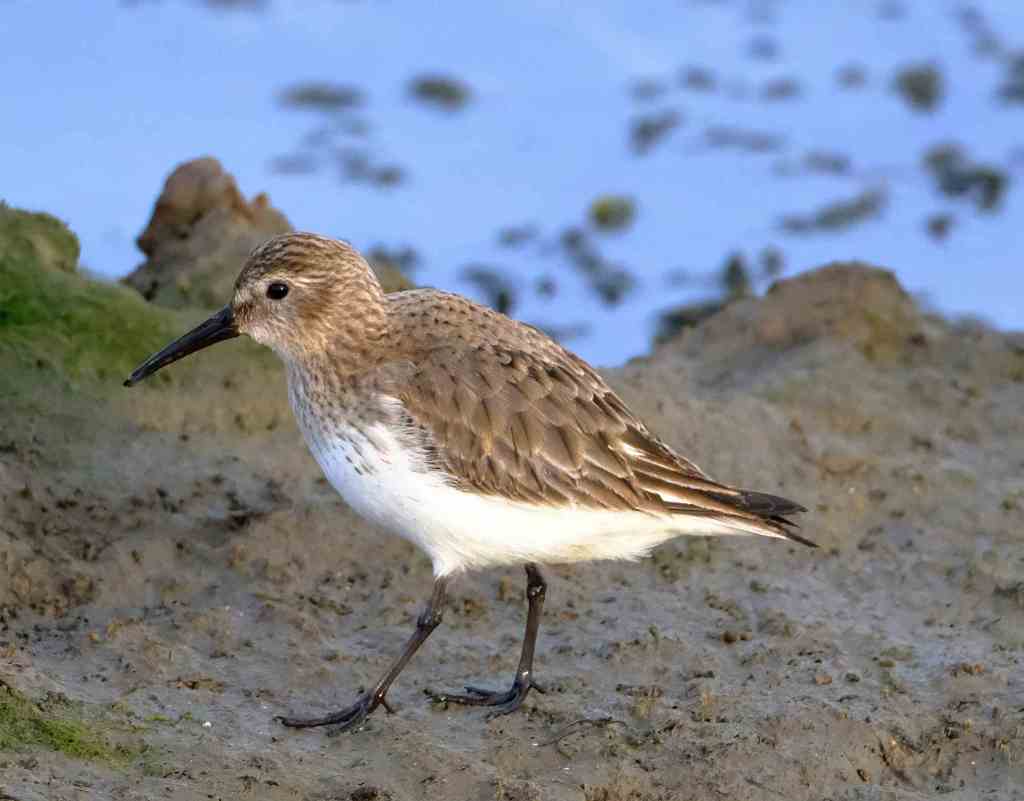
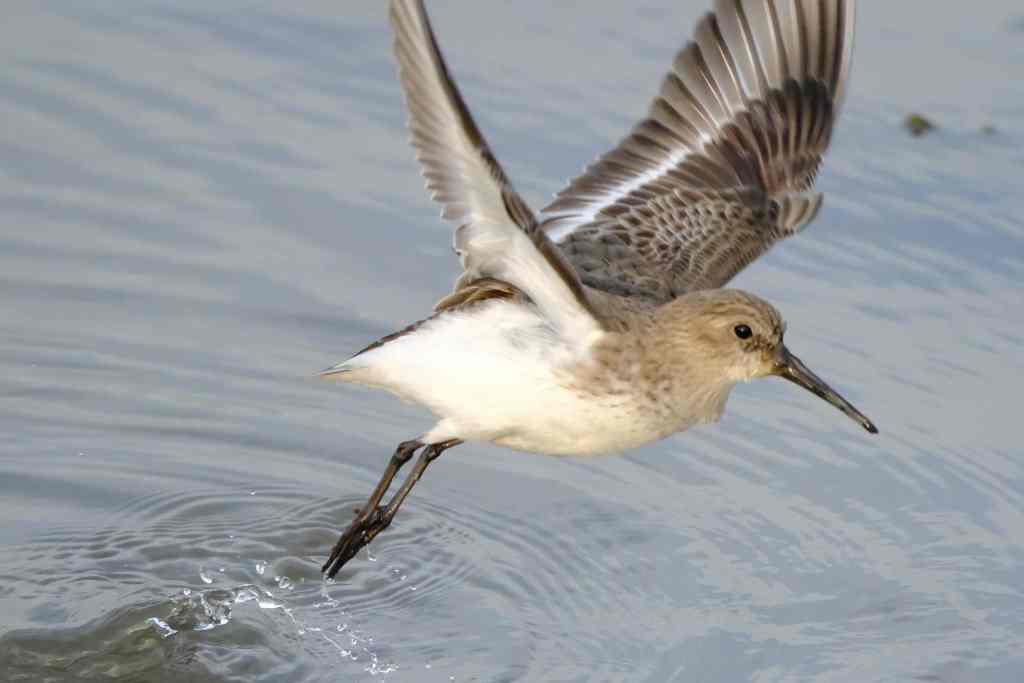
I’m up with the light today and taking a walk up the Hamble River. I have good views of Dunlin, a small wader similar to Sanderlings. The Sanderlings favour the sandy beach at Meonshore, whereas the Dunlin like the mud to feed in the tidal river.



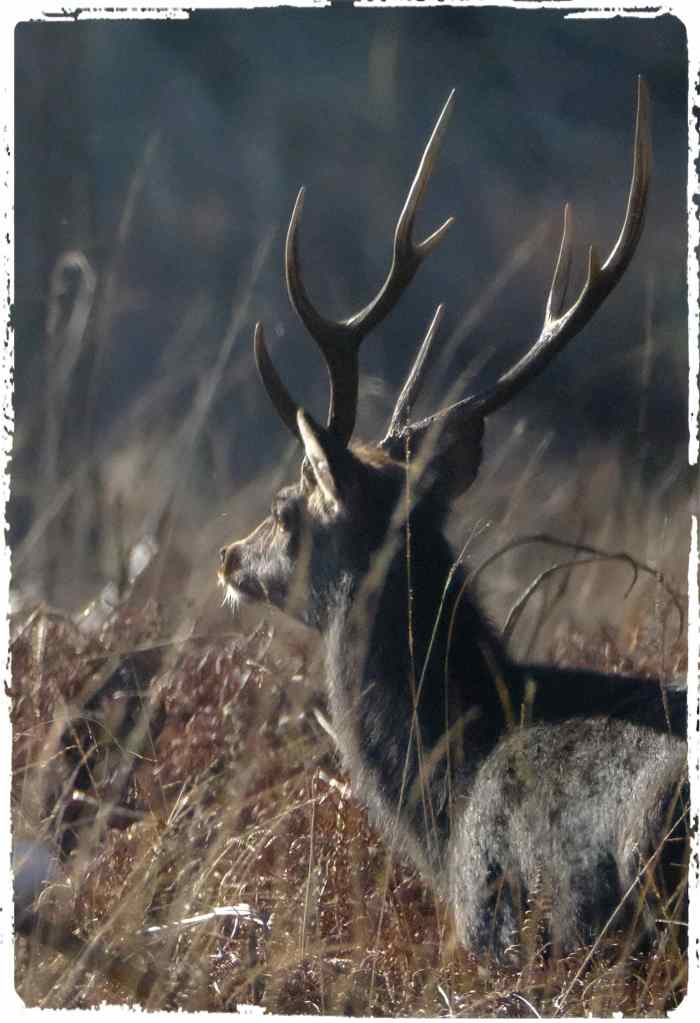
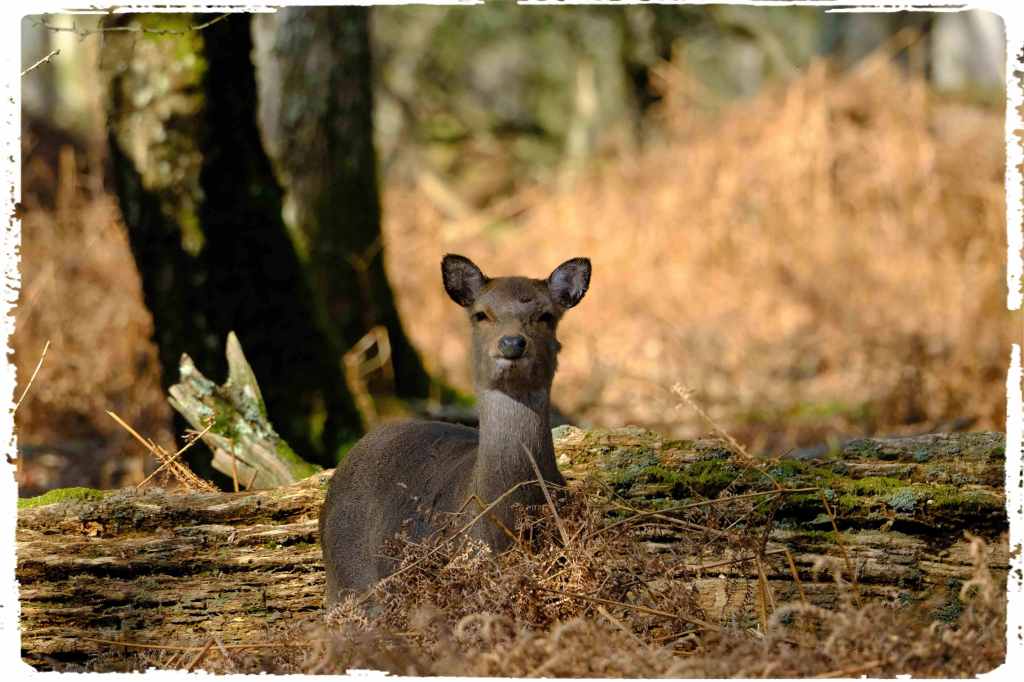
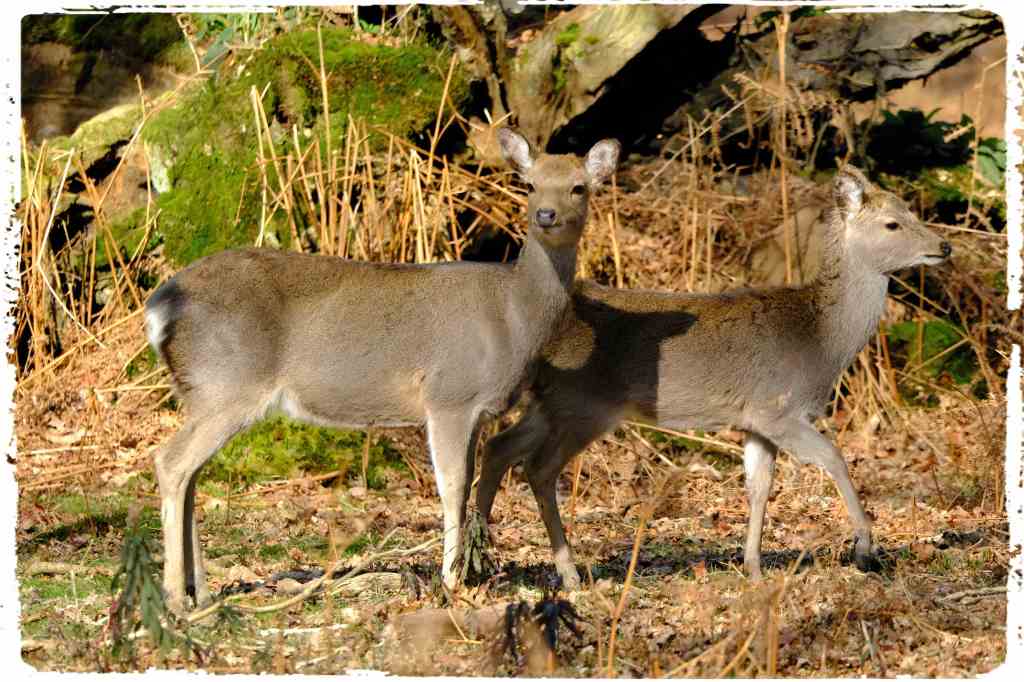
Making another trip into the New Forest this morning, looking for Sika Deer. Sika deer are not native to the UK but have escaped from parks and collections nationwide. In the 1900s, King Edward VII gifted Lord Montague of Beaulieu a pair of Sika Deer. Some of their progeny escaped and now populate the New Forest in the Beaulieu area,
A successful walk with 2 groups of deer spotted. Sika are generally inquisitive in their behavior towards humans. They react quickly on the first suspicion of danger by fleeing. The animals today were very inquisitive of us. Seeing us as no threat, they were happy watching us. This allowed some close photographs to be taken.
Sika tails are shorter than Fallow Deer tails, and their rumps are normally all white. Male Fallow deer have broad, flattened antlers, while Sika antlers are pointed, like the Red Deer.



 Continued Reflections from my World.