Between showers today, this Snipe came out into the open for a few minutes during my morning walk . Also spotted a Water Vole, but he was too quick for me to get a photograph!
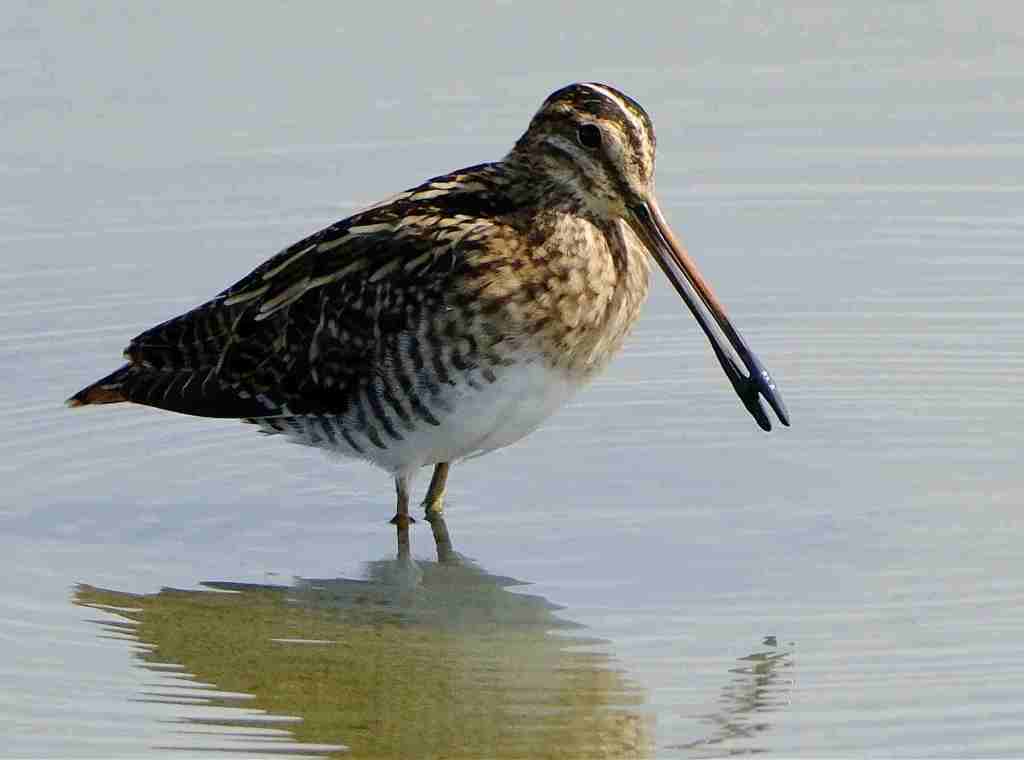

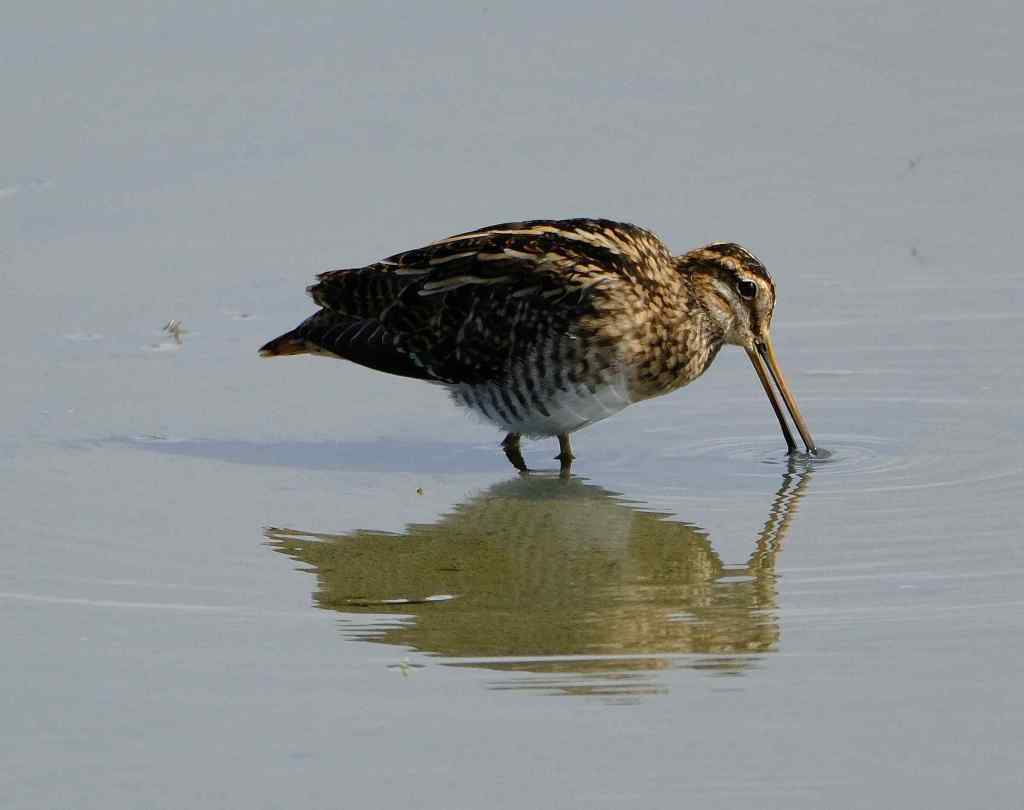

Between showers today, this Snipe came out into the open for a few minutes during my morning walk . Also spotted a Water Vole, but he was too quick for me to get a photograph!
Spotted the Leucism Oystercatcher today at Titchfield Haven, see old blog – he has been around since 2017. So nice to spot him again.


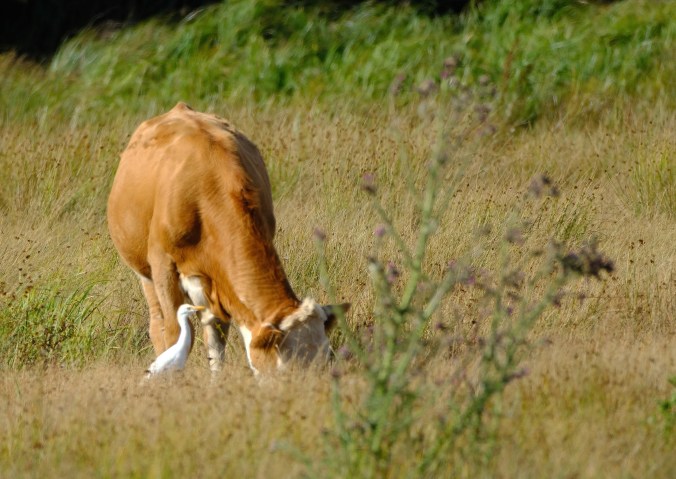
Occasionally, I see Cattle Egrets; numbers in the UK are rising. They often spend time close to livestock, such as cows, and they grab the insects and worms that their hooves disturb. Cattle Egrets have yellow or greyish legs and a yellow beak,
Some distant pictures of an alone Cattle Egret at Titchfield Haven yesterday.



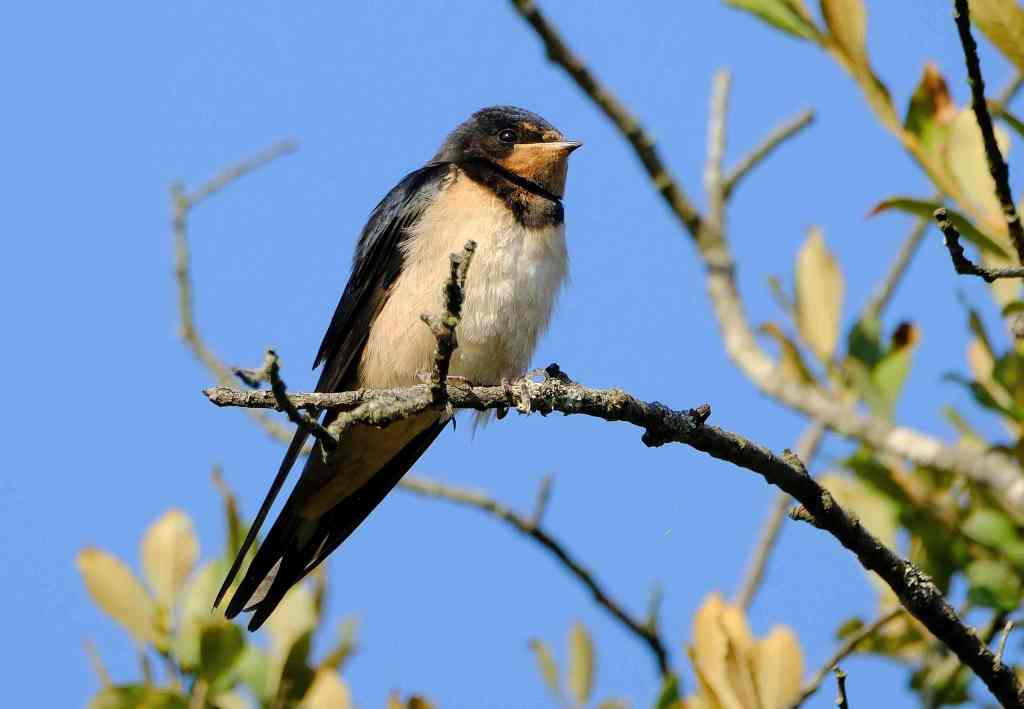
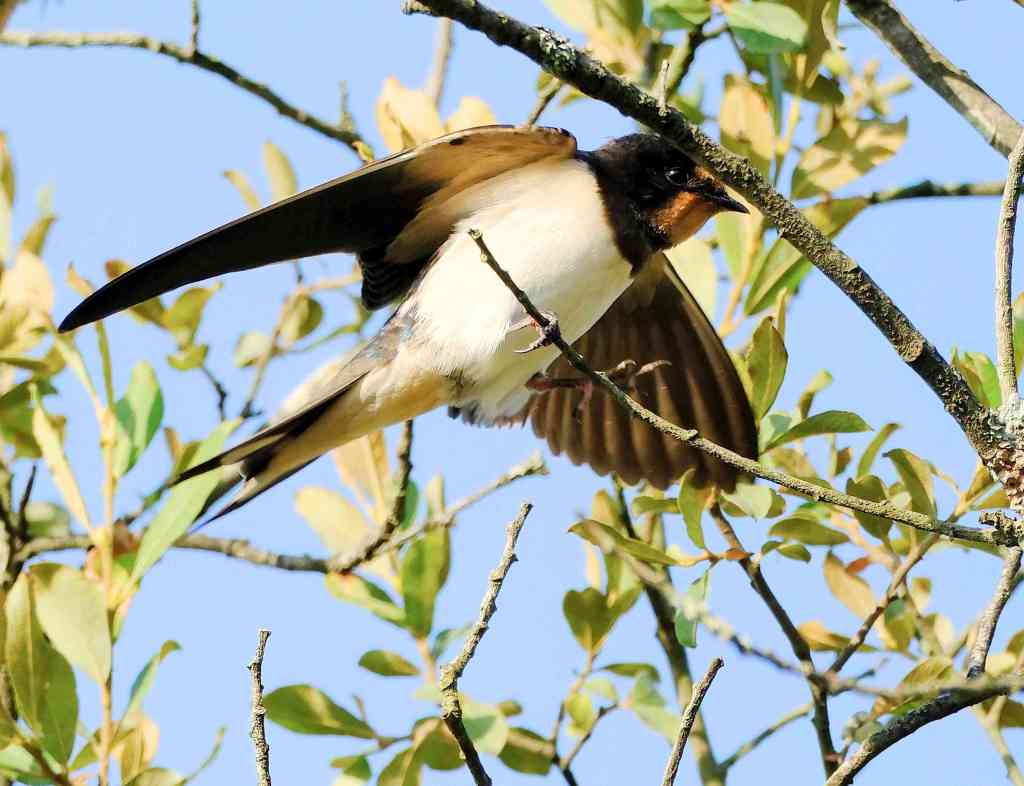
Watching the Swallows, the juvenile birds are now flying and hunting for insects on their own. Parent birds fly with them high in the sky and low across the moor.




Another visit to watch Hobbies in the New Forest.


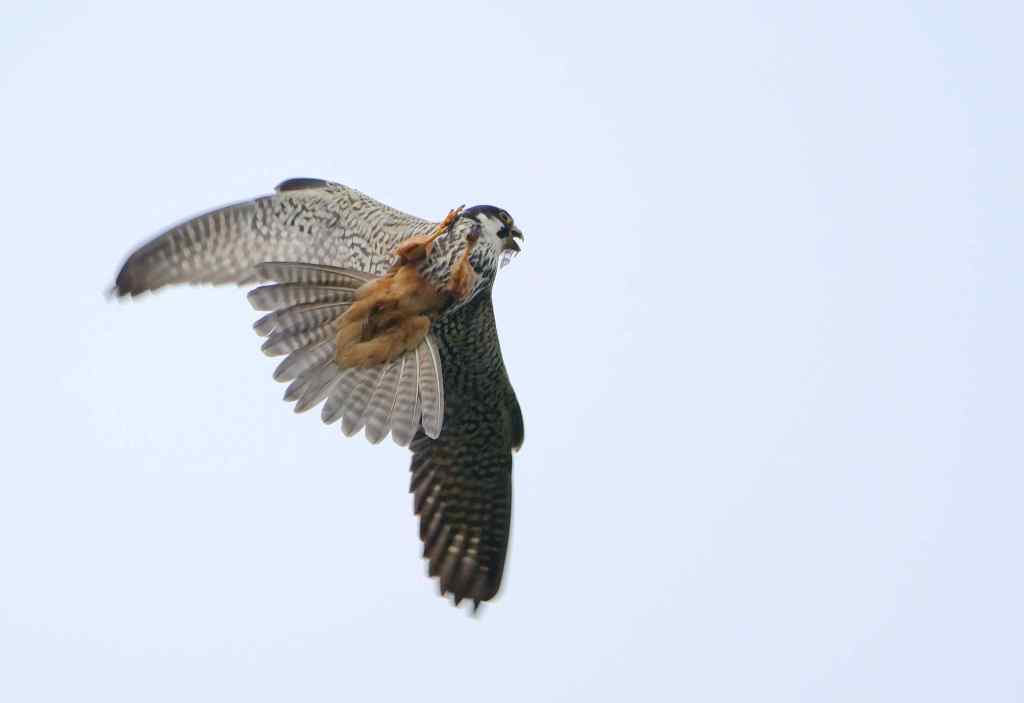
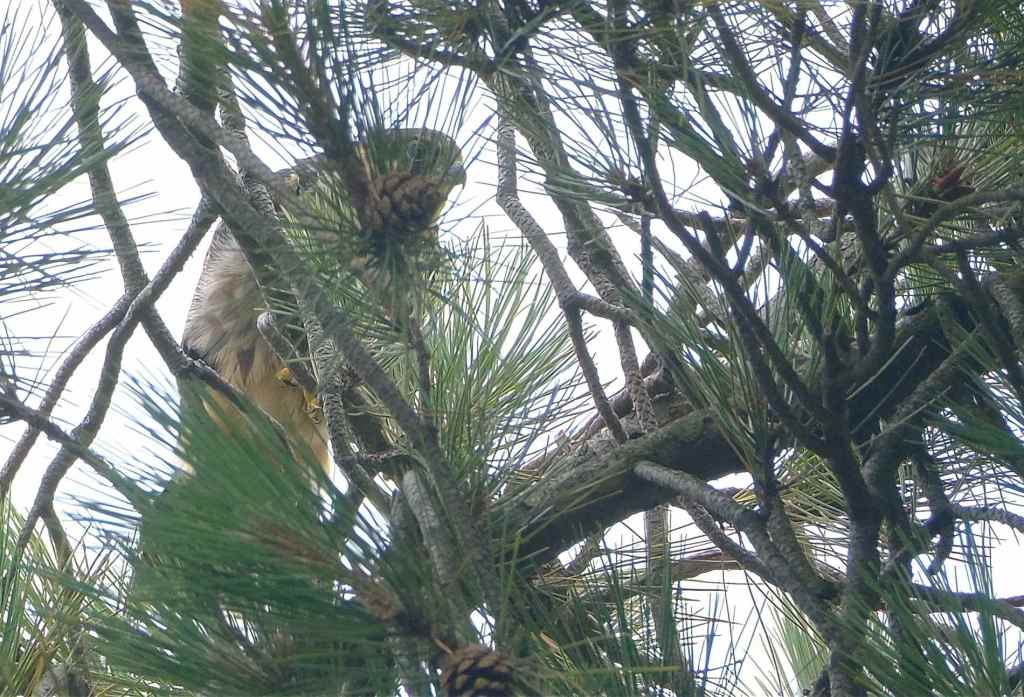
On today’s walk, we came across a family of Hobbies. Their noise high in a pine tree gave away the three youngsters’ position, calling to mum and dad, who were answering their calls and bringing in food. Hobbies are about the size of a Kestrel with pointed wings. Known for their fast flight, chasing large insects such as dragonflies and small birds such as swallows and martins. Prey is often caught in its talons and transferred to its beak in flight. Hobbies can accelerate rapidly in flight and are capable of high-speed aerial manoeuvres.

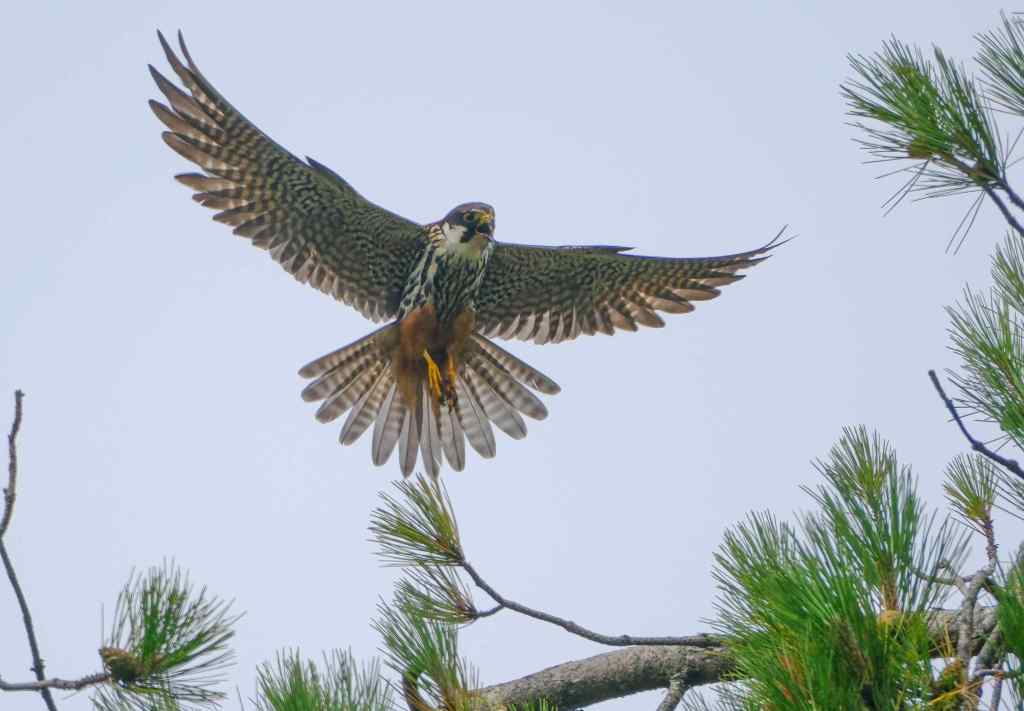


The bottom picture is of one of the youngsters deep in the tree.
Willow Emerald Damselfly and Southern Hawker Dragonfly at Titchfield Haven this morning.


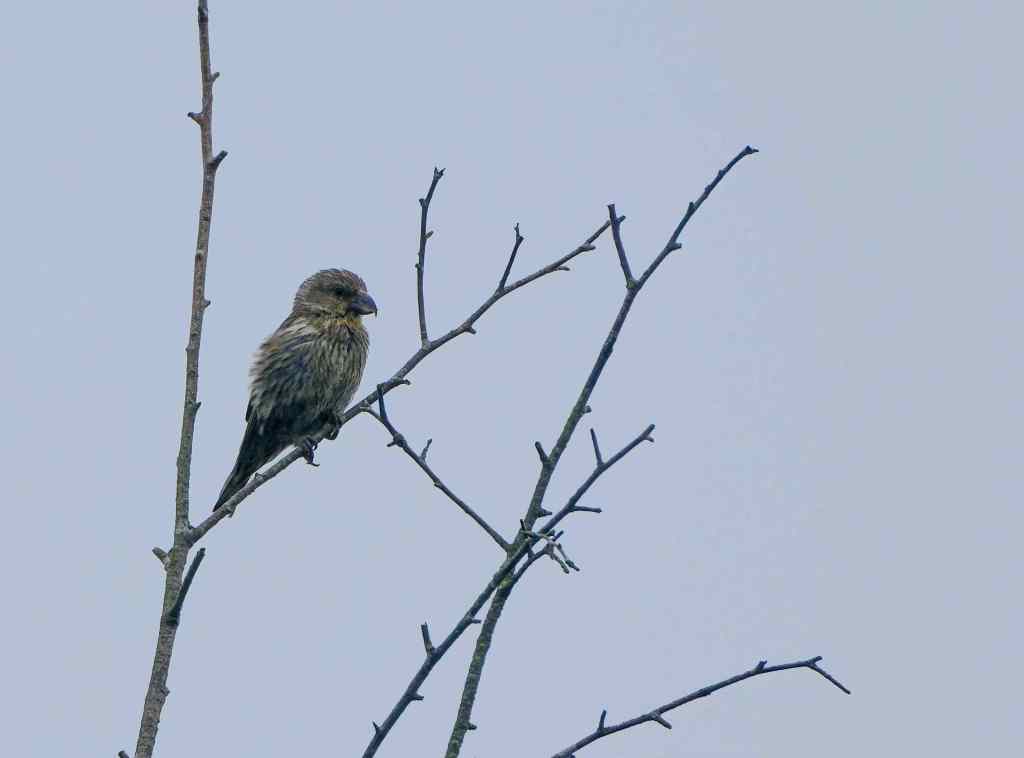
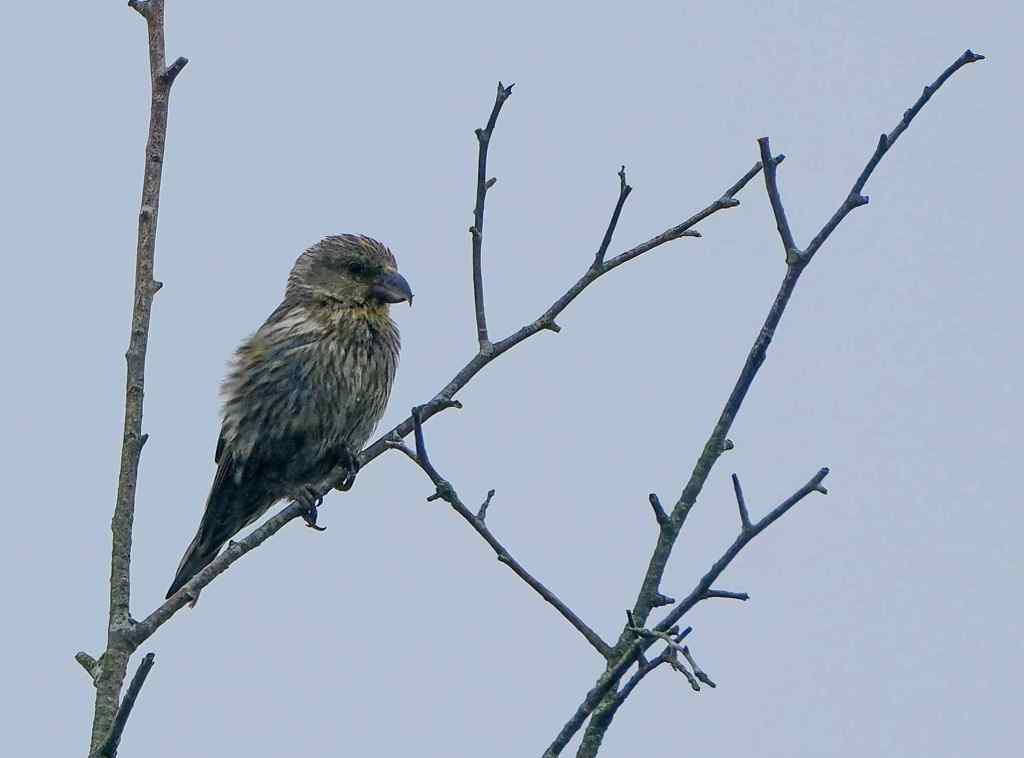
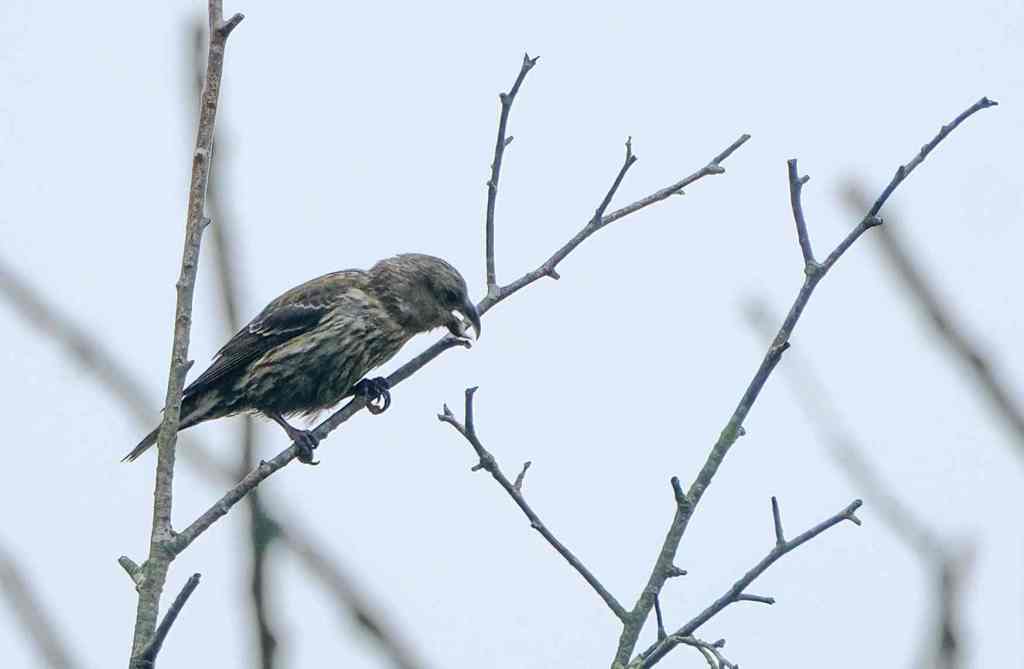
A first for me today in the New Forest was a small flock of Common Crossbills. Males are more brightly coloured than females, with orange-red plumage, in contrast to the females’ grey-green. Both sexes use their distinctive bills to prise open pine cones and extract the seeds.


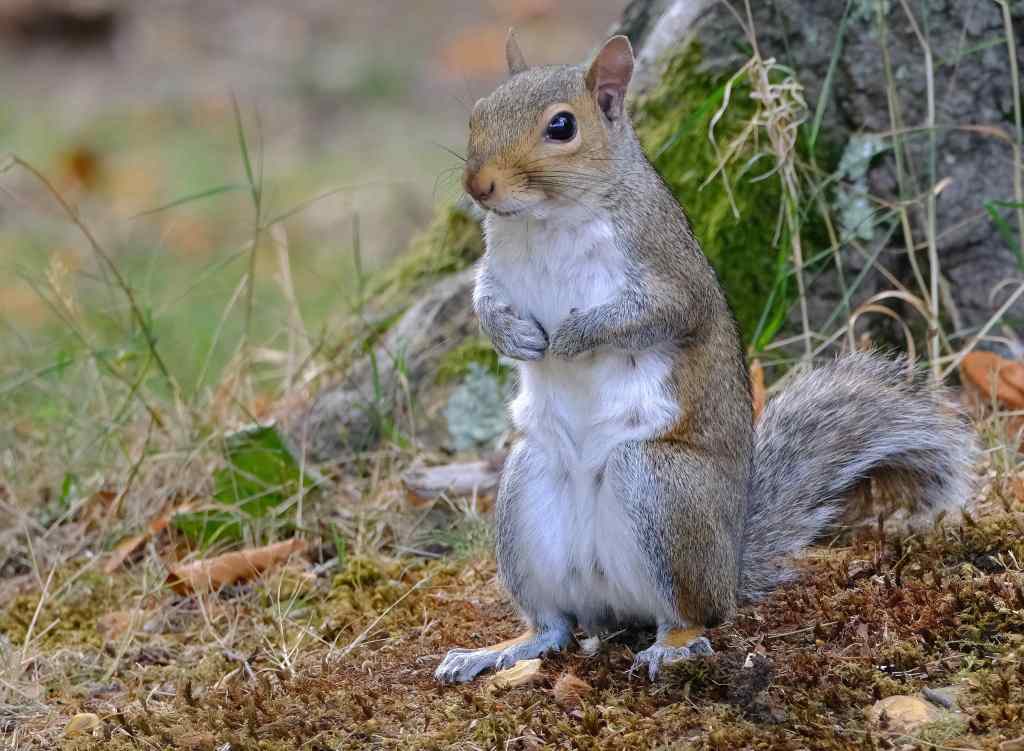
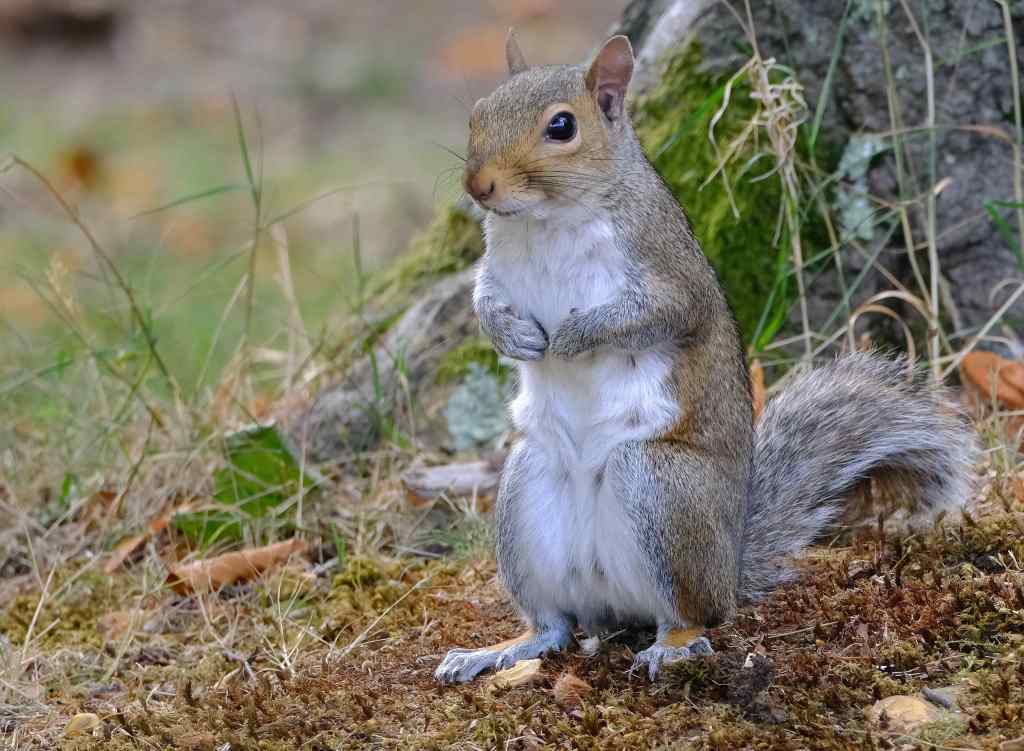
Portrait of a grey Squirrel.