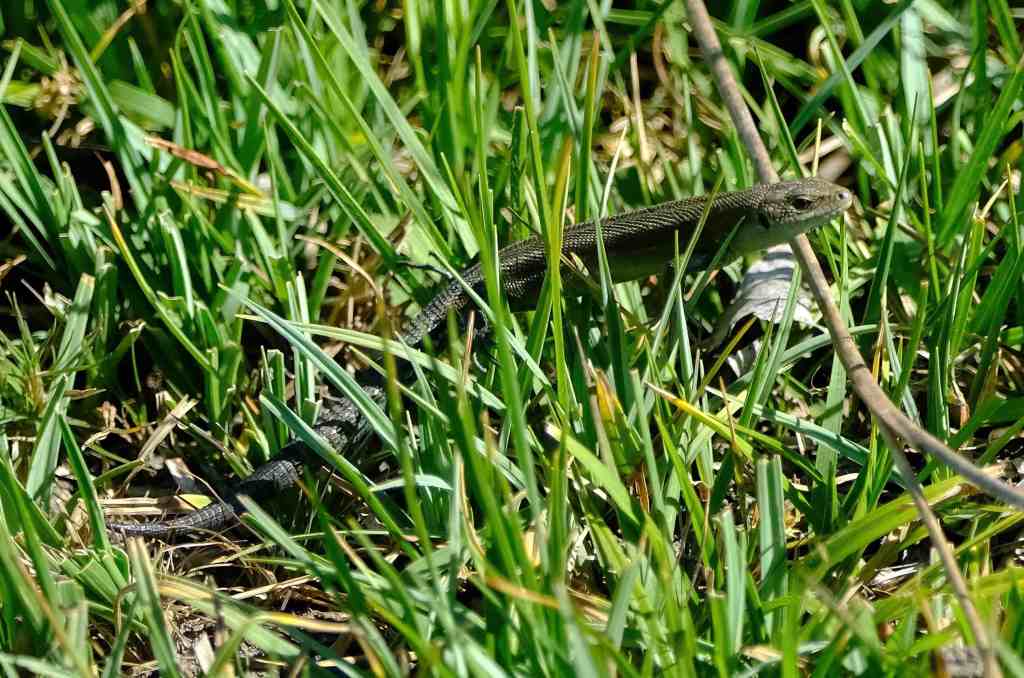
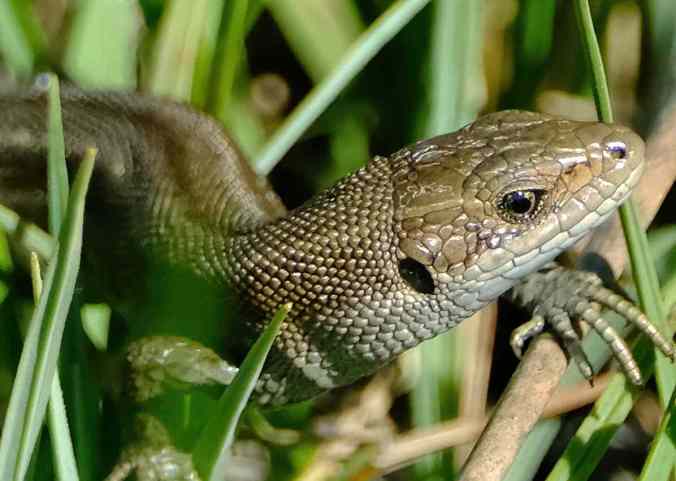
#Wordless Wednesday
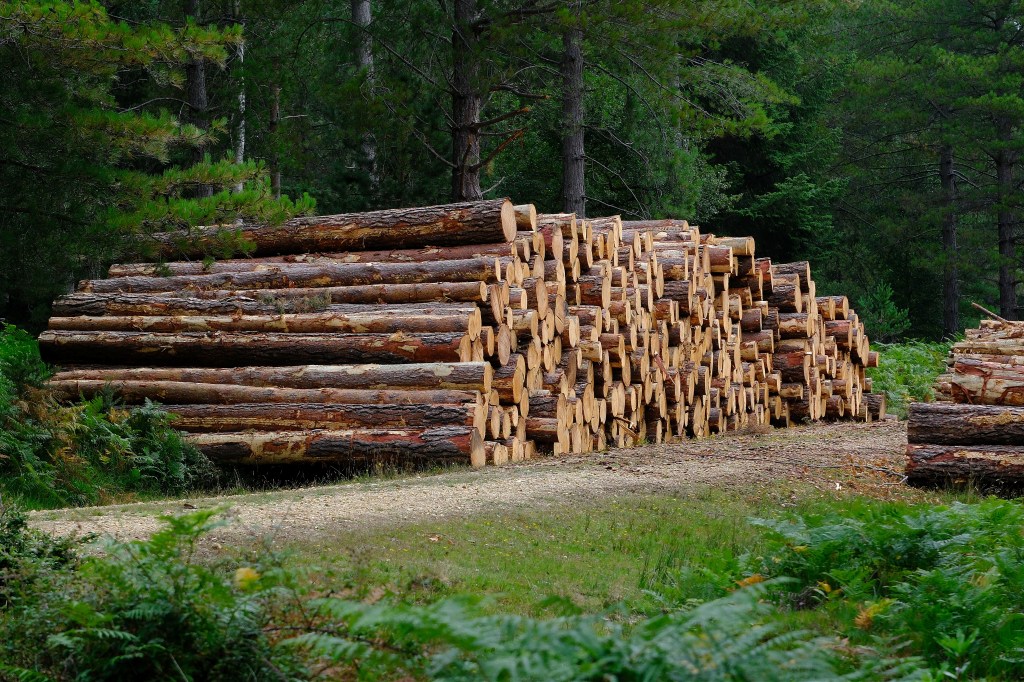
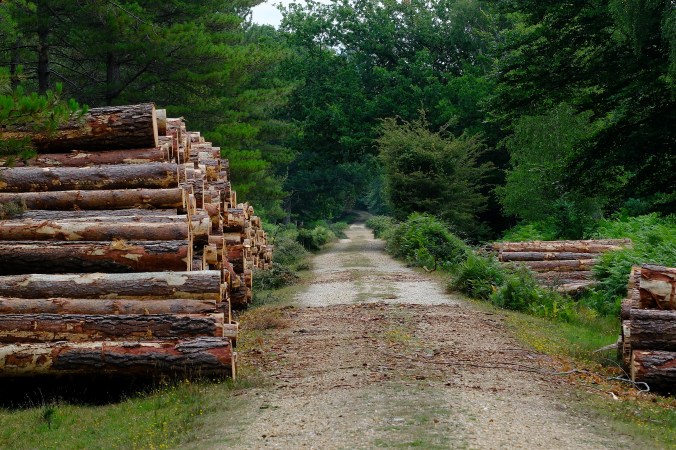
#Wordless Wednesday
A 1st for me, a Lulworth Skipper, they are one of the smallest of the UK’s butterflies. It has a very restricted range in the extreme south of Dorset, where it can be found in good numbers along a stretch of coast centred on the village of Lulworth, where the species was first discovered in 1832.
My picture is of a female, near Winspit. Females can be distinguished from other skippers by the pale orange ‘sun-ray’ markings on their forewings, whereas the males have darker-brown, almost olive coloured wings .
They can be seen from early June to mid-August.

On the coastal path near Dancing Ledge in Dorset, I spotted this rather faded Six-spot Burnet Moth feeding on a teasel flower. These moths are day-flying moths.

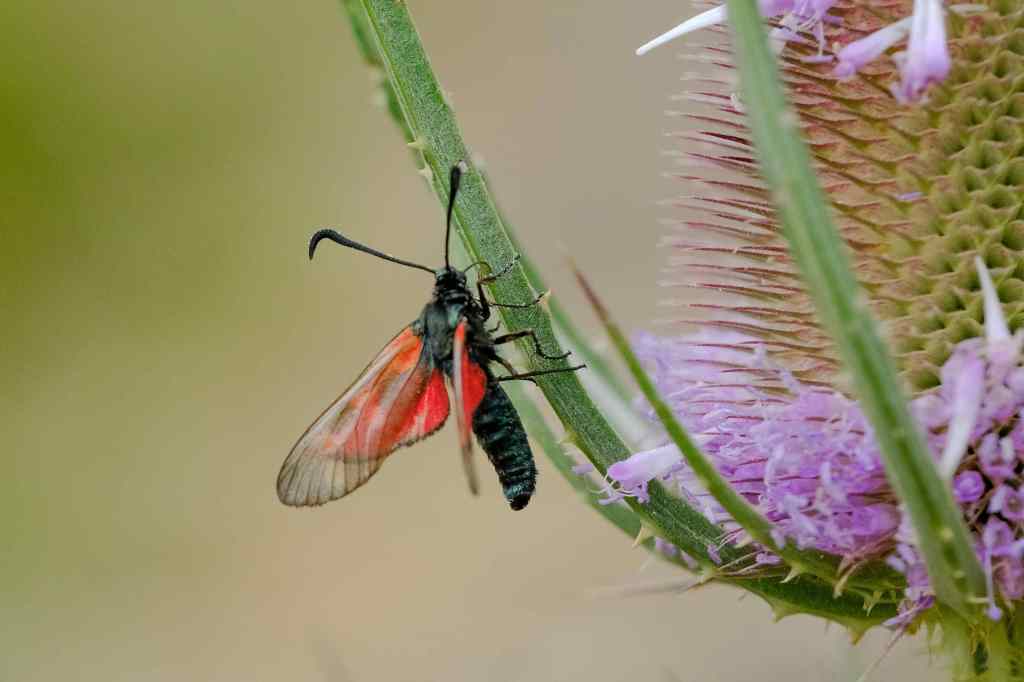
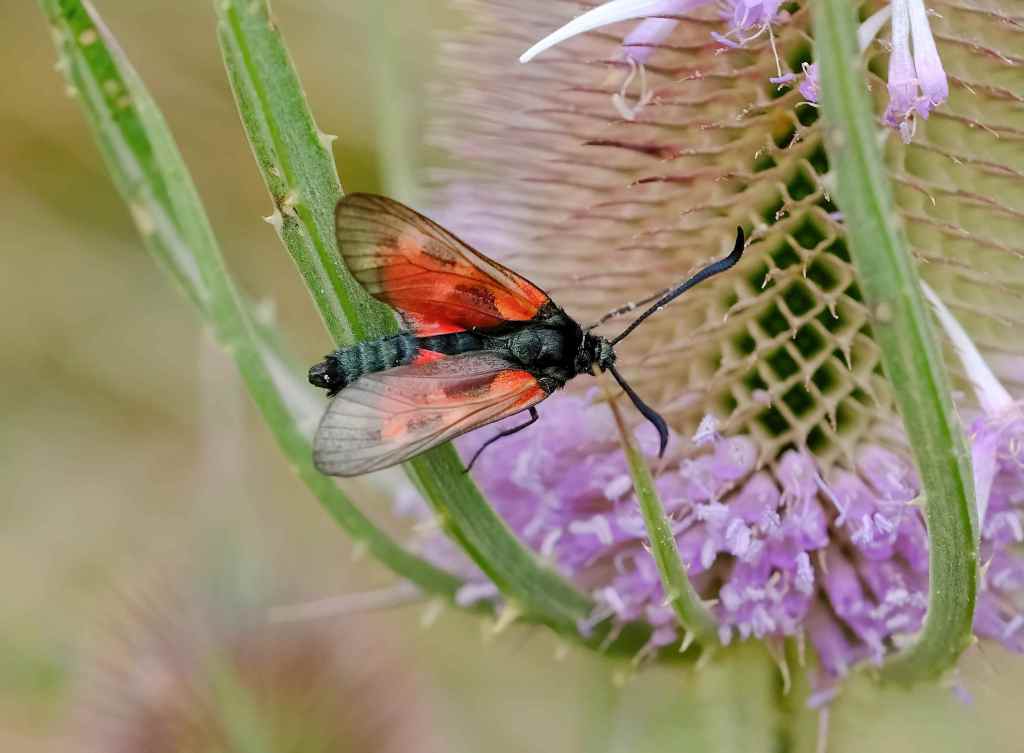

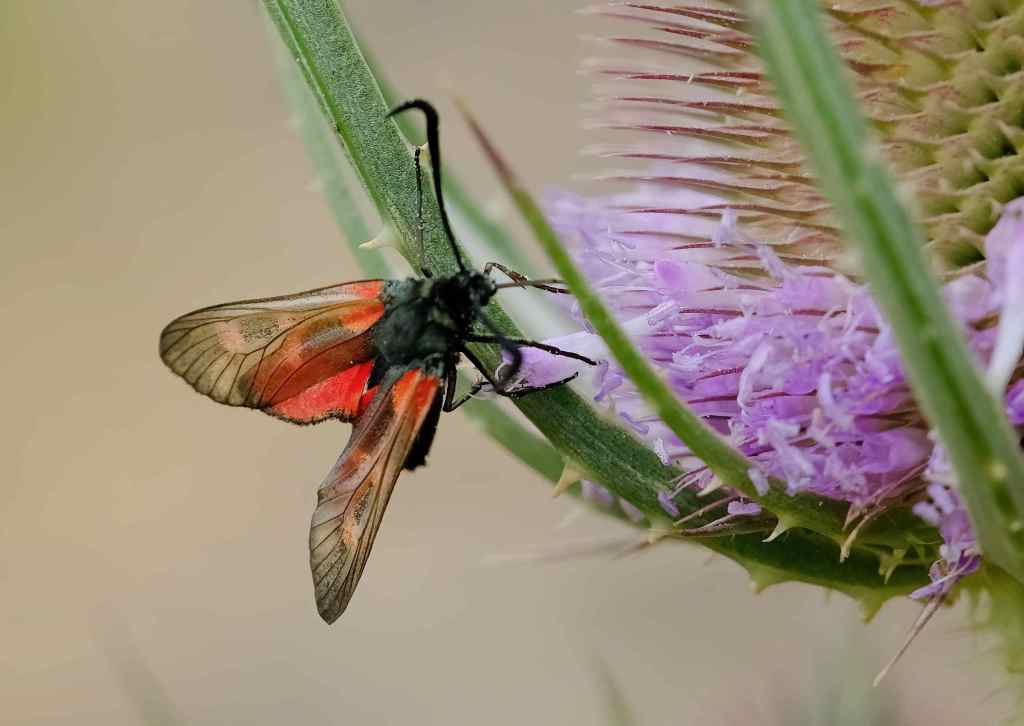
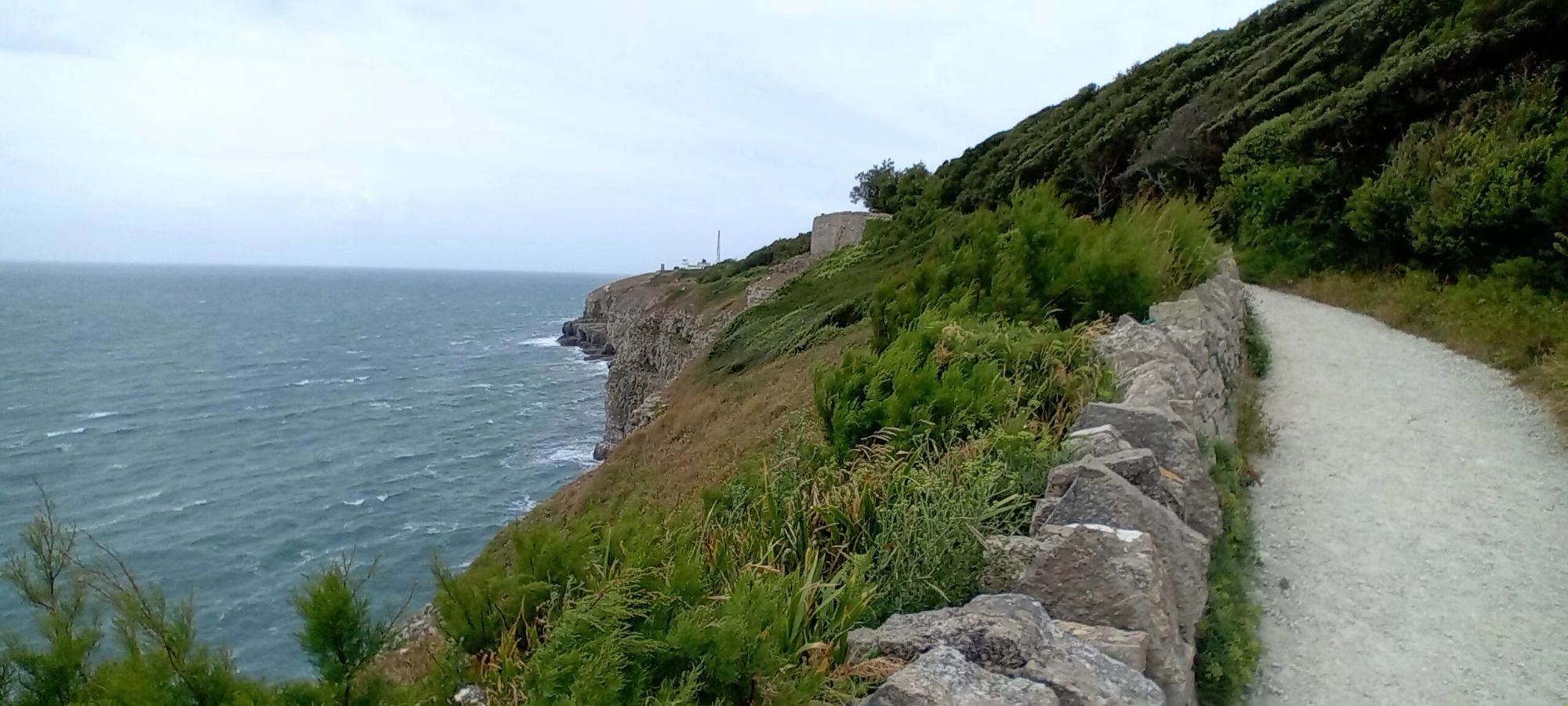
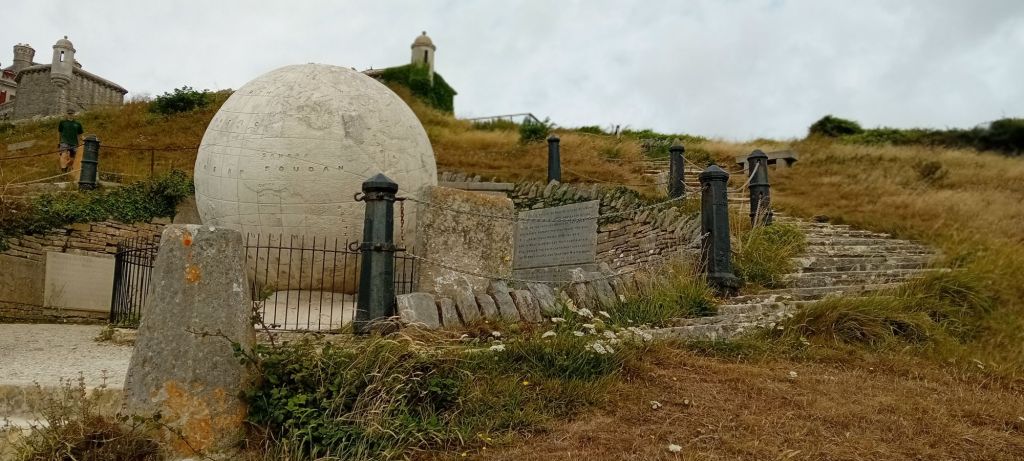
On Wednesday, our walk was a circular route of approximately 7 miles, starting from our campsite at Acton Fields, and then heading down to the coast at Dancing Ledge, along the coast to Winspit. The coast in Purbeck is dotted with quarries and caves, a legacy of the stone-cutting industry. Then back inland “uphill” to Worth Matraver and along the Priests Way back to the van.
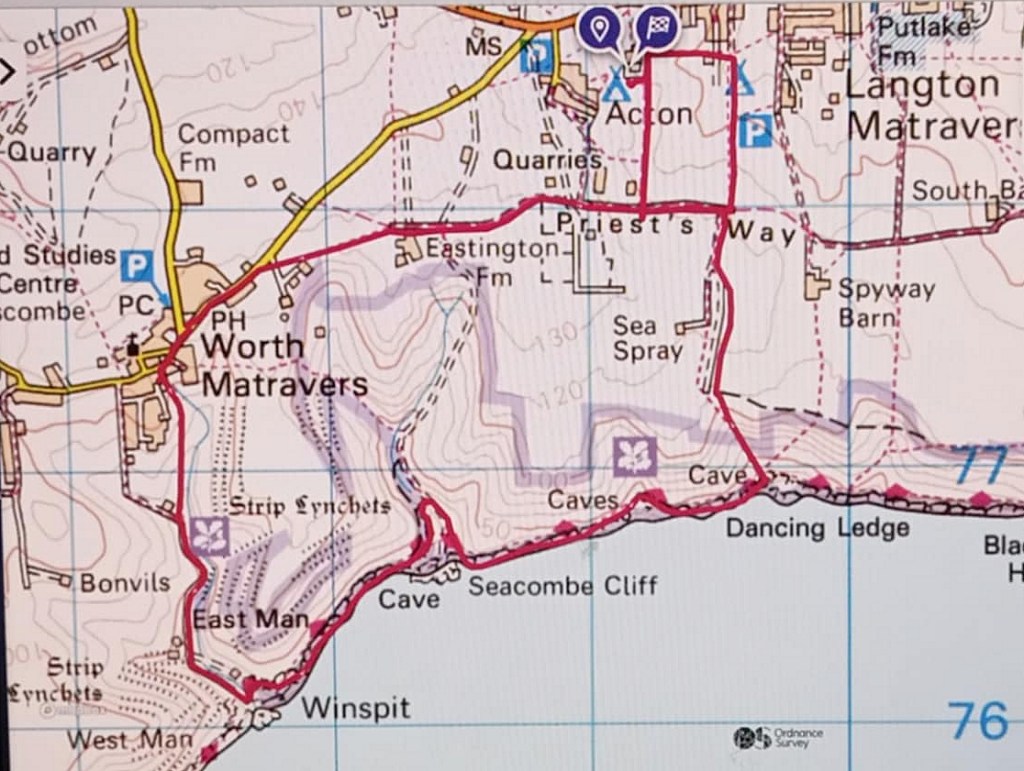


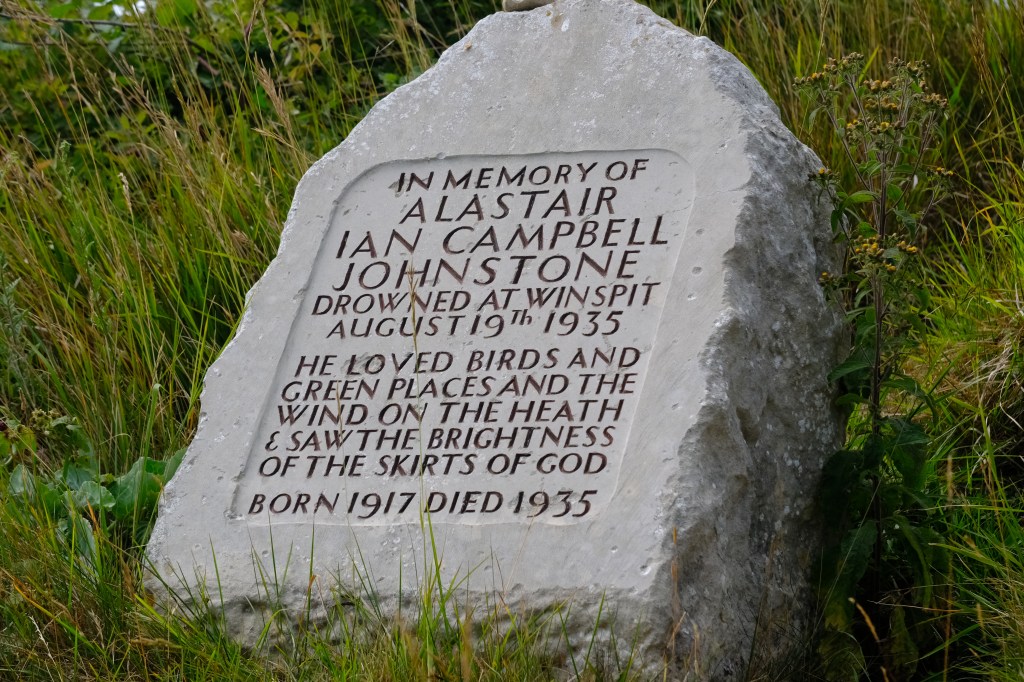
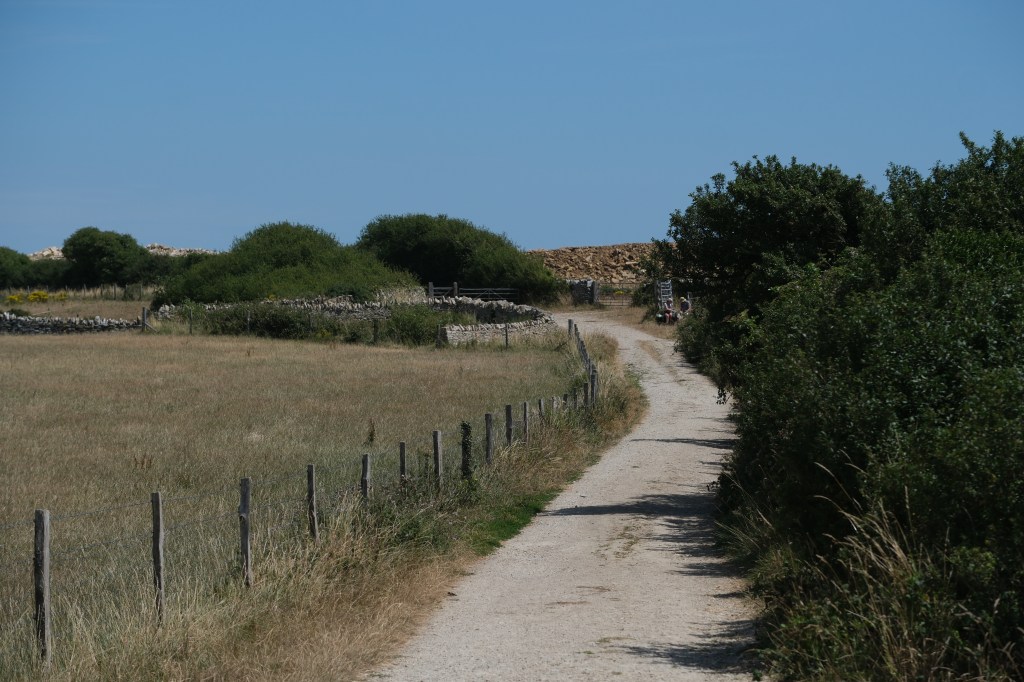
A couple of nights camping in the van at Acton fields campsite near Swanage Dorset. A chance to explore the coastal path near Worth Matraves about a miles walk from the campsite. The last time I was at Acton fields I broke my shoulder when I fell at Kimmeridge Bay!
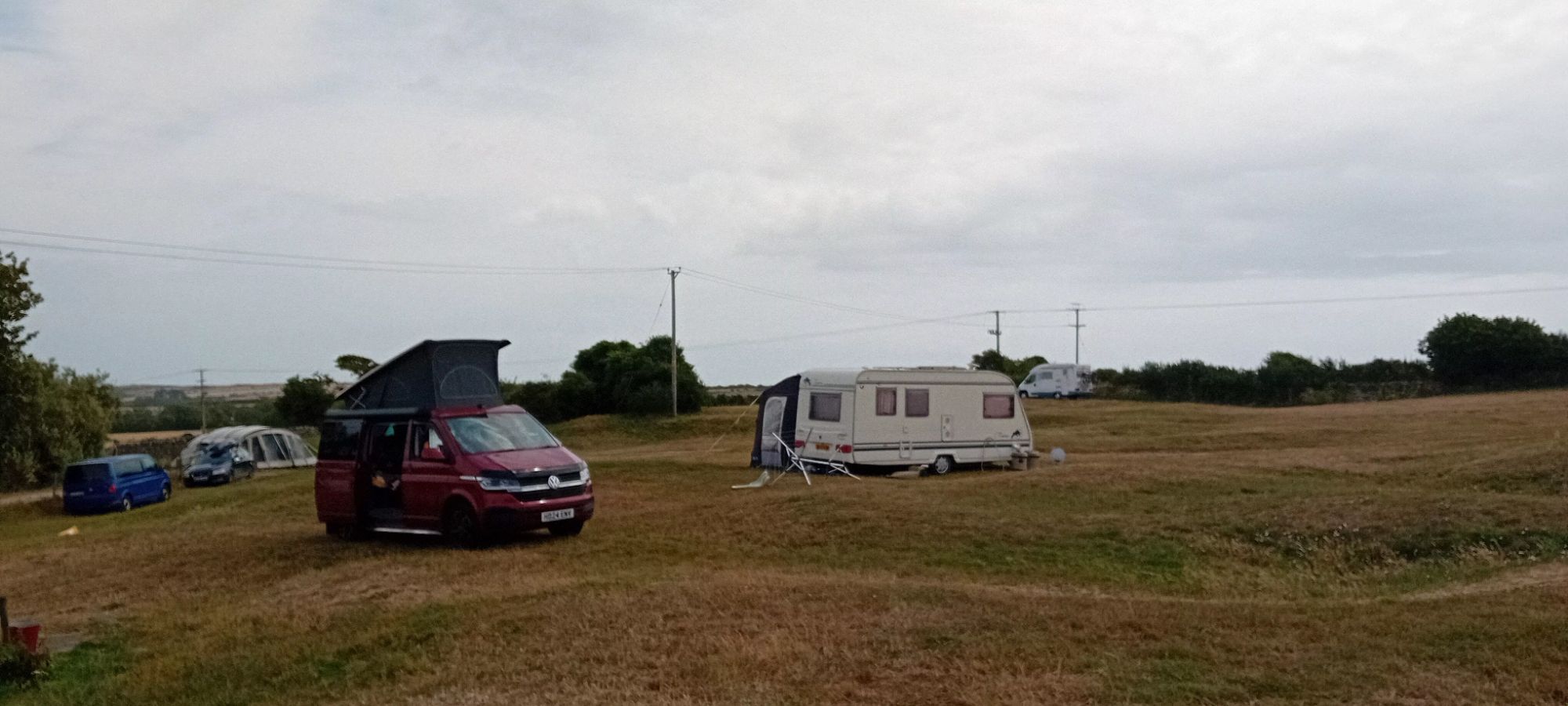
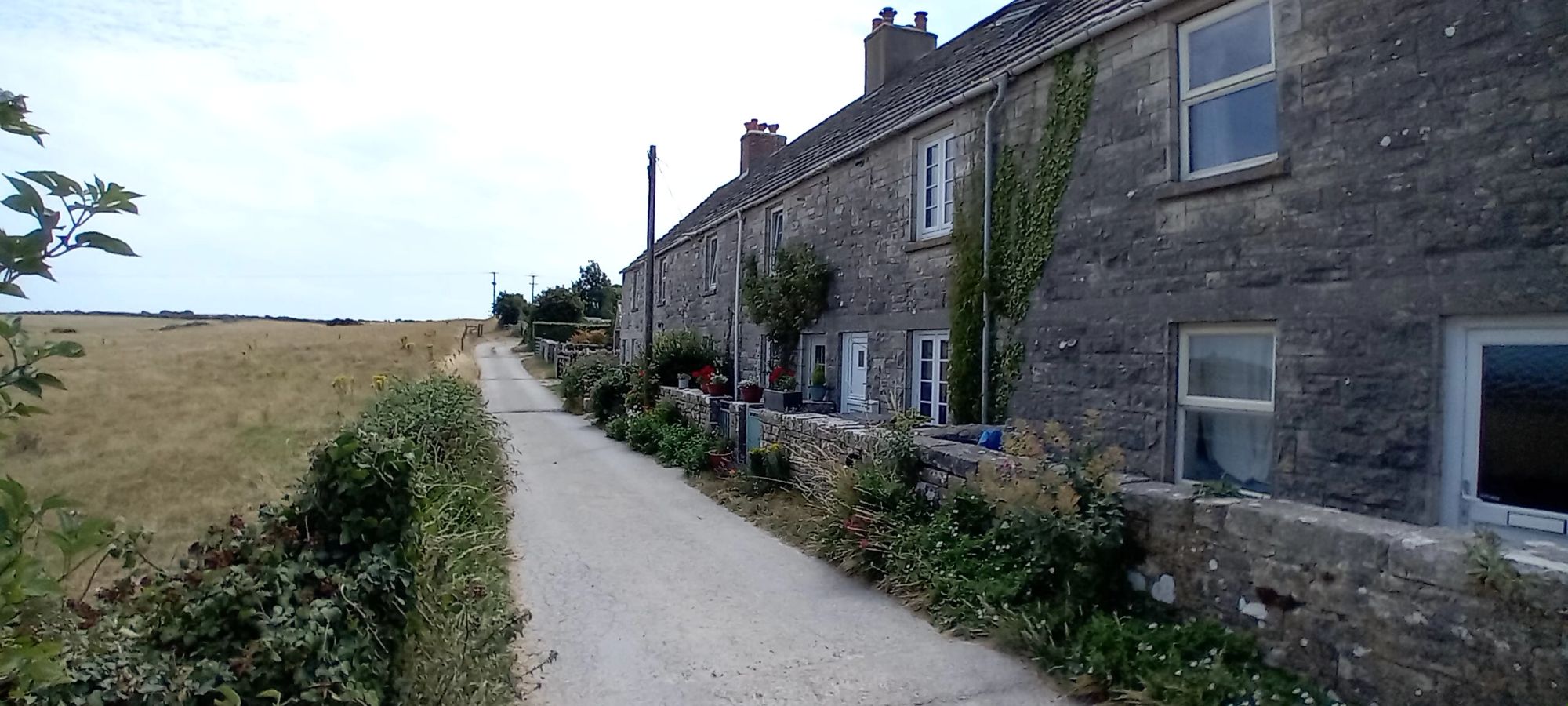



(Posted via smartphone).
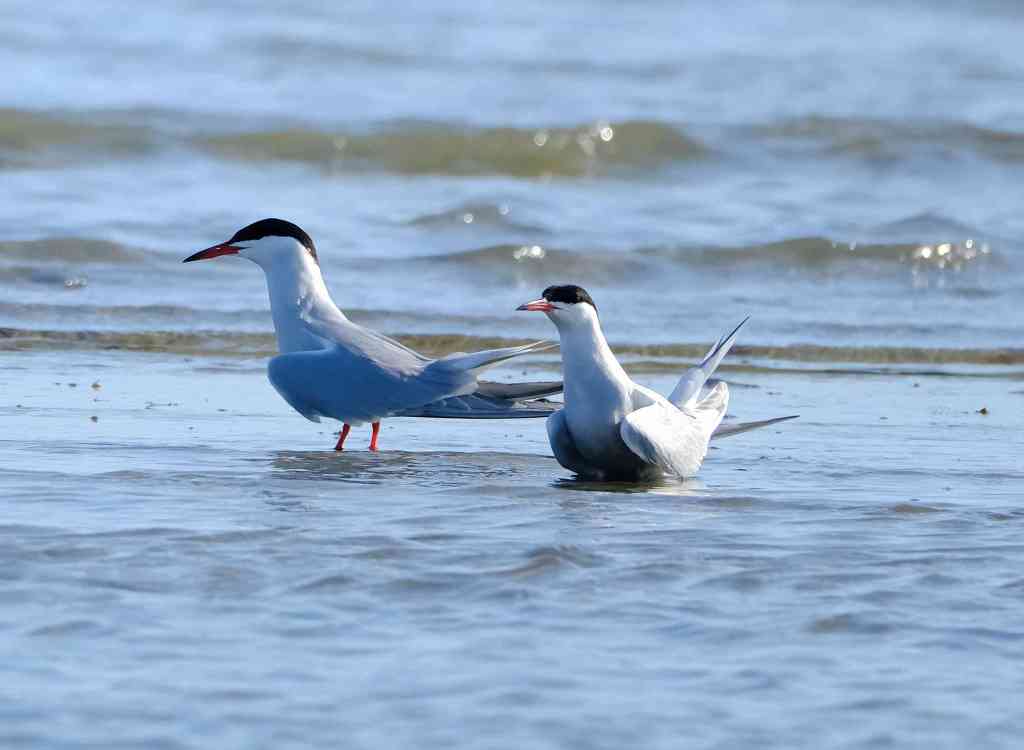
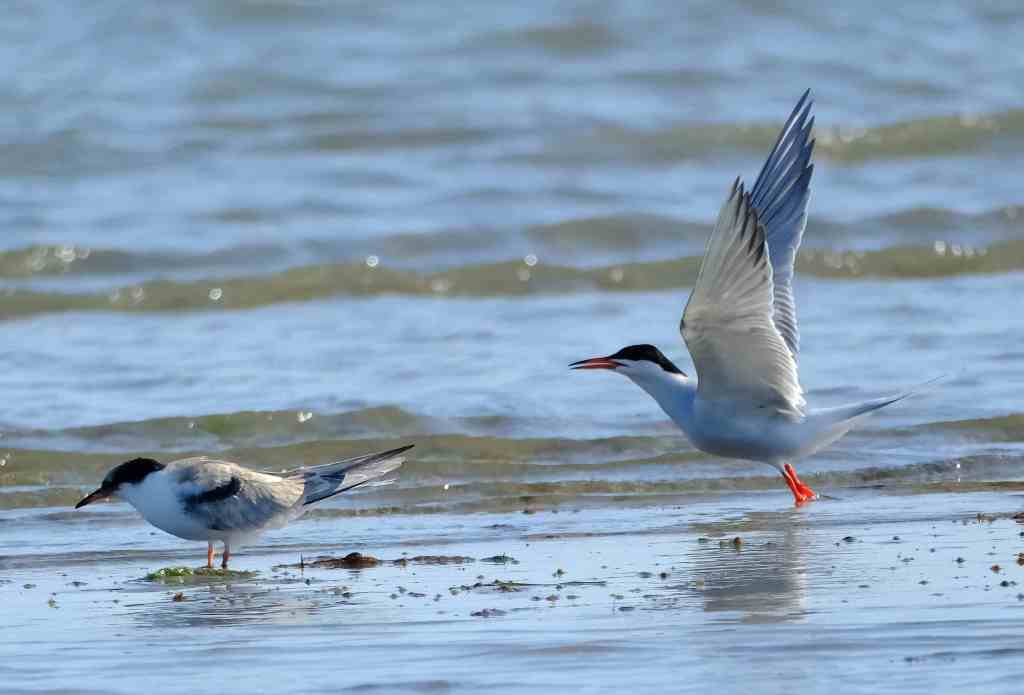
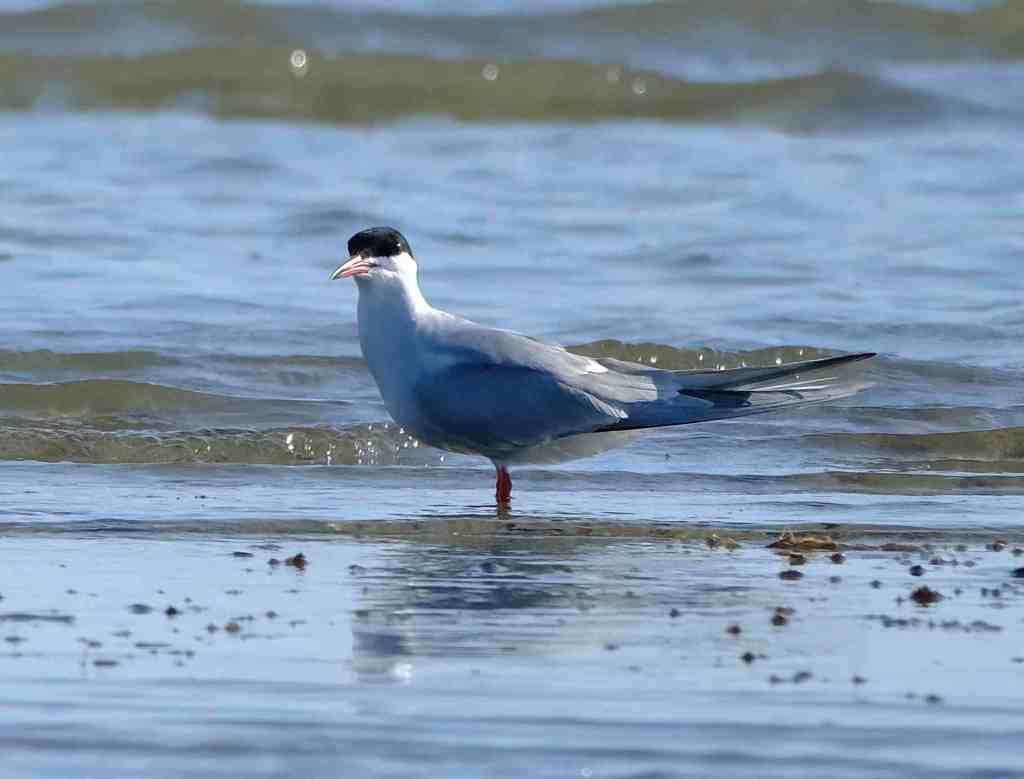
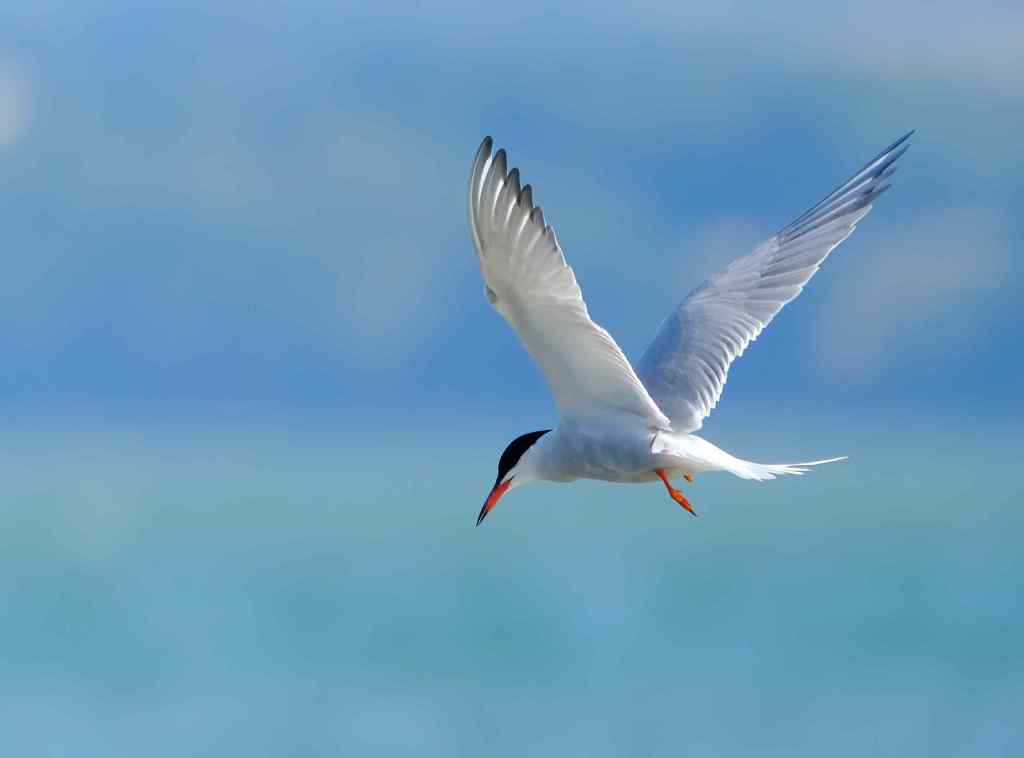
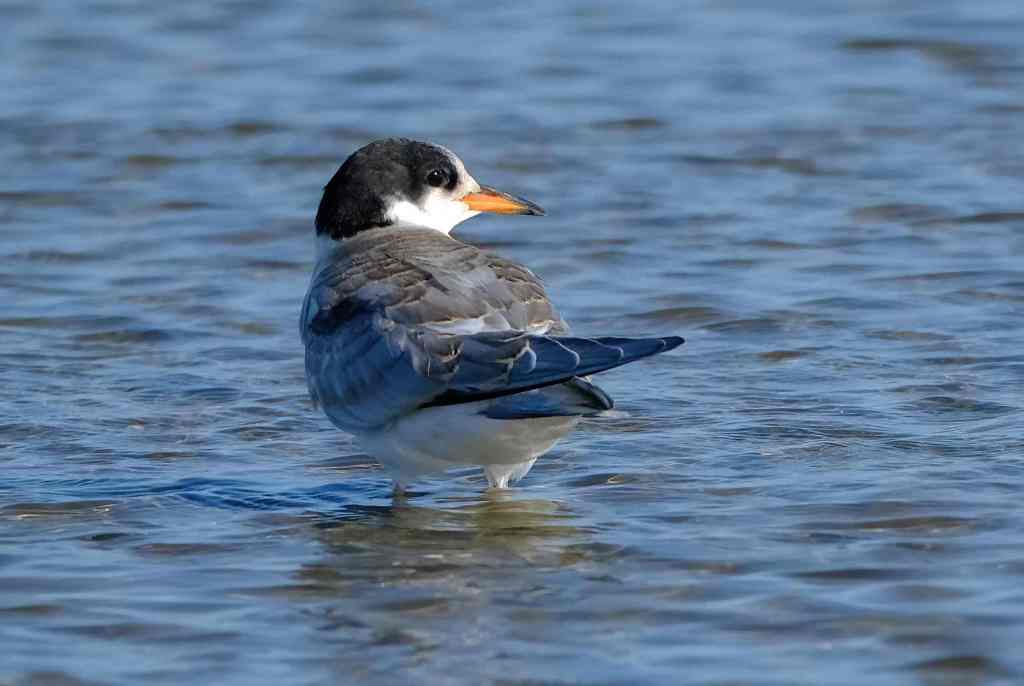
After a successful evening watching Common Terns off the Beach at Meon Shore on Friday, this morning we return for a few hours of bird watching.
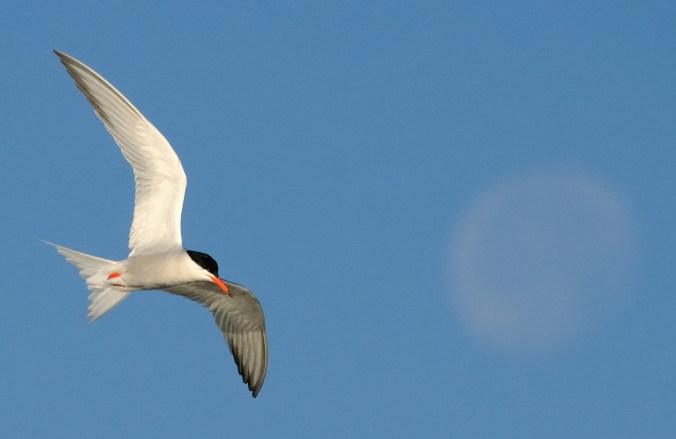


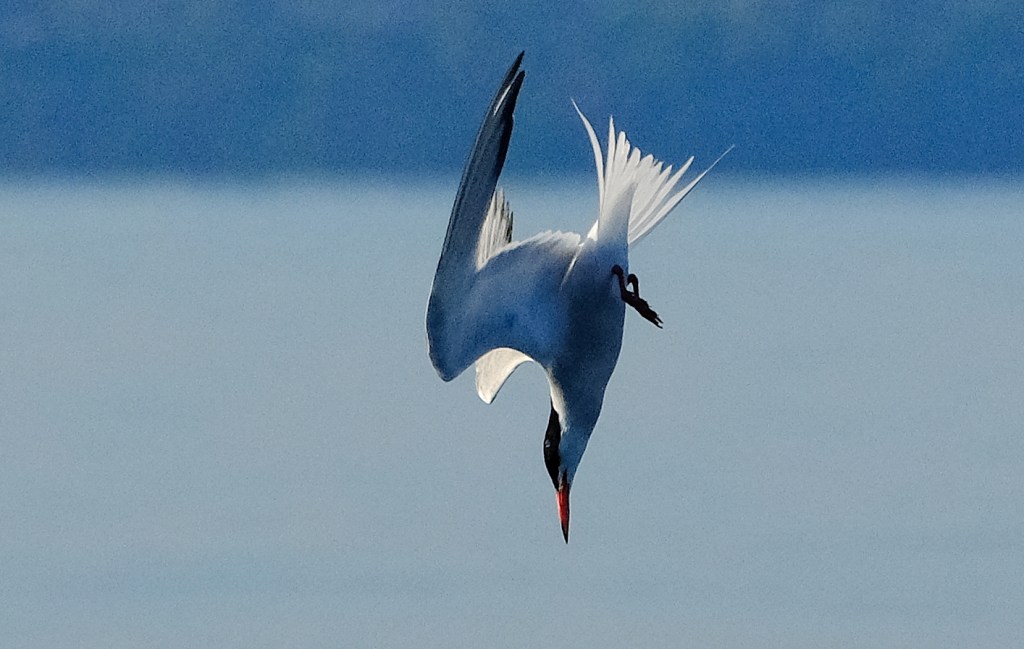

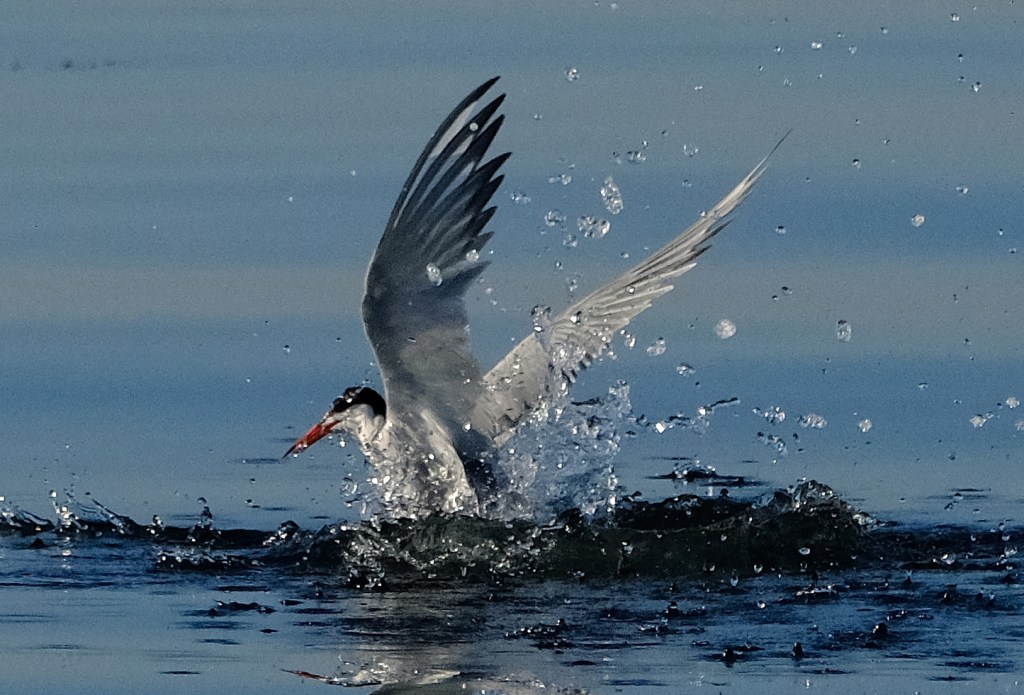


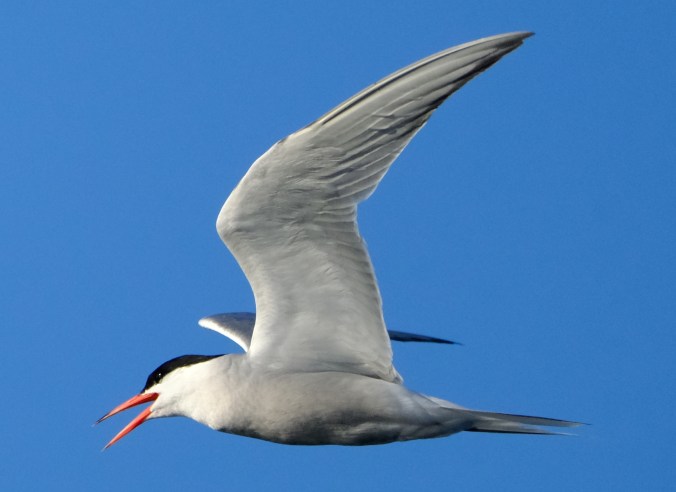
Families of Common terns fishing off Meon Shore. Adult birds have orange bills, while juvenile birds have black and Yellow Bills
.





The Common Blue is one of the most common damselflies in the UK.
The Male is blue and black with a button-shaped mark on the segment below the wing base. The female is less colourful – she is dull green /light yellow with a thistle-shaped mark below the wing base and black bands.


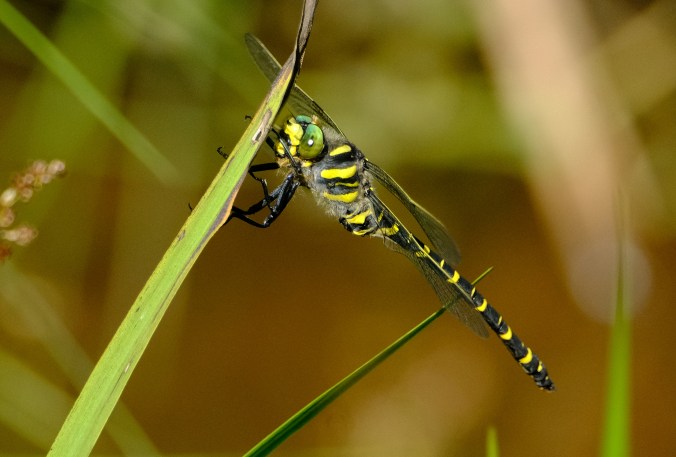
A master of flight, and a fairly commonly spotted dragonfly along many of the small streams at this time of year. Appearance – striking black body with distinctive yellow bands. Green eyes.


#Wordless Wednesday