Wordless Wednesday. {sound up}
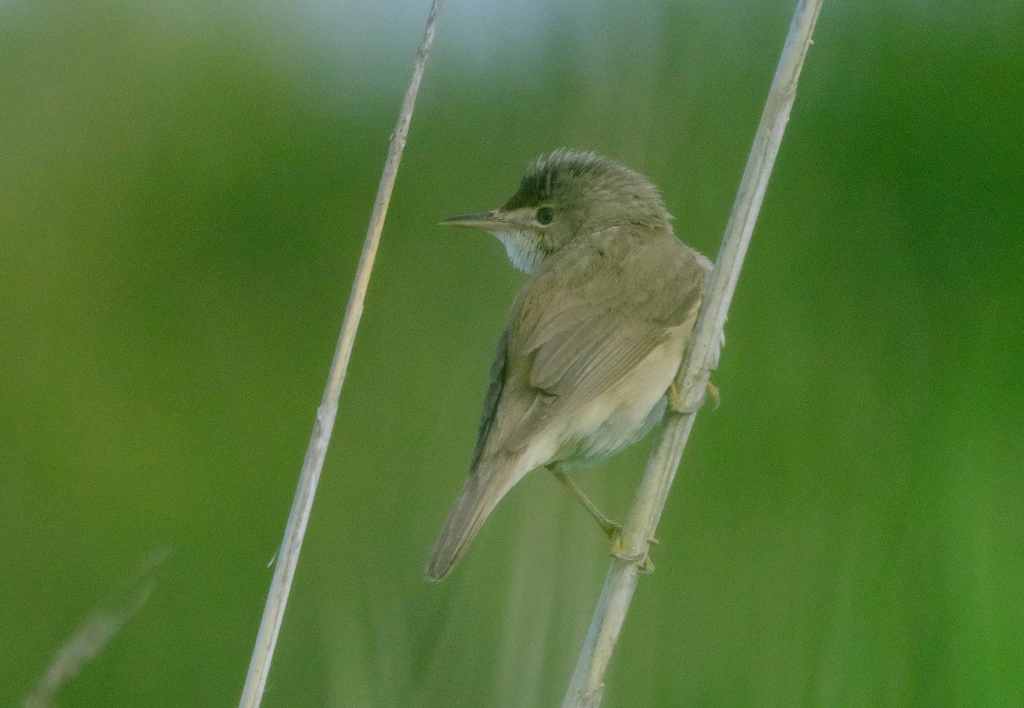


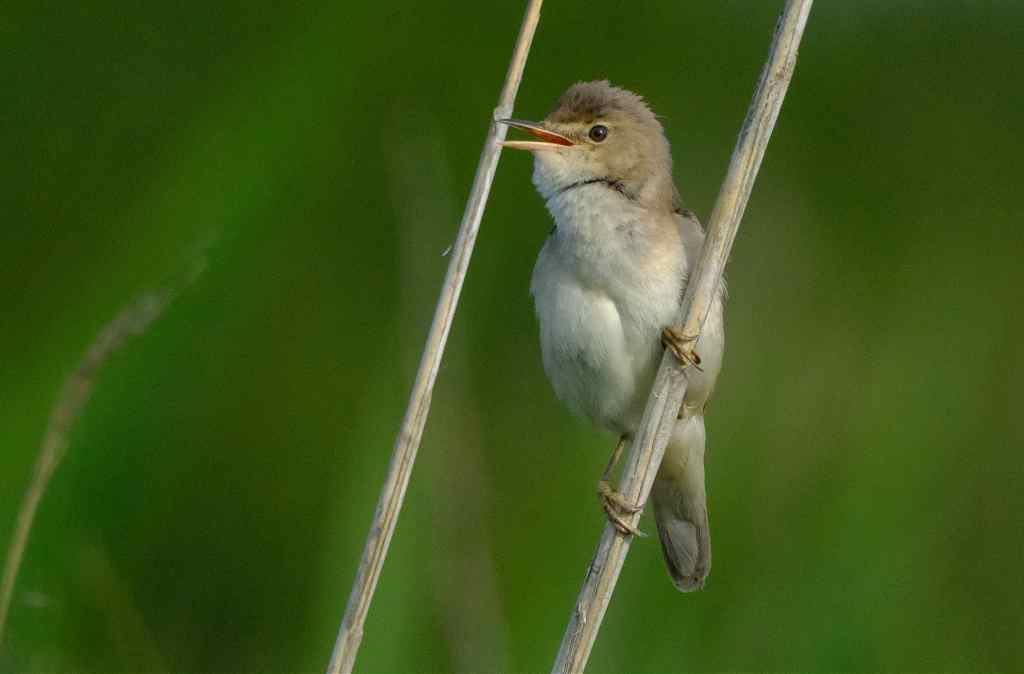
Wordless Wednesday. {sound up}
As we approach the 80th anniversary of D-Day I visited the village of Warsash on the River Hamble. Today Naval vessels and Landing Craft have been replaced by pleasure boats.


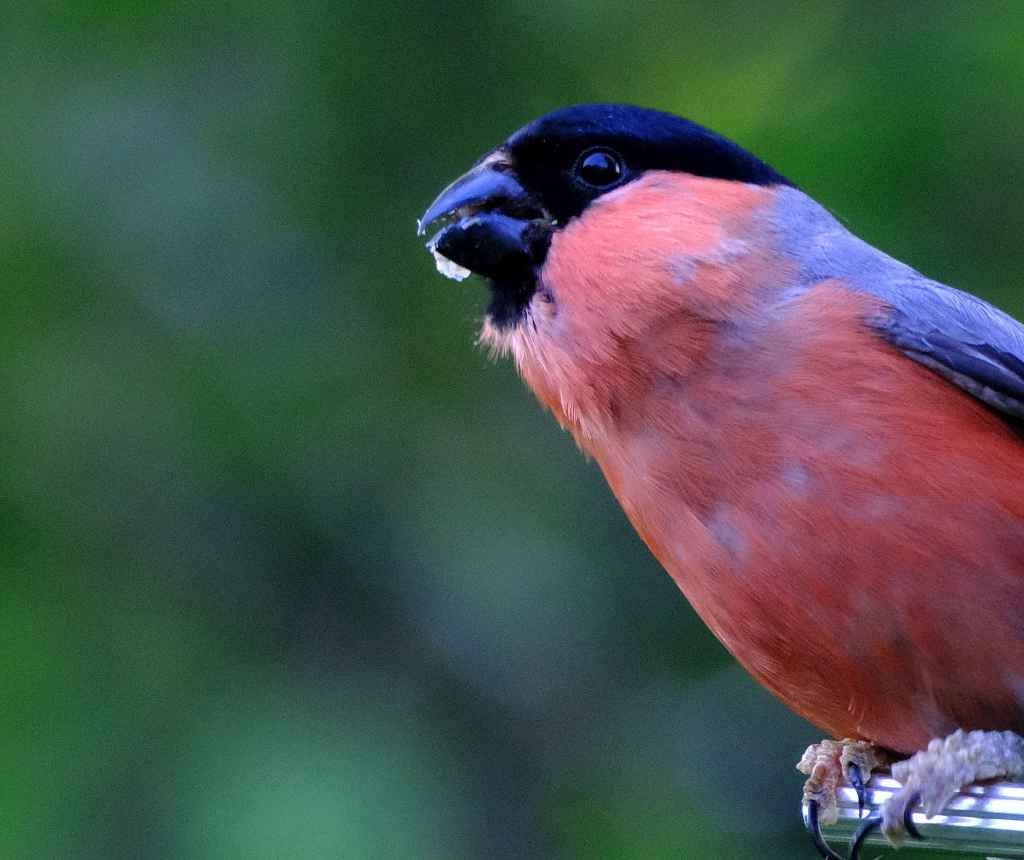
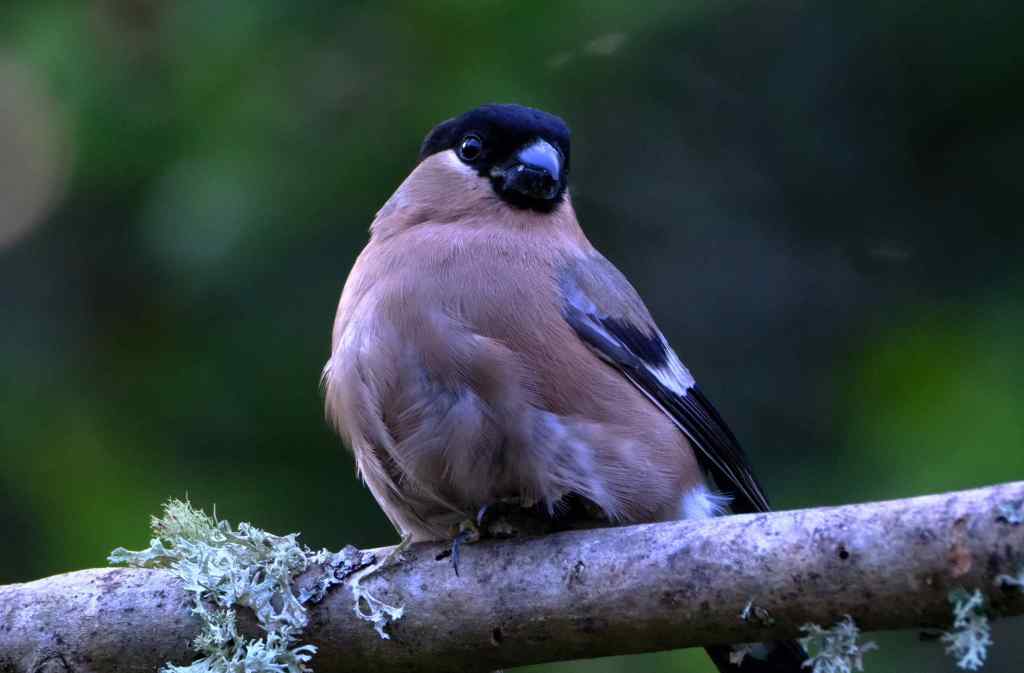
Regular visitors to my mum’s garden are two pairs of Bullfinches. Male Bullfinches have a bright pink-red breast and cheeks, a black cap and grey wings. Females have a much duller grey-pink breast. Both sexes have a white rump that is visible in flight Bullfinches have a short, powerful-looking beak.



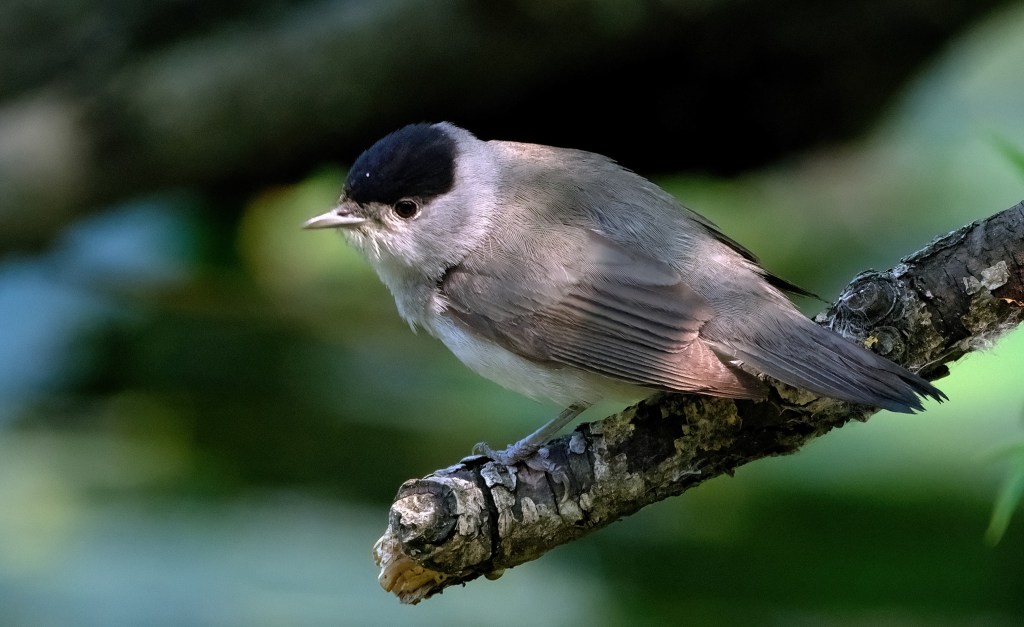
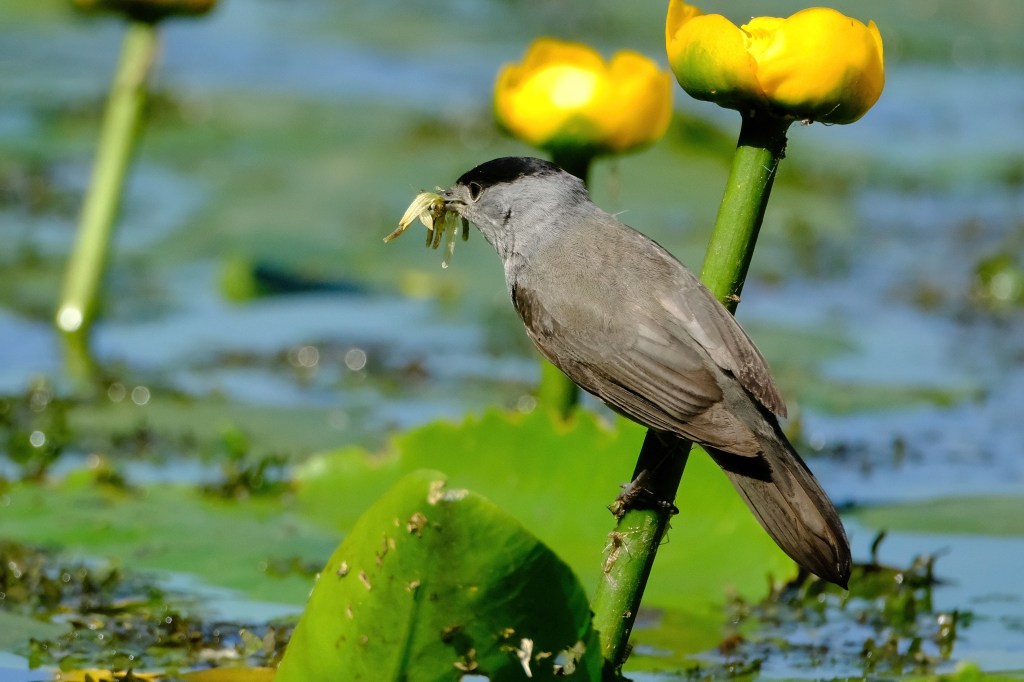
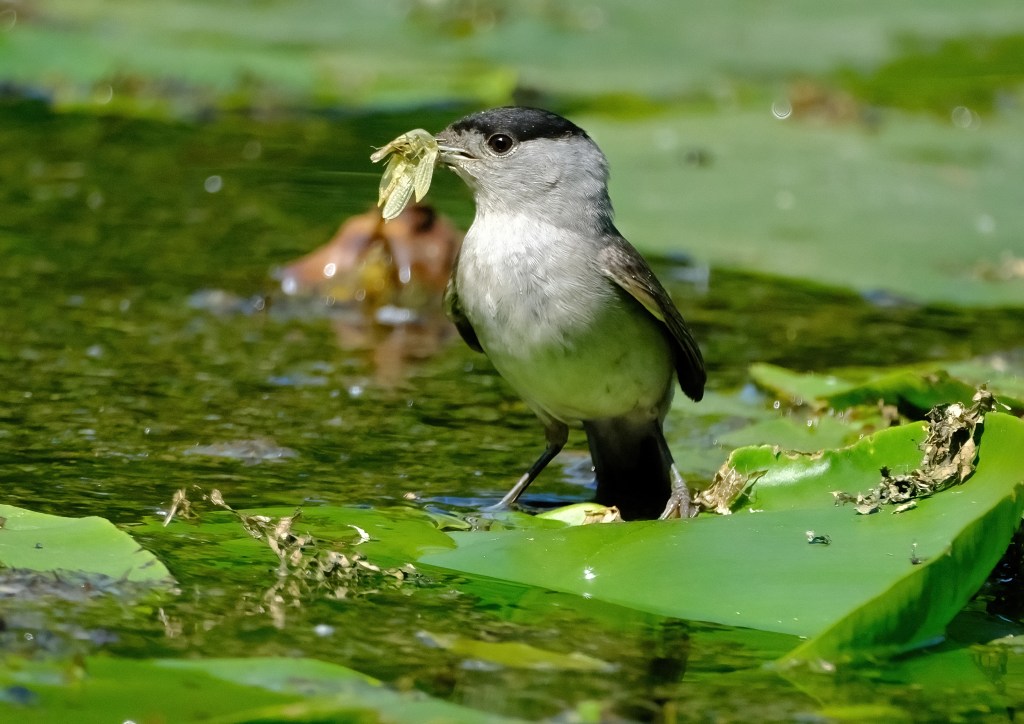
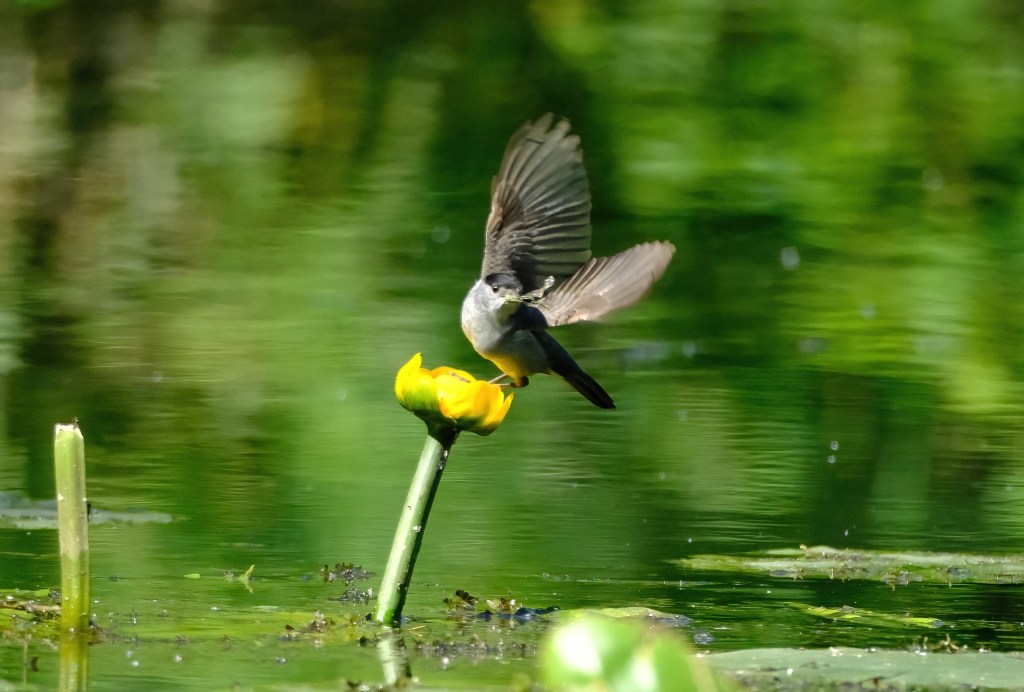
The Blackcap is a greyish warbler. It gets its common name from its black cap. The female’s cap is chestnut brown. Although primarily a summer visiting bird from Germany and north-east Europe. Blackcaps are increasingly spending the winter in the UK. It was unusual to see this woodland bird over water. He was catching small invertebrates from the Lilly flowers on a local pond.



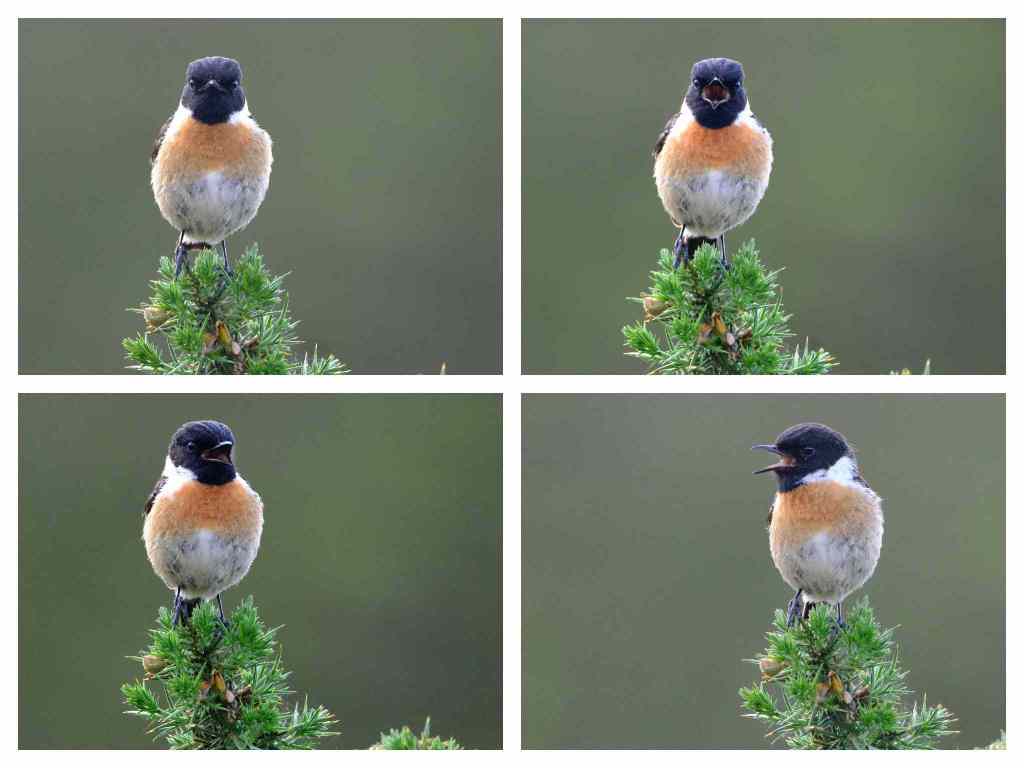
Male Stonechat New Forest.

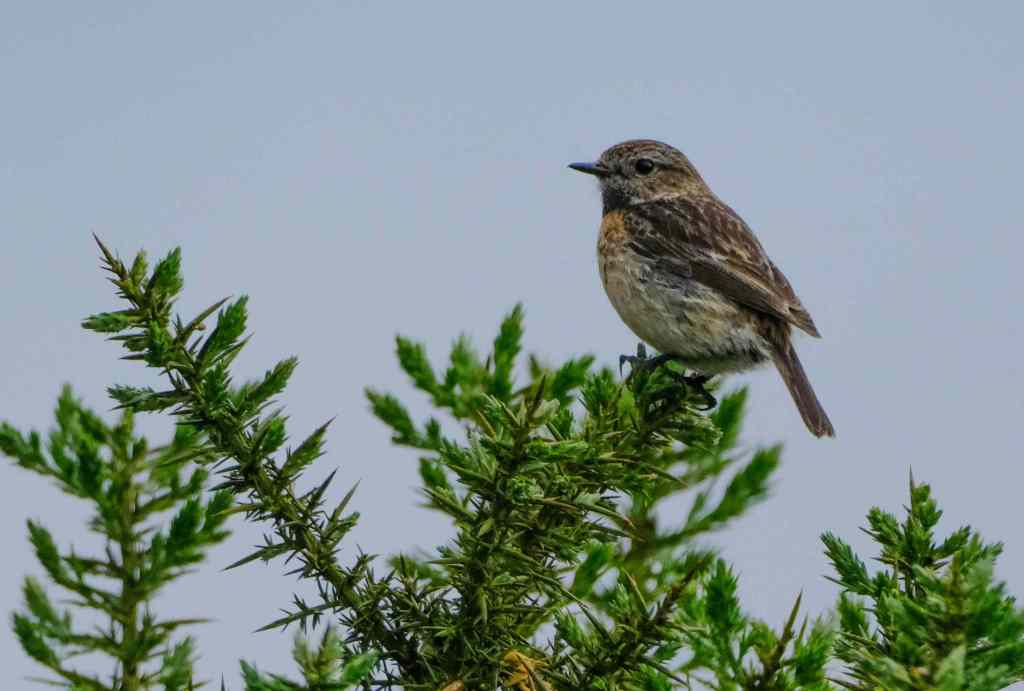
Female Stonechat New Forest.
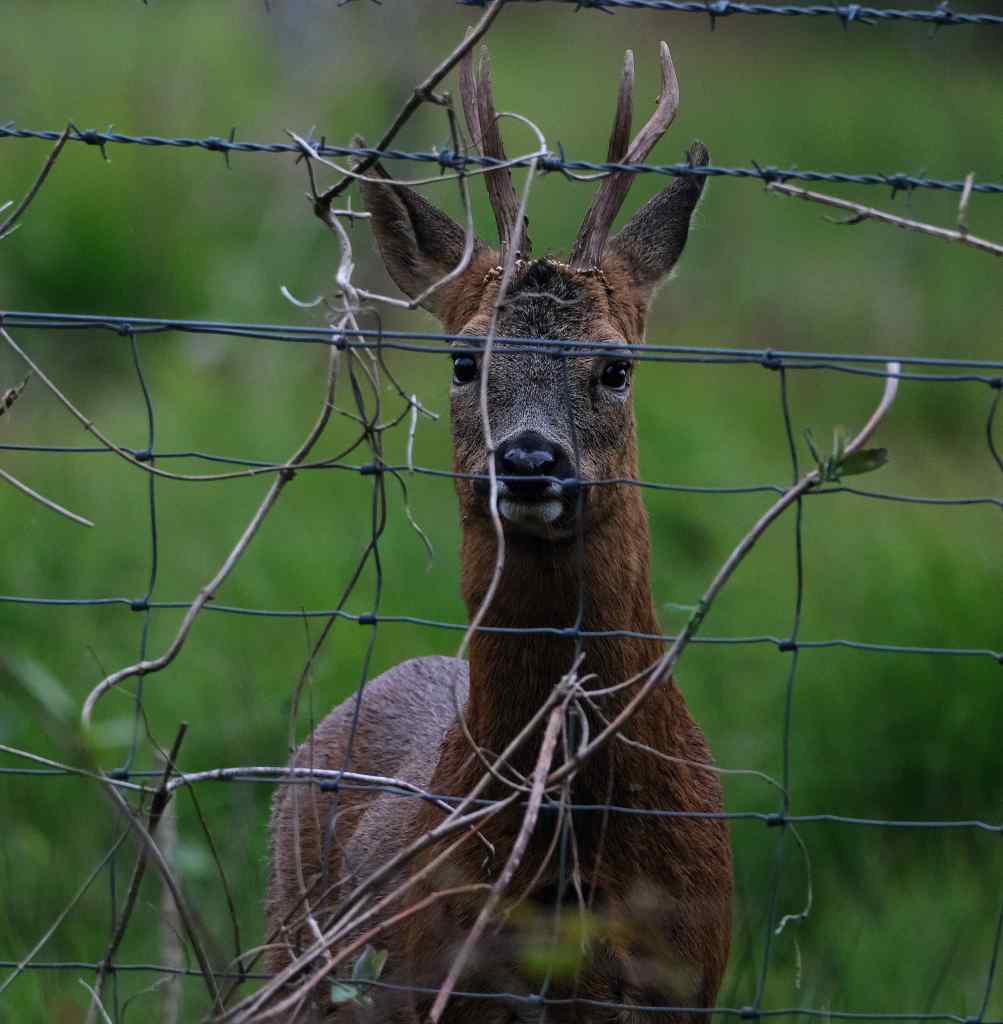
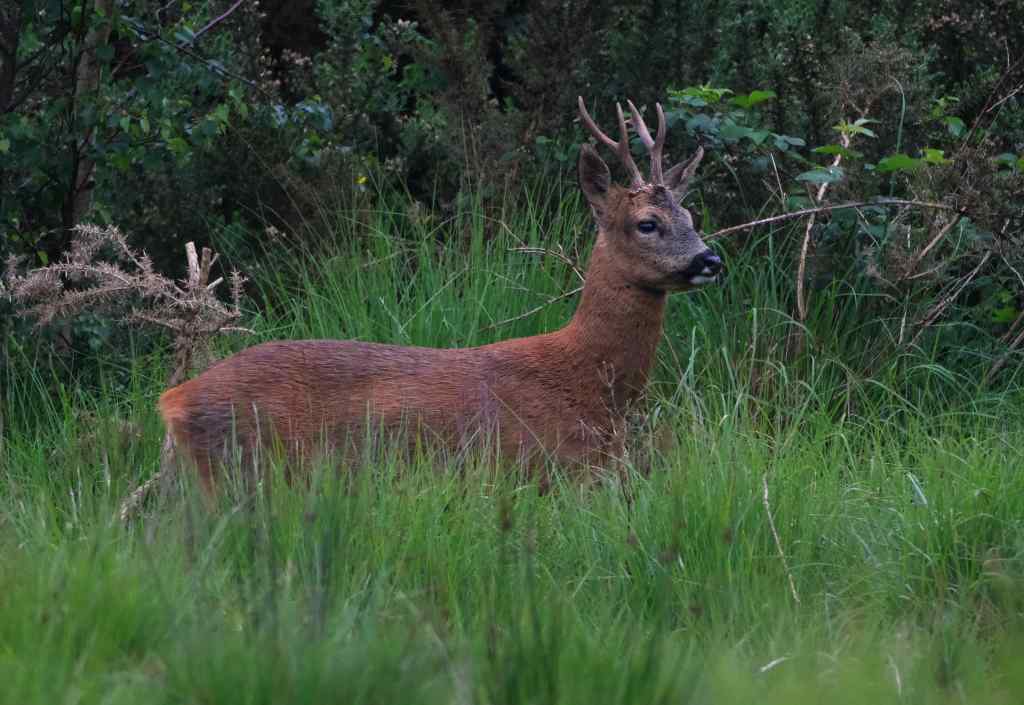
Good looking Roebuck at Hamble Point. He seemed to know the boundary fence gave him security from us – we just stood and looked at each other.


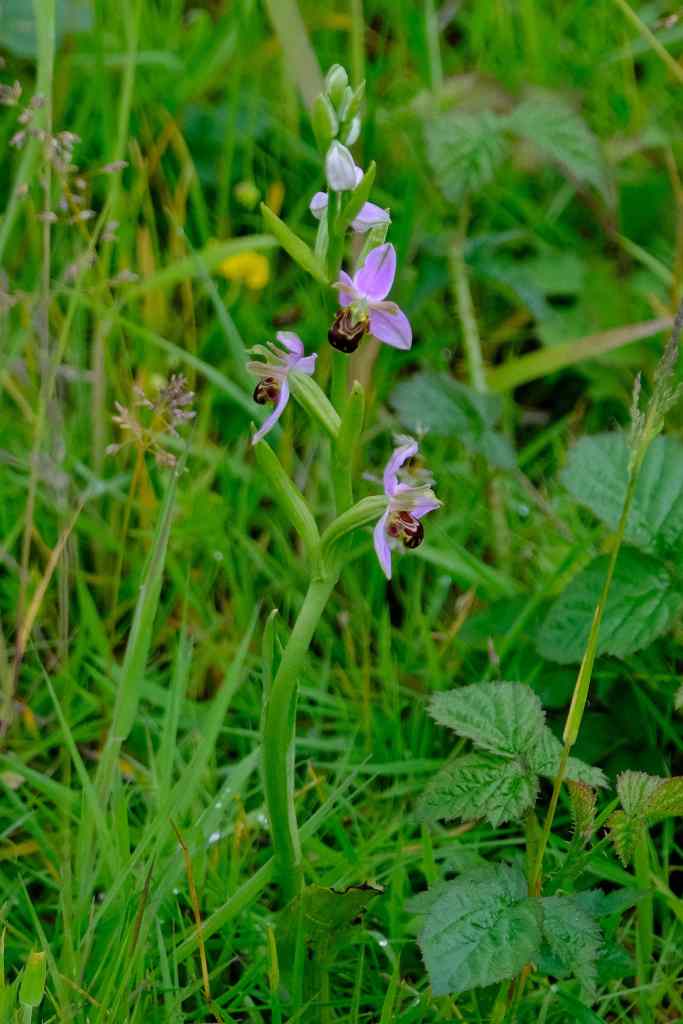
The flower’s velvety lip looks like a female bee. So this cleaver orchid fools a male Bee to fly in to try to mate with it, in doing so it will pollinate the flower. Sadly, the right bee species don’t live here, so this orchid is self-pollinated in the UK.


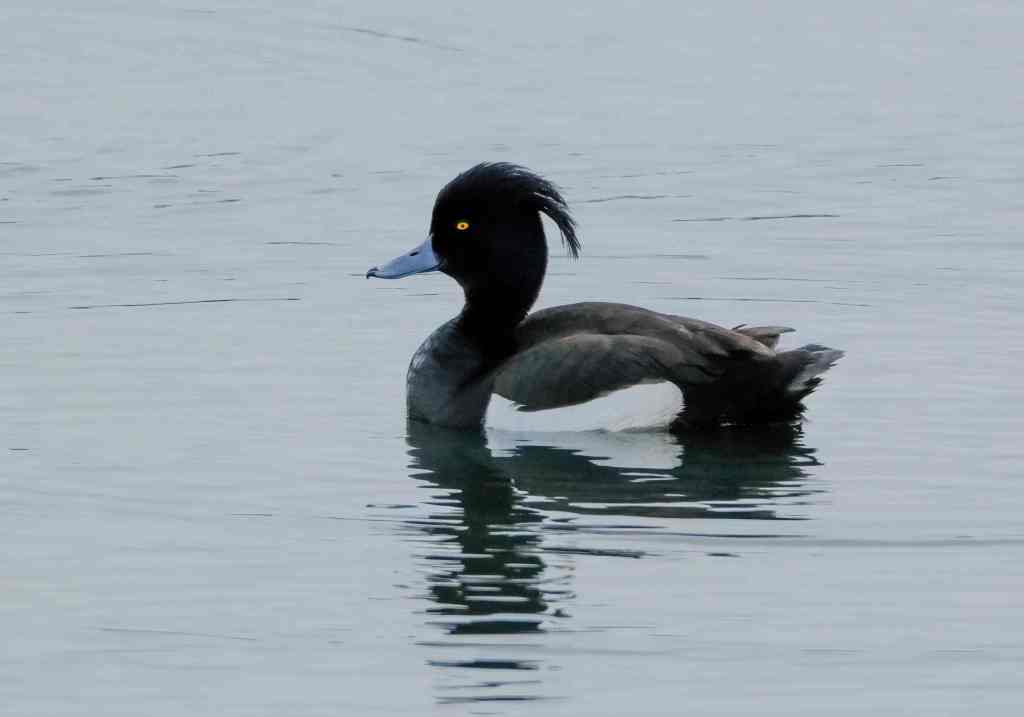
Smaller than a Mallard the Tufted Duck is a medium-sized diving duck the male is black on the head, neck, chest and back, and white on the sides. It has a small crest and a yellow eye. In winter, numbers increase because birds are moving to the UK from Iceland and northern Europe {The female is entirely chocolate-brown, with yellow eyes }.


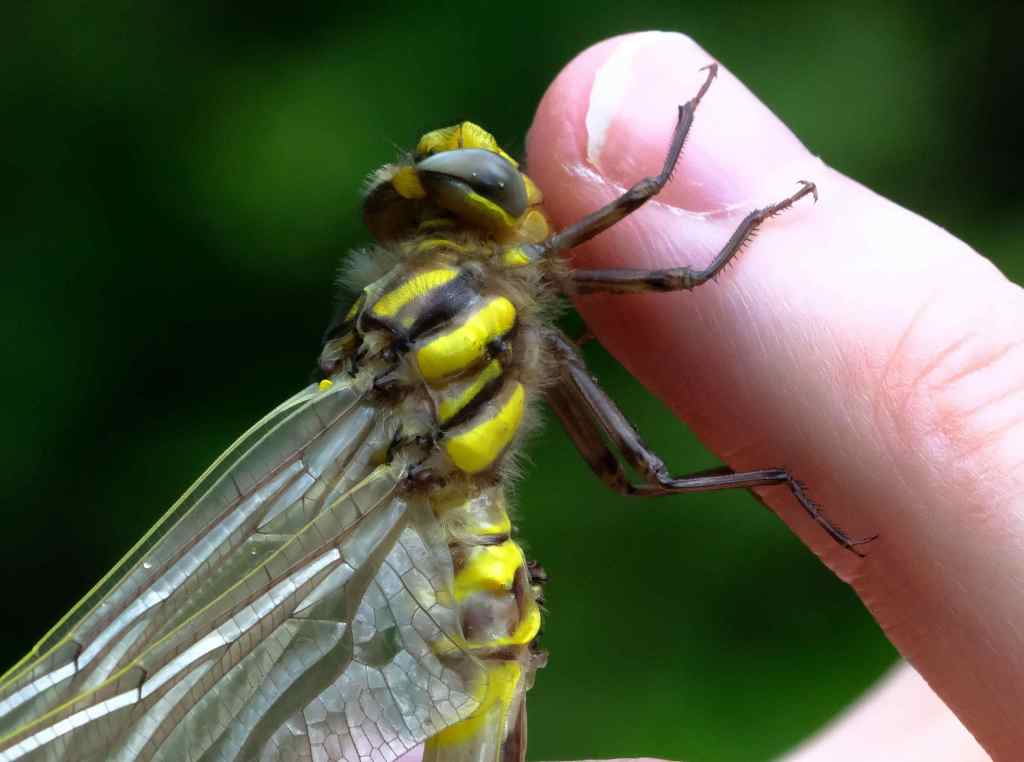
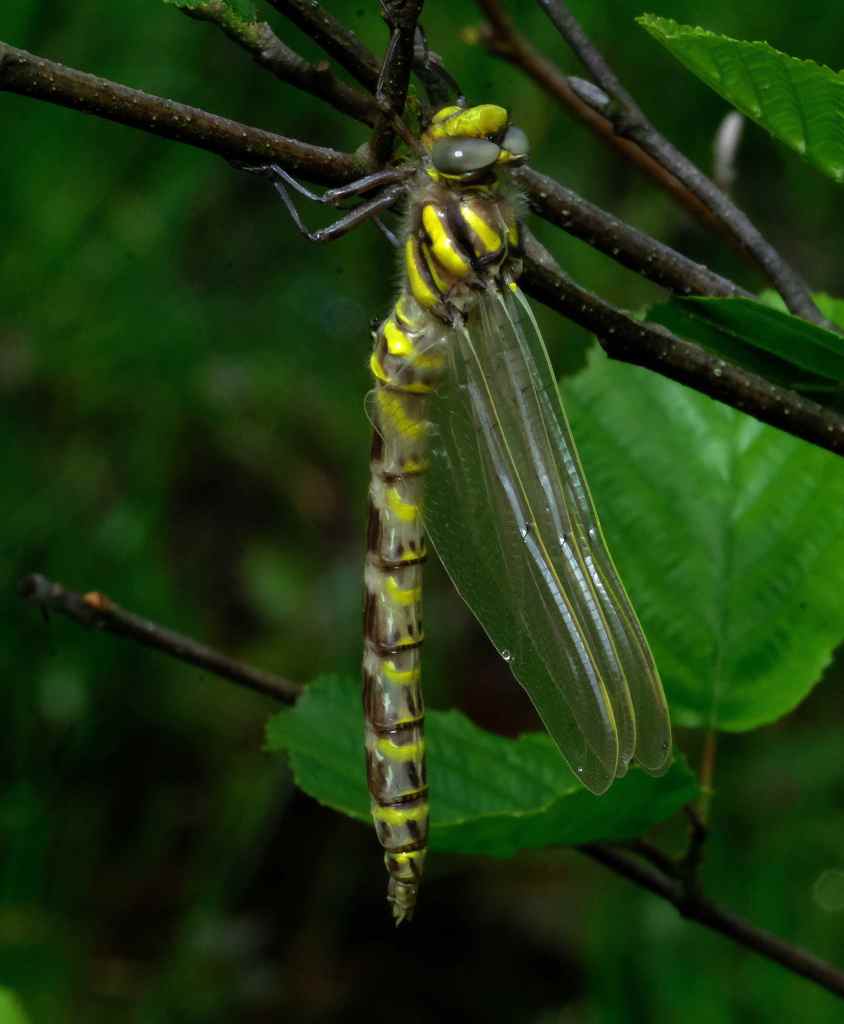
A freshly emerged male Golden-ringed Dragonfly in the New Forest today, her wings have unfolded but not yet dropped into the open flight position so it will be an hour or so before he will fly.
I put my hand down to pick up an empty dragonfly nymph exoskeleton which was on the ground and the dragonfly walked onto my finger.


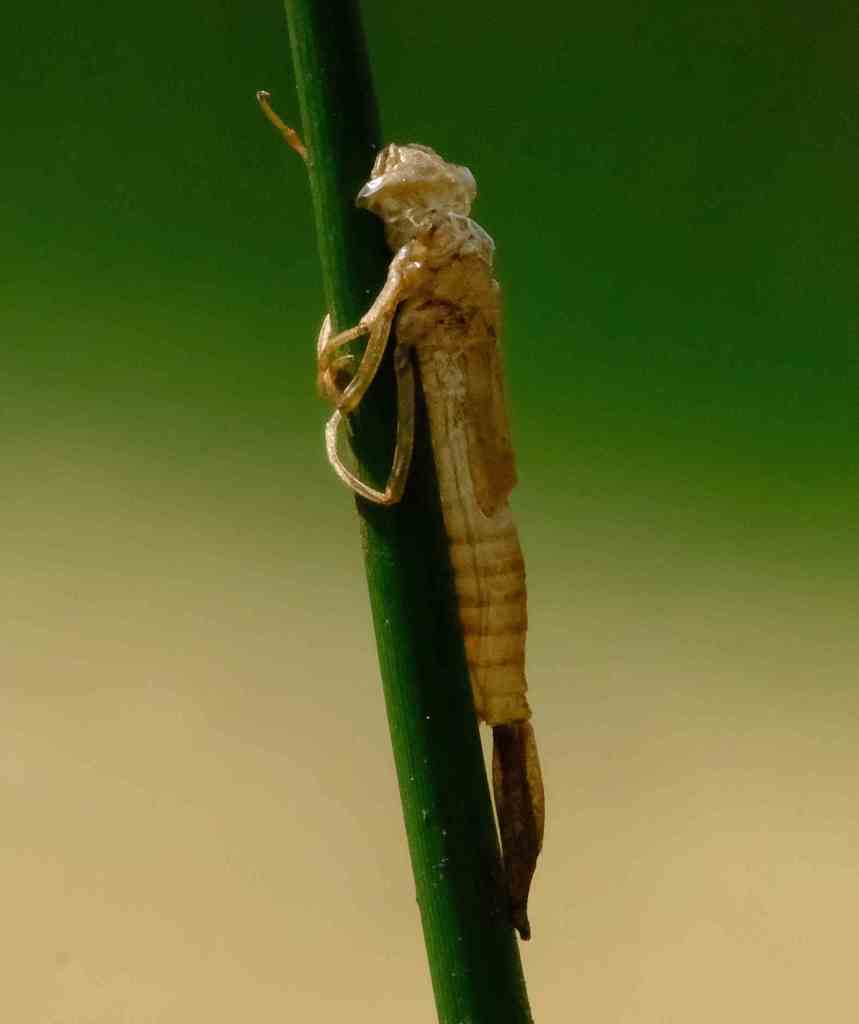
A damselfly empty nymph exoskeleton.
I decided to record my visit to Titchfield Haven Nature Reserve as a video.
At the end of the film is a Shelduck out at sea with her chicks – It is amazing watching these little birds journey in the choppy waters.
 Continued Reflections from my World.