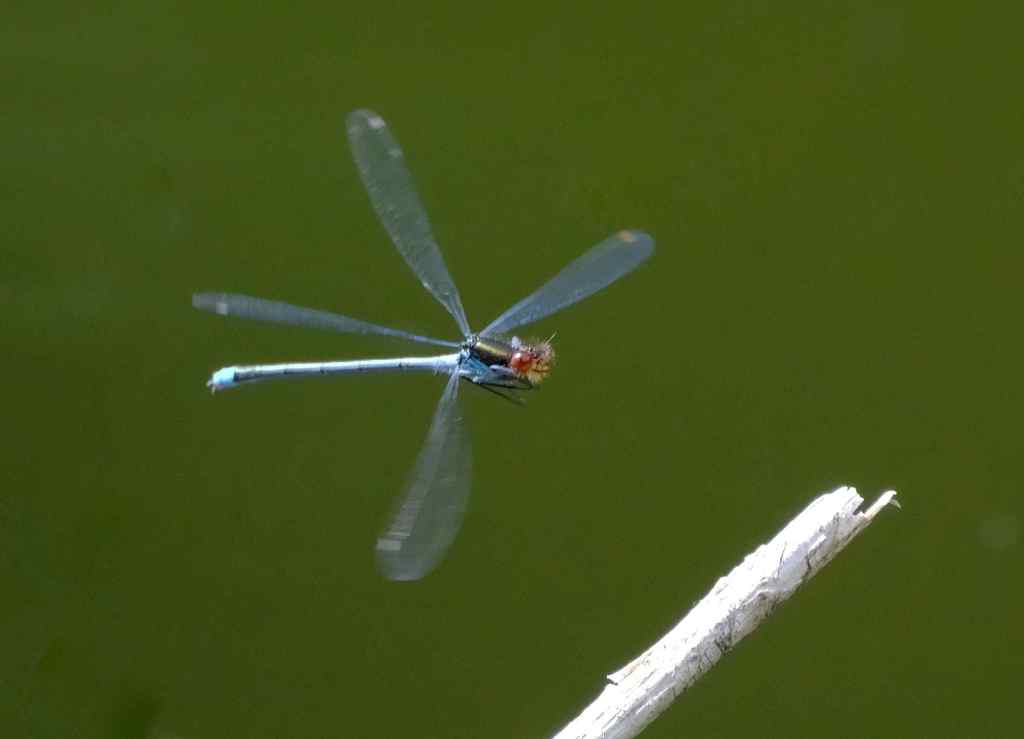
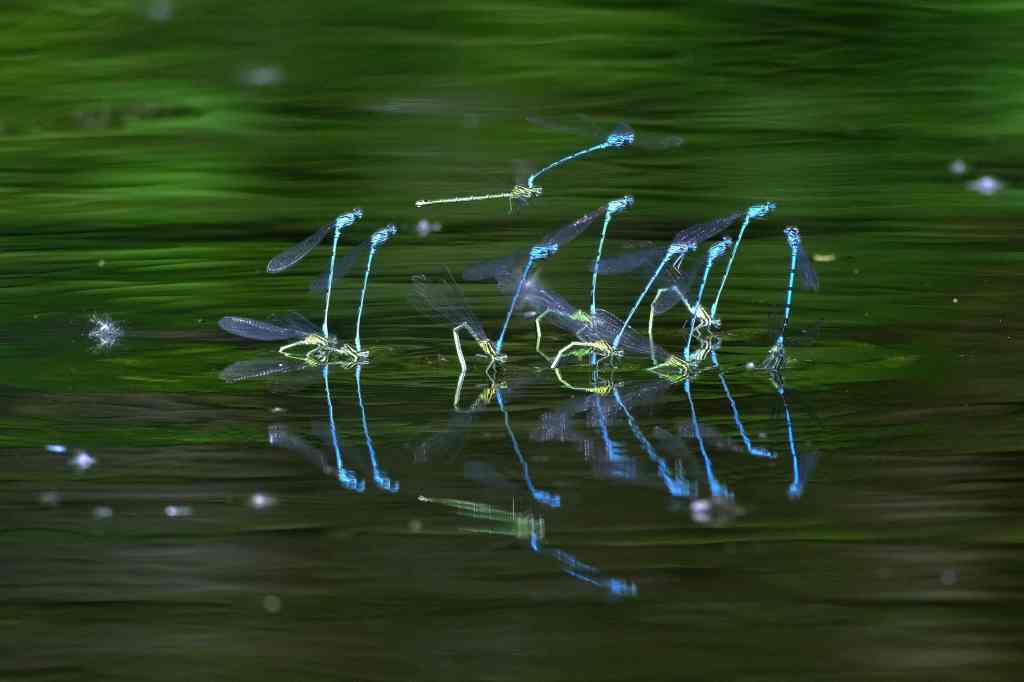
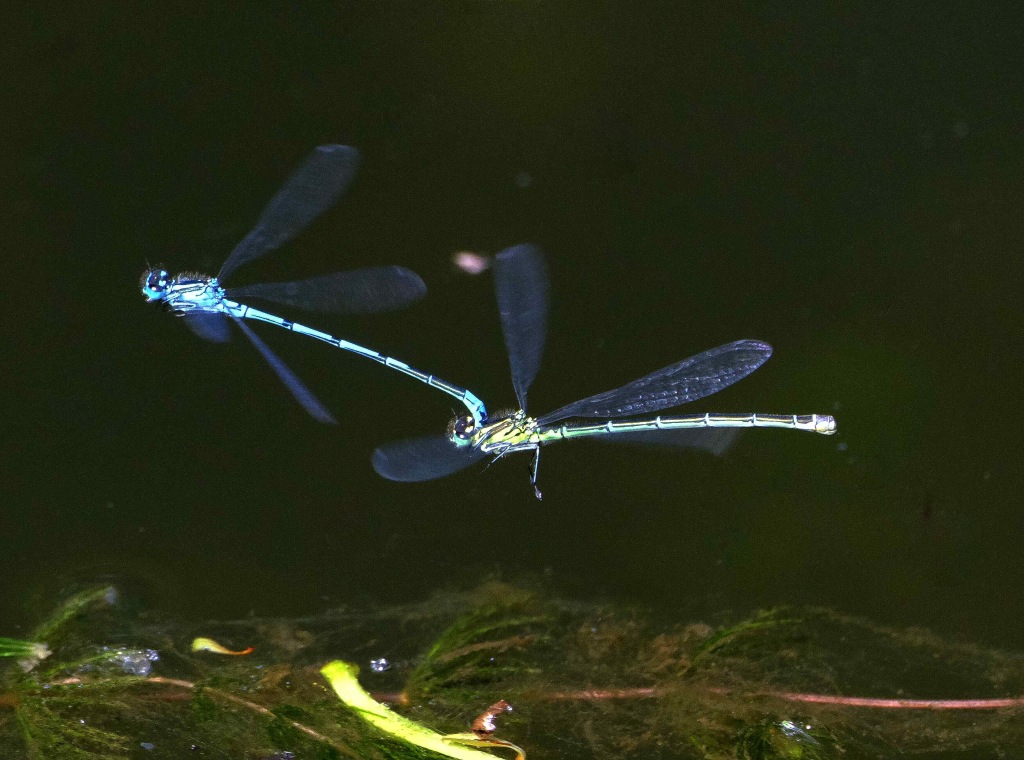
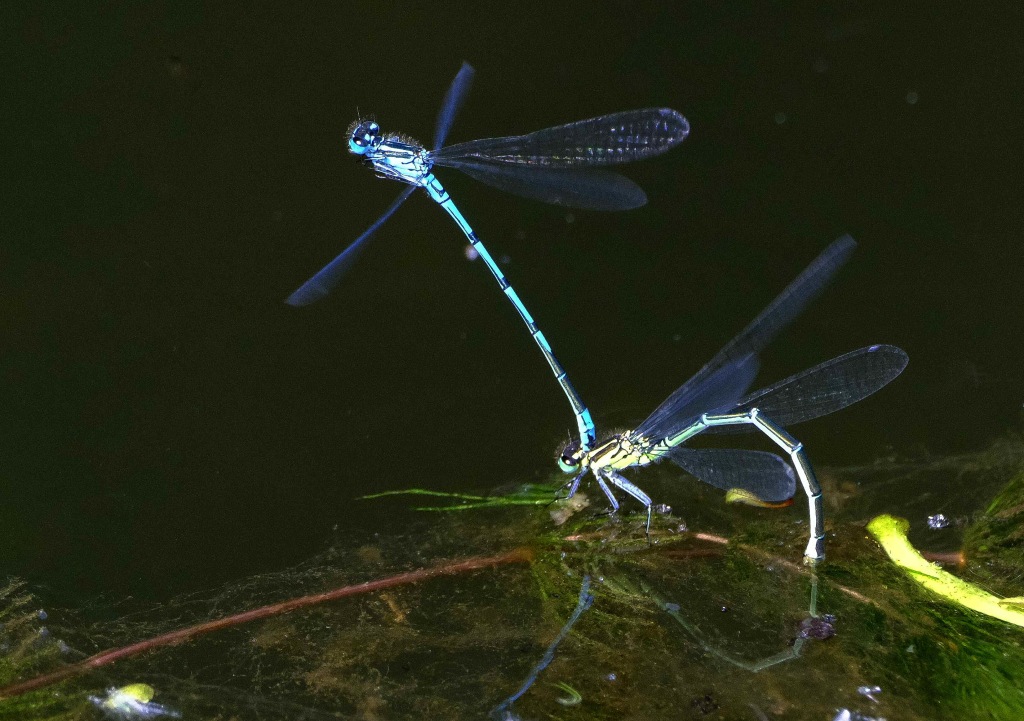
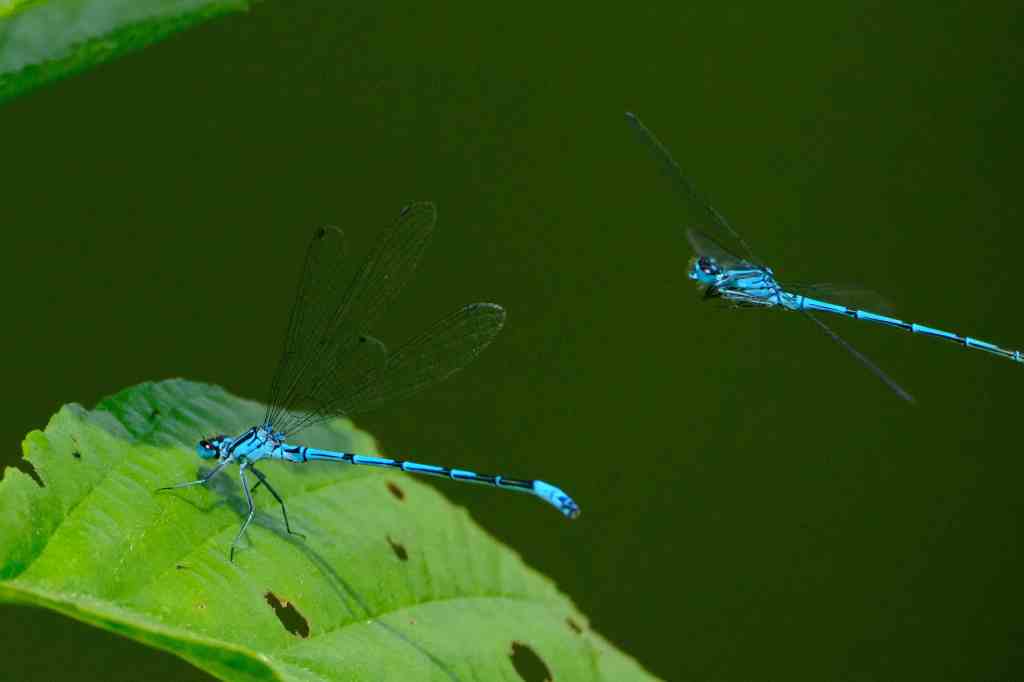
Damselflies.

Similar to Dragonflies, Damselflies are usually smaller and have slimmer bodies. Most species will fold their wings along the body when at rest, unlike dragonflies which hold the wings flat and away from the body. They have existed since the Jurassic Age.

All damselflies are predatory insects; both nymphs and adults actively hunt and eat other insects.

Long legs!

Tetragnatha Montana is a species of long-jawed orb weaver spiders commonly known as the silver stretch spider. These spiders have a habit of extending their front legs into a stick like shape

Now the sun is out.

Now the sun is out Dragonflies and Damselflies are starting to fly.

Four-Spotted Chaser.

Four-Spotted Chaser. This Dragonfly has emerged deformed and missing one wing.

The Chaser below is deformed and missing 1 wing.

Azure Damselfly pair mating.

Hairy Dragonfly.

Banded Demoiselle.

Back to the woods.

Back home after our campervan trip to Wales and a day in the New Forest. Looking in a wet area for some small creatures.

Water Skimmer.

Raft Spiders.

This one is hunting on a Milkmaid flower.

Distant Fallow Deer – young bucks.

Minotaur Beetle – Typhaeus Typhoeus {size of my thump nail}.

I have to get down low for these creatures.

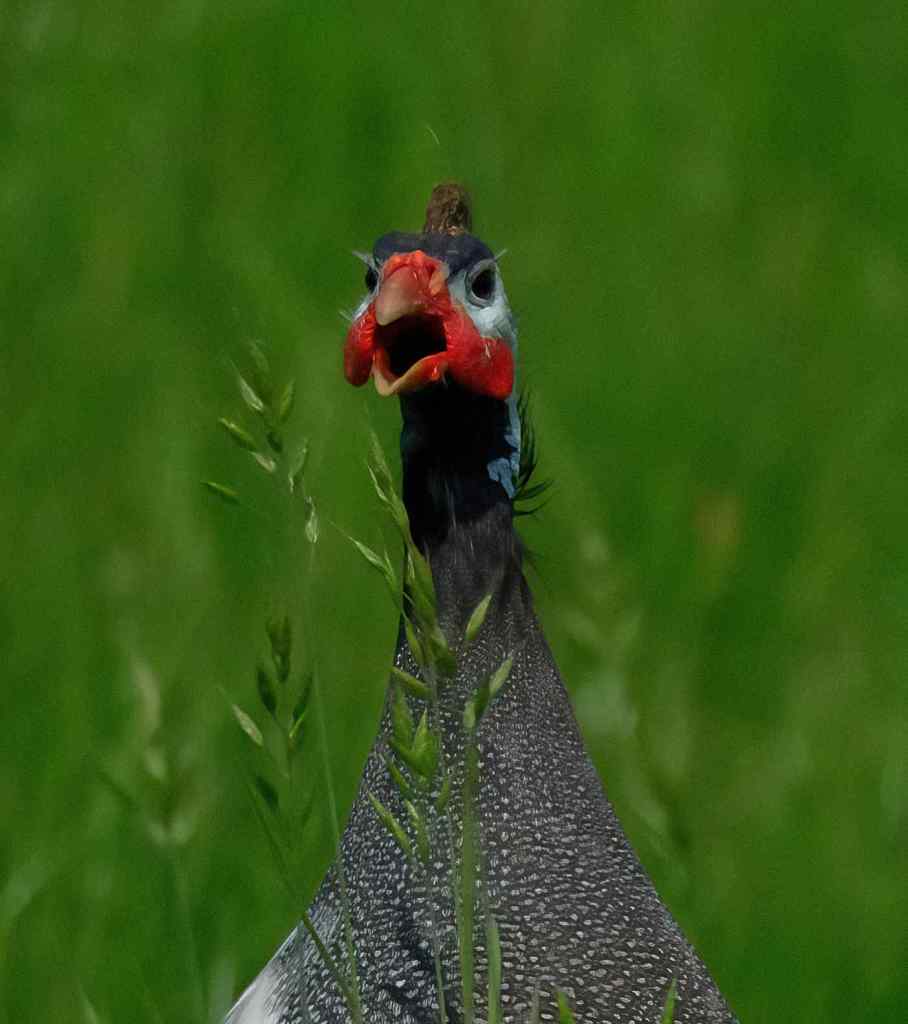
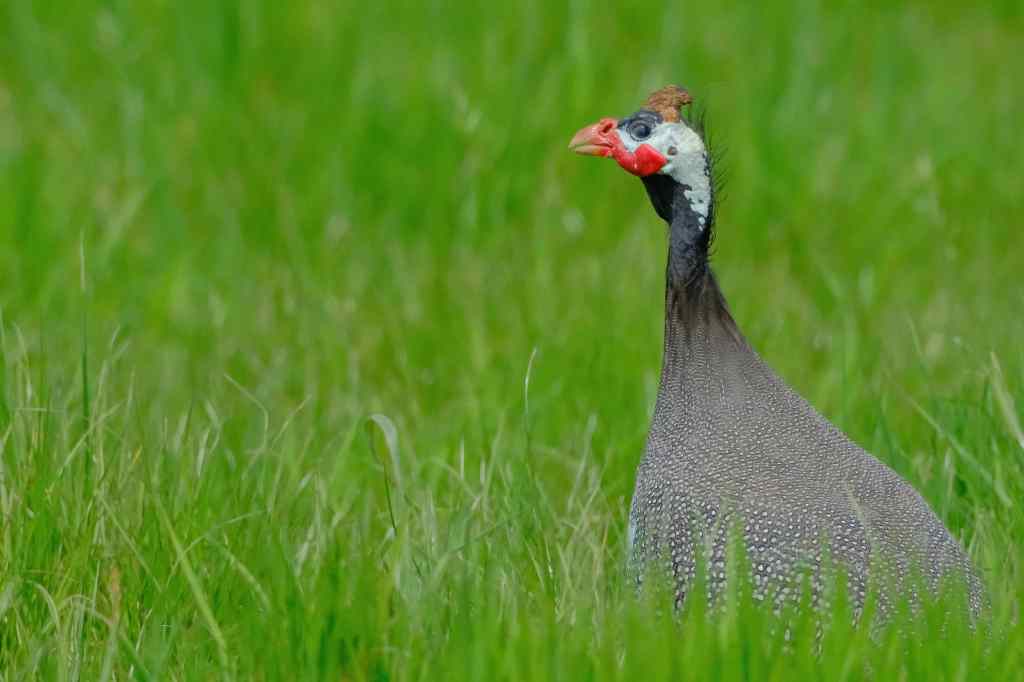
Guinea fowl.

Guinea fowls are often seen roaming the plains of Africa and picking at the ground for food. These were seen in Salisbury Plain around some farm buildings. They resemble turkeys and pheasants. They are not wild birds here in the UK.
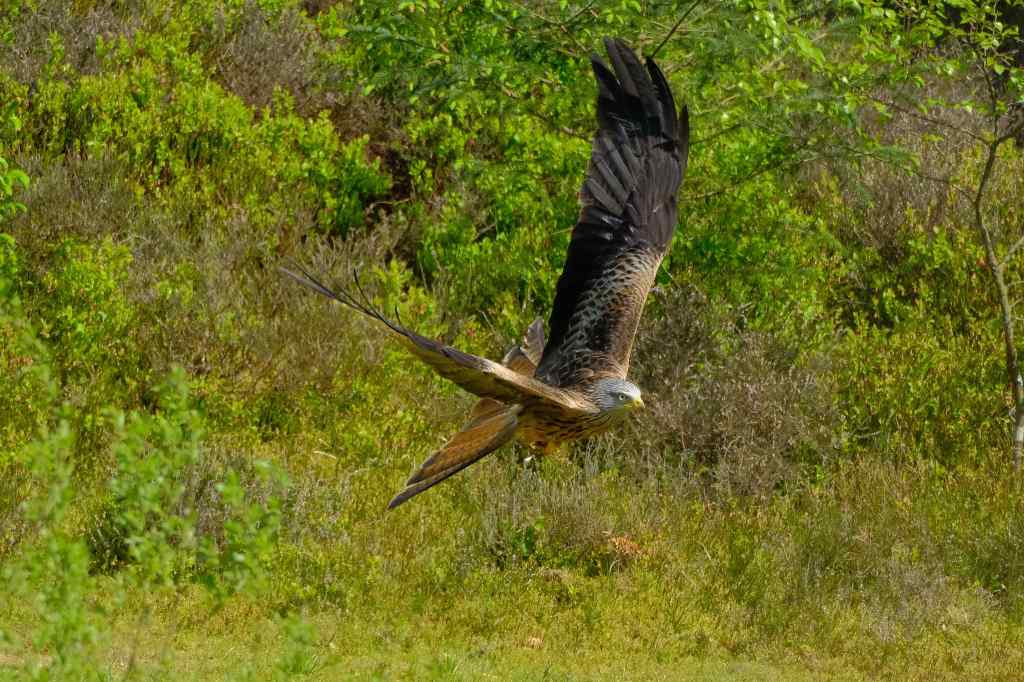
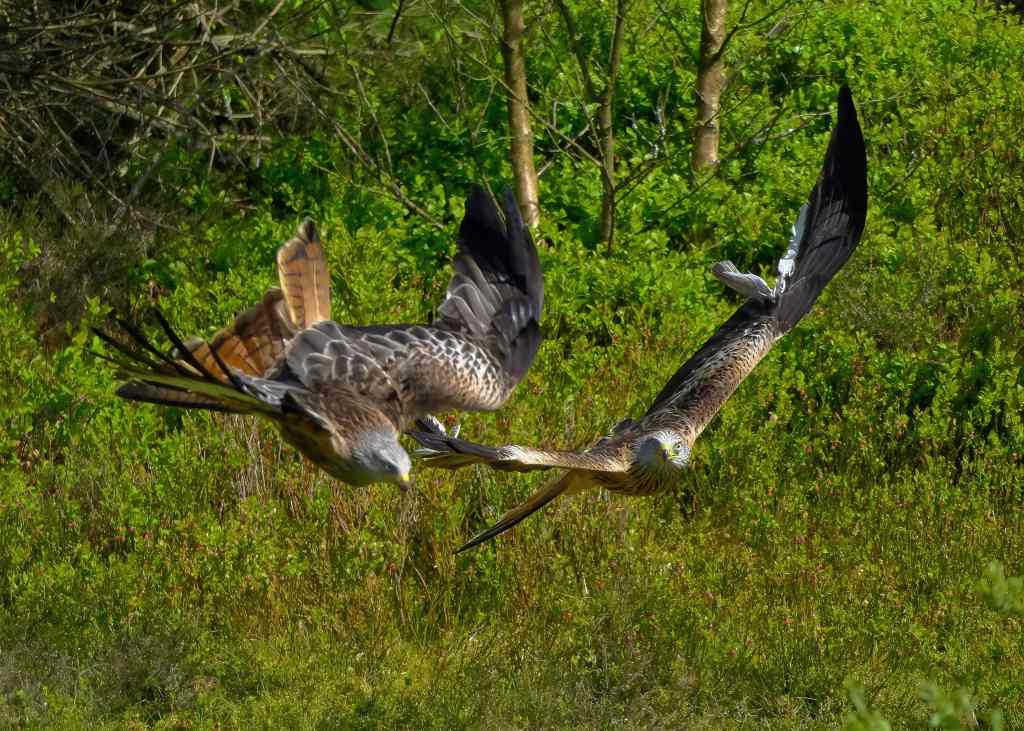
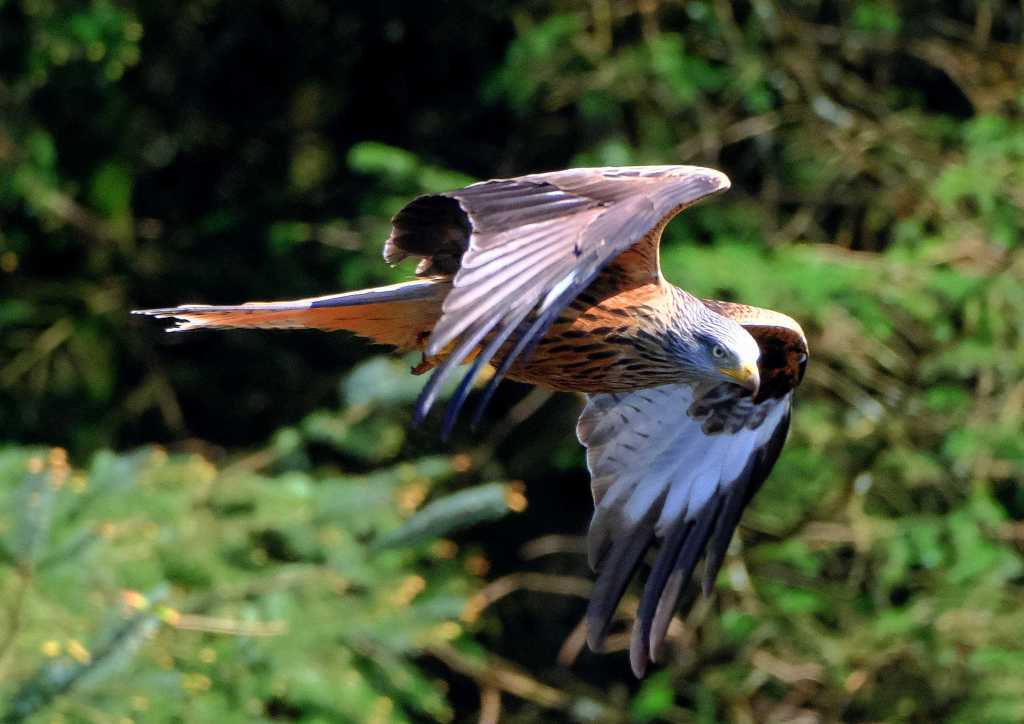
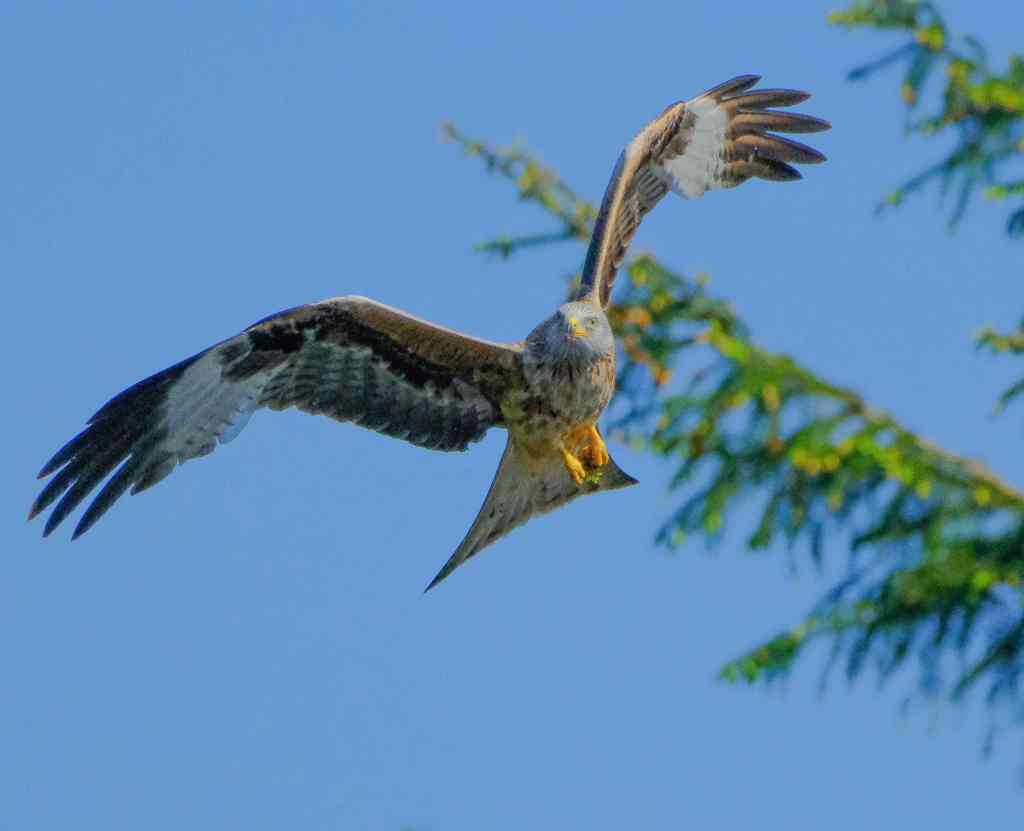
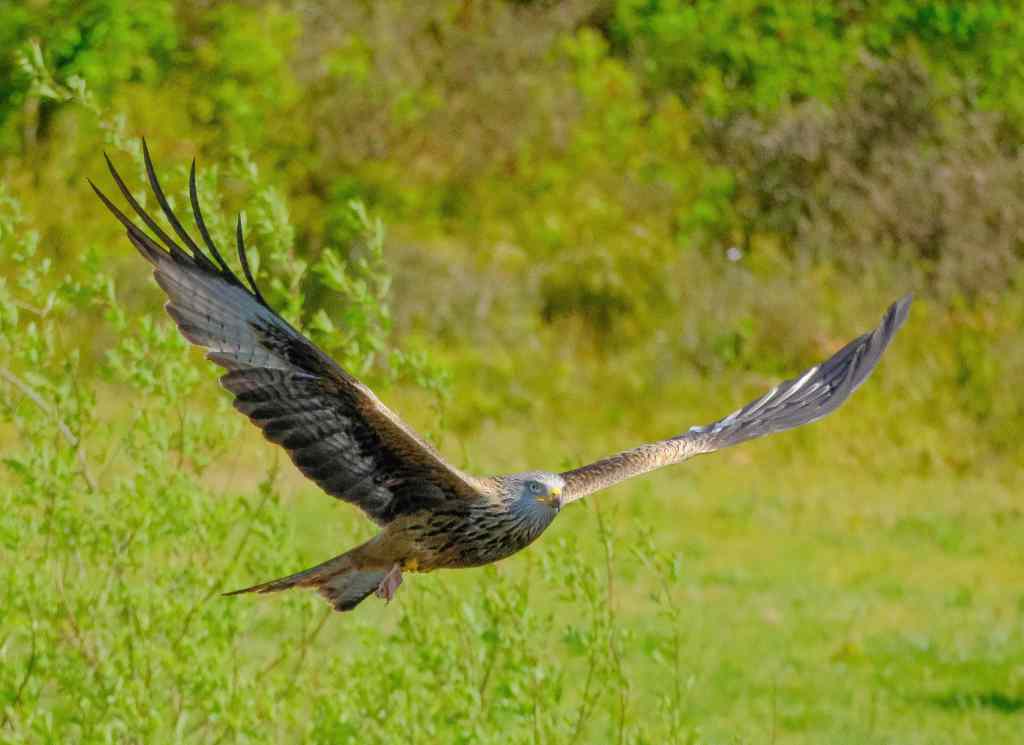
Flying Kites.

By the early 20th Century due to persecution numbers of Red Kites’ were reduced to just a handful confined to the uplands of mid-Wales. When I was a teenager there were said to be about 25 pairs. With conservation work, their numbers started to build in the 1980’s. Today they are seen as a conservation success. The RSPB website gives the numbers in the UK of 4600 breeding pairs. I have even seen this beautiful bird over the outskirts of Southampton
In Mid Wales there are several Red Kite feeding stations We visited one while away this week.

This post is photo heavy !

wingspan: 155-180 cm Length: 60-65 cm Weight: 750-1,300 g

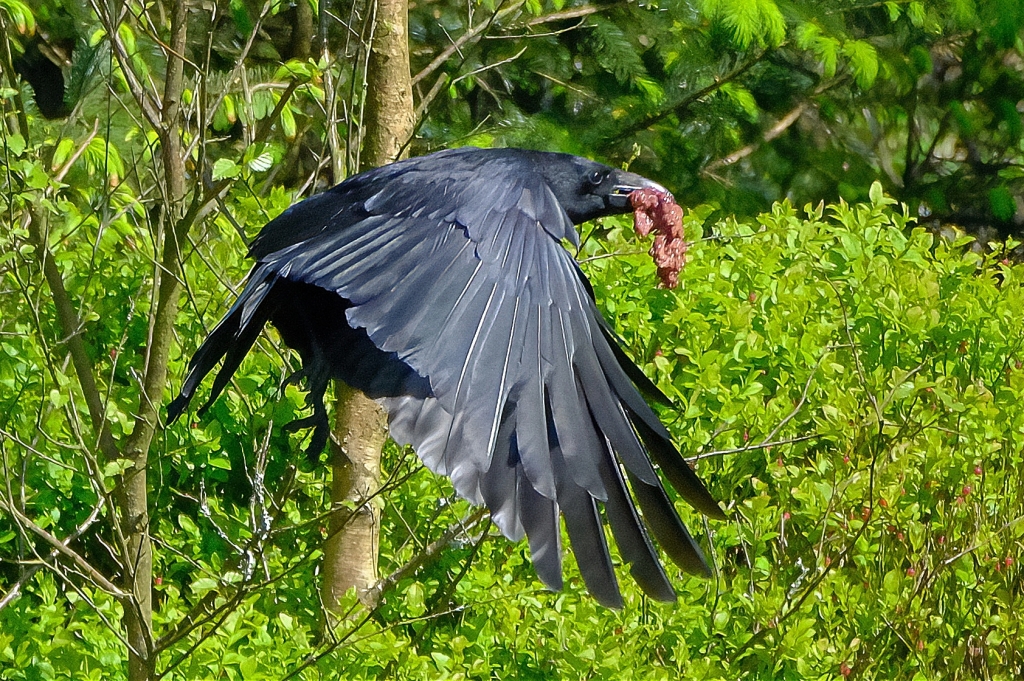
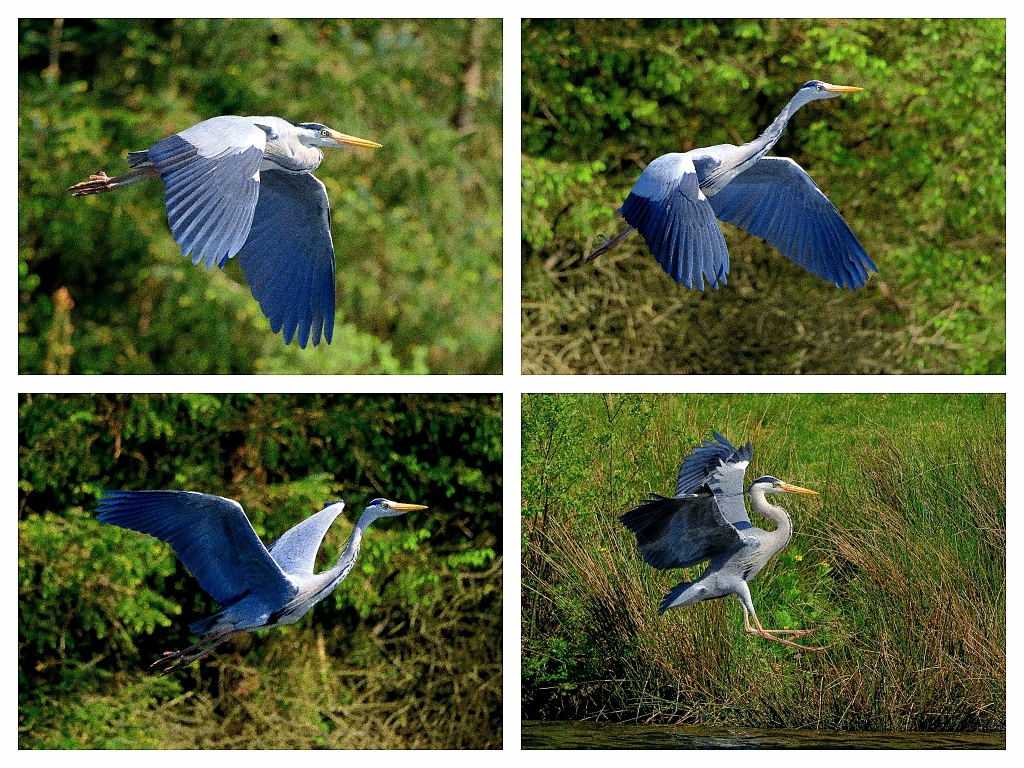
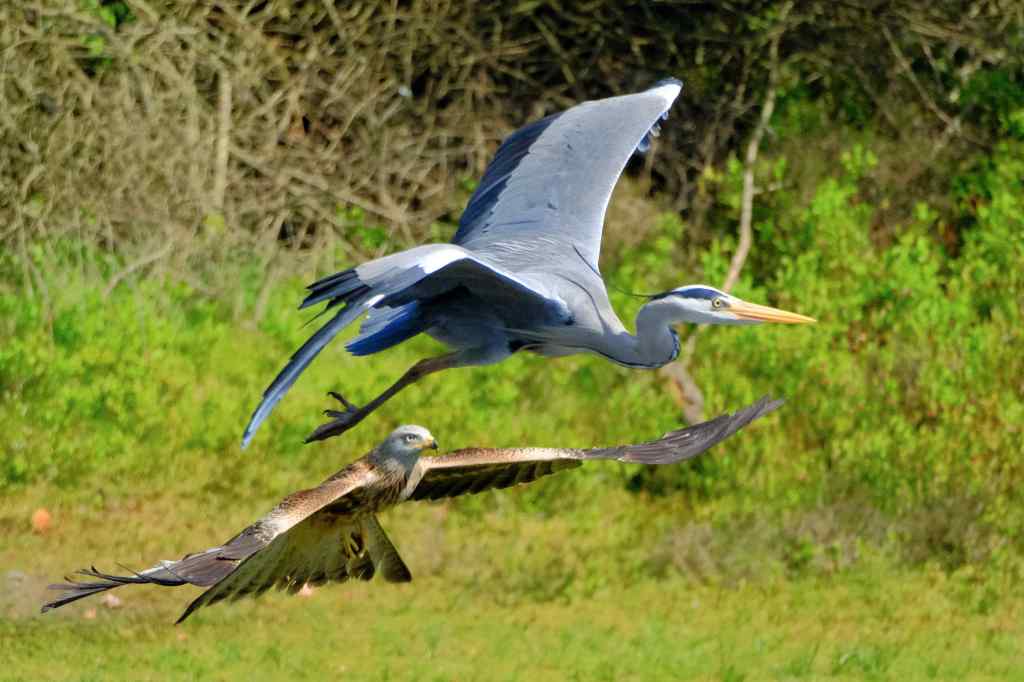
This Heron thought he would steal some of the Kites’ food!

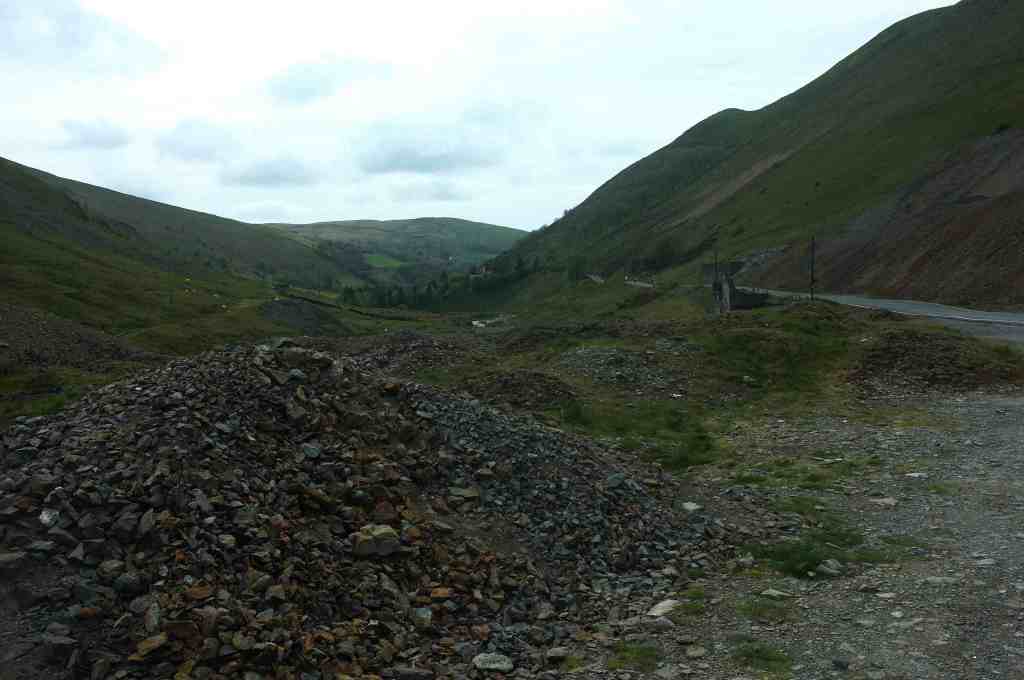
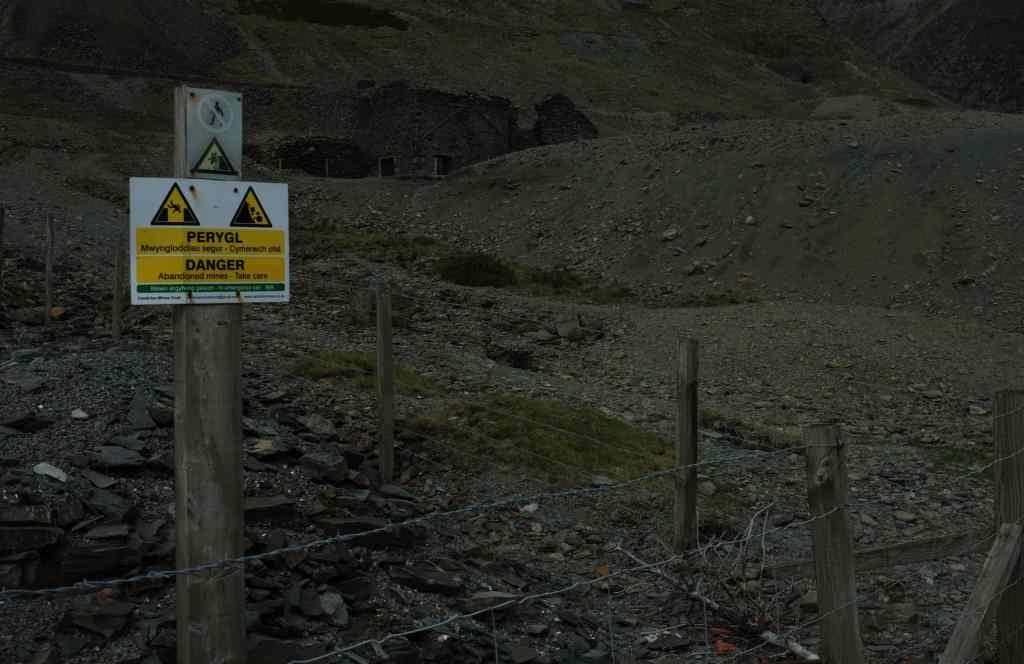
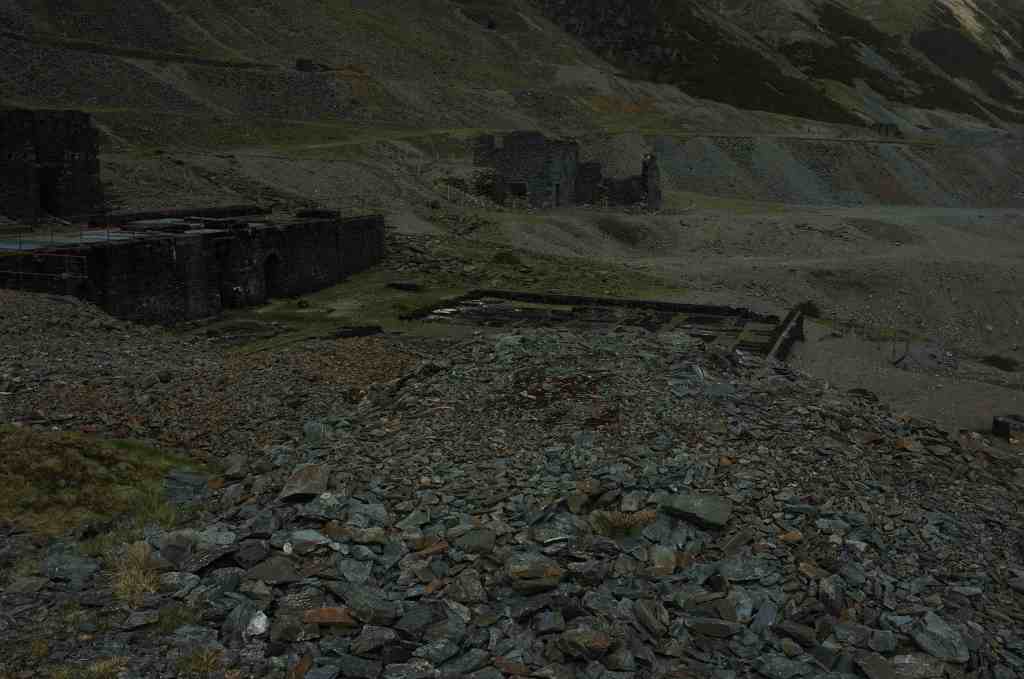
Cwmystwyth Mines.

The Cwmystwyth Mines site has extensive remains of lead and other non-ferrous metal mines. The site was first mentioned in 1535, although much earlier workings were known to have existed. Today even on a sunny day the site looks dark and dead. On much of the site little grows due to the contamination of the soil.