With the school 1/2 term holidays underway the little narrow gauge railway around Lakeside at Easleigh is running daily this week. Pictures were taken at slow speeds to give some movement!
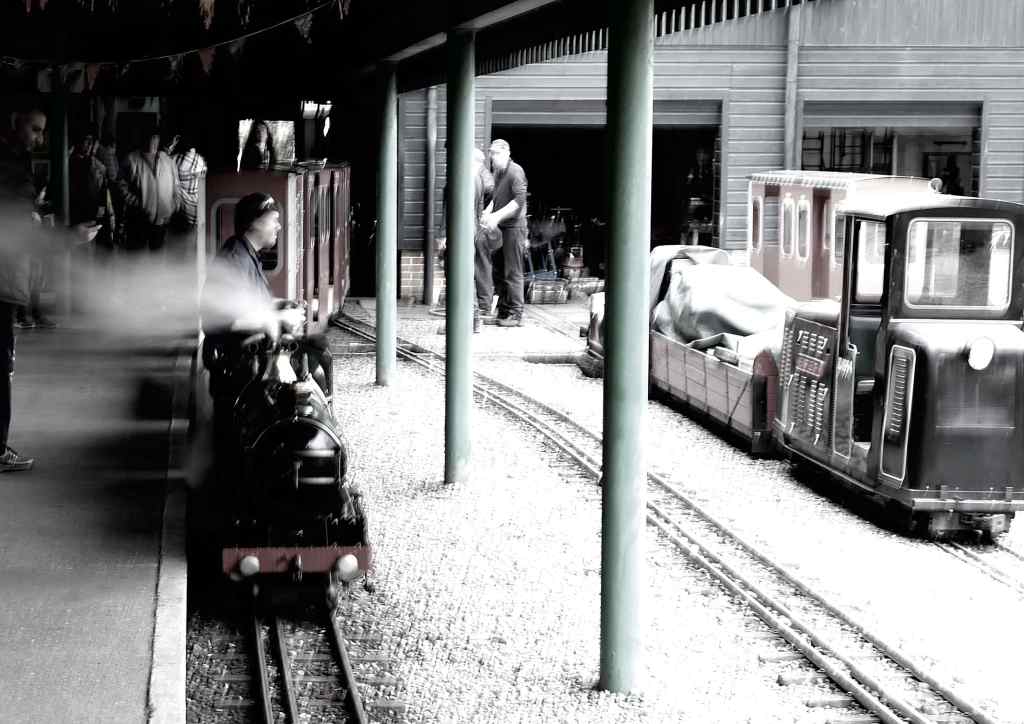
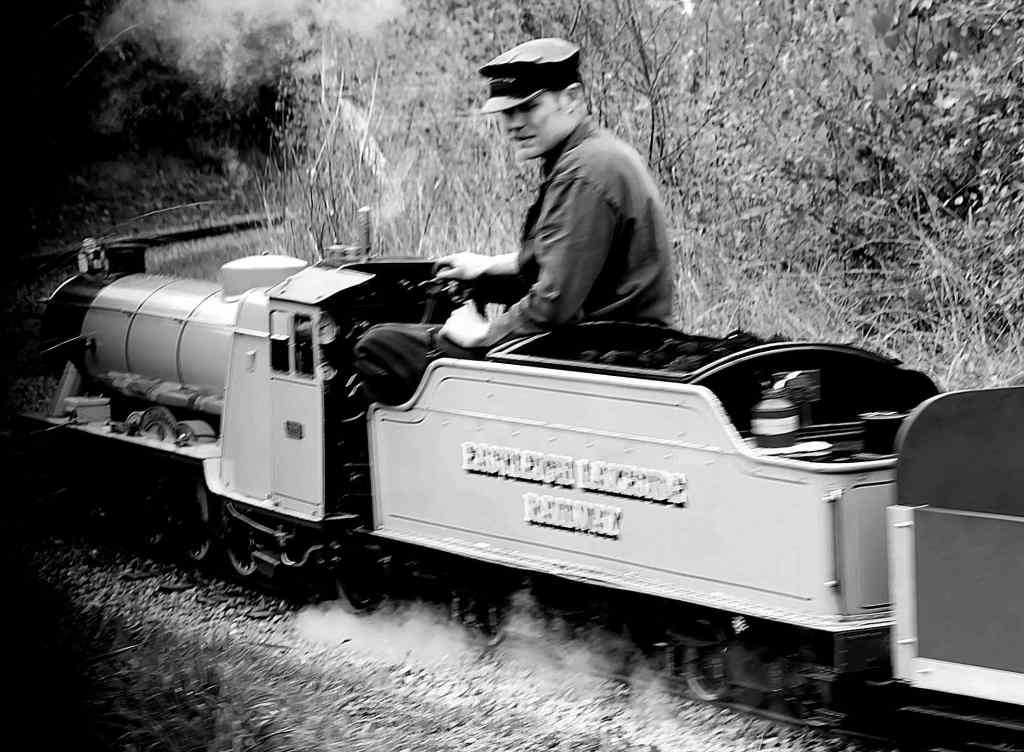


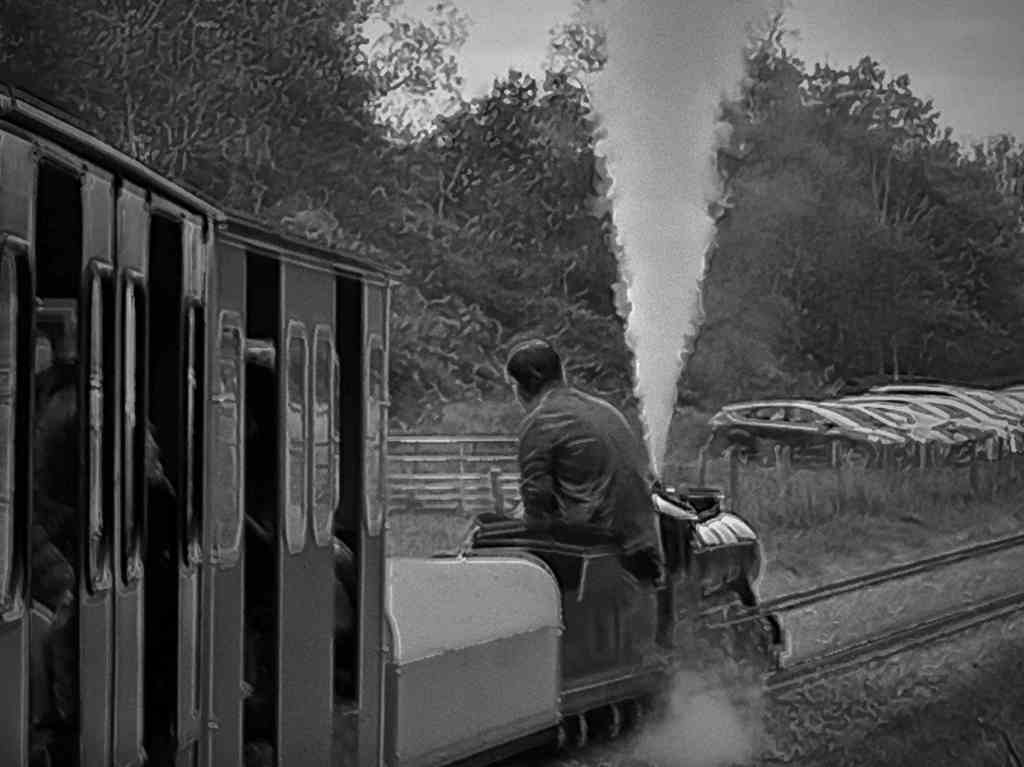
With the school 1/2 term holidays underway the little narrow gauge railway around Lakeside at Easleigh is running daily this week. Pictures were taken at slow speeds to give some movement!
I spent a few hours on the beach watching the Sanderlings on Meon Shore.







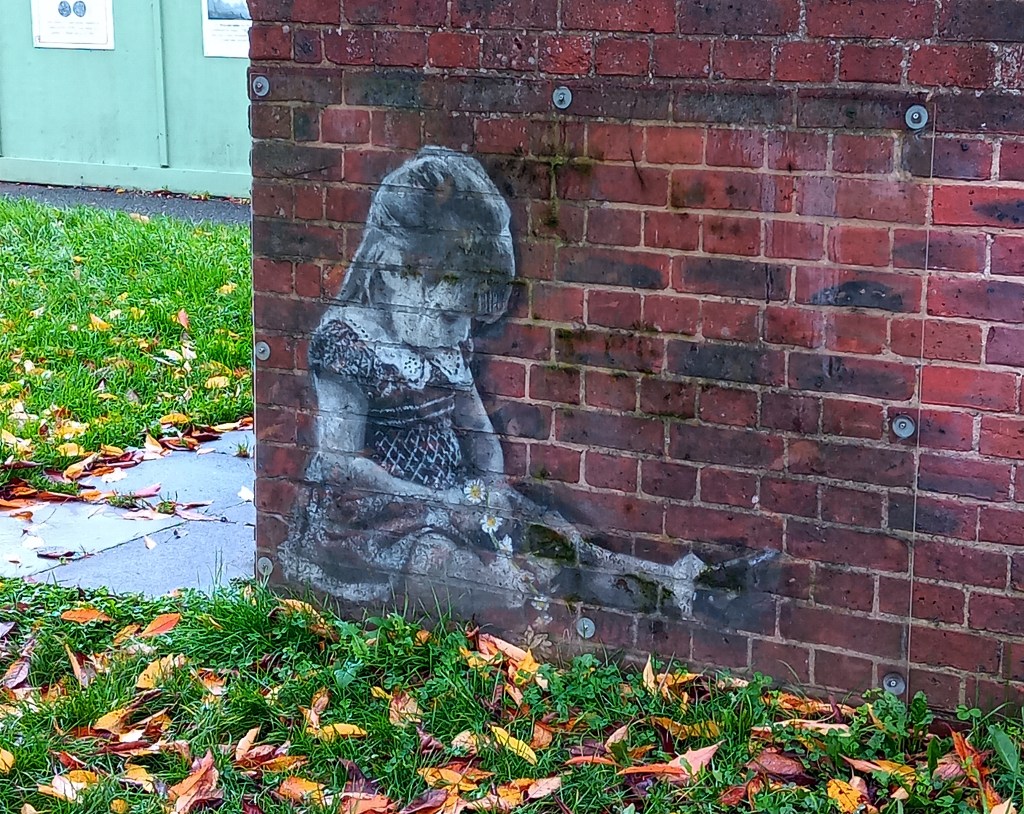
A street artist known as Winchester’s answer to Banksy is said to have painted a mural of a little girl on a bus stop at Bishop’s Waltham. Creative Hendog is known for his murals, which have appeared in urban and rural locations across Hampshire.


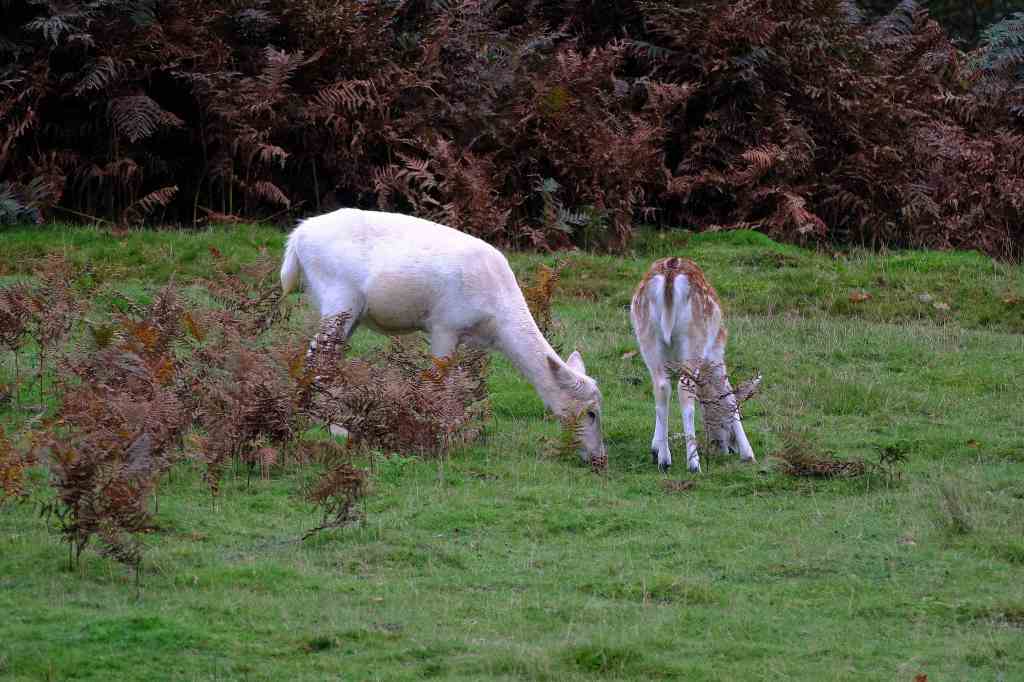
Family groups and youngsters Fallow Deer in the New Forest.










This was another trip into the New Forest to look for Fallow Deer and see if we could watch the rut. Although no confrontations were seen between adult male Bucks, one dominant male was calling, and I think the competition from others were not a match for him and they made no challenge to his status and just kept their distance.






A short film best viewed with sound on.
A walk into the New Forest looking for Fallow Deer – a successful walk with plenty of sightings.



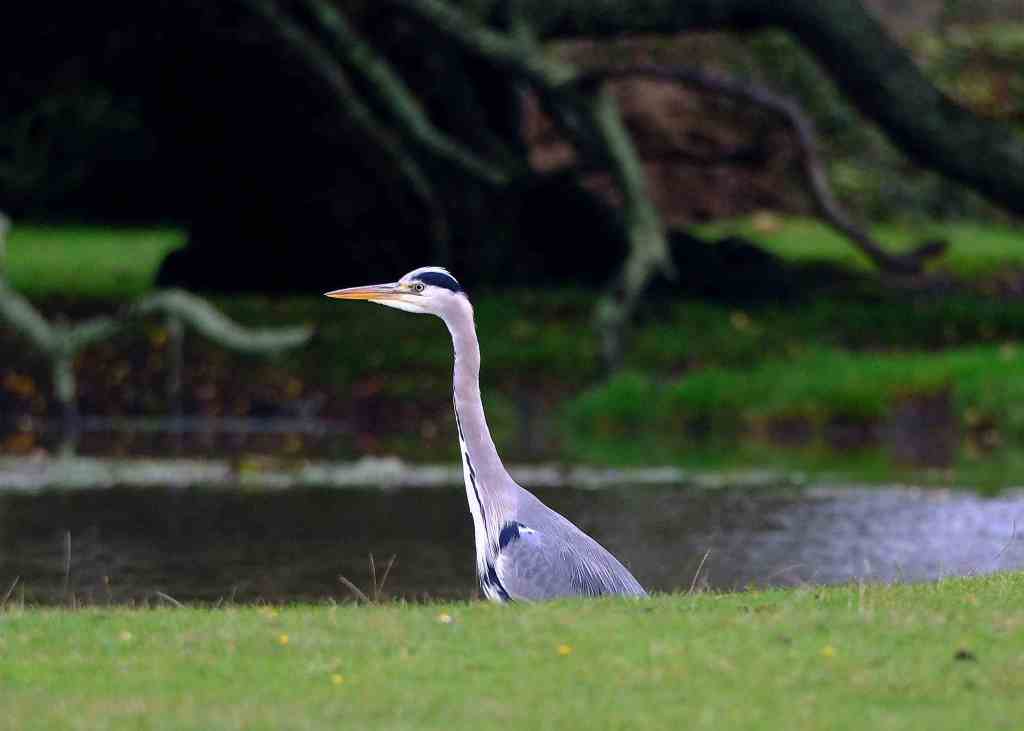
A lone Kestrelresting high up on a dead tree.





A few hours walking in the New Forest between heavy rain showers.





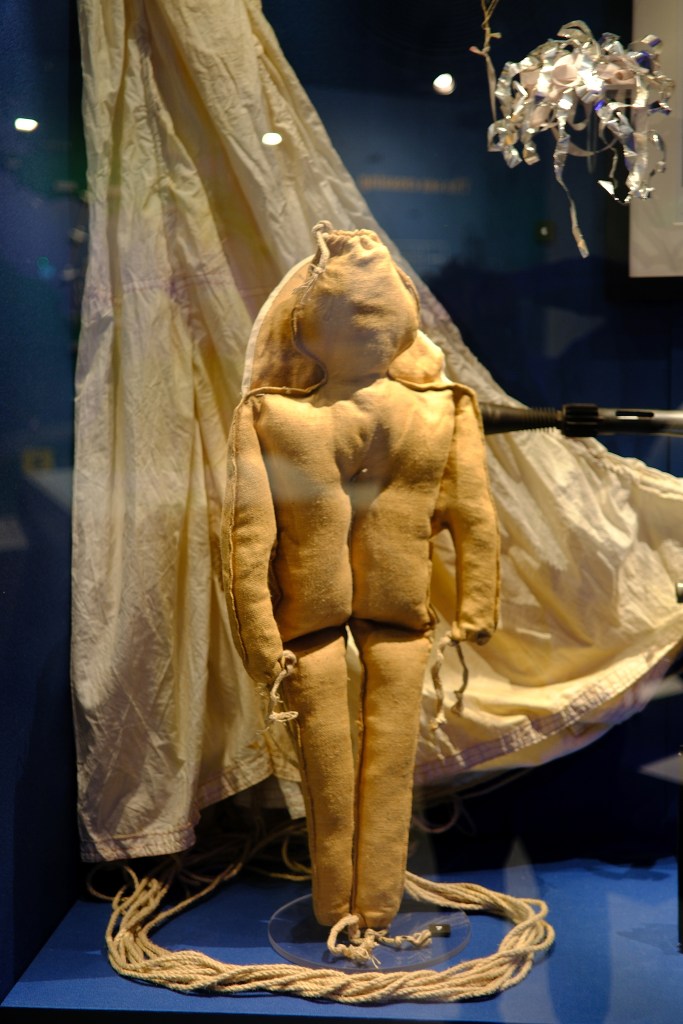
WW2 British D-Day Deception Decoy Paratrooper Dummy, these dummies were produced for the decoy operation, known as Operation Titanic part of the larger operation for the deception of the D-Day landings. The Allied forces dropped hundreds of these sacking dummies across parts of France on the 5th / 6th of June 1944 to deceive the Germans to move their forces away from the actual invasion force on the Normandy drop zones. Although these dummies are much smaller than a person when at a height they did fool the German forces, they were packed with an incendiary which would ignite them when they hit the ground, in the hope of destroying the evidence of the decoy from the Germans. These dummies were given the nickname ‘Rupert’s’.
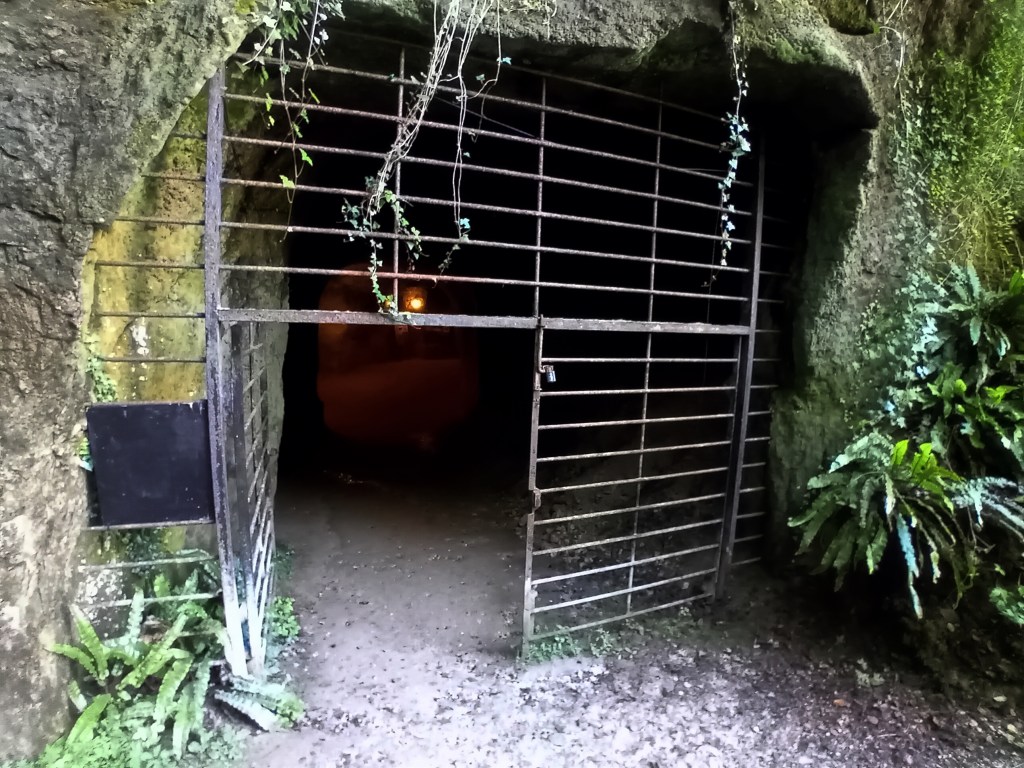
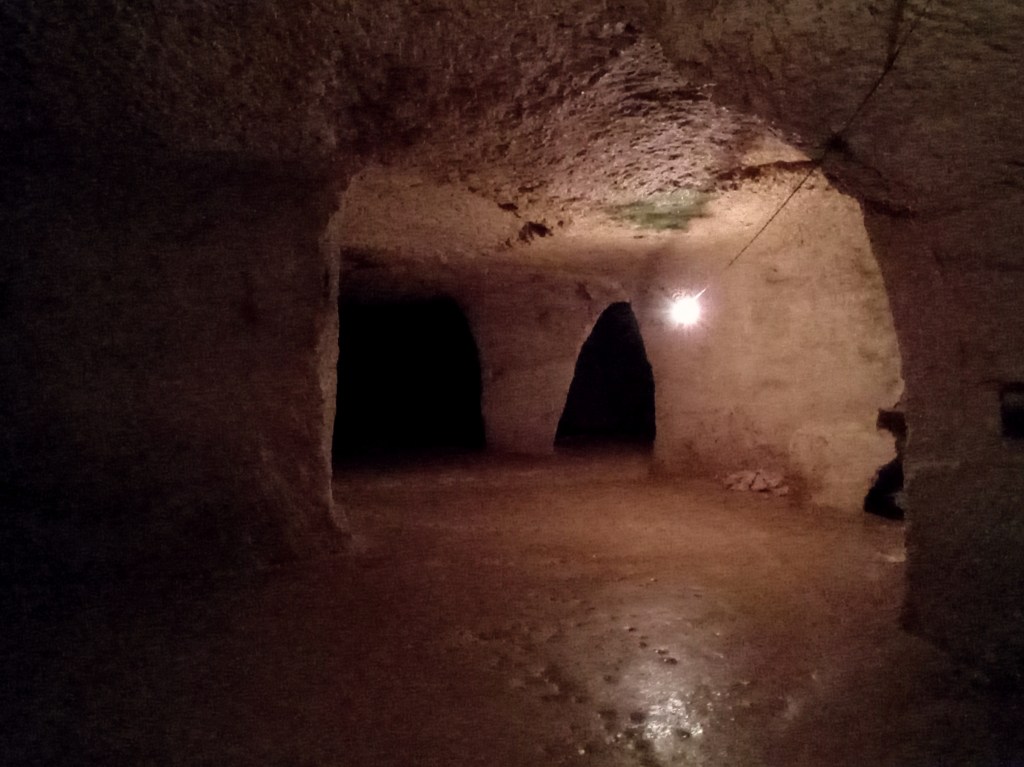
Beer Quarry Caves are a man-made underground complex located a mile west of the village of Beer, Devon. The tunnels resulted from 2,000 years of quarrying Beer stone, which was particularly favoured for the cathedral and church features such as door and window surrounds because of its colour and workability for carving. Stone from the quarry was used to construct several of Southern England’s ancient cathedrals and other important buildings, as well as many town and village churches and some buildings in the United States. Extraction was particularly intense during the Middle Ages the quarry closed in the 1920s.
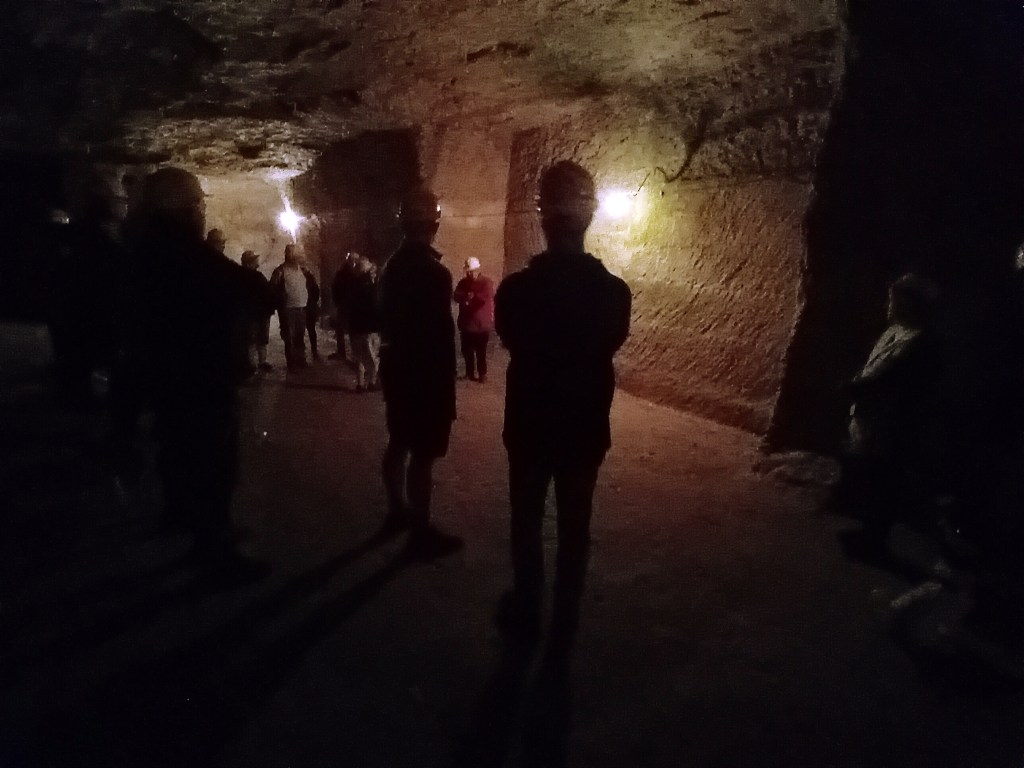
Today you can visit the caves on an hour-long underground tour through the vast man-made complex of underground caverns There are large halls with vaulted roofs and pillars of Beer Stone which have been likened to a vast underground cathedral.