A pictorial record of a short walk along a small New Forest stream.







A pictorial record of a short walk along a small New Forest stream.

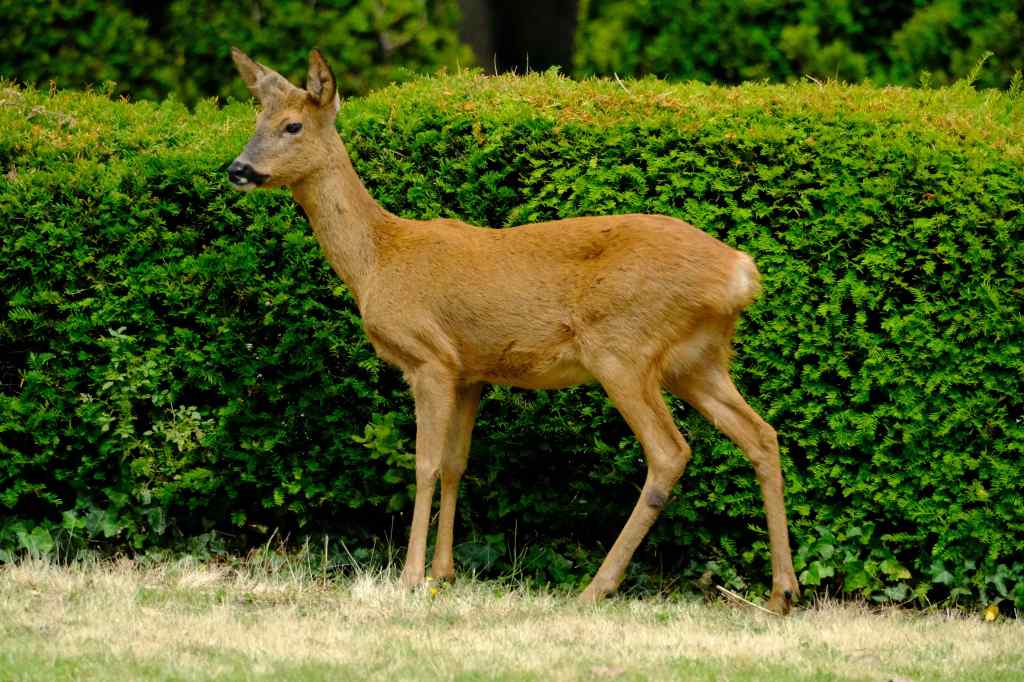
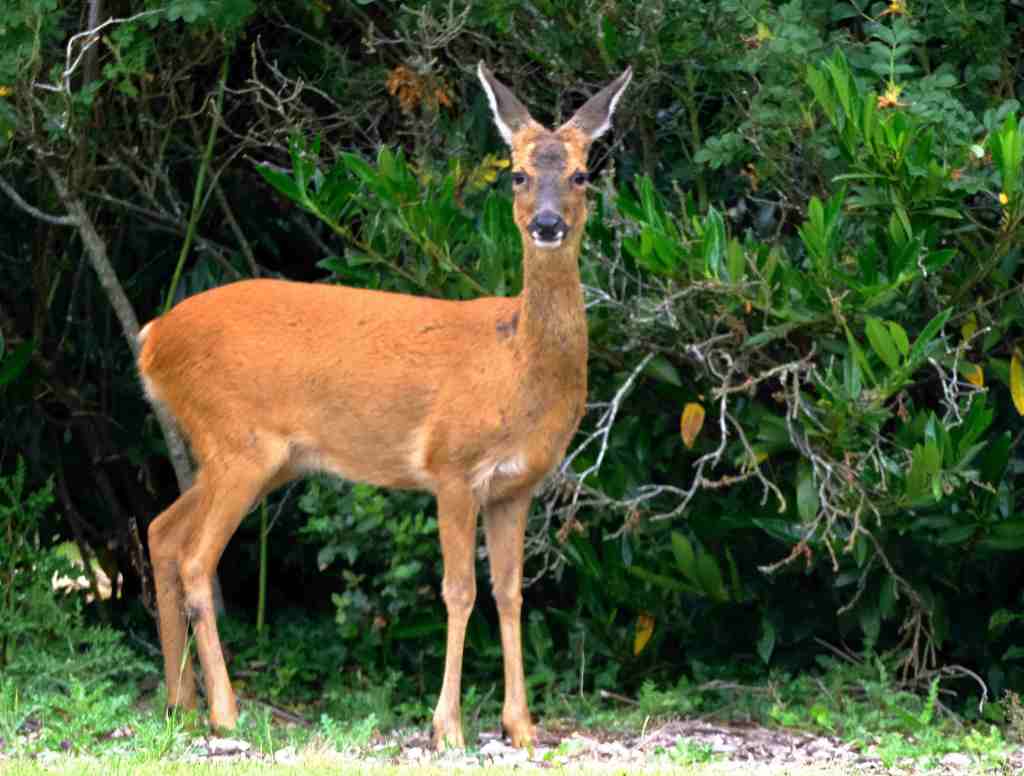
Roe Deer – in the grounds of the old Netley Military Hospital.





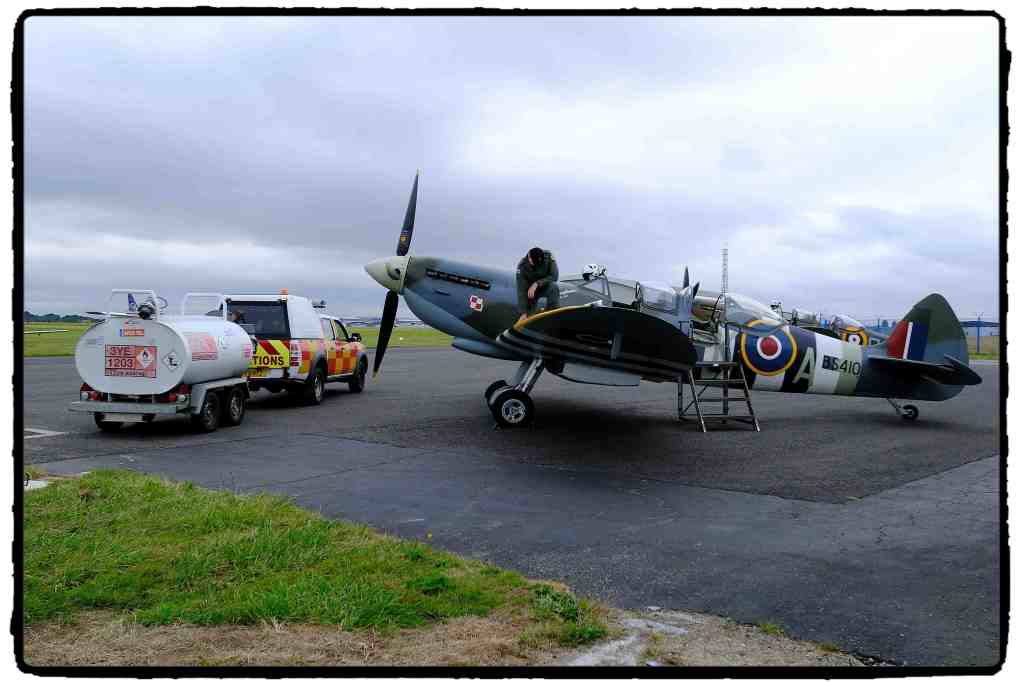
Seeing and hearing a distant Spitfire over the Solent I decided to call into Solent Airport on my way home today. There were two Spitfires on the ground.


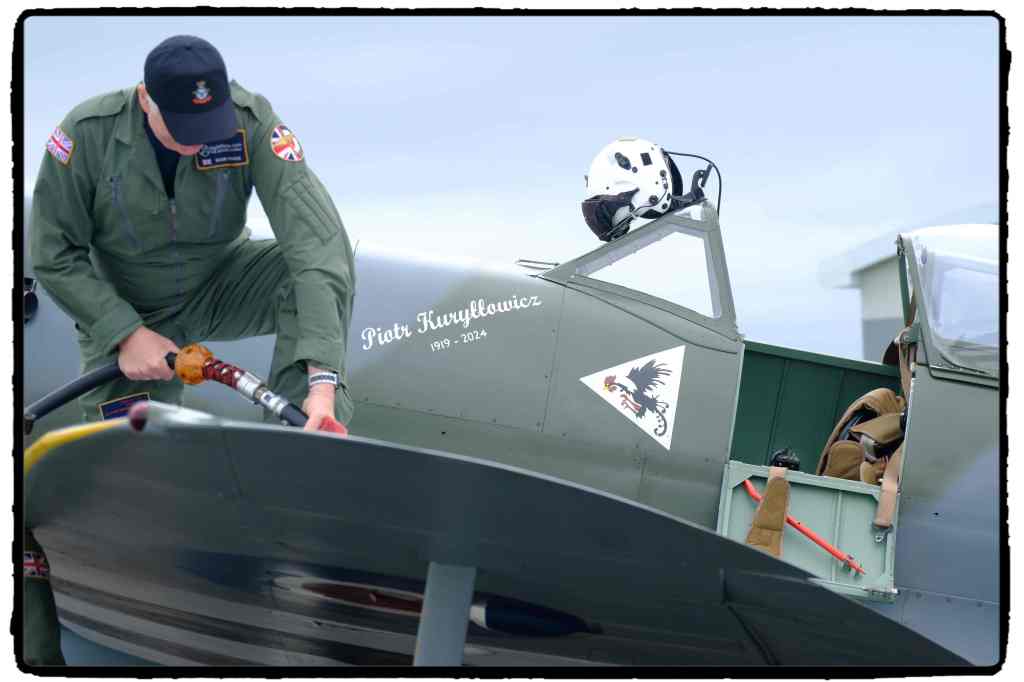


Piotr Kuryłłowicz, 1919 -2024.
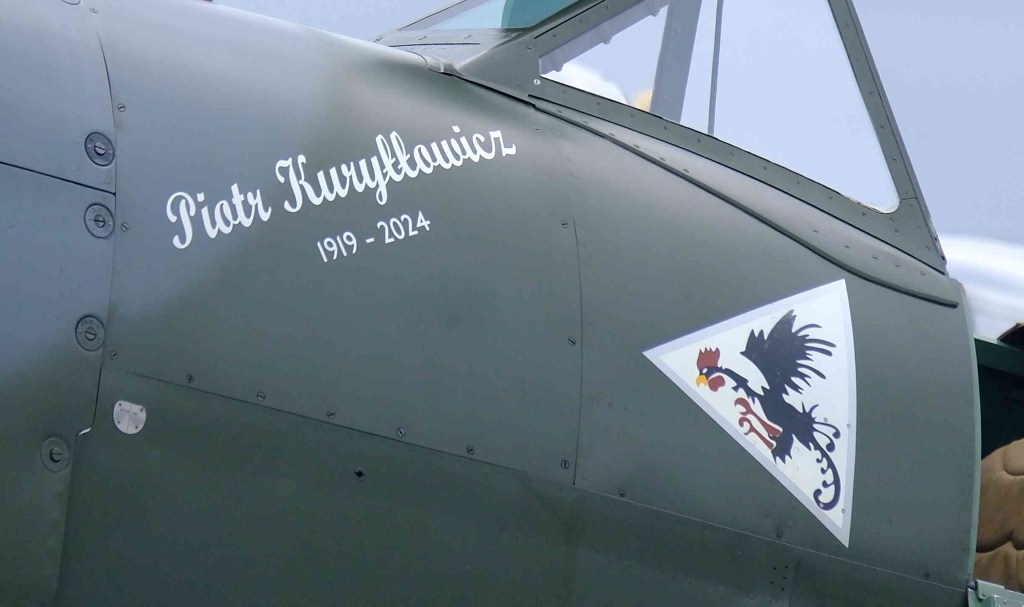
The name on the side on BS410 got me googling.
Piotr Kuryłłowicz died on March 13, 2024, at the age of 104 the last known veteran of the 315th Fighter Squadron “Dębliński” from a Polish Siberian family, Piotr Kuryłłowicz, like many pilots at that time, began his aviation career with training at the Military Gliding Camp in Ustianowa. Shortly after that, he joined the Aviation Cadet School in Dęblin. As a graduate of the famous accelerated XIII officer promotion course, he was evacuated on September 18, 1939, to Romania, from there he got to France, and then on to Great Britain.
While in Great Britain as a Flying Officer with service number 780962, he underwent training at 55 Operational Training Unit at RAF Aston Down. He fought in the 317th Fighter Squadron “Wileński” and the 315th “Dębliński”. It was while serving in this unit that, on Tuesday, May 13, 1943, he took off from RAF Northolt and was shot down over France, by either a Focke Wulf or ME 109.Kuryłłowicz – parachuting near Occoches, he was captured and sent to the German POW camp – Stalag Luft III in Żagań.



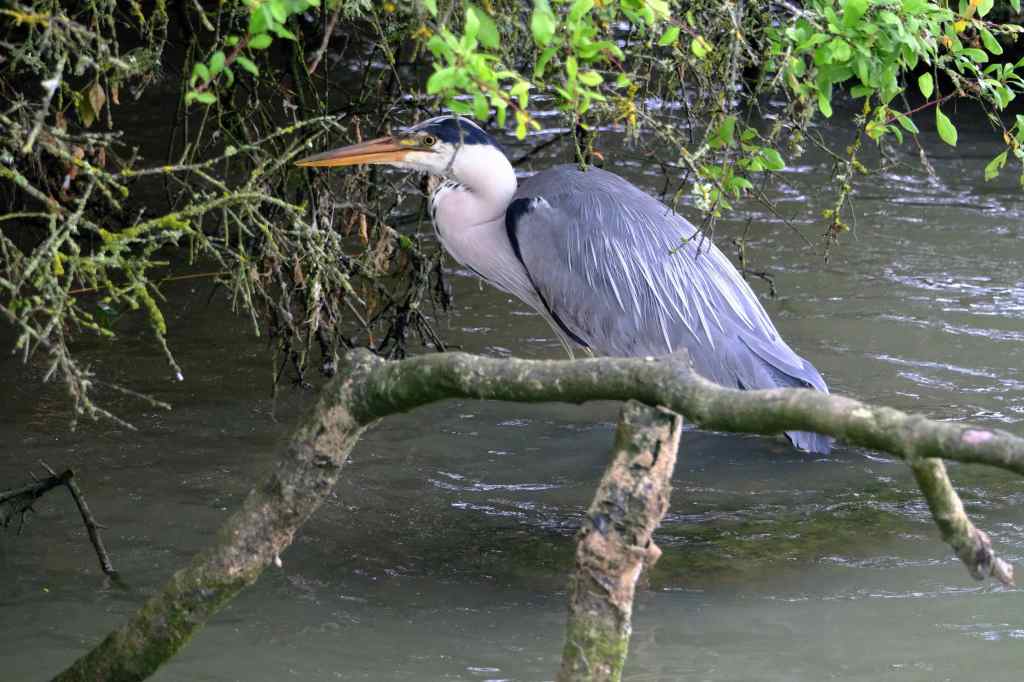
At the Little Bridge at Titchfield Harbour where the River Meon reaches the sea, there is a favourite spot under the bushes where a Grey Heron likes to fish. Often people miss him! If you wait for a while he may come out into full view.


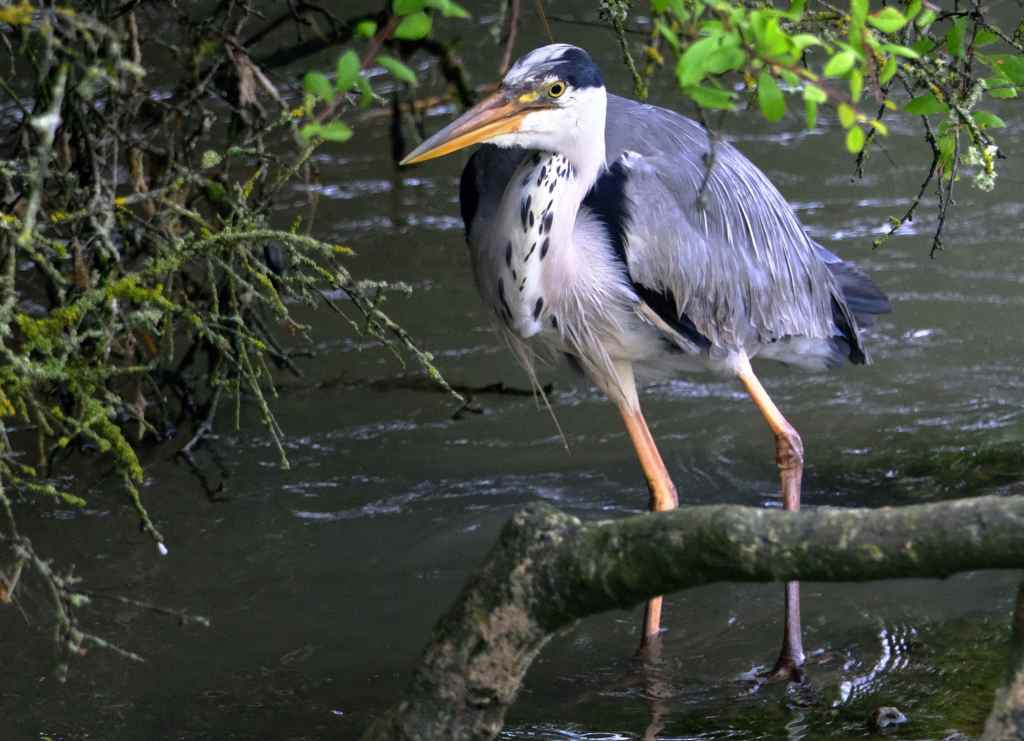
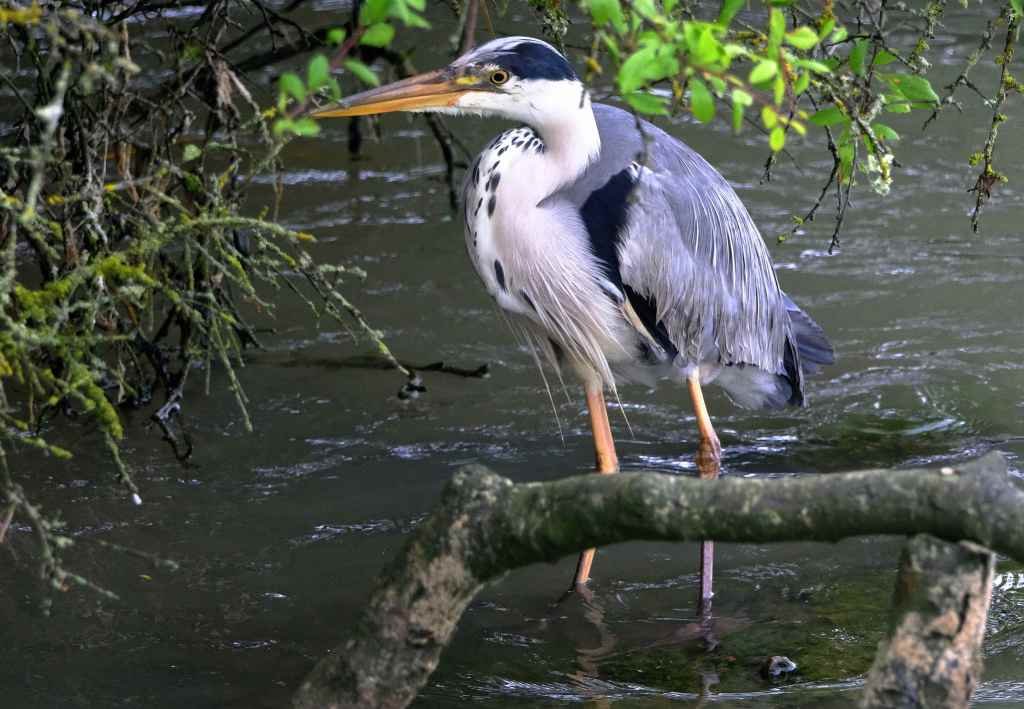
#Wordless Wednesday
Views around Southampton Airport. Under the flight path.


A Mallard with her family.


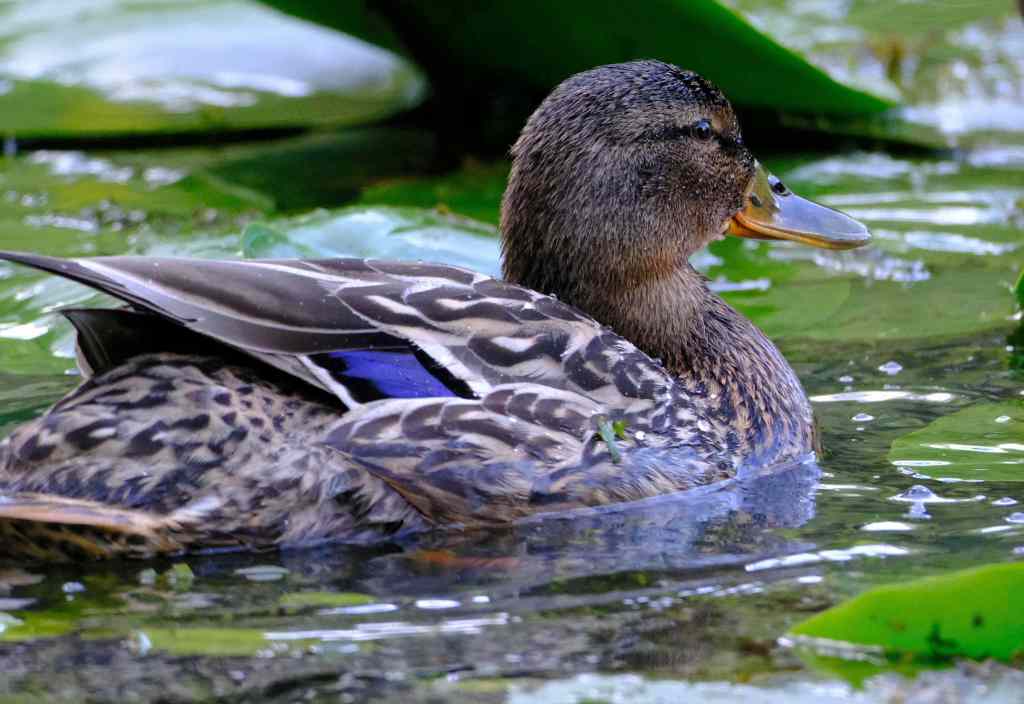


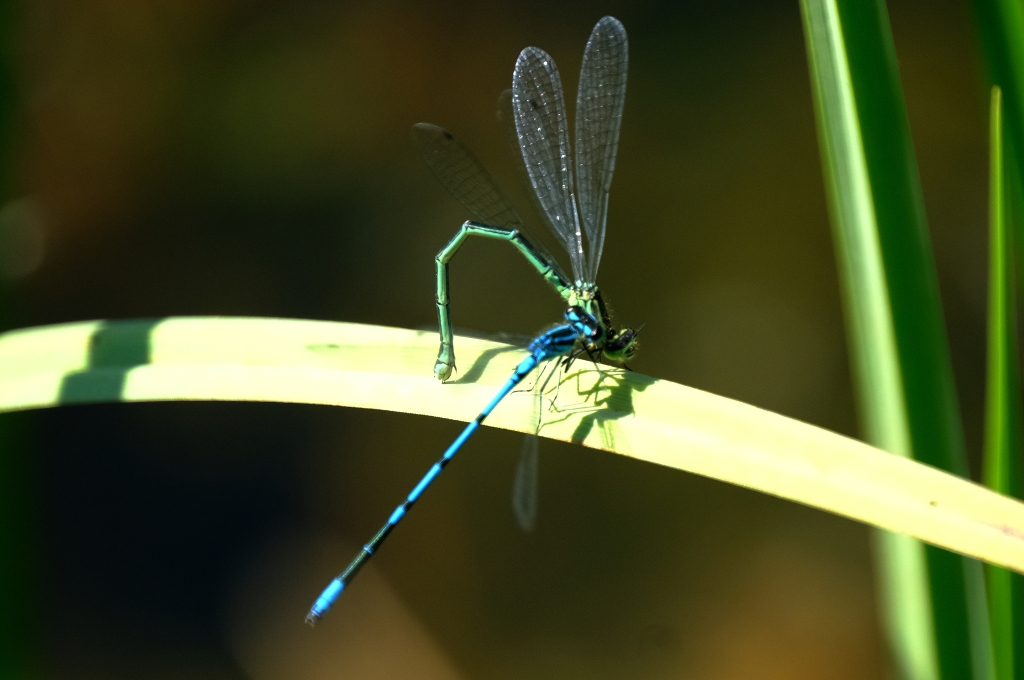
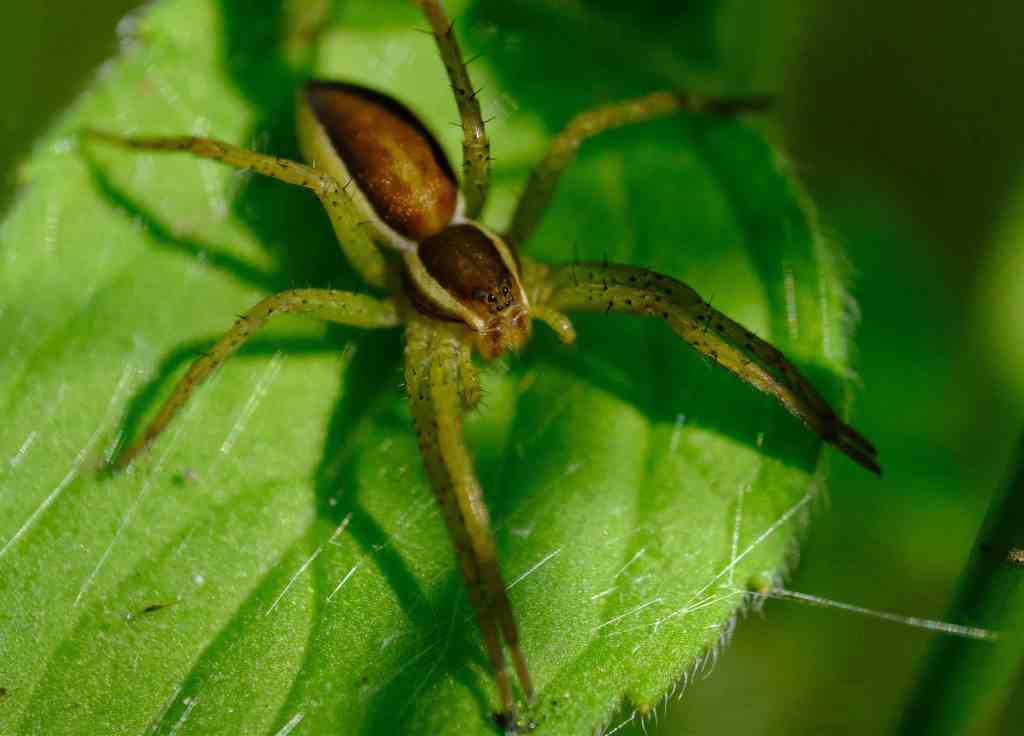
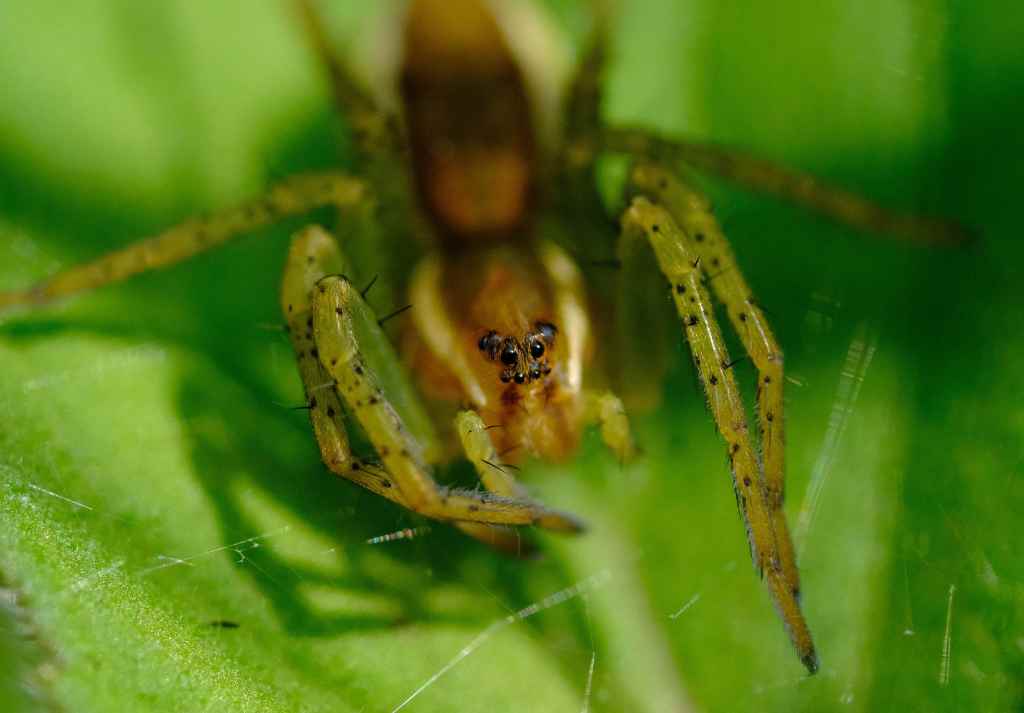
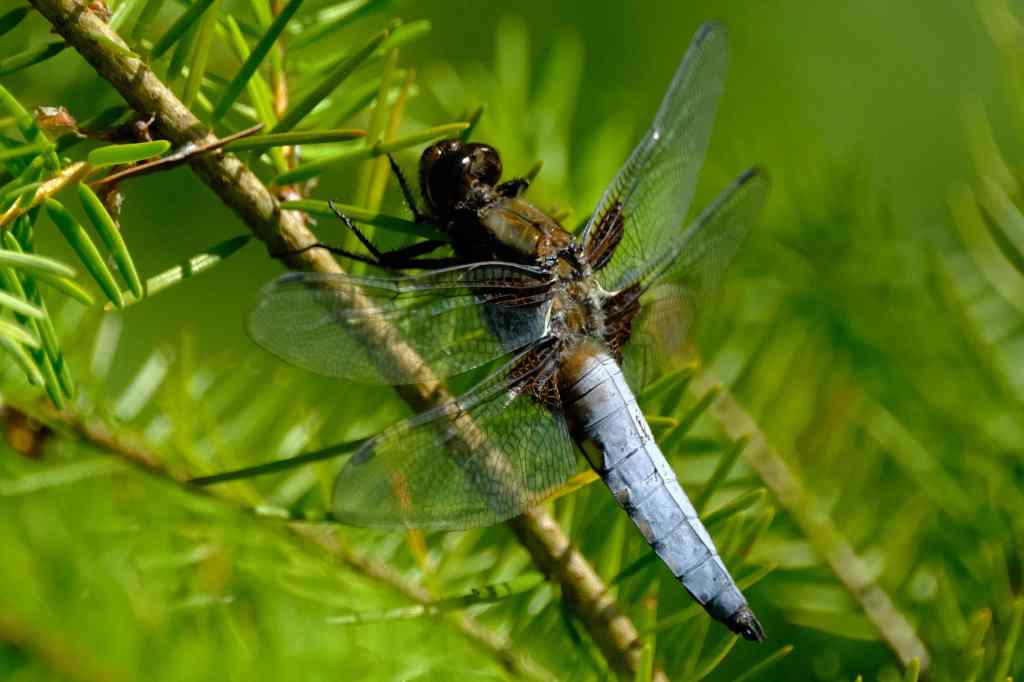
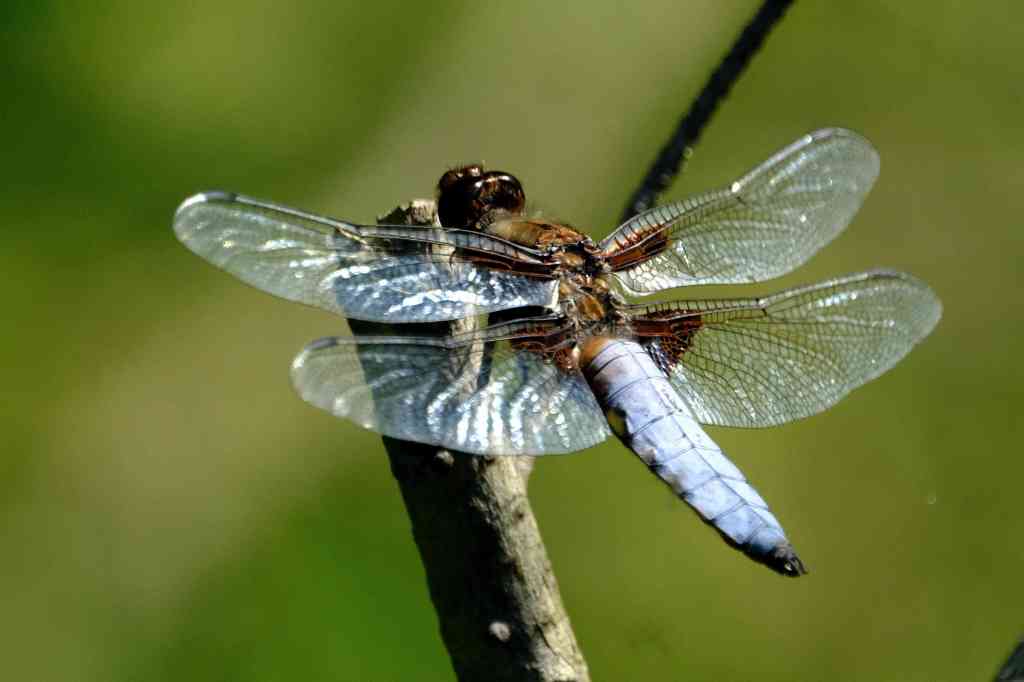
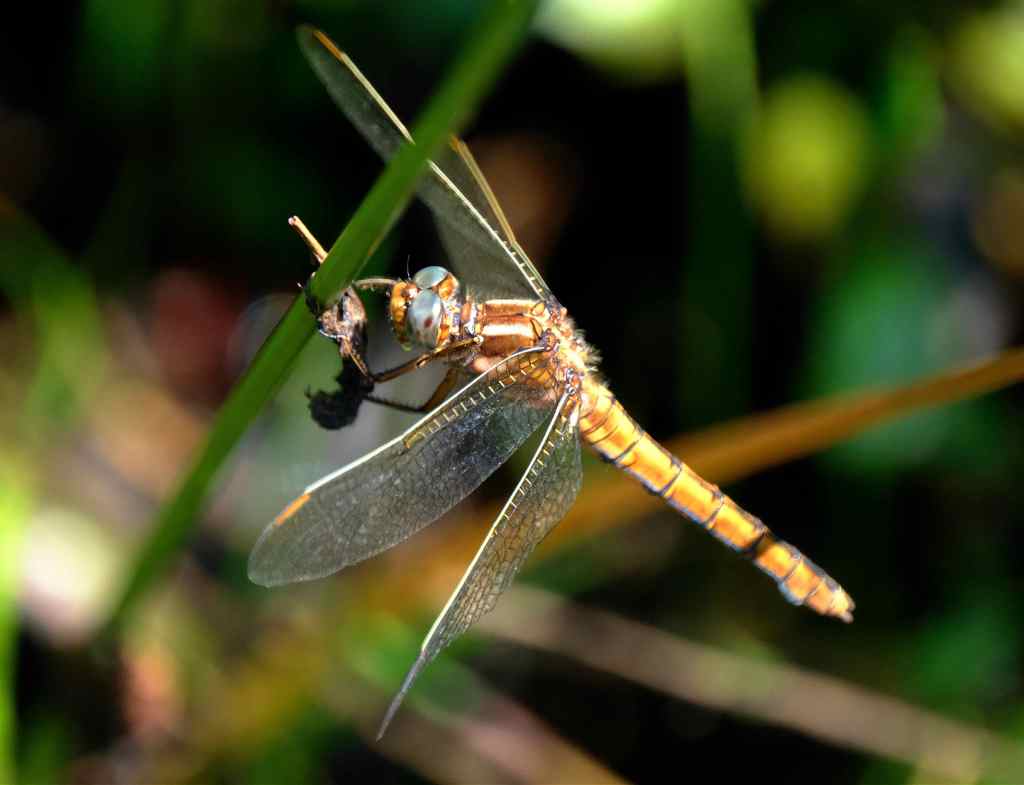
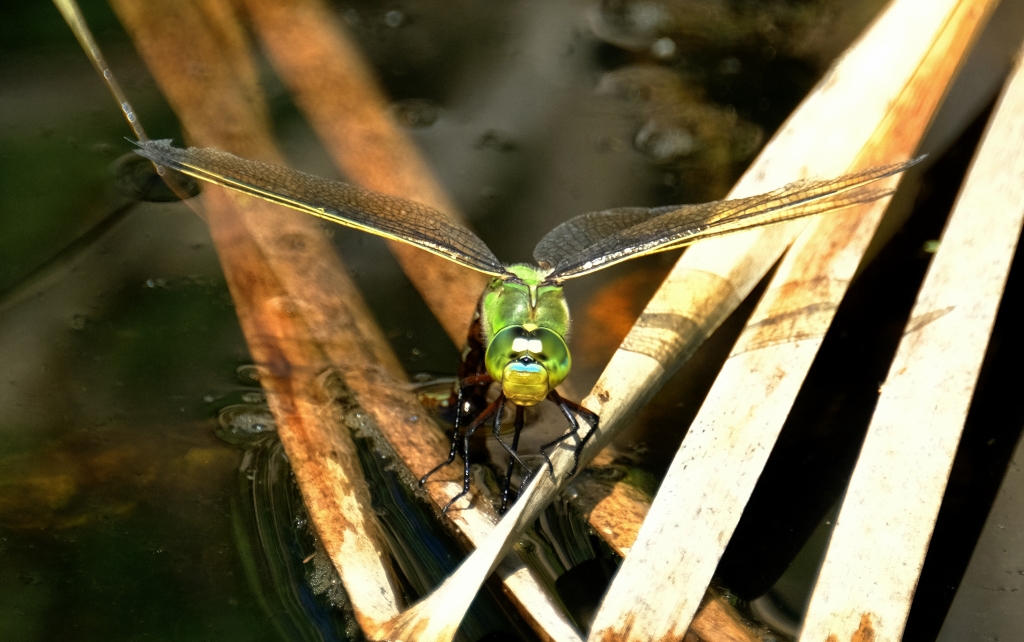
Yesterday we spent time at Titchfield Haven around one of the small ponds looking for Damselflies and Dragonflies.
With a warm morning, there were many to see.
Four-spotted chaser dragonflies out in large numbers.


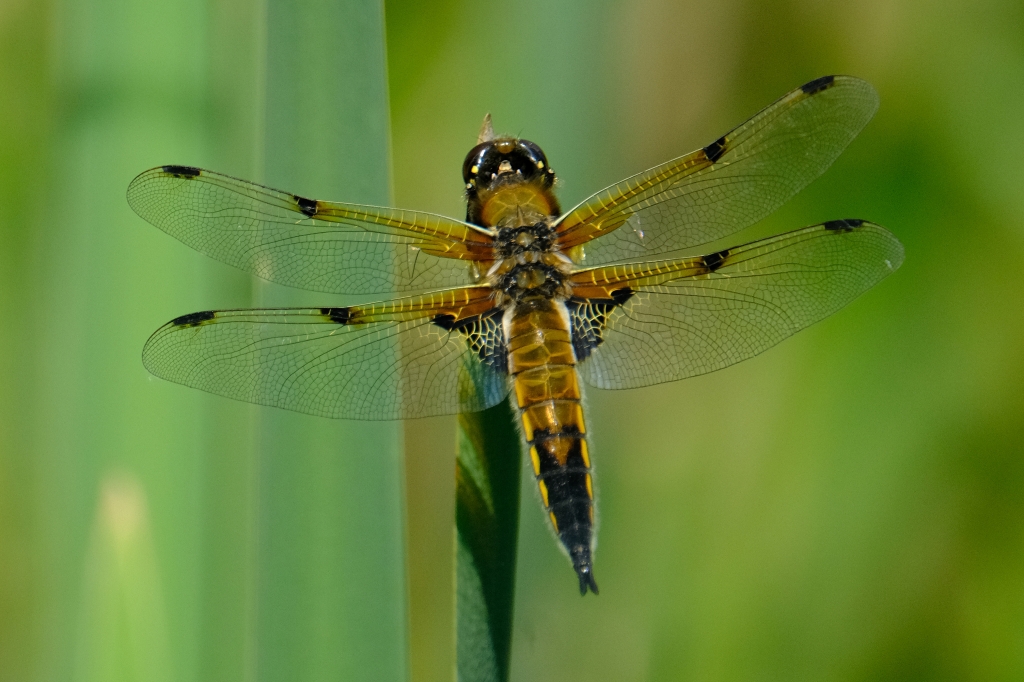
Female blue form Emperor dragonfly “tail dipping” – egg laying.


Azure damselfly mating.