Gone tomorrow! We have the sun out this morning so up to the South Downs to see if the Hares are about. They did not let us down.
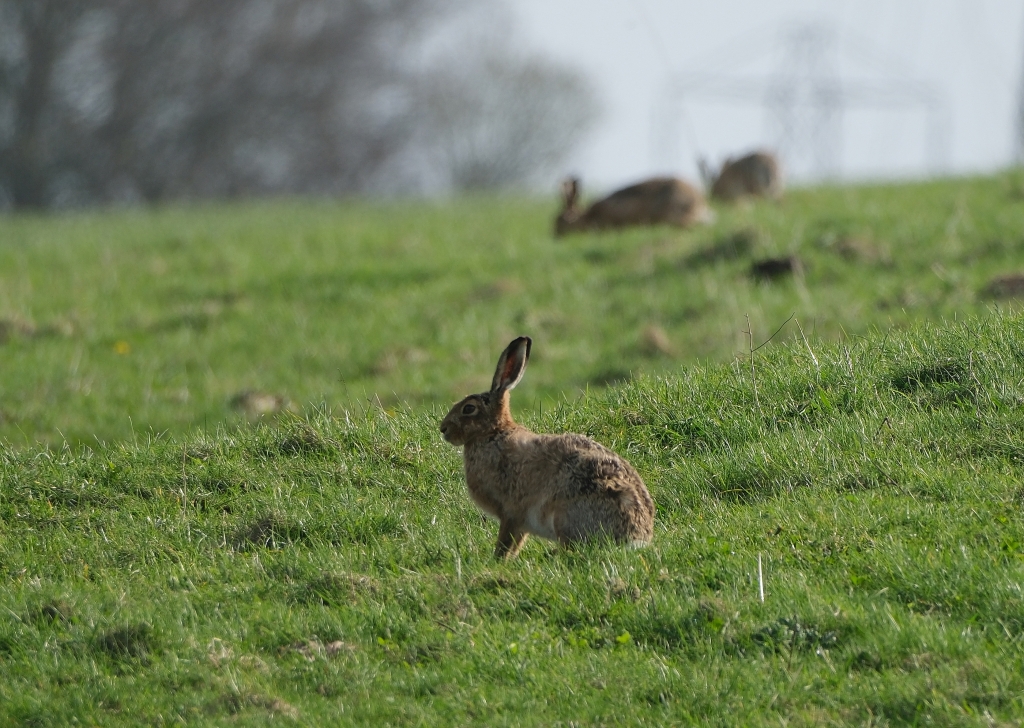
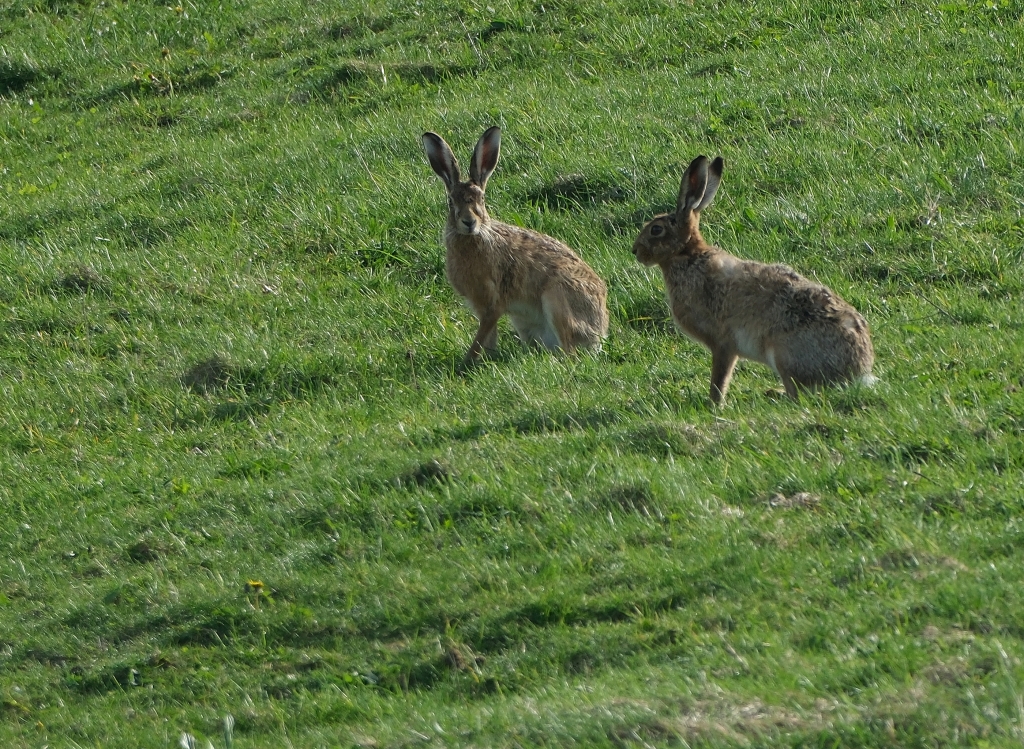
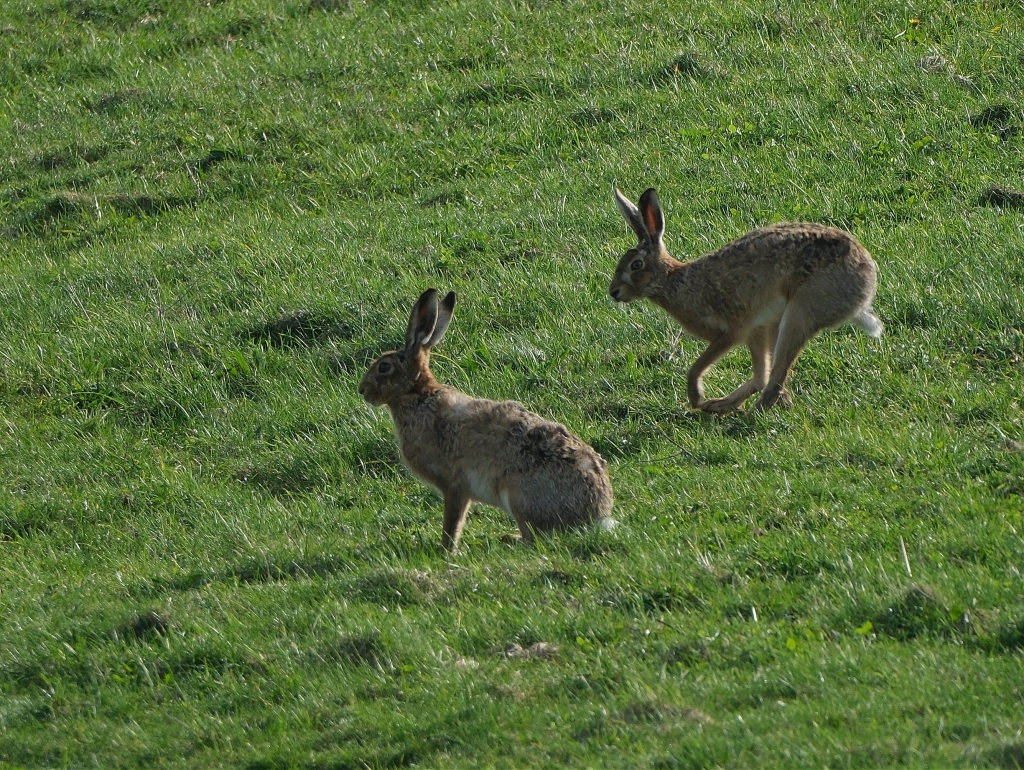
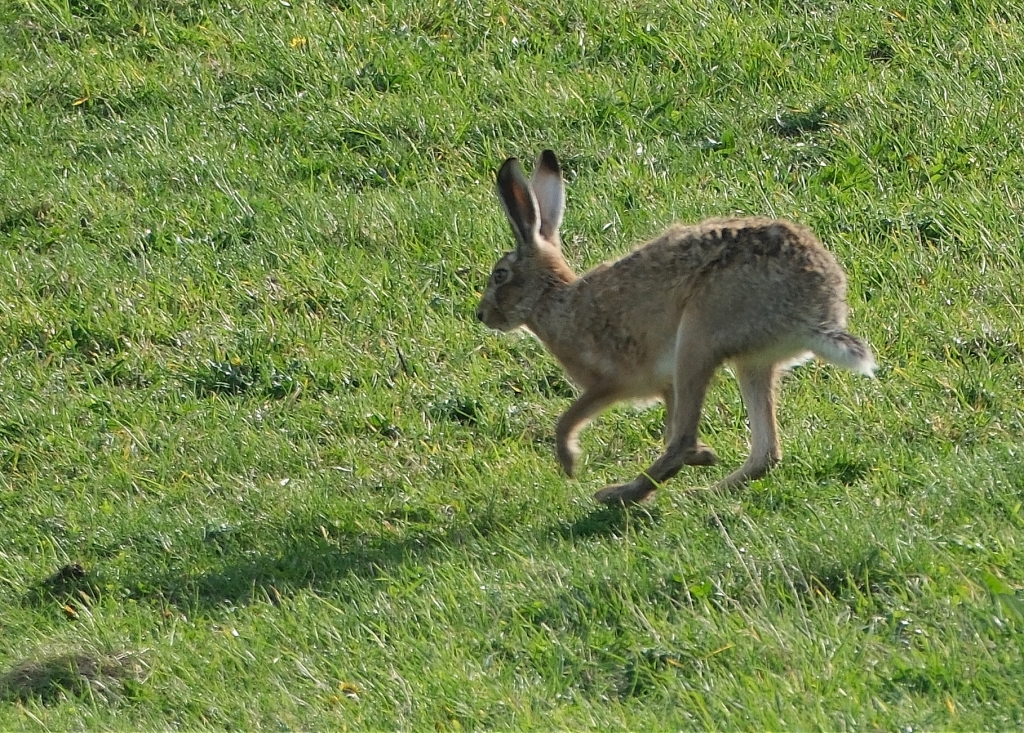
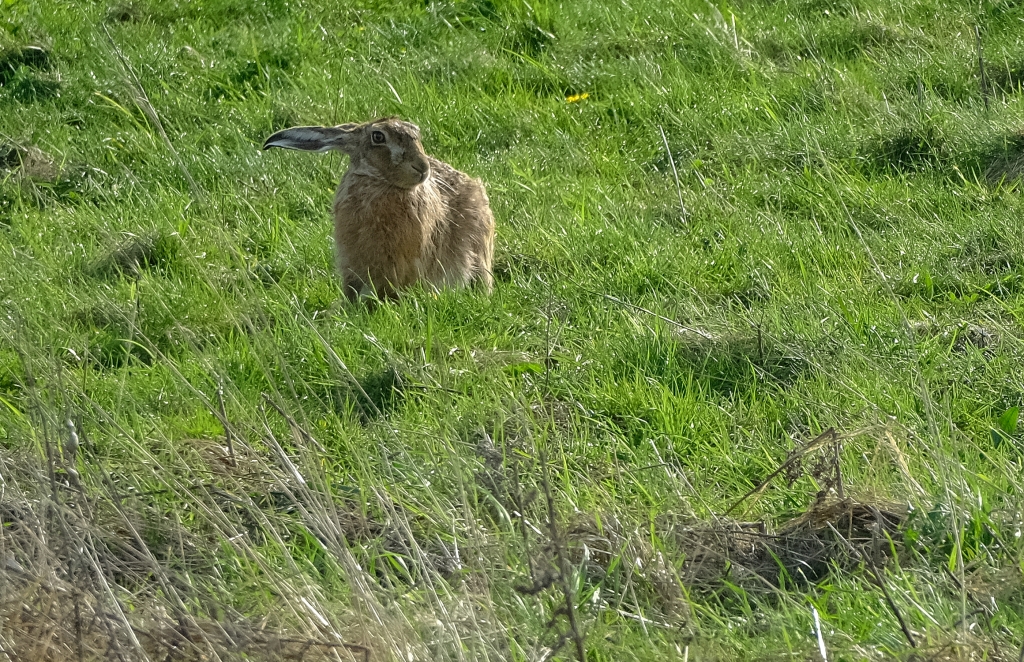
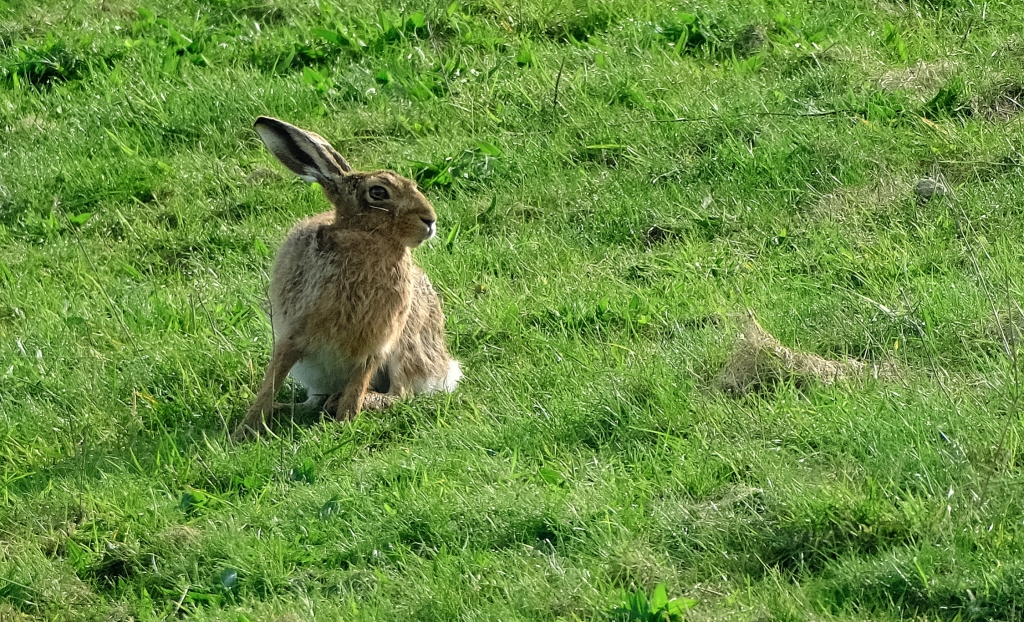
Gone tomorrow! We have the sun out this morning so up to the South Downs to see if the Hares are about. They did not let us down.
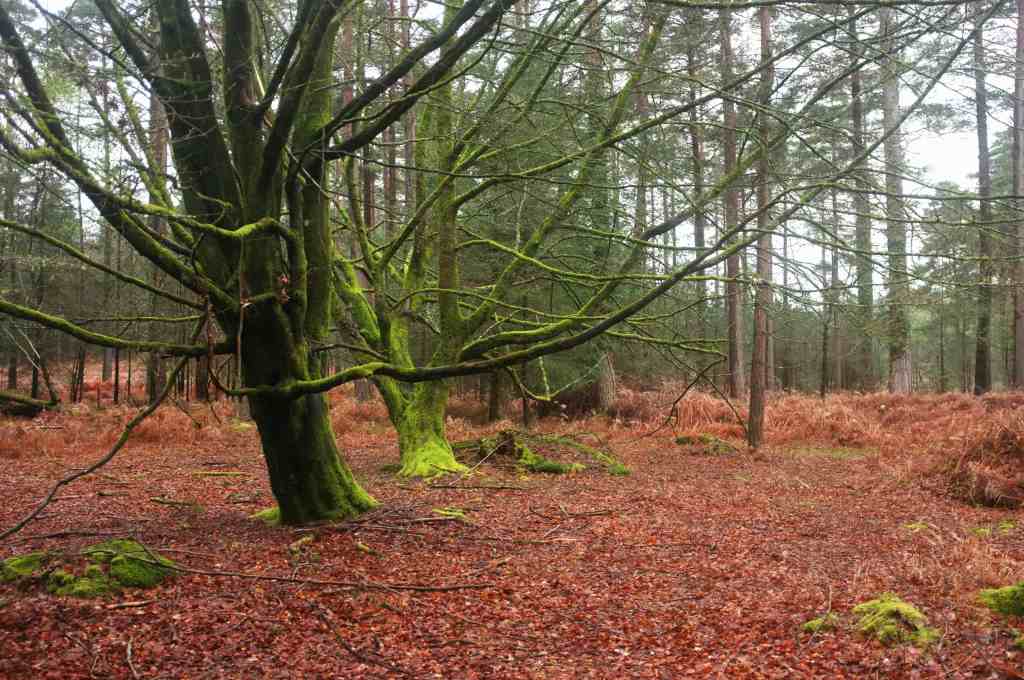
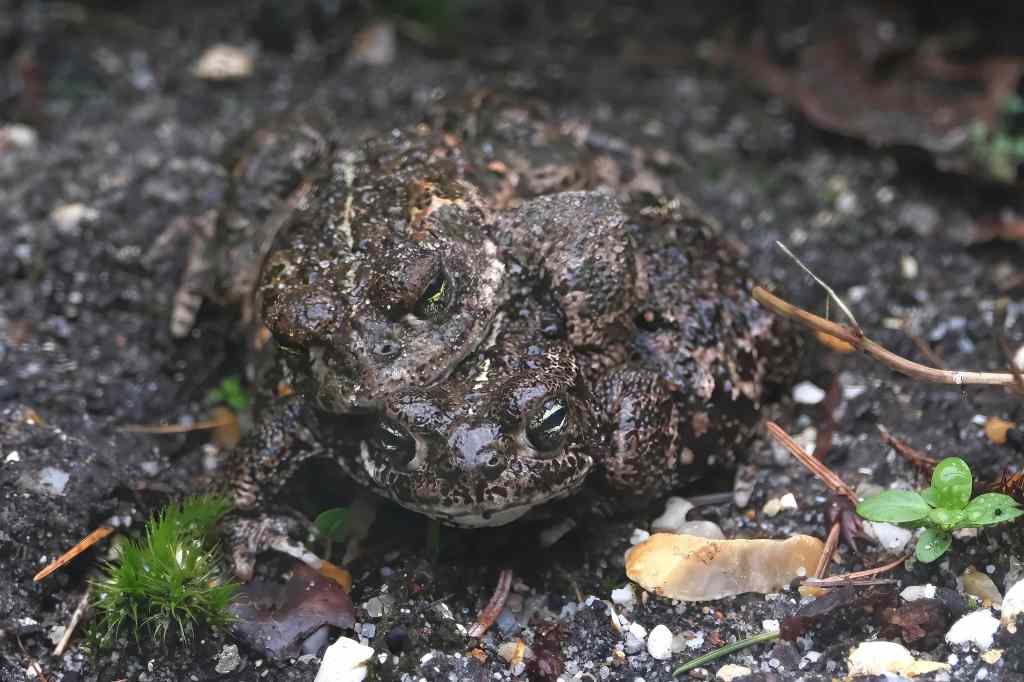
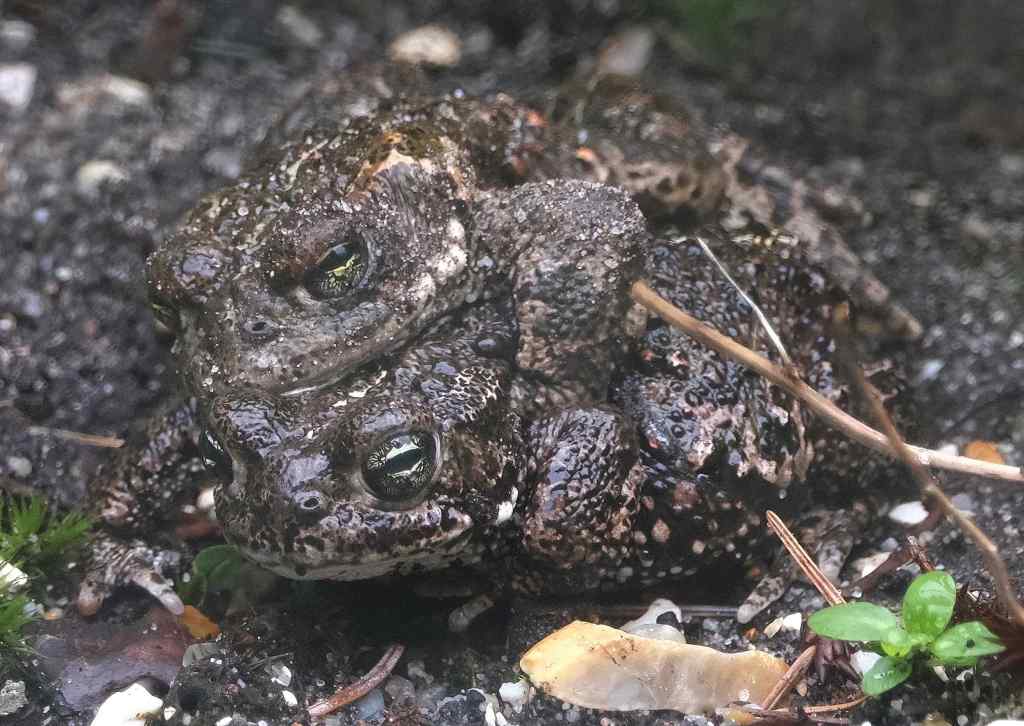
Can you see me said the mating Toad’s deep in the Forest? – Camouflage at its best.


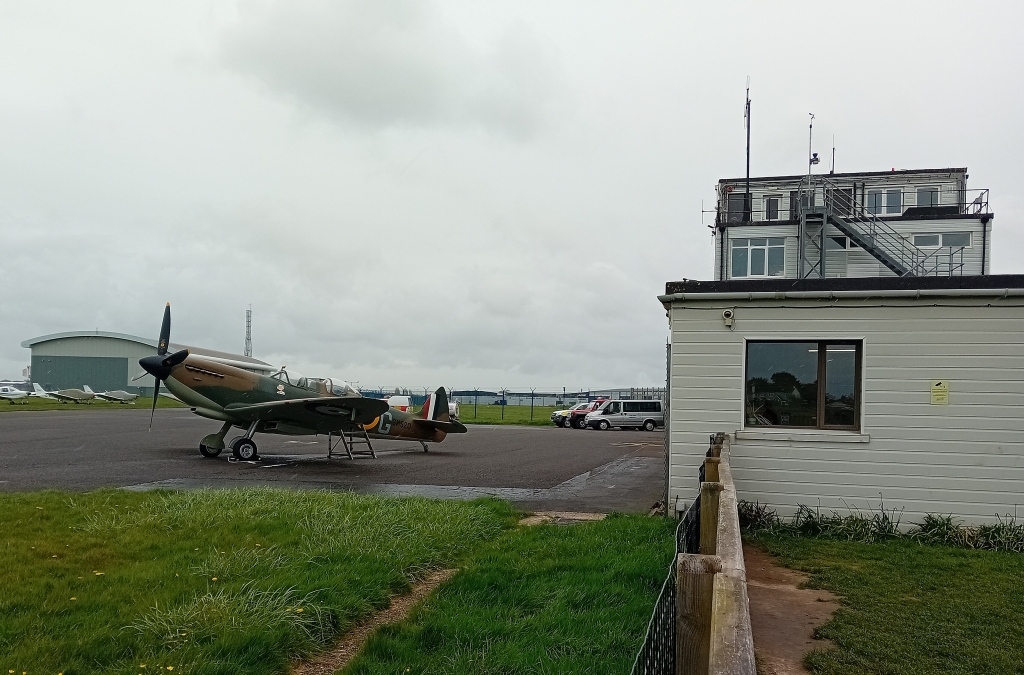
Spitfire SM520 was built by Vickers Armstrong at their Castle Bromwich factory in 1944 as a single seat Mark H.F.IXe high level fighter and delivered to the RAF on 23 November of that year. With the war in Europe coming to an end she was placed in storage until 1948 when she was sold to the South African Air Force.
After a major flying incident, SM520 was scrapped but was saved and went into private ownership. Later she was converted to a two-seater.




Sometimes by the sea, the bird spots are not just coastal birds today, it was good to see both a Dartford Warbler and a Yellow Wagtail.
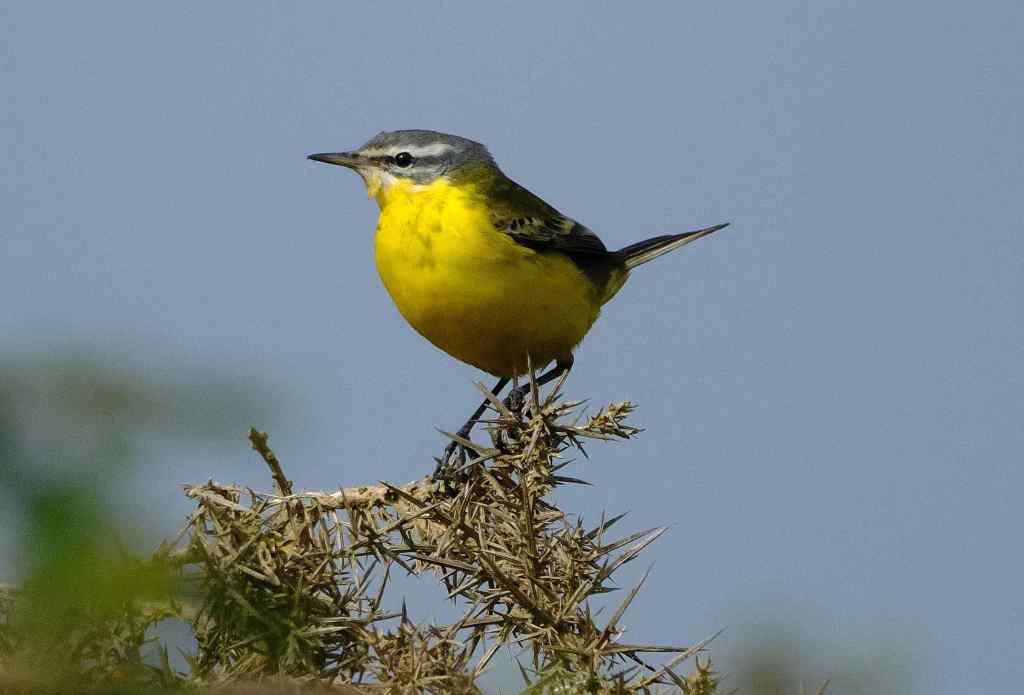
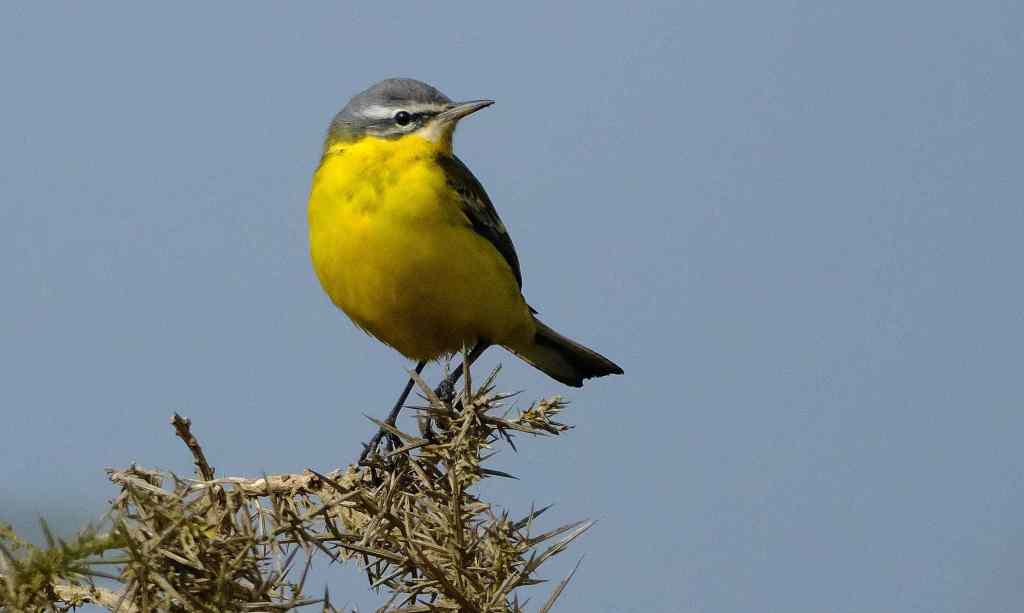

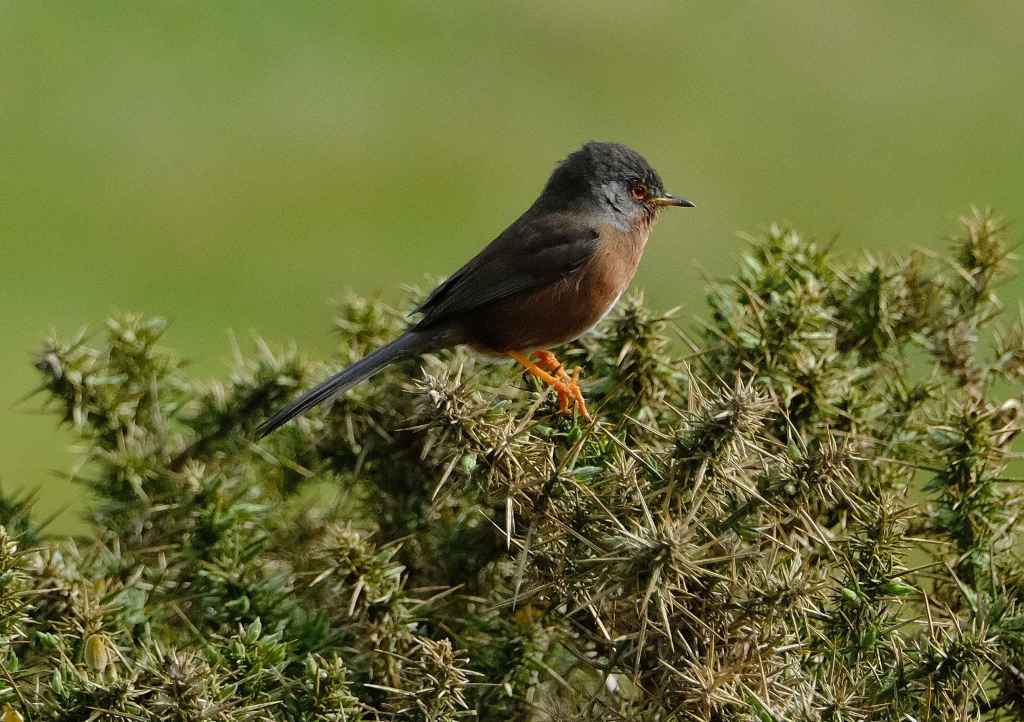
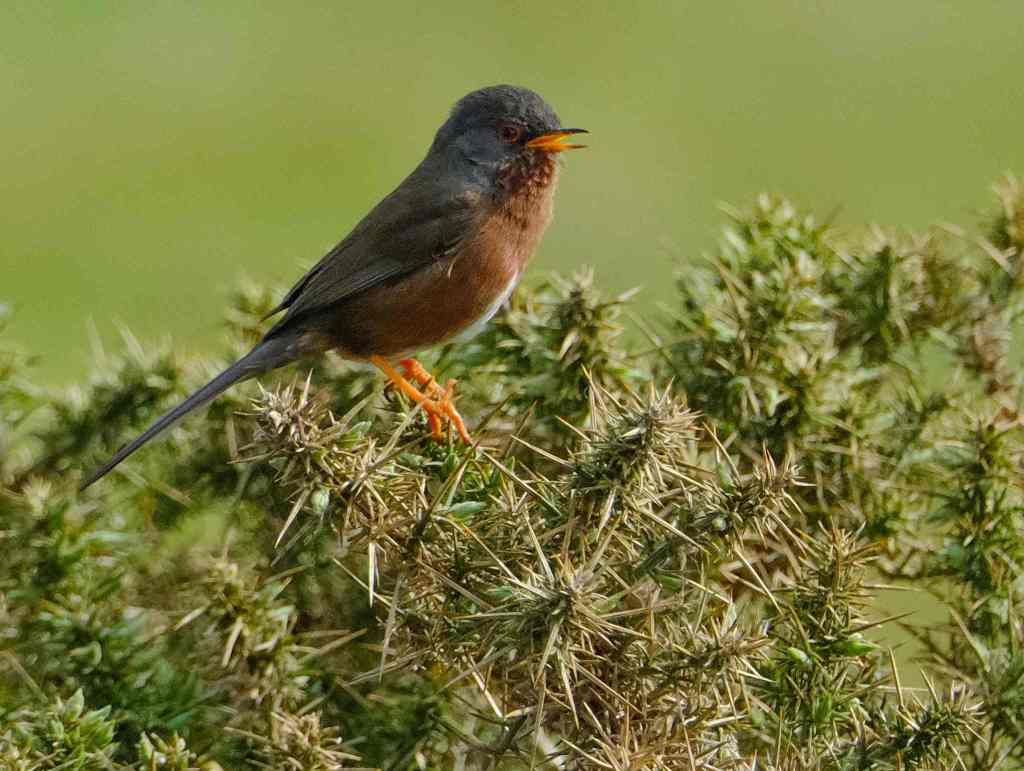
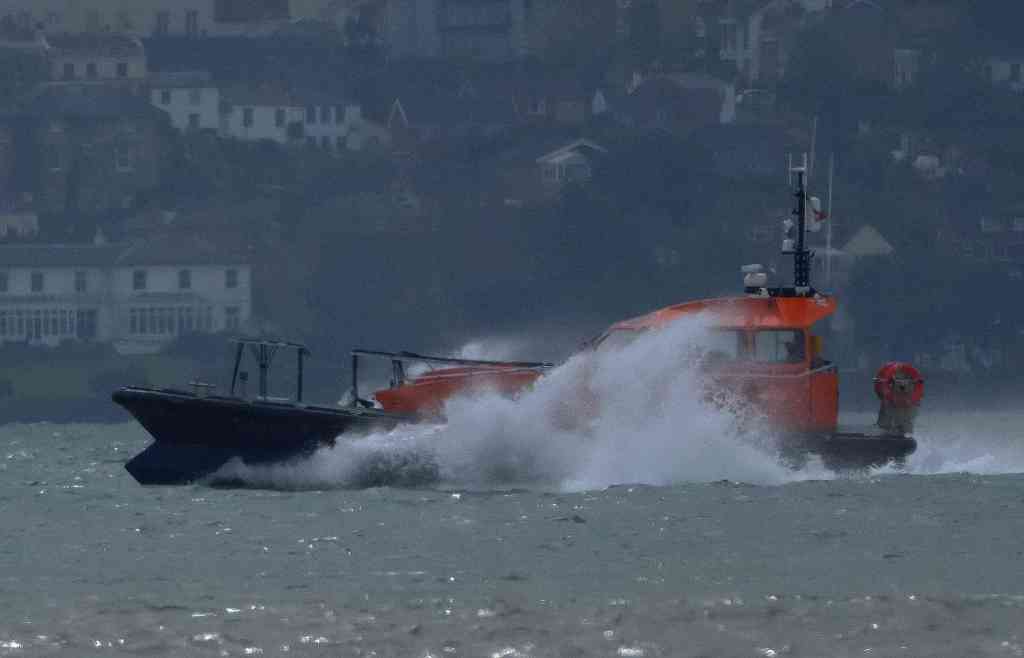
Turn the other way and a sea view shows a Pilot Launch heading out to meet an incoming freighter.

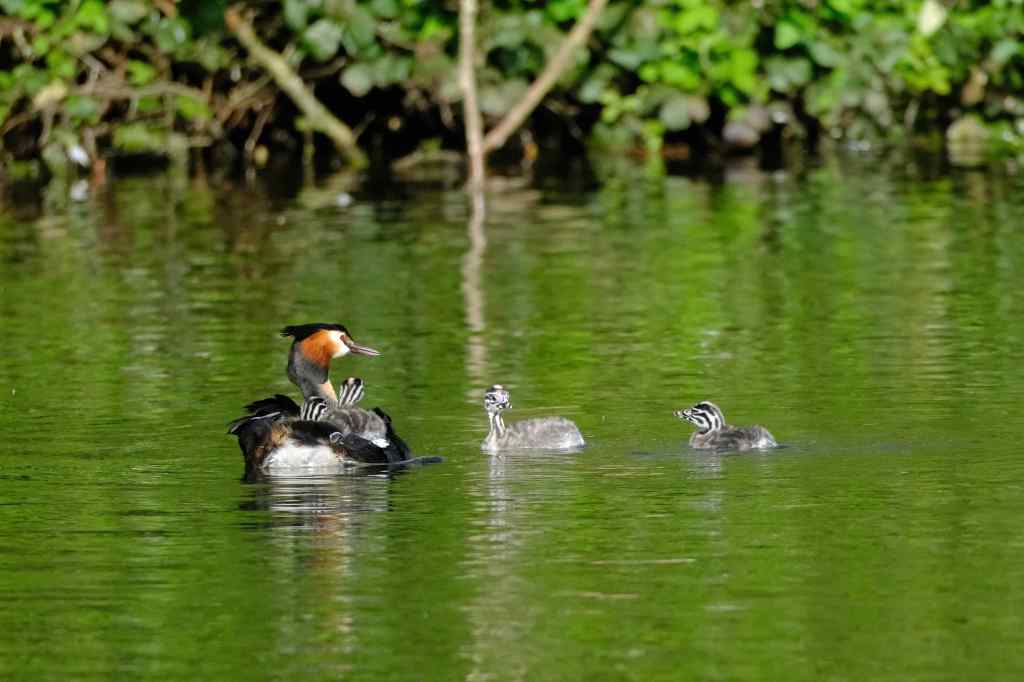
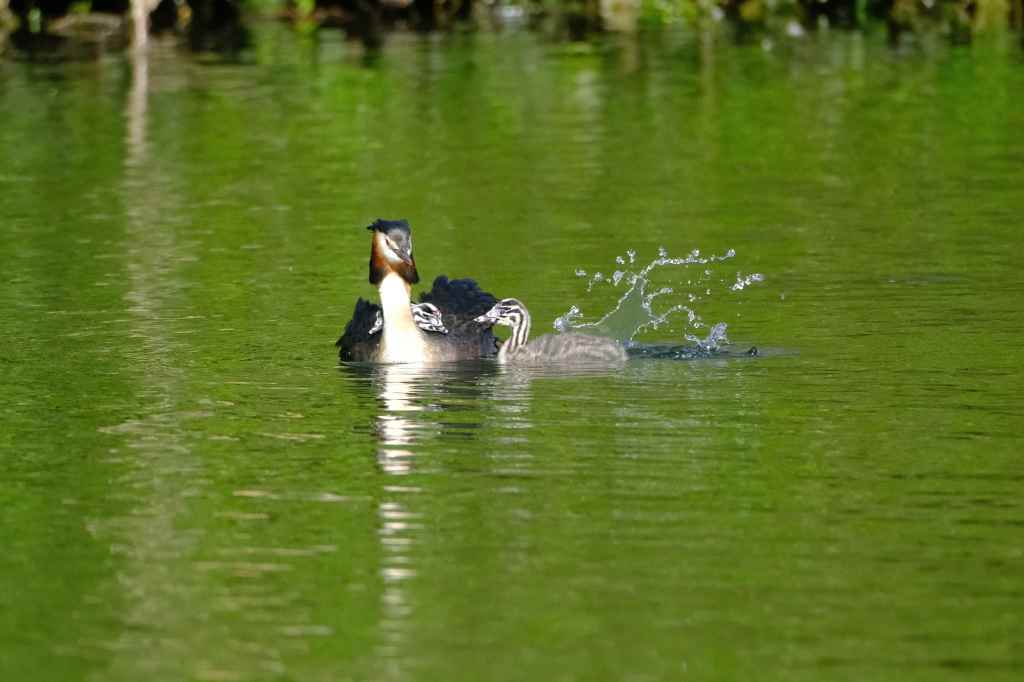
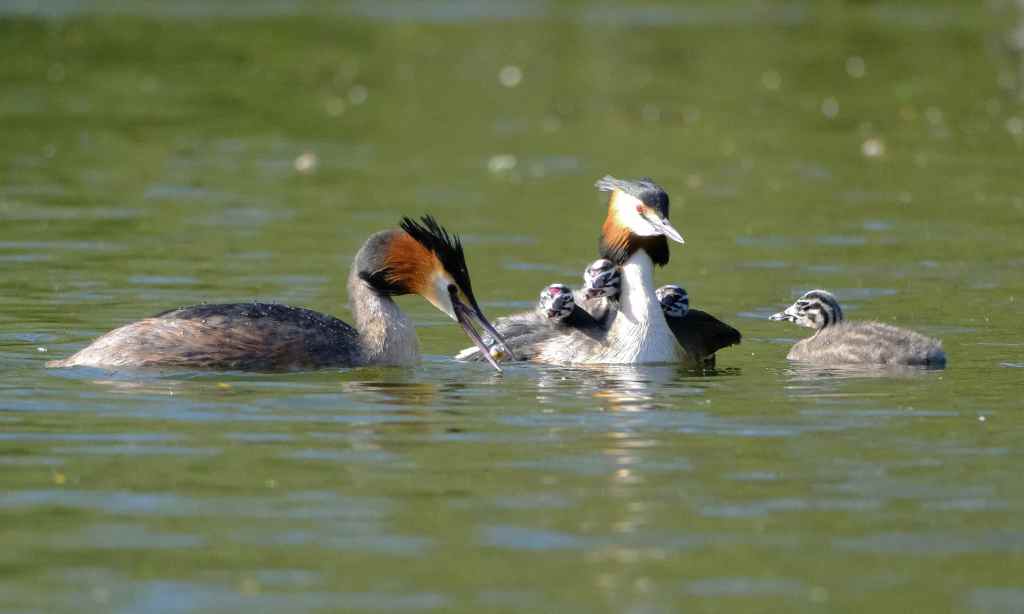
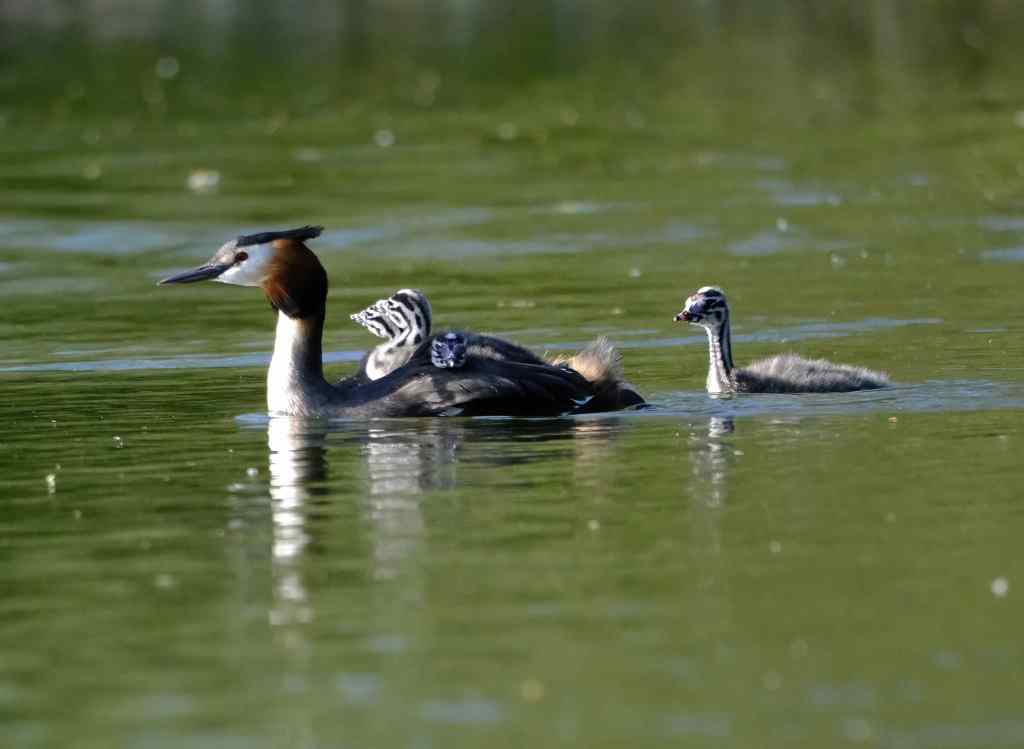
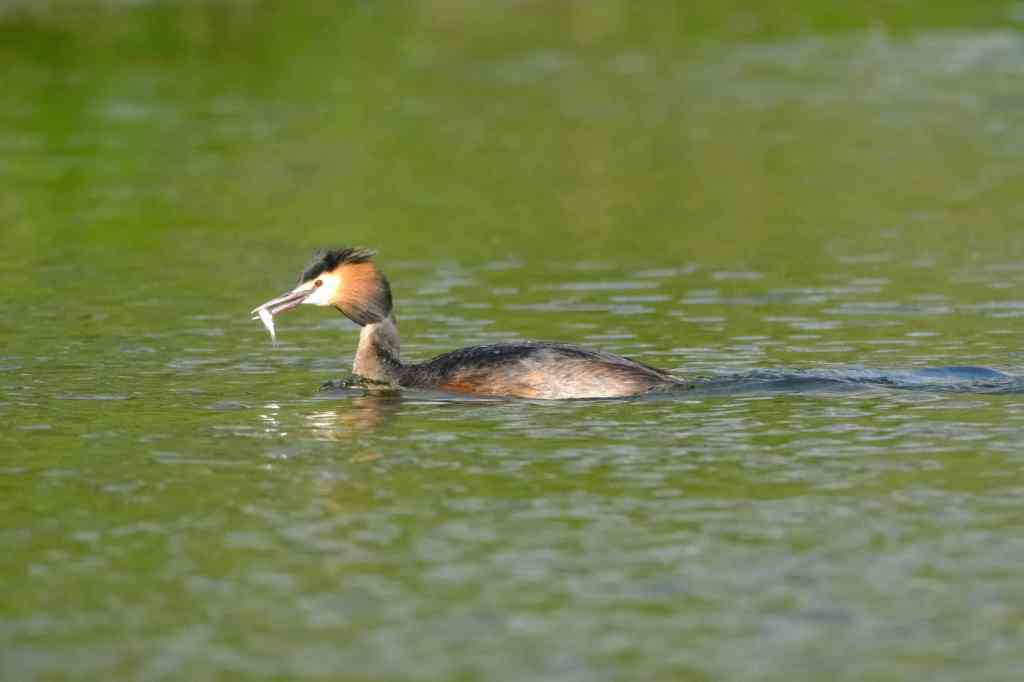
A Picture Post. This years local Great Crested Grebe chicks are growing fast. They are eating vast numbers of small fish.



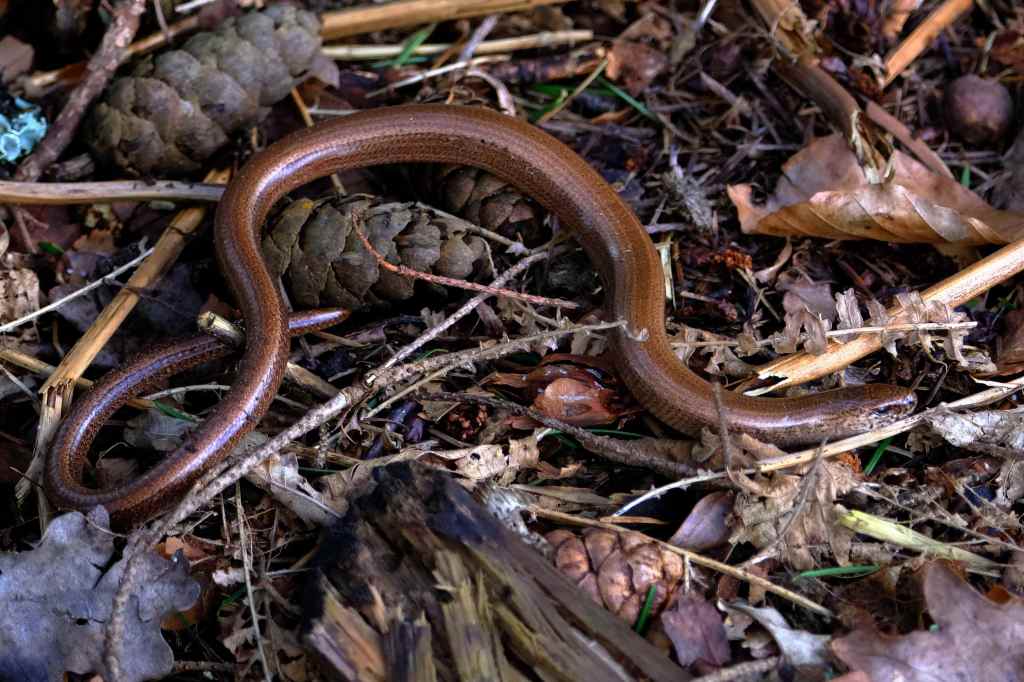
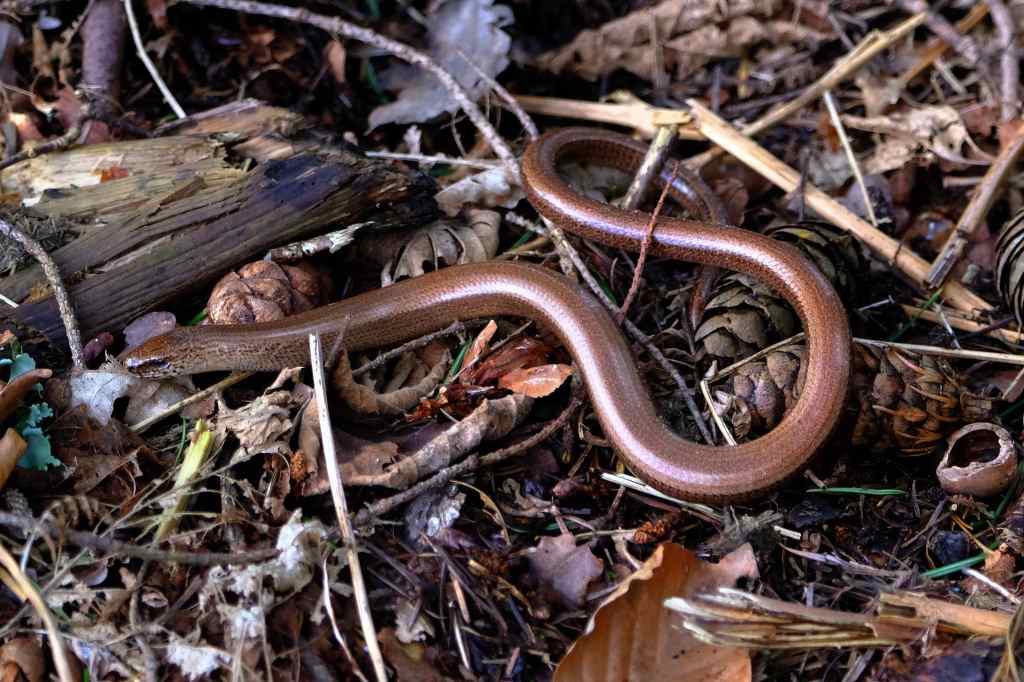
A New Forest Slow Worm – not a worm or a snake but a legless lizard.
The oldest specimen recorded in captivity lived for at least 54 years, so an adult in the wild may be more than 25 years of age.
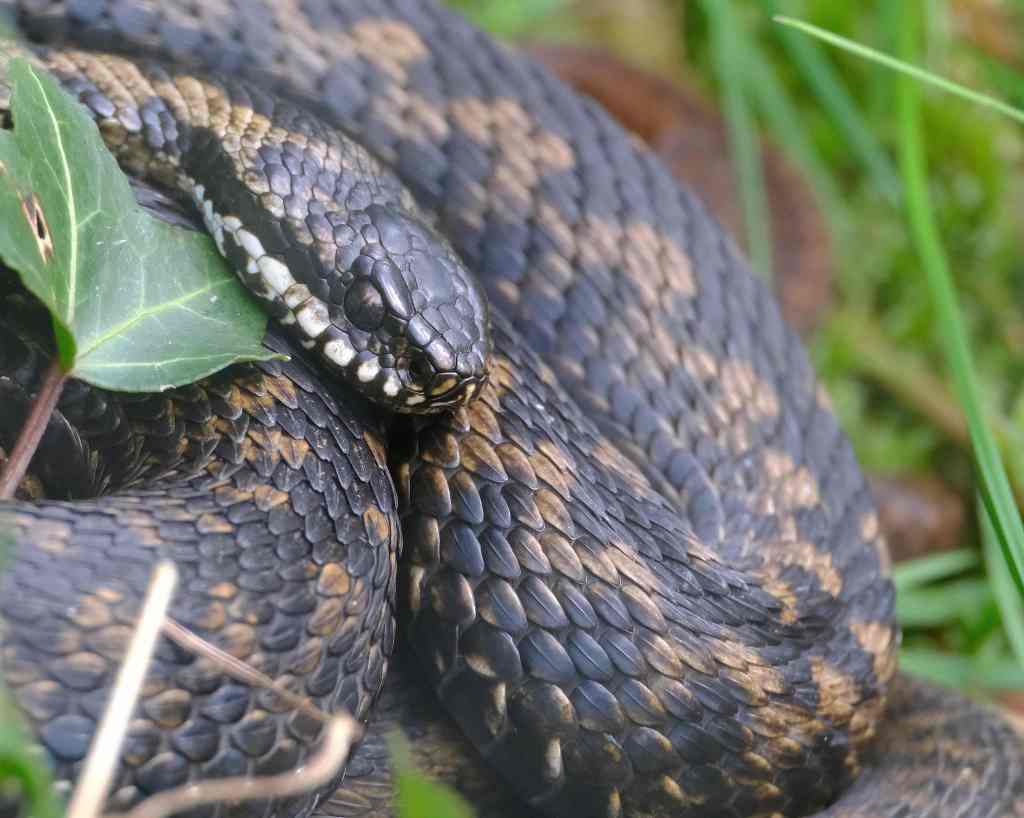
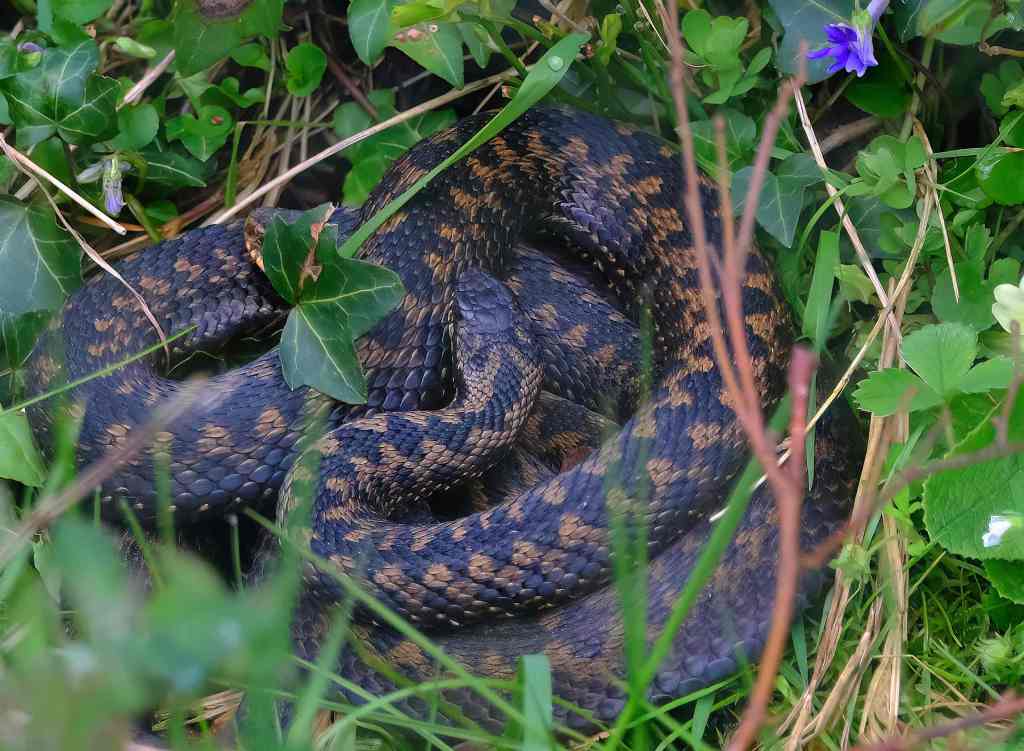
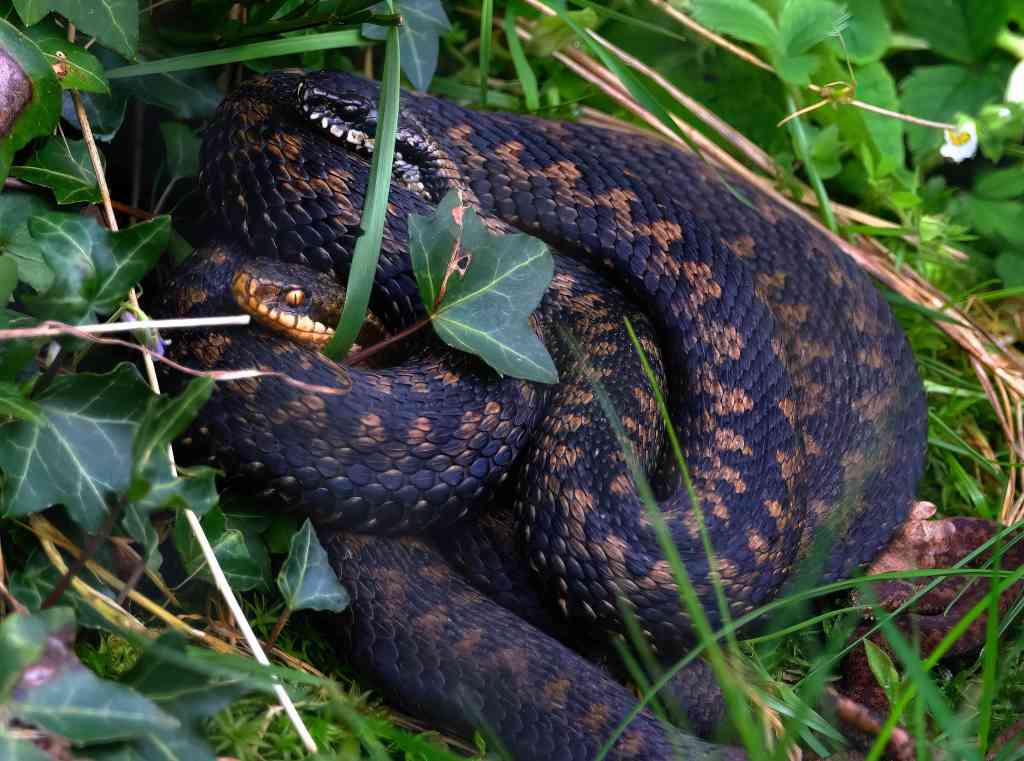
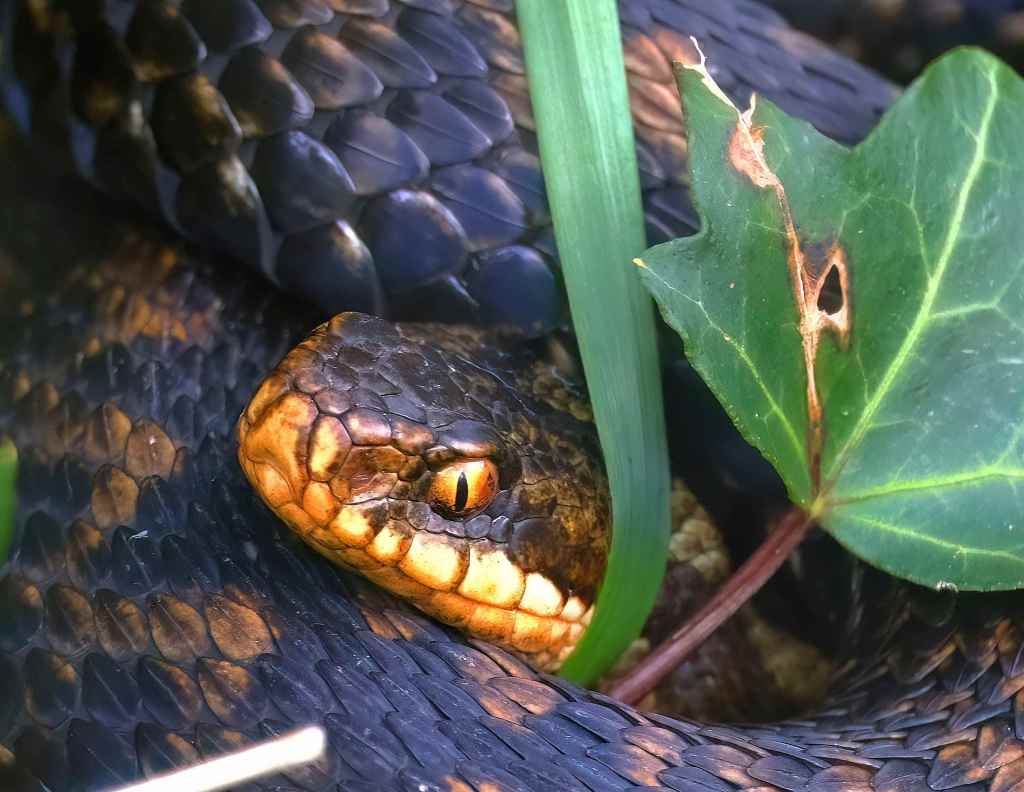
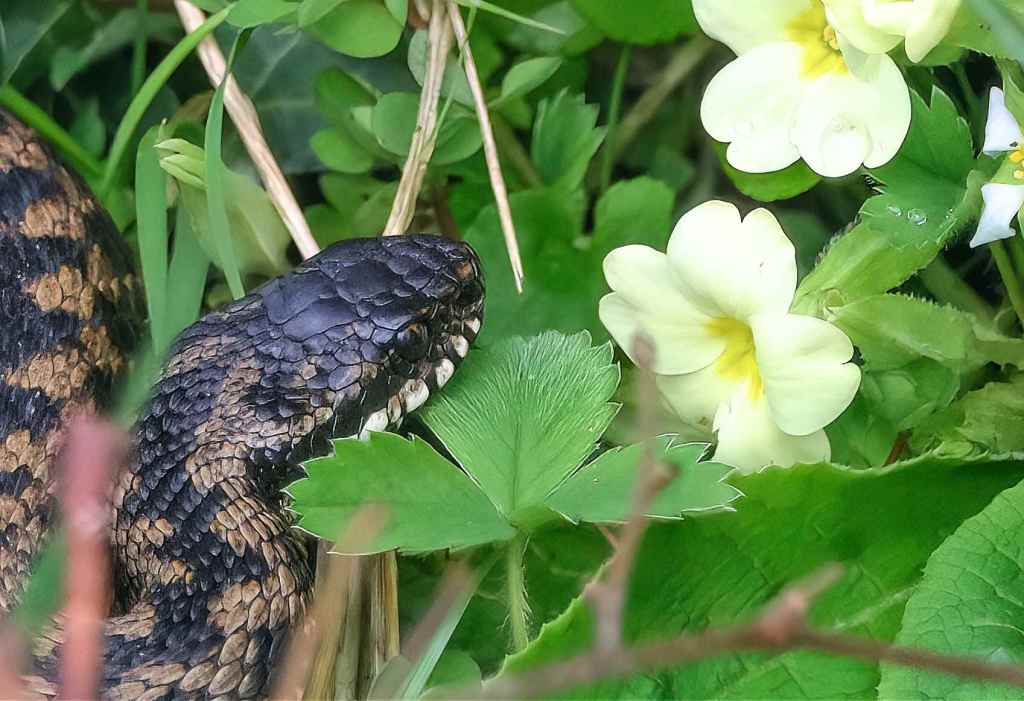
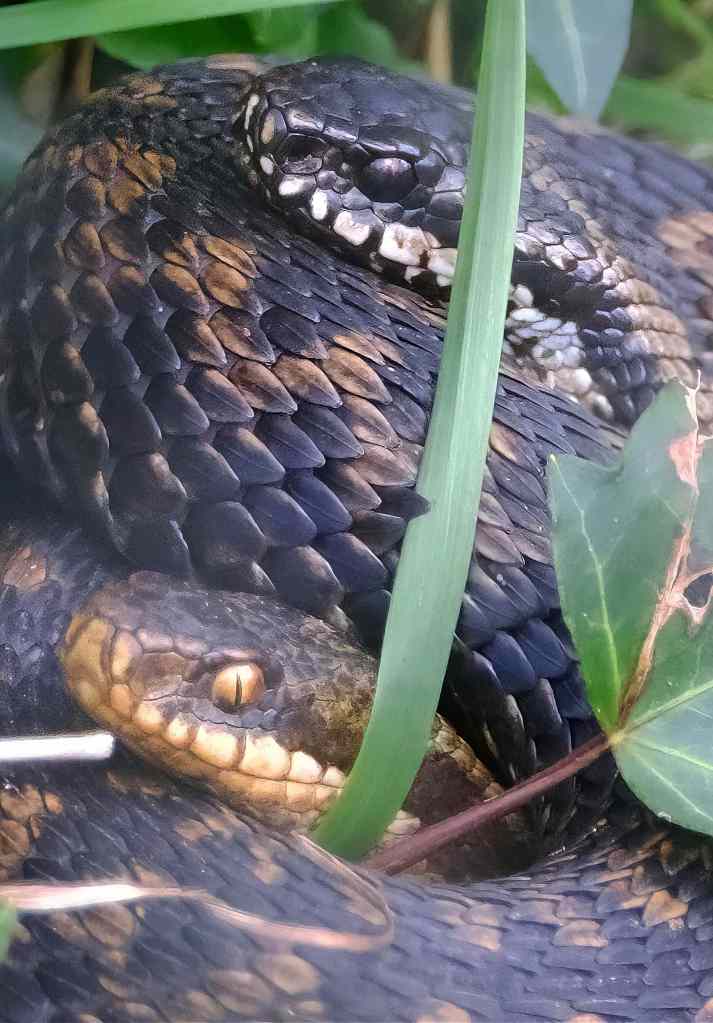
The adder is the UK’s only venomous snake. They are a shy and secretive reptile. They live in woodland, heathland and moorland habitats. Here are 2 that I photographed in the New Forest today.
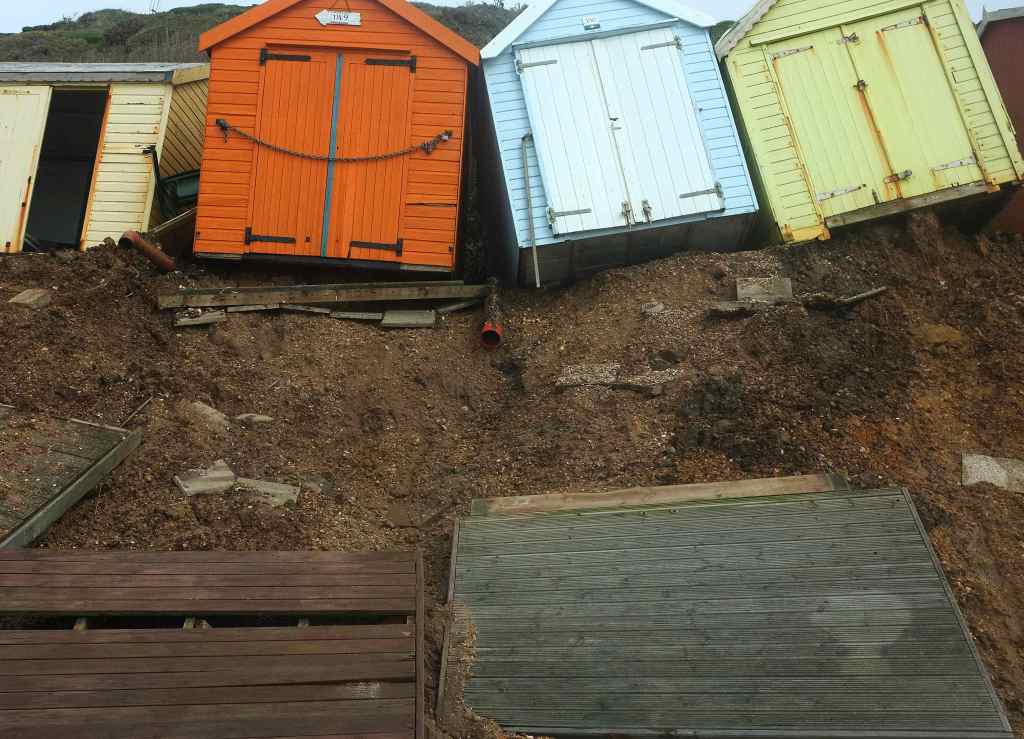
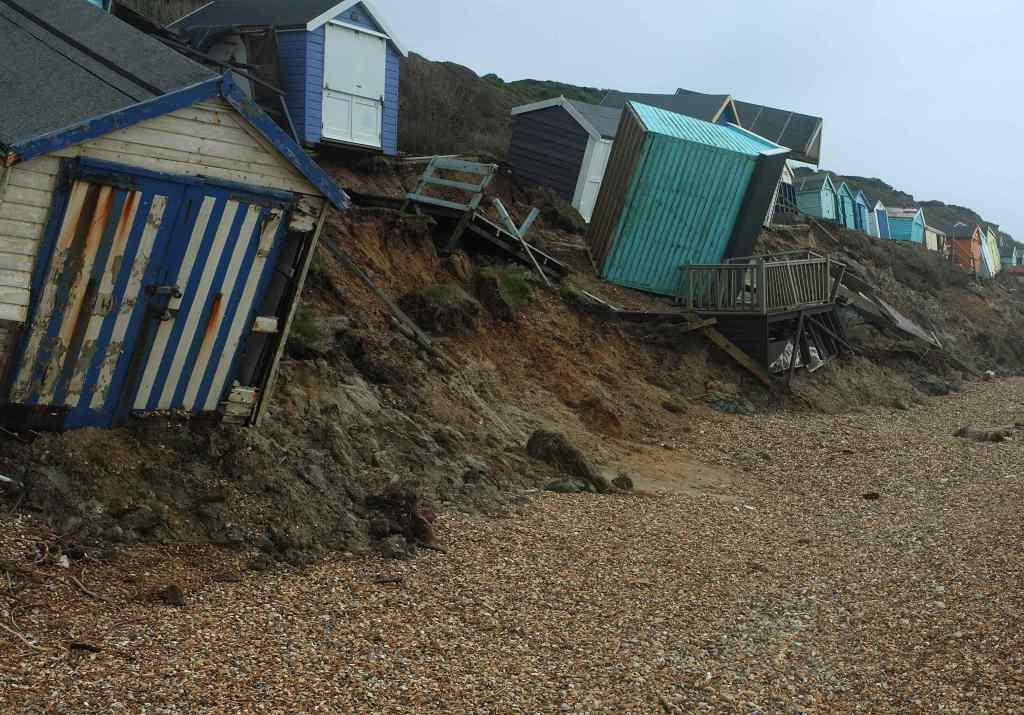
An example of coastal erosion at Baton on Sea on the edge of the New Forest.
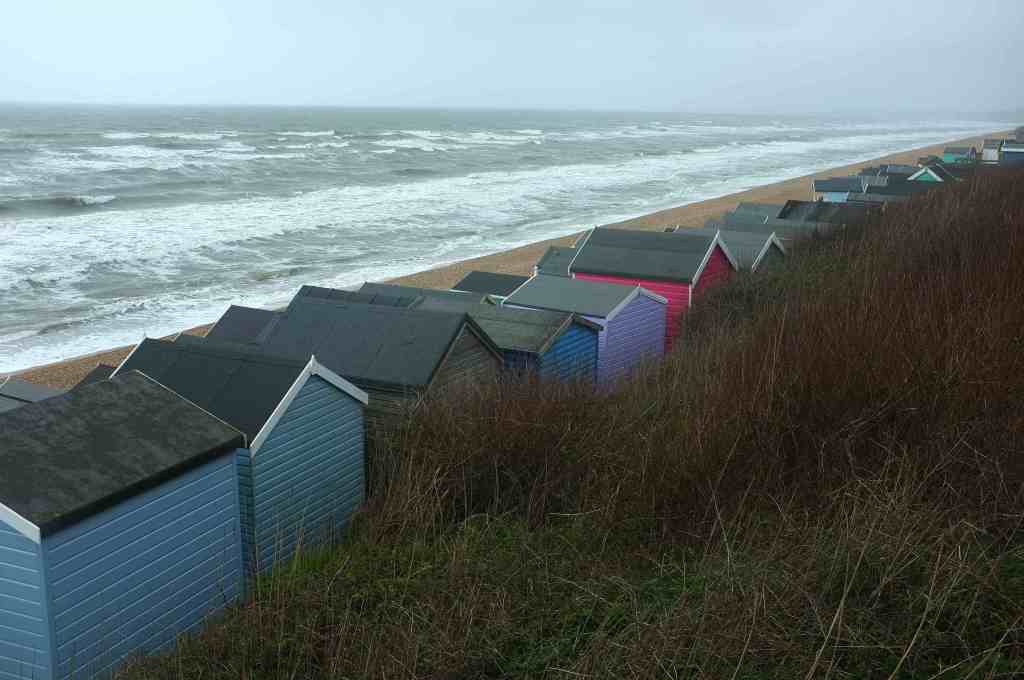
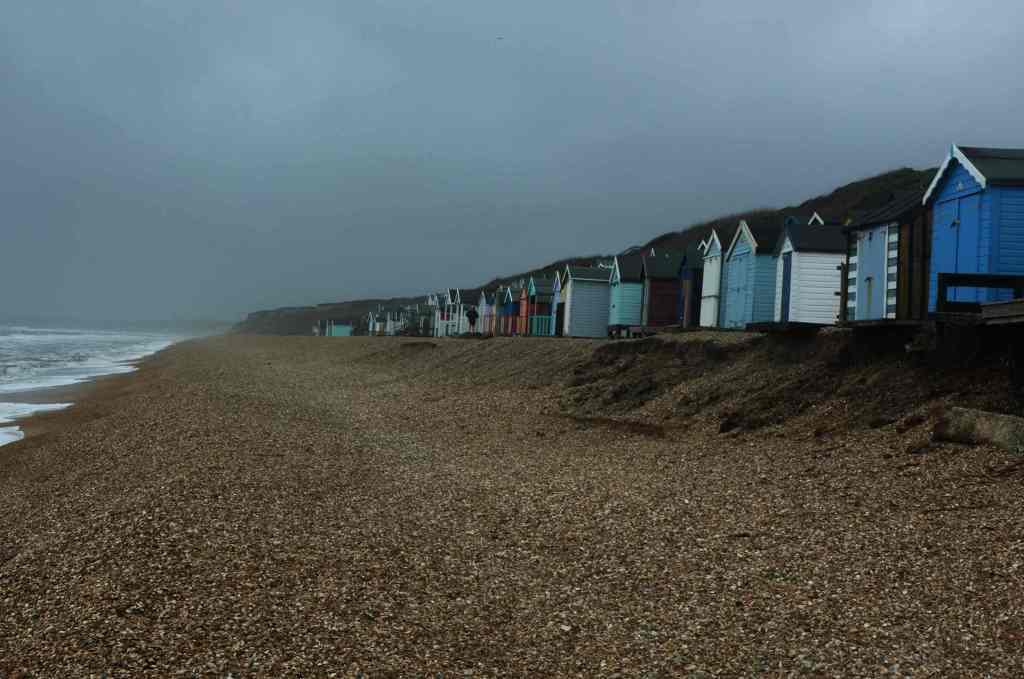
Longshore drift is a geological process that involves transporting sediments such as single and pebbles along a coast parallel to the shoreline. It is dependent on the angle of the incoming wave direction. Incoming wind squeezes water along the coast, which generates a water current which moves parallel to the coast. Longshore drift is the sediment moved by this longshore current. This current and sediment movement occurs within the surf zone.
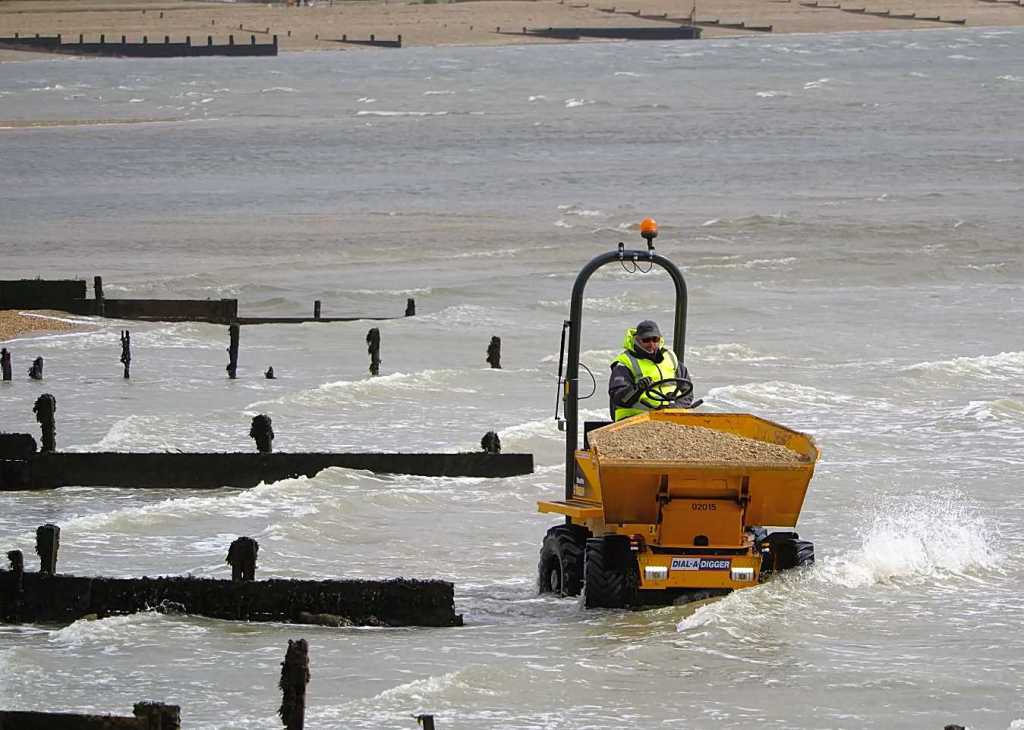
Longshore drift has happened along Meon Shore over the years I have watched the shoreline change with shingle spits changing and growing and the beach make-up changes as the shingle size changes. Wooden groins slow the currents and help stop erosion. The small harbour at Titchfield Haven entrance gets blocked up as stones and sand get dropped in that area as the currents slow and can not hold their weight as they slow. This week the sailing club has been moving the shingle back from the harbour mount to fill in the area on the spit that is being eroded with it.
A day out is not complete without some nature watching.
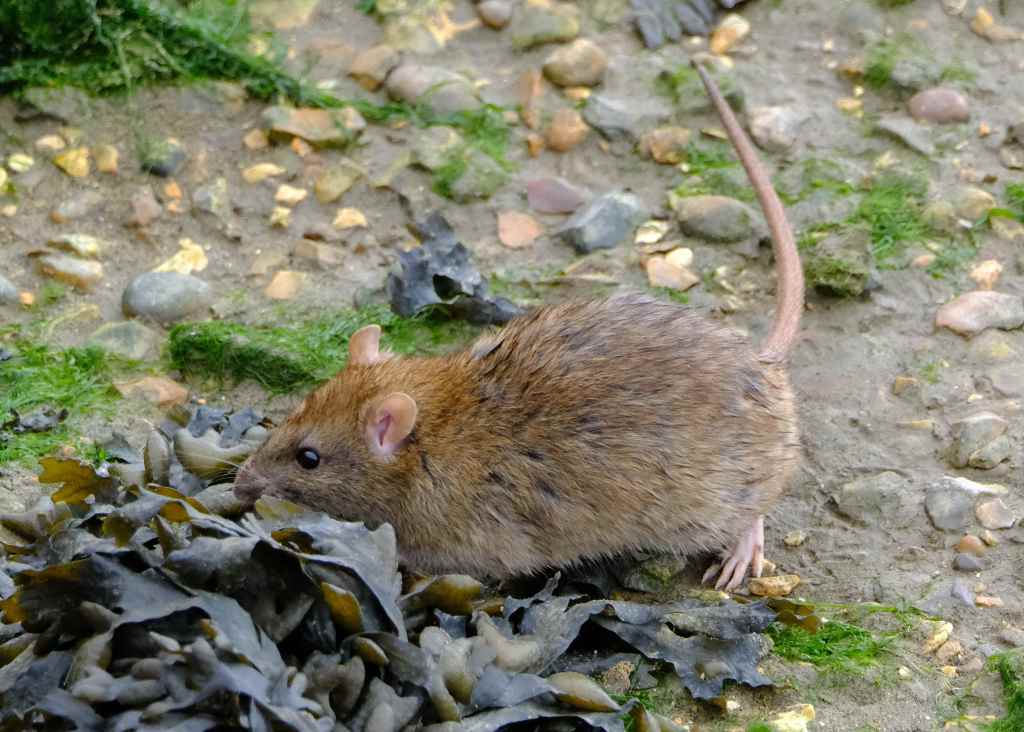
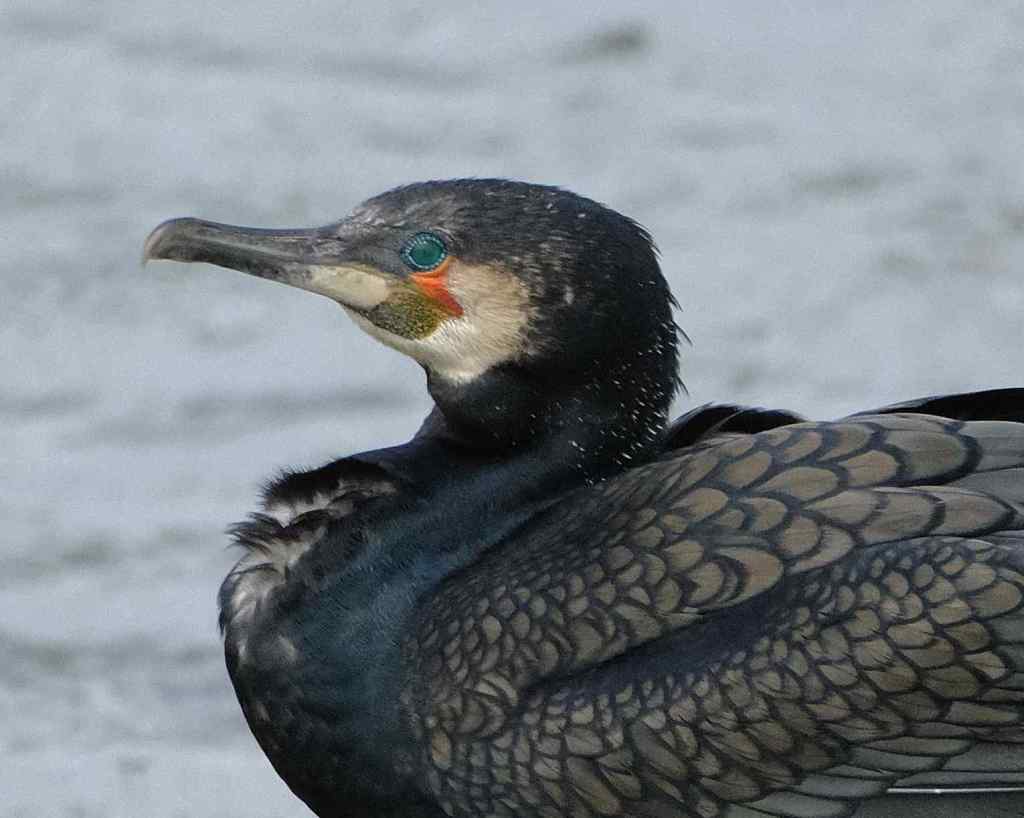
When you see a Cormorant what colour bird do you see? To me, they always look black. Take a closer look to see the real bird.