#Wordless Wednesday

#Wordless Wednesday
As part of the UKs defences against the French work on the construction of Fort Gilkicker commenced in 1863 and took eight years to complete. The finished fort provides a semi-circular firing arc from 22 gun placements, over the eastern end of Stokes Bay at Gosport.
Today we walked out to Fort Gilkicker. The redevelopment of the site is underway. The current planning permission is for Gilkicker to be restored and converted into 22 townhouses in the gun casemates plus four flats in the former barracks. Estimates of the cost of doing this are between £15 and £20 million. The site was bought for £1,386,000. Given the sums of money to restore/save this Historical Fort such a project could only be undertaken by a commercial redevelopment. Within the plans I understand one of the outer buildings will be made into a cafe with historical displays about the fort.
below some older posts on Fort Gilkcker.
The original gun firing positions were blocked before World War One up and the outer walls were further strengthened with substantial earthwork embankments with the redevelopment this is being removed and the original casements are be revealed.


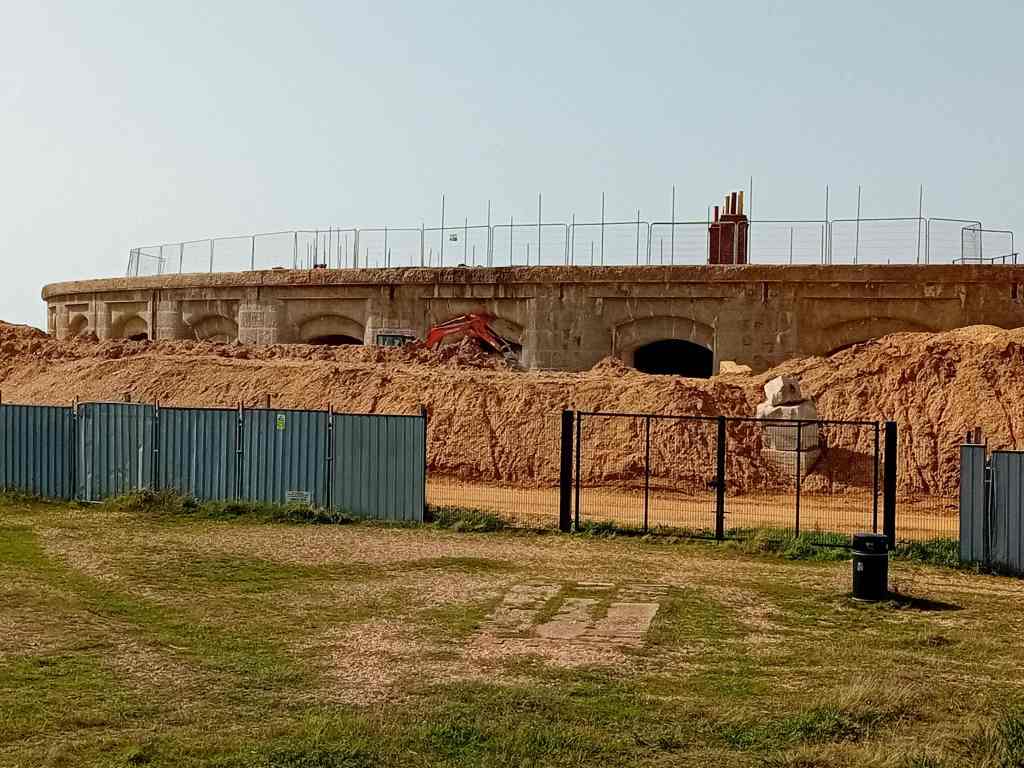

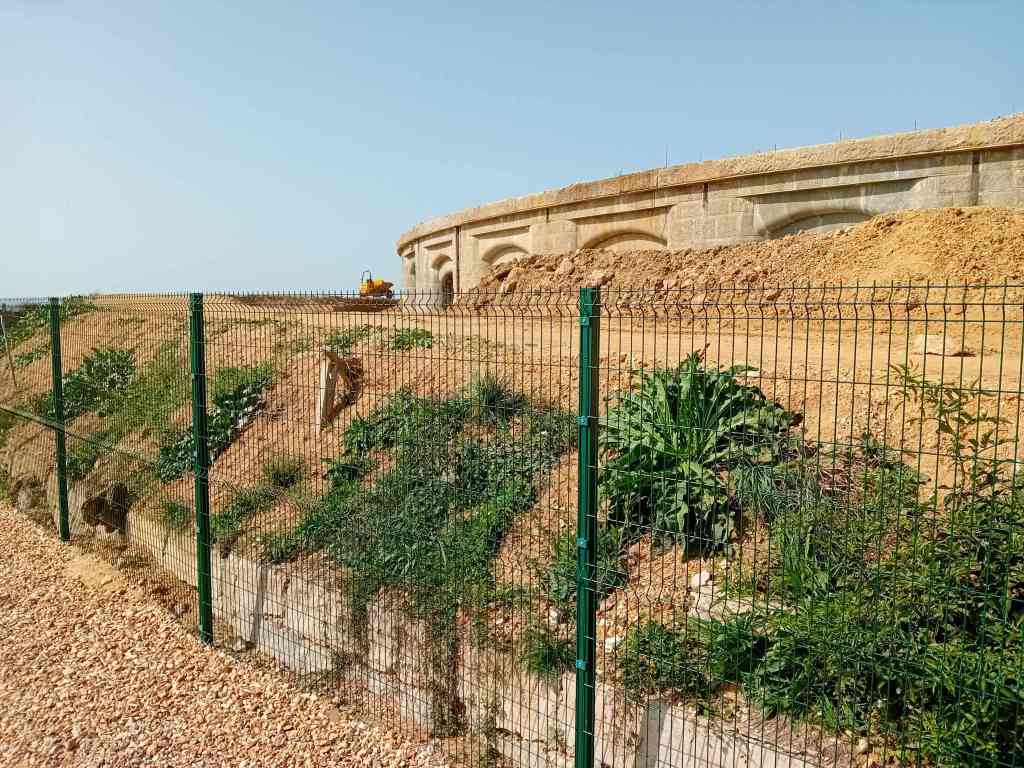
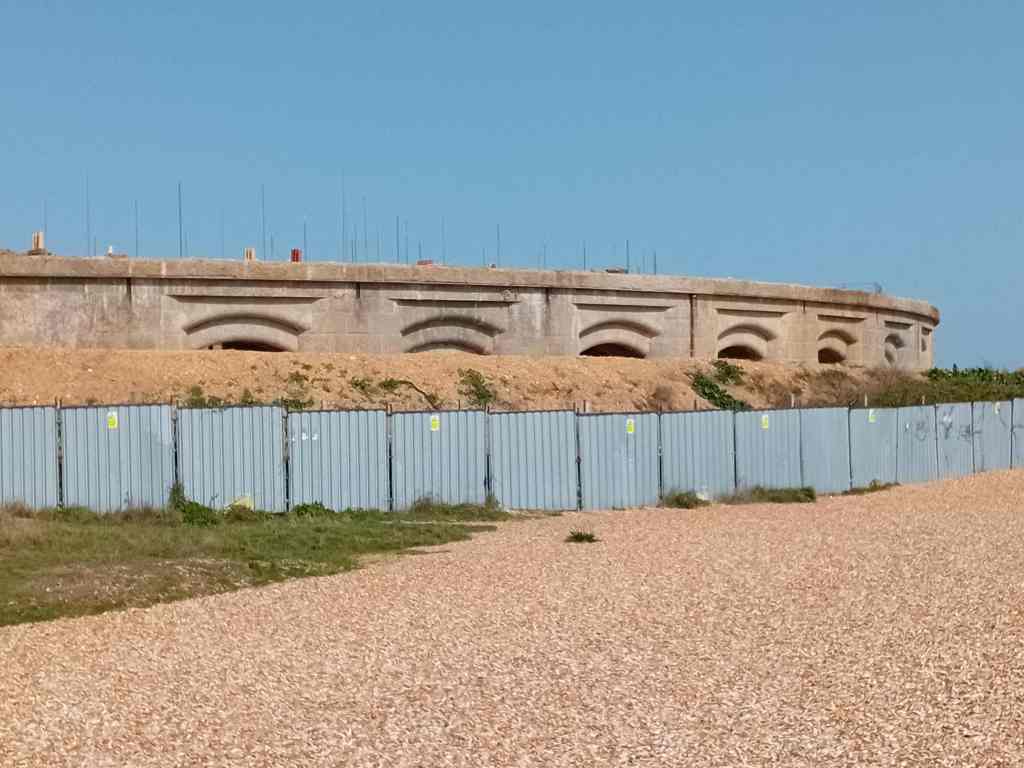
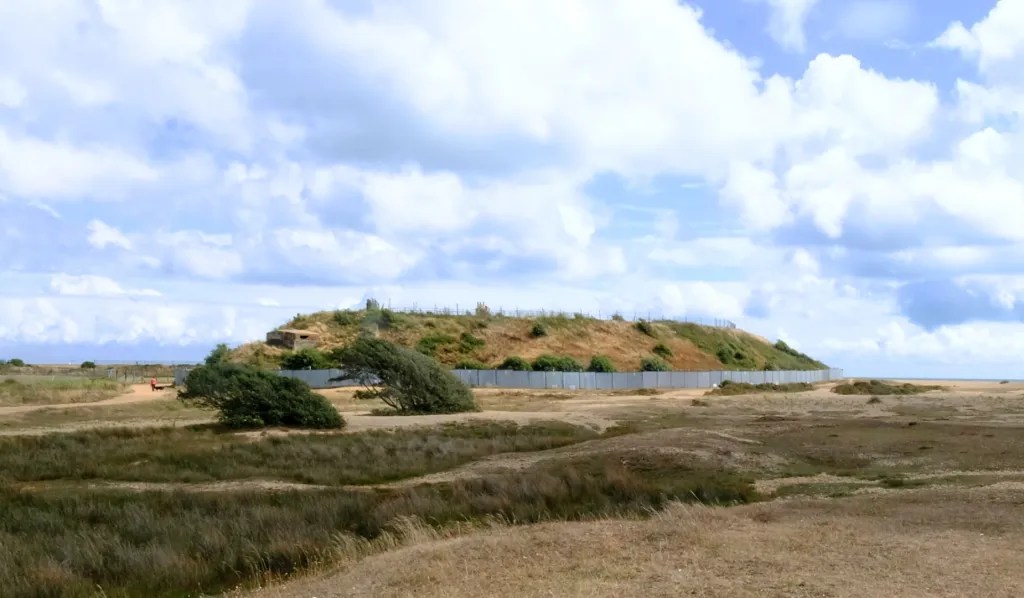
Above 2020 below 2023


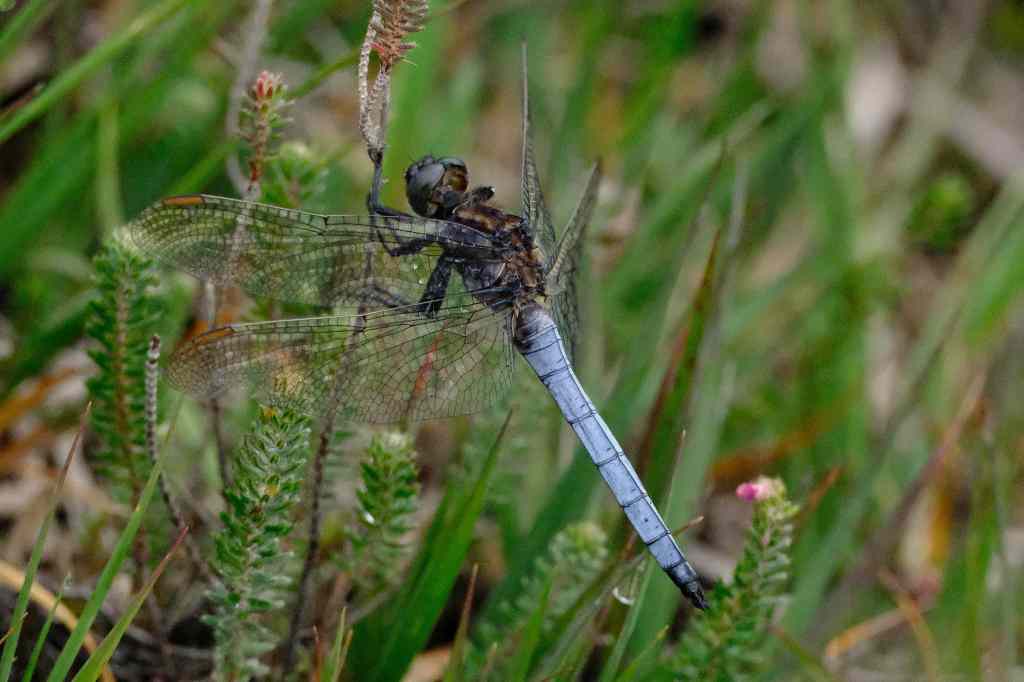
#wordless Wednesday.


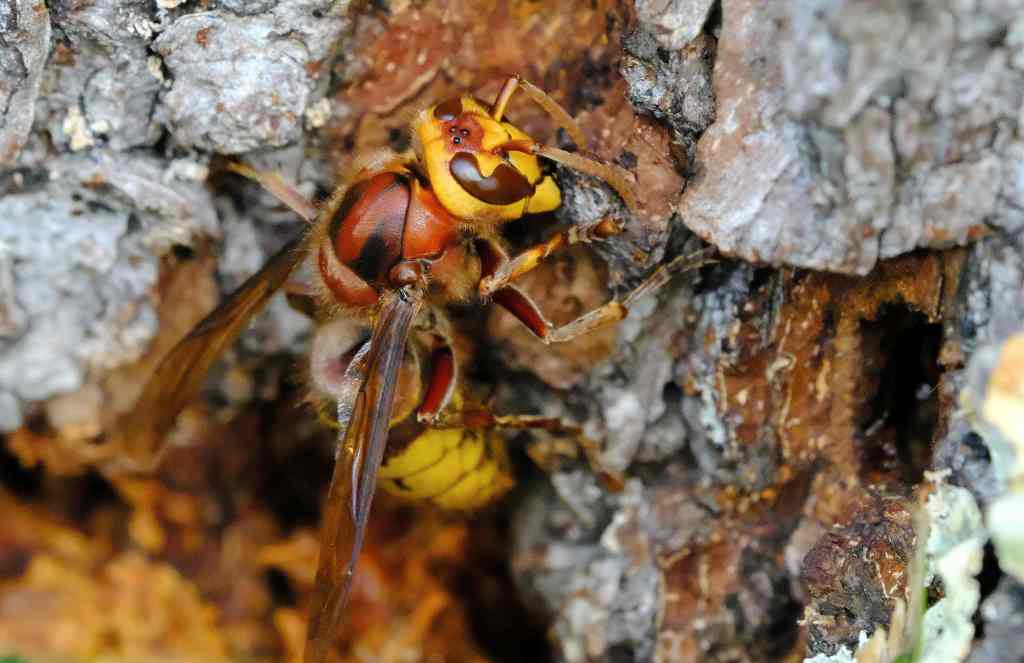
Some Hornets spotted while out in the New Forest this morning. Hornets are giant wasps with yellow and brownish-red striped bodies, reddish wings and a yellow head. The Queen is larger than the males and workers. They have a wingspan of between 2.5 to 3.5 cm. In the UK many people are fearful of our native Hornets but they are actually much less aggressive than the common wasp. It is also an important pollinator and a predator of species that feed on plants and crops, I have watched them hunt and decapitate wasps!


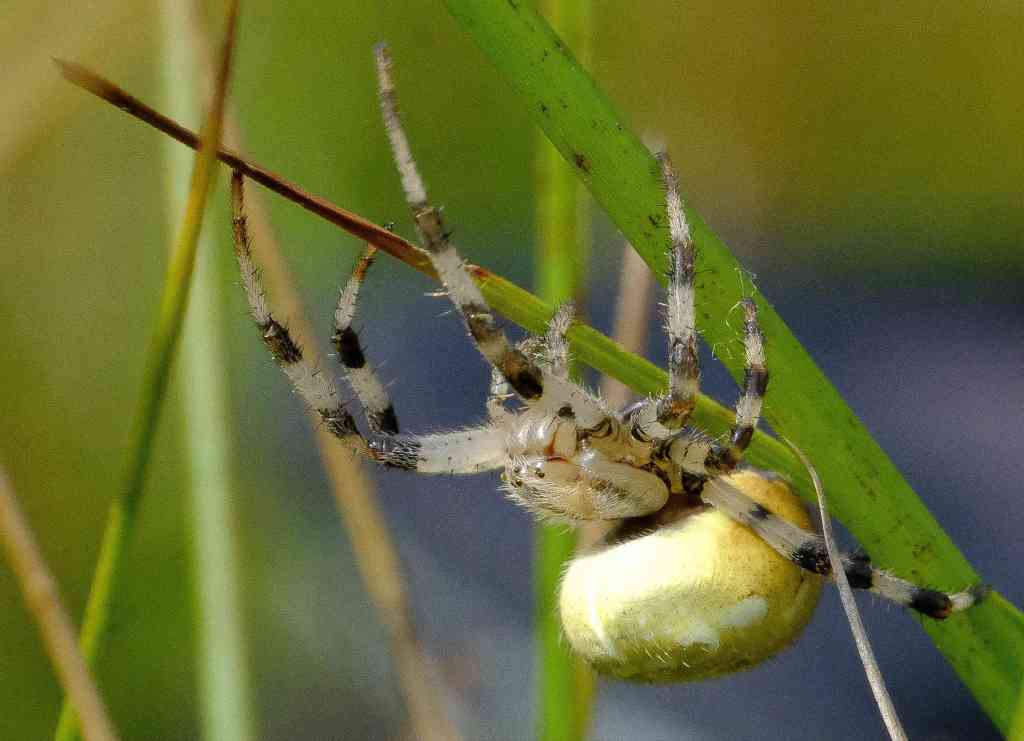
Four-spotted orb-weaver (Araneus quadratus).
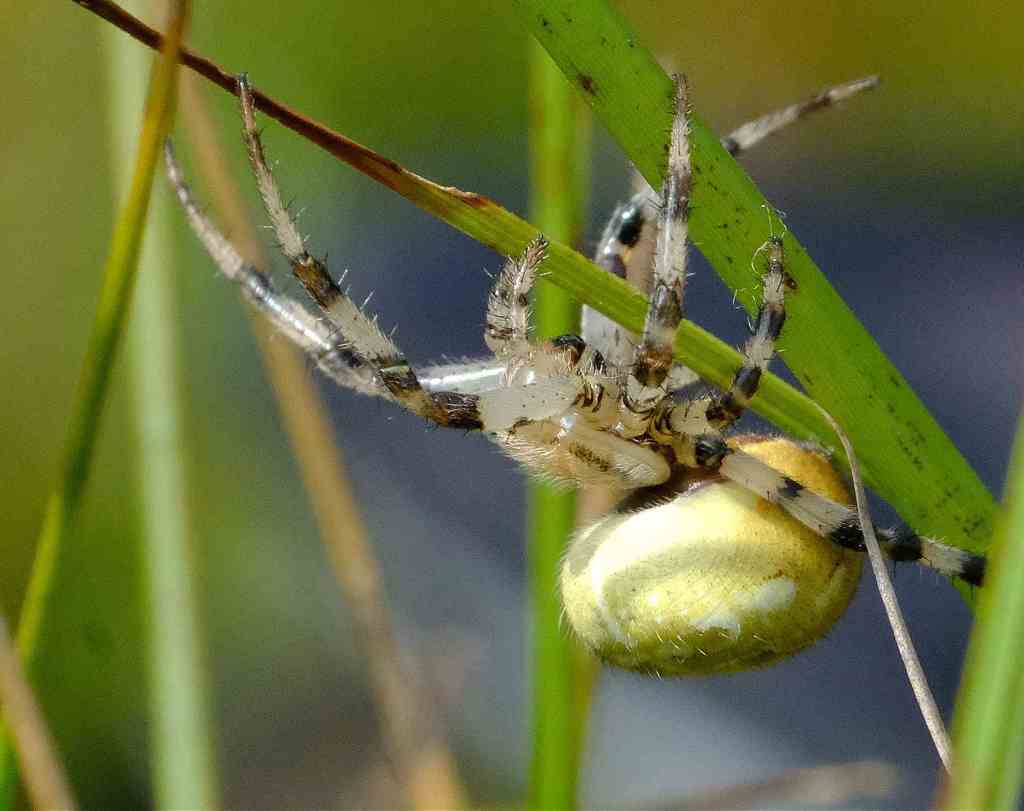
Wasp spider (Argiope bruennichi).


The New Forest Reptile Centre is located near Lyndhurst in the New Forest. There are unique outdoor ‘pits’ that provide a natural home for reptiles and amphibians found in the forest. During the summer season to help educate visitors to the forest and help them see our various snakes lizards and frogs they are on show in the pits (they are released after a couple of weeks).
As part of a walk through the forest on Friday we called into the centre. We arrived on foot just prior to the car park gate opening. So had the opportunity to chat to the staff before the influx of holidaymakers. The snakes were being offered food – this adult female Adder was quick to come out of the undergrowth and take the offering. Adders are the only venomous snake found in the UK. Sightings are not guaranteed.
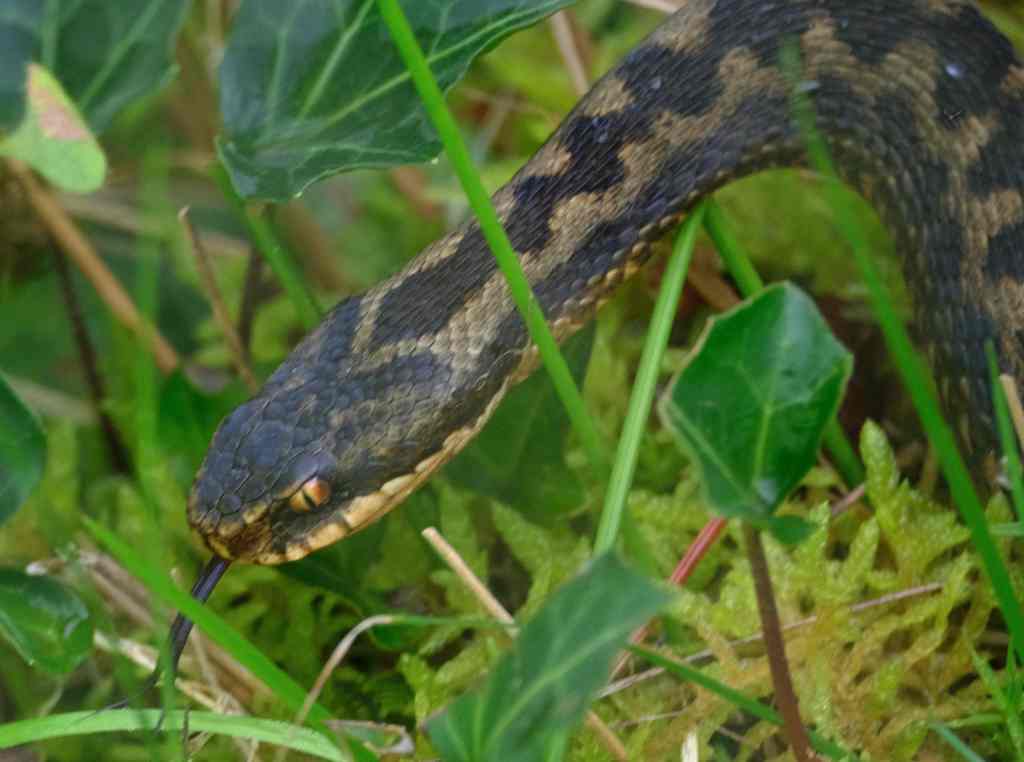


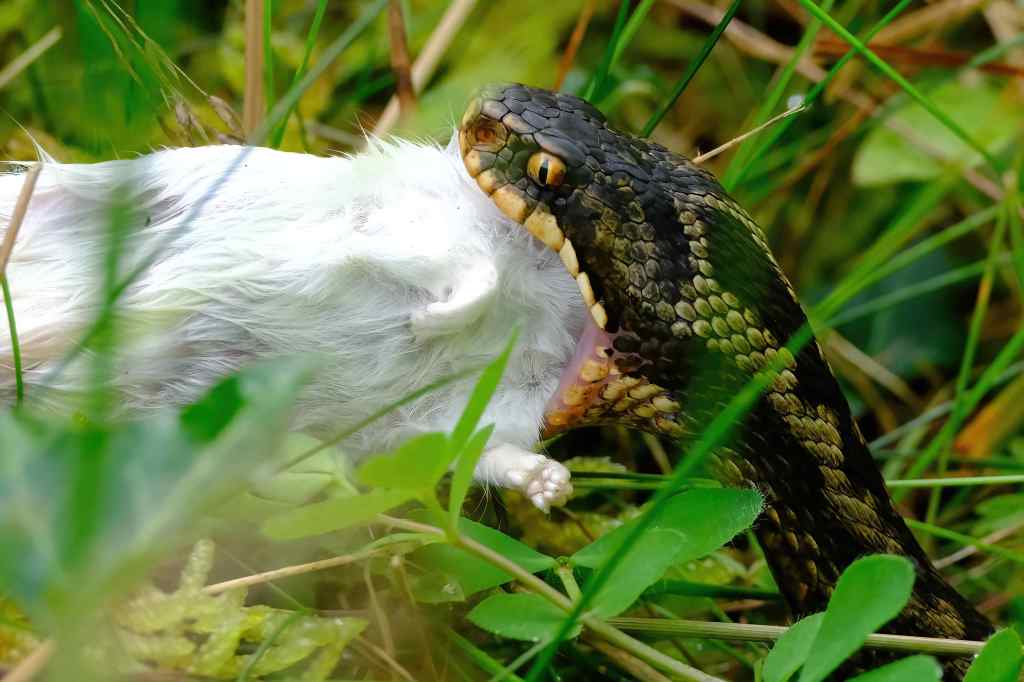
A number of juvenile Adders were visible (about 8 inches long) note their zig-zag pattern has not yet developed.


Traction engine New Forest this afternoon.



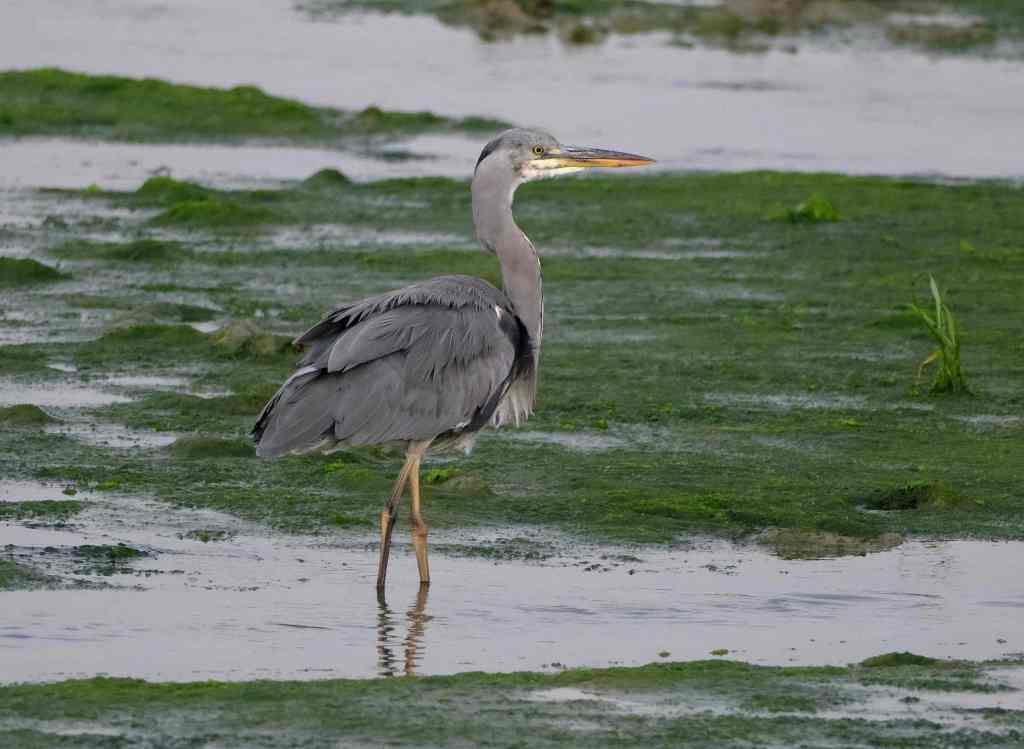
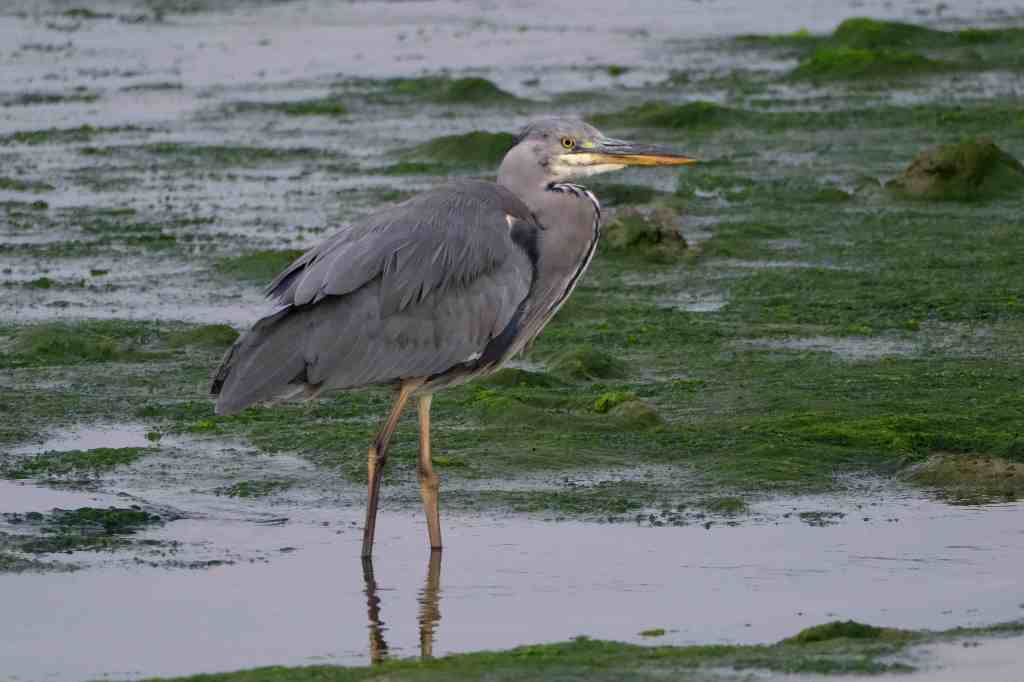
Grey Heron – showing nature’s natural camouflage – mudflats Calshot Point Southampton Water.
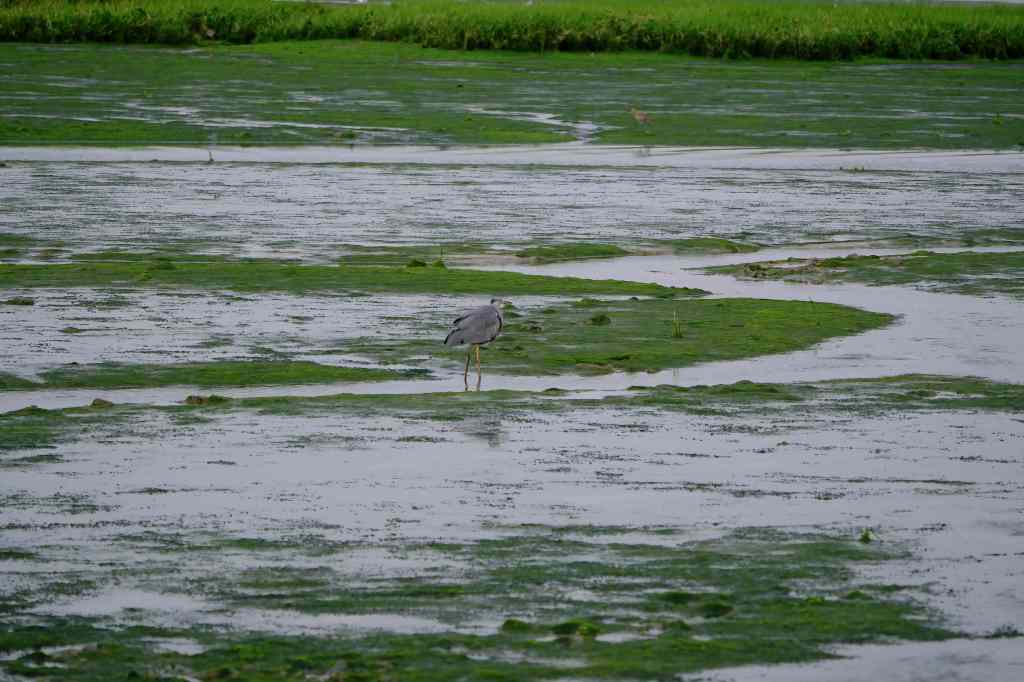
Close-ups of the same bird.