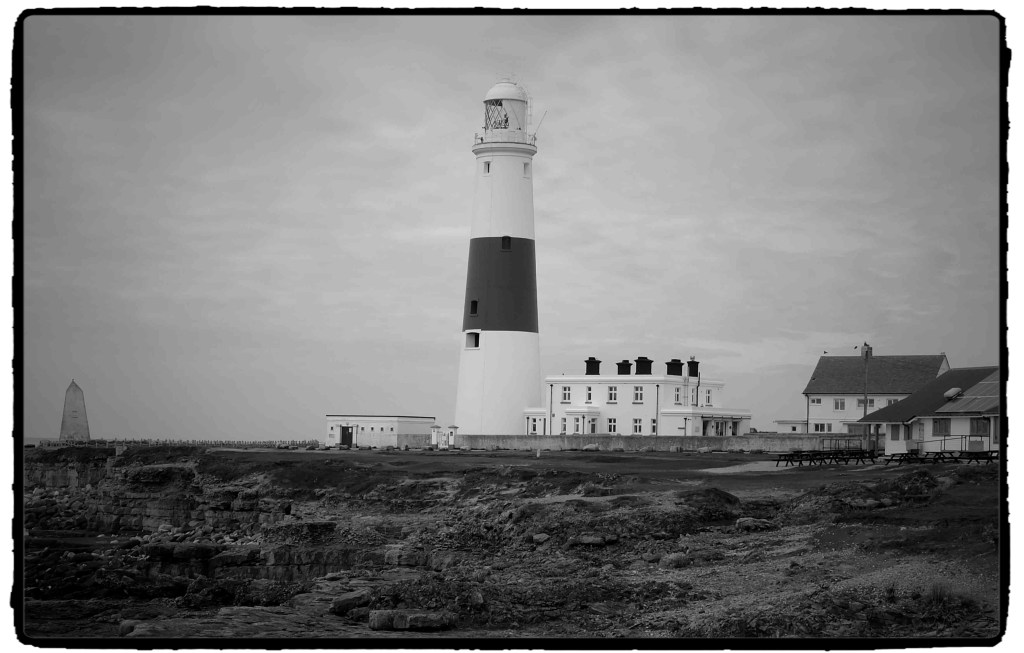
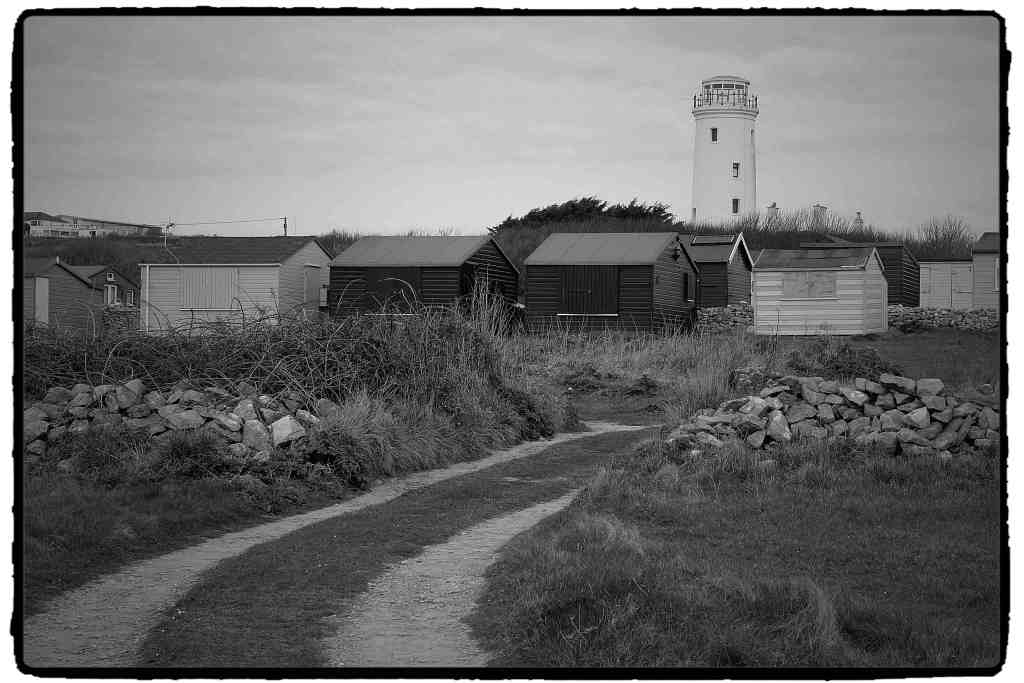
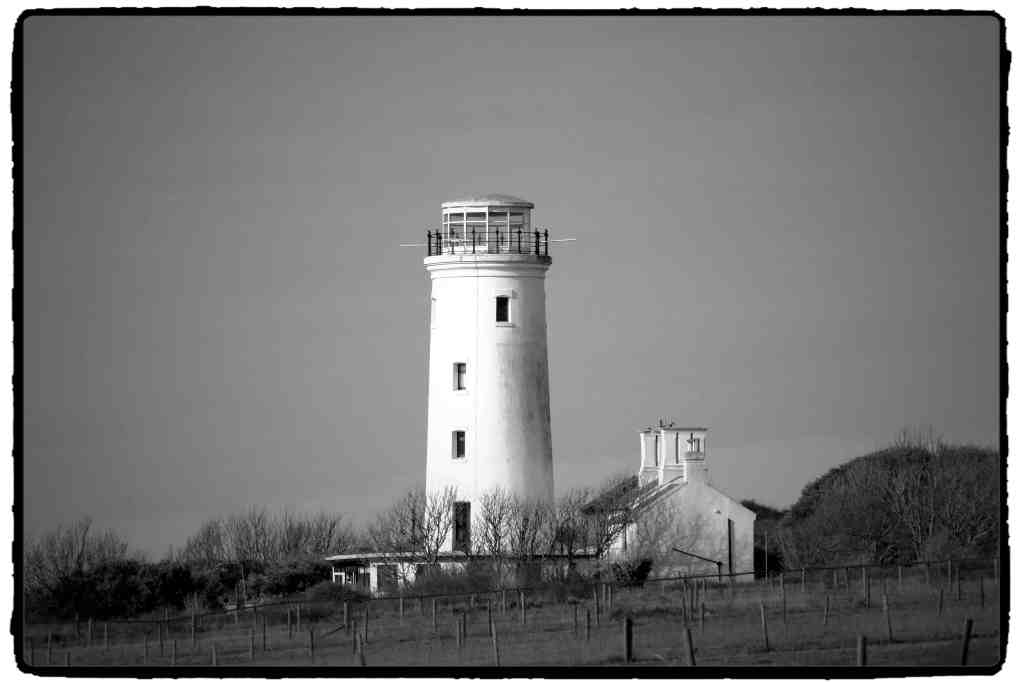
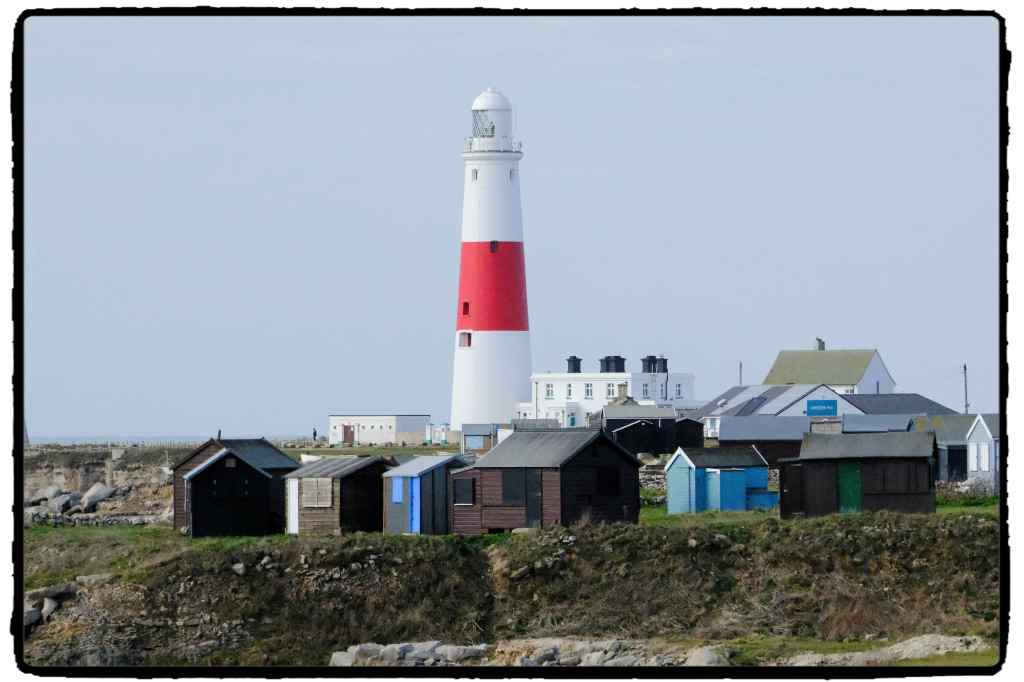
Three Lights.
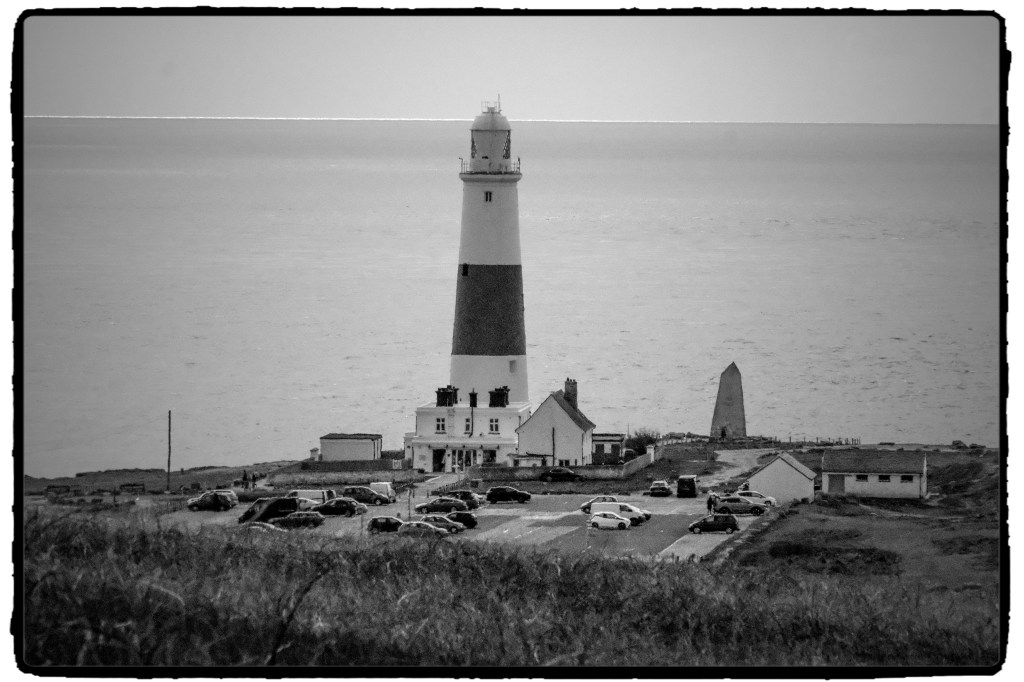
Over time, three lighthouses have been built on Portland Bill headland. The original two short lighthouses were built in 1716. They worked together as a pair, and had coal-fired lights, and were said to be unreliable. They were replaced in 1906 by the current red and white striped one. All three lighthouses are still standing.

Sparrowhawk.

A few days away on the Dorset Coast in our Camper van. The best spot of the holiday was Female Sparrowhawk. This bird had caught another bird, probably a Starling. It had landed in a bush to eat it, but the Starling escaped into the bush. She was unhappy and spent a few minutes trying to find it before flying off. Sparrowhawks are small birds of prey; they are fairly common in the UK. Adapted for hunting birds in confined spaces such as woodlands or gardens. Adult Male Sparrowhawks have a bluish-grey back and wings and rusty-brown stripes on their chest and belly. Females have brown backs and wings and brown stripes underneath. Sparrowhawks have bright yellow eyes, yellow legs and feet. The Female is larger than Males (as with all birds of prey).

Dunlin.

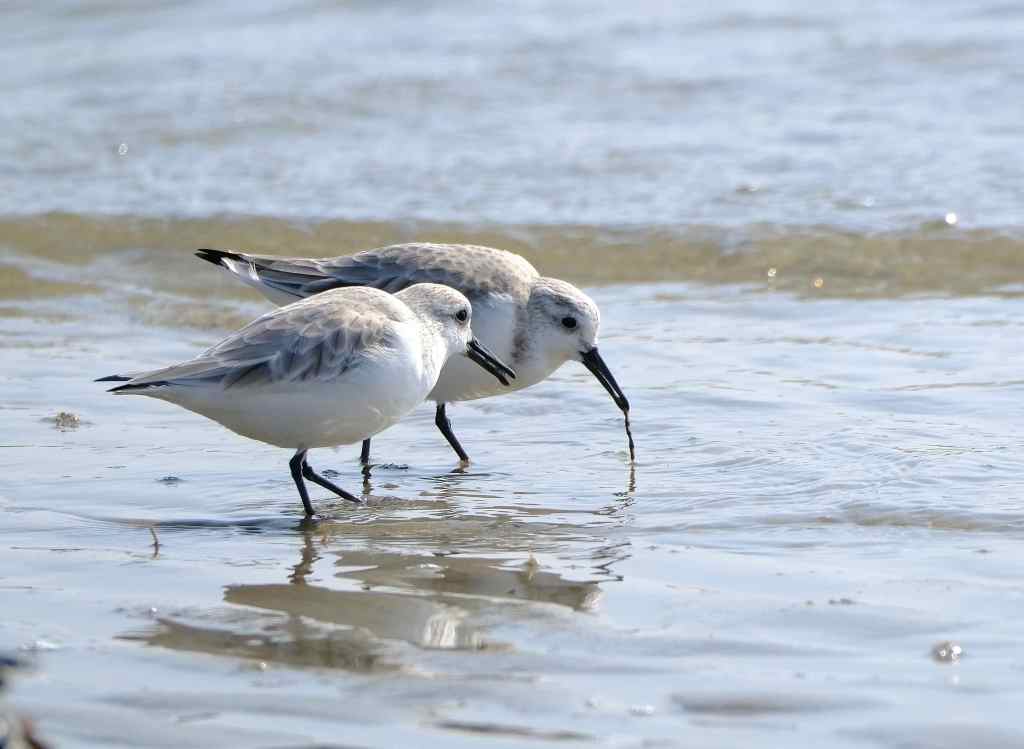
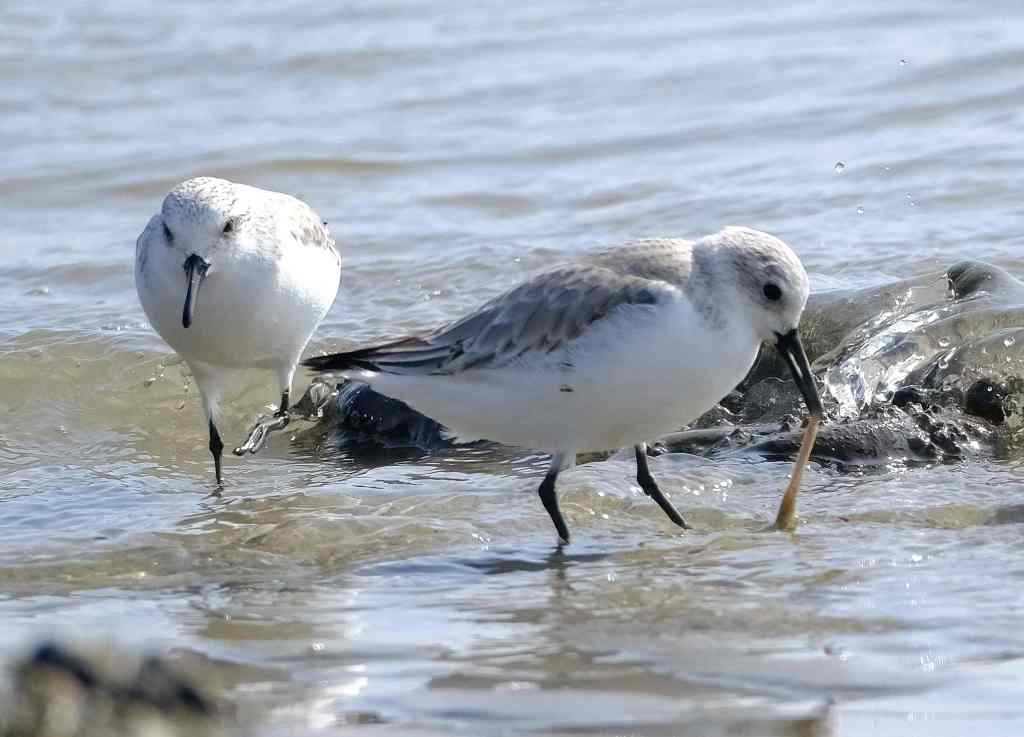
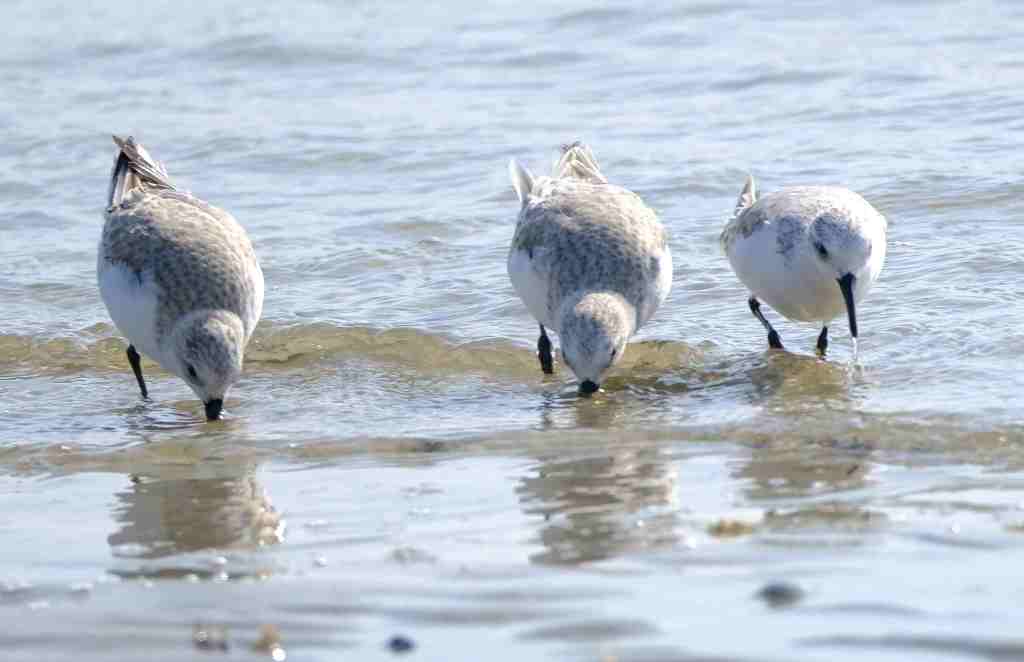
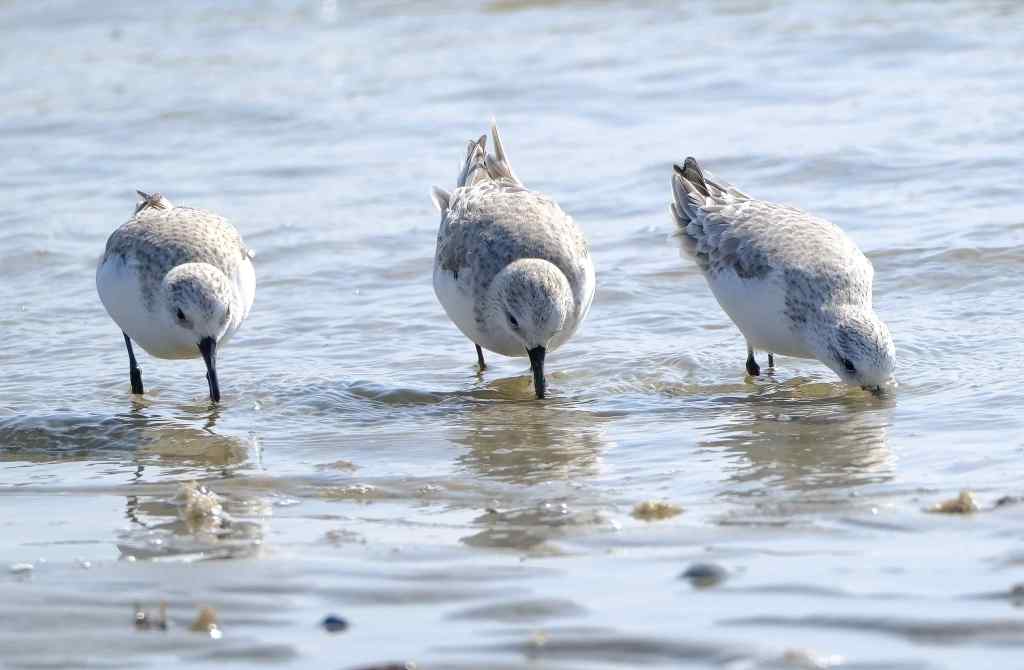
I’m up with the light today and taking a walk up the Hamble River. I have good views of Dunlin, a small wader similar to Sanderlings. The Sanderlings favour the sandy beach at Meonshore, whereas the Dunlin like the mud to feed in the tidal river.

Duck Pond.

Muscovy Ducks are found at scattered locations across England. These ducks are usually found close to habitation, they are semi-domesticated or feral. This duck appeared on a pond in the New Forest last week. He is fairly tame, suggesting he is used to people. I suspect he has been dumped at the pond, due to bird flu. There are increased restrictions on fowl ownership in the UK.

The pond also has a good population of another non-native duck – The Mandarins.