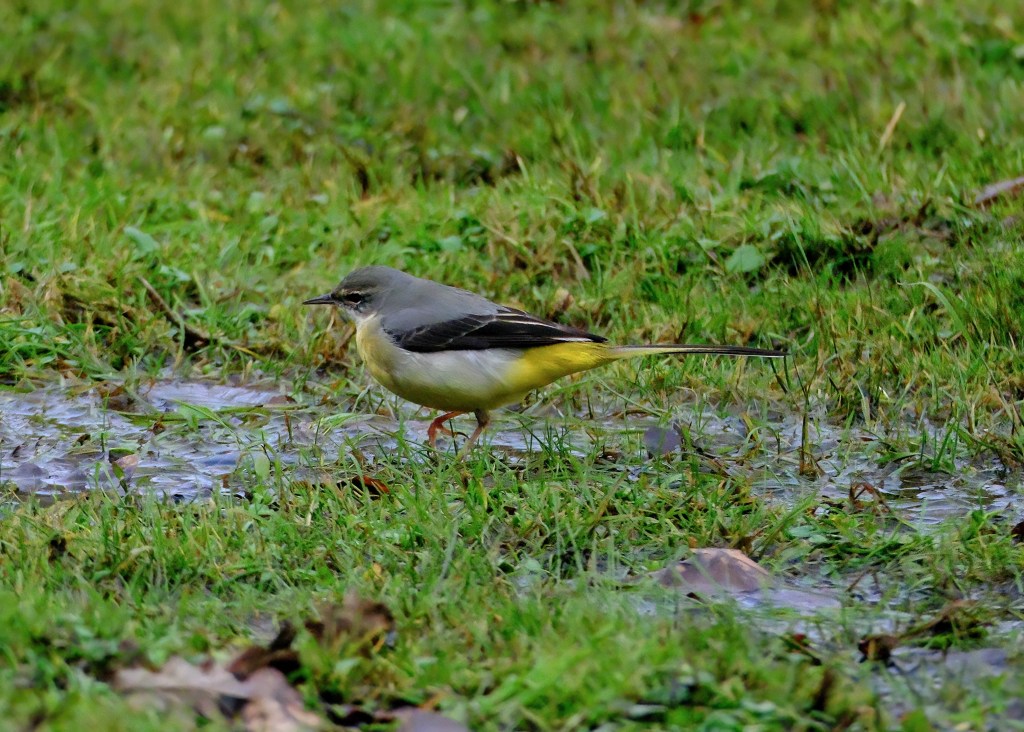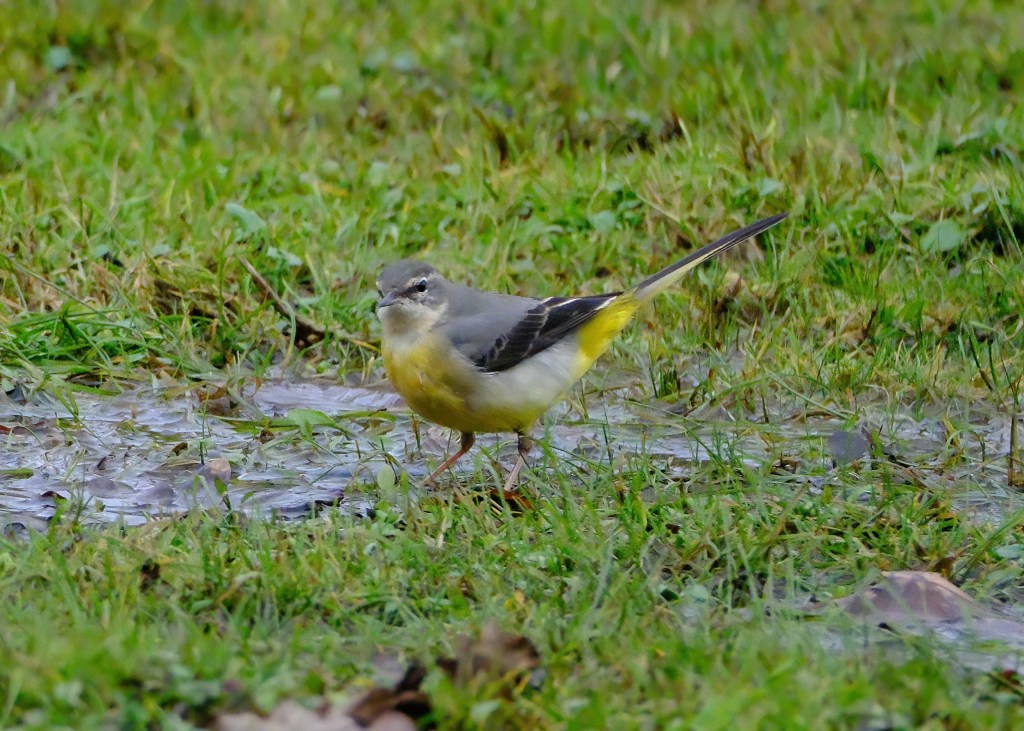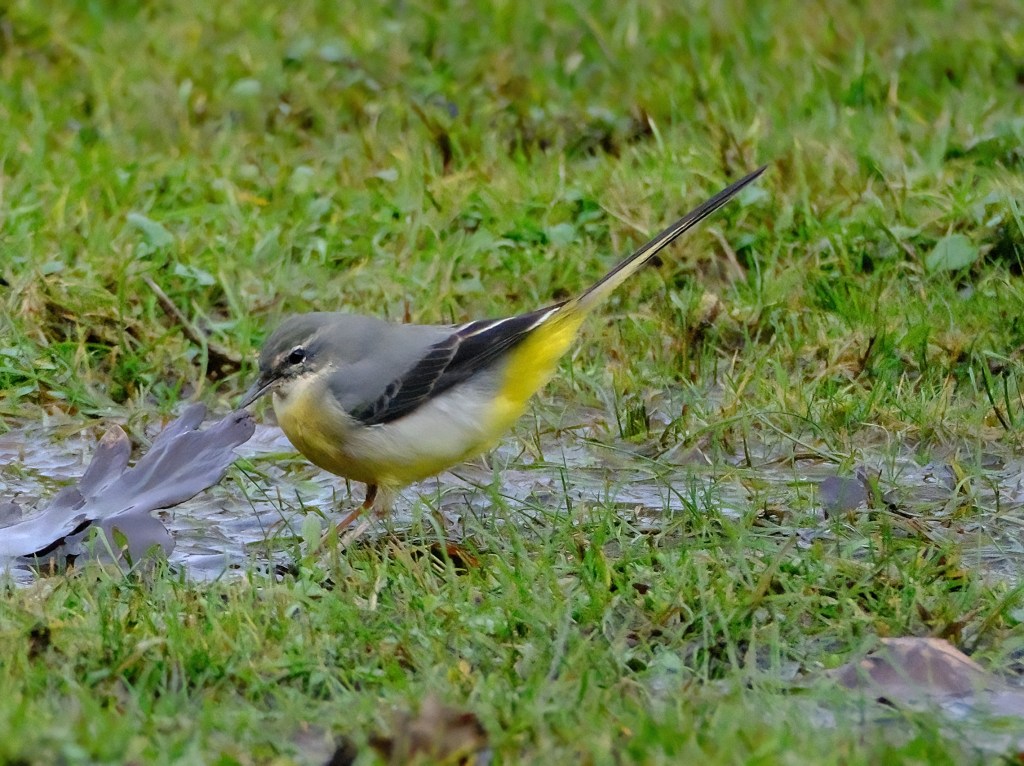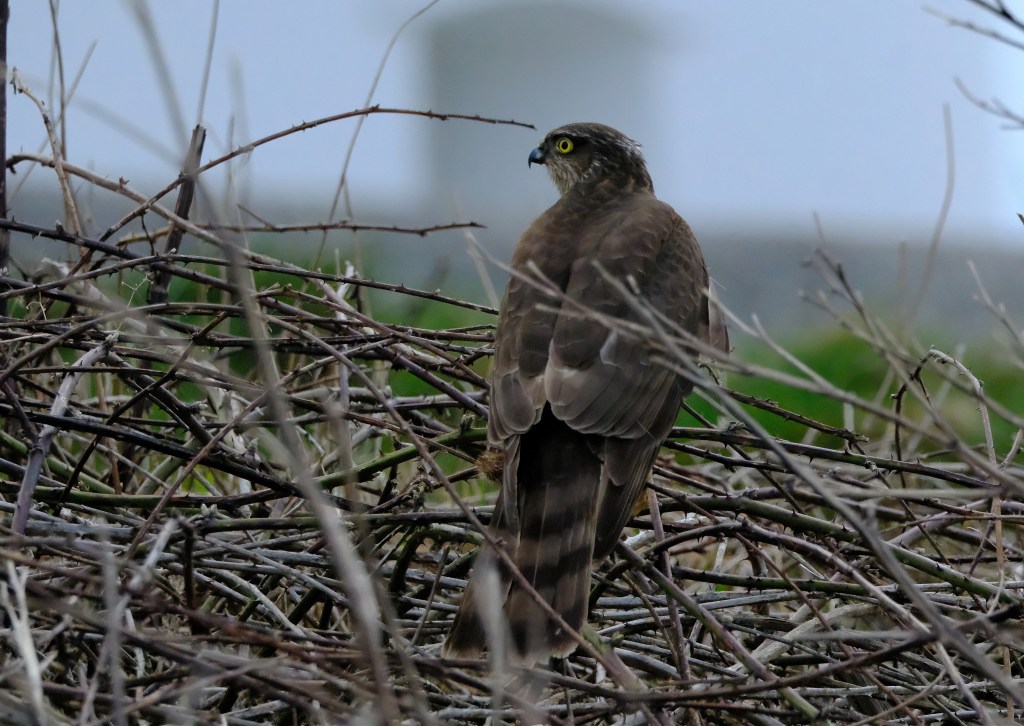
A flash of yellow in the New Forest draws one’s eye to this Gray Wagtail in the grass.
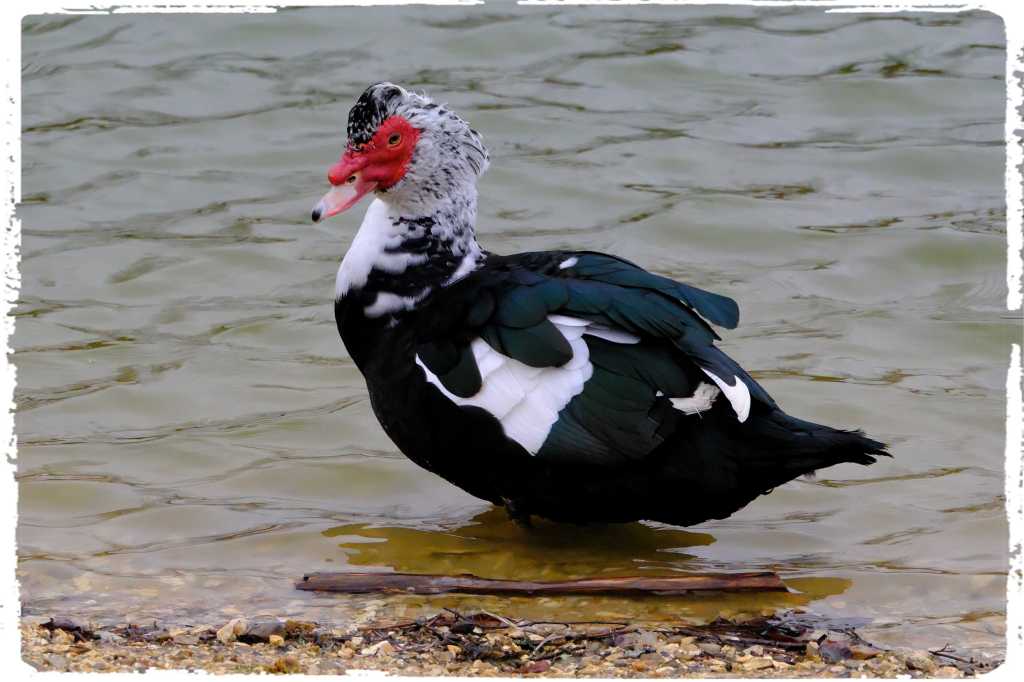


A flash of yellow in the New Forest draws one’s eye to this Gray Wagtail in the grass.


Early start to walk by the sea. Little Egret fishing at low tide.


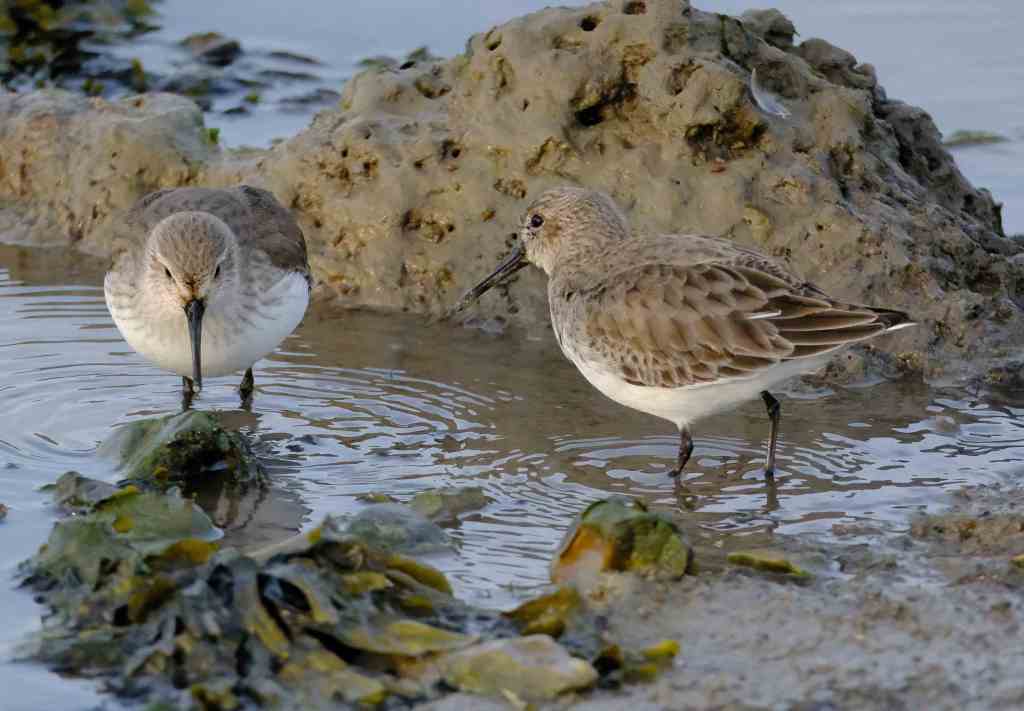
I spent an hour well-wrapped up from the cold wind and watched the incoming tide. I saw a few Turnstone dodging the spray along with some Sanderlings. You have to wonder how these small birds survive the power of the sea.


A first in the wild on the South Coast for me today. A Long-Tailed Duck in Southampton Water off Hill Head today.
The Long-tailed Duck is a winter visitor to UK coastal waters, arriving from their arctic breeding grounds. The majority of these wintering birds in the UK are seen in the north, around Shetland, Orkney, and northeast Scotland. Smaller numbers are found further south along England’s east coast.
These sea ducks were formerly known as the “Oldsquaw” .


General views along our local coastline.


Some wall art along the way.


Nature and people can mix with a little understanding.


Sitting on the spit as the tide changes and the Sanderlings arrive. they wait for the tide to drop so they can feed on the beach.


Yesterday (2nd February) I spotted my 1st chicks of 2025. I saw 2 Little Grebe chicks. They have survived from the nest I spotted a few weeks ago on the icy pond on 12th January.


This tiny bird vies with the Goldcrest for the title of the UK’s smallest bird. The Firecrest has a brighter green back, a white belly, and a bronze ‘collar.’ It also features a black and white eye stripe. They have a yellow and black stripe on their heads. They move quickly through trees and bushes in search of small insects.


It was another dull day with overcast skies until we spotted the Spoonbills!
Spoonbills arrived back at Titchfield Haven on Monday according to the wardens. This morning we saw 5 birds in the reserve. Several of these birds have been spotted down the coast towards the New Forest at Keyhaven Marshes.