A hours quite walk with nature.
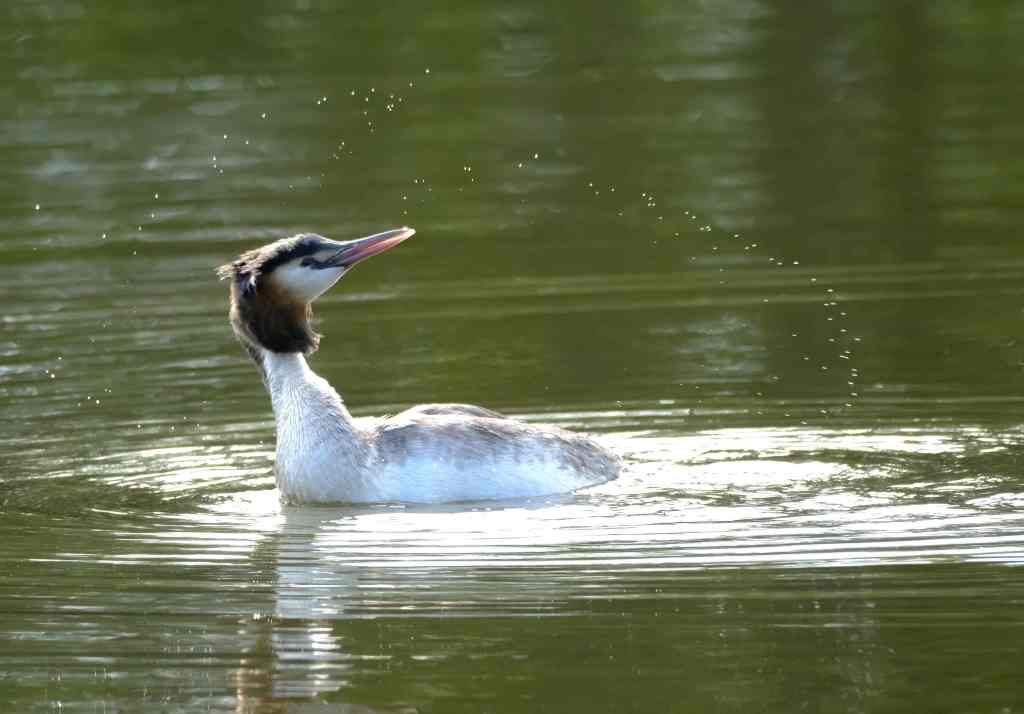
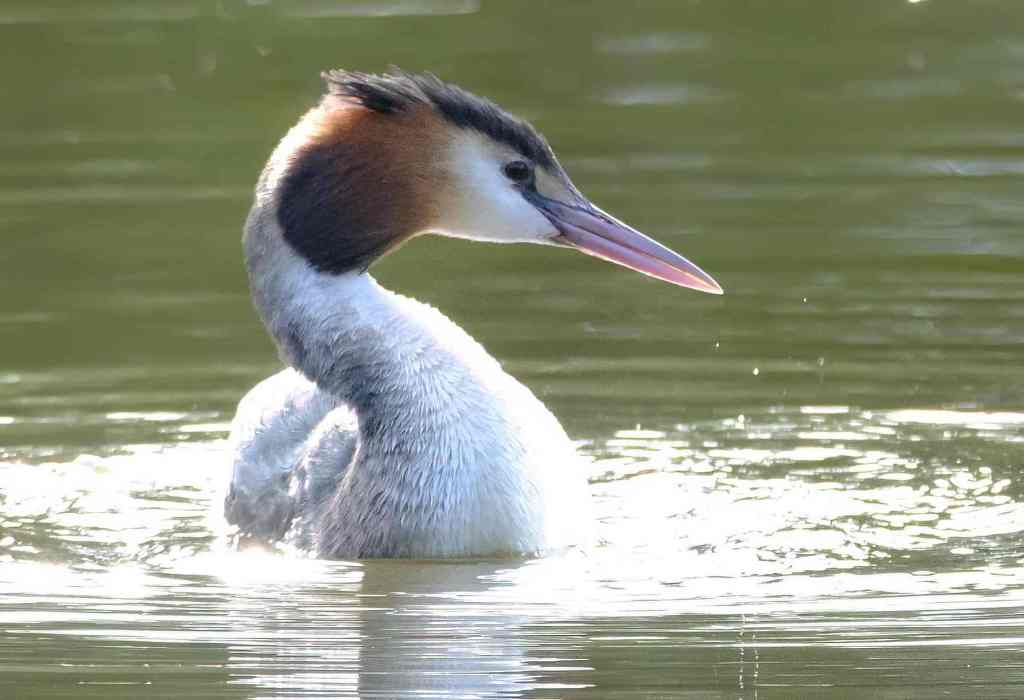

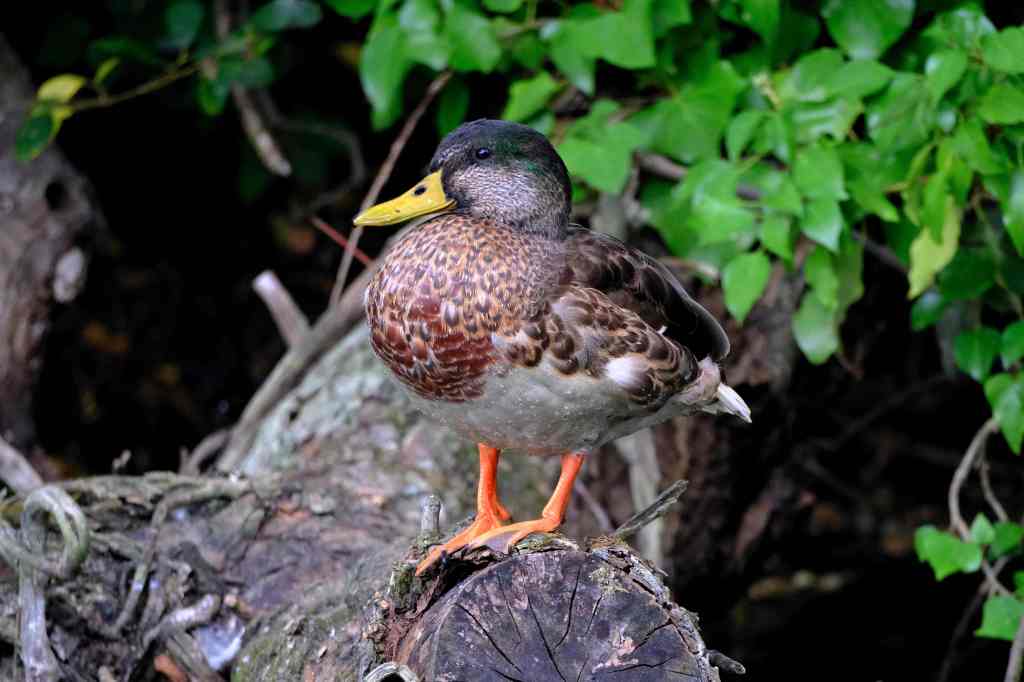

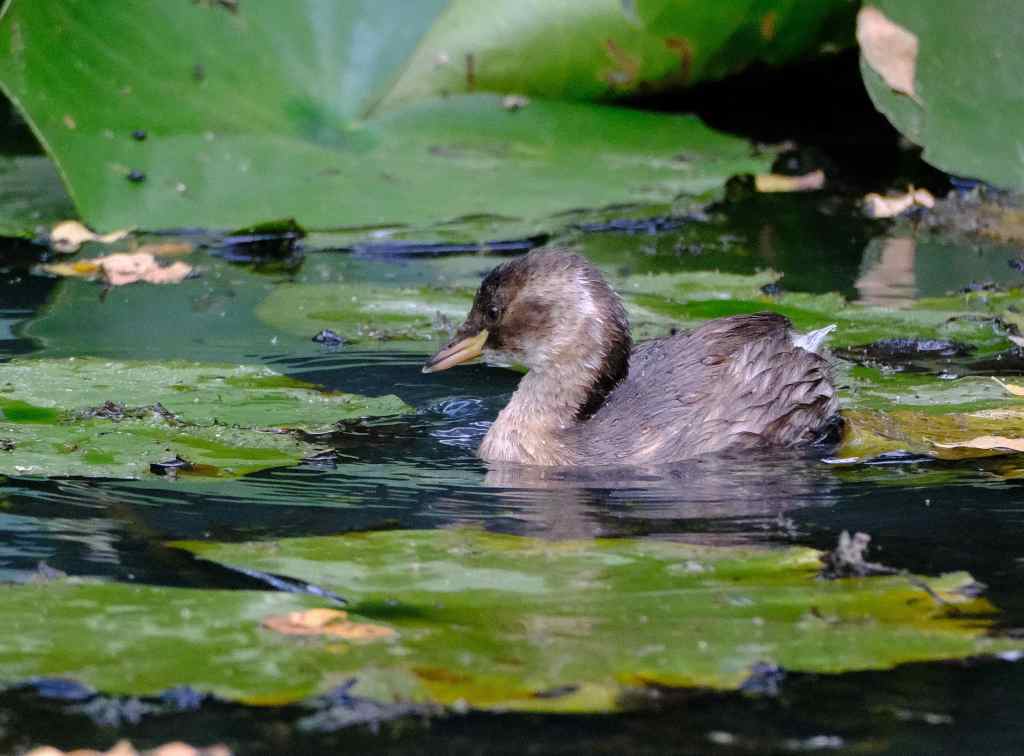

A hours quite walk with nature.

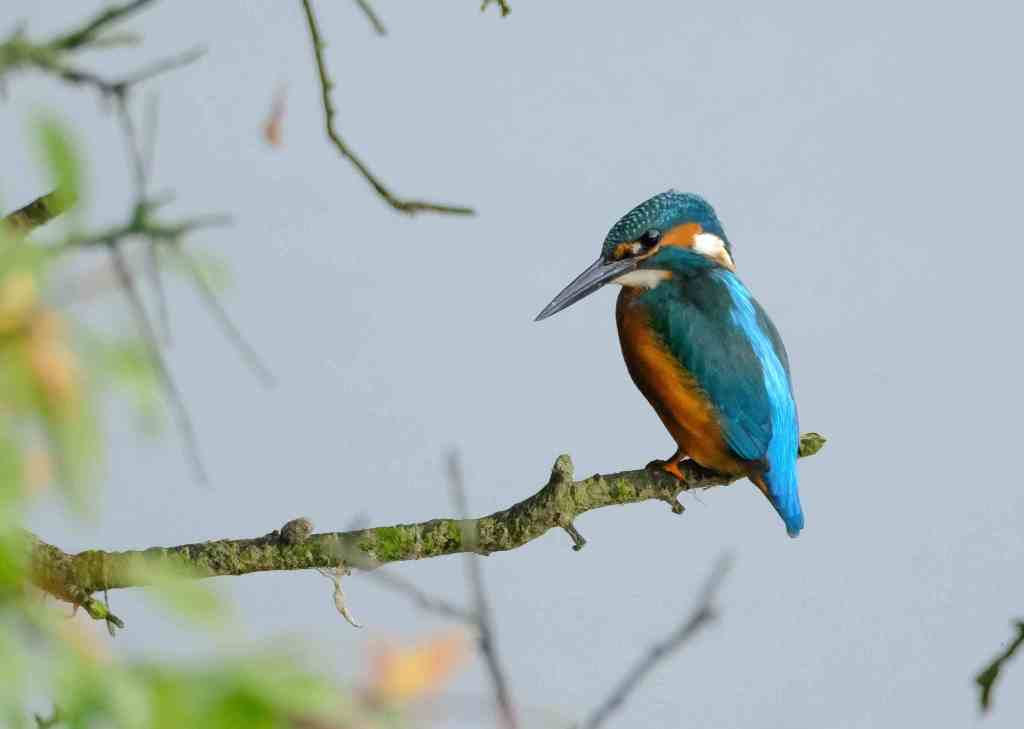
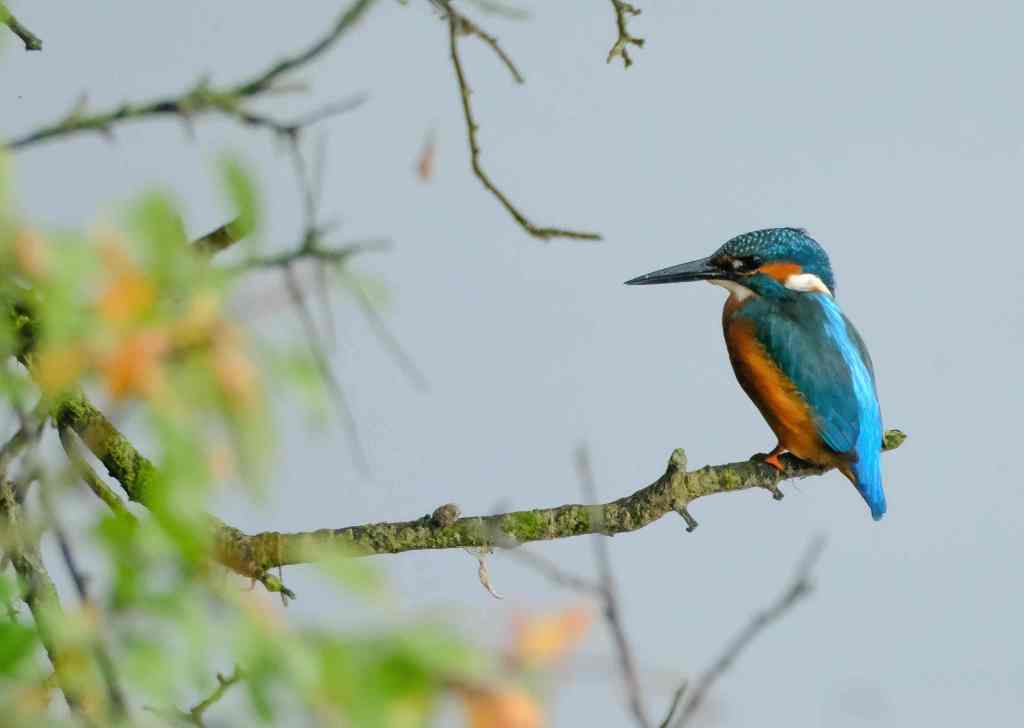
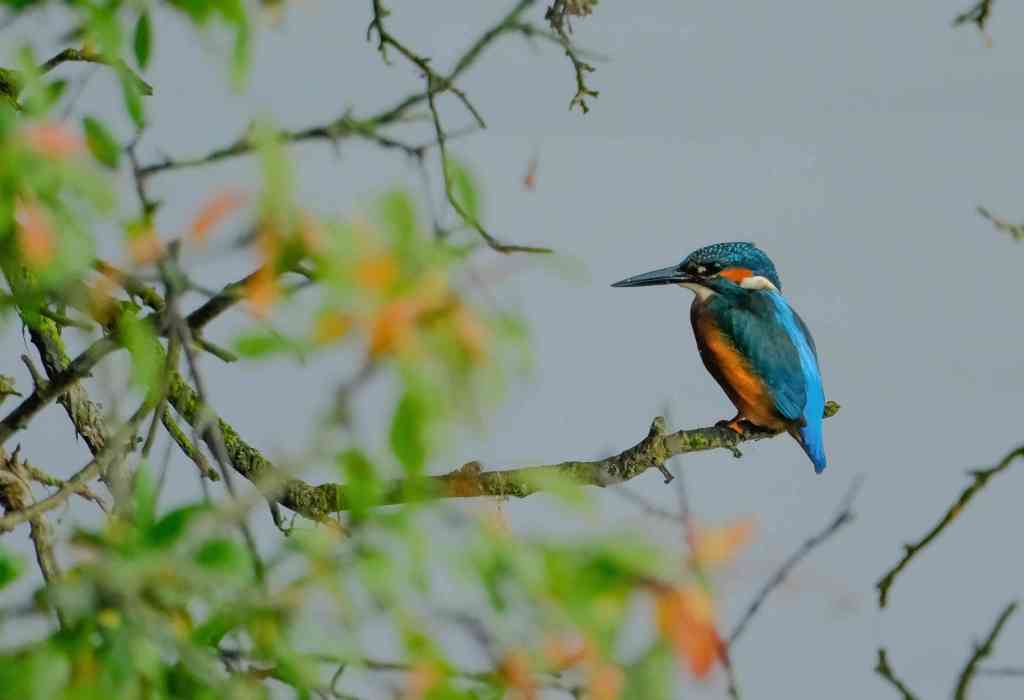

The bottom of the beak is a different colour for females. The male Kingfisher’s beak is entirely black. The female’s beak has a pinkish-orange tinge on the bottom.
To remember it is a female, many people say she is wearing lipstick.
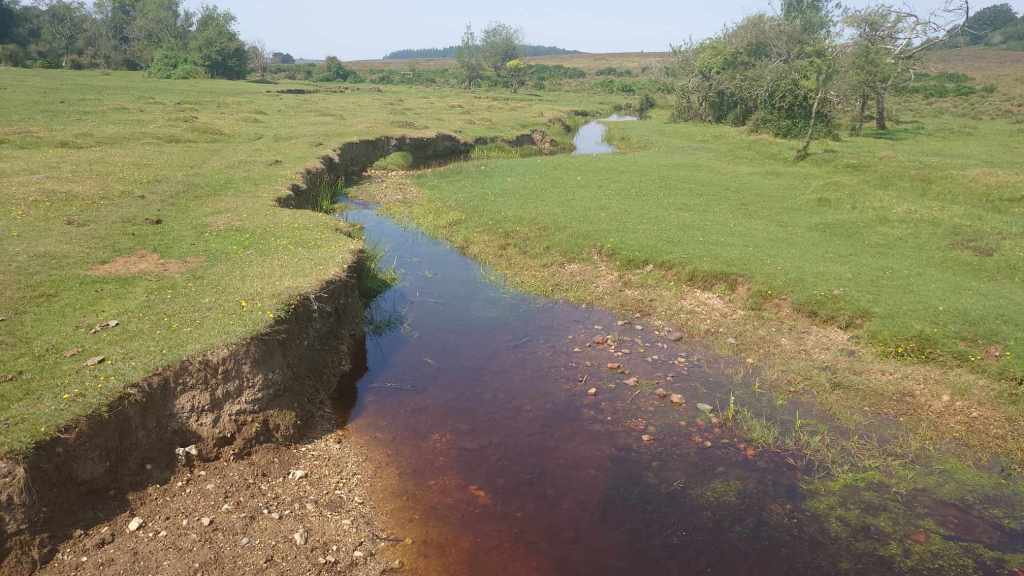
Another hot weather walk in the New Forest this morning found us following a small stream on the flat which helped us keep cool. There were many Dragonflies – Emperor Dragonflies were “dipping”. An action where they lay their eggs.


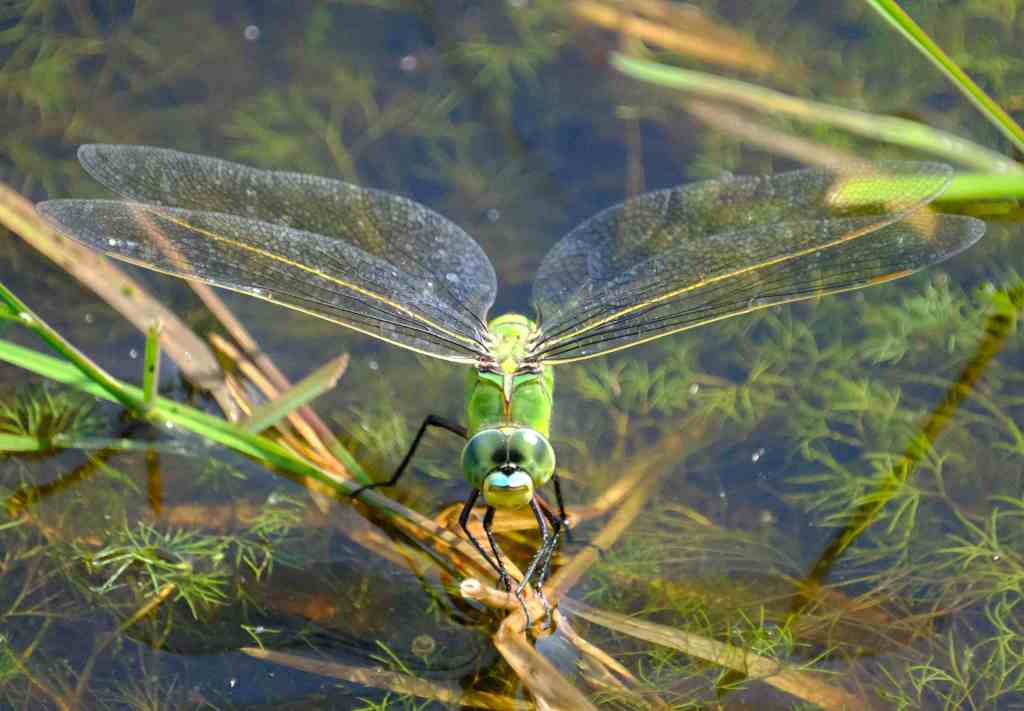


Another Dragonfly that was about in good numbers was the Golden-ringed Dragonfly.

A few bird spots.
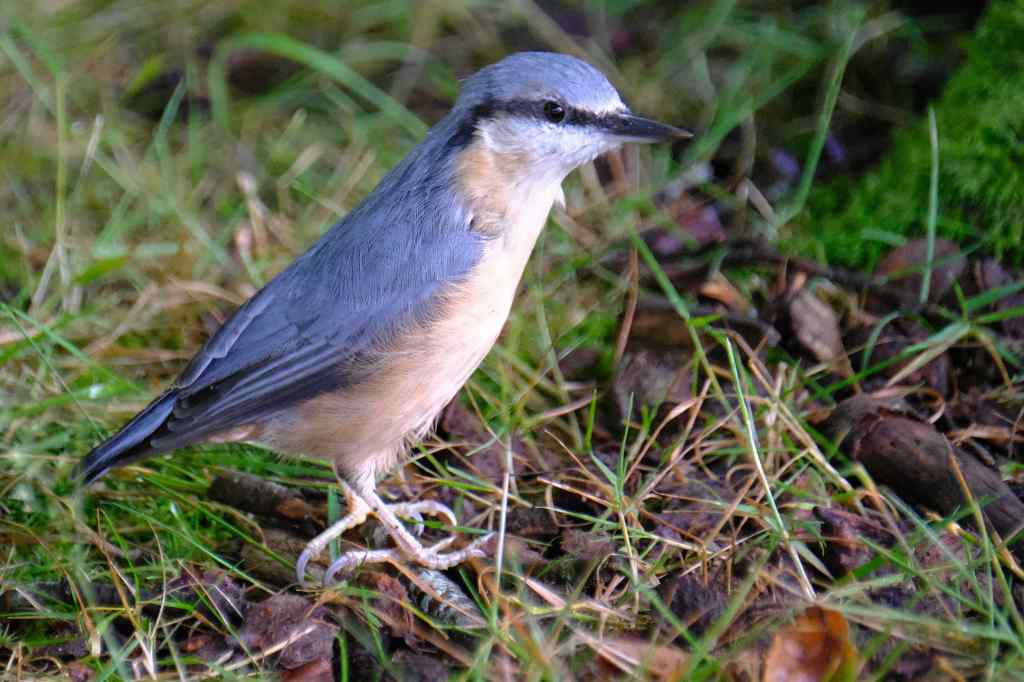
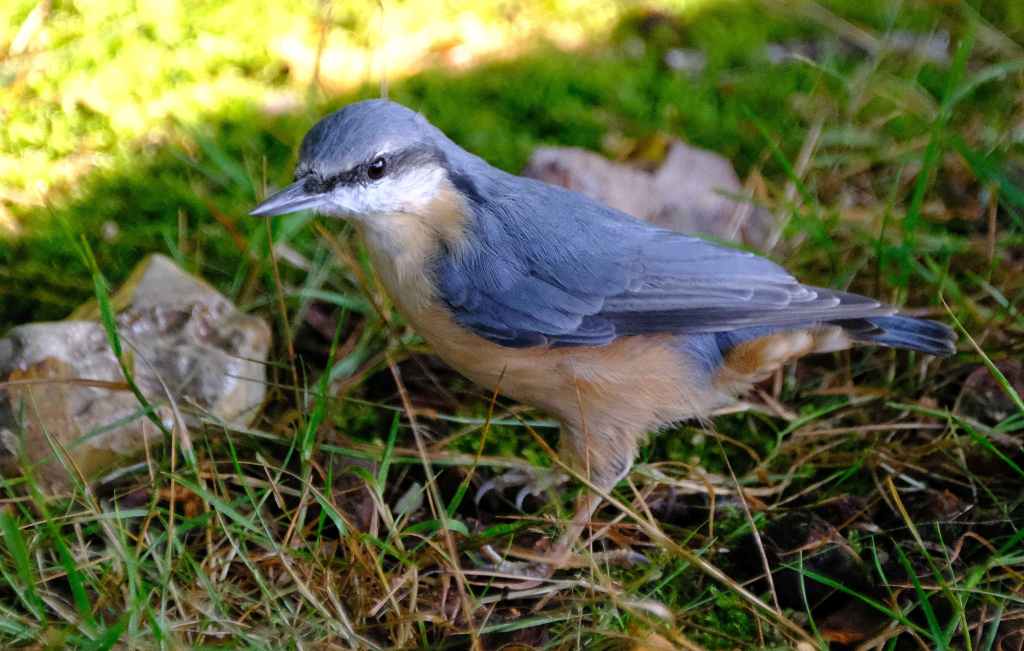
Nuthatch.

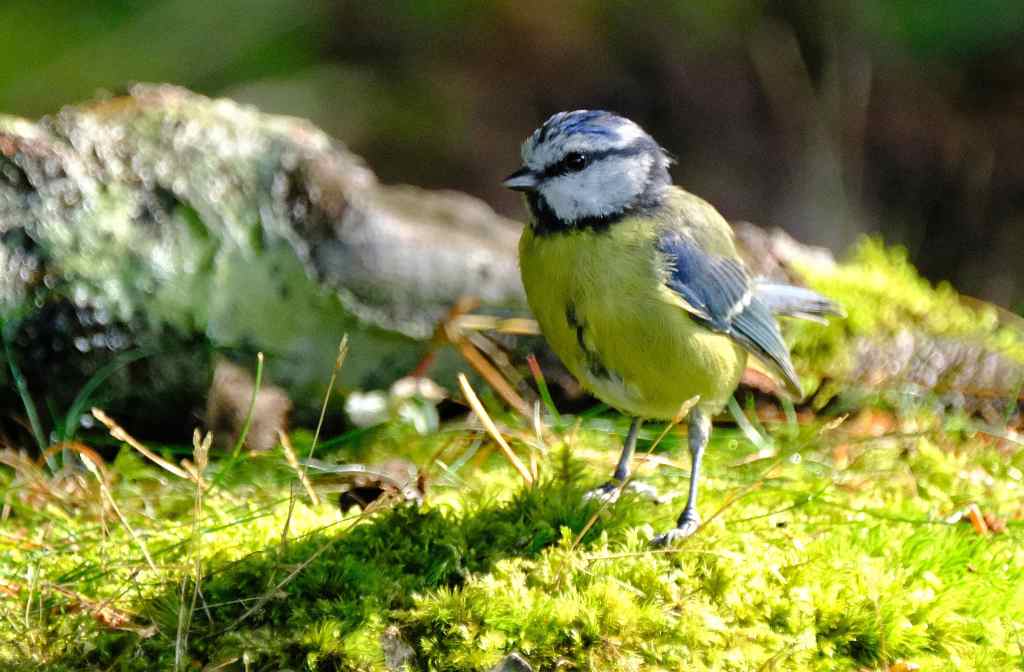
Blue Tit.
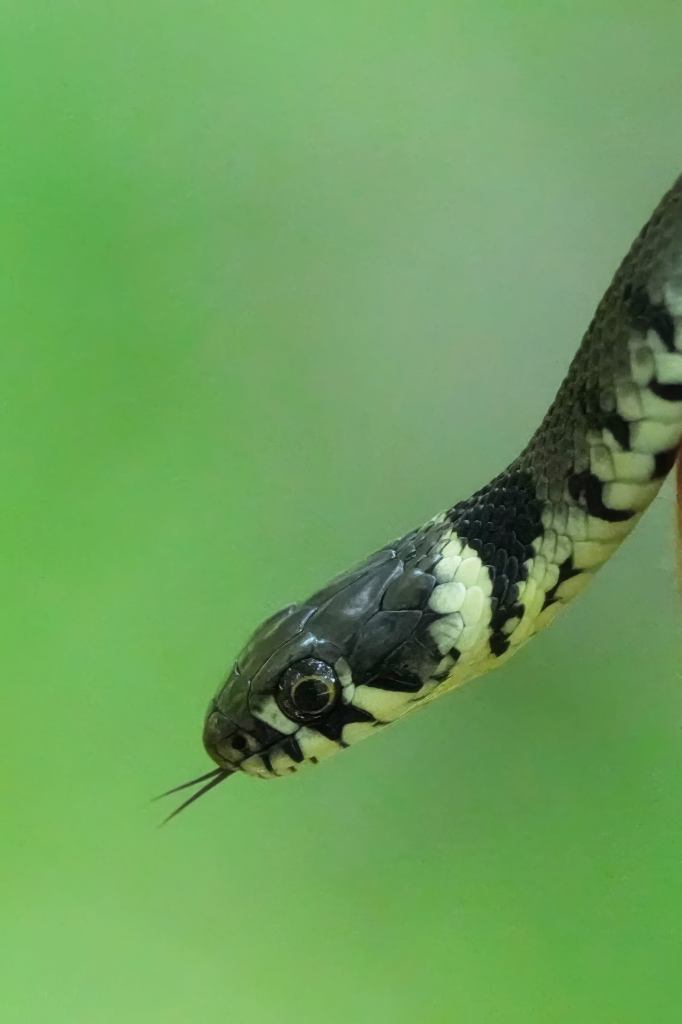
A lucky spot walking back to the van was a young Grass Snake.

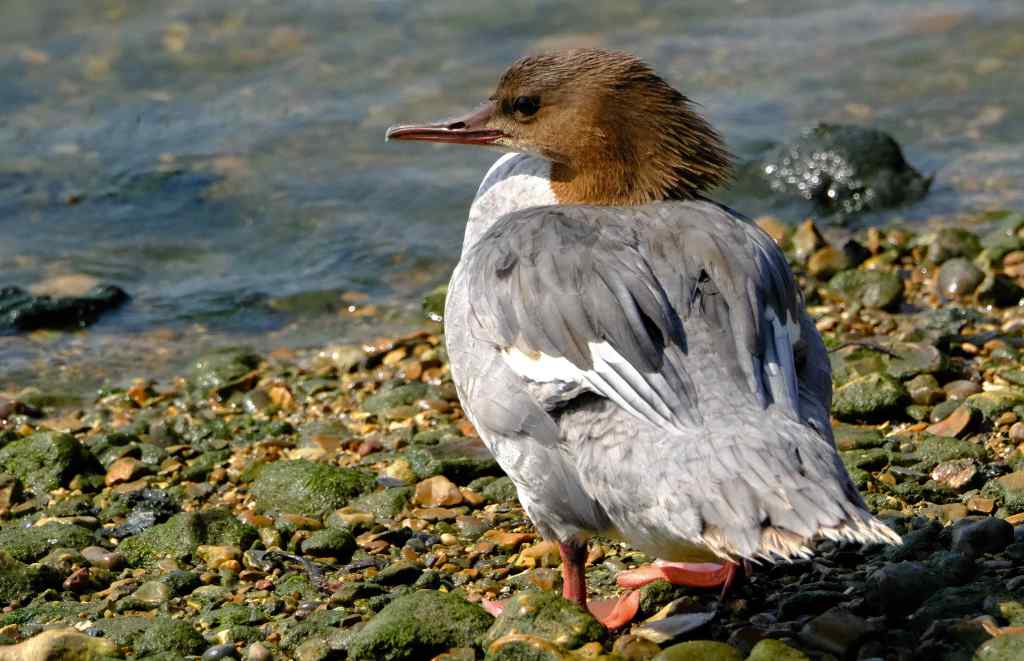
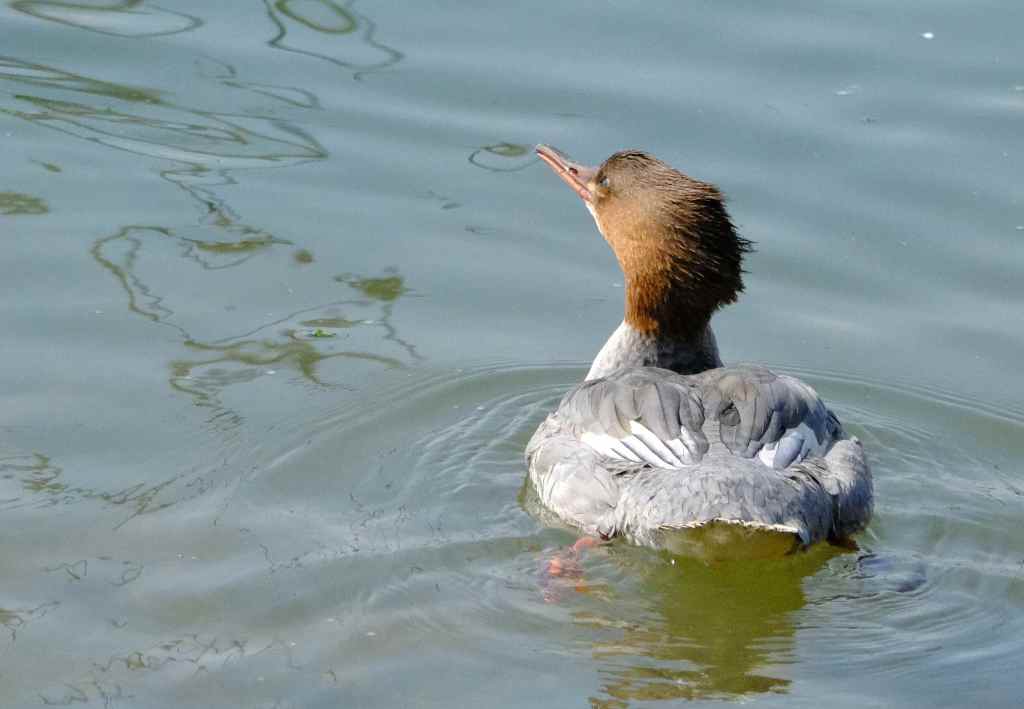
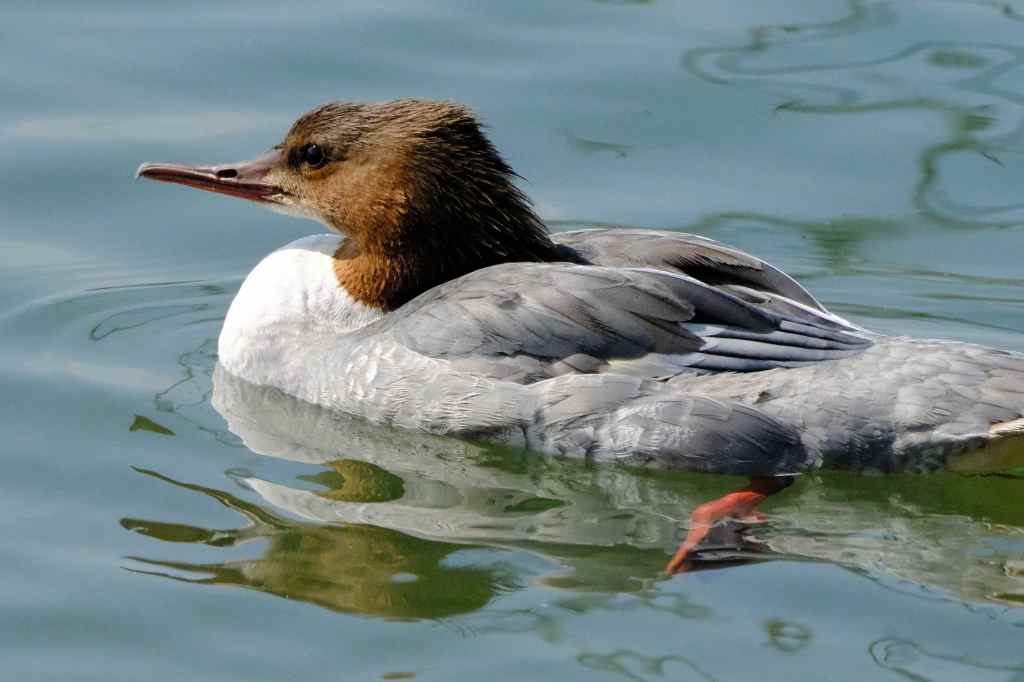
These diving ducks are a member of the sawbill family, named for their serrated bills, that they use to catch fish. A largely freshwater bird, they first bred in the UK in 1871. It built up numbers in Scotland and, since 1970, it has spread across northern England into Wales, reaching south-west England. Its love of salmon and trout has brought it into conflict with fishermen. This bird seen today in Titchfield Habour is a female (the male has a green head).

We went looking for deer in the New Forest today but were not very lucky only distant Fallow Deer. However, on a small pond, several dragonflies were buzzing overhead.

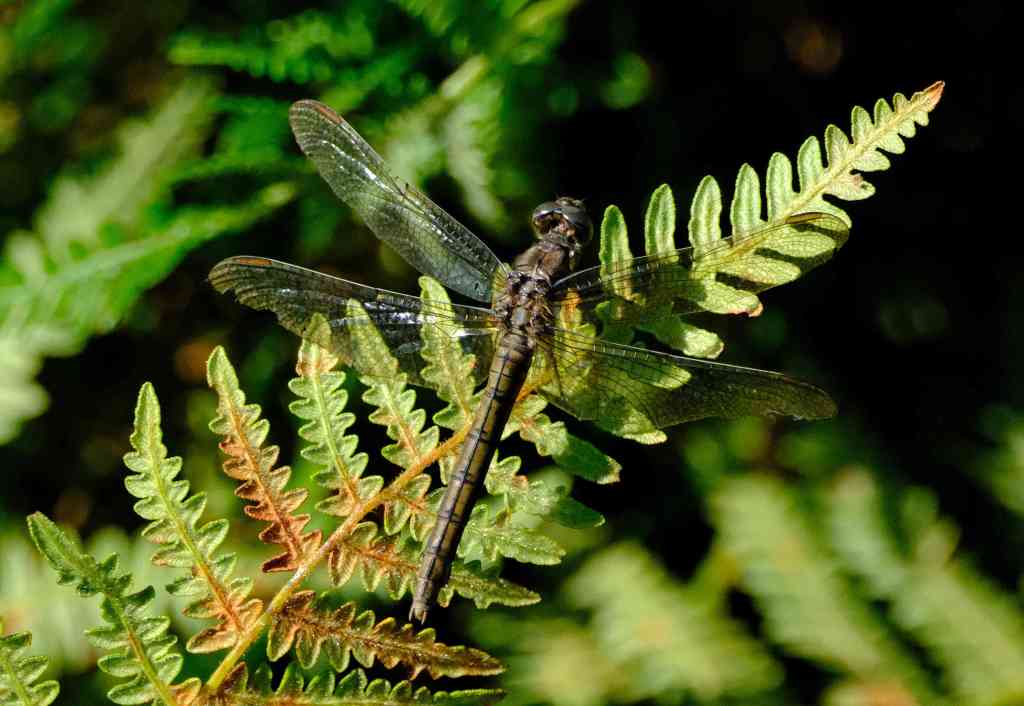
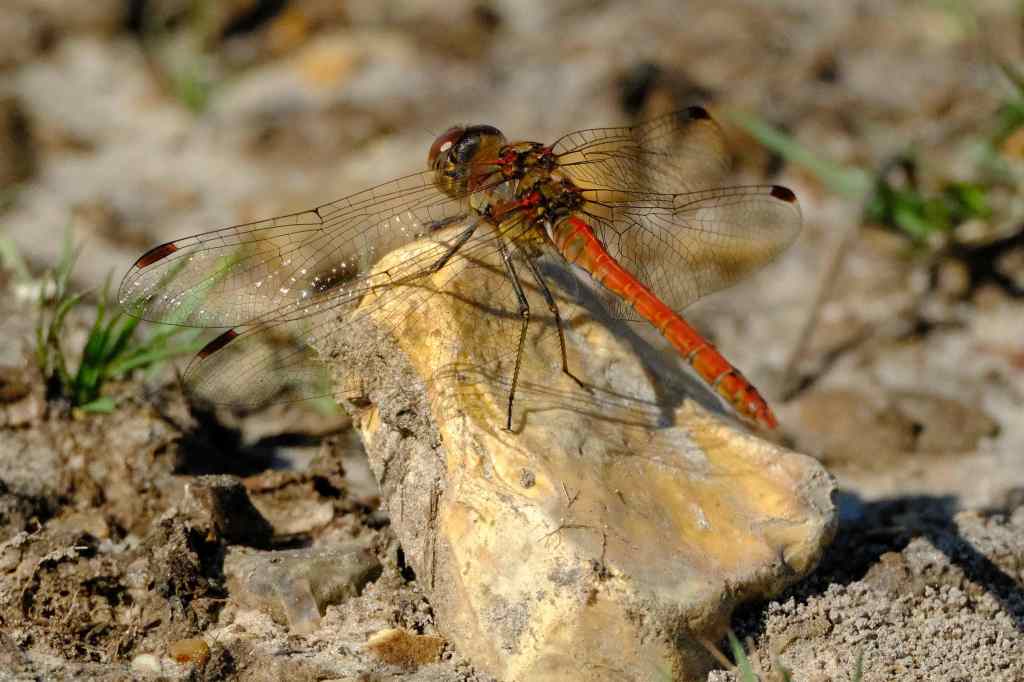

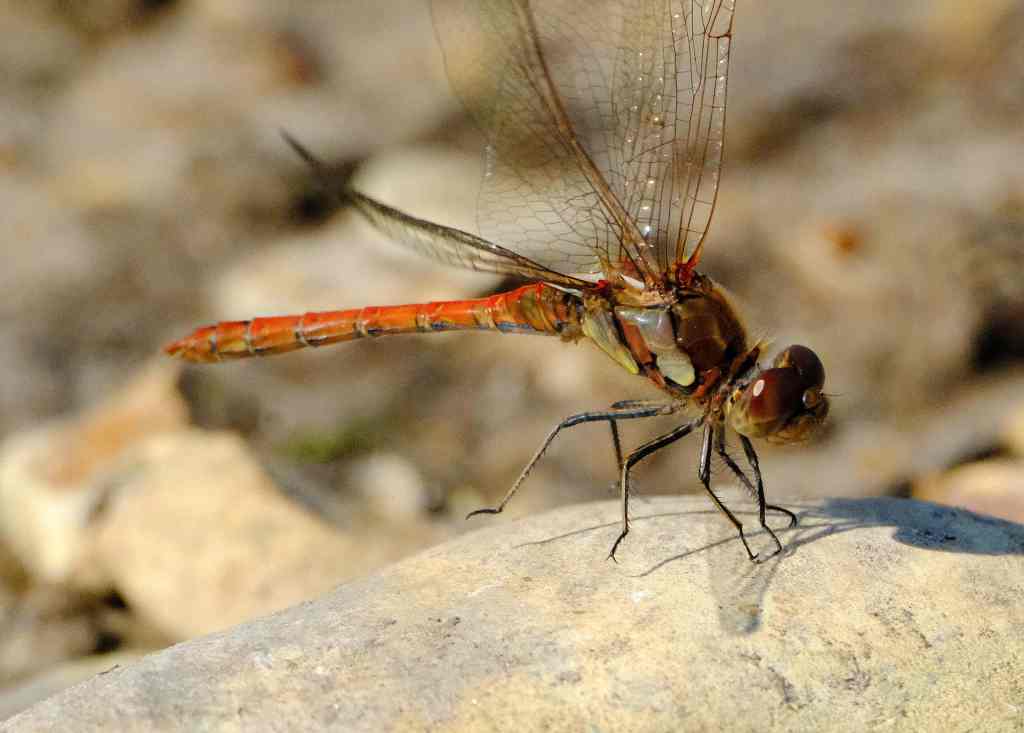
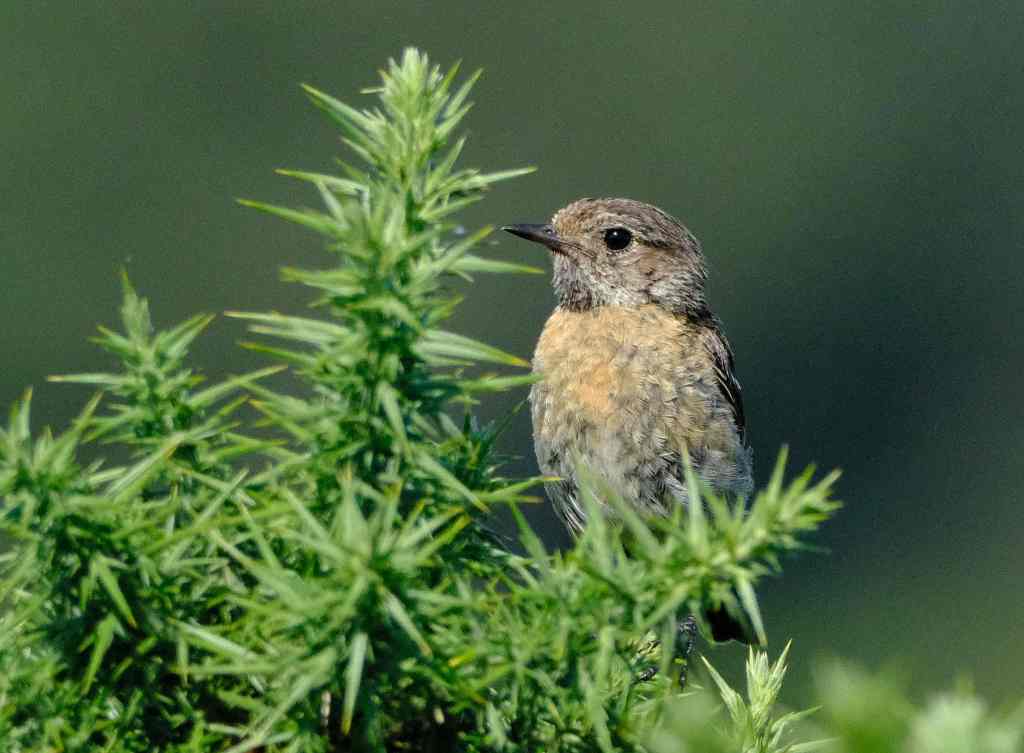
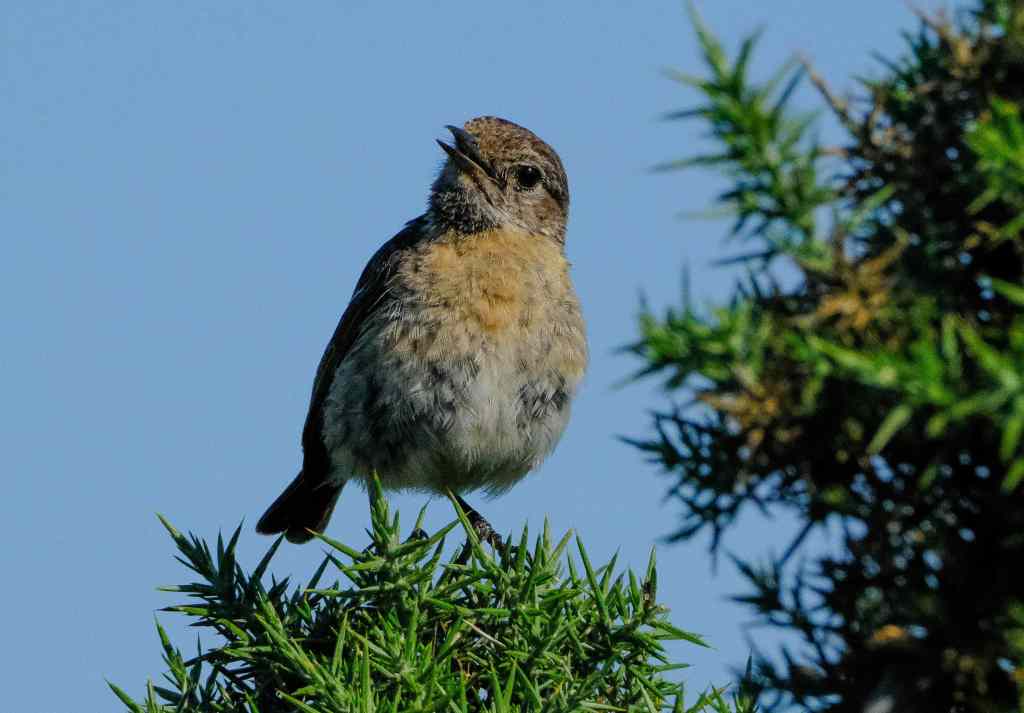
A female Stonechat.
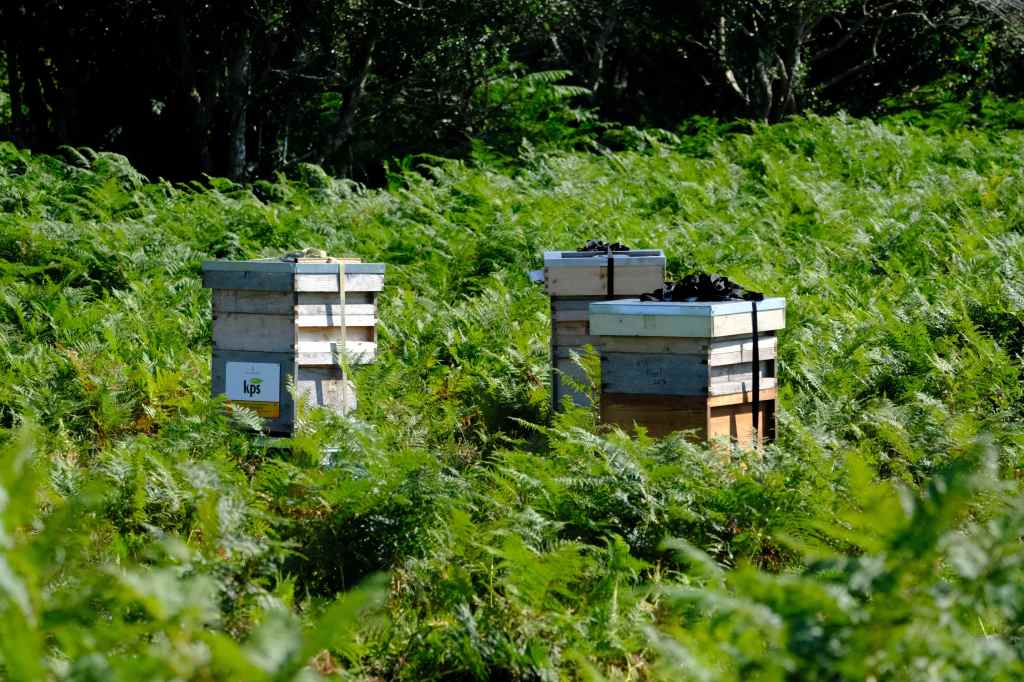
Bee Hives are out in the Forest – As the Heather comes into flower Bee Hives are placed to take advantage of these nectar-rich flowers.
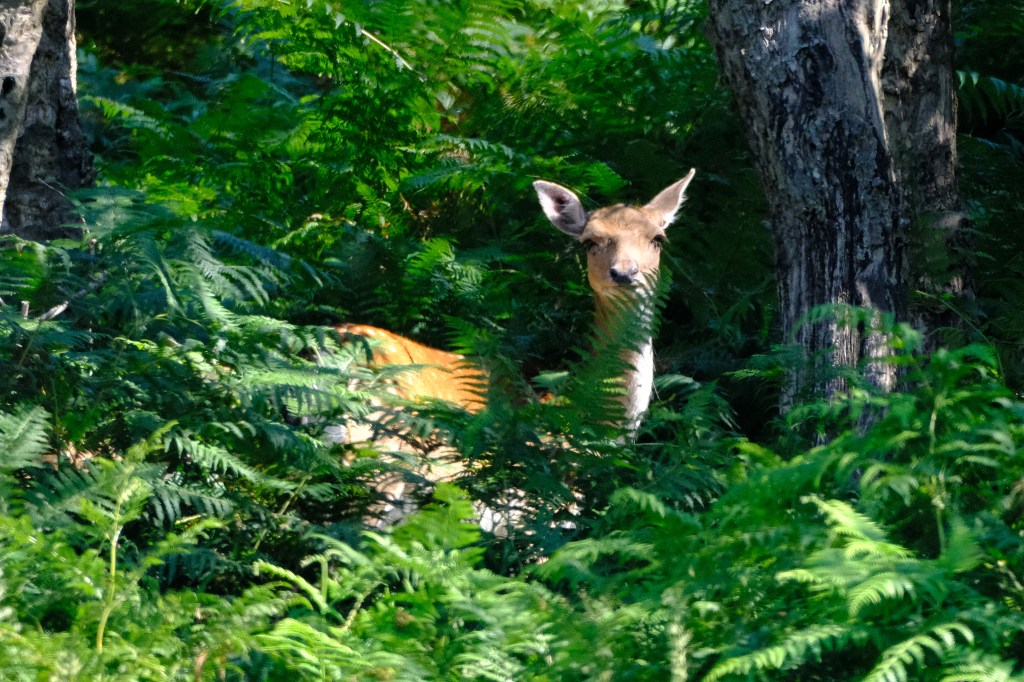
A lone Fallow Deer.
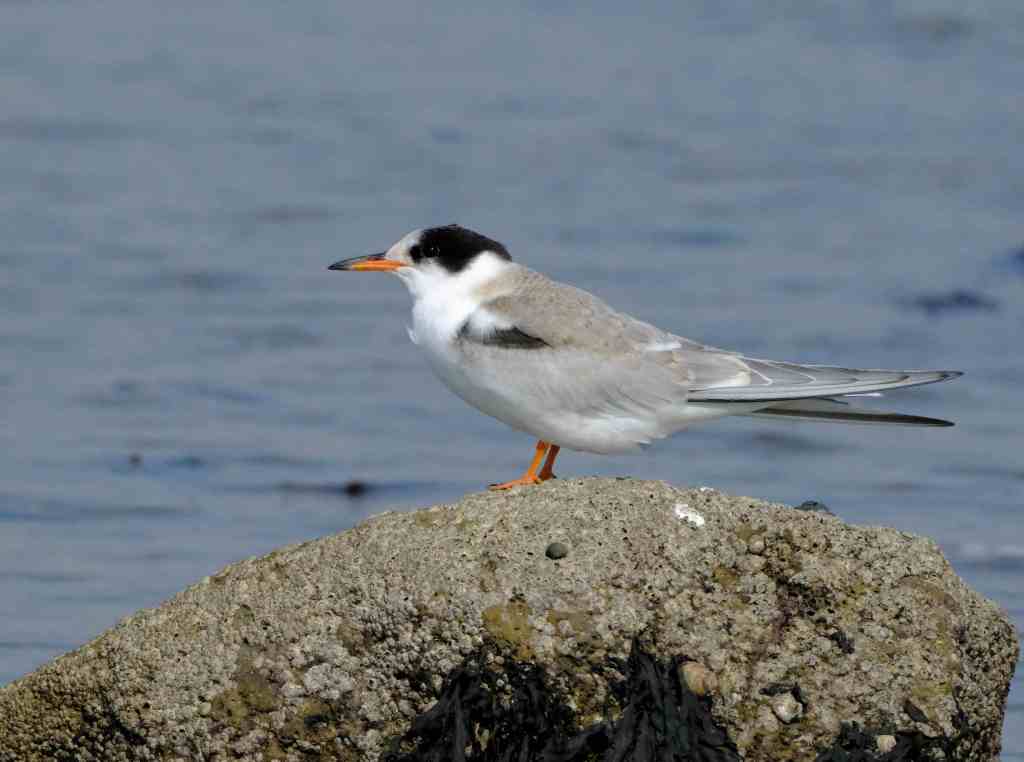
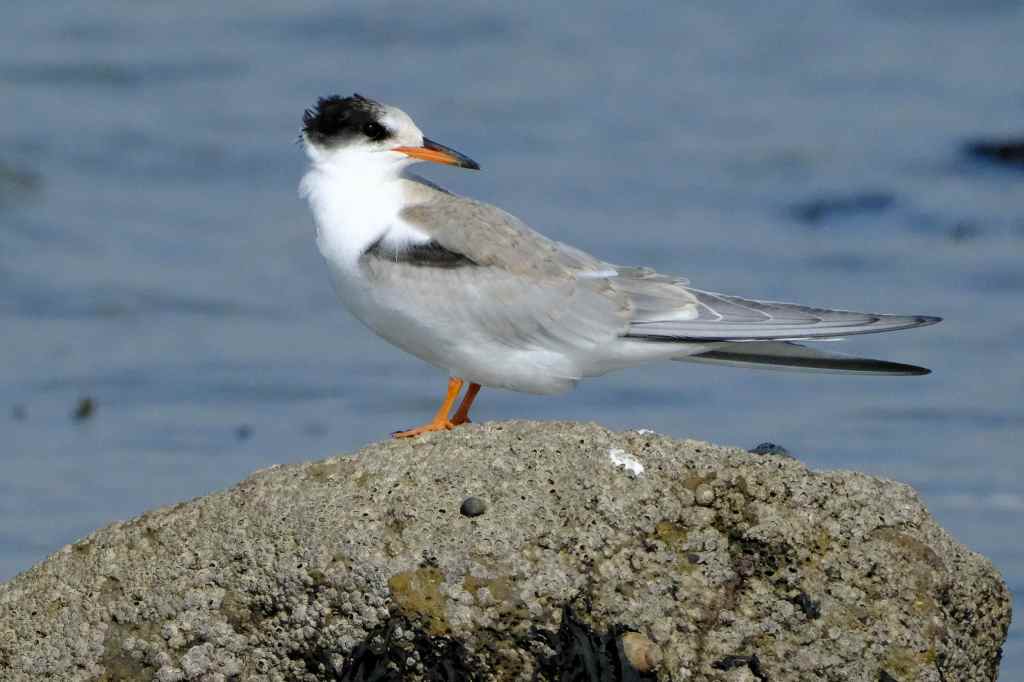
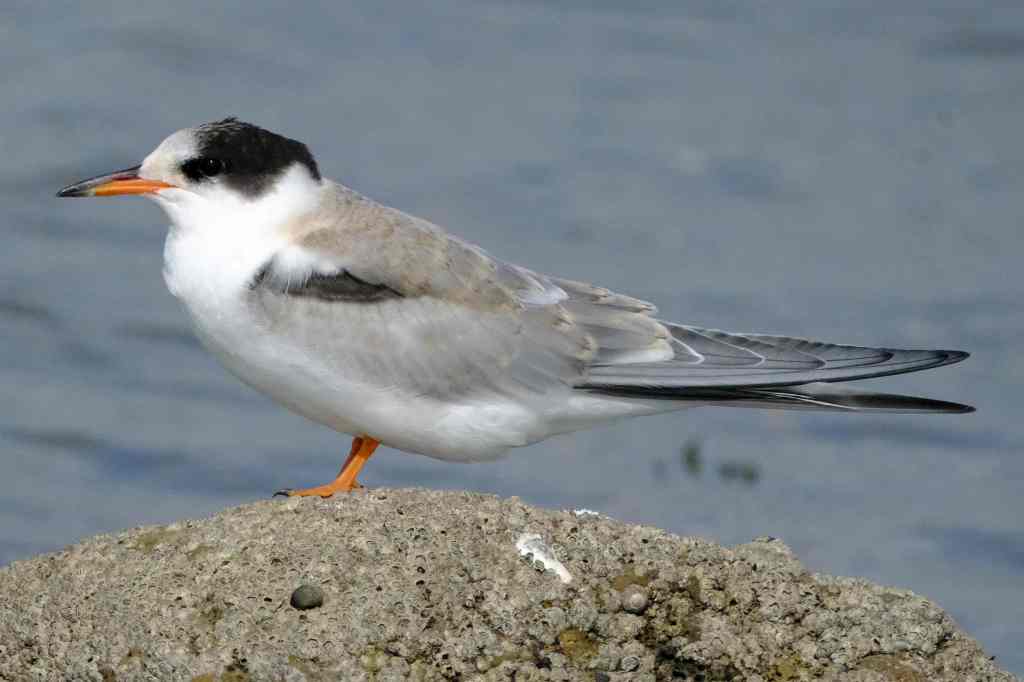
A juvenile Common Tern on Meon Beach.


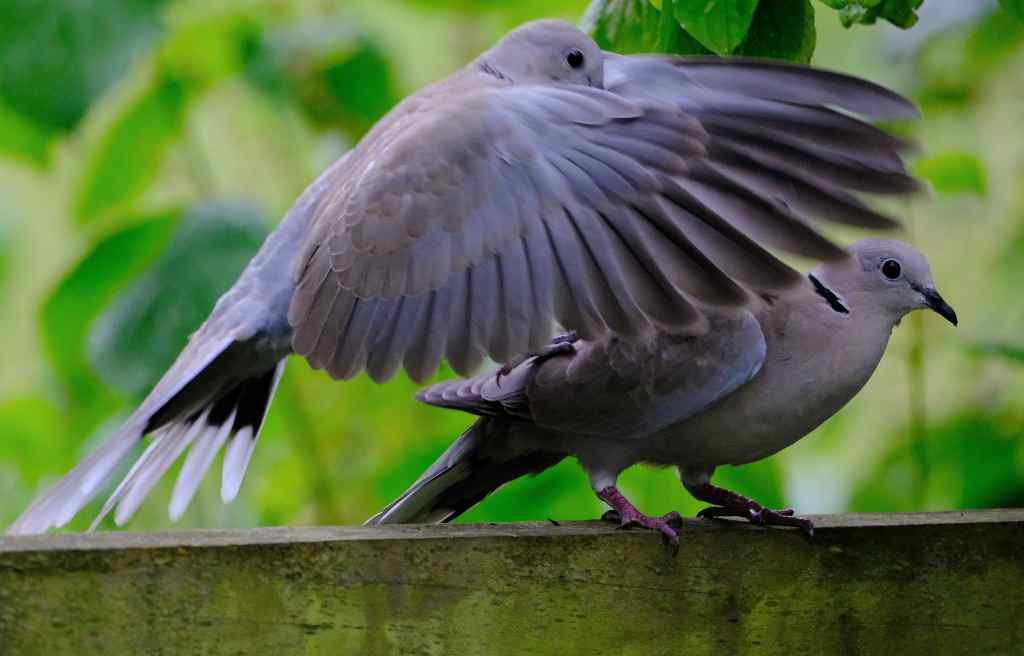
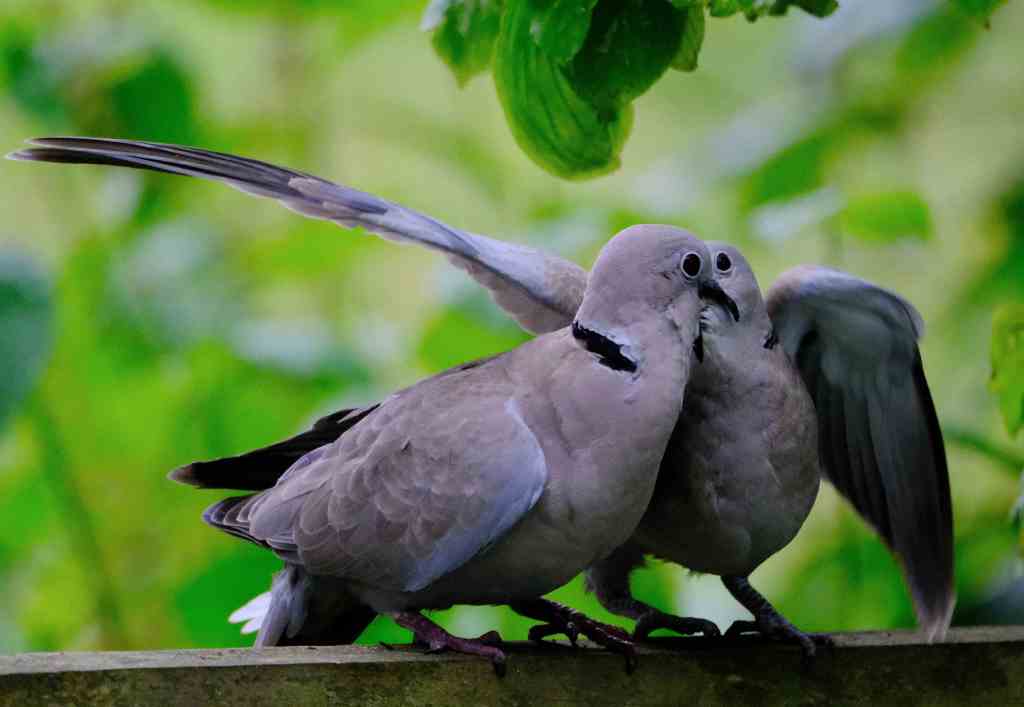
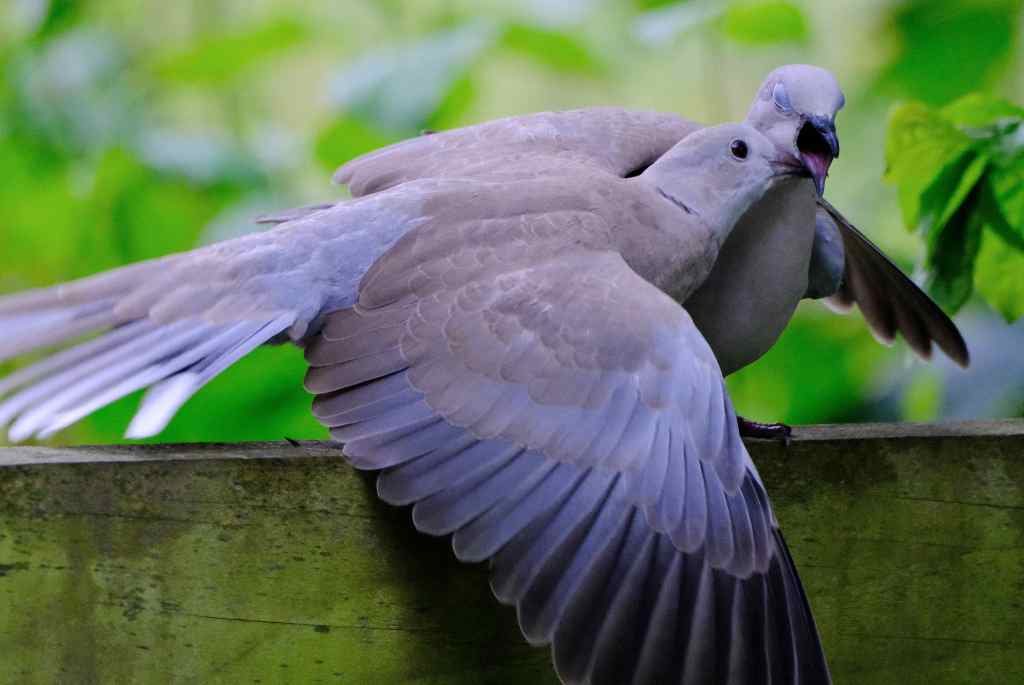
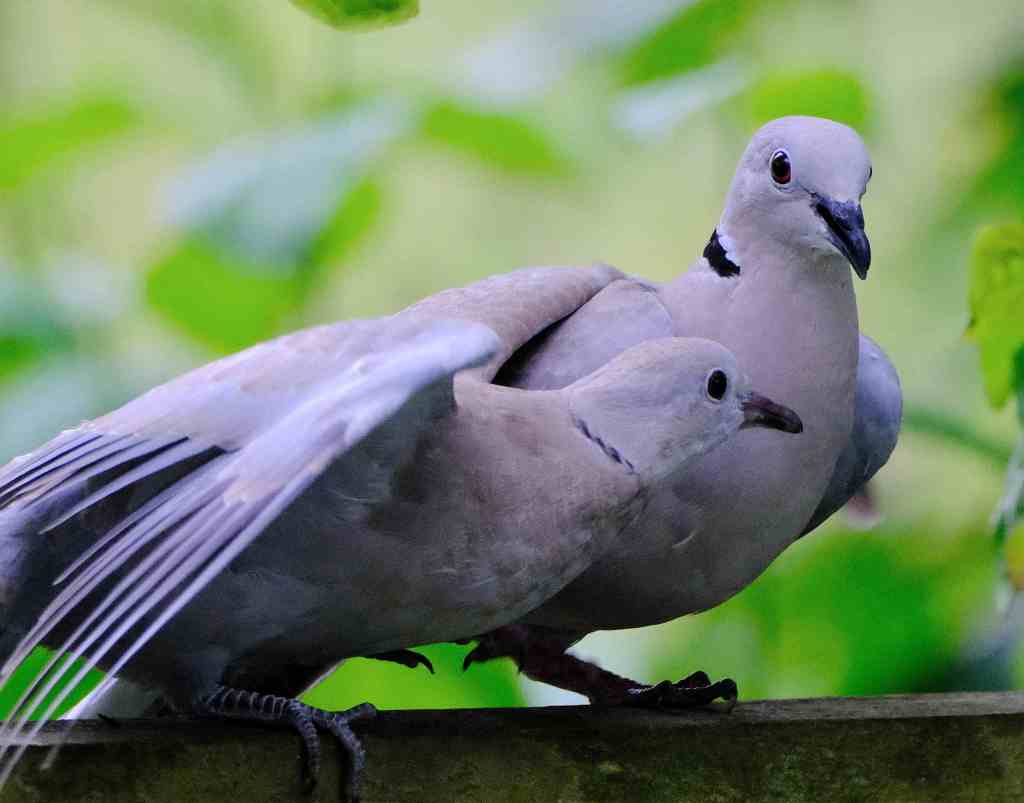
A small pigeon found on farmland and in woodland, parks and gardens across the country. The Collared DoveSince was first recorded in the 1950s, as breeding in the UK.



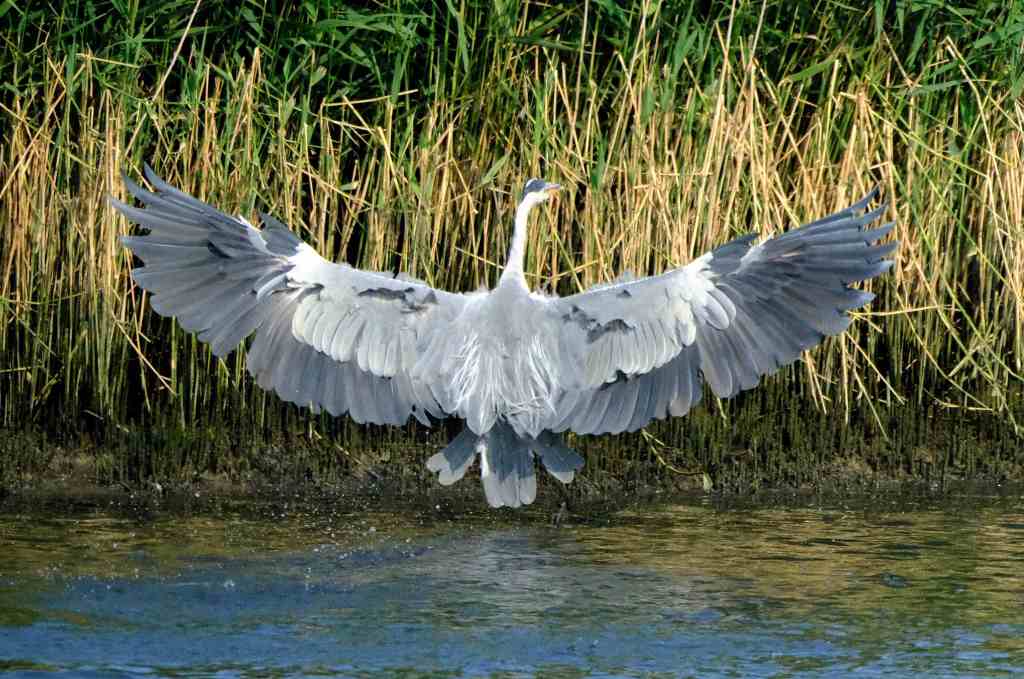
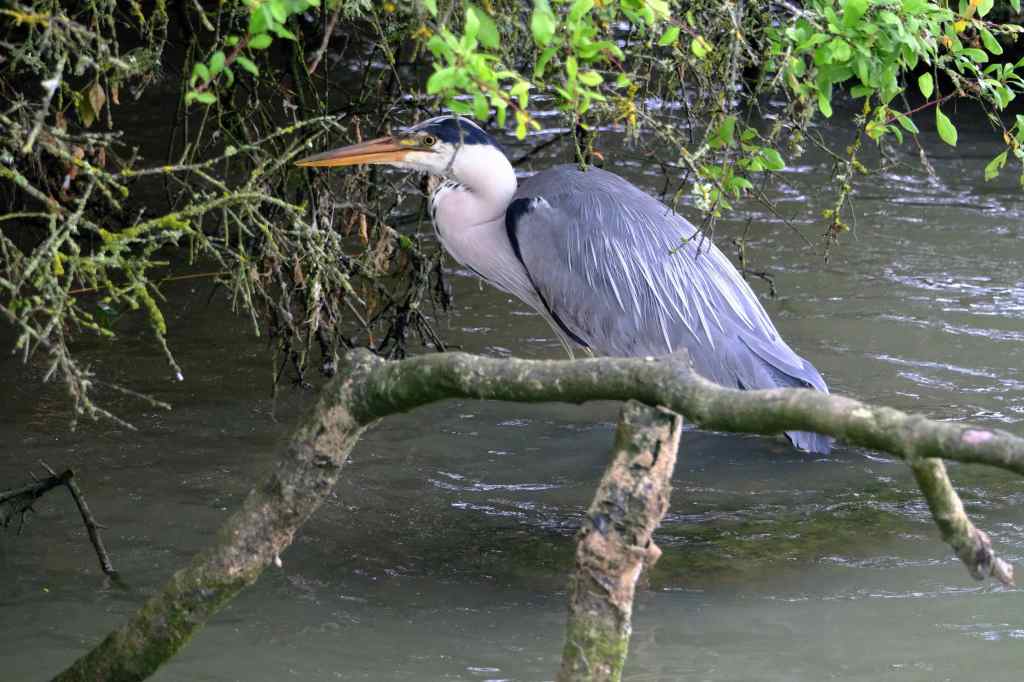
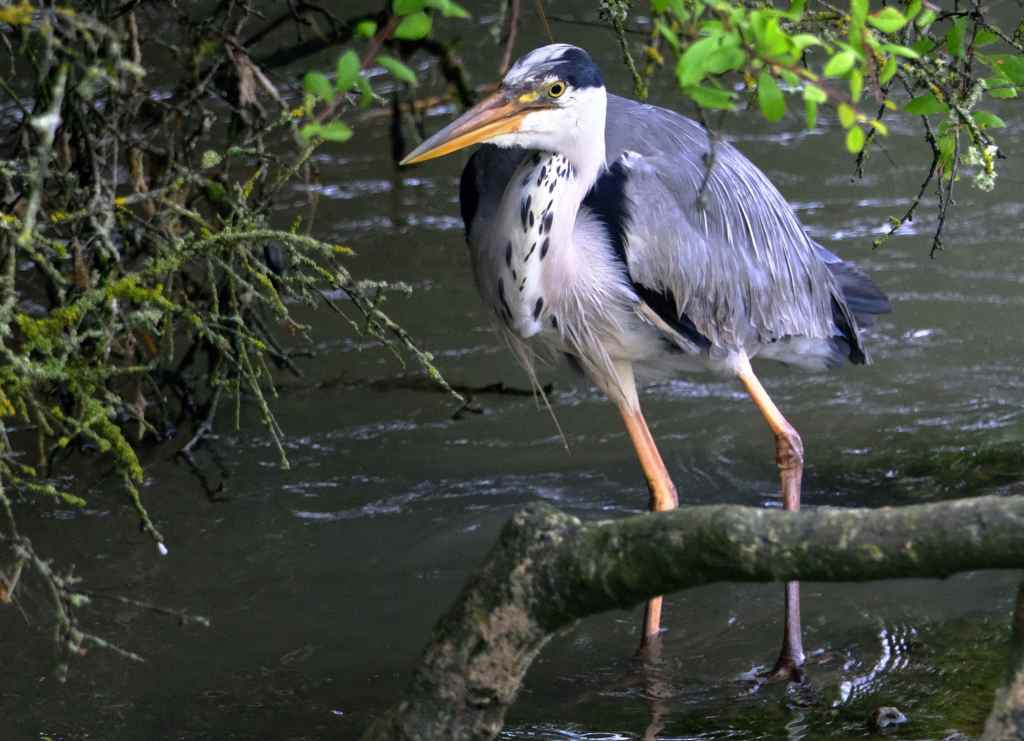
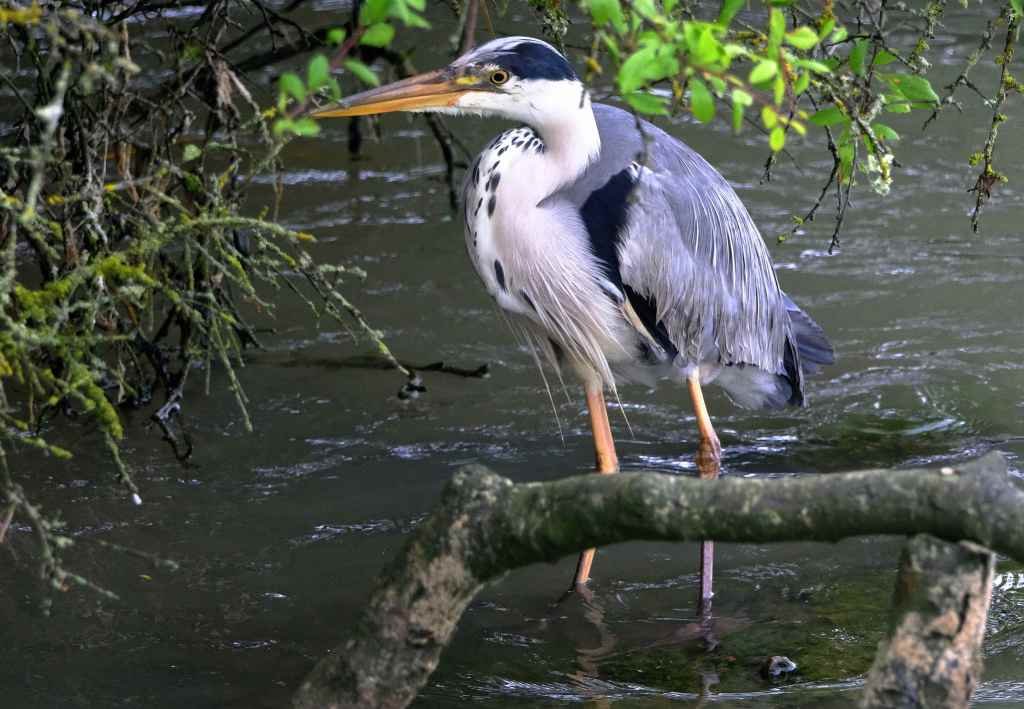
At the Little Bridge at Titchfield Harbour where the River Meon reaches the sea, there is a favourite spot under the bushes where a Grey Heron likes to fish. Often people miss him! If you wait for a while he may come out into full view.


#Wordless Wednesday
 Continued Reflections from my World.