Sanderlings have a distinctive run/walk this is partly due to only having 3 toes on each foot, they are missing the hind toe. They run like wind-up little clockwork toys.

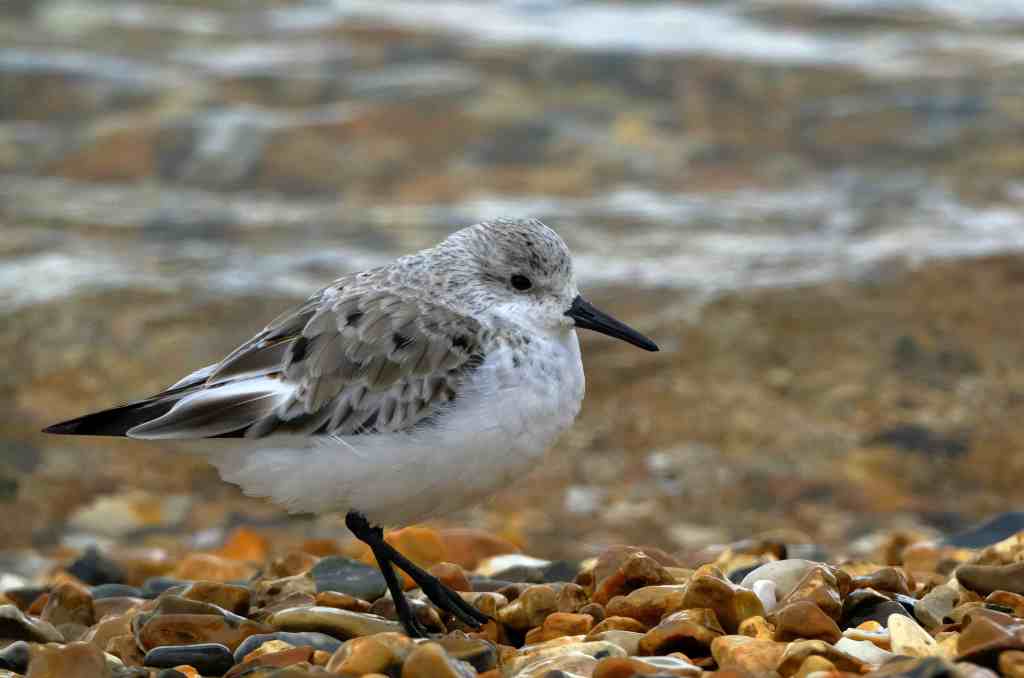
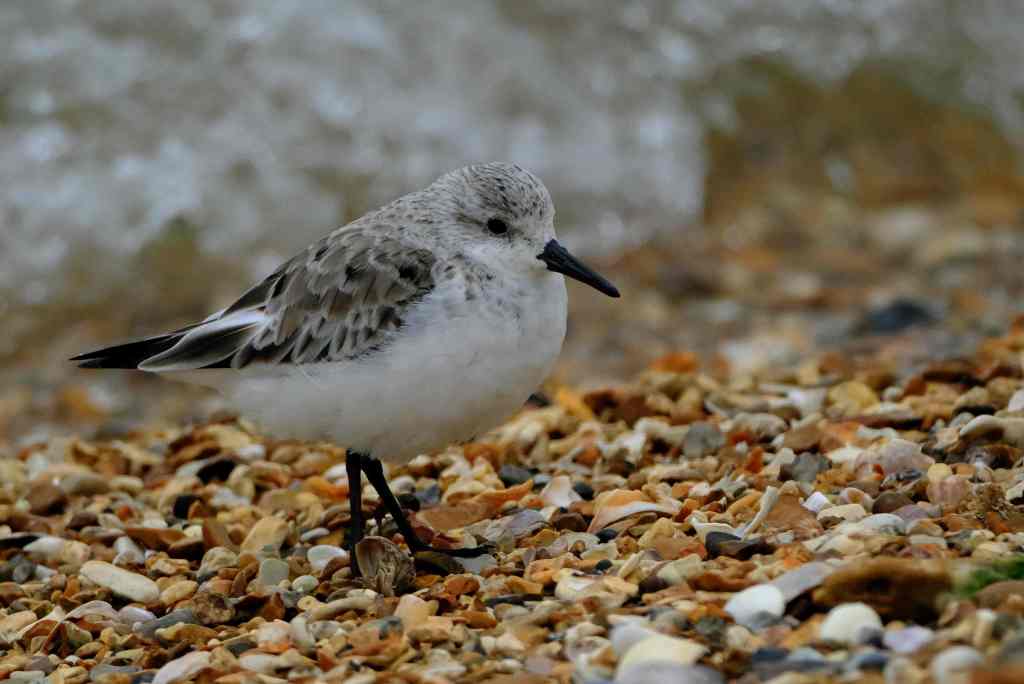
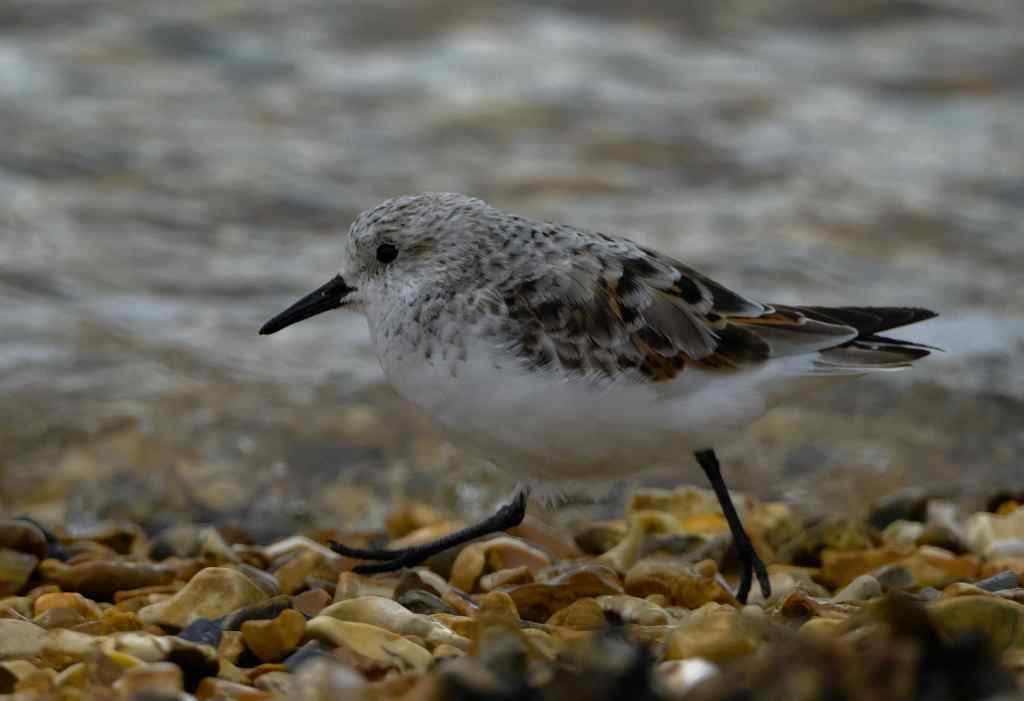
Sanderlings have a distinctive run/walk this is partly due to only having 3 toes on each foot, they are missing the hind toe. They run like wind-up little clockwork toys.



In summer, the Sedge Warbler a medium-sized warbler can be found in marshes, reedbeds and wetlands. they can be spotted singing from reeds or willow trees often perched high up. It is said that males never sing the same song twice, adding new phrases to impress females.
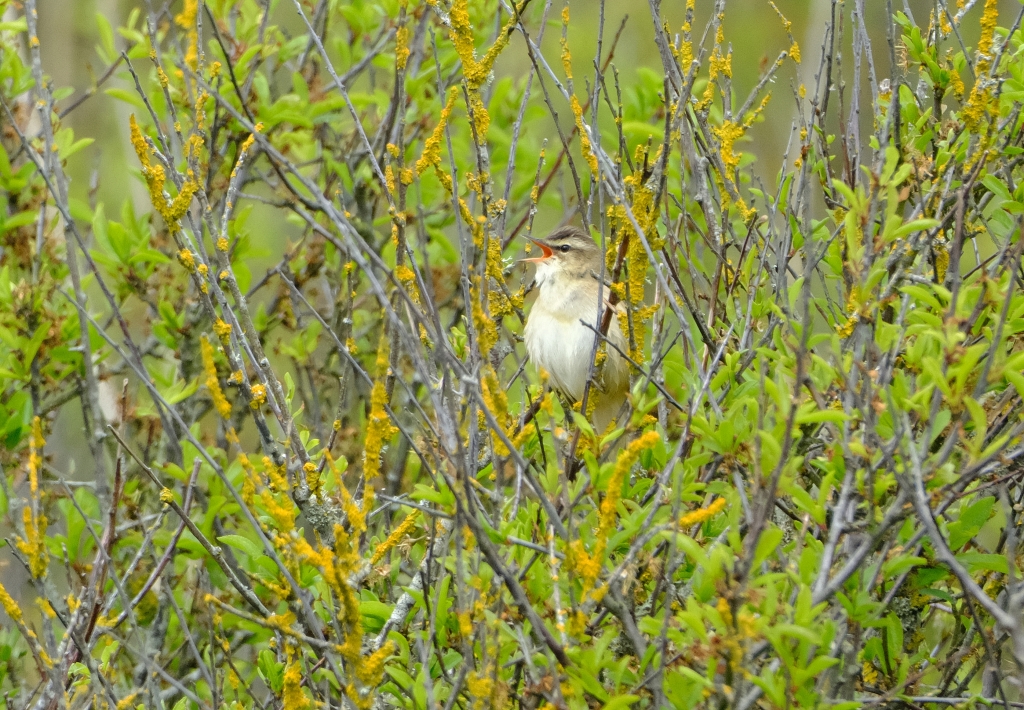
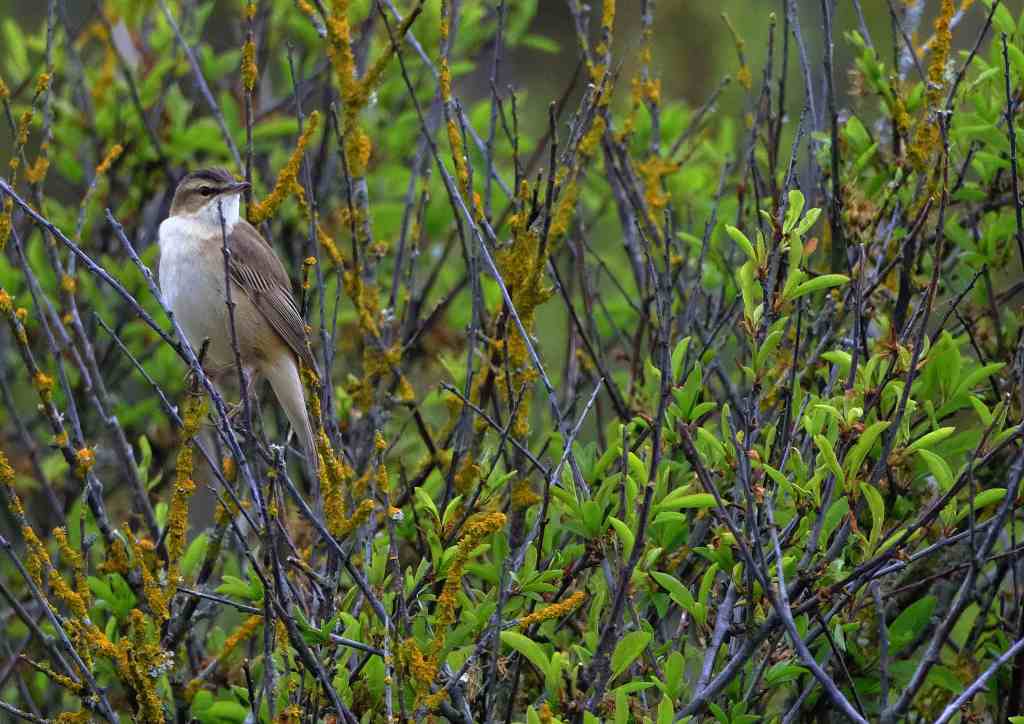
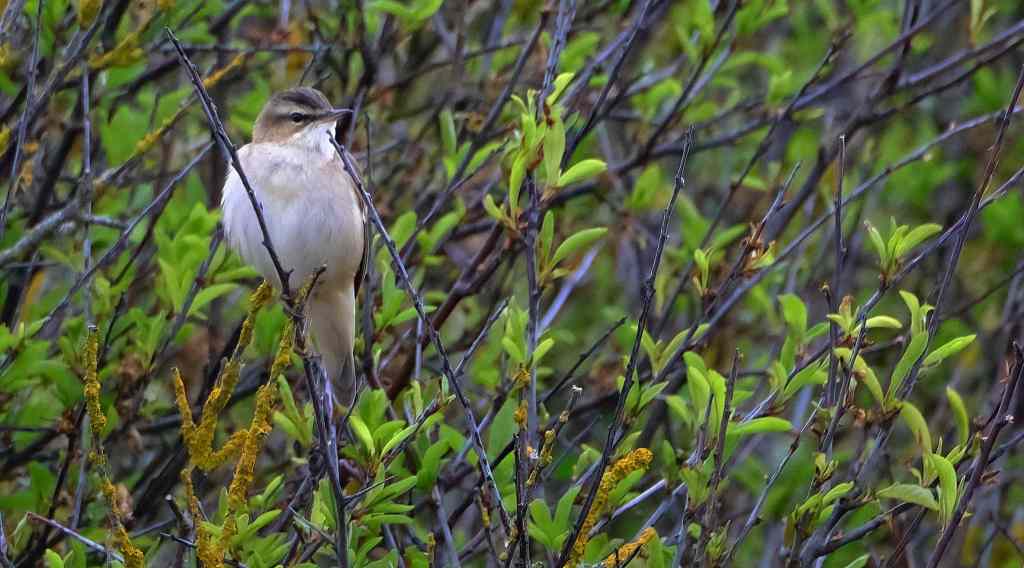


#Wordless Wednesday




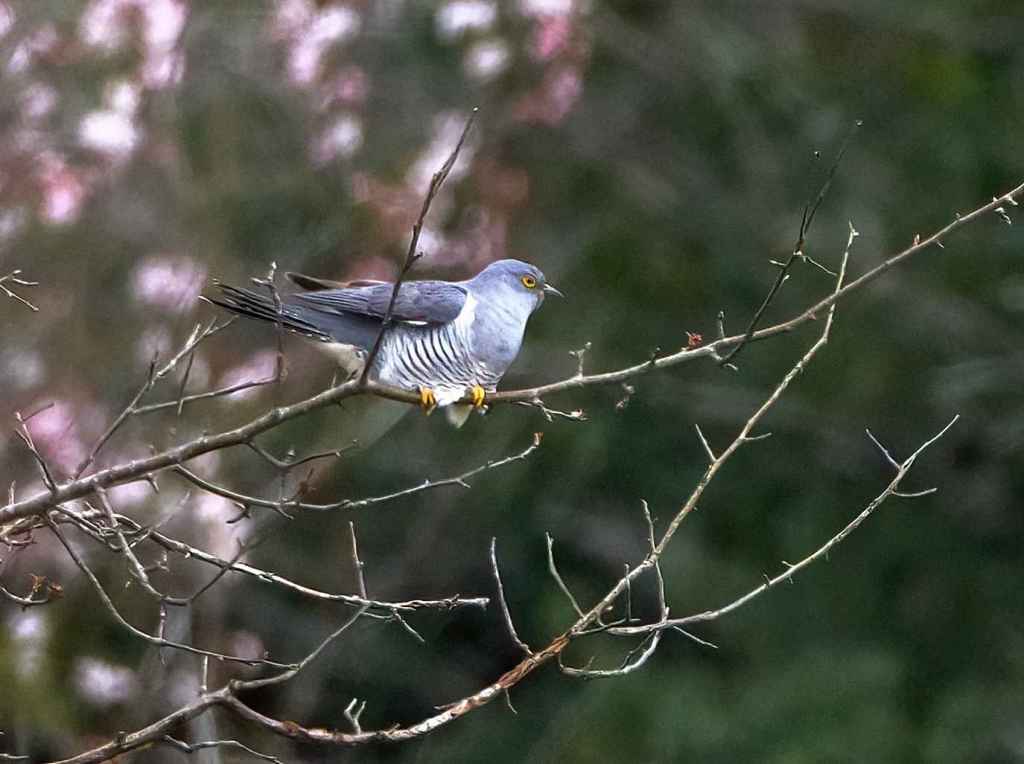
The sounds of the Cuckoos call are now in the New Forest. Cuckoos have started to arrive from Africa. They are summer visitors and are known for being brood parasites. They do not build their own nest, the females lay their eggs in other birds’ nests, especially Meadow Pipits, Dunnocks and Warblers. When a female Cuckoo finds a suitable nest, and the host bird is away she removes one of their eggs and lays her own egg in its place. Cuckoo young hatch after just 12 days, and push the hosts’ eggs or babies out of the nest, allowing it to eat all food brought by the host bird. When the young Cuckoo leaves the nest, it is far bigger than the host bird. I only saw one today but at least 3 were calling.
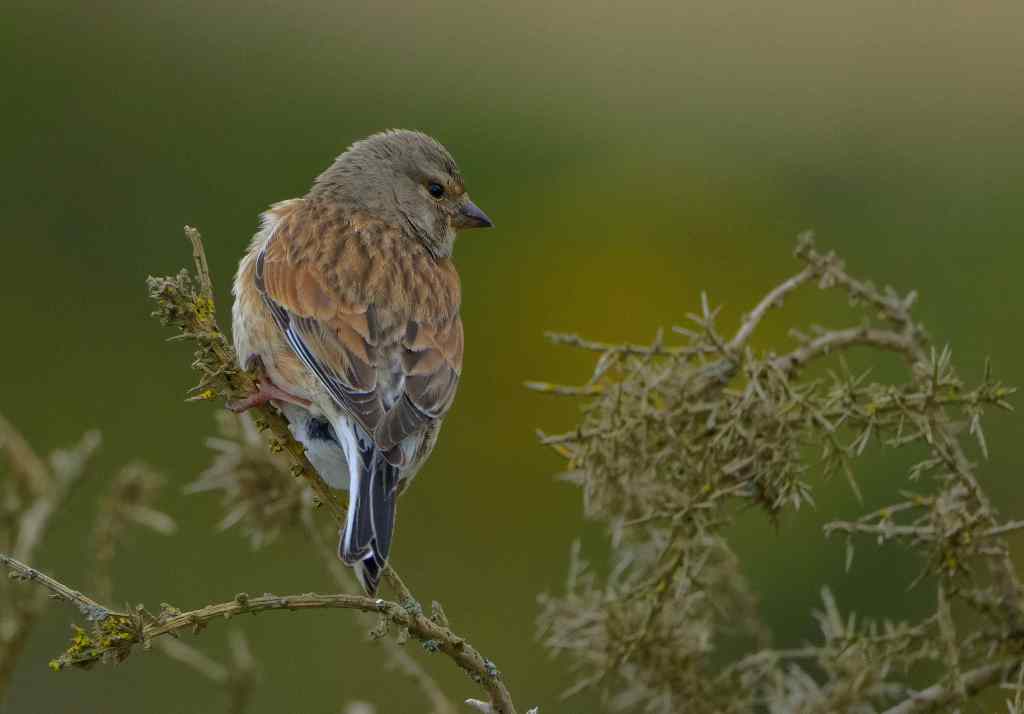
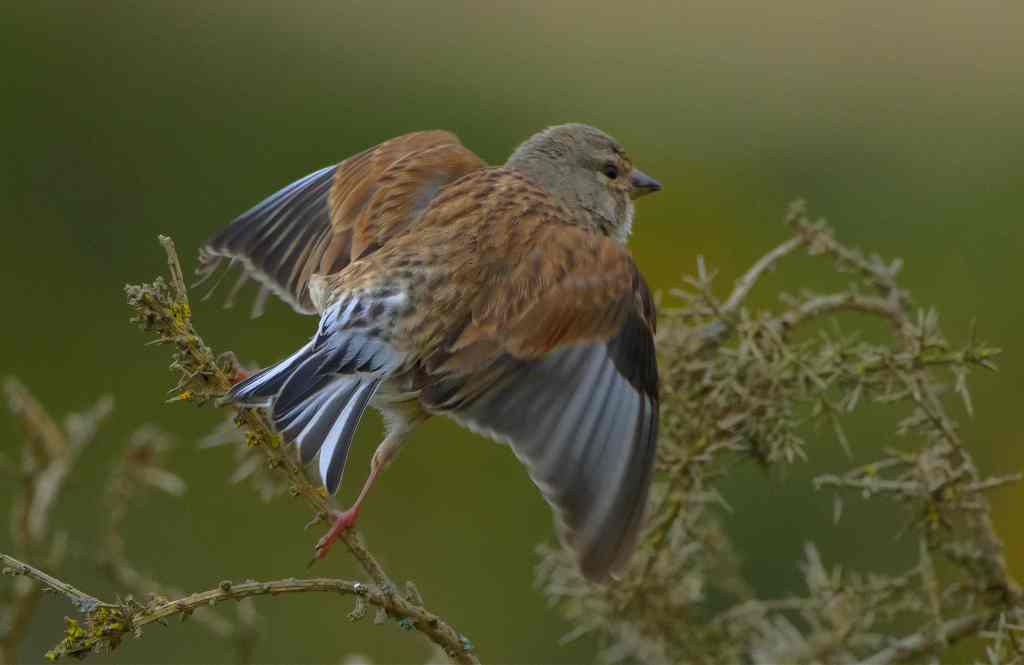
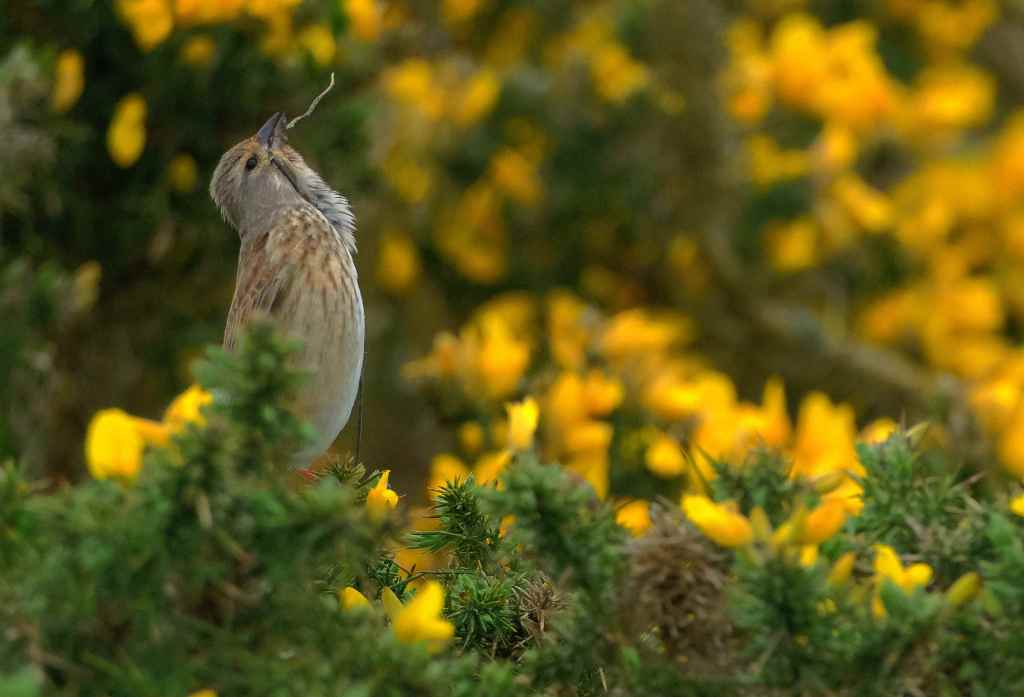
These finches were once very popular caged birds because of their tuneful song. Males are marked with crimson foreheads and chests, and females are much browner.
According to the RSPB web page, the Linnet numbers have dropped over the past few decades, with the UK population estimated to have fallen by 57% between 1970 and 2014.
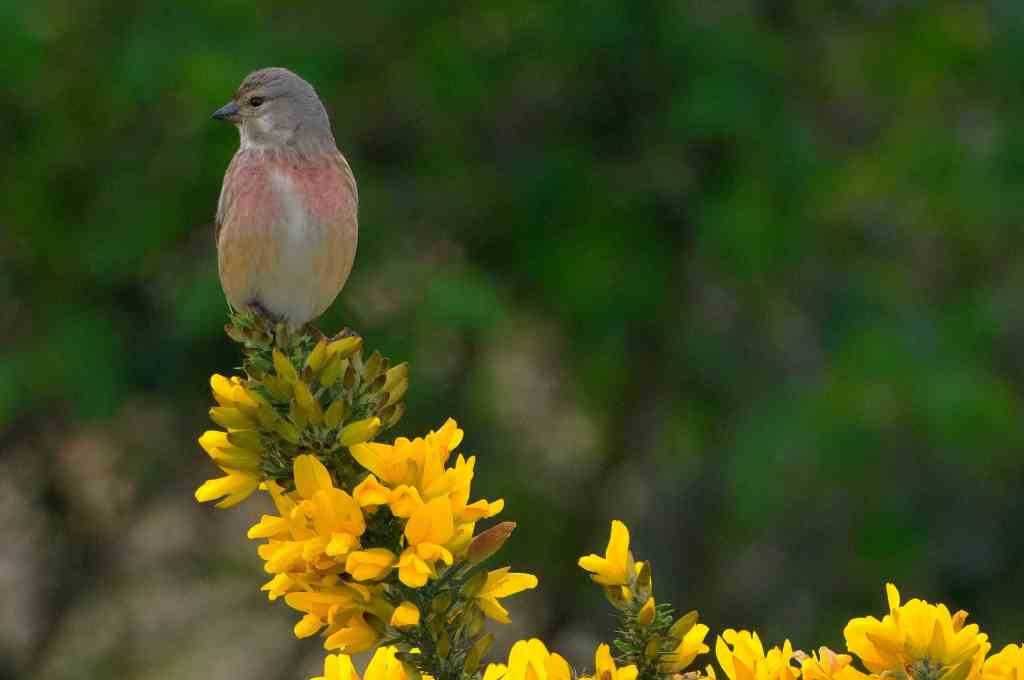

( 1st picture is a male bird the second is a female).



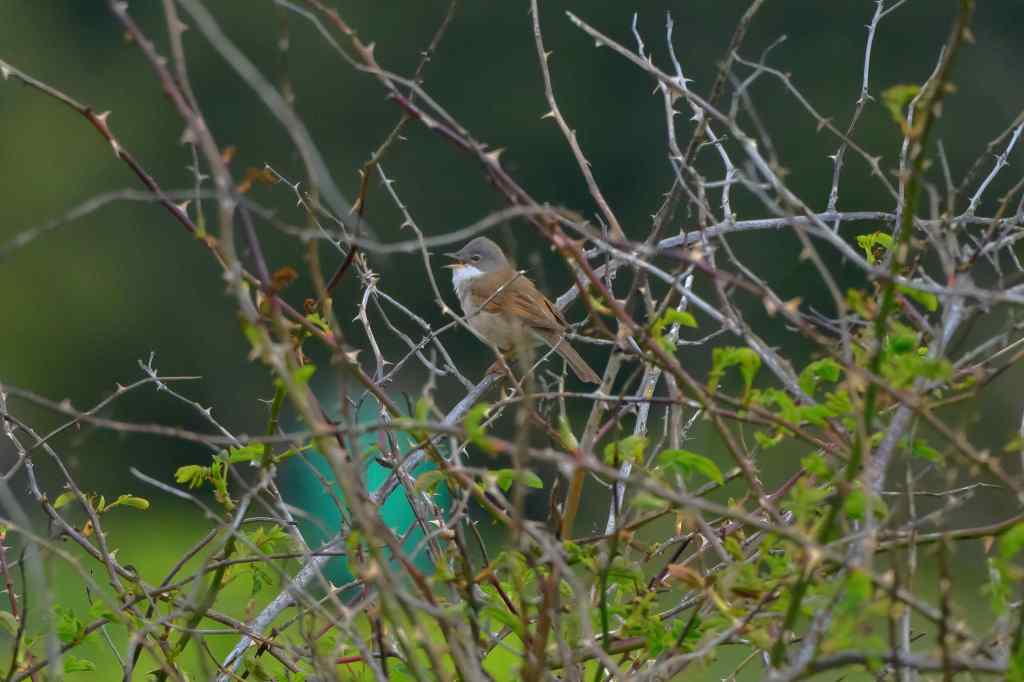
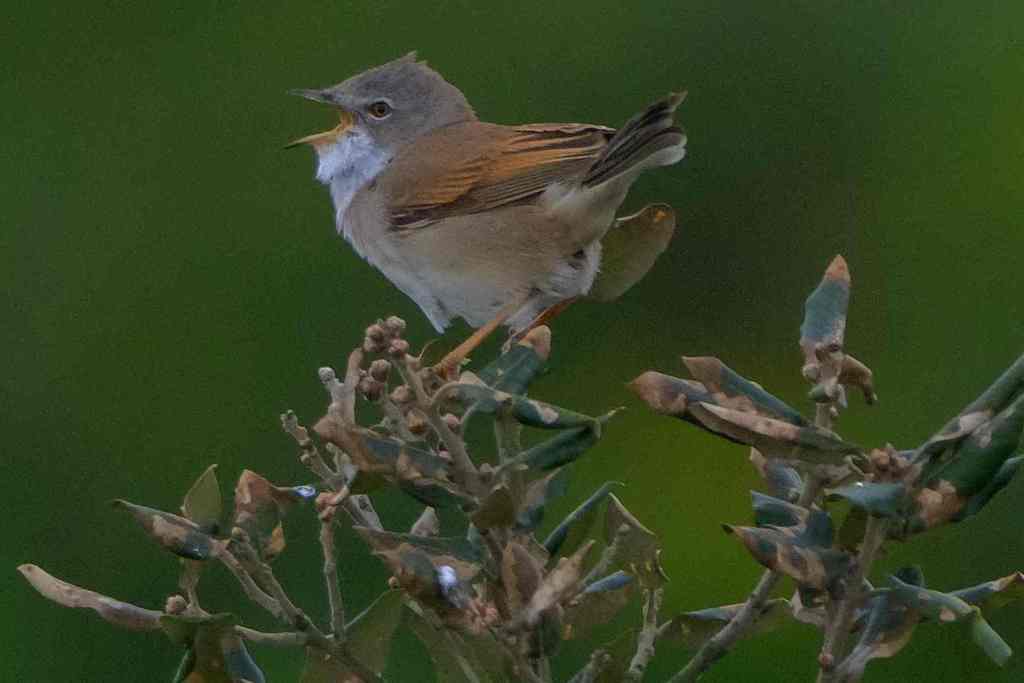
This bird is a summer visitor to the UK from Africa, this small, warbler frequents hedgerow and scrubby areas and can be seen singing from the top of bushes. They are here from April to October this bird was on the coast near Portsmouth.
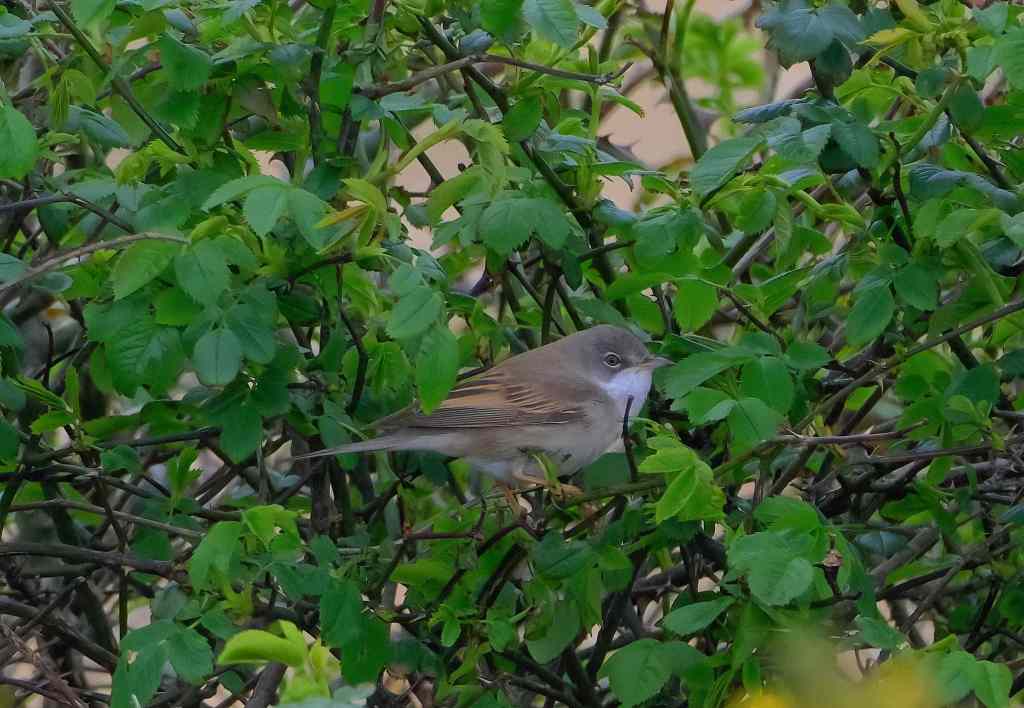
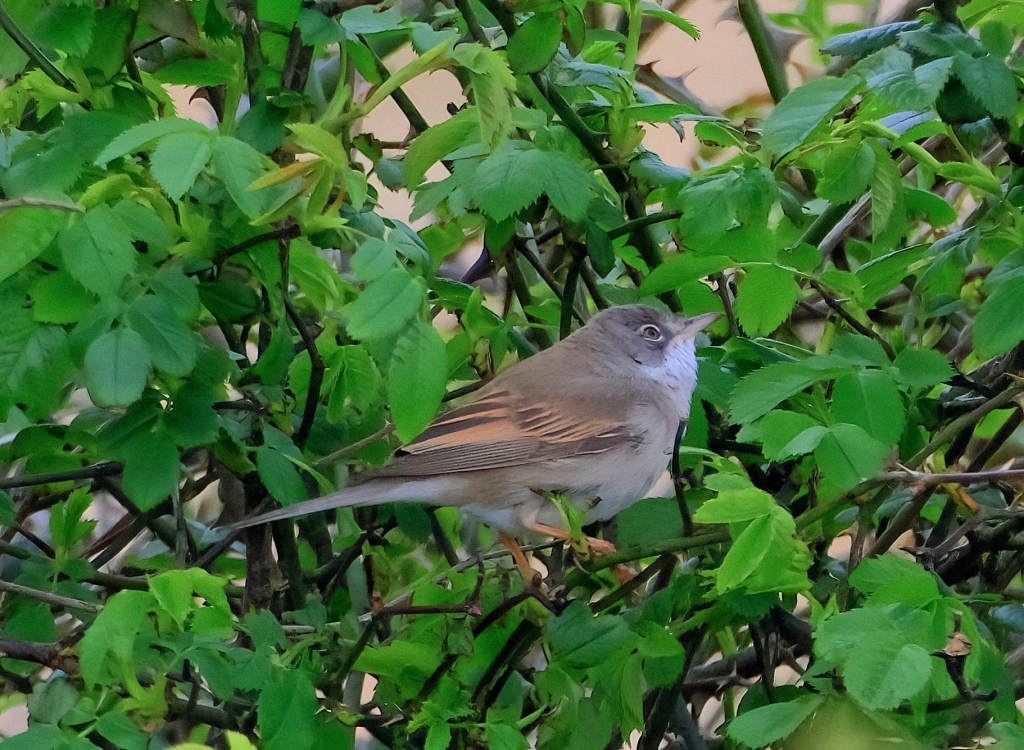
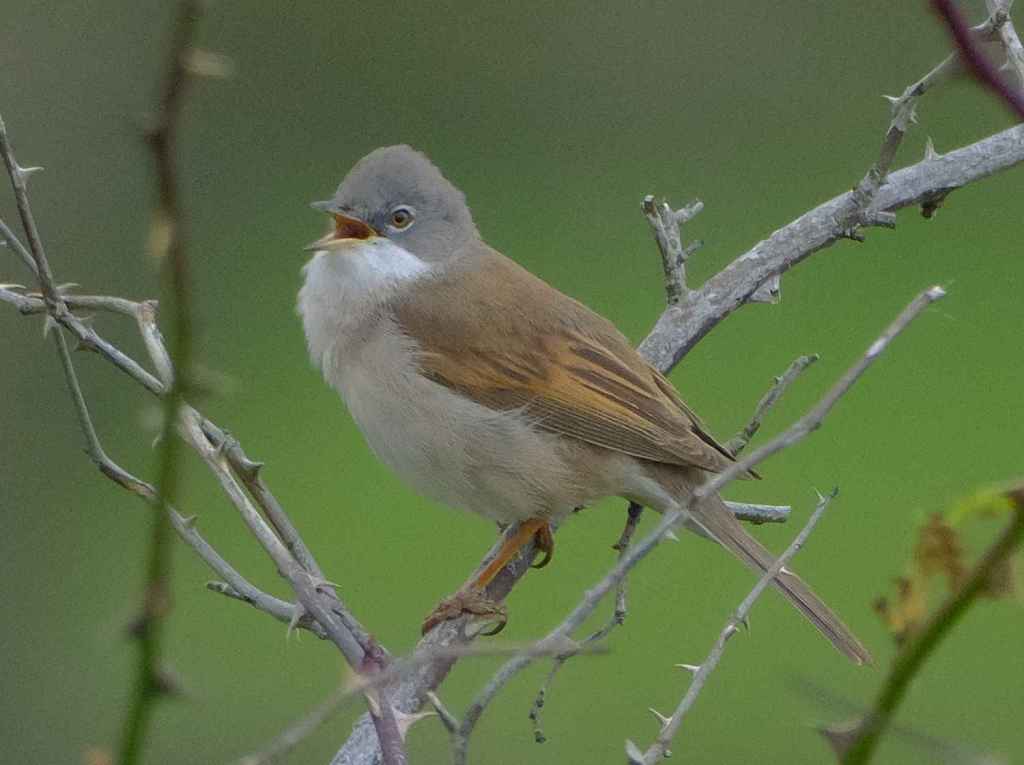
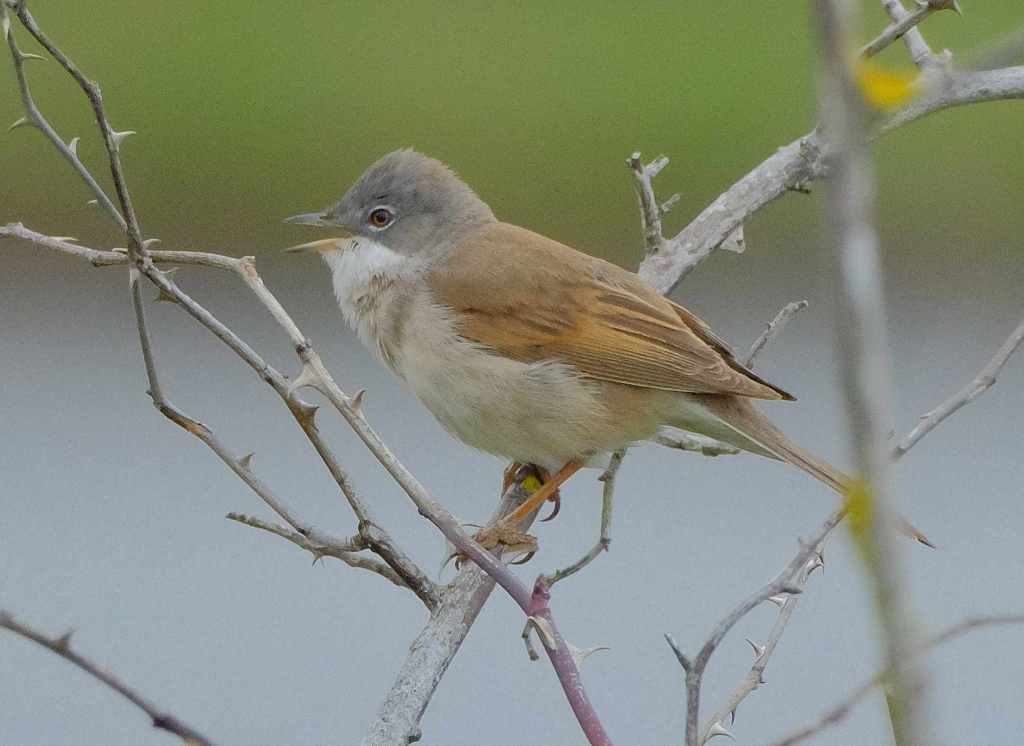
second year Juvenile.


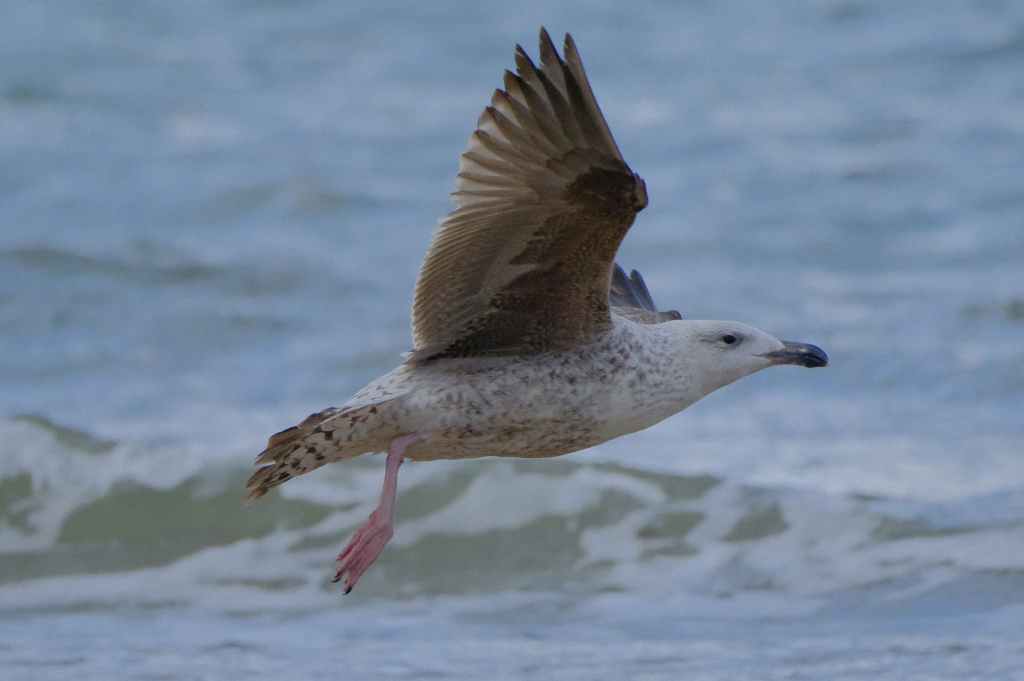
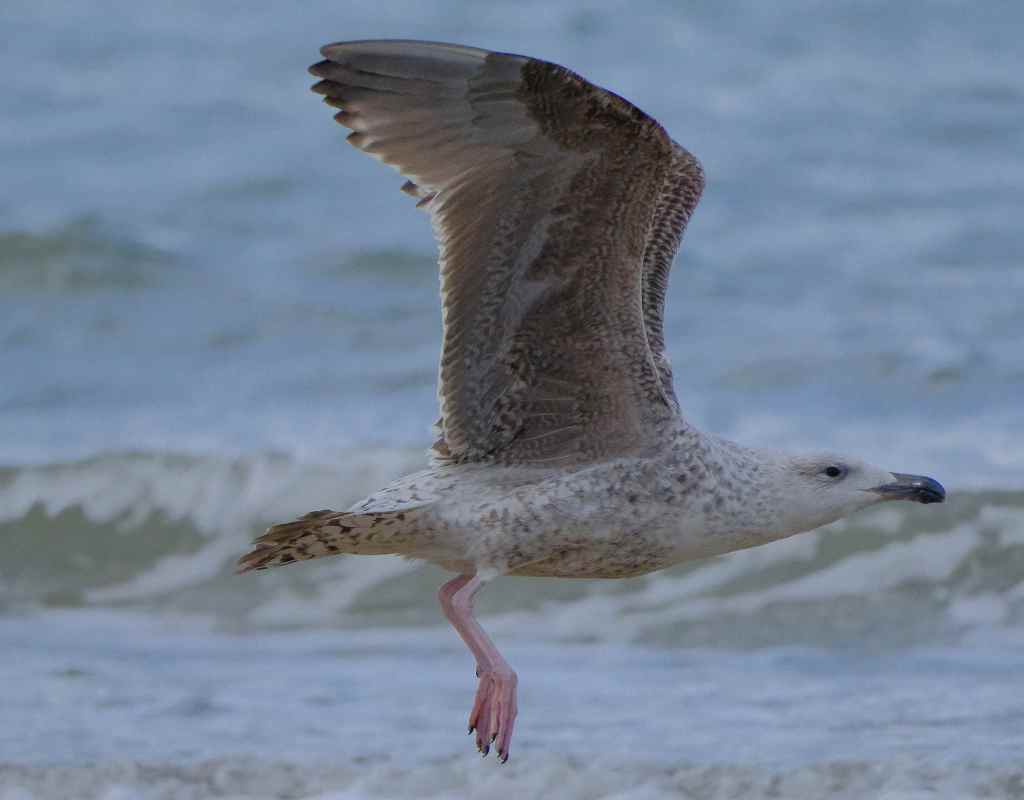
A picture post.


 Continued Reflections from my World.