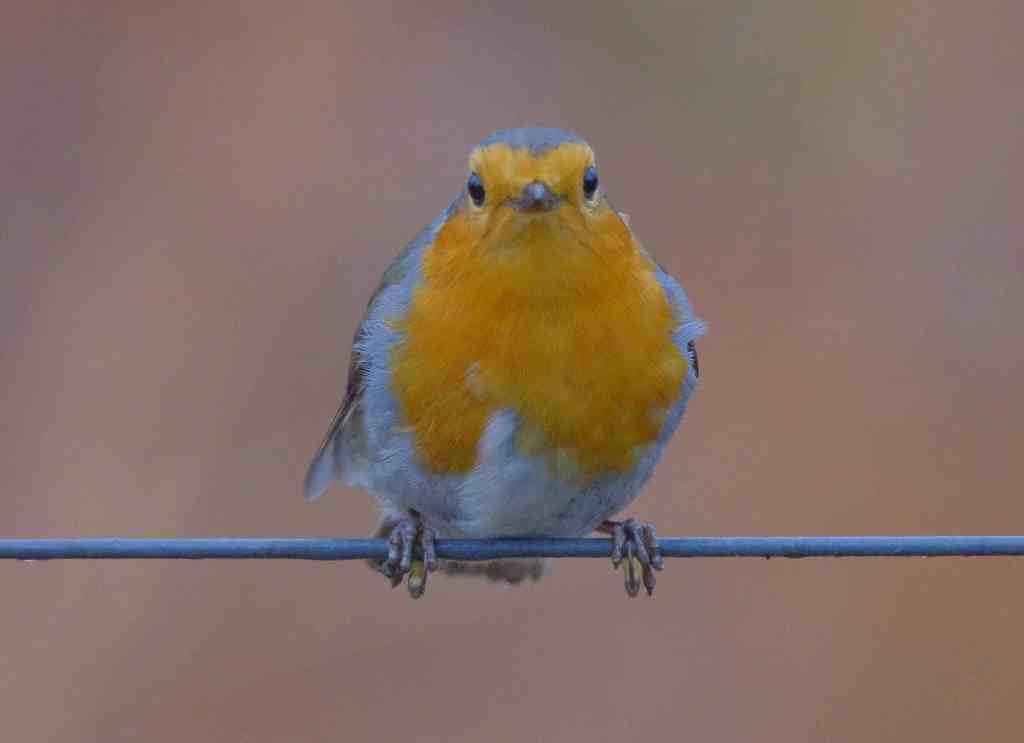
Focus on Ringed Plovers

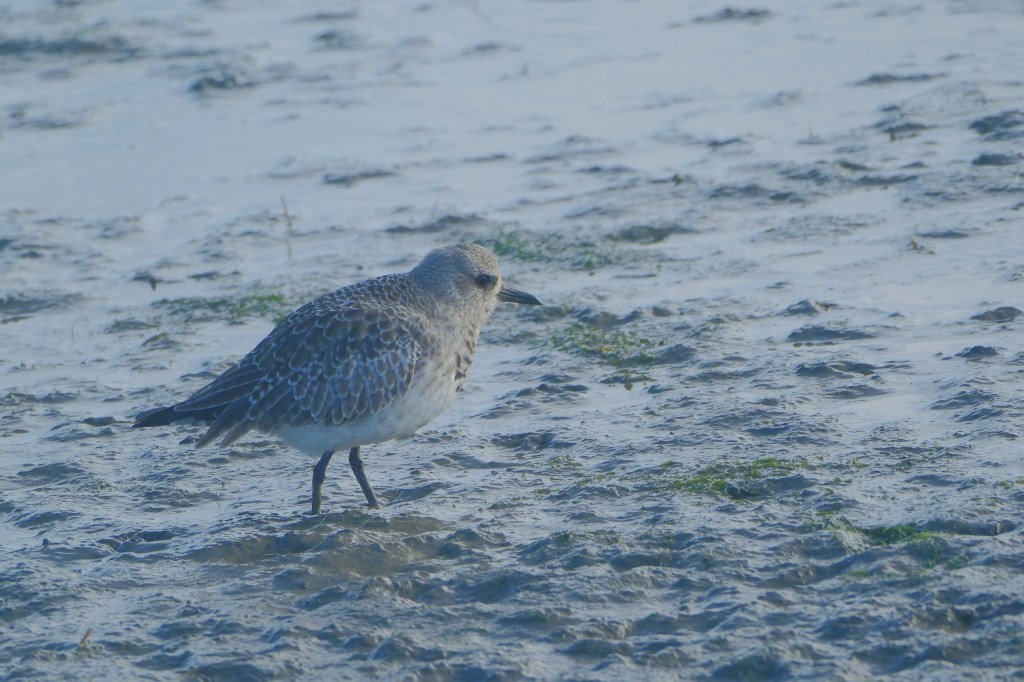
Over the past few weeks, the number of Ringed Plovers resting on the spit at Meon Shore has been increasing. This post is concentrating on this small wader.


Ringed plovers are described as small and dumpy wading birds with orange legs and a black and white head and breast pattern. They can be seen foraging for small invertebrates and crustaceans in a characteristic “stand and watch, run, peck” pattern.

UK numbers ; breeding birds 5,450+ pairs; wintering 42,500 birds

The birds group up beach and will fly together in small flocks.

Note in the last picture, a Dunlin has tagged on!

Crossbills again.

In search of Crossbills in the New Forest. Sadly, the weather was dull and the light was poor. However, the day was successful with several large flocks spotted high up in the pine trees and flying overhead. I managed to get a few record photographs, but I hope to try again on a brighter day to get some better shots.
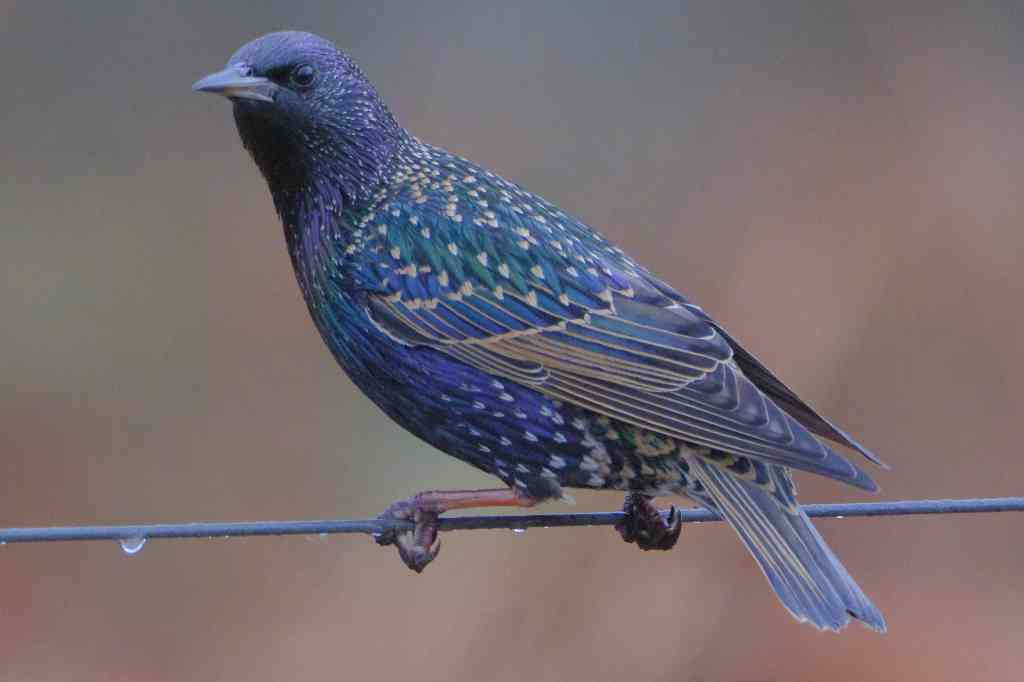
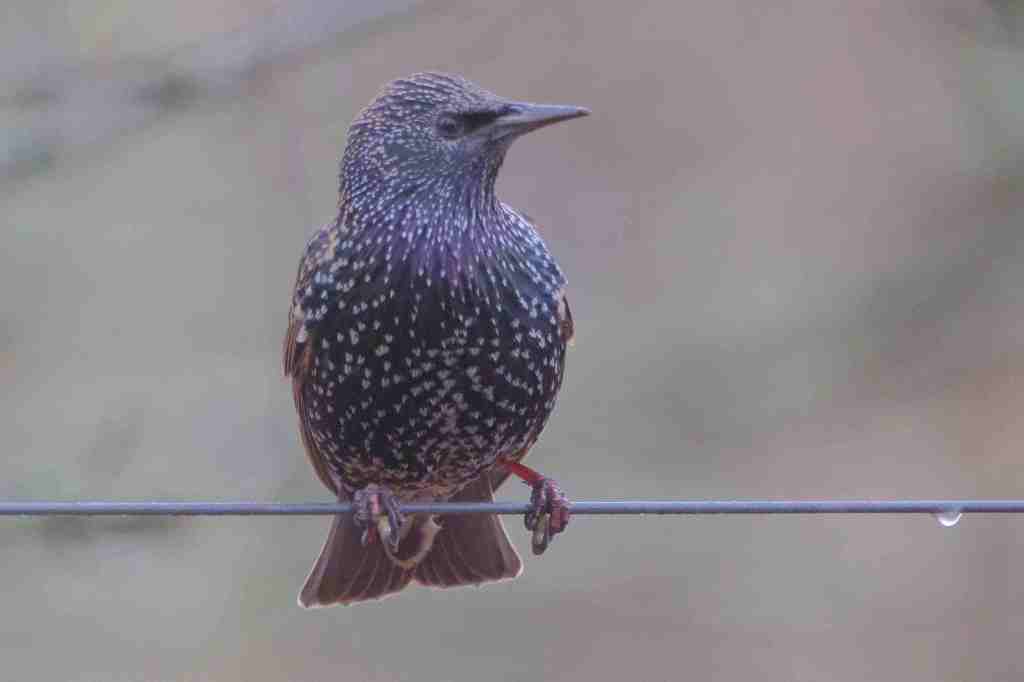
Male birds are Red and females Green. I spotted a couple of Crossbills earlier in the year (when they were a first for me), link below.

European Kestrel.

After a morning’s walk in the New Forest with little about. We headed back to the car park and spotted a Kestrel hunting. She was using a dead tree to eat her catch. This gave a photo opportunity.

Male and female kestrels are different.  How to Spot the Difference – Males and females have distinct plumage. The male has a blue-grey tail and wings, and a chestnut-brown back with black spots. The female has a brown tail and wings, with darker brown streaks on the feathers.

  • Length: 32–35cm 
  • Wingspan: 71–80cm 
  • Weight: 156–252g 

A new walk.

Were the River Test meets Southampton Water is the small town of Eling. Eling is now part of the city of Southampton, has a long history of its own. The quay dates back over a thousand years; a medieval tidal mill was the centre of settlement it was once a hub for industries such as shipbuilding and timber. Today, the mill is open to the public, the area has light industry, and private boat mooring.

A walk early this morning, started from Eling and followed Southampton Water down towards Marchwood. The unofficial path follows the water opposite the city’s container terminal, giving both views of the workings of the docks and mudflats.

Engineers need a head for heights for pilon work!

Some interesting wildlife on the walk. Starting with Little Egret.

Egyptian geese. This goose is related to the Shelduck. It was introduced to ornamental ponds, but escaped into the wild, where it’s now successfully breeding. In 2009, it was officially declared a non-native species.

Very distant Kingfisher.

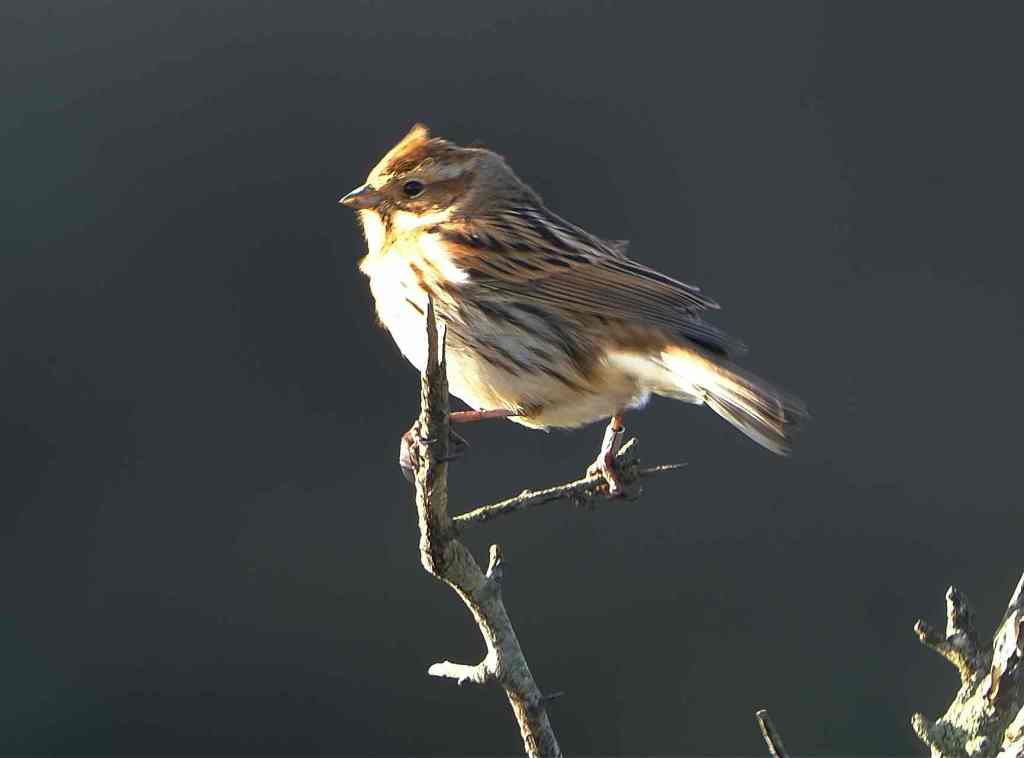
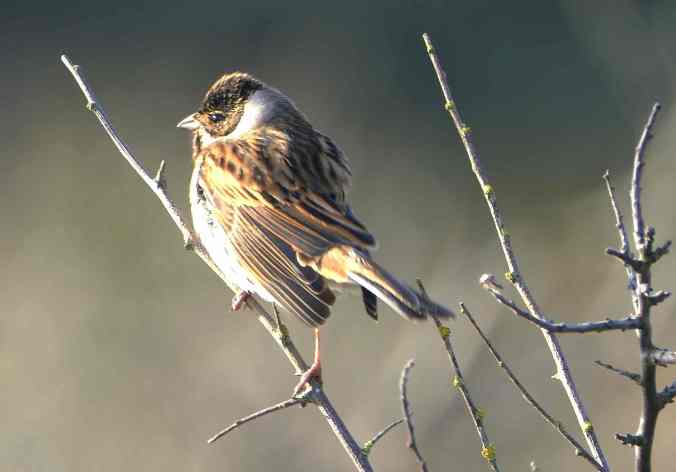
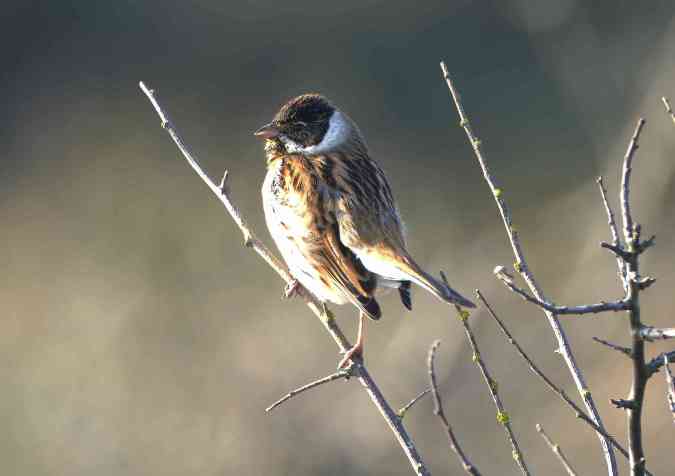
Female Reed Bunting.

Scarlet Ibis, not very clear pictures, but this bird was some distance off. A surprise sighting of a non-native Scarlet Ibis! It seems several of these South American natives escaped from a local bird park a few months ago.

Some different birds.

More from the Raptor Centre.

Striated Caracara, this bird is a bird of prey, but it spends a lot of time on the ground. They are native to parts of South America and the Falkland Islands.

Kookaburra. These birds are the largest members of the Kingfisher family. They are native to eastern Australia. They eat insects, reptiles, snakes and small mammals.

Raptor Centre.

Photo-heavy post.

Something a little different today, we spent the day at a local Raptor centre. So all photographs are captive birds.

https://www.libertyscentre.co.uk/about-us

Great Grey Owl.   This Owl is the world’s largest species of owl by length. It is distributed across the Northern Hemisphere. The wingspan can exceed 5 ft, They breed in North America.

A smaller Owl, although not much smaller, is the Siberian Eagle Owl. However, they have a wingspan of 6ft.

One of our native Owls is the Barn Owl. Tiny compared to the 2 previous birds, the Barn Owl has a wingspan just over 2 & half feet. Normally, I have to get up at 05:00 hours to watch our local birds!

Harris Hawk.  They are native to the Americas. However, they are a popular species in falconry and are often used for pest control in the UK,

Hazzard, Hazzards are a very rare hybrid of a Buzzard and a Harris Hawk.

Golden Eagle. I have only ever seen a pair of Golden Eagles once in the Highlands at some distance away, so it was a treat to see this bird today. With a wingspan of nearly 7ft, they are a big bird.

Glossy Ibis.

I have been seeing one or two Glossy Ibis at Titchfield Haven Nature Reserve for a couple of weeks. Today, I was able to get some pictures as they came closer to where I was watching from.

Looking at reports on the news and online, there has been a huge influx of Glossy Ibis across Britain and Ireland, with large flocks appearing across a wide area.

The arrival breaks all modern records for the species, which has been increasing across Western Europe in recent years. They bred in Britain for the first time in 2022.

In early September, a minimum of 605 Ibis were recorded across Britain and Ireland.

Sunday.

An early morning start to look for Barn Owls, but no luck this time. This area had been a good place in the past, but not this week. A good number of Red Kites were taking advantage of the views from the high electricity cables.