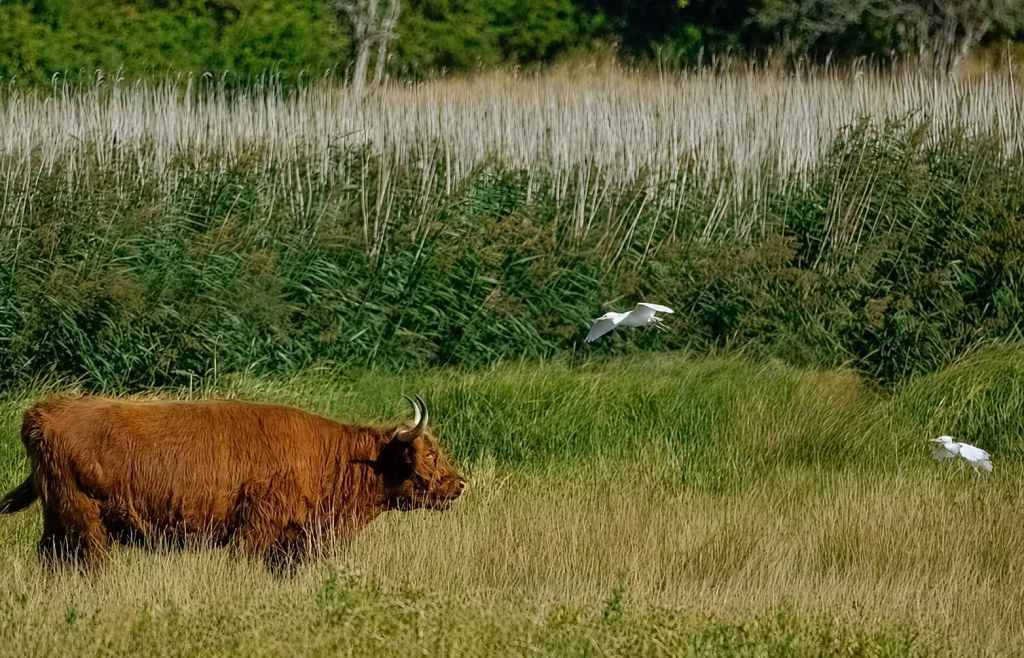
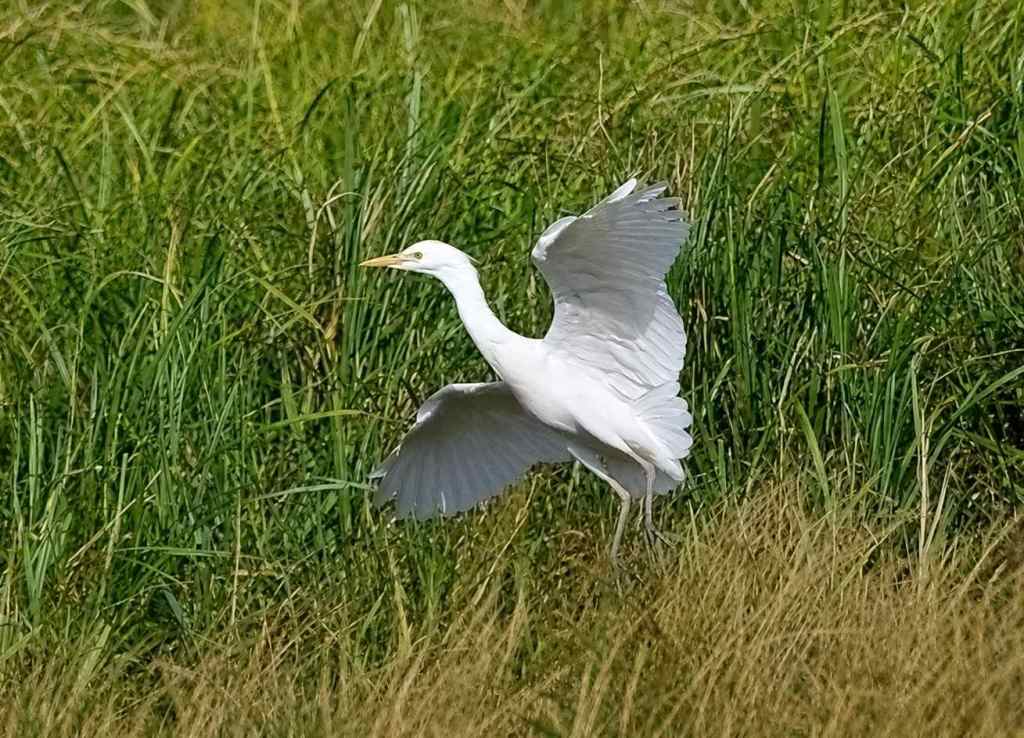
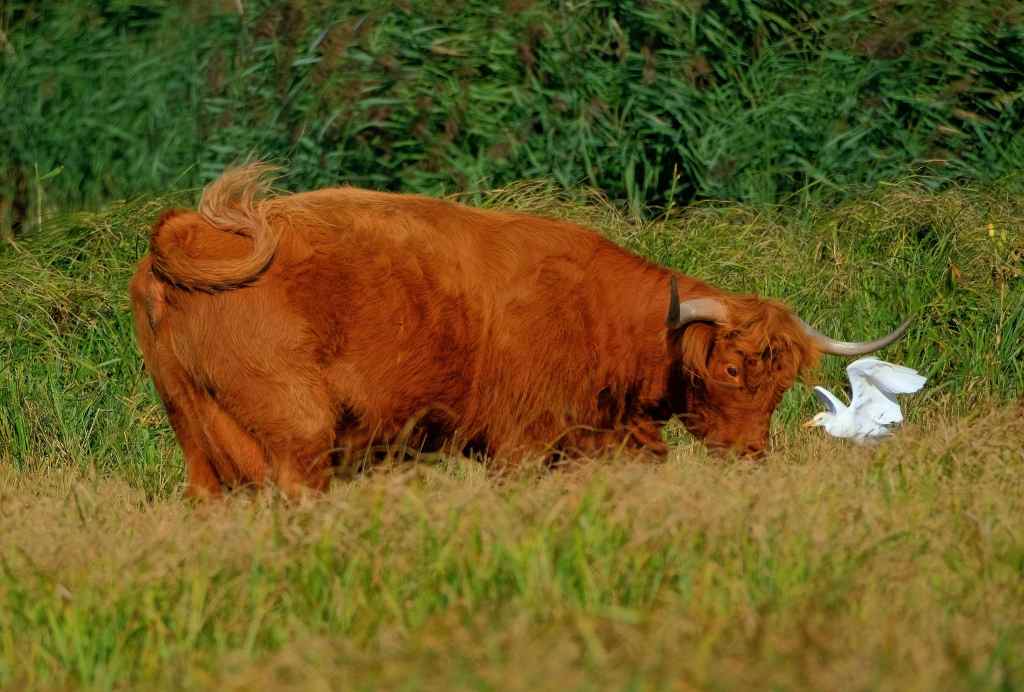
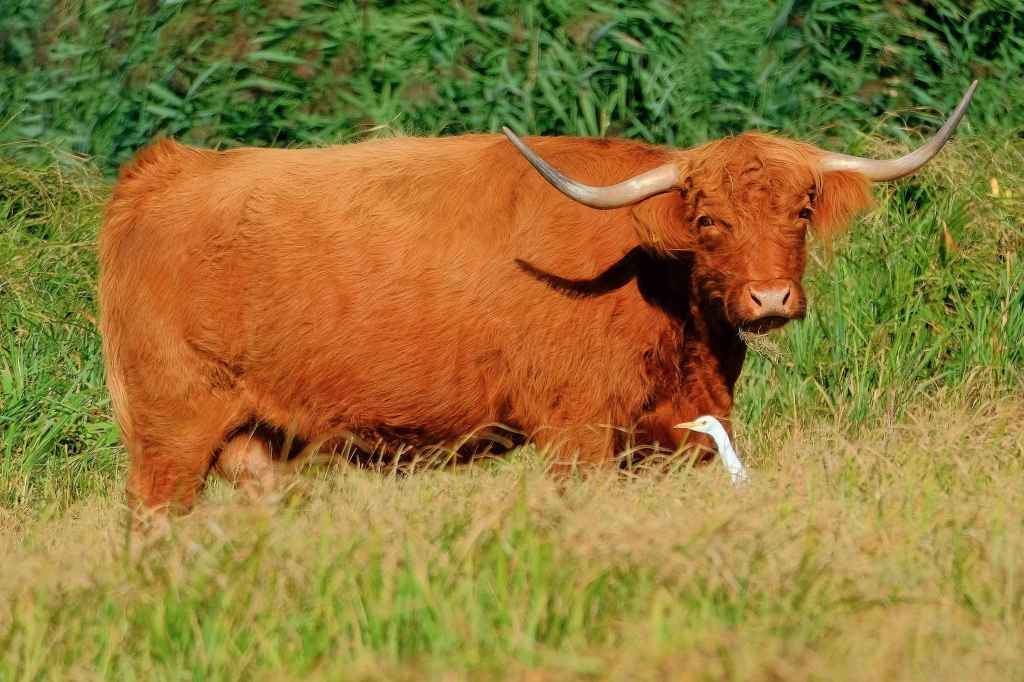
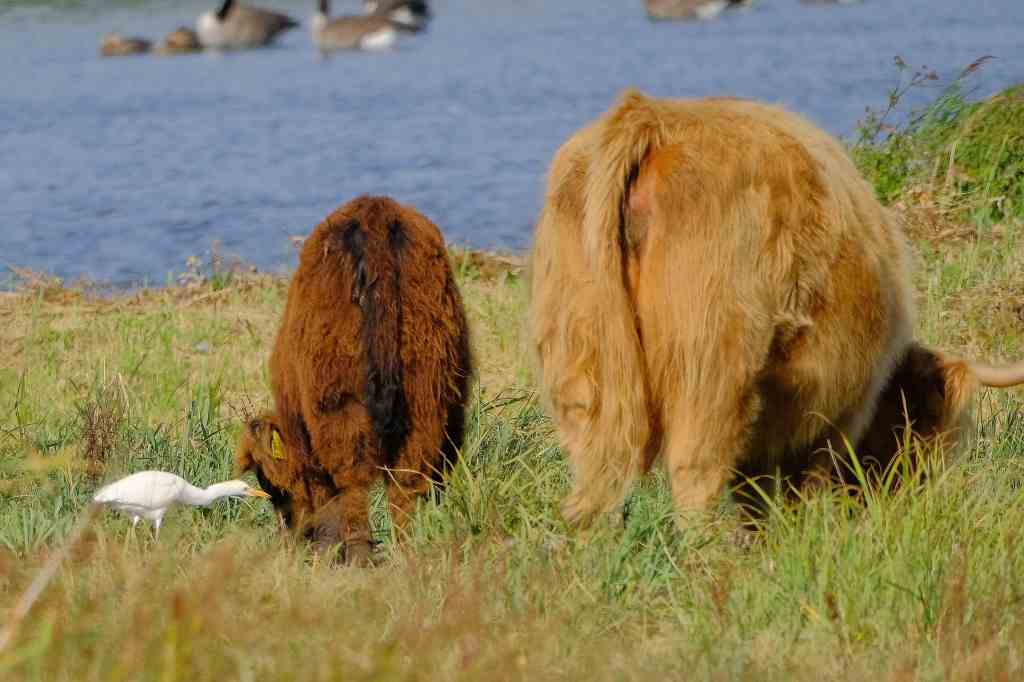
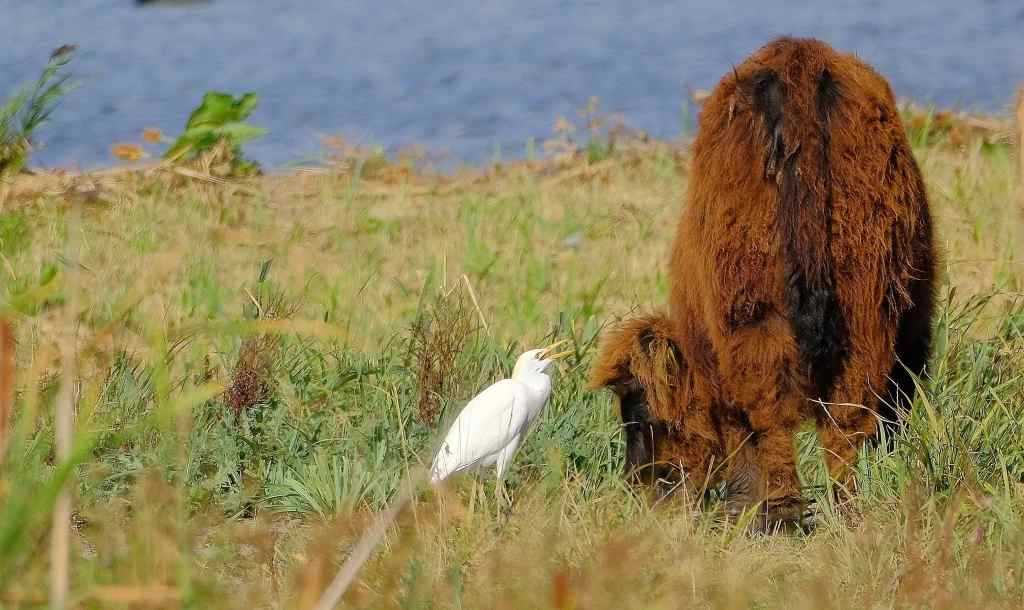
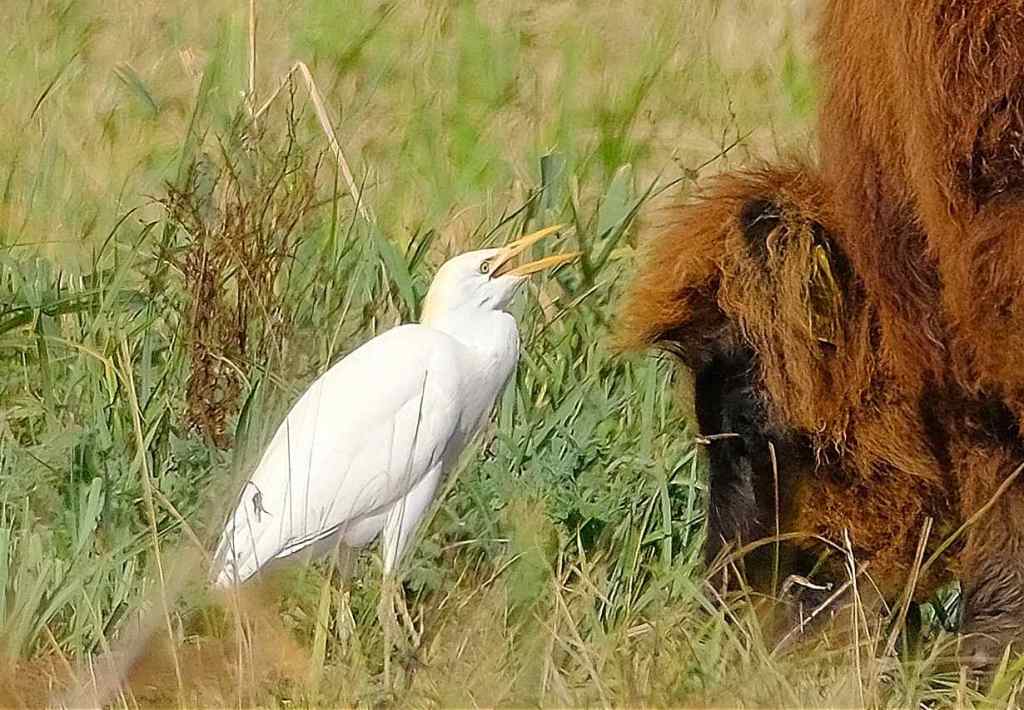
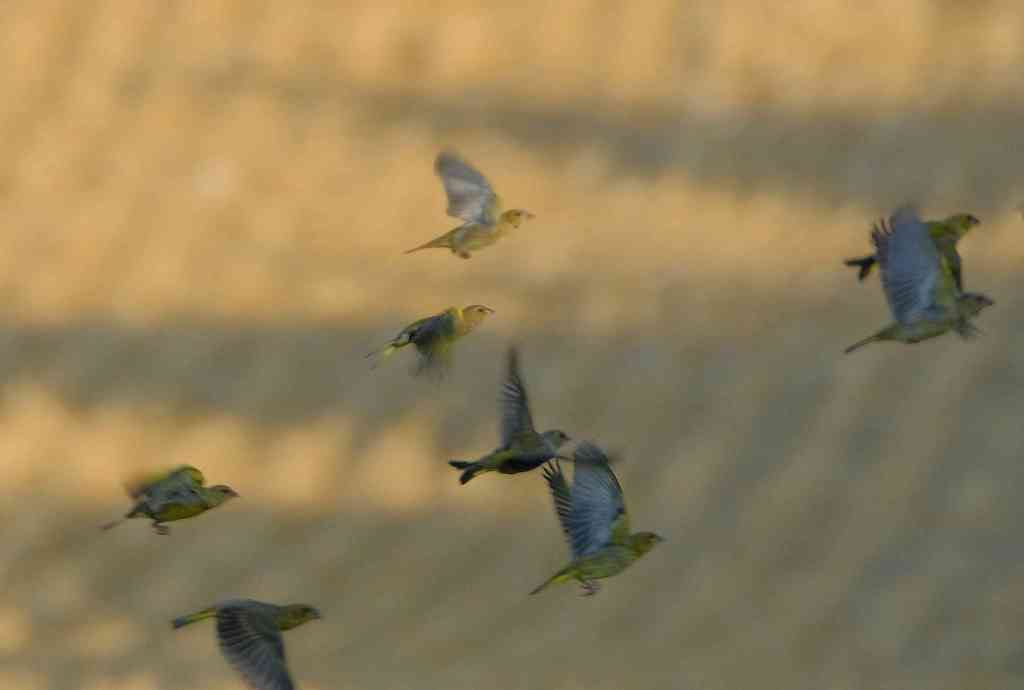
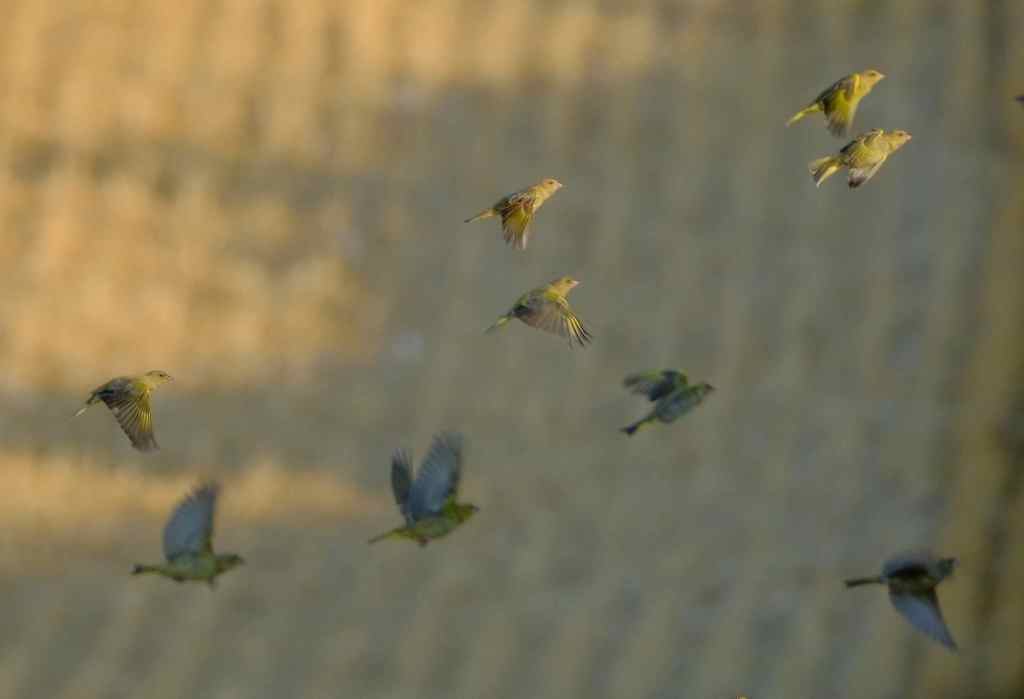
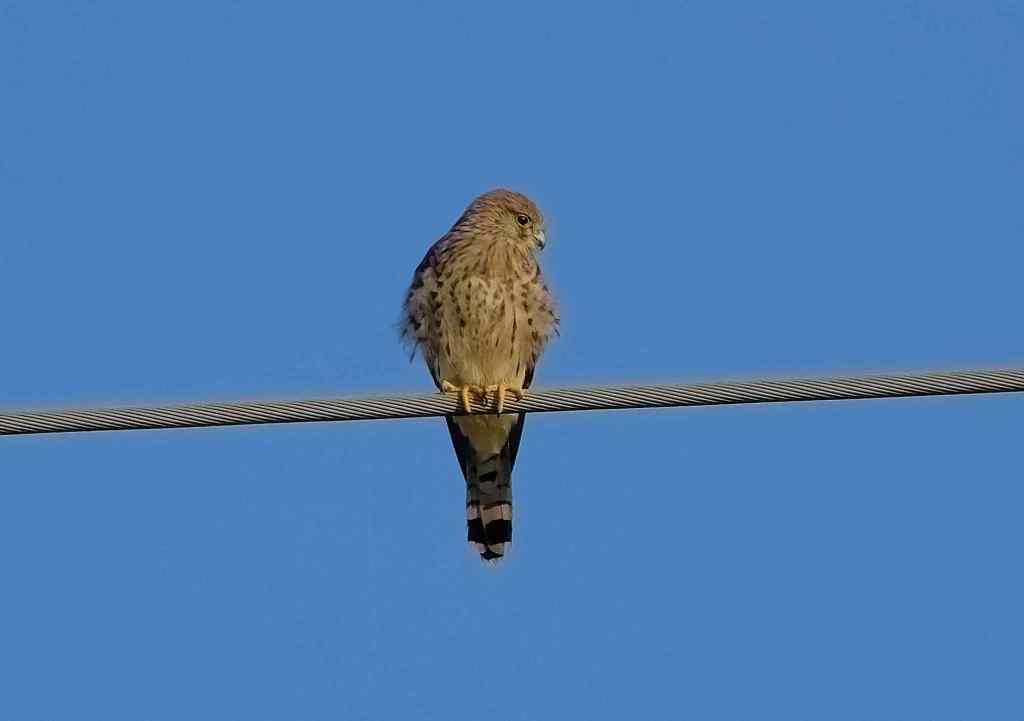
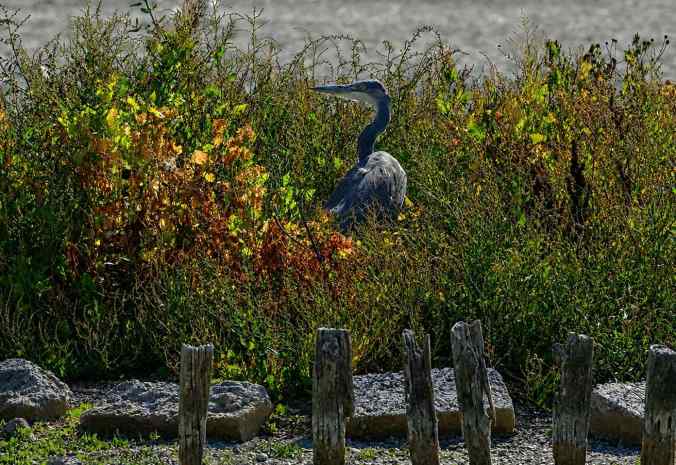
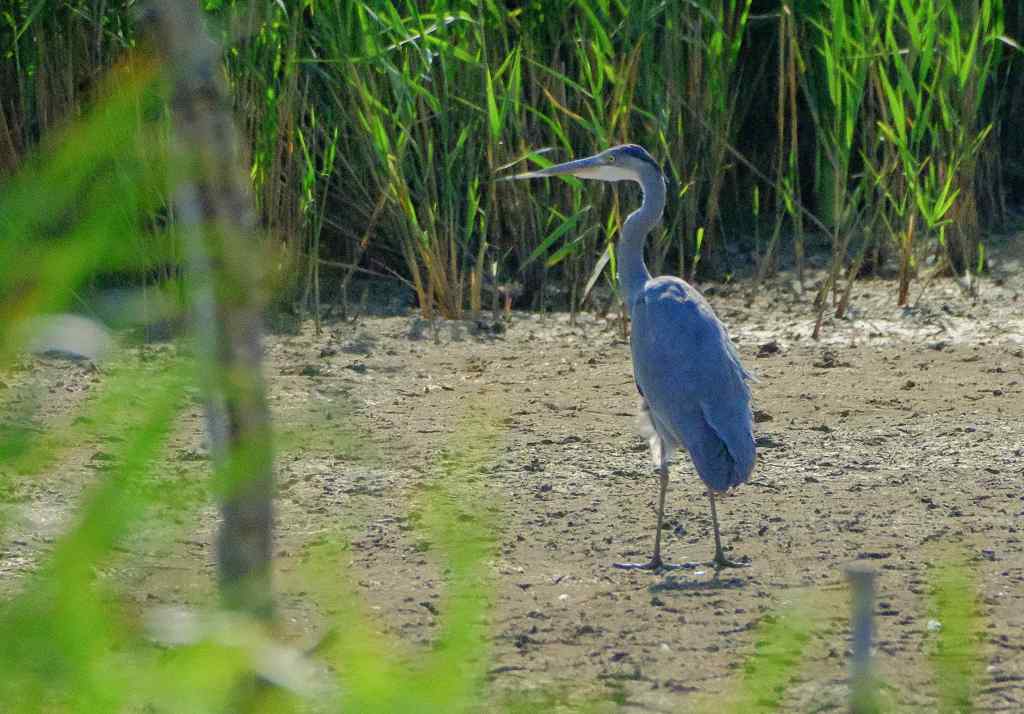
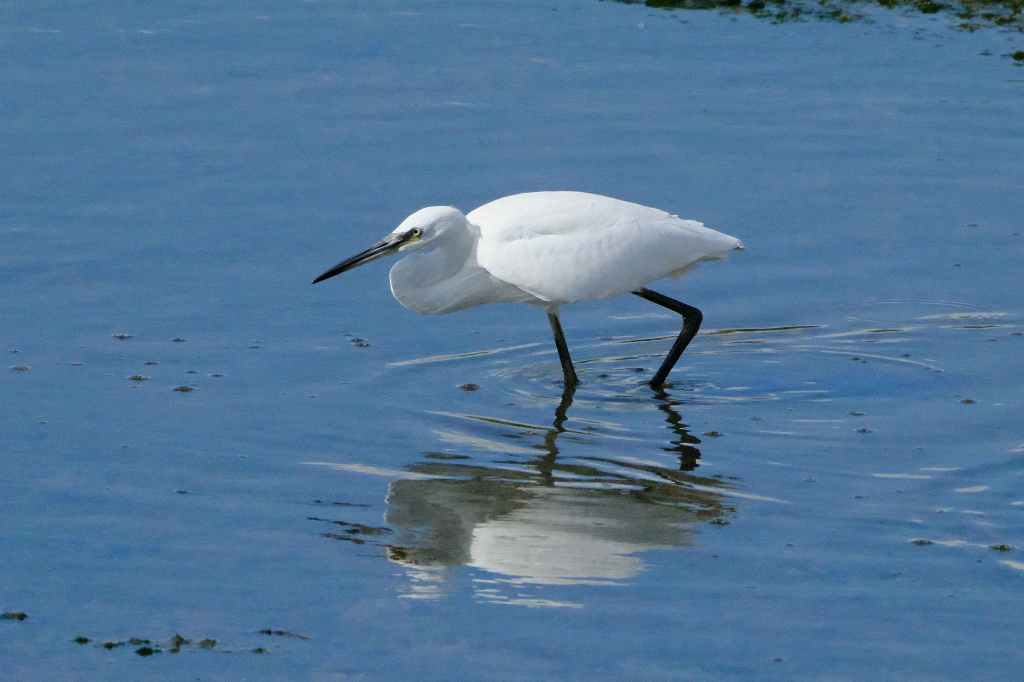
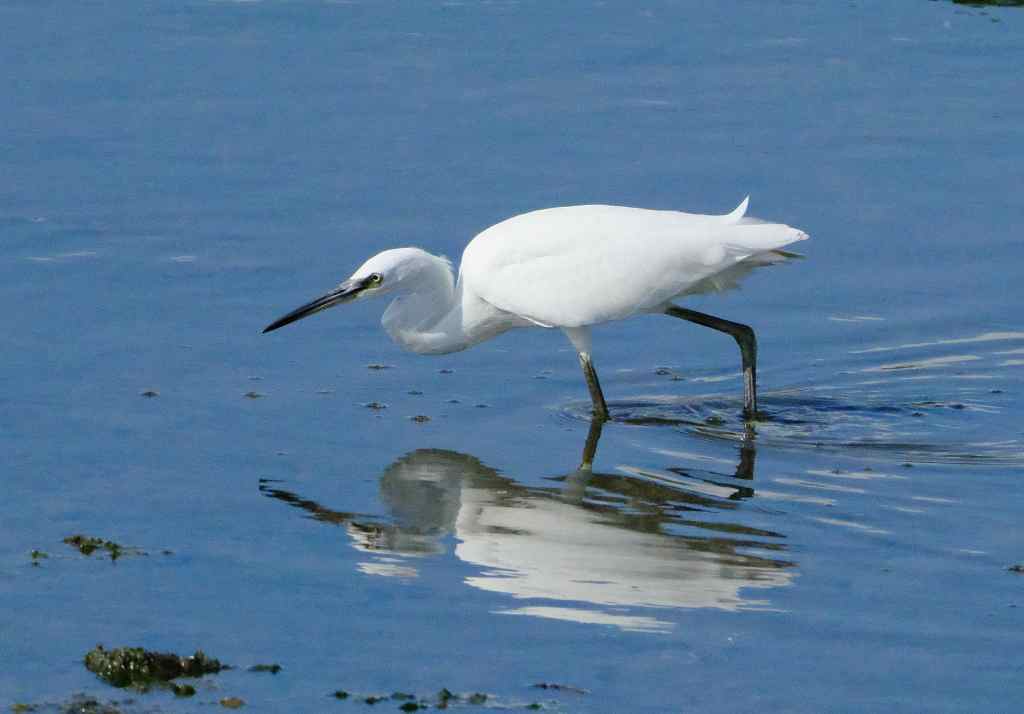
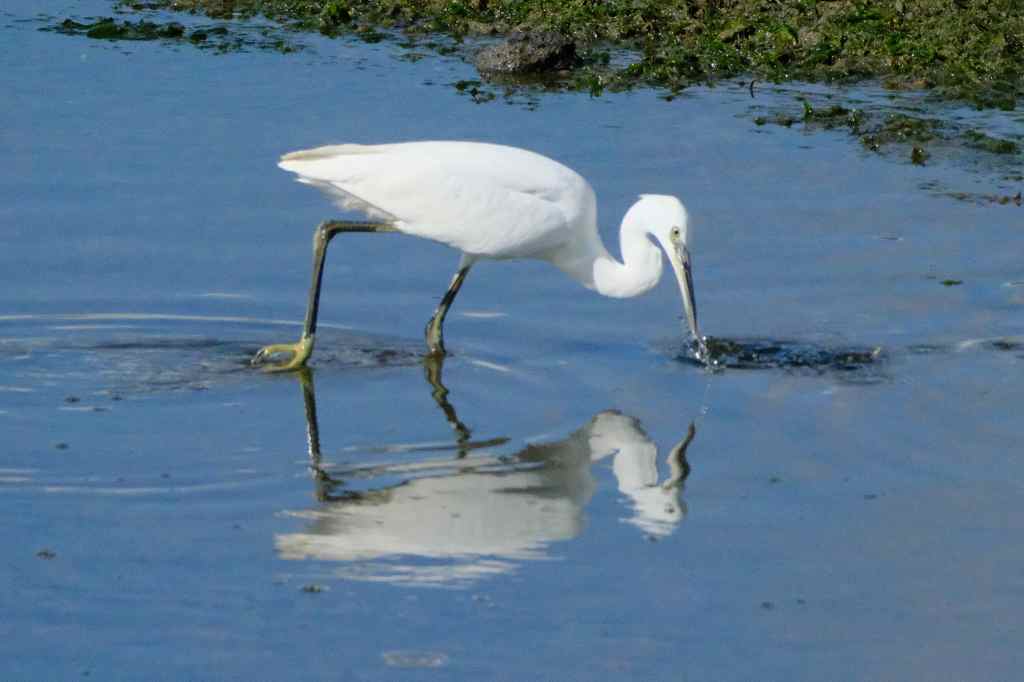
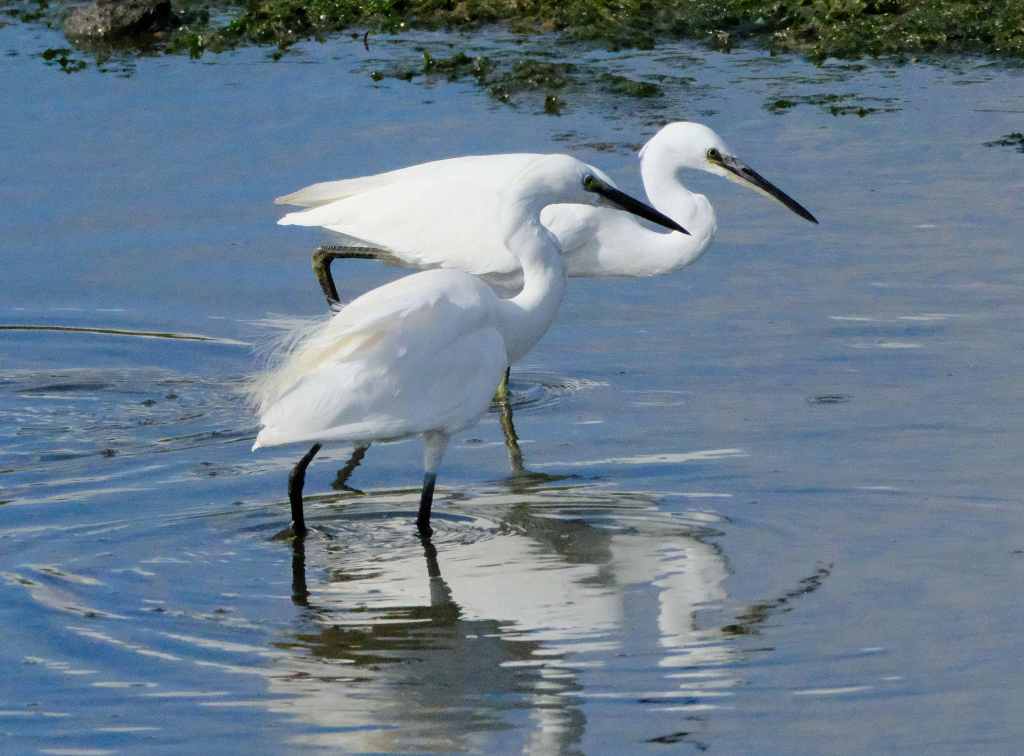
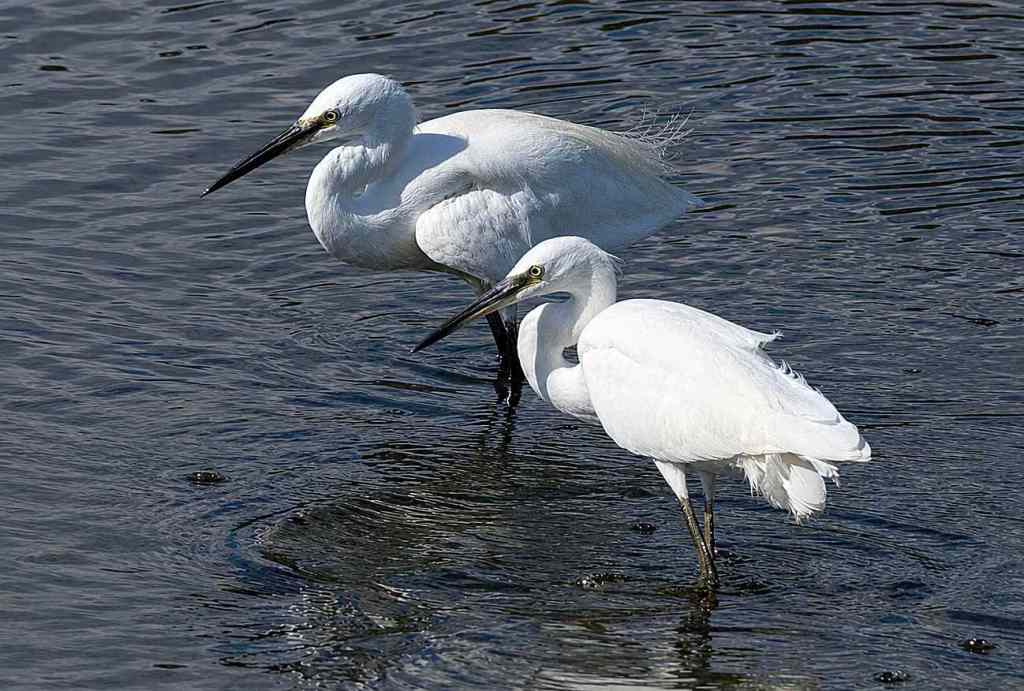
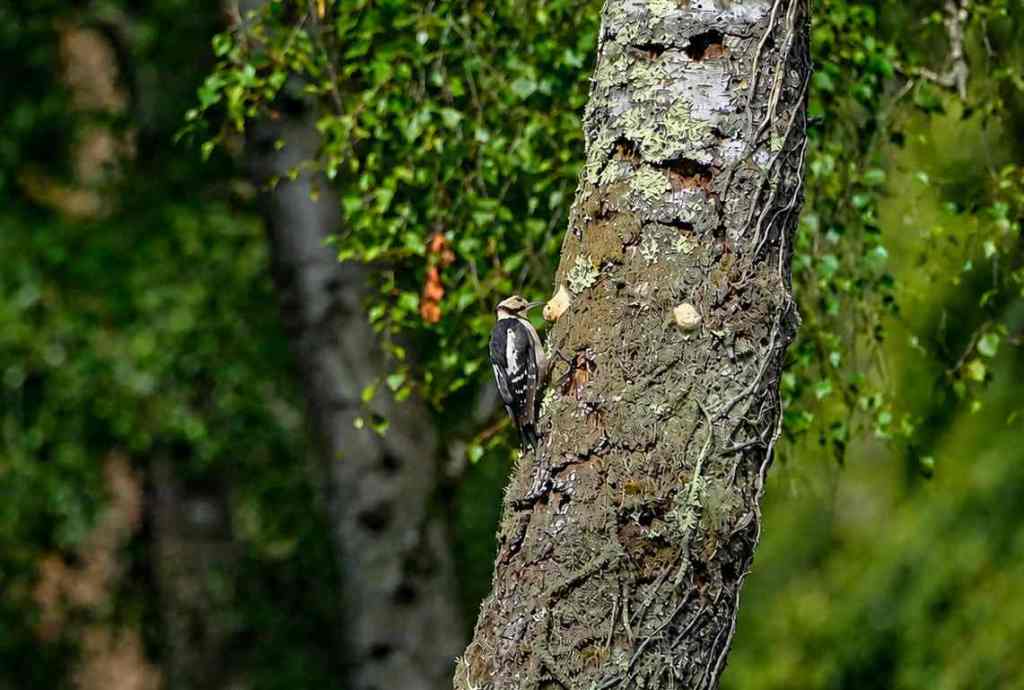
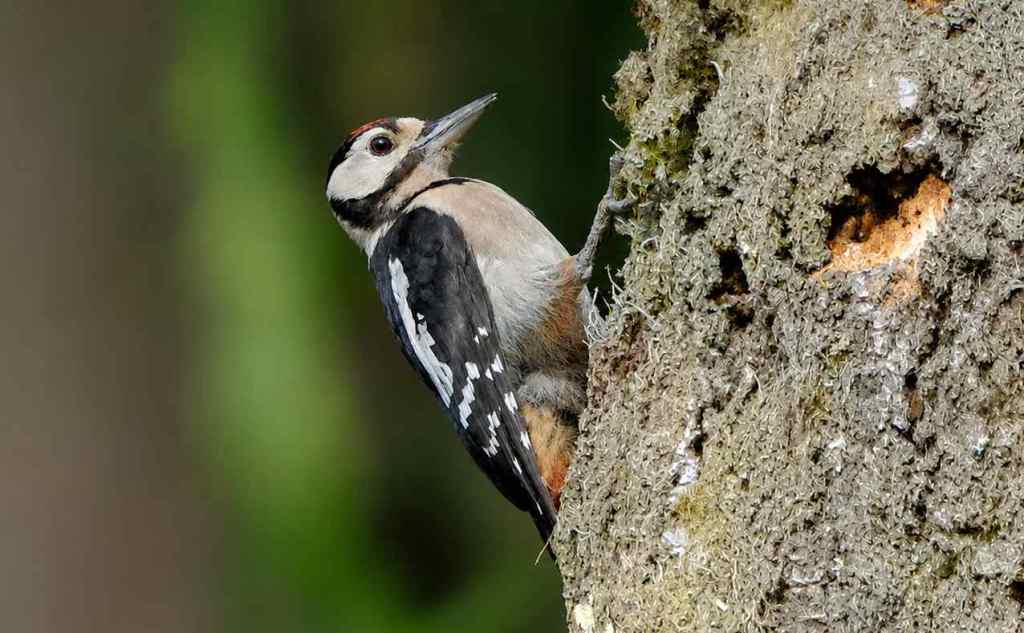
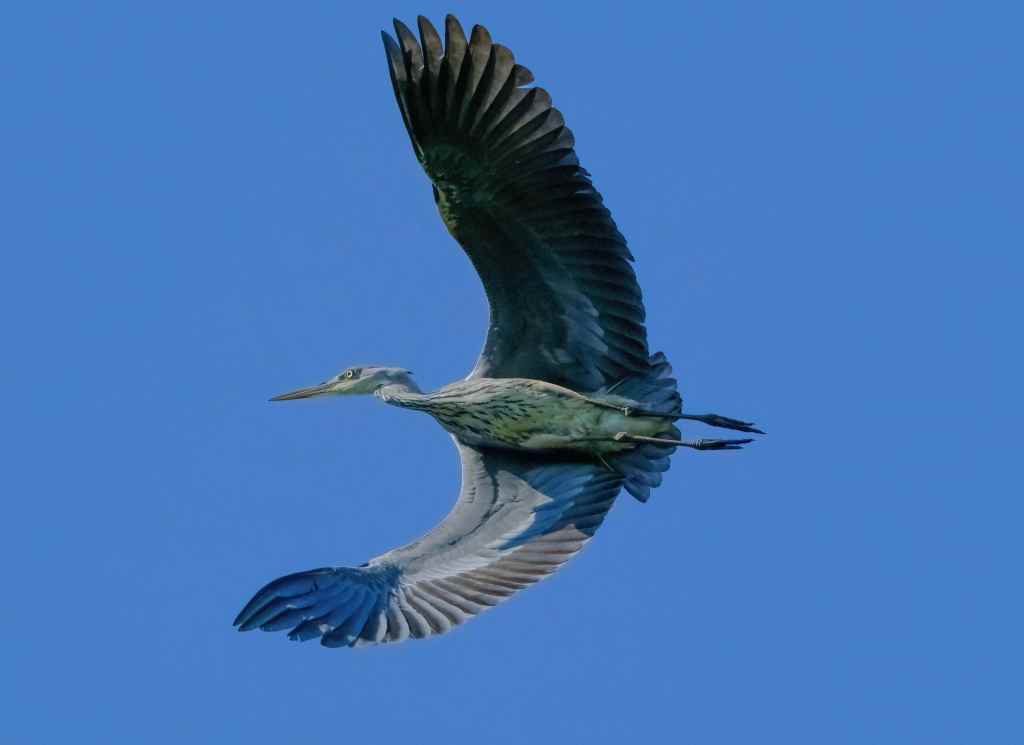
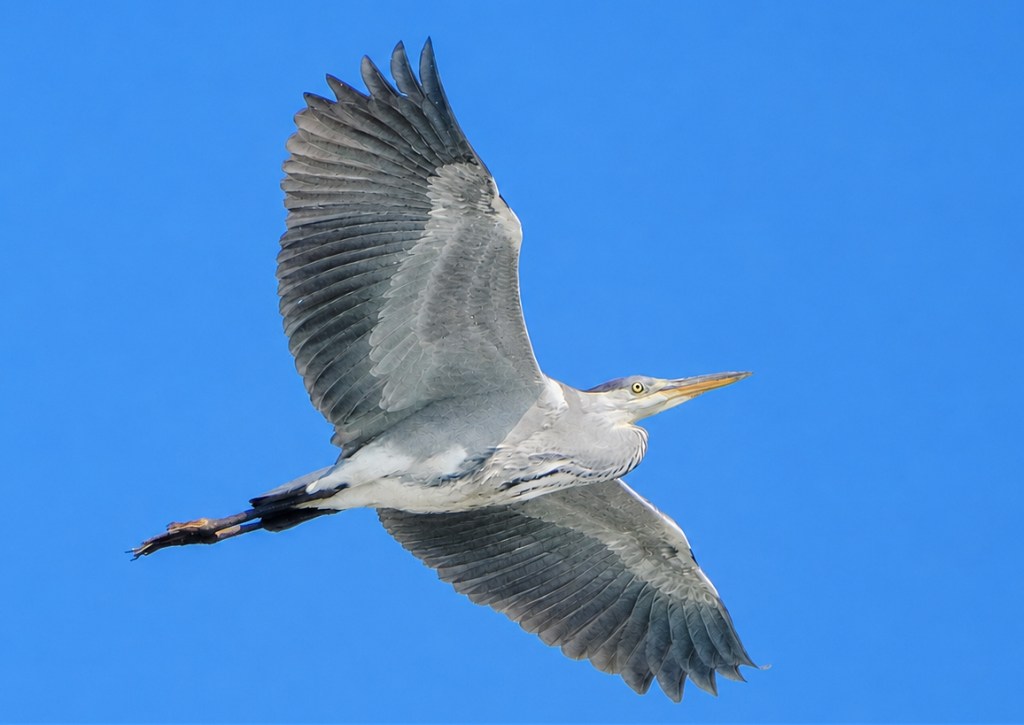
Cattle Egret numbers in the UK are rising. These small white herons are mostly found in southern England and Wales. They often spend time close to livestock like sheep and cows and grab the insects and worms their hooves disturb. While watching Highland Cows in Titchfield Haven Nature Reserve, true to their name, 4 of these birds flew in to feed.
Back into the New Forest after a 10-day gap due to the large wildfire, which closed the A31, the main road crossing the forest. Although other parts were accessible, we chose to stay away, as many of the smaller roads were gridlocked with diverted traffic.
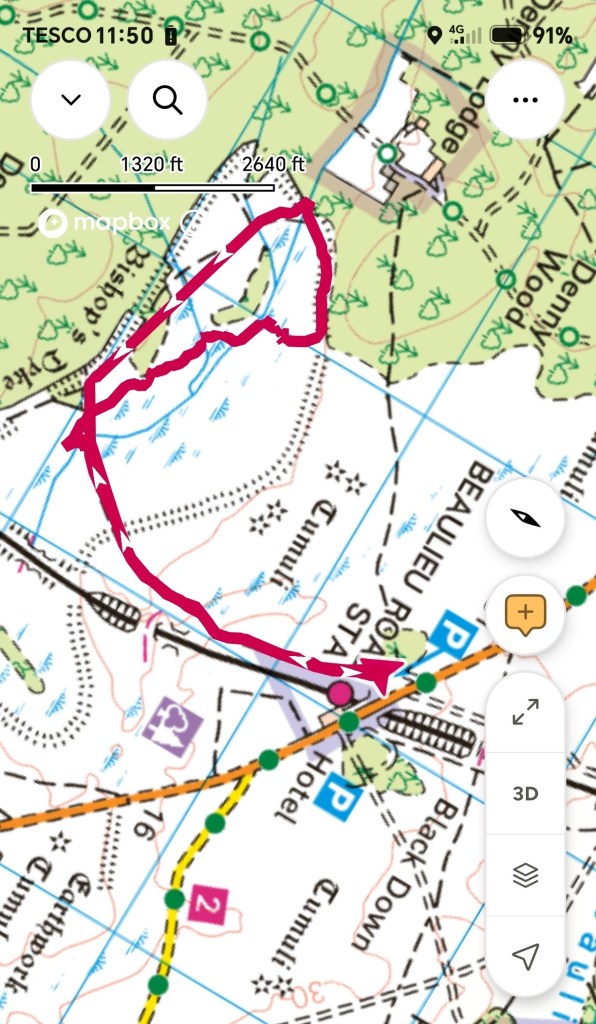
Today’s walk.
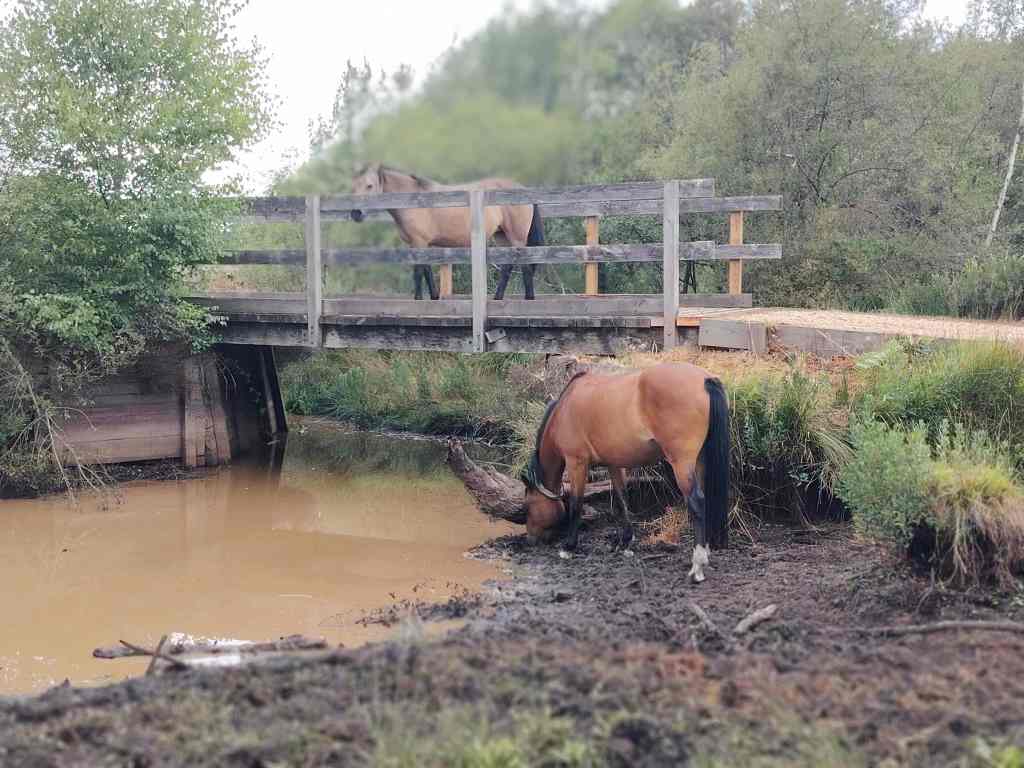
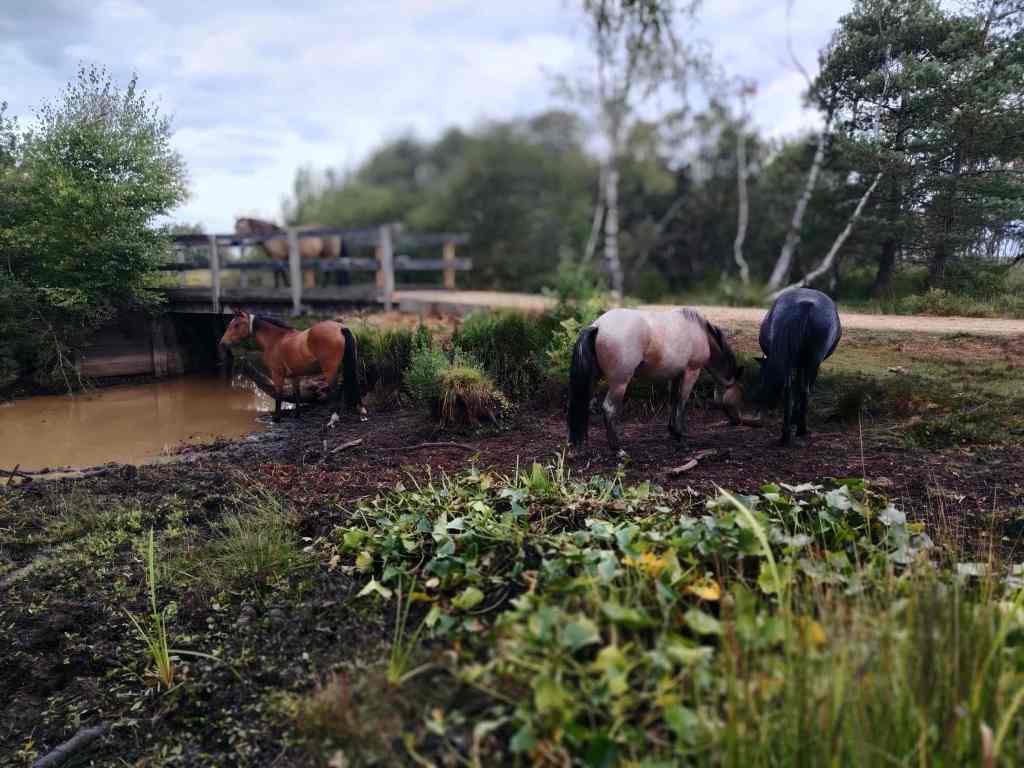
about 4 miles through some fairly boggy ground. Some of which would be impassable if we had not had a drought.
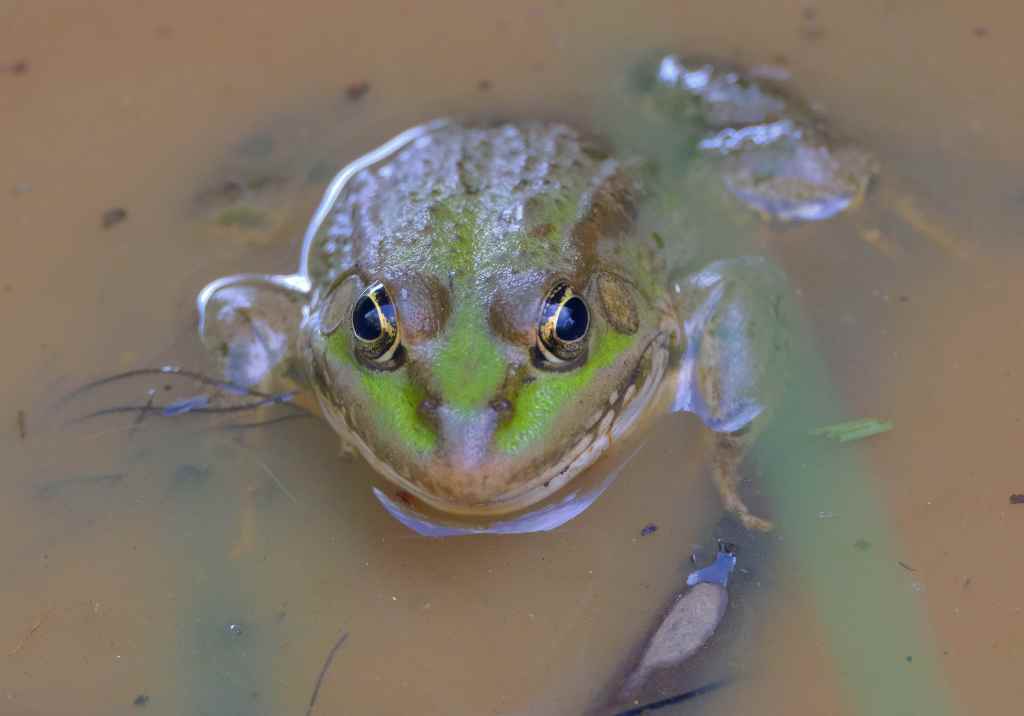
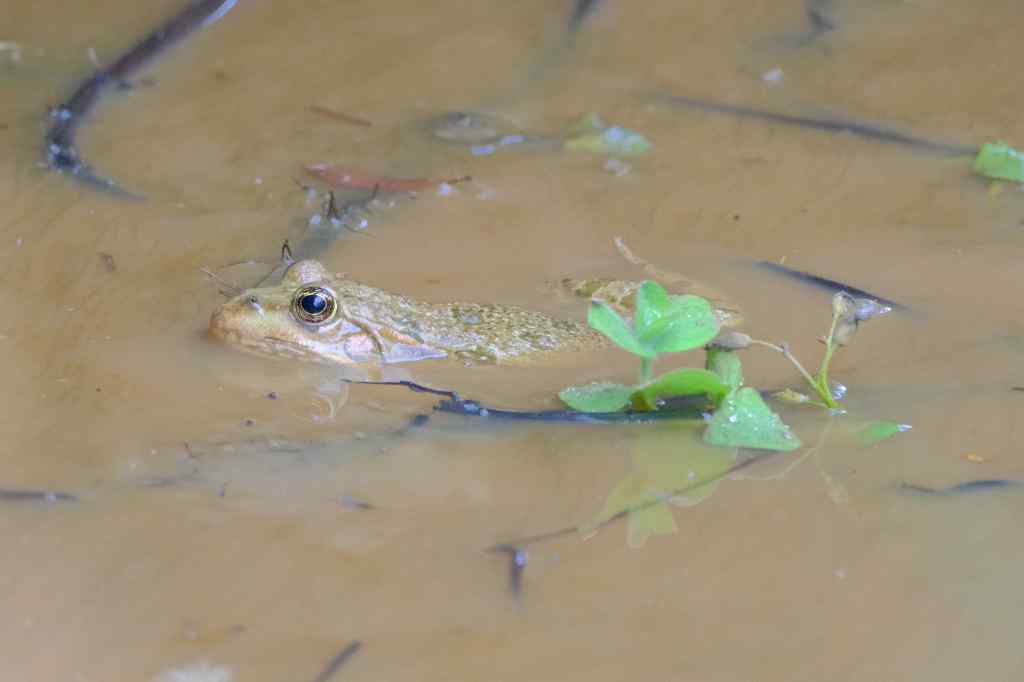
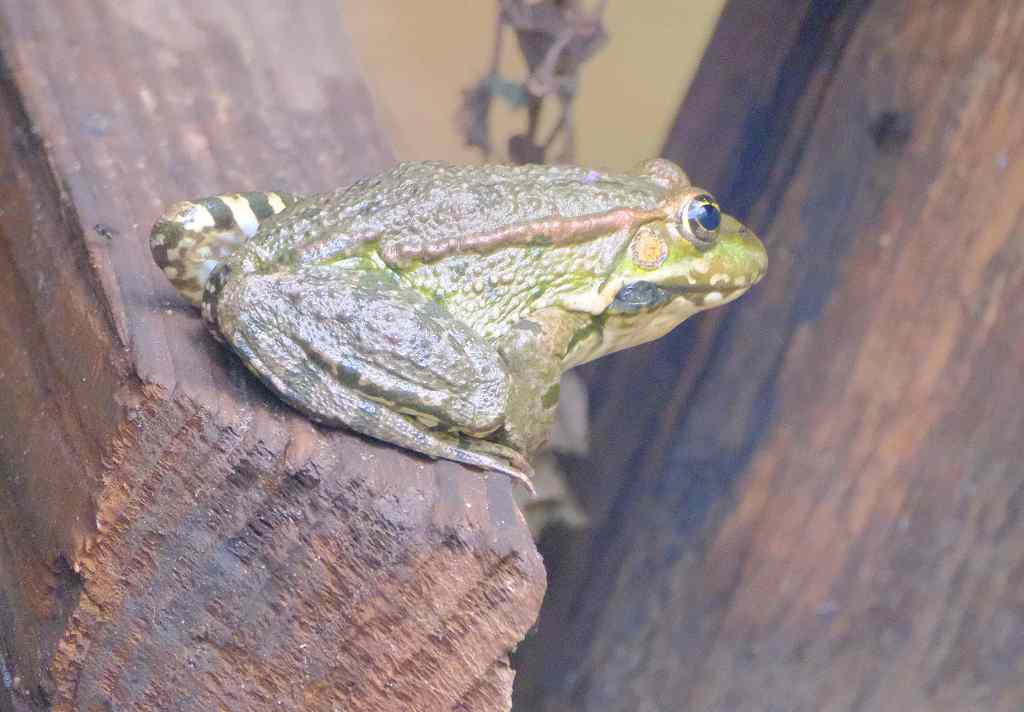
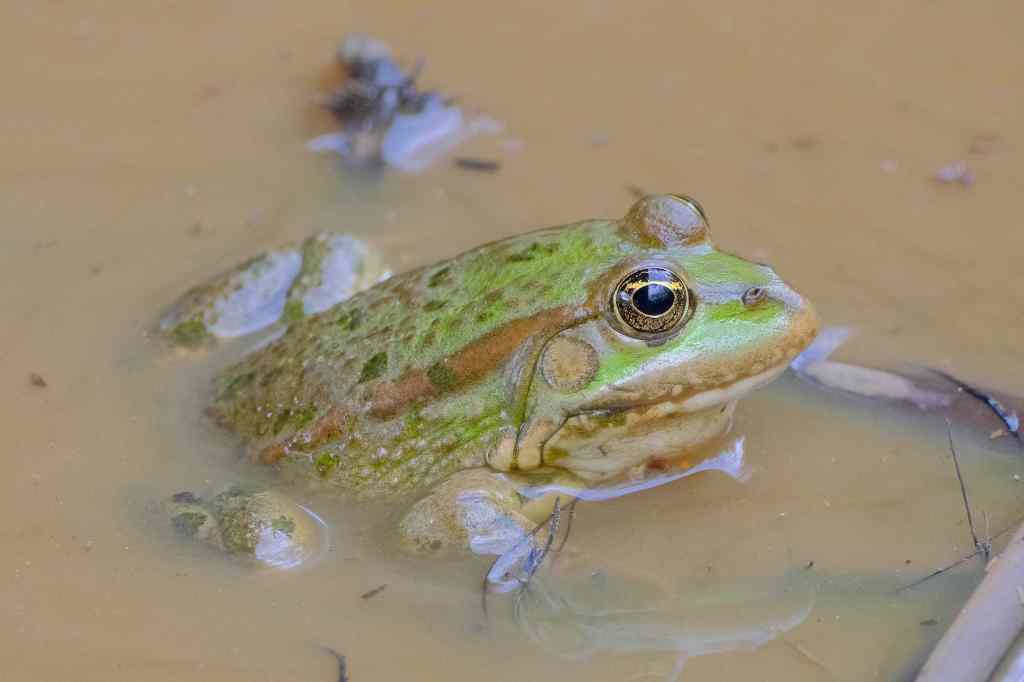
Marsh frogs.
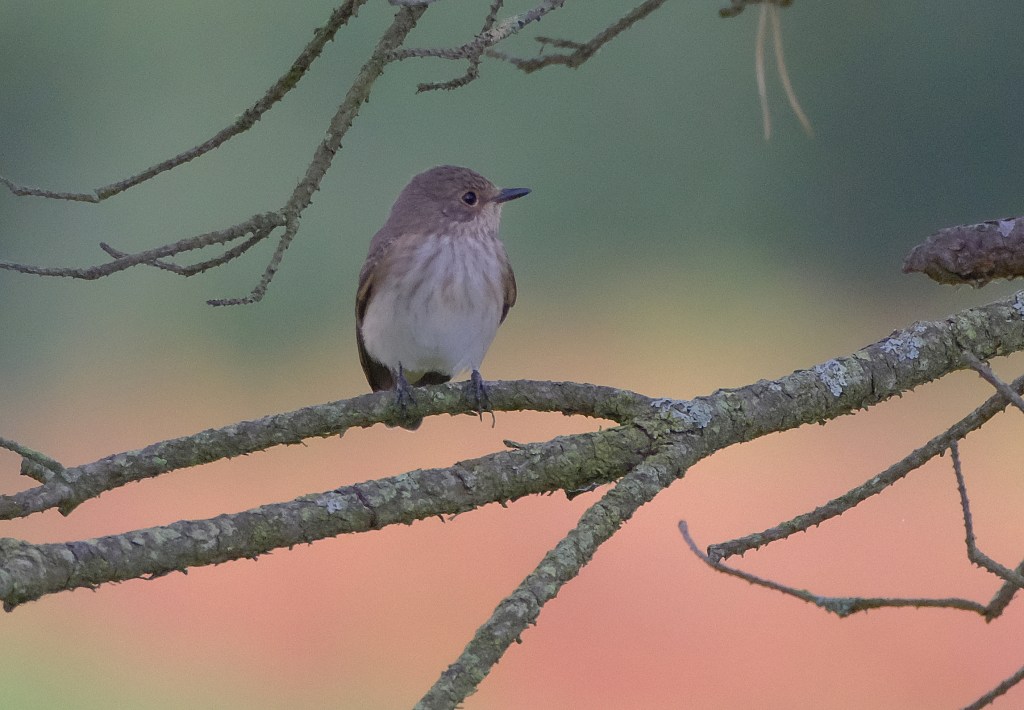
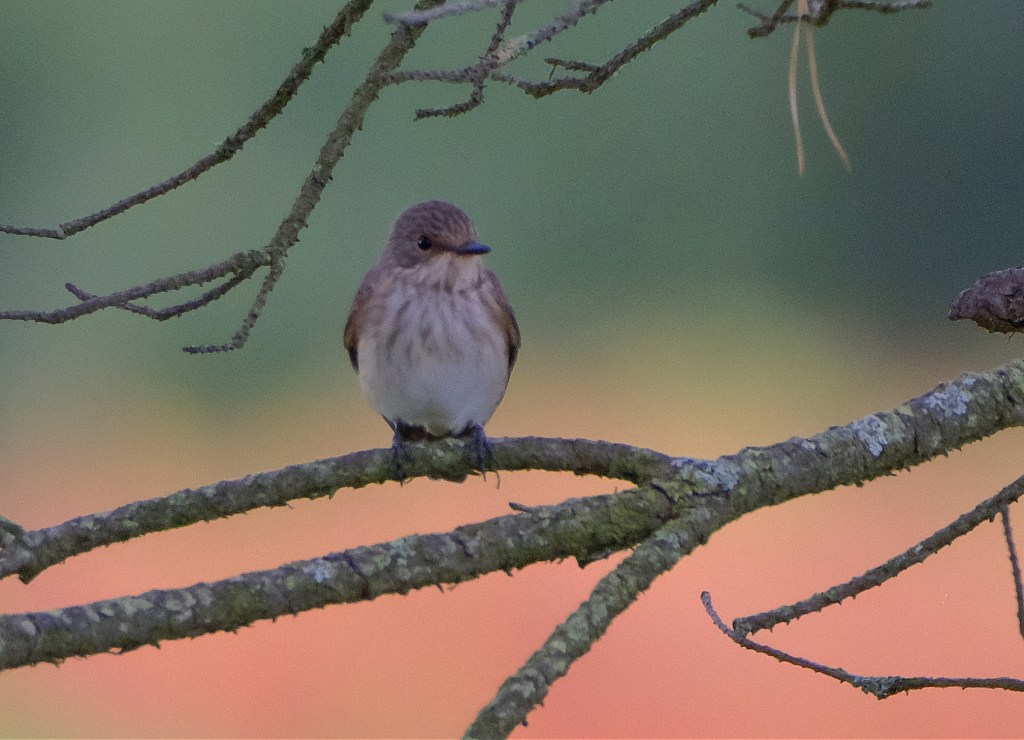
Spotted flycatcher.
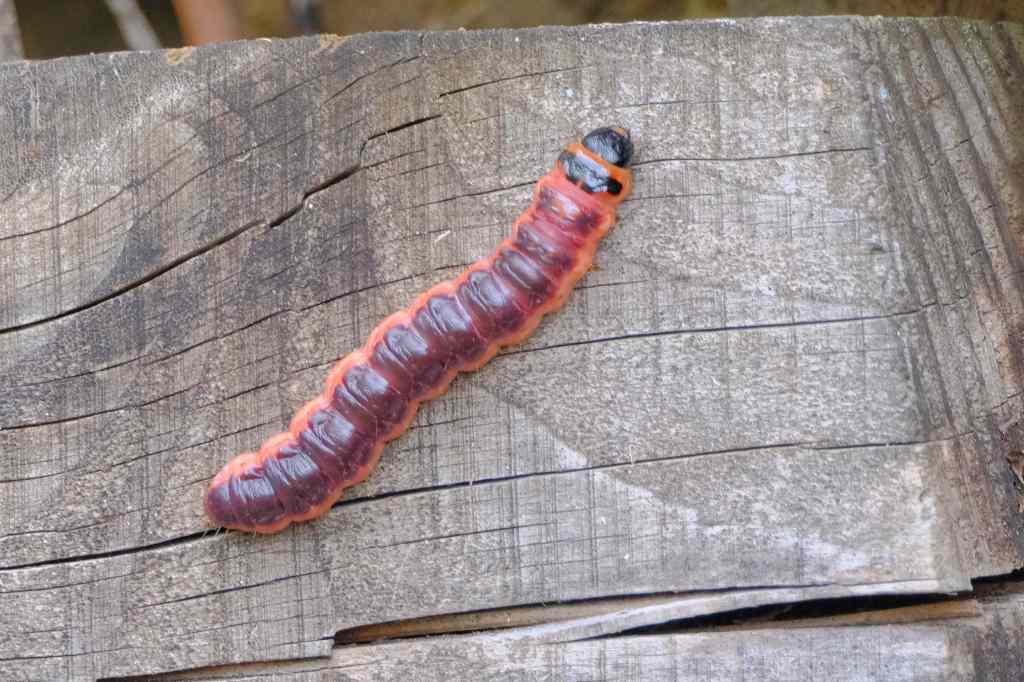
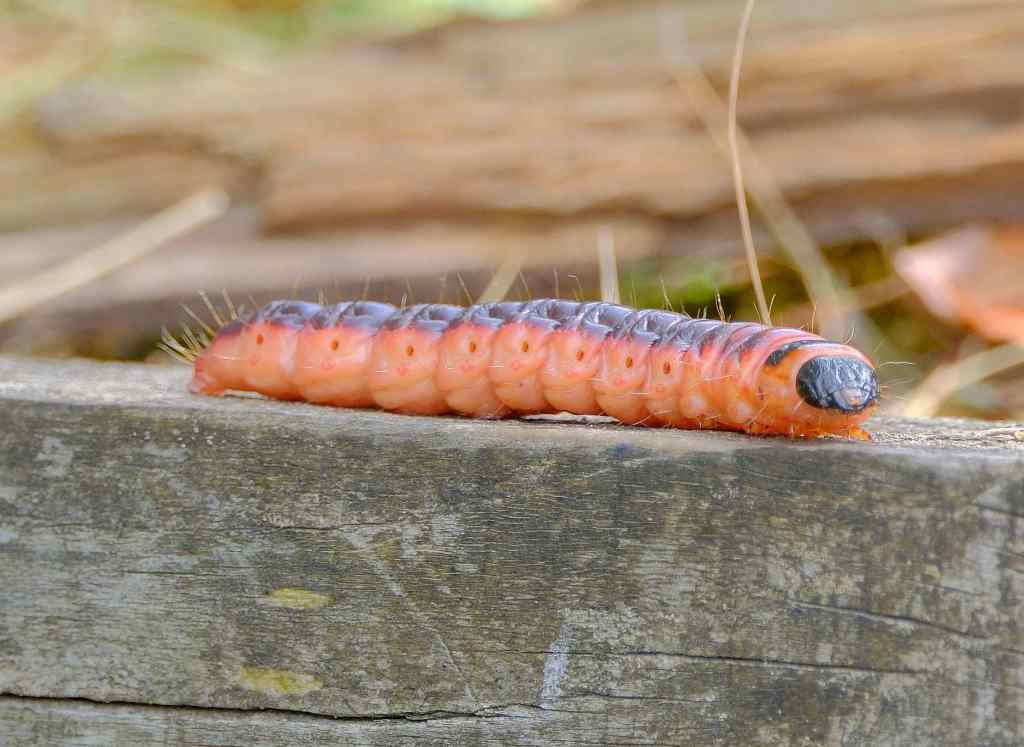
A first for me today, a Goat Moth caterpillar.
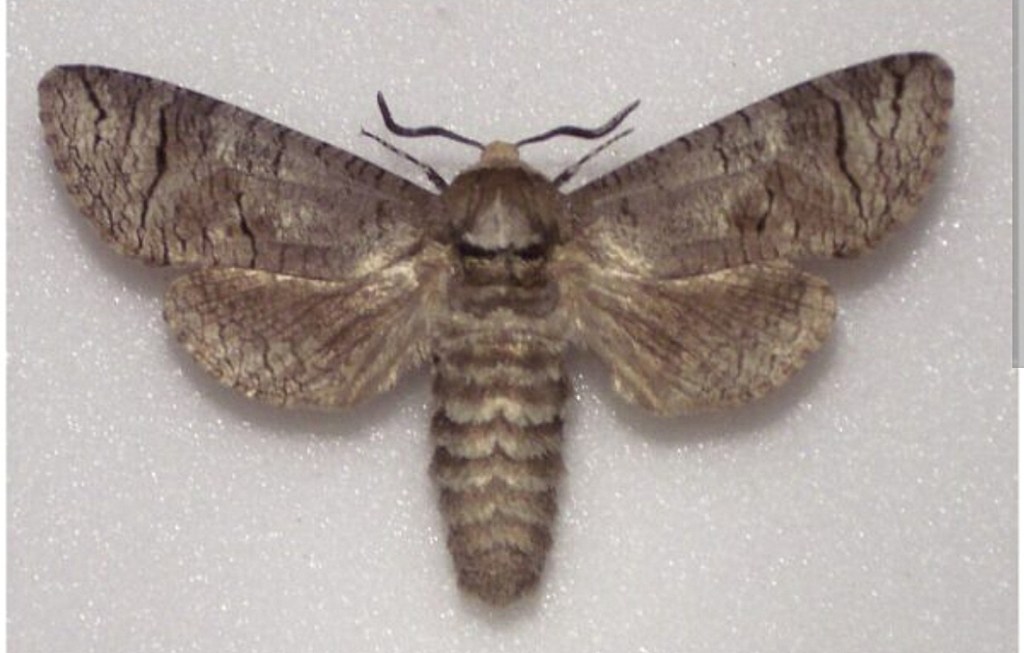
)As an adult, the moth cannot feed. The caterpillars live inside the trunks of a variety of broad-leaved trees, feeding on the wood. They overwinter three or four times as larvae and a final time as pupae. The caterpillar can grow to 10 cm (about 4 inches), and the moth has a wingspan of up to 9.5cm (about 3 1/2 inches).
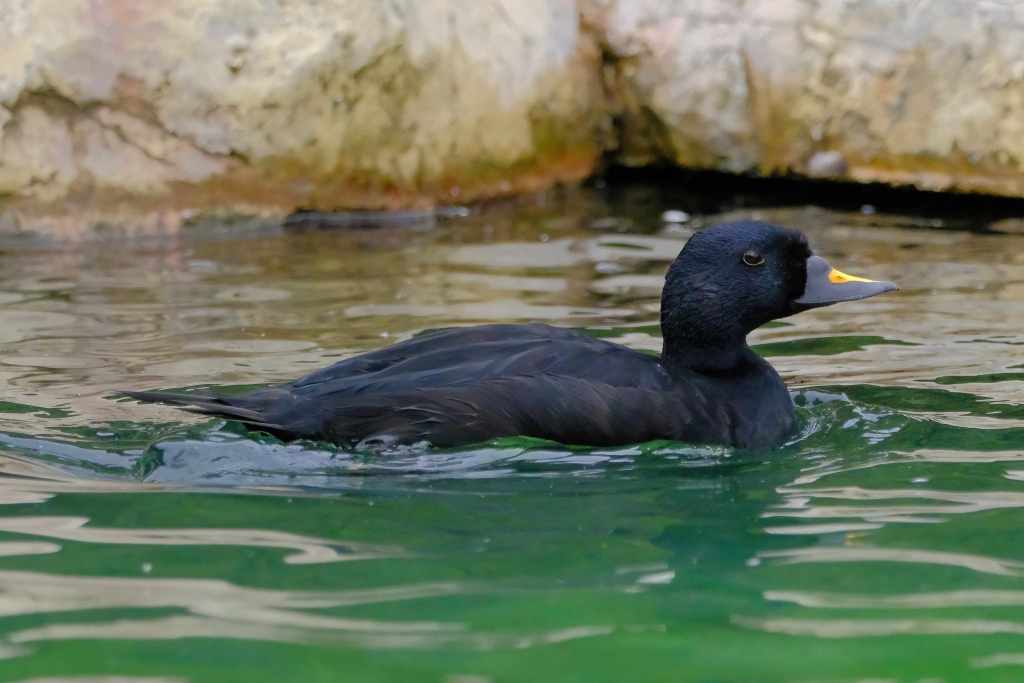
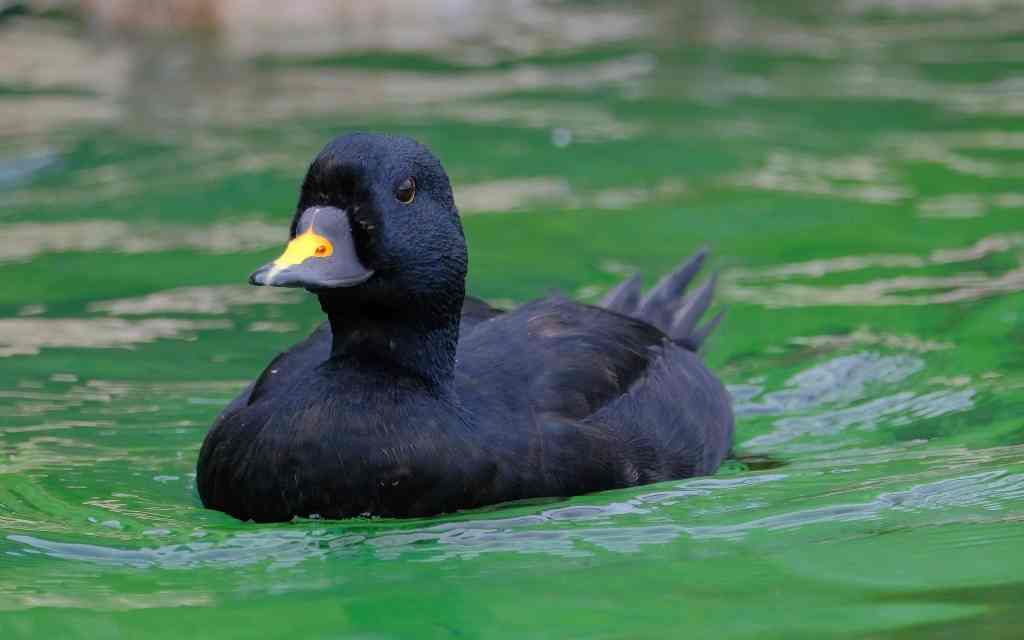
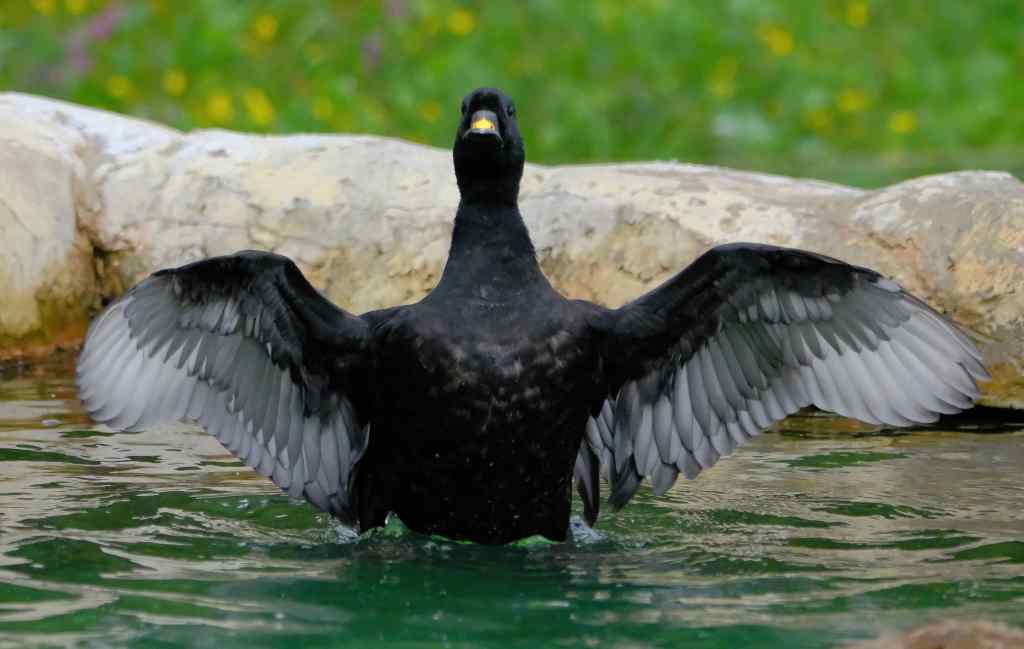
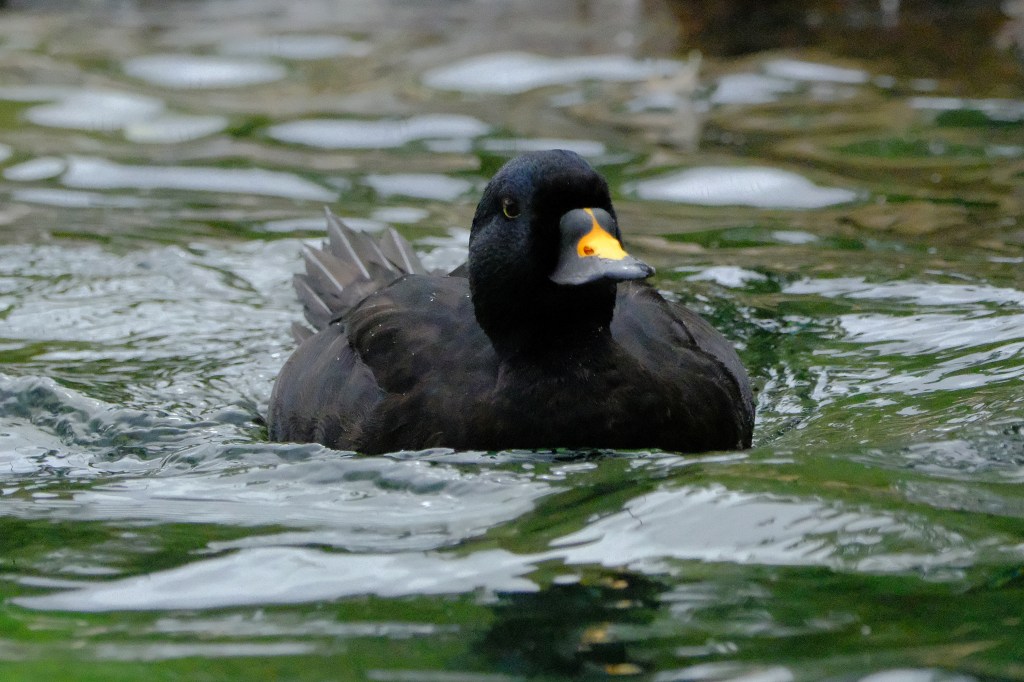
The Common Scoter is a dark-coloured sea duck; the male is totally black with yellow on its bill. I have seen this duck a few times, normally far out at sea off our coast through a telescope.
These birds were at Arundel and were born in captivity there last year.
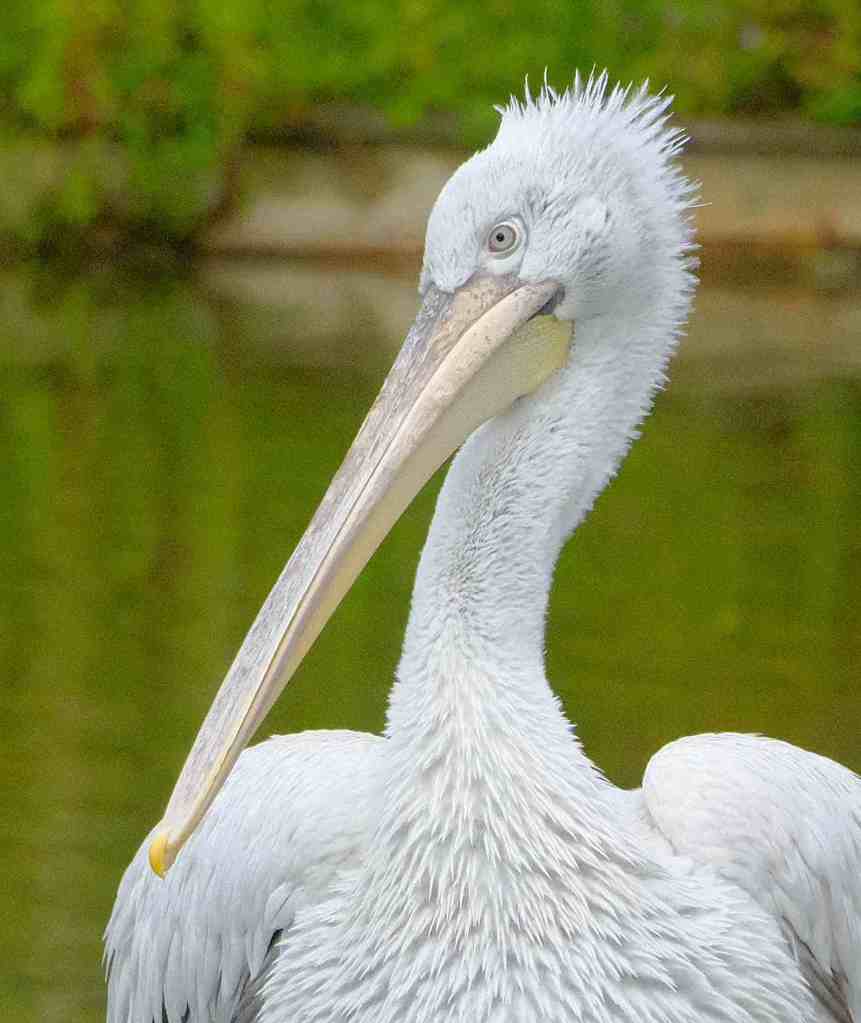
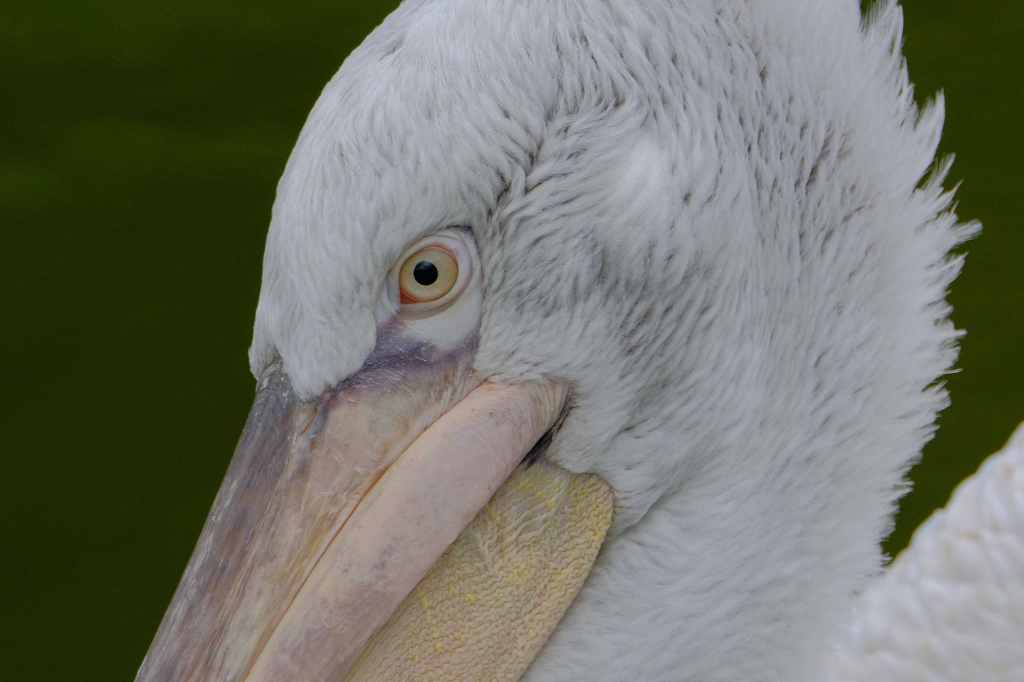
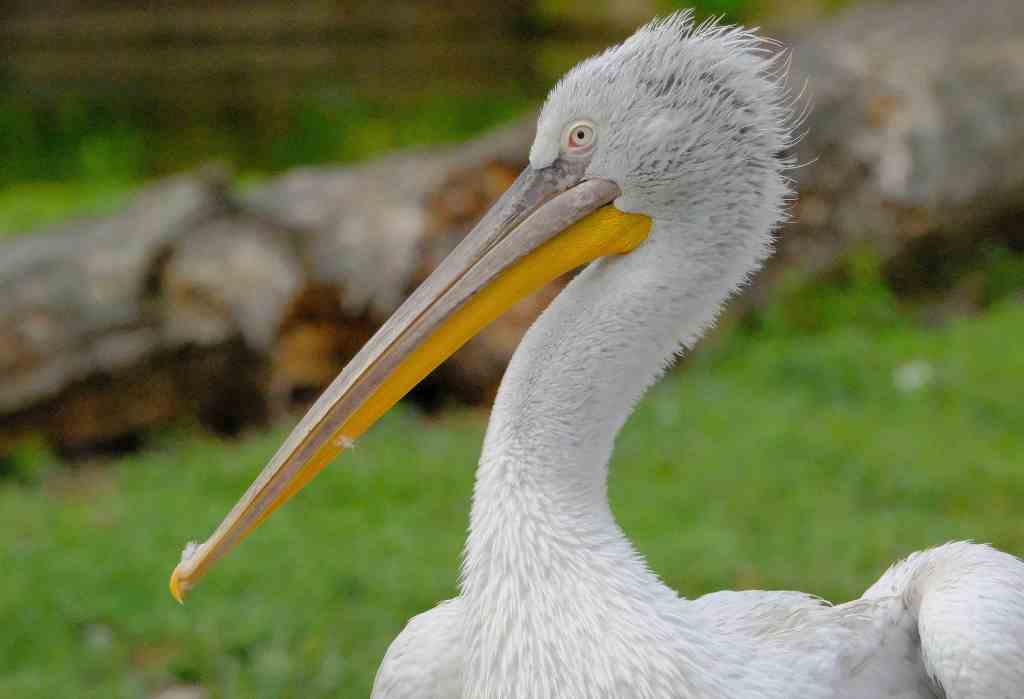
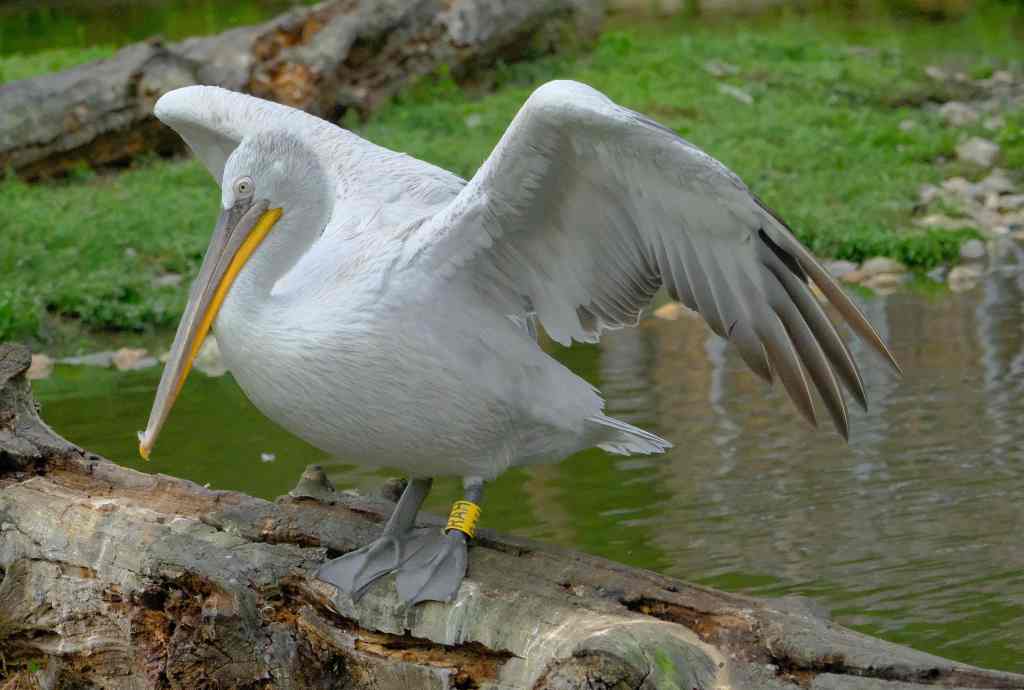
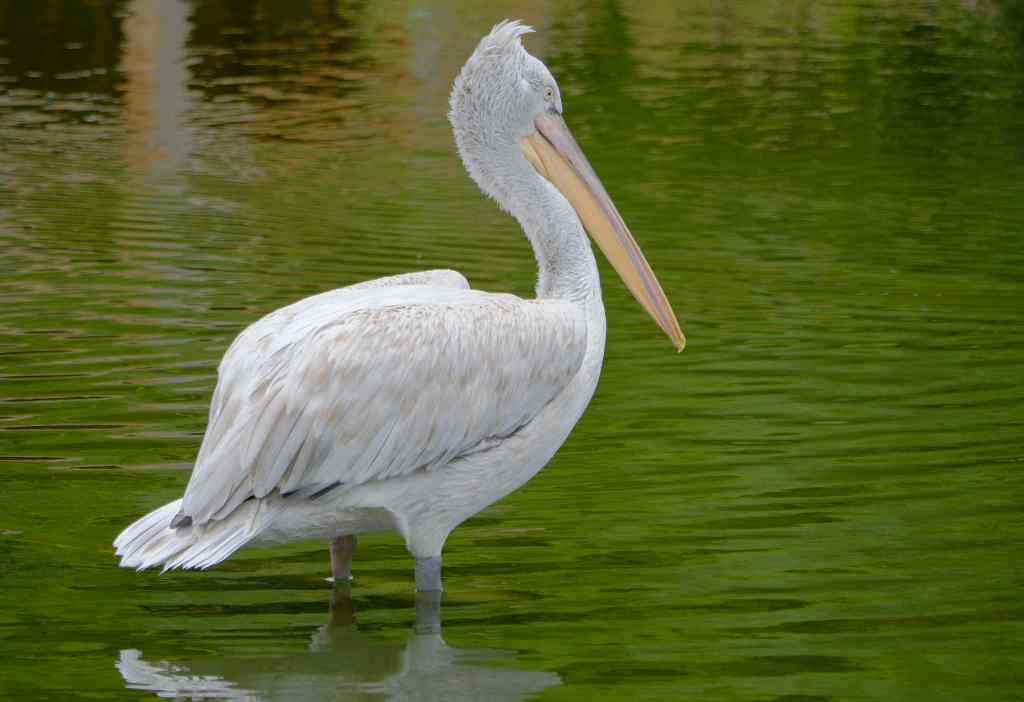
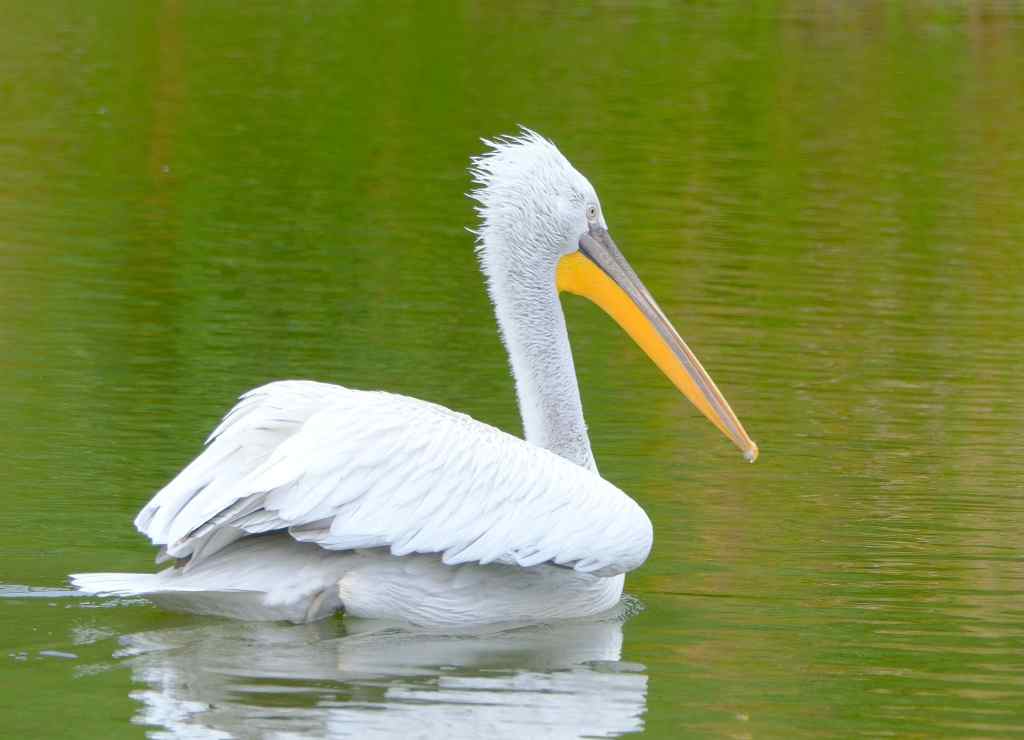
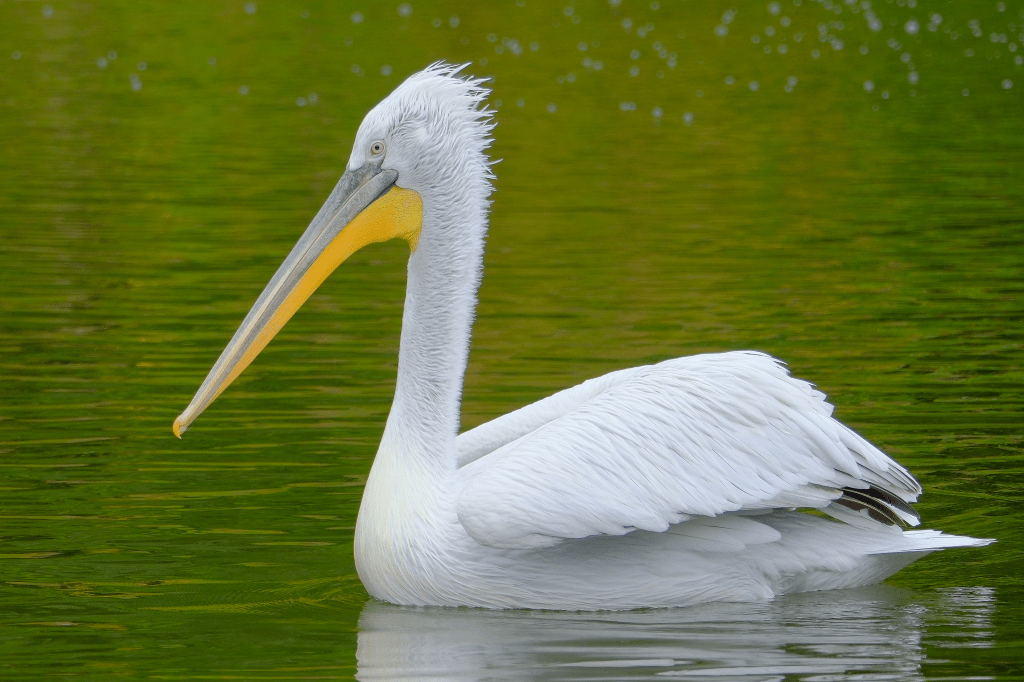
The Dalmatian pelican, also known as the curly-headed pelican, is the largest member of the pelican family and among the heaviest flying birds in the world. With a wingspan ranging between 2.7 and 3.2 metres,
These birds are at WWT Arundel Wetland Centre.
Dalmatian pelicans were common in UK wetlands some 2000 years ago, but they became extinct due to habitat loss from farming and hunting.
Hottest day of the year yesterday (so far). I have been staying clear of the New Forest due to the major wildfires.
So spent the day at the coast visiting Titchfield Haven Nature Reserve.
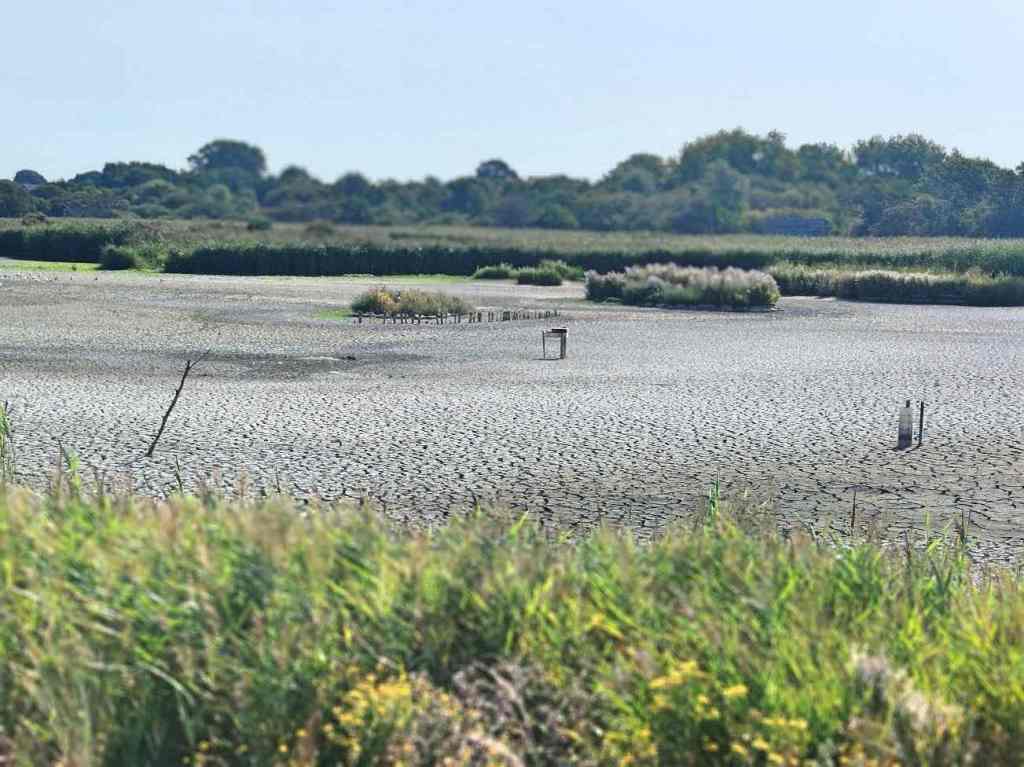
I have been visiting the reserve since childhood, but I have never seen it so dry; the top 2 lagoons/scrapes have dried up completely; the lower scrape has water, but this is due to the effort of wardens who routed water by opening sluice gates on the river.
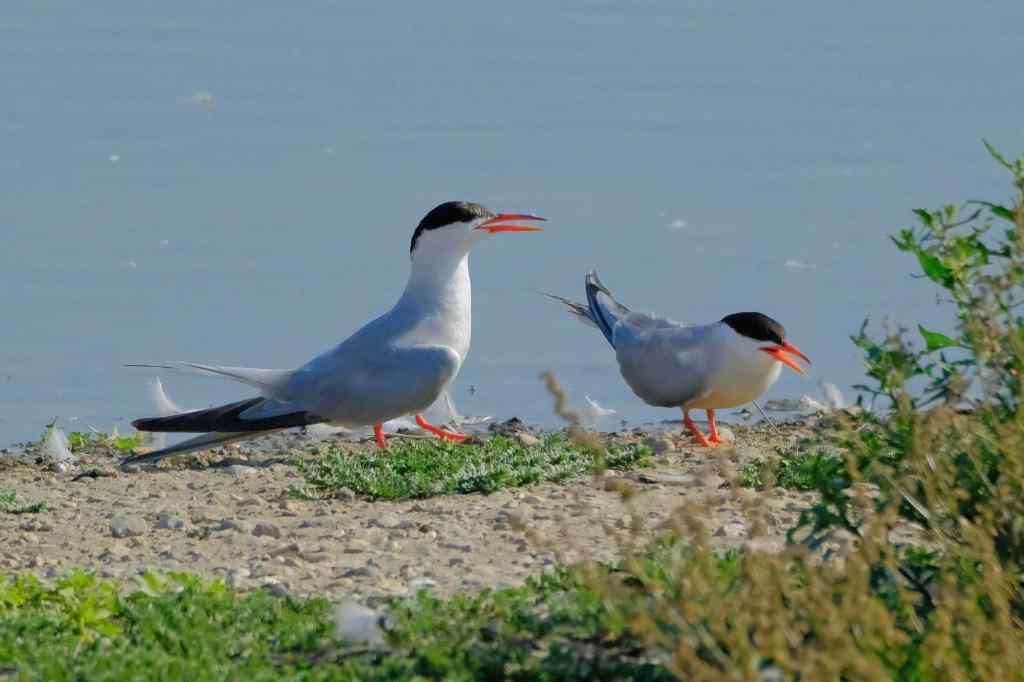
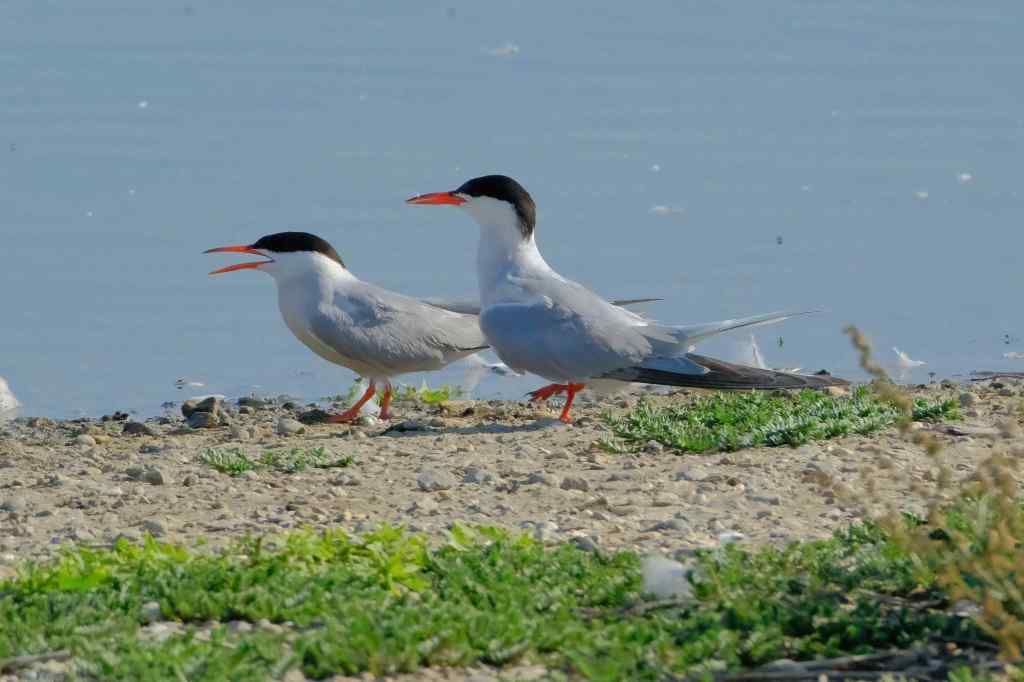
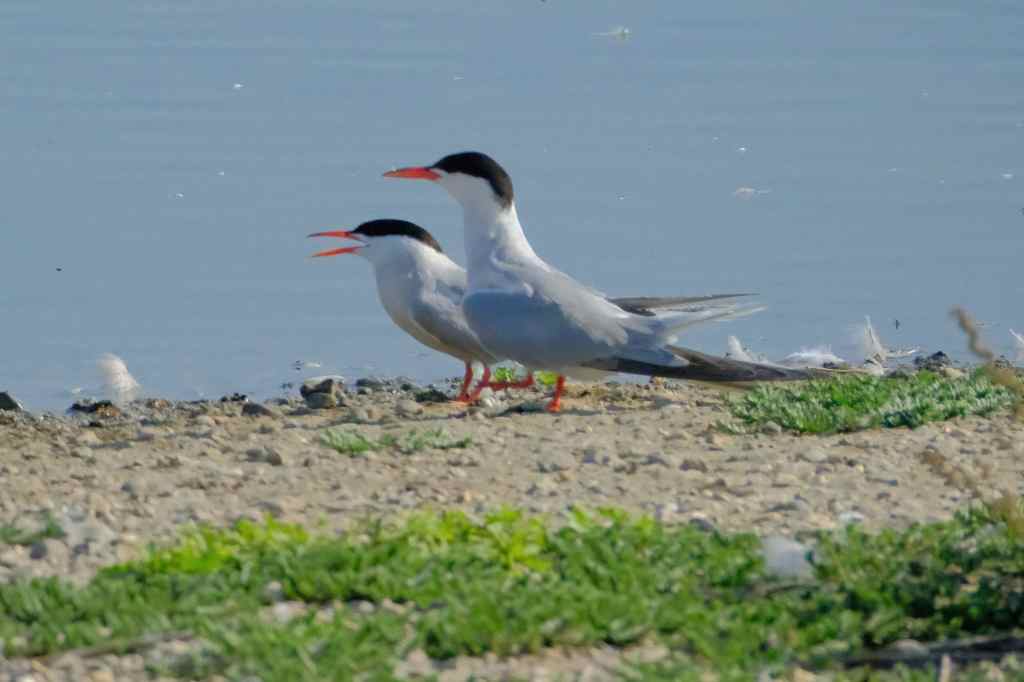
Common Terns
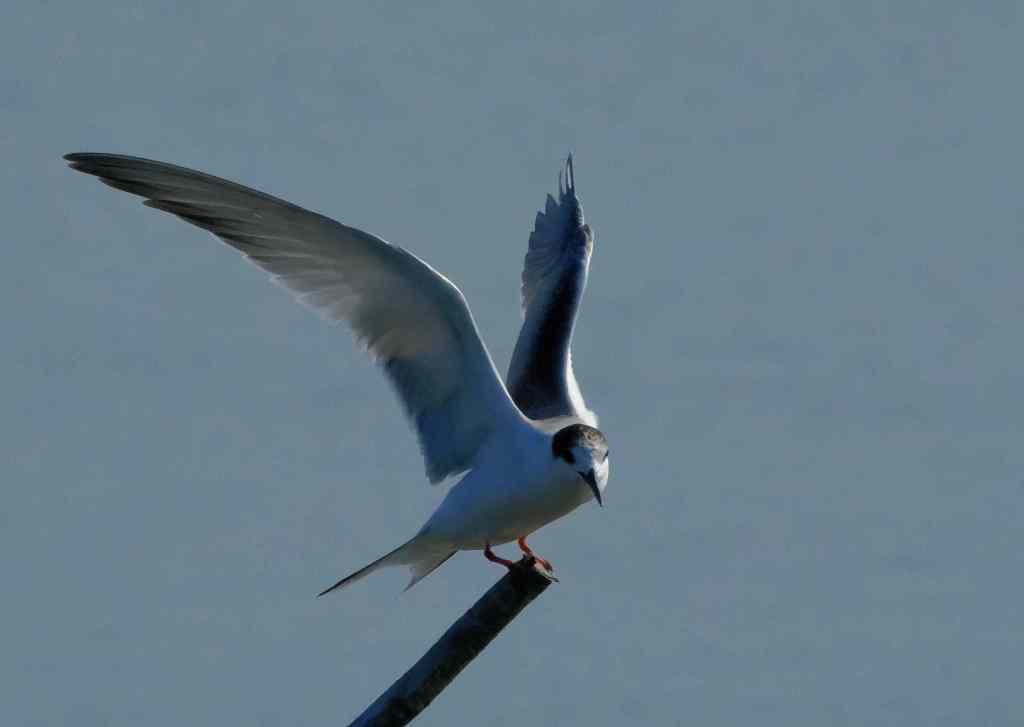
Juvenile Common Tern.
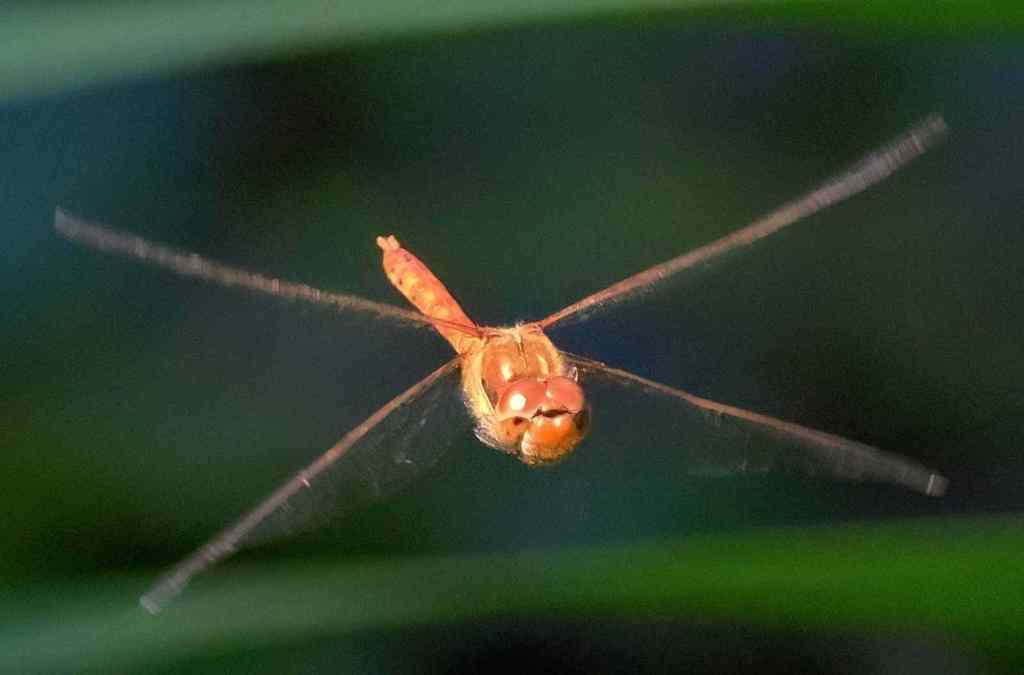
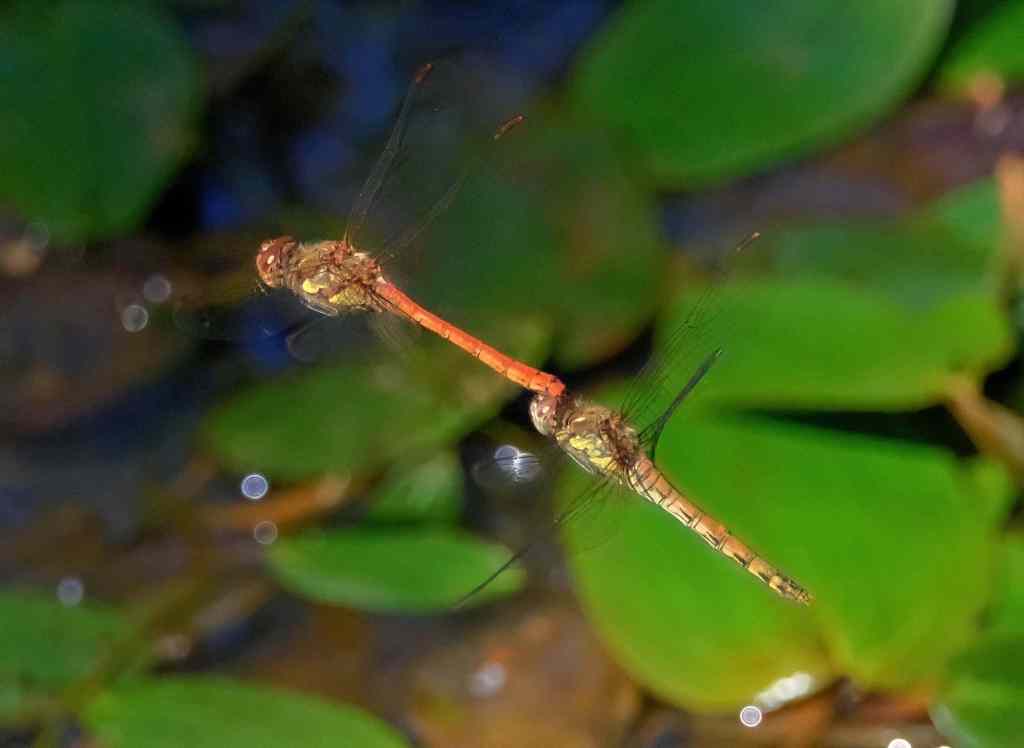
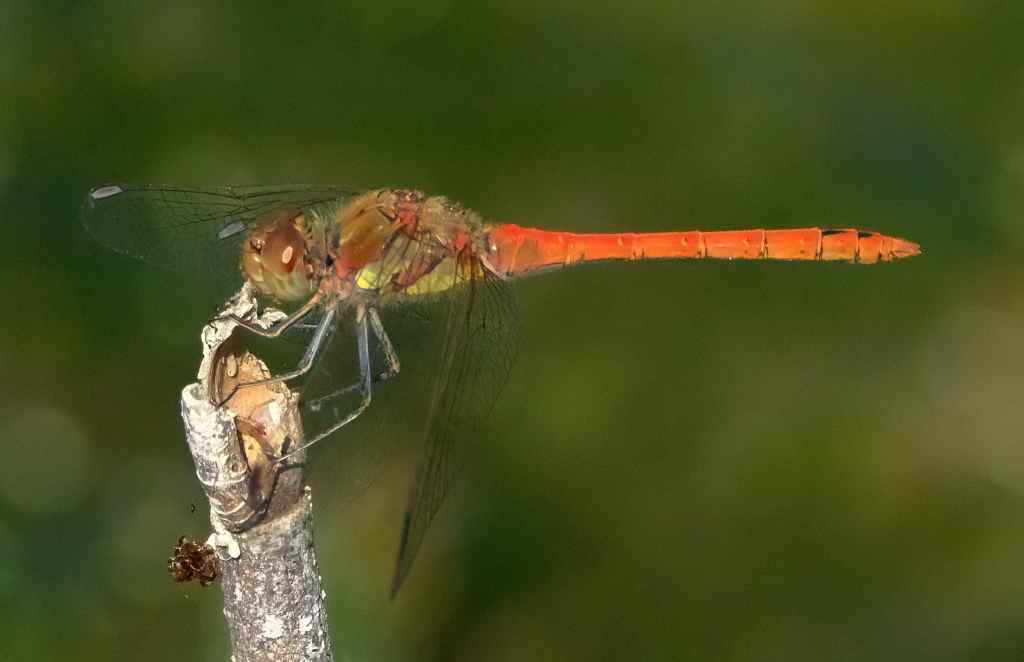
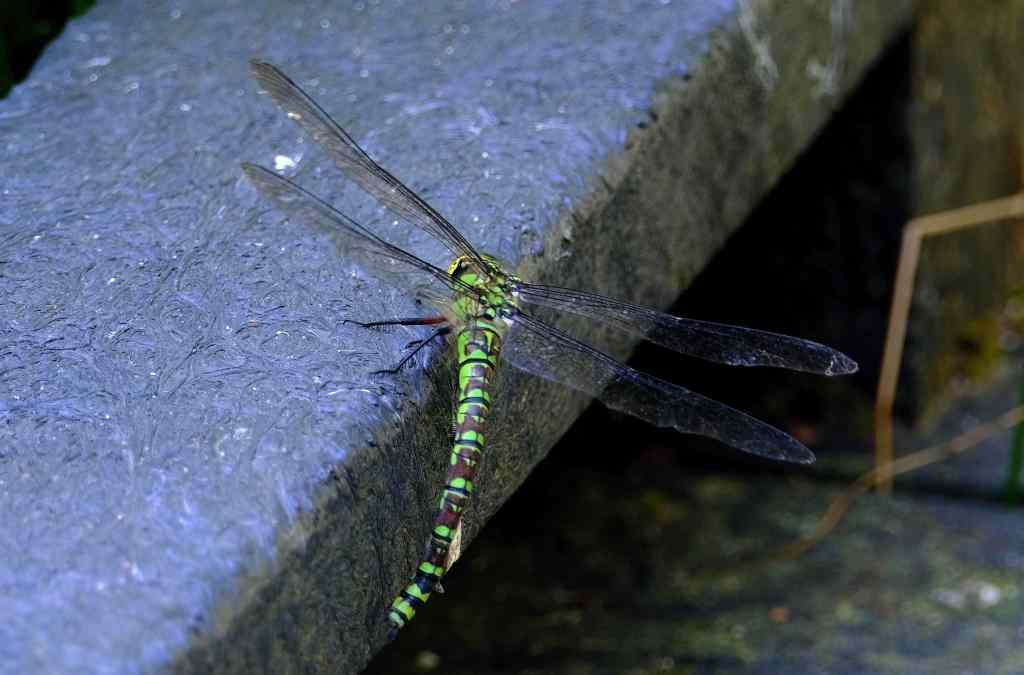
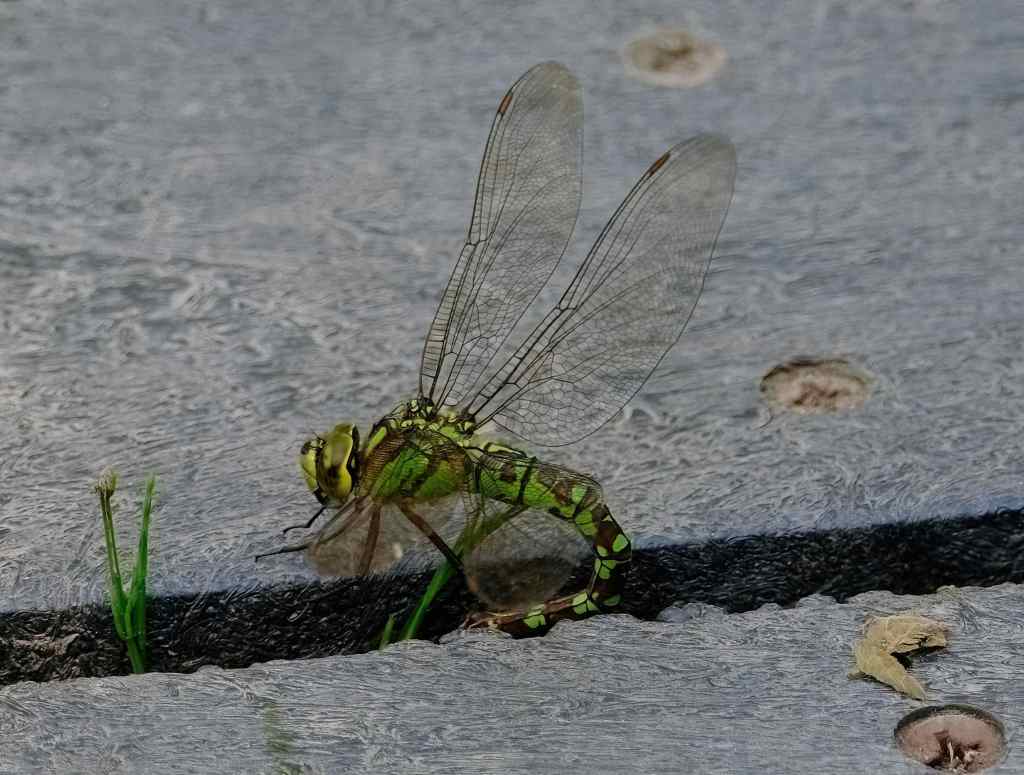
There are still a few Dragonflies about on the east side of the reserve.
Common Darters.
Southern Hawker(female). Egg laying under the duckboards.