These finches were once very popular caged birds because of their tuneful song. Males are marked with crimson foreheads and chests, and females are much browner.
According to the RSPB web page, the Linnet numbers have dropped over the past few decades, with the UK population estimated to have fallen by 57% between 1970 and 2014.
( 1st picture is a male bird the second is a female).
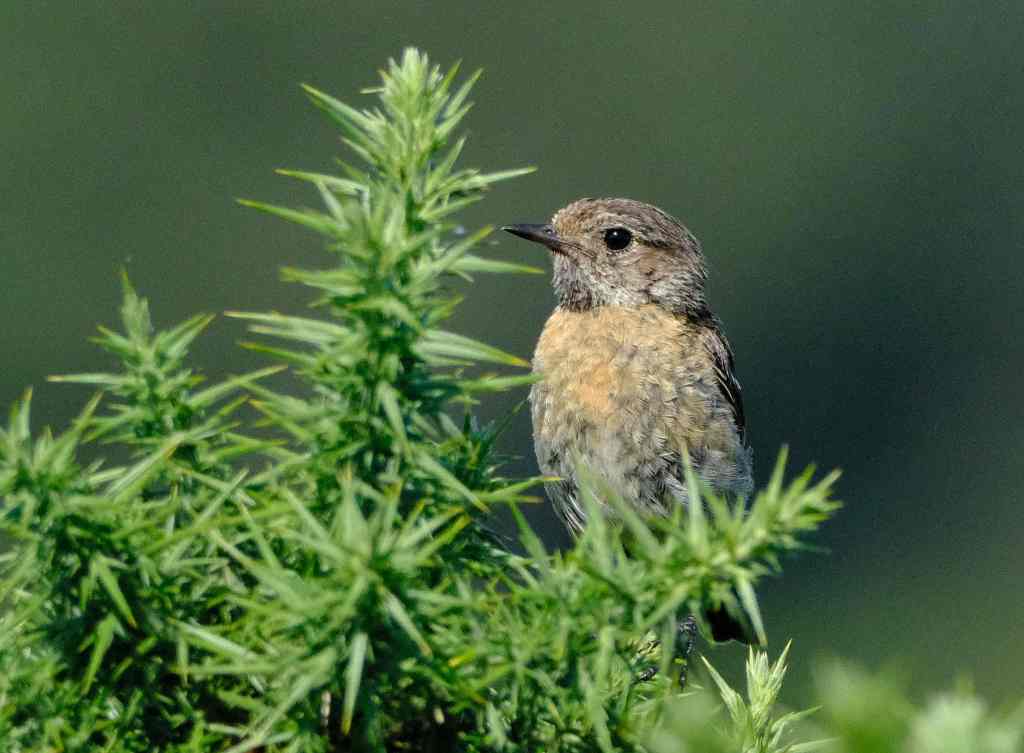
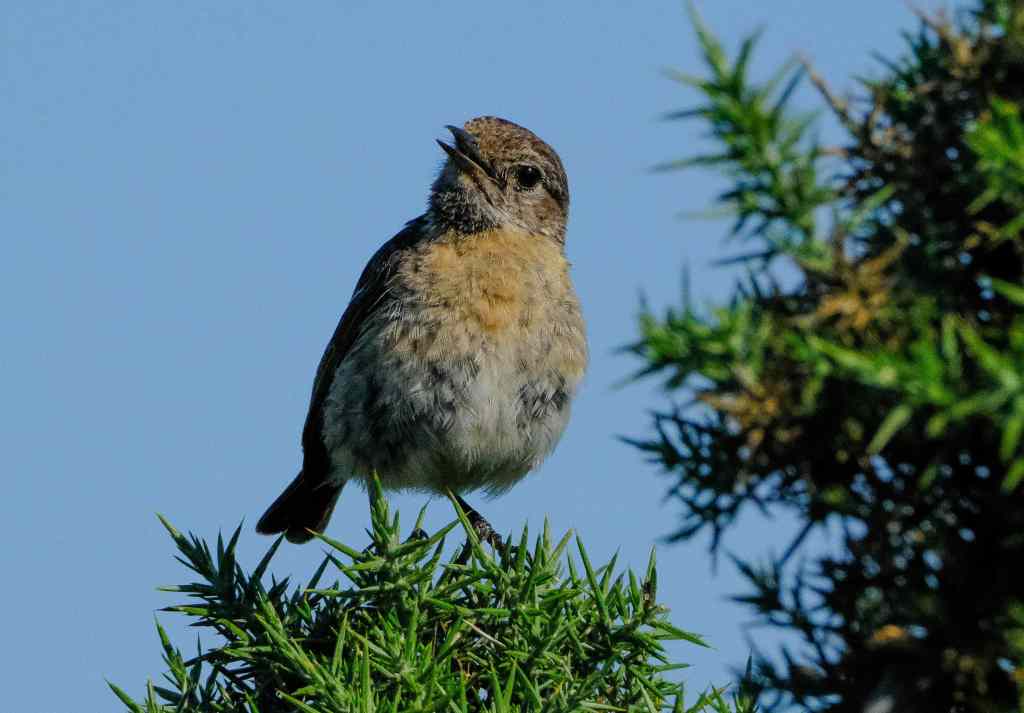
This bird is a summer visitor to the UK from Africa, this small, warbler frequents hedgerow and scrubby areas and can be seen singing from the top of bushes. They are here from April to October this bird was on the coast near Portsmouth.
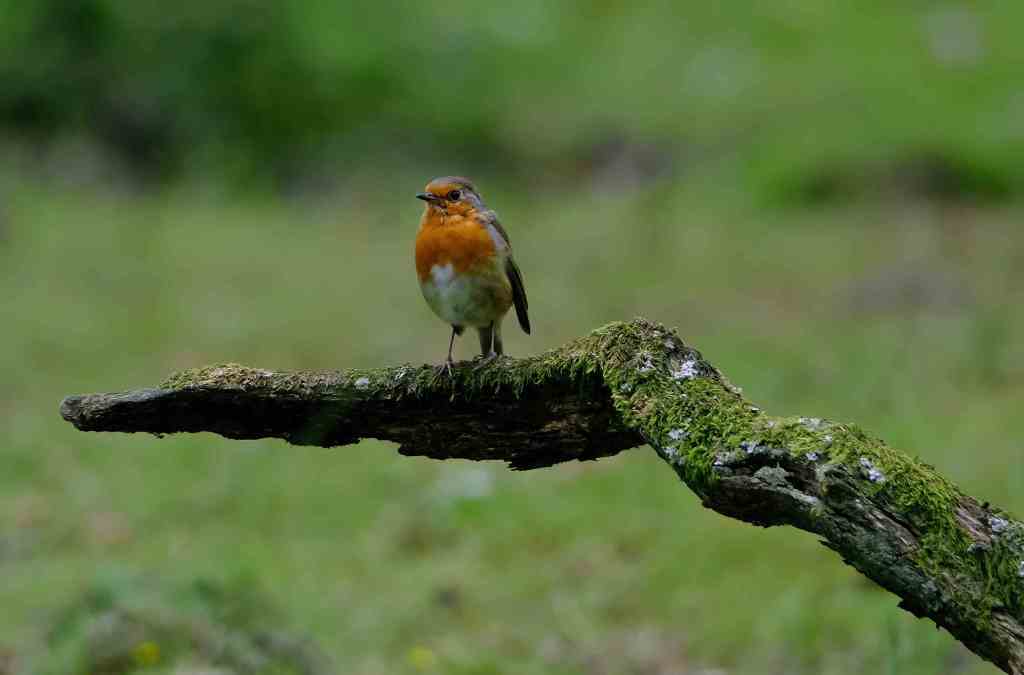
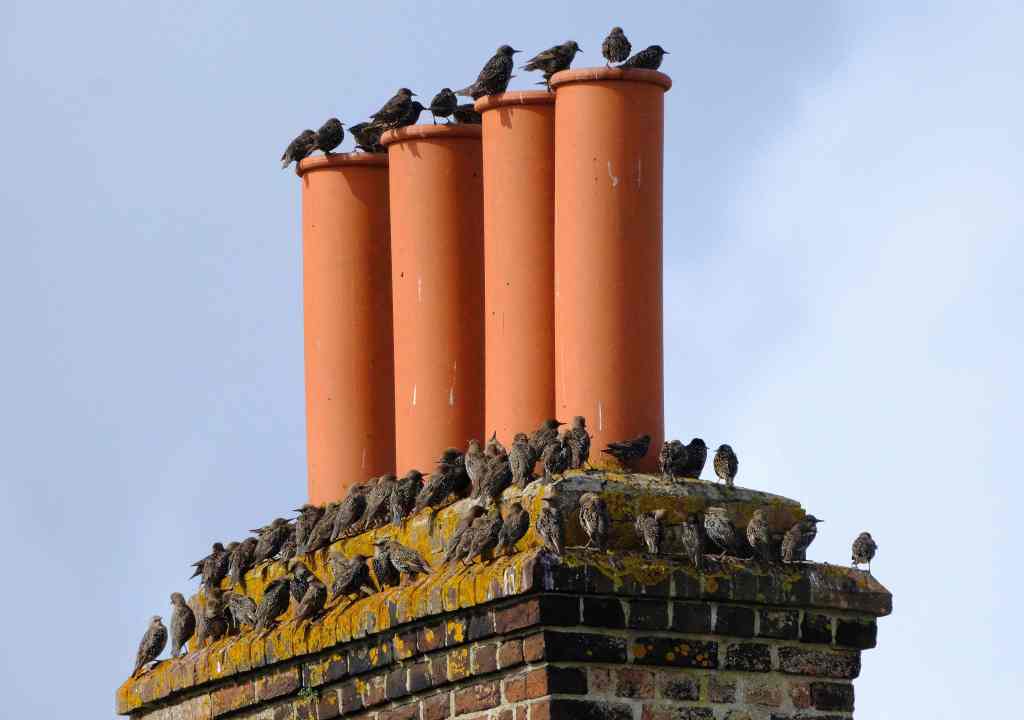
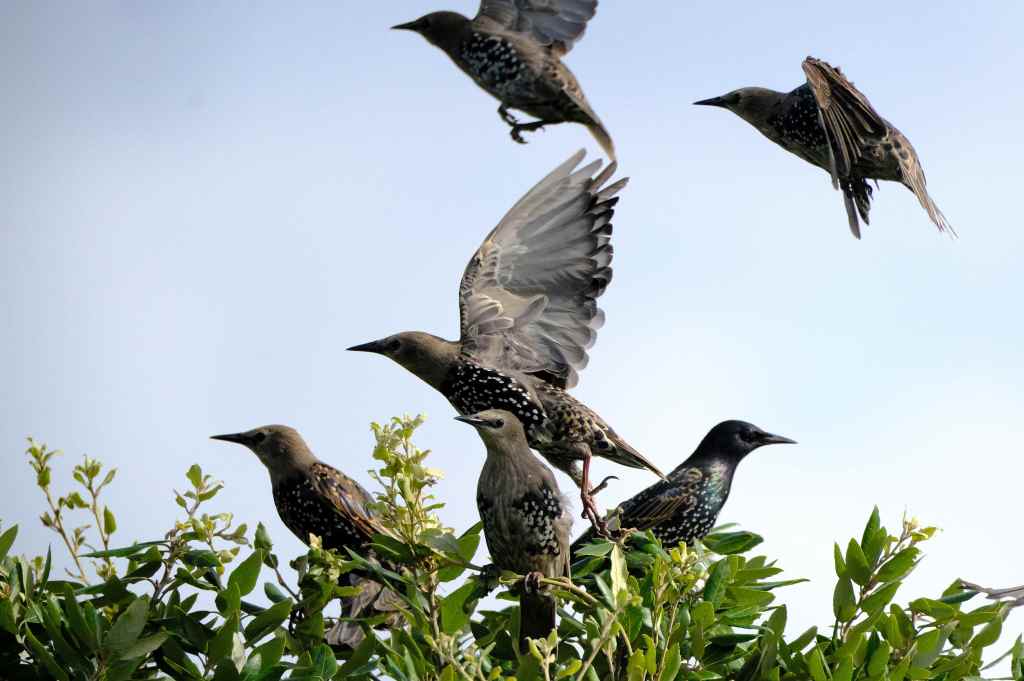
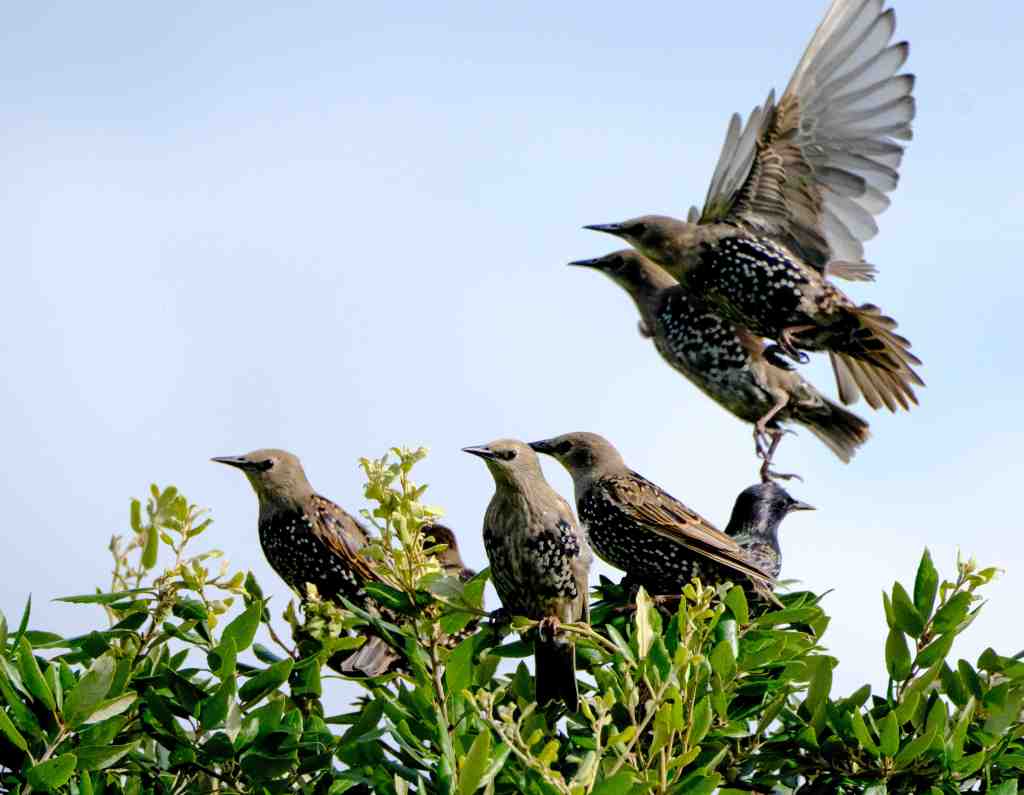
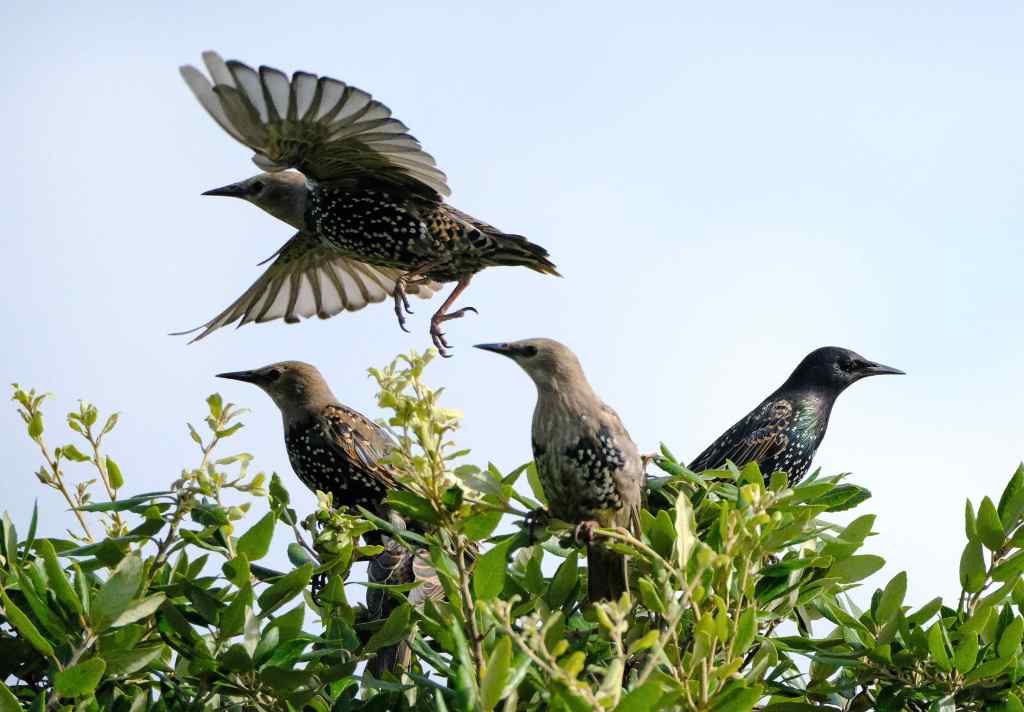
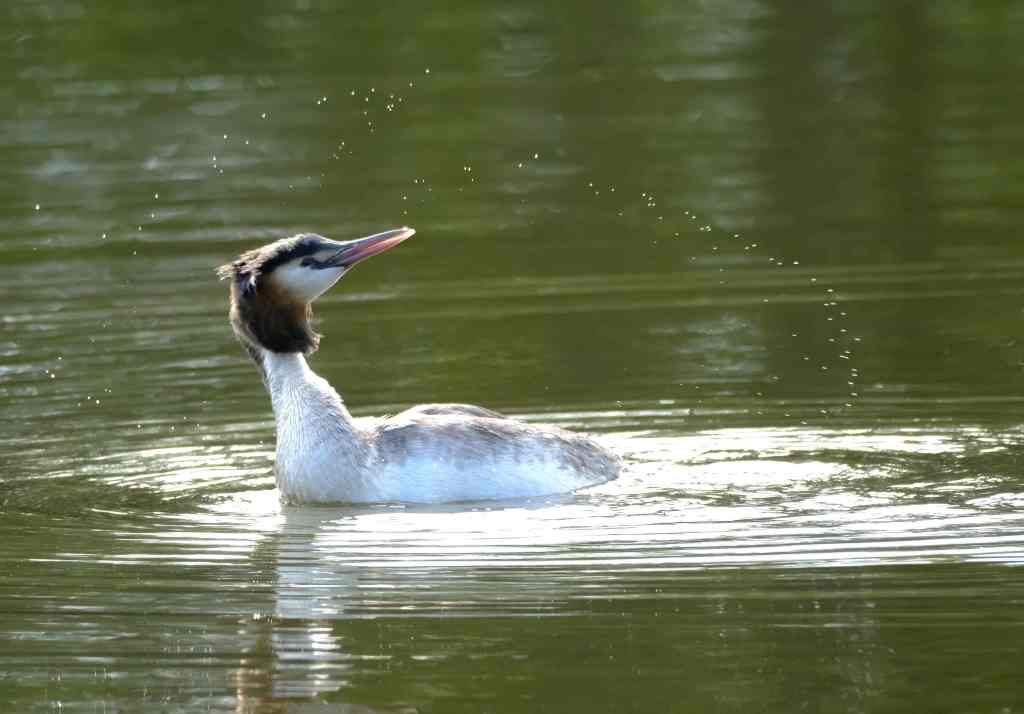
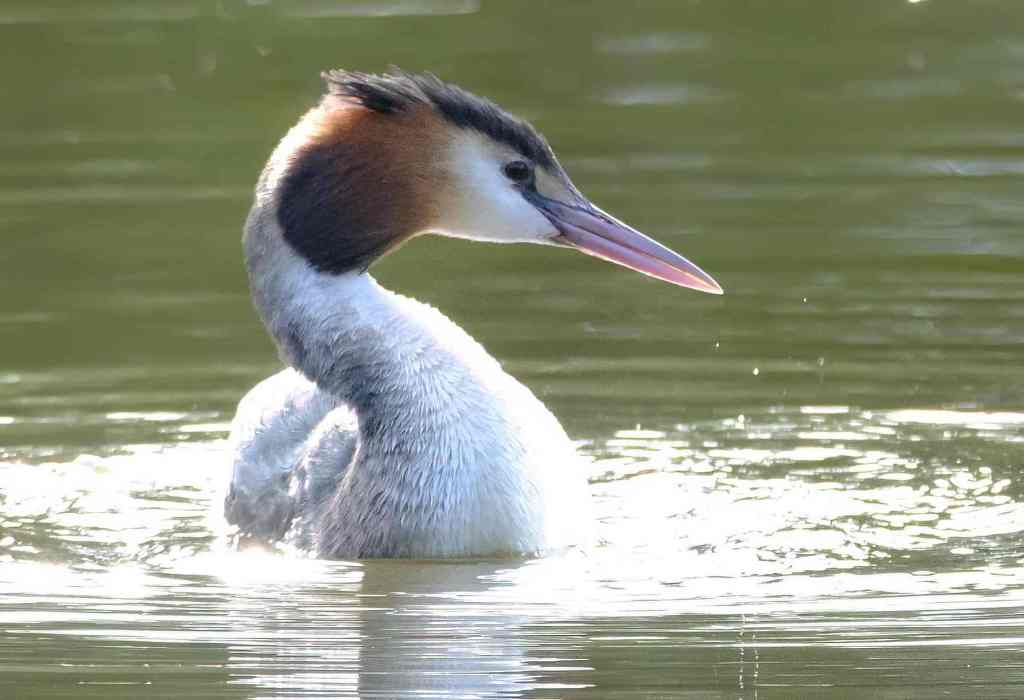
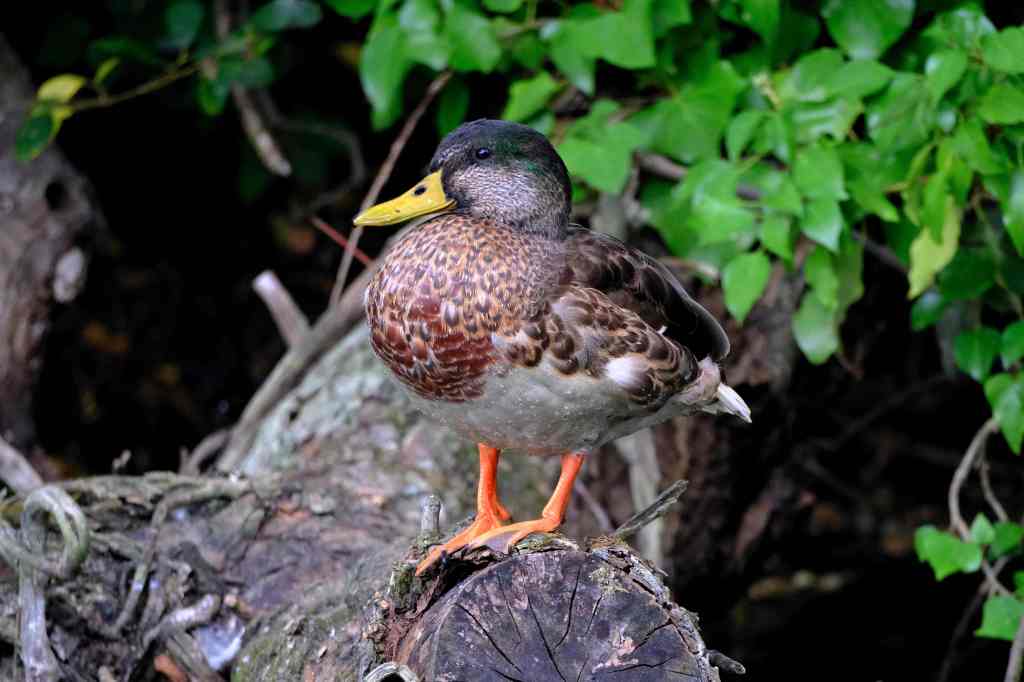
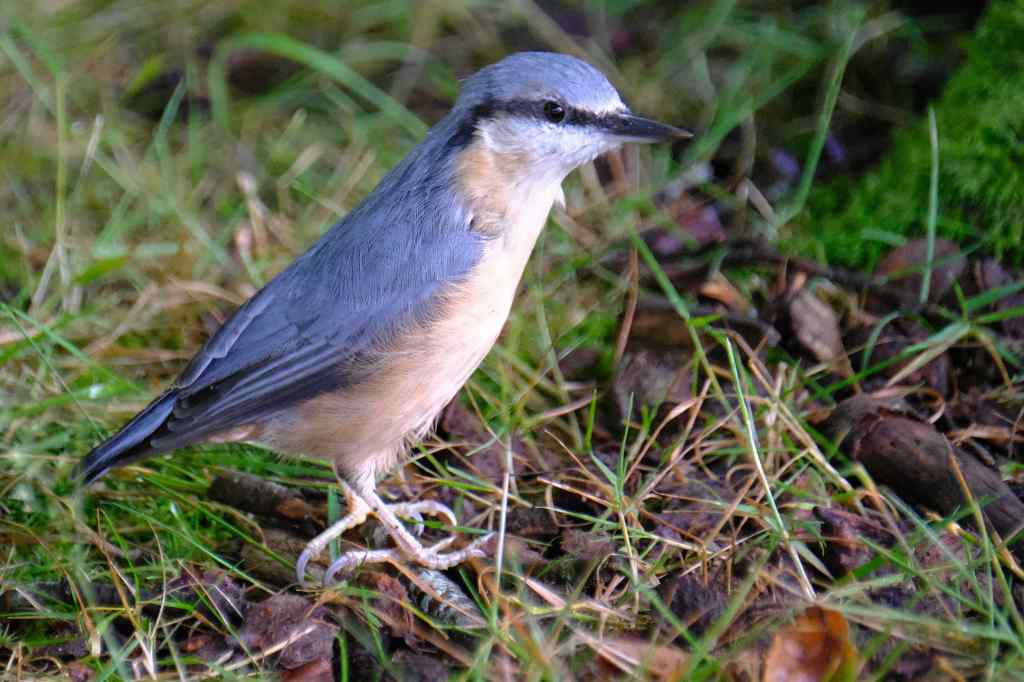
Sunday afternoon bird watch. I spent a few hours with my brother at Mum’s house looking at the garden birds sometimes you do not have to go very far to get some good birding.
Longshore drift is a geological process that involves transporting sediments such as single and pebbles along a coast parallel to the shoreline. It is dependent on the angle of the incoming wave direction. Incoming wind squeezes water along the coast, which generates a water current which moves parallel to the coast. Longshore drift is the sediment moved by this longshore current. This current and sediment movement occurs within the surf zone.
Longshore drift has happened along Meon Shore over the years I have watched the shoreline change with shingle spits changing and growing and the beach make-up changes as the shingle size changes. Wooden groins slow the currents and help stop erosion. The small harbour at Titchfield Haven entrance gets blocked up as stones and sand get dropped in that area as the currents slow and can not hold their weight as they slow. This week the sailing club has been moving the shingle back from the harbour mount to fill in the area on the spit that is being eroded with it.
A day out is not complete without some nature watching.