Fritham Plain.

A walk from Cadnams Pool uphill to Fritham Plain and Hiscock Hill in the New Forest.

Most of the deer I spot have spotted me before I have spotted them! A good-looking Roebuck in the Bracken.

Further up the hill, we came across a Fallow Buck who was looking in really good condition and would be a formidable animal in the coming rut.

The Roe deer is a native deer to the UK where the larger Fallow deer was introduced by the Romans and then reintroduced in the 11th century, they were kept in parks as their populations increased they became an important source of venison on aristocratic tables. By the 15th century, many parks fell into disrepair and these medieval escapee deer are the foundation of the wild population in Britain today.
Passing New Forest Ponies. When a large herd gallop towards you at full speed and you are on an open plain there are not many places to hide.
Red Admirals enjoying the late summer sun. They were first described by Carl Linnaeus in his 1758 book. They were then known as the Red Admirable.

A good number of European Hornets were on a Silver Birch tree taking sap.

A Wheatear this female bird was probably a juvenile as it allowed a close approach.

Great White Egret (again).

Some more Great White Egret pictures from this morning at Titchfield Haven National Nature Reserve 4 birds were spotted by one of the warden 1st thing – we spotted 3 individuals. There were also a number of Little Egrets and several Grey Herons. (you can see these in some of the pictures and YouTube film which gives size comparisons).

A large Egret.

It was nice to see two Great White Egrets at Tichfield Haven on Thursday. Although they were on the far side of the reserve I was able to get some pictures, they are large birds about the same size as a Grey Heron.

Population:

 UK breeding:8-12 pairs

UK wintering:72 birds

Leucistic bird.

 Leucistic birds have affected plumage which lacks the melanin pigment due to the cells responsible for melanin production being absent. This results in white feathers, unless the normal plumage colour also comprises carotenoids, these remain unaffected by the condition.

Below is a Grey Wagtail I photographed and posted earlier in the year.

Today in the New Forest we spotted A Grey Wagtail with a Leucistic head cap.

Garden visitors.

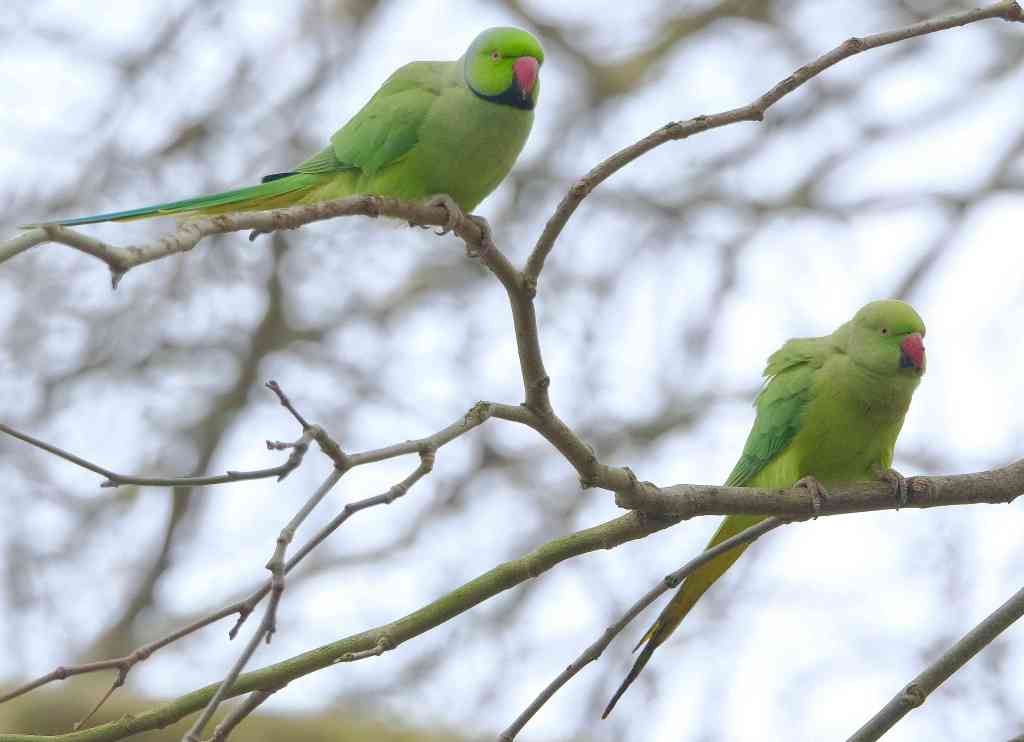
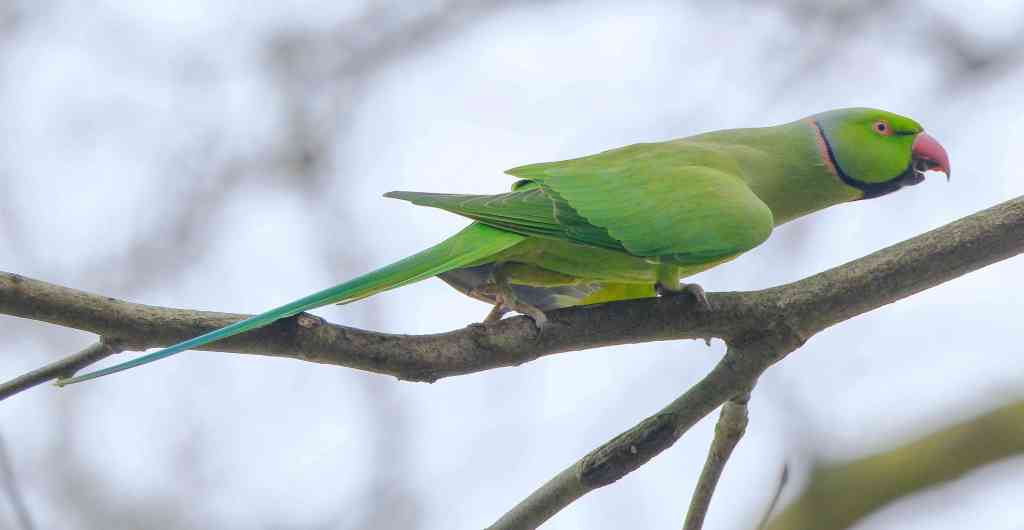
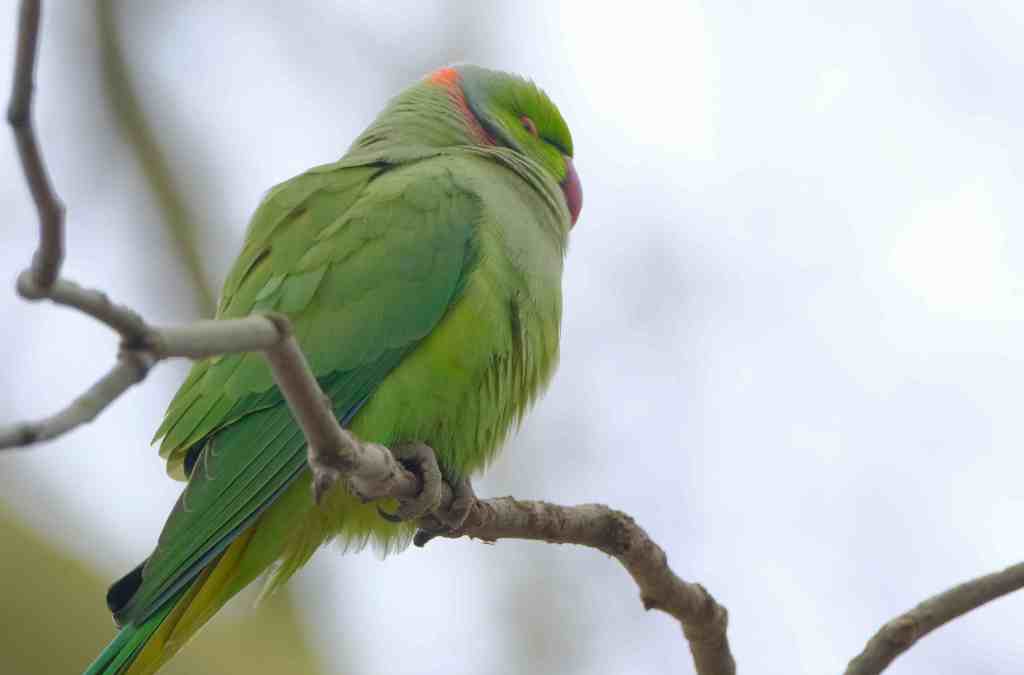
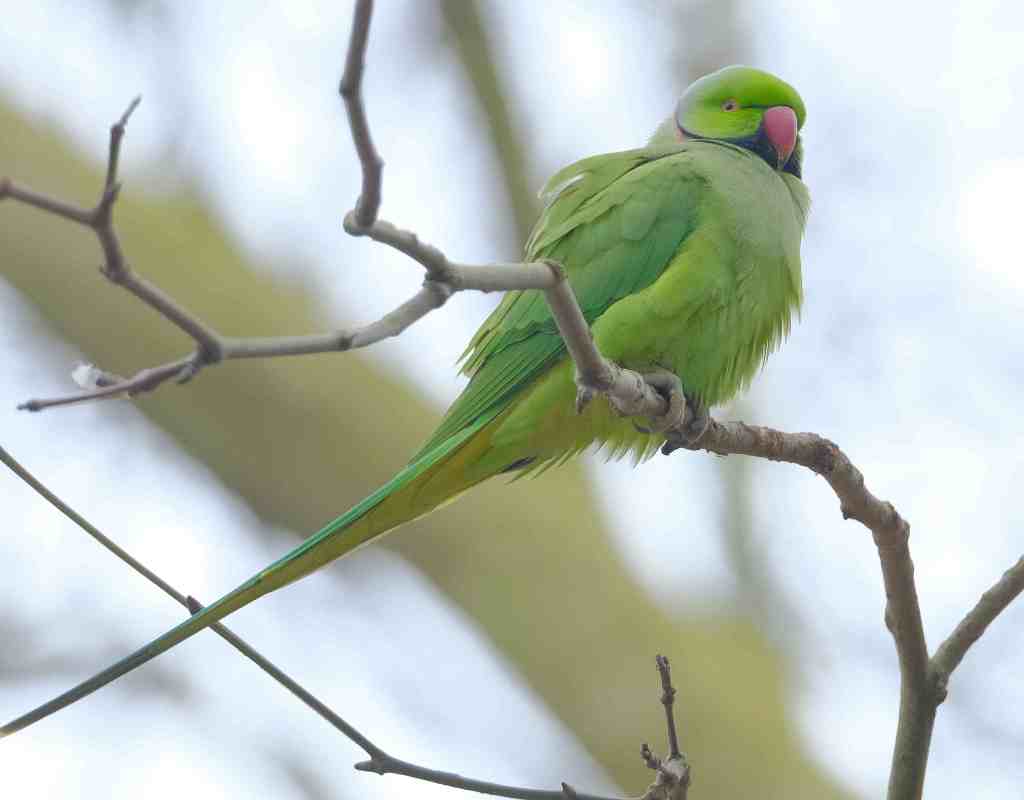
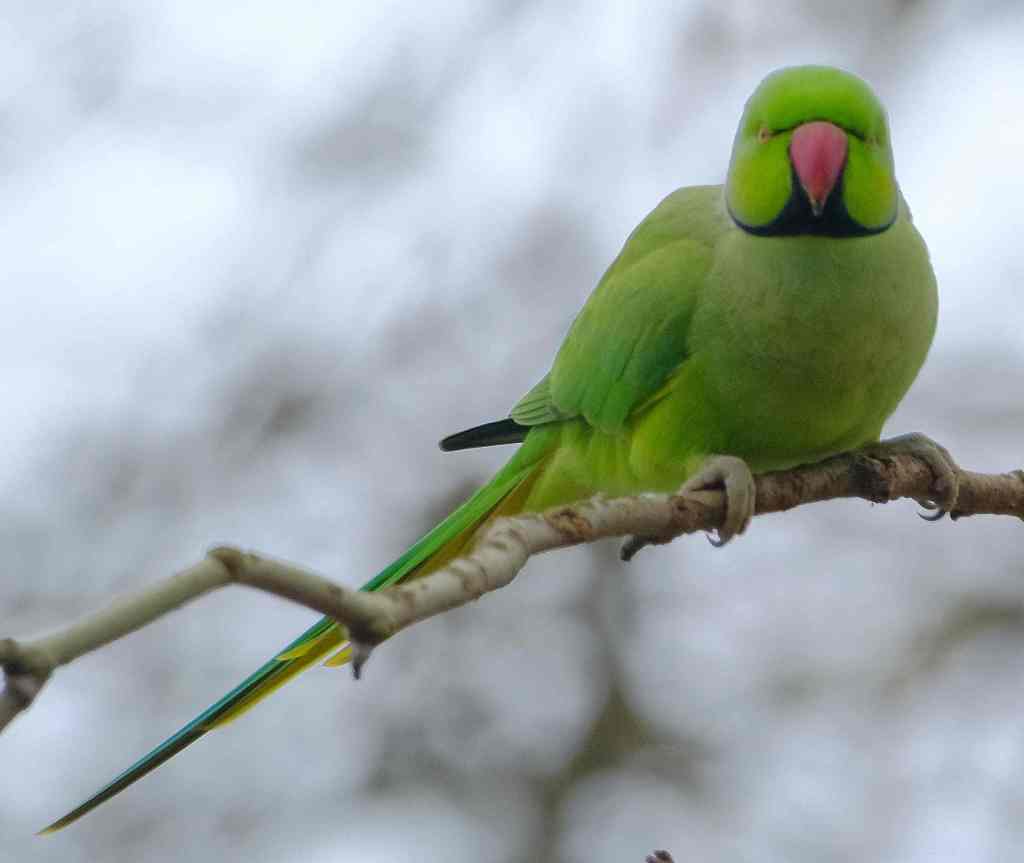
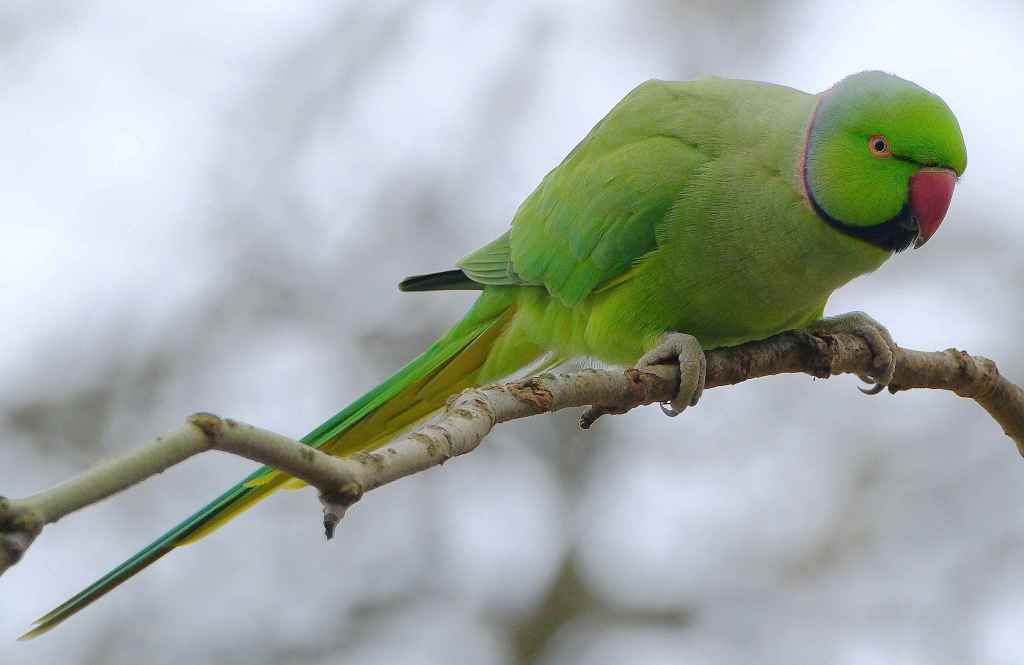
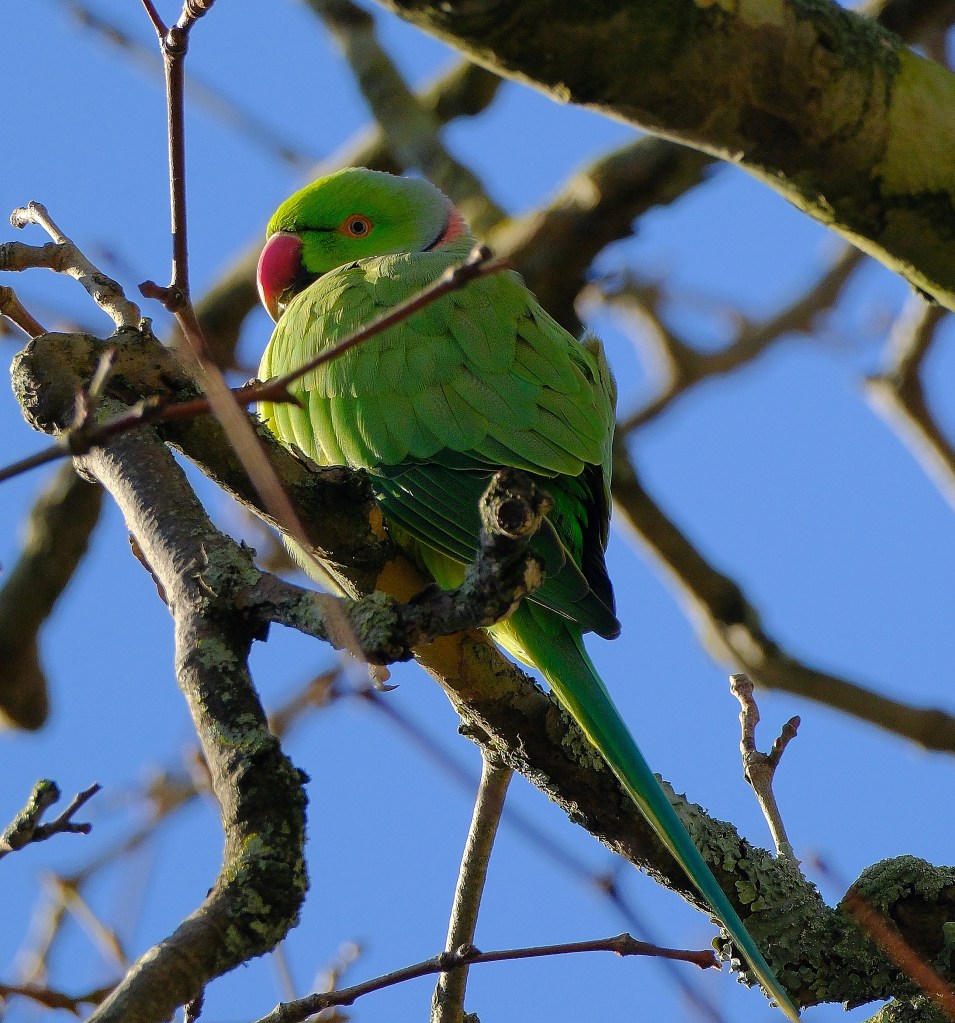
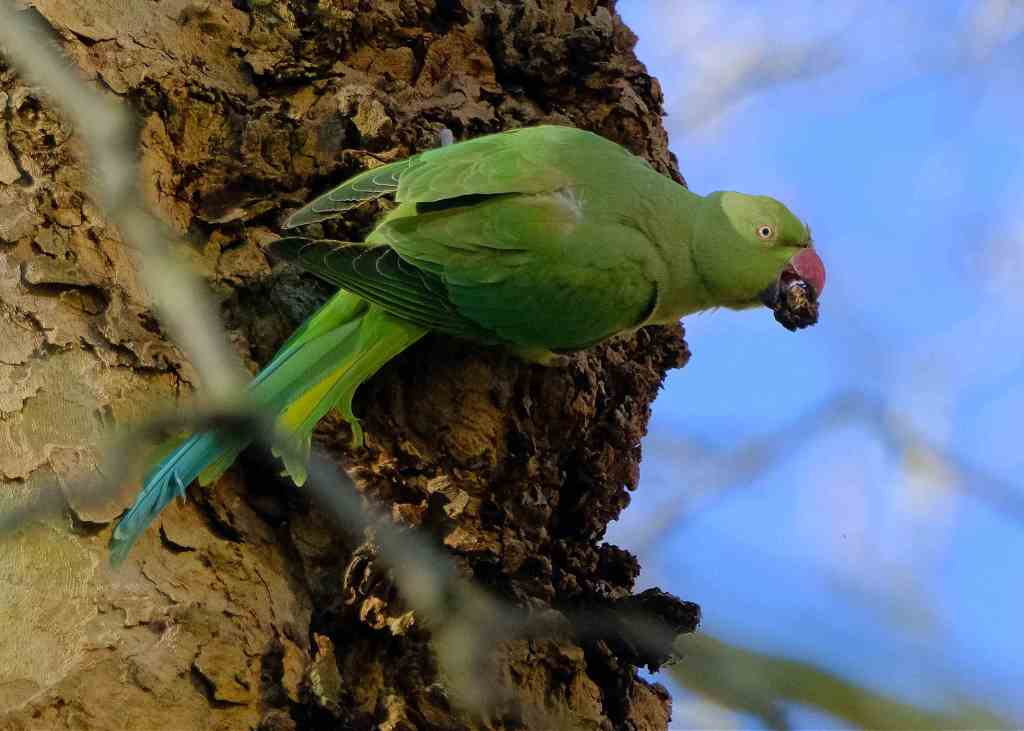
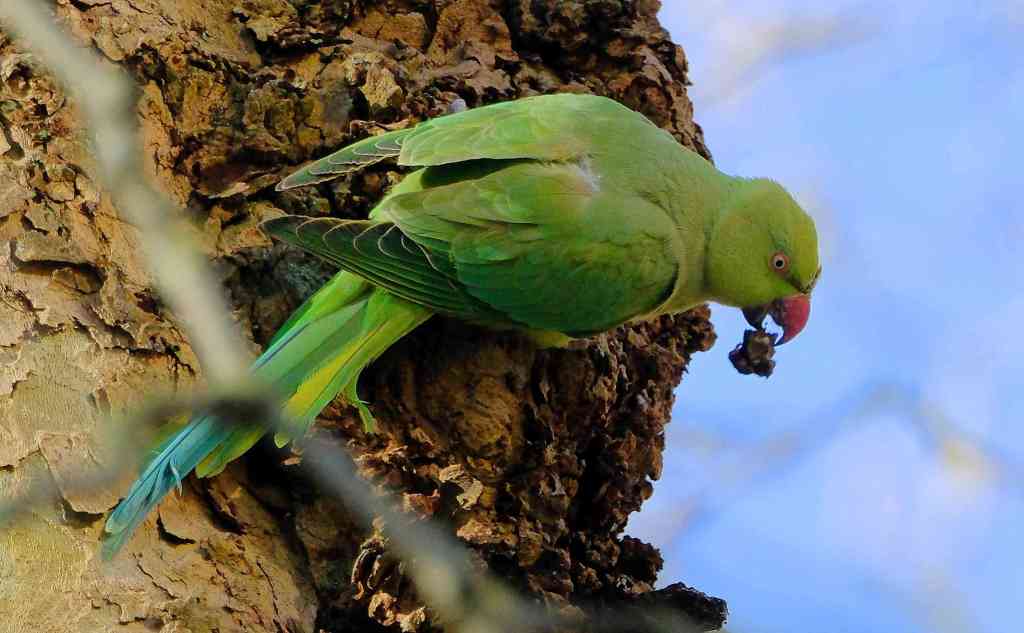
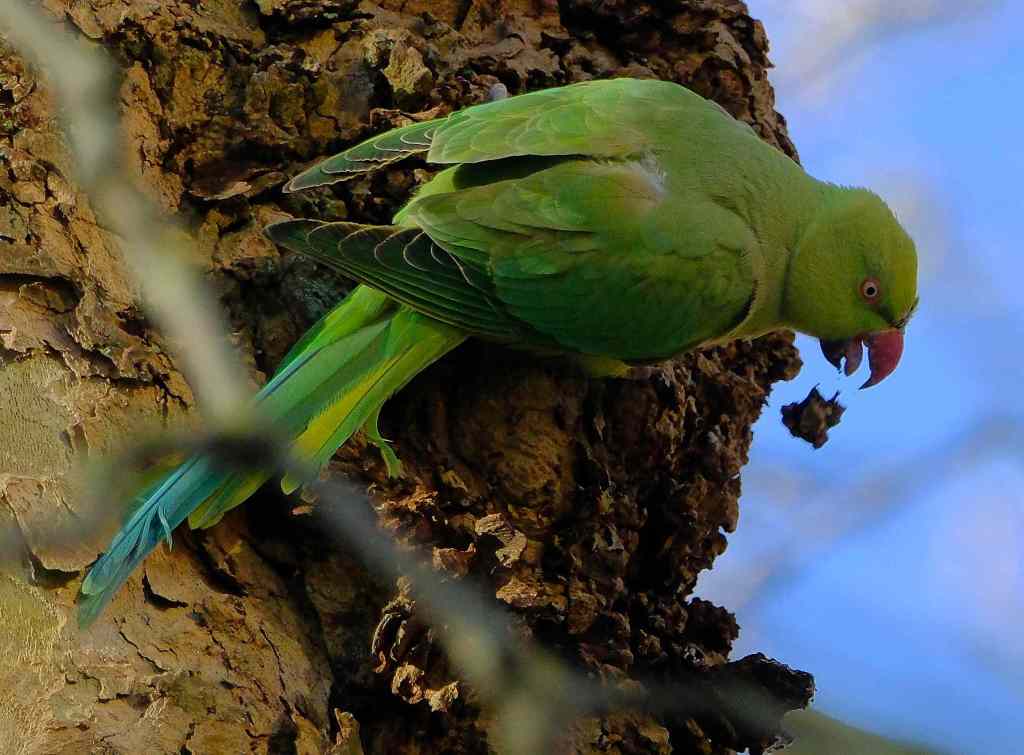
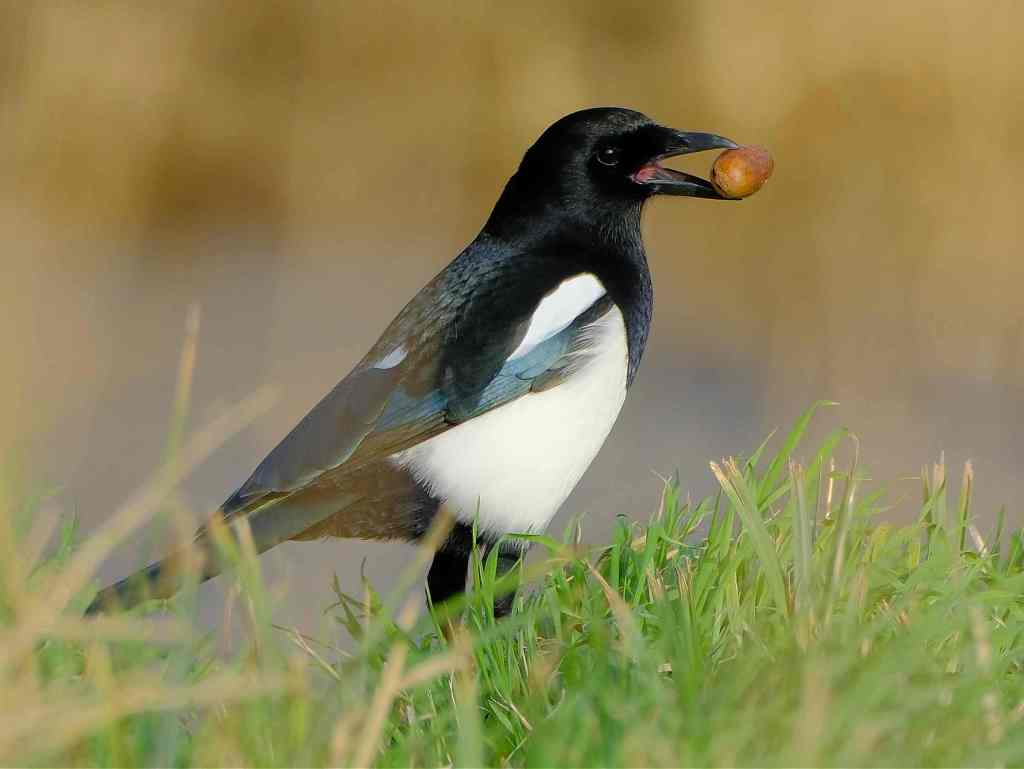
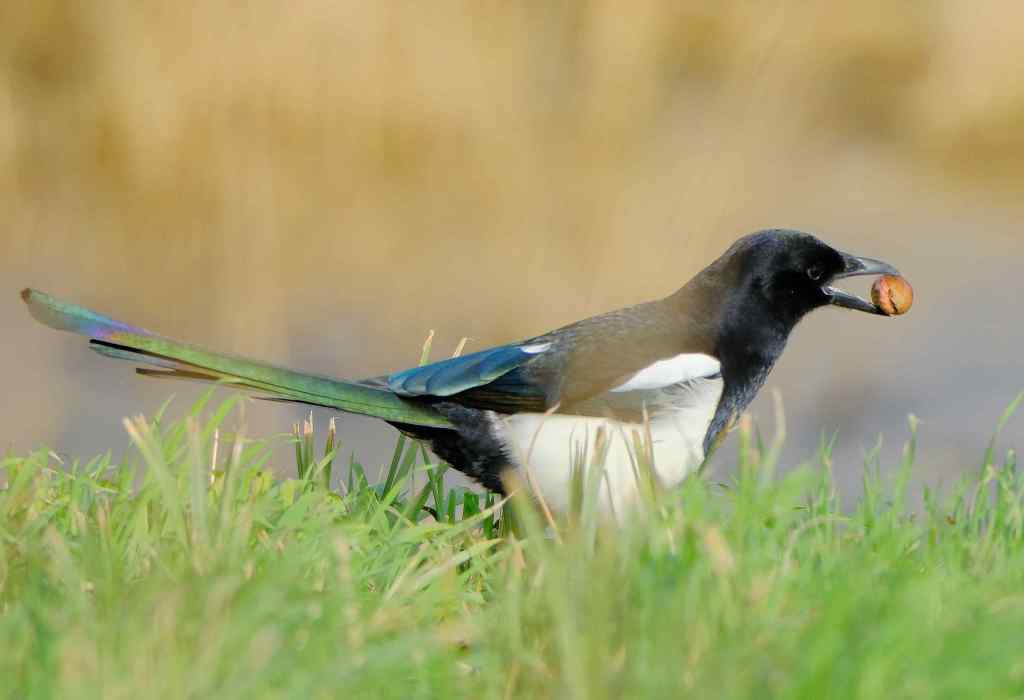
Garden visitors or just passing through. Yesterday morning I thought I was dreaming as I woke I heard parrots! The noise got louder and interrupted by the cackle of Magpies. Our garden is small and divided at the bottom of the garden by large Beech and Sycamore trees.

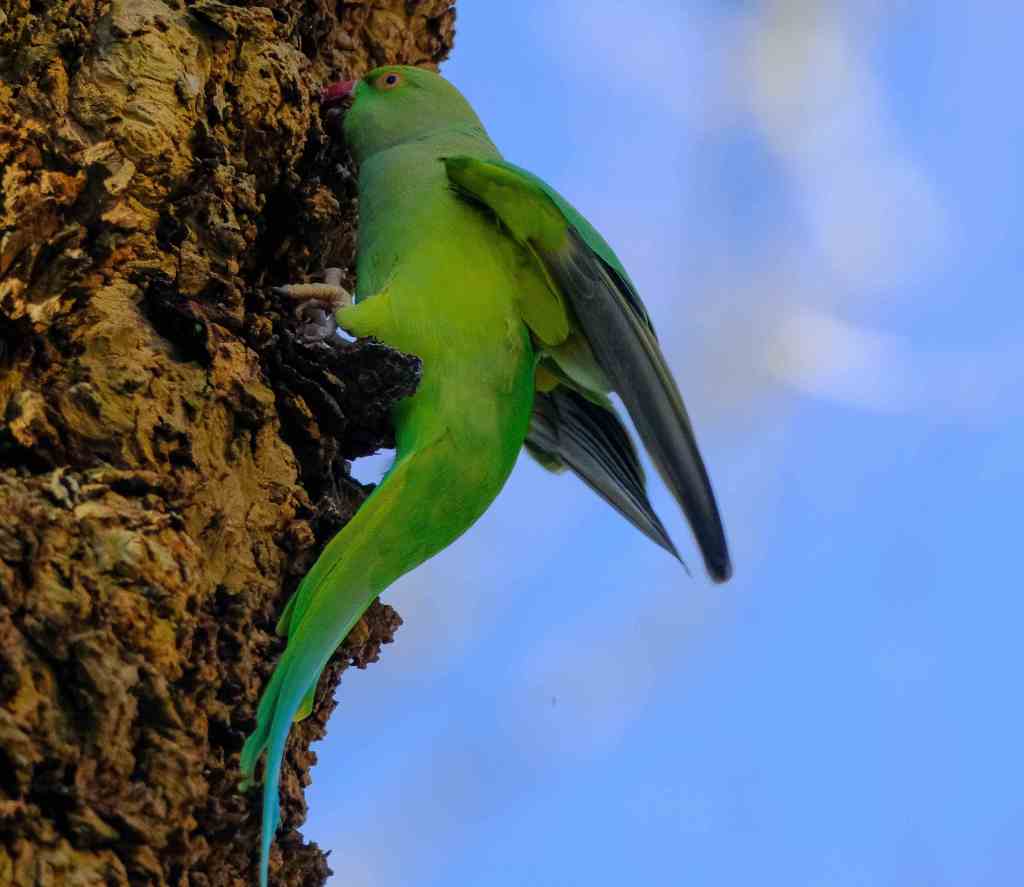
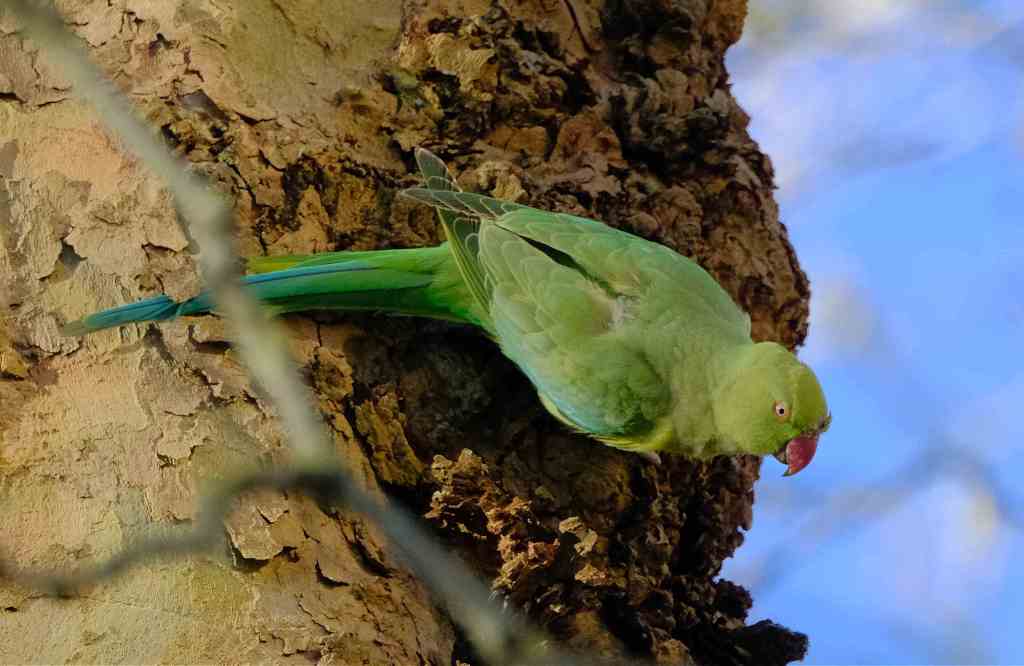
Four Ring-necked parakeets were high in the Beech trees eating the beach nuts. With their strong beaks they can easily remove the nuts from the husks. At this point the Magpies try to steal the nuts.

Yesterday evening and this morning the sound of parakeets are again in the trees although I did not see them again.