The terns are back in town. Common Terns have arrived back at Meon Shore on the Solent and will be heading into Titchfield Haven Nature Reserve soon to nest.
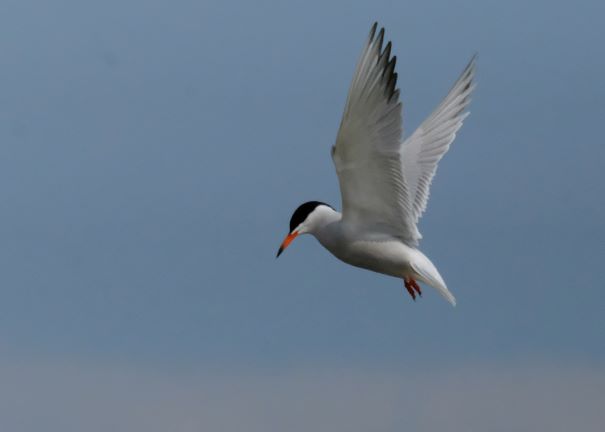
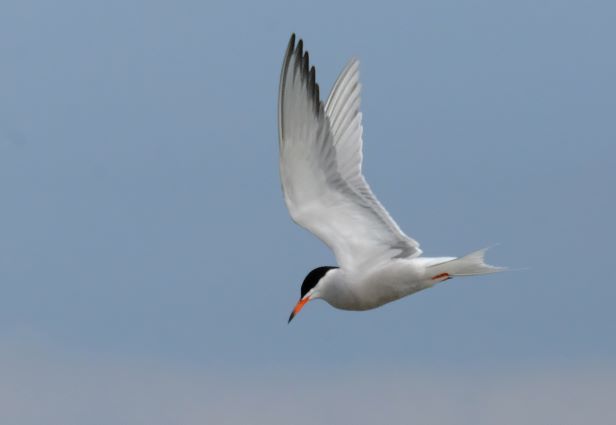

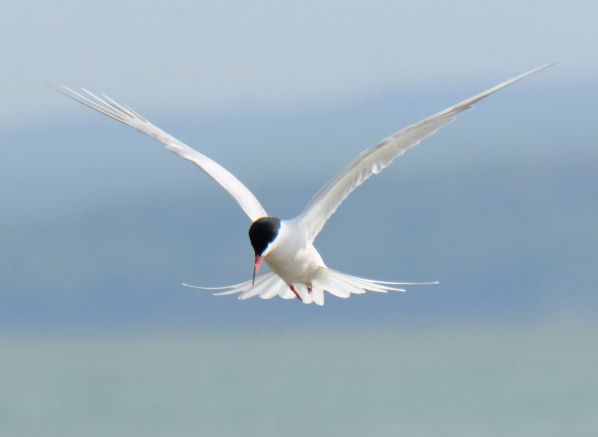


The terns are back in town. Common Terns have arrived back at Meon Shore on the Solent and will be heading into Titchfield Haven Nature Reserve soon to nest.

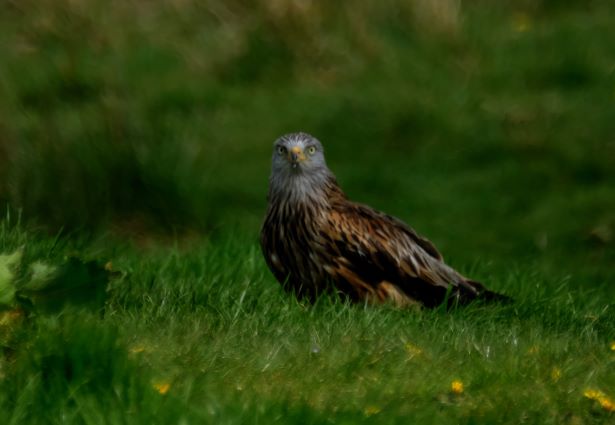
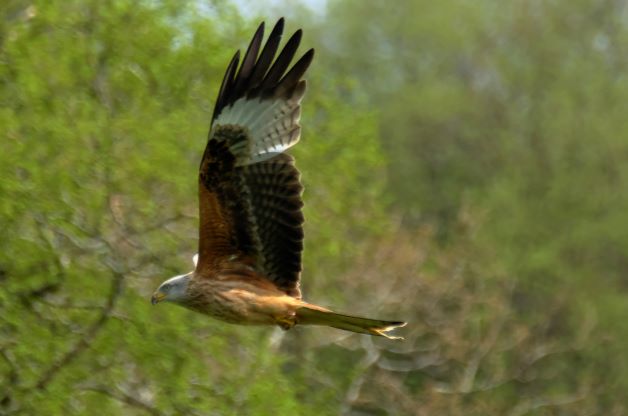
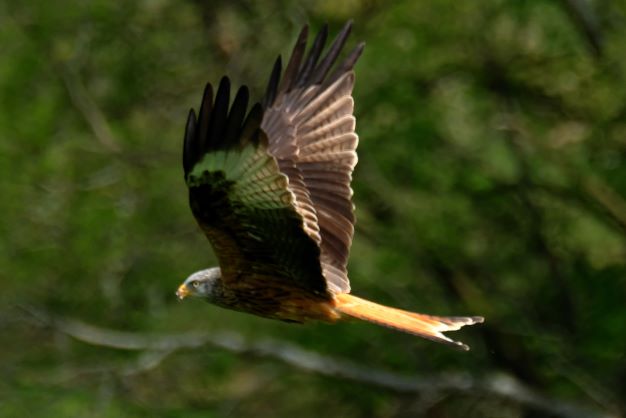
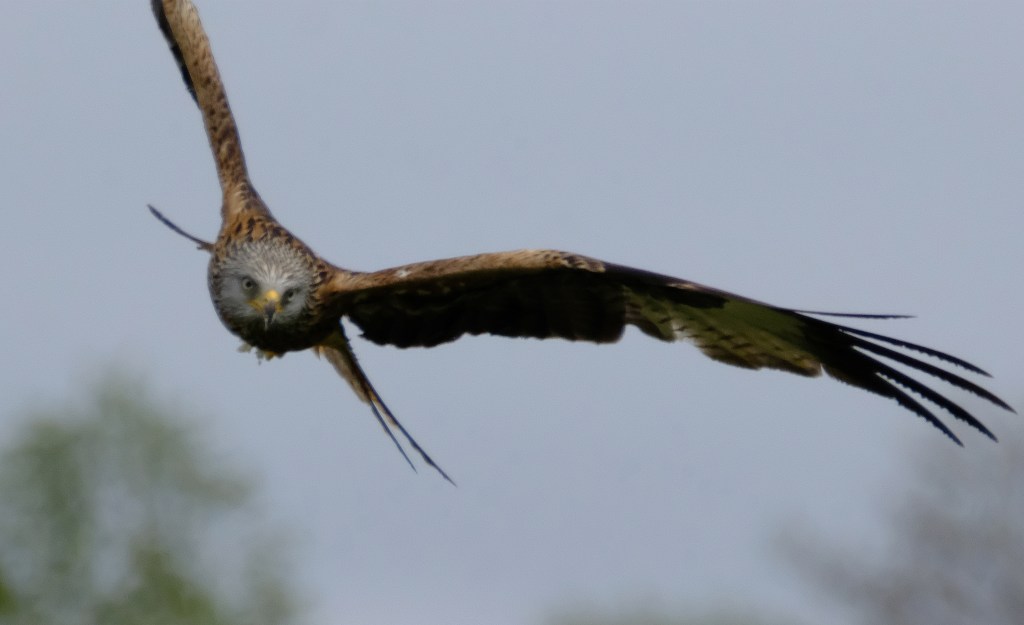
Red Kites in the Brecon Beacons- A success story. 35 years ago I saw my 1st Red Kite they were on the brink at that time and about only 25 pairs were in a stronghold in the Brecon Beacons. Over the years their numbers have increased and their range increased. It has now been successfully re-introduced to England and Scotland. It is estimated that there are now 4600 pairs in the UK, While we were on our recent campervan trip to Mid-Wales we visited a Red Kite feeding station at Gigrin Farm near Rhayader.
The farm became an official Kite Feeding Station in the winter of 1992/93 following a request from the RSPB. Today it welcomes many visitors for a daily feeding session where up to 600 birds come to feed.





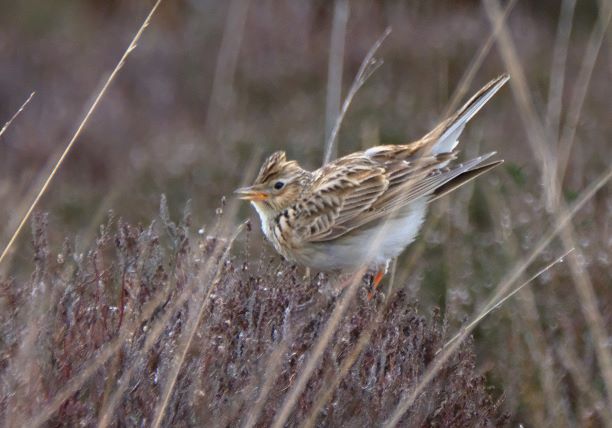
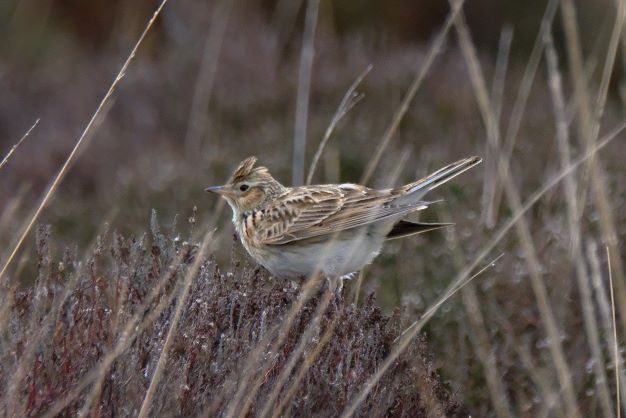
The Skylark is a LBB {a little brown bird}. It is a streaky brown colour with a small crest, which can be raised when the bird is excited or alarmed and a white-sided tail. It can fly, vertically up in the air. Often you can hear them high above fields singing their hearts out. When you locate it , it is often just a tidny speck up in the sky – it is a bird you hear before you see it.
In the Brecon Beacons in Mid Wales, I spotted this Skylark on the ground.Thenfirst time I was able to photograph one. They are ground-nesting birds and this is one of the reasons why their numbers have dramatically decreased in recent years and are now on the “Red List”.

Long-tailed tits are easily recognisable with their distinctive black and white colouring with a hint of pink. They have a tail that is bigger than their body. They are often seen in small, excitable flocks and can number up to 20 birds. most flocks I see locally number between 6 to 8 birds. These small birds look like flying balls of fluff. and are said to be one of Britain’s cutest birds.


Length:14cm
Wingspan:16-19cm
Weight:7-10g

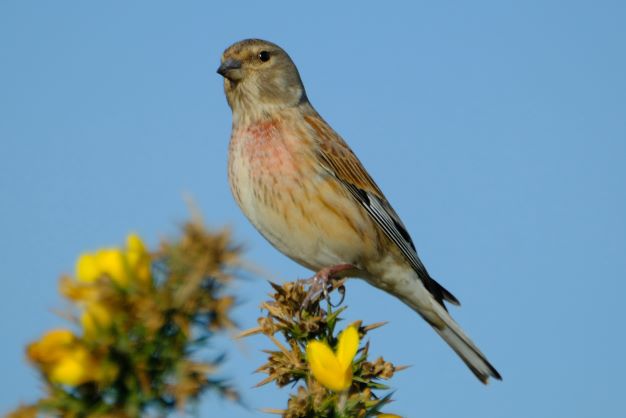
More photographs of the Common Linnet at Hamble Point on Southampton Water.
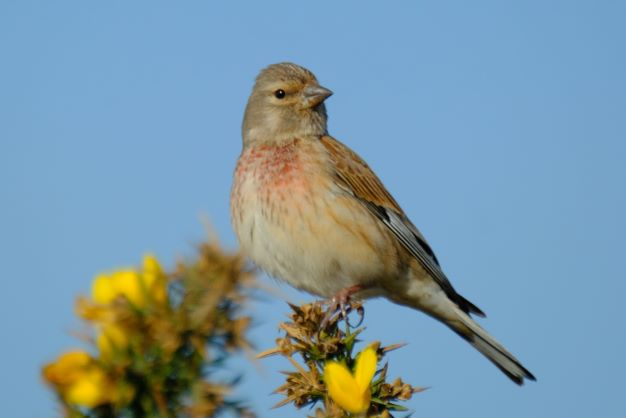
Once popular as a caged bird because of its song and markings. Today this bird is on the “Red List” due to conservation concerns. They are a small slim finch. Males are attractively marked with crimson foreheads and breasts, females much browner. It has an undulating flight, usually twittering as they fly. They can be seen in large flocks during the winter.
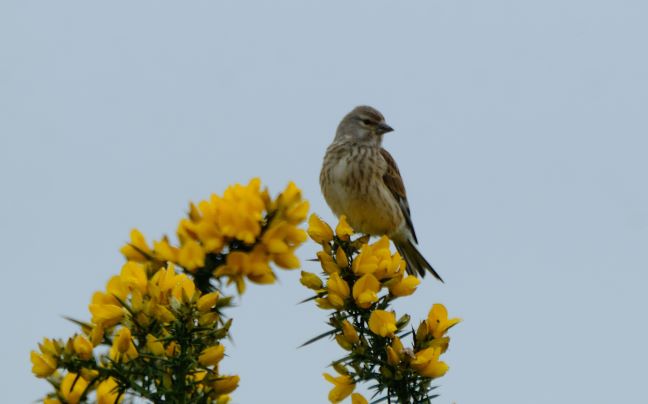
Length: 14cm
Wingspan: 24cm
Weight: 19g
Average lifespan: 2 years


#Wordless Wednesday


If you go down to the woods today what can you see?
A full day in the New Forest collecting our trail cameras from one of the active Badger Setts we have been monitoring. Some good footage of both Badgers and Fallow Deer.
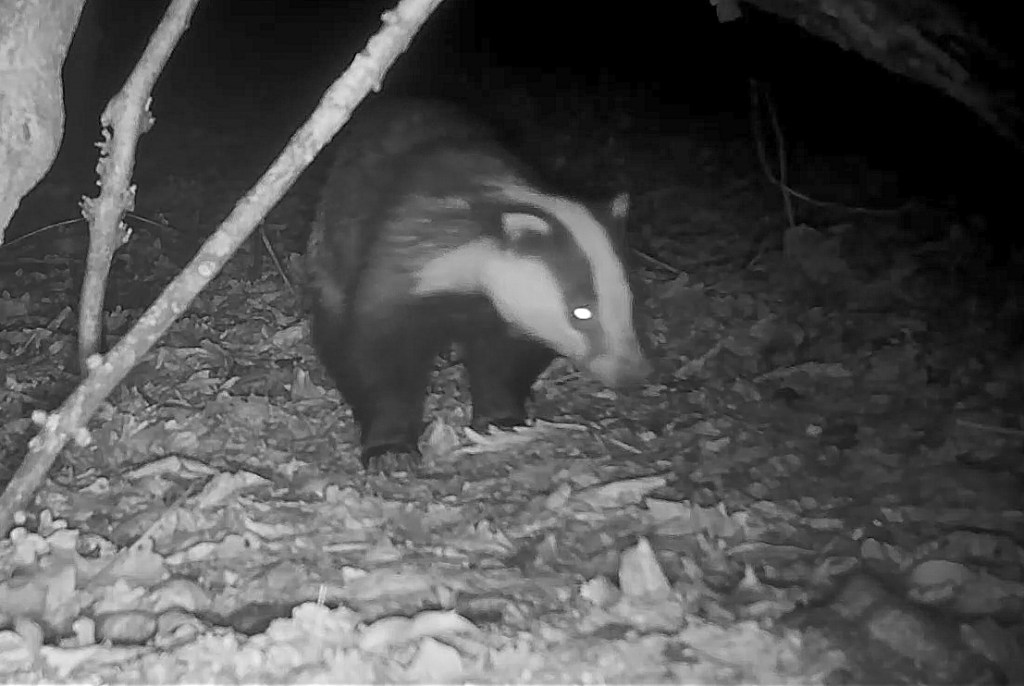

Film 1 Badgers. (trail camera)
Following the Norman Conquest, King William I, designated the land as a royal hunting forest, reserved for the private use of the King and invited aristocracy. In the process over 20 small hamlets and farms were removed. It was the only forest described in detail in the ancient Domesday Book. Two of William the Conqueror’s sons were killed in hunting accidents in the New Forest. Today Deer roam free in many areas of the New Forest.
We came across several small herds of Fallow Deer, all young deer and hinds. The only shooting today was with cameras.


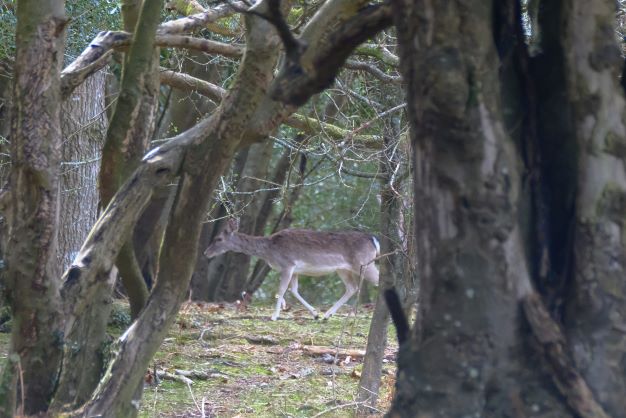

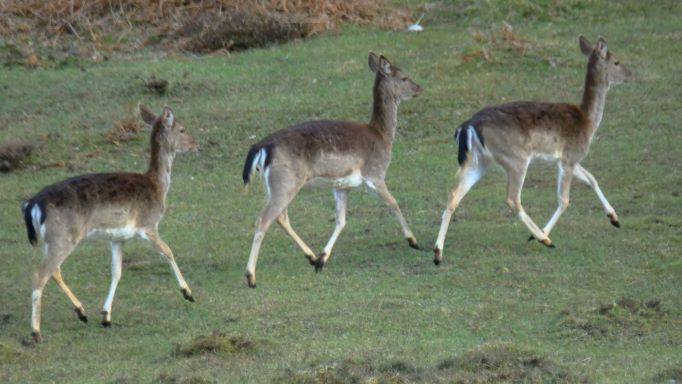
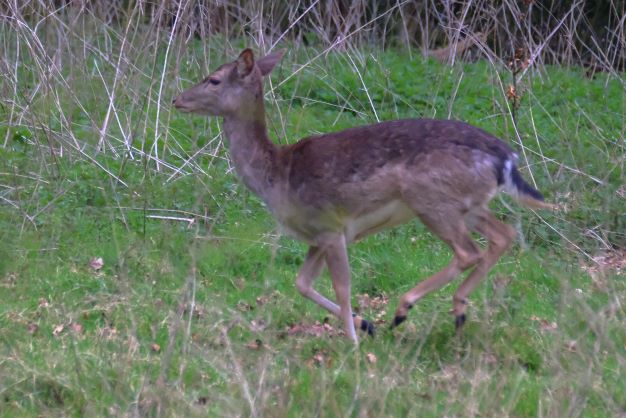
Film 2 Fallow Deer (trail camera).
Very windy weather on our walk but this male Chaffinch was holding on and singing his heart out – not easy filming with the tree moving so much in the wind.
Film 3 Chaffinch ( sound on to enjoy fully his singing).
A quick stop at Hamble Point at the mouth of Southampton Water where it meets the Solent.
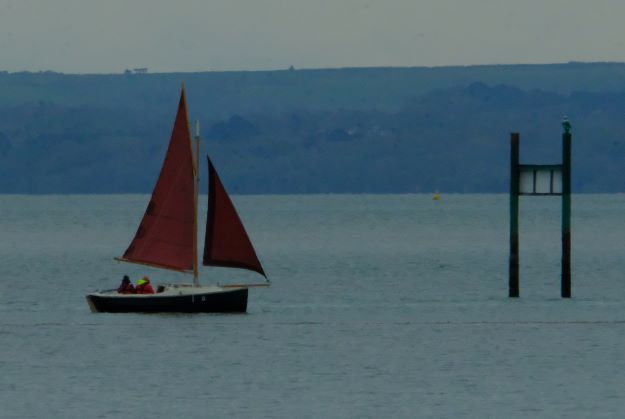

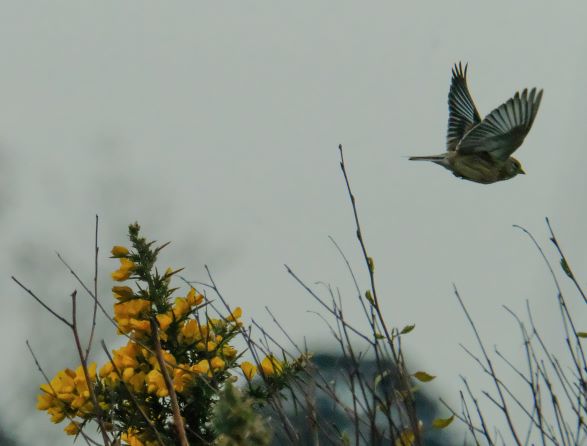
The gorse is now fully out in flowers and the smell of the flowers fills the air with their strong scent which is like the smell of coconut.
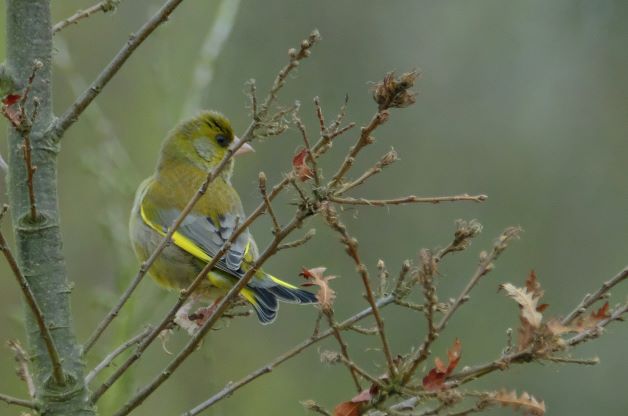
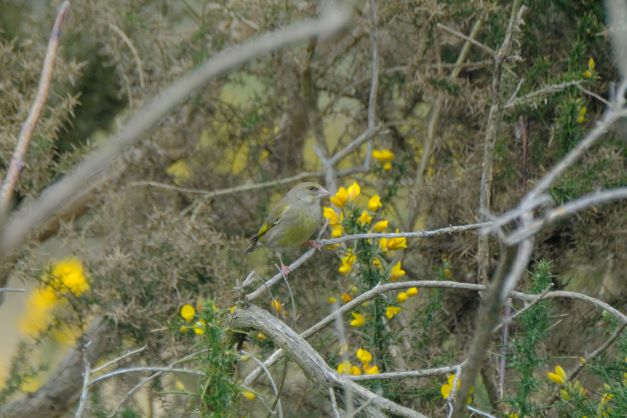
Greenfinches were a common sight when I was a child, especially on the bird table. I rarely see them today however, I spotted a pair feeding around the gorse flowers. (The male is darker in colour and is in the pictures I have posted 1st).


Another nice spot in the gorse was a small flock of long-tailed tits.
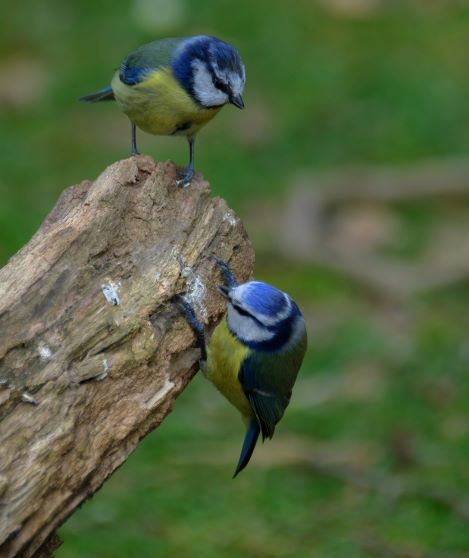
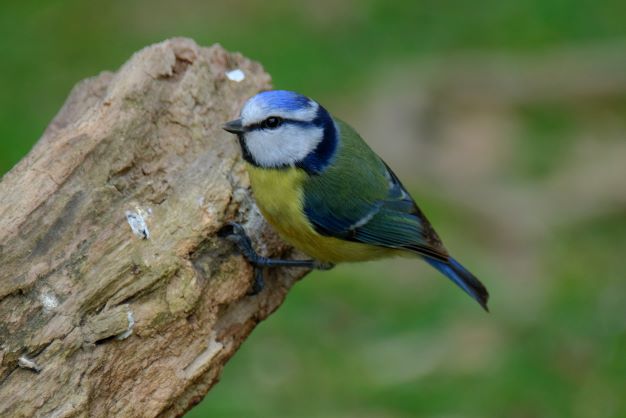
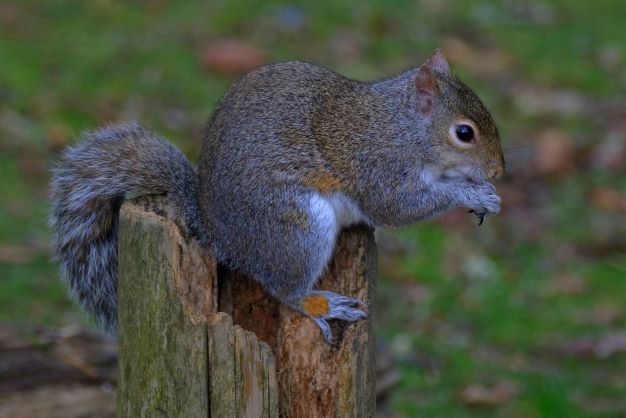
Views around a New Forest car park where there is always something to see. A handful of birdseed always brings in some birds
First in today was Blue Tits, quickly followed by a squirrel and later a Robin.


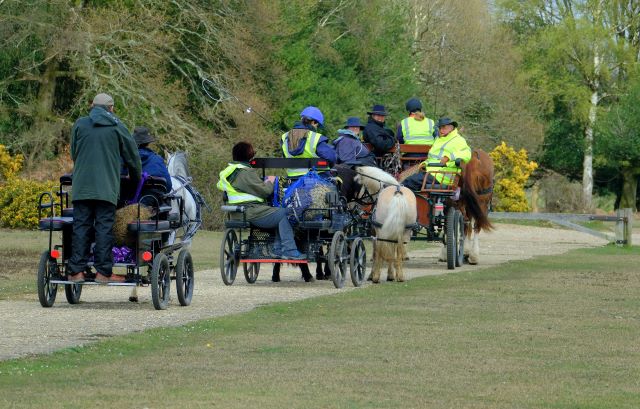
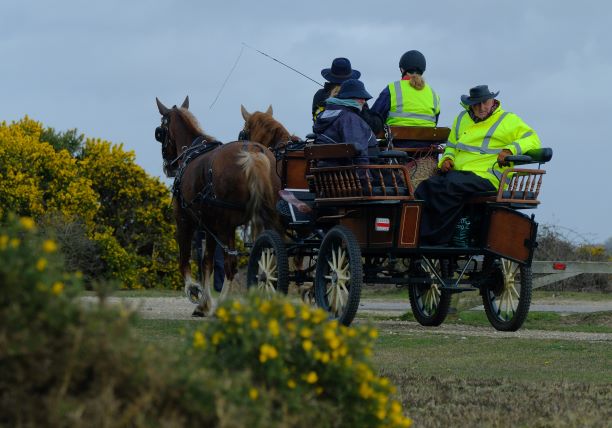
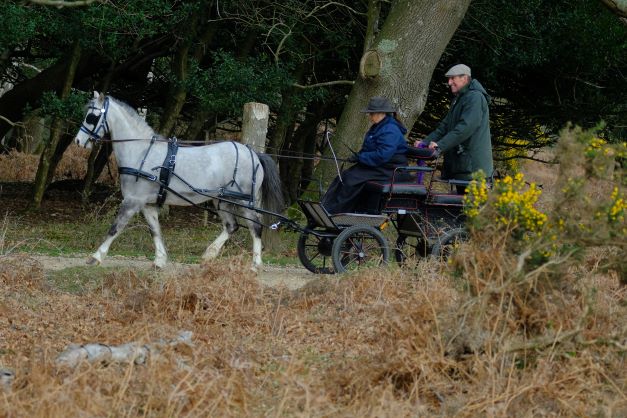
There was some heavy traffic today that passed using one of the old WW2 aerodrome concrete roadways.

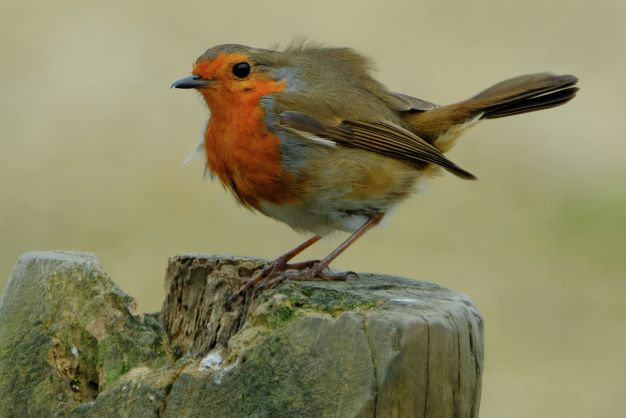
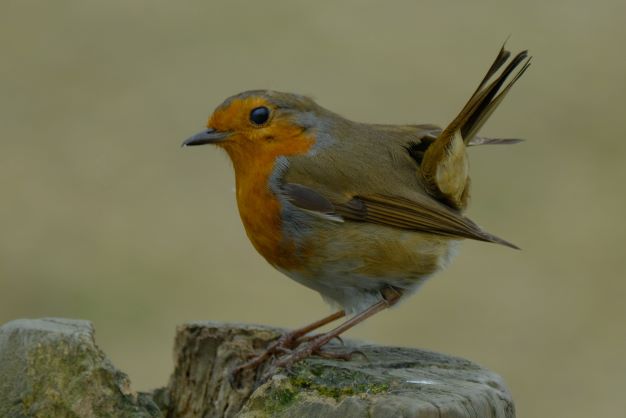
The Robin was having a bad hair day due to a strong easterly wind.


 Continued Reflections from my World.