#Wordless Wednesday
#Wordless Wednesday
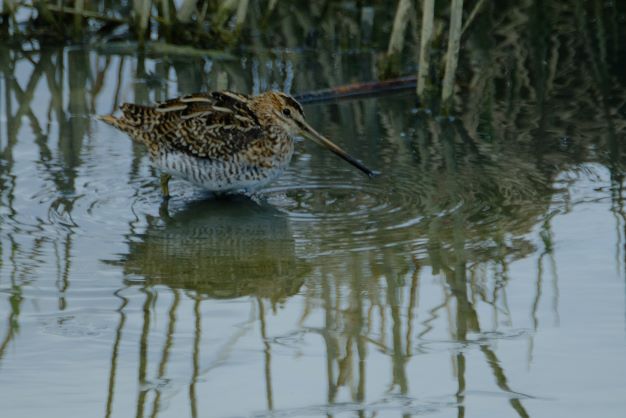
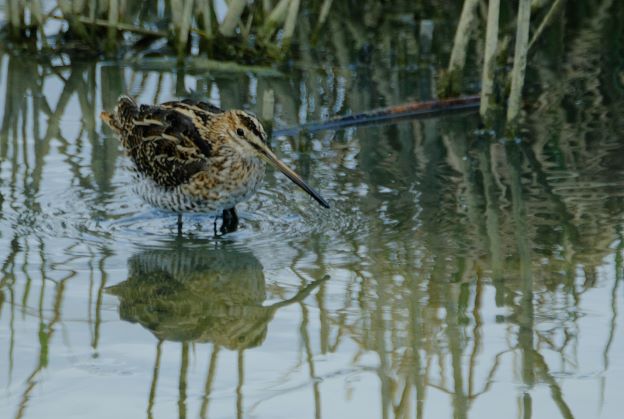

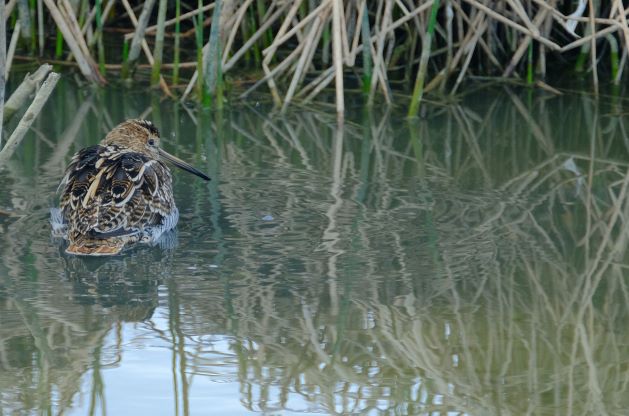
Moorhen mating this afternoon, quick and consensual. The male follows the female across the waterway catches and mounts her. He holds her underwater before they go their own way. On reading up on these birds both birds will build the nest out of twigs and defend it with ferocity.

Our first visit to the New Forest in April this year with a fair walk deep into the forest to collect camera footage from where we left our trail camera last week. Returning to the van we found another Badger’s sett – we now know where 3 setts are located – It is interesting that once you understand these mammals’ behaviour and how they build their setts you can spot clues in the landscape where to look. Below is the footage from my brother’s camera which got the best footage.
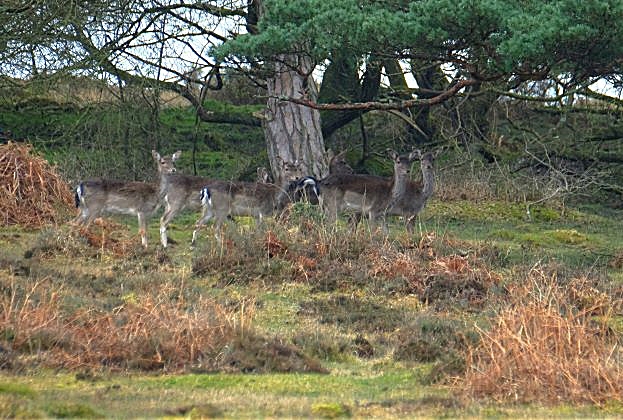
As always some Fallow deer sightings on our walk.

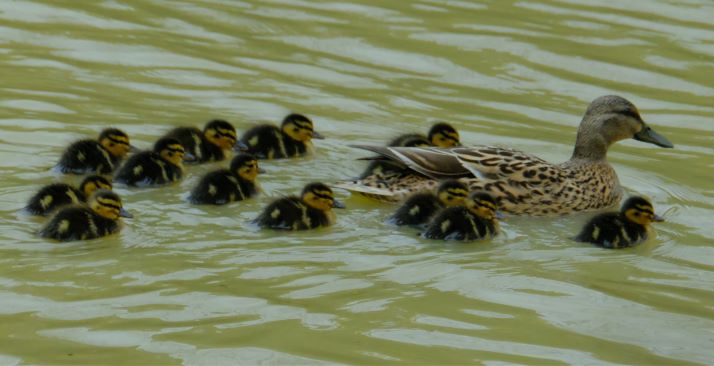
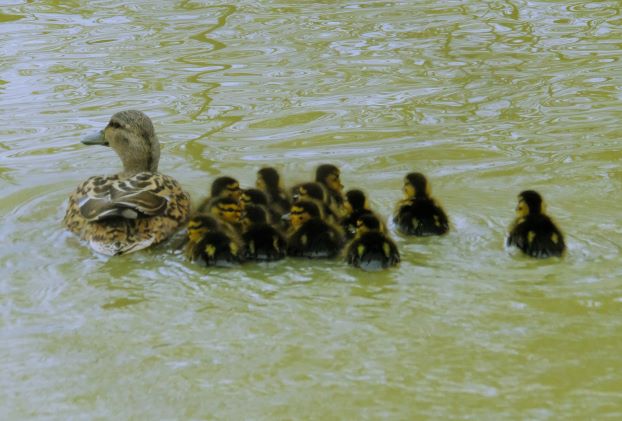
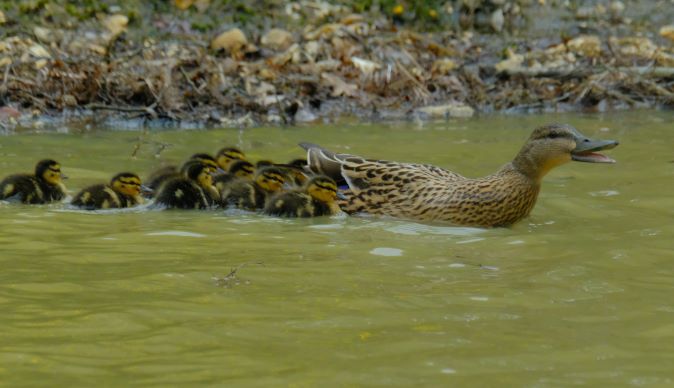
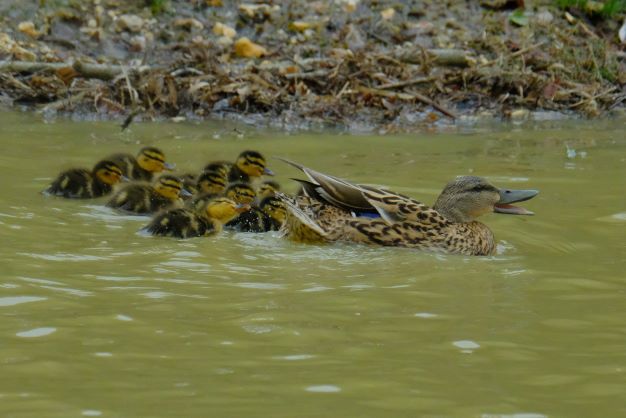
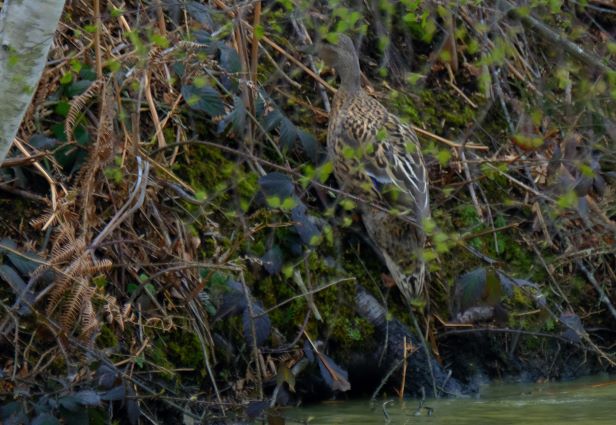
After the badger walk, we checked out a forest pond, where we saw our 1st ducklings of the year. This mum was being hassled by a group of drakes so she moved them away onto an island out of their reach.


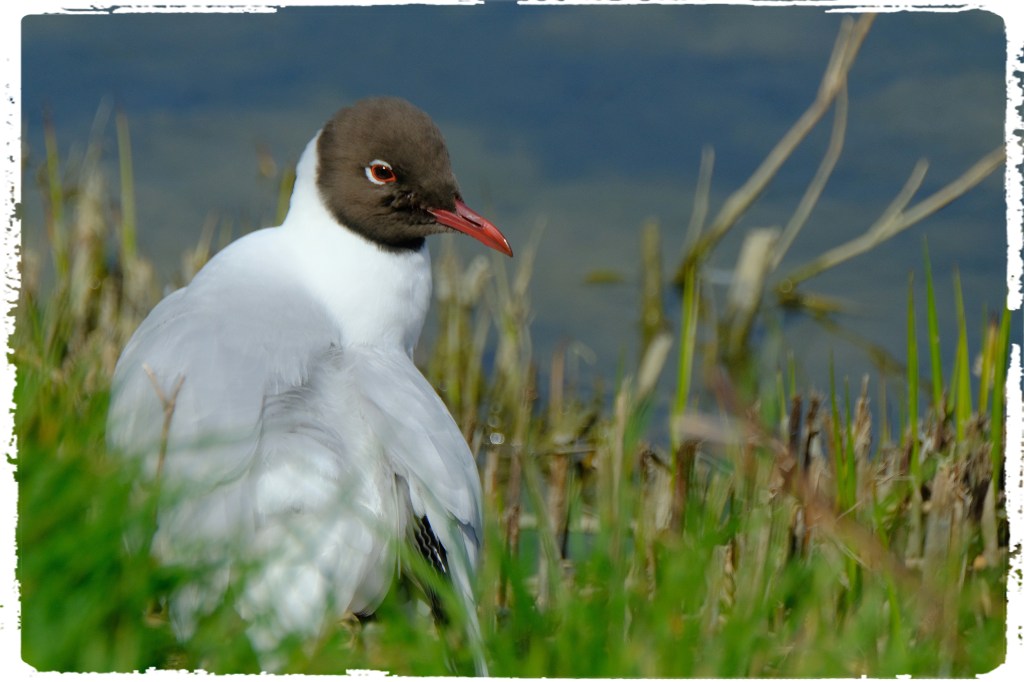
Mediterranean Gull or Black-headed Gull (summer plumage).
For a long time, I tried to spot Mediterranean Gull among all the Black-headed gulls and was never quite sure I had seen one, last year I spotted a pair at Titchfield haven and when you see one it is clear they are different from the nearby Black-headed gulls. This year there are a lot more Mediterranean Gull although some distance away I made this film to show the differences.
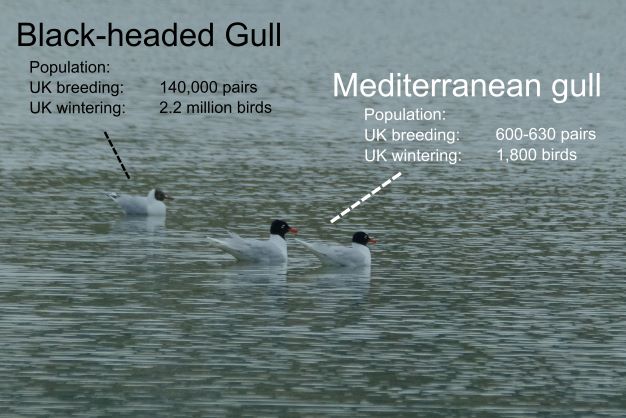


Another pointer that is difficult to see in pictures or at a distance is the Black-headed Gull’s head black is in fact dark brown when you take a close look and the Mediterranean Gull has a jet black head colour.
Another walk along the River Hamble today – yesterday we had a flurry of snow although it did not lay this morning’s walk was bitter with a biting wind blowing down the river.


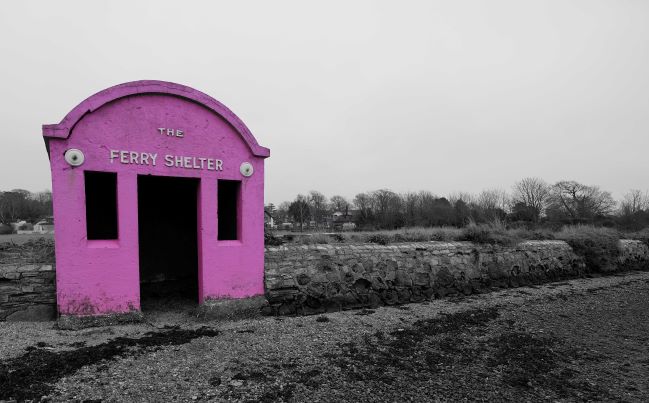
The ferry on the Hamble between Warsash and Hamble-le-Rice today is an ‘on-demand’ passenger ferry service is summoned via mobile phones – when my boys were small you had to jump up and down until the ferryman spotted you. What has also changed is the waiting shelter on the riverbank and the ferry which are all today painted a bright pink were then blue.
Records show there has been a ferry on the site dating back to 1493 when the crossing was part of a pilgrim’s route. The ferry now provides a link for local, and national footpaths such as the Solent Way and the National Cycle Route 2.
A pair of Shelduck on the mud they are large ducks that are about the size of a small goose.

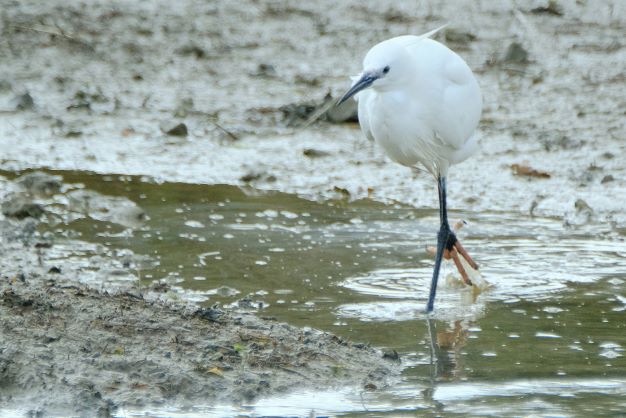
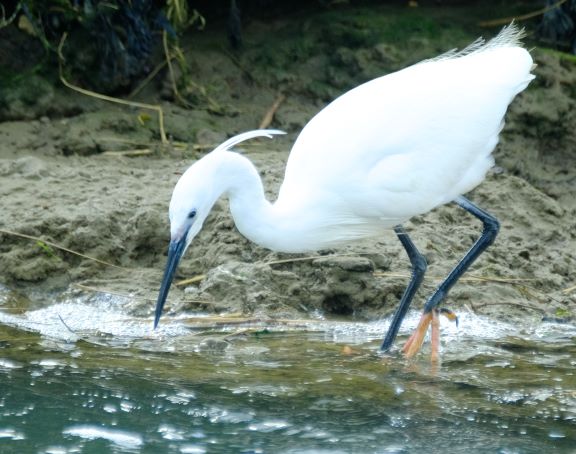
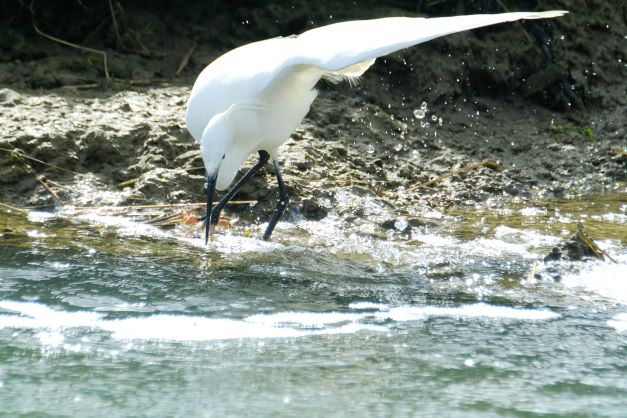
A Little Egret fishing as the tide comes in.



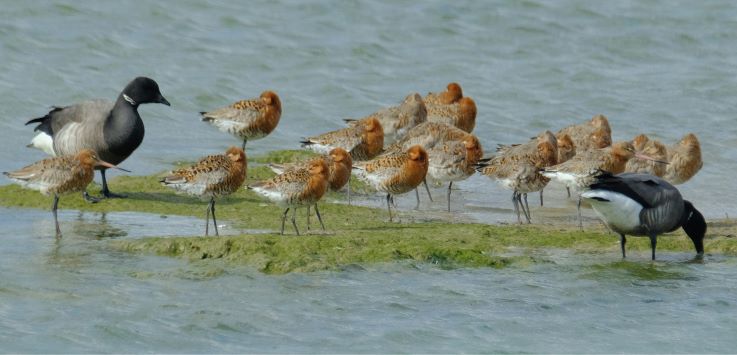
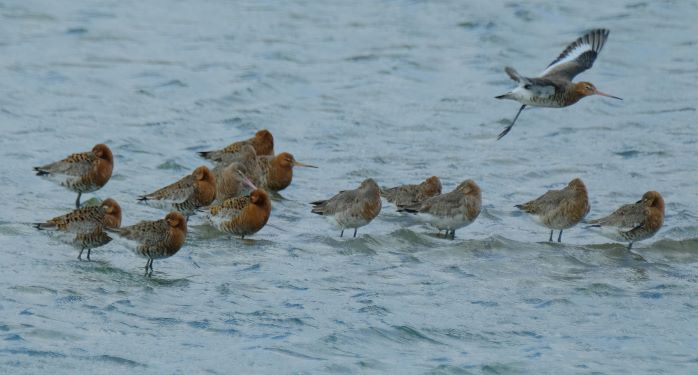
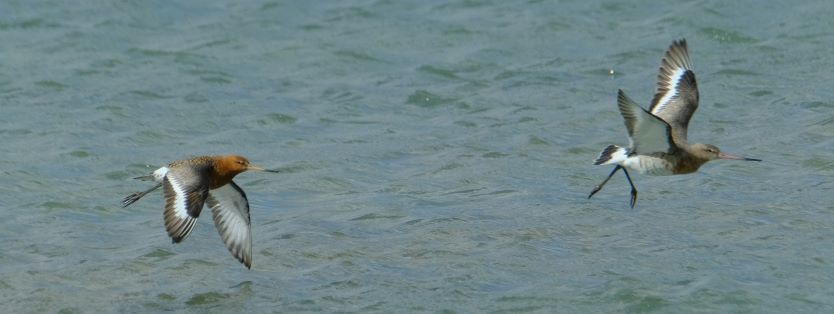
Black-tailed Godwits (+ a couple of Brent Geese) holding onto the last part of the land as the tide comes in.


Edit extra picture from one of my previous blogs. Ferry waiting hut.
A member of the rail family Coots are a medium-sized waterbird that has a plump appearance. Coots have an almost entirely black plumage, They do have a white bill and a white shield over the forehead. They feed on the surface and will also dive down for food.
Also, watch the Coots relative a Moorhen have a go at the Coot!
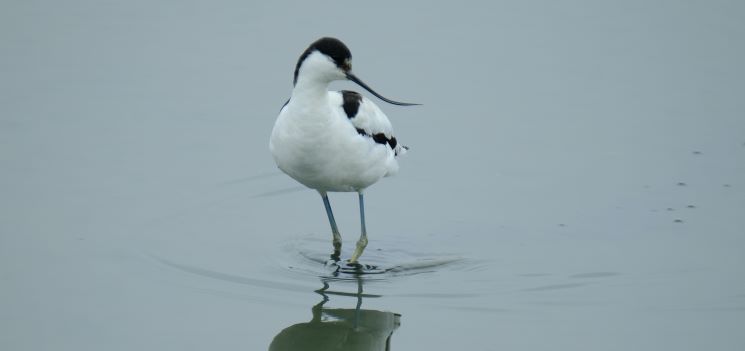
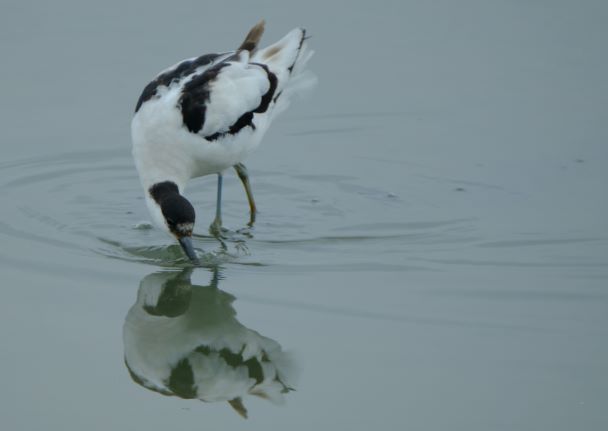
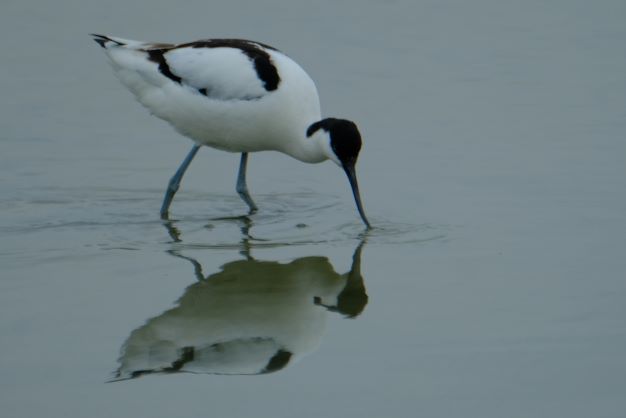
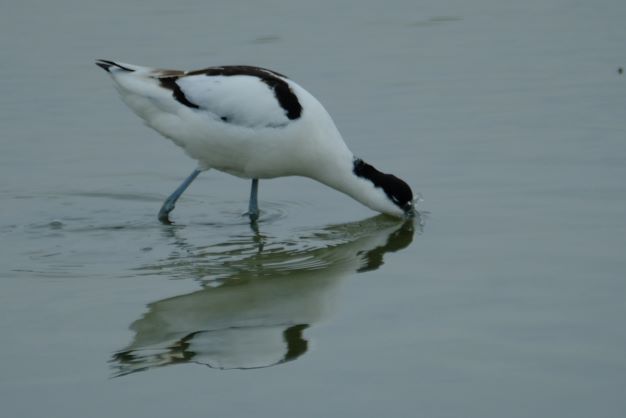
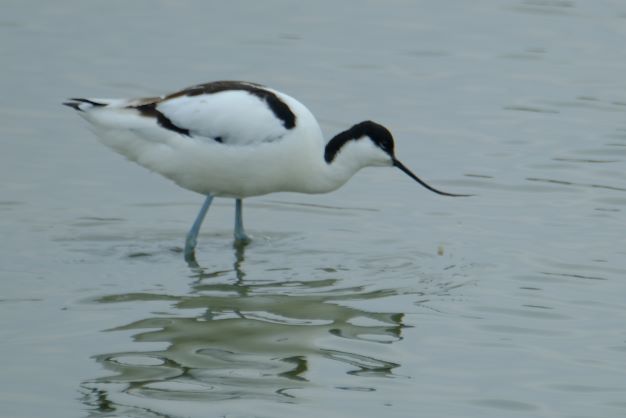
As we move towards the end of March the Avocets numbers are increasing within the nature reserve.
Numbers :- UK breeding:1,500 pairs UK wintering:7,500 birds Europe:37-54,000 pairs.




One of my favourite starting places in The New Forest for a walk is Cadman’s Pool It was the idea of Arthur Cadman who was Deputy Surveyor of the New Forest in the 1960s. The pond is on Ocknell Plain, and at the edge of Stoney Cross Airfield (a WW2 aerodrome). It was dug to enhance the aesthetic appeal of this corner of the Forest.
After a circular walk and the placing of our trail camera’s on a badgers sett we found on last weeks walk in the area I was able to spot some wildlife on the pond.
These Mandarin Ducks have paired up and seem to have established their home on Cadman’s Pool. As I have posted before there is a group of about 6 ducks on Eyeworth Pond which is about 2 miles away as the crow (or duck) fly’s so I suspect these have relocated from there.

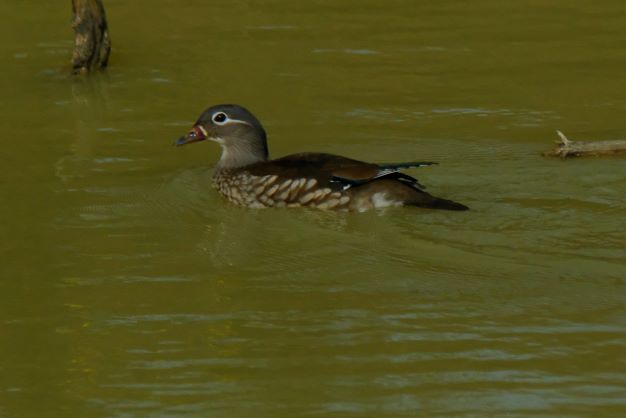
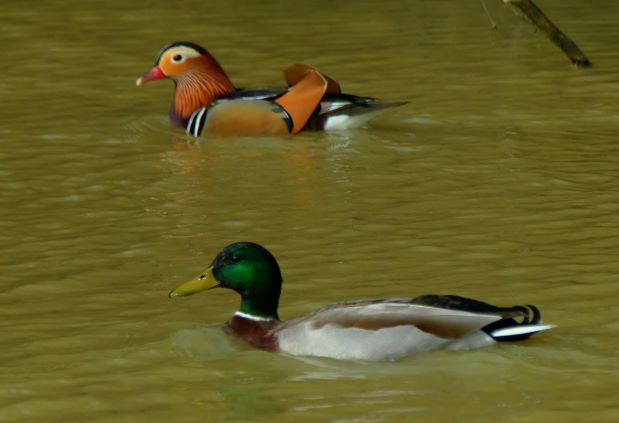
This picture gives you a good size comparison of the Mandarin with a Mallard.
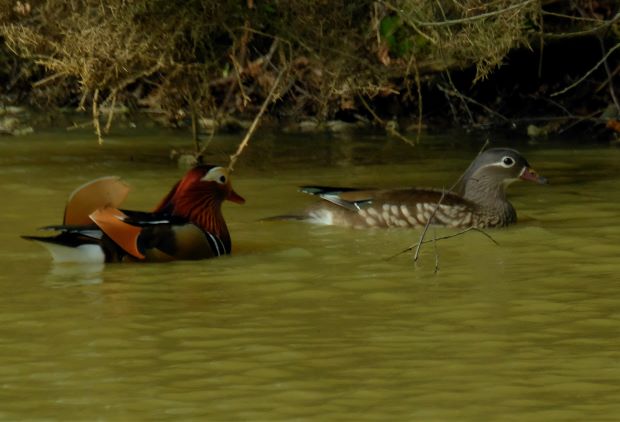
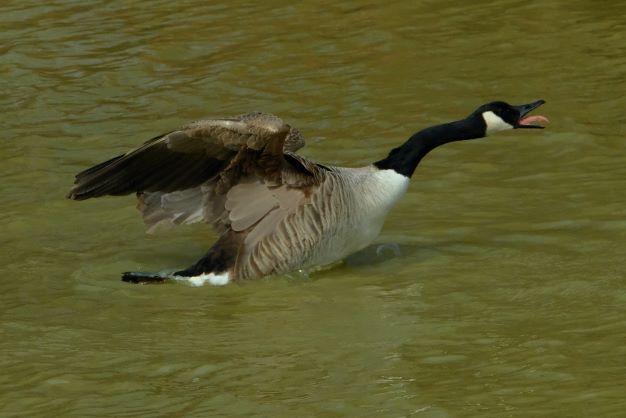
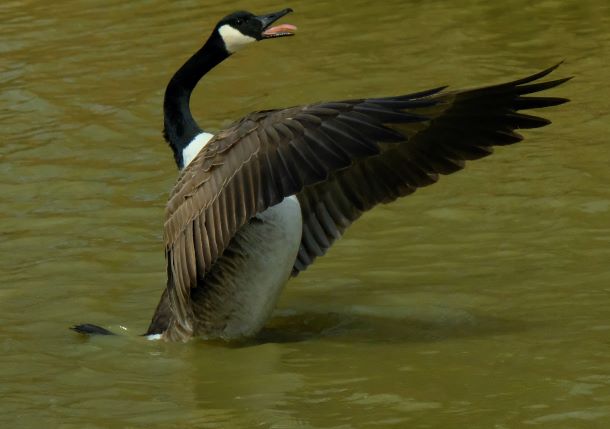
About 6 Canada Geese were pairing up – A rather noisy process!


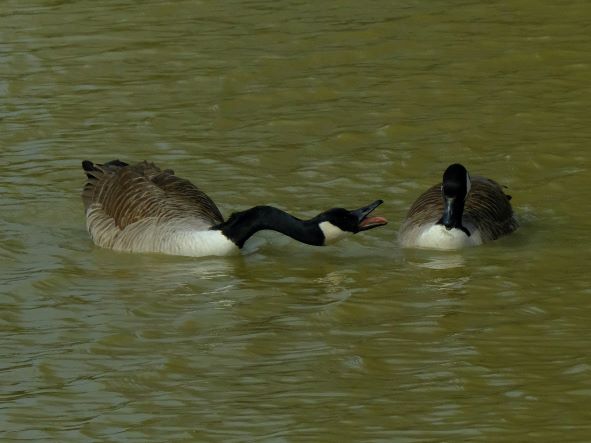
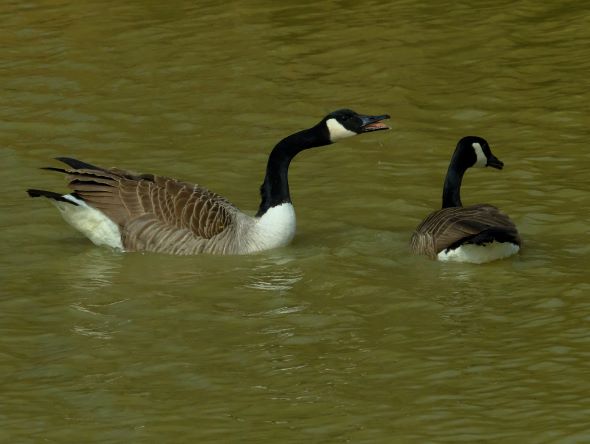
A pair of Mallards resting in the morning sun.


 Continued Reflections from my World.