



We woke to a tiny sprinkle of snow which was the 1st of the winter by 08.45 it had gone and we had a fairly bright but cold morning.
We had a good flypast of the Male Marsh Harrier in Titchfield Haven. There is a pair in the haven they can often be seen over the reedbeds. There are about breeding 400 pairs in the UK mainly in the south and south-east. Their wingspan can be a good 4.25 feet.


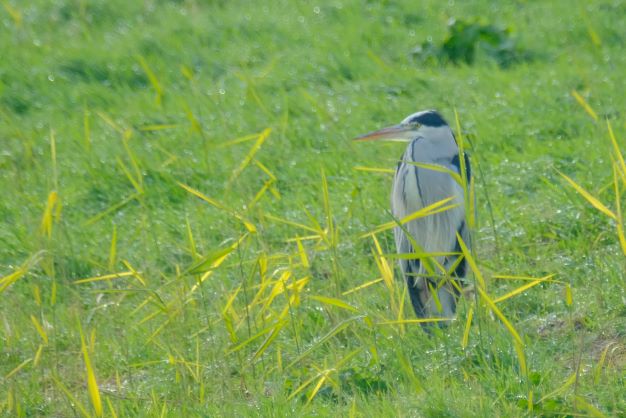
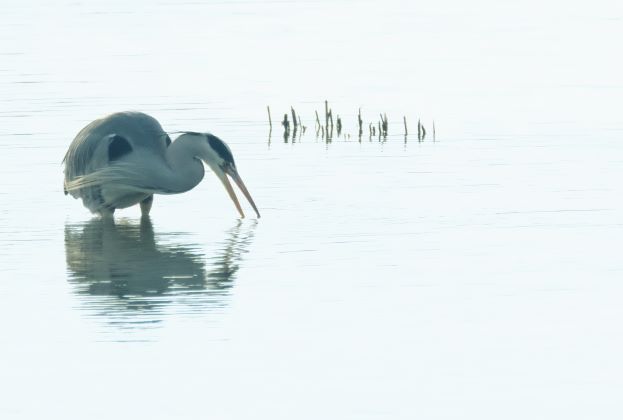
A Heron resting before a fishing trip into the cold water.

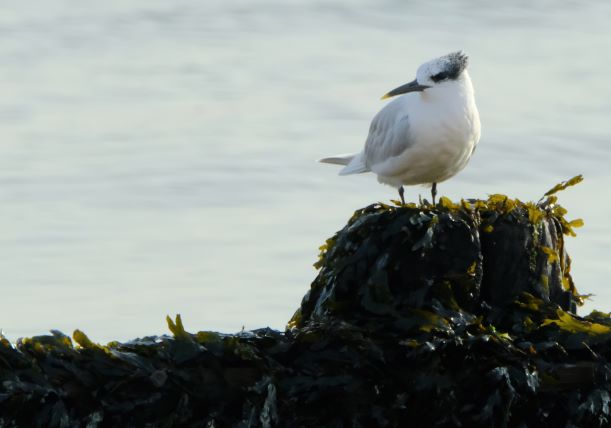
We were surprised to see 2 Sandwich Terns still on the beach normally they would be back in South Africa by now.


A few days away in our campervan and some different wildlife spotting on and around Exmoor.

Lots of cock Pheasants were about and their colour come to life in the Autumn sunshine.
The fast-flowing rivers and streams on Exmoor are the place to spot Dippers. The Dipper is a short-tailed, plump bird a little bit bigger than the size of a Robin. When perched on a rock it bobs up and down and frequently cocks its tail. Its white throat and breast is a contrast with its dark body plumage. Their diet is small fish insect larvae and freshwater shrimps. They enter the fast-flowing water going underwater in search of food.


The Redwing is a member of the Thrush family and our smallest thrush. A small number can be encountered all year in the UK but their number increase in winter and over 8 million birds have been recorded. They roam across the UK’s countryside, in small flocks – feeding in fields and hedgerows, they can often be spotted on Holly bushes or other red-berried trees stripping off the berries.
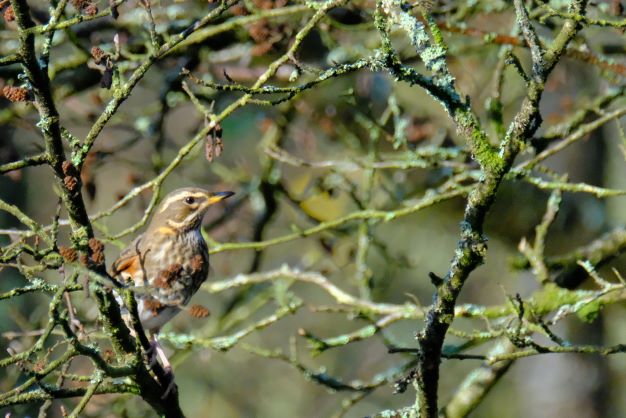
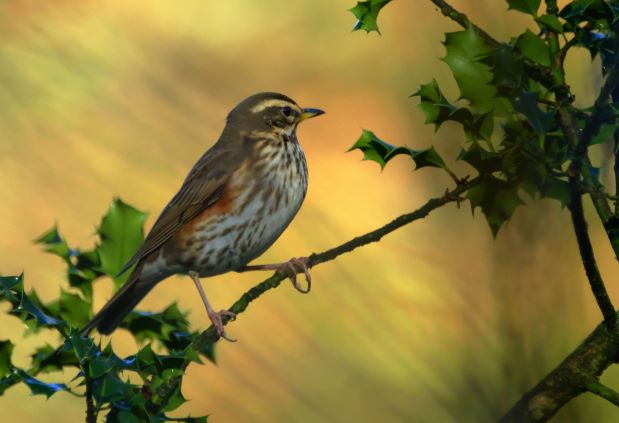

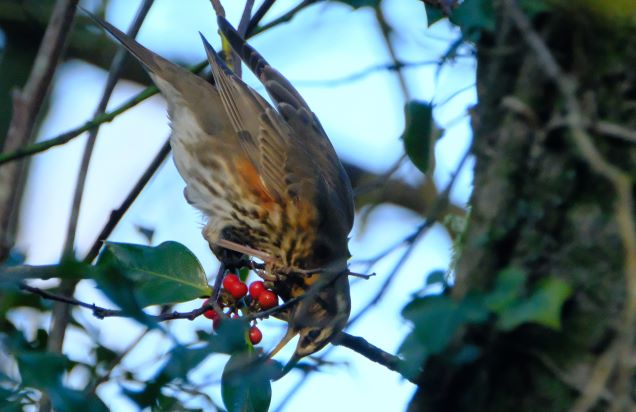

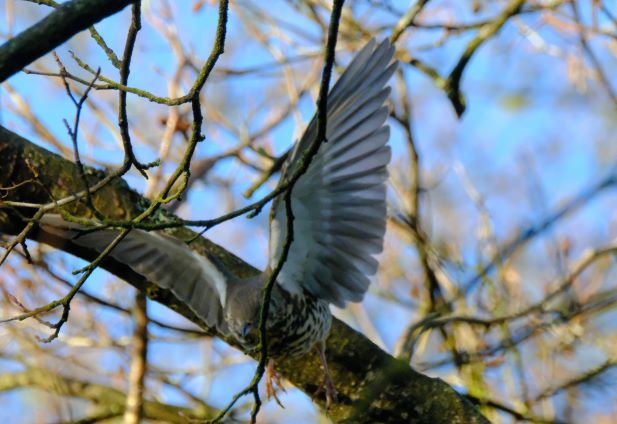
A Mistle Thrush had joined the flock of Redwings.- I only just caught him with the camera!
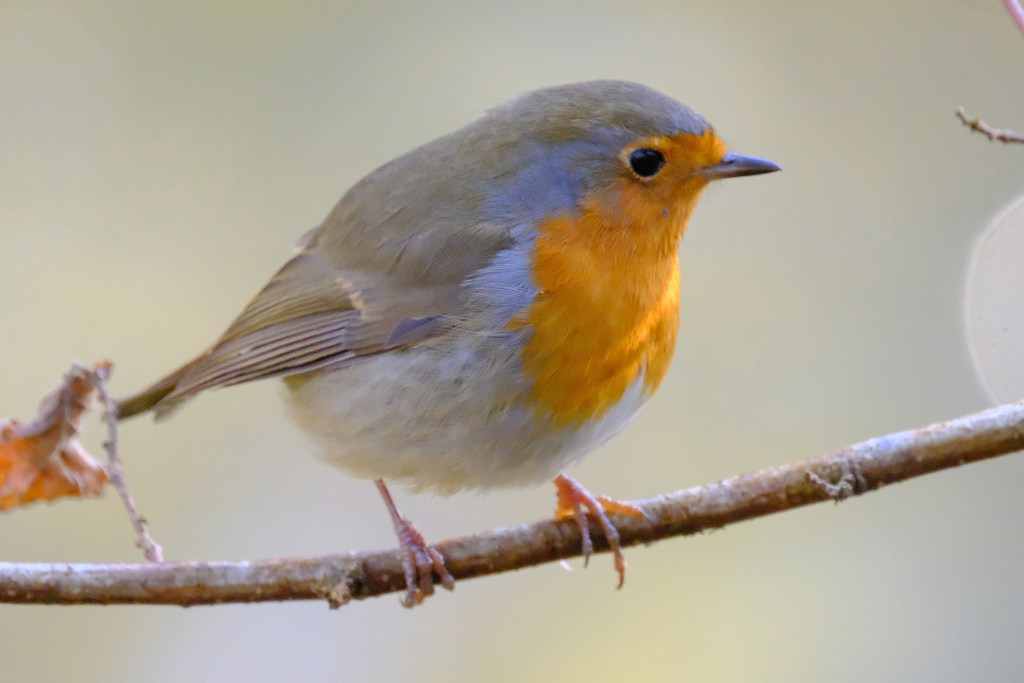
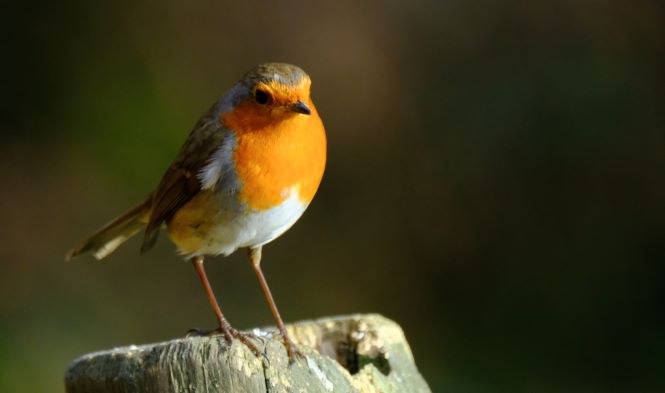
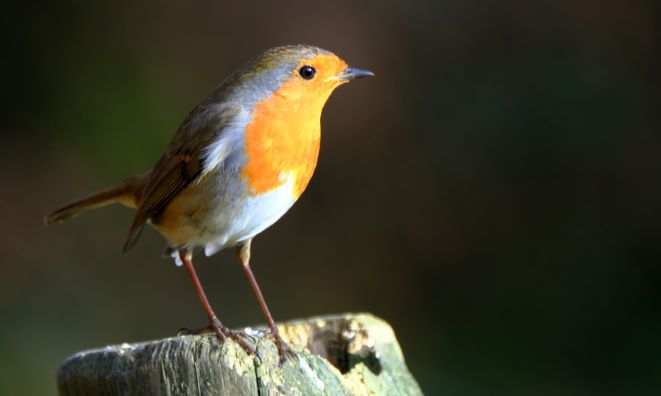
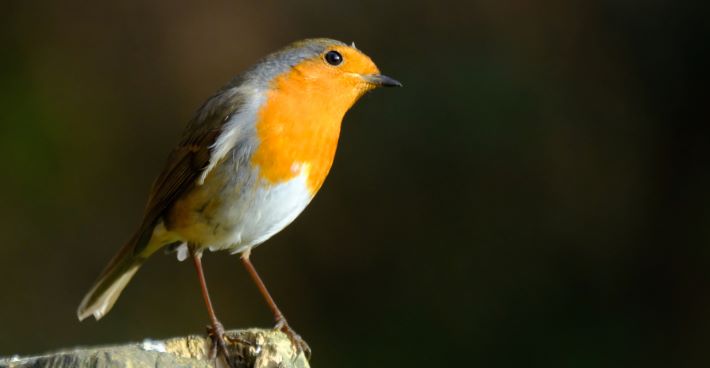
As always I seem to always be close to a Robin especially this time of year.

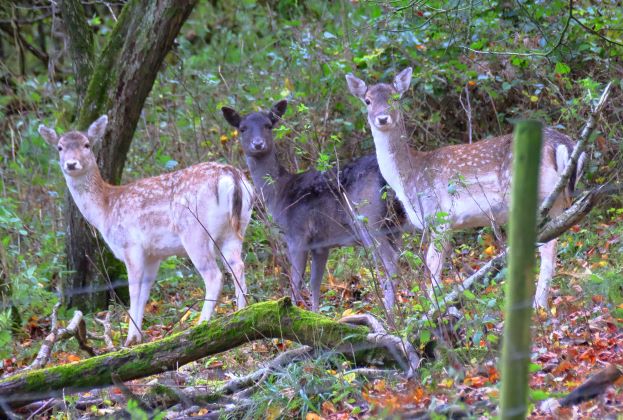
I spotted this group of young Fallow Deer many were much darker than the ones I see in the New Forest they were a true Black in colour.
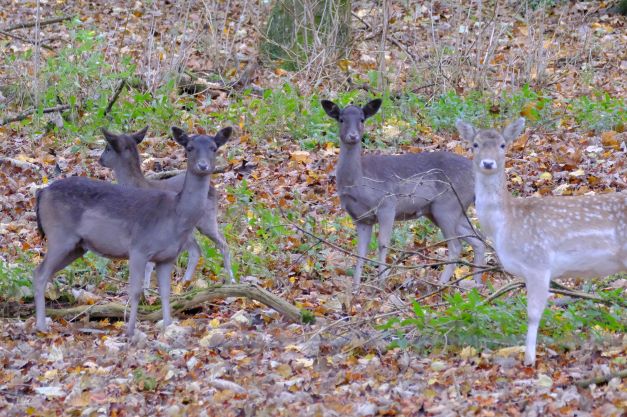
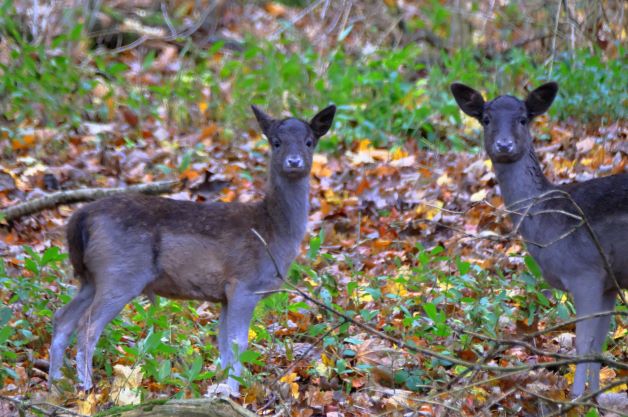

After getting our COVID booster shot today we headed into the New Forest. Cadmams pool near Stoney Cross Airfield. Opened in 1942, it served both the Royal Air Force and United States Army 9Air Forces. During WW2 it functioned primarily as a combat bomber and fighter airfield. It closed in January 1948.
Locals routinely leave birdseed on the ground or on posts in the copse next to the pond, So it is a good place to spot some of our small woodland birds close up.
Male Chaffinch.
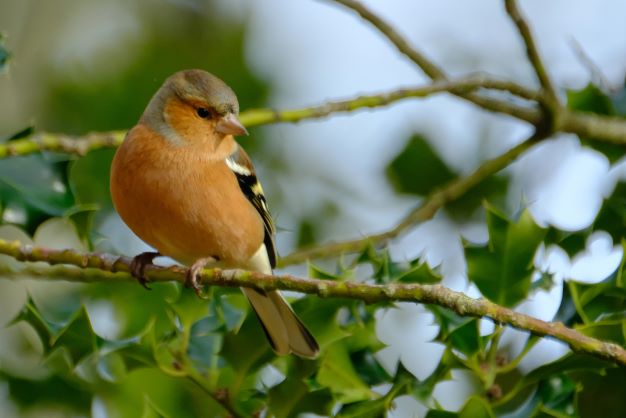

Nuthatch.

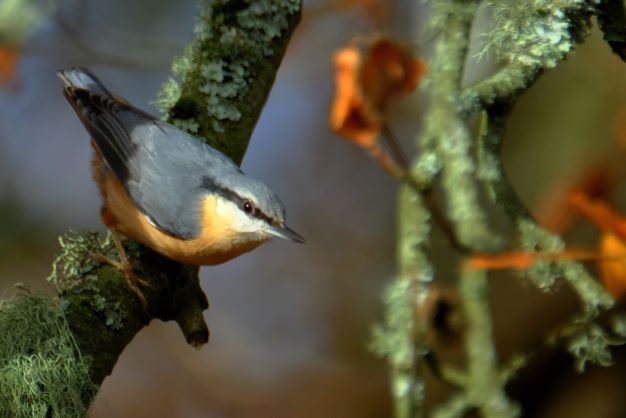

Coal Tit.
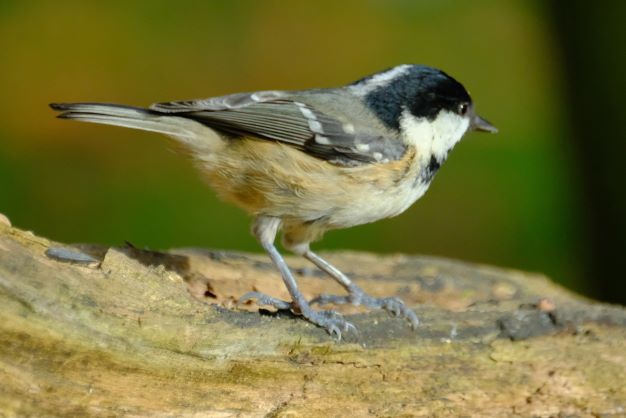
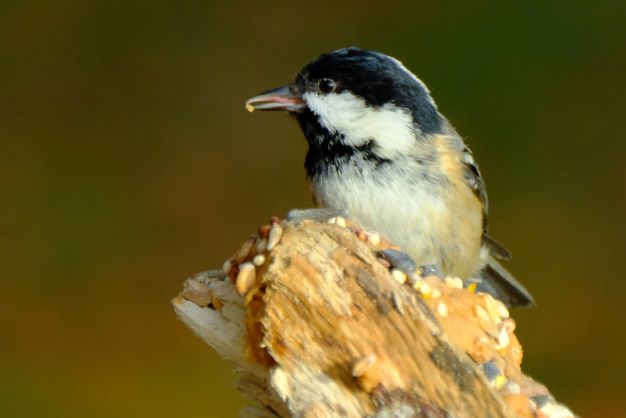

Robin.
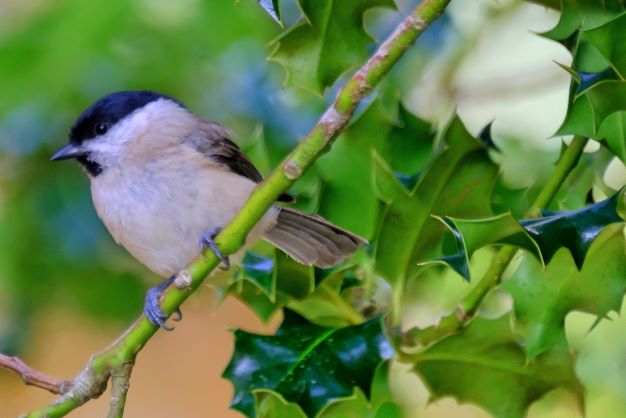
Marsh Tit.
Marsh Tits and Willow Tits are very similar and difficult to tell apart, here at Chapmans Pool it was the Marsh Tit enjoying the sunflower seeds.

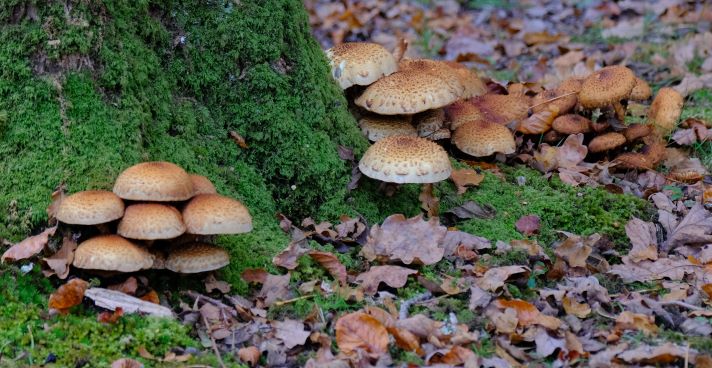
You are never far from deer or fungi in the New Forest.


My active blog is running out of space for more pictures so I am posting my new blogs here and will add a link to these posts on my other blog. https://sealandair67140807.wordpress.com/
If you arrive here why not follow my adventure from here directly by following these pages.
I find the number of pictures I upload to WordPress uses the free data storage in about 24months so as I am not in a position to pay for more storage space.
Feeding the Gulls.


Black-headed Gulls are happy to take some leftover fish and chips.
 Continued Reflections from my World.