The morning after Storm Barra hit the south coast.
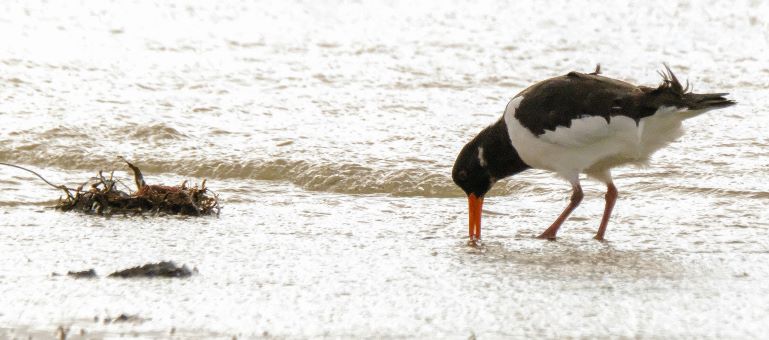
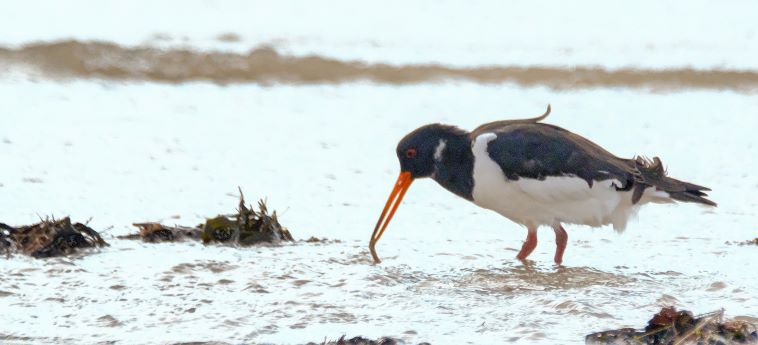
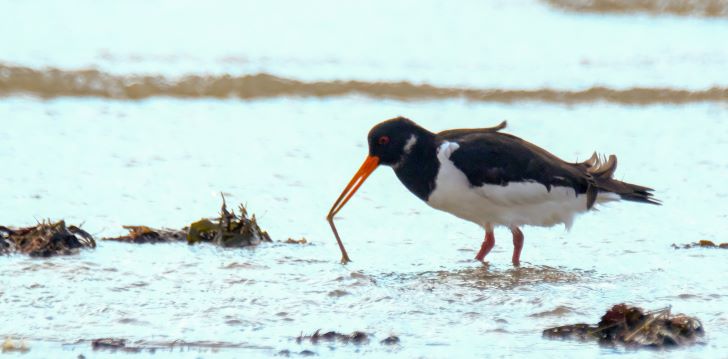
An Oystercatcher gets an early morning feed on a lugworm.
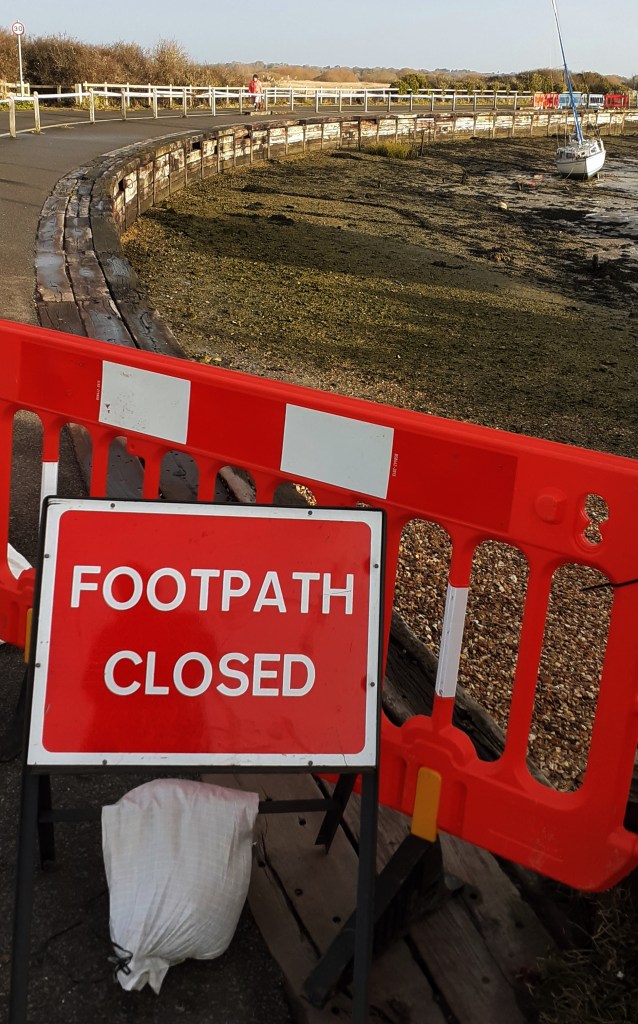
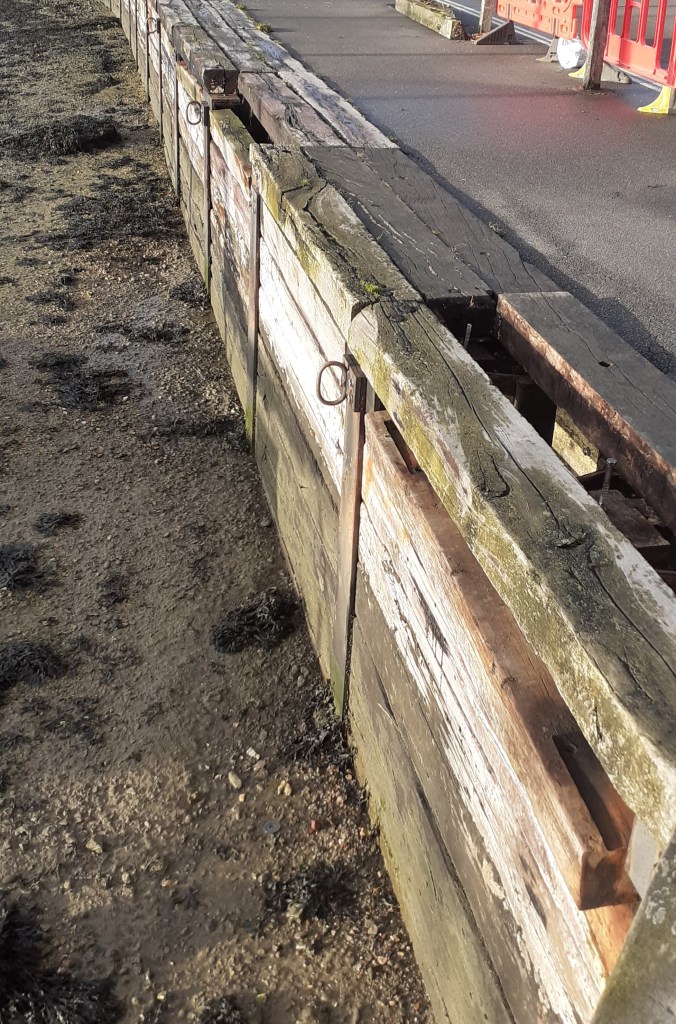
On Tuesday (7th December 2021) afternoon and evening the high tide plus storm-force winds meant local flooding. The coastguard had to rescue a number of car occupants stuck in the floodwaters. By Wednesday morning the water had gone but there was damage to the wooden sleepers on the walkway at the back of Titchfield harbour, the council had been around and cordened off the footpath and swept the road of shingle and sand.
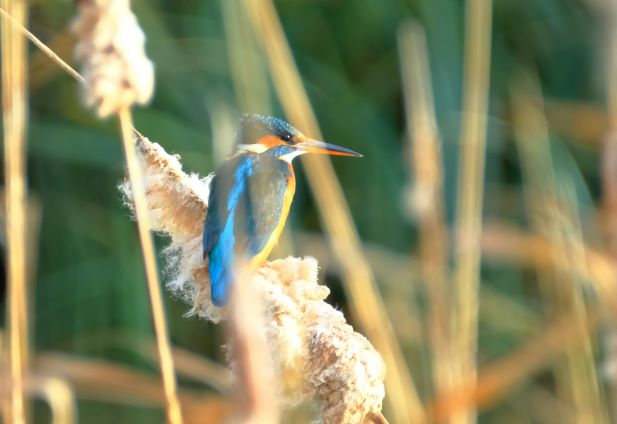
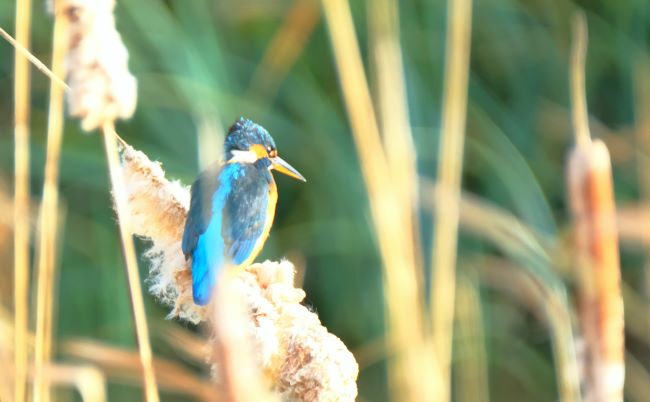
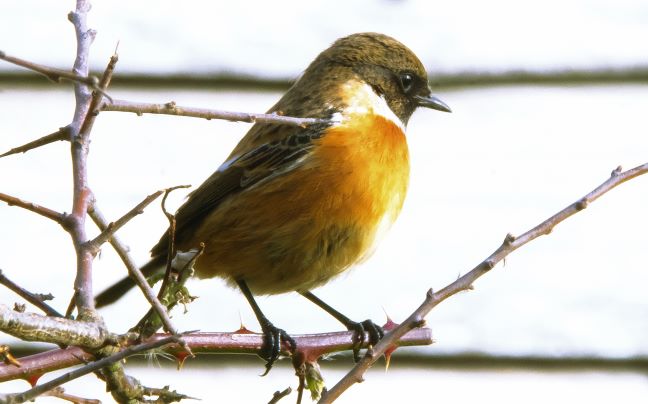
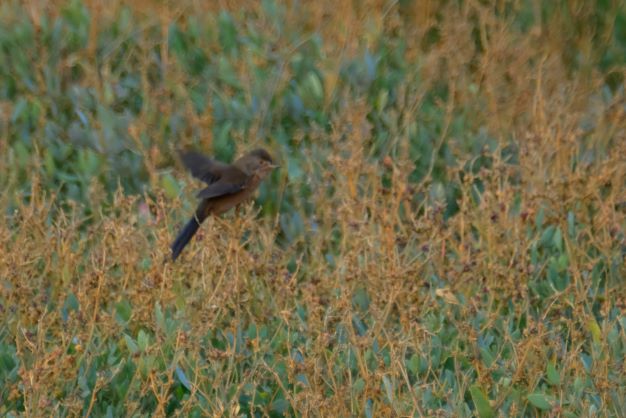
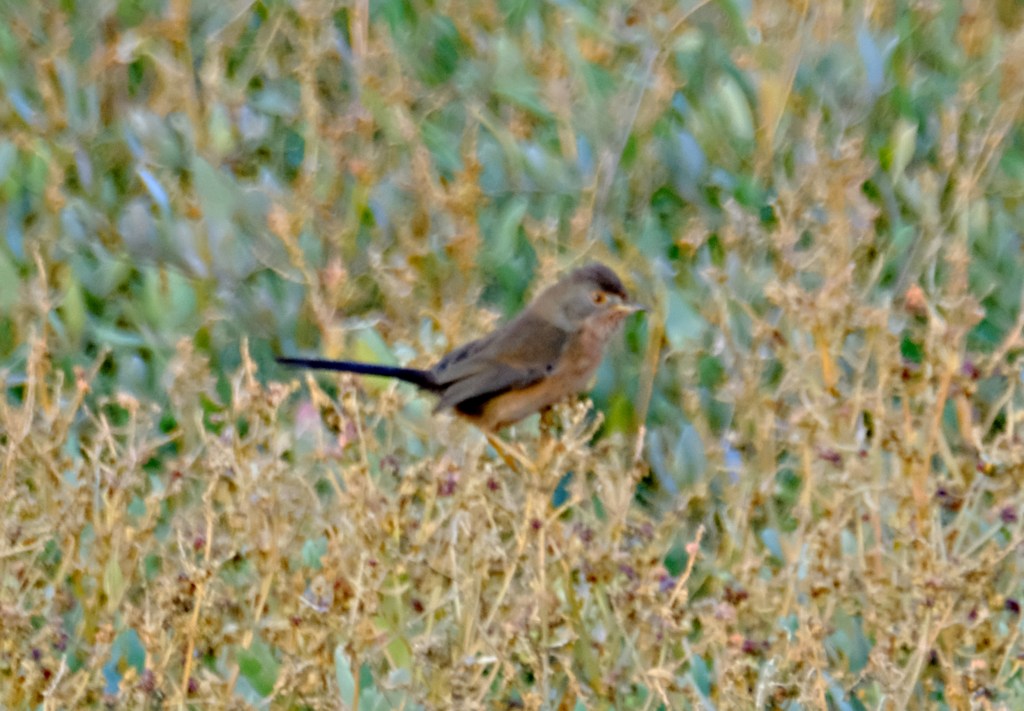
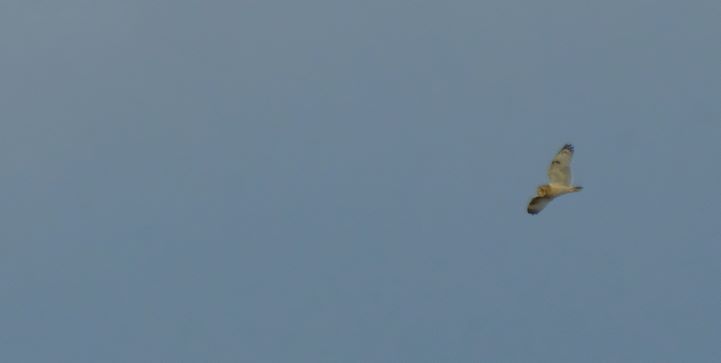
Last week I spotted 2 birds at Titchfield haven that are relatively rare and I have not seen them very often. I caught them both on film (well memory card) not that close so not the quality I like but I thought I would post as I have not posted these birds before.
Dartford Warbler.
Dartford Warblers live on lowland heathland in the south of England the UK breeding birds are recorded at 3,200 pairs.
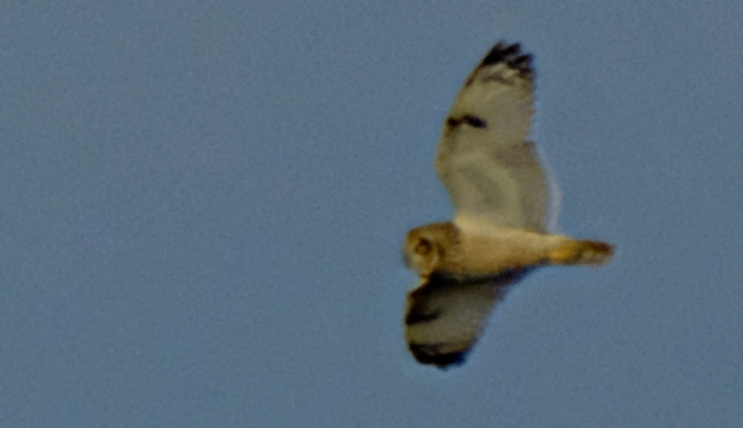
Short-Eared Owl.
Short-Eared Owls, are often seen hunting during the day over reed beds the UK breeding population is recorded between 620-2,180 pairs.
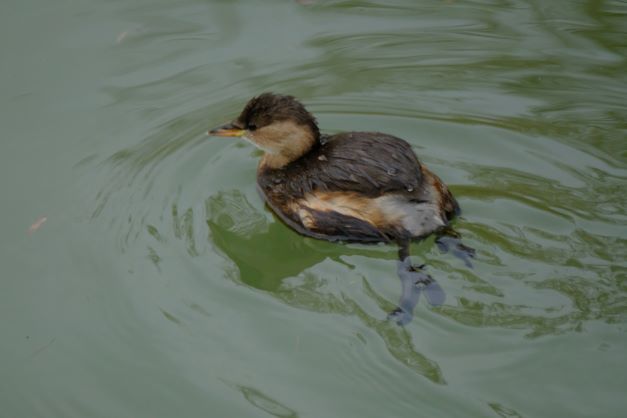
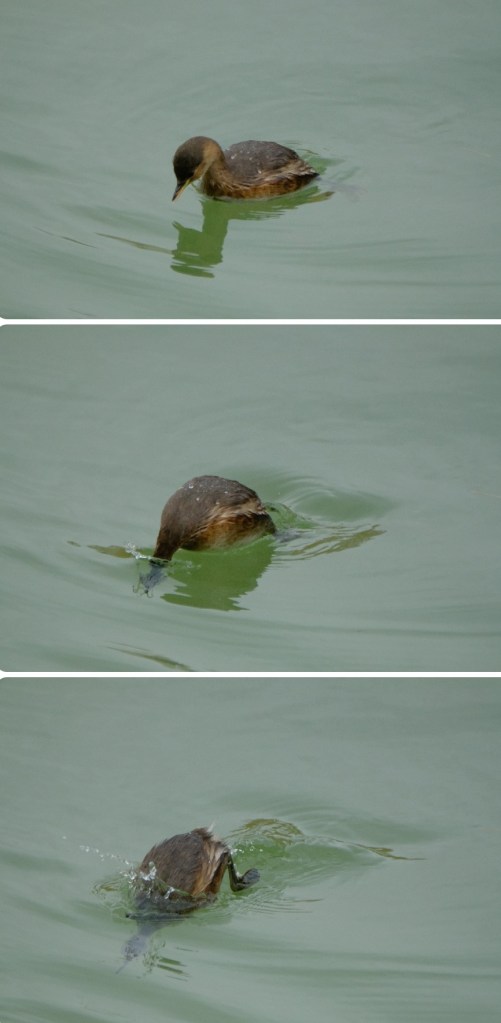
The Little grebe is also known as a dabchick, there are often up to 5 near the road bridge at Titchfield harbour. Yesterday I just spotted 2. In their non-breeding colours, they are quite toned down against their summer colours they have a bright chestnut throat and cheeks with a pale gape patch at the base of the bill.
They feed on little fish which they dive down for.
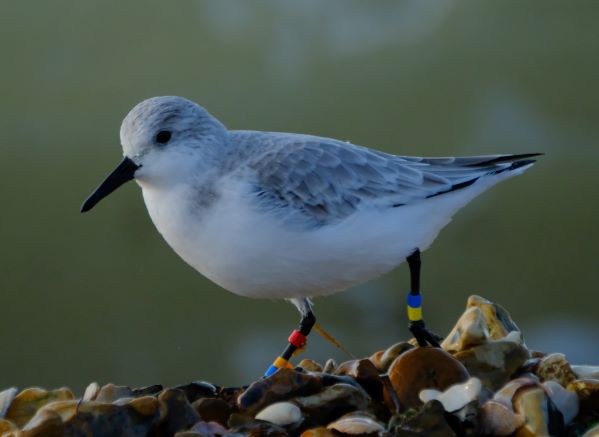
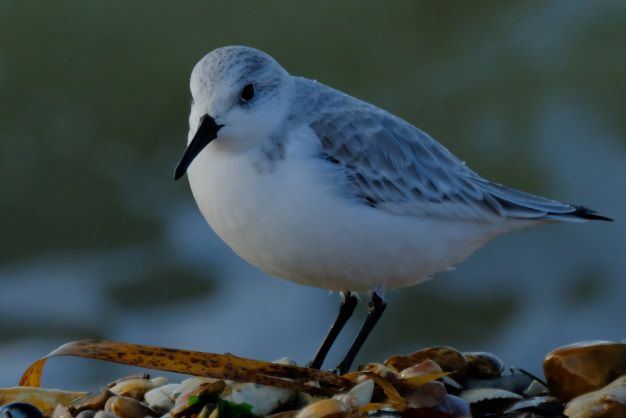
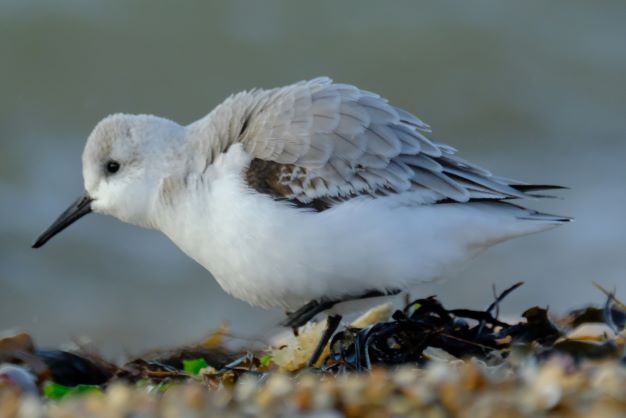
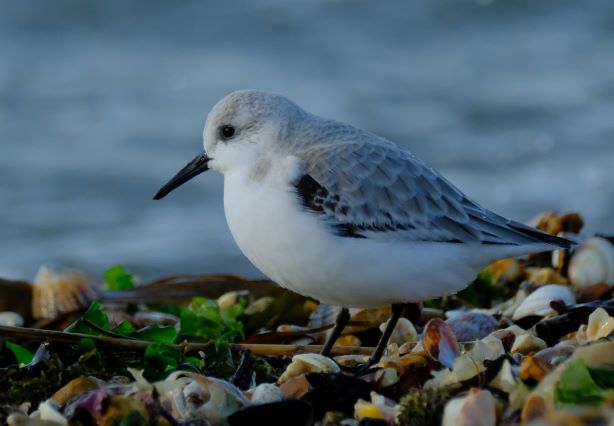
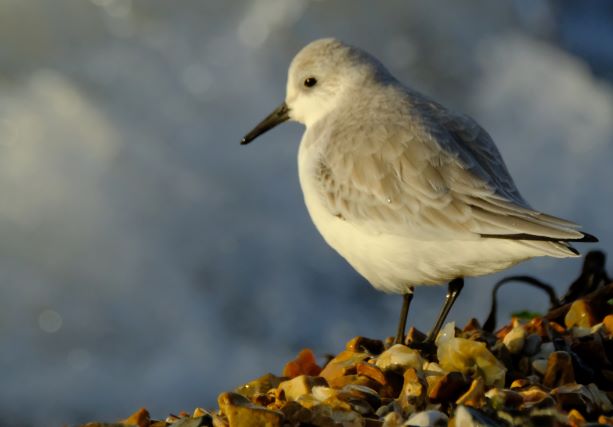
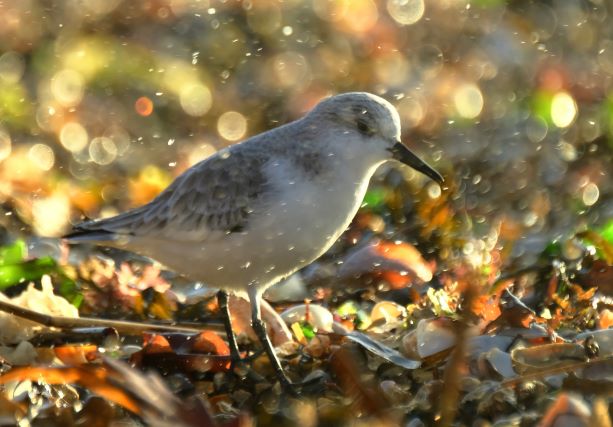
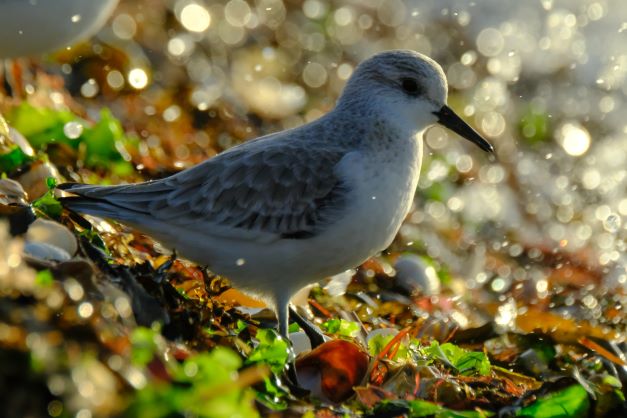
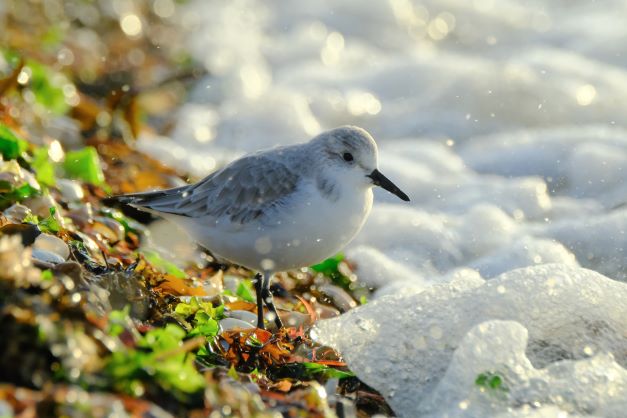
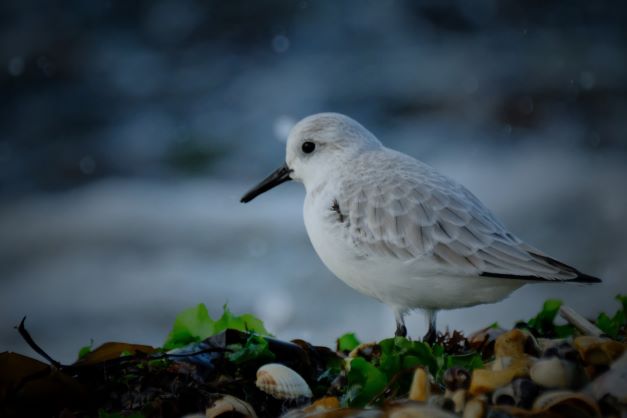
Today was a dull and damp morning by 08.30 I was led flat on the beach enjoying some close views of a large flock of about 100 of these busy little birds feeding along the shoreline and dodging the spray.
Today’s post gives just a “few” of the pictures I took this morning.
The longest living sanderling was from Nova Scotia and was recorded to be 13 years and one month old.
The birds we see in the UK are long-distance migrants who have moved south to winter from their Arctic breeding grounds
We woke to a tiny sprinkle of snow which was the 1st of the winter by 08.45 it had gone and we had a fairly bright but cold morning.
We had a good flypast of the Male Marsh Harrier in Titchfield Haven. There is a pair in the haven they can often be seen over the reedbeds. There are about breeding 400 pairs in the UK mainly in the south and south-east. Their wingspan can be a good 4.25 feet.
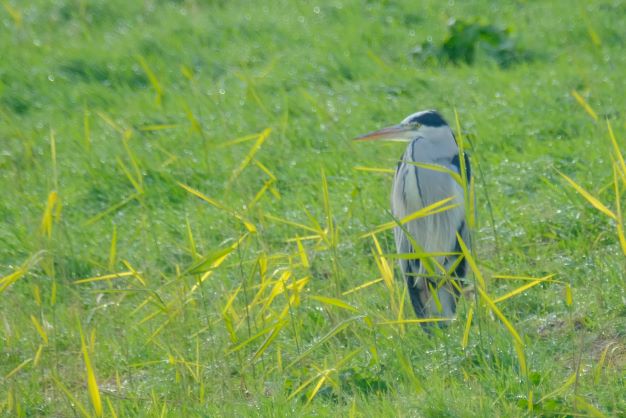
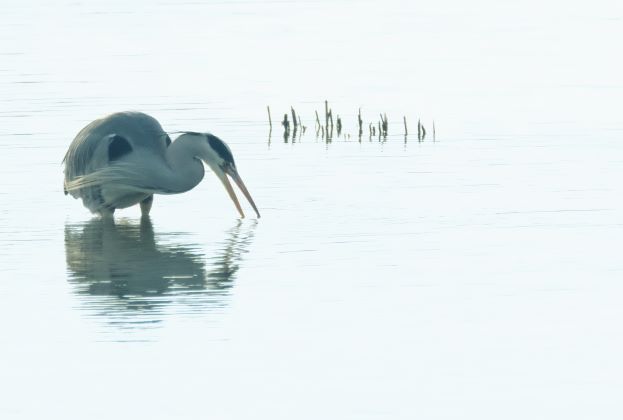
A Heron resting before a fishing trip into the cold water.
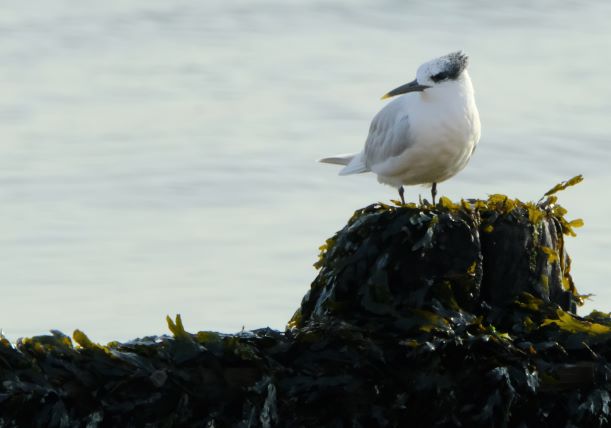
We were surprised to see 2 Sandwich Terns still on the beach normally they would be back in South Africa by now.
A few days away in our campervan and some different wildlife spotting on and around Exmoor.
Lots of cock Pheasants were about and their colour come to life in the Autumn sunshine.
The fast-flowing rivers and streams on Exmoor are the place to spot Dippers. The Dipper is a short-tailed, plump bird a little bit bigger than the size of a Robin. When perched on a rock it bobs up and down and frequently cocks its tail. Its white throat and breast is a contrast with its dark body plumage. Their diet is small fish insect larvae and freshwater shrimps. They enter the fast-flowing water going underwater in search of food.
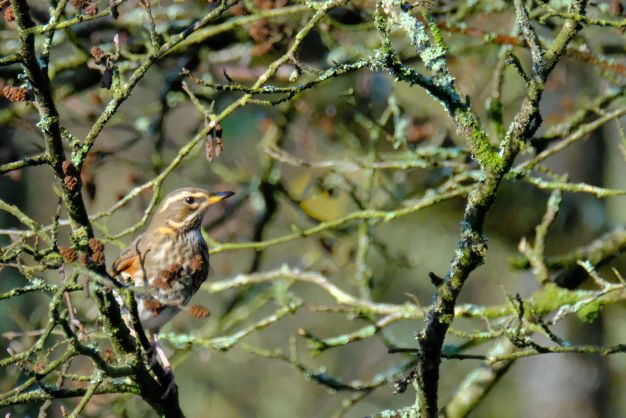
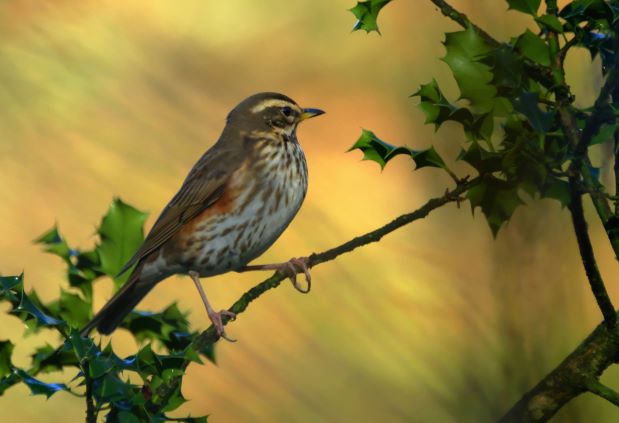
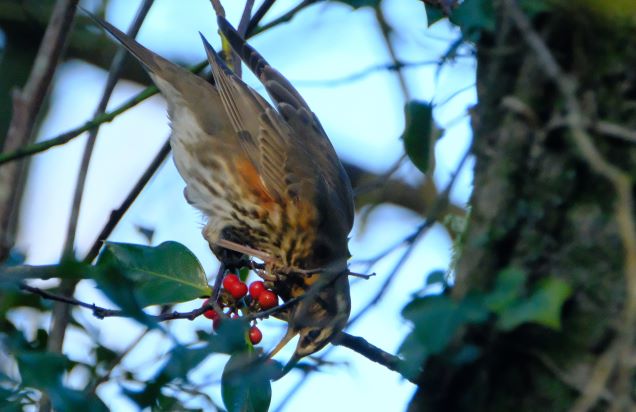
The Redwing is a member of the Thrush family and our smallest thrush. A small number can be encountered all year in the UK but their number increase in winter and over 8 million birds have been recorded. They roam across the UK’s countryside, in small flocks – feeding in fields and hedgerows, they can often be spotted on Holly bushes or other red-berried trees stripping off the berries.
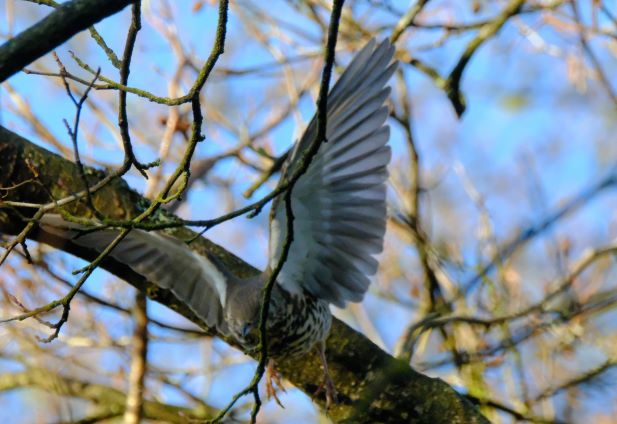
A Mistle Thrush had joined the flock of Redwings.- I only just caught him with the camera!
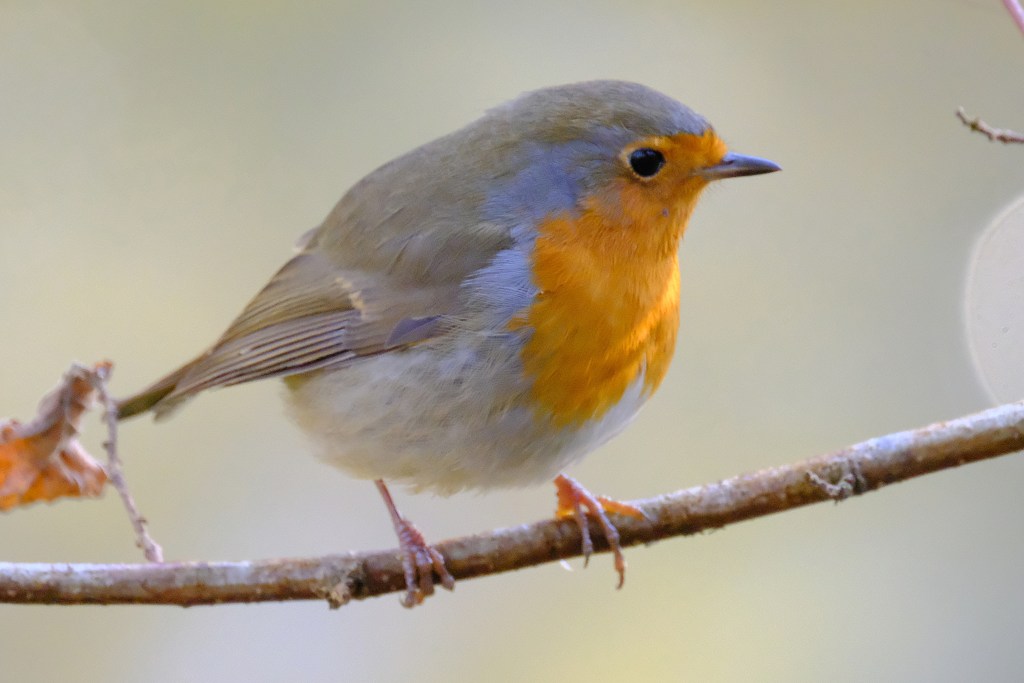
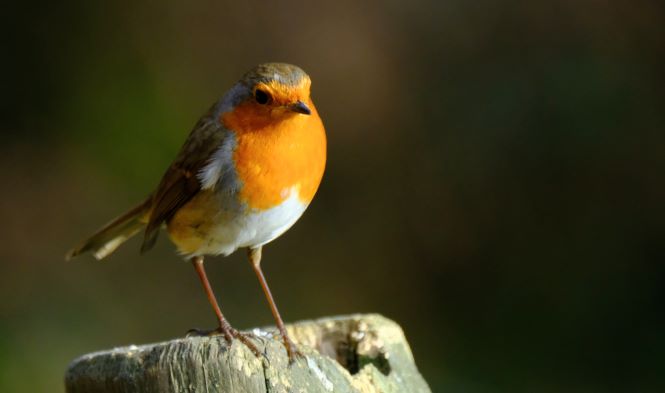
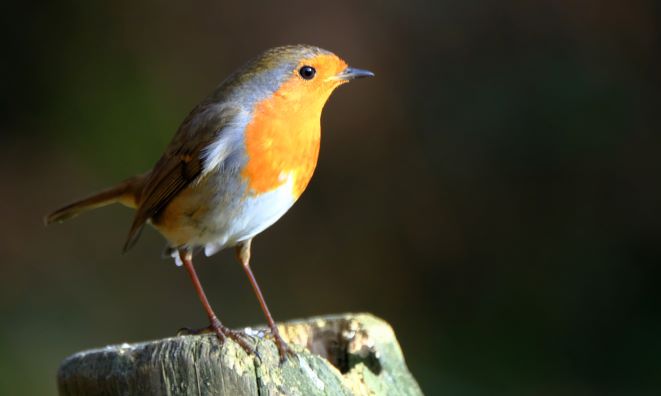
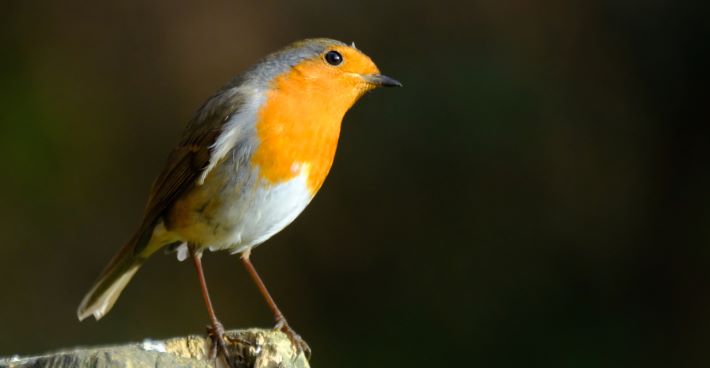
As always I seem to always be close to a Robin especially this time of year.
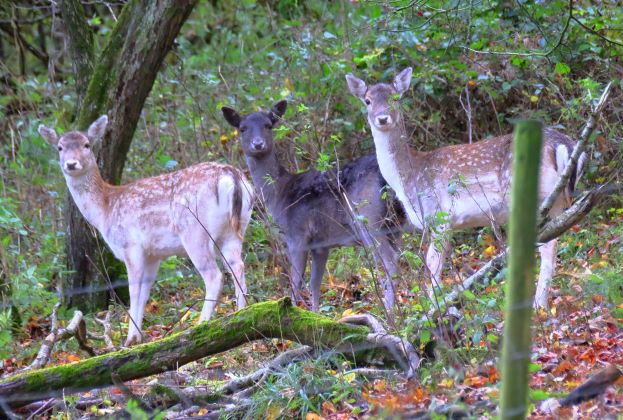
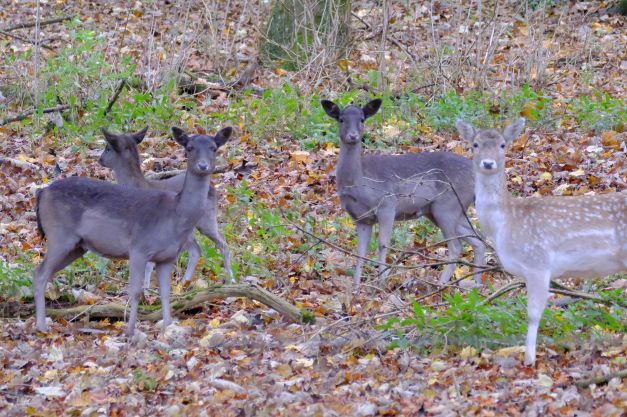
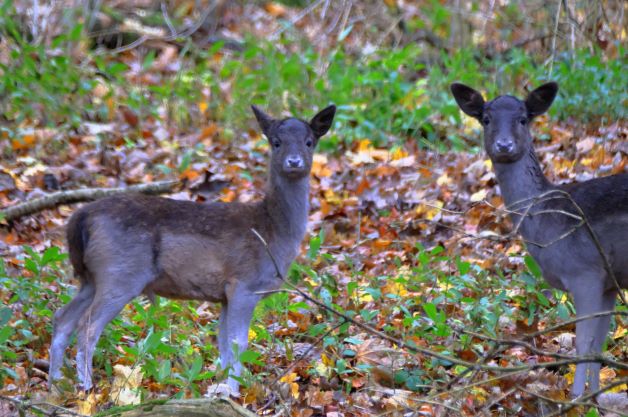
I spotted this group of young Fallow Deer many were much darker than the ones I see in the New Forest they were a true Black in colour.
After getting our COVID booster shot today we headed into the New Forest. Cadmams pool near Stoney Cross Airfield. Opened in 1942, it served both the Royal Air Force and United States Army 9Air Forces. During WW2 it functioned primarily as a combat bomber and fighter airfield. It closed in January 1948.
Locals routinely leave birdseed on the ground or on posts in the copse next to the pond, So it is a good place to spot some of our small woodland birds close up.
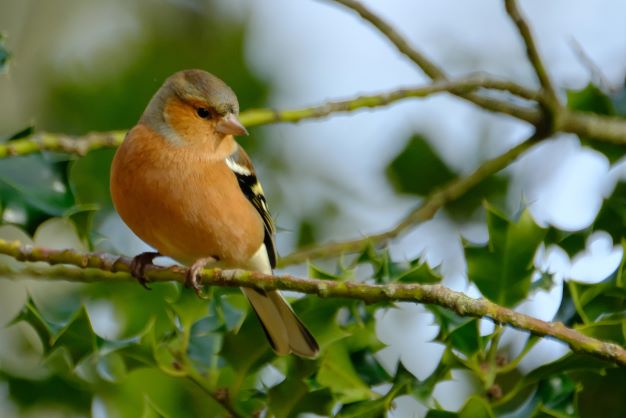
Male Chaffinch.
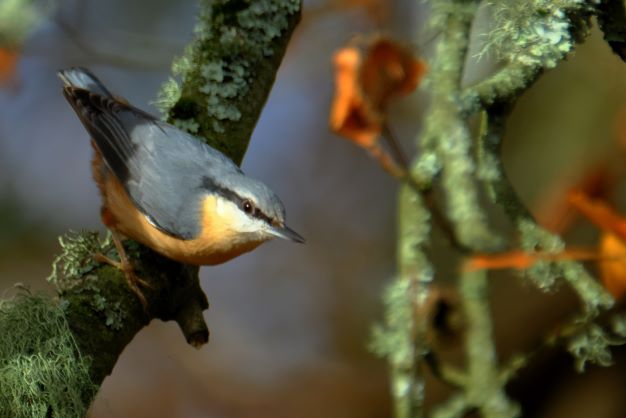
Nuthatch.
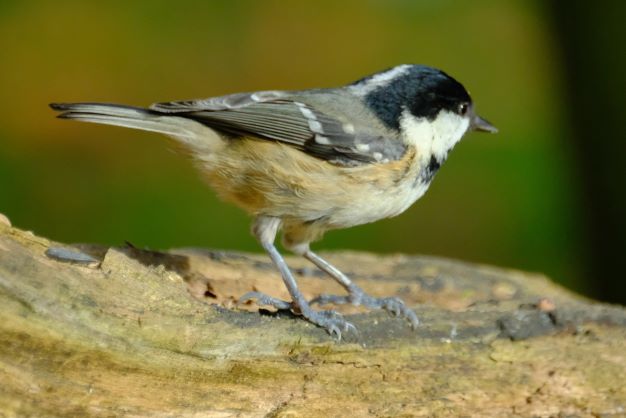
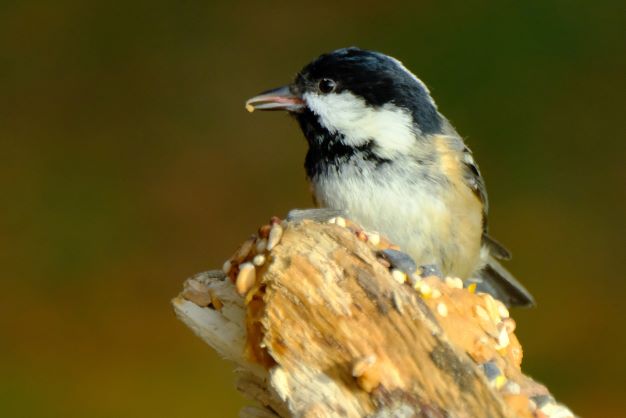
Coal Tit.
Robin.
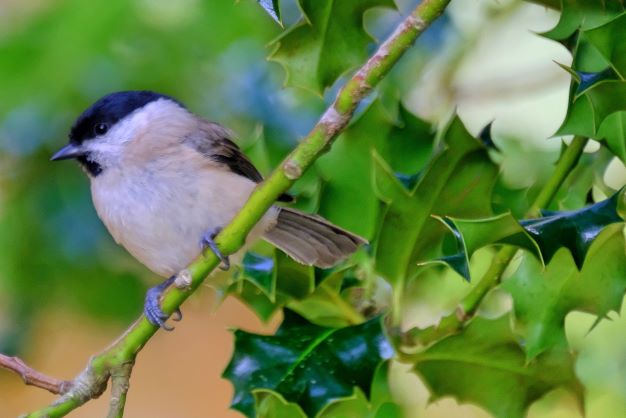
Marsh Tit.
Marsh Tits and Willow Tits are very similar and difficult to tell apart, here at Chapmans Pool it was the Marsh Tit enjoying the sunflower seeds.
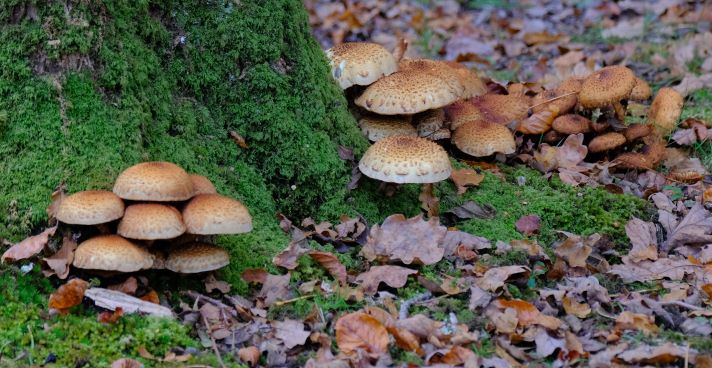
You are never far from deer or fungi in the New Forest.