
Peacock Butterfly caterpillars on nettles. Something so black becomes something colourful!


Peacock Butterfly caterpillars on nettles. Something so black becomes something colourful!
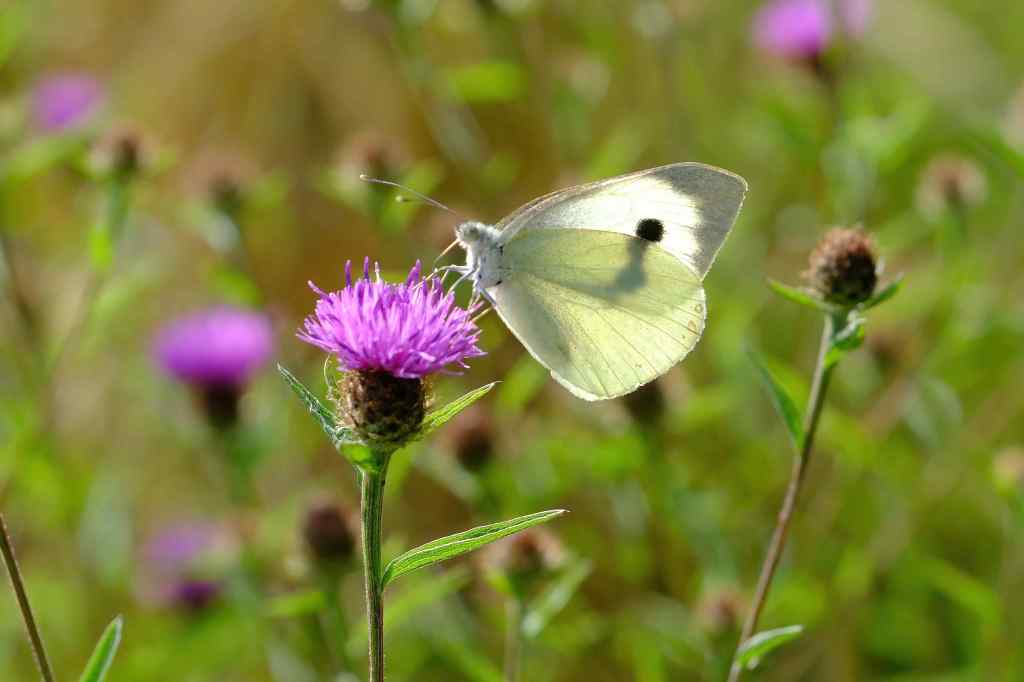
It seems to be a good year for white butterflies.


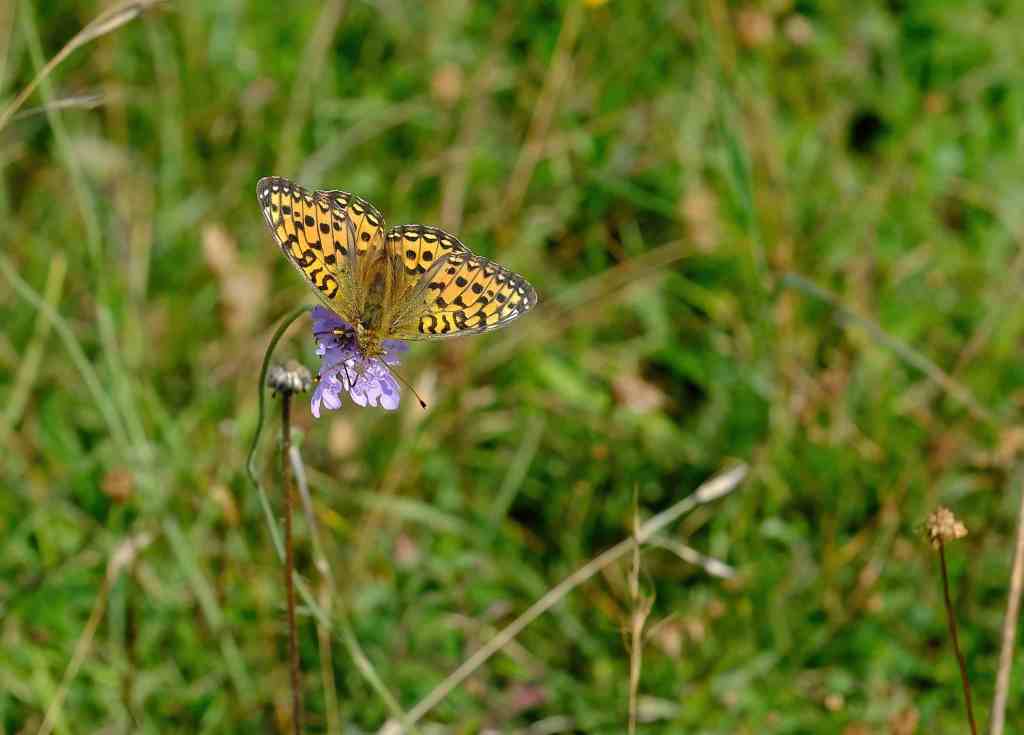
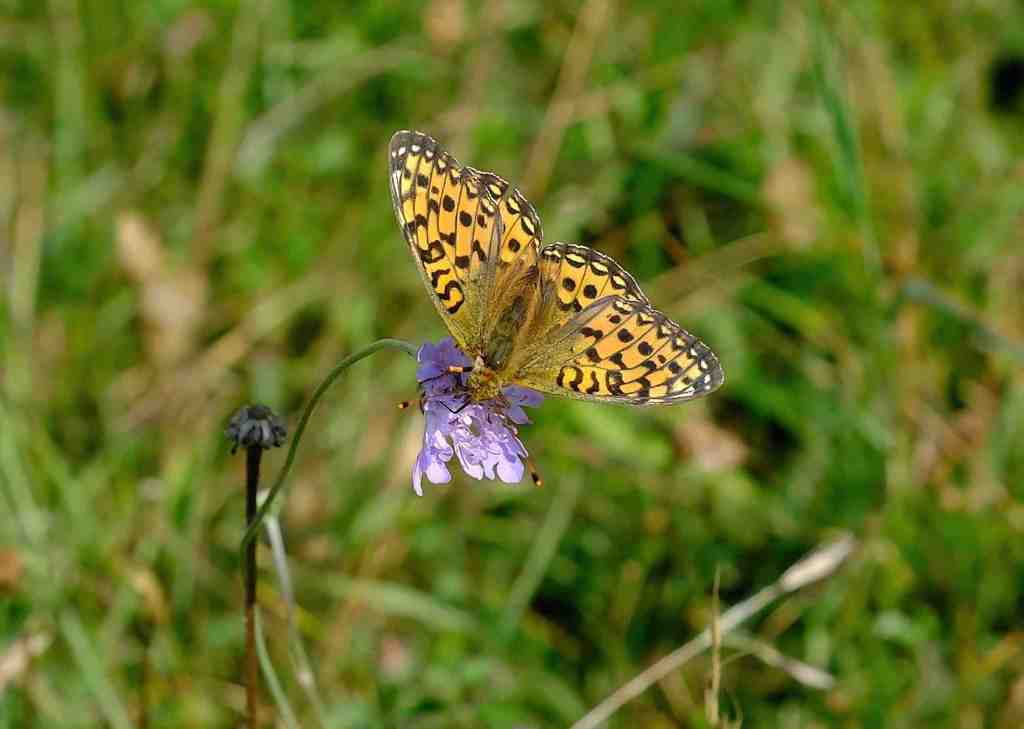
Dark Green Fritillary. Old Winchester Hill.

A 1st for me, a Lulworth Skipper, they are one of the smallest of the UK’s butterflies. It has a very restricted range in the extreme south of Dorset, where it can be found in good numbers along a stretch of coast centred on the village of Lulworth, where the species was first discovered in 1832.
My picture is of a female, near Winspit. Females can be distinguished from other skippers by the pale orange ‘sun-ray’ markings on their forewings, whereas the males have darker-brown, almost olive coloured wings .
They can be seen from early June to mid-August.

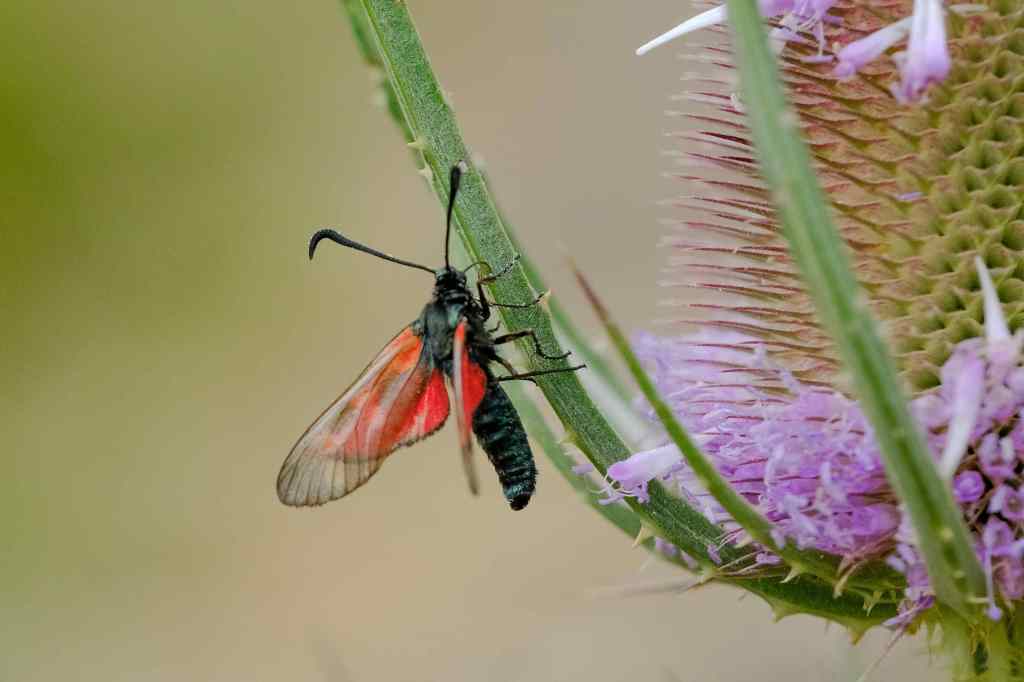
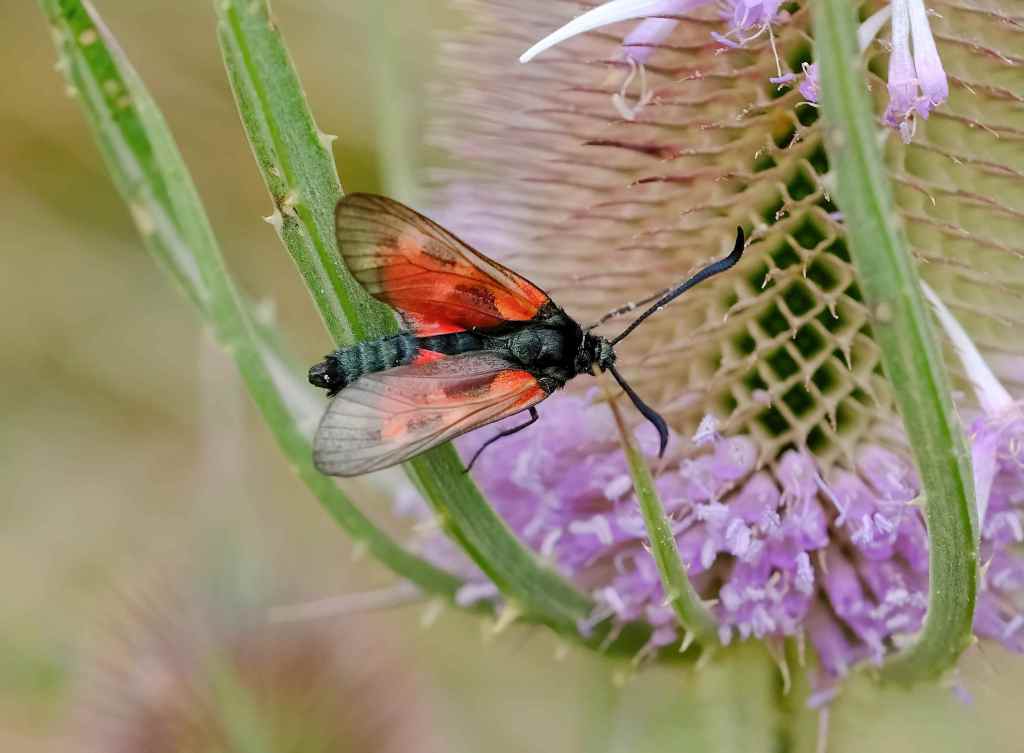
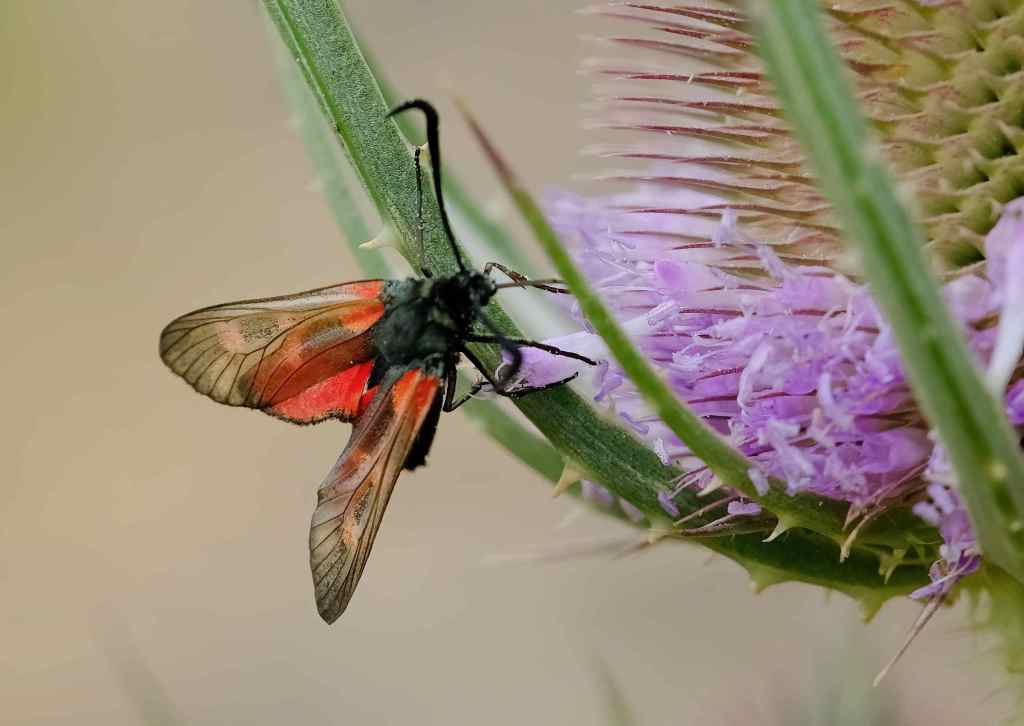
On the coastal path near Dancing Ledge in Dorset, I spotted this rather faded Six-spot Burnet Moth feeding on a teasel flower. These moths are day-flying moths.


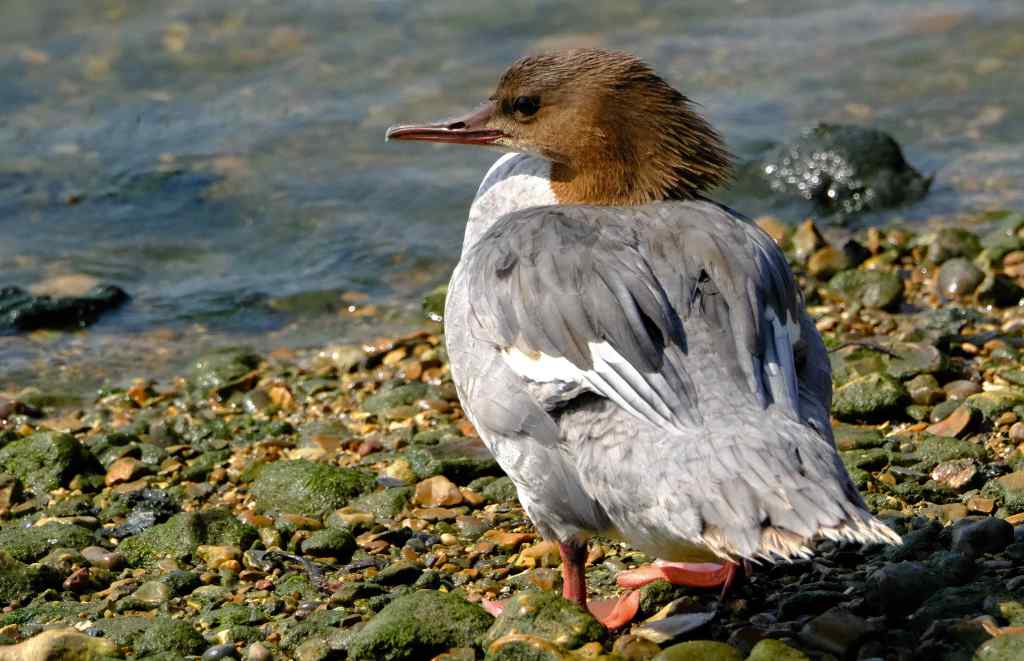
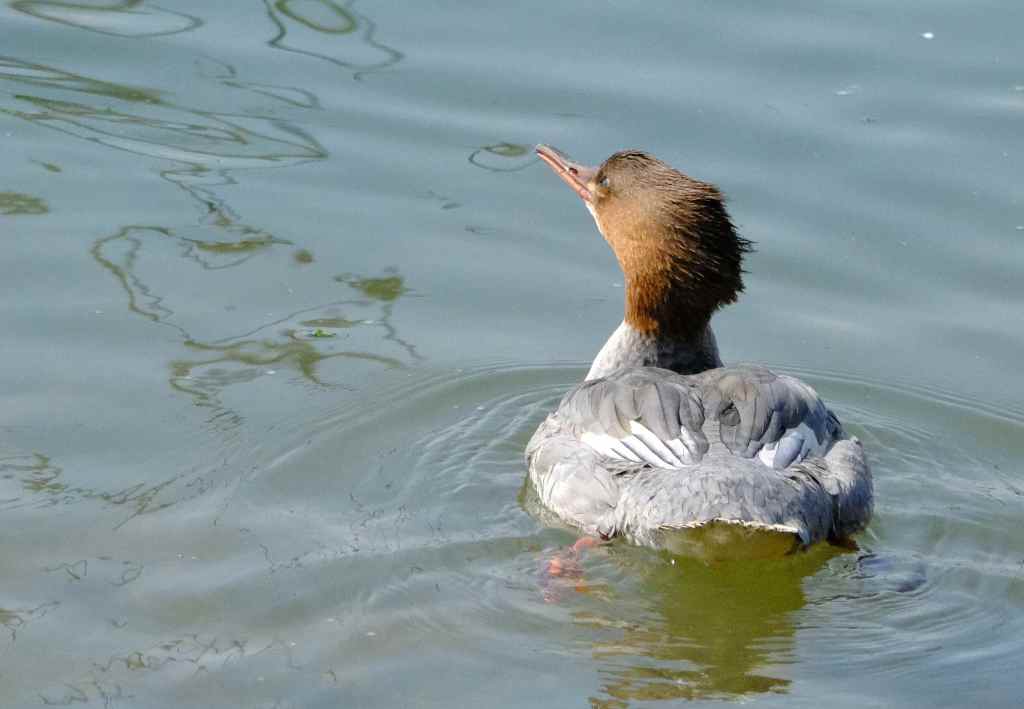
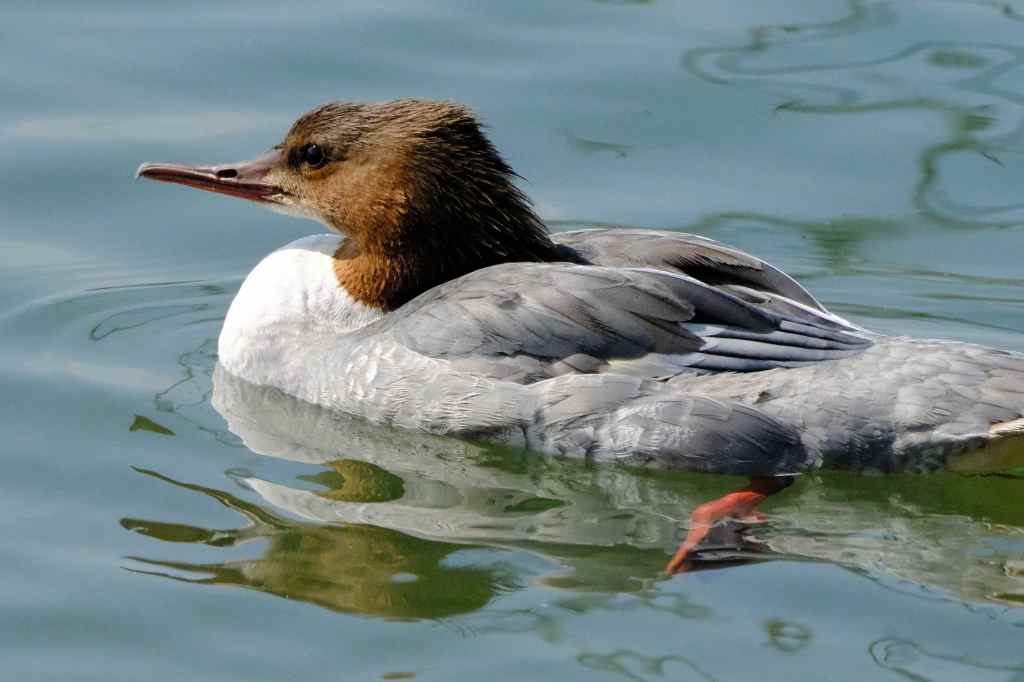
These diving ducks are a member of the sawbill family, named for their serrated bills, that they use to catch fish. A largely freshwater bird, they first bred in the UK in 1871. It built up numbers in Scotland and, since 1970, it has spread across northern England into Wales, reaching south-west England. Its love of salmon and trout has brought it into conflict with fishermen. This bird seen today in Titchfield Habour is a female (the male has a green head).

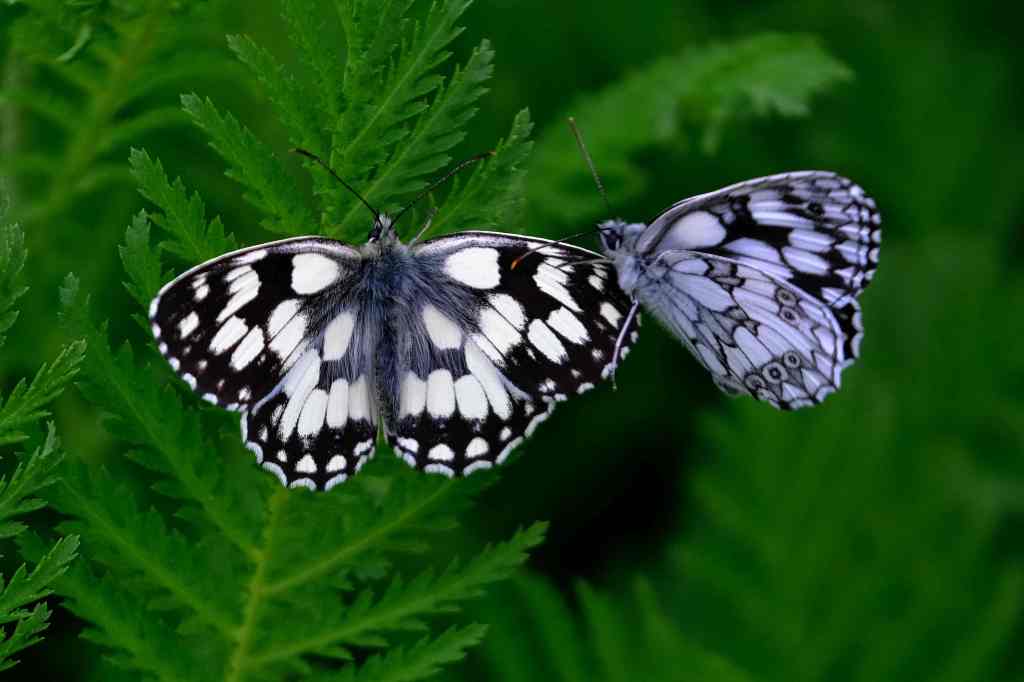
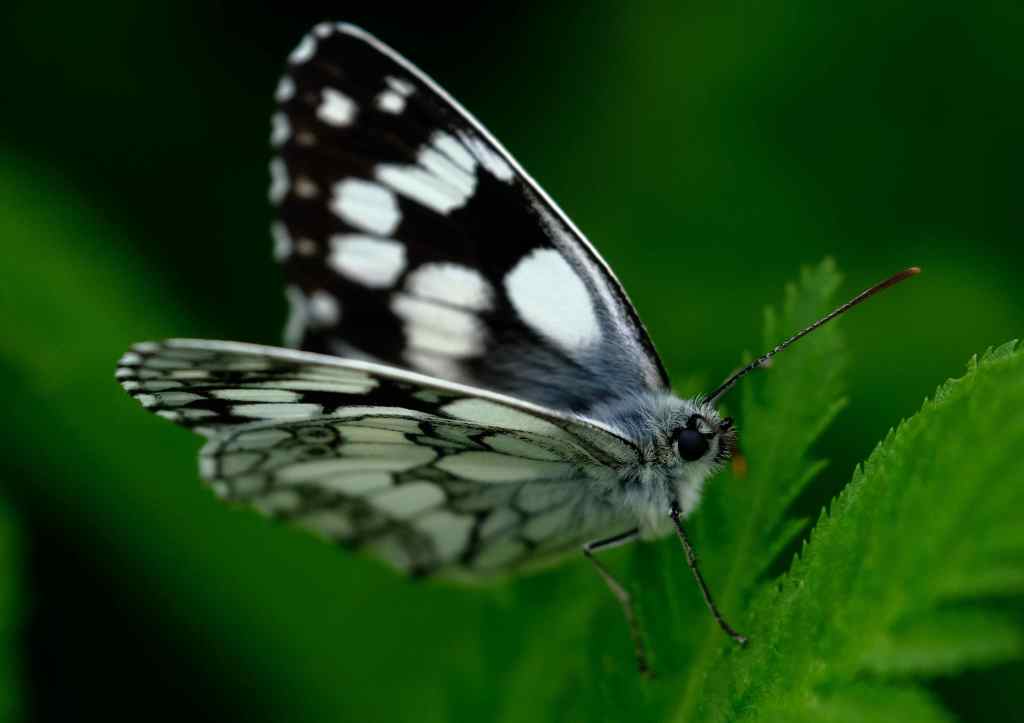
The sun was out yesterday and so were the butterflies although not in large numbers at Seafields Park a small park behind the beach at Salturns beach near Lee on Solent. Unlikely to be mistaken for any other species this easily recognised butterfly the Marbled White is a distinctive and attractive black and white butterfly, found in unmanaged and unimproved grassland. It shows a marked preference for purple flowers such as Wild Marjoram, Field Scabious, thistles, and knapweed.


A walk from Cadnams Pool uphill to Fritham Plain and Hiscock Hill in the New Forest.
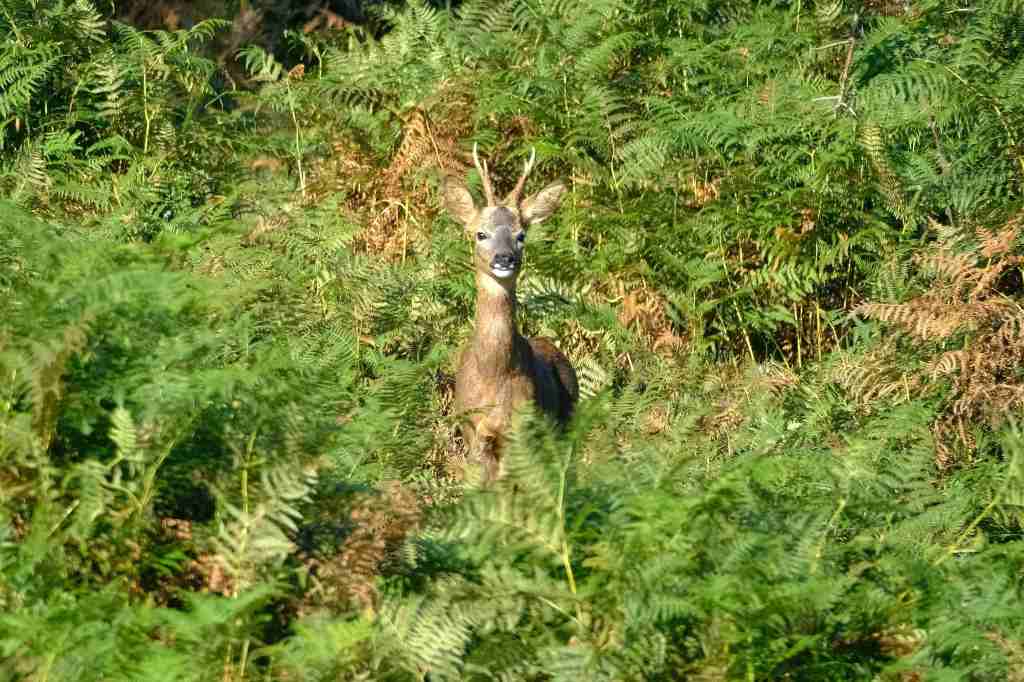
Most of the deer I spot have spotted me before I have spotted them! A good-looking Roebuck in the Bracken.

Further up the hill, we came across a Fallow Buck who was looking in really good condition and would be a formidable animal in the coming rut.


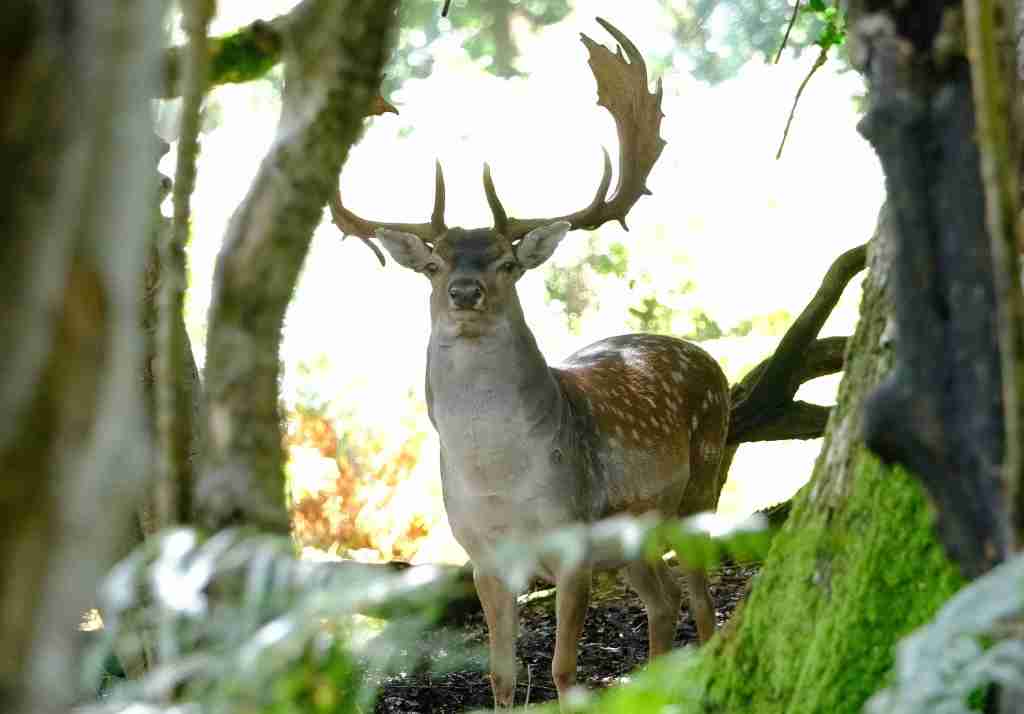
The Roe deer is a native deer to the UK where the larger Fallow deer was introduced by the Romans and then reintroduced in the 11th century, they were kept in parks as their populations increased they became an important source of venison on aristocratic tables. By the 15th century, many parks fell into disrepair and these medieval escapee deer are the foundation of the wild population in Britain today.
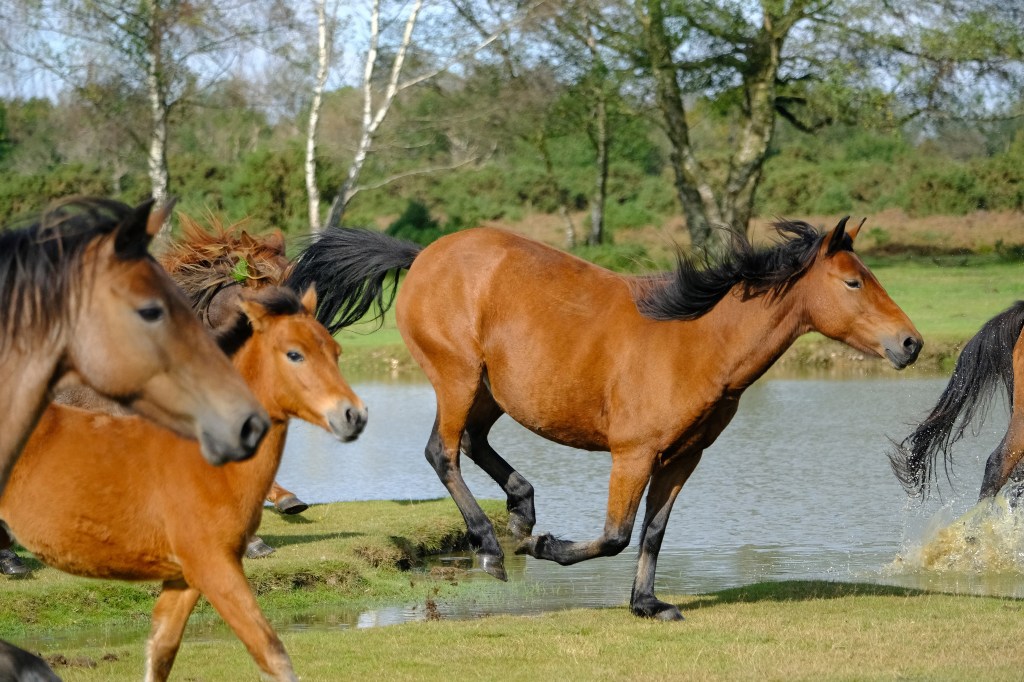
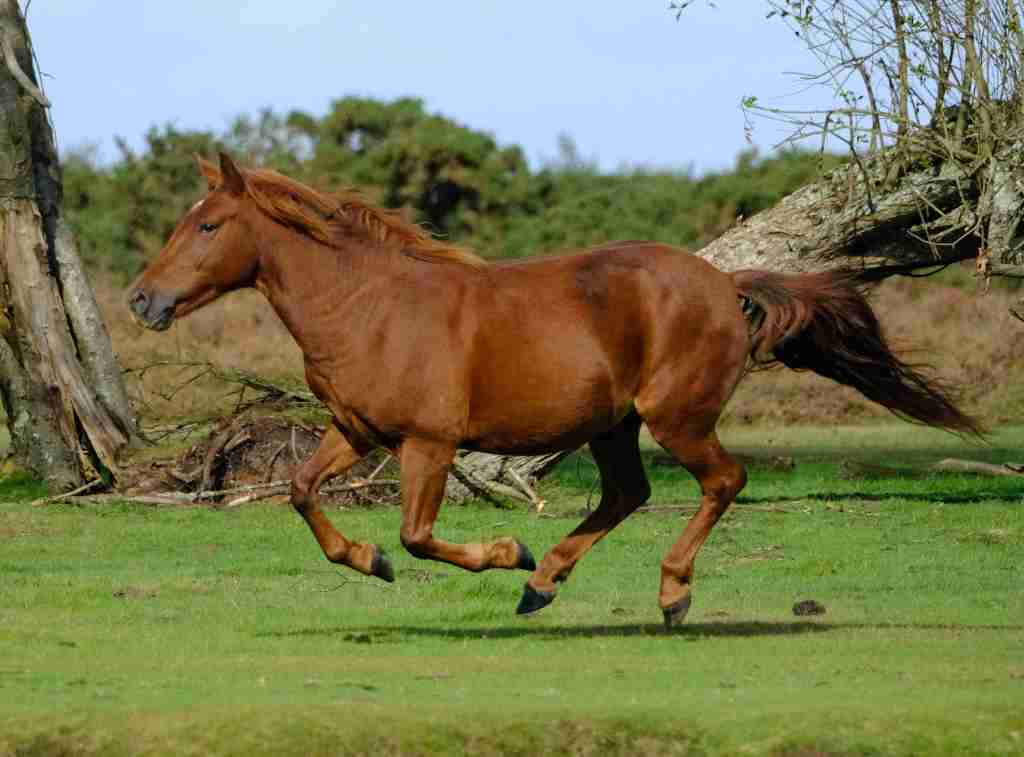
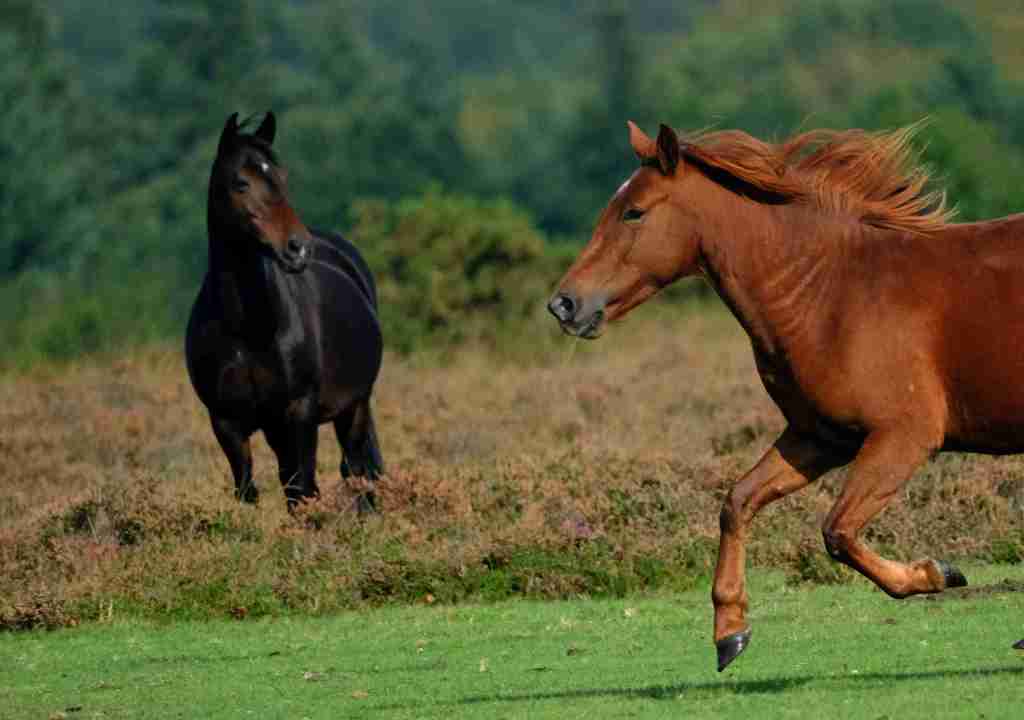
Passing New Forest Ponies. When a large herd gallop towards you at full speed and you are on an open plain there are not many places to hide.
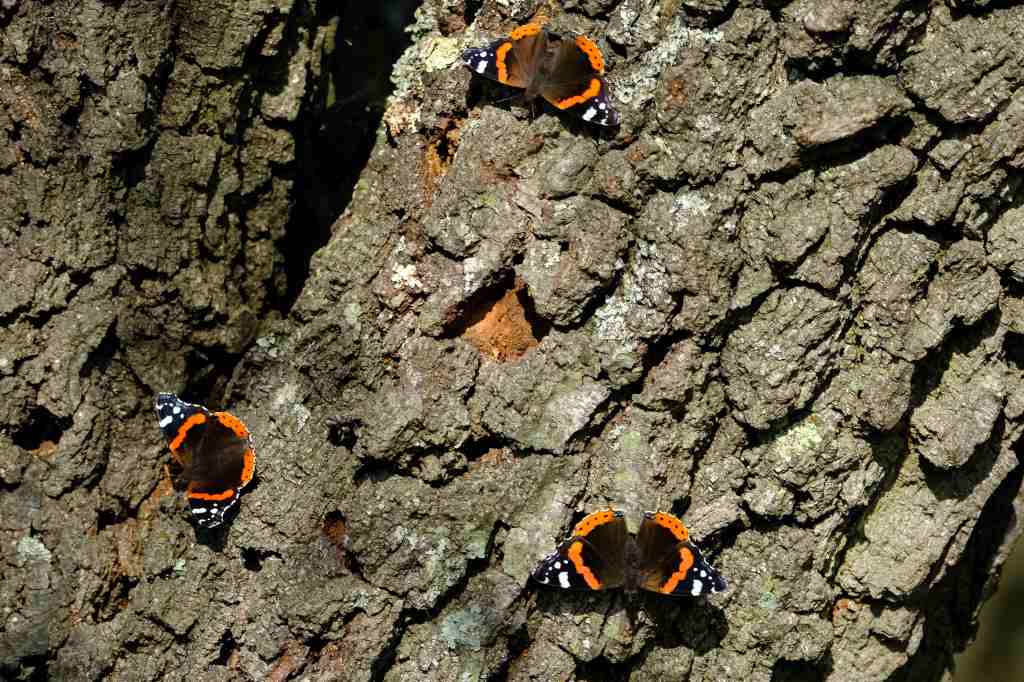
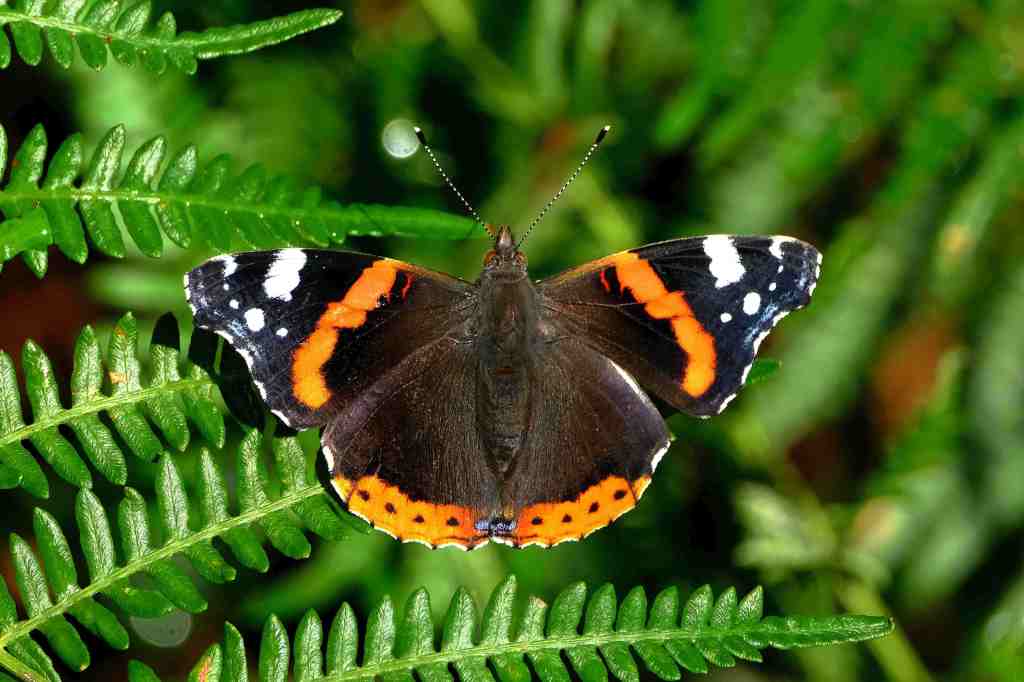
Red Admirals enjoying the late summer sun. They were first described by Carl Linnaeus in his 1758 book. They were then known as the Red Admirable.

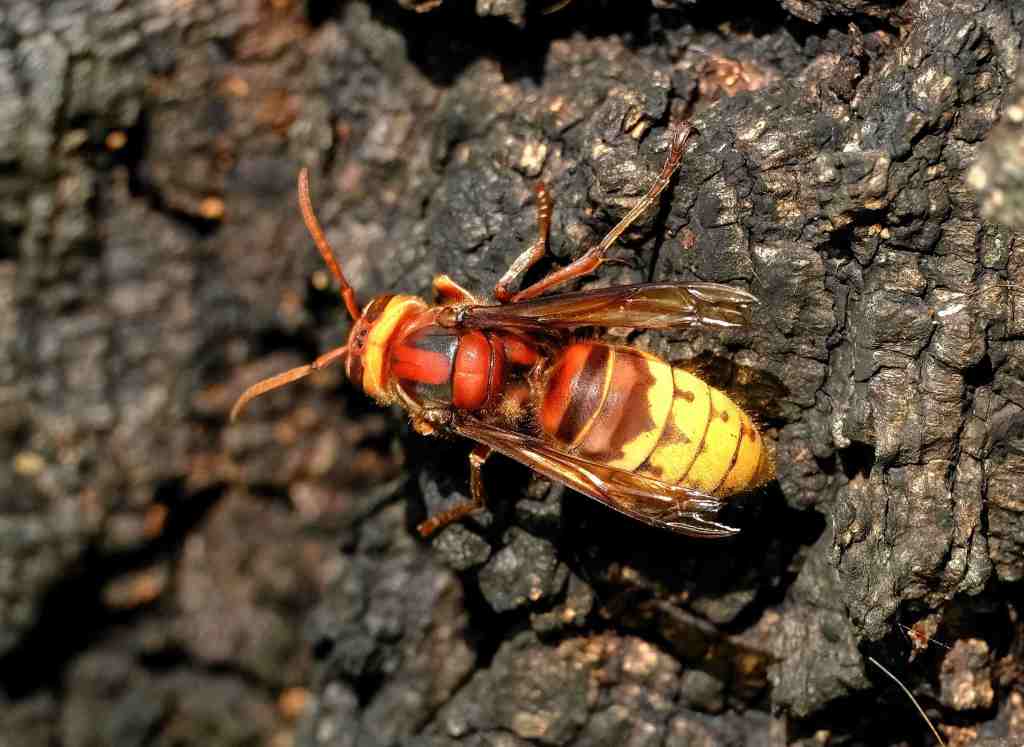
A good number of European Hornets were on a Silver Birch tree taking sap.

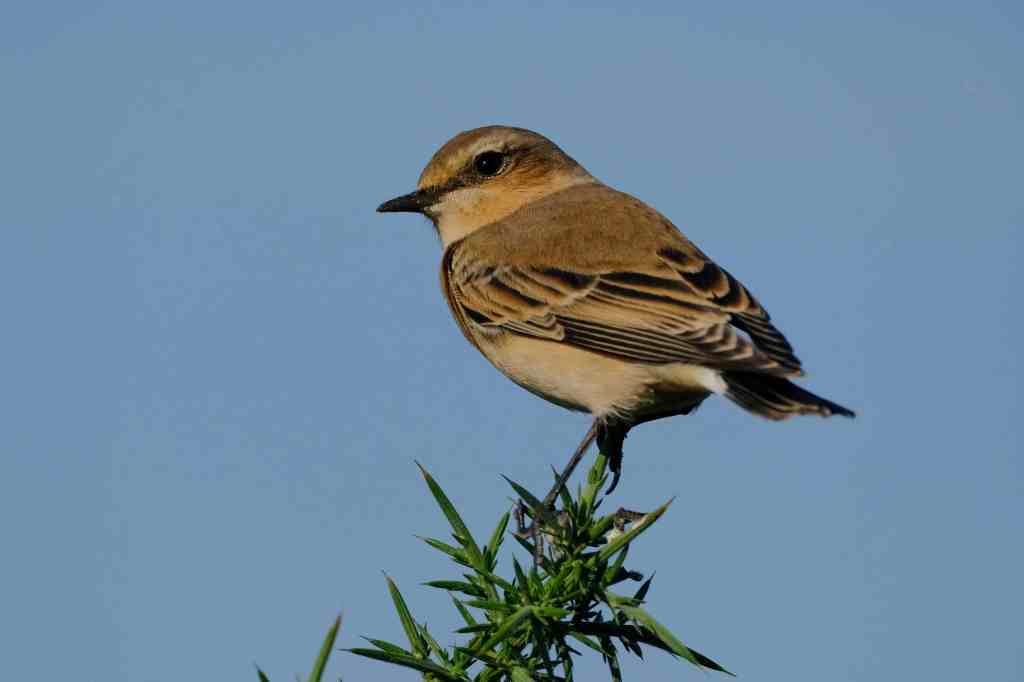
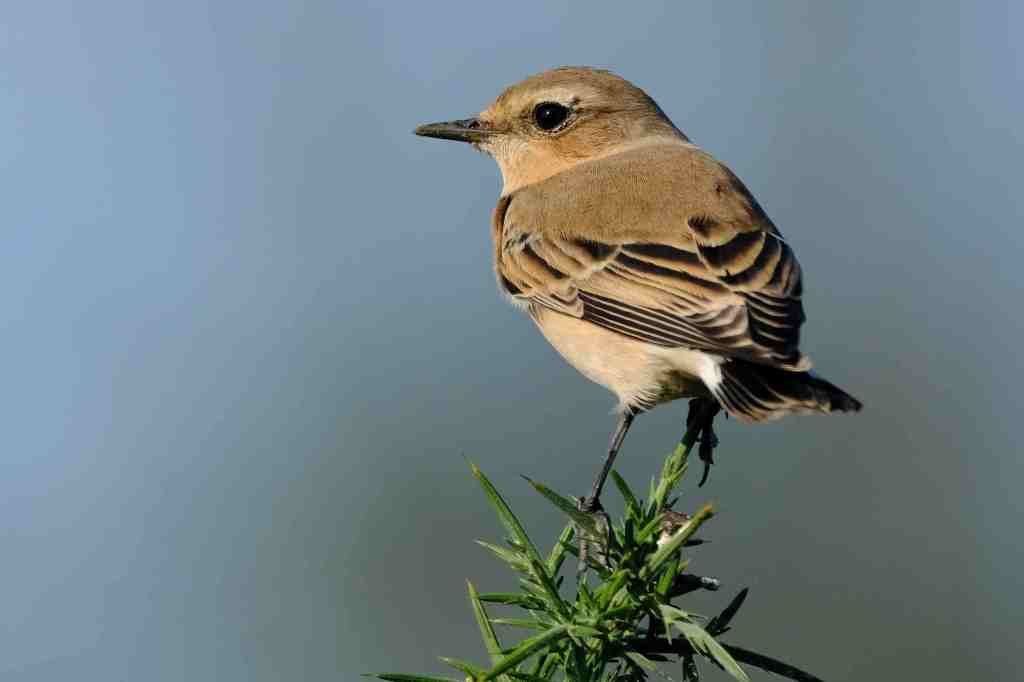
A Wheatear this female bird was probably a juvenile as it allowed a close approach.

Red Admiral.


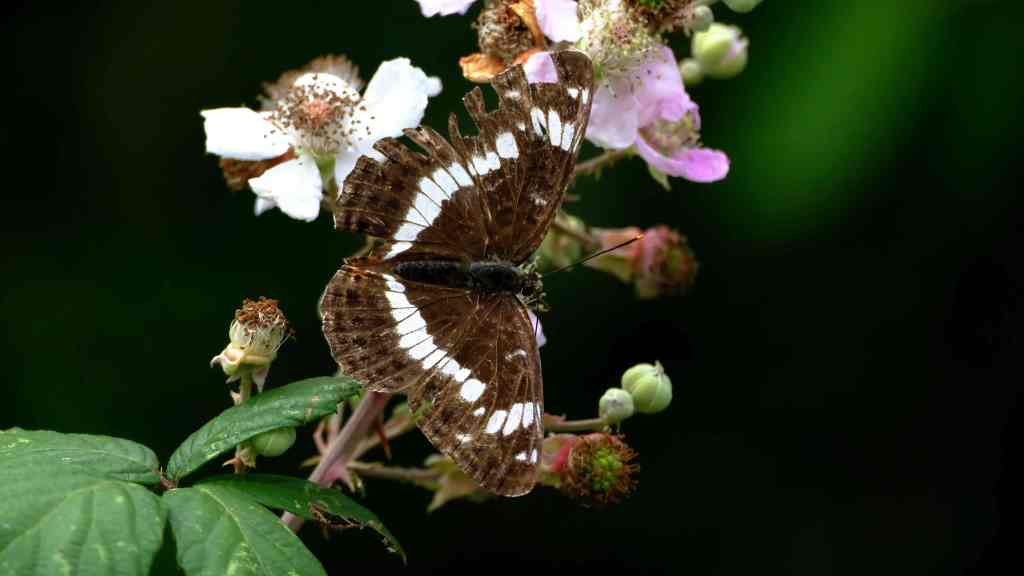
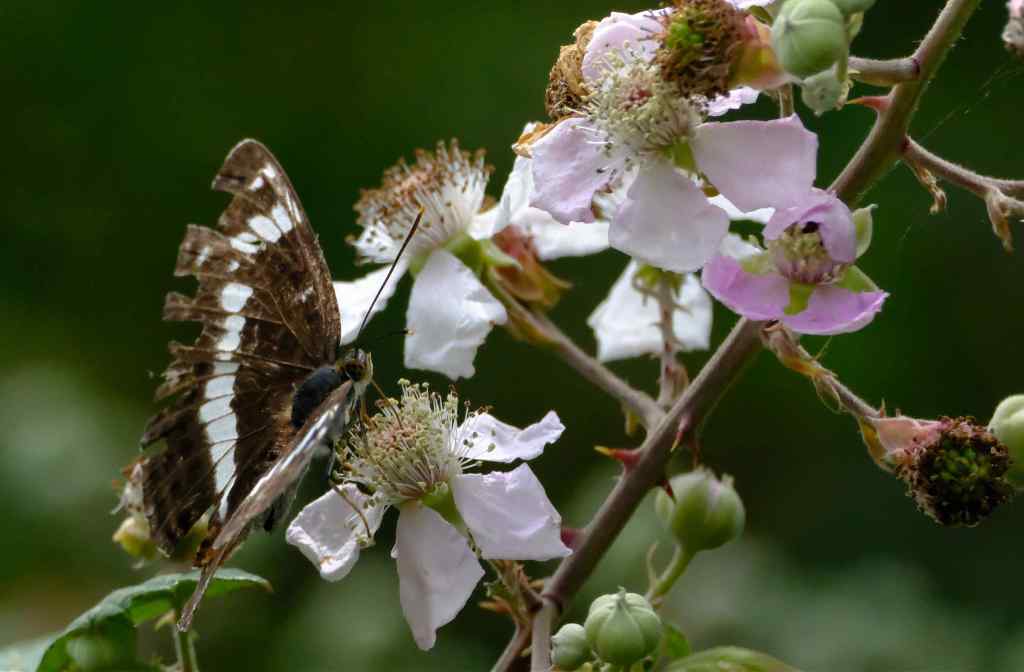
A first for me yesterday was this White Admiral. This Butterfly was a bit tatty but I was very pleased to see it
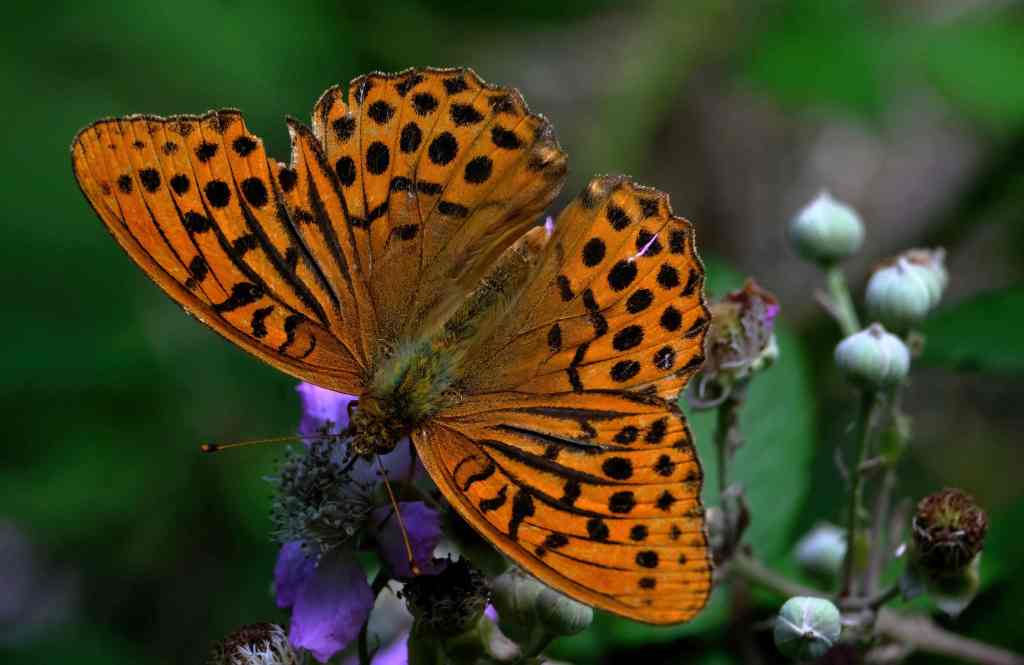
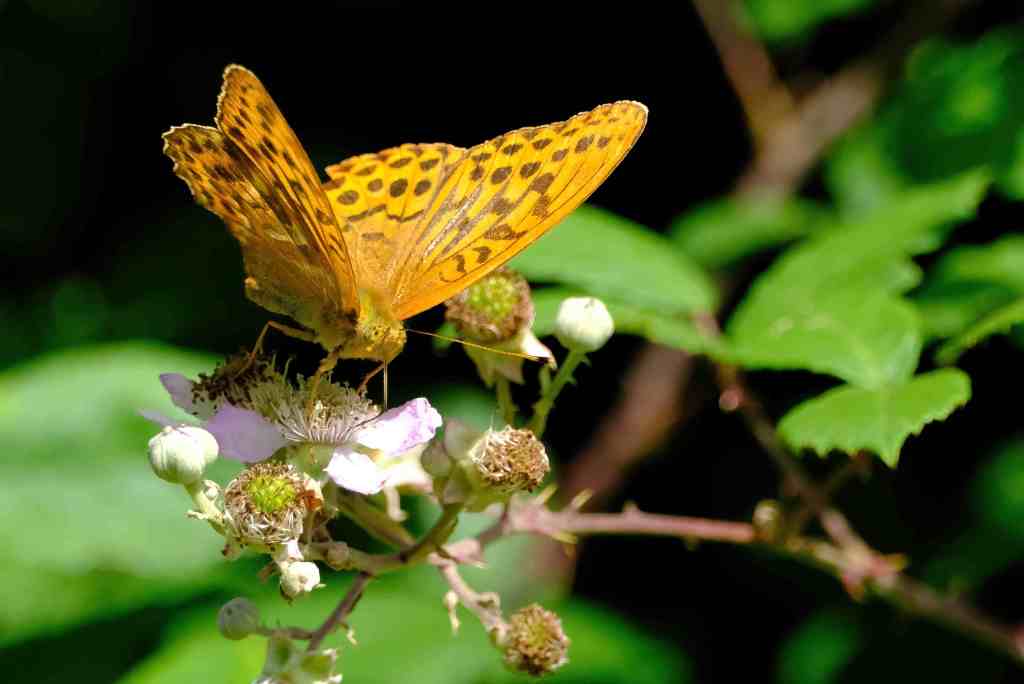
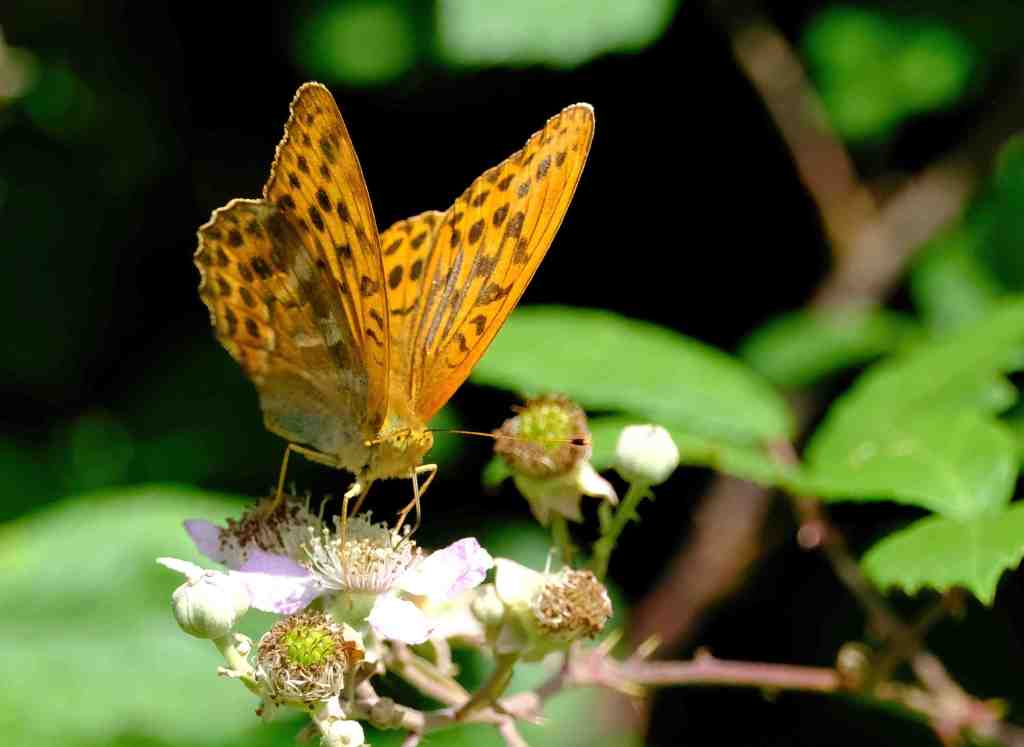
Silver Washed Fritillary in the New Forest. The largest British Fritillary. The Female has a wing span of up to 88mm. A group of 4 were on the wing.


 Continued Reflections from my World.