Last week, with my brother, we placed trail cameras again at one of the Badger set we have been watching in the New Forest. Some night footage of a Wood Mouse.
Close Up
Walk with a phone!
Another fungi walk in the New Forest this morning. All pictures today were taken with my phone, which it edited into a short film -so a bit of fun.
Sadly, too many people are foraging for fungi in the New Forest and spotting edible fungi is now difficult in many areas.
Look down.
The fungi season has started, and now every walk I look down as well as up!


Amanita muscaria, commonly known as the fly agaric, is always a thrill to see, adding colour to the woodland floor.
European Hornets.


Slow day.
Garden Macro(2)
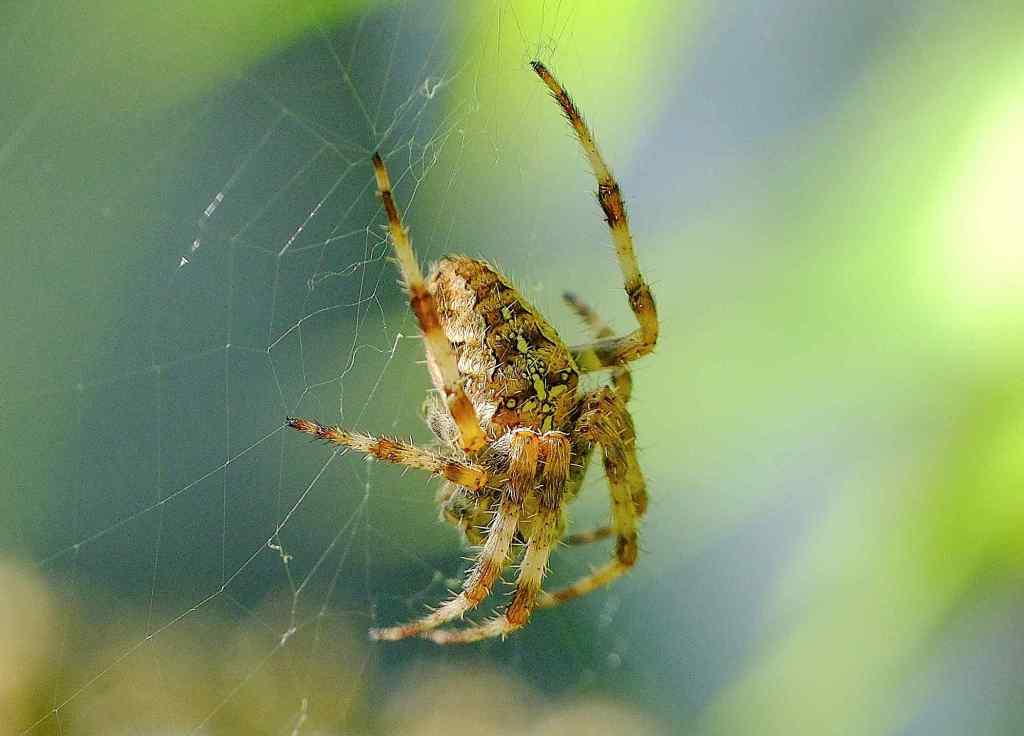
Garden Spider.
Garden spiders are the most common orb-web spiders in the UK. I start seeing small ones in our garden in late summer as the season moves into autumn, the spiders mature, and by late autumn, they are at their largest (approximately 13cm). Orb webs are spiral wheel-shaped webs.

Garden Macro.(1)
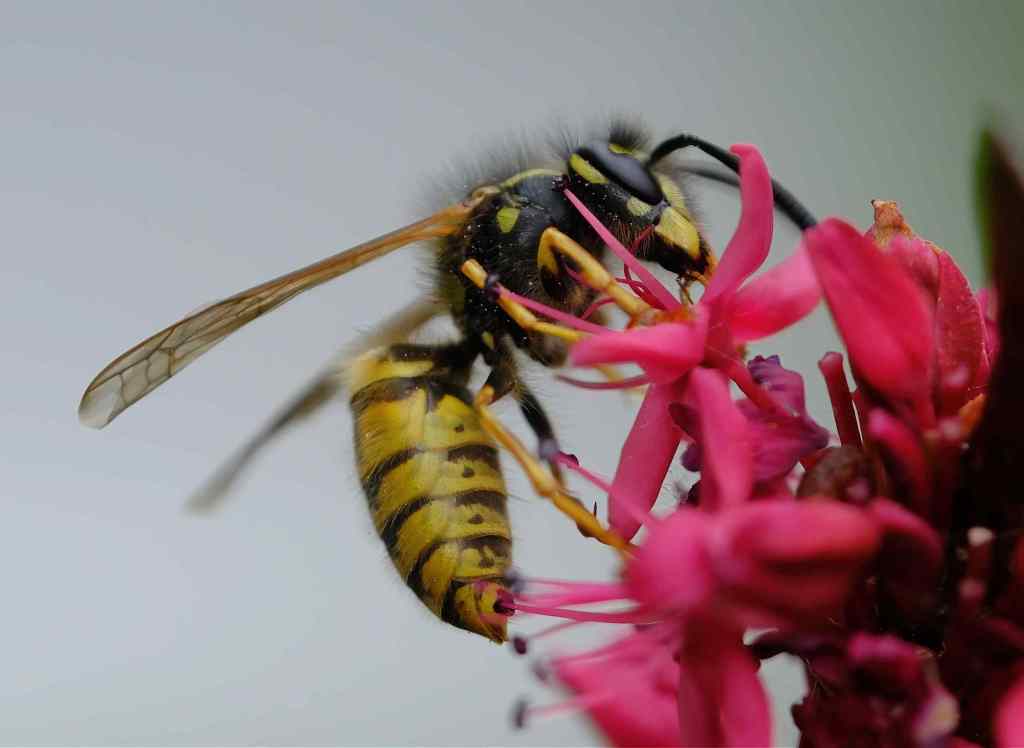
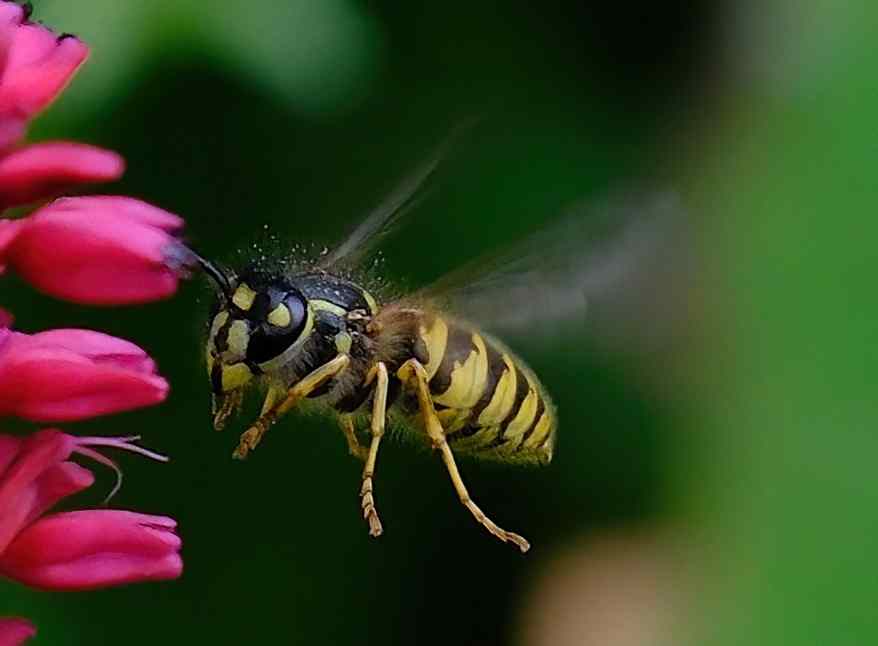
Wasps.
Many people only see the pest in wasps. However, like bees, they are important pollinators and pest controllers. They live in large colonies in gaps in houses and trees. Their nests are built of ‘paper’, which is formed by the queen chewing up wood. feed on food like nectar, rotten fruit, whilst their young are fed on small insects, which are often pests. They come into conflict with humans as they are attracted to our food tables, both inside and out.

Small things.

Today I decided to leave the long lens at home and take a macro lens on our walk, following a stream on the lookout for bugs.
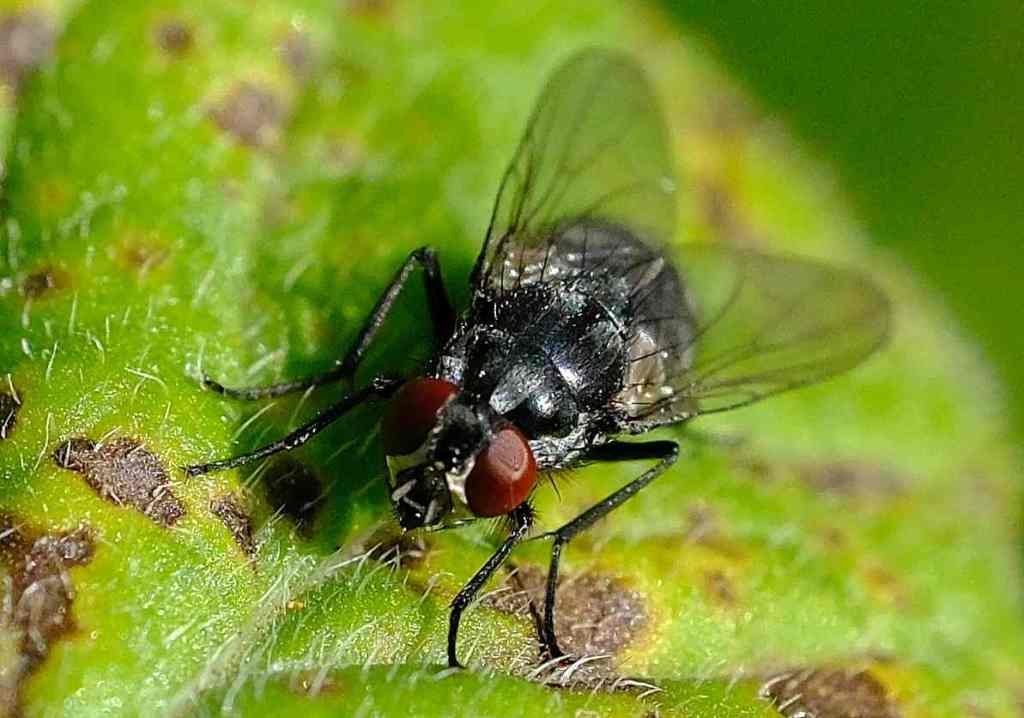
Housefly.

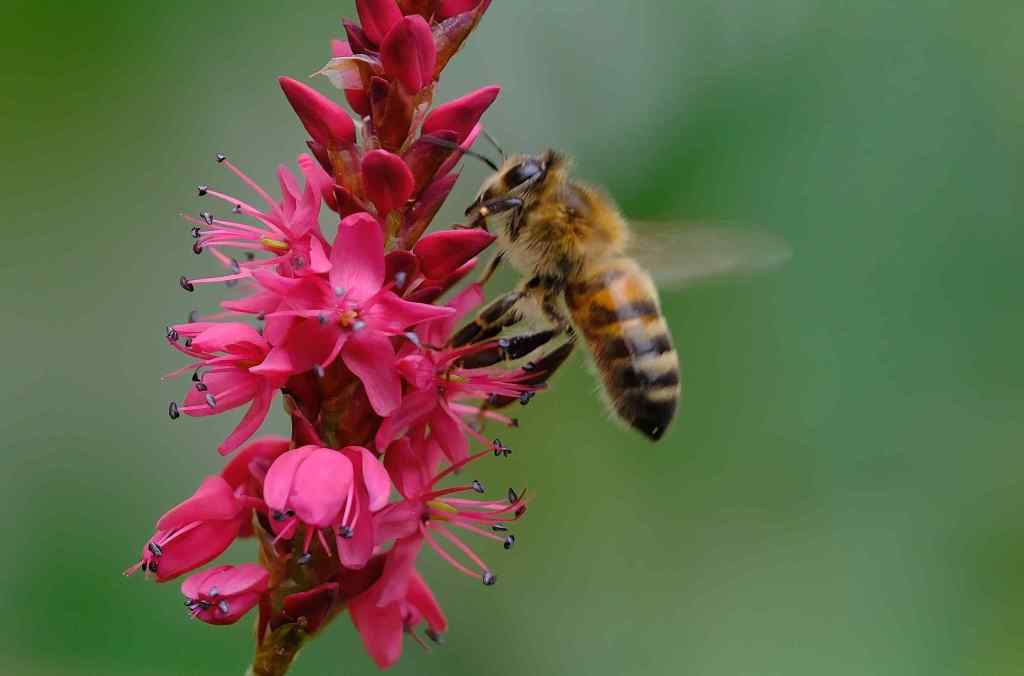
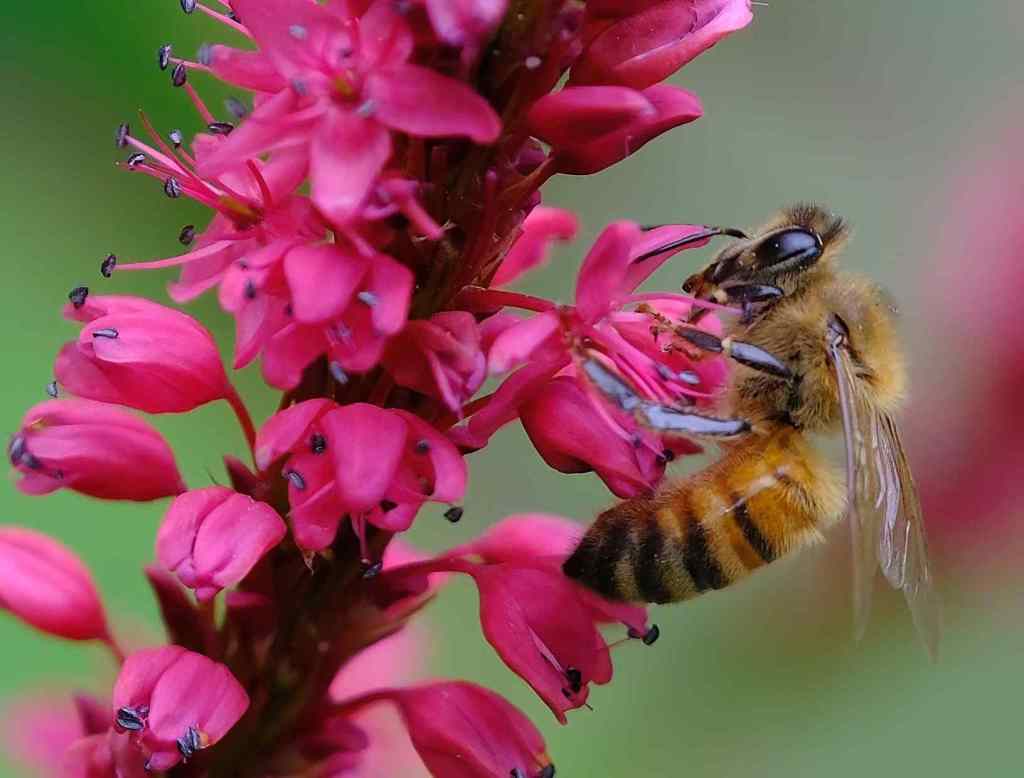
Honey Bee.


Mint Beetle.
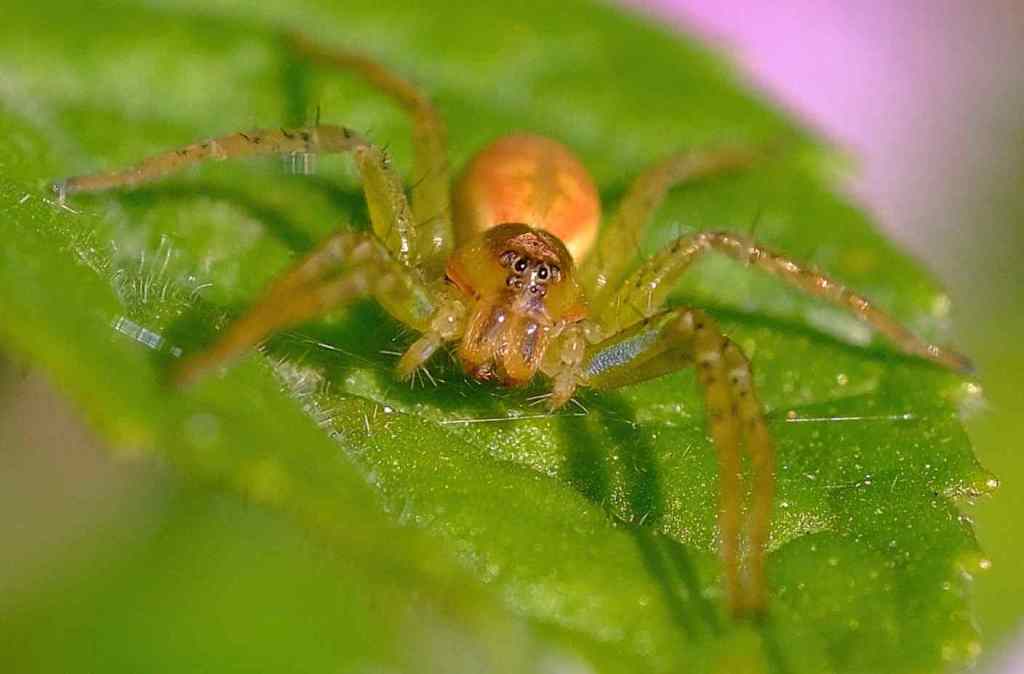

Raft Spider.

Green.
Willow Emerald Damselfly and Southern Hawker Dragonfly at Titchfield Haven this morning.


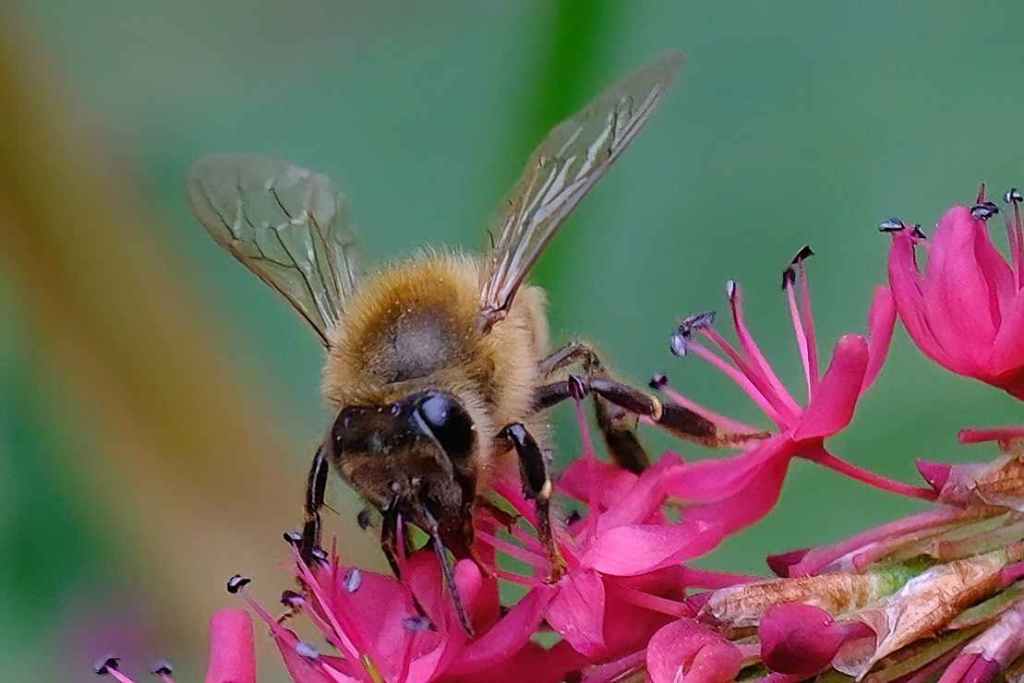
Wasps & Bees.
Macro lens testing in the garden. Wasps and Bees. on Red Bistort “Firetail”.