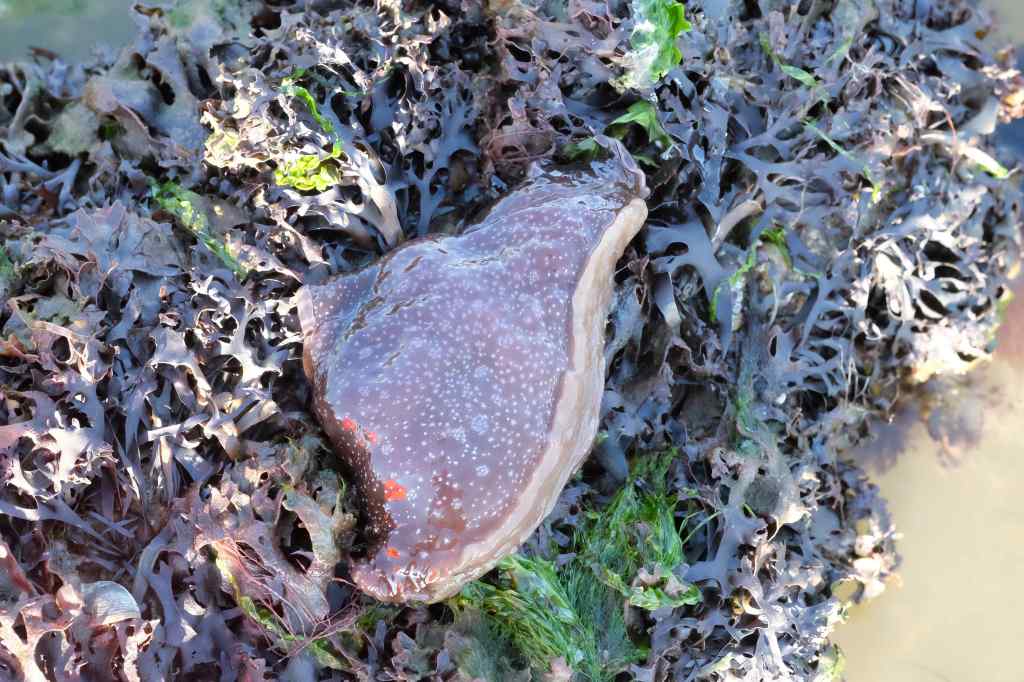
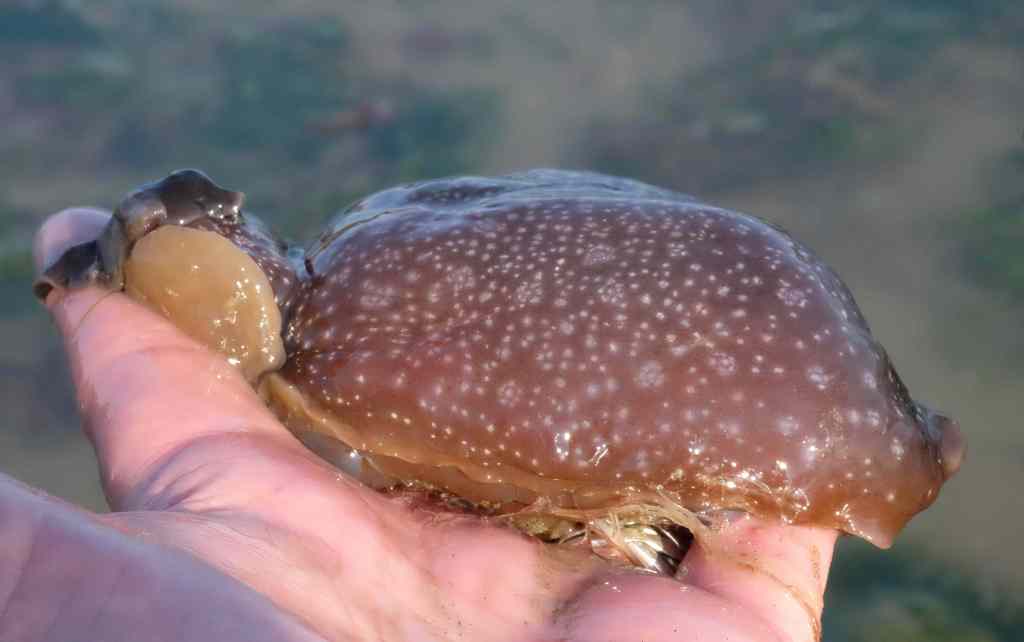
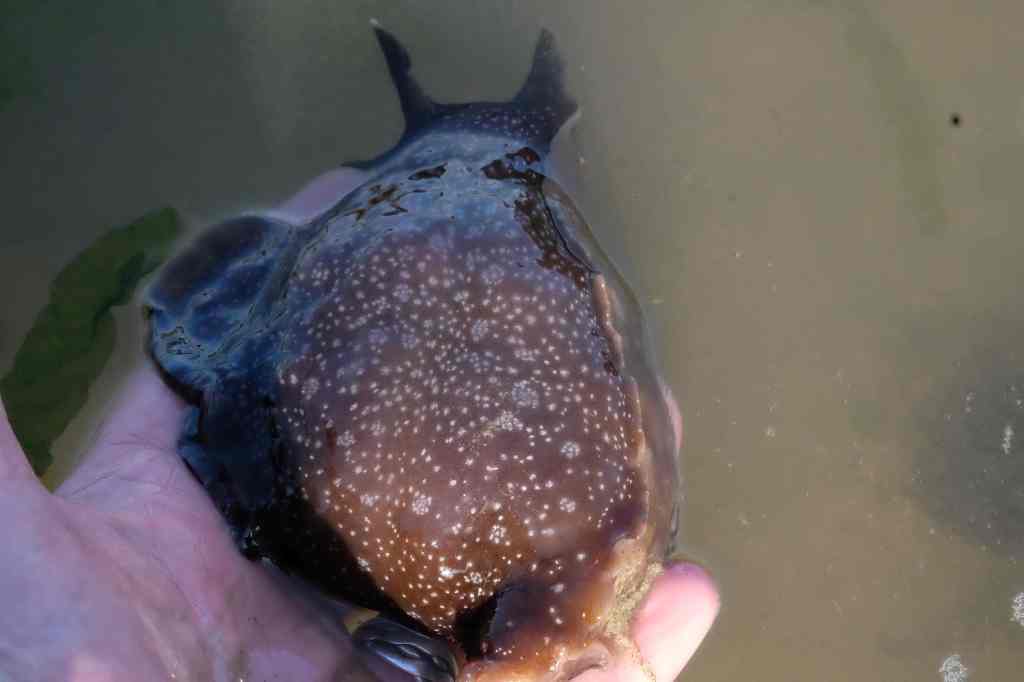
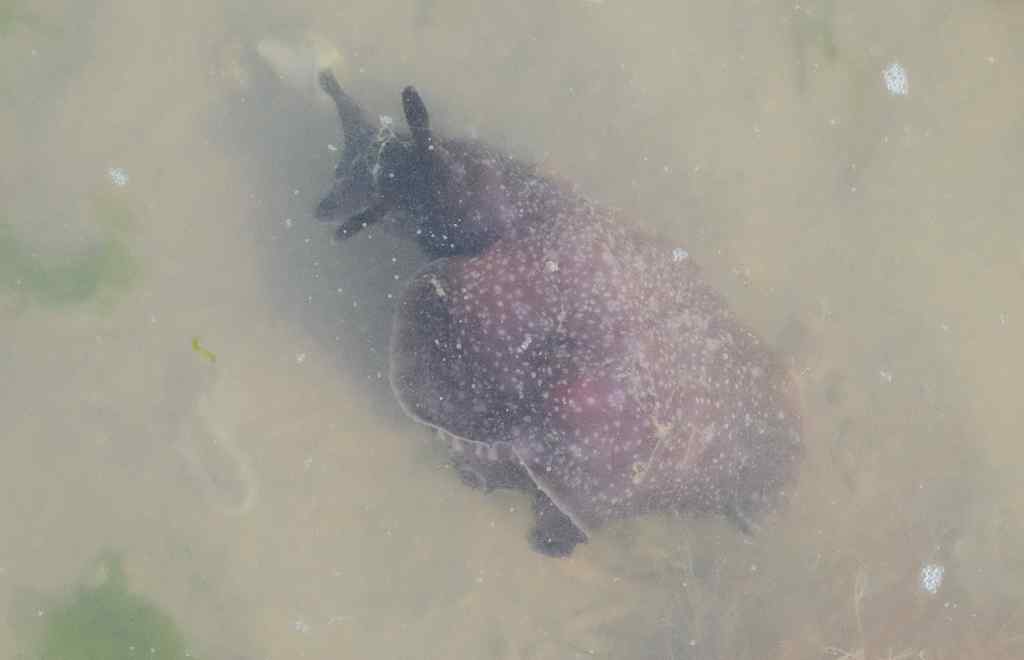
Commonly known as sea hares, The clade Anaspidea are medium-sized to large opisthobranch gastropod molluscs with a soft internal shell made of protein. Sorting out some memory sticks I came across these pictures I took at Meon Shore Beach in the summer of 2019. I have only ever found 2 of these interesting creatures and have not seen one since this sighting.
” Well, I saw one over there”. “So let’s take a look”.
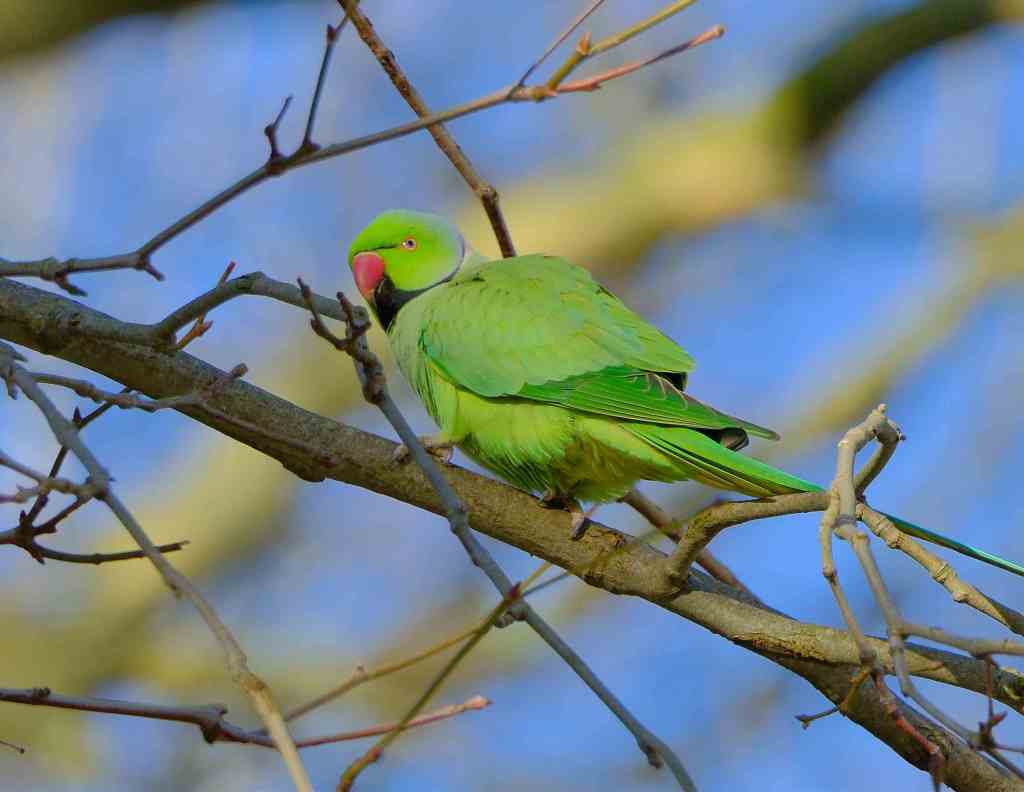
With the sun out I thought it was a good morning to make a visit to take a look at the local Ringed-necked parakeets to see if they were looking for nest holes.
The birds had found a hole which they were checking out. The male bird watched on as the female checked out the hole. ( the male parakeet has the neckband).
I hope this will be the chosen hole to nest in as I will be able to monitor it during the nesting season.
A walk across Stoney Cross around the edge of the WW2 airfield today’s nature walk gave a few gifts, although no deer sightings today.
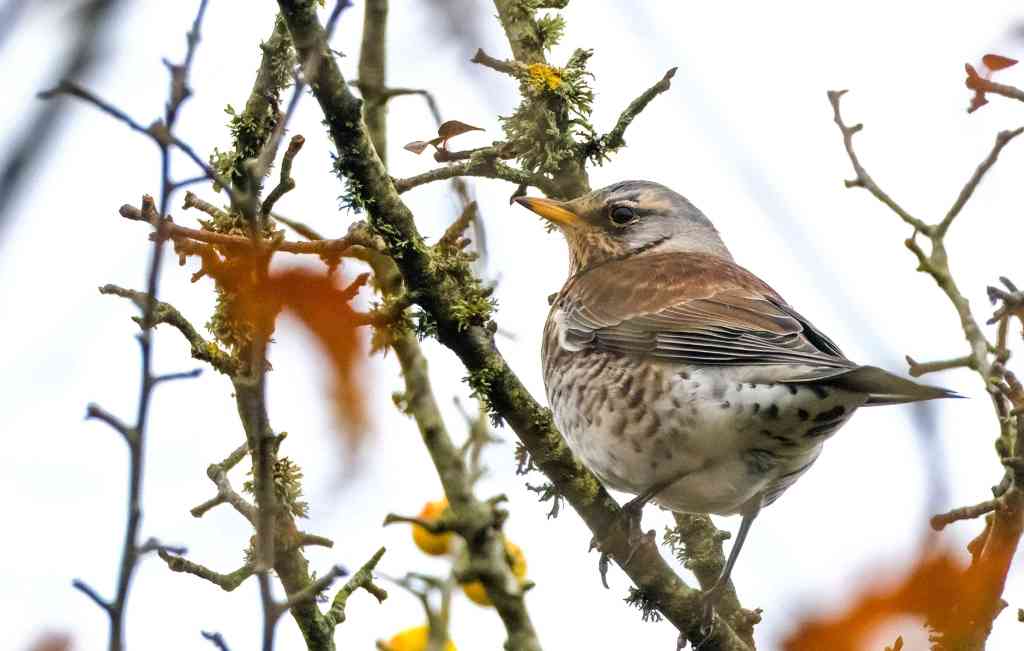
Large flocks of “Fieldfare” were everywhere but not keen to stay for me to take a photograph or two! Fieldfares are large and colourful thrush. They are social birds, wintering in the UK. Flocks can be ten or twenty birds to several hundred strong. The flocks are noisy and the birds chuckle as they fly between trees looking for the best berries. Finally today and after trying for the last 3 weeks I got a couple of shots.
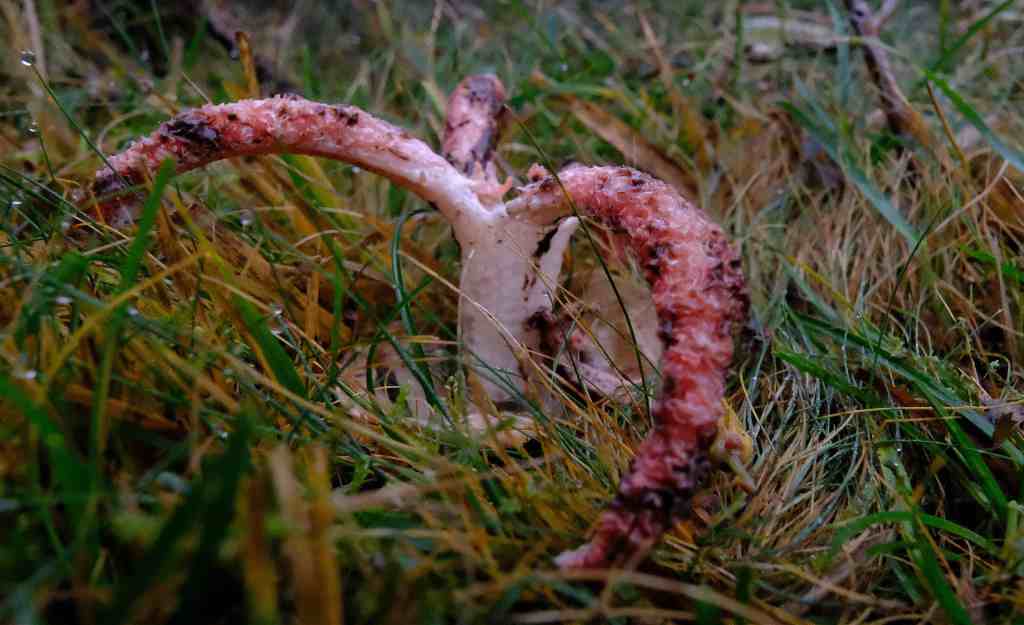
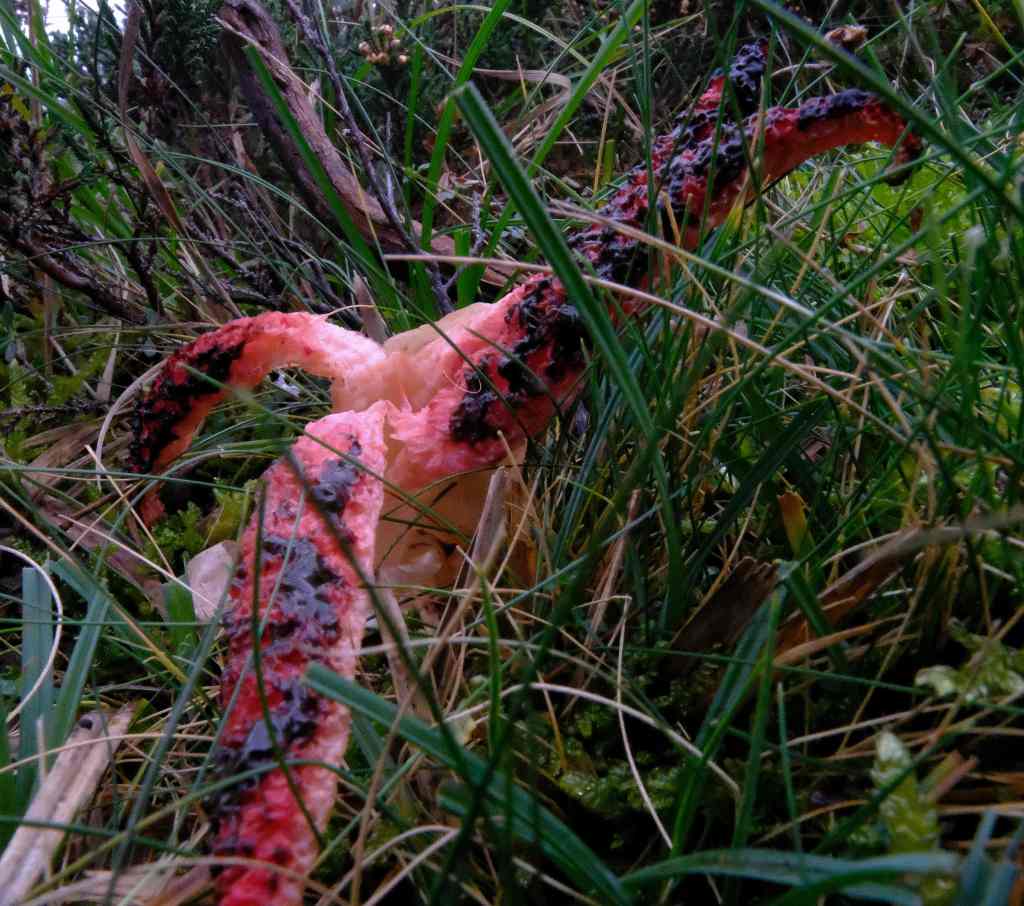
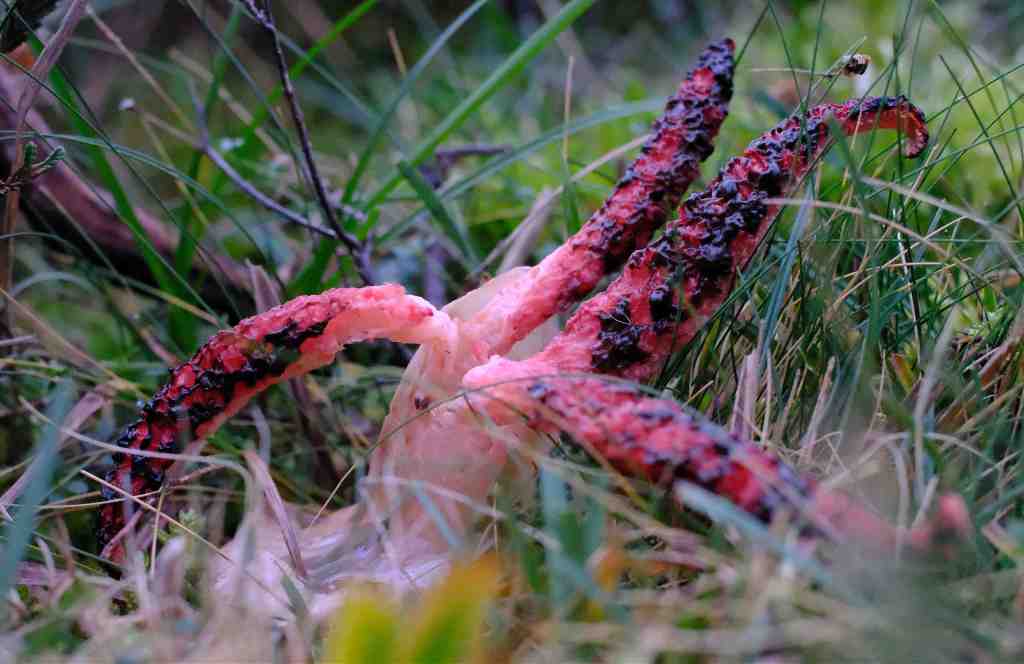
The Devil’s Fingers fungus [Clathrus archeri], this rare fungus I posted pictures of a few weeks ago has now gone over but others have now grown.
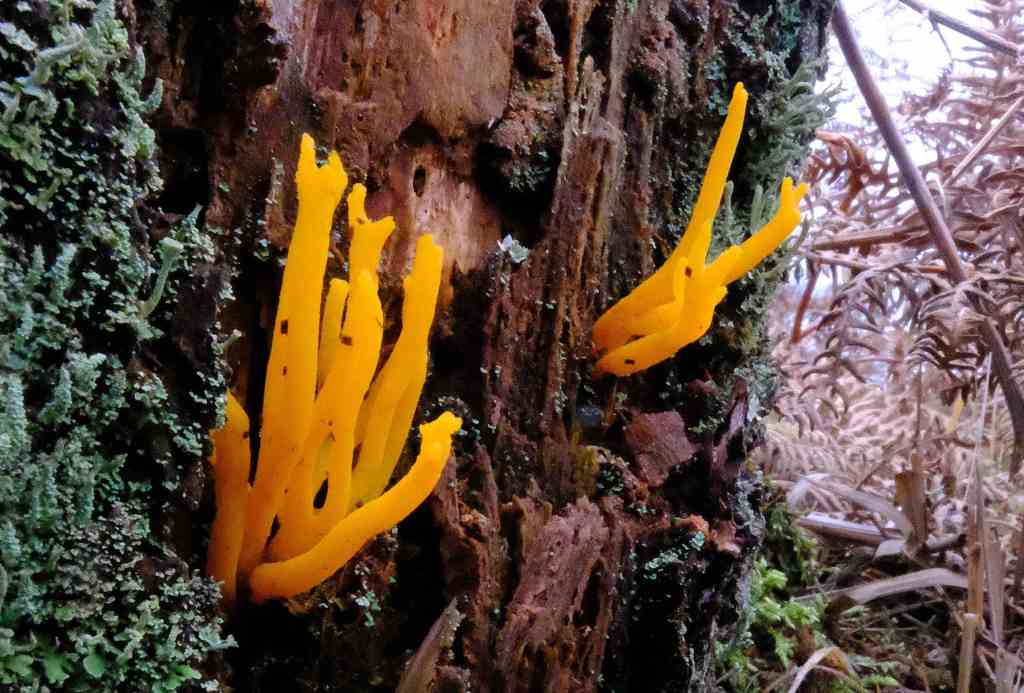
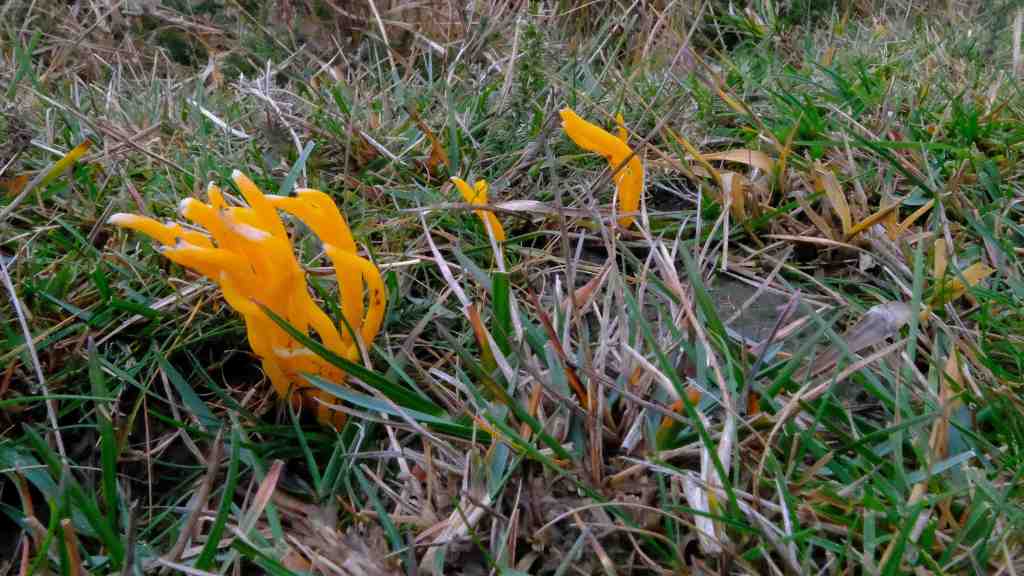
Another fungus spotted was a Yellow Stagshorn – {Calocera viscosa} – It is a Jelly Fungus which grows on decaying conifer wood, typically stumps and roots. This was a 1st for me this year.
The New Forest Reptile Centre is located near Lyndhurst in the New Forest. There are unique outdoor ‘pits’ that provide a natural home for reptiles and amphibians found in the forest. During the summer season to help educate visitors to the forest and help them see our various snakes lizards and frogs they are on show in the pits (they are released after a couple of weeks).
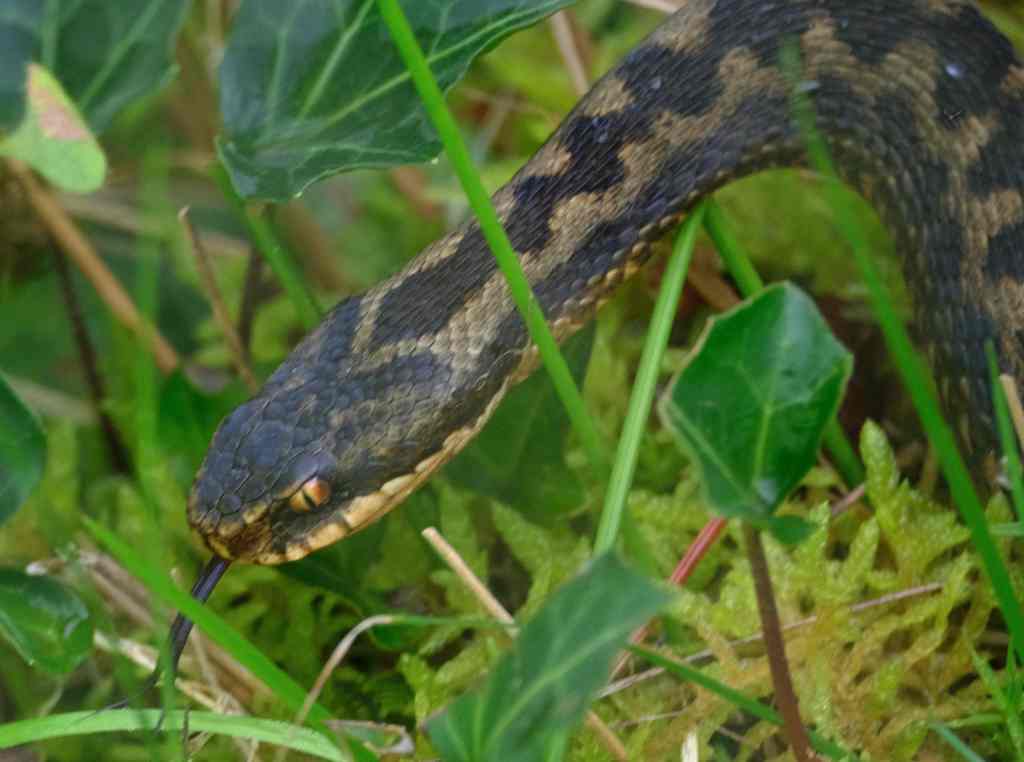
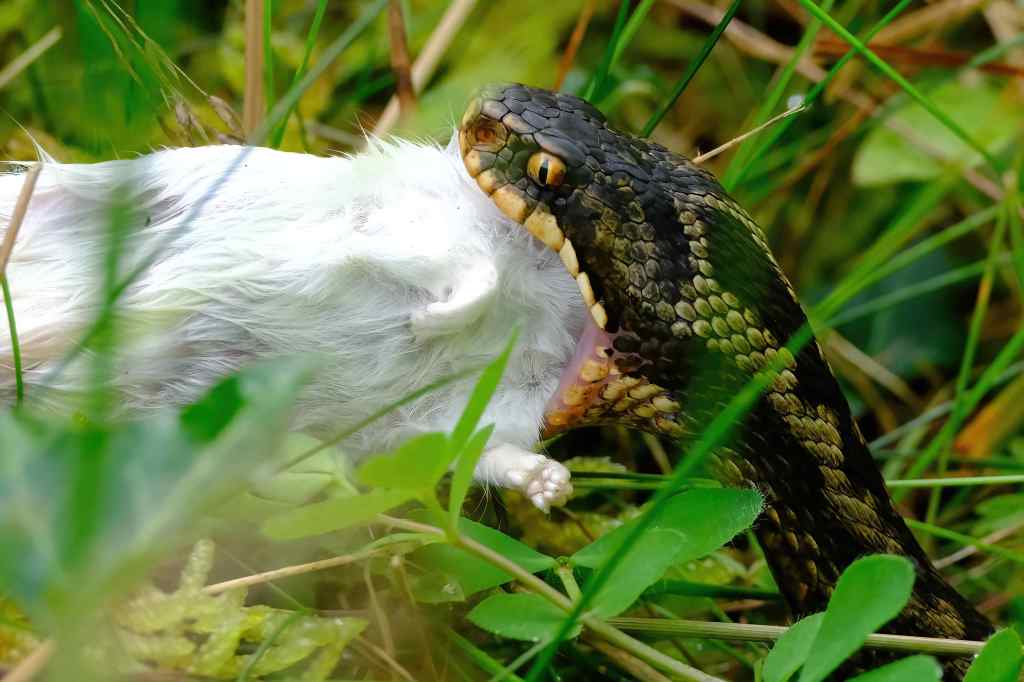
As part of a walk through the forest on Friday we called into the centre. We arrived on foot just prior to the car park gate opening. So had the opportunity to chat to the staff before the influx of holidaymakers. The snakes were being offered food – this adult female Adder was quick to come out of the undergrowth and take the offering. Adders are the only venomous snake found in the UK. Sightings are not guaranteed.
A number of juvenile Adders were visible (about 8 inches long) note their zig-zag pattern has not yet developed.















 Continued Reflections from my World.