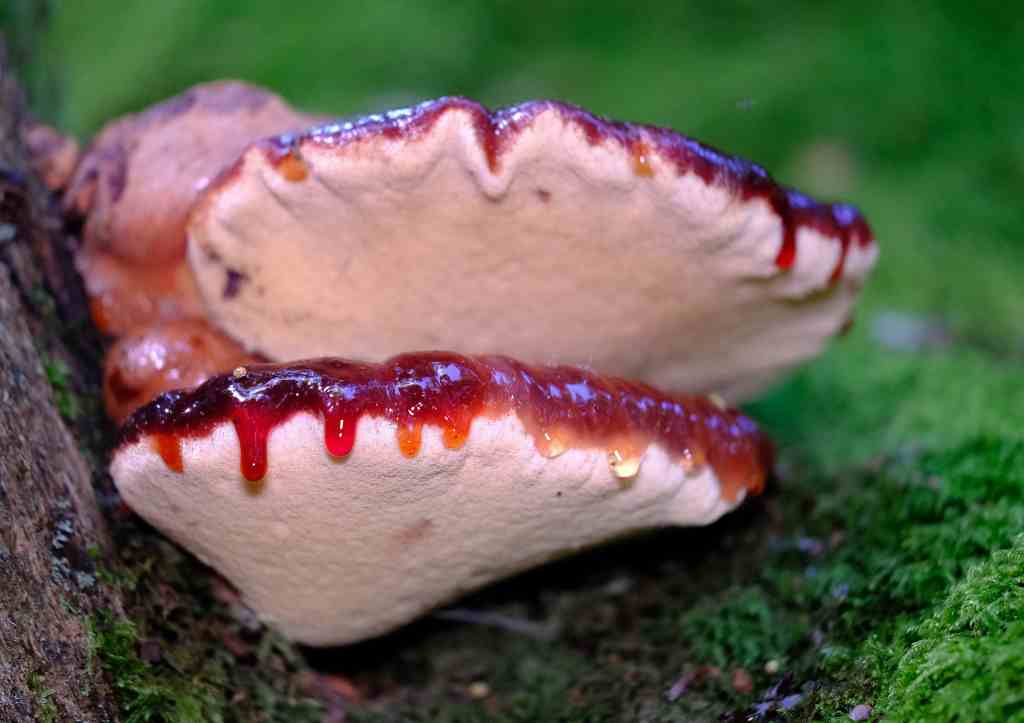
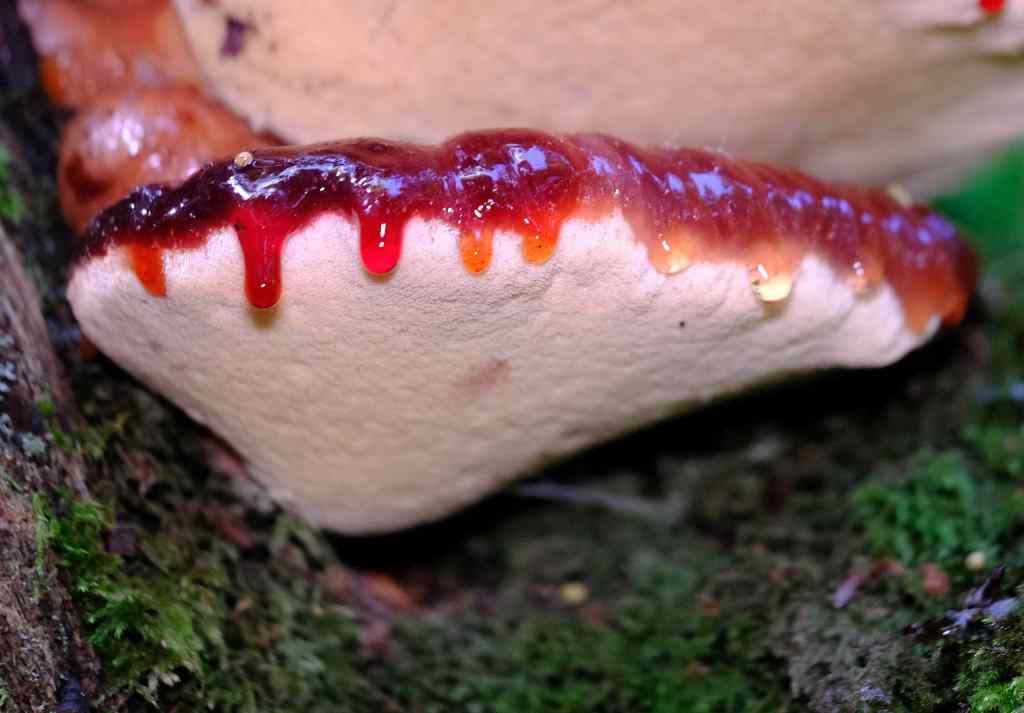
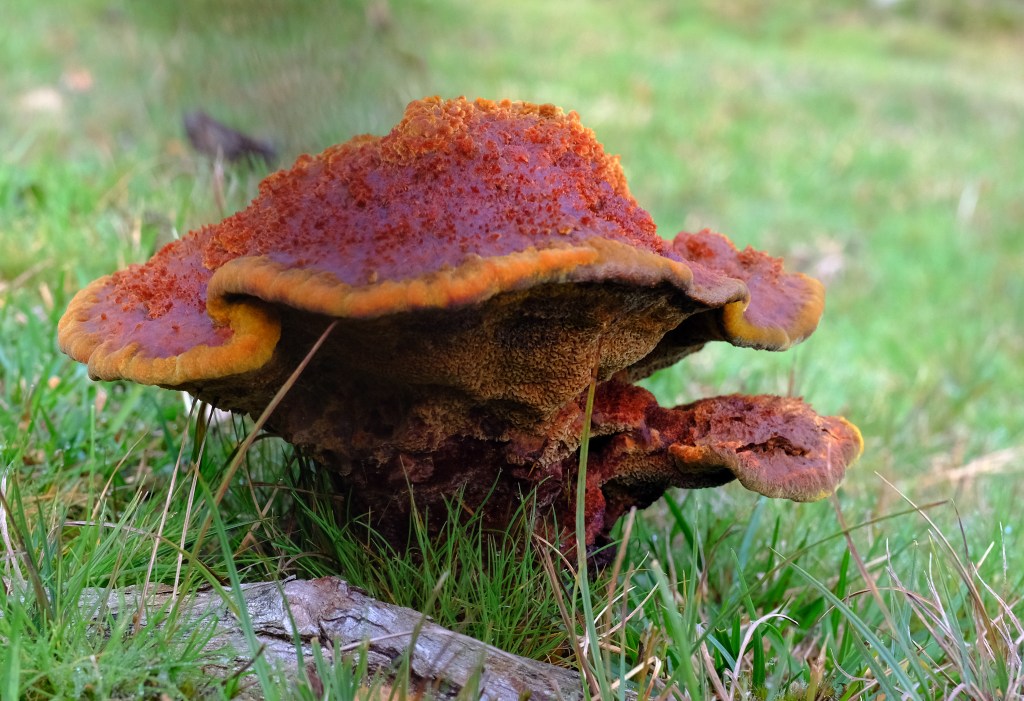
Another common name for this parasitic bracket is the Ox Tongue fungus. If you cut through the flesh, it does look like a slice of prime beef; however taste is said to be not as good as the appearance. They grow on broadleaved trees, especially oaks and sweet chestnuts, from late summer into autumn.
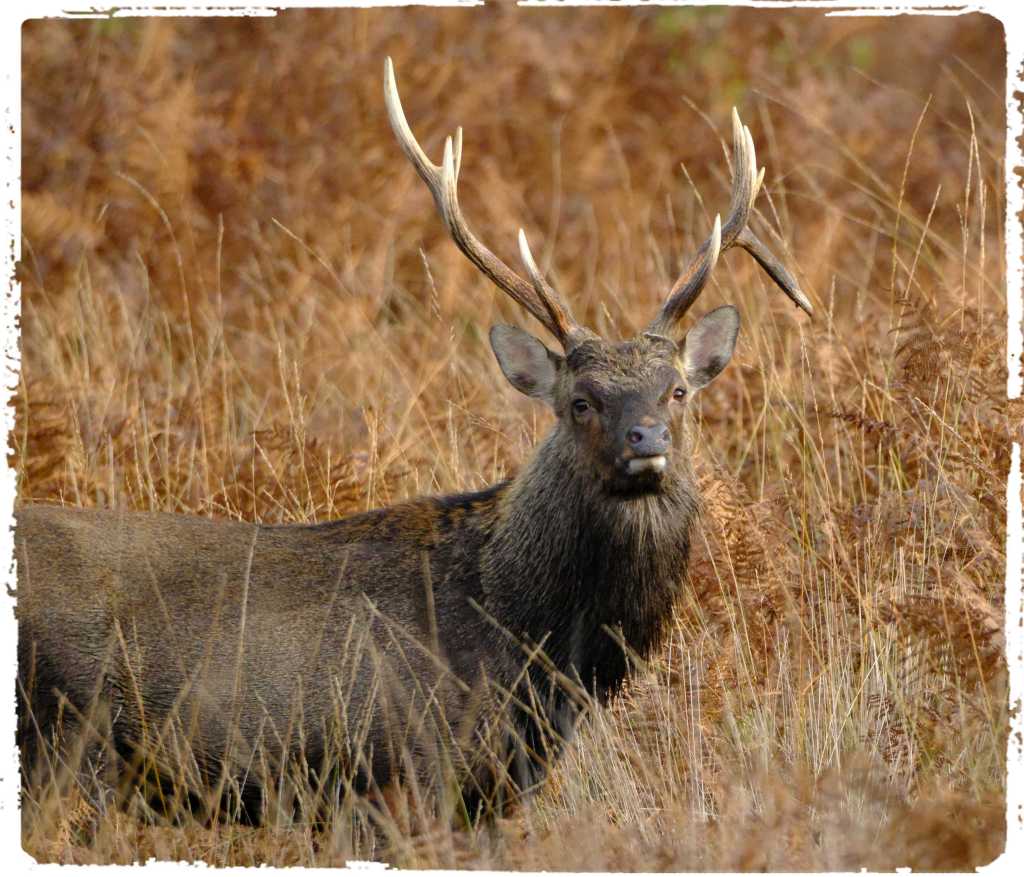
A walk across Stoney Cross around the edge of the WW2 airfield today’s nature walk gave a few gifts, although no deer sightings today.
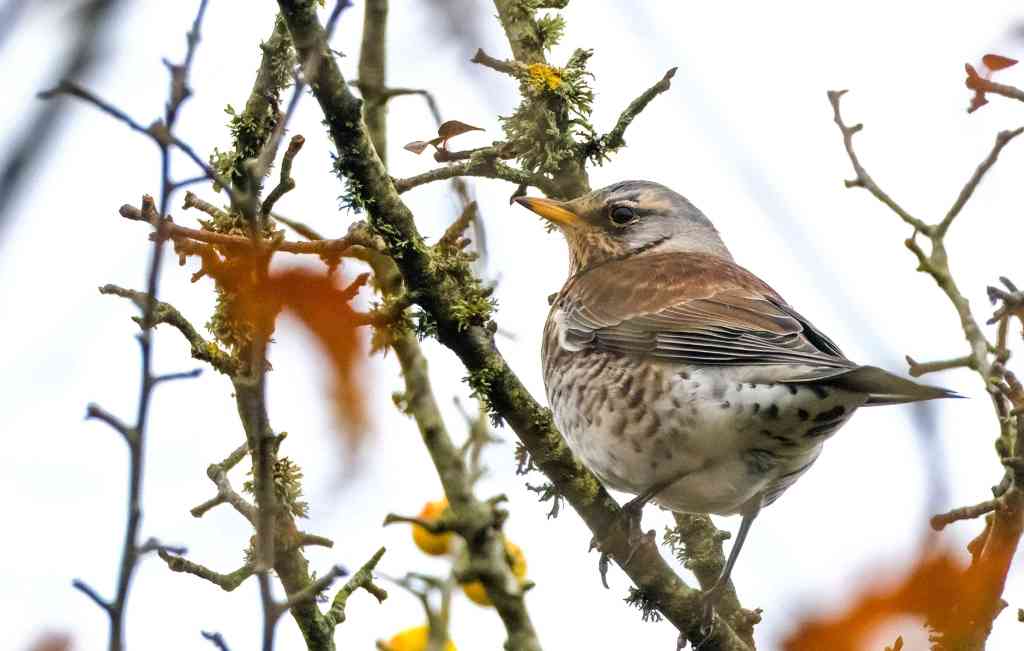
Large flocks of “Fieldfare” were everywhere but not keen to stay for me to take a photograph or two! Fieldfares are large and colourful thrush. They are social birds, wintering in the UK. Flocks can be ten or twenty birds to several hundred strong. The flocks are noisy and the birds chuckle as they fly between trees looking for the best berries. Finally today and after trying for the last 3 weeks I got a couple of shots.
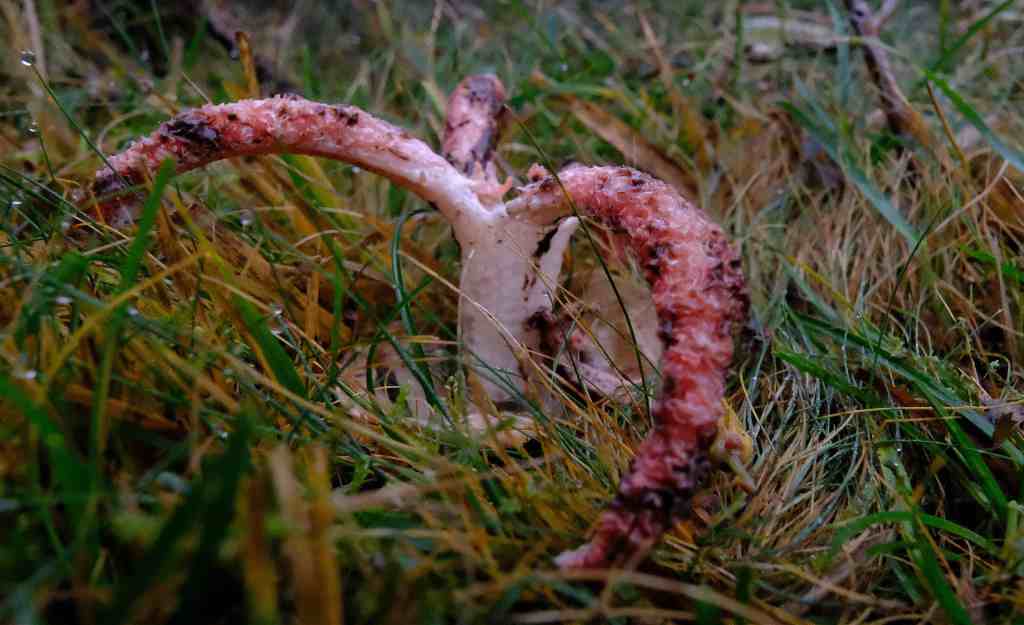
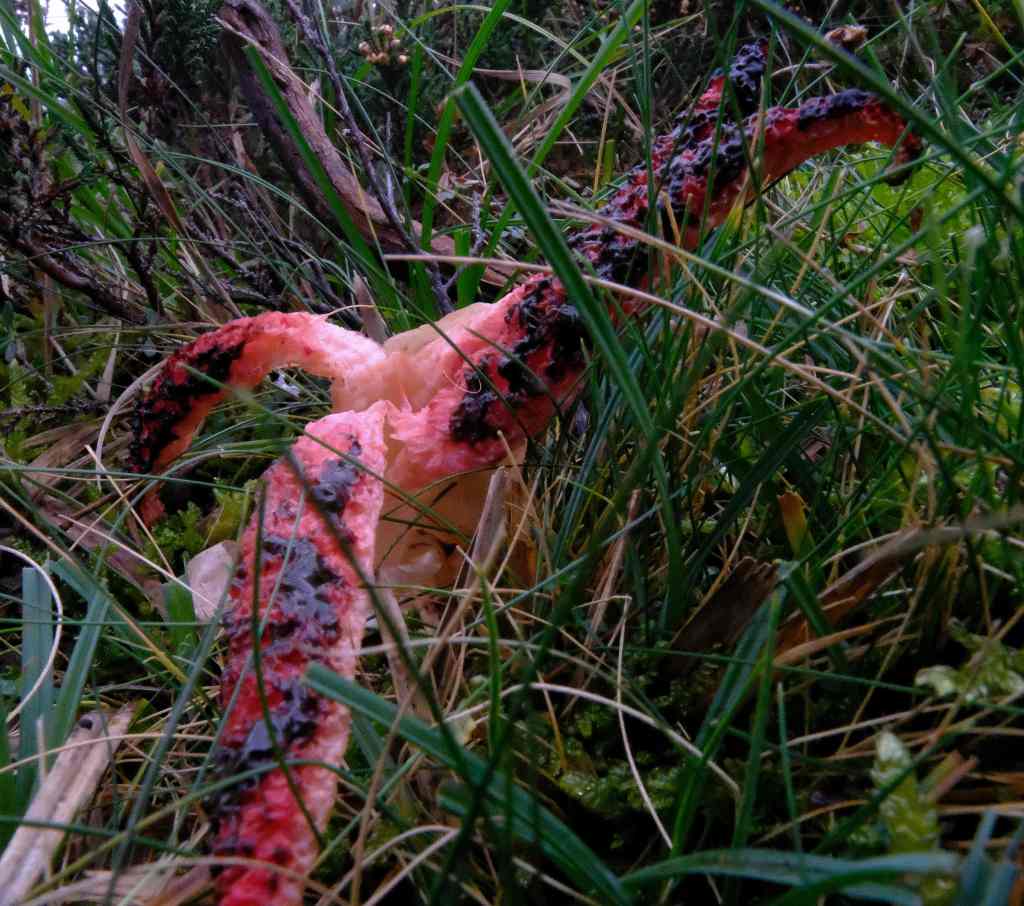
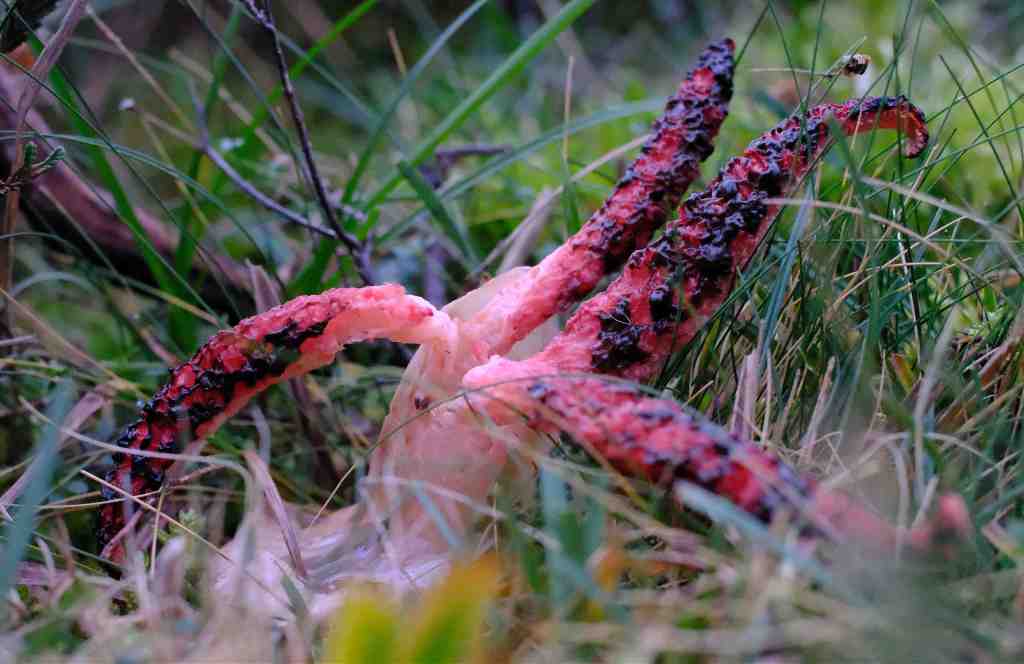
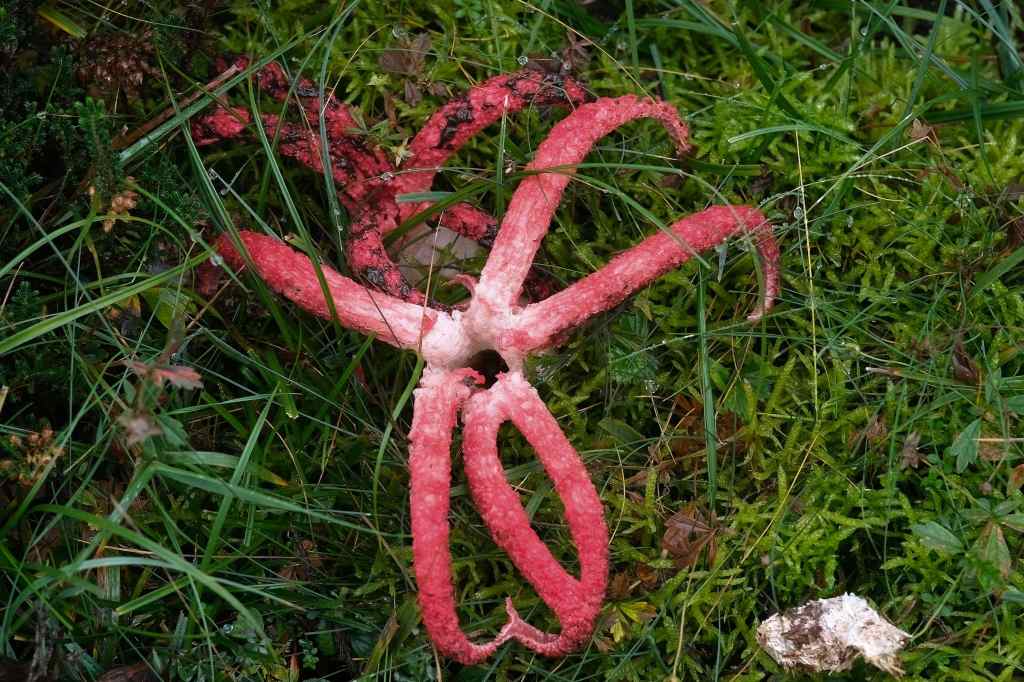
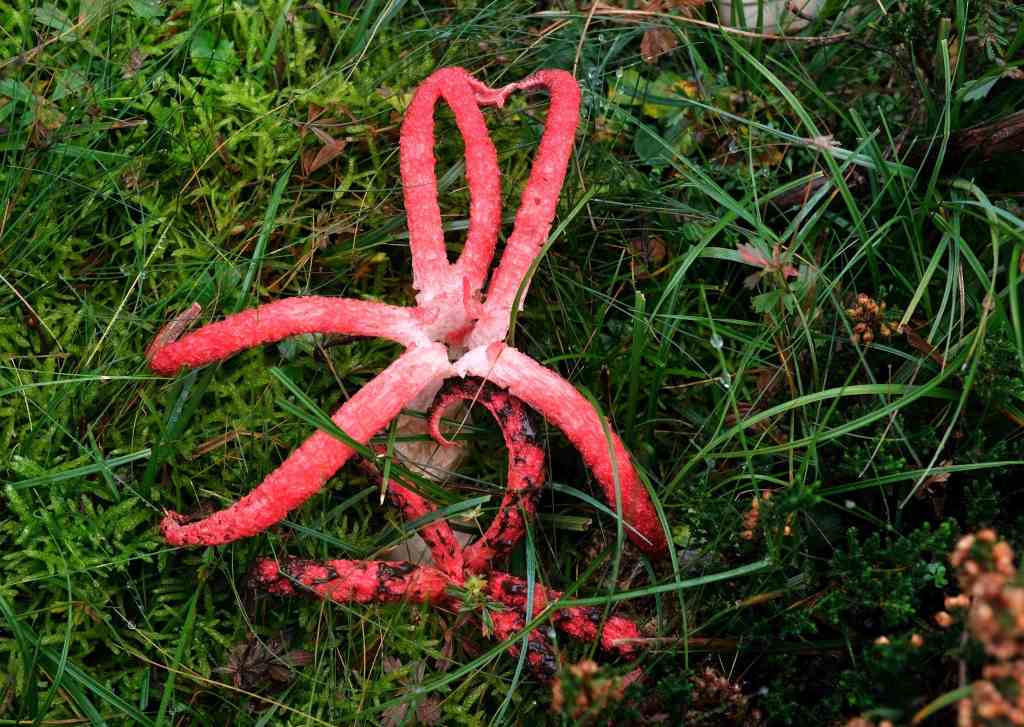
The Devil’s Fingers fungus [Clathrus archeri], this rare fungus I posted pictures of a few weeks ago has now gone over but others have now grown.
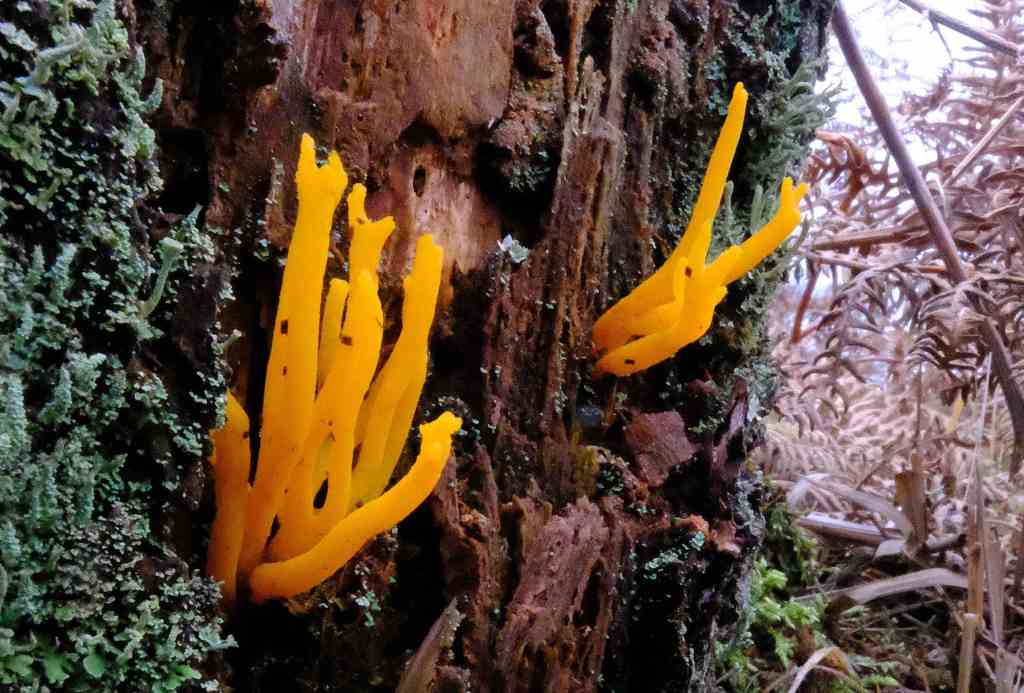
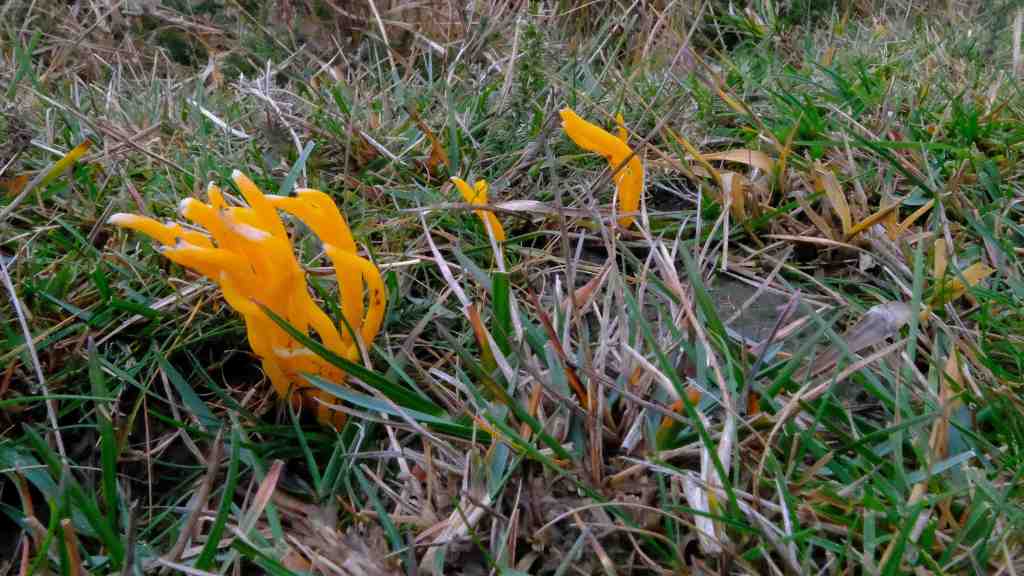
Another fungus spotted was a Yellow Stagshorn – {Calocera viscosa} – It is a Jelly Fungus which grows on decaying conifer wood, typically stumps and roots. This was a 1st for me this year.
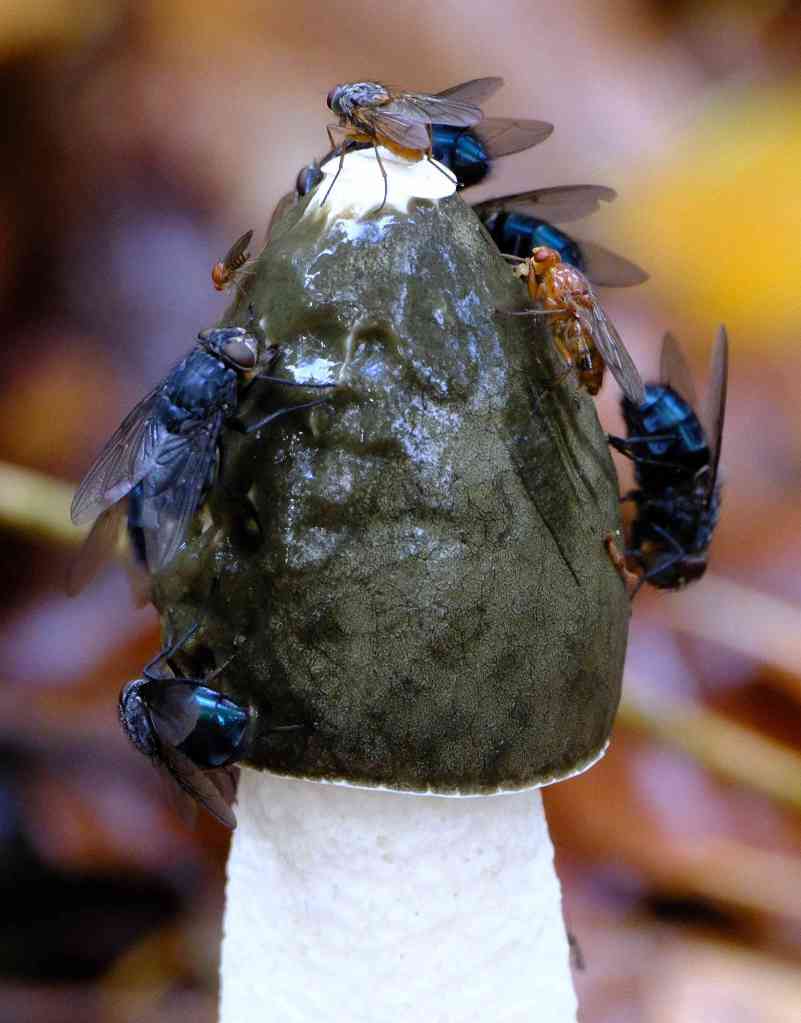
The appearance of a stinkhorn is very distinctive: they have a phallic, white, stem structure, with a brown, bell-shaped head.
You smell it before you see it – when you smell it you just follow your nose. The unmistakable and strong stench has been likened to rotting flesh from a dead carcass. The spores of this fungus are contained within the slime that covers its cap. Flies are attracted to the offensive- smell, and sticking to their feet the spores are spread.
I spent a few hours this morning in the New Forest which is showing the effects of the last 48hours rain fall. It was worth the wet feet as I found a fungus I had only seen once before but today I came across a good sized clump of them.
Devil’s Fingers (Clathrus archeri) is a rare fungus that was first found in the New Forest in around the year 2000. It is also known as octopus stinkhorn. At that time in had only been observed in one small area in the southwest in the UK.
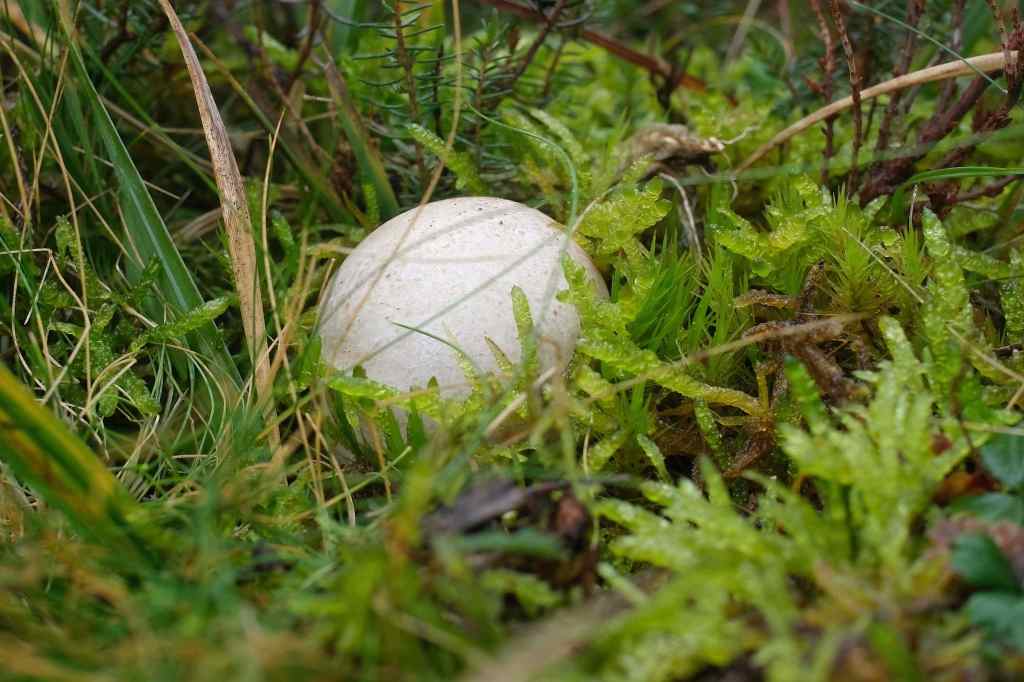
The ‘egg’ part of the fungi has the size and shape of a golf ball lying on the ground, but is attached to an underground network of mycelium threads by a long thick strand.
The red tentacles emerge, initially joined at the tip they then bend backwards into a star shape. There are always at least three or four tentacles, however sometimes they have as many as seven or eight. The upper surface is covered with a olive-coloured, slime which contains the spores and smells of rotting flesh. Flies and beetle are attracted to the smell the slime sticks to them when they come into contact with it. The spores are dispersed far and wide.
It is thought Devils Fingers were introduced to Europe with various war supplies, about 1914. The New Forest was used intensively in both world wars which is probably why it is hotspot for these fungi.
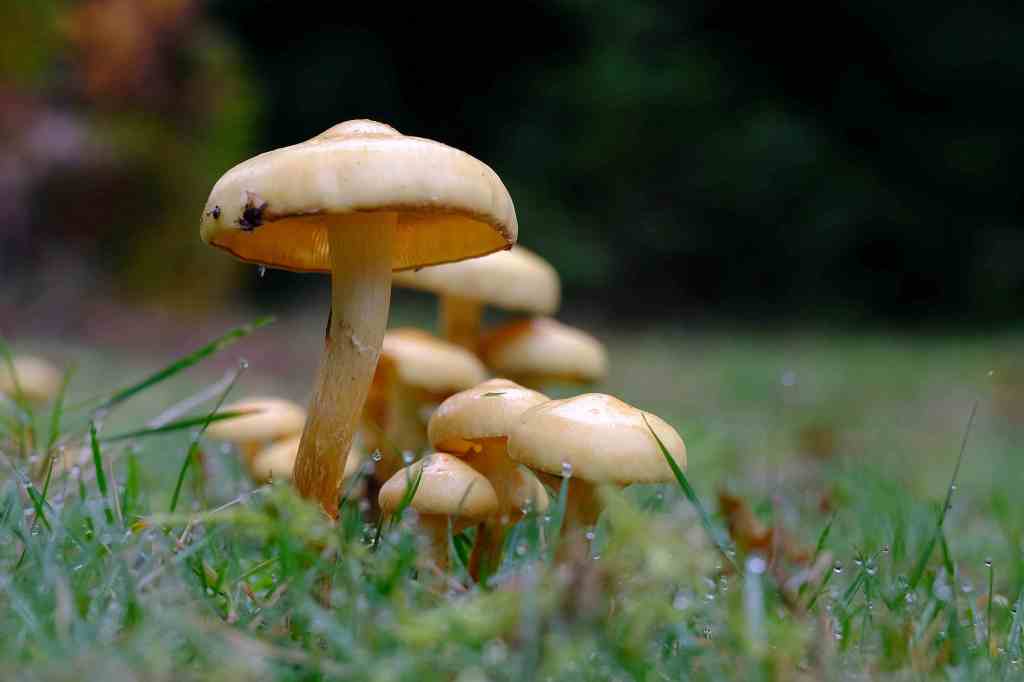
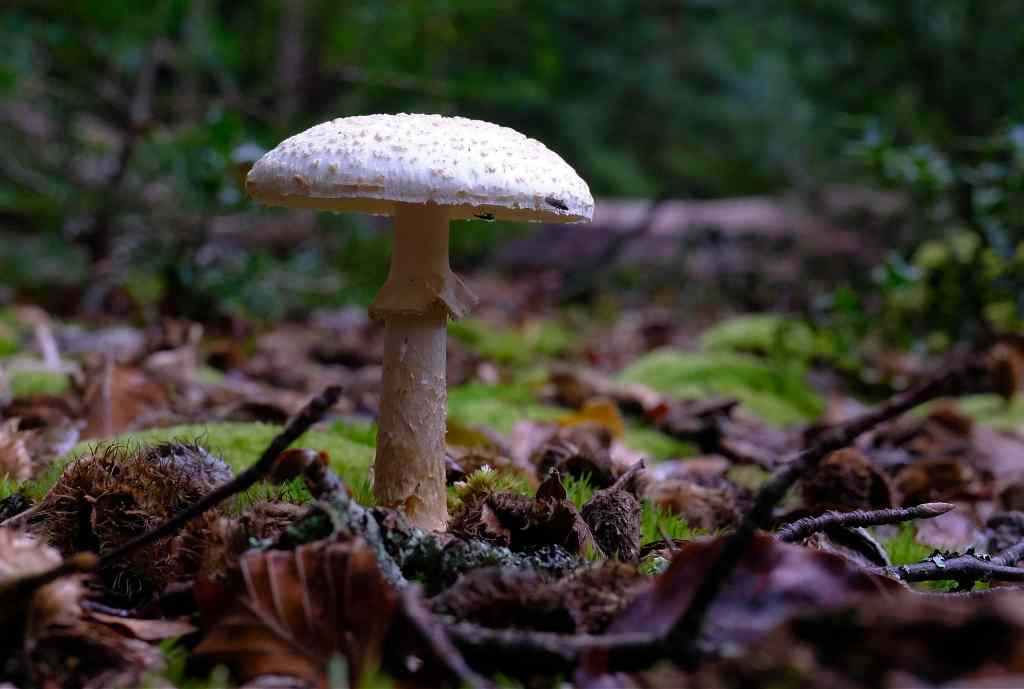
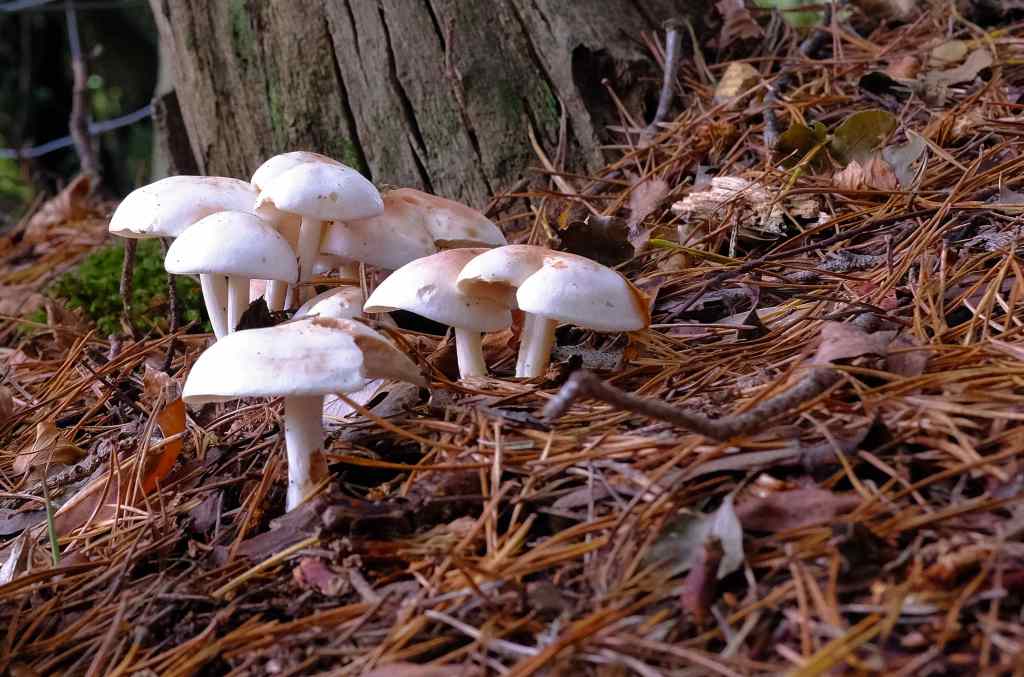
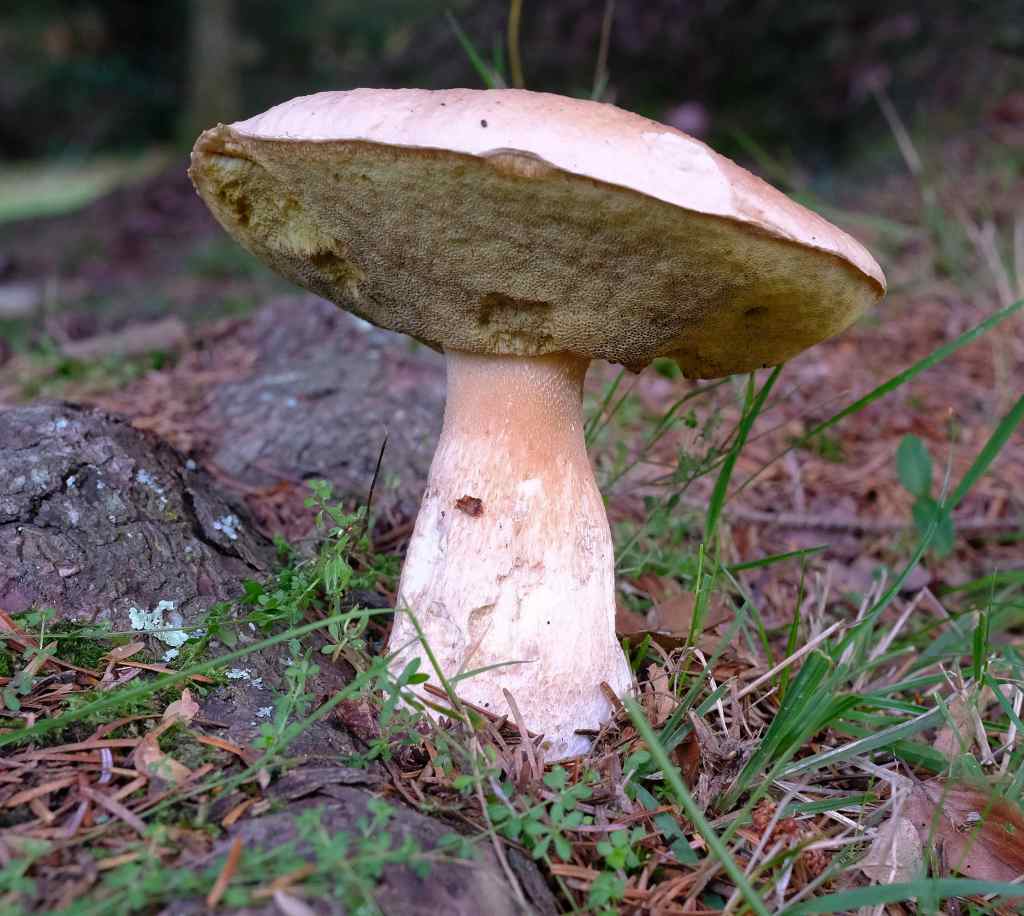
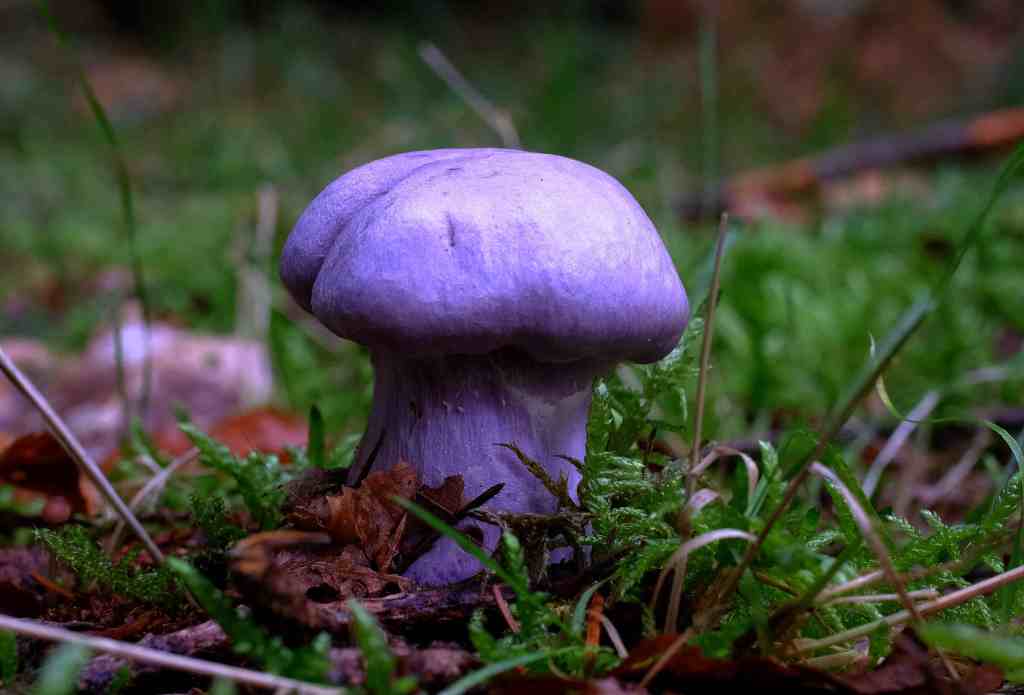
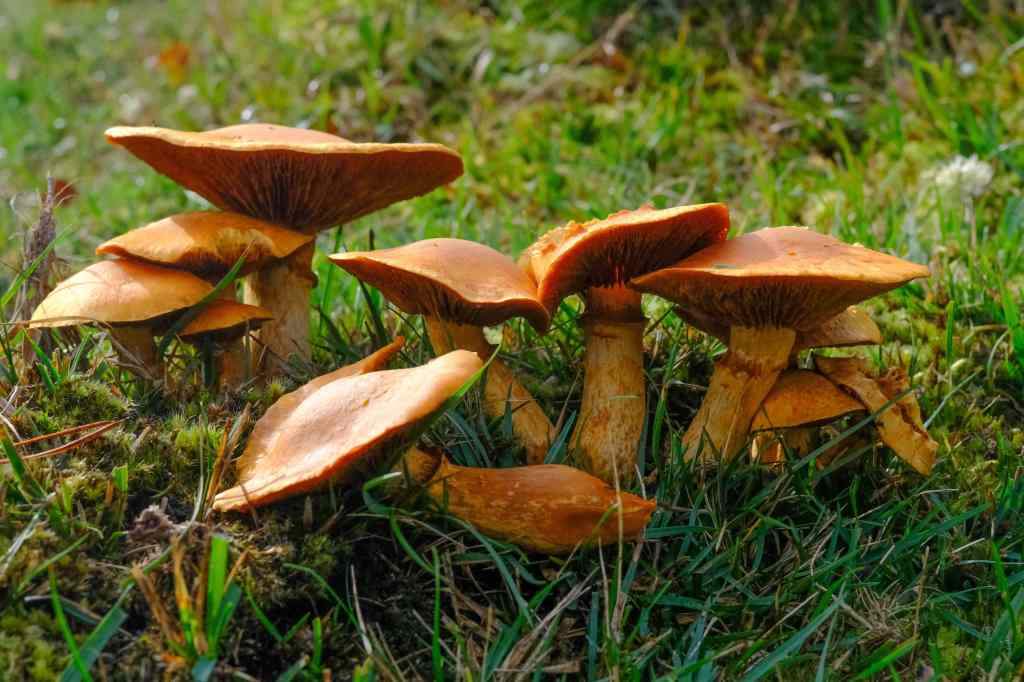
A feast of fungus – although many are not edible. – Another New Forest walk looking for fungi. This time I have tried to name my finds – I am no expert so I am not 100% sure about all the naming if you spot an error please let me know. The common names may differ in different countries or areas.
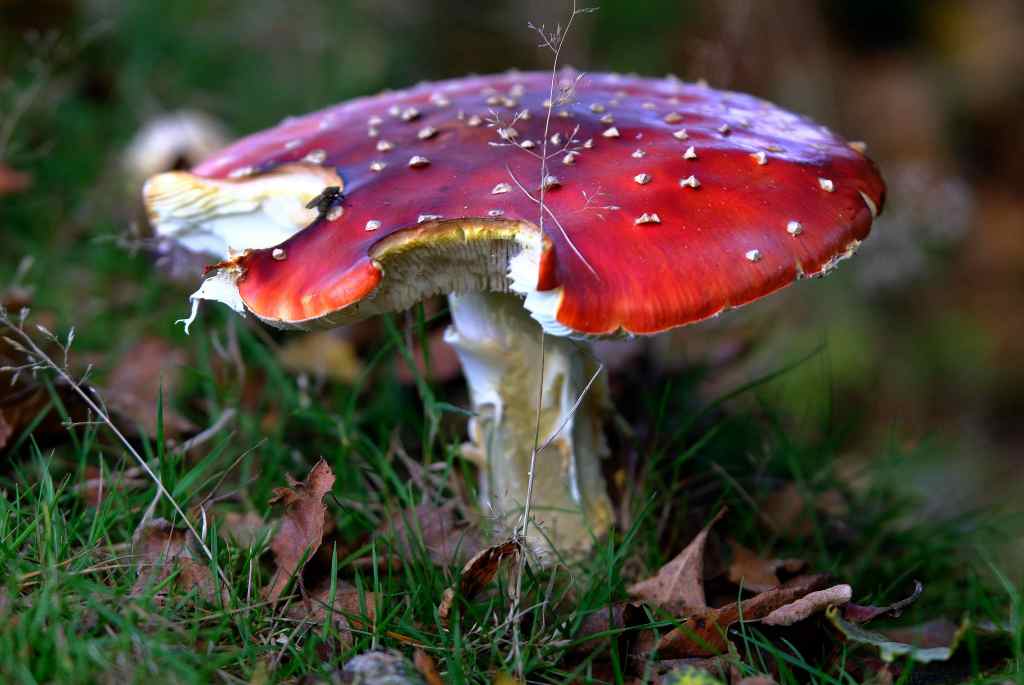
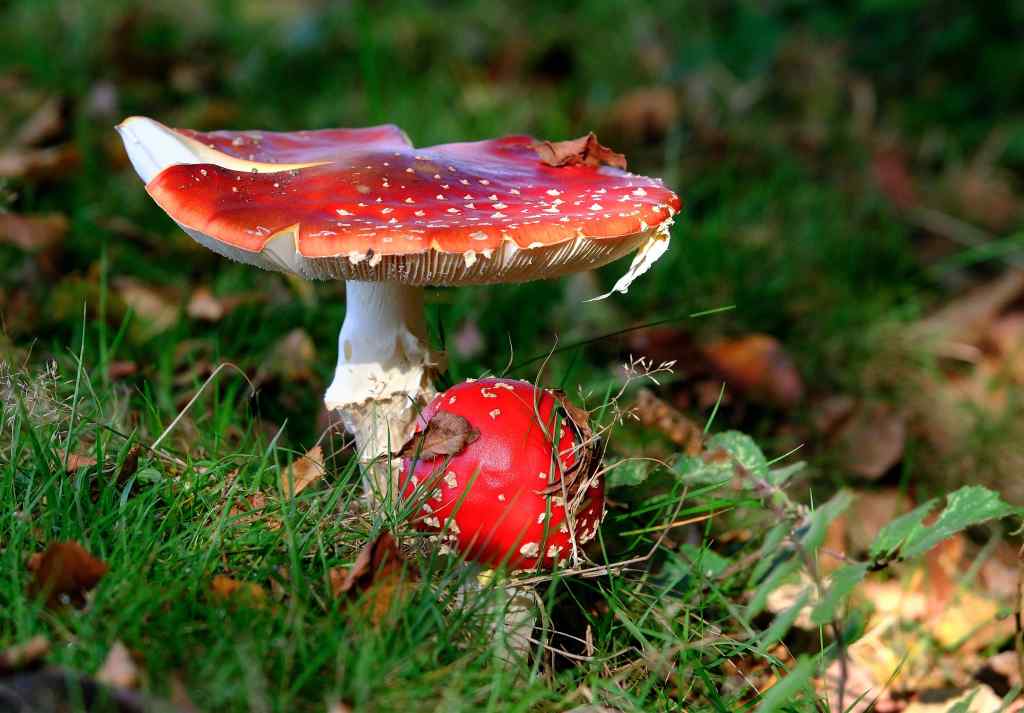
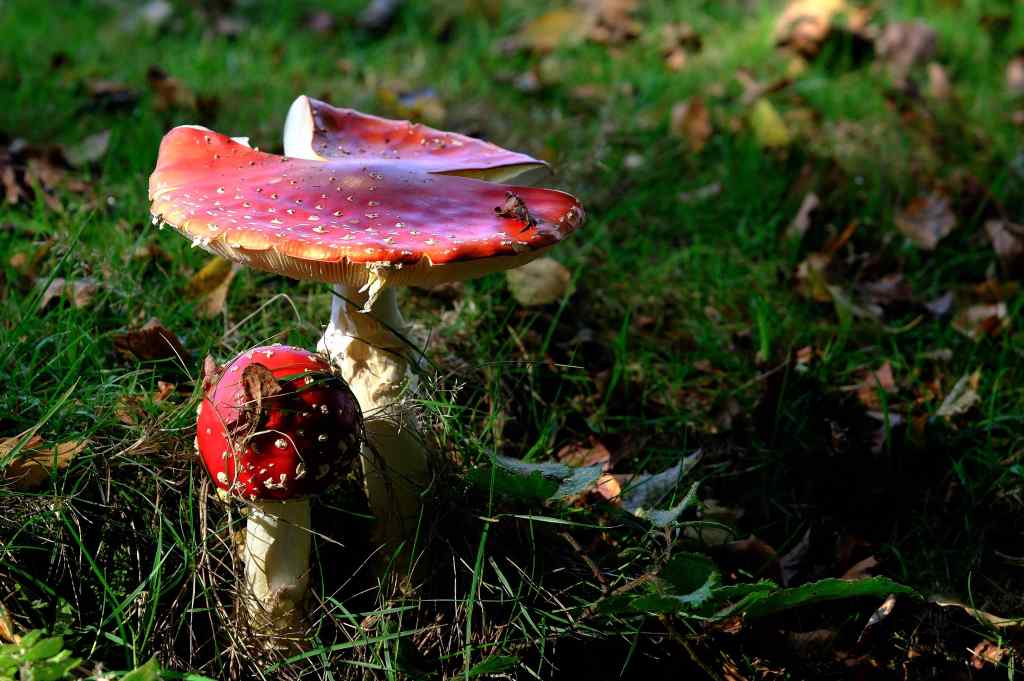
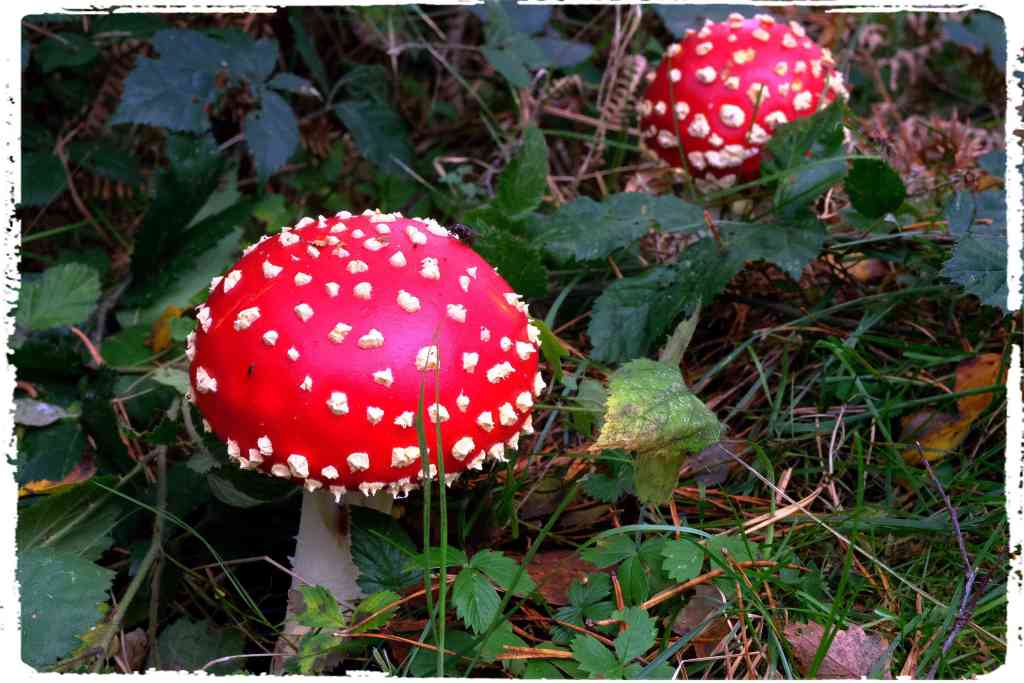
I will start with one we all know the stunning FLY AGARIC (AMANITA MUSCARIA)
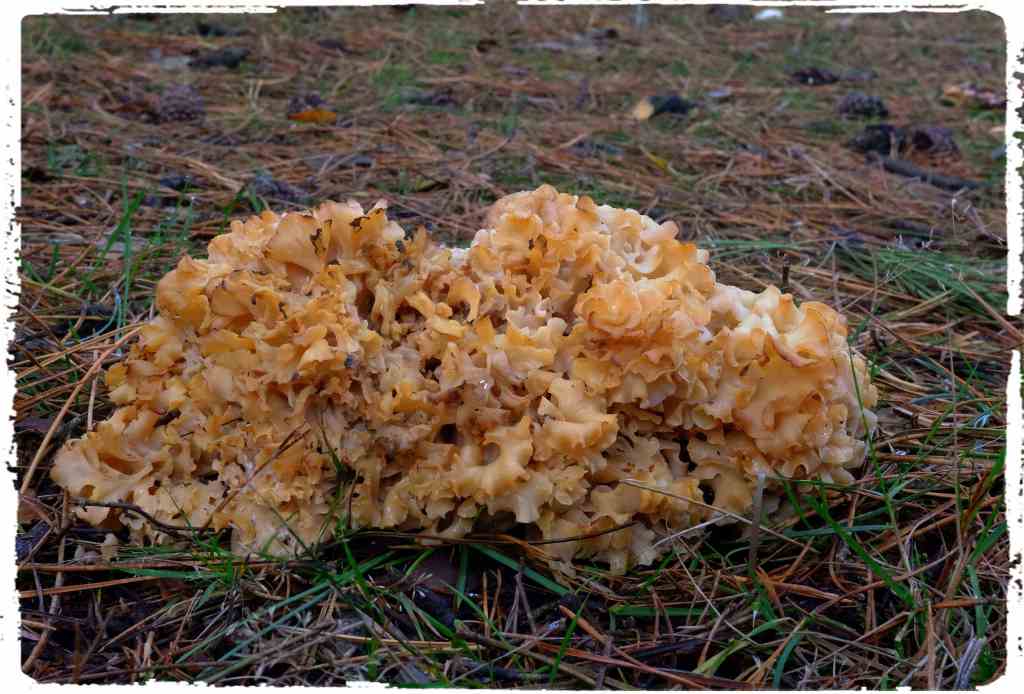
This fungus looks like a brain ! but is locally known as the WOOD CAULIFLOWER (SPARASSIS CRISPA).
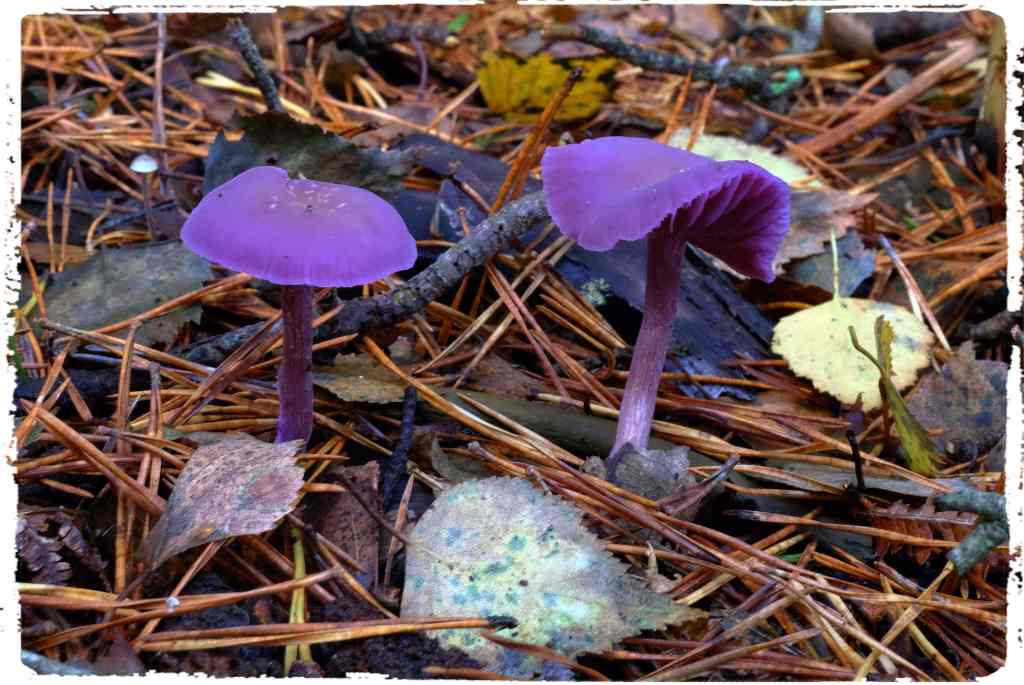
Another great colour fungus which seems abundant this year is the AMETHYST DECEIVER (LACCARIA AMETHYSTINA).
COMMON EARTHBALLS (SCLERODERMA CITRINUM). Often confused with puff balls which are similar but tend to be smoother and pure white in colour.
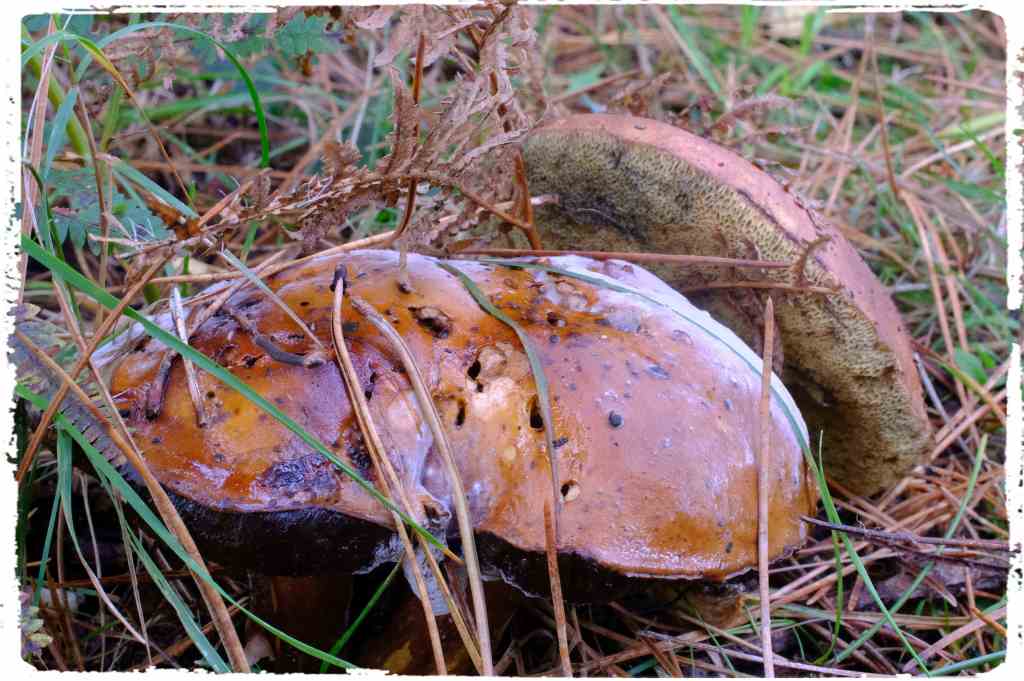
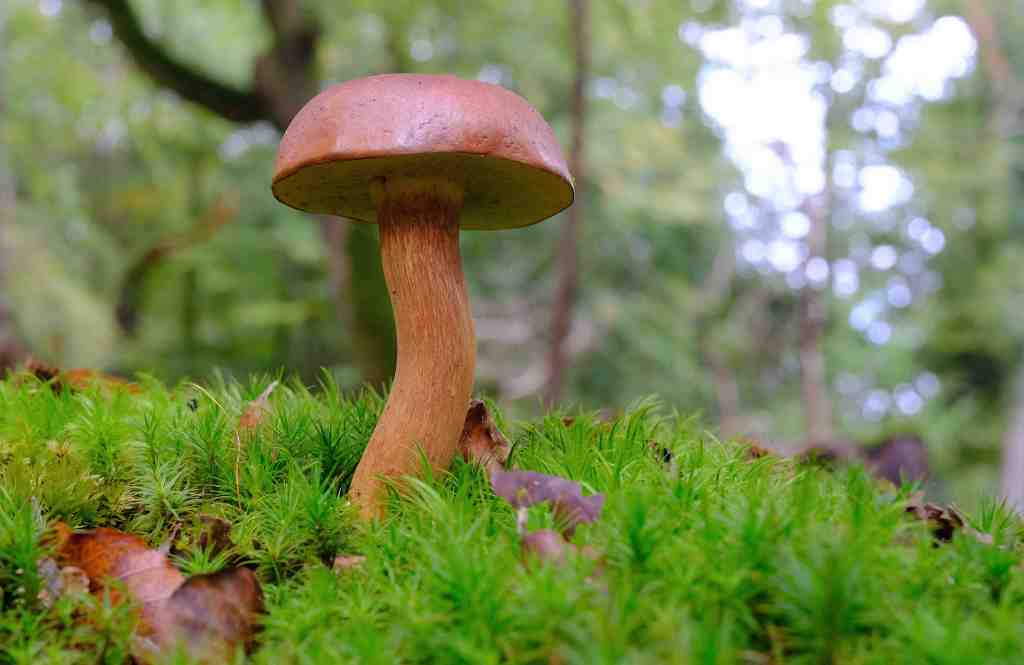
SLIPPERY JACK (SUILLUS BREVIPES). Is a fungus with spores on its underside rather than gills.
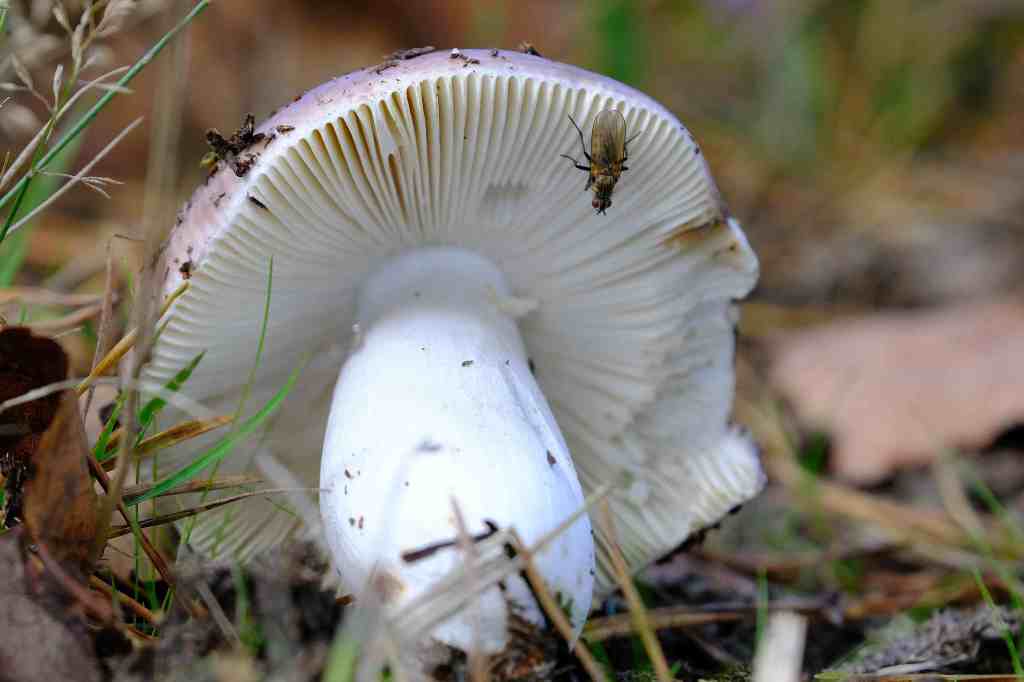
PRIMOSE BRITTLEGILL (RUSSULA SARDONIA). Another purple fungus.
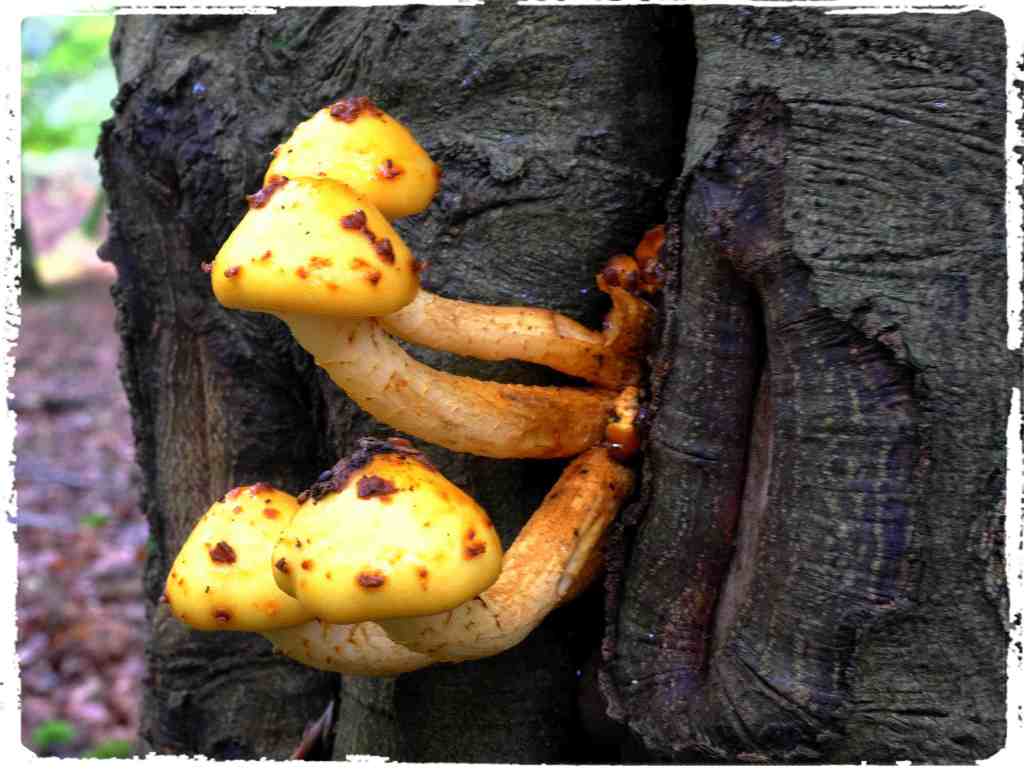
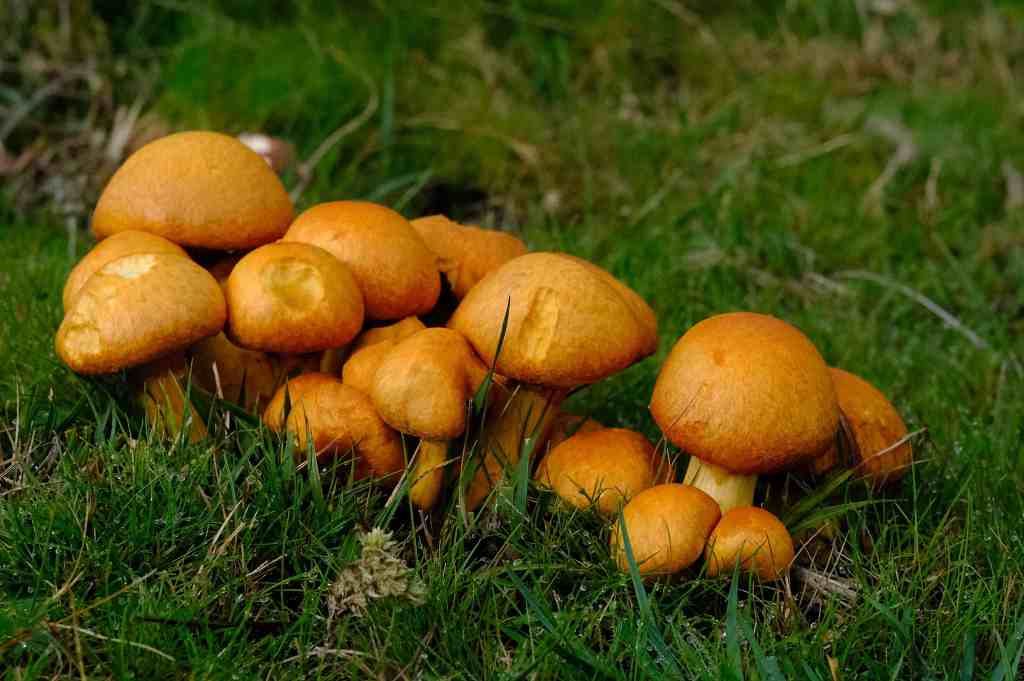
Bright yellow and given the common name of GOLDEN SCALYCAP (PHOLIOTA AURIVELLA). The colour can be a bright golden yellow to rusty brown with a slimy or greasy surface covered in darker-brown scales that sometimes wash off in the rain.























 Continued Reflections from my World.