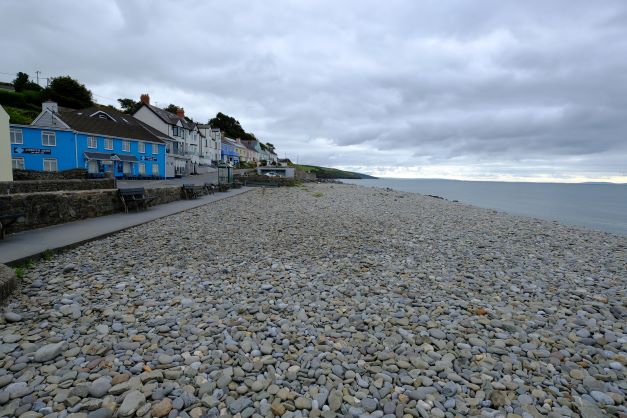
Amroth is a 20-mile drive from the popular Pembrokeshire Town of Tenby. Amroth marks the beginning (or end) of the Pembrokeshire Coast Path. The town at low tide has its own wide sandy beach which is south-facing. The top of the beach is pebble covered.
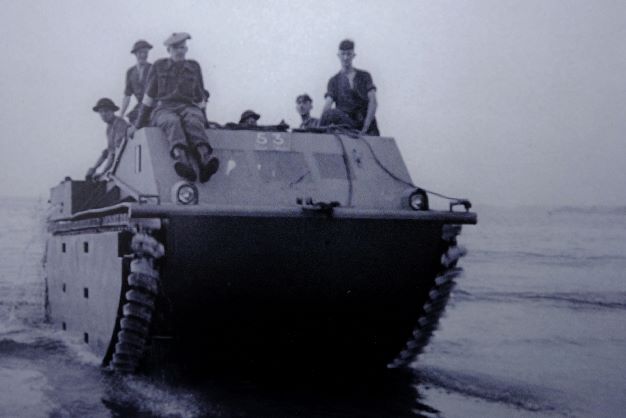
During July 1943, more than 100,000 soldiers descended onto Saundersfoot, Tenby and Amroth in Pembrokeshire to prepare for the D-Day landings the 13-day exercise saw 16,230 tonnes of supplies brought ashore. Known as Operation Jantzen, it was a rehearsal of the D-Day landings.
Picture from an information board on the beach.
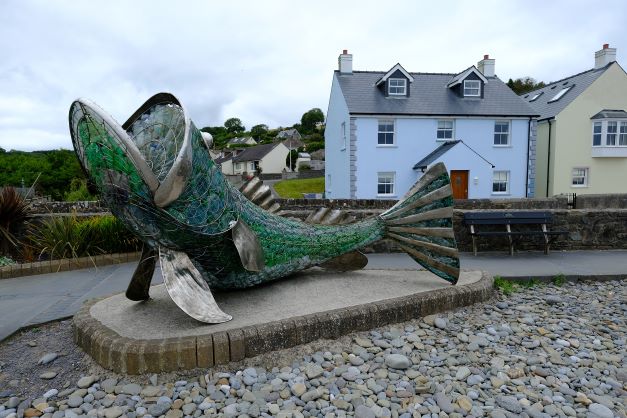
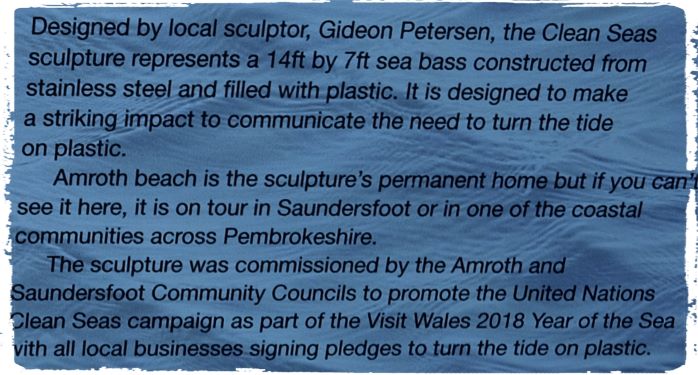
Beach Sculpture highlighting plastic waste in our seas.
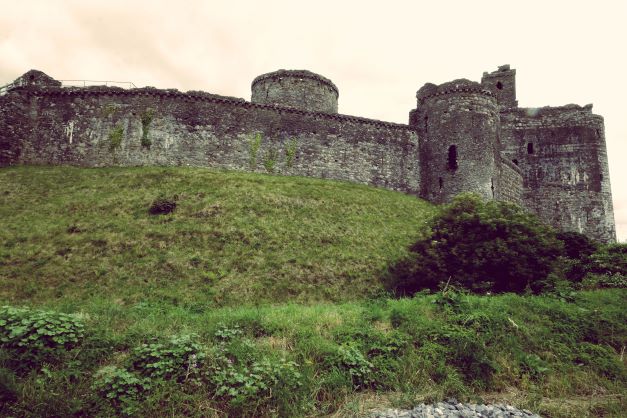
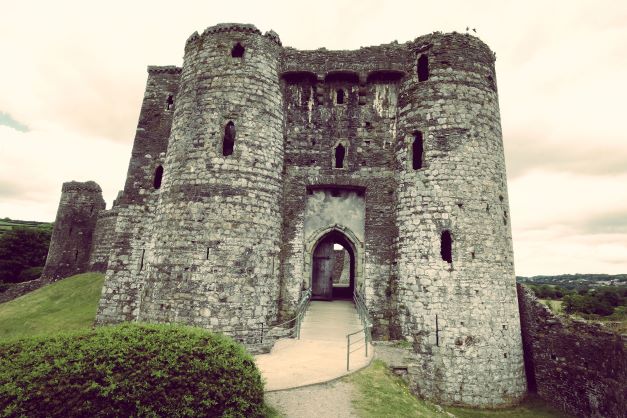
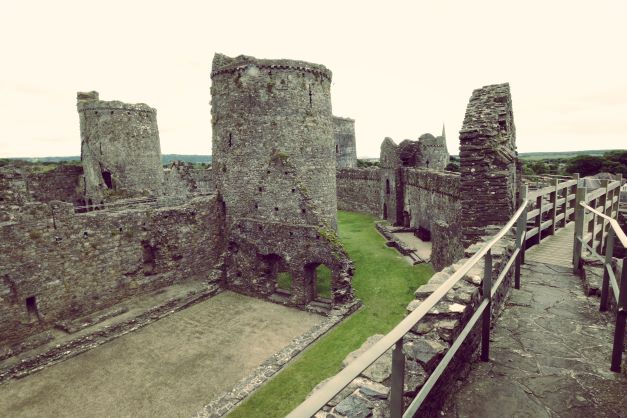
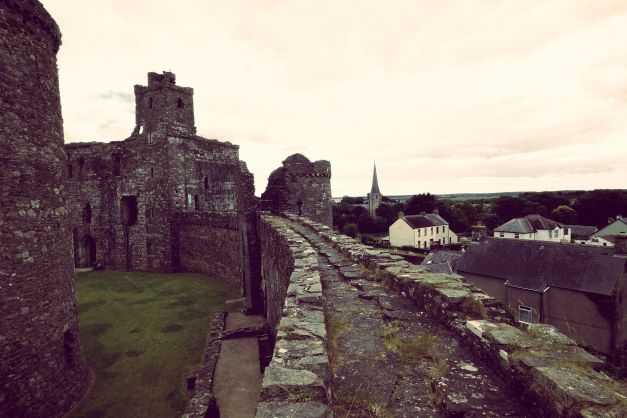
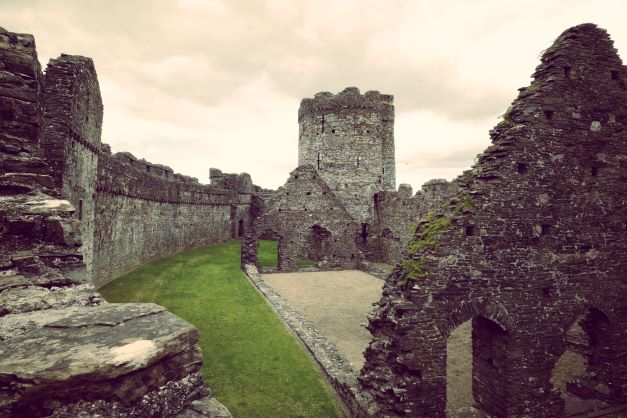
Kidwelly Castle is an imposing Norman castle overlooking the River Gwendraeth and the town of Kidwelly, Carmarthenshire, Wales. This ruin is in the care of Cadw (historic Wales). Although it saw much conflict the castle is in fairly good condition Kidwelly began in the early 12th century as a Norman ‘ringwork’ castle made of wood and protected only by an earthen bank and ditch.
Under constant attack by Welsh princes, it was captured by Lord Rhys in 1159. Decades later the Normans were in charge and by the 1280s it had been transformed into the stone castle we see today.
The first scene of Monty Python and the Holy Grail was filmed on the walls of Kidwelly.
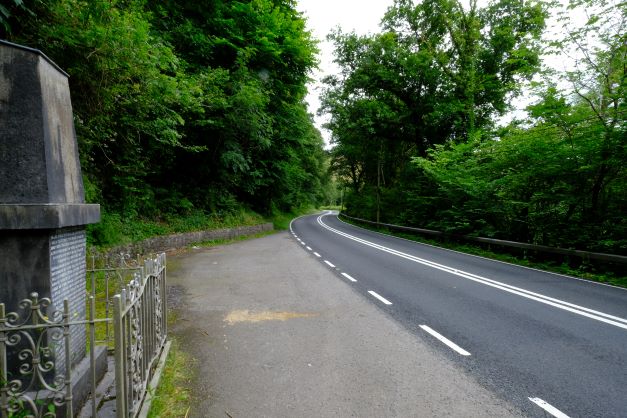
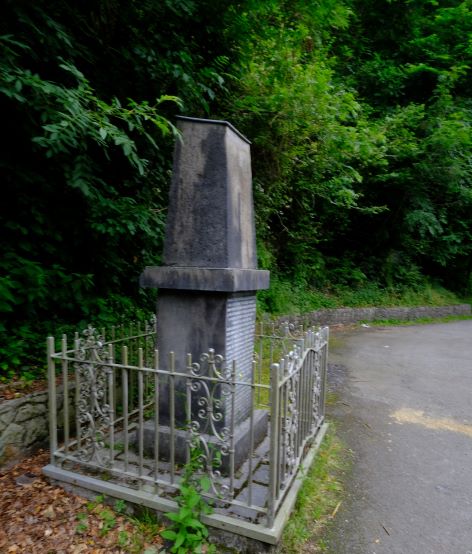
Over the years I have passed this monument on the A40 it has been slowly deteriorating this week I spotted it had been restored. It is said to be the first memorial in the UK to note drunk driving! The road was quiet so stopped to take a closer look.
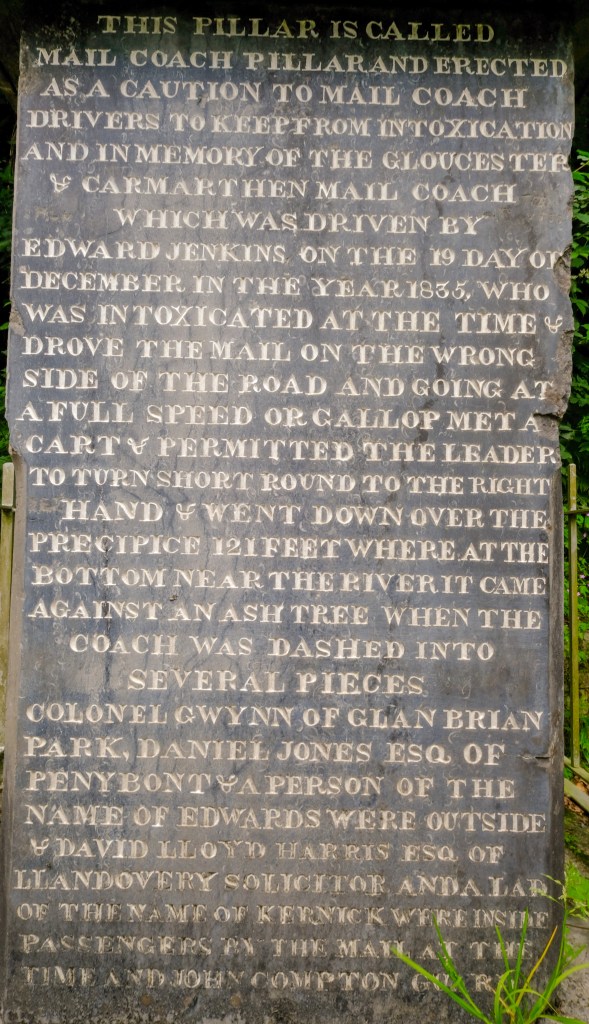
“This pillar is called mail coach pillar and erected as a caution to keep from intoxication and in memory of the Gloucester & Carmarthen Mail Coach which was driven by Edward Jenkins on the 19th Day of December in the year 1835, who was intoxicated at the time & drove the mail on the wrong side of the road and going at full speed or gallop met a cart & permitted the leader to turn short round to the right and went down over the precipice 121 feet where at the bottom near the river it came against and ash tree when the coach was dashed into several pieces. Colonel Gwynn of Glan Brian Park, Daniel Jones Esq of Penybont & a person of the name of Edwards were outside & David Lloyd Harris Esq of Llandovery Solicitor and a lad of the name Kernick were inside passengers by the mail at the time and John Compton outside.
In May 1932, Amelia Earhart became the first woman—and the only person since Charles Lindbergh—to fly nonstop and solo across the Atlantic.
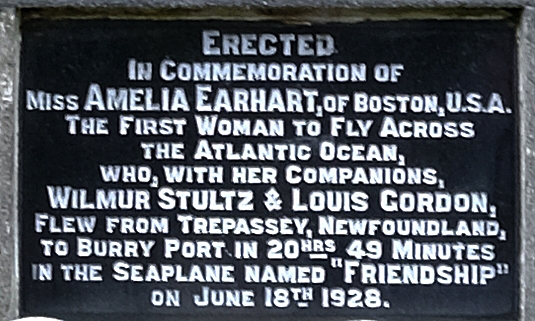
In 1928, as a member of a three-person crew, although her only function during the crossing was to keep the plane’s log, the event won her international fame, The trio made their crossing in a Fokker F. VII Tri-Motor seaplane named “Friendship”.
The team departed from Trepassey Harbour, Newfoundland the plan to cross the Atlantic and land on Southampton Water. Pilots Wilmer Stultz and Lou Gordon landed at Pwll near Burry Port, South Wales, precisely 20 hours and 40 minutes later. Earhart received a hero’s welcome on June 19, 1928, when she flew, onto Southampton. She flew the Avro Avian 594 owned by fellow aviator Lady Mary Heath.
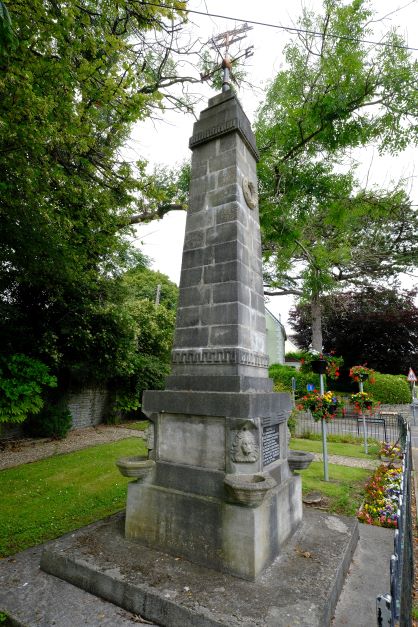
Memorial at Burry Port.
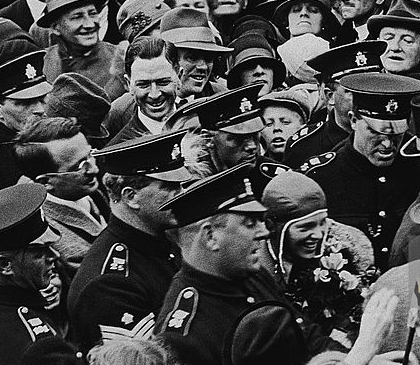
Southampton Police escort Earhart through the crowds after her arrival in the city.
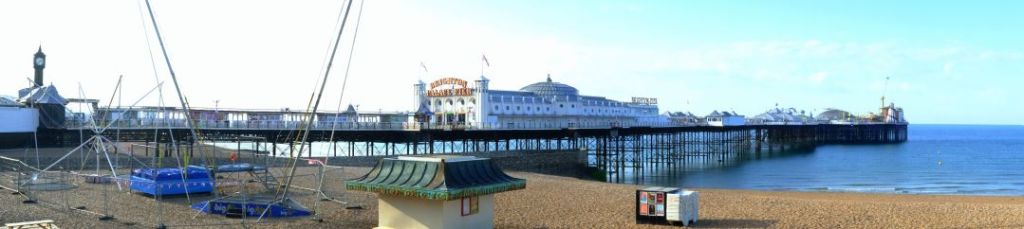
By 1780, the development of the Georgian development of Brighton was underway with the development of grand Georgian terraces – the fashionable resort was regularly frequented by the Prince Regent later King George IV. Spending much of his leisure time here he constructed the Royal Pavilion. with the coming of the Railways and only 47miles from London Brighton continued to develop and became a popular Victorian holiday resort.
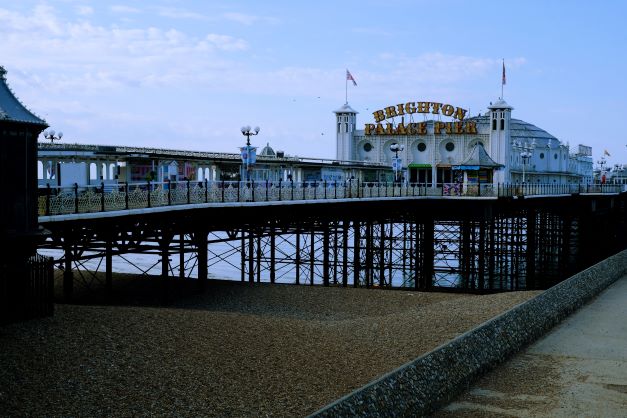
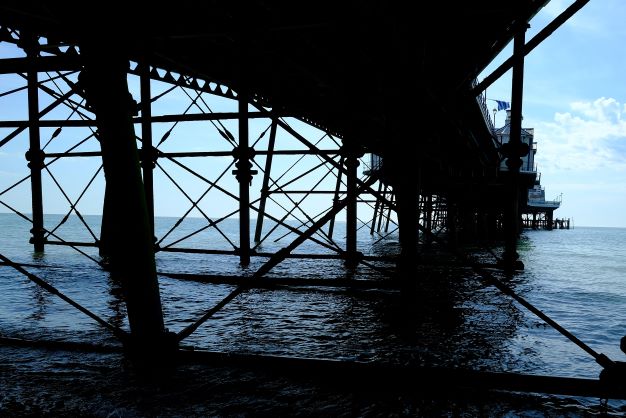
Palace Pier.
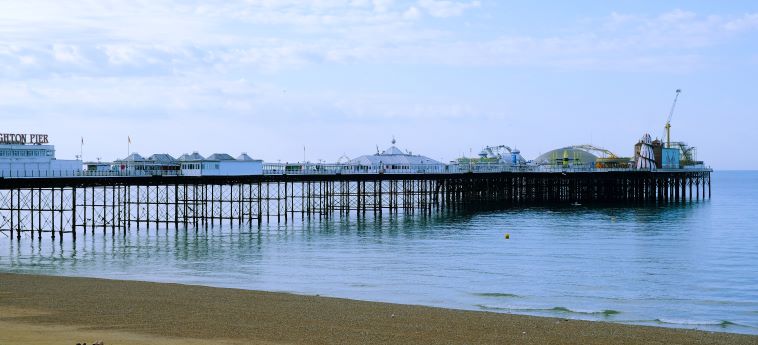
Brighton had 2 piers the West Pier was constructed during a boom in pleasure pier building in the 1860s, it was designed to attract tourists to the town. The West Pier was developed further in 1893, and a concert hall was added in 1916. It complimented the first pier the Royal Suspension Chain Pier which was built in 1823. It was replaced by the Palace Pier in 1889.
Today only the Palace Pier remains the West Pier was closed to the public in 1975 and fell into disrepair and gradually collapsed. After a number of fires, the pier is now just a frame.
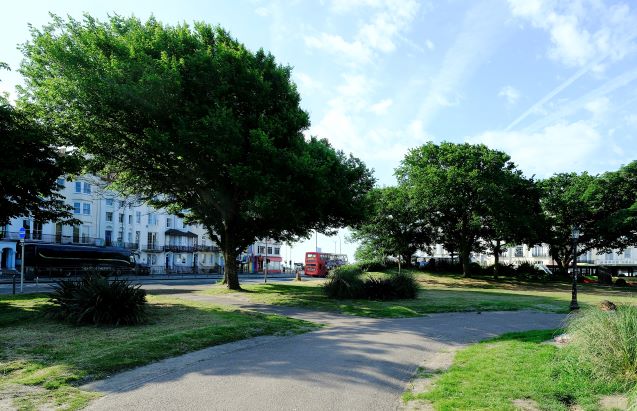
The seafront has all the trimmings of a British seaside destination.
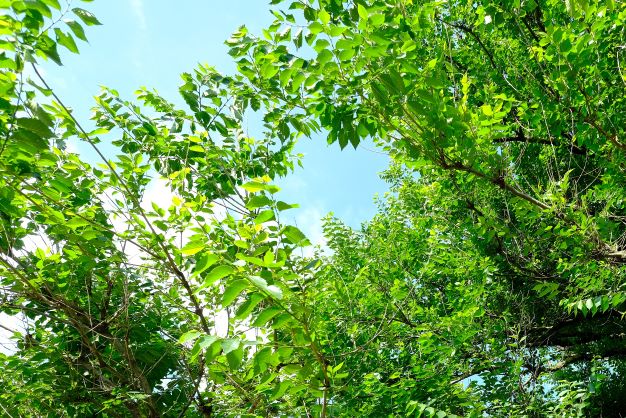
Just a tree!
English Elm trees dominated the British landscape, especially in Southern England, but were ravaged by Dutch elm disease in the1960s. Today it is only found occasionally in hedgerows or woodland. This rare tree has a small number of mature trees in Brighton. They are carefully managed by the council. I can not recall seeing an Elm Tree so one off the bucket list on our visit to Brighton.
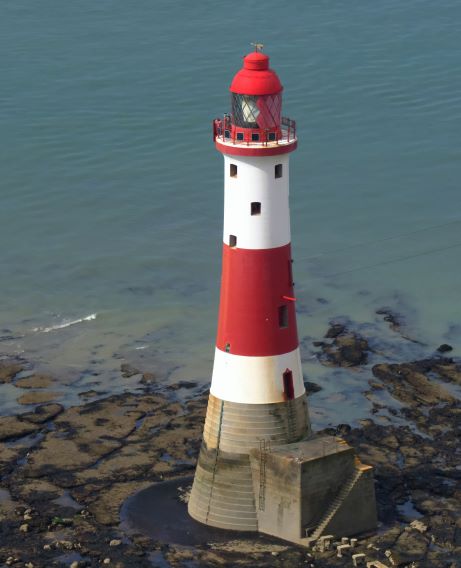
Beachy Head Lighthouse is located below the cliffs of Beachy Head in East Sussex it stands 141ft high and became operational in October 1902. It was the last traditional-style rock tower offshore lighthouse built by Trinity House.
Eastbourne seafront first thing in the morning before the beach wakes up.
Eastbourne is a seaside resort town on England’s southeast coast it is about 2 hours from London. On the seafront are Victorian hotels, and the 19th-century Eastbourne Pier. West along the coast, in South Downs National Park, are the tall chalk cliffs of Beachy Head and its striped lighthouse.
The Eastbourne Pier Company Ltd was formed in 1865. Work started on the structure in1866. Lord Edward Cavendish officially opened the pier, designed by Eugenius Birch, in June 1870. However, work on the 1000-foot pier, the landing stage, kiosk and windbreak were finally completed in 1872.
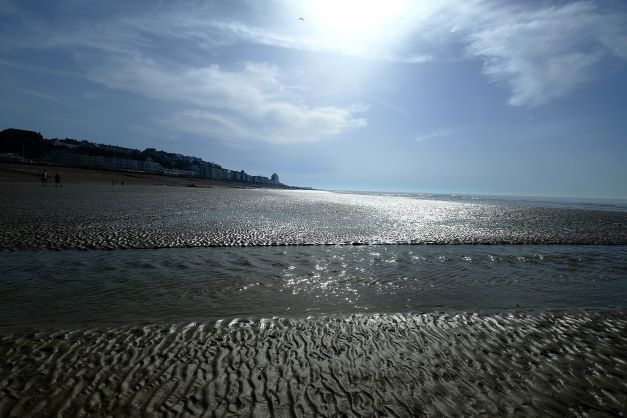
The beach is popular but 1st thing in the morning it is quiet with only a few dog walkers and runners.
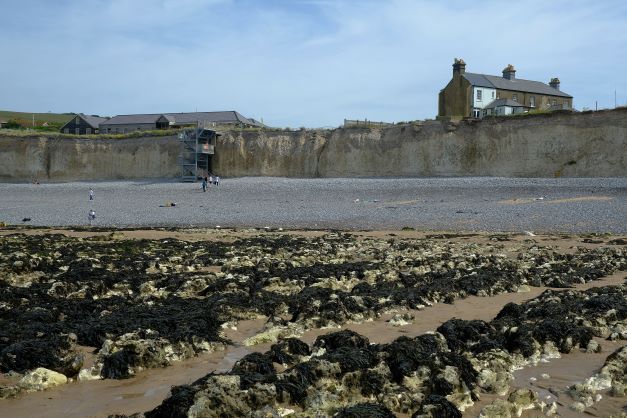
A coastal hamlet nestled between the Seven Sisters and Beachy Head is Birling Gap a place where you can get down to the beach via a stairway. The area is managed by the National Trust above the beach is a visitor centre car park and a cafe.
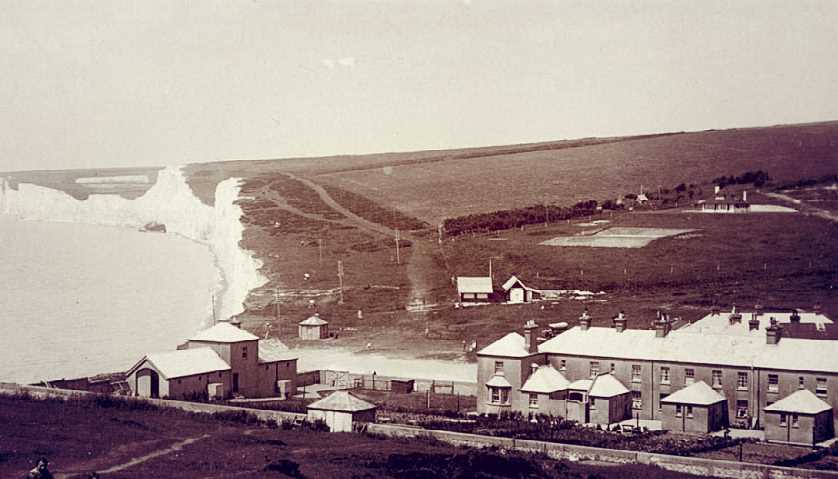
Eight cottages were built at Birling Gap for the Coastguard in 1878. Today only 3 remain in 1973 due to the eroding cliff, one of the cottages was demolished again in 1994 another cottage was demolished. 2002 and 2014 lead to the loss of 2 more homes!
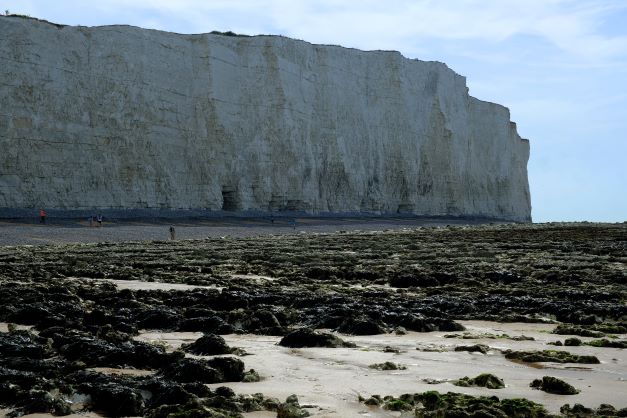
This is the first time I visited the gap when the tide was out. You can access the beach via a staircase.
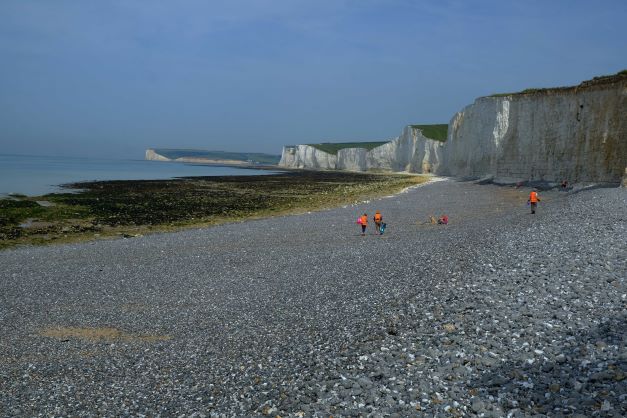
Seven Sister – is what the cliffs are known to the west of the gap.
The cliffs to the east.
A view of the gap in the 1920s from an old postcard showing the row of coastguard cottages and coastguard rocket house.
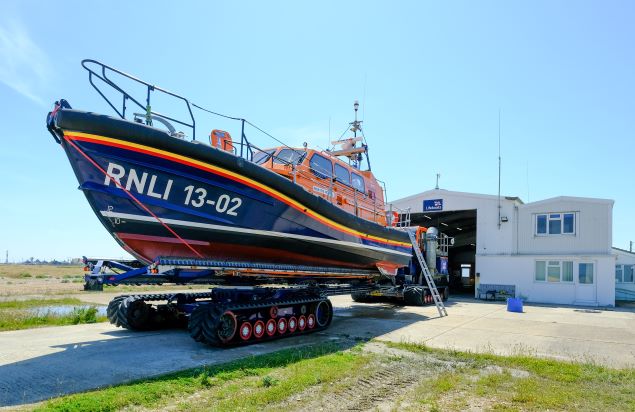
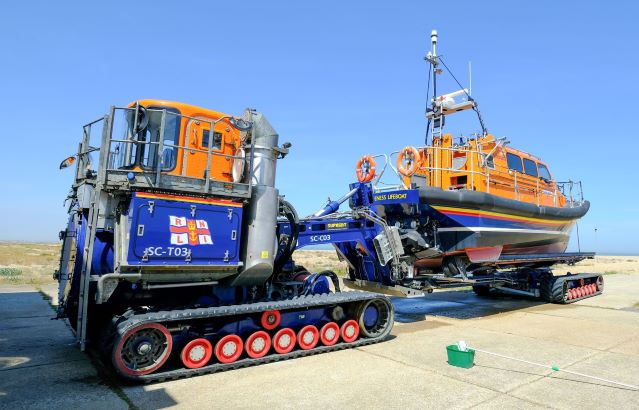
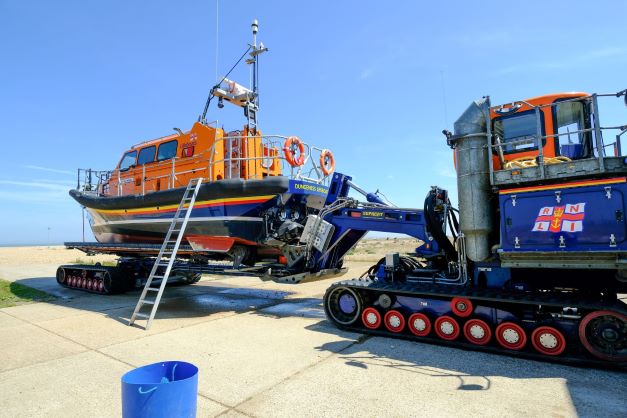
Dungeness Lifeboat Station has a Shannon class lifeboat. The Morrell was named on 31 May 2014 by HRH Princess Royal. In 1940, the Dungeness lifeboat was one of 19 that took part in the evacuation of Allied troops from Dunkirk in northern France. We were lucky to see the lifeboat out of the lifeboat house when we visited as she had just had a wash and was drying in the sunshine.
EDIT.
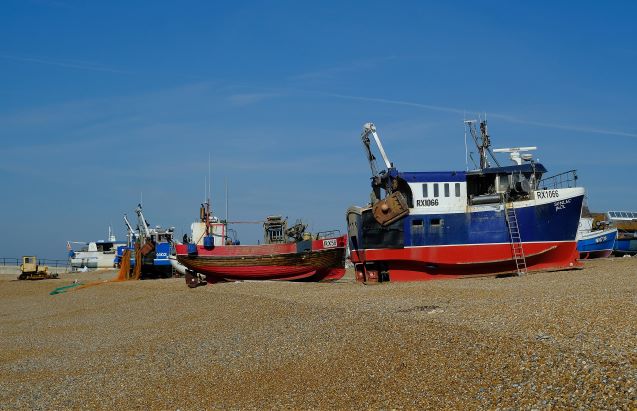
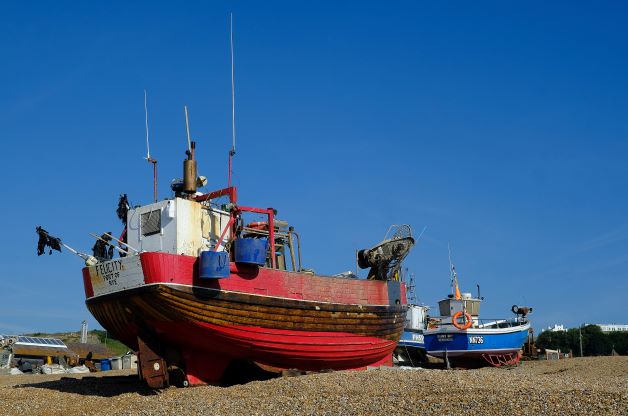
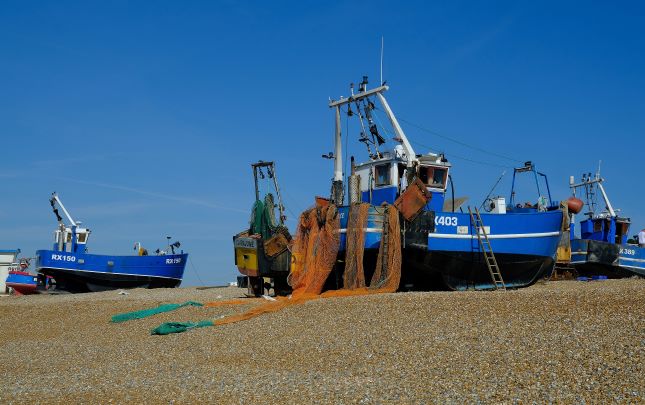
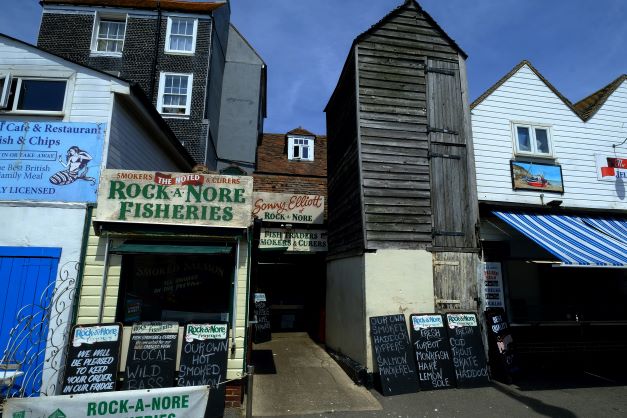
I have edited and added the launching tractor of a Shannon class lifeboat at Hastings just along the coast I filmed in 2018















 Continued Reflections from my World.